16 min. reading

Yulii Cherevko
CEO paintit.ai
Key takeaways
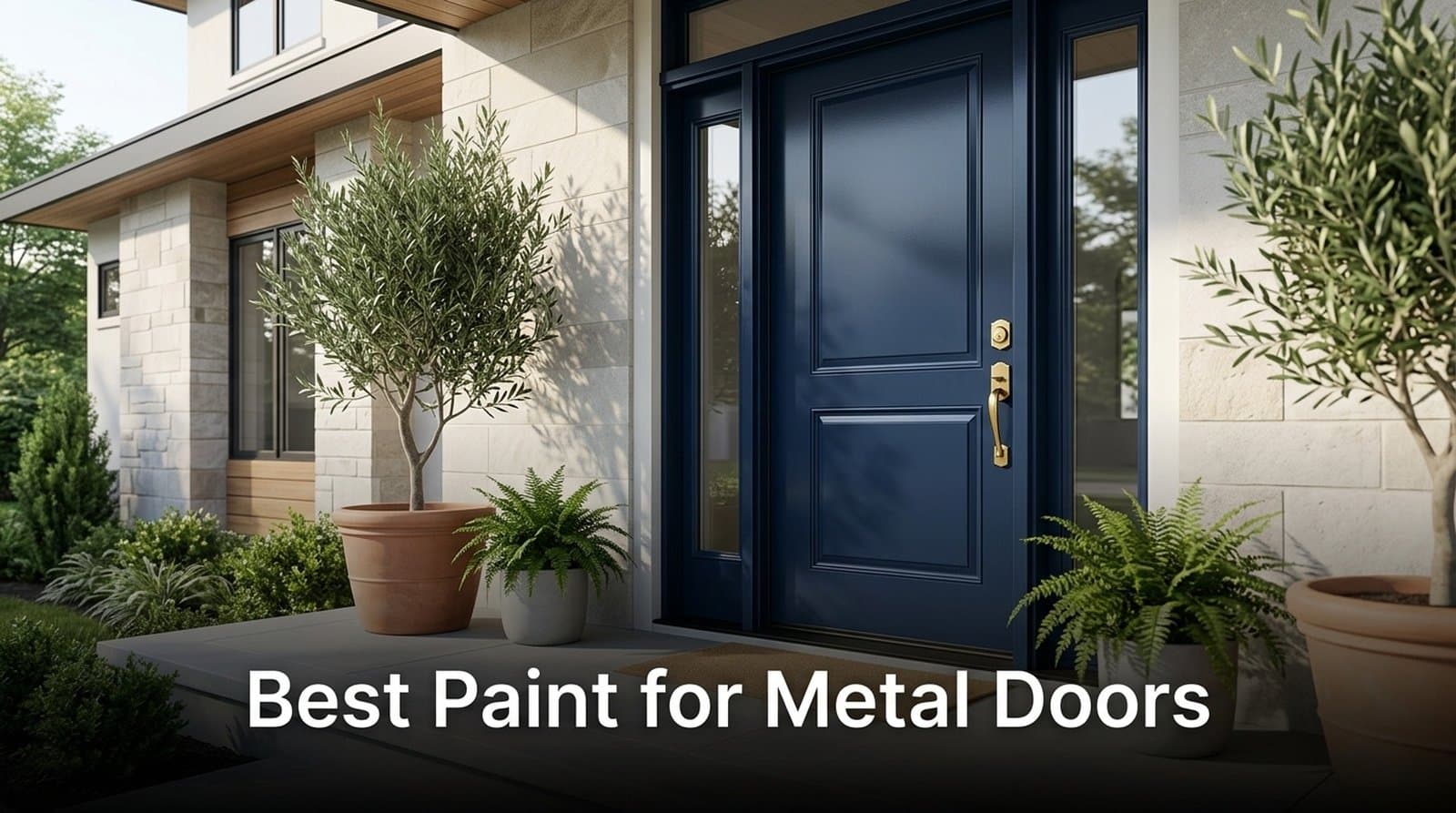
The best paint for metal doors is usually a direct-to-metal acrylic enamel, or a high-grade exterior acrylic used with a rust-inhibiting primer. For most exterior steel doors, that 2-part system gives you the strongest mix of adhesion, rust resistance, UV stability, and color retention.
Color is only half the decision. Metal is non-porous, reactive, and not especially forgiving: the wrong type of paint for metal door surfaces can peel, flash-rust, or put every small dent on display under a glossy finish.
If you are planning to refresh your front entry, start with the paint chemistry, then test the color on the house before you buy. We found that metal door projects work best when the workflow has a clear rhythm: inspect, degrease, sand, prime, paint, then visually review the whole facade so the door color feels personal rather than accidental. For broader entryway color planning, you can also compare ideas for a stronger front-door finish before committing to a can.
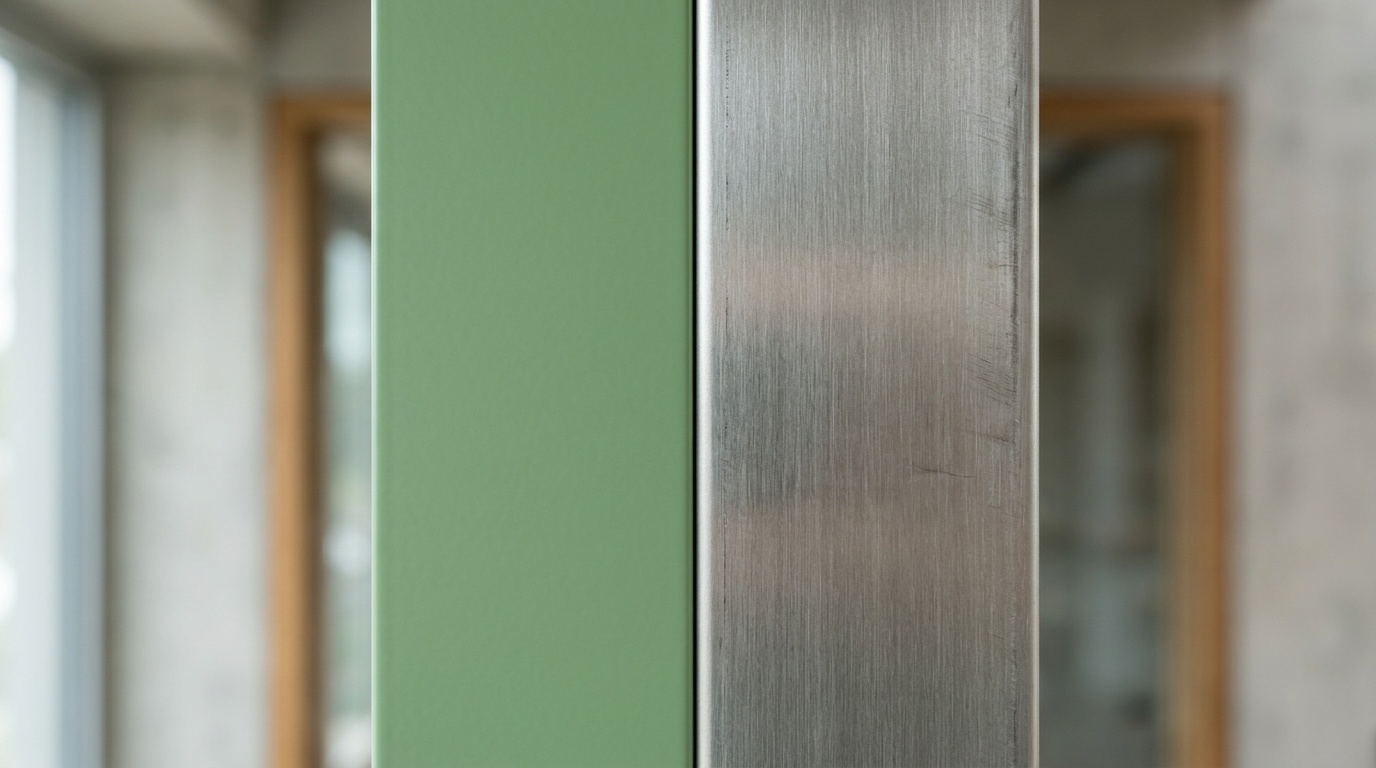
Metal doors need specialized coatings because paint cannot soak into steel, iron, or aluminum the way it can into wood. A durable system needs 3 things: chemical adhesion, corrosion control, and enough flexibility to handle heat expansion without cracking, bubbling, or flaking from the surface.
Standard wall paint struggles on metal because it has very little mechanical “bite.” On drywall, paint grips tiny pores. On metal, the surface is dense and smooth, so the coating sits on top like a film. Any oil, factory residue, rust dust, or old failing paint becomes the weak layer between the door and the new coating.
The second issue is reactivity. Bare steel and iron start oxidizing when exposed to oxygen and moisture. If a water-borne coating sits on raw metal too long before forming a protective film, the water in the coating can trigger flash rusting. That is why applying ordinary latex straight onto raw steel is risky, even if the label says it works outdoors.
Aluminum has its own personality. It does not rust like steel, but it oxidizes and may reject paint if the surface is chalky or glossy. A bonding primer often matters more than a heavy rust primer on aluminum.
This is also why paint for metal doors should be treated as a coating system, not a single product. Primer and topcoat must be compatible. If the door has 4 visible conditions in one area—old paint, exposed steel, rust pits, and glossy factory coating—you may need spot treatment before the main primer goes on.
For steel siding, the same substrate logic applies. The best paint for steel siding is usually a flexible exterior acrylic or DTM acrylic because siding expands and contracts across large panels, sometimes several millimeters across a wide wall plane in direct sun.
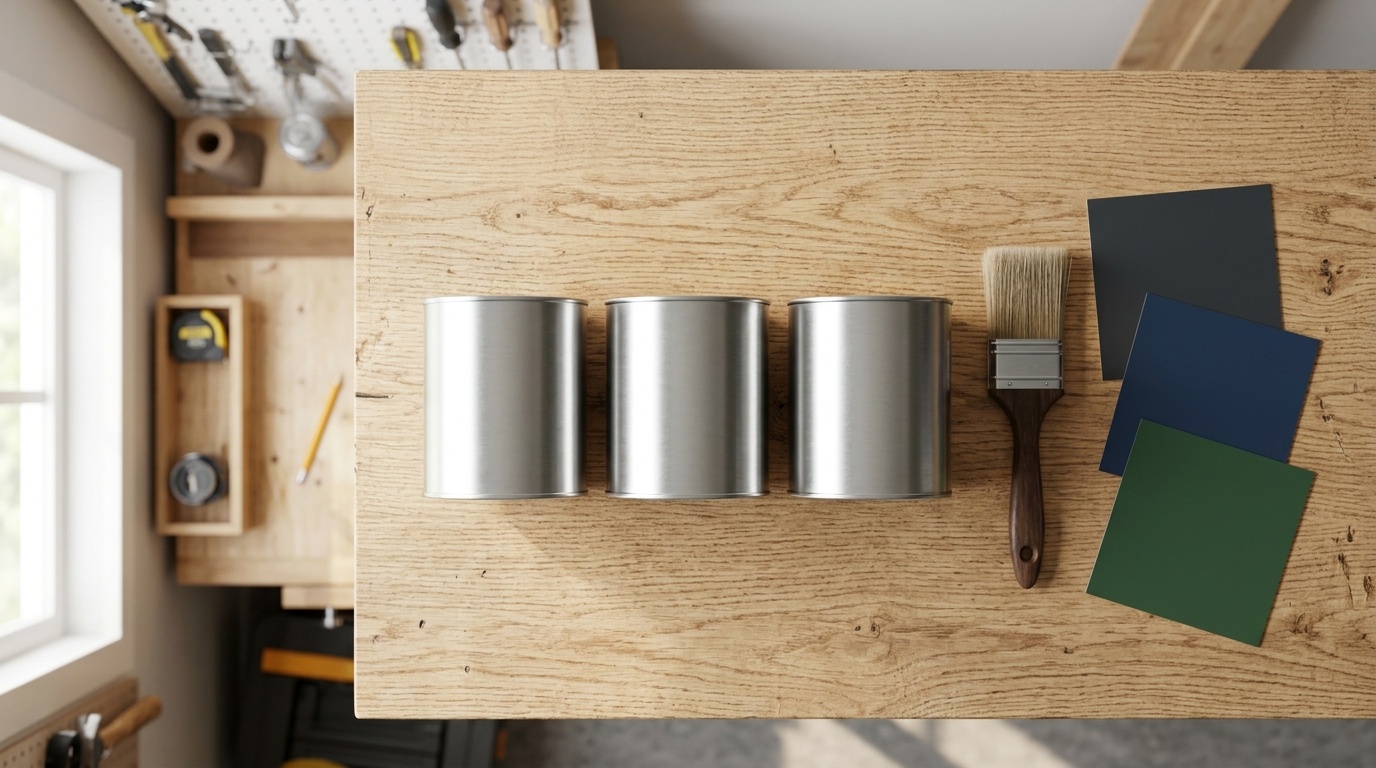
The best paint for metal doors depends on your main problem: rust, sunlight, cleanup, or speed. In 2026, most reliable choices fall into 4 families: standard latex, exterior acrylic, oil-based alkyd enamel, and direct-to-metal acrylic enamel.
Here is the practical comparison.
| Paint type | Best use | Strength | Weak point |
|---|---|---|---|
| Latex paint | Previously painted interior metal with sound primer | Easy cleanup and low odor | Poor choice for raw steel |
| Exterior acrylic | Sun-facing exterior doors | Good color retention and flexibility | Needs the right primer on bare metal |
| Oil-based alkyd enamel | Moist, shaded, high-contact doors | Hard film and strong moisture resistance | Slow drying and can yellow or chalk in UV |
| DTM acrylic enamel | Steel doors, frames, security doors, light commercial use | Adhesion and corrosion additives in one coating | Still needs prep and may need primer on active rust |
Latex is the option people misunderstand most. People often ask what kind of paint for metal door projects is easiest, and latex looks attractive because it feels familiar. But standard latex is not automatically the safest choice for raw steel. It can work over a stable, primed, previously painted door, but it should not be treated as a rust-control product.
Exterior acrylic is often the best everyday answer for what type of paint for exterior metal door projects when the door faces sun. Acrylics hold color better than oil-based finishes and stay more flexible as the metal heats and cools. The catch is primer. Use a dedicated rust-inhibiting primer on raw steel and a bonding primer on slick factory finishes.
Oil-based alkyd enamel cures into a hard, moisture-resistant barrier. It is a good option for a shaded service door, basement entry, or older steel door in a humid area. The trade-off is drying time, odor, and UV behavior. On a sun-facing entry, oil-based paint can yellow, fade, or chalk faster than a high-grade acrylic system.
DTM acrylic enamel is the modern middle path. DTM stands for direct-to-metal, meaning the coating is formulated with resins and corrosion-inhibiting additives that help it bond to properly prepared metal. It is often the best paint for metal security door surfaces because mesh, scrollwork, and tight corners trap moisture and need a coating designed for metal contact.
Interior conditions are simpler. Interior metal door paint does not need to fight rain or UV exposure, so a quality acrylic enamel, water-based trim enamel, or interior alkyd can perform well if the surface is clean, scuffed, and properly primed.
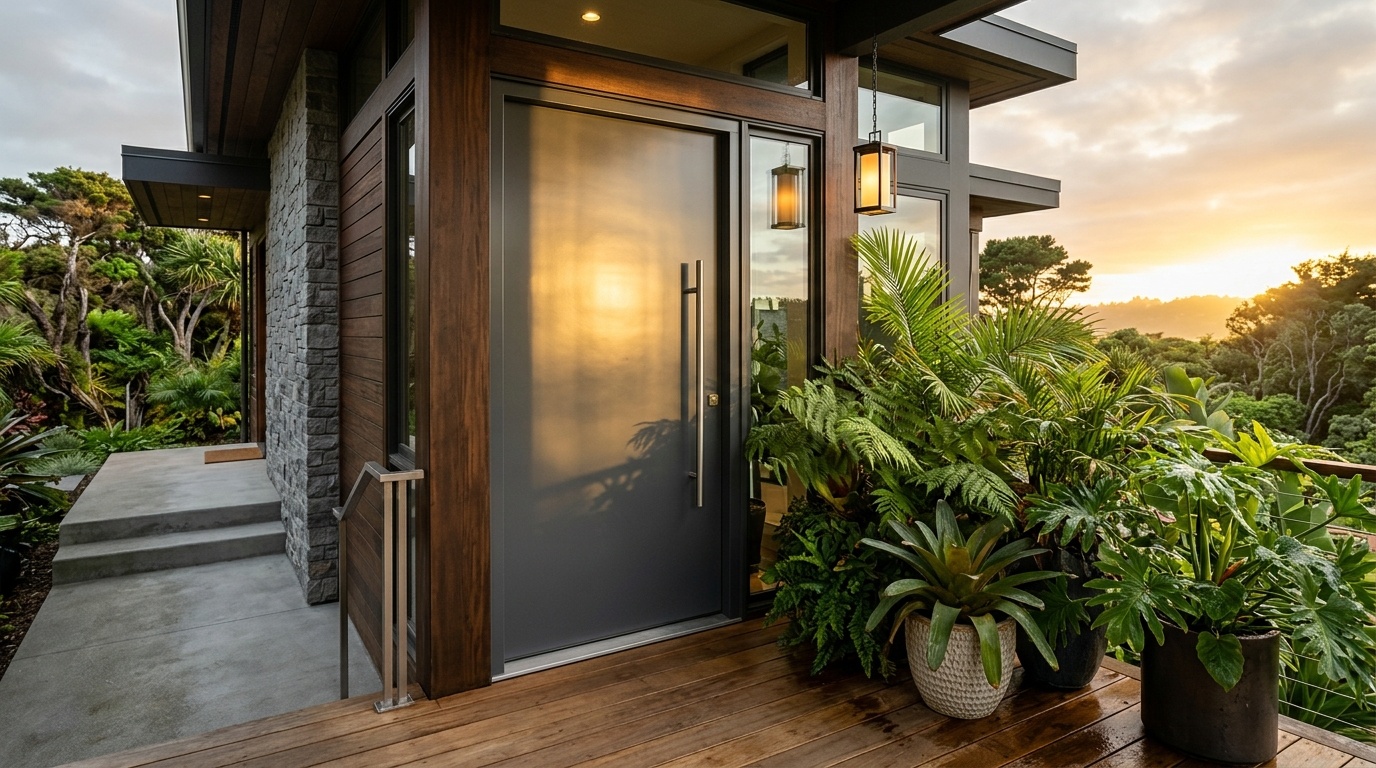
Paint selection changes once you separate 2 enemies: UV exposure and moisture. Sun-facing doors need color-stable acrylic systems; shaded, humid, or coastal doors need stronger rust control. The most durable choice is not universal. It depends on which force attacks the door hardest every day.
A south- or west-facing metal front door can get hot enough to soften weak coatings and stress the paint film. Dark colors absorb more heat. If you choose black, charcoal, deep green, or navy, use an exterior acrylic or DTM acrylic with strong UV resistance, and avoid thick coats that trap solvent or water underneath.
A shaded door has the opposite problem. Less sun means slower drying. Moisture lingers around hinges, bottom edges, weatherstripping, and decorative seams. In that case, a rust-inhibitive primer plus exterior paint for metal gives better insurance than a color-driven purchase.
Here is the decision rule we use in practical planning:
Finish matters as much as chemistry. High gloss sheds dirt and fingerprints, but it reflects light sharply. On a perfectly flat new door, that can look crisp. On a dented steel slab, high gloss can make every wave visible. Semi-gloss is often more forgiving while still being washable.
Before painting a metal front door, test color temperature against the siding, trim, roof, hardware, and porch shadows. A color that looks calm on a paint chip can feel too blue, too green, or too glossy at full scale. If color confidence is the question, it helps to compare palettes with your home’s fixed materials before buying the coating system.
Most failures happen before the first coat dries. The 3 costly mistakes are skipping degreasing, painting over active rust, and choosing a finish that exaggerates defects. These errors can turn a simple weekend paint metal door project into sanding, stripping, and repainting work.
The first mistake is painting over oil. New metal doors can arrive with factory residue. Older doors collect hand oils, road film, pollen, and silicone from cleaners. Paint over that invisible layer and the coating bonds to the contamination, not the metal. Degrease first, rinse clean, and let the surface dry fully.
The second mistake is hiding rust instead of removing it. Paint does not stop active oxidation underneath. Rust expands as it grows, pushing the coating away from the surface. Wire-brush rust to firm metal, sand feathered edges, wipe away dust, and spot-prime with a rust-inhibiting product before full priming.
The third mistake is choosing gloss for the wrong reason. Gloss and semi-gloss are easier to clean, which is useful around handles and locksets. But a high-gloss finish can magnify 1-millimeter dents, shallow waves, sanding scratches, and patched rust pits. If your door is older, semi-gloss or satin enamel may look more seamless.
For a best paint for metal security door workflow, pay special attention to mesh and decorative metalwork. These areas trap water in tight joints. Brush application can miss the back side of scrollwork, while heavy spray application can create drips. Two light coats are safer than 1 heavy coat.
Hardware is another common failure point. Remove what you can, tape what you cannot, and avoid painting lock cylinders, weatherstripping, hinges, or threshold contact points. A clean edge around hardware looks intentional and keeps the door working smoothly.
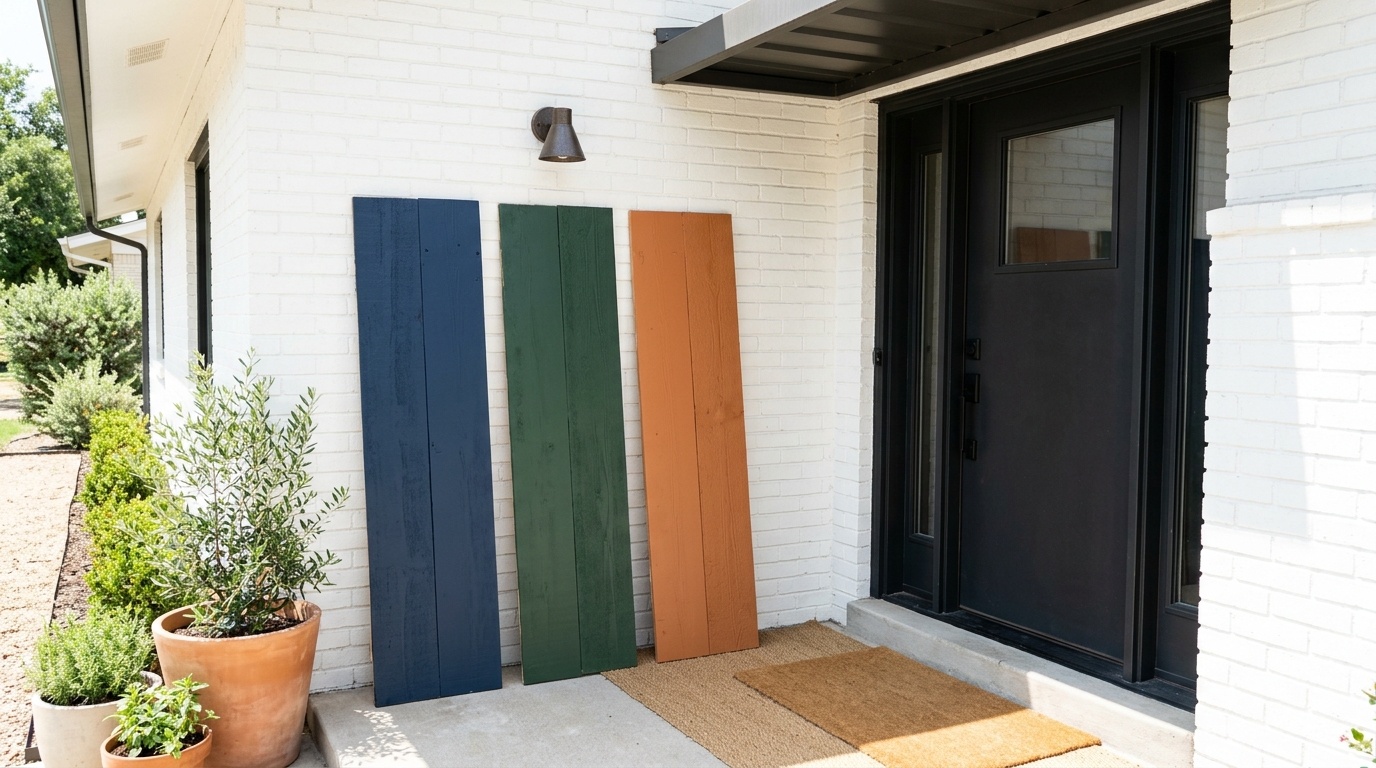
Digital previewing helps reduce color and finish mistakes before the physical prep begins. Metal doors are hard to correct because stripping failed paint often means chemical remover, scraping, sanding, and repriming. Testing 3 to 5 colors first creates a calmer flow from idea to buy.
Based on Paintit.ai data, 13.2% of prompts directly ask to paint or repaint surfaces. That tells us people are highly motivated by color change. But only 12.0% use keep or don’t change constraints, and only 8.8% use negative constraints. The pattern is clear: users often picture the final color before they account for hardware, rust, sheen, or surrounding materials.
That is natural. A new door color feels personal and instant in your head. The material work is slower. At Paintit.ai, we often see users eager to change metal doors with new colors, and we also see why an intuitive visual workflow needs practical guardrails.
A good prompt for a metal door preview is specific:
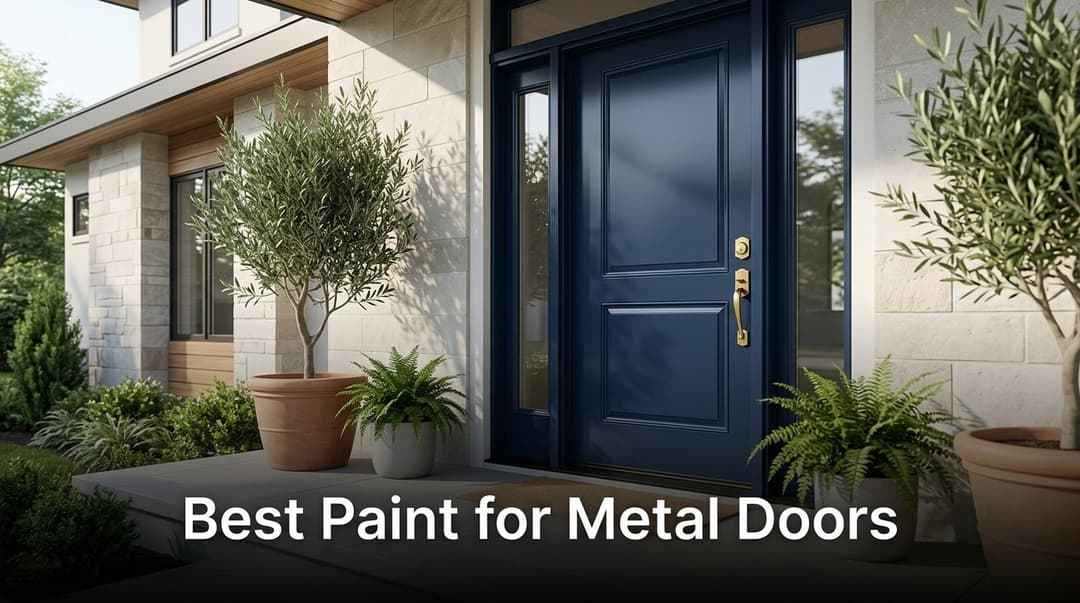
Paint the metal front door deep navy in a semi-gloss finish. Keep the brick, trim, roof, hardware, glass, and landscaping unchanged. Do not change the door shape or add new panels.
This kind of constraint-based prompt mirrors real job-site discipline. Protect what stays. Change only what should change. In our renders, that small habit improves decision quality because it keeps attention on the door instead of accidentally shifting the whole exterior style.
Use a clear straight-on photo in daylight, then test 3 finishes: satin, semi-gloss, and gloss. Semi-gloss often gives the best rhythm between durability and forgiveness. Gloss can look sharp on a new smooth steel door, but on an older surface it may show imperfections too clearly.
You can experiment with shade options using a quick color test on your own photo. Paintit.ai can help with color harmony, finish feel, and curb appeal planning. It cannot diagnose structural rust, test adhesion, or replace sanding and priming. The digital step answers “what should it look like?” The physical workflow answers “how do we make it last?”
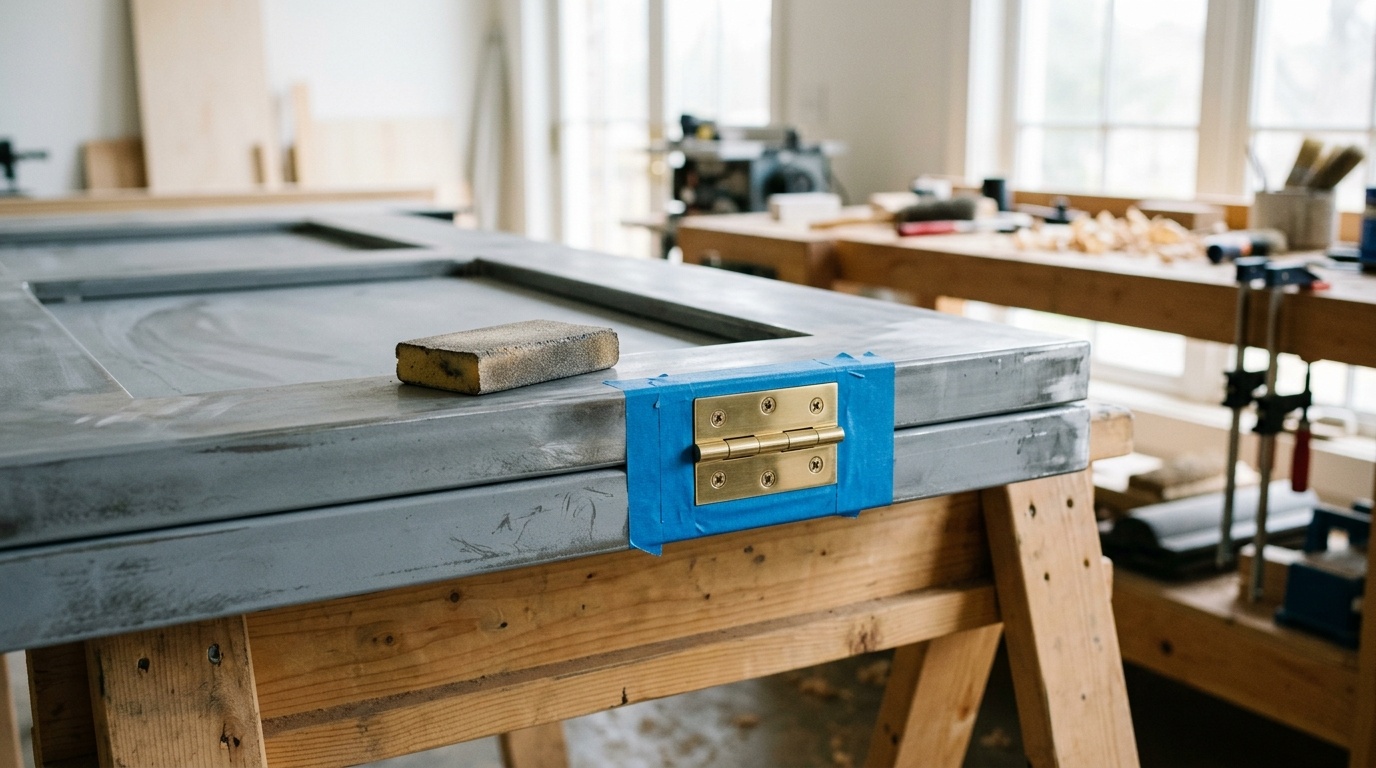
The right method for how to paint metal doors is an 8-step process: inspect, clean, remove hardware, sand, treat rust, prime, apply thin coats, and cure. Skipping even 1 step can reduce adhesion and shorten the life of the finish.
Start with inspection. Look at the top edge, bottom edge, hinge side, lock area, and weatherstrip contact points. These spots fail first because they collect water, friction, or oils. If the old coating is peeling in sheets, plan more prep time than paint time. Annoying, yes. Cheaper than repainting twice.
If you are painting a metal door in place, keep the door slightly open while it dries and watch the weather window. A calm, dry day between roughly 50°F and 85°F is usually more forgiving than a hot afternoon in direct sun. For whole-home context, you can preview the full facade before sanding begins so the door color works with siding, shutters, trim, and porch materials.
A metal door repaint is small, visible, and high-impact because 1 surface sits at the center of the entry experience. If the door color, sheen, and hardware feel intentional, the whole exterior reads as better maintained before anyone steps inside.
That does not mean every door should be black or red. A strong resale-minded choice respects the home’s fixed elements: brick undertone, siding temperature, roof color, stone, porch flooring, and hardware finish. The most expensive-looking result is often the most coherent one.
Use a 3-part color check before buying paint:
For example, a charcoal semi-gloss can feel grounded on a white or pale gray exterior, while the same color may disappear against dark siding. A warm deep green may work beautifully with cream trim and brass hardware, but look muddy beside cool blue-gray siding. The color is not isolated; it is part of the house’s visual rhythm.
This is also where commercial-grade coatings deserve attention. A premium paint system costs more upfront than basic wall paint, but the labor is the real investment. If prep takes 4 hours and coating takes 1 hour, saving a small amount on the wrong topcoat is false economy.
For property managers, the logic is even stricter. A shared entry or service door may receive dozens of touches per day. In that setting, washability, chip resistance, and a consistent maintenance color matter more than a trendy finish.
The most common questions about metal door paint come down to 5 decisions: primer, paint chemistry, hinges, weather exposure, and curing time. Once those are clear, choosing the right product gets much easier.
A DTM acrylic enamel or exterior acrylic enamel over a rust-inhibiting primer is usually best. If you are asking what type of paint for exterior metal door projects in high sun, choose acrylic for UV stability. In damp shaded areas, prioritize stronger rust protection.
You can skip primer only if the door is factory-primed, the existing coating is sound, and the new paint is compatible. Bare steel, rust spots, glossy old paint, and patched areas need primer. Otherwise, peeling or flash rust can appear quickly.
For interior doors, high-quality acrylic enamel or interior alkyd enamel usually works well. Interior metal door paint does not need the same UV or rain resistance as exterior coatings, but it still needs cleaning, sanding, and a bonding primer on slick surfaces.
Oil-based alkyd paint gives a hard, moisture-resistant film, which helps in damp or shaded locations. Acrylic paint usually performs better in direct sun because it resists yellowing and color fade. The better choice depends on whether moisture or UV is the bigger threat.
Yes, many steel doors can be painted while still on their hinges. Keep the door open, tape hardware carefully, protect the floor, and avoid thick coats on edges. Removing the door can help with control, but it is not always necessary.
The reliable formula is simple: choose the right coating, prepare the metal properly, and preview the color before committing. If you follow those 3 rules, the best paint for metal doors will look cleaner, resist rust longer, and fit the home more naturally.
For most homeowners, the safest system is exterior acrylic or DTM acrylic over the correct primer. Use oil-based alkyd when moisture resistance matters more than UV color stability. Avoid ordinary latex on bare steel, especially without a rust-inhibiting primer.
The visual choice still matters. A metal door is small enough to repaint, but difficult enough to punish rushed decisions. Test the shade, respect the substrate, and keep the process seamless: idea, image, prep, primer, paint. If you want to compare the final coat before buying supplies, preview it on your current home photo and move forward with a clearer plan.