5 min. reading

Yulii Cherevko
CEO paintit.ai
Finding the right wall painting ideas can feel like a huge commitment. You know a change is needed, but the fear of choosing the wrong color or a pattern that doesn’t fit can be paralyzing. The good news? You no longer have to rely on tiny paint swatches and guesswork. With a tool like Paintit.ai's virtual room designer, you can upload a photo of your room. Instantly, you'll visualize different options right in your own space, turning uncertainty into a creative, confident design process.
Choosing a paint design from a Pinterest board is one thing. Seeing it on your own walls, with your furniture and your lighting, is another entirely. This is where the real challenge often lies. A color that looked perfect in a staged photo can feel too dark in your lower-light living room, or even clash with your flooring’s undertones.
Based on Paintit.ai user data, we know that people think specifically about their own spaces—in fact, 22.1% of user prompts mention a specific "room." This highlights a core need: personalization. Visualization tools bridge the gap between inspiration and reality. They allow you to:
Paint is one of the most effective and affordable ways to transform a space. But its impact goes far beyond aesthetics. The colors and patterns you choose influence the mood, the perception of size, and the overall feeling of a room. It's a personal expression that can make a house truly feel like a home. In fact, a joint report from the National Association of REALTORS® and the National Association of the Remodeling Industry (NARI) highlights that homeowners undertake such projects primarily to increase their happiness and satisfaction with their home (read the Remodeling Impact report).
The right wall paint ideas can solve common design problems:
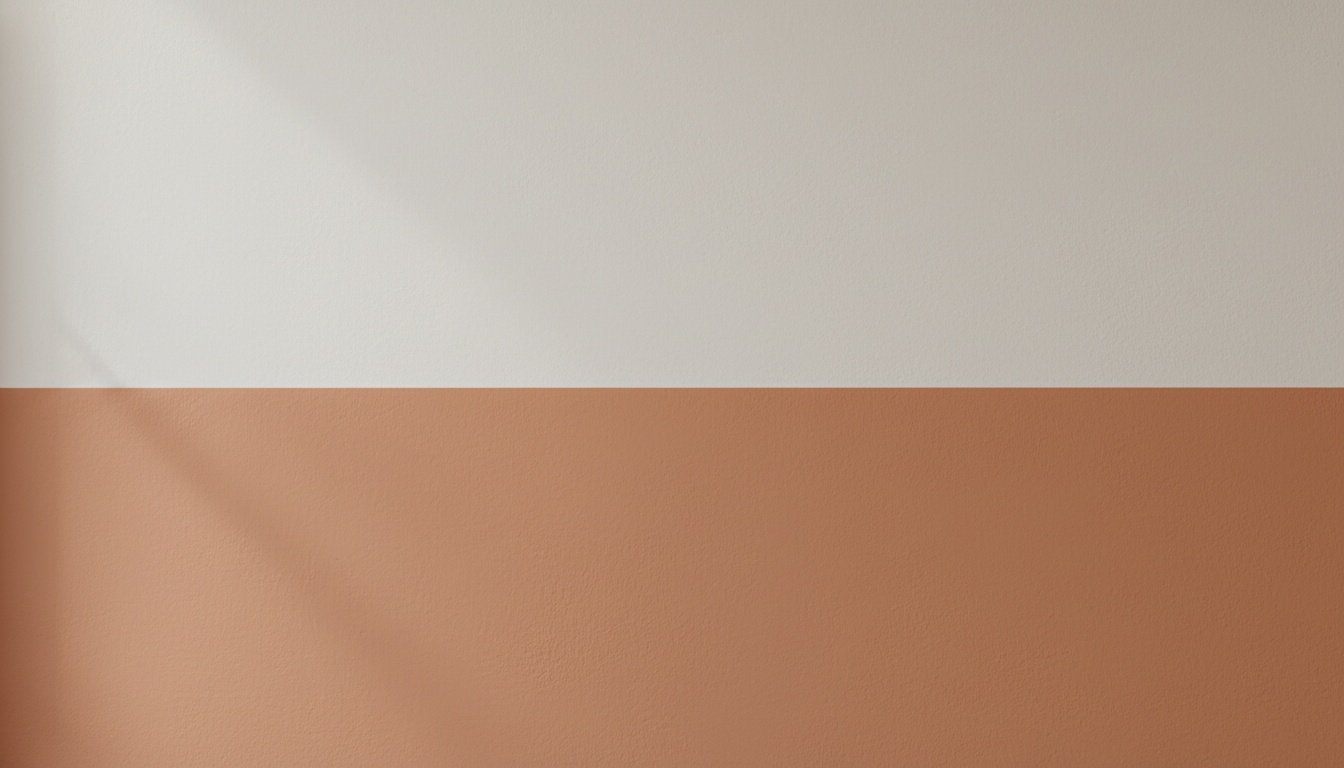
Moving beyond four walls of the same color opens up a world of creative possibilities. Here are some of the most effective and popular painting designs on walls, from simple to more ambitious.
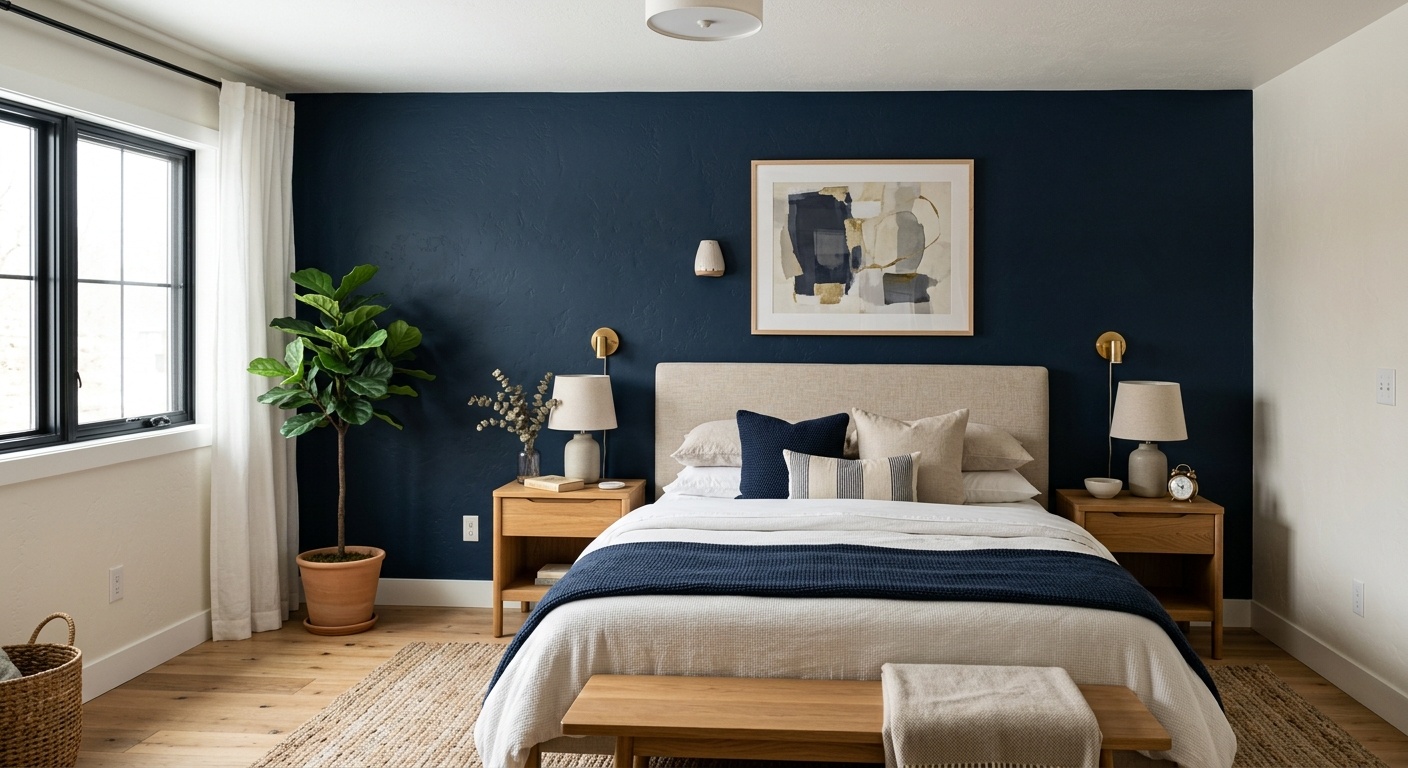
This is one of the most popular wall paint ideas for a reason: it's simple, high-impact, and works in almost any room. An accent wall is a single wall painted in a different color or pattern from the others.
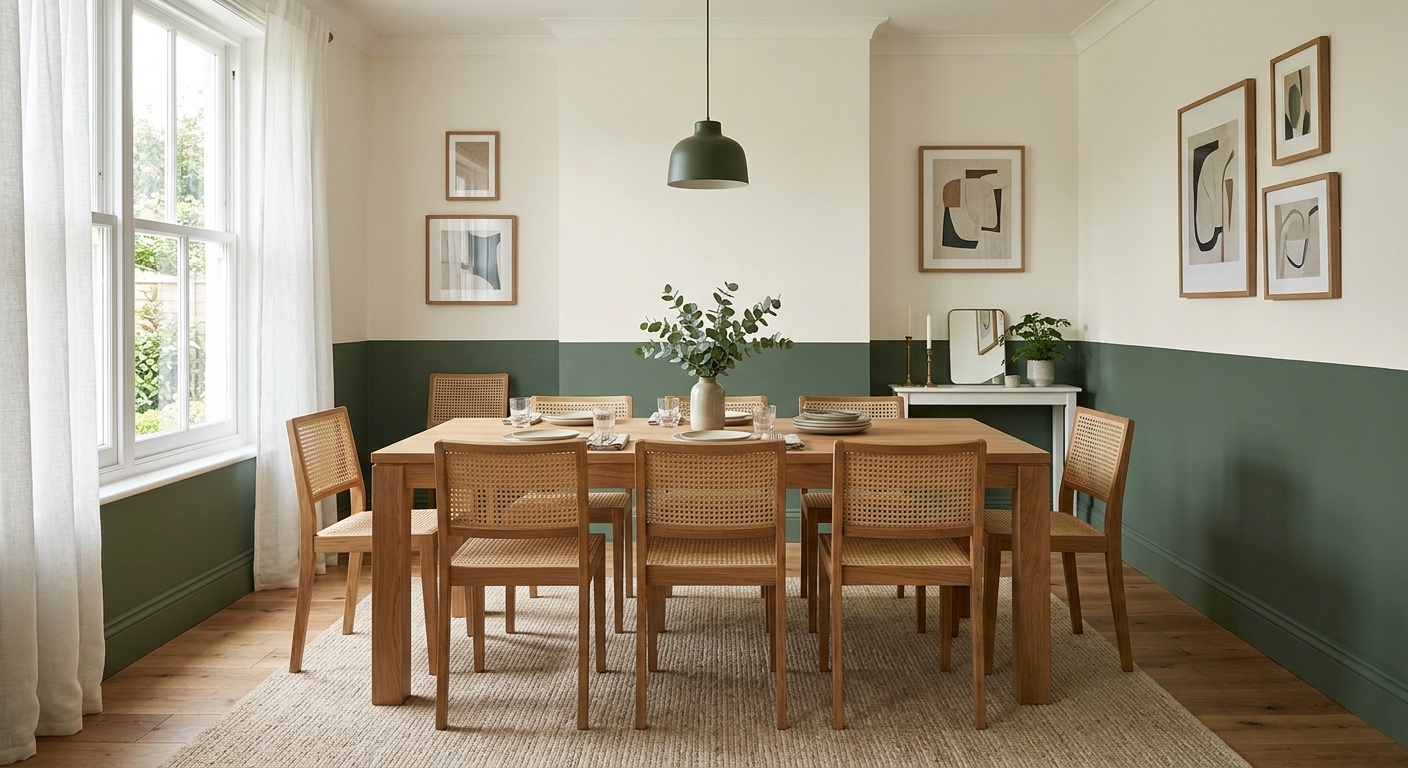
A two-tone wall, often split horizontally, is a modern and stylish choice. This can be a crisp half-and-half split, or you can create a "color-dipped" effect with a rough, uneven edge.
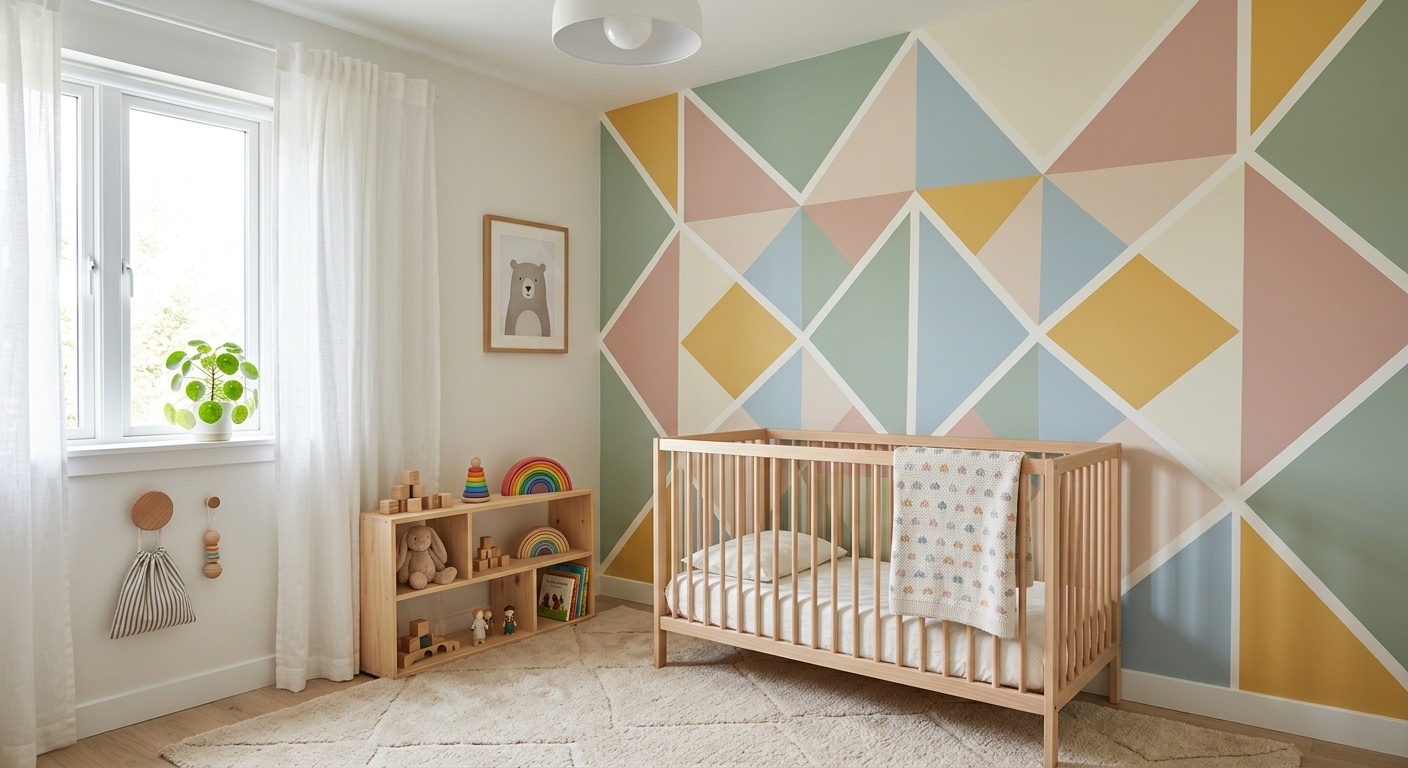
From classic vertical stripes to dynamic chevrons and color-blocked shapes, geometric patterns offer endless DIY wall painting ideas. This is a great way to introduce multiple colors and a sense of energy.
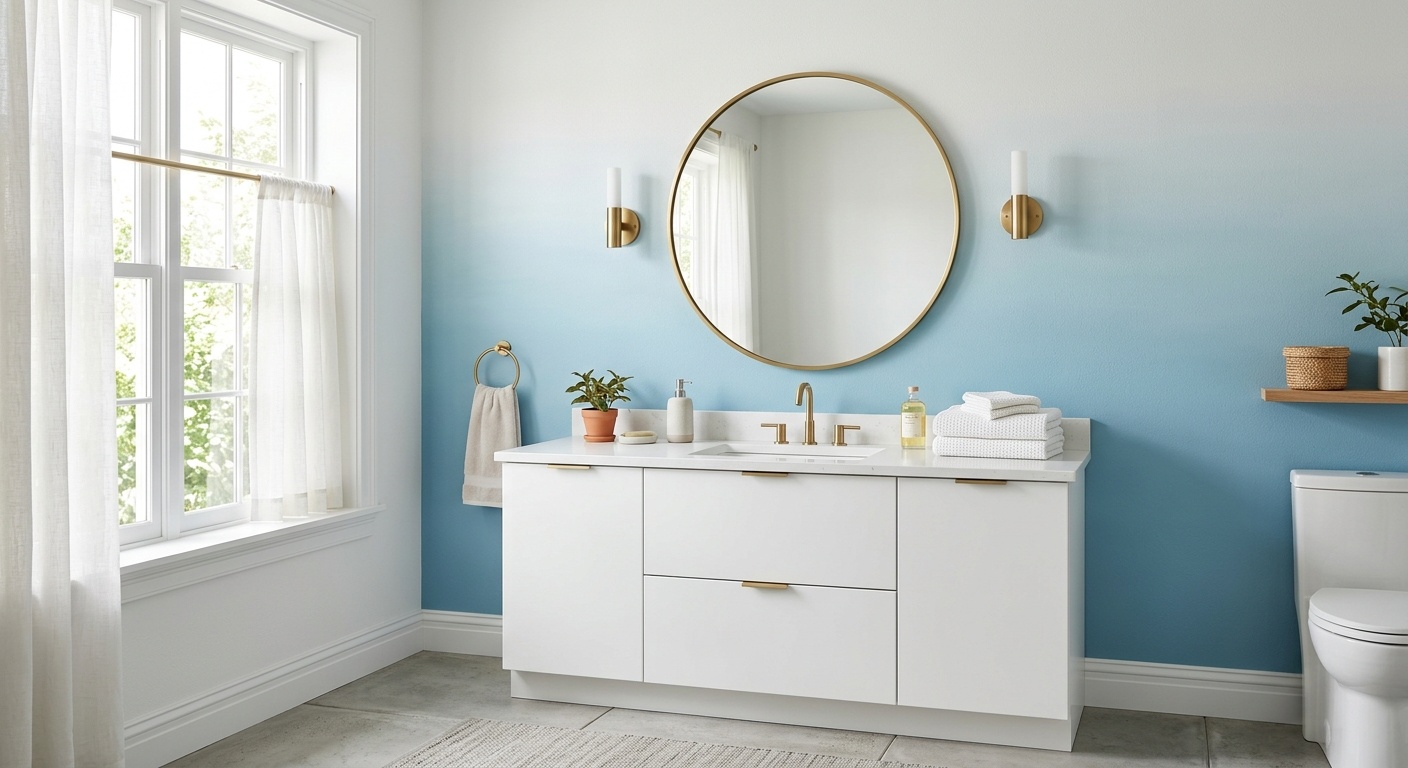
For a softer, more artistic feel, consider an ombre wall where one color gradually fades into another. Textured effects, created with sponges or special paint additives, can also add subtle depth and character.
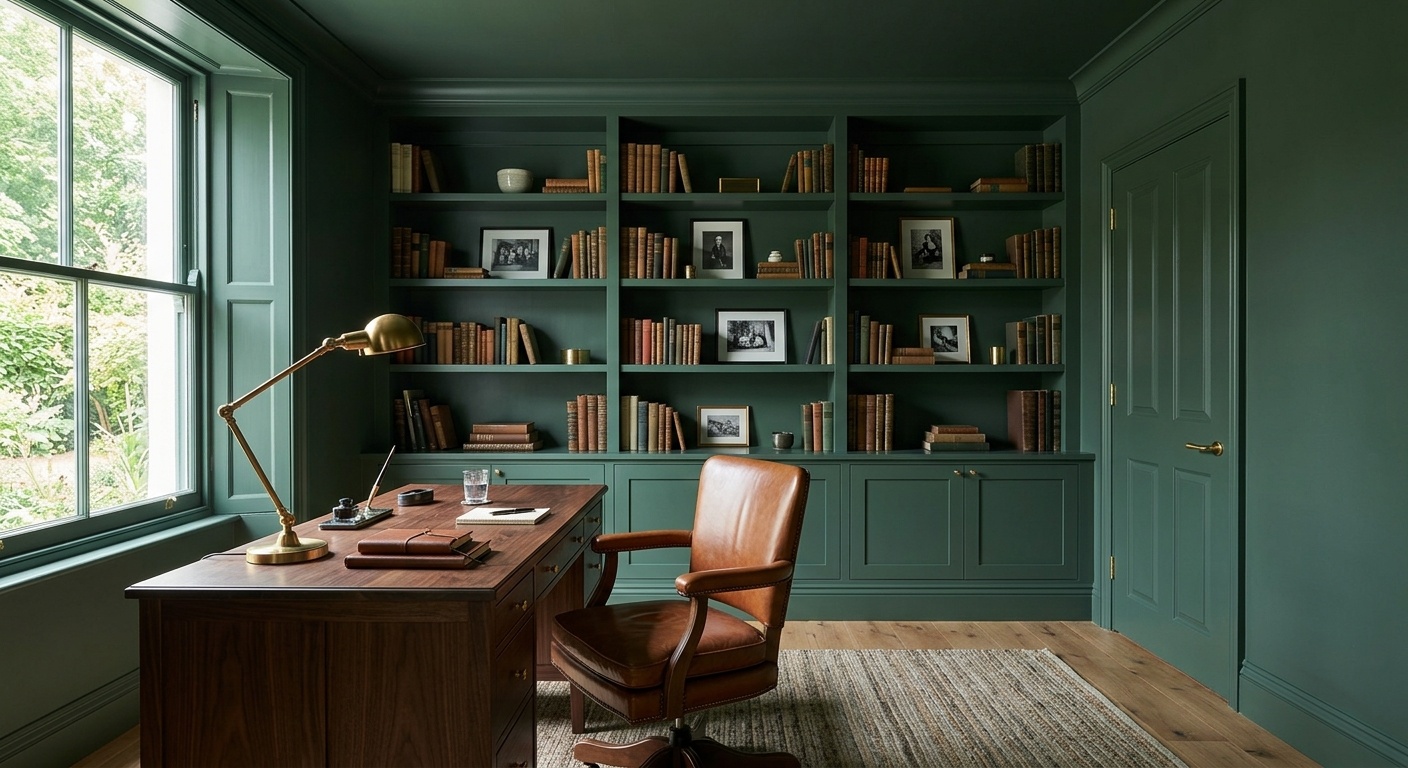
This bold technique involves painting the walls, trim, doors, and sometimes even the ceiling in the same shade.
With so many simple wall painting ideas available, how do you choose the right one? Instead of picking randomly, consider your room's specific needs and your personal style.
| Goal | Best Paint Technique | Why It Works | Easy Mistake | Paintit.ai Quick Fix |
|---|---|---|---|---|
| Create a Focal Point | Accent Wall | Instantly draws the eye to a specific area, adding drama and focus without overpowering the room. | Choosing the wrong wall (e.g., a cluttered wall with windows and doors). | Test the accent color on multiple walls in your photo to see which has the most impact. |
| Make Room Feel Taller | Vertical Stripes, Half-Wall | The upward motion of vertical lines or a lighter top half draws the eye upward, creating an illusion of height. | Making stripes too narrow or busy, which can feel chaotic. | Visualize wide, two-tone vertical stripes versus thin pinstripes to find the right scale. |
| Add Modern Energy | Geometric Patterns | Sharp lines and bold shapes introduce a dynamic, graphic quality that feels contemporary and energetic. | A pattern that's too complex for the room's size or your DIY skill level. | Start with a simple design of 2-3 large shapes and see the effect before planning a complex mural. |
| Create a Cozy Vibe | Color Drenching, Warm Colors | Using a single, enveloping color (especially a warm one) eliminates harsh contrasts and creates a calming, cocoon-like feel. | Choosing a color that's too dark for a room with little natural light. | Apply the color drenching effect and see if the room feels cozy or just cave-like in your actual photo. |
| Define an Open-Plan Area | Painted Arch, Color Blocking | Uses color to create a "room within a room," visually separating a workspace from a living area, for example. | The defined zone feels disconnected from the rest of the space's color palette. | Test colors for the "zone" that are shades of or complementary to the main room color for a cohesive look. |
The gap between a beautiful idea and a successful project is visualization. It's hard to imagine how a two-foot-wide stripe will really feel in your hallway just by looking at a can of paint. This is why a digital try-on process is so valuable.
At Paintit.ai, we've designed a seamless flow that mirrors how you naturally think about design. It's not about knowing complex software; it's about having a conversation.
You can virtually test paint colors and techniques to find easy patterns to paint or explore more complex designs without any risk. Remember that the final result in real life can be affected by your specific lighting and paint finish, so always use the digital render as your final guide, not an exact replica.
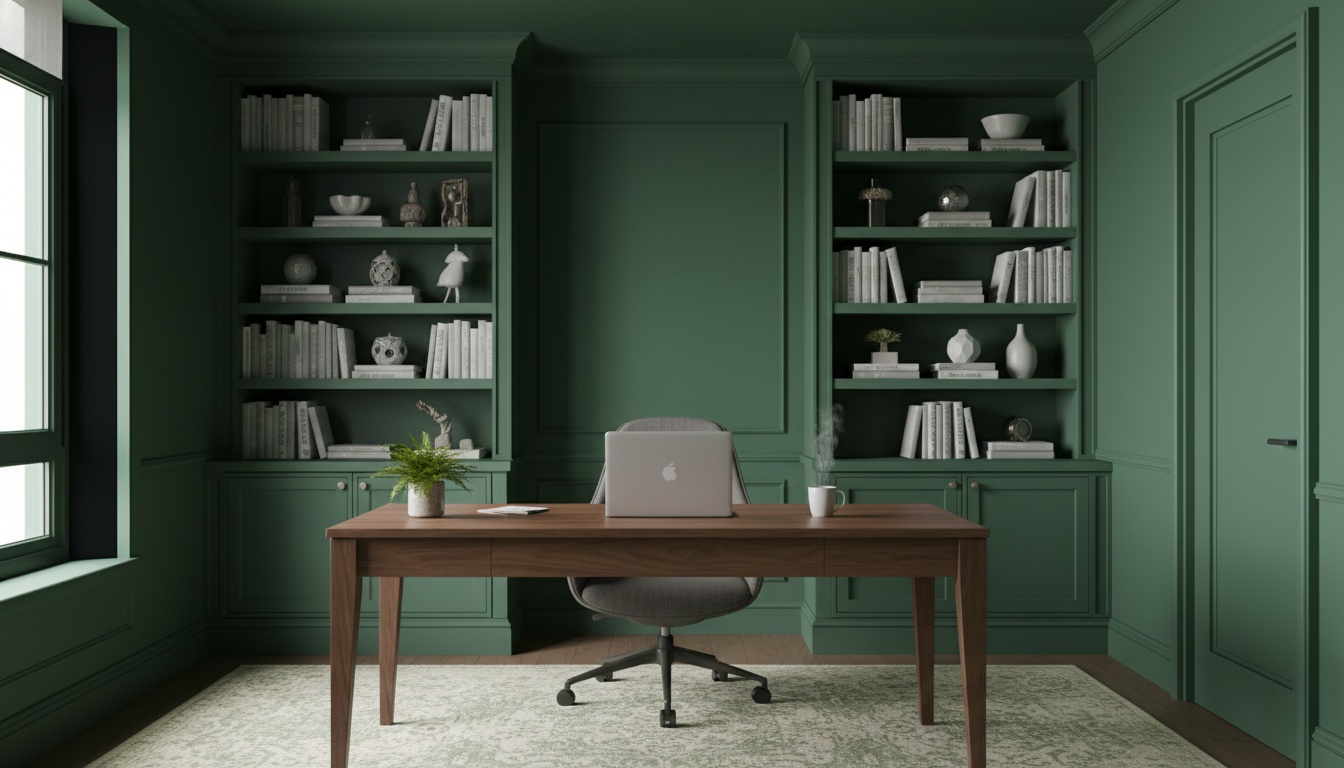
Even simple wall painting designs ideas can go wrong if the execution is flawed. Here are some common issues and how to sidestep them.
| Problem | Likely Cause | Fast Fix | Paintit.ai Try-On Test |
|---|---|---|---|
| Bleeding paint under tape | Low-quality tape or tape not sealed properly. | Remove tape while the last coat is still slightly wet. Use a razor to score the edge if needed. | N/A - This is a physical execution issue. |
| The color looks wrong | Undertones clashing with lighting, flooring, or furniture. | Repainting is often the only fix, which is why pre-visualization is key. | Visualize the color next to your existing sofa, rug, and wood furniture to spot clashes early. |
| The pattern feels overwhelming | The scale of the pattern is too large or small for the room size. | If it's too much, repaint the wall to a solid color and try a smaller accent wall instead. | Test a large-scale vs. small-scale version of your chosen pattern to see how it affects the room's balance. |
| Visible roller or brush marks | Incorrect application technique or using low-quality tools. | Lightly sand the area and apply another thin, even coat. Ensure your roller is properly loaded. | N/A - Focus on the visual impact of the design, not the texture of the application. |
The easy wall painting ideas are accent walls and simple half-walls. Both require minimal taping and can be completed in a weekend. A single accent wall lets you experiment with a bold color without committing to painting the entire room. Hand-painted patterns like polka dots or simple arches are also great DIY wall paint ideas that don't require perfect precision.
Beyond solid colors, consider simple geometric shapes like circles, triangles, or a series of arches. You can also paint wide horizontal or vertical stripes, a mountain mural for a kid's room, or a subtle ombre effect. The key is to choose a design that matches your skill level and the room's overall style.
For most walls, a matte or eggshell finish is ideal as it hides imperfections. Matte offers a modern, non-reflective look, while eggshell has a slight sheen and is easier to clean. For trim, doors, and high-traffic areas like kitchens and bathrooms, a satin or semi-gloss finish is more durable and moisture-resistant.
Yes, this is called an accent wall and it's a very popular design choice. It's an effective way to create a focal point and add a pop of color. The best wall to choose is typically the one you see first when you enter the room or the wall behind a significant piece of furniture like a bed or sofa.
The most effective way is to use a visualization tool like Paintit.ai. You can upload a photo of your actual room and apply any color or paint design to your walls to see a realistic preview. This is far more accurate than relying on small paint swatches, which can look very different once applied to a large surface.
The 60-30-10 rule is a classic design guideline. It suggests that 60% of your room should be a dominant color (typically the walls), 30% a secondary color (furniture, curtains), and 10% an accent color (pillows, artwork). When planning your wall painting ideas, consider how they fit into this framework.
Your walls are the largest canvas in your home, and they offer a powerful opportunity to express your personal style. From a simple accent wall to a dynamic geometric pattern, the right wall painting ideas can completely change the rhythm and feel of a space. The fear of making a mistake is real, but it shouldn't hold you back from creating a home you love.
The key to a successful project in 2026 is bridging the gap between inspiration and execution. By using a tool to visualize your ideas directly in your room, you can experiment freely, refine your choices with confidence, and move forward knowing you've made the perfect decision for your space. Ready to stop guessing? You can explore more on how AI assists in wall paint design and start bringing your vision to life.