16 min. reading

Yulii Cherevko
CEO paintit.ai
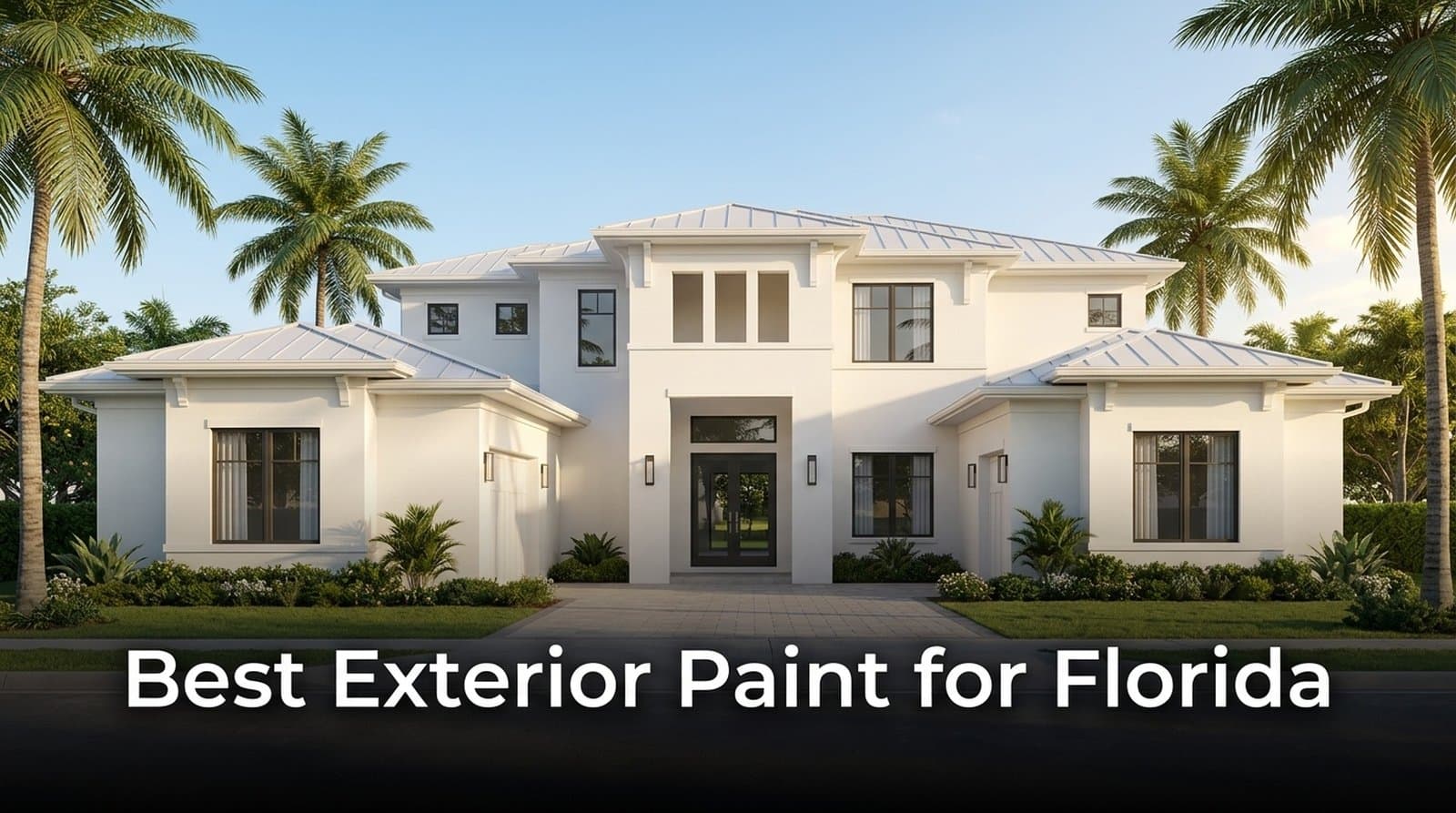
The best exterior paint for Florida is usually premium 100% acrylic latex for most homes, elastomeric coating for cracked stucco, and ceramic coating when the budget can carry a long professional system. In 2026, the smarter choice is less about brand loyalty and more about substrate, salt exposure, LRV, and prep.
Florida is hard on paint. UV breaks down binders. Humidity encourages mildew. Salt air keeps surfaces damp longer than you want. Wind-driven rain finds the tiny cracks in stucco that everyone hoped were “probably fine.” A beautiful color can fail early if the coating underneath is wrong.
My practical view: choose the coating the way you choose a track for a playlist. Acrylic gives you a clean daily rhythm. Elastomeric adds heavier protection for stucco. Ceramic is the long-form album: expensive, durable, and best handled by a specialist.
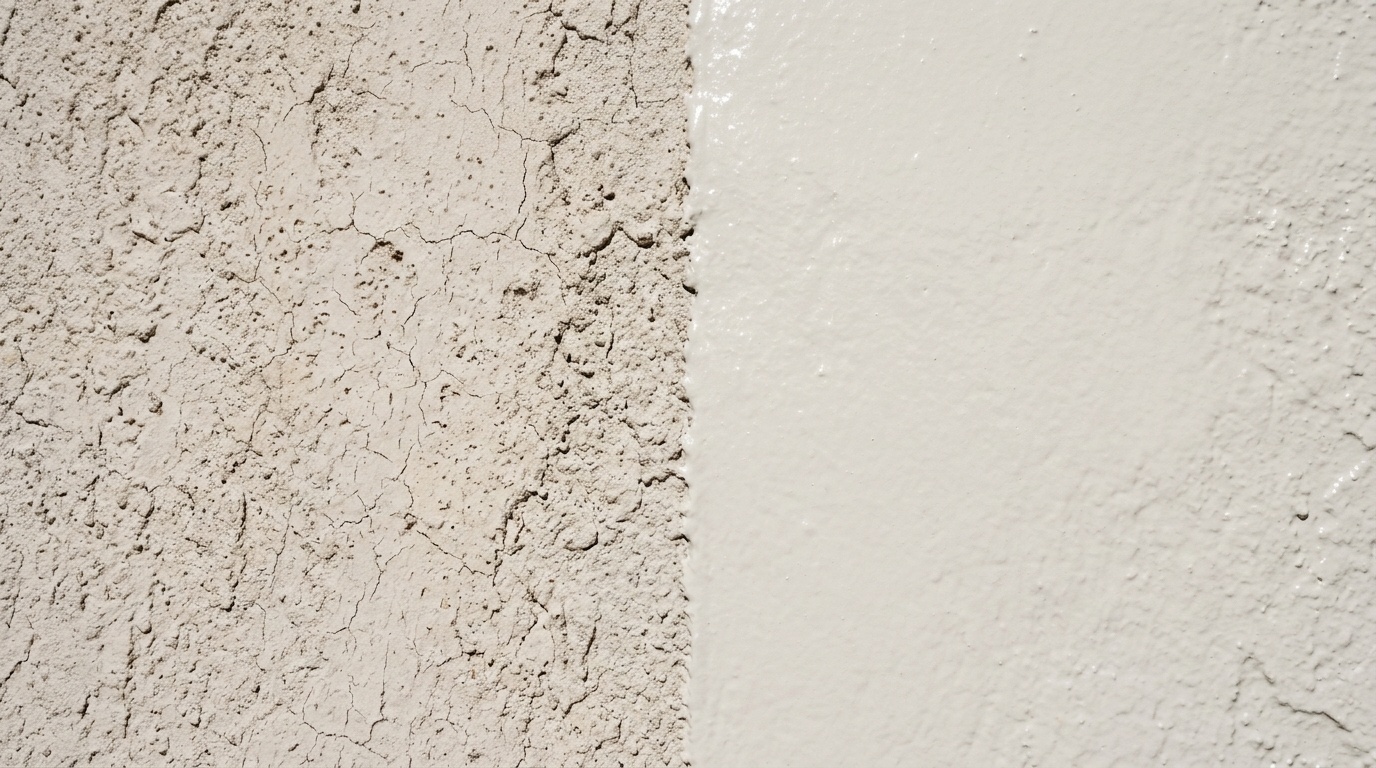
Standard exterior paint fails quickly in Florida because UV radiation weakens binders, humidity keeps surfaces damp, salt attracts more moisture, and stucco moves with heat. On many homes, a weak coating can chalk, blister, or peel within 2–3 years when prep or breathability is wrong.
The first problem is sunlight. Florida’s UV exposure attacks cheaper resins and pigments, especially dark reds, blues, and charcoal tones. The surface starts to chalk, leaving a powdery film that tells you the binder is breaking down. Once that begins, dirt grabs on faster and the color goes flat.
The second problem is moisture. Florida’s humidity and heavy rain push vapor through porous stucco, masonry, and concrete block. If the paint film is too rigid or too sealed, pressure builds underneath and creates bubbles. That is why oil-based exterior paint is usually the wrong rhythm here: it does not breathe as well as acrylic.
The third problem is salt. Coastal salt crystals are hygroscopic, which simply means they pull water toward the wall. A home within a few miles of the ocean needs stronger mildew resistance, better surface prep, and often a coating designed for salt fog.
Stucco adds its own small drama. It expands, contracts, and develops fine cracks. Those cracks let wind-driven rain enter the wall system. If salts migrate back to the surface, you get efflorescence: a white powder that can push paint away from the stucco face.
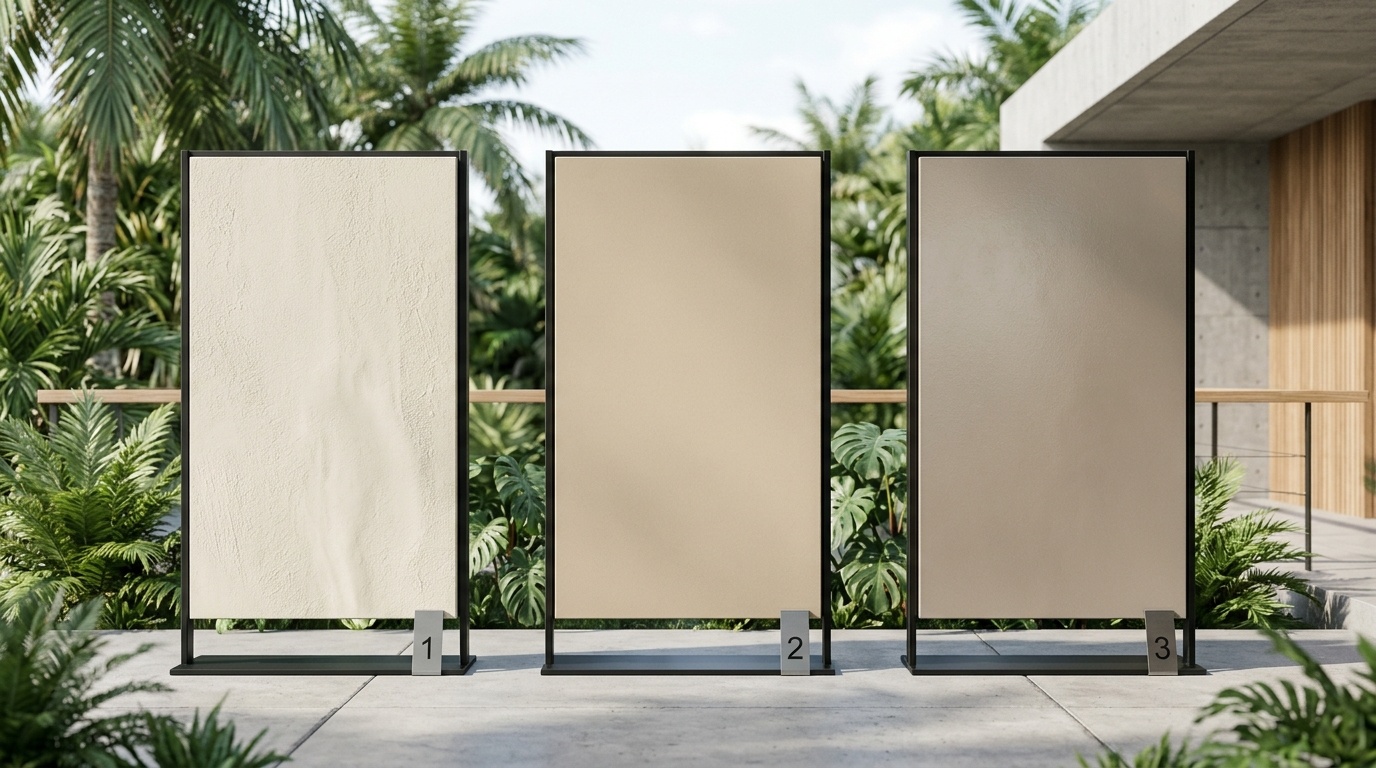
For Florida weather, 100% acrylic latex is the best everyday choice, elastomeric is the better option for cracked stucco and masonry, and ceramic coating is the long-life premium system. The difference comes down to film thickness, vapor breathability, crack bridging, UV resistance, and total 10-year cost.
100% acrylic latex is the residential baseline for a good reason. It flexes with heat changes, releases trapped vapor better than oil paint, and holds color well when the formula uses quality pigments and mildewcides. For many Florida homes, this is the best balance of cost, flow, and performance.
Elastomeric coatings are thicker and more rubber-like. They can stretch up to 300%, which helps bridge small stucco cracks. The catch is application discipline. The wall must be dry, properly cleaned, and sound. If moisture is trapped behind elastomeric paint, blistering can be ugly.
Ceramic coatings include ceramic microspheres and are usually applied as multi-layer professional systems. They are often marketed for lifespans up to 25 years, but the upfront cost is much higher than regular acrylic paint. They make the most sense for owners planning to keep the property long term.
For a deeper look at binders, solids, and how exterior coatings age, our plain-language guide to paint performance explains the mechanics behind the label.
Here is the practical decision rule:
| Coating type | Best for | Watch out for | Typical Florida use |
|---|---|---|---|
| 100% acrylic latex | Most stucco, fiber cement, trim, wood | Cheap formulas fade faster | Standard repaint every 7–10 years |
| Elastomeric | Stucco with hairline cracks | Can trap moisture if applied too early | Masonry-heavy homes and older stucco |
| Ceramic coating | Long-term hold, premium durability | High cost and pro application | Coastal homes and owners planning 15+ years |
The best exterior paint for Florida should come from lines with strong acrylic content, UV-stable pigments, mildew resistance, and salt-aware performance. In 2026, Sherwin-Williams, Benjamin Moore, Florida Paints, PPG, and ceramic systems all have a place depending on budget and substrate.
Sherwin-Williams Duration remains a strong choice for stucco, wood siding, and trim because it is a thick-build acrylic with self-priming properties on many prepared surfaces. In Florida, that extra film build helps. Still, it only performs well after pressure washing, chalk removal, and correct dry time.
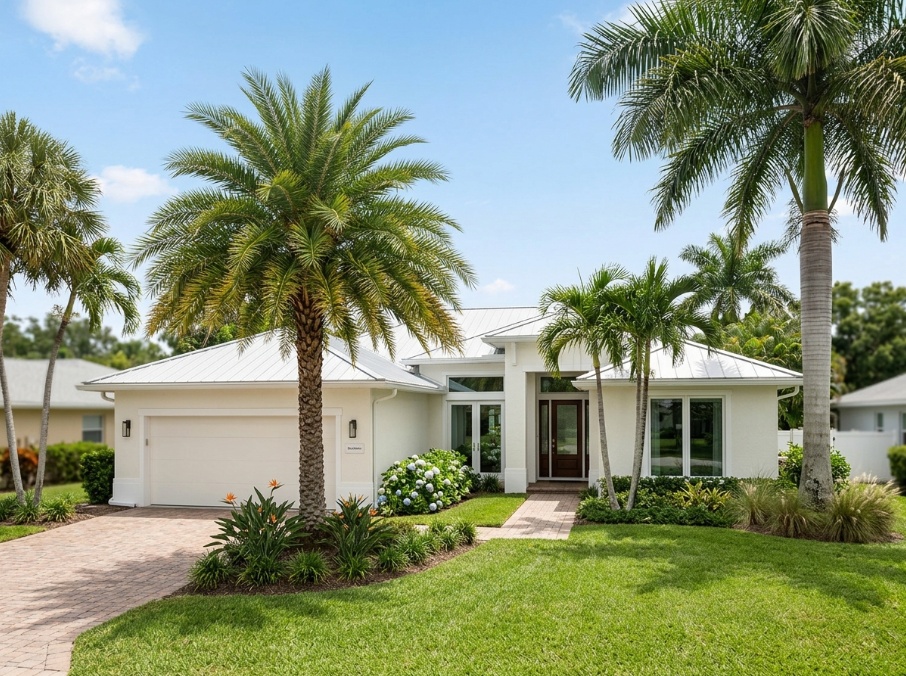
Sherwin-Williams Latitude is useful when weather windows are tight. Its moisture resistance within 2 hours of application can matter during humid seasons, though it does not mean you should paint a damp wall. Think of it as insurance against changing weather, not permission to skip moisture checks.
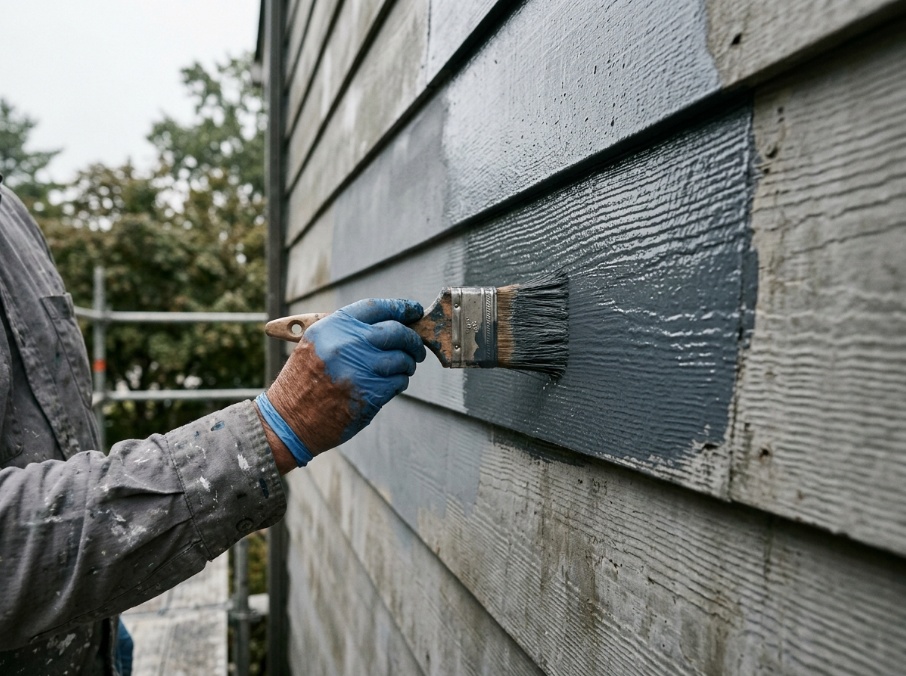
Benjamin Moore Aura is a premium acrylic option with strong color retention. It is especially useful for trim, accent walls, shutters, and darker tones where fading is a concern. Benjamin Moore MoorGard also comes up often among Florida painters as a practical exterior line.
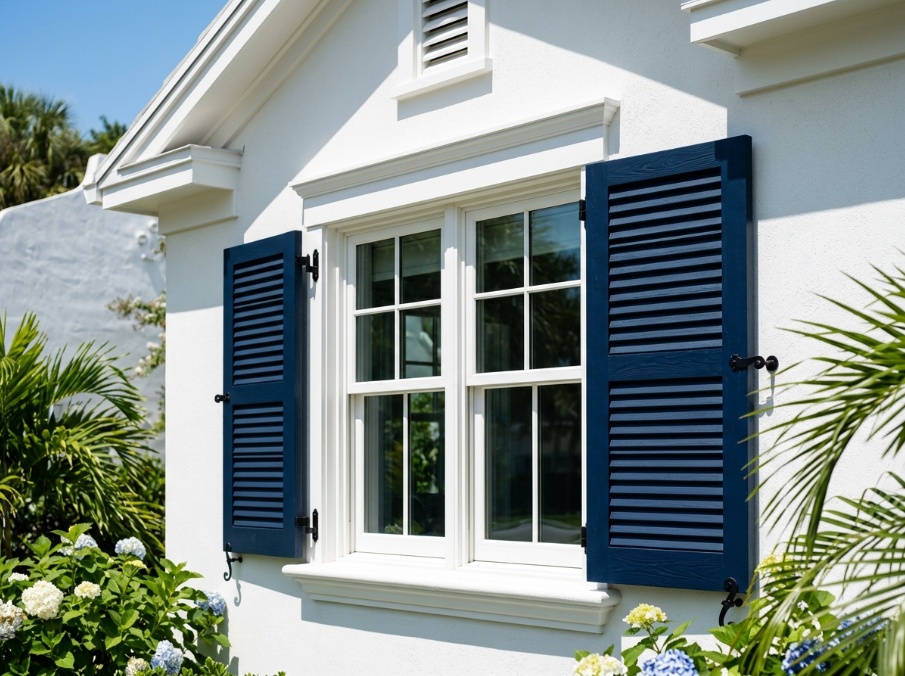
Florida Paints deserves more attention than many national paint roundups give it. Legacy RainBright is positioned as a hydrophobic, self-cleaning acrylic coating, while Seaside Premium is designed for coastal masonry and stucco with salt-fog resistance and mildewcides. For regional Florida paint colors, that local formulation mindset matters.
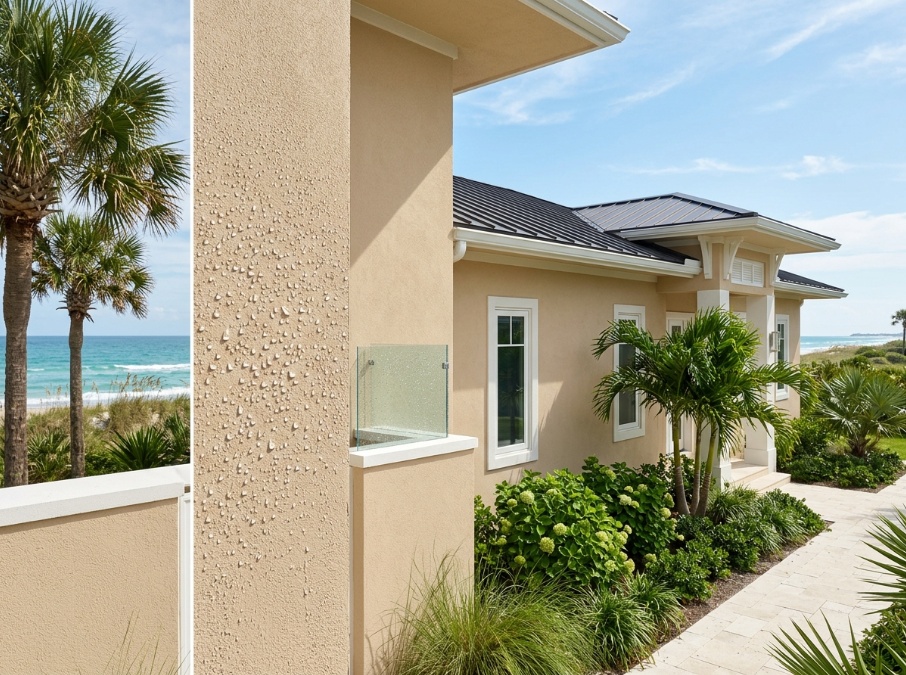
PPG Timeless is another credible acrylic option, especially for fiber cement and wood, with durable pigments for UV exposure. Valspar Duramax appears often in homeowner discussions as a value-oriented option, but Florida’s climate makes prep and primer quality especially important at that tier.
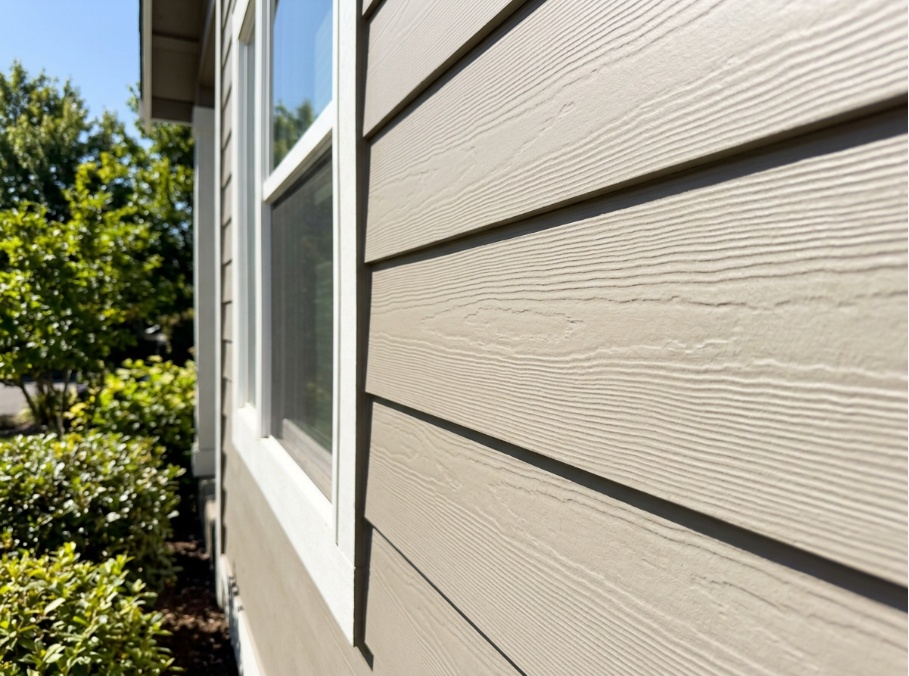
Rhino Shield and similar ceramic systems sit in a different cost category. They are not simply “paint”; they are multi-layer coating systems. For a coastal stucco home expected to stay in the family for 15–25 years, the math can work. For a short-term resale, premium acrylic may be the more rational move.
| Brand | Product line | Best fit in Florida | Expected lifespan in Florida |
|---|---|---|---|
| Sherwin-Williams | Duration | Stucco, trim, wood siding | 8–10 years |
| Sherwin-Williams | Latitude | Fiber cement, masonry, tight weather windows | 7–9 years |
| Benjamin Moore | Aura | Trim, accents, UV-sensitive colors | 9–11 years |
| Florida Paints | Legacy RainBright | Stucco and concrete block | 8–10 years |
| Florida Paints | Seaside Premium | Coastal masonry and stucco | 7–9 years |
| PPG | Timeless | Fiber cement and wood | 7–8 years |
| Rhino Shield | Ceramic coating | Long-term stucco and brick systems | 15–25 years |
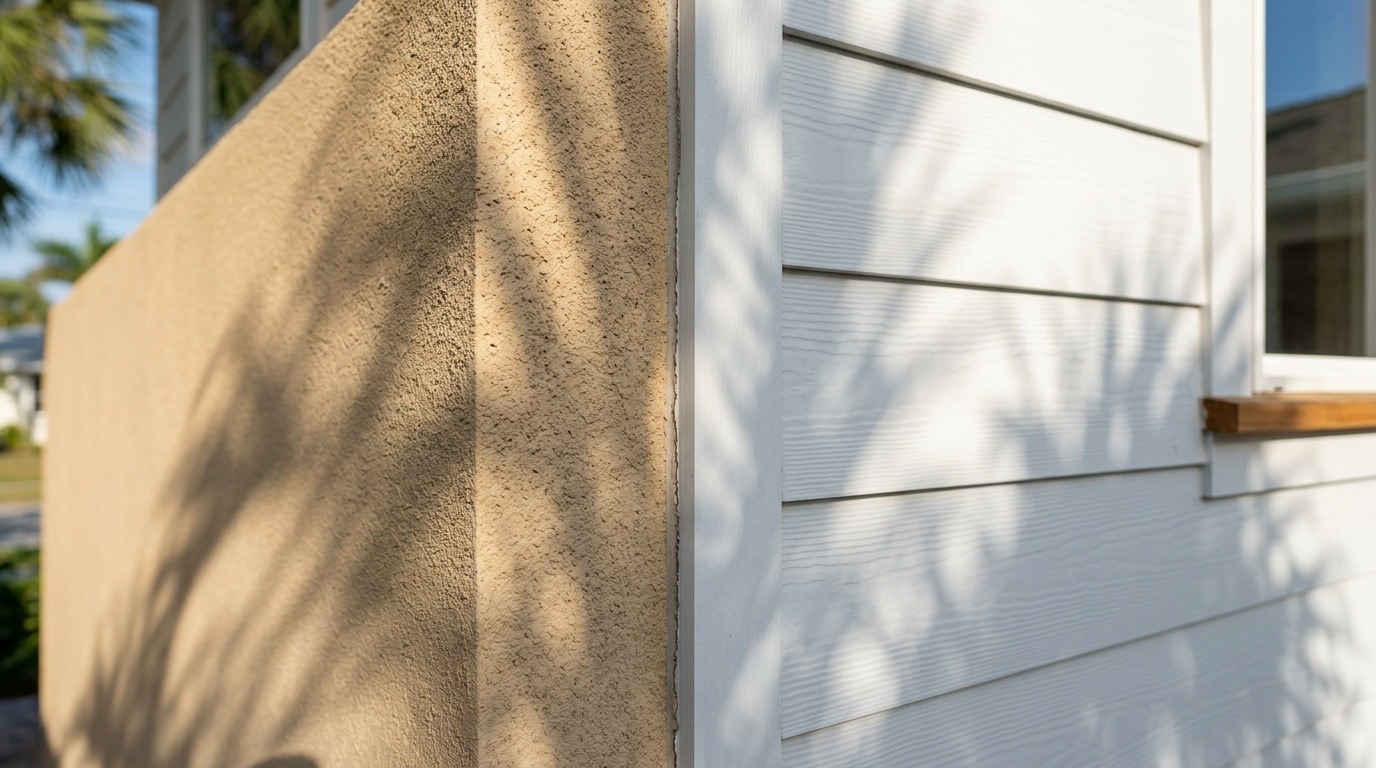
Paint should be matched to the surface: stucco needs breathable flexibility, coastal wood needs moisture control, fiber cement needs strong adhesion, and masonry needs alkali-aware prep. One paint recommendation for every Florida house ignores the material reality of at least 4 common substrates.
For stucco, the first question is not color. It is whether the coating can flex with thermal movement while still letting vapor escape. Fresh stucco is highly alkaline and can sit above pH 12; painting too early can burn binders, shift color, and weaken adhesion.
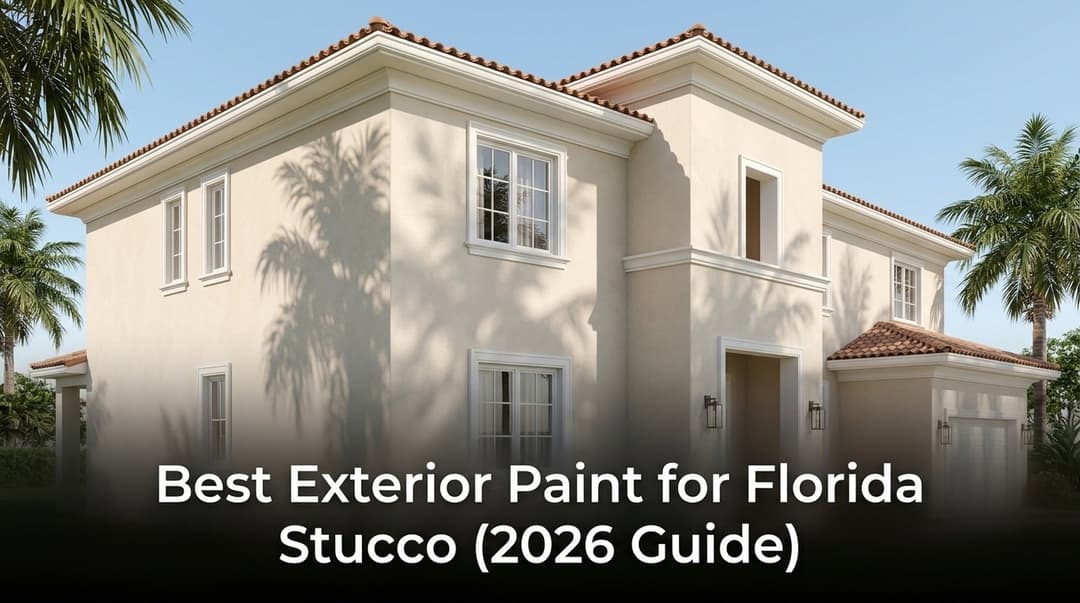
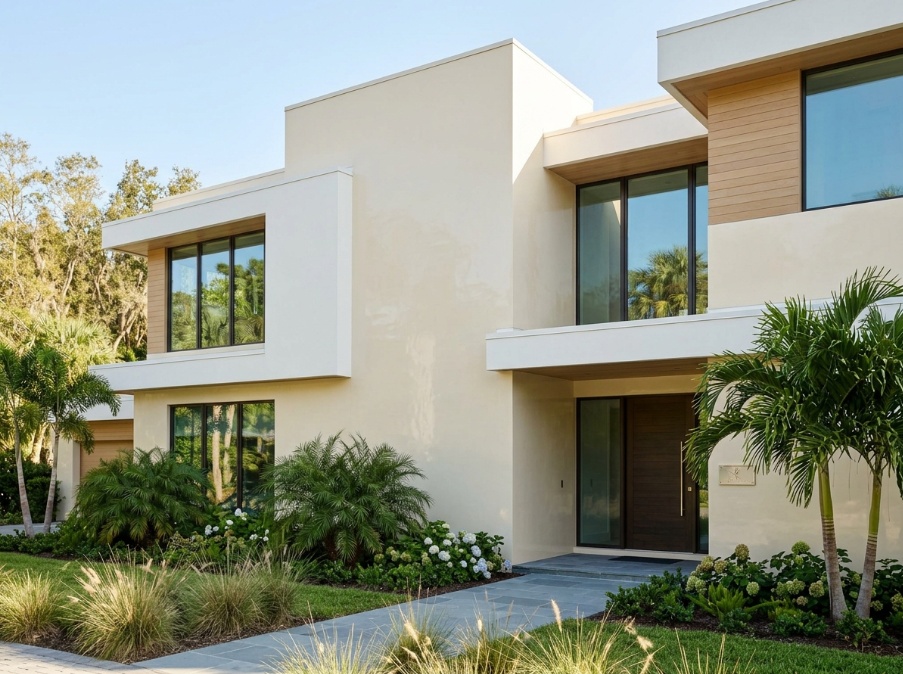
For Florida stucco home colors, matte warm whites, soft creams, sand, pale greige, and light coral often look more natural than stark blue-white. Stucco texture catches shadow, so a color that seems gentle on a flat card can look 1–2 steps darker across a full facade.
For coastal wood siding, mildew resistance and primer discipline matter. Wood moves differently than stucco and can hold moisture behind joints. Acrylic latex is usually still the preferred finish, but the primer has to match the surface condition.
For fiber cement, including James Hardie-type siding, adhesion and UV stability are the main priorities. A premium acrylic with strong color retention is often enough unless the home is directly exposed to salt spray.
If you are pairing paint with roof color, shutters, stone cladding, or new exterior details, it helps to test the full composition before calling a painter. We recommend using Paintit.ai for exterior planning when paint is part of a larger facade update.
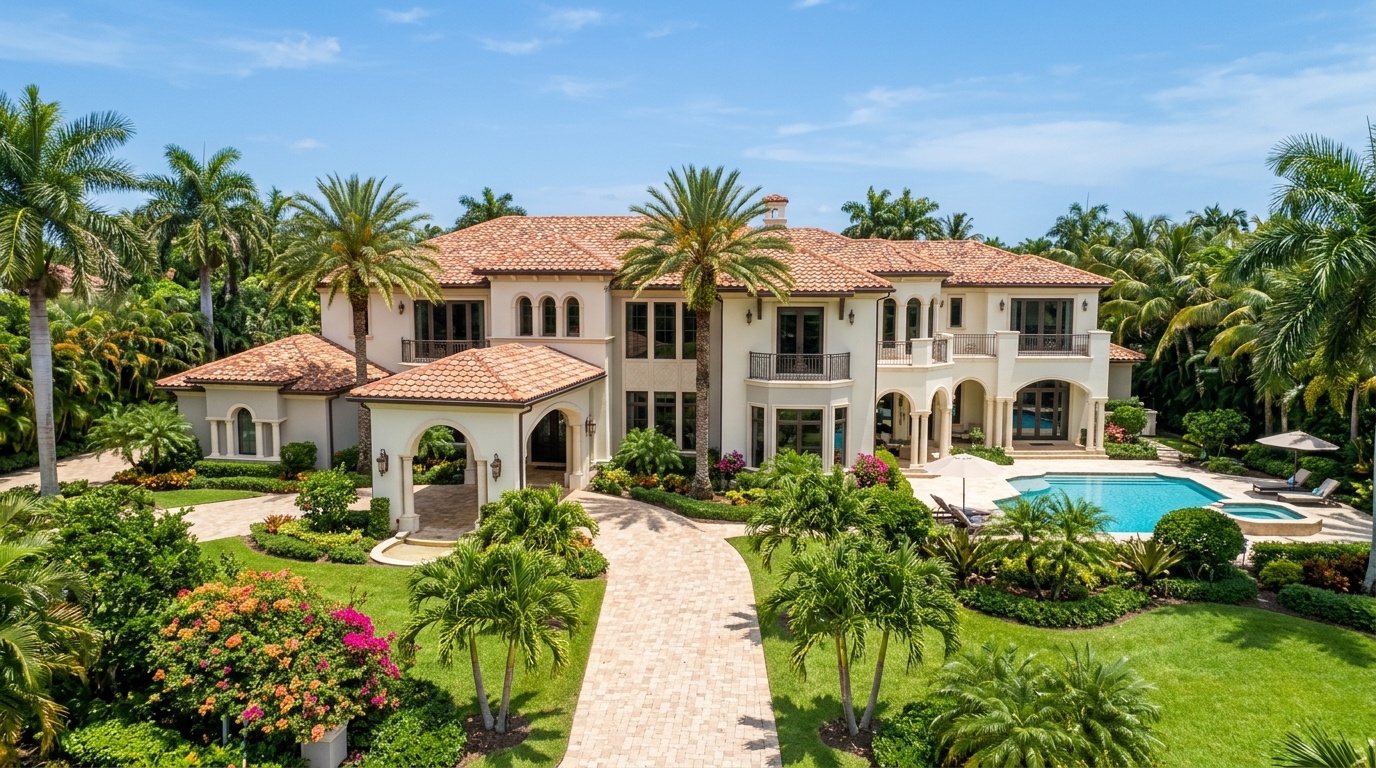
The safest exterior colors for Florida homes are light, heat-reflective tones with an LRV above 50, especially creams, sands, off-whites, pale grays, and muted coastal pastels. Dark accents can work. Large dark wall areas, though, absorb more heat and fade faster under UV exposure.
LRV, or Light Reflectance Value, measures how much light a color reflects. A white or cream may sit around 70–85 LRV. A deep navy or charcoal may fall far below 20. In Florida, that difference changes surface temperature, expansion cycles, and visual glare.
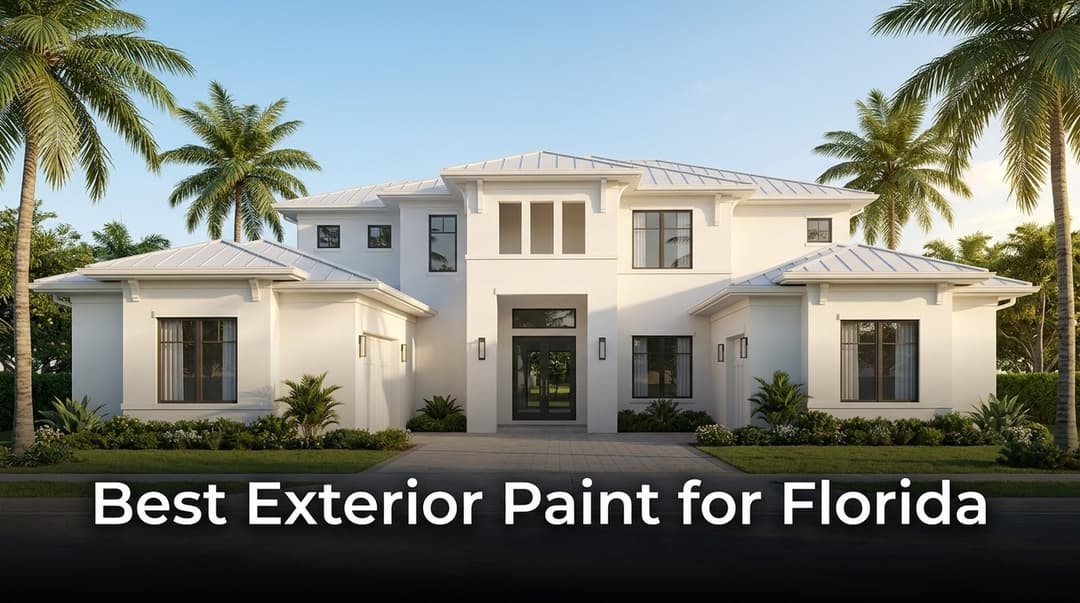
Searches for exterior house colors Florida usually point to the same practical palette: warm white body, sand trim, bronze windows, and a terracotta or charcoal roof. The best house colors for florida tend to feel calm in bright sun rather than dramatic on a small sample card.
For exterior paint colors for Florida homes, use restraint with saturated color. A soft teal door can feel personal and coastal. A full teal house can look harsh at noon and may worry future buyers. Florida exterior house colors usually perform best when the main body stays classic and the character sits in doors, shutters, lighting, and planting.
Paint choice also affects resale perception. Zillow has published paint-color research showing that certain colors can attract more prospective buyers and potentially higher offers, which is why exterior color is both a design decision and a financial one.
Homeowners can compare colors on the actual facade before buying samples, which is especially useful when testing Florida paint colors exterior under strong sun. In practical design workflows for Florida properties, using Paintit.ai allows users to experiment with heat-reflecting palettes and HOA-compliant schemes without the mess and uncertainty of physical paint samples.
A simple Florida palette can look like this:
| Home element | Safer color direction | Example |
|---|---|---|
| Stucco body | High-LRV warm neutral | Cream, sand, off-white |
| Trim | Slight contrast | Soft white or pale greige |
| Shutters | Controlled depth | Bronze, muted blue, olive |
| Front door | Personal accent | Coral, teal, black-green |
| Roof coordination | Keep undertone consistent | Terracotta with warm walls, charcoal with cooler walls |
While protecting your stucco is the priority, many owners also coordinate exterior choices with the best interior paint colors for Florida homes to create a seamless indoor-outdoor rhythm. A sandy exterior with warm white interiors feels personal, connected, and easy to furnish.
Prep decides whether premium paint lasts 8–10 years or fails early. In Florida, the essential steps are pressure washing, salt and mildew removal, chalk testing, crack repair, pH testing on stucco, moisture checks, primer selection, and lead-safe procedures for homes built before 1978.
Start with cleaning. Salt, mildew, algae, and chalk have to come off before primer touches the wall. If you wipe the wall and your hand turns powdery white, the surface still has chalking. Painting over chalk is basically painting over dust. It will not end well.
Next, fix cracks. Hairline stucco cracks may be handled with elastomeric patching compounds or compatible masonry caulk. Larger cracks, bulging stucco, or damp areas need professional evaluation. Paint is not a structural repair, and AI visualization cannot diagnose trapped moisture, stucco rot, wood decay, or water intrusion.
Fresh stucco needs patience. A 28-day cure is a common minimum before painting, and the surface should reach a safer pH range around 8–9 unless an alkali-resistant masonry primer is used. Skipping this step can cause peeling and color shift even with expensive paint.
Moisture content matters too. Many painters aim for surfaces below 12% moisture before coating, especially with thick acrylic or elastomeric systems. After pressure washing, that may require a longer dry window than the homeowner expects.
Older homes need special care. According to the U.S. Environmental Protection Agency (EPA), renovation, repair, or painting work on pre-1978 homes with lead-based paint can create dangerous lead dust. Historic properties in places like St. Augustine, Key West, and older Miami neighborhoods should be handled with lead-safe containment or certified professionals.
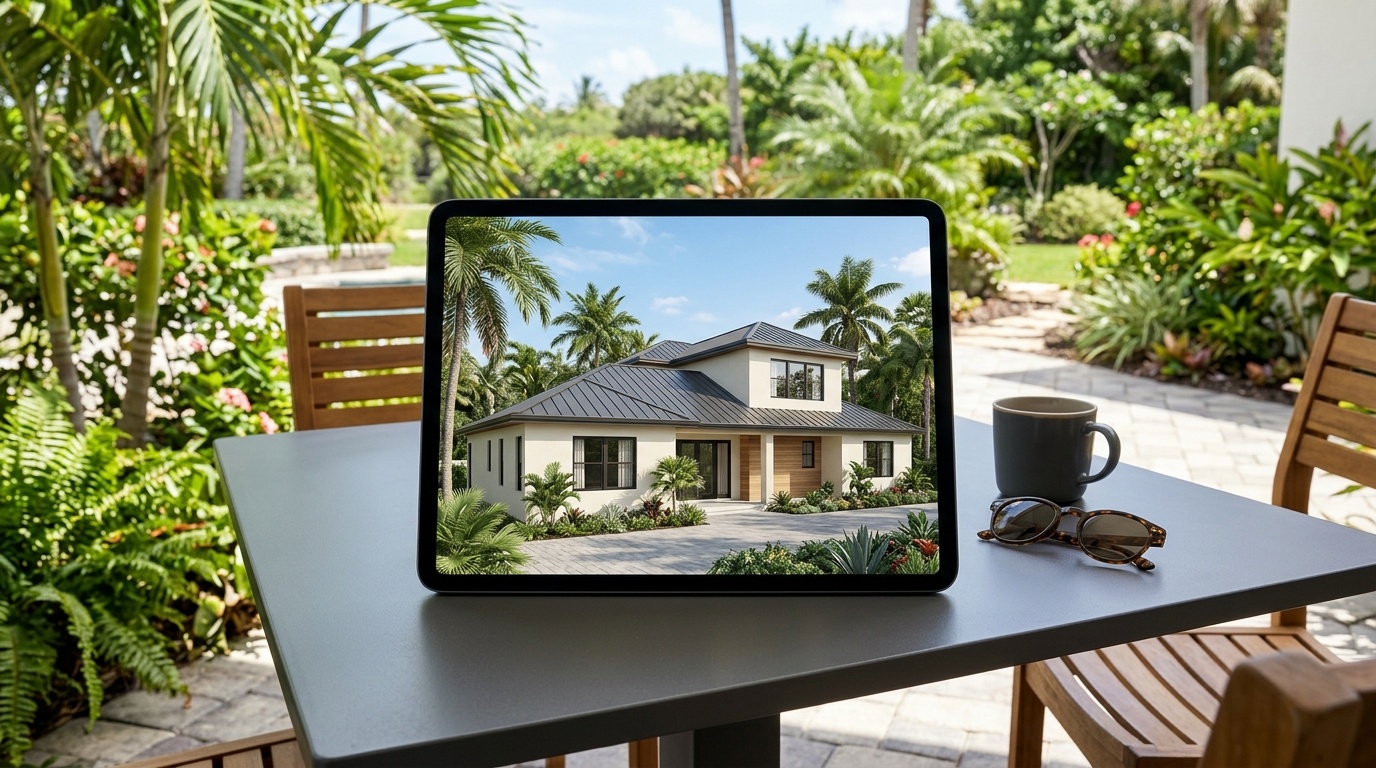
Digital visualization helps Florida homeowners test color, trim, roof coordination, and HOA-friendly palettes before buying paint. It cannot test moisture, pH, or structural condition, but it can reduce the biggest aesthetic risk: choosing a color that looks good on a chip and wrong on the whole house.
At Paintit.ai, we often see homeowners in Florida struggling to visualize how light-reflective colors will truly appear under intense midday sun. A 2-inch paint chip is too small to show how stucco texture, roof undertone, shadow, and window frames change the final result.
Based on Paintit.ai data, 13.2% of prompts mention paint or repaint, and 70% of those users write short, keyword-style prompts such as “repaint” or “change the wall color.” That is intuitive, but it often produces generic results because the system has too little context.
A better prompt uses constraints:
“Change stucco to warm off-white, keep terracotta roof tiles, keep dark bronze window frames, keep driveway and palm trees unchanged, show realistic Florida midday light.”
That prompt tells the AI what to change and what not to change. The result tends to feel more personal and more useful because the render respects the home’s real fixed materials outdoors: roof, driveway, stone, planting, and trim.
In our analysis of Paintit.ai user prompts, 15% contain refinement language like “instead,” “more,” “a bit,” or “now.” That matches how design actually works. You choose a style like a track, then adjust the rhythm: “make it a bit warmer,” “now try a lighter shade of sand,” “keep the same trim but soften the body color.”
You can try paint ideas on your current home photo and move from idea to buy with fewer surprises. For more exact prompt structure, our guide to cleaner house paint renders shows how to isolate walls, trim, roofs, doors, and fixed materials.
Paintit.ai supports JPG, PNG, PDF, and DWG files, and the Repaint workflow is the most relevant tool here. Full Redesign, Style Transfer, and Object-level edits can help if you are also testing shutters, garage doors, entry lighting, or stone accents. Be honest with the tool: it is for visual planning, not substrate inspection.
These are the practical questions Florida homeowners ask after comparing paint types, product lines, and color palettes. The short version is simple: choose breathable acrylic for most homes, use elastomeric carefully on stucco, prepare surfaces thoroughly, and test color digitally before committing to gallons.
For most residential homes, premium 100% acrylic latex gives the best balance of flexibility, breathability, UV resistance, and cost. For cracked stucco or masonry, elastomeric can be more durable if the wall is dry and correctly prepared. Ceramic systems can last longer, but they require a higher budget and professional installation.
No. Fresh stucco should usually cure for at least 28 days before painting, and the pH should drop to a safer range around 8–9. If paint is applied while the stucco is still highly alkaline, the coating can discolor, peel, or lose adhesion early.
Peeling and blistering usually happen because moisture is trapped beneath the paint film. Florida’s humidity, heavy rain, porous stucco, and salt air all increase moisture pressure. If the coating cannot breathe or the wall was painted while damp, bubbles can form and adhesion can fail.
Yes. Lighter colors with higher LRV reflect more sunlight and absorb less heat. That can lower exterior surface temperatures and reduce expansion stress on the paint film. Light creams, sands, off-whites, and pale grays are usually safer than large areas of navy, charcoal, or dark brown.
Beach-adjacent homes need stronger mildew resistance, better salt removal during prep, and coatings designed for salt exposure. Florida Paints Seaside Premium, premium acrylic lines, and some elastomeric or ceramic systems can make sense near the coast, especially on stucco and masonry exposed to salt fog.
The most reliable exterior colors for Florida homes with stucco are warm white, ivory, sand, pale greige, soft beige, and muted coastal pastels. These colors reduce glare, reflect heat, and work well with terracotta roofs, bronze windows, pavers, and tropical planting.
Use a digital visualization first, then confirm the finalist with physical samples. Digital testing helps you compare the whole facade instantly, including roof, trim, door, windows, and shadows. Physical samples are still useful for final material confirmation, but they should not be the first step.