17 min. reading

Yulii Cherevko
CEO paintit.ai
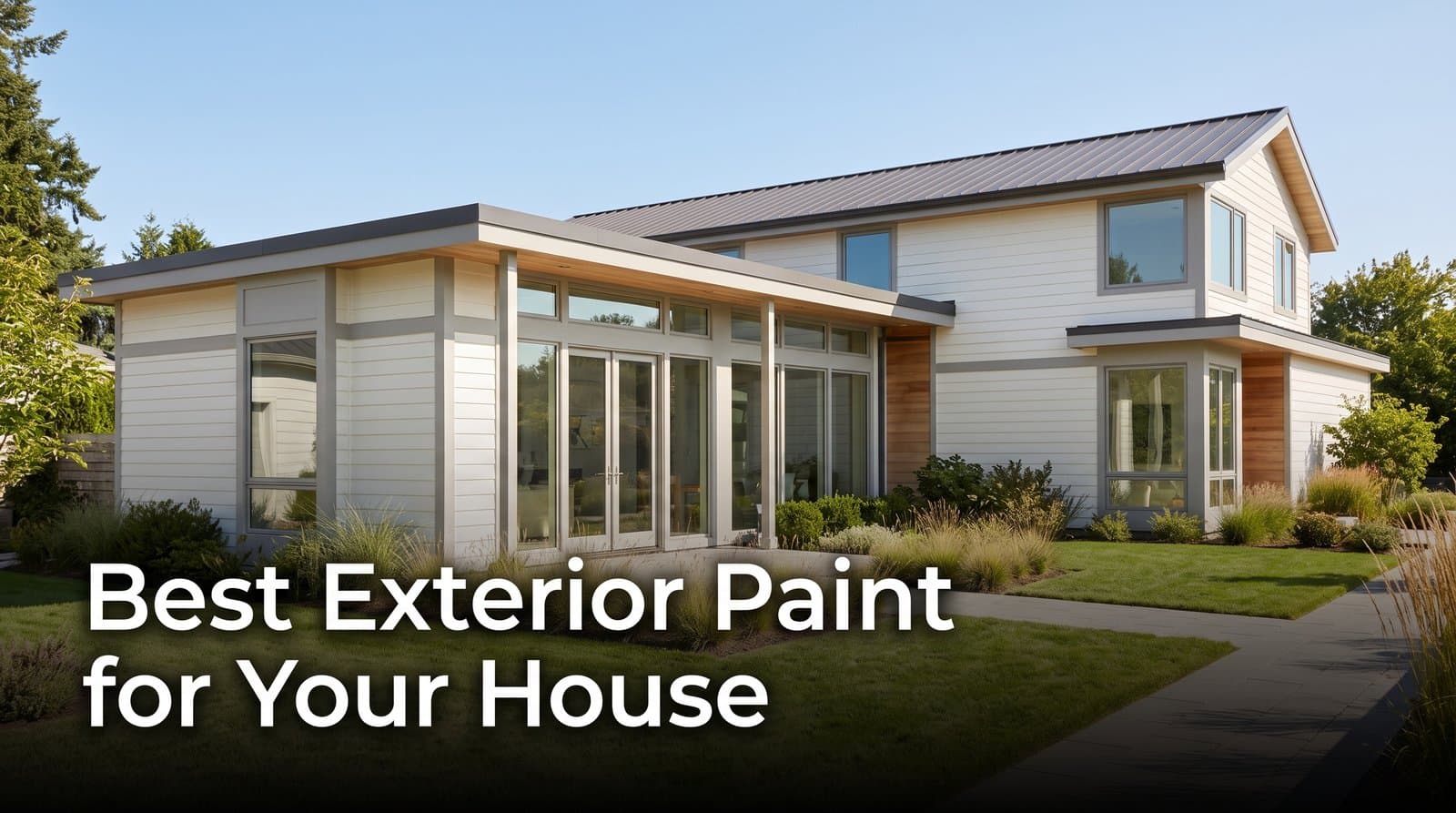
The best exterior paint is not one magic can. It is the formula that fits your siding material, local weather, prep level, and paint finish while resisting fading, peeling, cracking, dirt, and mildew over years of exposure.
If you are comparing exterior paint reviews, start with performance data, then narrow by surface and climate. Lab tests are useful. Contractor field experiments add the messy, real-world part. Visual testing helps you avoid color regret before you buy 5 gallons of exterior house paint.
A good selection workflow has a simple rhythm: choose the paint base like choosing the track, set the sheen like the mood, then preview the color on your actual house before committing. If you want a step-by-step visual prep process, Paintit.ai has a practical guide to plan the first digital color pass before you shop.
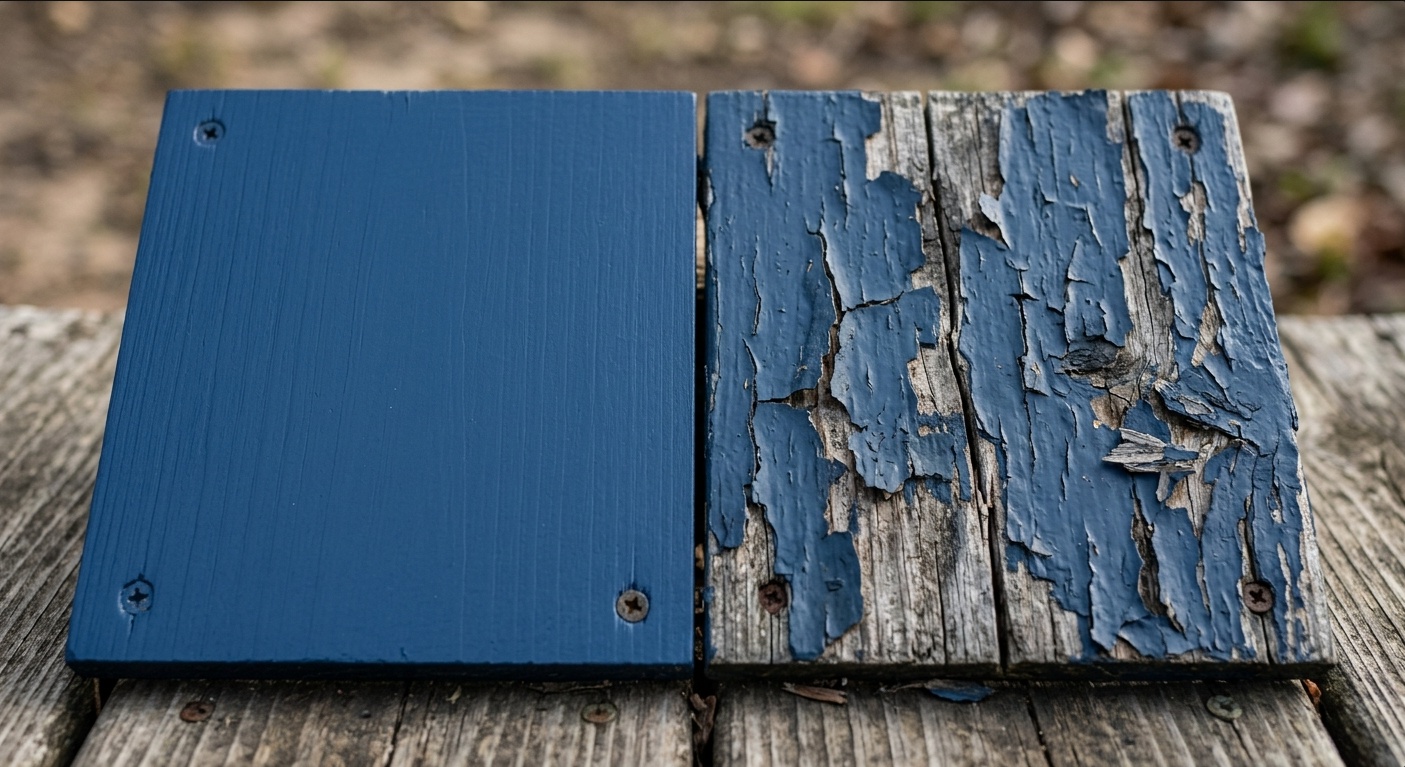
The best exterior paint decision should combine two kinds of evidence: controlled lab ratings and long outdoor exposure on real materials. Consumer-style tests show broad durability patterns. Contractor field experiments reveal how paint behaves when water, snow, and dust sit on wood for months instead of sliding off angled panels.
The baseline is clear enough. In Consumer Reports-style 3-year weathering tests, designed to simulate 9 years of southern sun and moisture exposure, Behr Marquee Exterior Paint, Behr Ultra Exterior Paint, and Clark+Kensington Exterior Paint all scored 75/100. Sherwin-Williams Emerald scored 73/100, with slightly weaker dirt resistance than the top scorers.
That matters because the best rated exterior paint is not always the most expensive one. Behr Ultra at roughly $41 per gallon and Clark+Kensington at roughly $35 per gallon tied Behr Marquee at about $51 per gallon. Sherwin-Williams Emerald, often around $72 per gallon, still performed strongly — but the higher price didn't automatically buy better dirt resistance or mildew resistance.
Contractor testing complicates the picture in a good way. In the Paint Pals 3-year field experiment on horizontal pine panels in Colorado, PPG Permanizer came out on top: least color shift, strong color retention, retained sheen, low dirt pickup, almost zero peeling. Behr Pro E600, an economy-grade paint, placed second and beat Behr's own premium lines in that setup.
Which gets at the first rule of exterior paint reviews: testing conditions matter more than the label. A steep, south-facing panel punishes UV rays and moisture cycles. A horizontal pine board punishes water pooling, snow load, dirt accumulation, and binder stress. A shaded north wall in a humid area punishes mildew resistance more than raw UV durability.
So what is the best exterior paint if you just want a short answer? For most painted siding projects in 2026, top-rated exterior paint options include Behr Marquee, Behr Ultra, Clark+Kensington, Sherwin-Williams Emerald, and PPG Permanizer. The right one still depends on whether your biggest threat is sun, rain, wood movement, masonry moisture, or surface contamination.
The best exterior paint brands also differ by contractor access and local availability. Sherwin-Williams and Benjamin Moore have strong professional dealer networks. Behr is easy to source through big-box retail. PPG can be a smart pick where pro supply and field-tested durability matter. Clark+Kensington is notable because it competes well on performance-to-price ratio.
A practical buying filter:
| Paint or brand | Useful signal from testing | Watch-out |
|---|---|---|
| Behr Marquee | 75/100 lab score, strong cracking and fading resistance | Higher cost than Behr Ultra |
| Behr Ultra | 75/100 lab score at a lower price | Surface prep still decides lifespan |
| Clark+Kensington | 75/100 lab score and strong value | Availability depends on retailer access |
| Sherwin-Williams Emerald | 73/100 lab score, pro-grade reputation | Dirt resistance may not lead the pack |
| PPG Permanizer | Strong 3-year contractor field result | Field test climate was dry and sunny |
| Behr Pro E600 | Surprising runner-up in horizontal field test | Economy line does not mean right for every substrate |
| Benjamin Moore Aura | Premium exterior option | Field testing did not place it first in that experiment |
Top performance often comes from matching the paint to the job, not paying for the loudest label.
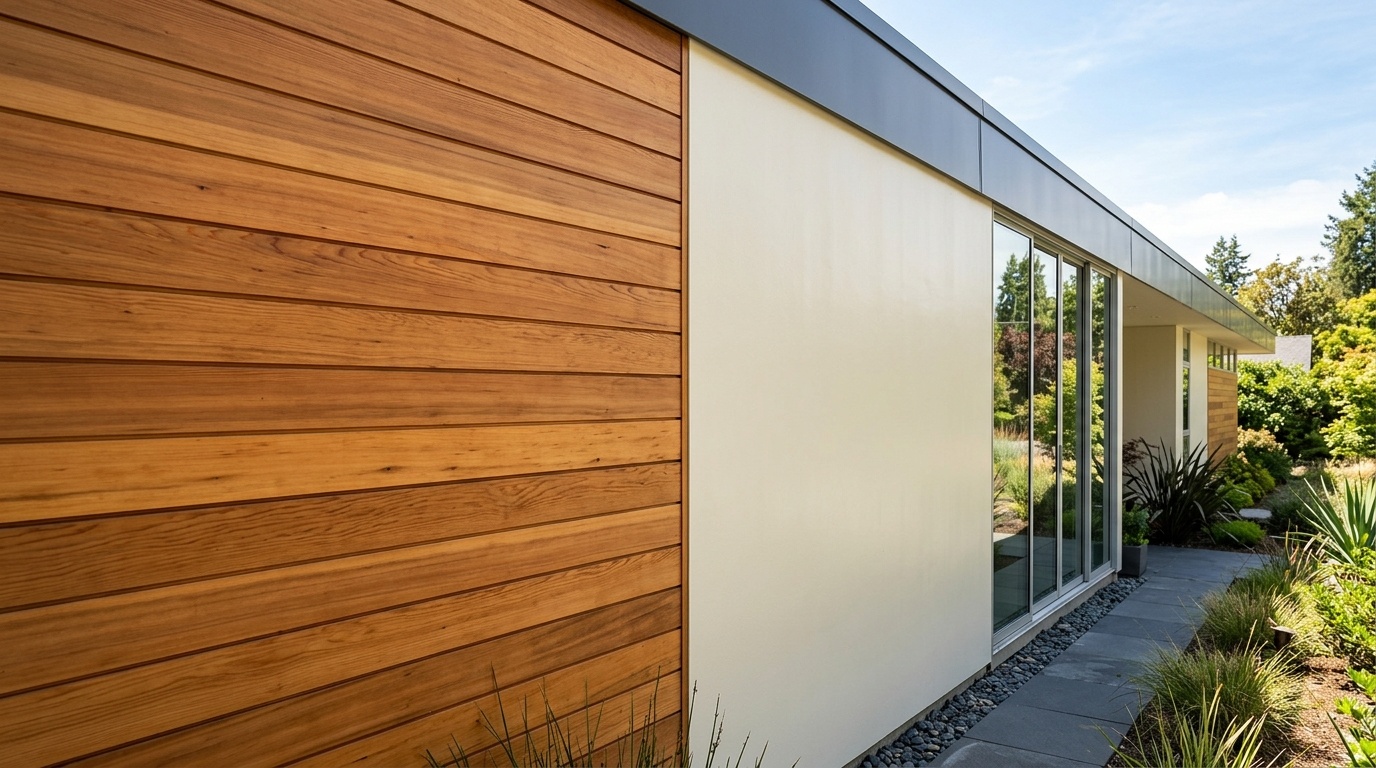
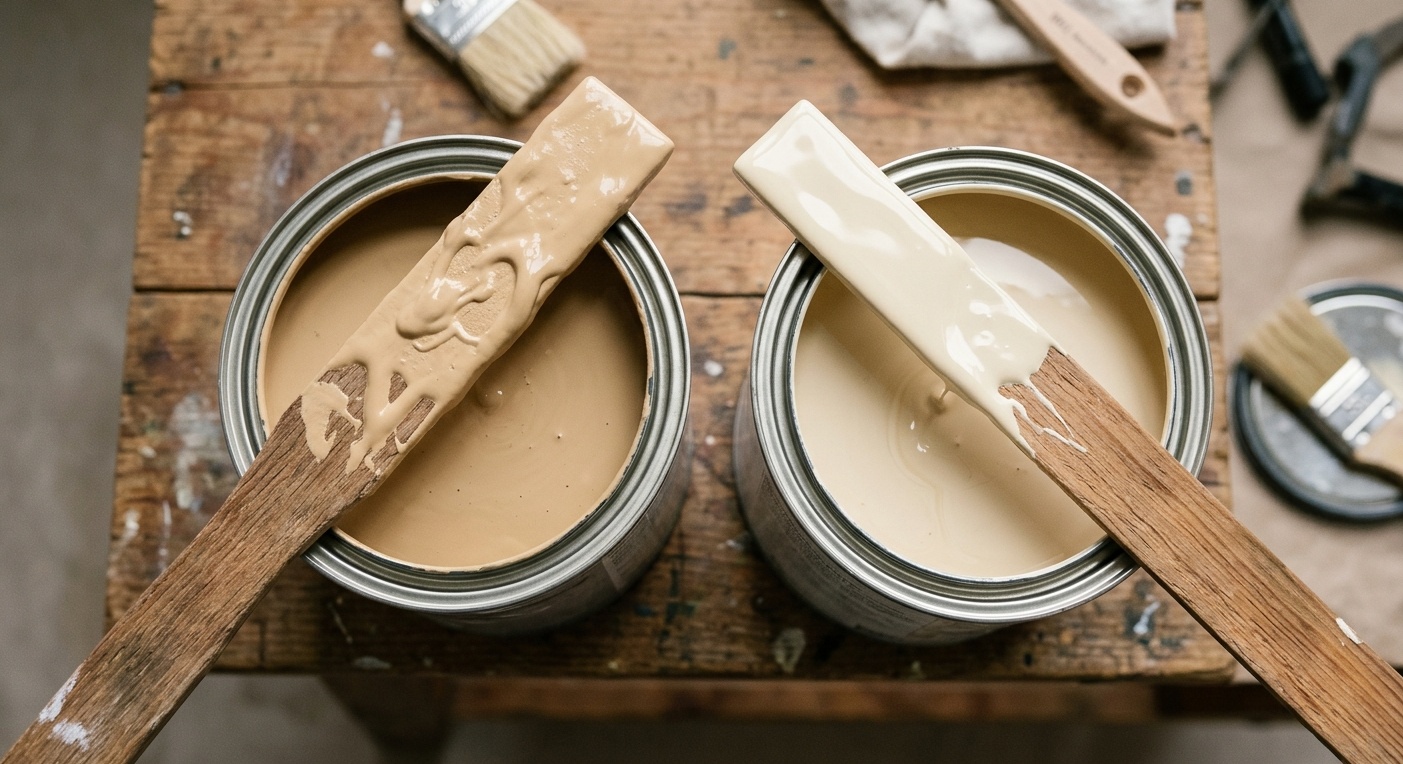
Latex exterior paint is the standard choice for most siding because 100% acrylic binders stay flexible through heat, cold, and seasonal movement. Oil-based exterior paint still has a place on high-contact details, but it is rarely the default for large wall areas in 2026 because rigid films can fail on moving substrates.
Exterior paint works because pigment provides color and hiding power, while resin creates the film that grips the surface. In a high-quality 100% acrylic formula, that film can expand and contract as wood, vinyl, or fiber cement moves. That flexibility is a major reason acrylic latex resists peeling and cracking on siding.
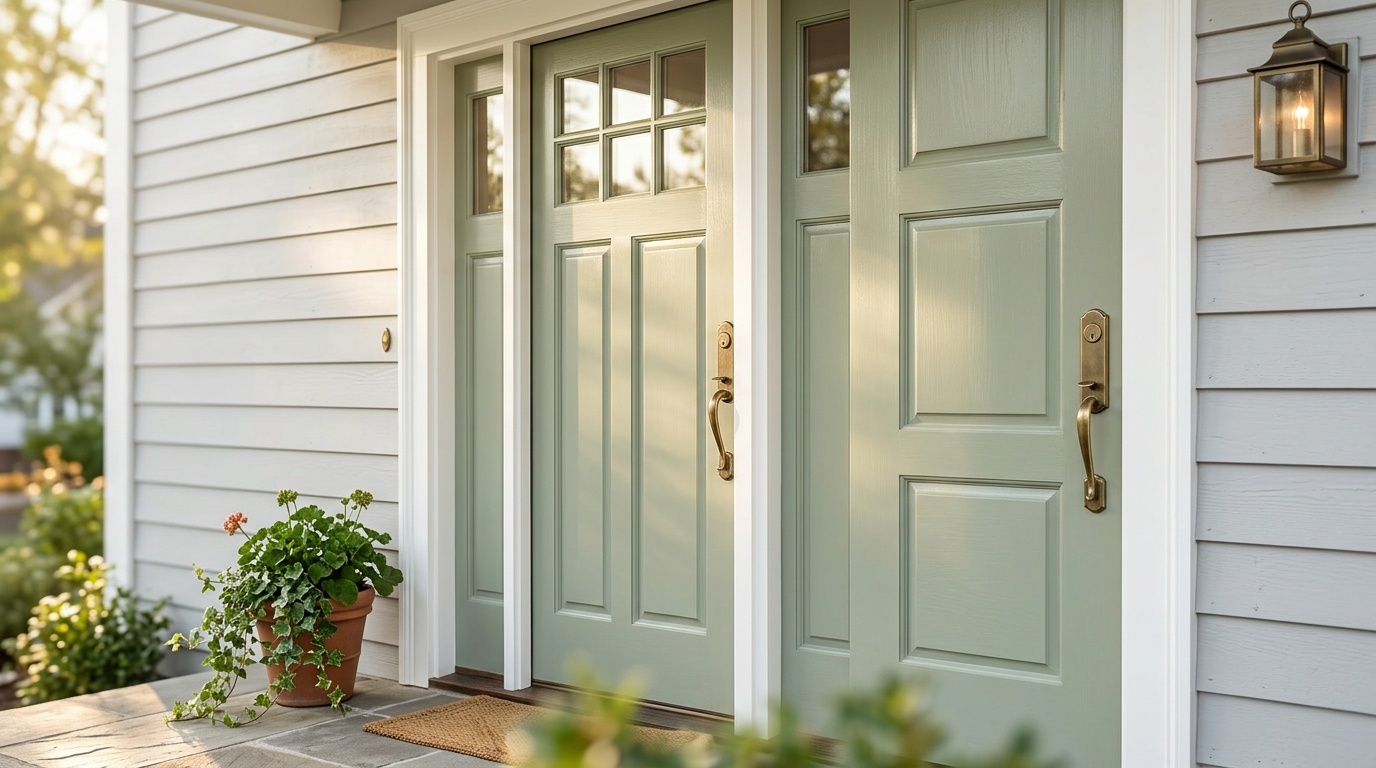
Oil-based paint, or alkyd paint, dries harder. That hardness is useful on a front door, metal railing, door jamb, or trim detail that gets touched and rubbed often — if you're deciding on the door itself, our front door color guide walks through testing options before you commit to a can. The trade-off with alkyd is reduced flexibility, stronger odor, solvent cleanup, and less forgiveness on surfaces that swell, shrink, or hold moisture.
For most exterior house paint projects, use this base rule:
| Surface or detail | Better base in most cases | Why |
|---|---|---|
| Wood siding | 100% acrylic latex | Flexibility and weather resistance |
| Fiber cement | 100% acrylic latex | Adhesion and movement tolerance |
| Vinyl siding | 100% acrylic latex | Handles thermal expansion |
| Brick or stucco | Breathable acrylic masonry paint | Allows moisture vapor to escape |
| Front door | Acrylic enamel or alkyd | Tougher against hand contact |
| Metal railing | Alkyd or metal-rated acrylic | Hard film and corrosion-specific prep |
Coverage expectations get real here too. A premium acrylic may claim strong hiding power, but a severe color shift still usually needs two coats over a proper primer. Dark navy going to white, or raw cedar going to pale gray, is not the same job as beige over beige.
If your paint is failing now, identify the failure before buying more paint. Peeling usually points to adhesion or moisture problems. Cracking often comes from a brittle film, poor prep, or too-thick application. Chalking suggests binder degradation from age and sun. Blistering usually means moisture vapor or trapped heat is lifting the film.
The best exterior paint is the one that solves the specific failure you are seeing, not just the one with the best shelf talker.
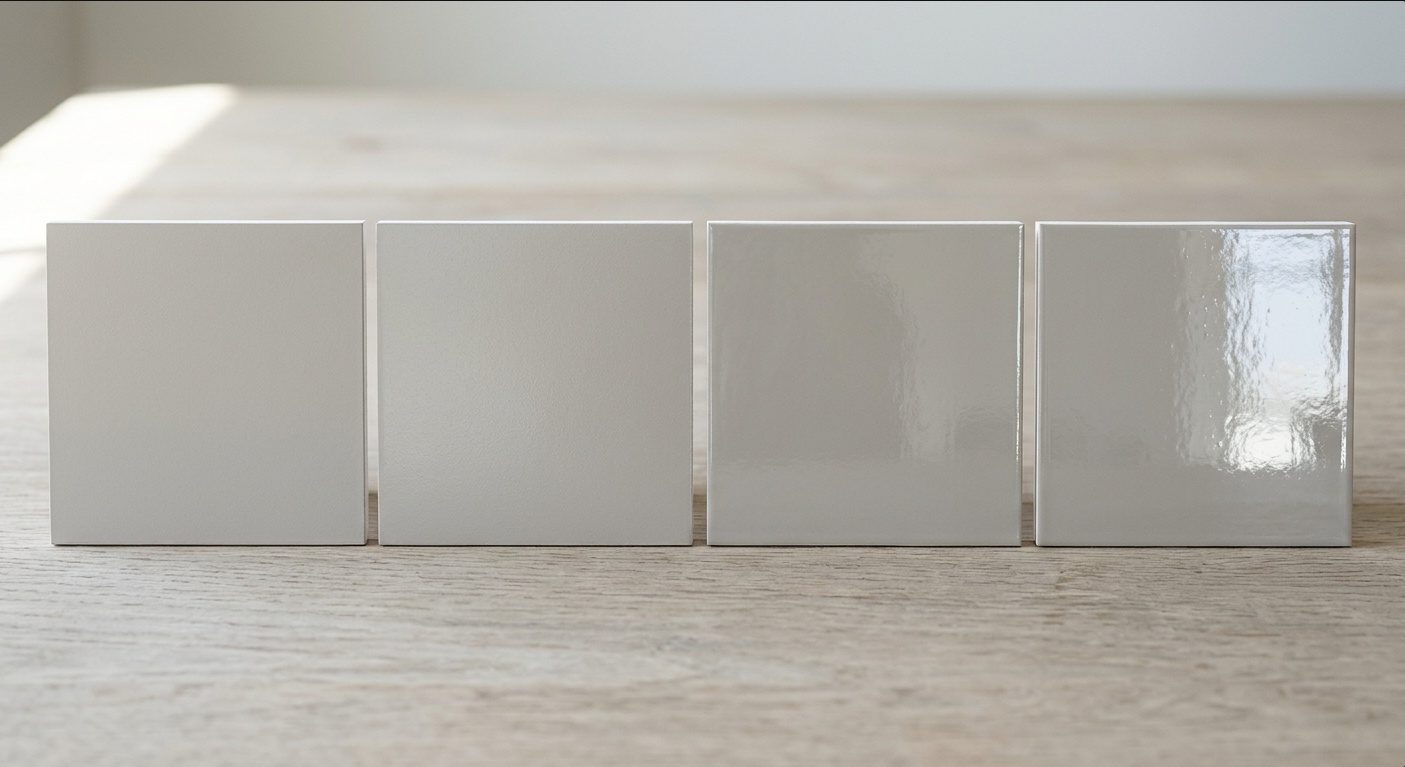
Paint finish changes both appearance and maintenance, and sheen is usually the fastest way to make a good color look wrong. Flat paint hides flaws but collects dirt. Satin is the safest siding choice. Semi-gloss or gloss belongs on trim, doors, shutters, and architectural details that need extra washability.
Flat or matte exterior paint has almost no shine. It softens uneven stucco, weathered wood, and older siding with dents or patching. The trade-off is dirt resistance — flat paint looks calm from the street but is harder to clean after pollen, road dust, or splashback.
Satin, or low-lustre, is the practical center. It sheds dirt better than flat paint without highlighting every imperfection. For most wood, fiber cement, engineered siding, and painted brick, satin is the default paint finish worth testing first.
Semi-gloss and gloss are tougher and easier to wash, and they reflect more light. That makes them useful for trim, railings, shutters, columns, fascia, garage doors, and entry doors. On broad siding, though, gloss can make waves, nail heads, dents, and repairs more visible from 20 feet away.
A simple sheen map:
| Area of house | Recommended sheen | Reason |
|---|---|---|
| Main siding | Satin or low-lustre | Balanced durability and flaw control |
| Older stucco | Flat or low-lustre | Hides uneven texture |
| Trim | Semi-gloss | Washable and crisp |
| Front door | Semi-gloss or gloss | High contact and visual emphasis |
| Shutters | Satin or semi-gloss | Durable without glare |
| Porch railings | Semi-gloss | Better cleaning after hand contact |
Color and sheen interact more than most people expect. A dark color in high gloss looks more dramatic but shows dust, fingerprints, and surface ripples. The same dark color in satin usually feels more grounded. White trim in semi-gloss reads clean and architectural, especially paired with a soft body color — testing this kind of high-contrast trim-against-body pairing on an AI exterior generator is worth doing before you commit to a can.
Based on Paintit.ai data from real visualization workflows with thousands of users, we consistently observe that exterior color regret often starts with contrast, not the main wall color. Homeowners choose a siding shade they like, then discover the trim, roof, and driveway shift the whole composition. For high-contrast planning, the black-trim look on a white facade is a useful visual reference to test before committing.
In our renders, sheen behaves like volume in a playlist. Flat is quiet. Satin has a steady rhythm. Gloss is a sharp accent. The more reflective the finish, the more intentional the placement needs to be.
Surface matching prevents most exterior paint failures. A paint and primer in one can work over clean, well-adhered paint in a similar color, but bare cedar, chalking masonry, stained surfaces, and major dark-to-light changes need a dedicated primer before two coats of finish paint.
Wood siding is porous and moves with moisture. Cedar and redwood also contain tannins that can bleed through light colors. On bare or weathered wood, use a stain-blocking exterior primer first, then a flexible 100% acrylic topcoat. If you skip primer on tannin-rich wood, the risk is brown staining, weak adhesion, and early peeling.
Fiber cement, including common cement-board siding, needs strong acrylic adhesion. It does not move like natural wood, but it still expands subtly with temperature and moisture. A premium acrylic exterior paint is the safe choice, especially on cut edges, seams, and previously weathered boards.
Brick, stucco, and masonry need breathability. These materials absorb and release moisture. If you seal them with the wrong dense coating, water vapor can push outward and create bubbling or blistering. Look for flat masonry paint, breathable acrylic formulas, or elastomeric coatings only where the substrate and local conditions support them.
Concrete floors, patios, and porch slabs are a different category. Standard wall paint is not enough. These surfaces need products made for foot traffic, tire heat, oil, grease, standing water, and abrasion. Epoxy-acrylic blends or waterborne concrete stains are usually more appropriate than siding paint.
"Paint and primer in one" is a useful label, but it's often misunderstood. It usually means the finish paint has improved adhesion and hiding power, not that it replaces every specialized primer. It performs best on a clean, dull, previously painted surface where the old coating is sound.
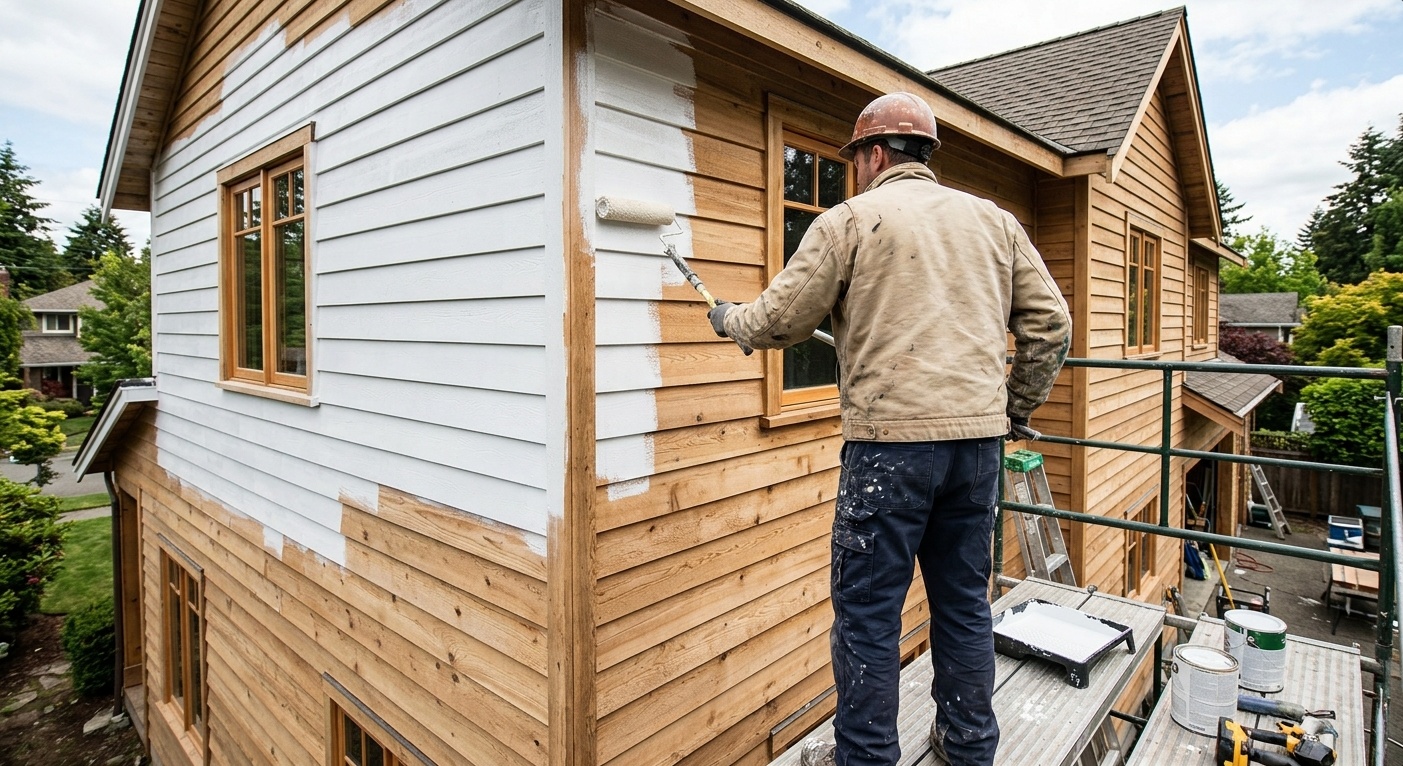
Use a separate primer when you have at least 1 of these conditions:
| Condition | Why primer matters |
|---|---|
| Bare cedar or redwood | Blocks tannin bleed-through |
| Chalking masonry | Stabilizes powdery surface residue |
| Raw patched areas | Equalizes porosity and coverage |
| Glossy old paint | Improves mechanical grip after sanding |
| Dark-to-white color change | Reduces extra coats and uneven hiding |
| Water stains or rust stains | Blocks discoloration from migrating |
Coverage also depends on texture. Rough stucco can use much more paint than smooth fiber cement. A gallon that covers a broad area on primed smooth siding may cover far less on porous brick. Plan for waste, edge work, and two coats rather than assuming the label number will match your house exactly.
If you are considering a siding material change alongside paint, preview it before gathering contractor bids. Paintit.ai’s visual tool for exterior changes can help you compare wood, stucco, masonry tones, trim widths, and roof-color relationships on the same home photo.
Weather resistance is local, so choose paint for the condition that attacks your home most often. Sunny climates need UV rays protection and color retention, humid regions need mildew resistance, wet walls need blister resistance, and freeze-thaw areas need flexible acrylic films that reduce peeling and cracking.
For hot, sunny areas, fading is the visible problem. Dark colors absorb more heat and show color shift faster than mid-tones. Look for exterior paint with strong UV resistance, stable pigments, and good chalking resistance. If your south and west walls get 6 or more hours of intense sun, color selection matters as much as brand.
For wet and humid areas, mildew resistance and dirt resistance move up the list. A shaded wall near trees may fail aesthetically before it fails structurally, simply because it grows mildew, collects pollen, or develops streaking. Satin paint can help because it is easier to rinse than flat paint.
For cold climates, the paint film needs flexibility. Temperature swings create expansion and contraction in siding, trim, caulk joints, and nail lines. A rigid coating can crack at joints or peel at edges. This is where high-quality acrylic latex has a real technical advantage over many harder solvent-based coatings.
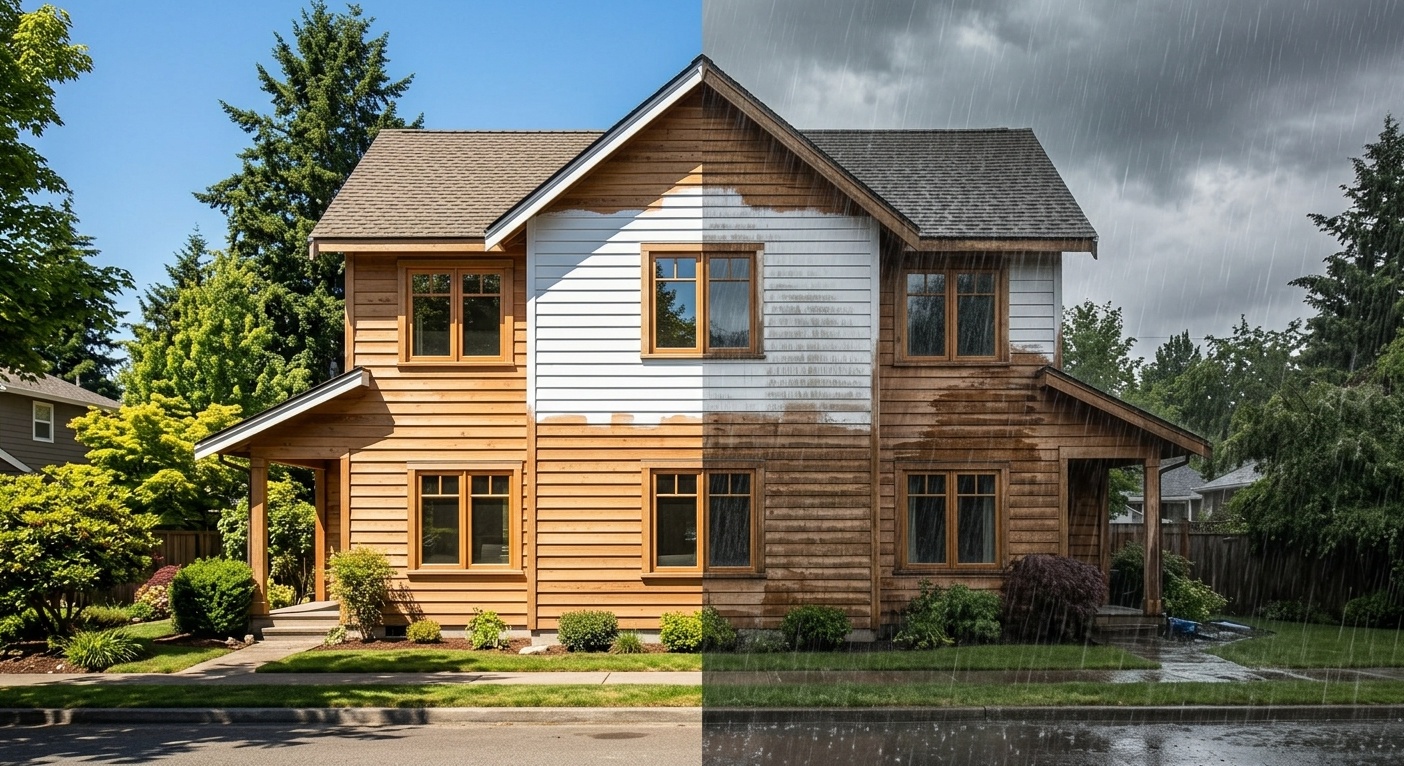
For coastal or windy areas, salt, sand, and airborne dirt matter. Washability becomes more important, and trim coatings take a beating. Semi-gloss trim paint can make maintenance easier, but the main siding may still look better in satin to avoid harsh reflections.
A climate-first decision table:
| Main weather threat | Prioritize | Avoid |
|---|---|---|
| Strong sun | Color retention, UV resistance, chalking resistance | Very dark low-quality colors |
| Humidity | Mildew resistance, washable satin finish | Flat paint in deep shade |
| Heavy rain | Blister resistance, breathable coatings | Non-breathable paint on masonry |
| Freeze-thaw cycles | Flexible acrylic binder | Brittle films on moving siding |
| Dust or road grime | Dirt resistance and rinseability | Very flat finishes near splash zones |
Color testing should happen in the same weather rhythm your house lives in. Test morning shade, noon sun, and evening warm light. A gray that feels balanced at 10 a.m. can turn blue by dusk; a cream can turn yellow beside brick; black trim can look crisp or too heavy depending on roof color.
Before buying samples, use the side-by-side palette preview to compare body, trim, shutter, and door combinations on your current exterior photo. It is not a substitute for a physical brush-out, but it narrows the field fast and with more empathy for the real house.
A strong exterior paint workflow has 5 checks: diagnose the surface, choose the binder, choose the sheen, choose the climate priorities, and visualize the full color scheme. This sequence reduces wasted samples, mismatched trim, under-primed surfaces, and expensive repainting caused by color regret or wrong product assumptions.
Start with surface condition. Walk the house and mark peeling, cracking, chalking, soft wood, mildew, rust stains, glossy old paint, and failing caulk. If you see moisture damage or structural decay, paint is not the fix. Paint protects a sound surface; it cannot repair rot, leaks, or substrate movement.
Then choose base and performance. Most siding gets 100% acrylic latex. Doors and metal details may need harder enamel or alkyd. Masonry needs breathable coatings. Concrete floors need floor-rated systems. If a product does not clearly fit the surface, do not force it because the color is convenient.
Next choose paint finish. Satin is the safest default for siding. Flat can work on rough stucco or older walls where hiding defects matters more than cleaning. Semi-gloss belongs on trim and high-touch details. Gloss is an accent, not a broad default.
Then choose climate priorities. If your house is sun-exposed, prioritize color retention and chalking resistance. If it sits in shade, prioritize mildew resistance. If rain hits one side hard, check blister resistance and surface breathability. If dust and splashback are frequent, prioritize dirt resistance and washable sheen.
Finally, visualize. At Paintit.ai, we consistently observe that homeowners often make better exterior decisions when they see the full composition: body color, trim, roof, driveway, planting, and neighboring homes. The most seamless workflow is to upload a straight-on house photo, test 3 body colors, add 2 trim options, then compare at least 1 bold door color.
You can try digital paint on the same facade photo before going to the store. Paintit.ai supports JPG, PNG, PDF, and DWG files, and tools like Repaint, Full Redesign, Style Transfer, and object-level edits can help separate siding, trim, shutters, doors, and masonry in a more intuitive flow.
A useful prompt is simple:
“Repaint the siding warm white, keep the roof and windows unchanged, make the trim soft black, keep the brick natural, and show a satin exterior finish in daylight.”
AI can approximate color and finish behavior, but it cannot guarantee exact manufacturer color in every lighting condition. Always confirm with real sample boards on your house. Think of AI as the instant composition test, then physical samples as the final sound check.
Paintit.ai also connects design intent to real furniture and decor workflows for interiors, but for exteriors the value is more focused: see the idea, tweak the scheme, then buy with less doubt. Type. See. Tweak. Buy.
These 6 questions cover the decisions homeowners usually search right before buying paint: brand value, primer, siding type, sheen, repaint timing, and whether premium pricing is worth it. The short answer is consistent: match the coating to surface, weather, and prep before comparing labels.
For most painted siding, the best exterior paint is a high-quality 100% acrylic latex formula in a satin or low-lustre finish. Behr Marquee, Behr Ultra, Clark+Kensington, Sherwin-Williams Emerald, and PPG Permanizer all have strong performance signals, but the right pick depends on surface and climate.
No. Test data shows that mid-priced paints such as Behr Ultra and Clark+Kensington can match or outperform more expensive lines in specific categories. A premium paint may still be worth it for contractor support, availability, or application feel, but price alone is not a durability metric.
Only in limited cases. Paint and primer in one can work over clean, sound, previously painted surfaces of a similar color. Use a separate primer on bare cedar, stained surfaces, chalking masonry, glossy old coatings, repairs, or major dark-to-light color changes.
Satin or low-lustre is usually best for main siding because it balances washability, dirt resistance, and visual softness. Flat hides flaws on older stucco or rough wood, while semi-gloss and gloss are better for trim, doors, shutters, and railings.
Most exterior projects need two coats for even coverage, proper film build, and better long-term protection. One coat may look acceptable at first on a similar color, but it often leaves weak spots at edges, repairs, and porous sections.
Preview the full scheme on your actual house, then test physical samples on different sides of the home. Check color in morning, midday, and evening light. Pay attention to roof color, brick, driveway tone, trim width, and neighboring homes before buying gallons.