6 min. reading

Yulii Cherevko
CEO paintit.ai
Published:

Look, interior design and construction projects are already complex enough. And honestly, one of the biggest headaches I've seen – and experienced – is the whole manual process of Automated construction procurement. It’s a huge, labor-intensive task. But here's the thing: new developments in agentic AI and super-precise 3D design data are finally changing the game. By using these tools, companies can ditch the endless spreadsheets and the guesswork. We're talking about an automated, truly smart way to handle procurement. Let’s dig into how Paintit.ai and similar tech are about to make material sourcing so much smoother, from that first design idea all the way to the materials landing on your site.
When you're dealing with interior design or architecture, especially on a bigger project, getting your materials sorted is a massive undertaking. The old way? It's a never-ending cycle of manual data entry, comparing blueprints, doing quantity calculations by hand, and trying to haggle with a bunch of different suppliers. This whole setup just screams 'human error.' And what do you get? Expensive delays, buying too much or too little, and frankly, a ton of wasted materials. If you're a project manager, it’s not just about finding the right stuff; it's about wrangling the entire complex Automate interior outfitting process, from what's on paper to when it actually shows up, often across a really scattered supply chain.
All these inefficiencies hit your budget and your schedule, hard. Get the material spec wrong, and suddenly you're tearing out walls. Supplier lead times? They can kill a project. Even if you plan everything perfectly, one unexpected change or hiccup in the supply chain can derail the whole thing. It’s pretty obvious we need something better: a system that's tougher, more flexible, and, crucially, automated.
To really fix the procurement mess, we need to understand two key technologies: agentic AI and 3D design data. These aren't just trendy terms; they're genuinely practical tools that bring serious intelligence and accuracy to a part of the job that used to be incredibly manual.
Agentic AI systems aren't just your standard automation. Regular automation just follows rules you give it. Agentic AI, though? It acts more independently. It makes its own decisions, learns from data, and adapts to new situations to hit a specific target. Imagine a super-smart digital assistant that can actually solve problems on its own. For material buying, this means an agentic AI can reroute orders on the fly, find new suppliers if inventory changes, or even tweak quantities if prices suddenly jump.
Unlike basic scripts, an agentic AI actually *gets* the context. It won't just blindly follow an instruction. Instead, it weighs up factors like cost, how long something will take to arrive, or even sustainability rules, and then it acts strategically. This is why it’s so crucial for understanding What is agentic AI commerce and why it's so good at tackling tough logistics problems.
It's simple, really: accurate buying starts with accurate data. Modern architectural and interior design relies heavily on 3D models – especially Building Information Modeling (BIM). These aren't just pretty pictures. They're packed with geometric details, material specs, quantities, and even how things perform. That's the core idea behind Machine-readable architectural data.
Forget pulling data by hand from old 2D drawings. 3D models let us get precise quantity take-offs automatically. Every single surface, part, and finish in a digital model can be tied directly to a specific material. This digital accuracy is the bedrock for automating your whole material ordering process. It means you order *exactly* what's in the design, every time.

The real magic of agentic AI and 3D data shows up when they work together in one smooth process. This turns those abstract design ideas into actual, physical material orders.
First up, we need to take that visual 3D design and turn it into a usable list of materials. Detailed 3D models – often made with AI architecture generator tools – have all the info we need. An agentic AI can read this data, pulling out every detail: material, finish, color, size, everything specified in the model. This is essentially about Automating bill of materials (bom) creation.
The AI then pulls exact material quantities, checks them against existing product catalogs, and sorts out what’s standard versus what needs a custom order. Generating this full Bill of Materials (BOM) automatically means no manual mistakes. It also massively speeds up the whole "3d design to material order" pipeline, giving you a rock-solid foundation for every buying decision that comes next.
After the BOM is ready, the agentic AI gets to work on specifying and validating everything. It compares your material choices against the project brief, your brand's standards, and crucial regulations – like sustainability certs, fire ratings, or even volatile organic compound (VOC) levels. For example, if your design calls for a specific paint color, the AI confirms that paint is actually available in that exact shade *and* that it meets all the performance needs, like being durable enough for a busy hallway.
The system can also spot potential problems, like if a certain adhesive won't work with your chosen tile, or it'll suggest alternatives if a material you picked is out of stock or discontinued. This constant, AI-powered check means only the right, compliant materials get ordered. That's a huge win for projects aiming at Reducing material waste in construction because it stops incorrect orders dead in their tracks – so you don't end up with stuff you can't use.
This is where agentic AI really shows what it can do. It doesn't just order the exact quantities from your BOM. No, it intelligently *optimizes* the purchase. It looks at standard pack sizes, how much might be left over (offcuts), and even future project needs to make sure you're not buying too much or too little. This is what we call autonomous bulk ordering. The AI can crunch the BOM to figure out the best quantities to buy, compare prices from a whole list of approved suppliers in real-time, and even grab those volume discounts for you.
It also gives you predictions on lead times and any potential delays, so you know your materials will show up exactly when you need them. This smart optimization directly tackles those familiar pains of waste and high costs. It ensures a much more cost-effective finishing procurement because every decision about order sizes and suppliers is backed by solid data.
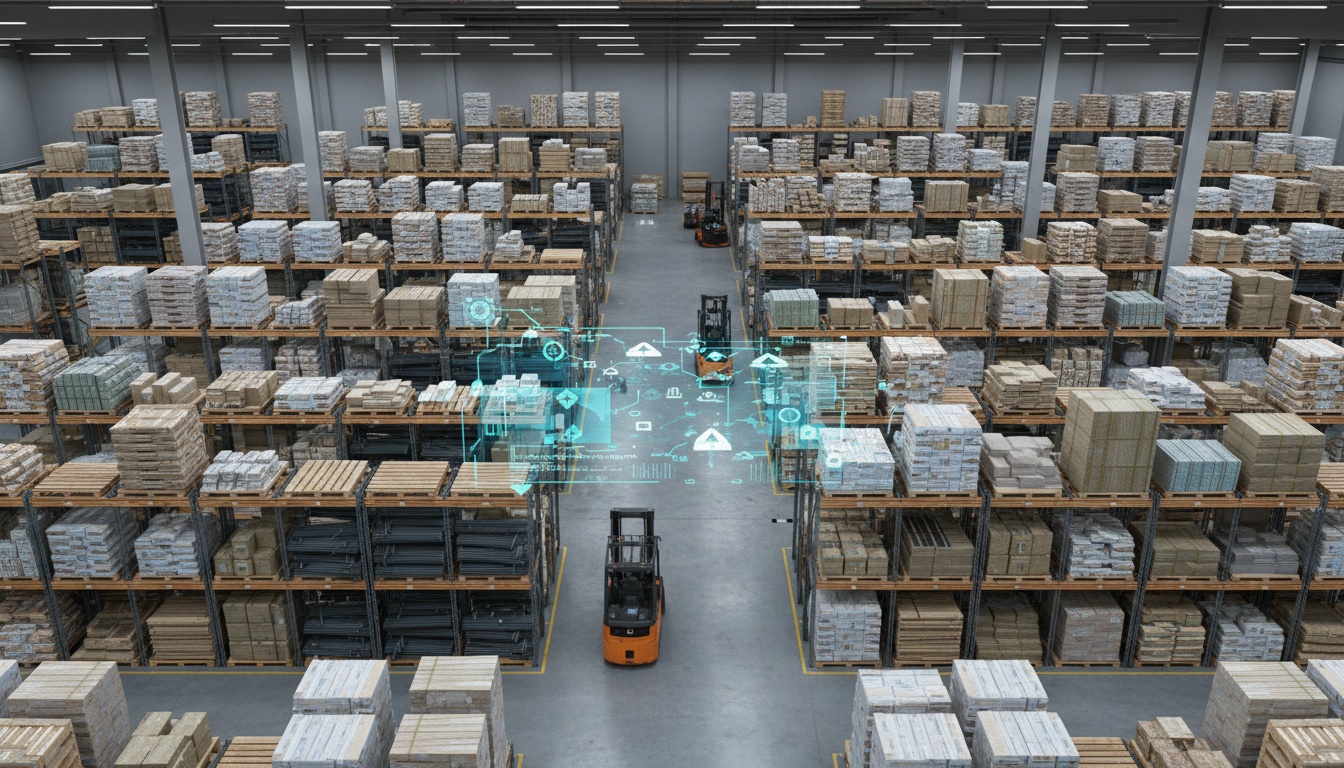
Bringing agentic AI and 3D data together does more than just fix internal buying. It makes the whole world for both suppliers and buyers much faster and more efficient.
If you sell building materials, agentic AI completely changes your online shop. Forget static product lists. An AI for e-commerce can give designers tailored suggestions based on their uploaded project specs, recommend matching products, and show real-time prices and availability. It makes buying materials incredibly smooth and quick for anyone in procurement.
This also makes ai-driven logistics for retail much easier. The AI can predict what customers will need, handle inventory, and even figure out the best shipping routes, all straight from the e-commerce site. It's a huge leap from just a catalog online to a truly smart, active sales and delivery system.
Agentic AI systems, especially when they link up with supplier APIs, give you a live look at inventory levels and how long things will take to arrive. This vital information lets procurement teams make smart choices, avoid running out of stock, and get ahead of potential delays. If your go-to material is suddenly unavailable, the AI can immediately suggest good alternatives that still fit your project's needs and timeline.
This constant, dynamic watch over the supply chain completely changes digital-to-physical logistics. You get materials moving much faster and more responsively. It means less time spent flipping through outdated catalogs and making manual calls. Instead, you can make quick changes to keep your projects on schedule.
When you combine accurate 3D data extraction, automated spec checks, and AI-optimized ordering, the result is huge: way fewer errors and much less waste. By precisely figuring out quantities, cutting down on over-ordering, and grouping shipments, agentic AI plays a direct role in Reducing material waste in construction. This isn't just about saving money; it's about actually building smarter and greener.
The AI's smart cross-referencing—checking specs against what suppliers offer and what your project needs—means you get the right stuff, the first time. This cuts down on returns, minimizes waste right there on your site, and makes sure resources are used efficiently from the moment you design something until it's delivered.
Let's be real: setting up an automated material ordering system isn't something you just flip a switch on. It takes smart planning and careful execution. But it's a strategic change that pays off big time.
The whole thing hinges on having clean, detailed data. Make sure all your design files are in a really good 3D format—think BIM or detailed CAD—and include exact material specs. Then, link your 3D design software with the AI procurement platform. This means connecting systems via APIs and making sure all your data can talk to each other. For the best results, you might want to create a standard format for your own material library, something the AI can easily pull from. This builds the groundwork for effective mcp for construction supply.
No two projects are exactly alike, and frankly, no two companies have the exact same buying priorities. So, you'll need to set up the agentic AI's parameters to match your specific requirements. That could mean telling it your favorite suppliers, setting budget limits, deciding if lead time matters more than cost, or enforcing certain sustainability rules or quality standards. The cool part? The AI actually gets smarter over time as it handles more orders and learns from your feedback on its decisions.
Before you go all-in, run some pilot projects. Use actual project designs to see how accurate the system is at creating BOMs, checking specs, and optimizing those bulk orders. Compare what the AI spits out with your old manual methods. That helps you spot any issues and fine-tune the AI's settings. This testing phase, where you keep iterating, is absolutely essential. It builds confidence in the system and ensures it's rock-solid for big operations.
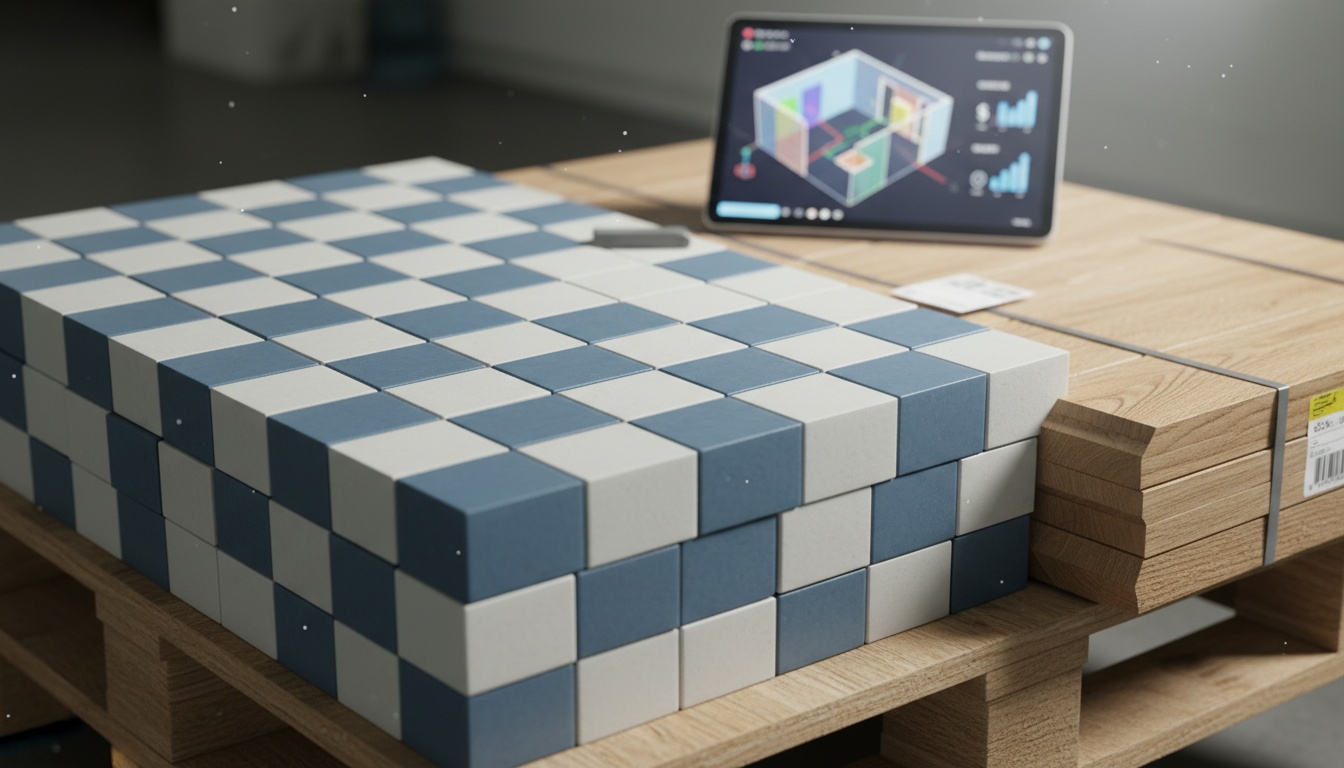
The way I see it, material procurement is heading for even more independence and smarts. We're moving towards complete 'digital twins' of construction projects – basically, a perfect digital copy where every single physical item has a virtual twin that updates instantly. Agentic AI won't just place orders; it'll also handle the entire material journey, from tracking deliveries and monitoring what's used on-site, to even predicting when something might need maintenance.
This future means a super-responsive, tough supply chain that can handle global disruptions with hardly a blip. The AI's ability to constantly learn will lead to what I call 'predictive procurement.' Materials won't just be ordered when you need them *now*, but based on what projects are coming, market shifts, and how healthy the supply chain looks. Our vision for Agentic ai for building materials is to completely change every step of the construction supply chain.
Q: How does agentic AI differ from standard automation in material ordering?
A: Standard automation follows pre-set rules. Agentic AI can learn, adapt, make decisions, and proactively solve problems within its defined goals, such as optimizing an order based on evolving constraints like price fluctuations or stock availability. It’s a more dynamic and intelligent system.
Q: What kind of 3D design data is required for this process?
A: Highly detailed 3D models, such as those created in BIM (Building Information Modeling) or advanced CAD software, are essential. The models need to include precise specifications for materials, finishes, and dimensions to ensure accurate take-offs.
Q: Can this system handle custom-material orders?
A: Yes, agentic AI can be programmed to identify custom material requirements from the 3D model and initiate the custom order process. It can flag these for human review or directly interface with custom fabrication suppliers, streamlining a complex part of procurement.
Q: How does AI help reduce waste in bulk material orders?
A: By accurately calculating required quantities based on precise 3D data, AI minimizes over-ordering. It also optimizes orders by considering standard pack sizes and minimizing offcuts, which significantly reduces material waste and storage costs.
Q: Is this technology suitable for small projects, or only large-scale ones?
A: While the benefits are most pronounced for large-scale projects due to volume and complexity, smaller projects can still benefit from reduced errors and streamlined specification. The return on investment (ROI) typically increases with project size and complexity.
Switching from manual material orders to a smart, automated system, thanks to agentic AI and 3D design data, isn't just an improvement. It's a complete rethink of how we buy things. By connecting digital design straight to physical delivery, companies can get much better efficiency, accuracy, and big cost savings. For anyone involved in Automated construction procurement, jumping on board with these technologies is the clearest way to streamline operations, cut down on waste, and make sure projects succeed – right from those initial design pixels to the final pallets arriving on site.


