6 min. reading

Yulii Cherevko
CEO paintit.ai
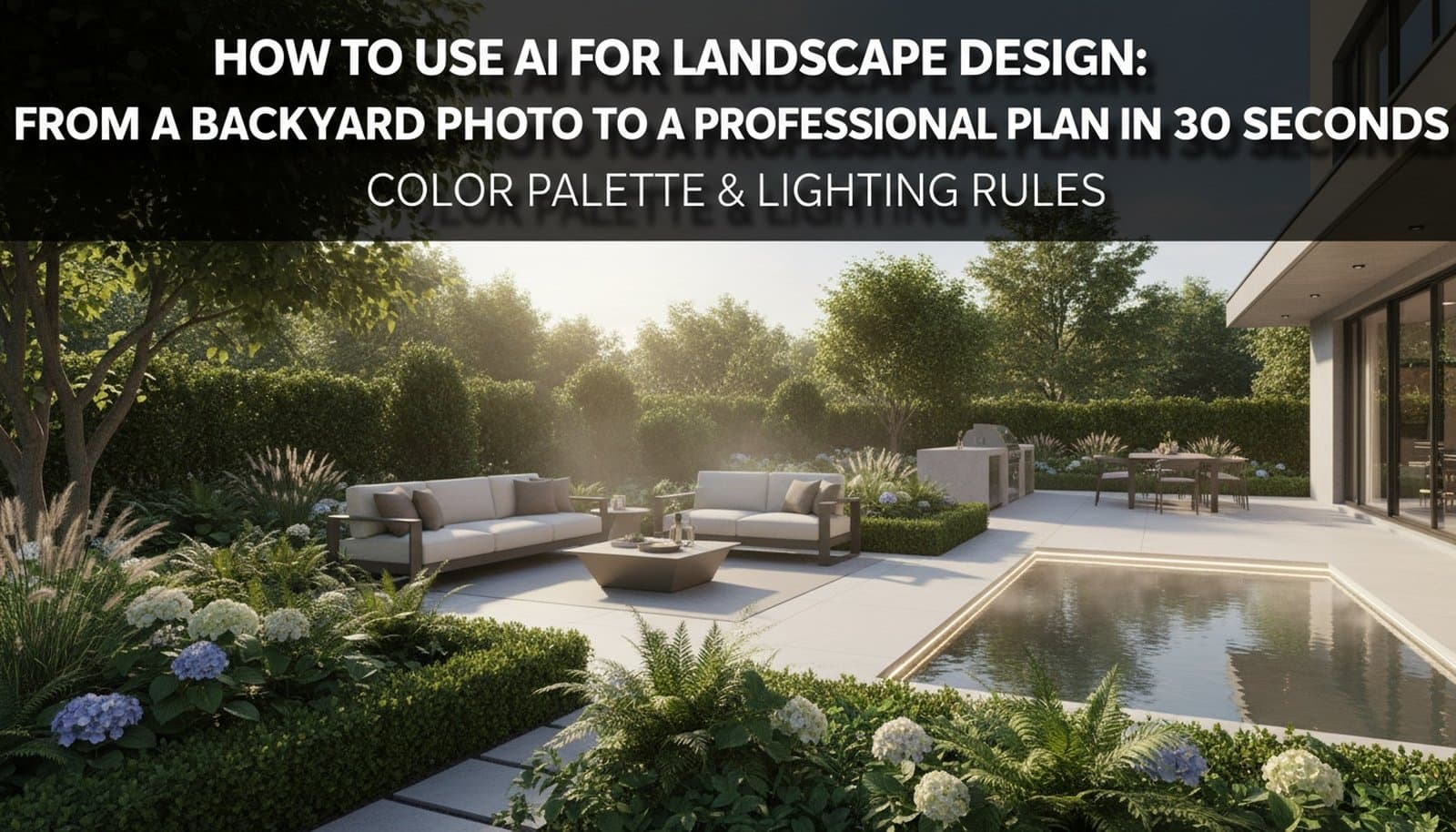
Trying to turn your backyard from just grass into something truly amazing and practical can feel like a massive undertaking. I know that feeling of staring at a blank space, overwhelmed. But what if you could whip up a professional landscape plan in mere seconds, just from a photo of your current yard? That's exactly where we are with AI for Landscape Design Solutions. This smart tech lets homeowners and DIYers like us picture our dream gardens, patios, and entertainment spots faster and easier than ever before. With tools like Paintit.ai, you can go from a simple backyard picture to a plan that looks professionally done in under 30 seconds. It makes the whole design process simple, inspiring, and incredibly quick. If you're looking for even more ideas, check out how to Design Your Dream Backyard.

So, what exactly is AI landscape design? Basically, it's artificial intelligence using smart algorithms to look at your space, understand your taste, and even consider things like local weather, then generate designs and ideas for your outdoor areas. You tell it what you want – maybe upload a picture of your yard, pick a style, or mention specific features – and it turns those inputs into full-blown design concepts.
The biggest win here is how fast and accessible it is. Traditional landscape design? That usually means long meetings, drawing things by hand, and pricey changes if you don't like something. AI cuts through all that by:
Honestly, this approach makes it totally practical for anyone wondering how to use AI for landscape design to see real results in no time.
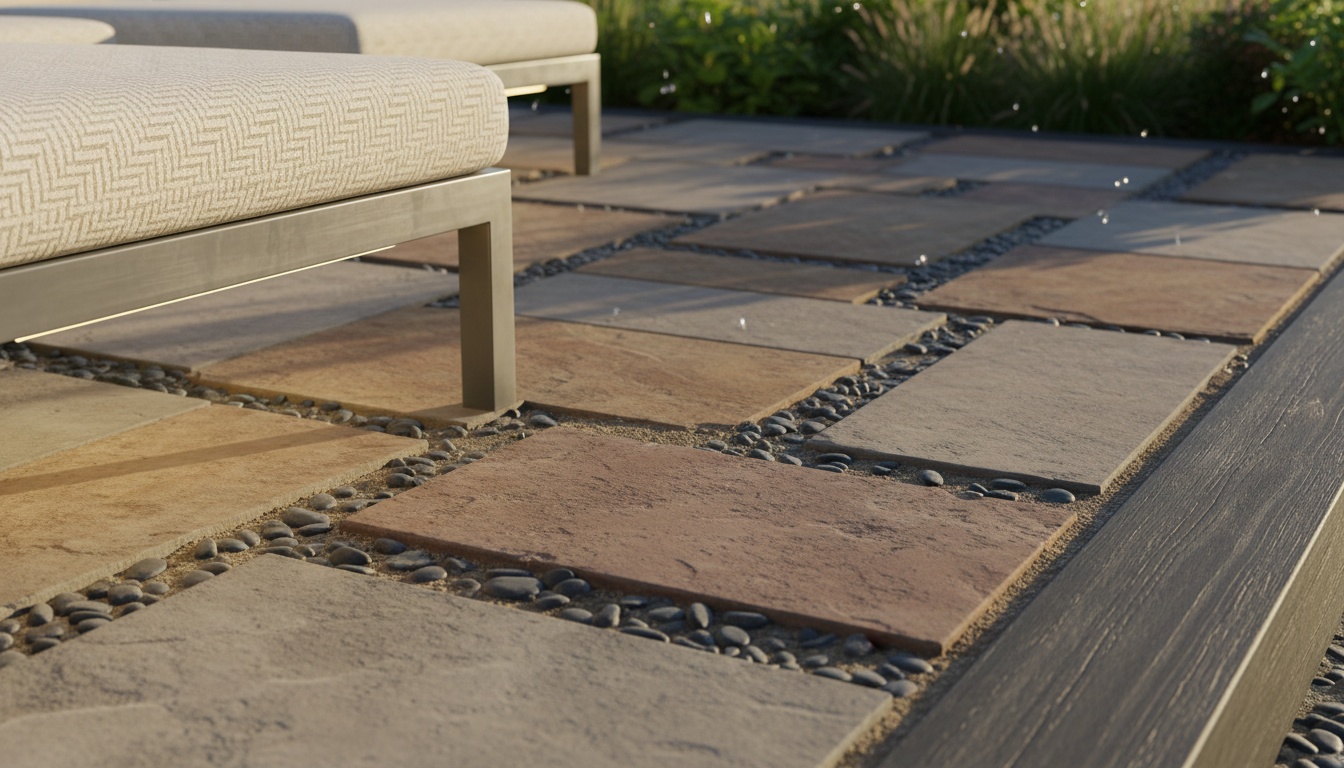
Creating an AI Landscape Design Tool plan from a photo is surprisingly straightforward. The main thing is giving the AI a clear picture of your space and telling it what you're hoping for.
Snap Your Space: Start by taking a good quality photo of your backyard or outdoor area. Make sure it shows the whole area you want to redesign, with decent lighting and not too many things blocking the view. A wide shot usually works best.
Upload to the Platform: Head over to an AI design platform, like Paintit.ai. Just upload your photo straight into the system.
Tell It Your Vision: Now, input your design preferences. This typically means choosing a style (like Modern, Rustic, or Zen), listing the main things you want to include (a patio, a water feature, a fire pit, maybe?), and picking materials (natural stone, wood deck, you get the idea). You might even specify certain plants or color schemes.
Generate and Refine: The AI gets to work. It processes your requests, looks at your photo for how things fit together, where the light hits, and where things could go. In moments, it spits out an ai generated landscape design concept. From there, you can tweak it – move things around, swap out materials, or try different styles until you land on a plan you love. An AI Exterior Design Tool can also help you make sure your new landscape blends perfectly with your home's look.
AI tools really let you play around with endless ideas for your outdoor space. Here are some popular styles and features you can easily visualize:
Think sleek, minimal, and super calm. Imagine big, geometric pavers, linear water features, structured seating, and subtle built-in lighting. Play with shades of gray, white, and deep green, using smooth concrete or porcelain tiles.
Go for cozy and organic. Picture natural stone paths, a rough-hewn timber pergola, and flowing flower beds. Focus on earthy tones – rich browns, deep greens, and terracotta. String lights and an outdoor fireplace will really complete the vibe.
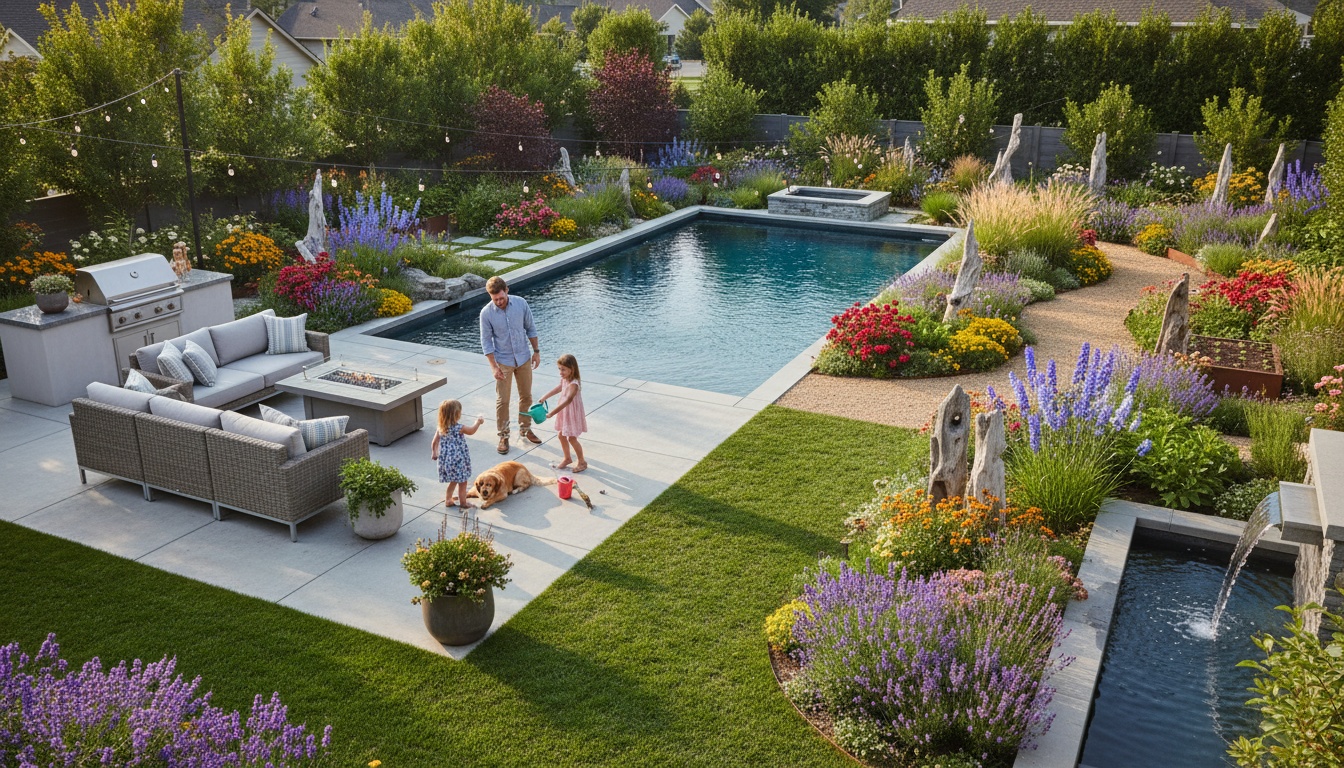
Design a space that's safe and fun for everyone. Include dedicated play areas, big patios, and easy-to-care-for lawns. Use tough materials like concrete pavers or composite decking, with bright, happy colors in your outdoor furniture. This is a perfect example of ai backyard design in action.
Create a peaceful, meditative spot. Think raked gravel, carefully placed rocks, and simple water features. Muted greens, grays, and sandy beiges are key, with subtle lighting to highlight important elements.
Combine beauty with practicality by adding fruit trees, veggie patches, and herb gardens. Visualize raised garden beds, espaliered trees, and herb spirals. Use natural wood for beds and stone or brick for pathways.
Focus on being eco-friendly and low-maintenance with plants that don't need much water. Imagine gravel or mulch ground cover, succulents, ornamental grasses, and cool, sculptural rocks. Muted earth tones, silvers, and dusty greens are common here.
Achieve that lush, informal, romantic look. Design winding paths, overflowing flower borders, climbing roses, and rustic benches. A riot of pastels and bright jewel tones will fill the space, along with brick paths and weathered wood.
Bring that warm, inviting coastal European feel to your home. Picture terracotta pots, olive trees, stone or tile patios, and pergolas covered in climbing vines. Warm neutrals, deep blues, and pops of bright flowers define this palette.
Beyond just a general family zone, this is all about imaginative and stimulating play. Think age-appropriate structures on soft surfaces, sensory garden elements, and natural play features like logs. Safety and durable materials are the top priority.
Build a peaceful escape centered around the calming sights and sounds of water. Visualize ponds, streams, waterfalls, or fountains, surrounded by lush plants and comfy seating. Cool blues and greens, natural stone, and gentle lighting will create a tranquil atmosphere.
An AI-generated plan gives you a great visual roadmap, but turning it into reality takes some practical steps.
Detailed Planning: Take a good look at your AI design. Think about things like how much sun it gets, drainage, and where existing utility lines are. While AI gives you a solid starting concept, a local landscape architect can provide precise technical drawings for anything complex or make sure you're following local rules.
Phased Implementation: Big projects can be broken down. Start with hardscaping (patios, paths) and major structures (pergolas, outdoor kitchens), then move on to planting and lighting.
Site Preparation: This means clearing the area, grading it so water drains correctly, and getting the soil ready for planting.
Hardscaping First: Install the non-living parts first – things like patios, decks, and retaining walls. Make sure to leave plenty of room for furniture and walking around; for instance, you'll want at least 1.5 meters of clearance around a dining table. Pathways should be at least 1 meter wide for comfortable strolling.
Planting: Follow your AI plan for where to put plants. Always check their mature sizes and recommended spacing on the tags to avoid things getting too crowded. Picking plants that thrive in your local climate and soil is key for them to stay healthy long-term.
Finishing Touches: Add furniture, decor, and finalize your lighting setup.
The materials and plants you pick are crucial for both how your landscape looks and how long it lasts.
Outdoor lighting isn't just about seeing where you're going; it sets the mood, highlights cool features, and lets you use your space long after the sun goes down.
A: With AI tools, you can generate initial landscape plan concepts in as little as 30 seconds to a few minutes after uploading a photo and defining your preferences.
A: Advanced AI tools can analyze uploaded photos for basic topographical features and sun patterns. For critical details like precise drainage solutions or complex soil conditions, cross-referencing with a professional assessment or manual input remains best practice.
A: AI provides a powerful visualization and conceptualization tool. It can serve as a professional plan for many purposes, especially for visualizing ideas and guiding DIY projects. For complex projects requiring engineering or precise construction, it may need refinement by a human landscape architect.
A: High-resolution photos taken during daylight, showing the entire area you want to design, with minimal obstructions, yield the best results. A clear, wide view of existing features is crucial for the AI to understand the space effectively.
A: Yes, AI tools are typically designed to generate designs based on various style inputs. You can often specify your desired style, and the AI will incorporate its typical elements, plant palettes, and hardscaping concepts.
The ability to turn a simple backyard photo into a detailed, professional-quality landscape plan in seconds is truly here. Using tools that provide Best AI Landscape Tools, you can quickly try out ideas, explore all sorts of styles, and see your outdoor living space come to life visually before you even pick up a shovel. Whether you're dreaming of a peaceful retreat, a lively family hub, or an efficient garden for growing food, AI makes the design journey easy, inspiring, and incredibly fast. Start exploring the possibilities for your home's exterior today.