5 min. reading

Yulii Cherevko
CEO paintit.ai
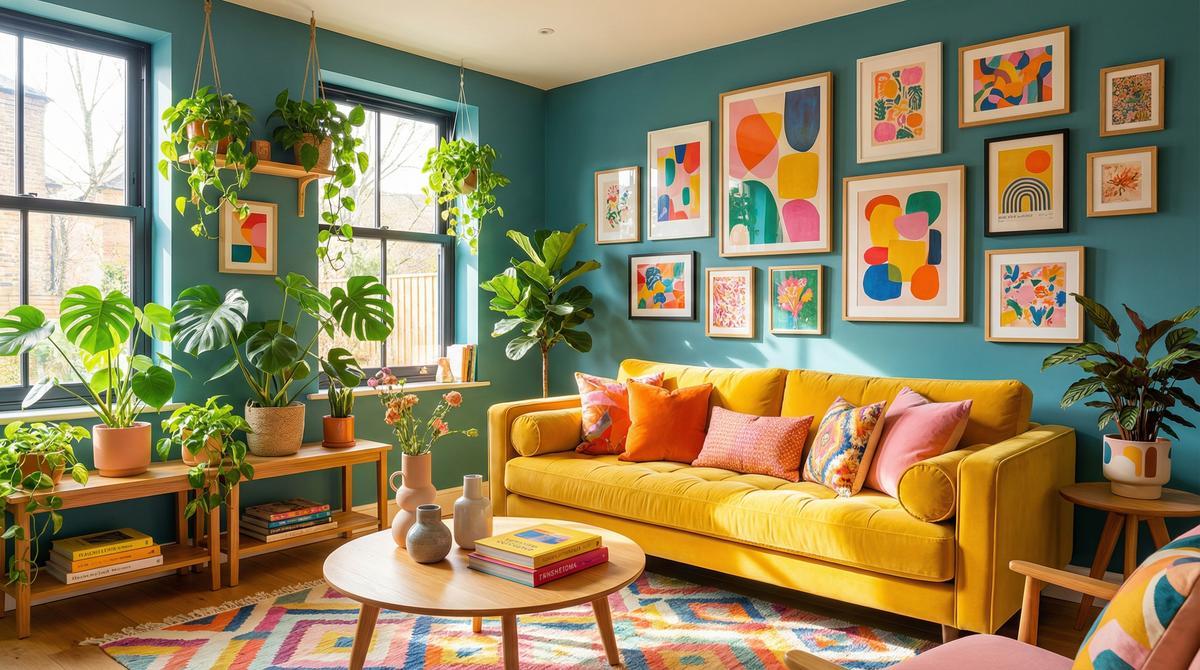
Imagine walking into your home and immediately feeling a rush of happiness. Not because it looks like a magazine cover, but because it feels inherently you. This is the essence of dopamine decor.
Unlike rigid minimalist trends or the "sad beige" aesthetic that dominated social media for years, the dopamine decor trend isn't about following rules. It is about leveraging the psychology of design-specifically neuroaesthetics-to create spaces that trigger the release of dopamine, the brain's "feel-good" chemical.
Whether you are a maximalist at heart or just looking to add a splash of cheer to your living room, this guide will help you curate a space that lifts your mood every single day.
At its core, dopamine decor is the antithesis of the impersonal showroom look. It is a design philosophy that prioritizes emotion over convention. According to design psychology experts, our surroundings have a profound impact on our mental well-being.
The trend gained massive momentum post-pandemic as people spent more time indoors and realized their homes needed to be more than just functional-they needed to be emotional sanctuaries. As noted by industry observers like Elle Decor, this movement is partly a rebellion against the stark minimalism of the 2010s. It encourages us to embrace color, whimsy, and personal memories.
A common misconception is that dopamine decor is just "cluttercore" or chaotic maximalism. While they share similarities-such as a love for abundance and color-dopamine decorating is more intentional. It is not about filling every inch of space; it is about curating items that trigger a specific positive memory or feeling. Every object should earn its place by sparking joy.
To successfully bring this vibe into your home, focus on these four fundamental elements. You don't need to renovate your entire house; often, small adjustments yield the biggest emotional returns.
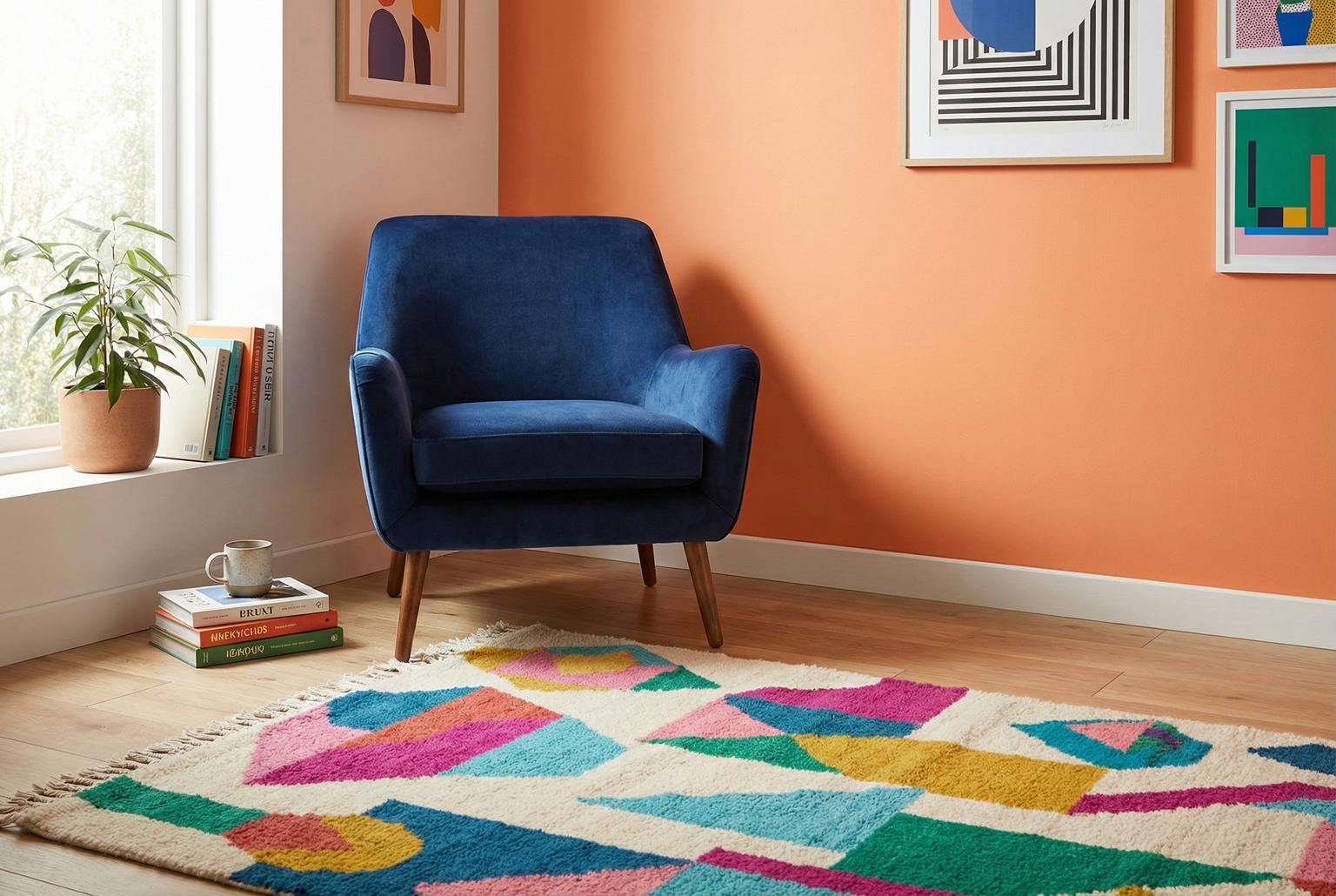
Color is the fastest way to signal the brain. Bright, warm colors like yellow, orange, and pink are known to energize, while cool tones like teal and lilac can soothe while still providing visual interest.
Action Step: Don't be afraid of bold walls. If you are hesitant about painting a whole room "Sunset Orange," start with an accent wall or colorful furniture.
Tech Tip: Unsure which bright hue fits your space? Use our AI House Painter to visualize different colors on your walls before buying a single drop of paint.
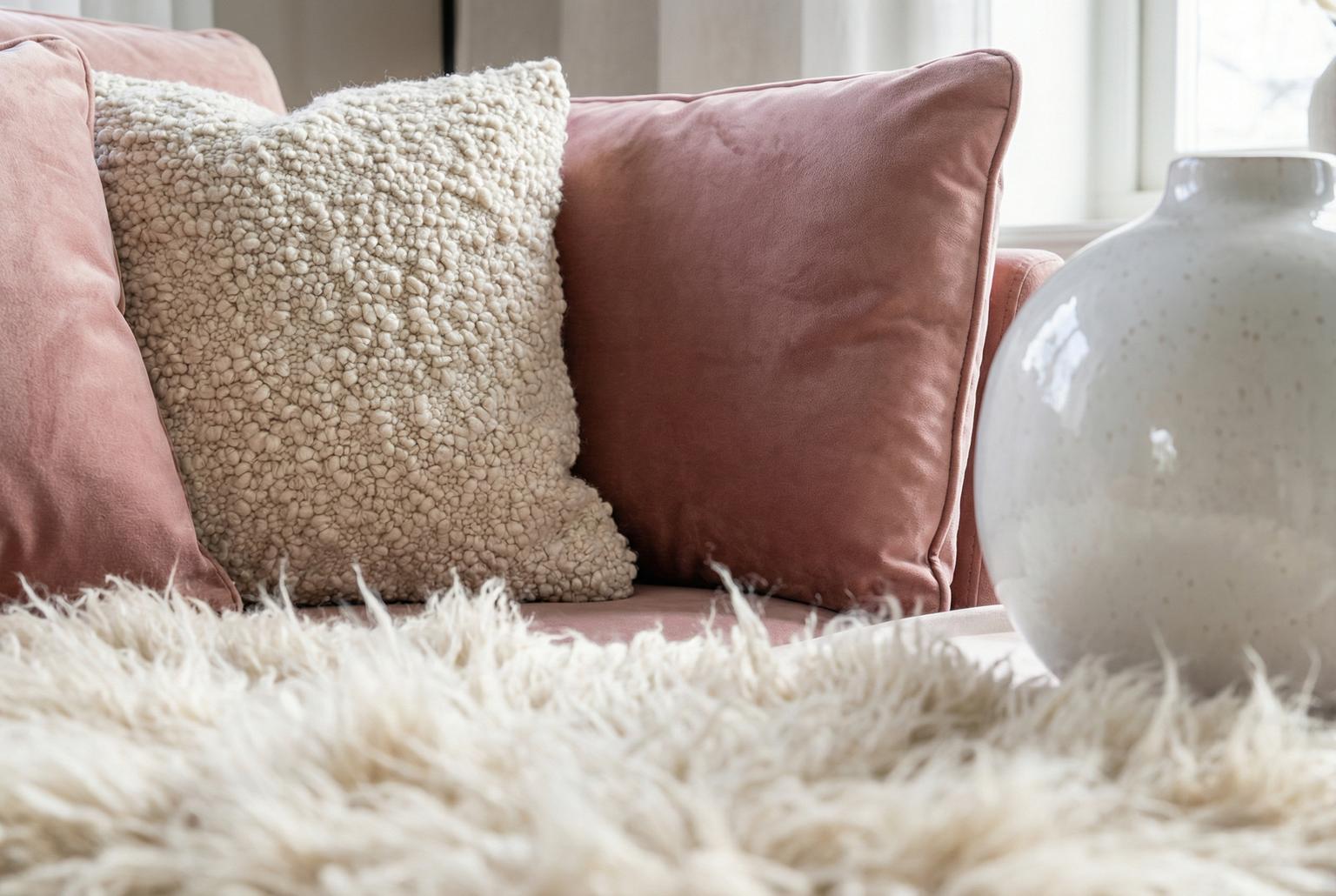
Dopamine isn't just visual; it's tactile. We crave touch. The trend emphasizes materials that feel good against the skin-velvet sofas, boucle throw pillows, fluffy rugs, or smooth ceramics. Mixing textures adds depth and coziness, transforming a flat room into an inviting haven.
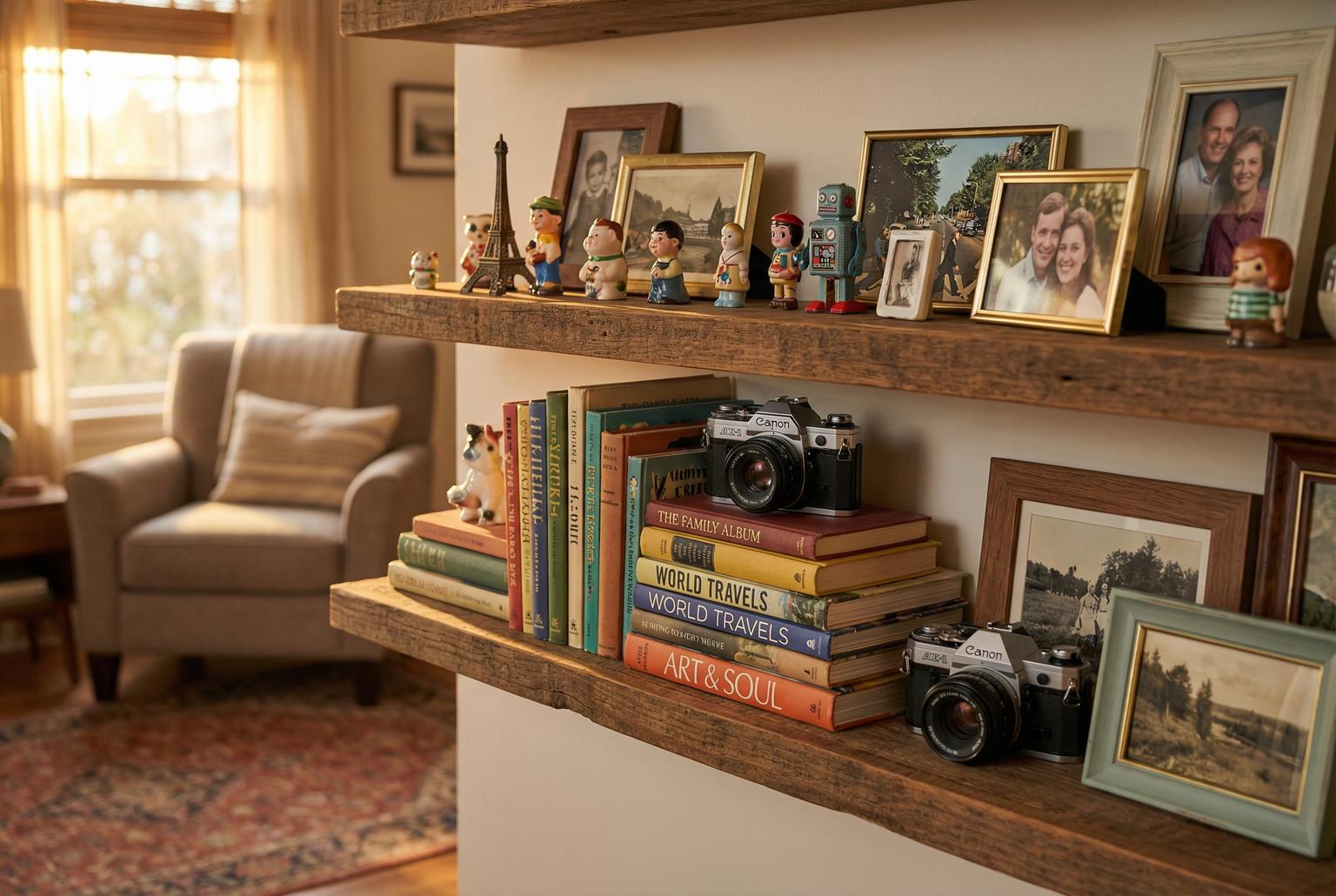
Your home should tell your story. Displaying items from your travels, vintage finds from your childhood, or quirky art pieces creates a sense of safety and identity.
Why it works: Seeing objects associated with happy memories triggers the same neural pathways as experiencing those moments again.
Idea: Create a "happiness gallery wall" mixing family photos with colorful art prints and vintage postcards.
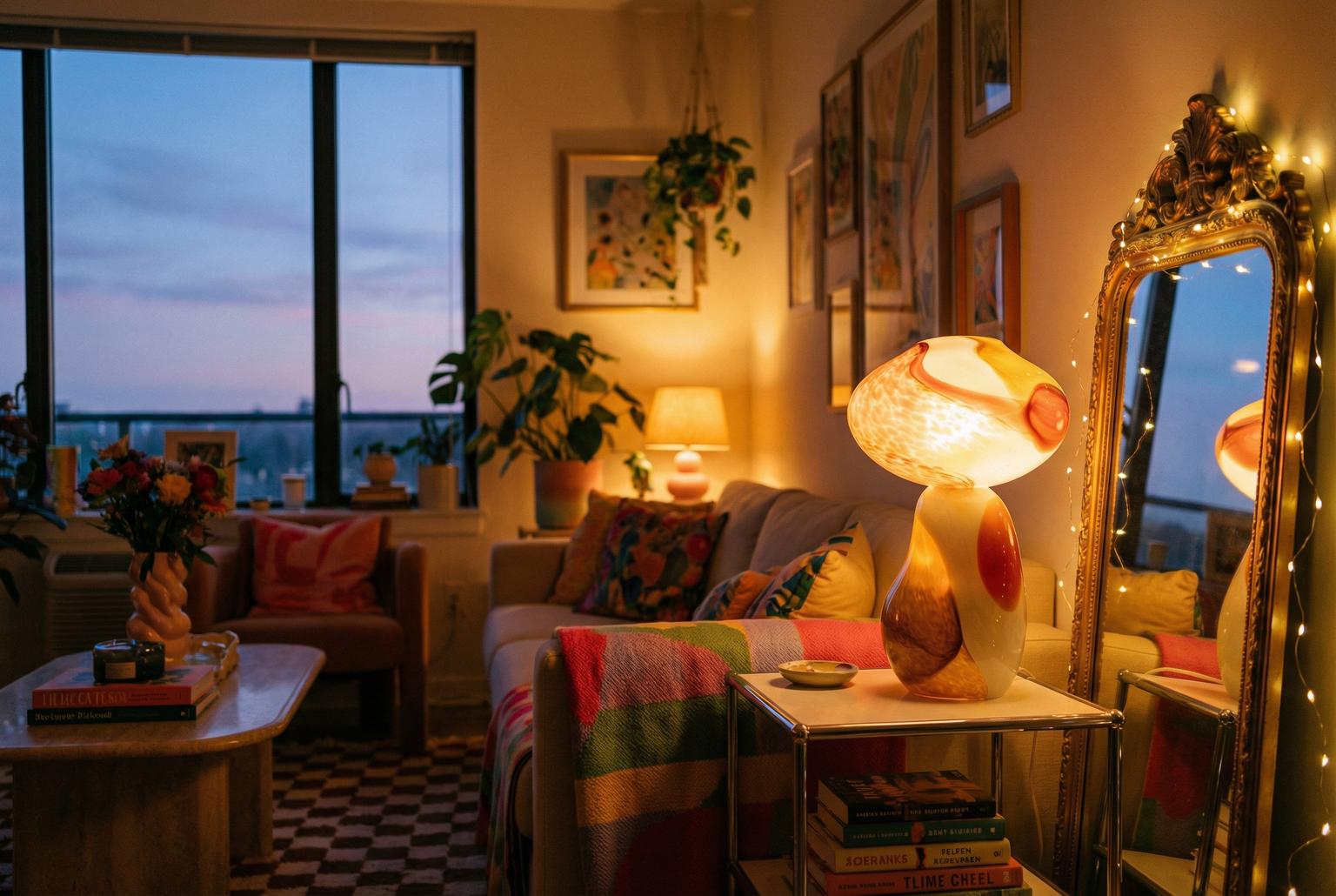
You cannot have dopamine decor in the dark. Natural light is the best mood booster, but ambient lighting is equally critical. Swap out harsh, clinical white bulbs for warm, soft lighting. Add playful lamps with sculptural shapes or colorful shades to act as functional art.
Ready to inject some joy into your home? Here is a room-by-room breakdown to get you started without overwhelming your senses.
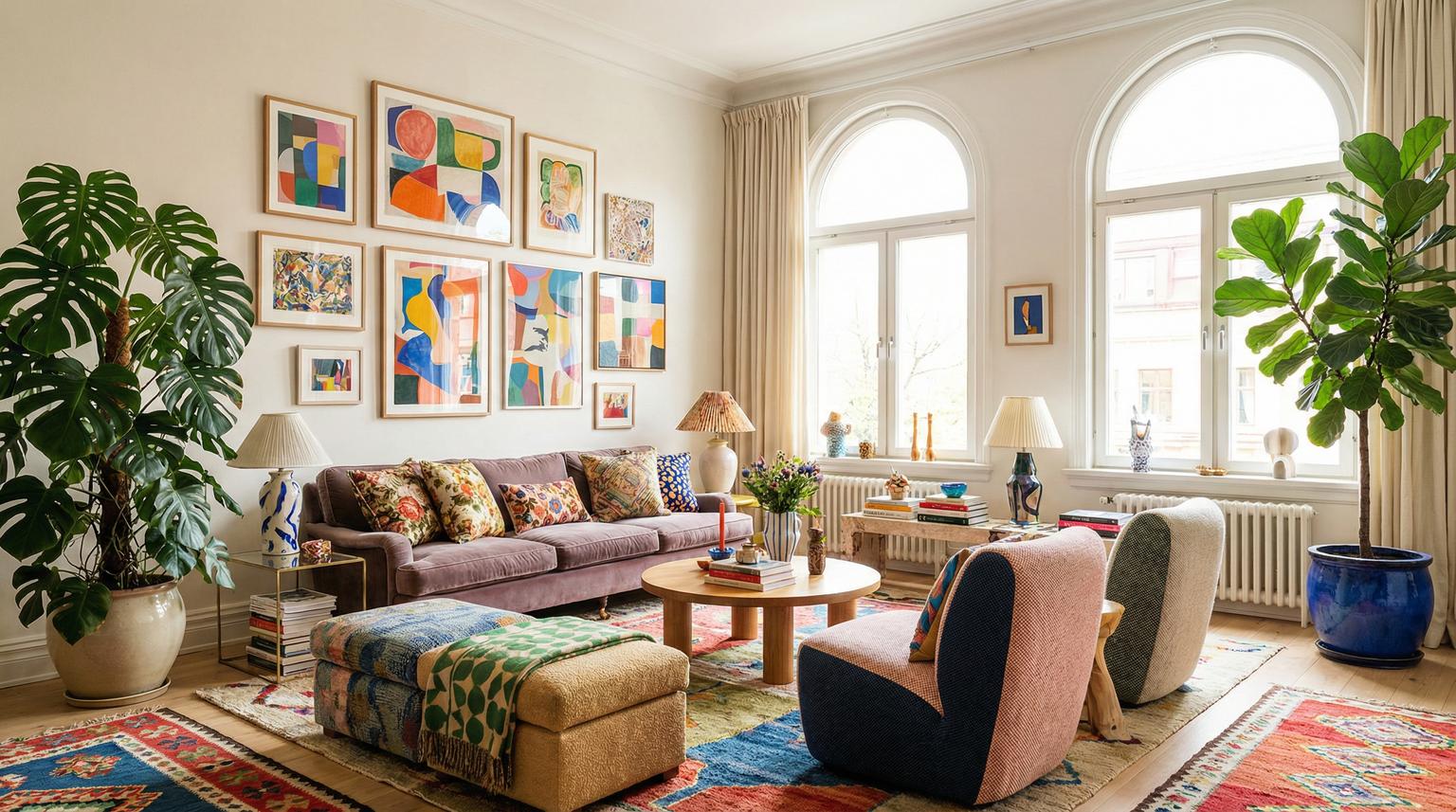
This is the safest place to experiment. Start with a statement rug or a bold sofa.
Layering: Mix vintage patterns with modern silhouettes.
Art: Hang art lower than usual, at eye level, to create intimacy.
Greens: Add houseplants. Biophilic design (connecting with nature) is a proven stress reducer.
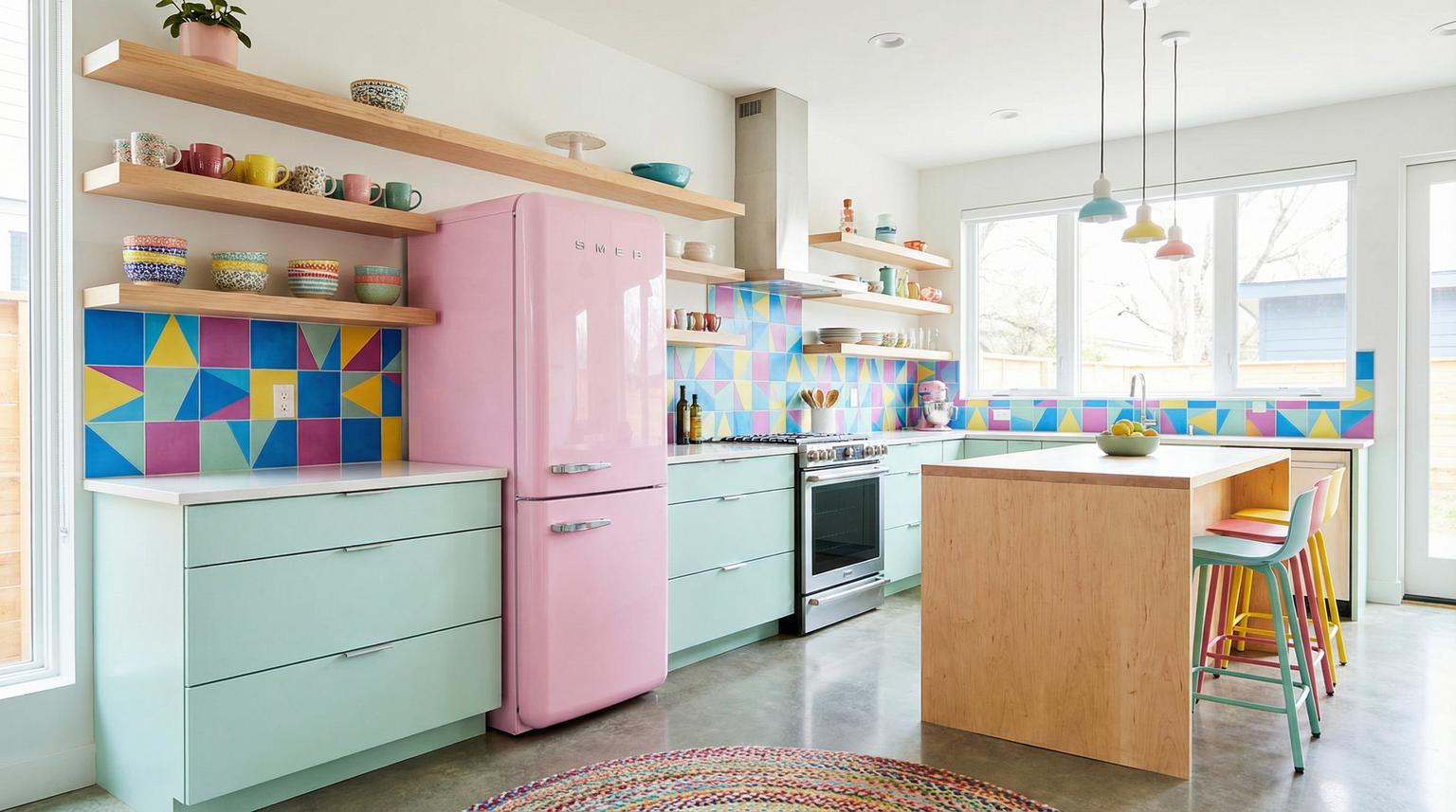
Kitchens are often sterile, but they don't have to be.
Backsplash: Use peel-and-stick tiles in a geometric pattern.
Appliances: Who says a toaster has to be silver? Look for retro-style appliances in pastel colors.
Open Shelving: Display your colorful mugs and bowls instead of hiding them away.
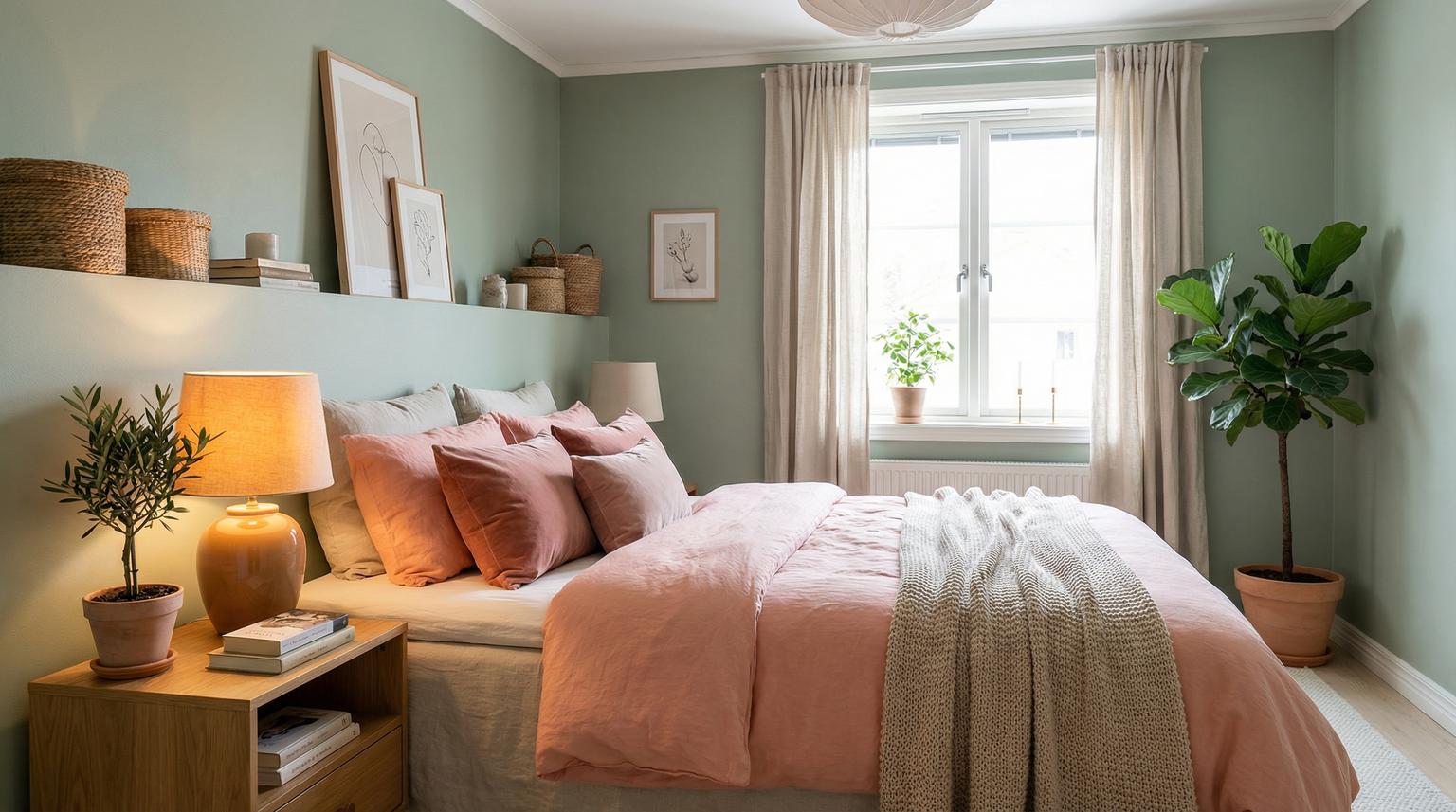
While the living room can be energetic, the bedroom should be a calming version of dopamine decor.
Bedding: Choose high-quality linens in your favorite soothing color (think sage green or soft coral).
Lighting: Use fairy lights or a sunset lamp to create a dreamy atmosphere.
Declutter: Keep the visual noise low here to ensure restful sleep.
Pro Tip: Visualize your new layout before moving heavy furniture. Our AI Room Design tool can help you arrange these eclectic elements to ensure they flow harmoniously rather than clashing.
You do not need a designer budget to achieve a designer look. As highlighted by retail experts, the dopamine decor trend is accessible to everyone because it celebrates the "found" and the "thrifty."
Thrift and Upcycle: Visit flea markets. A $10 vintage lamp can add more character than a $200 store-bought one.
Paint Everything: Paint is the cheapest renovation tool. Paint a door frame, a chair, or even a ceiling medallion in a contrasting color.
Swap Hardware: Changing cabinet knobs to fun, colorful shapes is a low-risk, high-reward update.
Textile Swap: Change your cushion covers or curtains. It allows you to change the room's mood seasonally without buying new furniture.
While the name "dopamine decor" is trending now, the concept of decorating for personal happiness is timeless. Unlike fad-based styles, this approach is rooted in your personal taste, meaning it will likely "last" as long as it brings you joy.
Absolutely. You can have a clean, uncluttered space (minimalist structure) but use bold colors and meaningful art (dopamine elements). It is often called "colorful minimalism."
The key is curation. Group collections together rather than scattering them. Ensure there is "negative space" (empty space) for the eye to rest.
Yes! In fact, bold choices in small spaces (like a powder room or small office) can make them feel intentional and jewel-box-like rather than just cramped.
Dopamine decor is more than just a hashtag; it is a permission slip to design your home for you. It invites you to break the rules, embrace color, and surround yourself with things that make you smile.
Whether you are painting an accent wall or simply displaying your vintage camera collection, the goal is simple: create a space that greets you with a hug when you walk through the door.
Ready to find your happy style? Visit Paintit.ai to explore more design tips or use our AI tools to start visualizing your dream home today.