
The Essence of Moroccan Style Interior Design
Explore the intricate charm of Moroccan style interior design where age-old artisanship intertwines with contemporary sophistication. This captivating style features bold colors combined with intricate patterns and exotic textures to craft inviting spaces. Transform your living space into a serene luxury retreat by incorporating North African charm through Moroccan design elements.
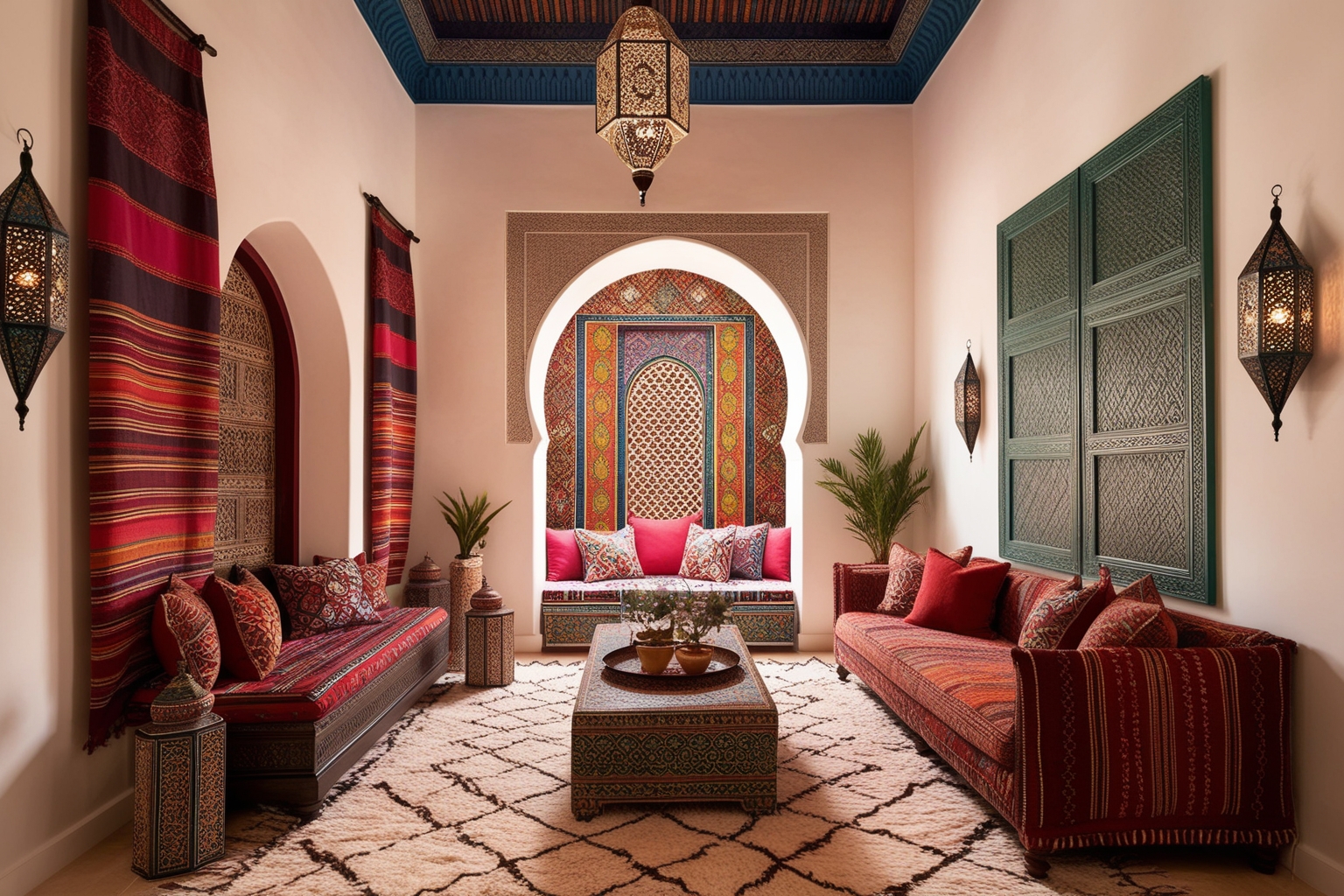
Three Named Crafts Define Moroccan Style
Moroccan design isn't a color palette - it's three specific, named crafts with centuries of technique behind them, each worth knowing on its own terms.
-
Zellige: Hand-Cut Tile Mosaics
Zellige is hand-cut geometric terra cotta tilework, introduced through Islamic and Andalusian influence between the 7th and 15th centuries. Each piece is cut by hand, which means genuine zellige carries small imperfections that machine-made lookalikes don't - a detail that's part of the material's authenticity, not a flaw to correct.
-
Tadelakt: Waterproof Polished Plaster
Tadelakt takes its name from a Berber word meaning "to rub, massage, and caress," describing how the lime plaster is applied and polished. Originally used by Berbers to waterproof underground water cisterns, it's now used for walls, floors, and wet areas because it's genuinely waterproof, not just decorative - and it forms smooth, seamless curves that tile can't.
-
The Riad: A House Turned Inward
A riad is a traditional courtyard house with a central fountain or garden - its rooms face inward toward that courtyard rather than outward toward the street, a layout suited to privacy and heat management. Recreating the "Moroccan" feeling indoors often means recreating this inward focus: a central gathering point the room organizes around, rather than scattered furniture facing a wall.
14 Moroccan Style Interior Design Ideas
-
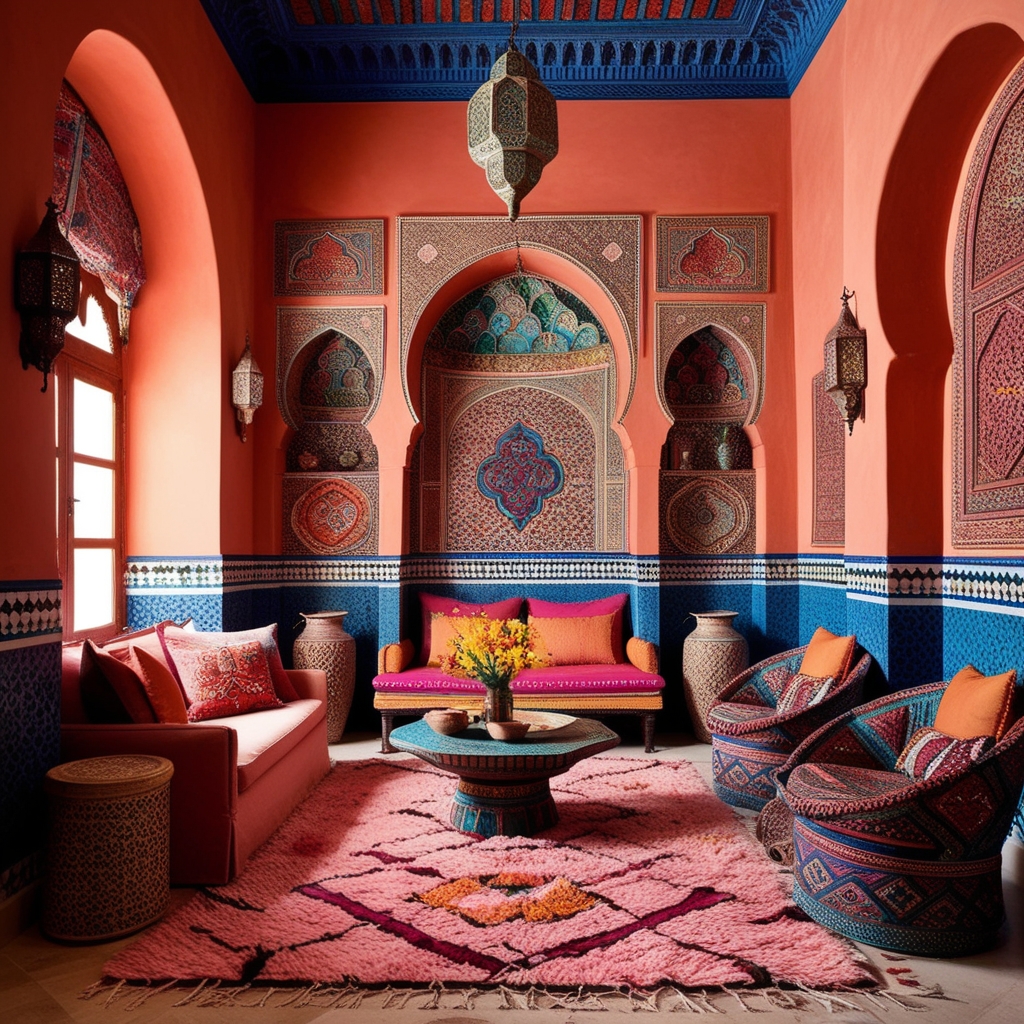
Bold Accent Colors and Geometric Patterns
One saturated wall color against geometric floor tile is enough contrast; adding pattern to both surfaces starts to compete.
-
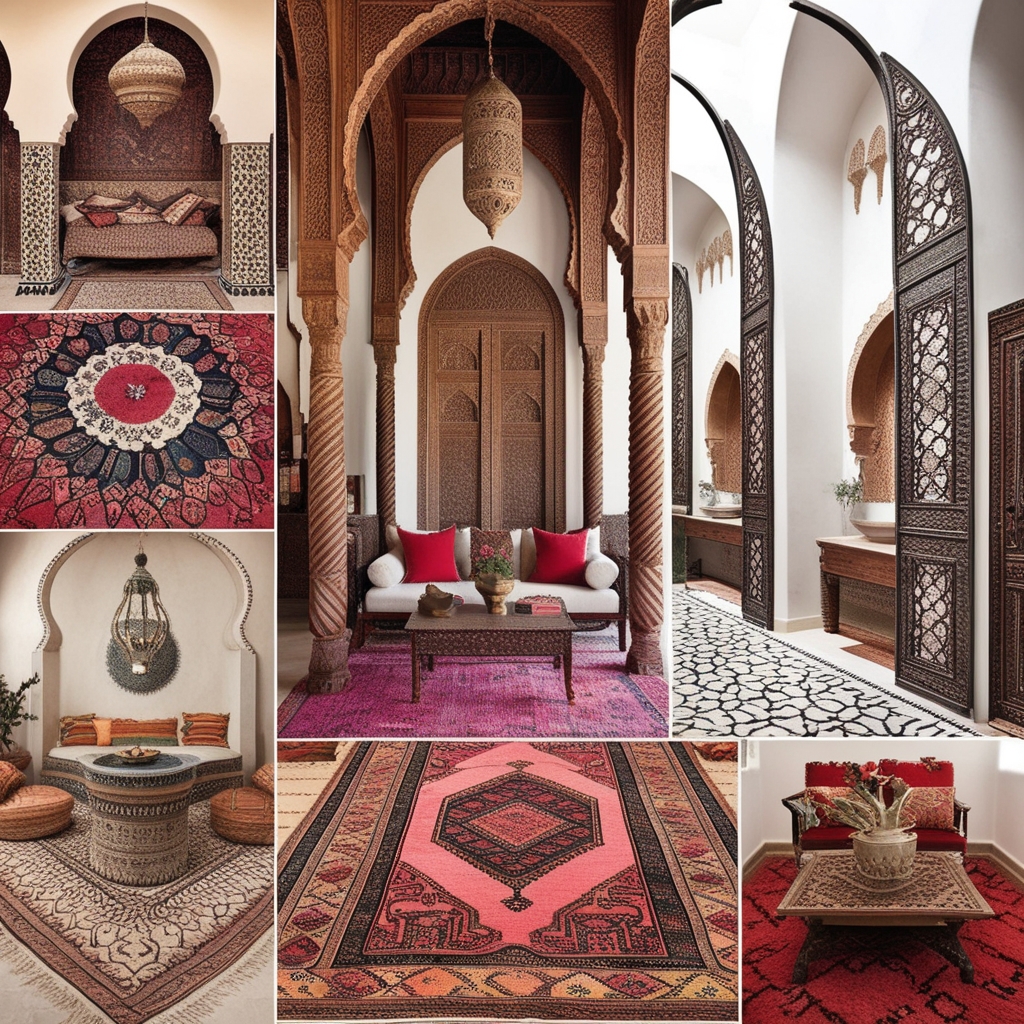
Bold Accent Colors and Patterned Rug
A Beni Ourain or kilim rug grounds a bold-colored room and gives the eye somewhere to rest between wall and furniture.
-
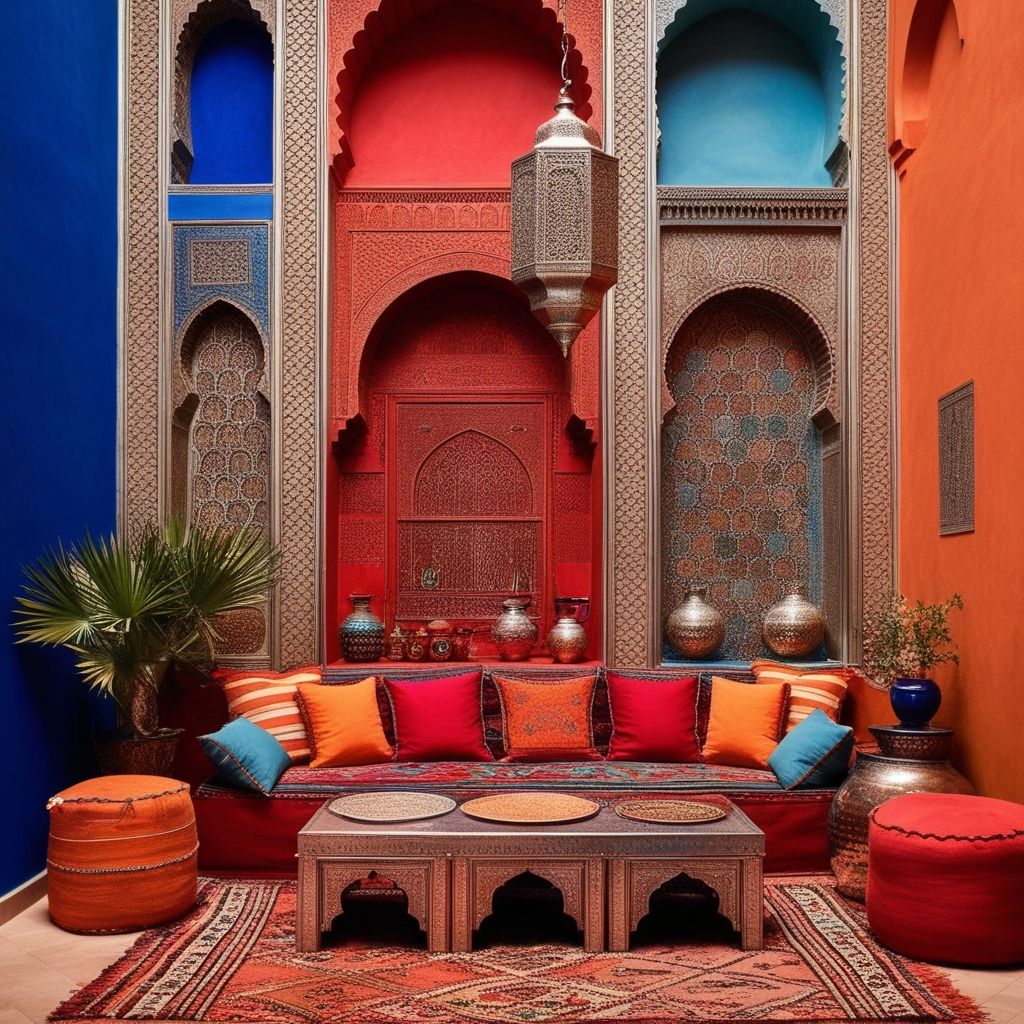
Moroccan Kitchen with Bold Accent Colors
Zellige tile as a backsplash brings color into a kitchen at eye level, where cabinetry color choices matter less.
-
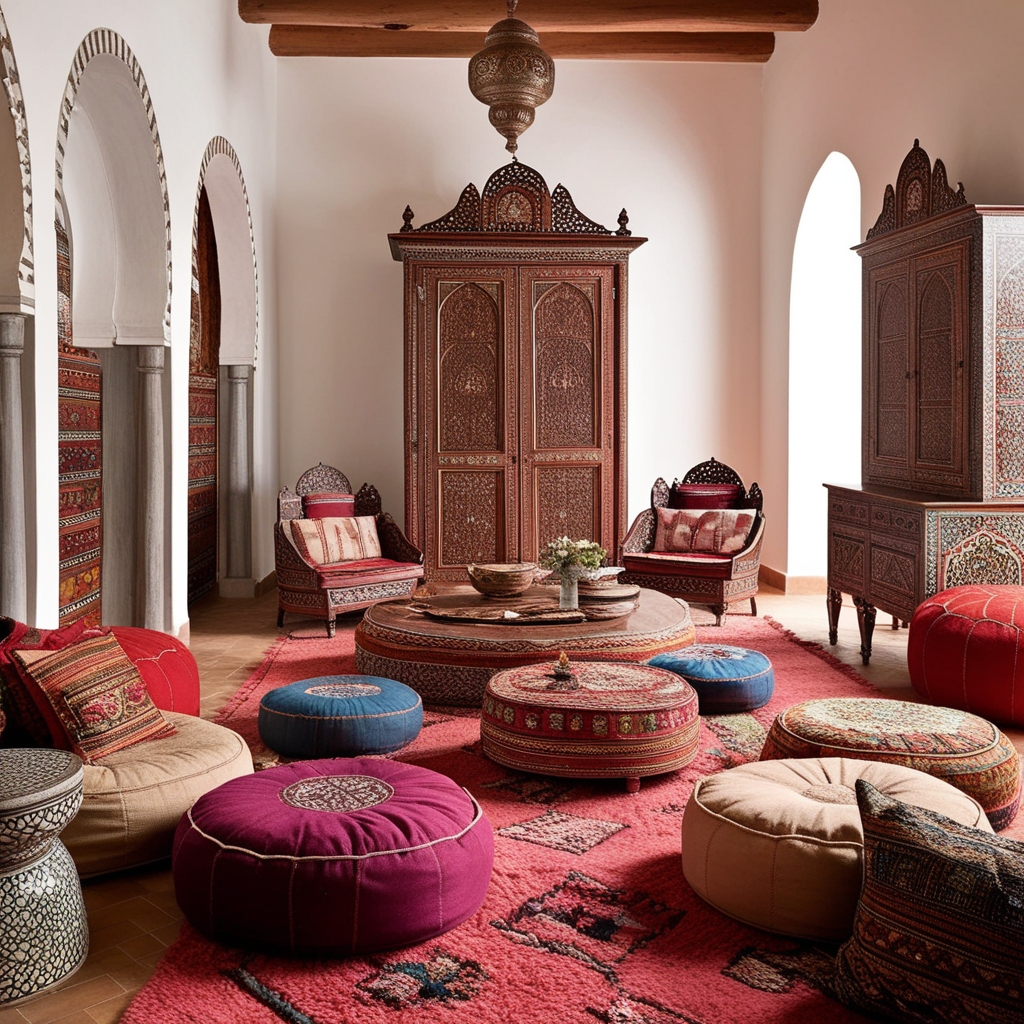
Statement Lighting and Plush Seating
A pierced metal lantern casts patterned shadows across the room after dark, doing decorative work a plain fixture can't.
-
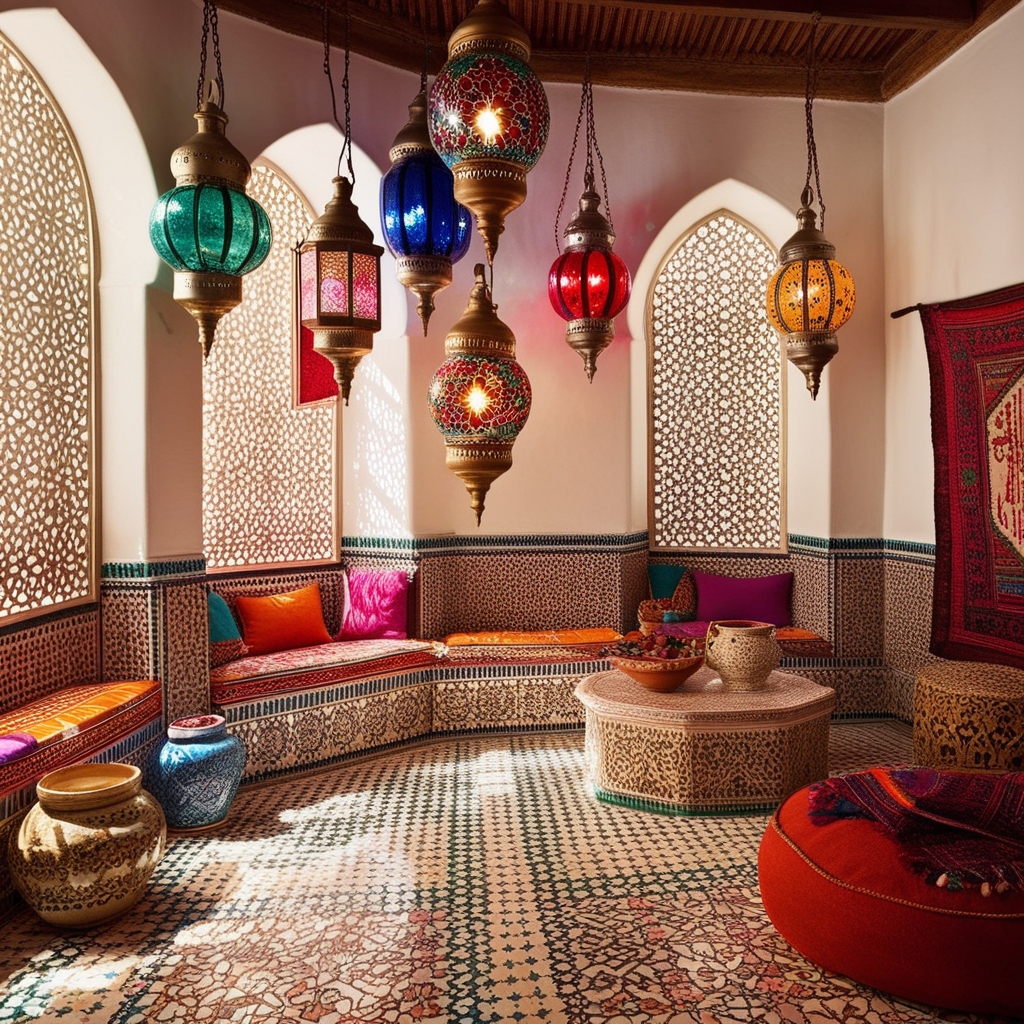
Bold Accent Colors, Statement Wall Art and Geometric Patterns
Keep pattern to one surface, floor or wall, so a piece of art still has room to be the focal point.
-
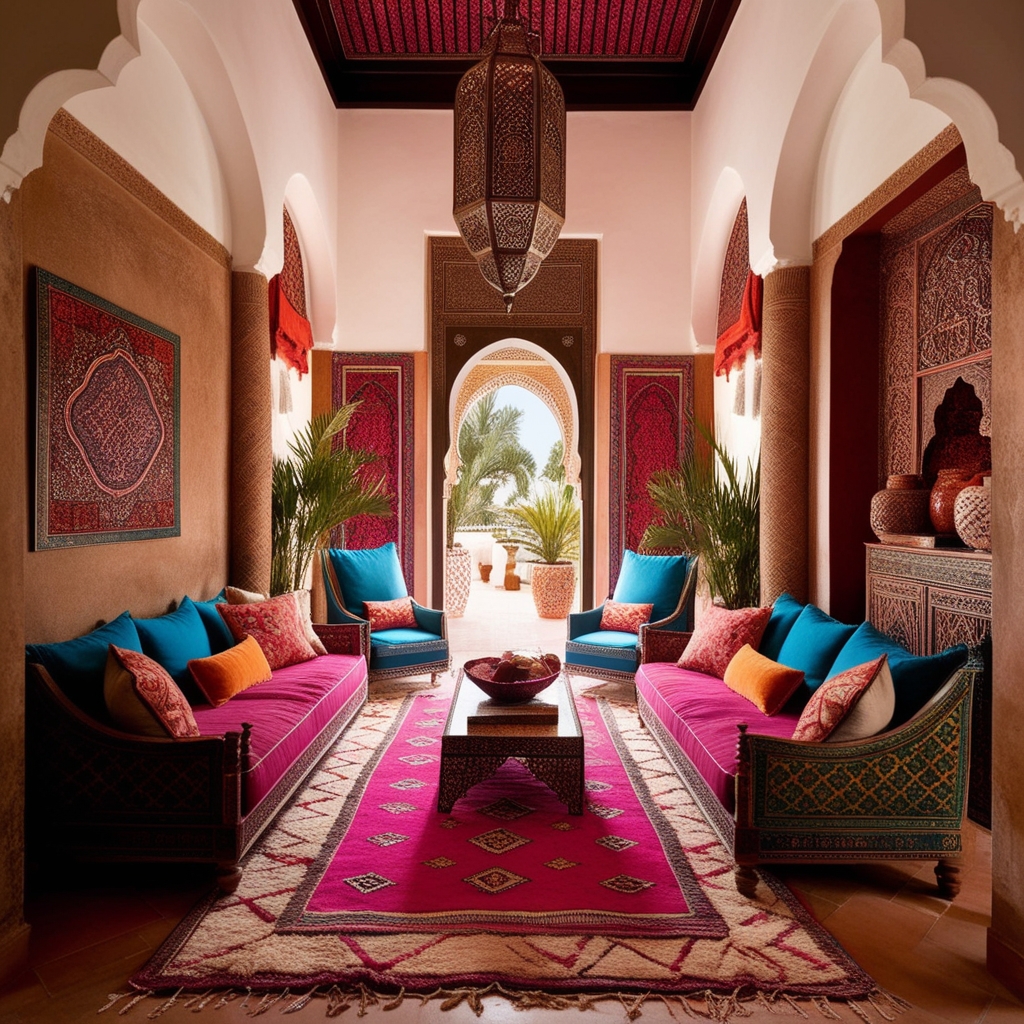
Bold Accent Colors, Statement Wall Art and Layered Decor
Layering here means varying texture, not adding more objects: a metal lantern, a woven basket, a single framed piece.
-
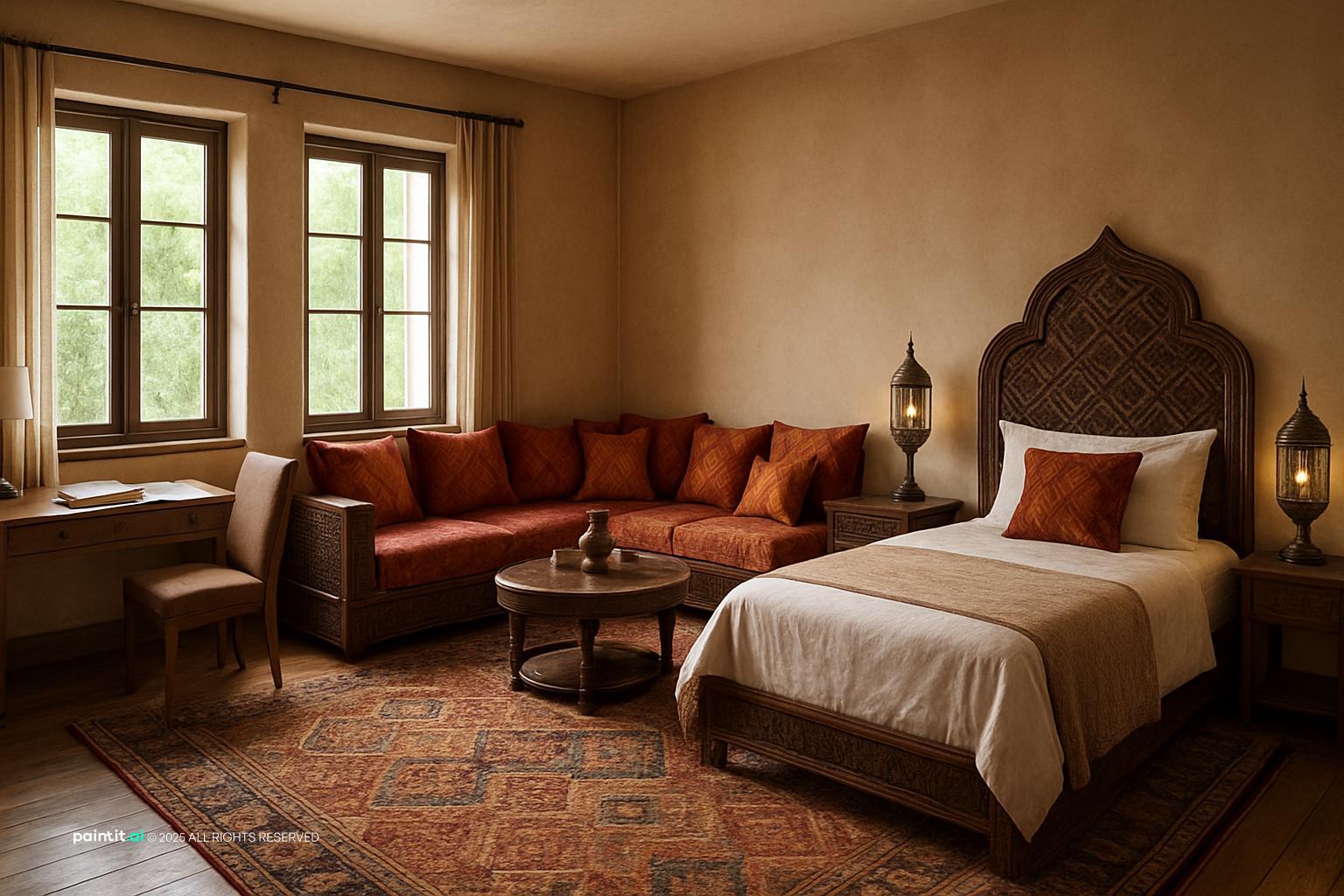
Moroccan Bedroom with a Salon
A low salon sofa and hanging lanterns bring Moroccan hospitality into a bedroom.
-
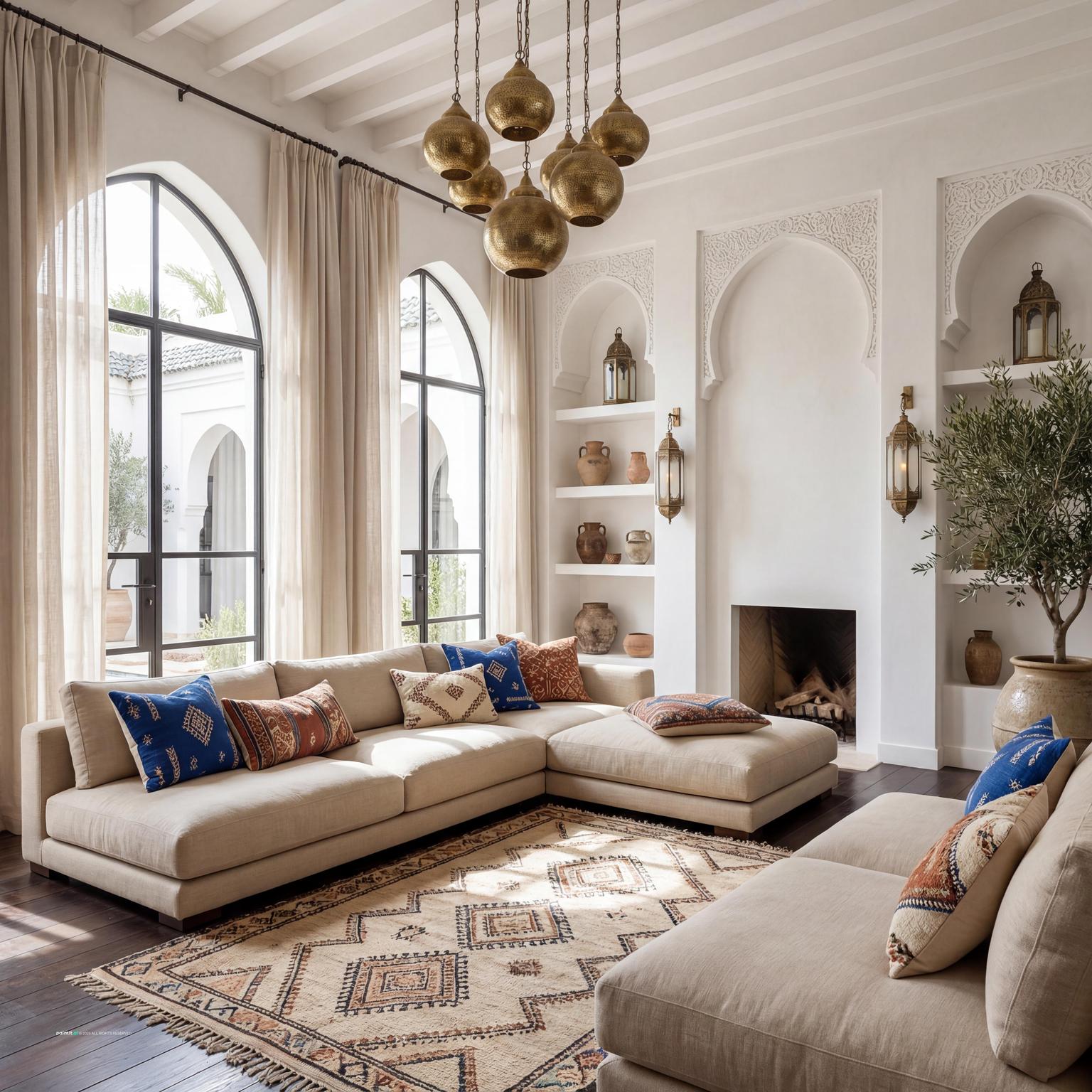
Modern Moroccan Living Room with Patterned Detail
Patterned tile confined to a single accent wall or floor inset lets the rest of the room stay calm.
-
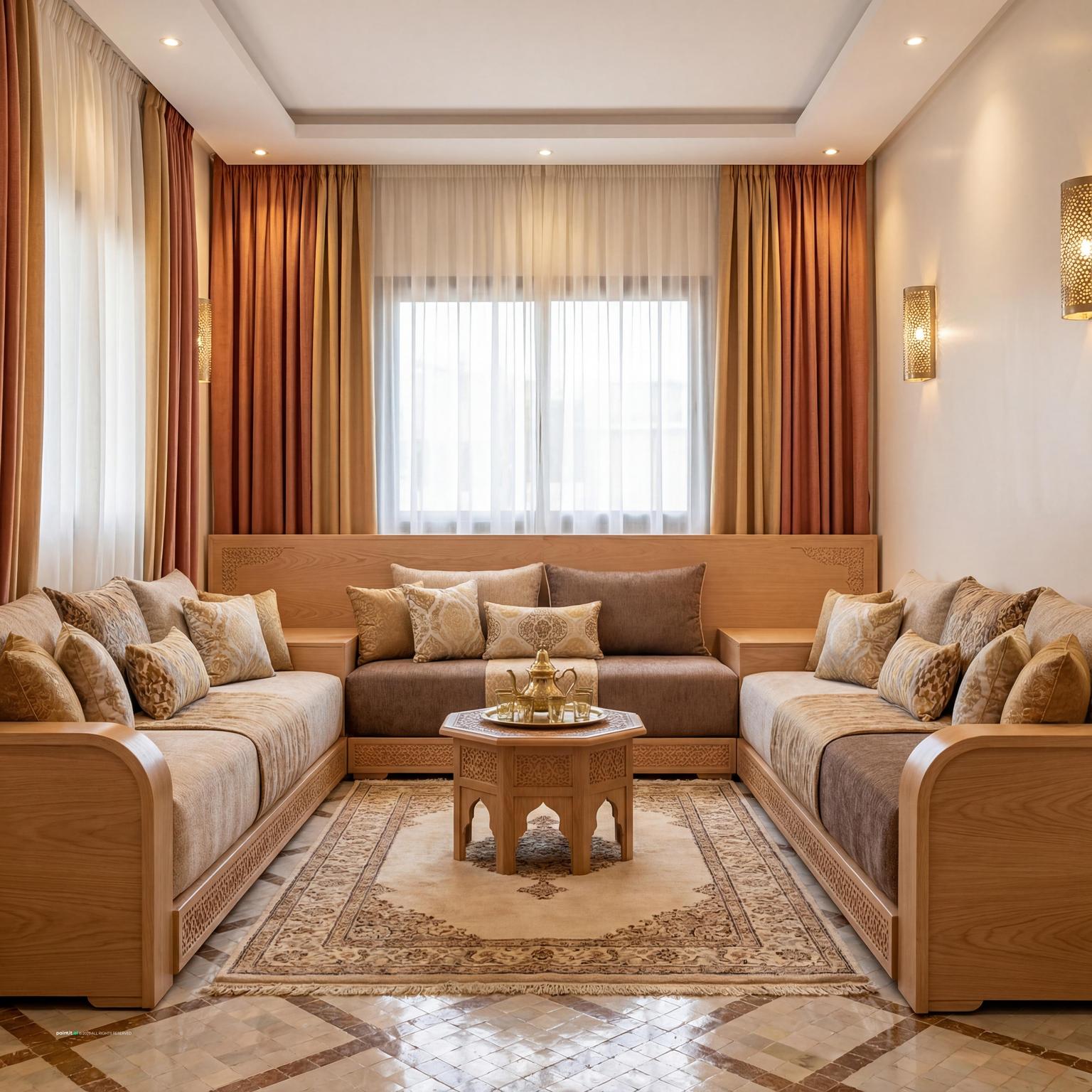
Modern Moroccan Living Room
Pairing zellige tile with plain modern furniture keeps the room from tipping into full period reproduction.
-
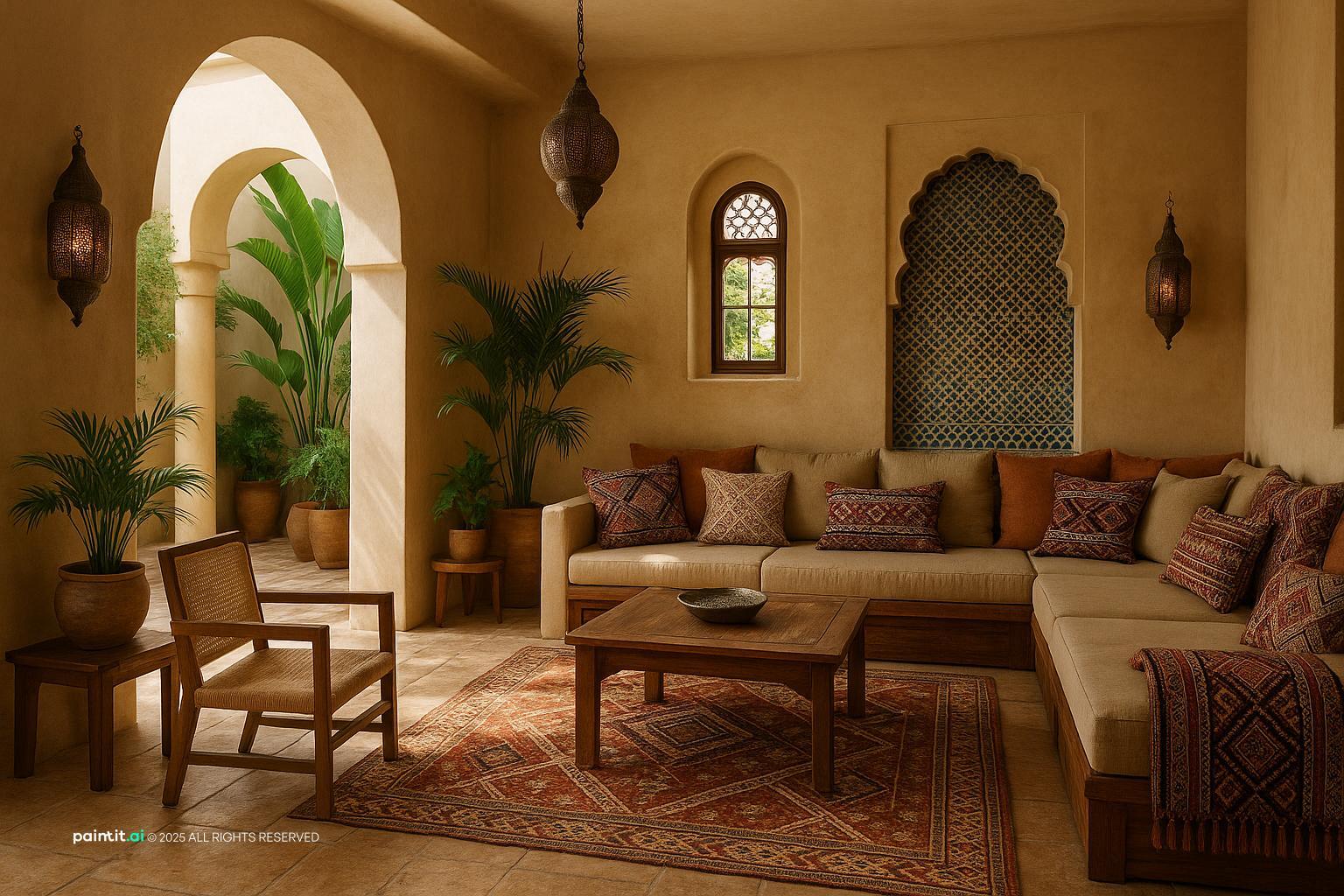
Moroccan Riad-Inspired Interior
A central courtyard-style layout, rooms opening onto a shared space, is the structural idea behind riad interiors, not just their decoration.
-
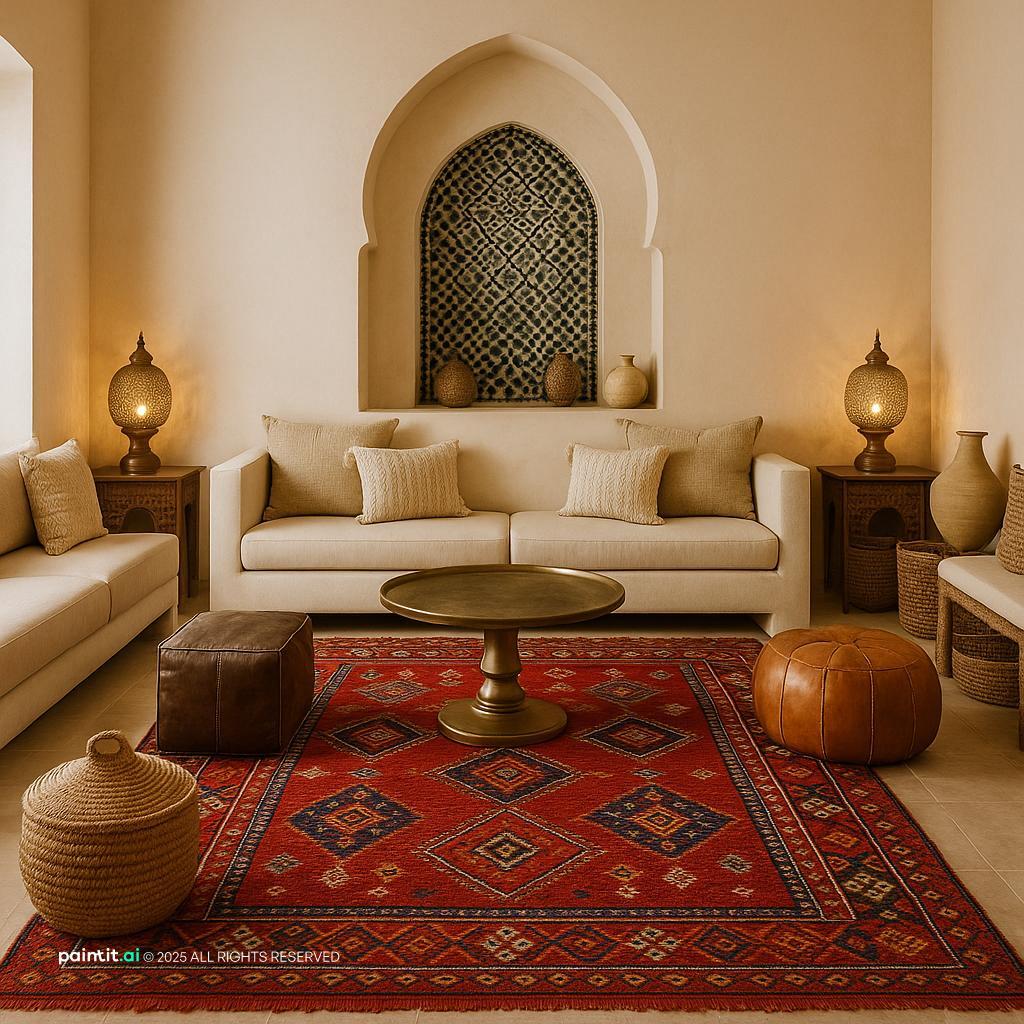
Elegant Moroccan Living Room
Carved wood furniture with brass inlay reads as elegant rather than themed when it's the room's only ornate element.
-
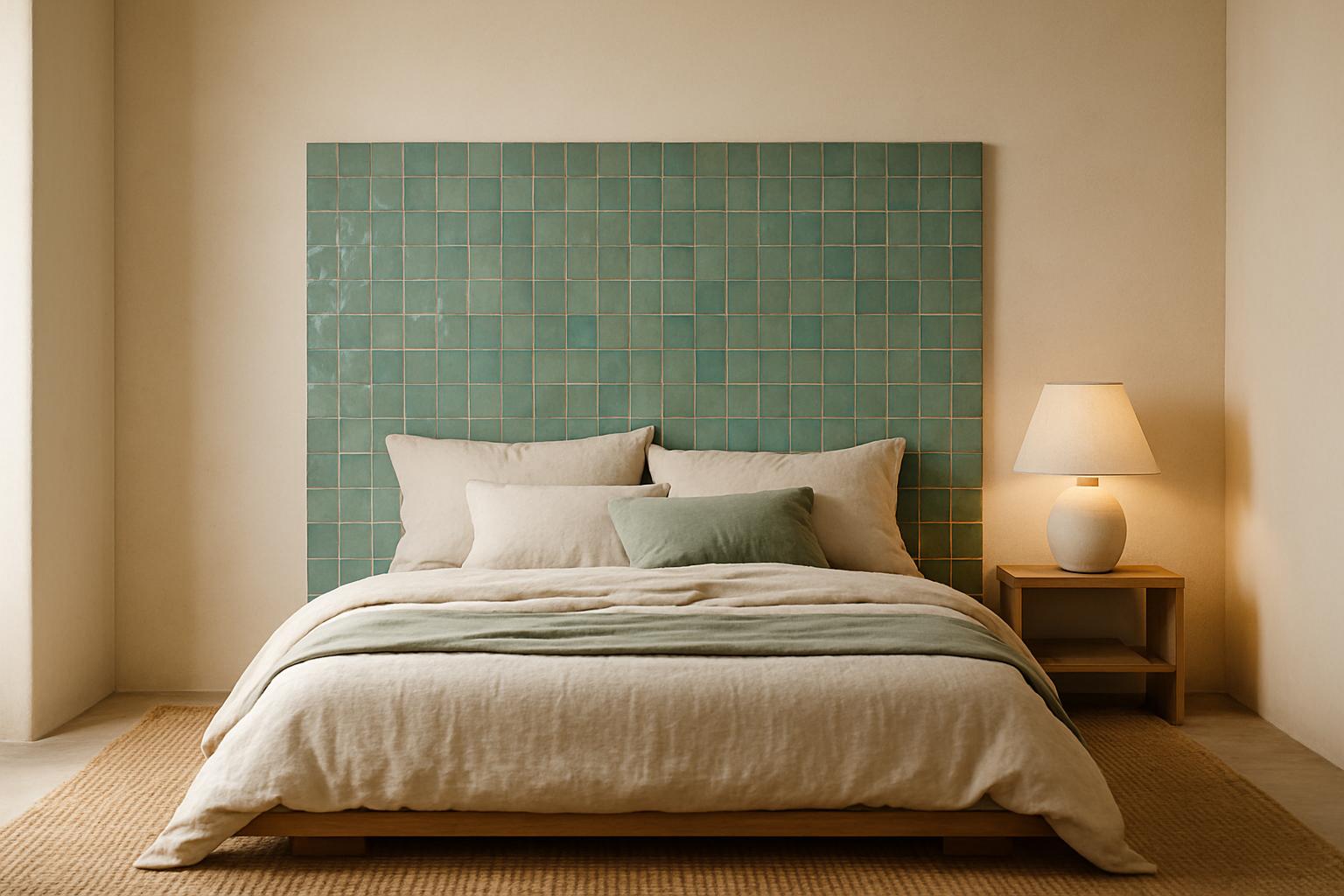
Zellige Tile Moroccan Bedroom
Zellige's handmade irregularity is the point; perfectly uniform tile reads as a print of the style rather than the real material.
-
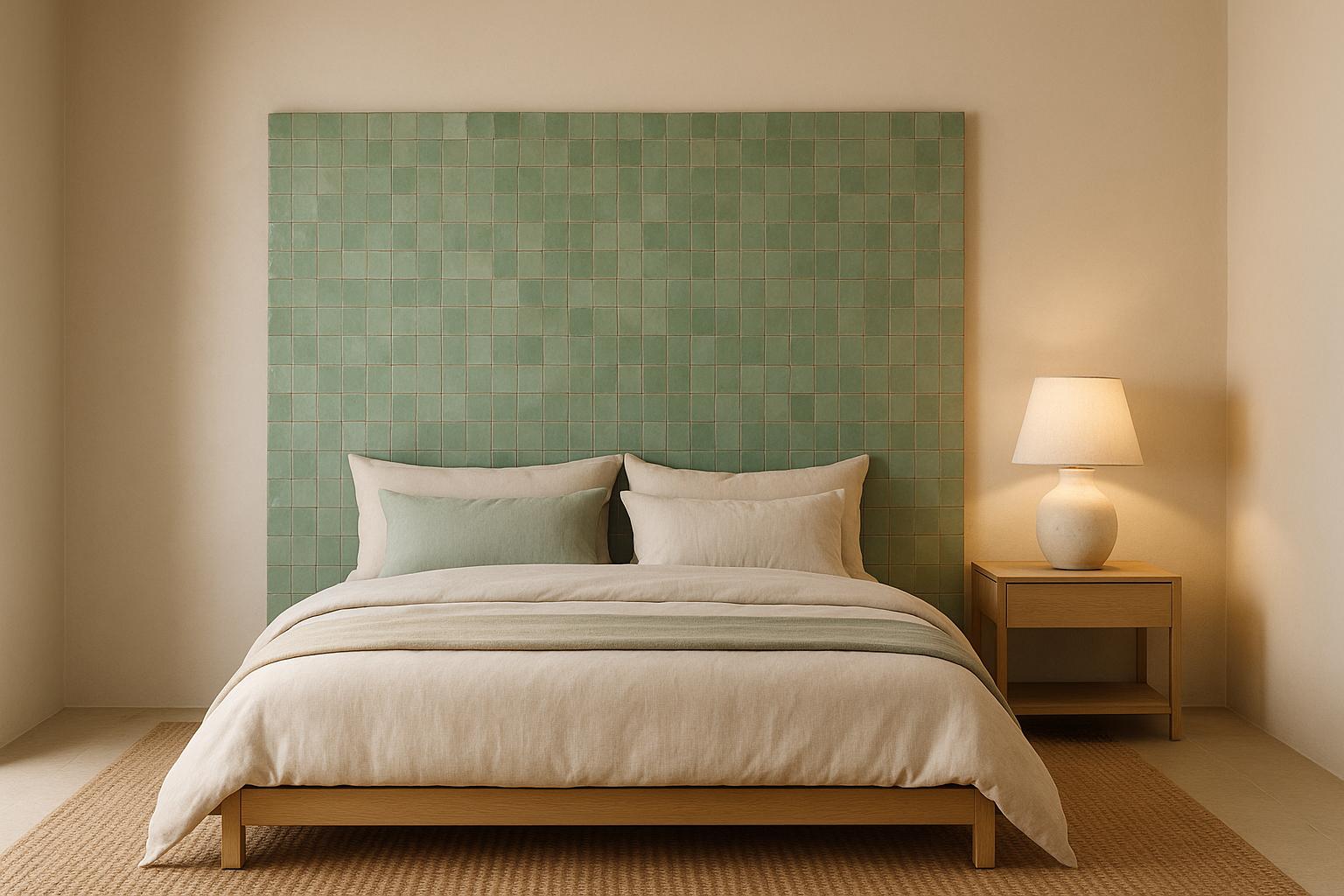
Soft Moroccan Bedroom with Zellige Detail
A small zellige tile detail, a fireplace surround or niche, brings the material in without covering a whole wall.
-
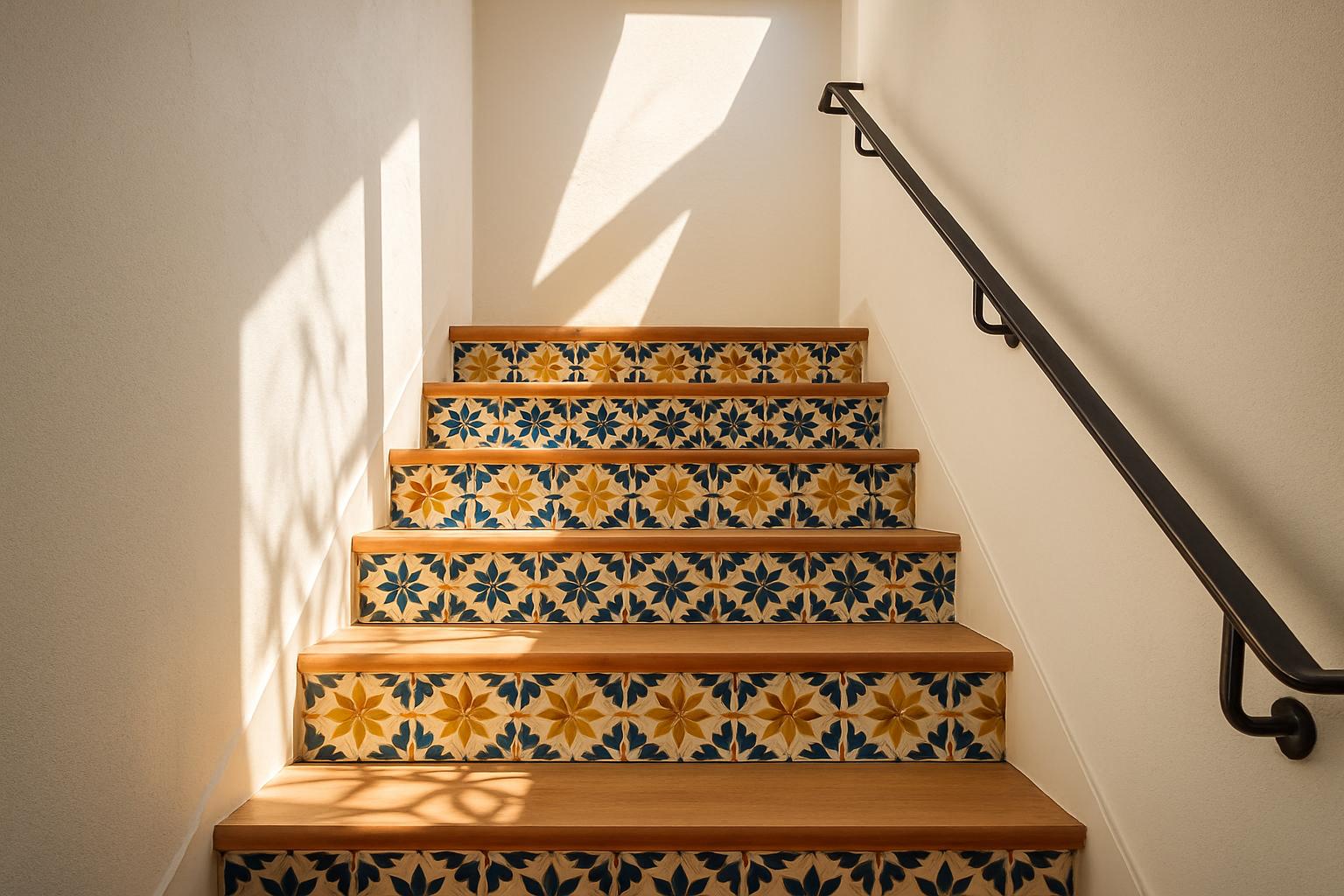
Moroccan Tile Stairwell Detail
Tiling stair risers rather than treads adds pattern at eye level while keeping the walking surface plain and safe underfoot.
-
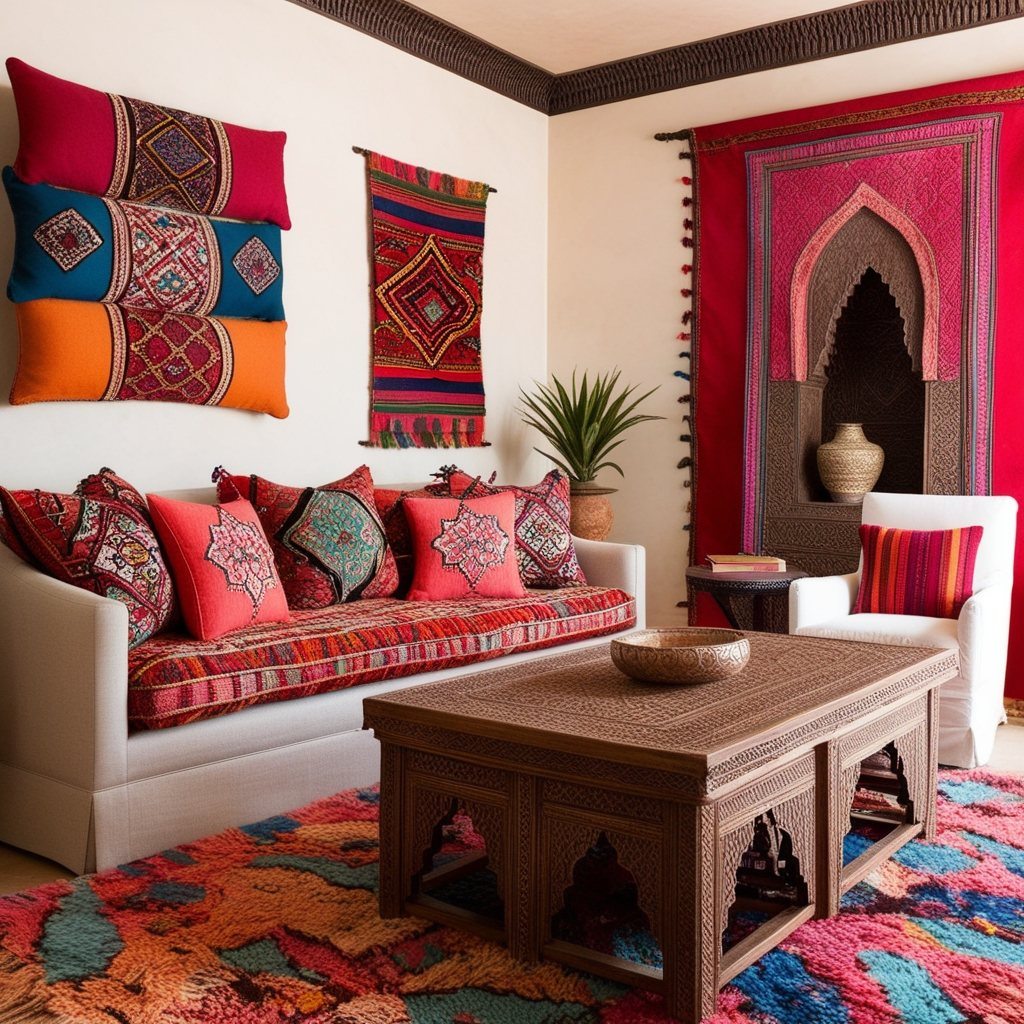
Kilim cushions and wall hangings
Keep the sofa plain and let kilim cushions, hangings and the rug carry the pattern.
-
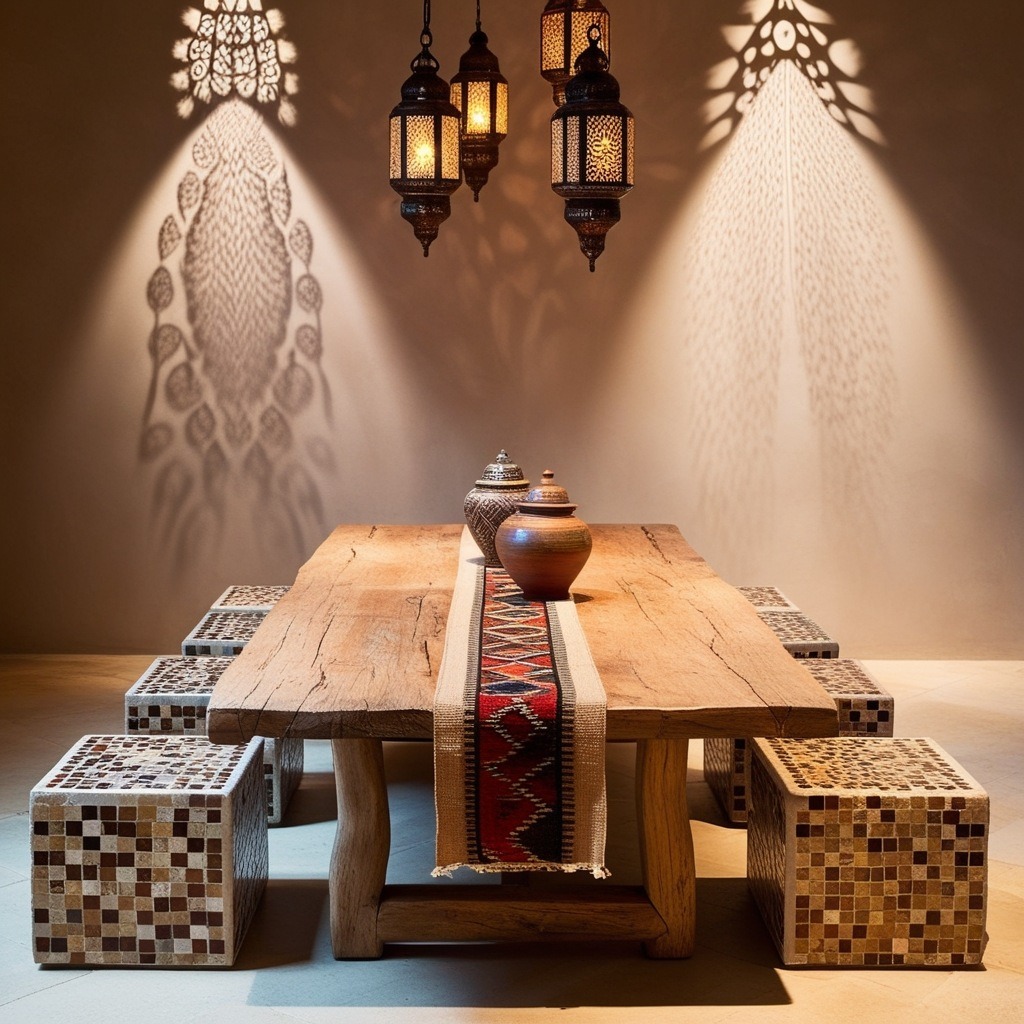
Lanterns over a wooden table
Pierced lanterns throw patterned shadows that give a plain wall Moroccan character at night.
-
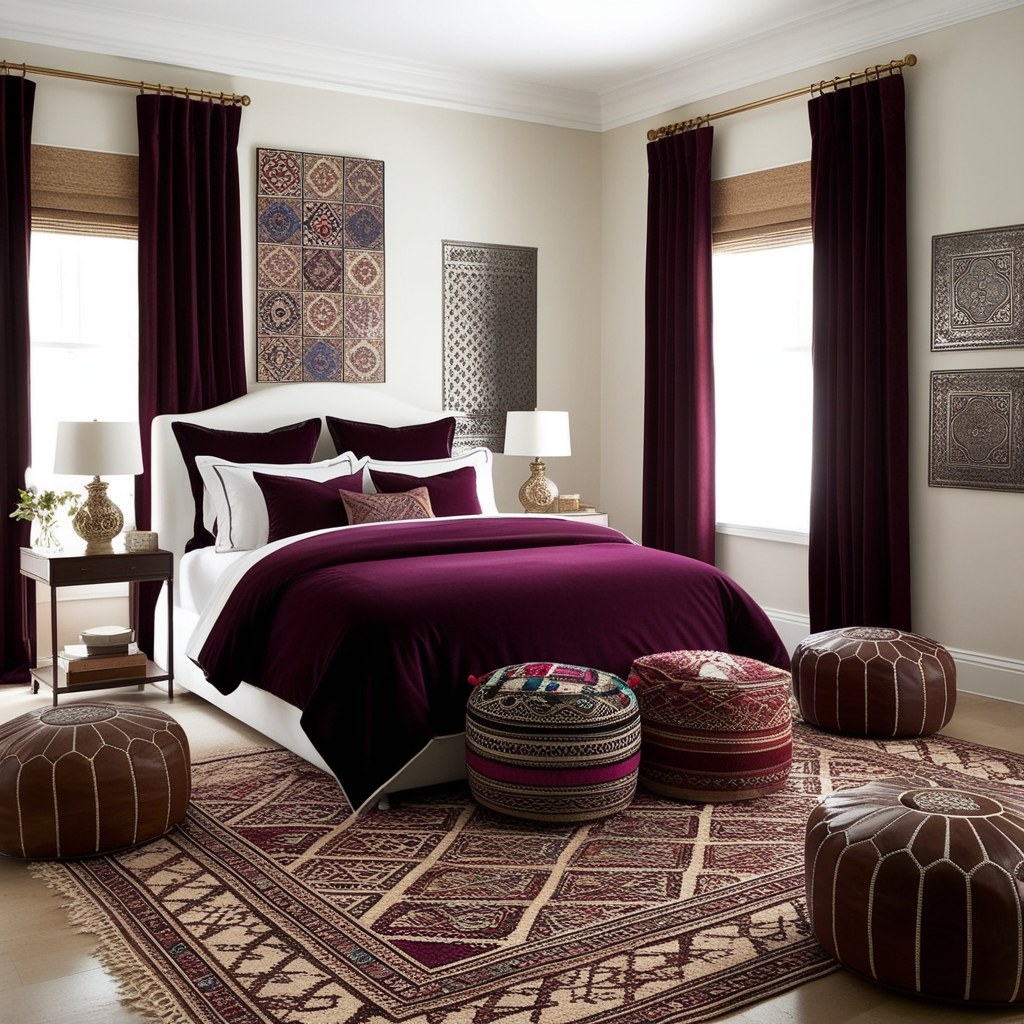
Plum bedroom with leather poufs
Deep plum textiles and leather poufs make a bedroom feel Moroccan without tiles or arches.
-
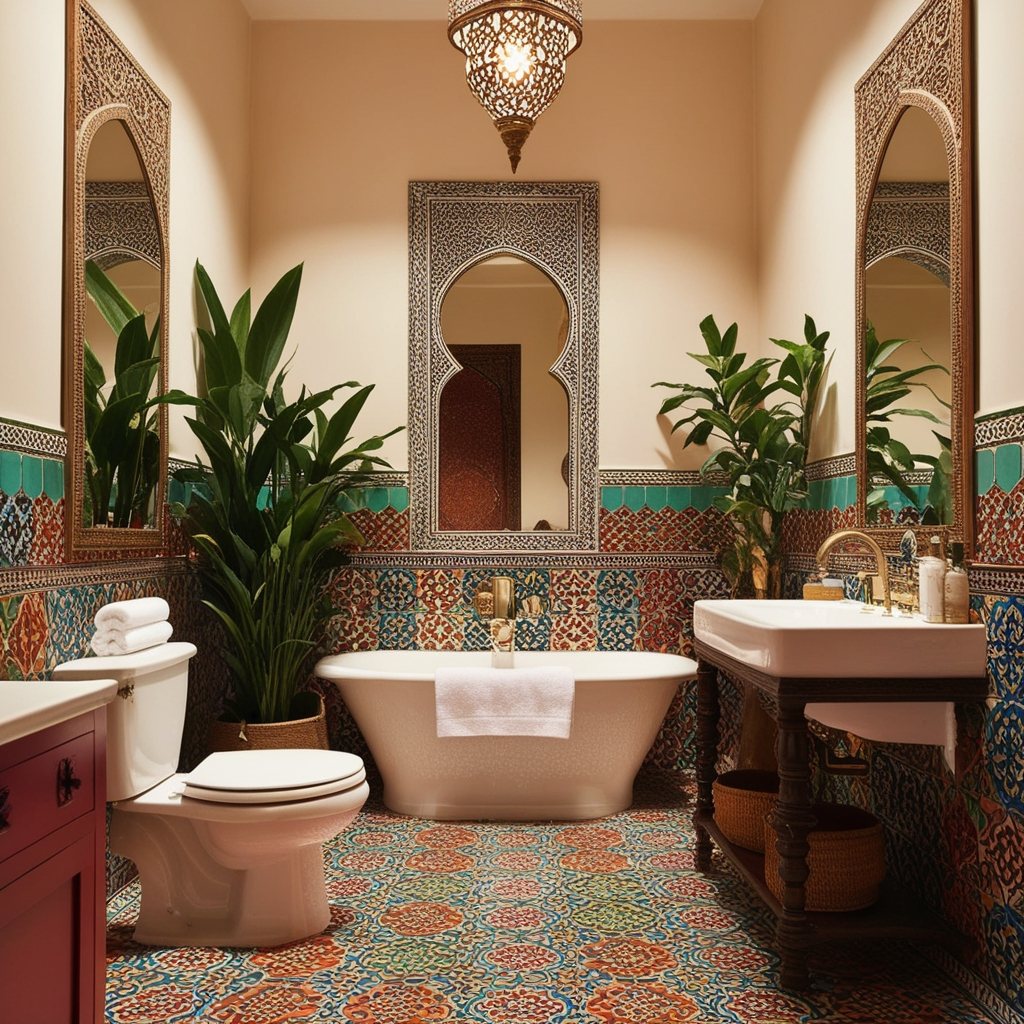
Tiled bathroom with an arch
Patterned floor tiles and one arched niche are enough to give a bathroom a Moroccan look.
Related styles and tools
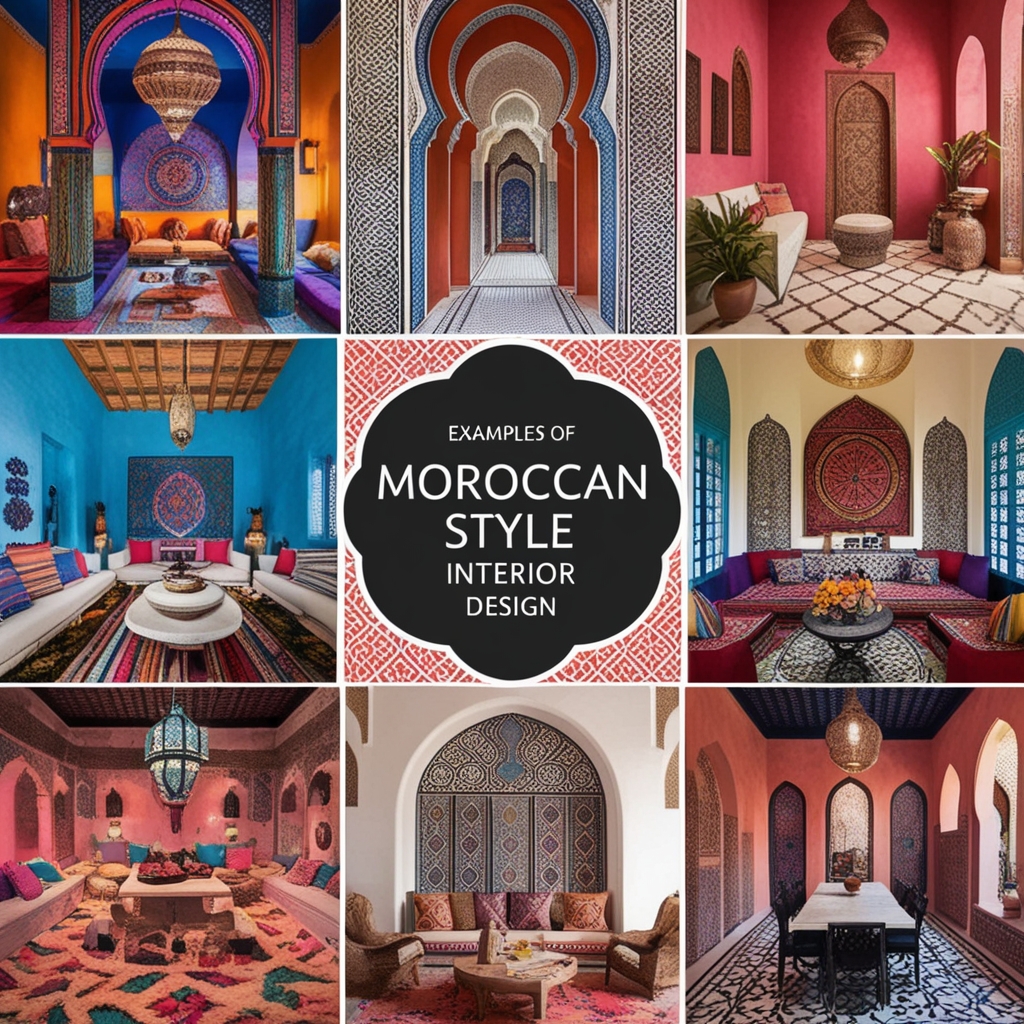
Enter an existence filled with intricate designs and vibrant hues. Explore Moroccan style interior design through breathtaking visuals that showcase its distinctive appeal. Access additional instances through this link to awaken your creativity and alter your environment.
FAQ
-
Moroccan style interior design emerges through its use of vibrant colors combined with intricate patterns and rich textures. The intricate combination of ornate tilework, plush textiles, handcrafted lanterns, and curved archways establishes a welcoming exotic ambiance that embodies Moroccan cultural heritage and historical influence.
-
The inclusion of excessive patterns and colors creates a cluttered space that feels overwhelming. Strive for an intricate fusion of components by prioritizing unique handcrafted items instead of numerous pieces while sustaining equilibrium between classic and contemporary elements to achieve a unified appearance.
-
The application of Moroccan style transforms commercial venues such as hotels, cafes, and spas into spaces with an exotic yet soothing atmosphere. Integrate Moroccan tiles alongside arches and traditional decor to craft a distinctive yet welcoming atmosphere that attracts clientele.
-
The style's popularity emerges from its capacity to establish welcoming spaces that blend traditional elegance with exotic allure. The vibrant hues combined with skilled artisan work attract individuals who desire a distinctive and culturally rich aesthetic for their living spaces.
-
The latest design trends involve integrating Moroccan elements into contemporary spaces by combining minimalist furniture with traditional Moroccan patterns and colors. The popularity of sustainable materials sourced locally rises together with an emphasis on artisan craftsmanship.
-
Paintit.ai offers tools to visualize Moroccan style interior design by providing virtual simulations of spaces with Moroccan elements. This aids in experimenting with colors, patterns, and layouts, ensuring your design aligns with your vision before implementation.