
Persian style interior design explained
Persian style interior design draws from one of the world's oldest and most sophisticated decorative traditions, a heritage rooted in the Achaemenid, Sassanid, and Safavid empires, refined over millennia along the Silk Road trade routes. The style is defined by its commitment to beauty as a form of hospitality: spaces designed to make guests feel they have arrived somewhere of genuine significance. This guide covers the defining elements, the architectural vocabulary, and how to introduce Persian design principles into contemporary homes.
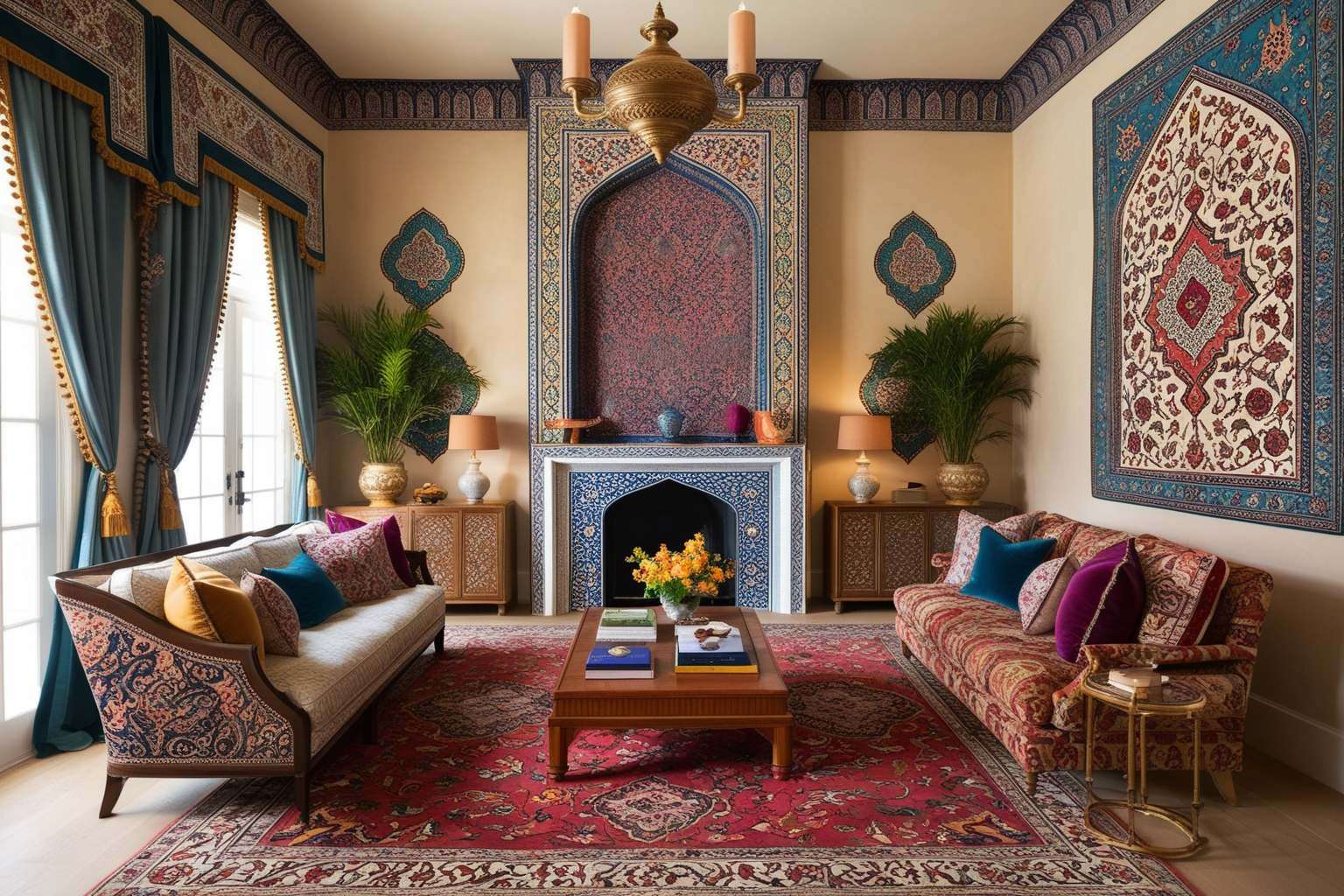
What Is Persian Style Interior Design?
What Is Persian Style Interior Design? The style is characterized by an exquisite use of textiles, balance of color and the interplay of ornate patterns. Elements such as handwoven carpets or rugs, detailed detailing on tiles and carved wood express the soul and history of the ancient dynasties in an opulent yet harmonious way. The roots of this aesthetic date back thousands of years and draw inspiration from several empires and countries that were situated along the Silk Road. The philosophy is rooted in gracious hospitality, lush comfort and serene respect for the natural world. The emphasis in Persian homes is on beauty and functionality and such interiors invite one to relax while marveling at the artistry of the details. People, who strive to achieve a sense of warmth in their homes, are drawn to this style. In an era where personalization and meaning matter, this is an expressive way to layer any desired look. Through the decorative motifs and earthy elements, anyone who wants their home to look lived-in and inviting can achieve that.
-
Color Palette
The hallmark of Persian-inspired interiors is a rich yet well-balanced color palette. Reds, indigos, saffron yellows, and emerald greens mingle harmoniously, often contrasted with creamy neutrals and deep browns. Jewel tones dominate, echoing the pigments once found in Persian rugs and detailed miniatures. These shades don’t overwhelm but rather enliven a room, adding warmth and subtle drama. Gold accents introduce an element of luxury, while cooler blues and aquas evoke the famous Persian gardens and fountains. Color blocking is typically avoided; instead, shades blend through patterns or layering of textiles. This nuanced approach to color defines the mood: welcoming, rich, and quietly sophisticated.
-
Materials & Textures
What is this? This is a combination of the plush and splendidly shiny surfaces. Handwoven wool and silk rugs form the foundation, offering detailed patterns and a supple underfoot experience. Stone, marble and mosaic tiles are another key material frequently used to ground and cool interiors. They are typically found on floors or tabletops. Lush velvets, natural cotton and damask are especially effective for drapery or upholstery. Inlaid wood, mother-of-pearl and hammered metalwork reflect the country’s long tradition of highly skilled craftsmanship. The elaborate ceramic vases and hand-painted dishes use gloss. Each piece invites touch and admiration, layering visual interest so that no two corners of the house feel quite the same.
-
Furniture & Silhouettes
Traditional Persian furniture is low and cozy: inviting sofas and benches with deep seats and ample cushions. Curved lines also appear in the scroll arms and curved legs and backs, which are other common features. The carved wooden tables, often inlaid with detailed geometric or floral patterns, serve both as functional furniture and decorative focal points. Folding tea tables and detailedly patterned stools are also always easy to remove. Light wood stains and decorative marquetry highlight the skill and traditions of regional craftsmen. The furniture is not mass-produced, even today and in the cases where contemporary influences are evident. The silhouettes are comfortable and elegant, making everyday life feel beautiful. -
Decor & Accessories
No Persian-inspired interior is complete without a thoughtful collection of accessories. Ceremonial copper trays, ornate mirrors, and gilded picture frames bring gleam to walls and surfaces. Vintage or hand-painted ceramics display miniature artwork, while hand-knotted or flat-woven rugs anchor each space both visually and physically. Lanterns of colored glass and lattice metal create mesmerizing dappled light. Hand-embroidered textiles and kesi silk weaves drape across sofas, tables, and beds, adding colour and softness. Botanical elements, like pomegranate motifs or fresh blooms in ceramic vases, nod to old Persian gardens. Every item has a story, layering texture and history throughout the home.
-
Architectural Features
Persian interiors celebrate architectural drama with graceful arches, carved plasterwork (known as stucco or “muqarnas”), and decorative tile panels. High ceilings are often accentuated with detailed cornices or domed details inspired by historic palaces. Alcoves, known as “eyvans,” create multipurpose nooks for seating or display. Windows frequently have stained or colored glass (called orosi), filling rooms with jewel-toned light. Niches in walls are ideal for displaying pottery or treasured objects, while ornate doors and lattice screens carve out flexible spaces. Patterns abound, and geometric or floral motifs are painstakingly repeated across surfaces. Every structural element is an opportunity for artistic expression.
-
Planning and composition
Persian interiors are organized through pattern and layer rather than through negative space. The goal is considered abundance: every surface contributing to a whole that reads as unified rather than chaotic.
The organizing principle is usually a central Persian rug. This piece sets the scale and colour key for everything else in the room: wall colour, upholstery tones, metallic accents, and textile choices should all be in conversation with the rug's palette. Persian interior design typically begins with the floor.
Symmetry is the secondary organizing principle: pairs of lanterns flanking a niche, matching cushions at either end of a daybed, balanced ceramic and copper arrangements. This symmetry references the formal garden designs of Persia (the charbagh, or four-part garden) where bilateral geometry expressed the order of paradise.
Contemporary application: a Persian rug and one or two statement pieces (an ornate mirror, a copper tray arrangement, a pair of lanterns) in a neutral contemporary room achieves the essential Persian quality without requiring a fully themed space.
The Persian colour palette: jewel tones and how to use them
Primary jewel tones:
- Lapis lazuli blue: the deep blue of the semi-precious stone mined in Afghanistan, used in Persian tilework for millennia. Rich and saturated, never cold.
- Ruby red: the warm, slightly orange-red of natural ruby pigment. Appears in Persian rugs, textiles, and painted ceramics.
- Emerald green: deep, forest-floor green with warm rather than cool undertones. Used in glazed tile and velvet.
- Saffron yellow: the intense golden yellow of saffron-dyed textiles. Accent rather than dominant.
Secondary tones:
- Deep cobalt: the ceramic blue of Persian tile tradition
- Turquoise: the blue-green of turquoise mined in Iran, which appears in mosques, ceramics, and jewellery
- Gold and burnished brass: the metallic layer that ties jewel tones together
How to use the palette:
Persian colour is applied through layer and pattern rather than flat planes. The palette's depth comes from seeing multiple jewel tones in close proximity: ruby and lapis in a rug, emerald and gold in a cushion arrangement. Against a neutral wall (cream, warm beige, or aged white), these colours read their strongest.
How to Bring Persian Style Interior Design Into Your Home
-
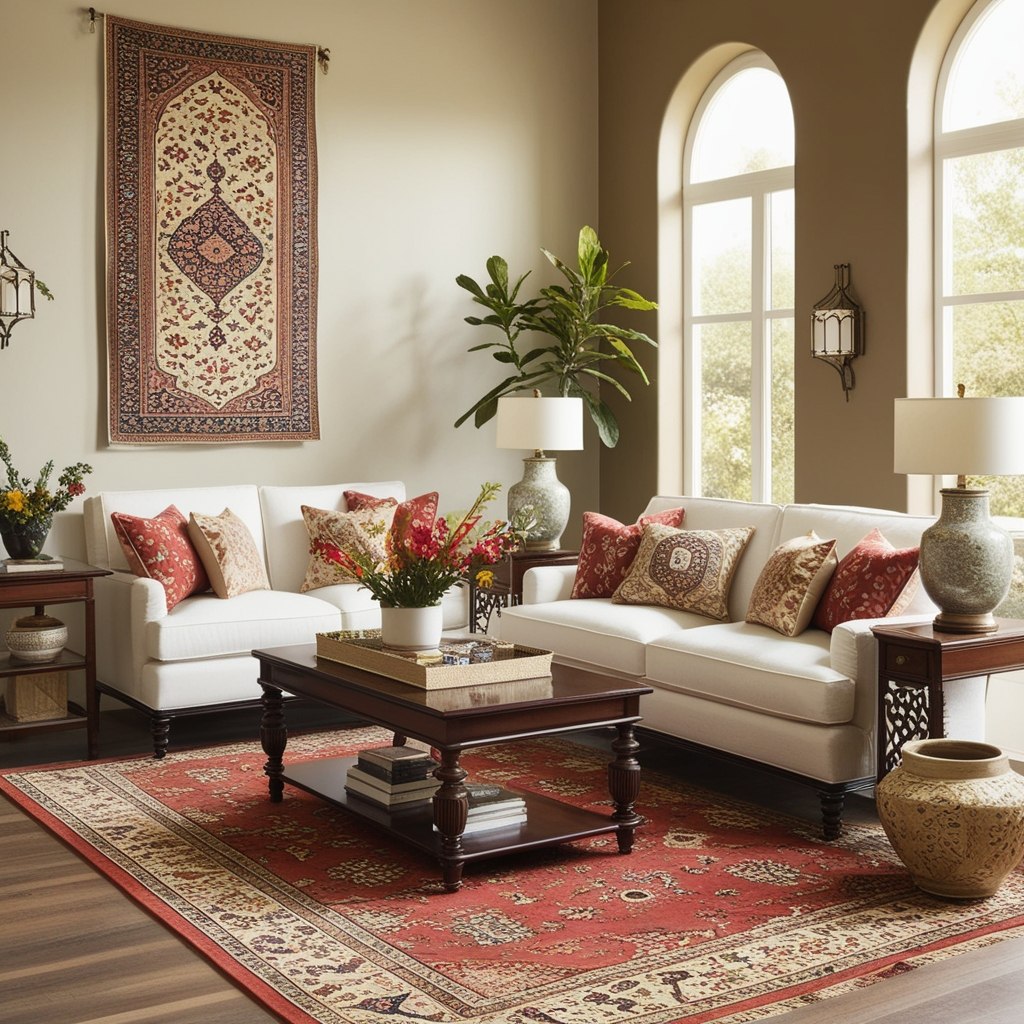
This section provides tips on how to incorporate this style into your home. The focus is on providing practical and accessible advice for any home decorator looking to infuse their spaces with history and elegance, regardless of the current design.
-
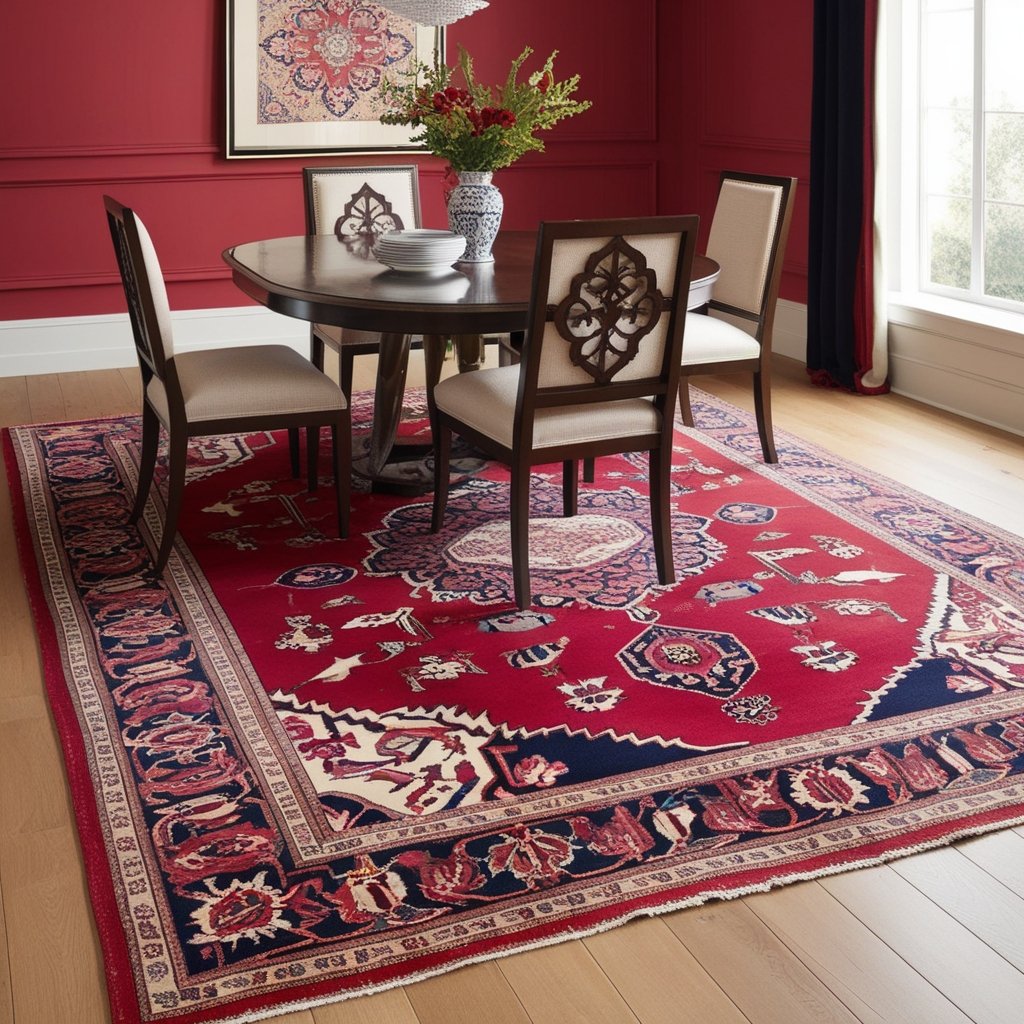
Persian interiors often begin from the ground up, literally. A hand-knotted or high-quality Persian rug instantly infuses color, detailed patterns, and authenticity. Choose a rug with bold, classic motifs (think medallions or florals) in rich hues such as red, navy, and gold. Position it as the focal point in your living or dining area for maximum impact and cultural flair.
-
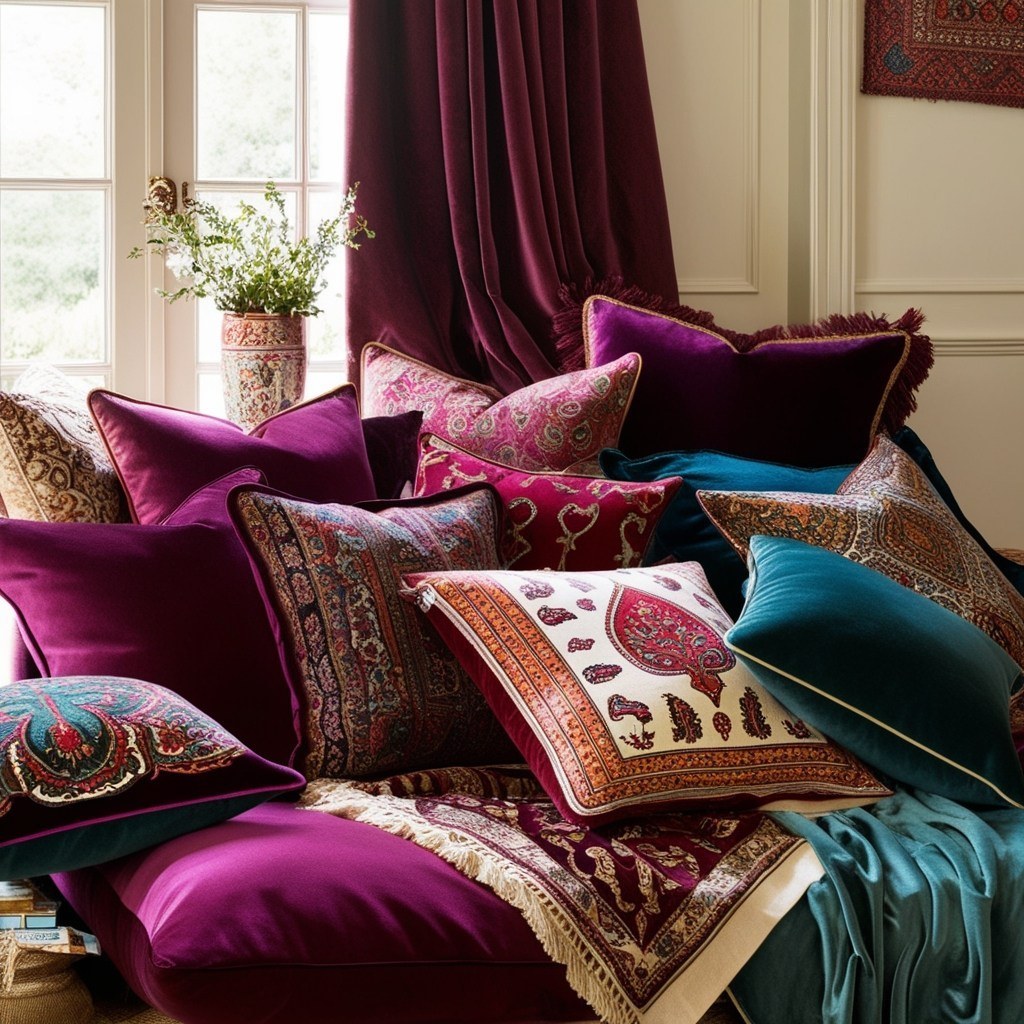
Mix and layer textiles like cushions, throws and drapes in rich fabrics such as velvet or silk. This design choice adds a tactile, cozy feel while also introducing pattern and visual richness. Find pillows with traditional Persian motifs like paisleys or arabesques and mix several patterns for an eclectic look: a fusion of abundance and texture is key.
-
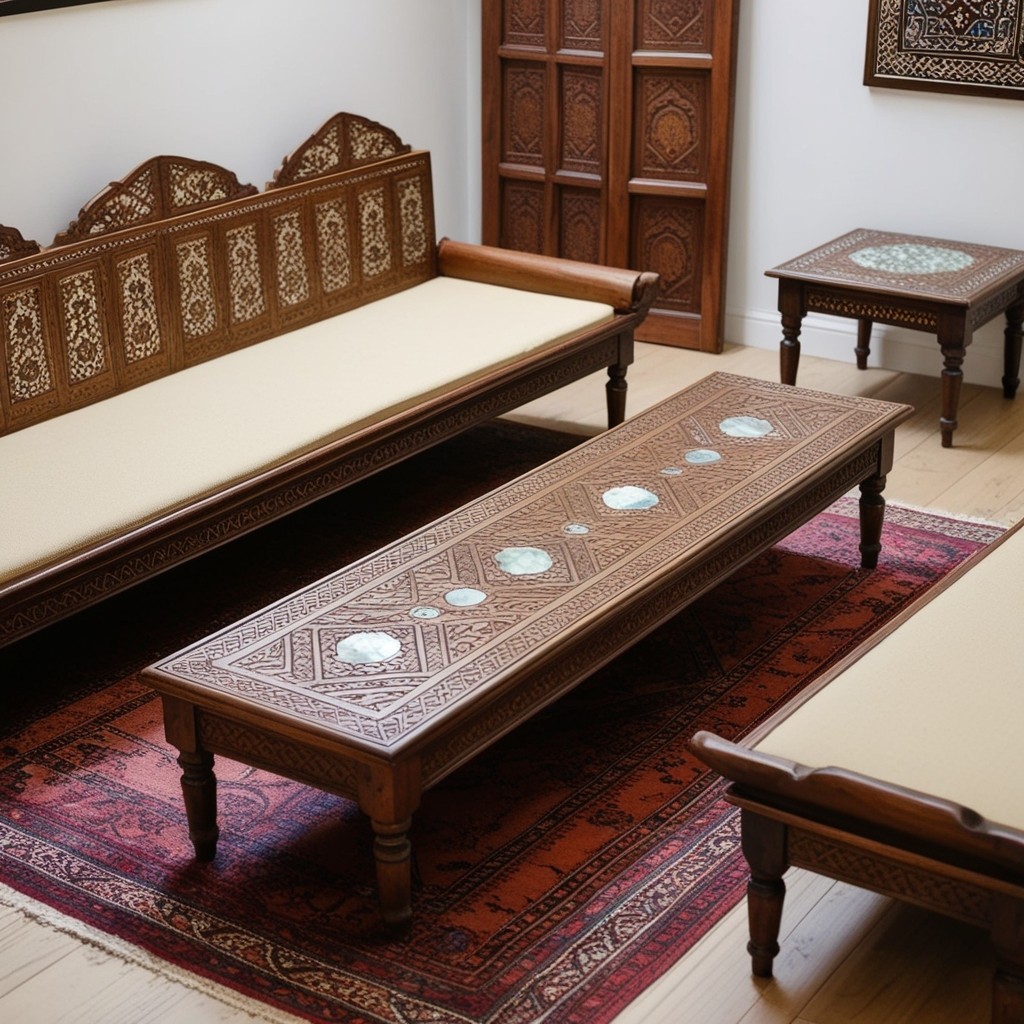
Low, carved wooden furniture echoes traditional Persian seating. Look for coffee tables, benches, or accent chairs with detailed designs or mother-of-pearl inlays. If you can’t find authentic pieces, opt for modern furniture with similar lines and wood tones to evoke the look in a contemporary way.
-
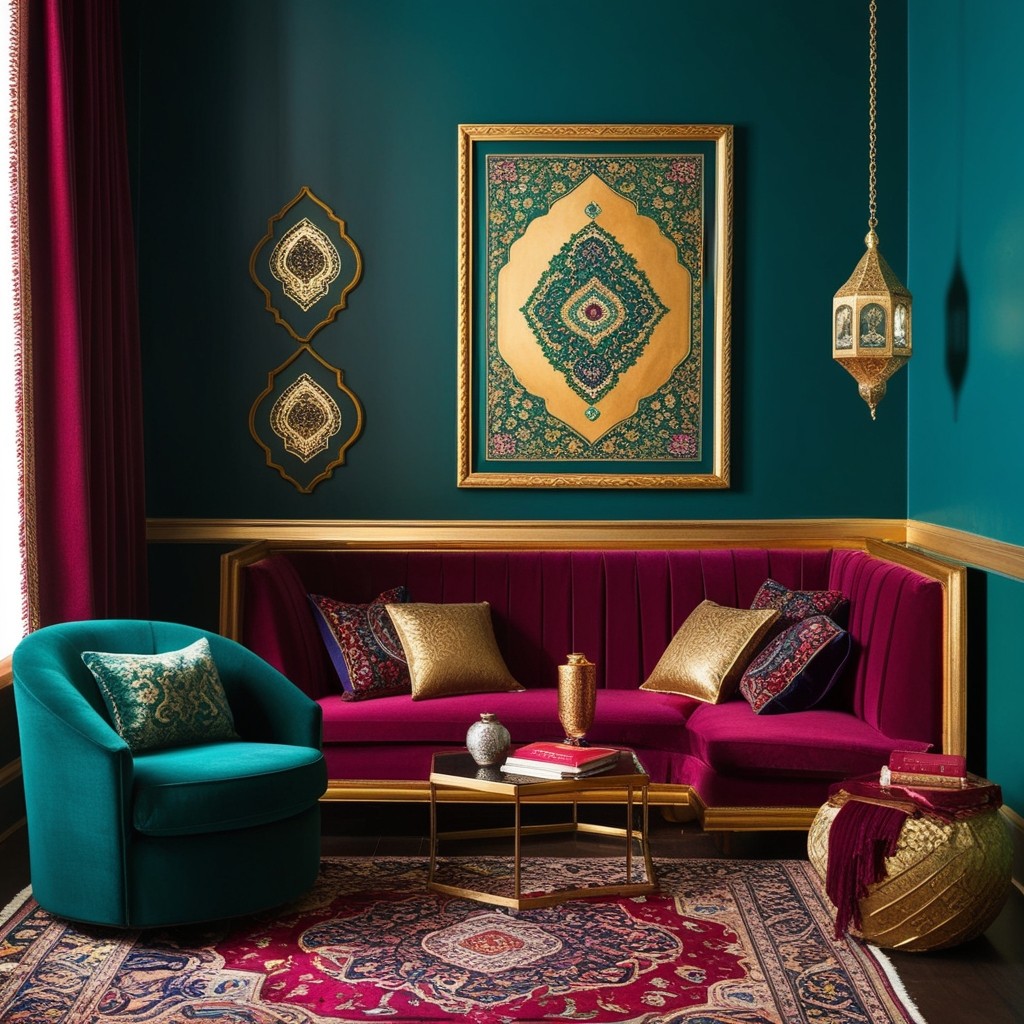
Infuse deep hues, such as emerald, sapphire, gold, and ruby, through wall paint, accent walls, or decorative accessories. Persian interiors aren’t shy about color, so don’t be afraid to paint a reading nook in a rich teal or introduce golden accents for warmth. These tones instantly add drama and depth.
-
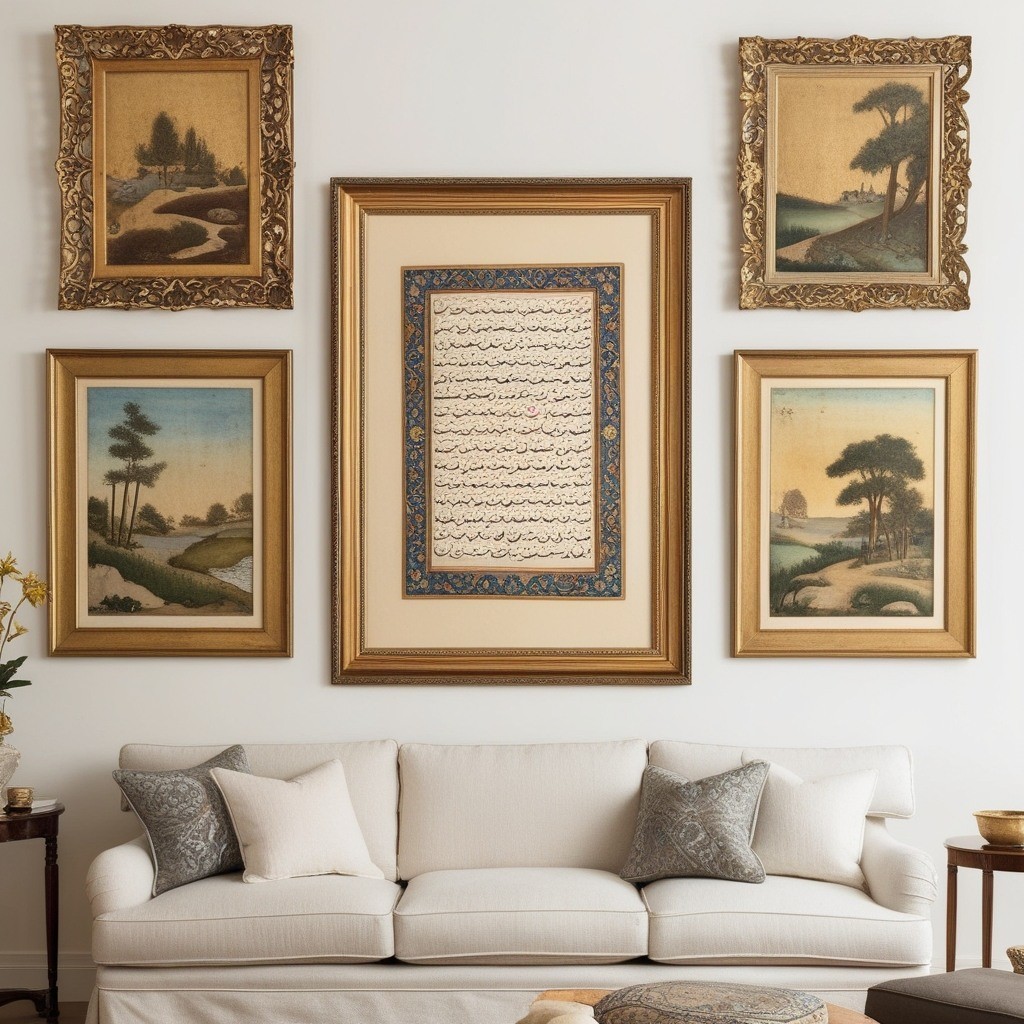
Persian miniature paintings, detailed calligraphy, or landscape art add an unmistakable authenticity to your walls. Frame prints or originals in ornate gold or wood frames. Group them salon-style for a collected look, or let one large piece make a statement above a sofa or bed.
-
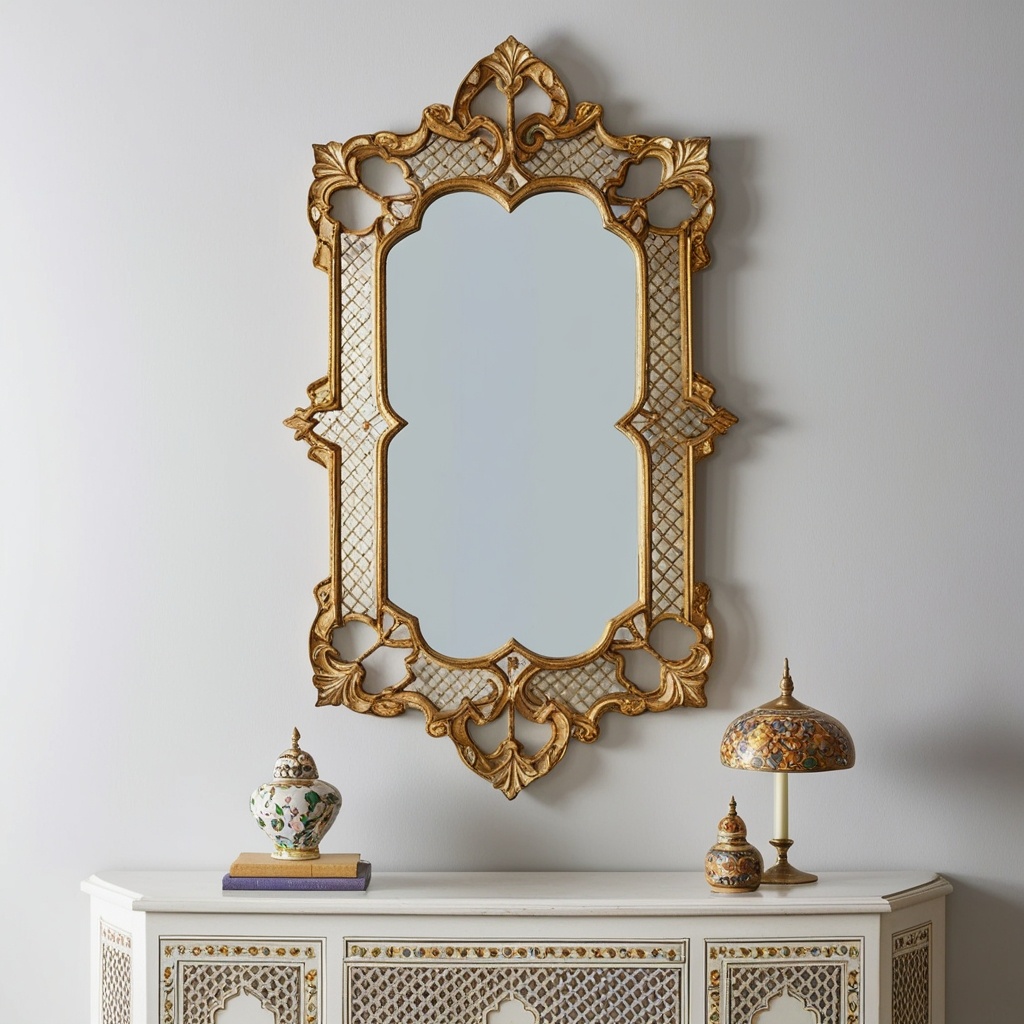
Mirrors with decorative, often gilded frames are a hallmark of Persian décor. Place an ornate mirror above a console or mantle to enhance light and create the illusion of extra space. Seek mirrors with floral, geometric, or latticework designs to embody the style’s signature elegance.
-
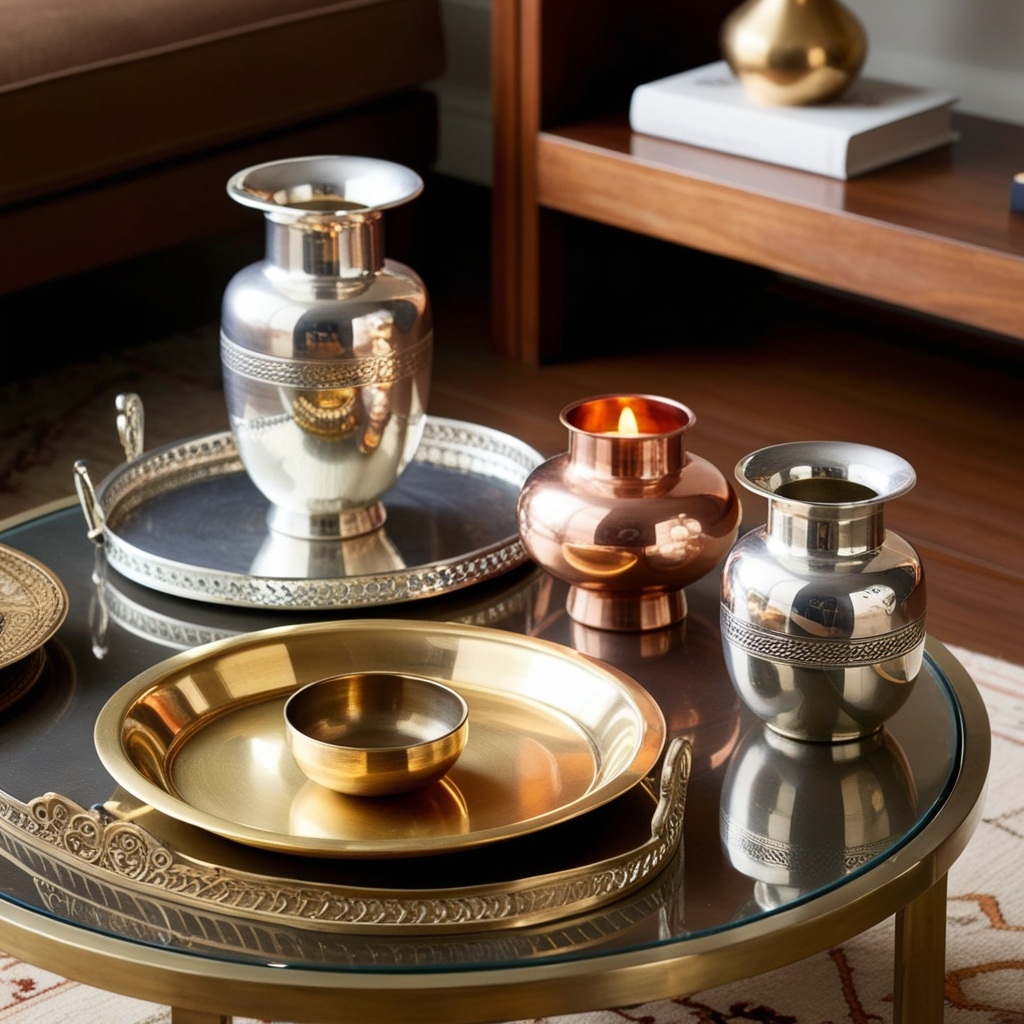
Brass, copper and silver accessories such as trays, vases and candleholders add warmth and shine. Arrange a few metal pieces on the coffee table or bookshelves. These accents pay homage to the traditional Persian art of metal work and help reflect light in a rather dark place.
-
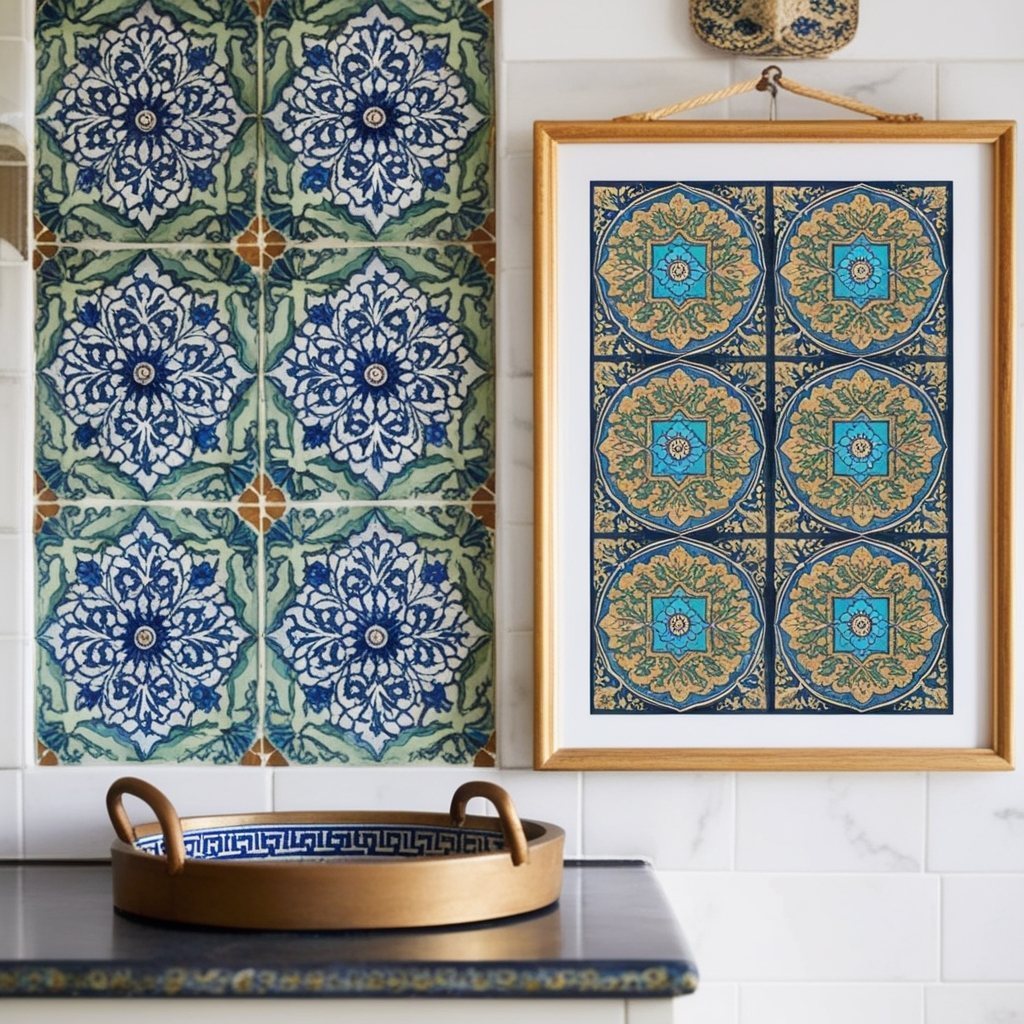
Even small touches of detailed tile (think a mosaic tray, tiled backsplash, or framed tile art) instantly evoke Persian aesthetics. Choose patterns in deep blues and greens for authenticity. If a renovation isn’t on the cards, decorative objects or art tiles are an easy and affordable option.
-
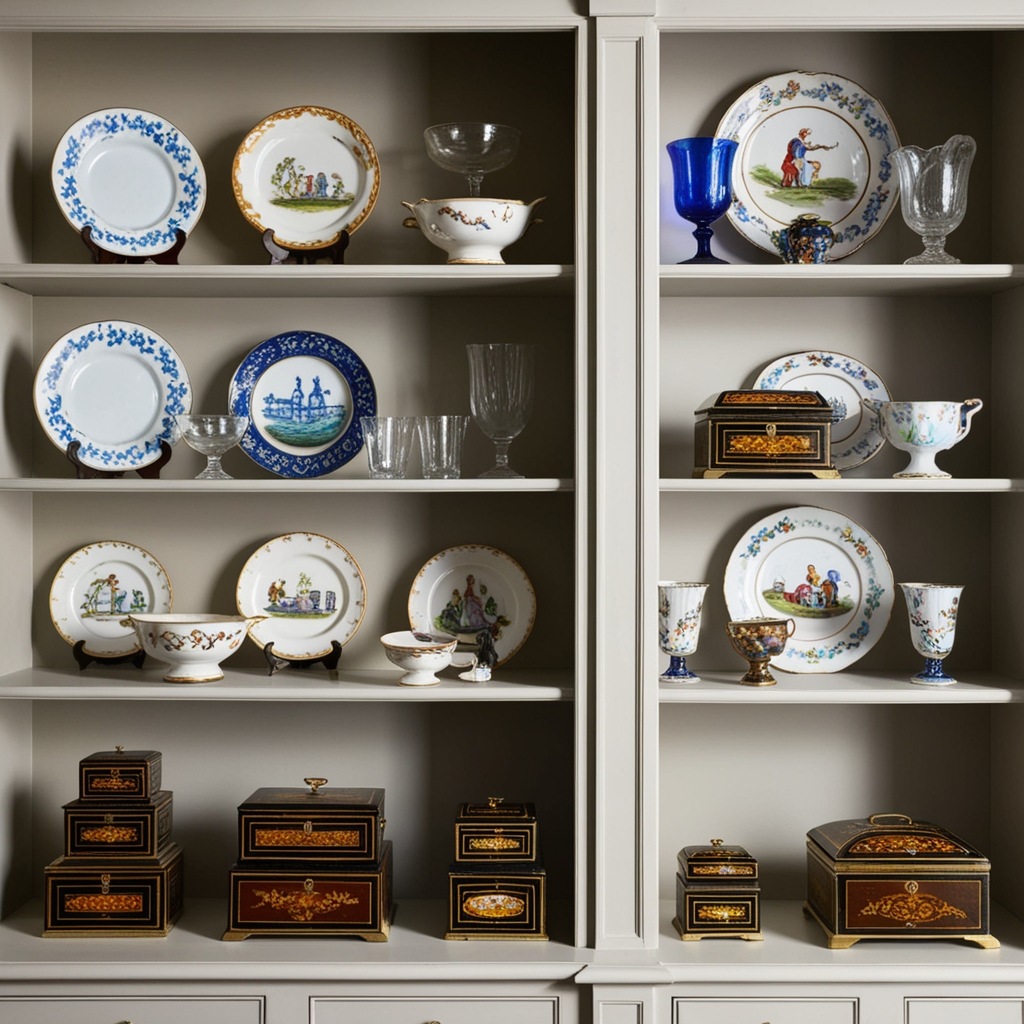
Feature collectibles like hand-painted dishes, glassware, or miniature boxes with detailed inlay. Arrange them in open shelves or curios, embracing the sense of history and storytelling these objects bring. Vary object heights and groupings for visual interest.
-
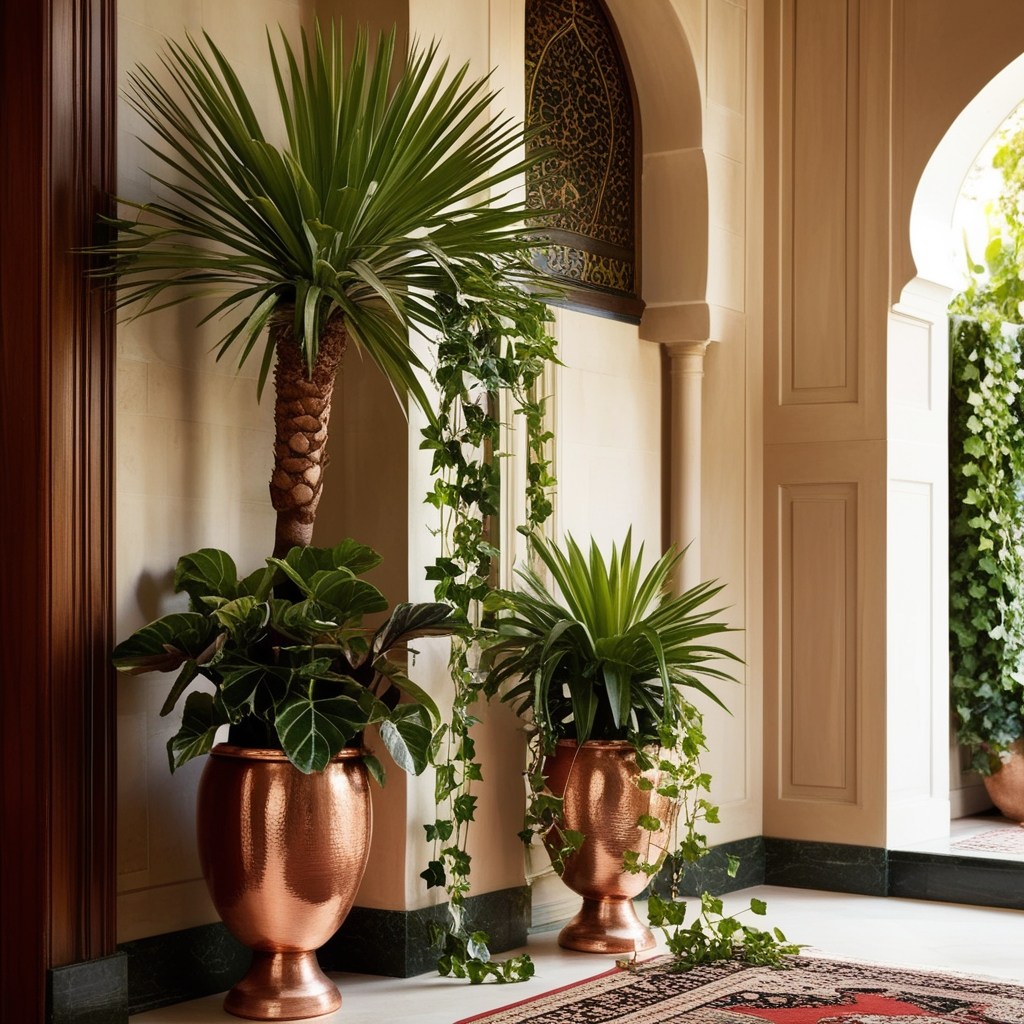
Fresh plants (palms, figs, or trailing ivy) soften opulent interiors and evoke indoor Persian courtyards. Use ornate planters or copper pots to tie into the theme. Position greenery near windows or entryways to connect your home to the lush gardens that inspire classic Persian design.
-
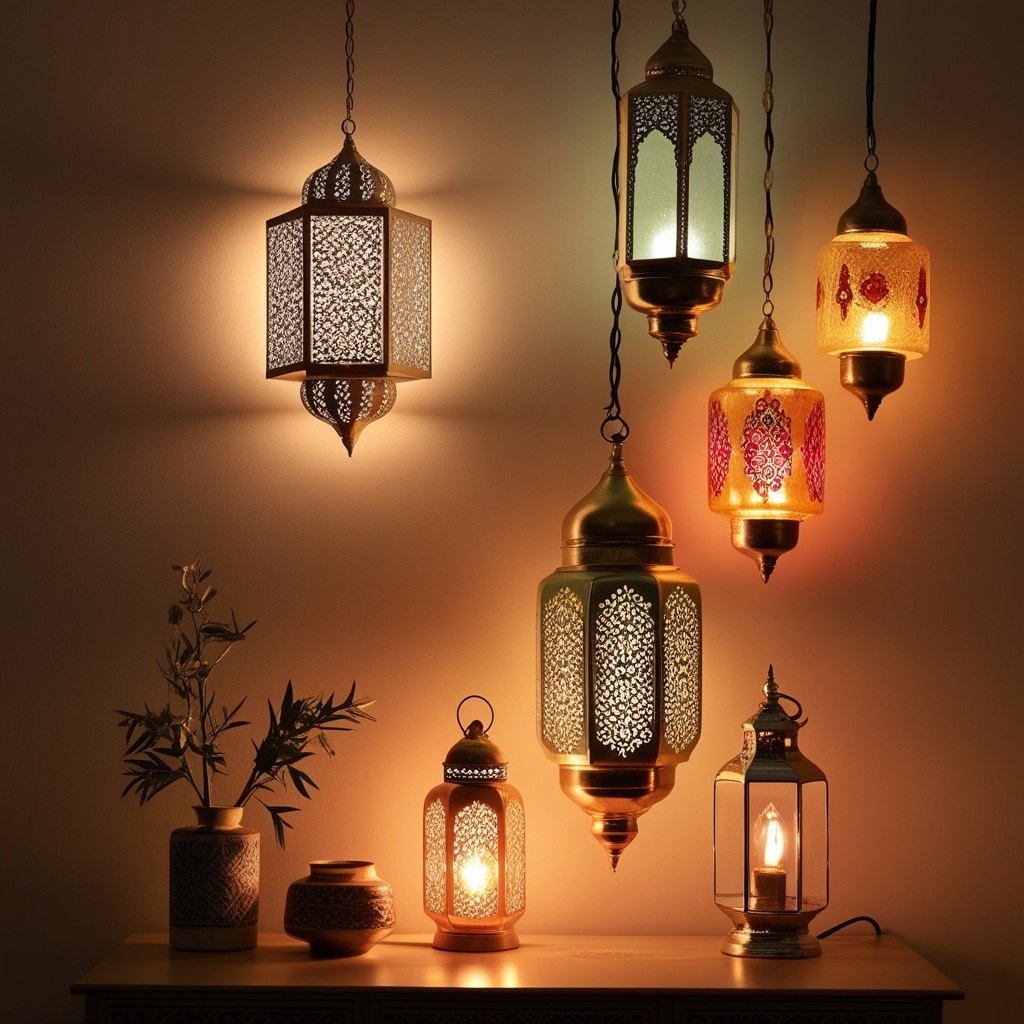
Soft lanterns, filigree pendant lamps, or colored glass candleholders set an atmospheric tone. Layer ambient, task, and accent lighting for a cozy vibe, favoring golden or warm light bulbs. This approach echoes the gentle glow found in traditional Persian rooms while suiting modern needs.
-
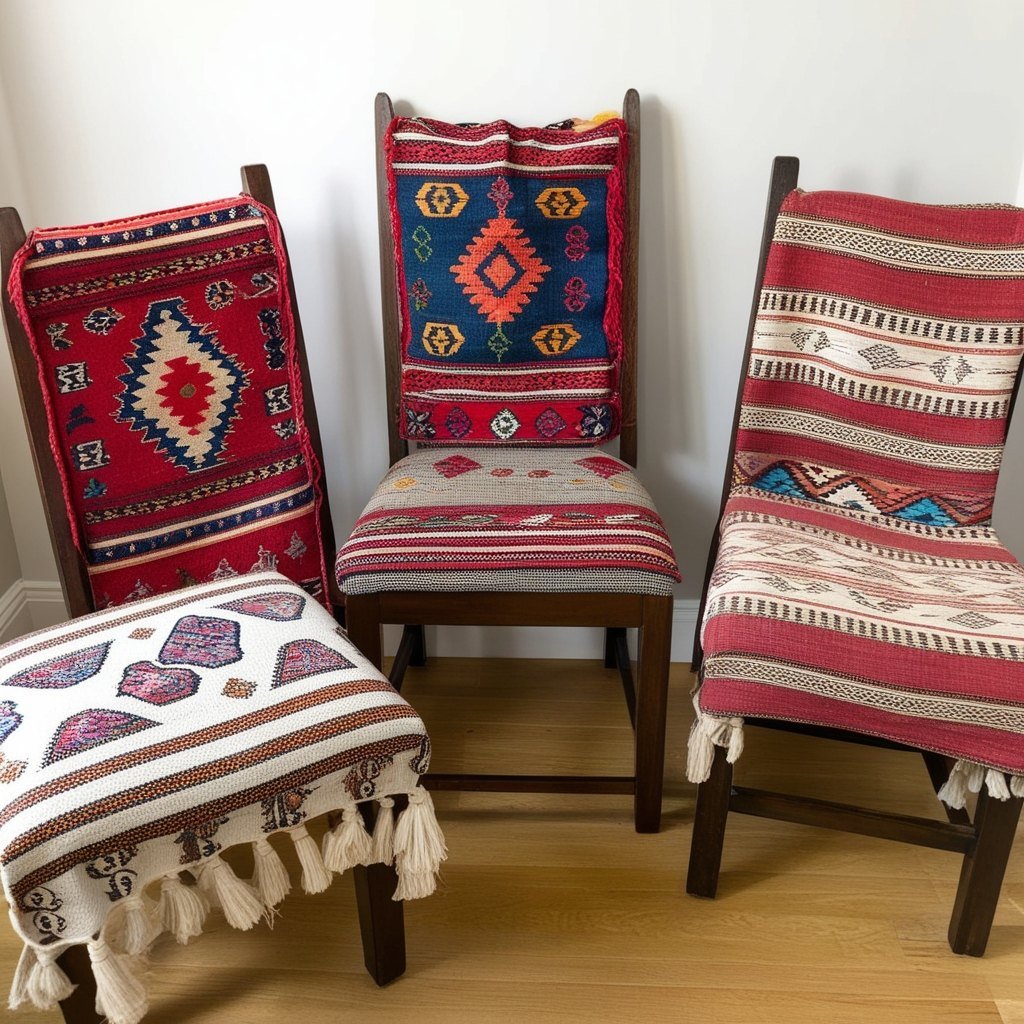
Re-cover dining chairs or footstools with kilim, suzani, or similar patterned fabric. This detail adds authenticity and craftsman appeal. If reupholstering isn’t possible, drape textiles over armchairs or bench seats for a casual, welcoming version.
-
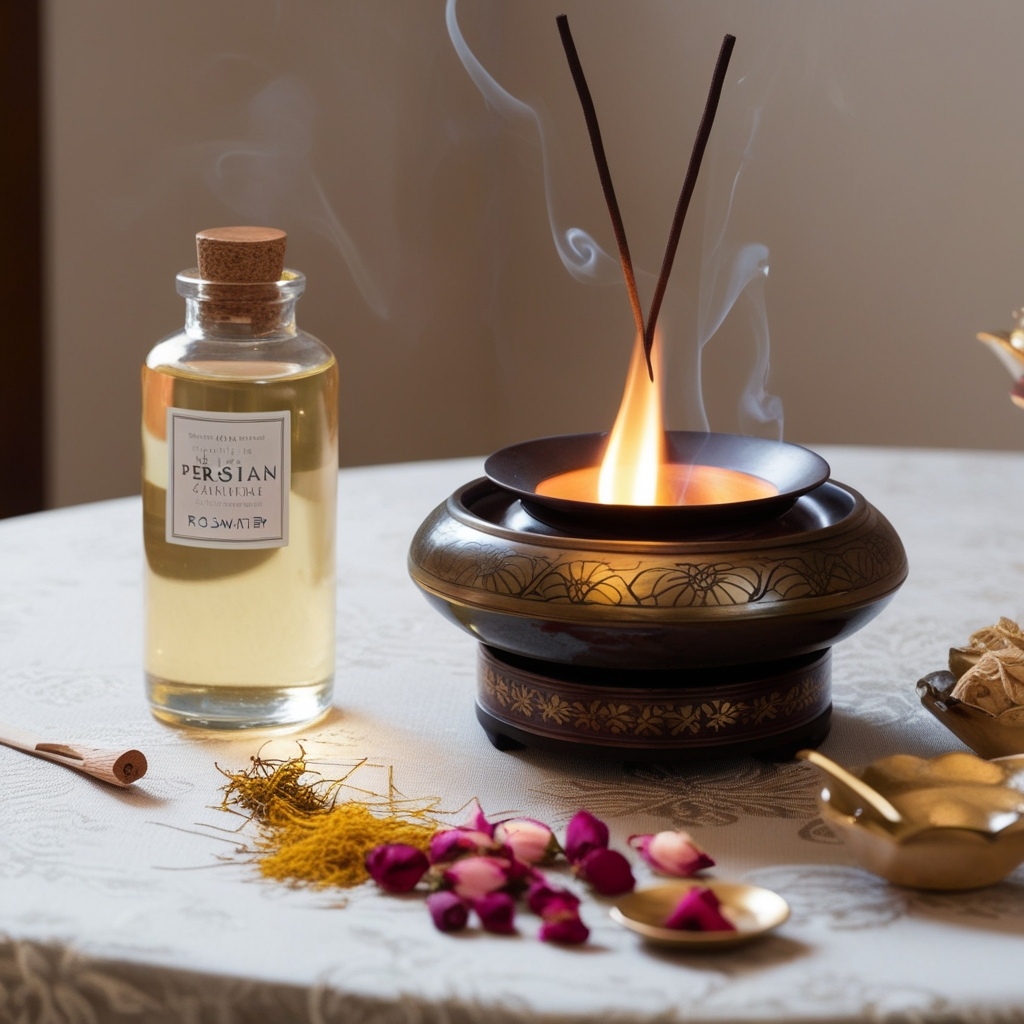
Scent is key for atmosphere. Use rosewater, saffron incense, or natural oils in a traditional burner. These bring a subtle richness to the room and offer a sensory link to classic Persian gatherings and hospitality.
-
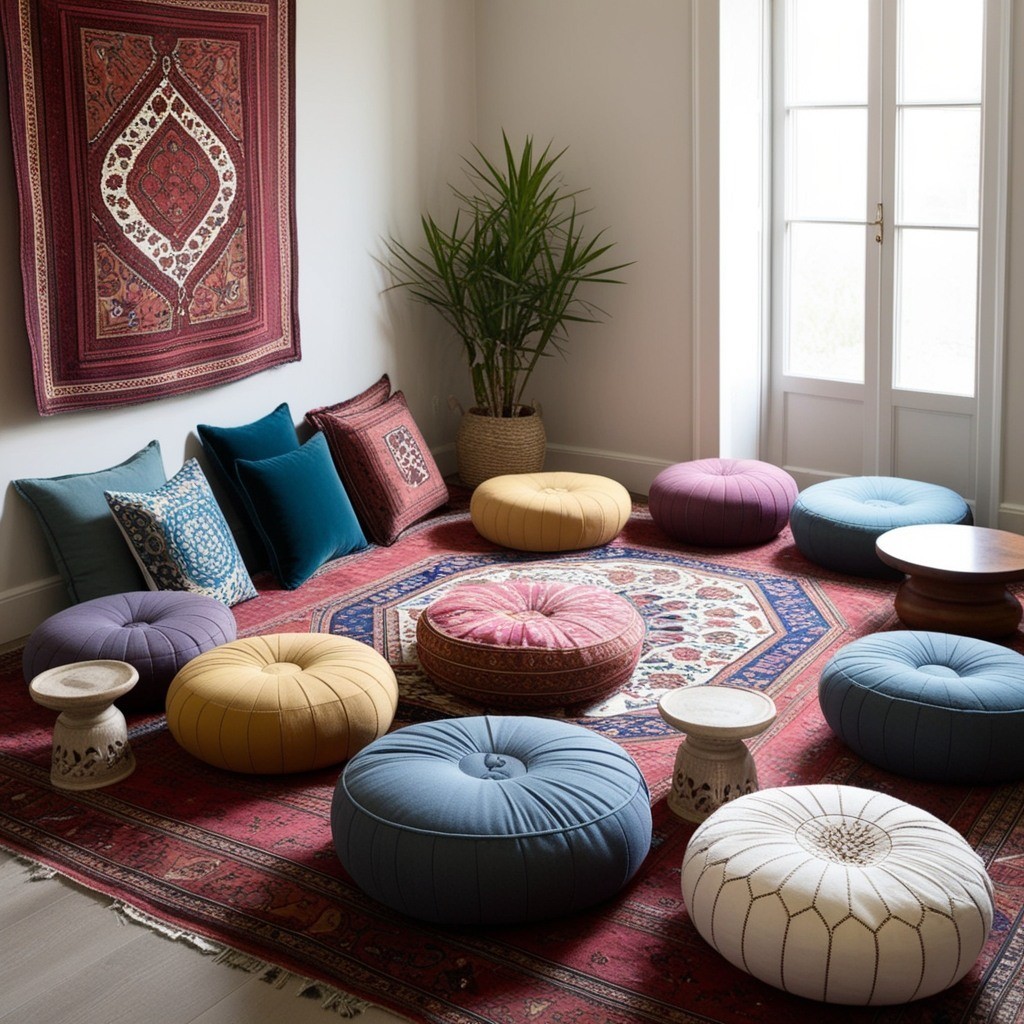
Dedicate a corner to floor cushions, bolsters, and small tables. This setup invites lingering conversations and reflects age-old Persian customs. Choose fabrics and shapes that coordinate with your overall palette to maintain harmony throughout your space.
-
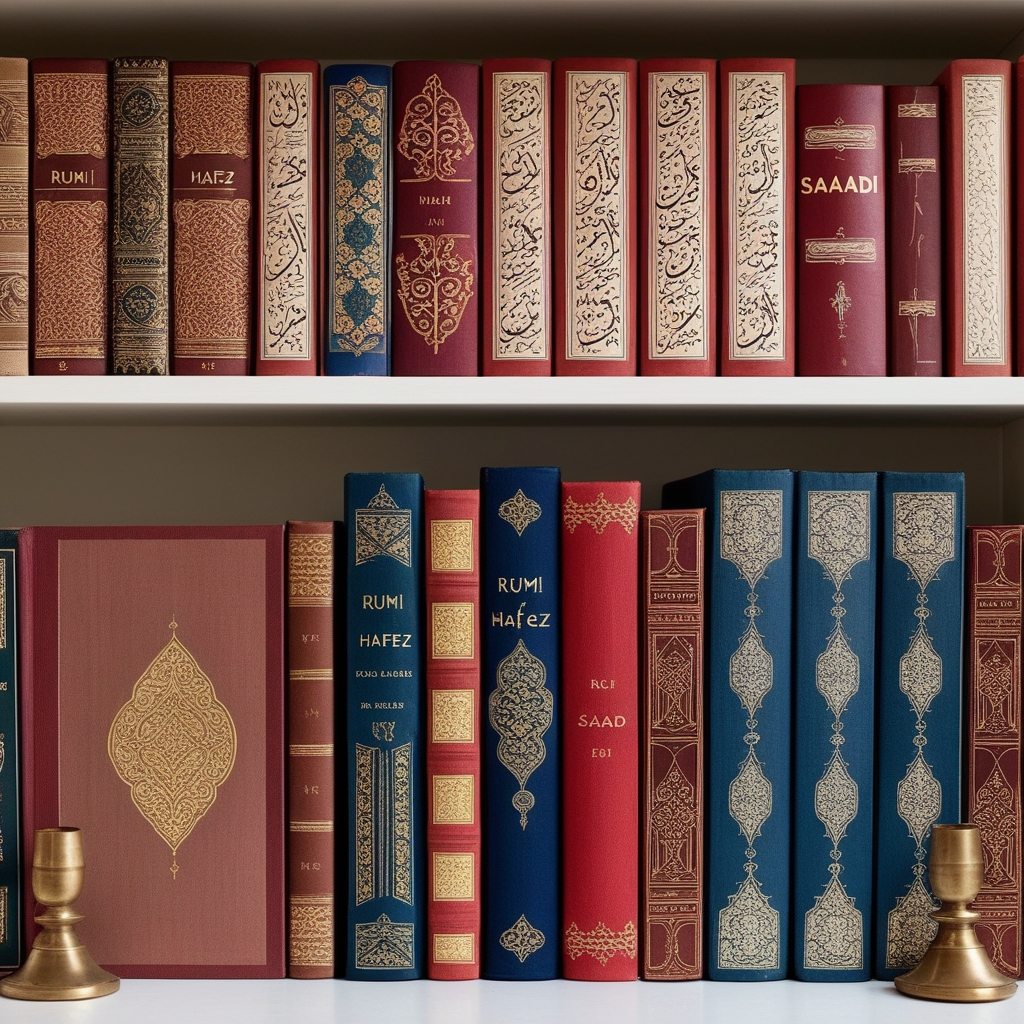
Fill the shelves not only with novels but also with elegant volumes of poetry such as classic works of Rumi, Hafez, or Saadi. Position select editions with ornate covers forward-facing and perhaps tuck vintage brass bookends on either side for a scholarly, curated effect.
Visualize Persian style with Paintit.ai
Upload a photo of any room to app.paintit.ai and test how Persian design palettes (jewel tones of ruby, emerald, and sapphire against neutral backgrounds) read in your actual space in 1–2 minutes. Useful for understanding how a single Persian rug changes the entire colour conversation in a room. Free to start.
Related styles and tools
FAQ
Persian style, also known as Iranian interior design, draws from the art and architecture of ancient Persia (the Achaemenid, Sassanid, and Safavid empires), and the Islamic decorative tradition that developed from them. The defining elements: jewel-tone colour palettes (ruby, lapis, emerald, saffron) against neutral backgrounds; handwoven Persian or Oriental rugs as the room's compositional foundation; geometric and floral patterns on tiles, textiles, and carved surfaces; architectural features including muqarnas plasterwork, orosi stained glass windows, and eyvan alcoves; and the philosophy that beauty is a form of hospitality.
Muqarnas (the stalactite-like carved plasterwork used in vaulted ceilings) creates geometric light-play effects. Orosi are stained glass windows with geometric patterned frames that fill rooms with jewel-toned light. An eyvan is a recessed niche in a wall that creates a multipurpose seating or display space. Arched doorways and niches in geometric or pointed forms. Detailed tilework in geometric and arabesque patterns.
The Persian palette centers on jewel tones: lapis lazuli blue, ruby red, emerald green, and saffron yellow. These are set against neutral backgrounds (cream, aged white, warm beige). Gold, burnished brass, and copper appear as metallic accents. The palette is warm and saturated, never cool or pale.
Yes. Upload a photo of any room to app.paintit.ai and test Persian-inspired jewel-tone palettes in 1–2 minutes. Free to start.