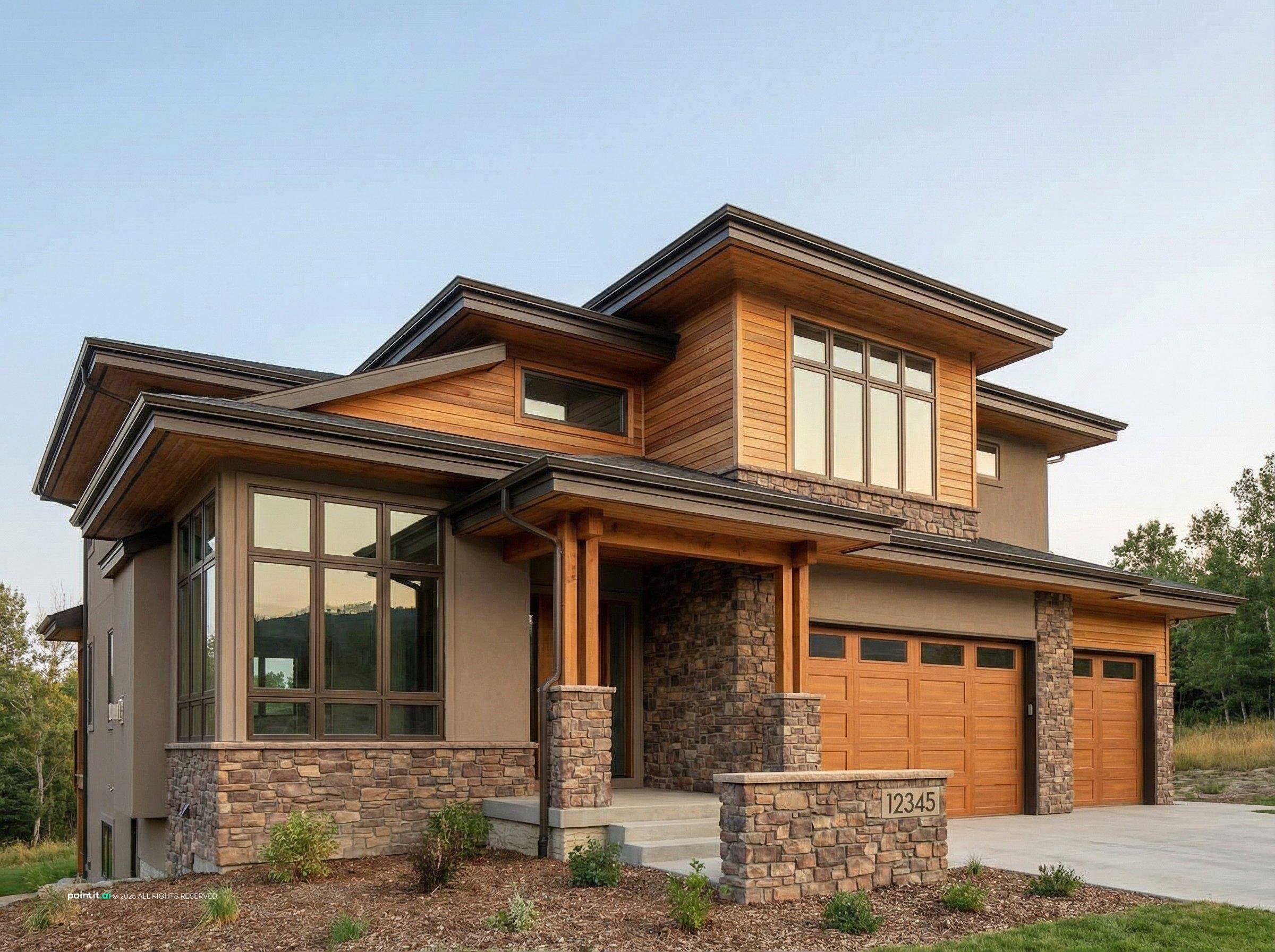
Prairie Style Interior Design: Everything You Need to Know

Prairie Style interior design is rooted in the architectural movement led by Frank Lloyd Wright and his Prairie School contemporaries between approximately 1900 and 1920 — a specifically American design response to the prevailing Victorian and revival styles of the period. The style is defined by horizontal emphasis, organic integration with site and landscape, earth-tone palettes, art glass as architectural ornament, and built-in furniture that makes interior and architecture continuous.

Prairie Style Interior Design with decorative mirror and style comparison scene

Essential Tips for Understanding Prairie Style Interior Design

  • Color palette

    The Prairie palette comes directly from the Midwestern landscape. Warm earth at the base (ochre, umber, burnt sienna), golden prairie grass at mid-level (amber, warm gold, muted yellow), and sky colour at ceiling level (pale blue or neutral cream). Wright described this palette in terms of the "earth-colours" he wanted to bring indoors.

    Cherokee Red — a specific terracotta-orange-red — appears throughout Wright's work as a connecting accent in rugs, trim, built-in furniture details, and floor stains. Contemporary applications can use any warm terracotta in this role.

    Muted rather than vivid. The prairie palette avoids bright saturated colour — every tone is slightly desaturated as if filtered through dry Midwestern summer light.

  • Materials and textures

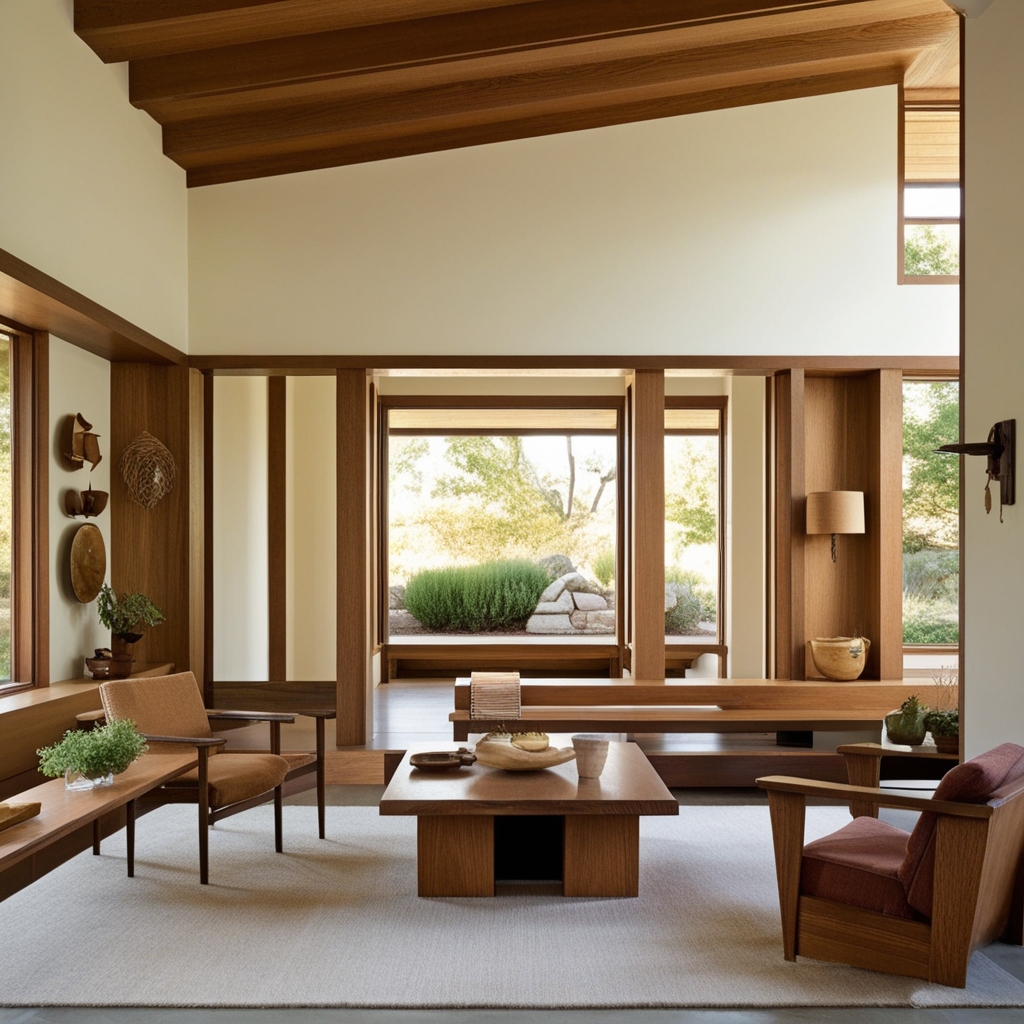
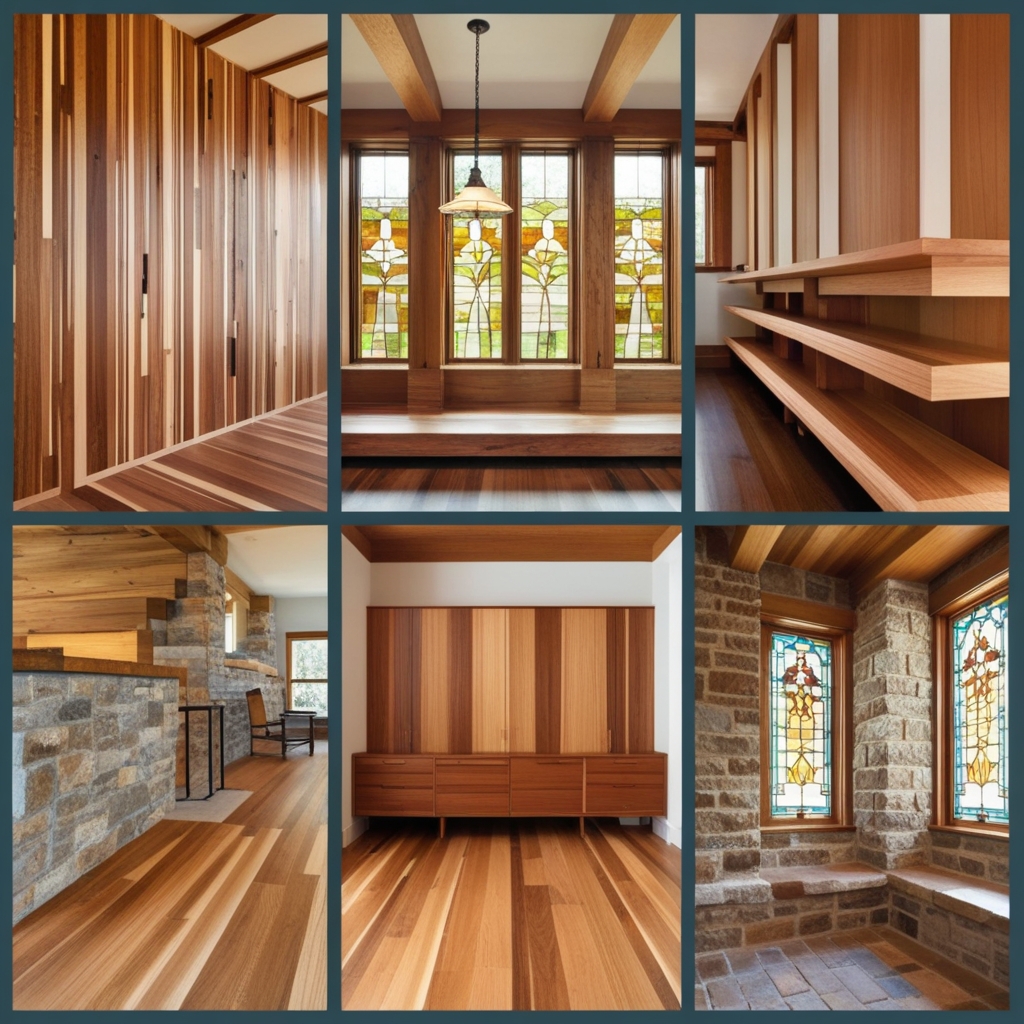
    Wood is primary: red oak and cypress for millwork, built-ins, and furniture. The Prairie tradition uses wood in its own colour rather than painted — visible grain is part of the material's contribution to the design. Dark-stained oak in the reddish-brown tones associated with Wright's work.

    Stone and brick for fireplaces and structural elements — typically local materials. The fireplace in Prairie design is always the central architectural element, built in local limestone or brick with a low, wide proportioned surround.

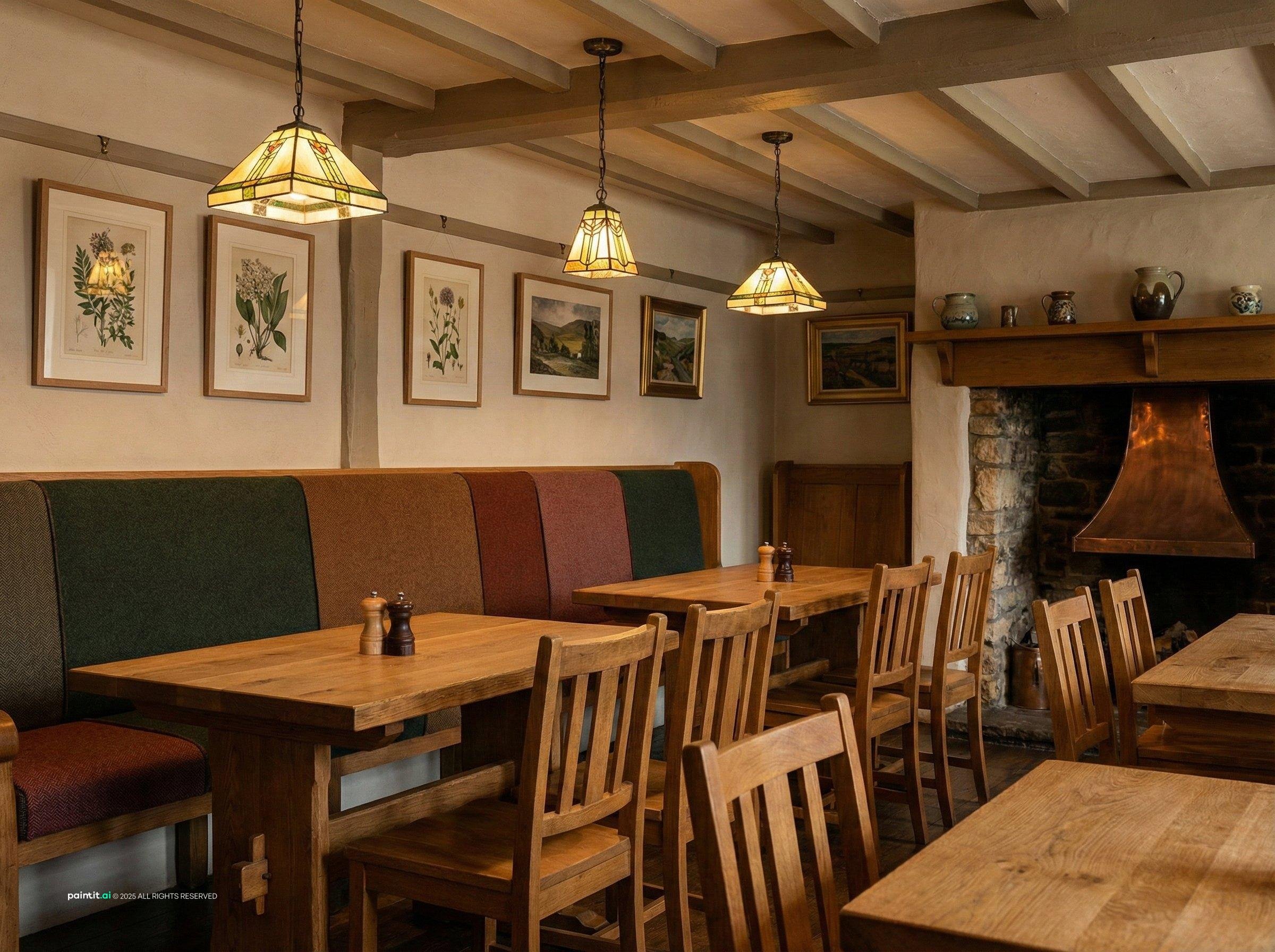
    Art glass: leaded or stained glass with geometric Prairie patterns (stylized plant forms, horizontal and vertical geometric divisions) in amber, green, gold, and occasionally blue. Used in windows, doors, and table lamps.

  • Furniture and silhouettes

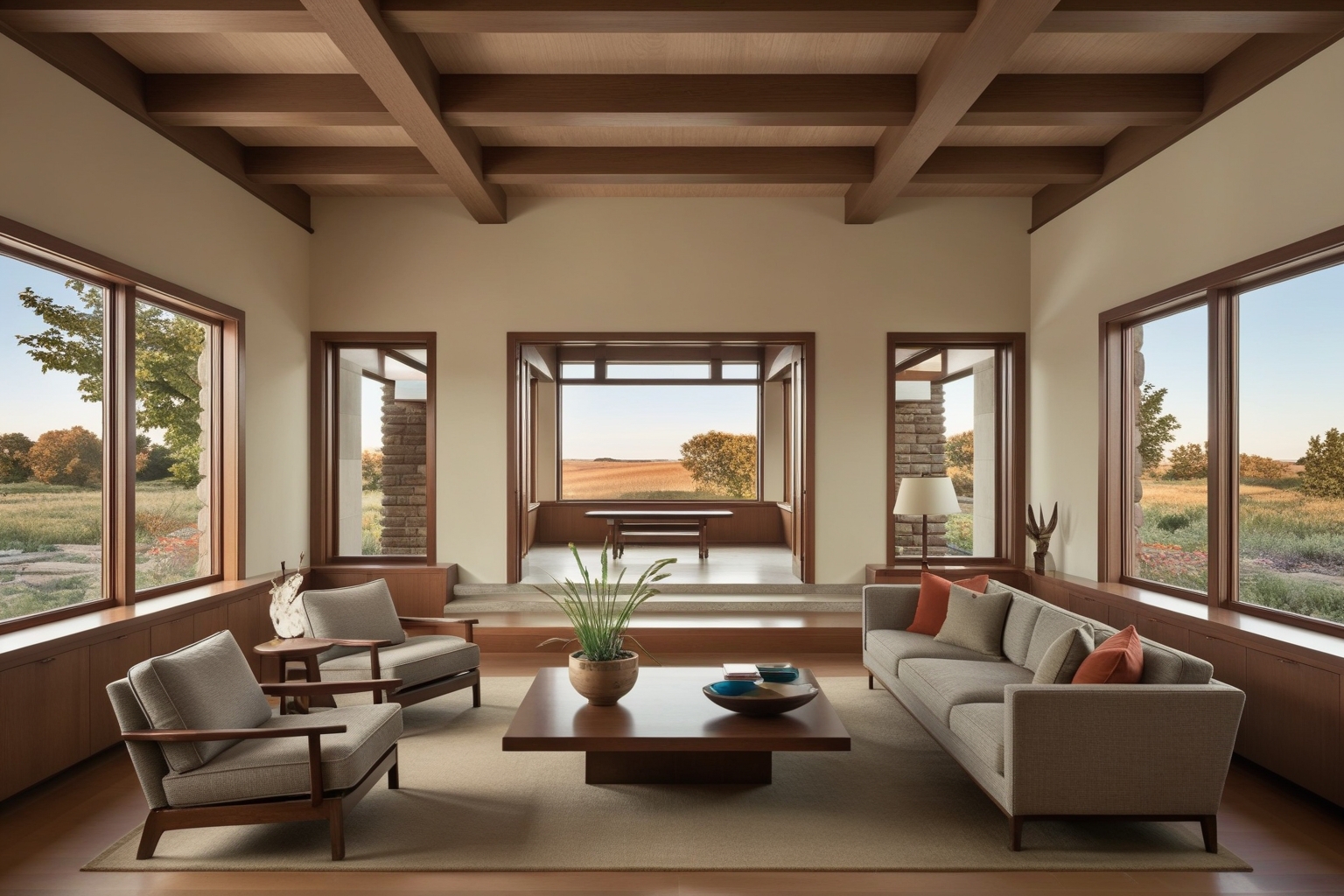
    Prairie furniture is low and horizontal — emphasizing the ground plane. Sofas and chairs with low backs, extending sideboards and credenzas that run the length of a wall, tables with strong horizontal profiles.

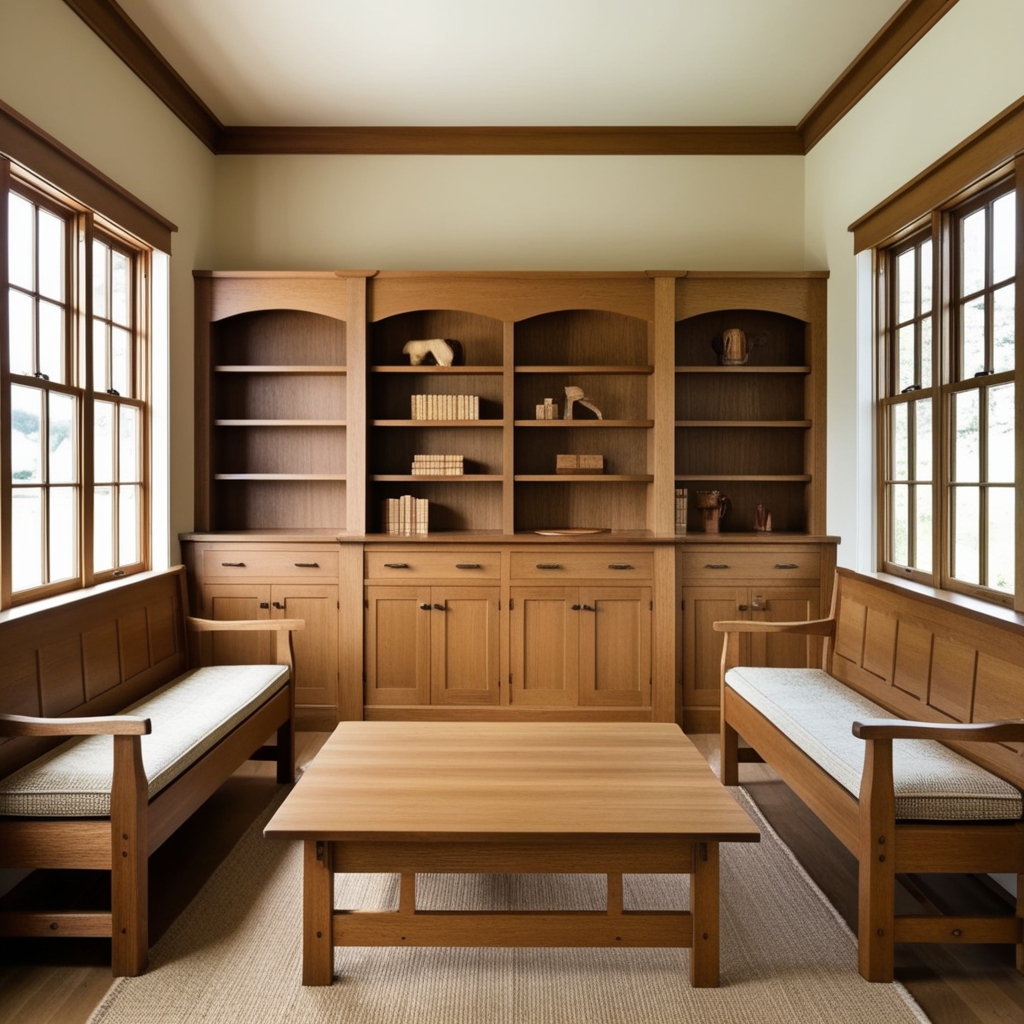
    Built-ins are central: bookshelves that wrap rooms at a consistent height, window seats integrated into the architectural structure, dining room sideboards built into the wall. The division between architecture and furniture disappears in fully Prairie-designed interiors.

  • Decor and accessories

    Minimal and purposeful. Art glass table lamps in Taliesin-influenced geometric patterns, simple pottery in earth tones, leaded glass panels in windows and cabinets. Rugs in geometric Prairie patterns with the Cherokee Red, gold, and green palette.

    Japanese woodblock prints were a significant influence on Wright — their flat colour planes and compositional abstraction resonated with his own design vocabulary.

  • Architectural features

    The horizontal emphasis is the dominant architectural expression: low-pitched roof with broad overhanging eaves, continuous bands of windows, the building appearing to hug the ground. In interiors: low furniture profiles, continuous trim lines at the same height throughout a room, banded window sequences, and the compression-and-release spatial sequence.

    The fireplace as hearth and center: every Prairie house organizes its social spaces around a central fireplace mass. In Wright's houses, the chimney is structurally and symbolically the center of the house.

Stunning Examples of Distinctive Features of Prairie Style Interior Design

  • Prairie Style Interior Design with layered decor and balanced layout

    Renowned architect Frank Lloyd Wright's Prairie Style Interior Design showcases environmental harmony through its unique principles. This architectural and interior design style gains acclaim through its unique attributes which emphasize organic materials alongside natural colors and simple decor elements to achieve a unified connection with nature. To genuinely understand Prairie Style Interior Design's graceful simplicity requires an exploration of its fundamental elements.

  • Prairie Style Interior Design with lighting preview scene and statement lighting

    Prairie style interiors heavily utilize natural materials. Wood is a predominant element, often seen in flooring, wall paneling, and furniture. Oak, maple, and cherry woods are some of the favorites in crafting both structure and furnishings. Stone and brick are also integral, providing solidity and earthing the design to its natural surroundings. These materials are rarely treated with artificial finishes, allowing their innate beauty to shine through. Stained glass often features prominently in this style, introducing artistry into windows, doors, and lamps, thus reflecting the outside ambiance inside.

  • Prairie Style Interior Design with bold accent colors and soft natural palette

    This design style employs a color palette that nature itself provides. Spaces filled with dominant earth tones like browns, rusts, greens, and golds transform into warm and inviting environments. Within the home environment muted colors prevail to establish an atmosphere of calmness and serenity. Textiles and artwork occasionally serve as mediums for introducing accent colors which are carefully chosen to harmonize with nature’s palette. Prairie Style Interior Design deliberately employs a specific color palette to merge interior spaces with the external environment.

  • Prairie Style Interior Design with statement wall art and geometric patterns

    The furniture pieces in Prairie Style Interior Design exhibit functionality while being carefully proportioned. The majority of pieces originate from solid wood construction featuring straightforward lines and sparse decorative elements. Spaces frequently incorporate built-in furniture elements such as benches, bookshelves, and sideboards to create both physical expansion and visual interest. Furniture designs embody Arts and Crafts principles by emphasizing handcrafted excellence and functional design. Upholstery materials typically consist of natural fabrics like wool and cotton which display subtle patterns that harmonize with the thematic design.

  • Prairie Style Interior Design with soft natural palette and statement wall art

    Decor elements in Prairie Style Interior Design are informed by the principles of simplicity and integration with the natural world. Decorations are minimal, often integrating handmade or artisanal items that carry individual cultural or historical significance. Rugs, textiles, and pottery are carefully curated to enhance the thematic continuity of the design. Art pieces, if present, emphasize landscape or abstract representations that resonate with the earthy aesthetics of this style. Light fixtures often have stained or leaded glass, adding visual interest and a personalized touch to each room.

  • Prairie Style Interior Design with crafted furniture and layered decor

    In essence, Prairie Style Interior Design is about creating a cohesive and intelligent living space where architecture and nature coexist harmoniously. This design strategy not only offers a nod to the past but also provides timeless ideas that continue to inspire mantaining a minimalistic approach while focusing on craftsmanship and the natural environment within residential interior design.

How to apply Prairie Style interior design at home

  • Frank Lloyd Wright's Prairie Style interior design creates a deliberate and organic connection between living spaces and the natural world.

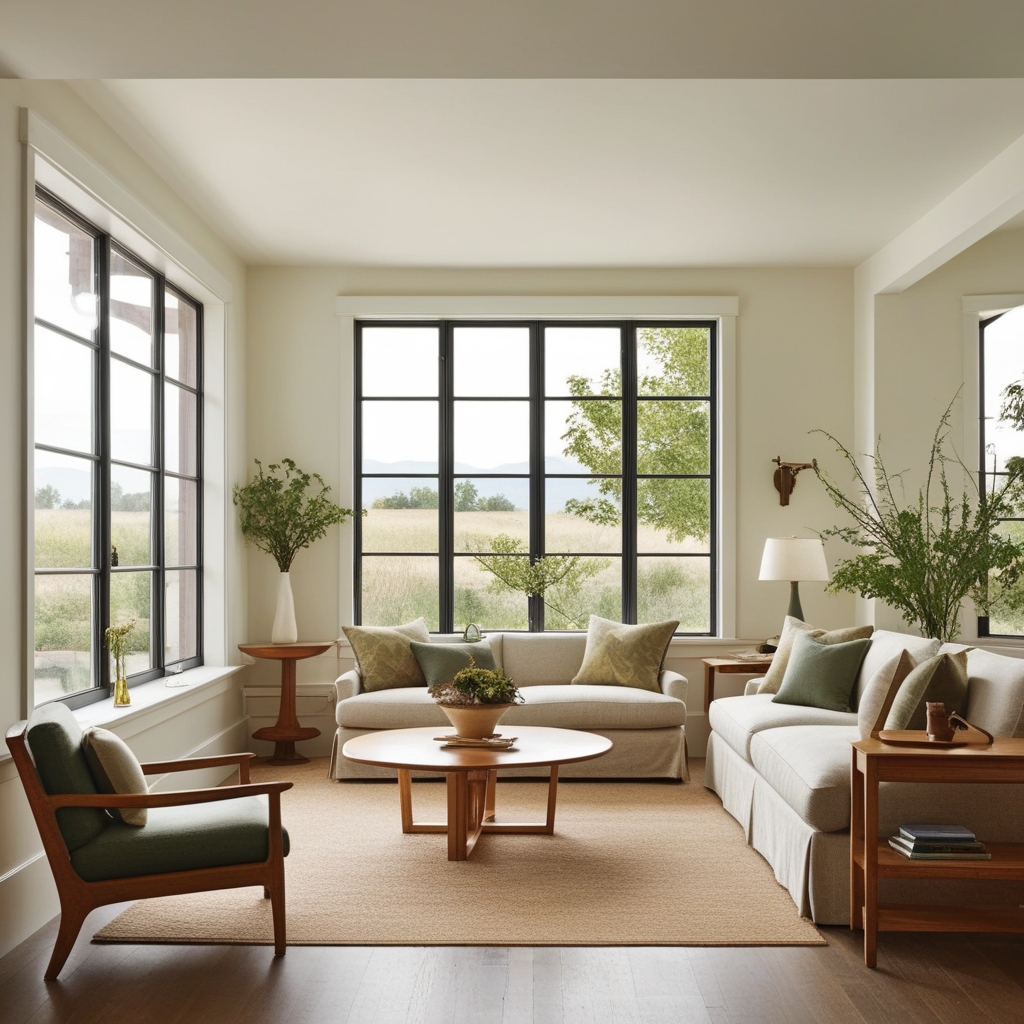
  • Prairie style interior design aims to establish an uninterrupted flow between indoor living spaces and outdoor areas in the living room. Employ elements such as wood and stone to construct flooring and wall surfaces. Select furnishings that feature straight horizontal lines combined with low profiles to create an open room atmosphere. Implement earth-toned color schemes that mirror natural hues while installing large windows to allow abundant natural light which creates a feeling of openness and connection to the outdoor environment.

  • The bedroom should be a sanctuary, embodying the serenity of prairie style interior design. Choose a modest, crafted wooden bed with a simple design. Complement it with minimalist nightstands and a dresser made from similar natural materials. Soft, earthy textiles in muted tones will add warmth to the room. Consider incorporating built-in shelving to keep the space uncluttered, and use curtains that allow a gentle diffusion of sunlight, providing an intimate connection with your surroundings.

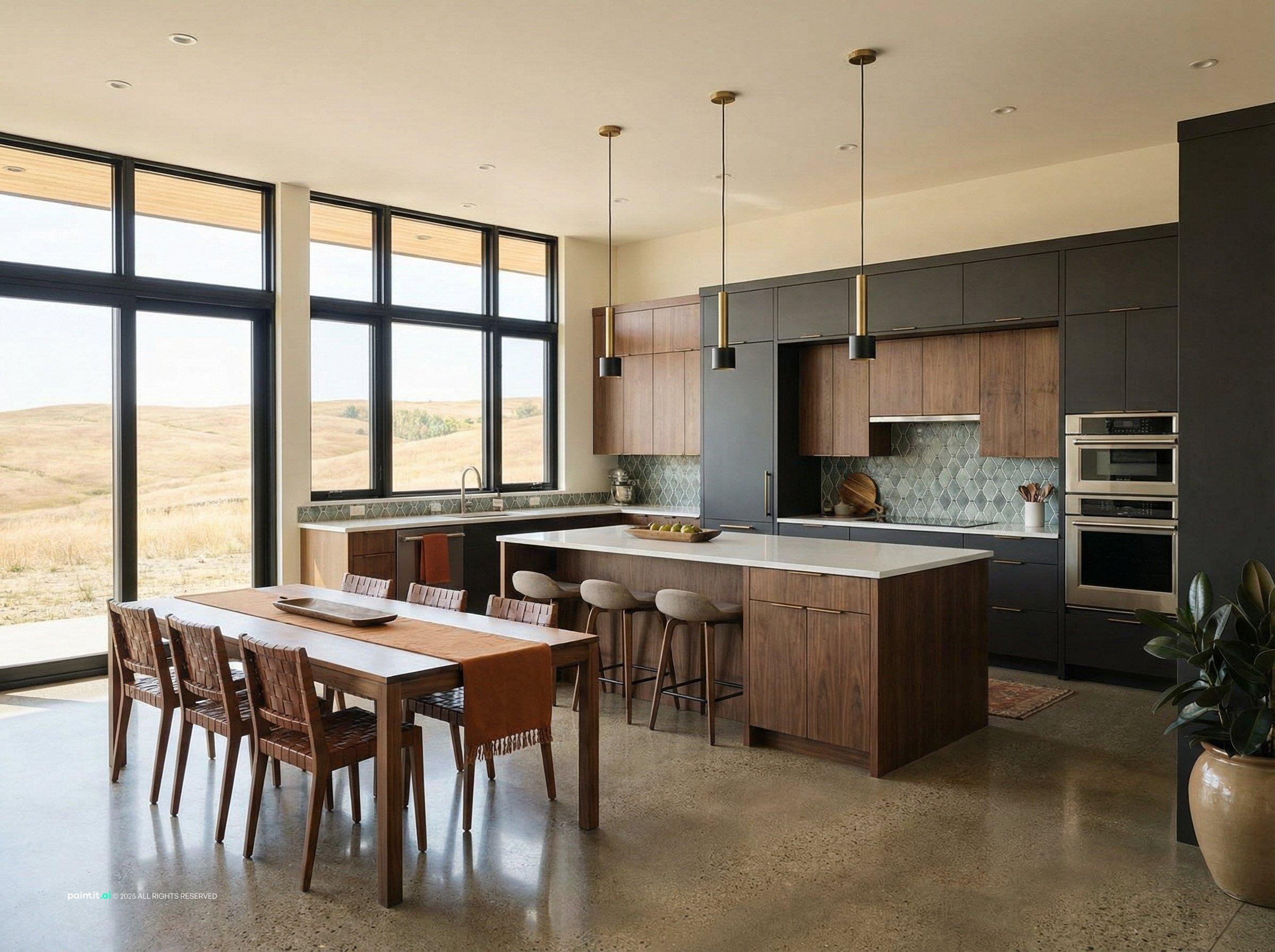
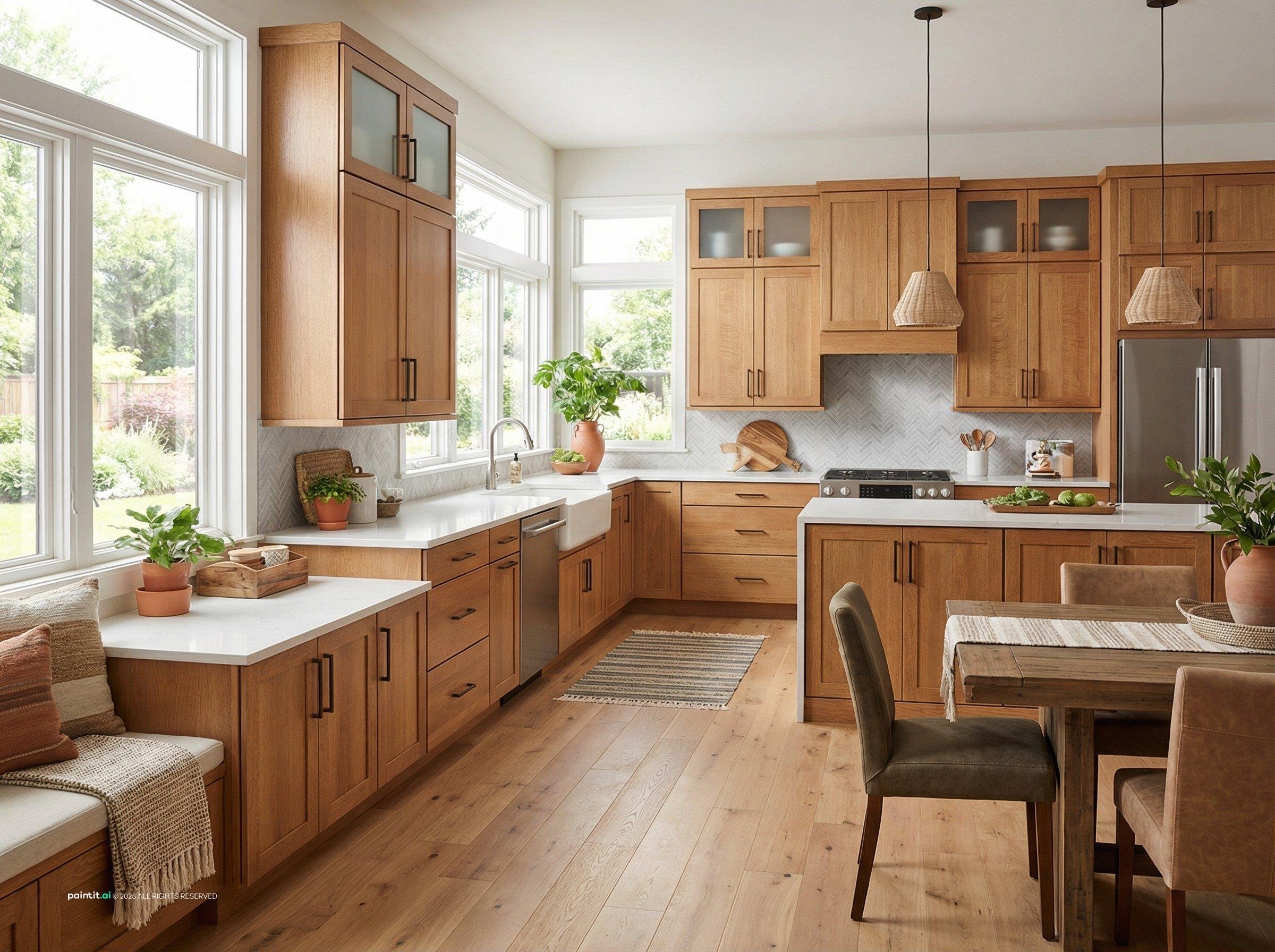
  • A kitchen space constructed with prairie style interior components achieves both operational efficiency and aesthetic appeal. Implement wooden cabinetry alongside stone countertops to create a space that embodies both rustic charm and refined elegance. Maintain an open and welcoming layout through the seamless integration of kitchen and dining spaces. Utilize integrated storage systems to reduce visible disorganization. Select straightforward and durable dining pieces that enhance the natural look. The lighting design demands subtlety through pendant lights which emphasize the dining table's dominant position within the room.

  • Prairie style interior design extends to the outdoors, encouraging the blurring of boundaries between interior and exterior spaces. Create patios or verandas with similar natural materials used in the interior. Integrate low-profile furniture that allows for immersive views of the landscape. Use native plants to ensure that the garden is an organic extension of the prairie style ethos, harmonizing with the local environment. Paths and garden features should follow gentle, flowing lines to reflect the organic appeal central to prairie style design.

  • Incorporating prairie style interior design elements into your living space establishes a natural connection while achieving a harmonious blend of visual appeal and functional use. Through the careful selection of materials, colors, and layouts that embody this philosophy, designers can craft spaces which naturally integrate into their surroundings while maintaining a sense of warmth and adaptability.

Visualize Prairie style with Paintit.ai

Upload a photo of any room to app.paintit.ai and test how Prairie Style palettes — earth tones, Cherokee Red accents, horizontal emphasis — read in your actual space in 1–2 minutes. Free to start.

FAQ

  • Prairie Style is an American architectural and design movement developed by Frank Lloyd Wright and his Prairie School contemporaries between approximately 1900 and 1920. Key characteristics: strongly horizontal emphasis (low rooflines, continuous window bands, low furniture profiles), earth-tone palettes (ochre, umber, amber, Cherokee Red), natural materials (red oak, limestone, brick), art glass with geometric Prairie patterns, built-in furniture, and the central fireplace as spatial anchor.

  • Cherokee Red is a specific terracotta-orange-red colour that Frank Lloyd Wright used consistently throughout his career — in concrete floor stains, built-in furniture details, trim, and textiles. It creates visual continuity across rooms and projects. In contemporary applications, a warm terracotta accent colour used consistently throughout a home performs the same compositional function.

  • Yes. Upload a photo of any room to app.paintit.ai and test Prairie Style palettes and directions in 1–2 minutes. Free to start.