
Hall Wall Colour Combination for Living Room: Fresh Interior Design Ideas to Try
A hall wall colour combination can completely change how a living room feels, sometimes more than any single piece of furniture. A deep green or soft peach shifts the whole mood of the room, and getting that pairing right is mostly about how the accent colour relates to the wall behind it.
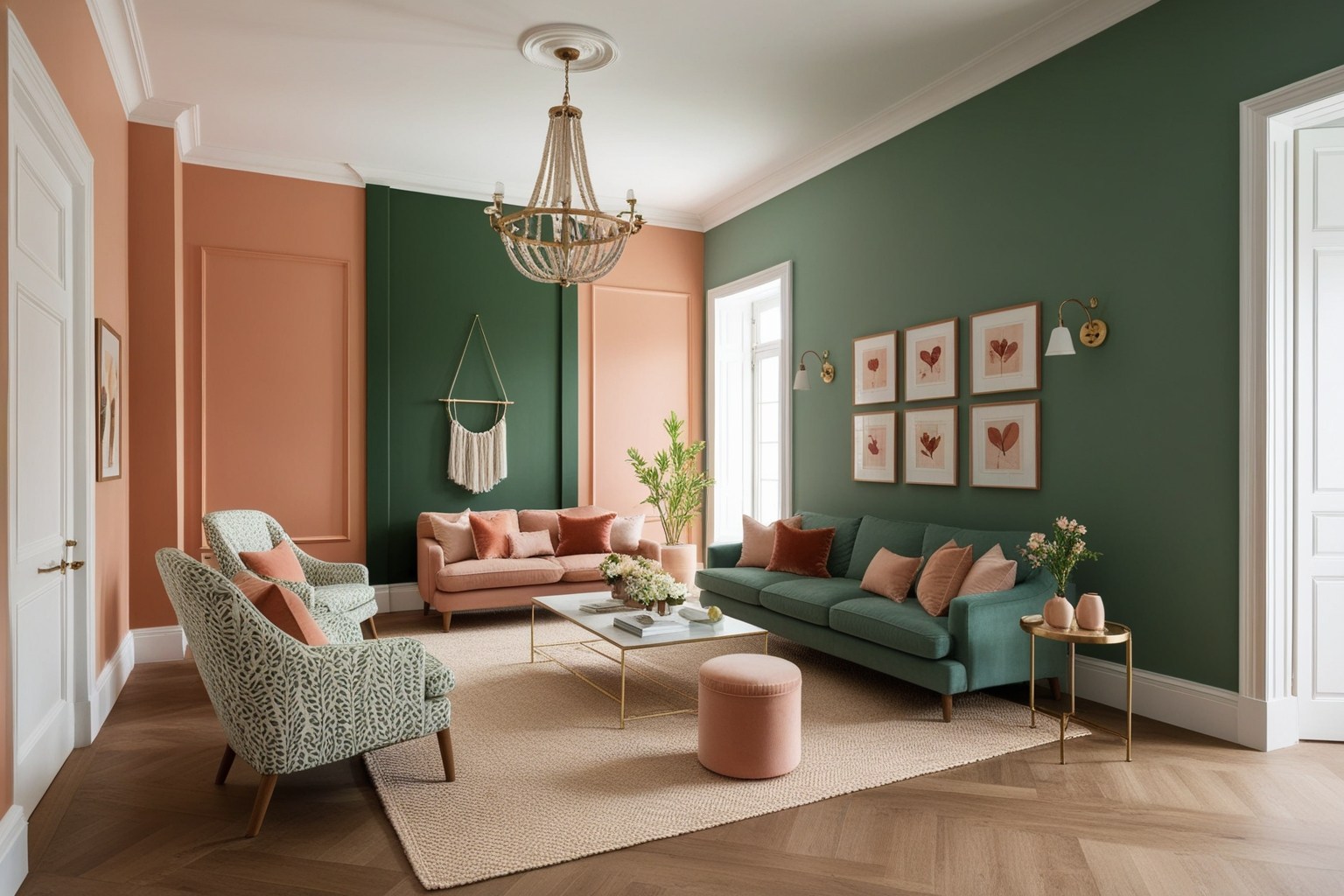
Creative Approaches to Hall Wall Colour Combination for Living Room Refresh
So, the color you choose for the hallway walls leading into your main sitting area sets the mood not only for you every day but also for everyone who enters your home. Wall color is the first big impression, tying the hallway’s flow to the living room’s relaxation.
-
1. Carry One Undertone from Hall into Living Room
Choosing a hallway colour that shares an undertone (warm or cool) with the living room wall keeps the transition feeling deliberate rather than abrupt.
-
2. Use a Deeper Shade in the Hall, Lighter in the Living Room
A slightly richer colour in the hallway - a space you pass through rather than linger in - can open up into a lighter, airier living room shade for contrast.
-
3. Try a Two-Tone Hallway with a Chair Rail
A darker lower half and lighter upper half, split by a chair rail or simple painted line, adds interest to a narrow hallway without needing pattern or wallpaper.
-
4. Use the Hallway as a Gallery Wall Opportunity
A slightly bolder hallway colour makes a great backdrop for framed art or photos, since hallways rarely have large furniture competing for wall space.
-
5. Keep Trim and Doors Consistent Throughout
A single trim colour running from hallway into living room ties the two spaces together even when the wall colours themselves differ.
-
6. Test Combinations Before Committing to Paint
Hall and living room colours read very differently under real lighting than on a swatch - test large sample patches in both spaces, or try a free AI visualization tool, before painting either room.
Photo examples: 12 hall wall colour combinations for the living room
-
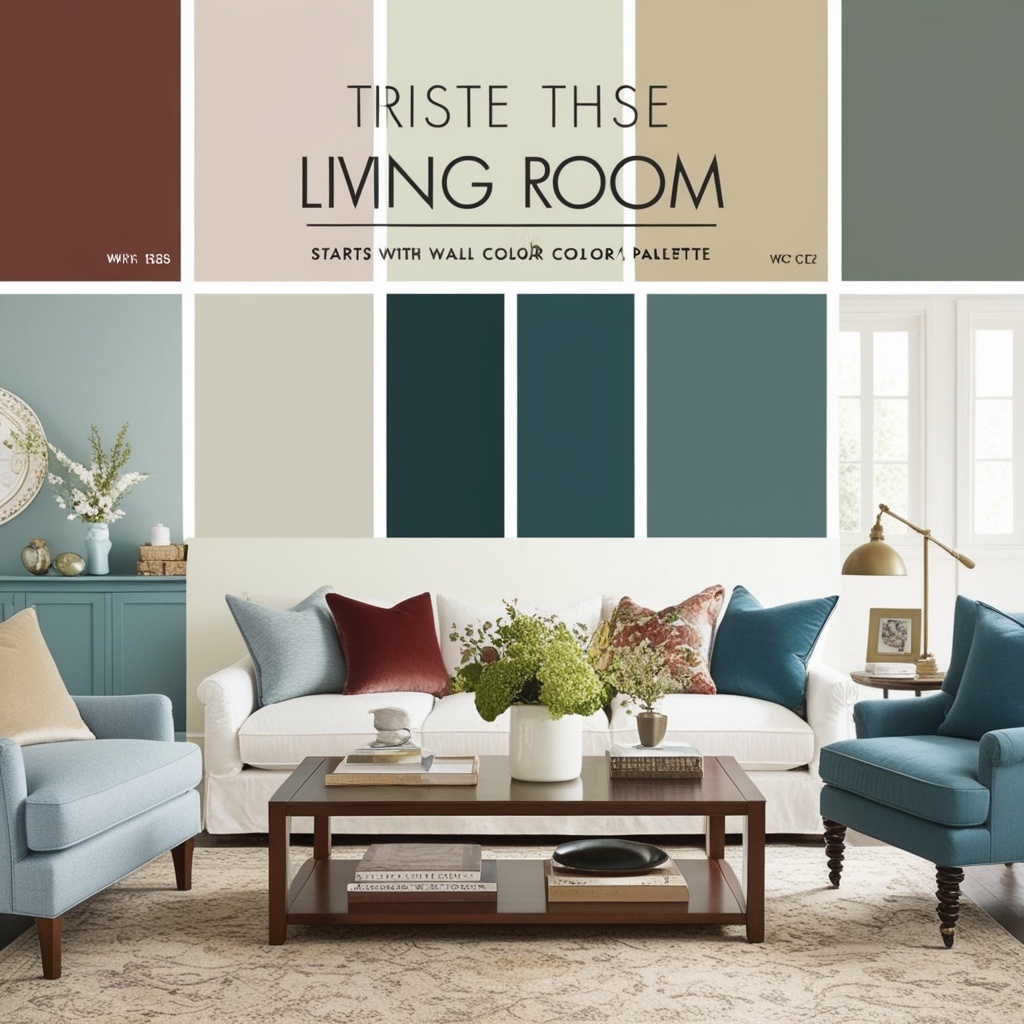
Transforming your living room starts with the right wall color palette. Explore these carefully curated color combinations that promise to enhance your space, reflecting personality without going out of style quickly.
-
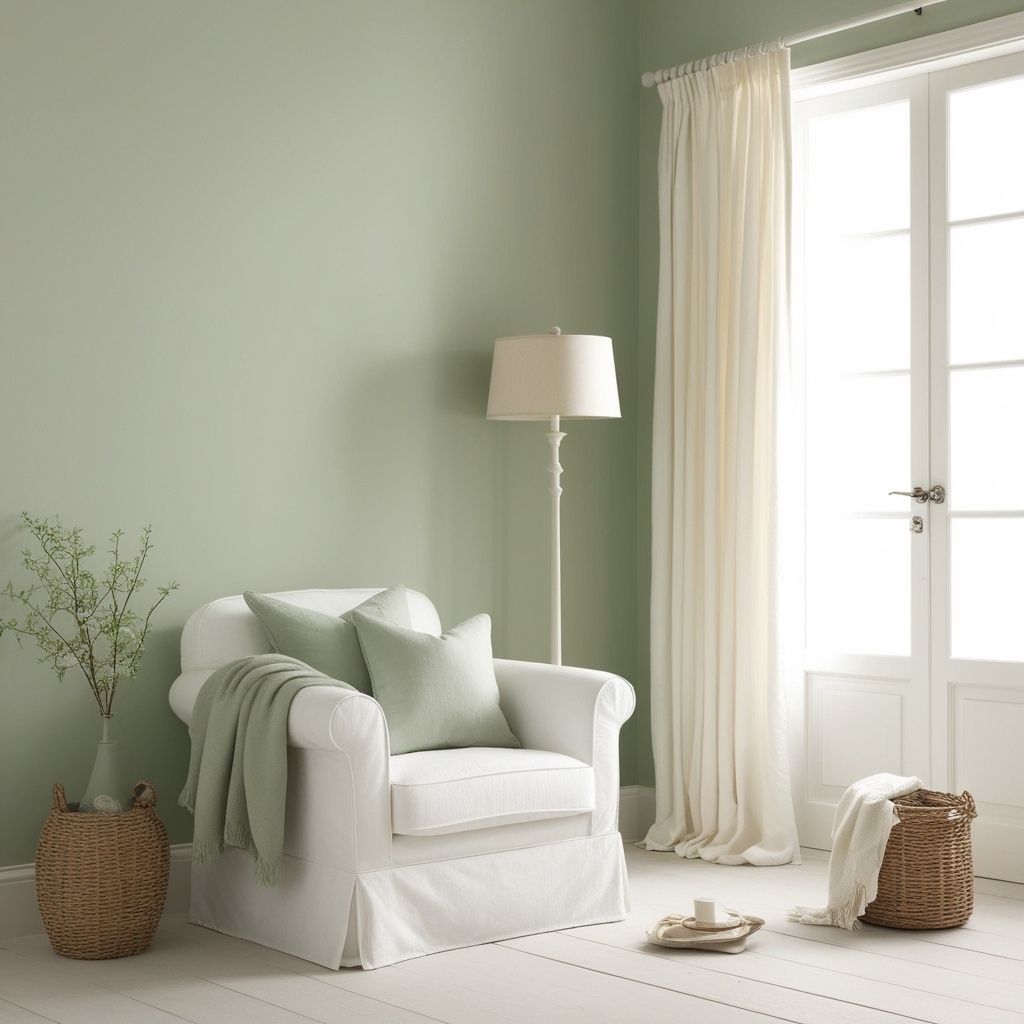
Pairing a gentle sage green with creamy white creates an inviting, calming ambiance. The soft green works well as a feature wall, while white keeps the overall look light and open.
-
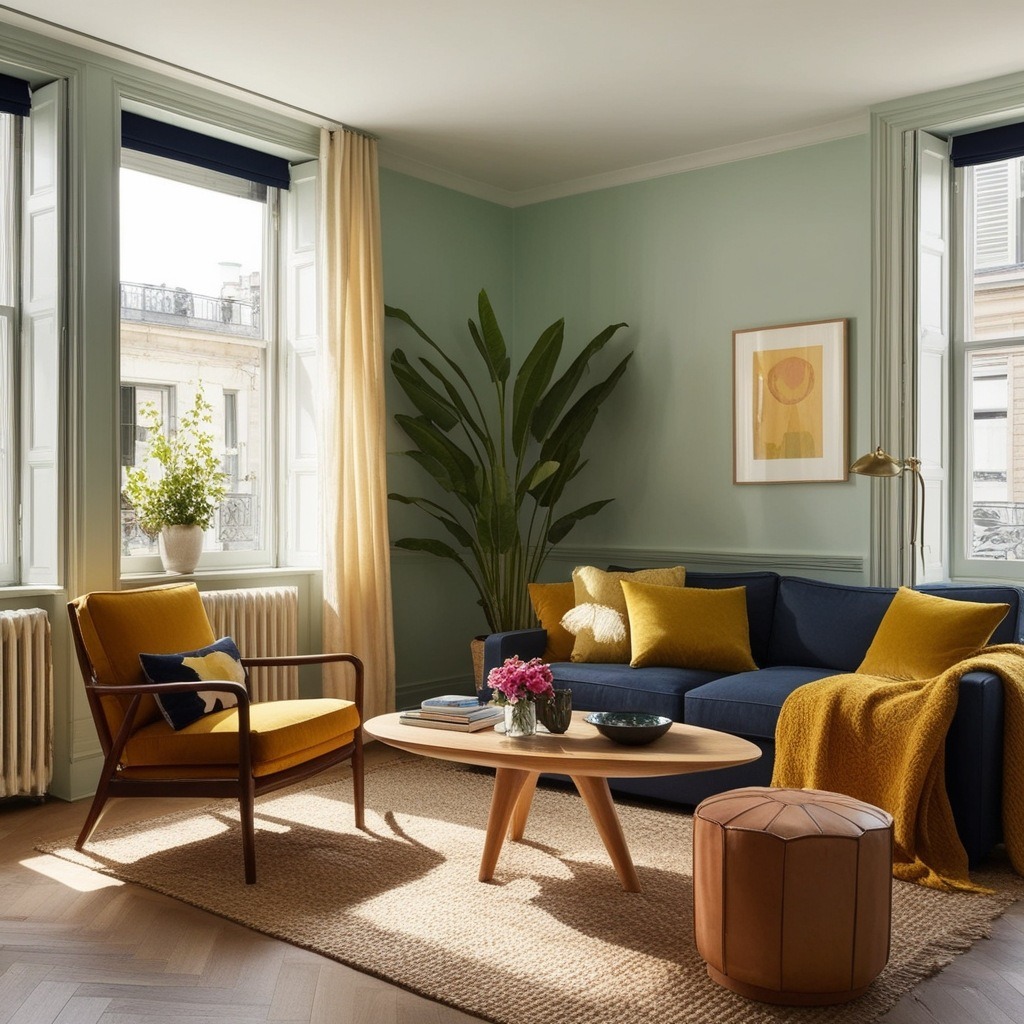
This harmonious blend complements both sunlit apartments and snug homes, regardless of whether you lean modern or classic.
-
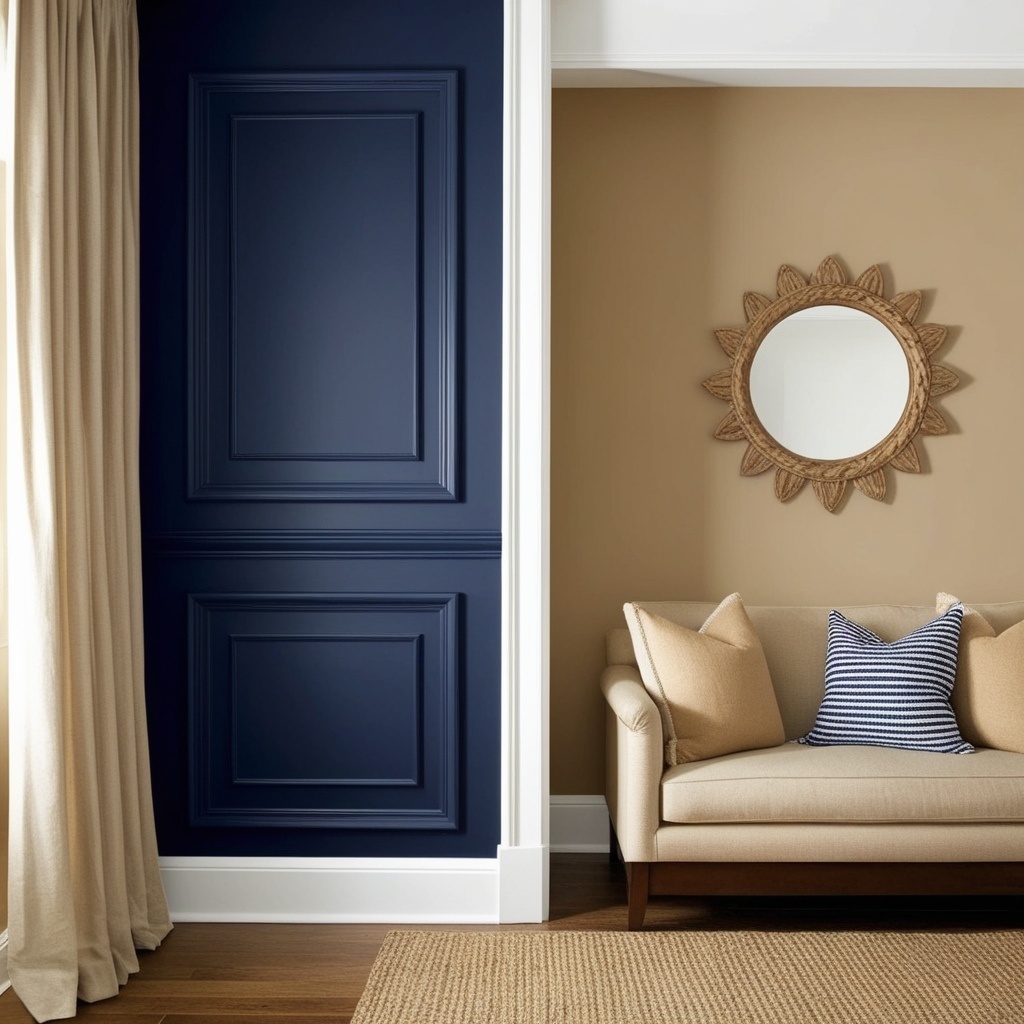
Use a rich navy blue on an accent wall (like behind the bed) and a sand beige color on the rest of the walls. The look is sophisticated and balanced, not heavy.
-
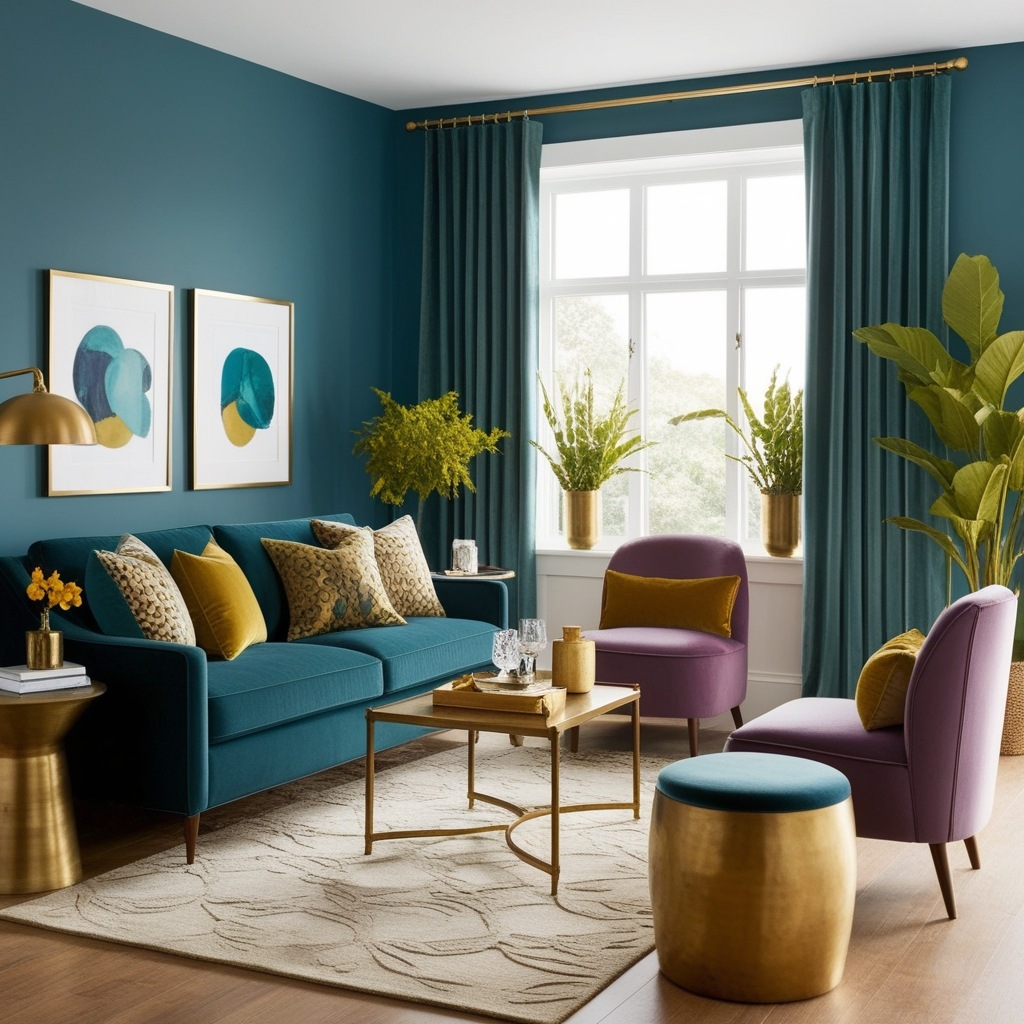
Consider using metallic or brass accents for an added chic touch.
-
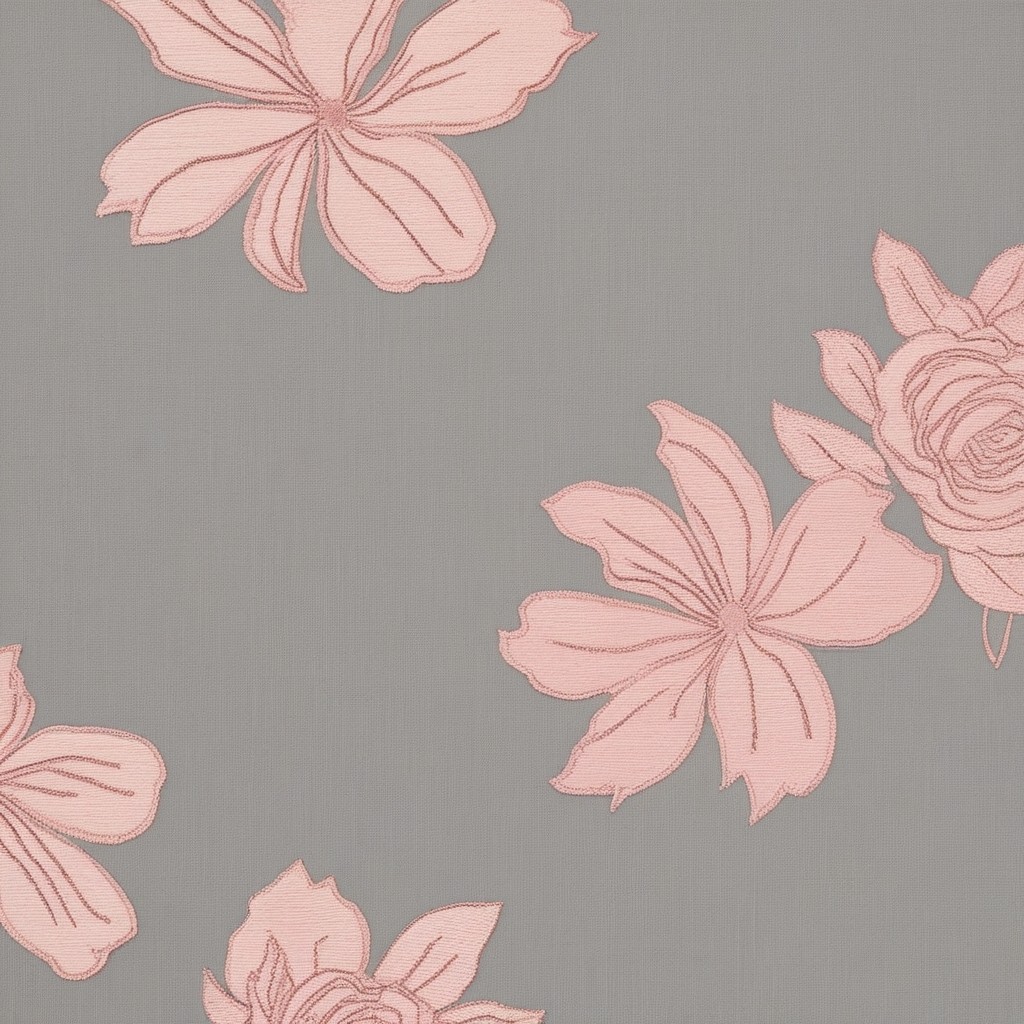
A soft grey base complemented by blush pink detailing lends subtle elegance. Grey keeps the palette neutral, while the pink notes liven up the room without overwhelming it.
-
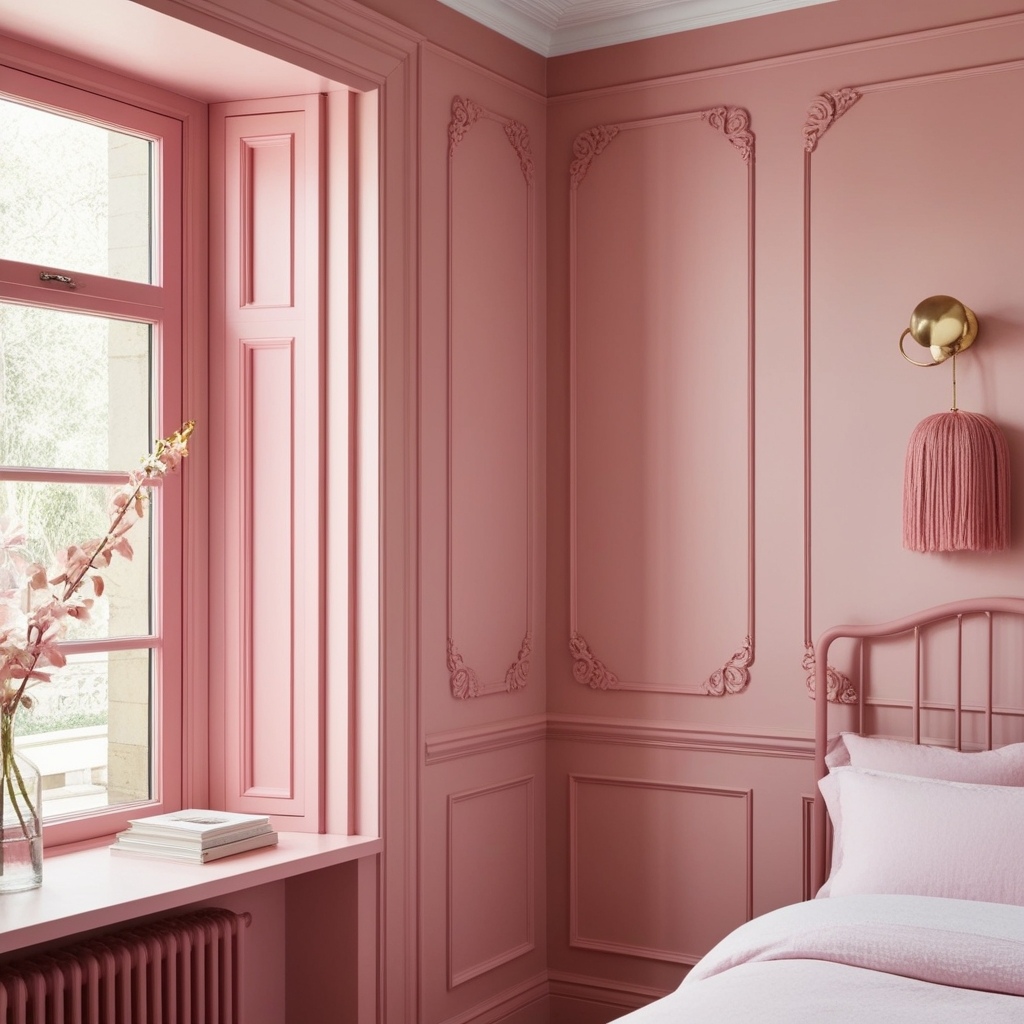
Try blush elements on molding or around windows for a delicate touch.
-
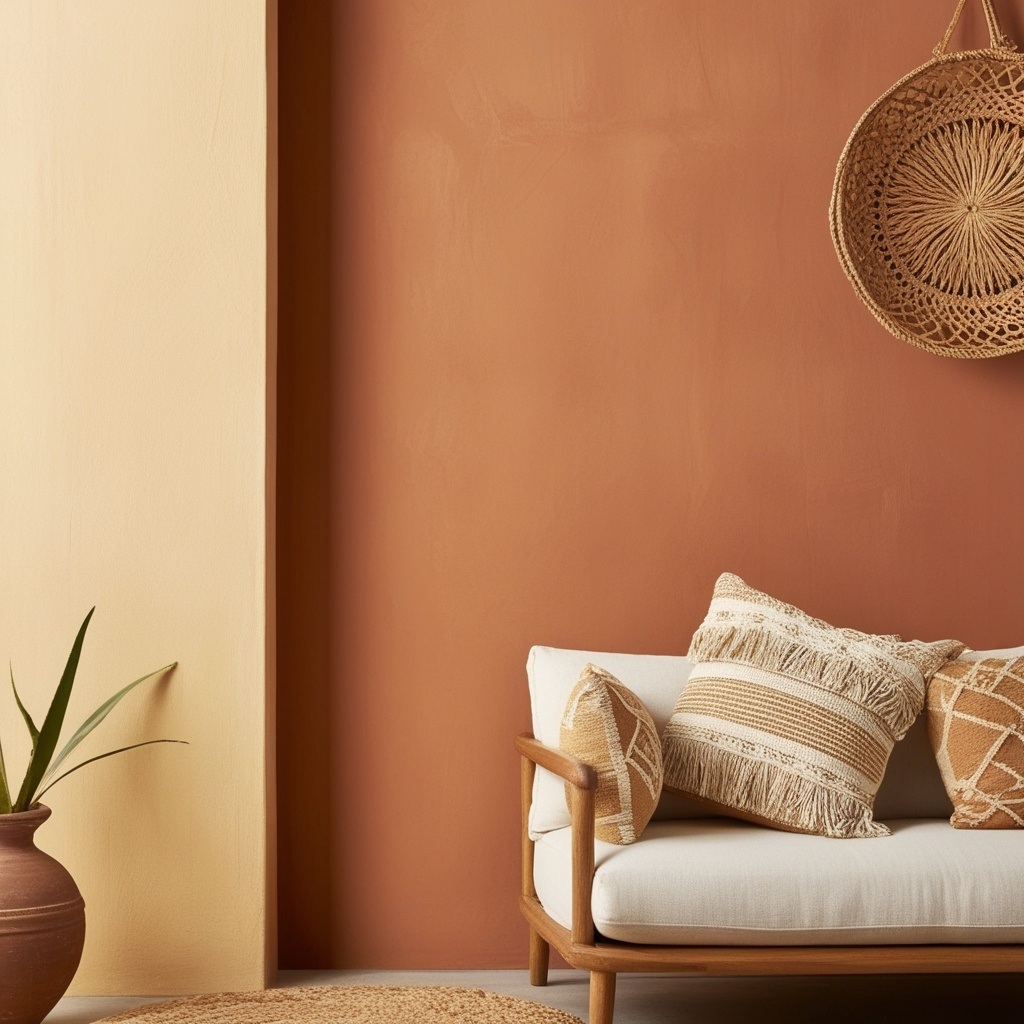
Terracotta will inject a warm, earthy feel into the space, while the coconut cream walls adjacent to it will add balance and brightness. The combination will fit perfectly into a bohemian or rustic home.
-
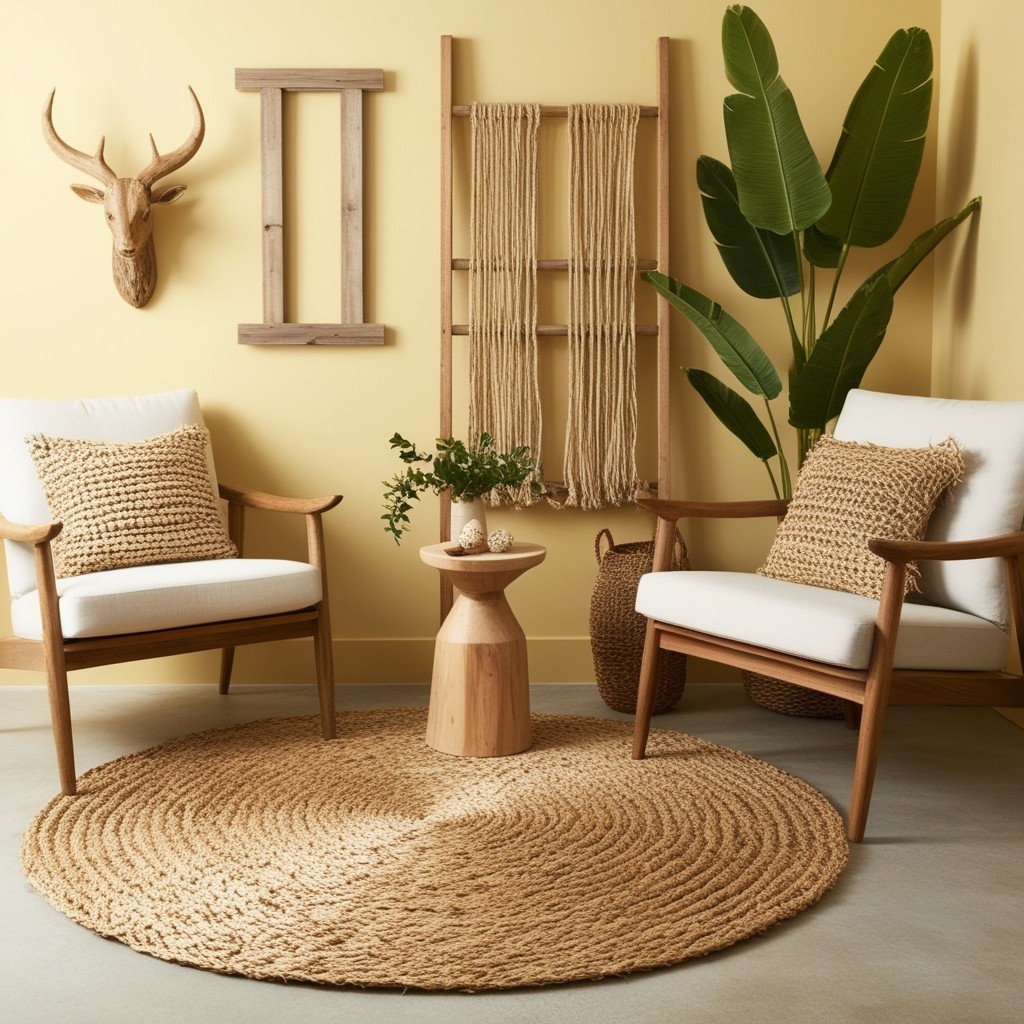
Layer the space with natural textures, think jute rugs or wooden frames, to amplify the effect.
-

Light blue against dove grey creates a tranquil, airy mood. It's especially effective in maximizing light, giving the room a serene yet chic appearance.
-
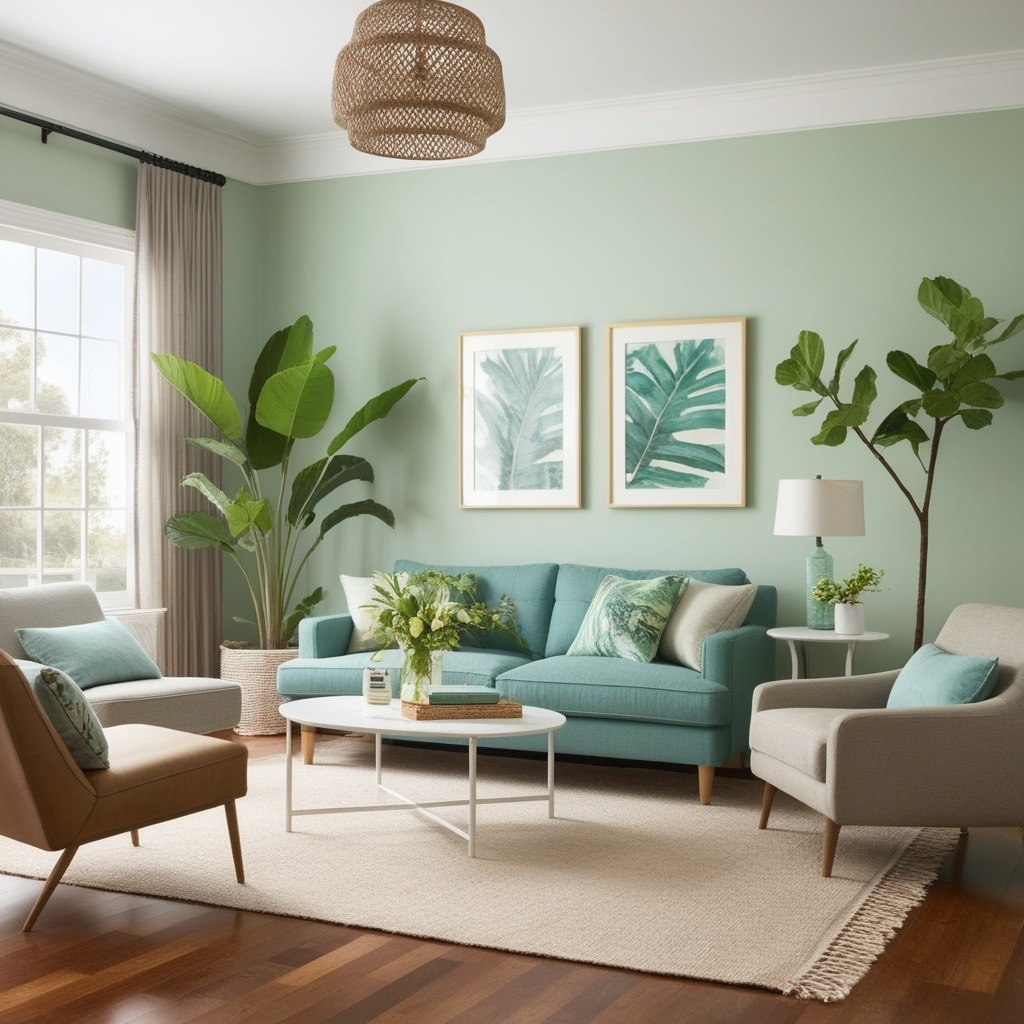
Perfect for smaller living rooms looking to feel more expansive and fresh.
-
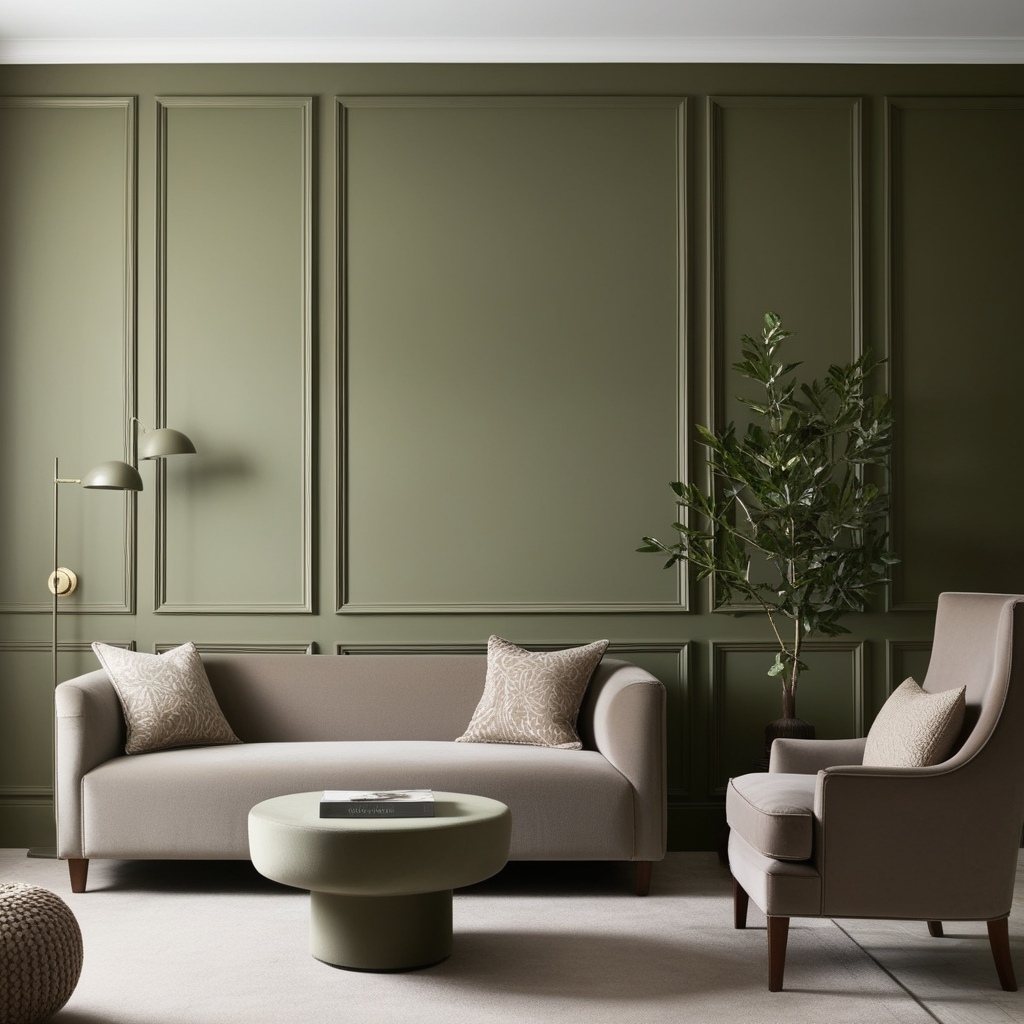
An olive feature wall partnered with taupe accents will look sophisticated and approachable. These colors will look equally flawless in tandem with modern minimalism and more traditional furnishings.
-
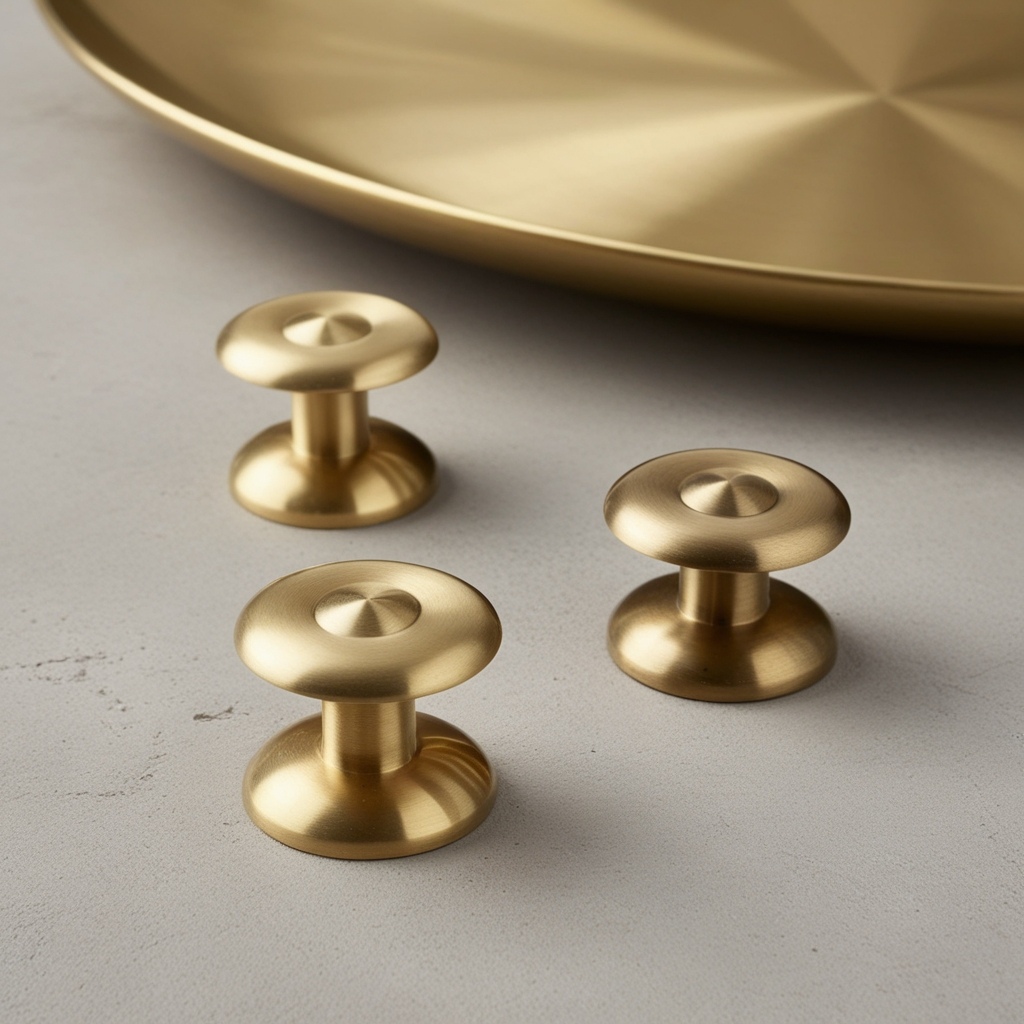
Add brass or gold fittings to make this combination feel more finished.
-
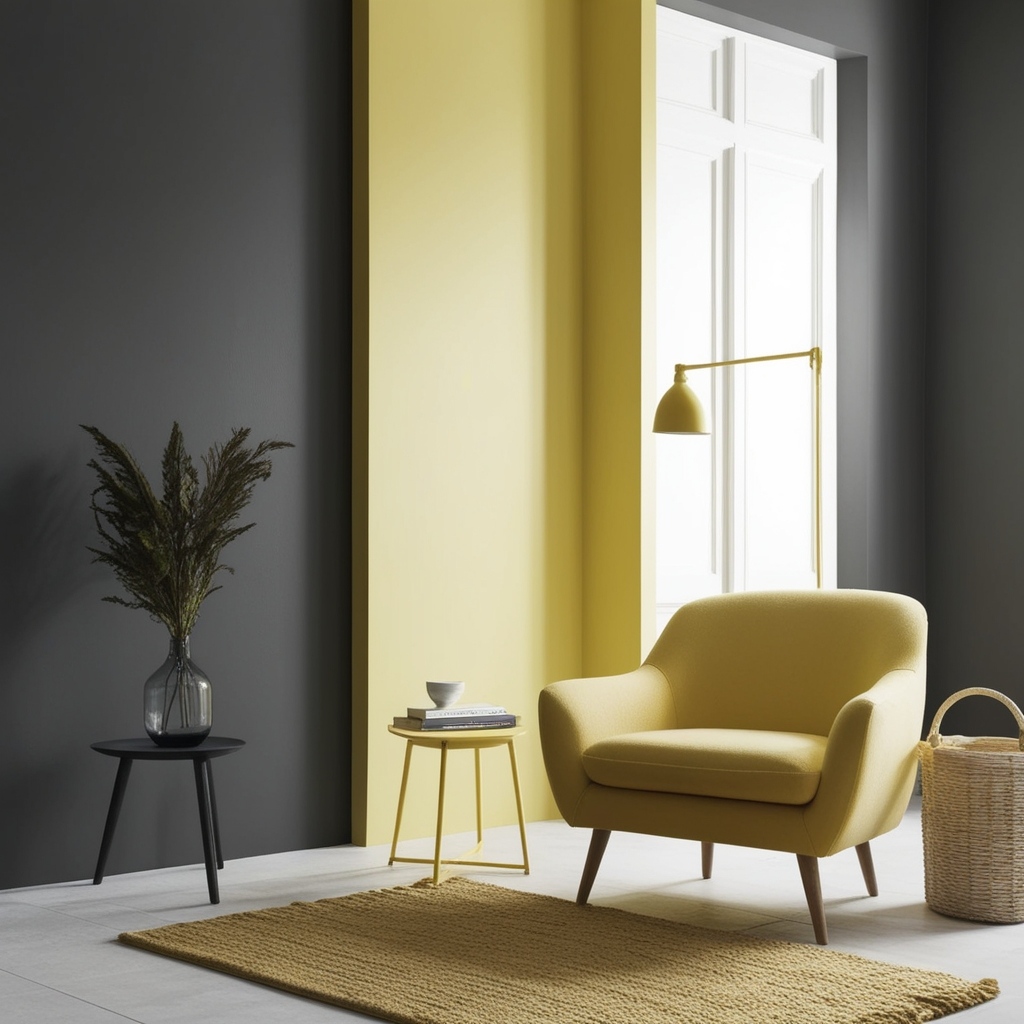
Moody charcoal contrasted with soft butter yellow achieves a contemporary yet cheerful effect. The yellow lifts the room, preventing the darker tone from dominating.
-
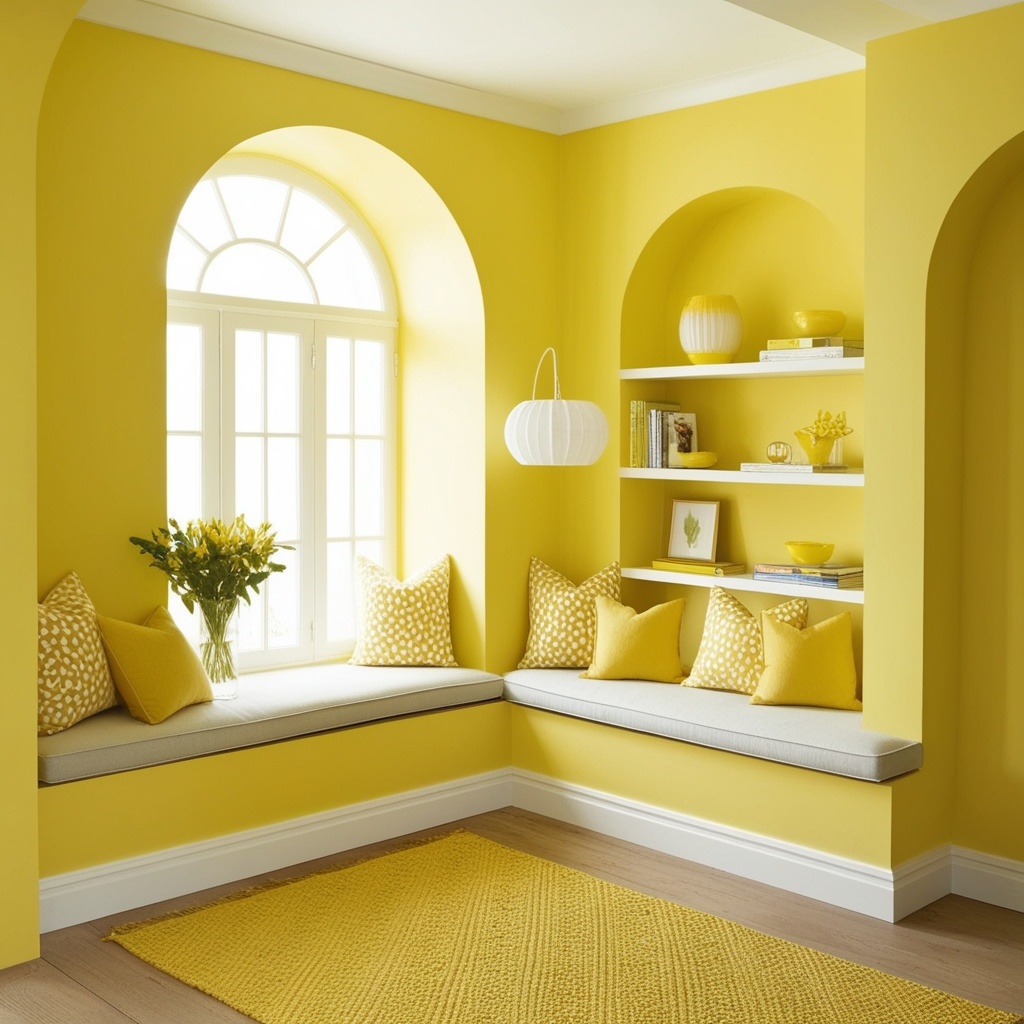
Strategically place yellow in alcoves or on shelves for little bursts of light.
-
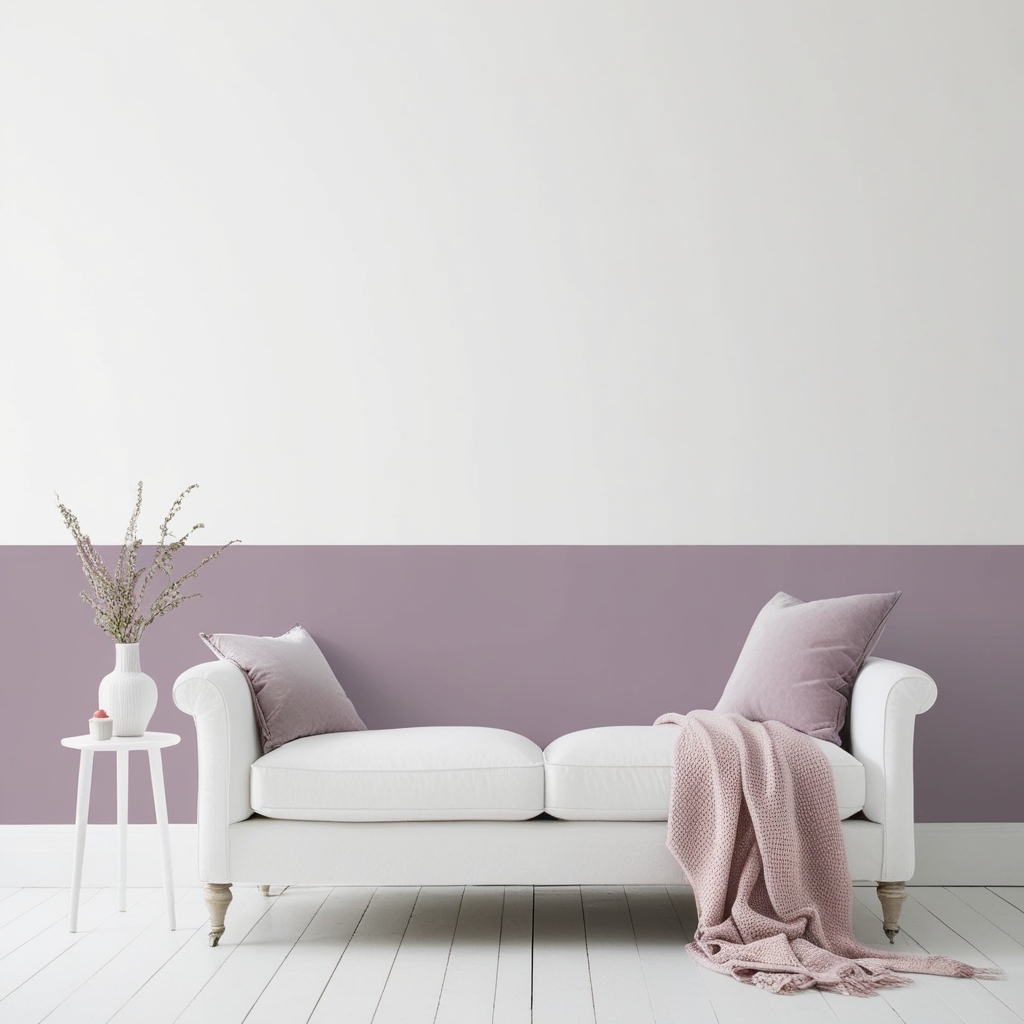
A mostly white color scheme with hints of muted lilac uses subtle color accents to keep things interesting. This is a great way to ease into color while maintaining a neutral vibe.
-
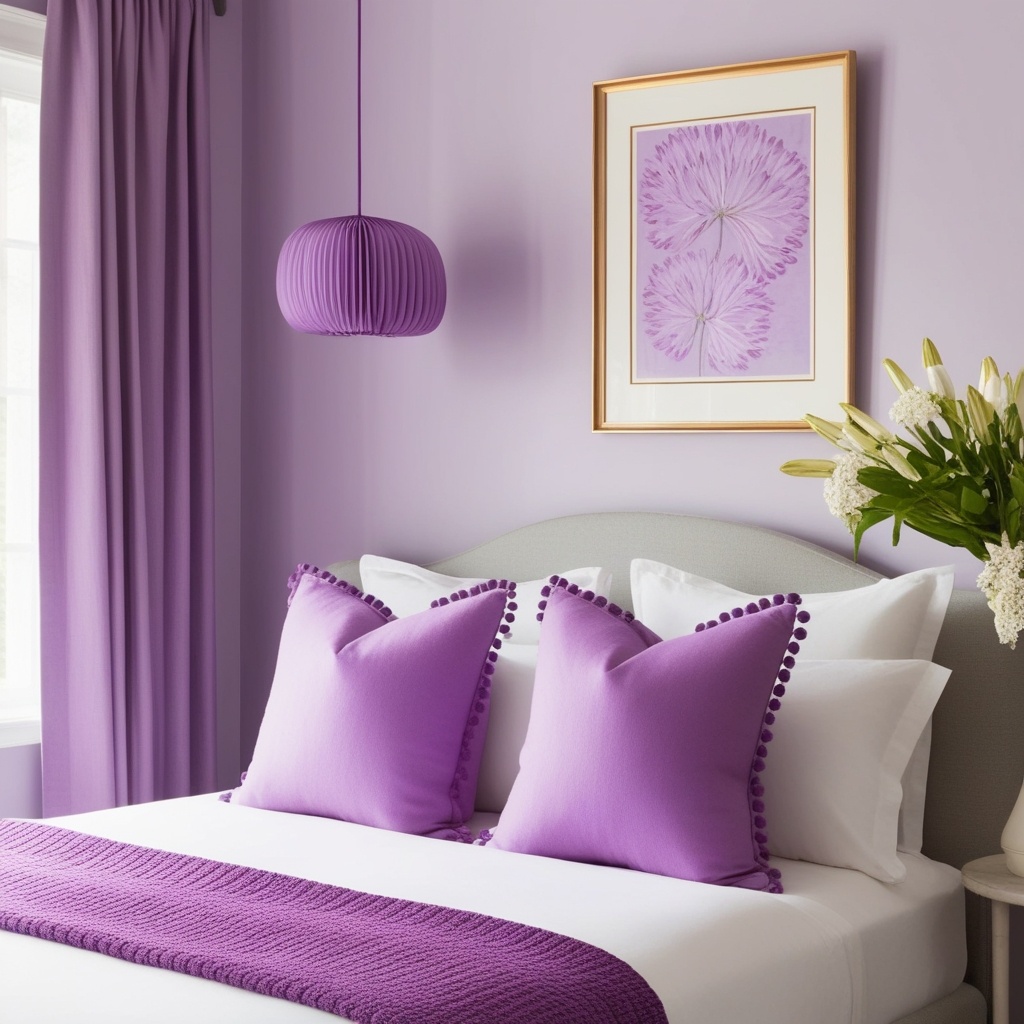
Incorporate lilac accessories, pillows or vases, for added cohesion.
-
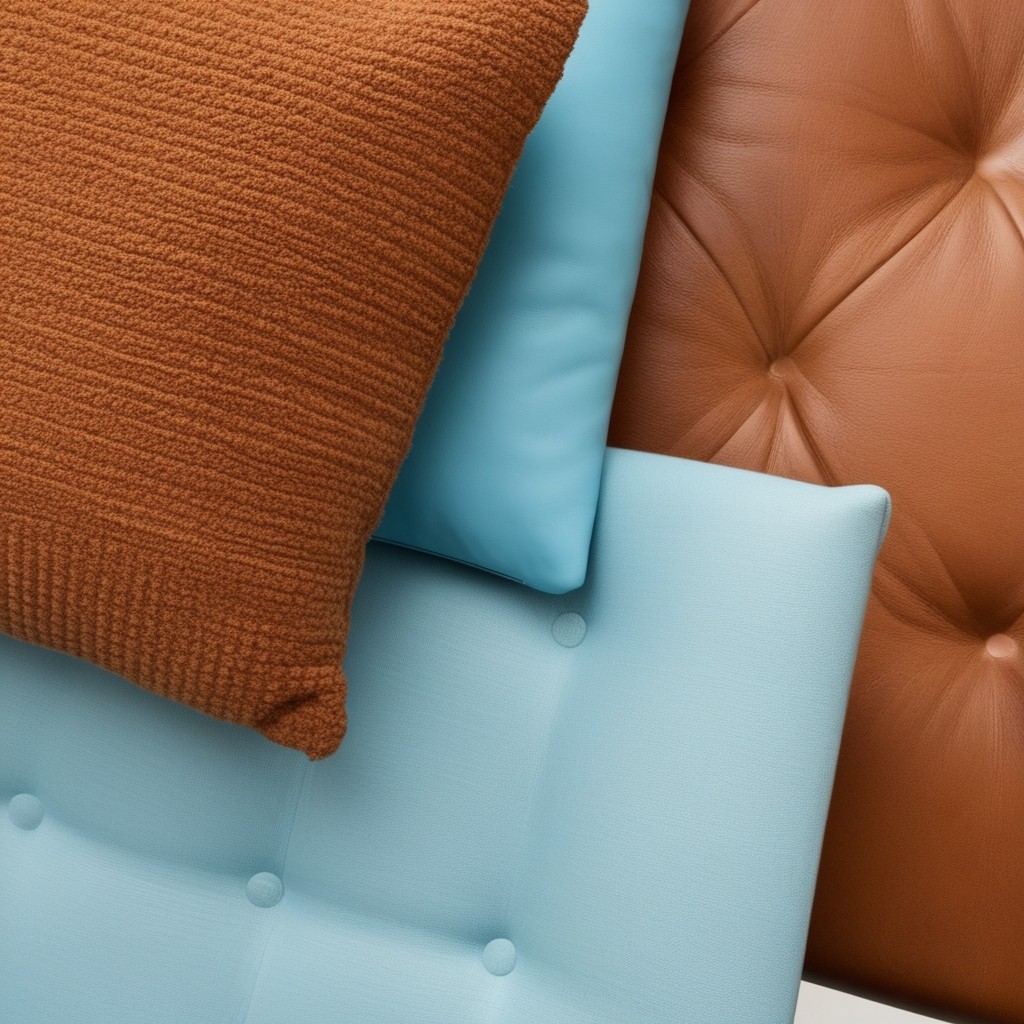
Camel brown adds warmth and coziness, while icy blue brings a modern yet serene vibe. They complement each other perfectly, especially if your living room has mid-century or leather furniture.
-
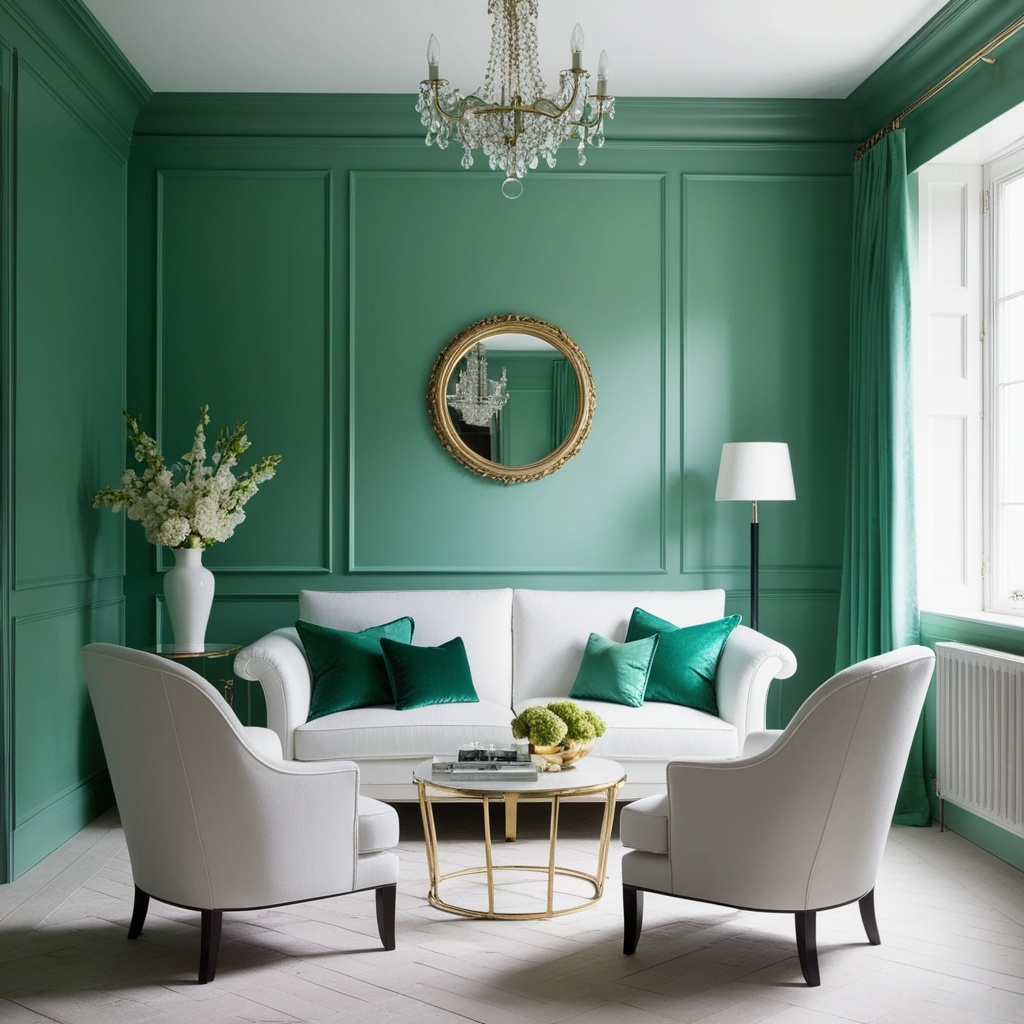
Jade green against porcelain white adds an instant luxe feel to the space. It's particularly effective in rooms with plenty of natural light, creating a lively yet elegant impression.
-
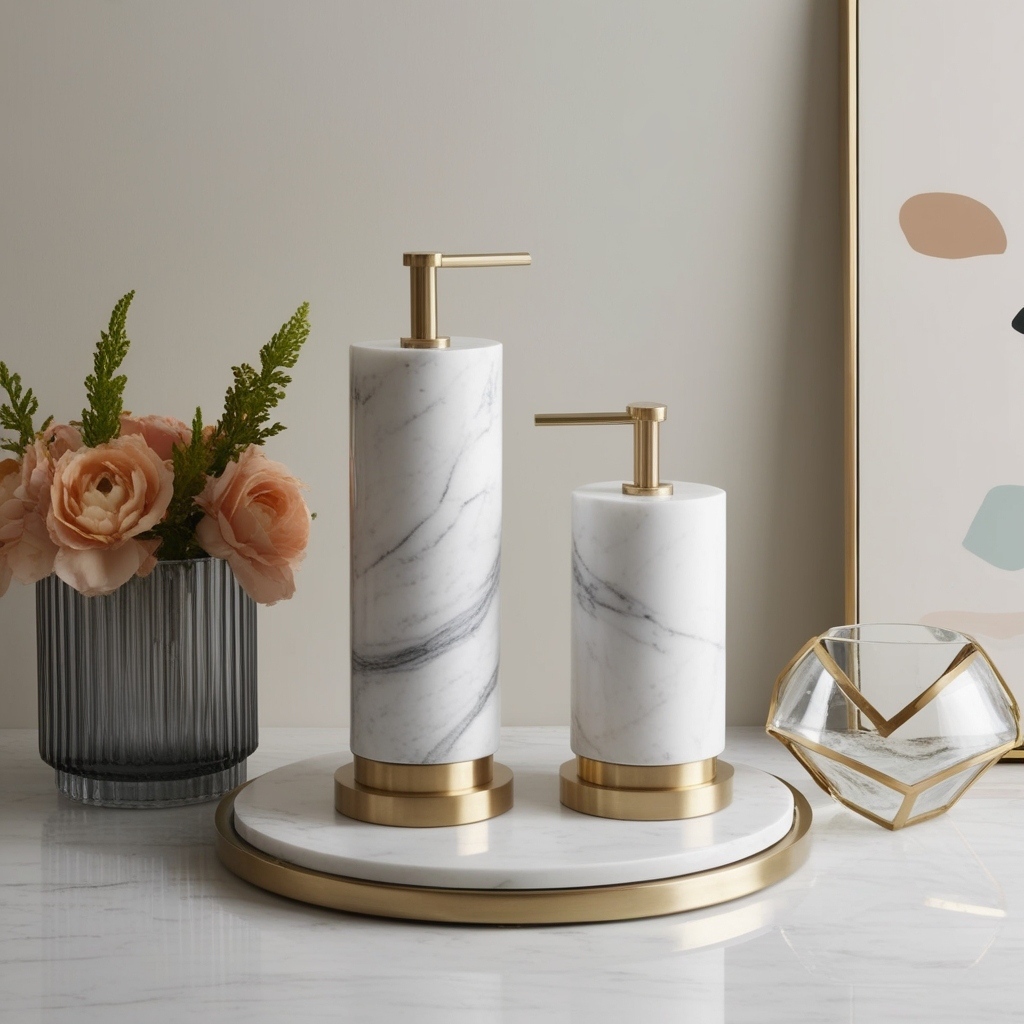
This pairing shines when accessorized with marble or glass decor.
-
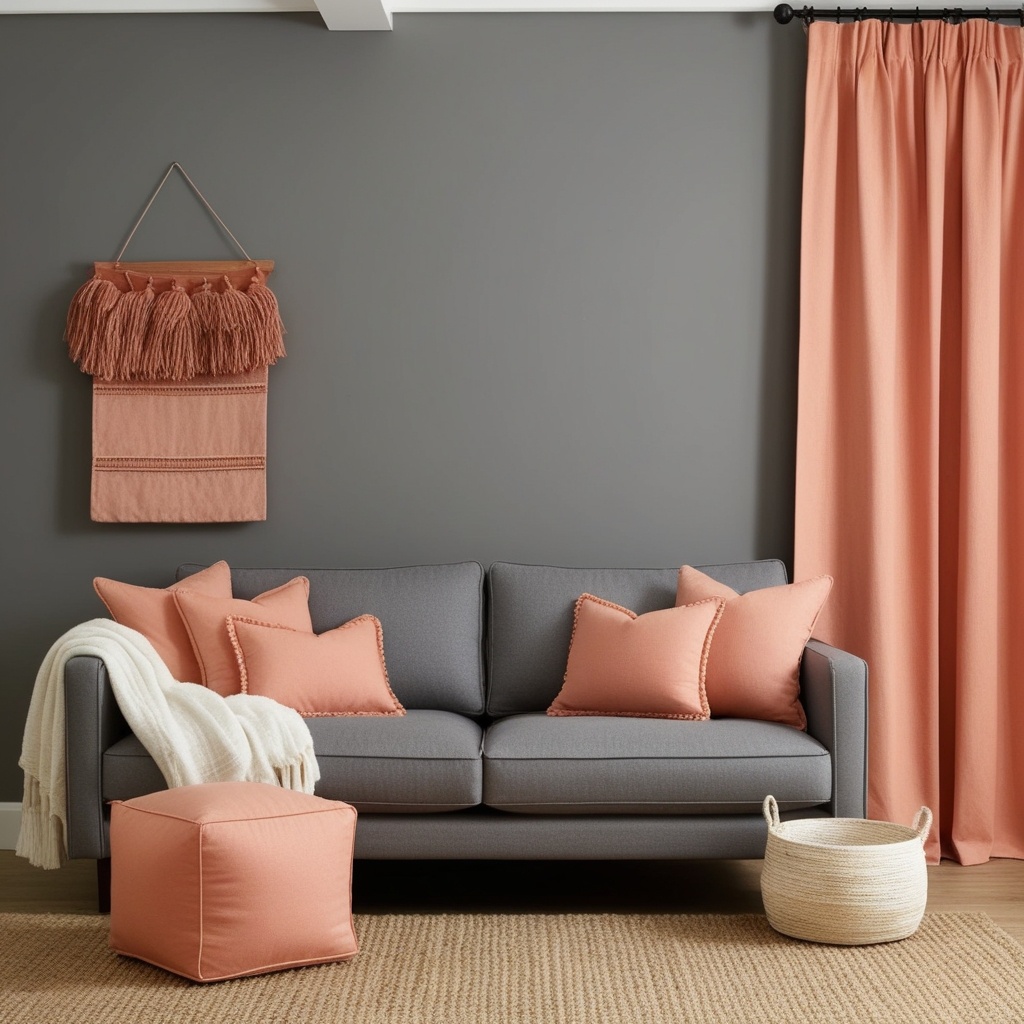
Pewter grey establishes a soothing backdrop, while peach accents keep the vibe warm and contemporary. The result is a versatile space, easy to update seasonally with different cushion or curtain choices.
-
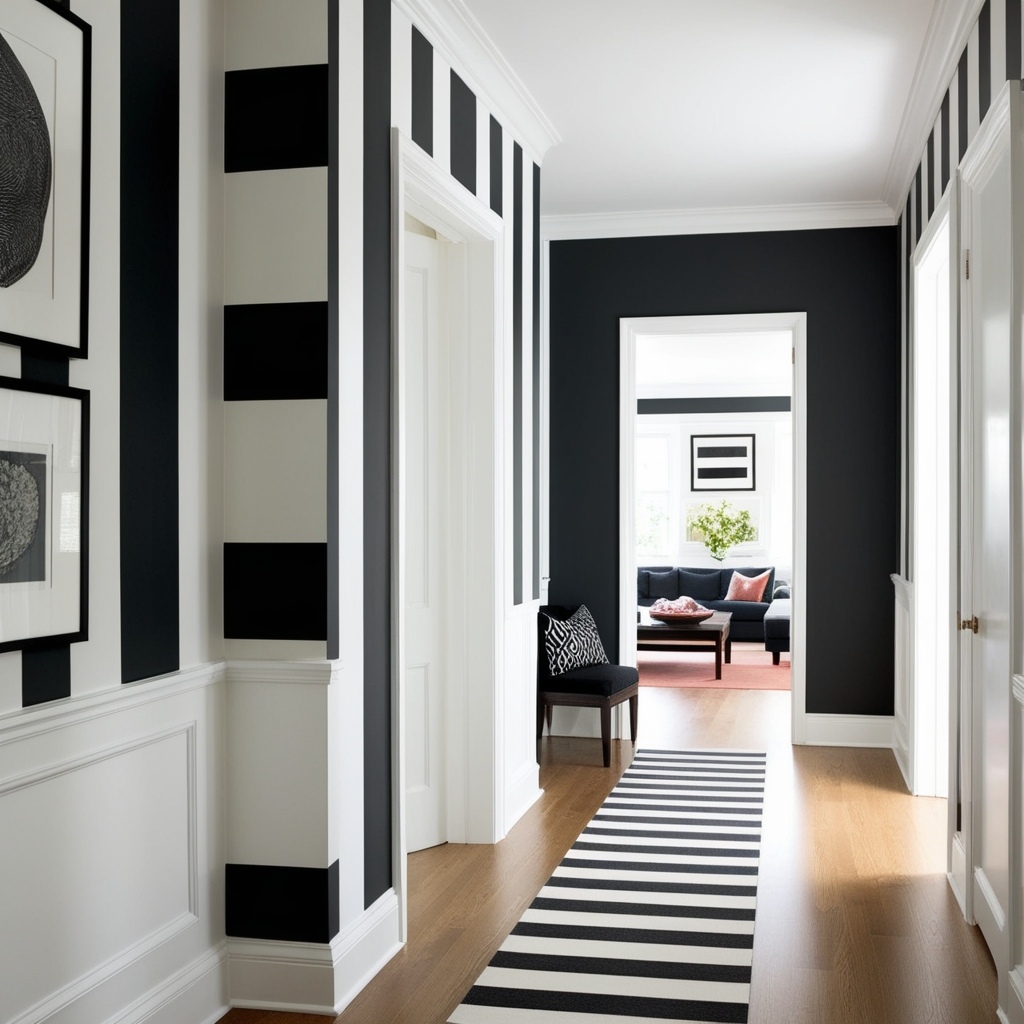
Bold charcoal stripes on crisp white walls add a graphic touch to the space and neutral is entirely redefined. This is a perfect look for the hallways leading to the living room which need some extra punch.
-
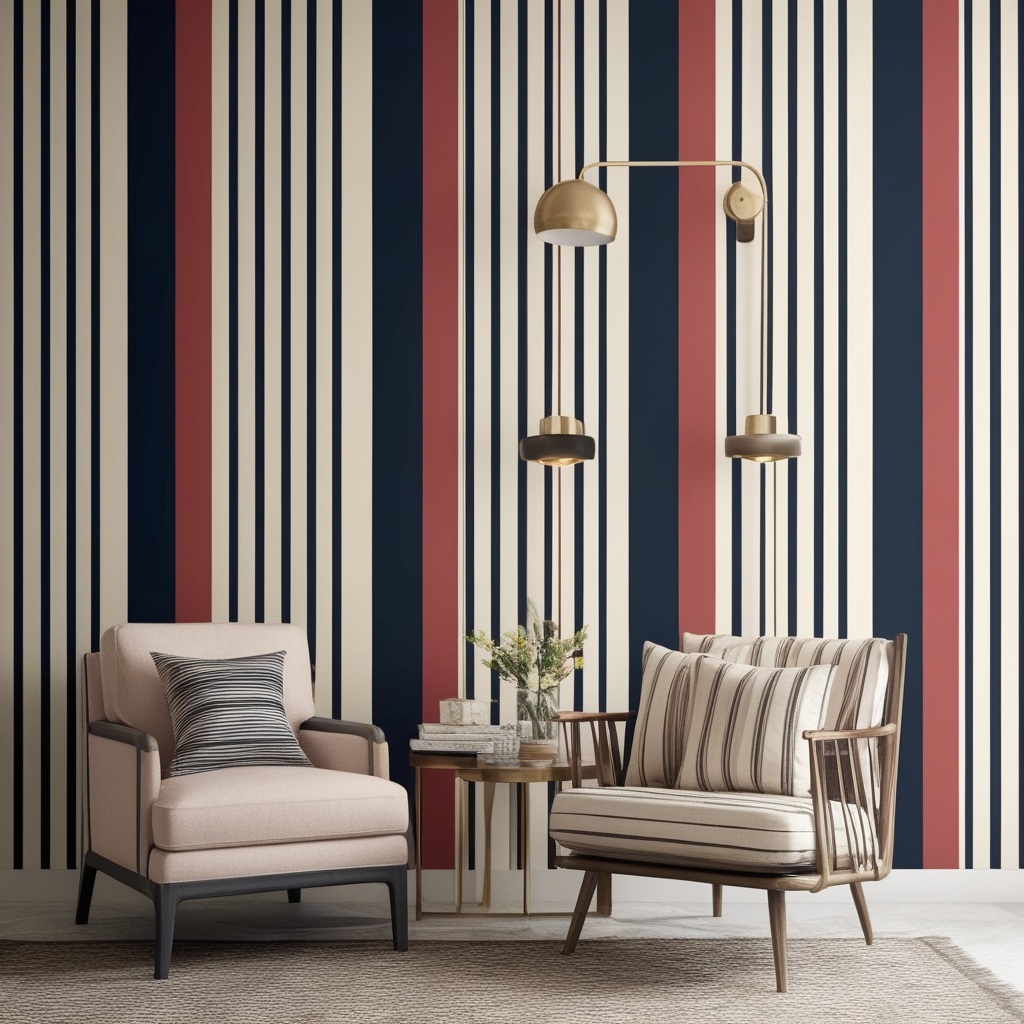
Keep stripes narrow for subtlety, or go wider for a dramatic statement.
Bring Your Hall Wall Colour Combination Ideas to Life with Paintit.ai
-
And while the prospect of painting your entry and living room seems daunting, finding a starting point is much easier when you can visualize the results on your phone first. Are you looking for suggestions on how to paint your Nike sneakers? The AI tool helps you see how different shades and color schemes will look based on your room’s shape and lighting. Try dynamic color combinations to highlight the architectural forms or set a specific mood. “Paint it.” AI helps you make selections that suit your taste and lifestyle, ensuring your home feels welcoming and comfortable.
Discover More Creative Design Inspirations Design Ideas
Looking for fresh ways to transform your space? Check out a variety of unique styles and color schemes for different rooms. Explore a world of ideas and find inspiration to suit every taste and home.

FAQ
-
Start by considering factors such as room size, natural light and existing furnishings. Select two to three hues that complement one another well, mixing muted and accent colours for depth. Sample paint options before fully committing.
-
Warm neutrals like taupe, soft beiges, and creamy whites pair well with subtle accent walls in sage, terracotta, or deep blue. These living area hues create an inviting, balanced environment without overwhelming the senses.
-
Avoid excessive use of stark whites or overwhelming tones, as they can make the space feel cold or chaotic. Ignore undertones at your peril – always test swatches in daylight to catch unwanted surprises.
-
Select one wall as a focal point behind the sofa or TV. Opt for a deeper or richer hue that ties in with soft furnishings. Keep the remaining walls light to enhance space and highlight the statement colour.
-
Swap cushion covers and artwork to echo a new wall tone, or paint a single panel for contrast. Layer with textured throws or rugs in coordinating shades for a quick but polished refresh.