
2 bedroom house interior design ideas: layout, storage, and style
2 bedroom house interior design gives you something most apartments don't: control over the entry, the outdoor connection, and the flow between rooms without shared walls dictating the layout. That freedom also means more decisions - which room gets which function, how the living and dining areas connect, whether the second bedroom stays a bedroom or becomes something else.
These ideas work whether you're starting from scratch or refreshing what's already there.
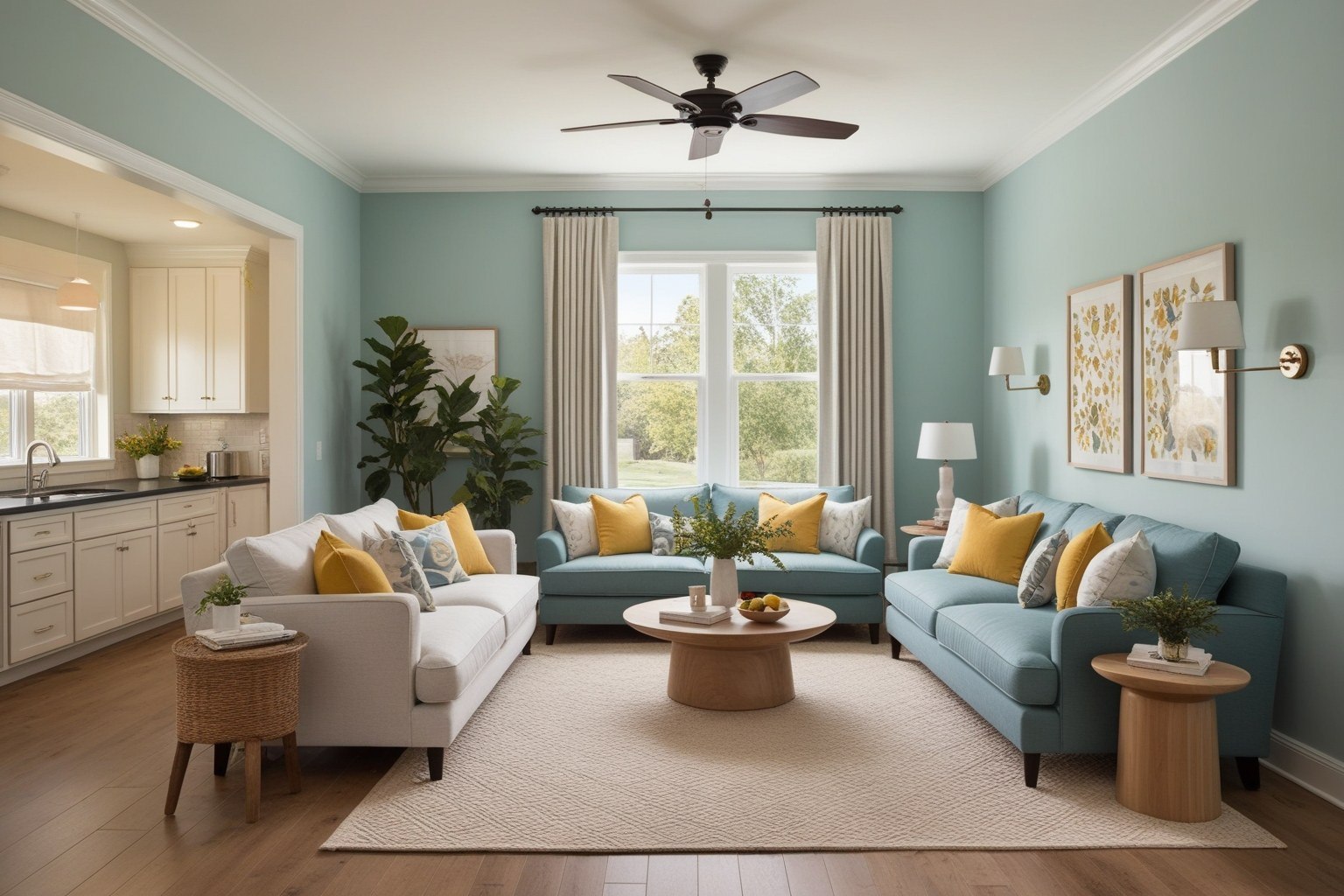
20 practical 2 bedroom house interior design ideas
Grouped by what they solve - layout, storage, flexibility, and atmosphere.
-
1. Zone the Living Area by Function, Not Just Furniture
Use a rug or a change in flooring material to visually separate the living and dining zones in an open-plan 2 bedroom house, even without a wall between them.
-
2. Give Each Bedroom a Clear Primary Function
Decide upfront whether the second bedroom is a guest room, office, or nursery - this shapes furniture, storage, and layout decisions before you buy anything.
-
3. Use Multi-Purpose Furniture in Smaller Rooms
A daybed, a fold-down desk, or a storage ottoman lets a second bedroom flex between functions without needing separate furniture for each use.
-
4. Build In Vertical Storage
Floor-to-ceiling shelving and tall wardrobes make better use of a compact footprint than wide, low furniture that eats into floor space.
-
5. Keep a Consistent Color Undertone Throughout
A shared warm or cool undertone across both bedrooms and the living area keeps a small house feeling cohesive even as each room has its own accent color.
-
6. Choose a Kitchen Layout That Opens to the Living Space
Removing a wall or adding a breakfast bar between kitchen and living room makes a small house feel considerably larger without adding square footage.
-
7. Use Mirrors to Expand Small Rooms Visually
A large mirror opposite a window in the living room or a bedroom reflects light deeper into the room and makes the space read as larger than it is.
-
8. Add Built-In Seating Where Possible
A window bench with storage underneath does double duty as seating and storage, freeing up floor space that a standalone sofa or bench would otherwise take.
-
9. Keep Hallways and Entry Points Clear
A slim console table or wall-mounted hooks by the entrance keep shoes and bags contained without narrowing an already-tight hallway.
-
10. Choose Light, Reflective Flooring
Light wood or light tile flooring throughout the main living areas helps a 2 bedroom house feel bright and continuous rather than choppy.
-
11. Add a Compact Home Office Nook
A slim desk in a hallway alcove or bedroom corner avoids dedicating a whole room to work while still giving remote work a defined space.
-
12. Use Sliding or Pocket Doors Where Possible
Swinging doors eat into usable floor space in small rooms - sliding or pocket doors reclaim that space for furniture or walking room.
-
13. Maximize Natural Light in Every Room
Sheer curtains or minimal window treatments keep light flowing into both bedrooms, which matters more in a smaller house where every room needs to feel open.
-
14. Add Under-Stair or Under-Bed Storage
Awkward leftover spaces - under stairs, under beds - are some of the highest-value storage opportunities in a compact house and are often left unused.
-
15. Keep the Bathroom Palette Simple and Bright
Light tile and a large mirror make a small bathroom feel bigger, while a single accent color (a tiled niche, patterned floor) keeps it from feeling sterile.
-
16. Use Furniture on Legs, Not Flush to the Floor
Sofas and cabinets raised on visible legs let light pass underneath, making a small living room feel more open than furniture sitting flush to the floor.
-
17. Create Outdoor Flow If You Have Any Yard Space
Even a small patio or balcony treated as an extension of the living room adds real usable space to a compact house, especially for entertaining.
-
18. Choose a Statement Piece for the Living Room
One bold piece - an accent chair, a bold rug, a piece of art - gives the main living space personality without needing to decorate every surface.
-
19. Plan Lighting in Layers
Combine overhead, task, and accent lighting in each room so the house adapts from bright daytime function to a warmer evening mood without needing new fixtures.
-
20. Test the Full Layout Before Committing to Furniture
Before finalizing 2 bedroom house interior design ideas, try the room layout and color palette with a free AI visualization tool to see the whole house together before any purchase is made.
Ideas by layout, storage, flexibility, and atmosphere
-
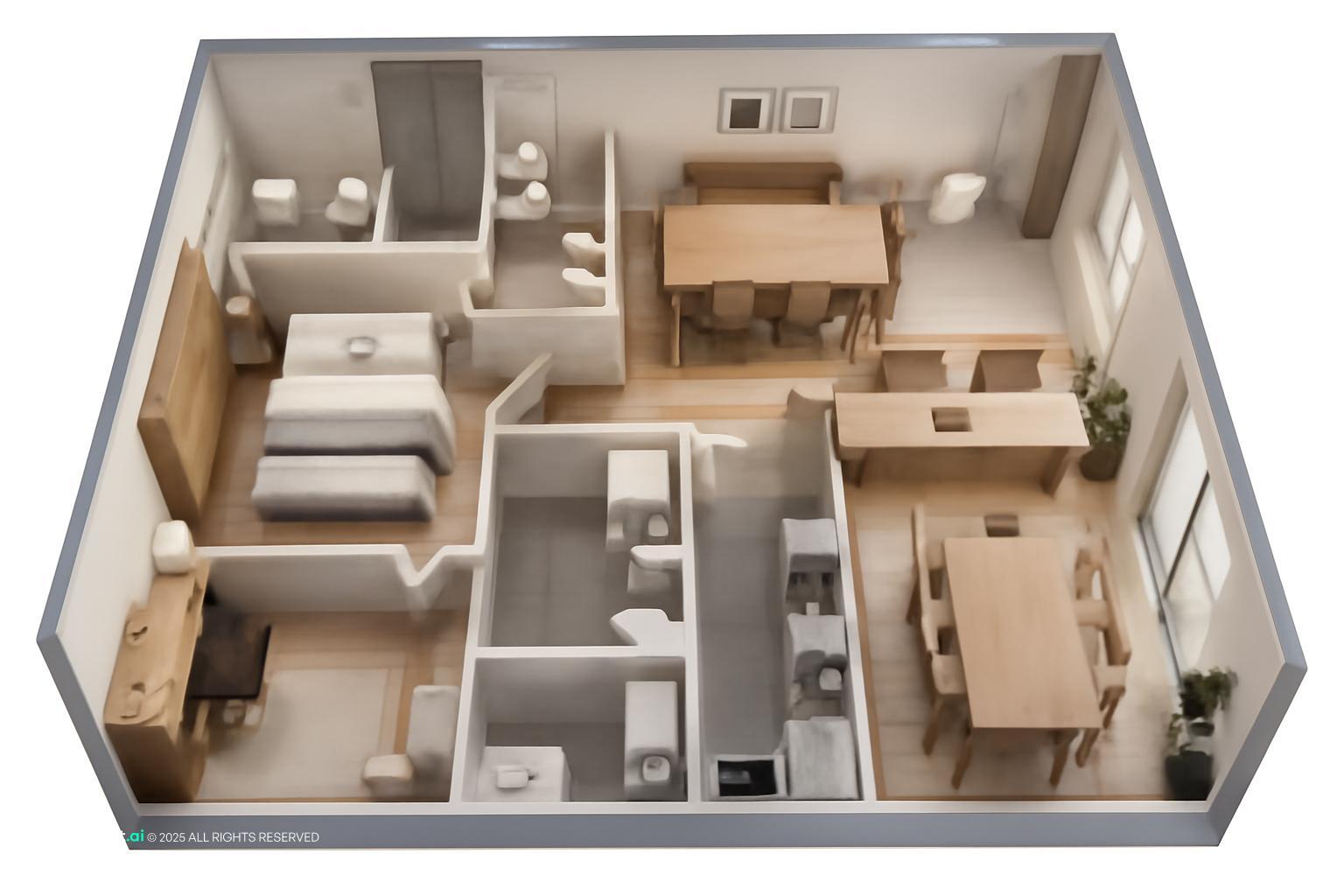
These ideas apply across different floor plans and budgets. Start with whichever problem is most pressing in your space.
-
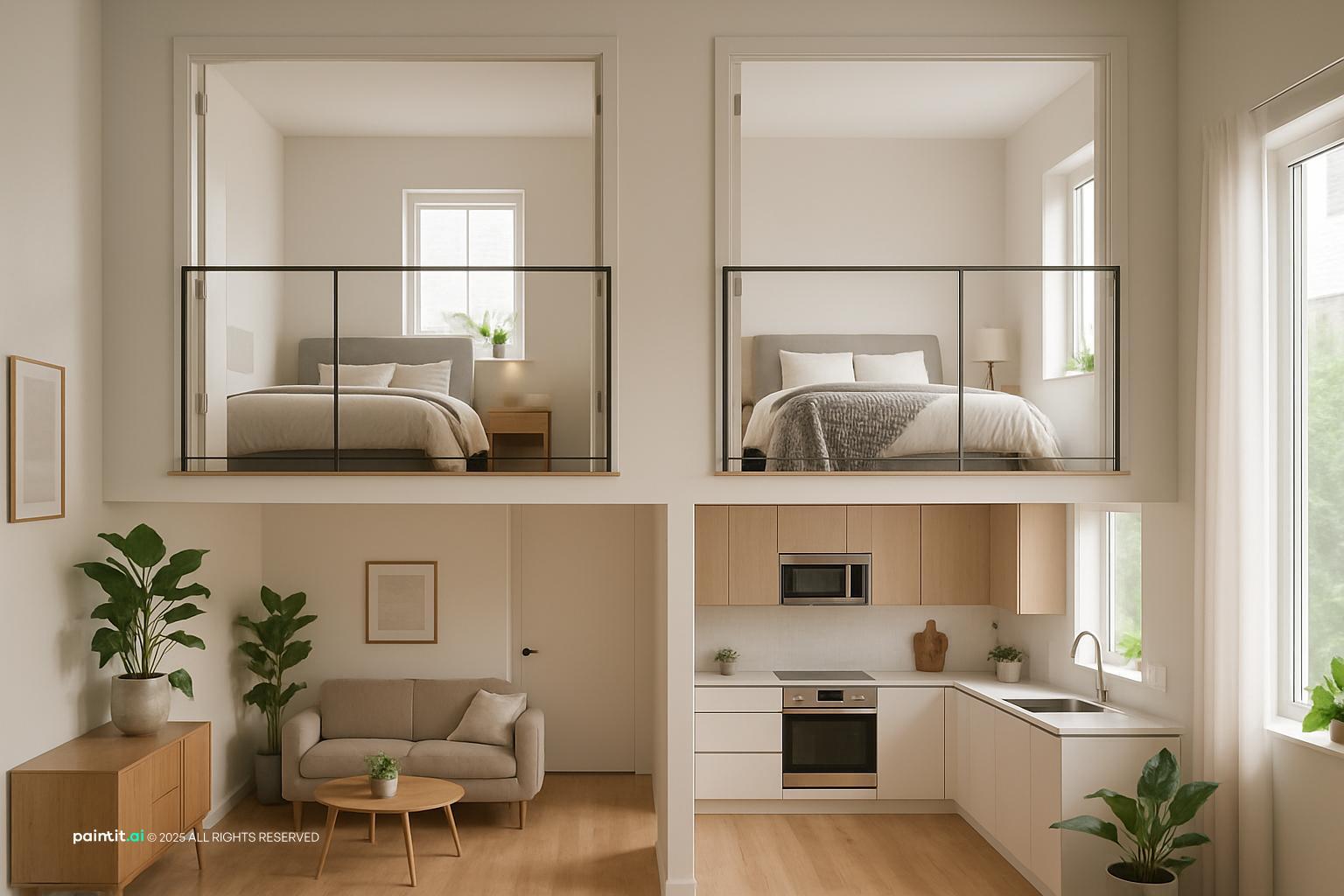
Make one bedroom a flexible room that can easily change between an office, guest room, or hobby room. Consider installing sleek fold-down Murphy beds or convertible sofas and modular shelving units.
-
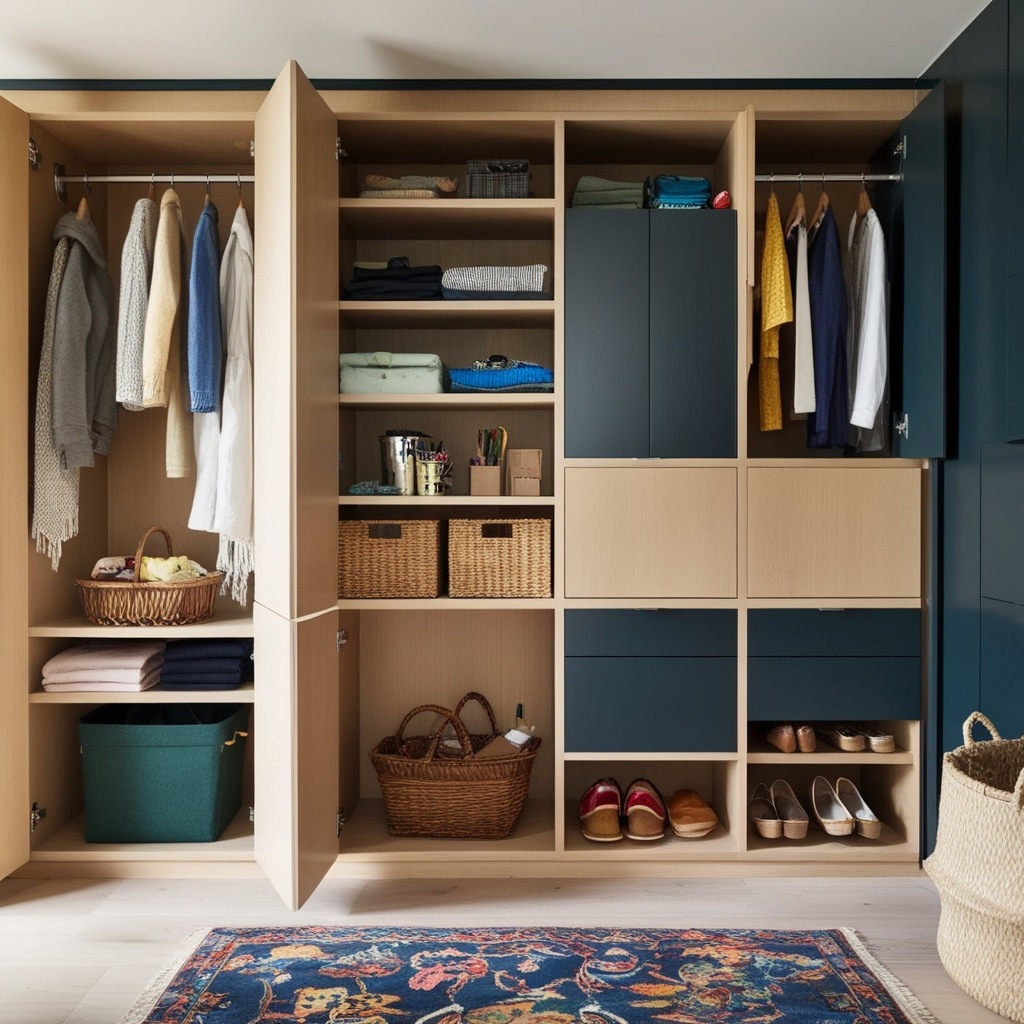
A mix of closed and open storage ensures clutter is hidden but essentials are always within reach.
-
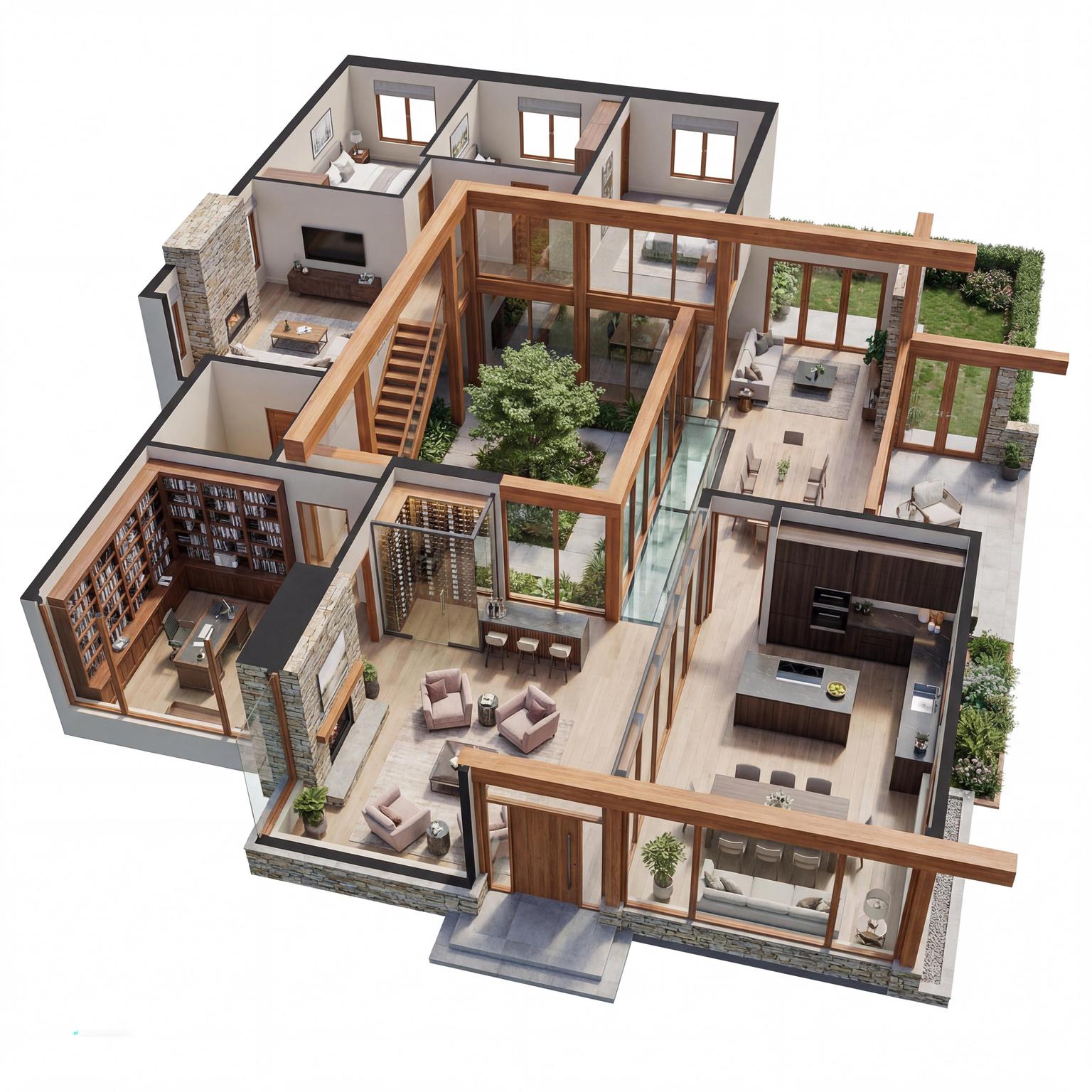
Tear down non-structural walls between the living and dining rooms to promote openness. Use rugs or lighting to delineate zones without hindering the visual flow.
-
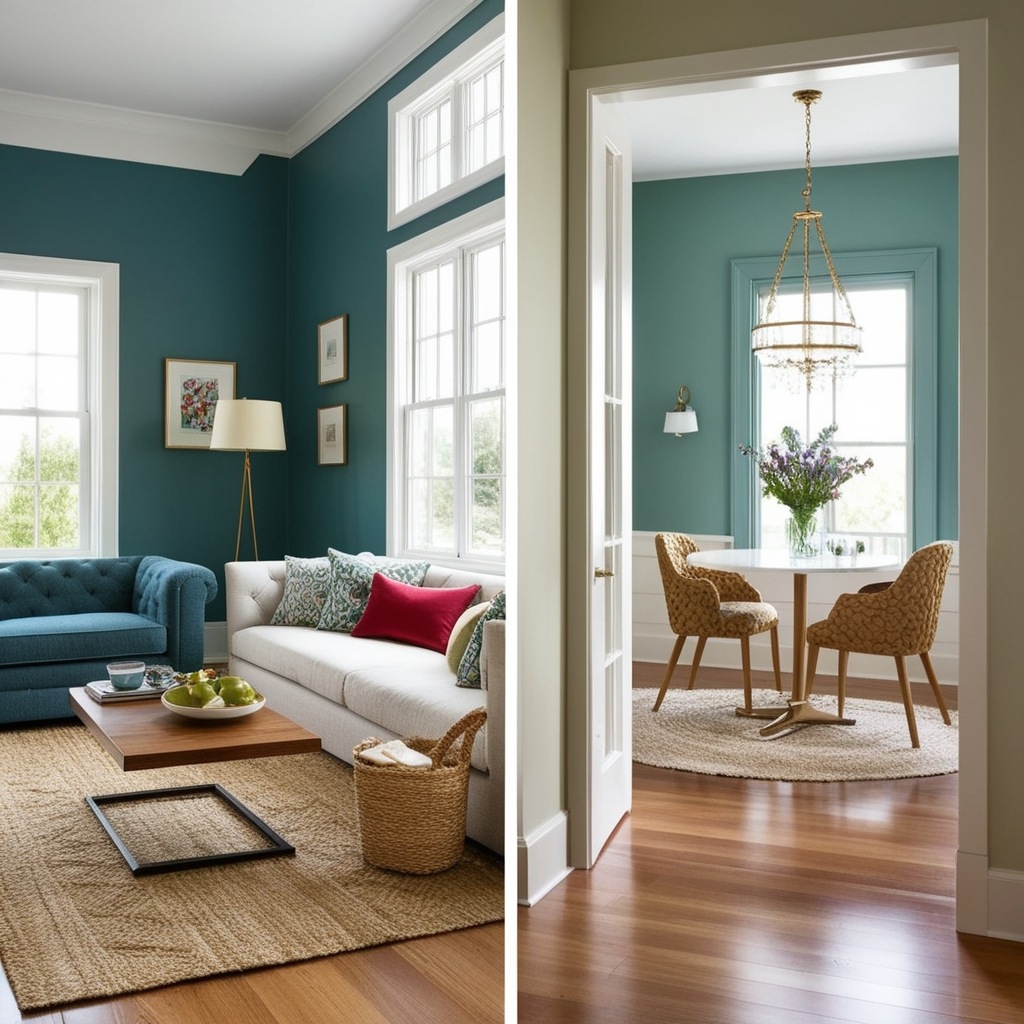
If renovations are not possible, unify both areas with consistent paint colors and coordinating furnishings.
-
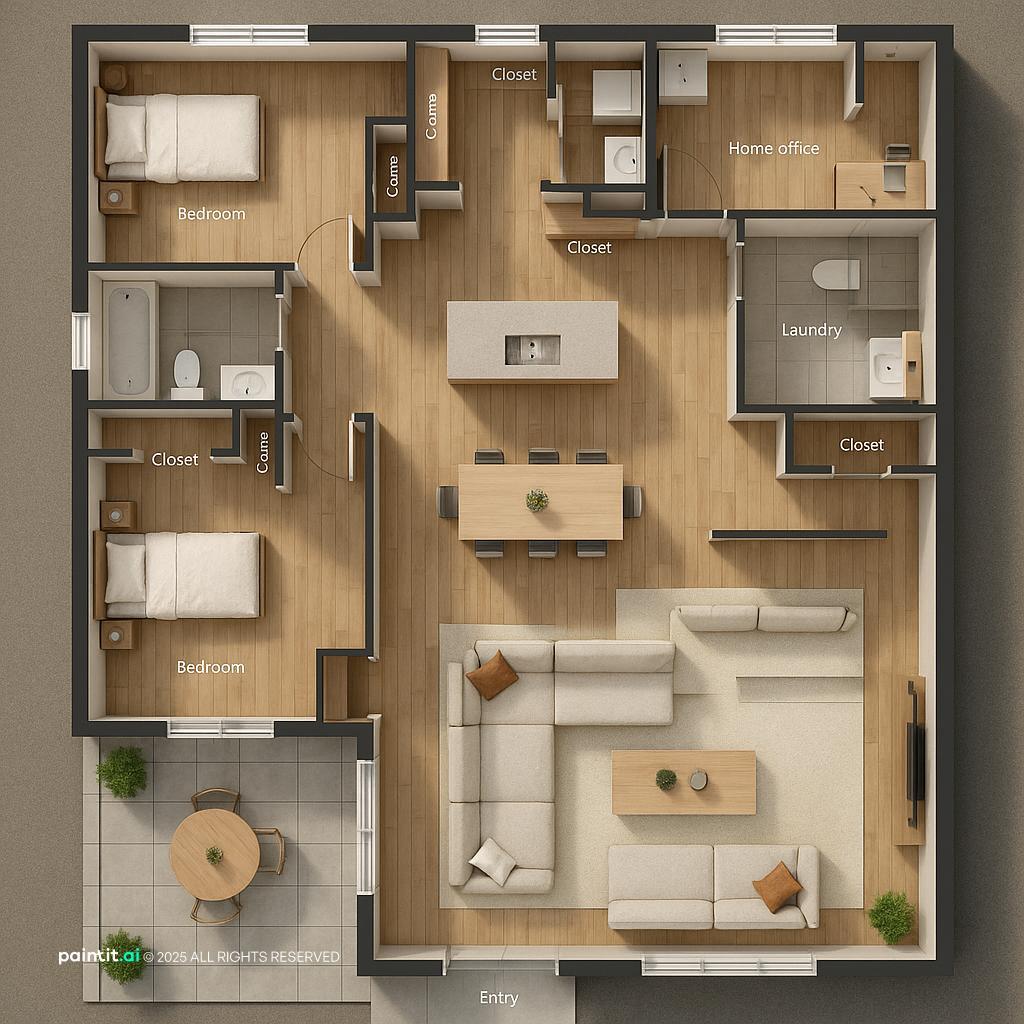
Maximize vertical real estate by installing tall shelving units, wardrobes, or even wall-mounted cabinets up to the ceiling. This approach not only provides additional space but also draws the eye upward, creating a sense of height.
-
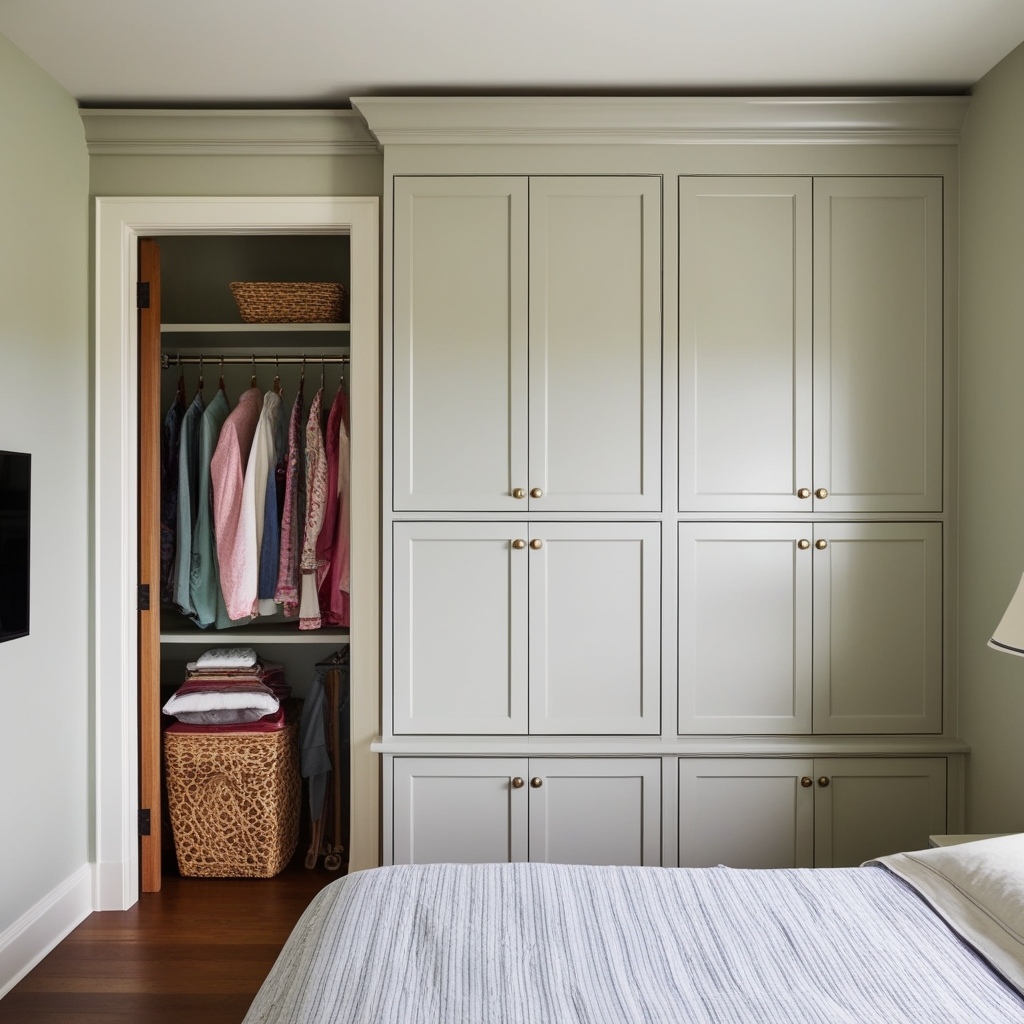
Consider cabinets above doorways or over beds for tucking away seasonal bedding and rarely used items.
-
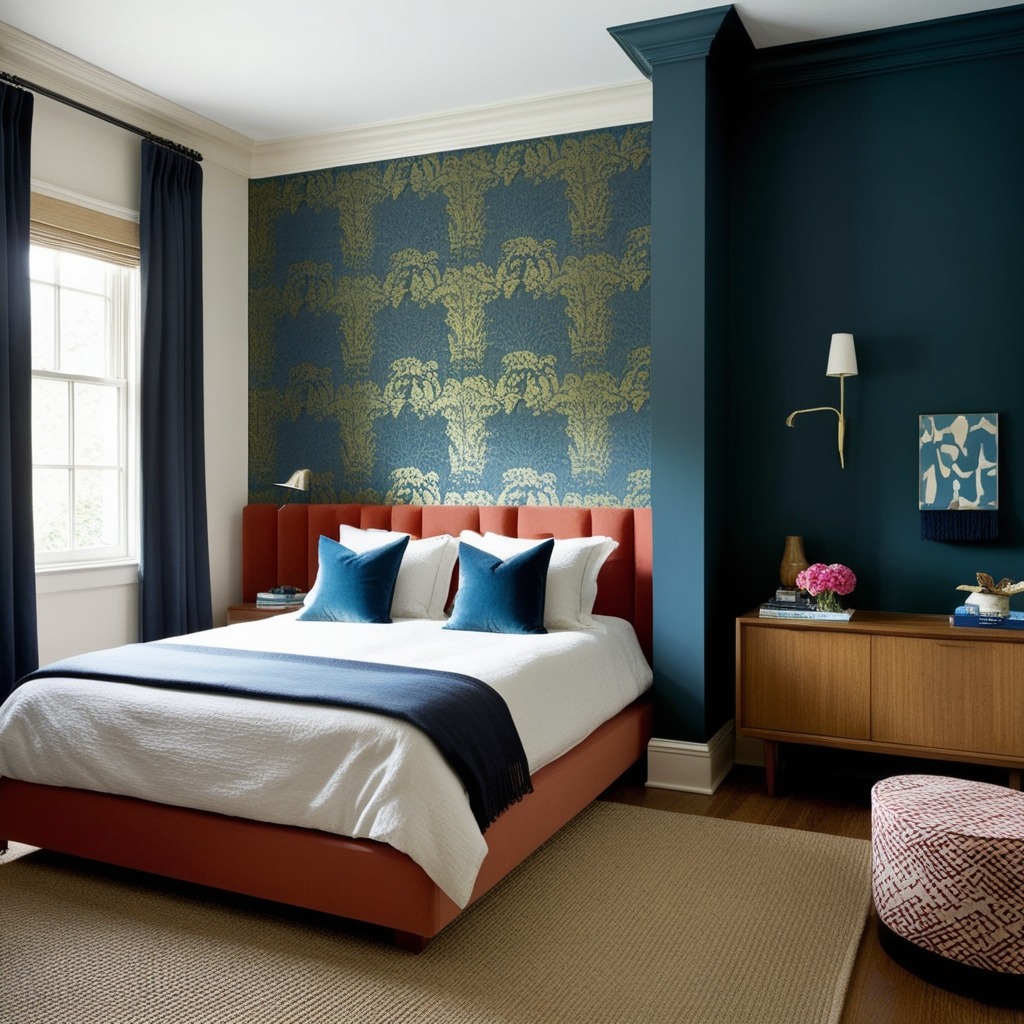
Add personality to your bedrooms or living area with a bold accent wall-think wallpaper, deep paint colors, or textured panels. This technique anchors the room and can define specific zones in open layouts.
-
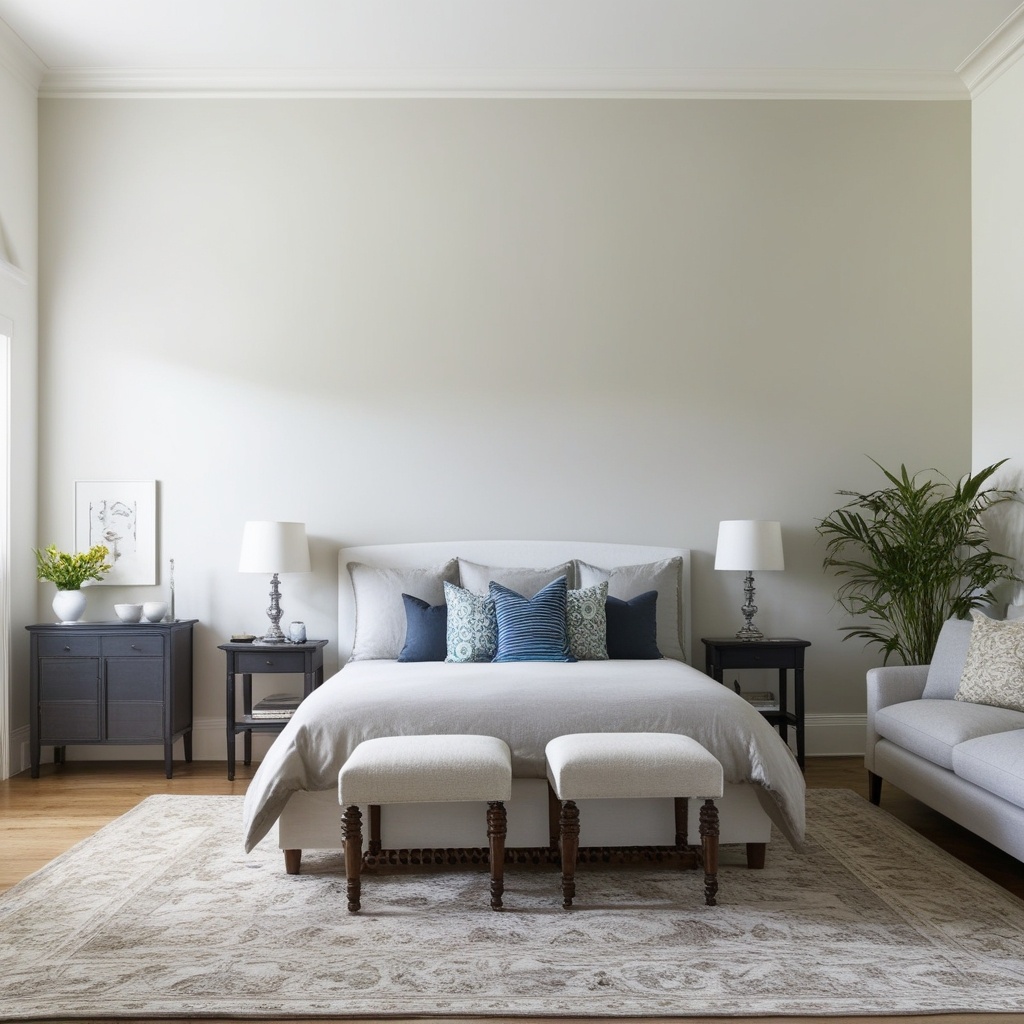
Highlight the wall behind the bed, couch, or dining table for immediate visual impact.
-
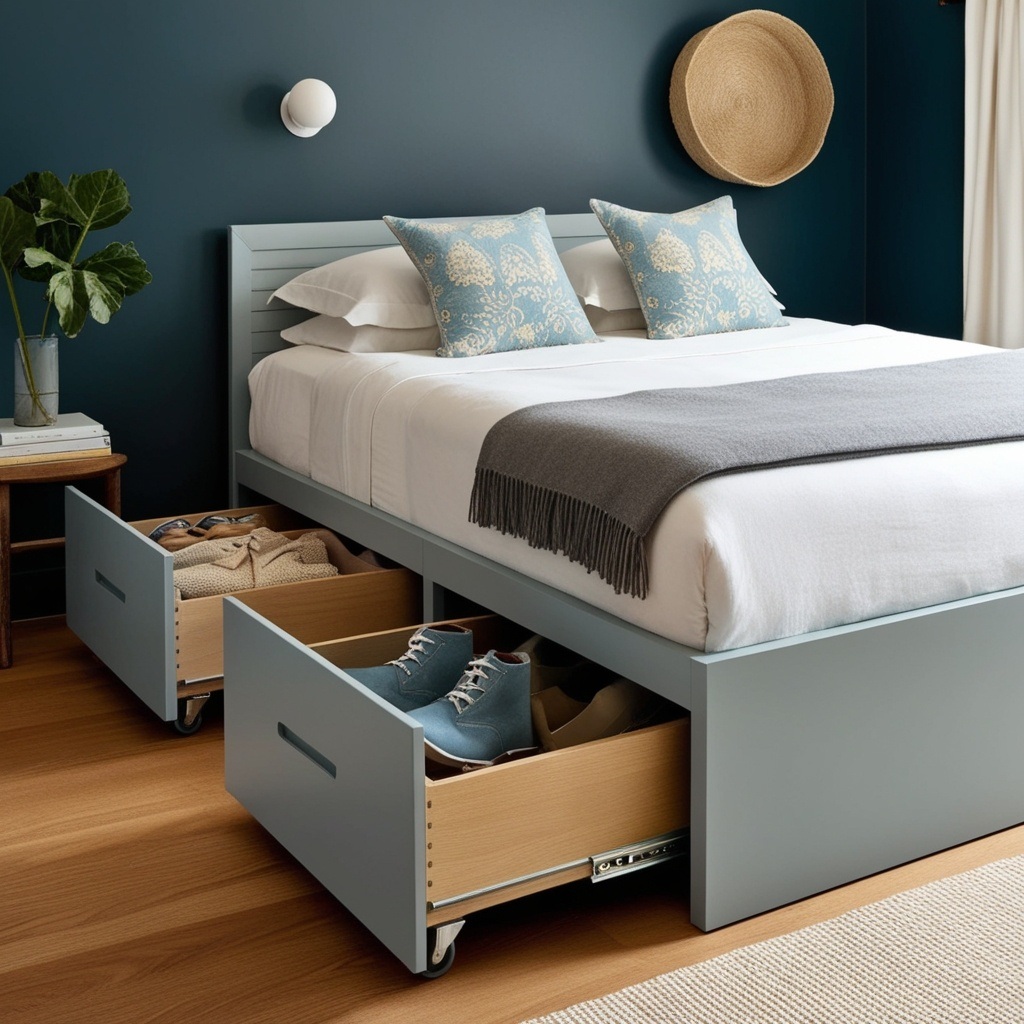
Take advantage of every inch by using rolling bins, flat storage drawers, or custom platform beds with built-in drawers underneath. This is a discreet way to stow out-of-season clothing, linens, or extra shoes.
-
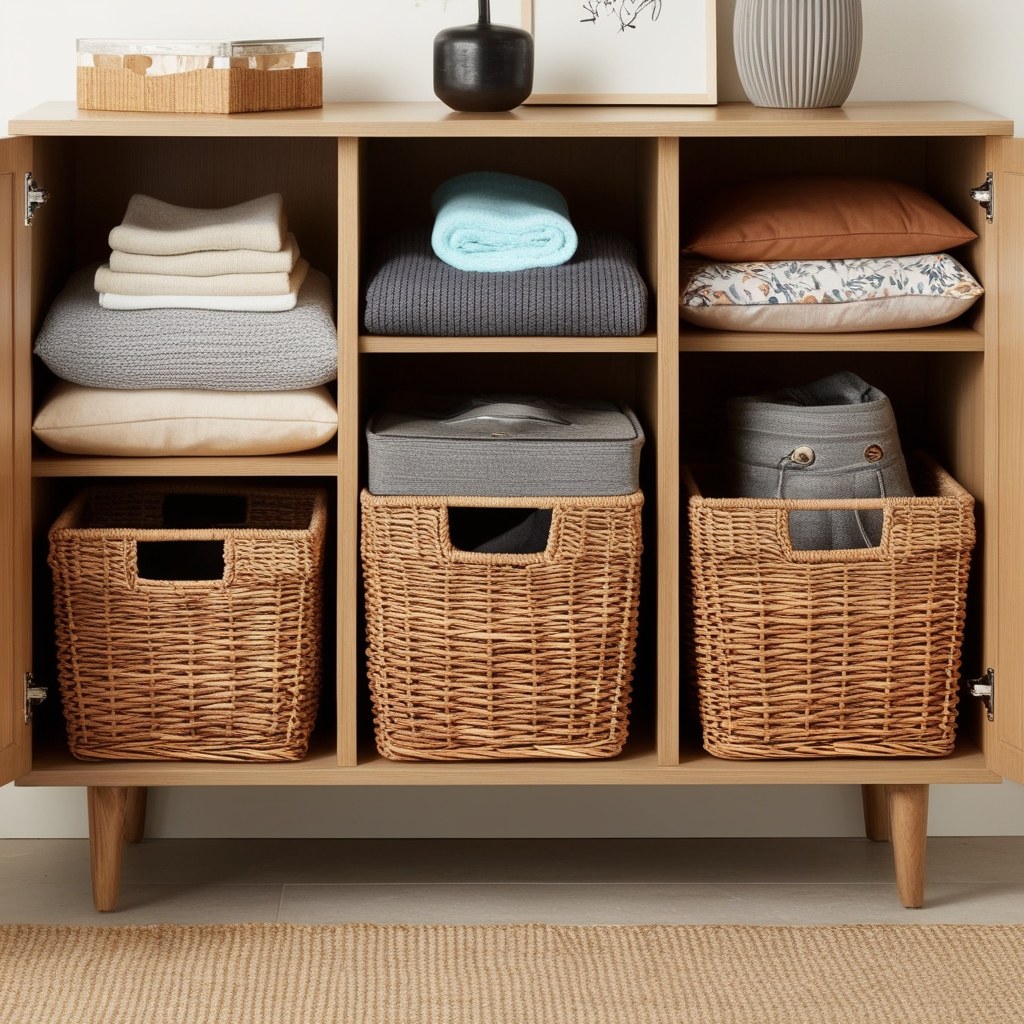
Opt for open baskets if you want quick access or hidden compartments for a tidier look.
-
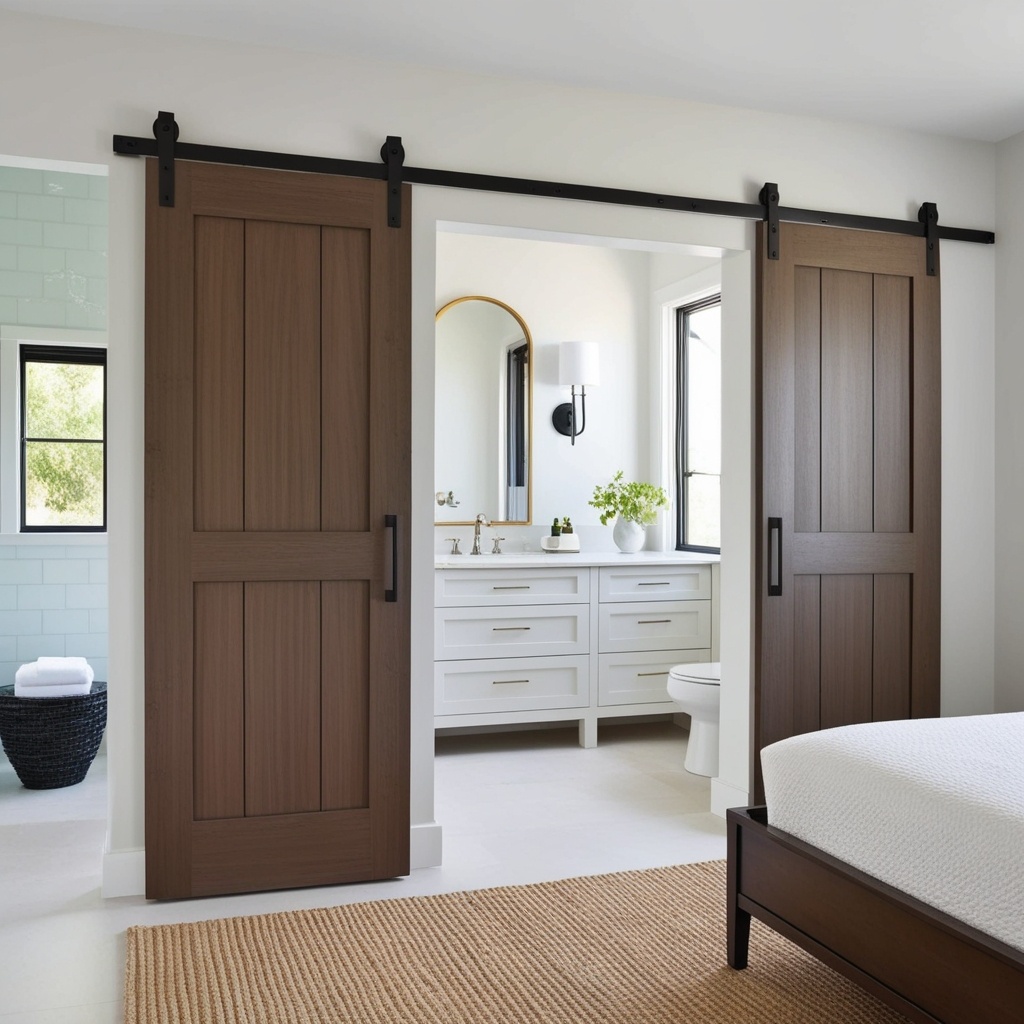
Replace traditional doors with sliding ones in tight spaces such as en suite bathrooms and closets. Sliding barn or pocket doors not only save space but also add an architectural element to the room.
-
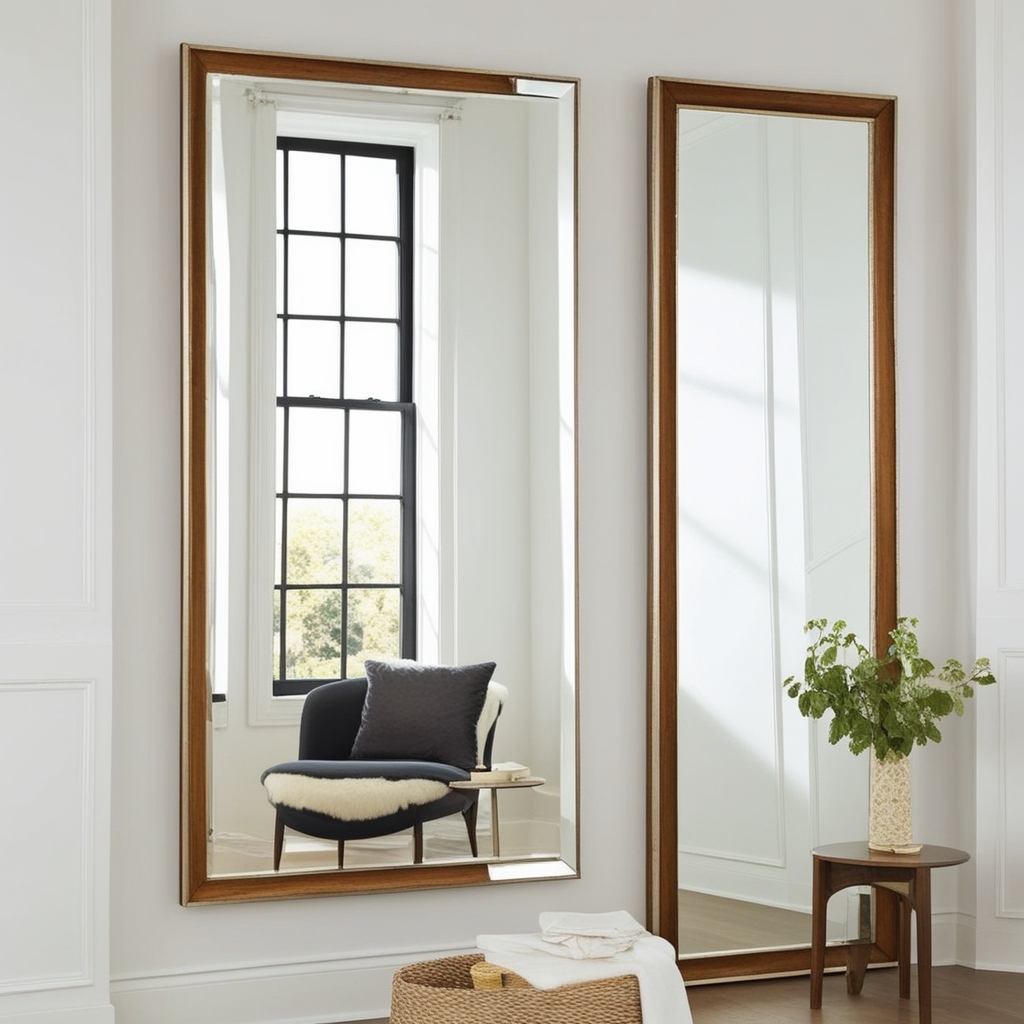
Hang large mirrors on walls opposite windows to maximize light and make small rooms feel expansive. Additionally, mirrors with unique frames can serve as artwork, bringing dimension to the room without making it feel cramped.
-
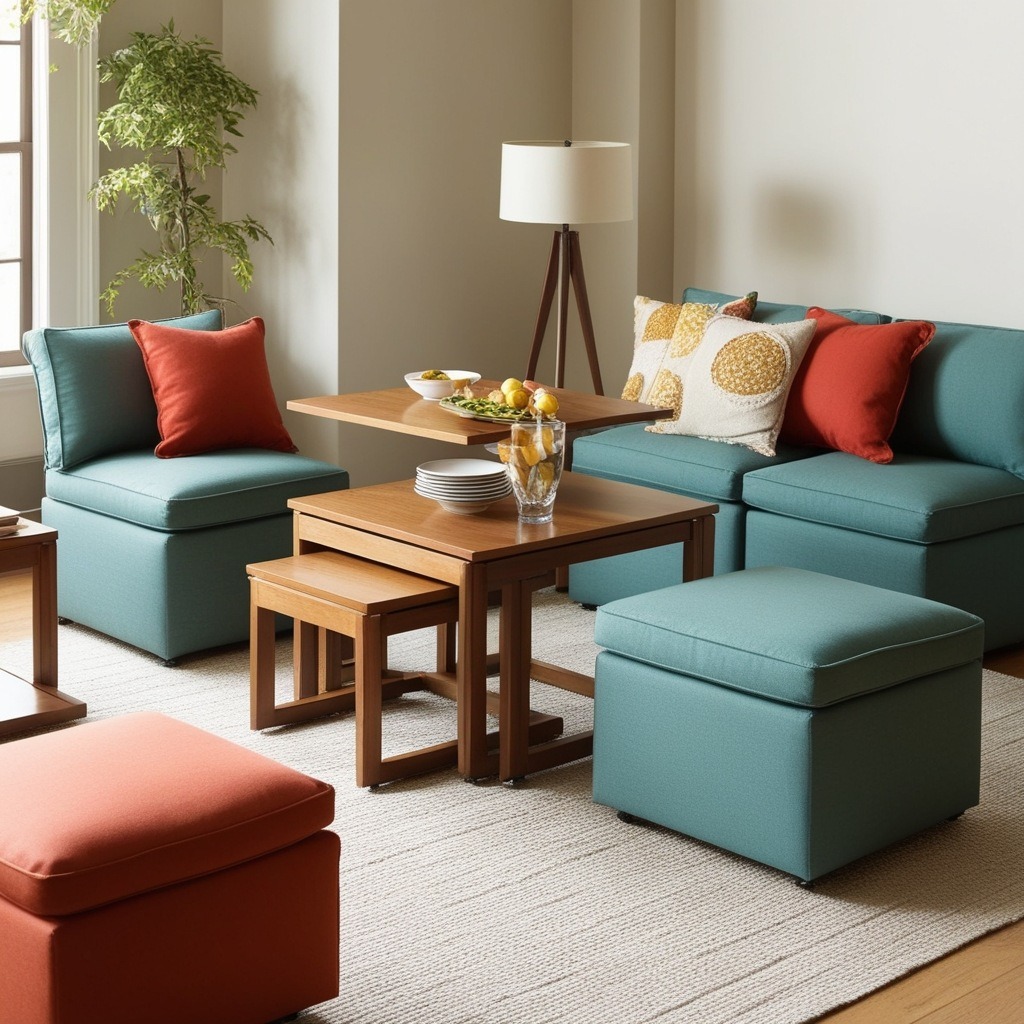
Choose furniture that adapts, like nesting tables, extendable dining sets, or ottomans with storage. Modular sofas let you reconfigure for gatherings or cozy nights, providing both flexibility and smart use of space.
-
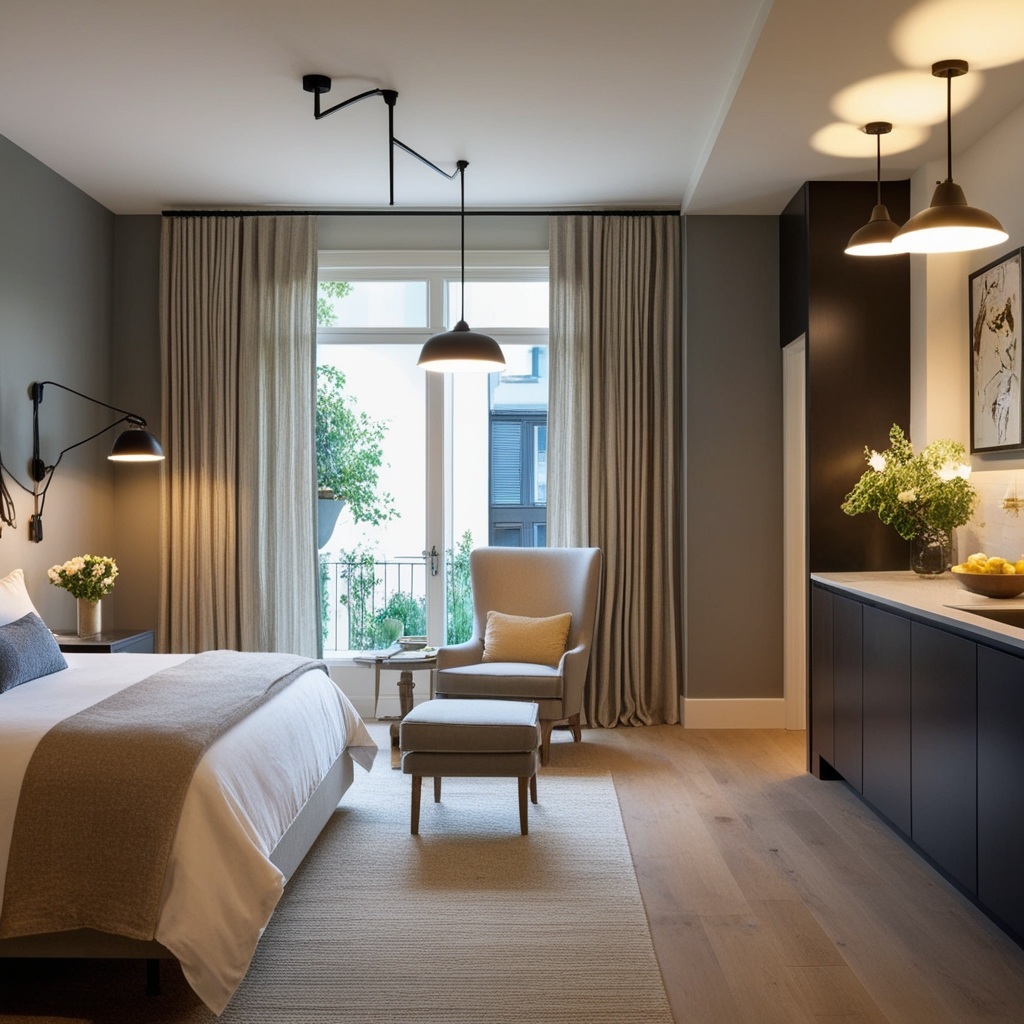
Mix ambient, task, and accent lighting in each room for maximum comfort. Use adjustable sconces for bedtime reading, pendant lights for ambience, and dimmable LED strips in kitchens or hallways.
-
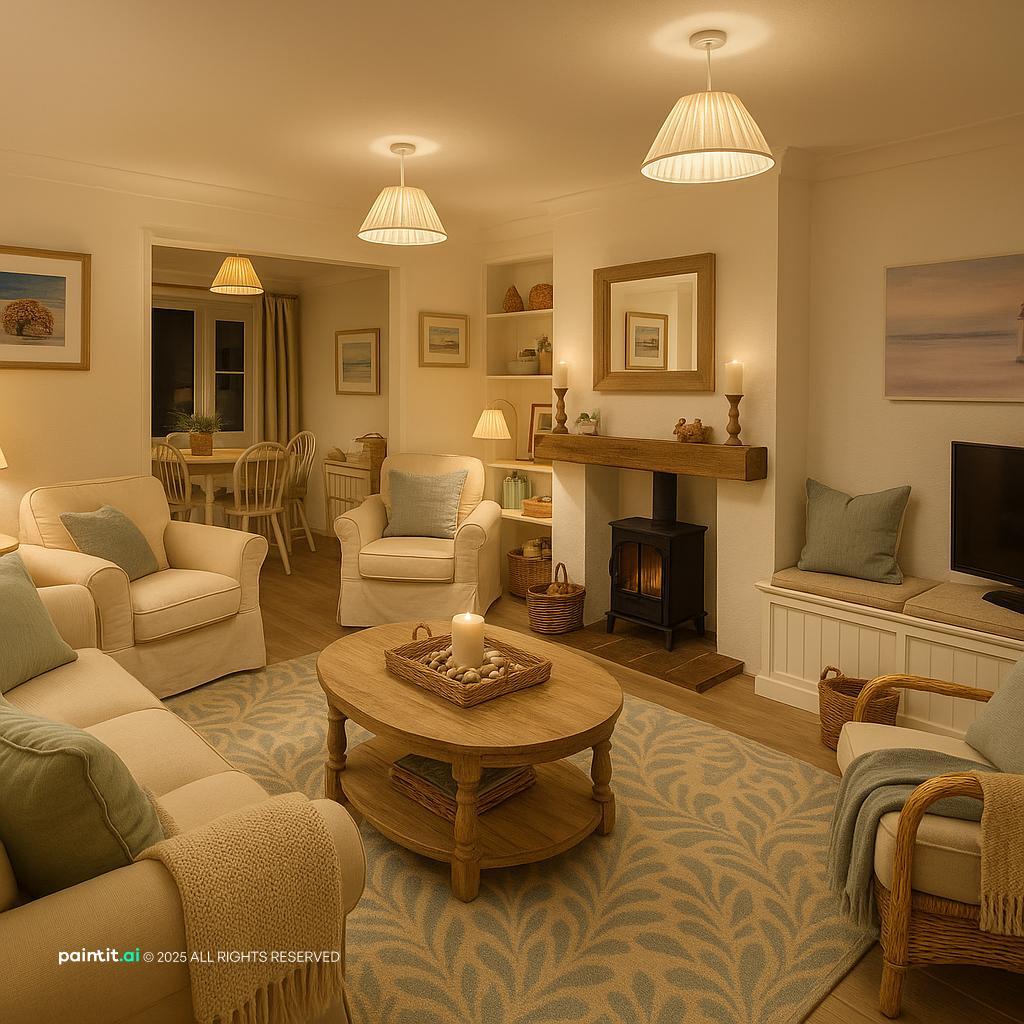
Consider smart bulbs to fine-tune brightness and create moods that adapt throughout the day.
-
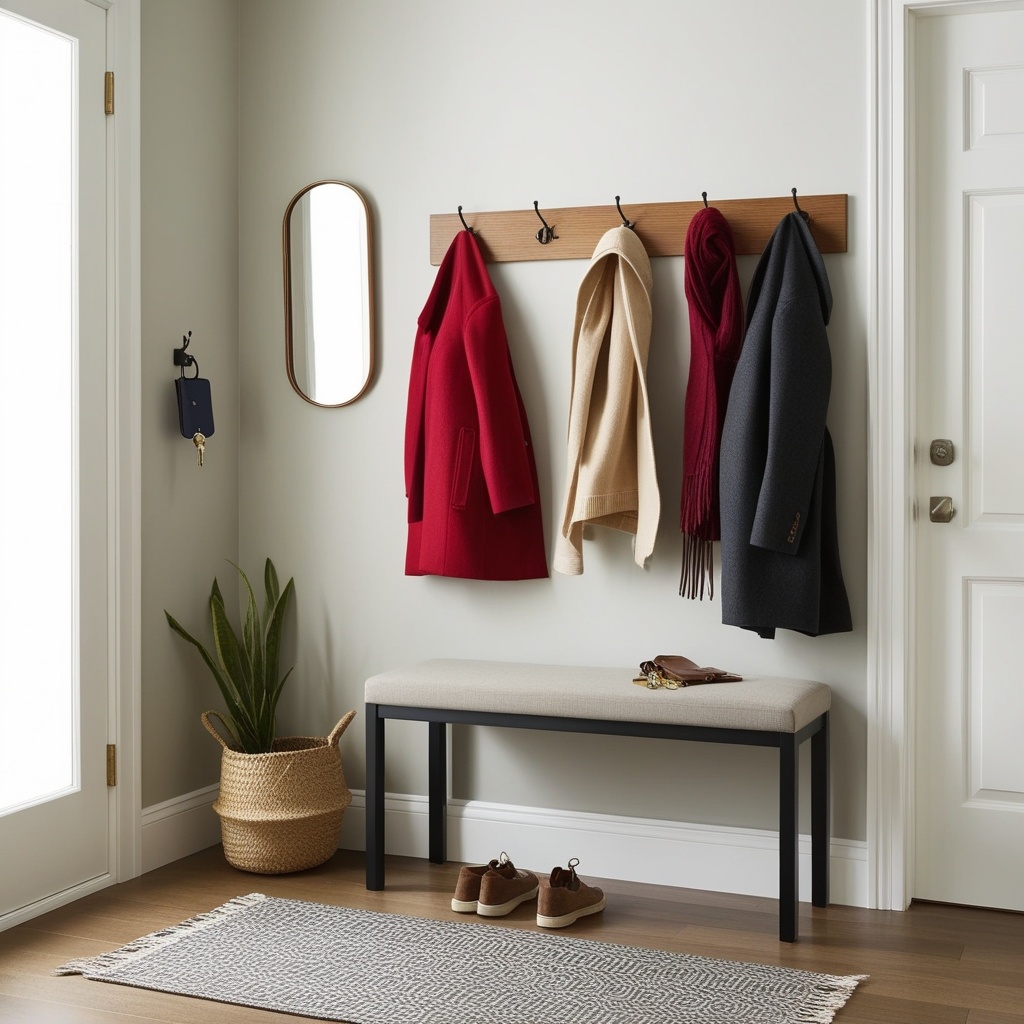
Set up a "landing strip" near the door: slim console table, hooks for coats and bags, bench for pulling off shoes. Consider putting a mirror here and a small storage solution for keys or other necessities you might need to grab before heading out.
-
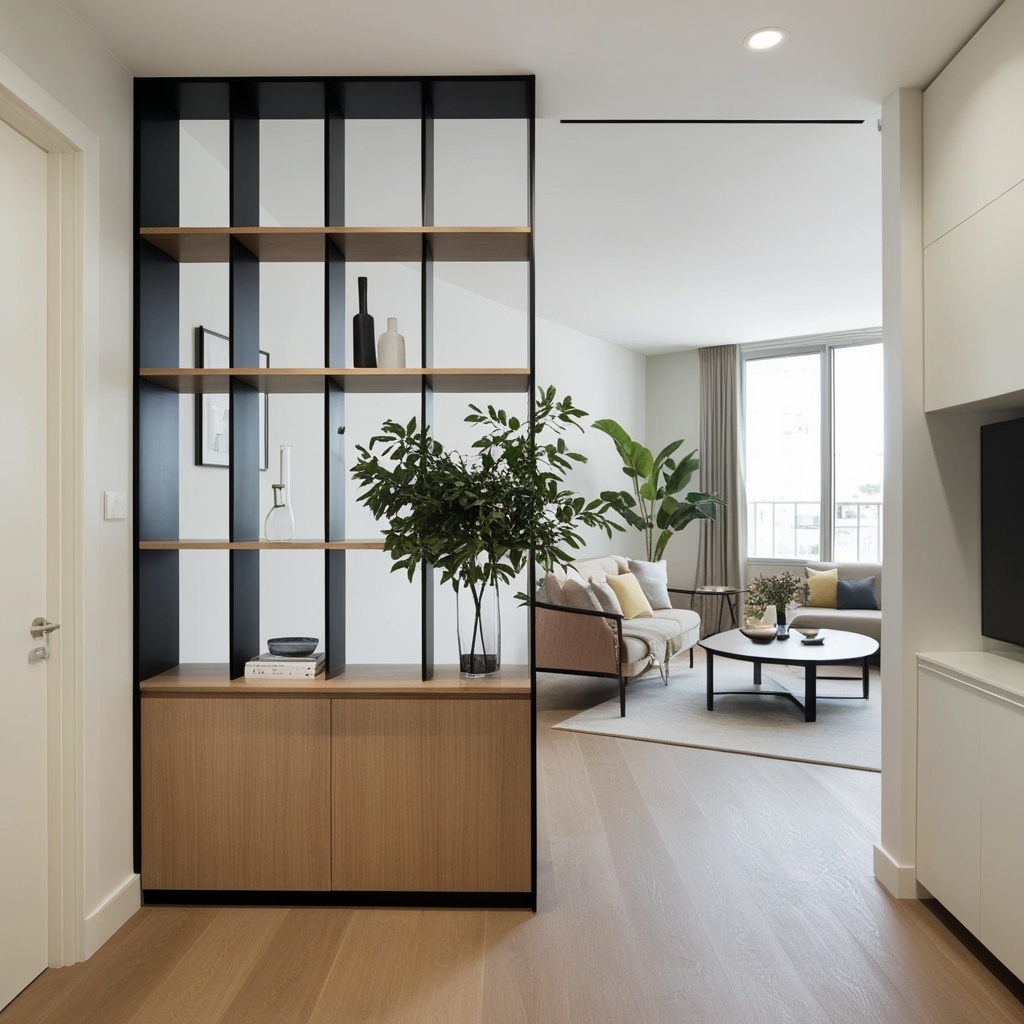
In open-plan apartments, a shelving divider or indoor plant can subtly define this entry zone.
-
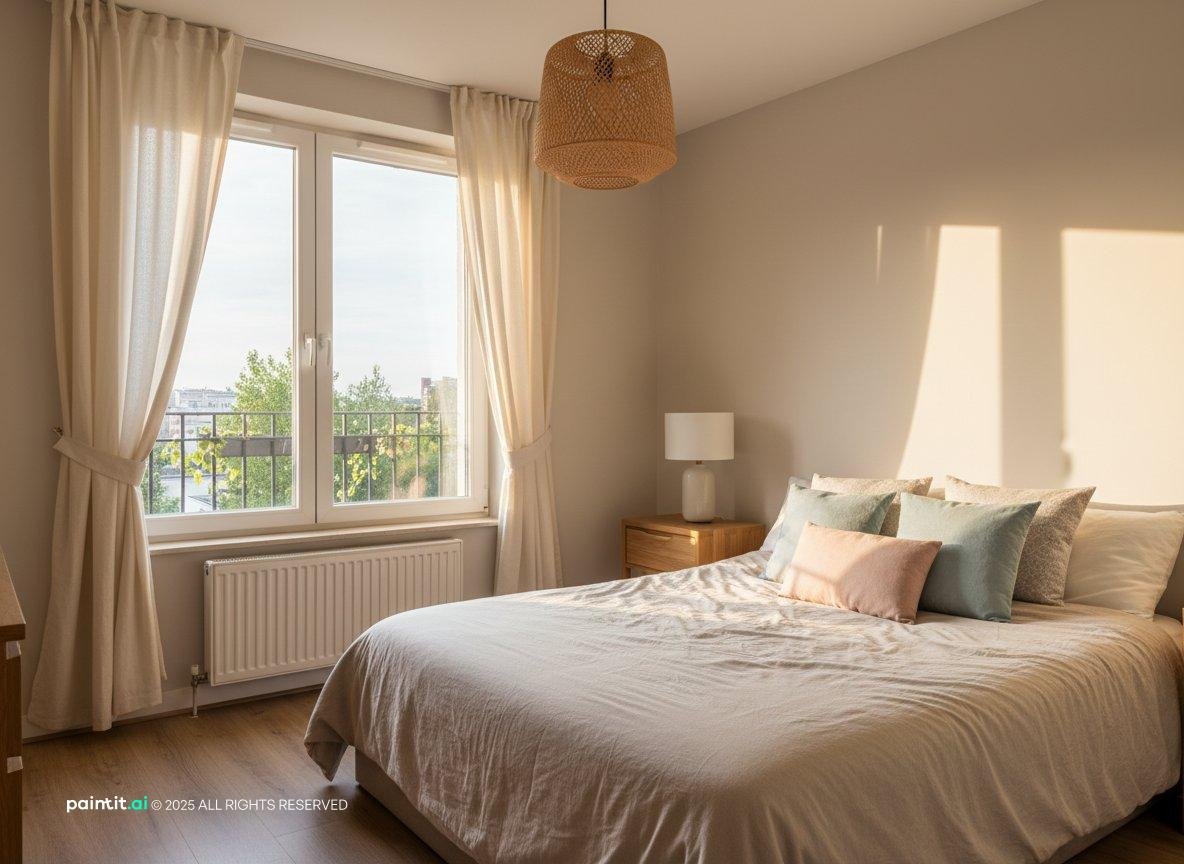
Design the second bedroom for a child, roommate, or guests with tailored touches-like chalkboard paint for a playful vibe, or calming neutrals and layered bedding for a hotel feel. Flexible layouts allow for twin beds, bunk beds, or a daybed as needs evolve.
-
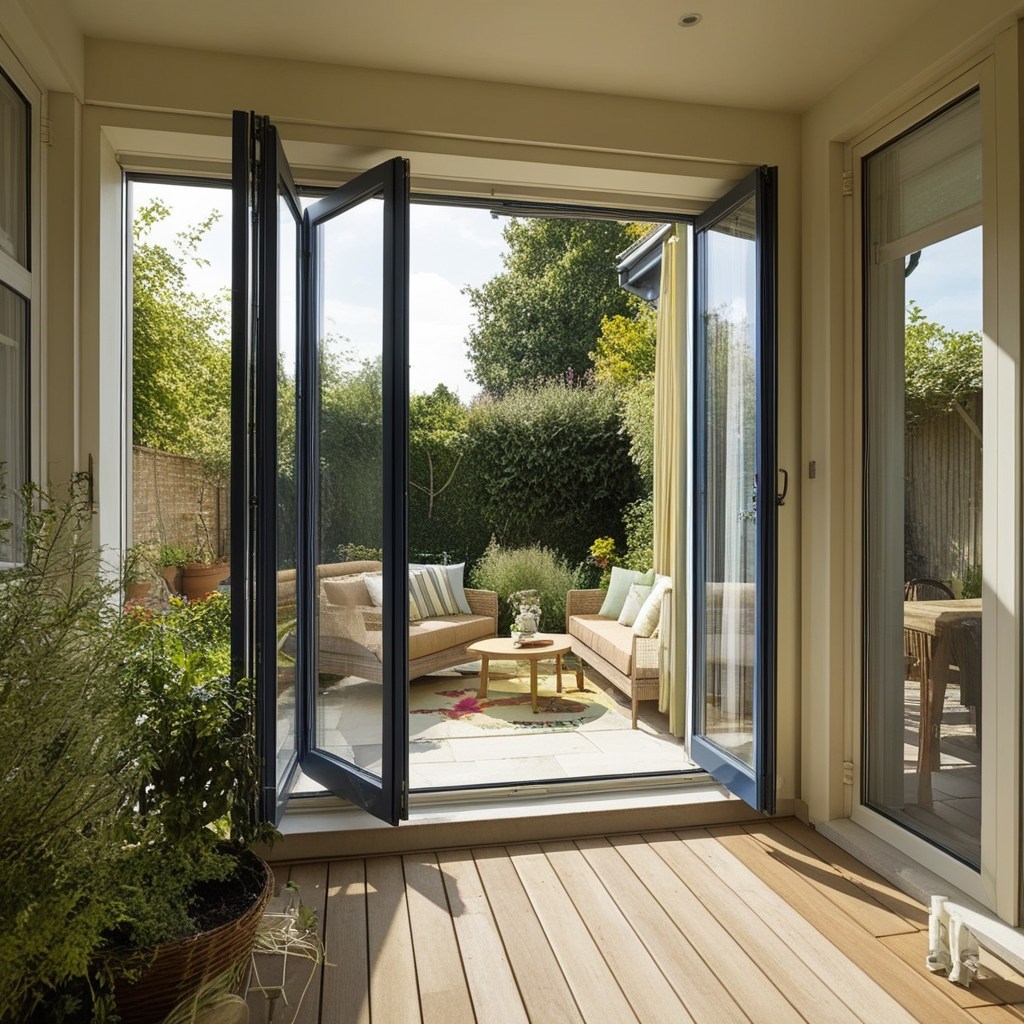
Bring in bi-fold doors, large windows, or a Juliet balcony to connect living spaces with a garden, patio, or simply fresh air. Extend flooring or colors from inside to outside for an uninterrupted flow, making the entire home feel more expansive.
-
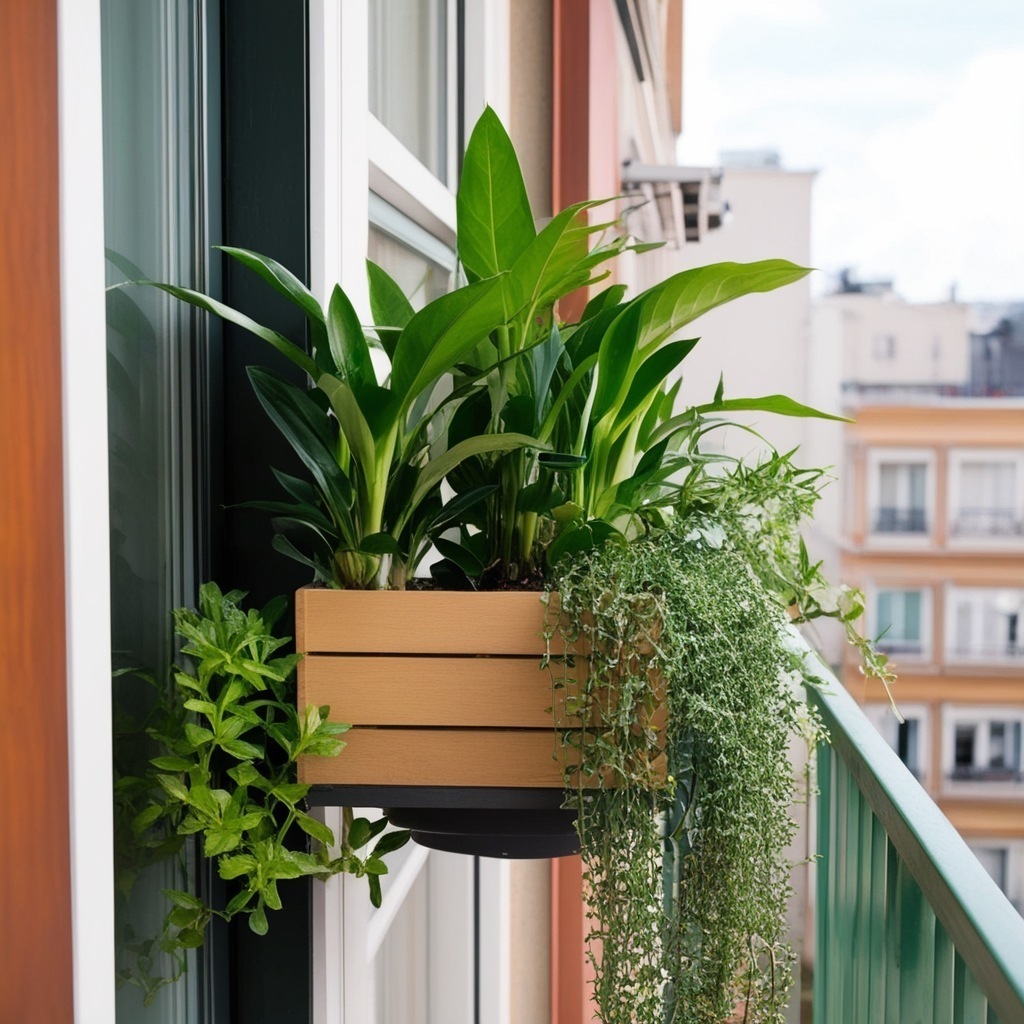
Even a small balcony or window box with plants can deliver this effect in urban settings.
See your house redesigned before you buy anything
Use Paintit.ai to test rooms before buying furniture or paint.
-
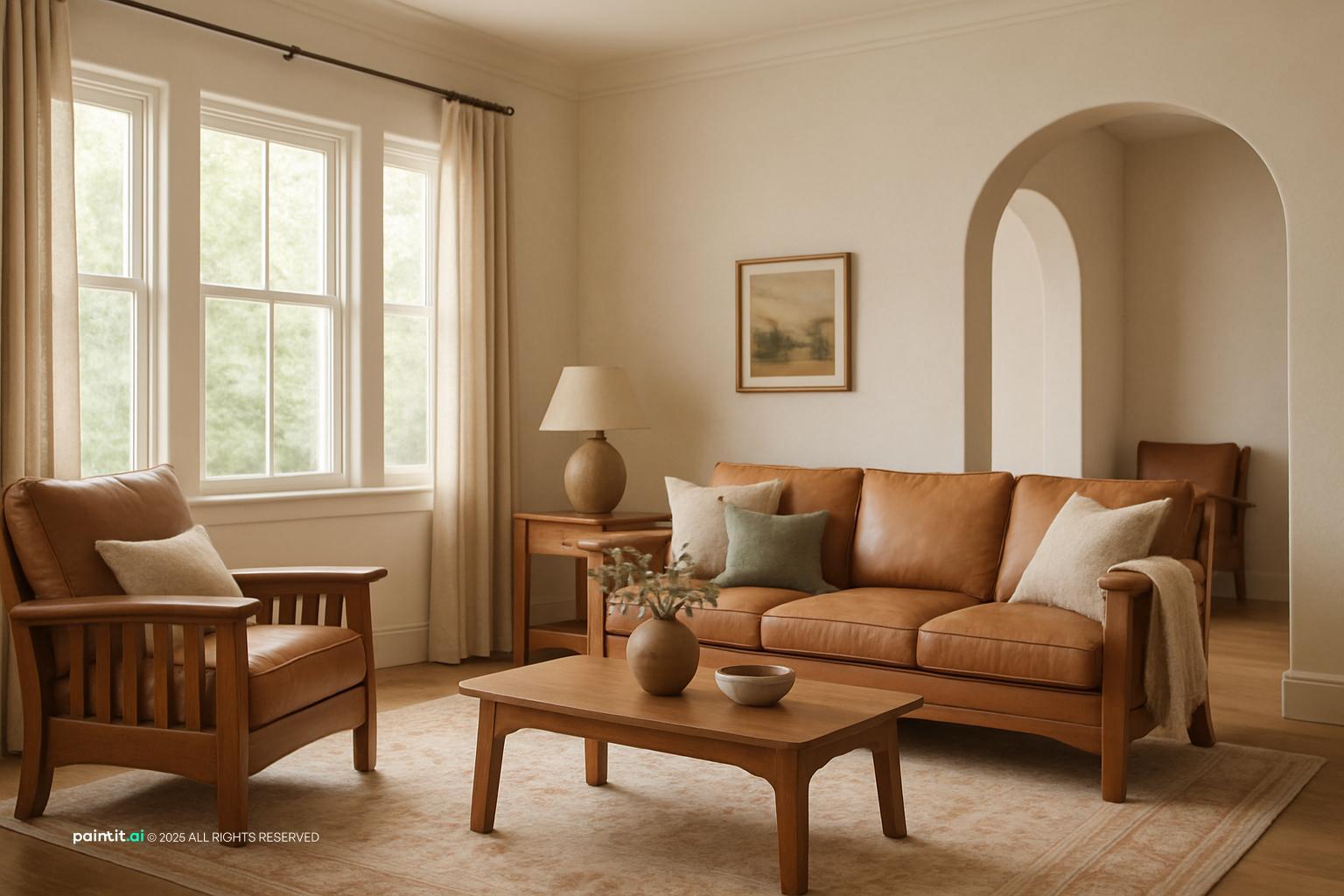
Upload a photo of any room in your 2 bedroom house to Paintit.ai. Choose a design style - Modern, Scandinavian, Japandi, Industrial, or any available direction. In 1-2 minutes you get a redesigned render you can compare directly against your current space.
-
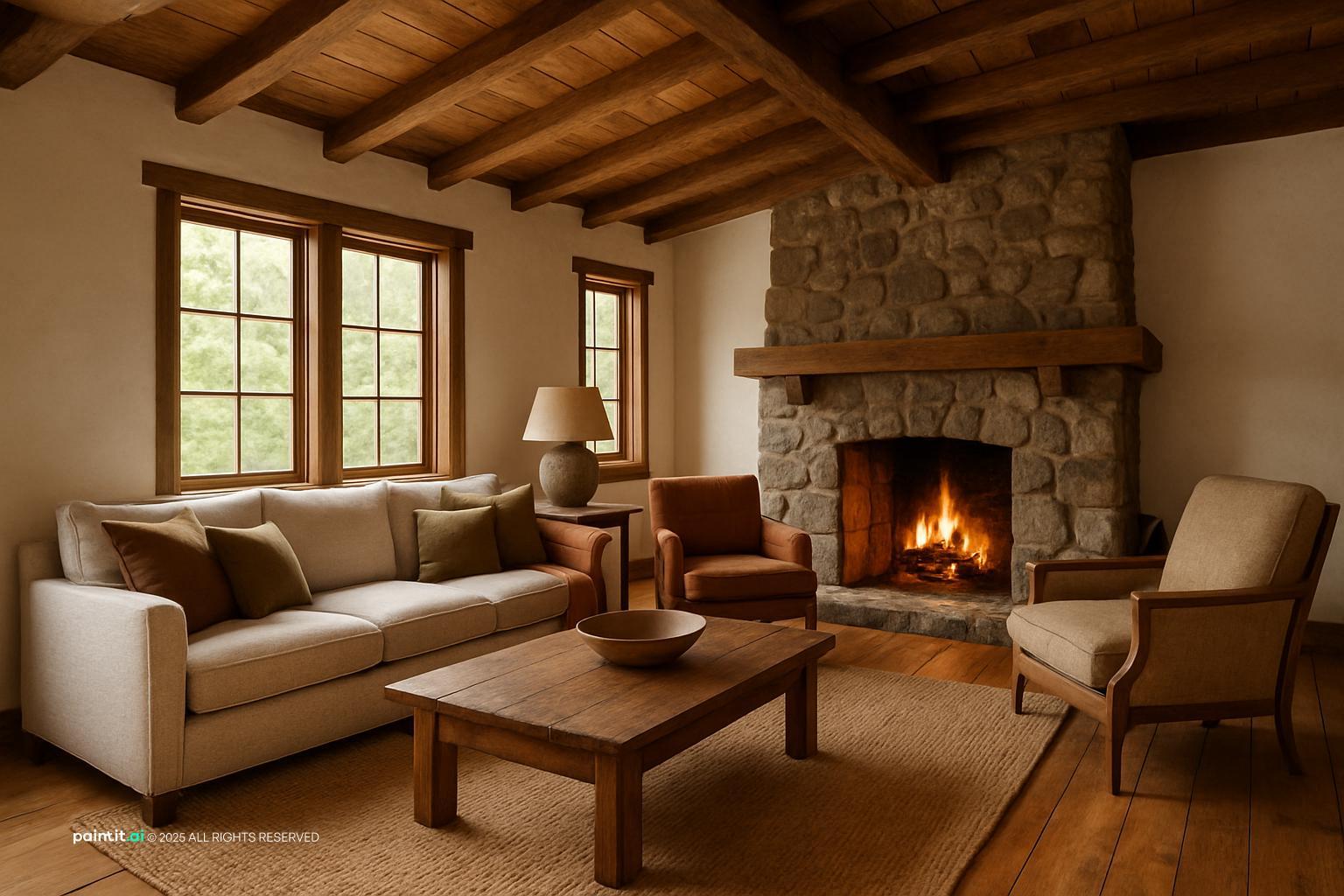
Trying three to five style directions on a photo of the actual room before buying helps you see, for example, how a darker wall color reads in your light before committing.
-
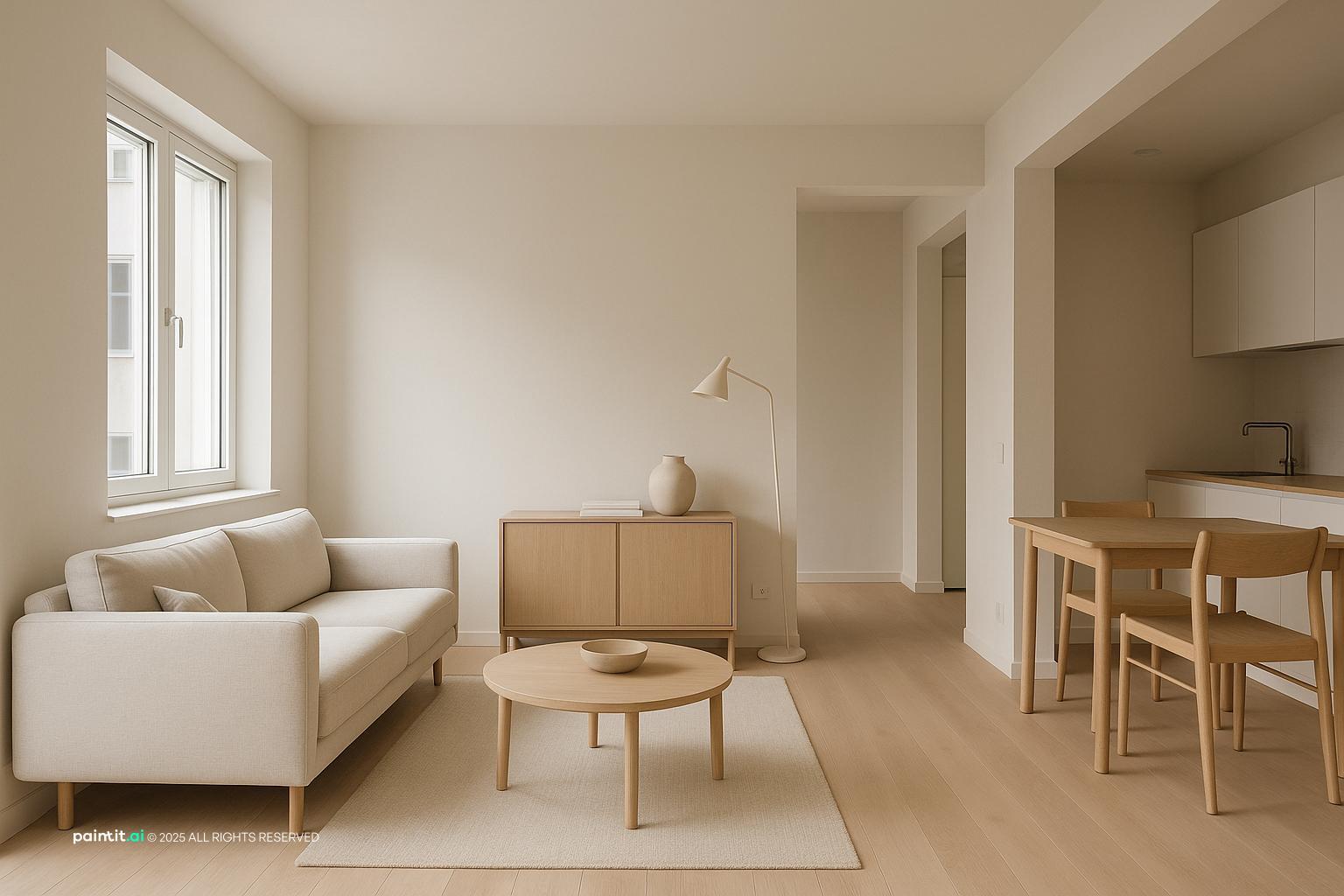
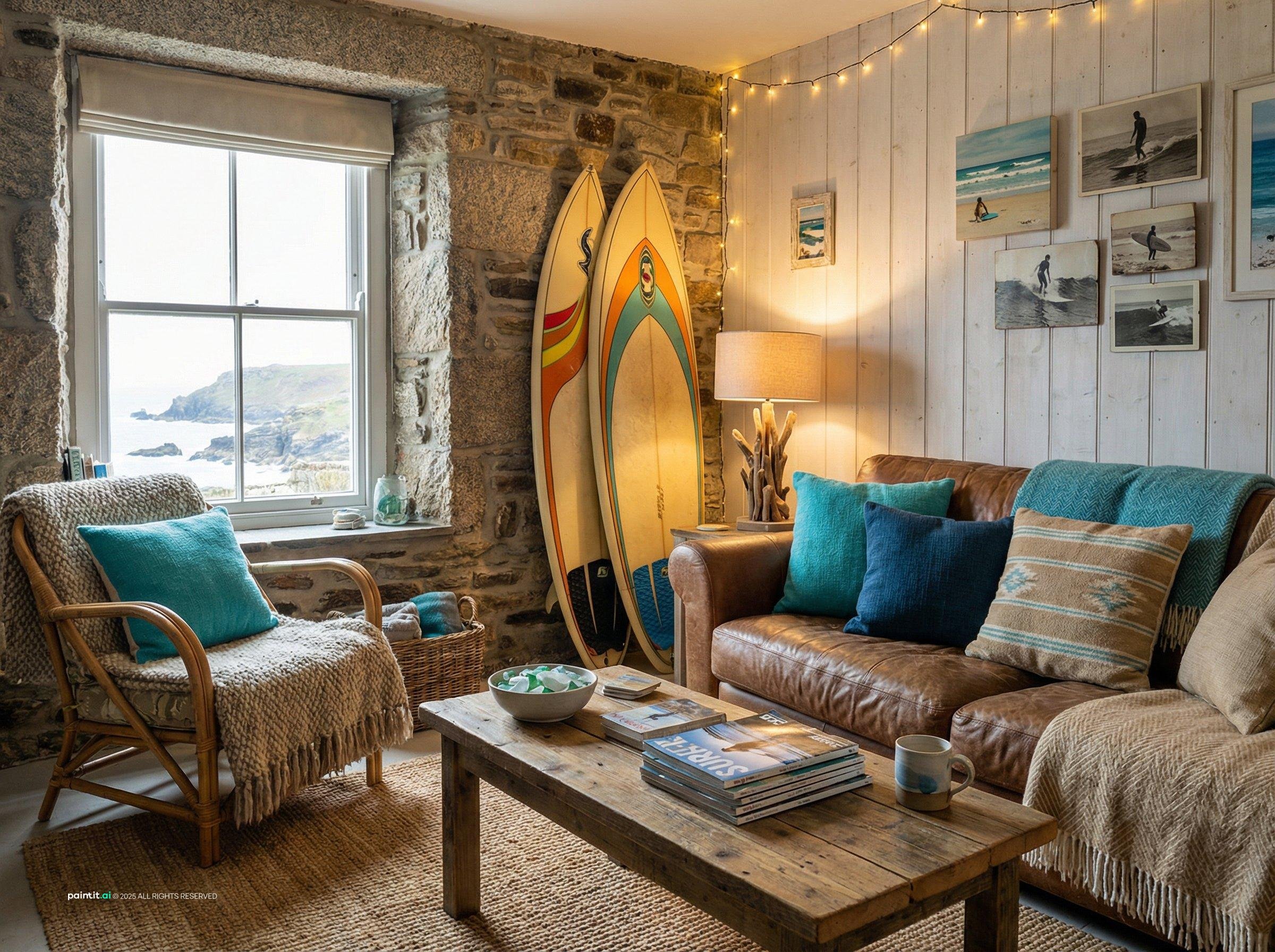
Real furniture from IKEA, Amazon, and Ashley appears under each render - matched to the style and scale of the generated design, with direct purchase links.
Related design tools
Useful Paintit.ai tools for bedrooms, living rooms, and empty spaces.
FAQ
-
Opt for multipurpose furniture like ottomans with storage or extendable tables. Use vertical shelving to free up floor area. Keep sight lines open with low-profile seating and avoid overcrowding each room.
-
Light, neutral hues expand visual space and reflect natural light. Add depth by incorporating one or two accent colors in textiles and decor. In a small home, the color scheme in each room flows into the next so that everything feels cohesive.
-
Don't cram in oversized furniture or block pathways. Avoid a cluttered look by editing decorations. Failing to layer lighting or neglecting window dressings can make rooms feel dim or unfinished.
-
Use room dividers, open shelving, or curtains to subtly zone areas. Area rugs help define spaces within open-plan layouts. Separate sleeping areas with color changes or textiles for added intimacy.
-
Swap outdated hardware, refresh walls with paint, or change cushion covers for instant lift. Rearranging furniture and updating lighting fixtures are affordable ways to modernize and personalize your space.