
School office interior design ideas: reception, staff workspace, and student experience
A school office is the building's first impression point. Students arrive for help. Parents come in with concerns. Staff need to work through noise and interruption. The design has to serve all three simultaneously - which means getting the reception zone, the work zone, and the private consultation space right.
These 30 ideas cover the decisions that shape how a school office actually functions, from acoustic panels that make confidential conversations possible to display boards that communicate the school's identity to first-time visitors.
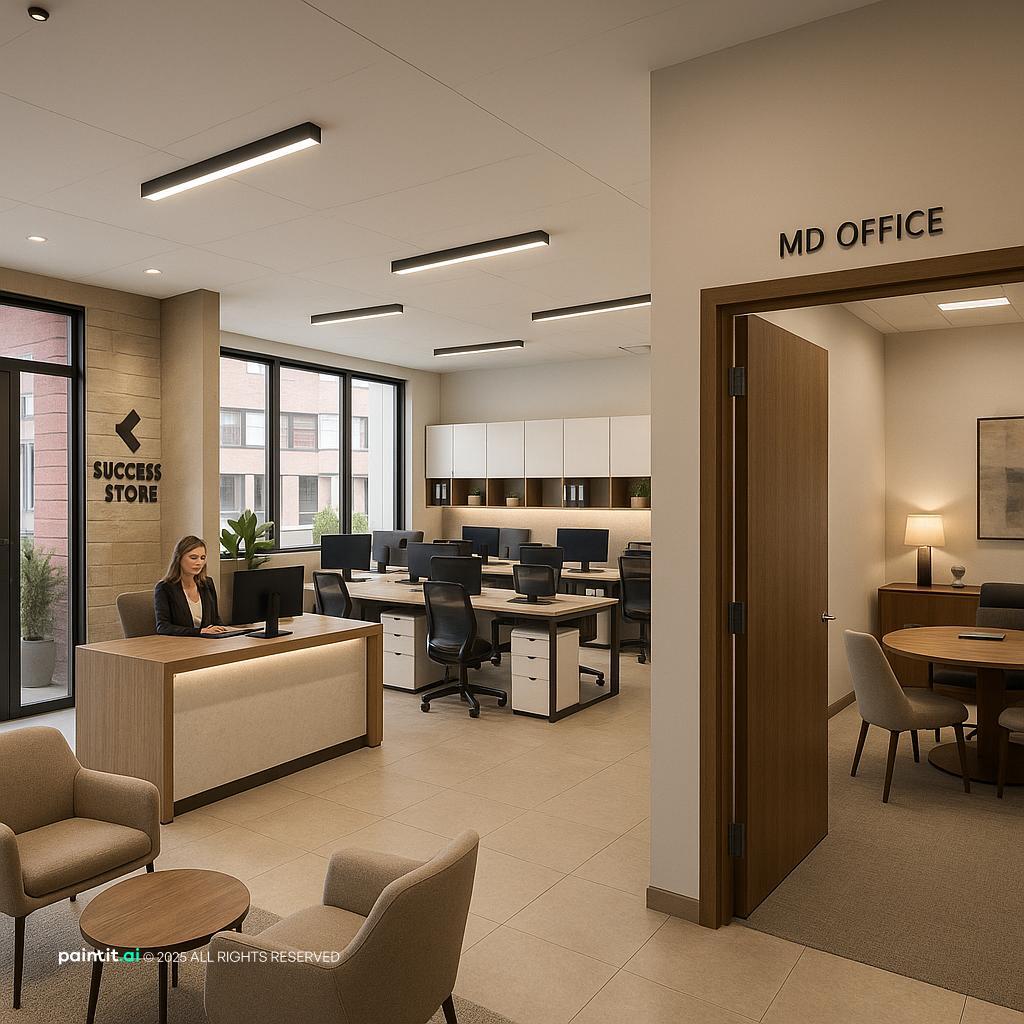
30 school office interior design ideas
The school office serves more users than almost any other room in the building - and they all have different needs. Start with the reception desk as the design anchor: clear sightlines from entry, uncluttered surface, and warm lighting that signals approachability. Every other decision radiates from there.
-
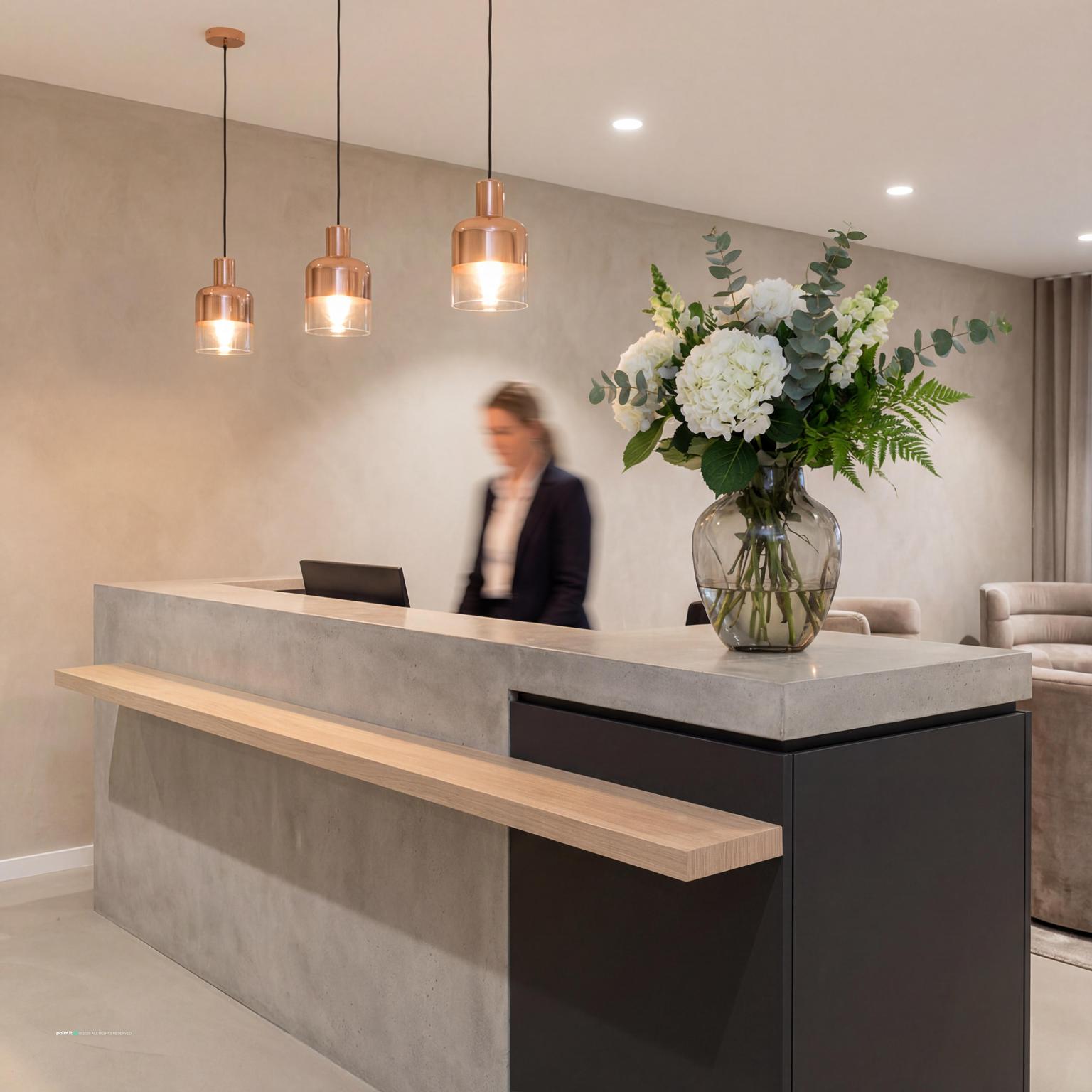
Crafting a welcoming and functional school office is an opportunity to set the tone for students, staff, and visitors alike. With the right blend of style, organization, and personality, these ideas can help any space become both inviting and purpose-driven.
-
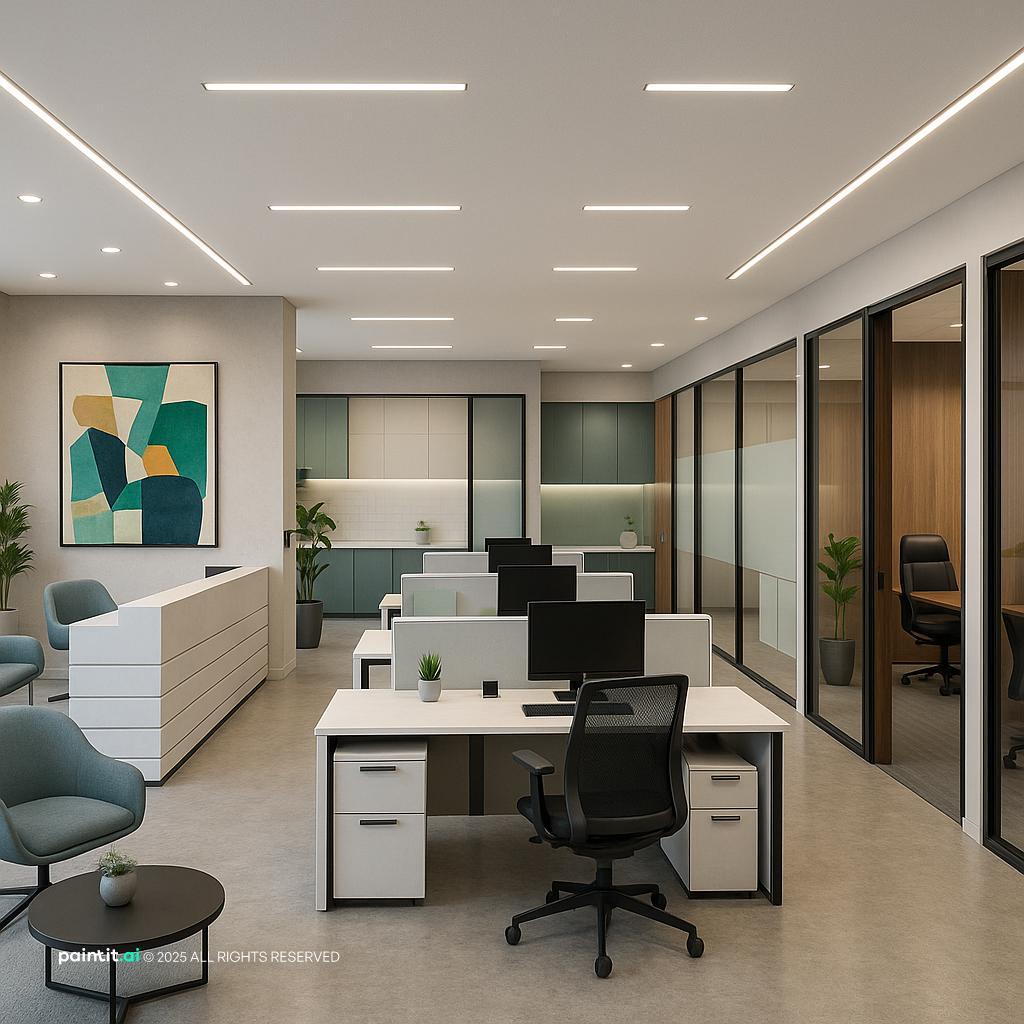
Introducing a bold color or mural to one wall can inject energy and a sense of identity into the space. Choose a hue or theme aligned with the school’s spirit or mission to create visual interest right as people enter.
-
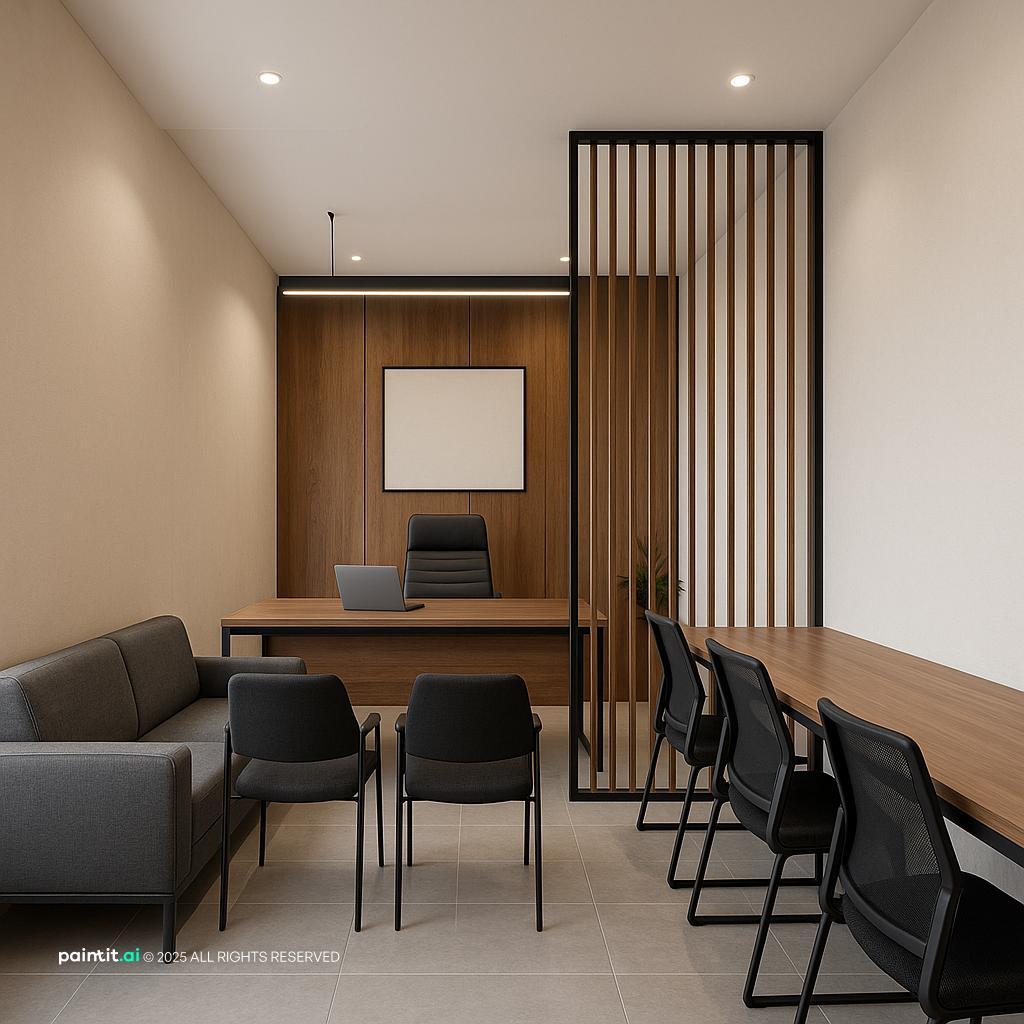
Wall decals that feature uplifting quotes or the school's values can add extra meaning and daily inspiration.
-
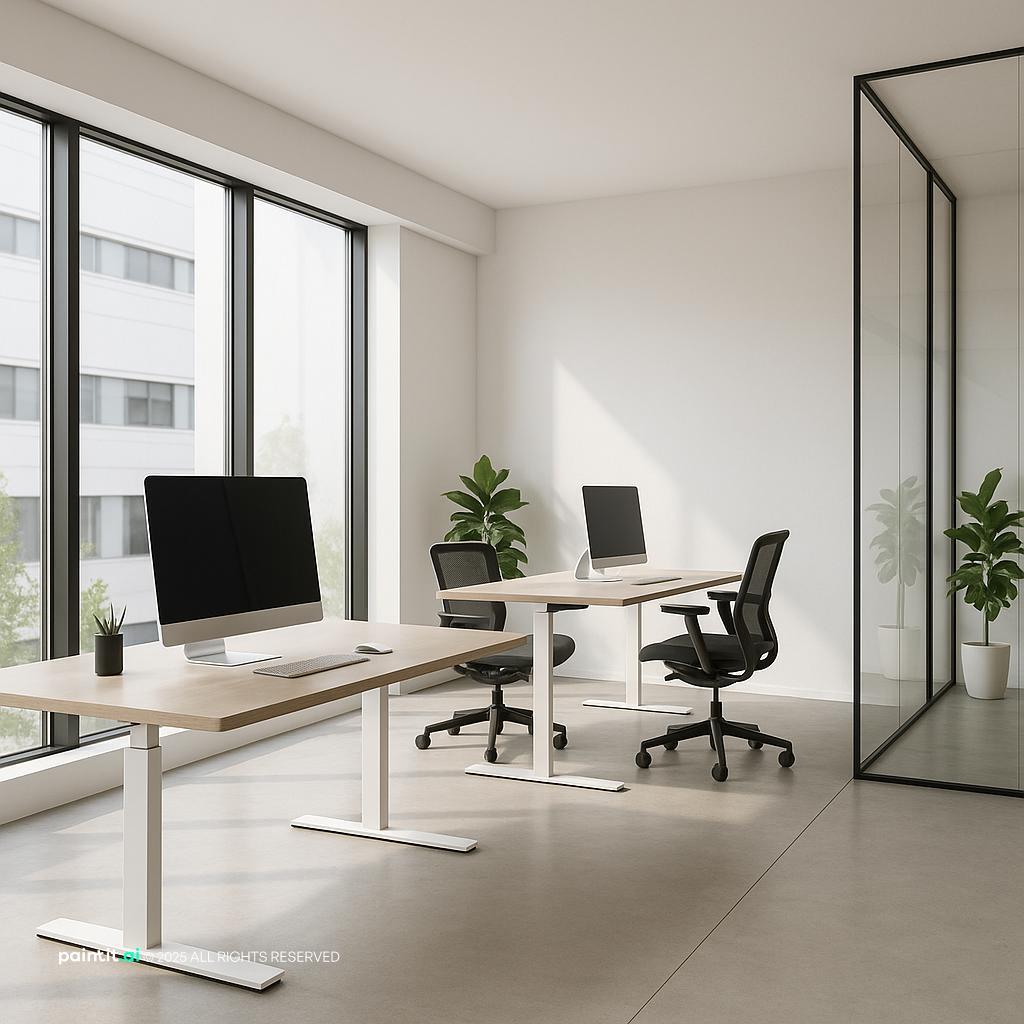
An efficiently designed reception desk can offer spots for welcoming visitors, storing forms, and holding office technology. Opt for modular options that allow the space to adapt over time.
-
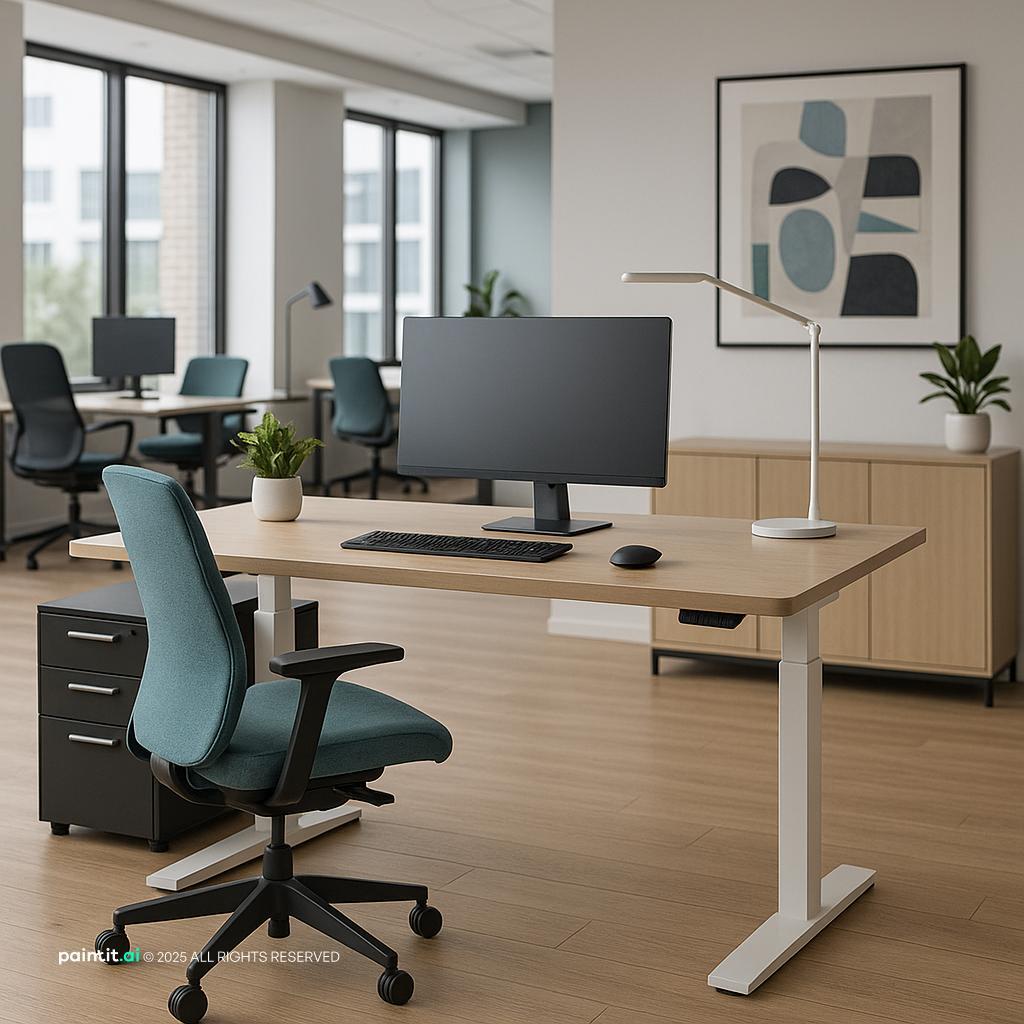
Look for options with integrated cable management and privacy screens to keep the workspace neat and secure.
-
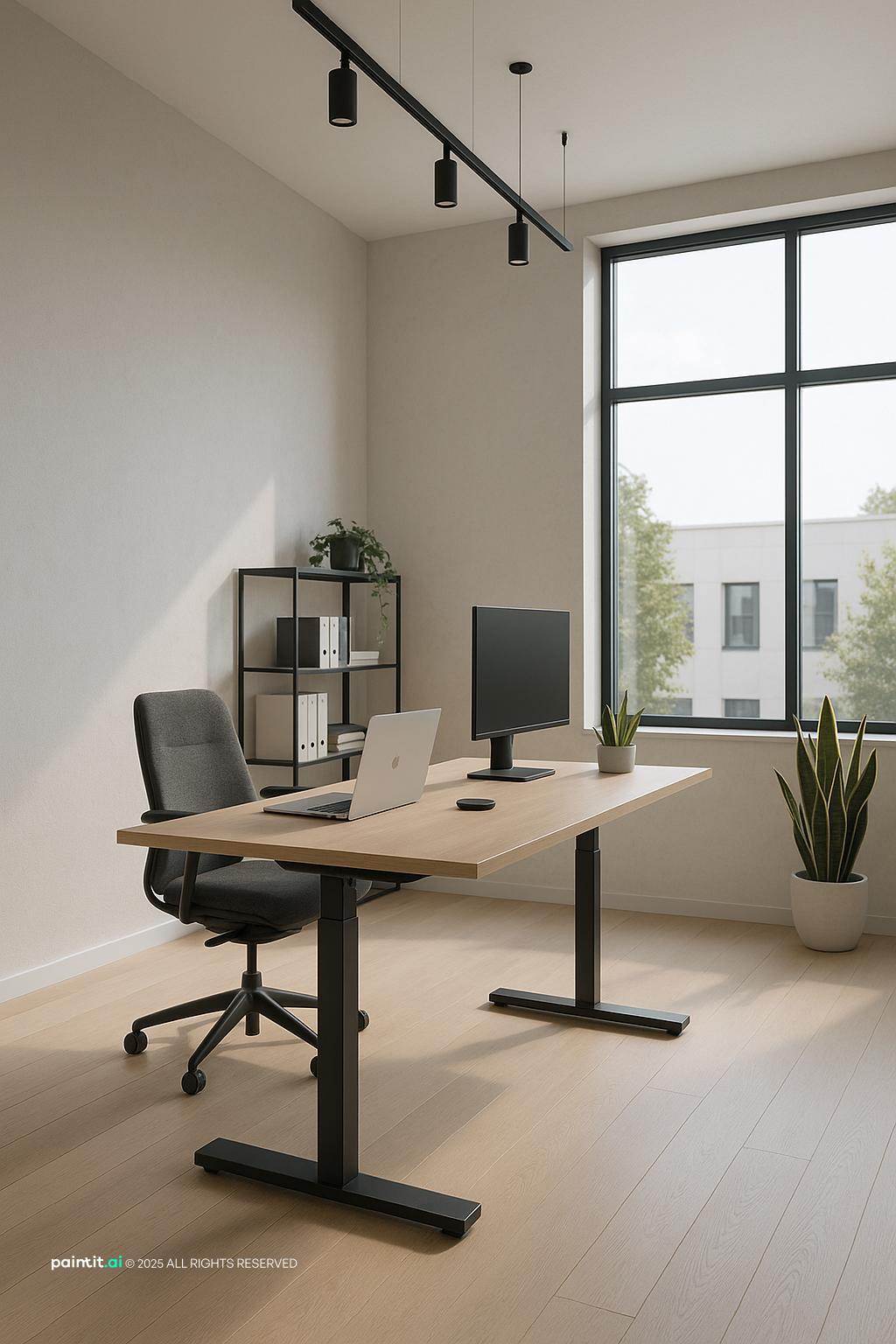
Avoid harsh overhead lights by using table lamps, floor lamps, or LED strips to create a softer, more comfortable atmosphere. Dimmer switches can provide flexibility for differing needs throughout the day.
-
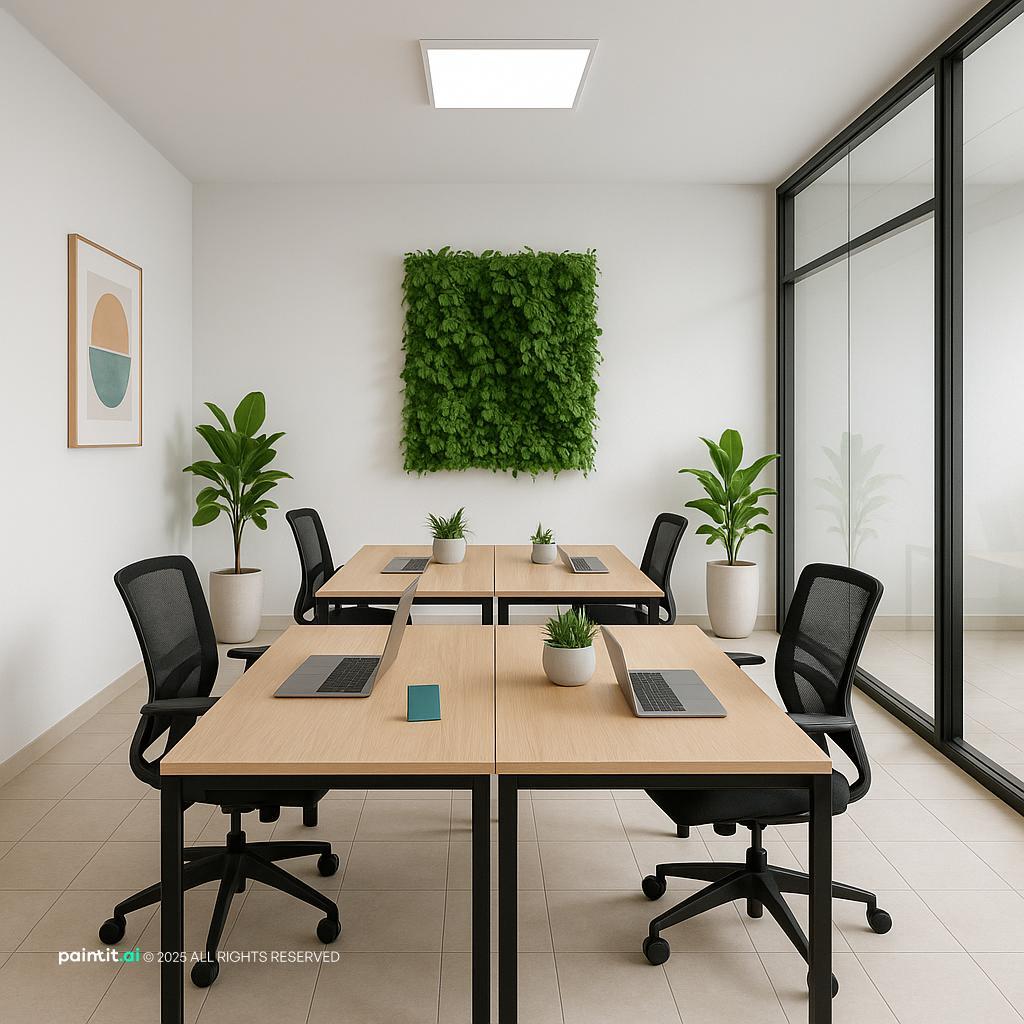
Maximize the use of windows and pair them with light-filtering shades to reduce glare.
-
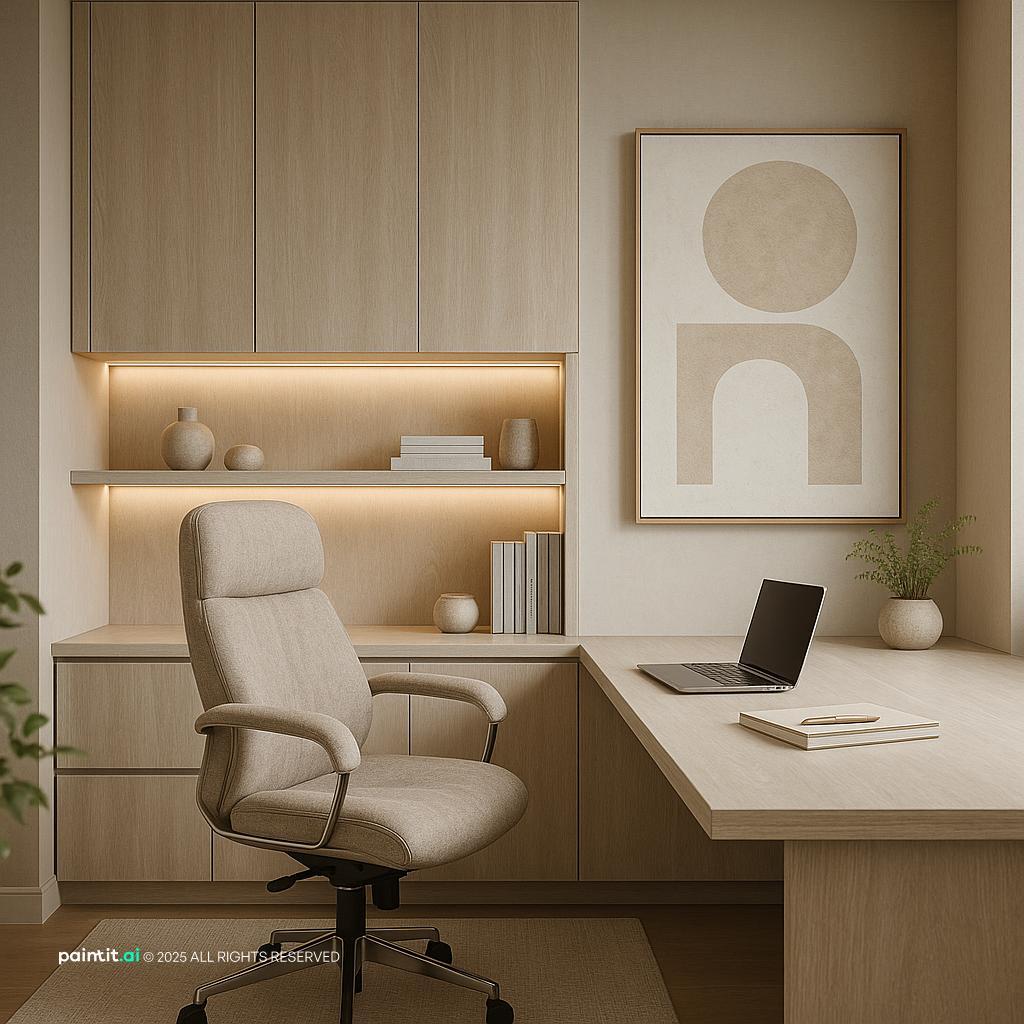
Clear, attractive signage ensures everyone can find their way quickly and reduces interruptions. Use fonts and sizes legible from a distance, and don’t forget tactile elements for accessibility.
-
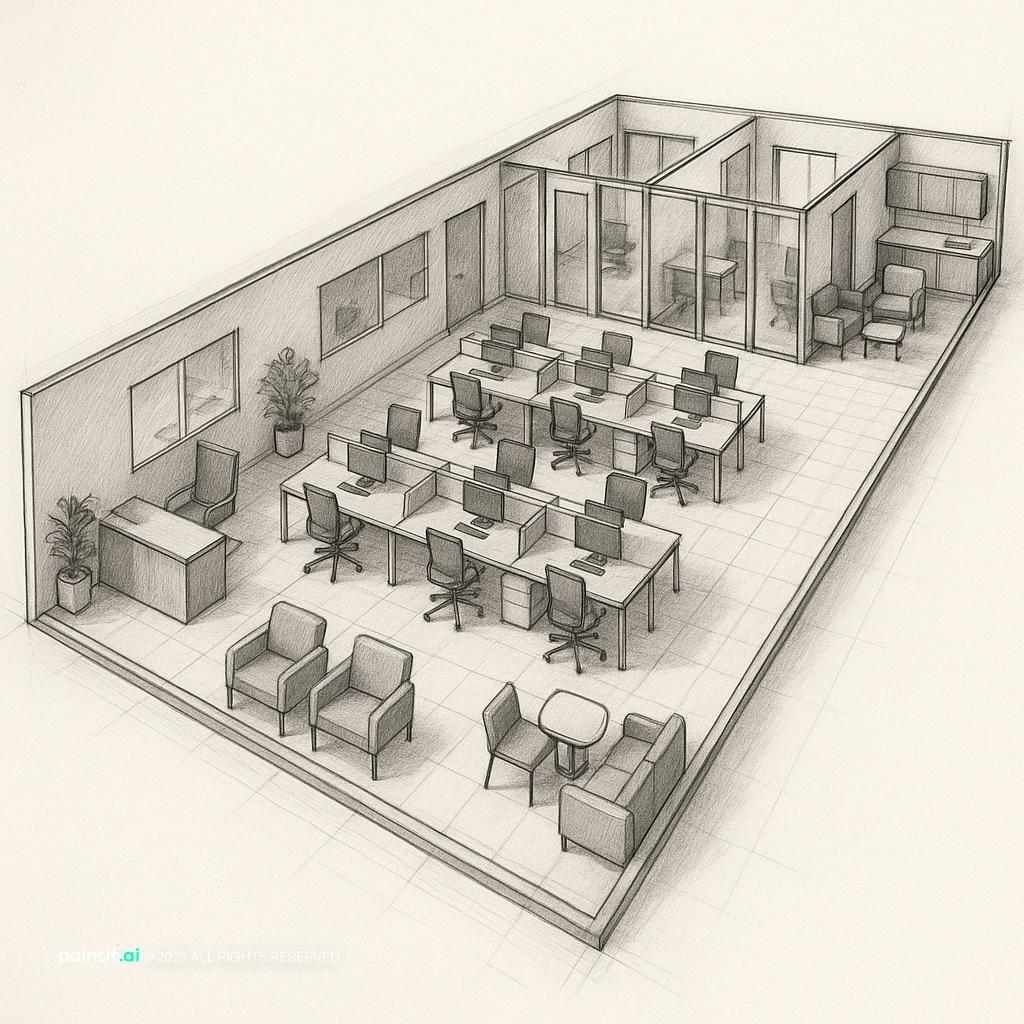
Adding live plants or well-made artificial greenery can boost mood and soften institutional edges. Opt for easy-care options such as snake plants or pothos if maintenance is a concern.
-
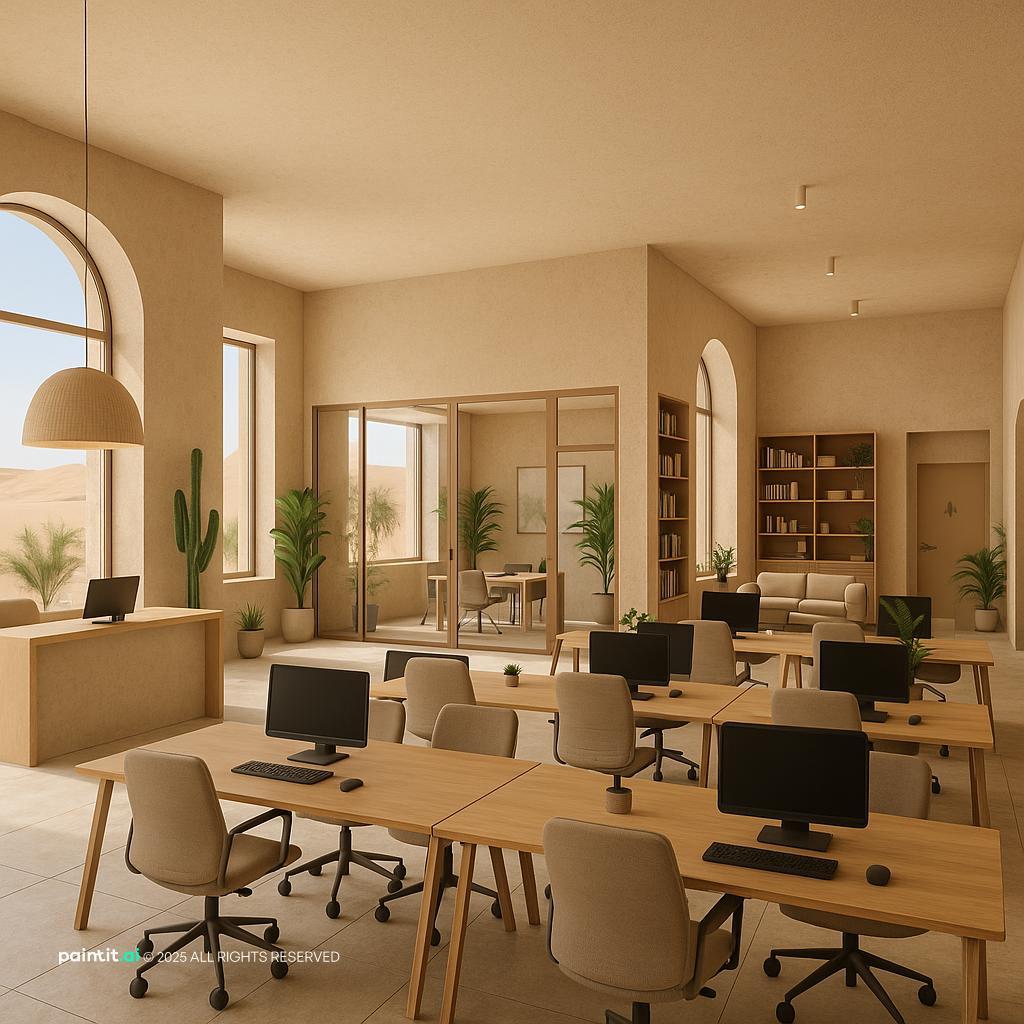
Provide varied seating, think low benches, armchairs, or even window seats, where visitors and students can wait comfortably. Furniture on casters is helpful for rearranging spaces as needs change.
-
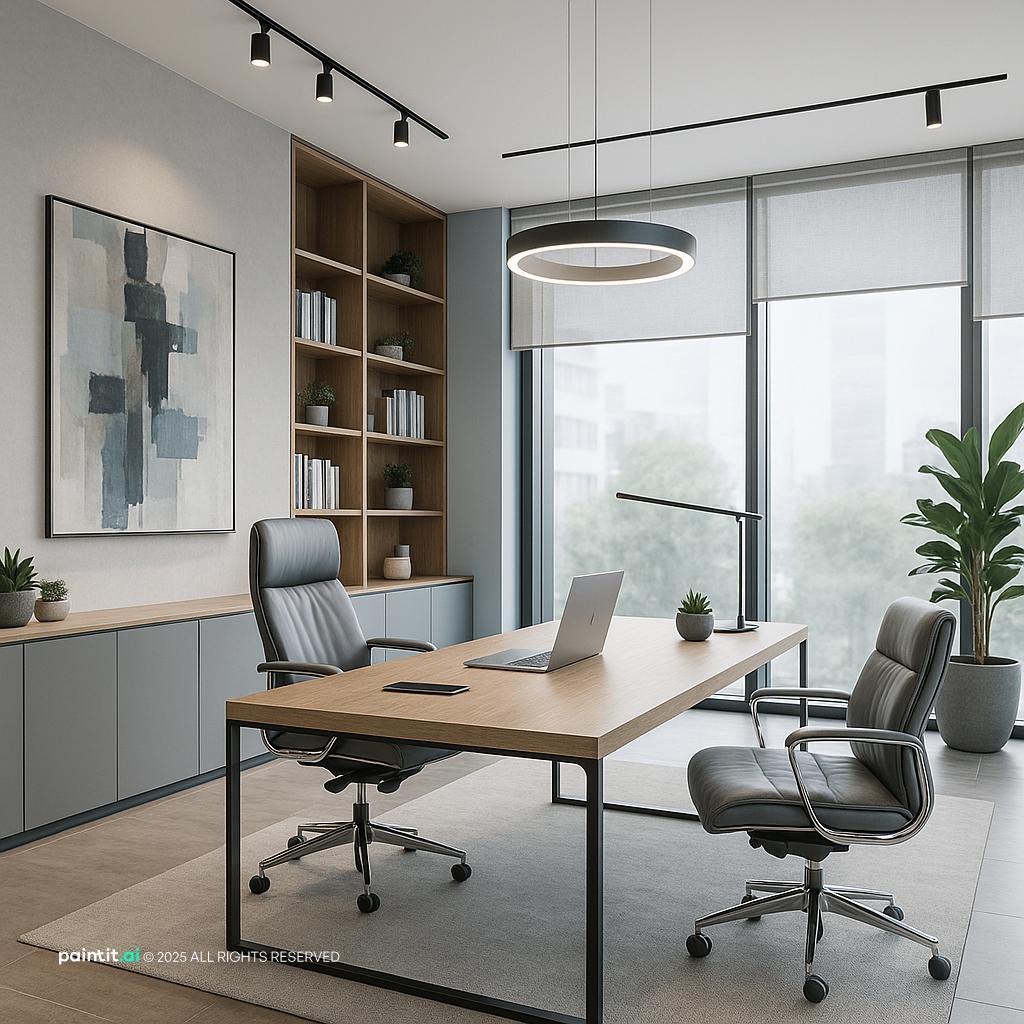
Rotate student artwork to animate walls and give a sense of ownership. This encourages creativity and provides a glimpse into school culture for guests.
-
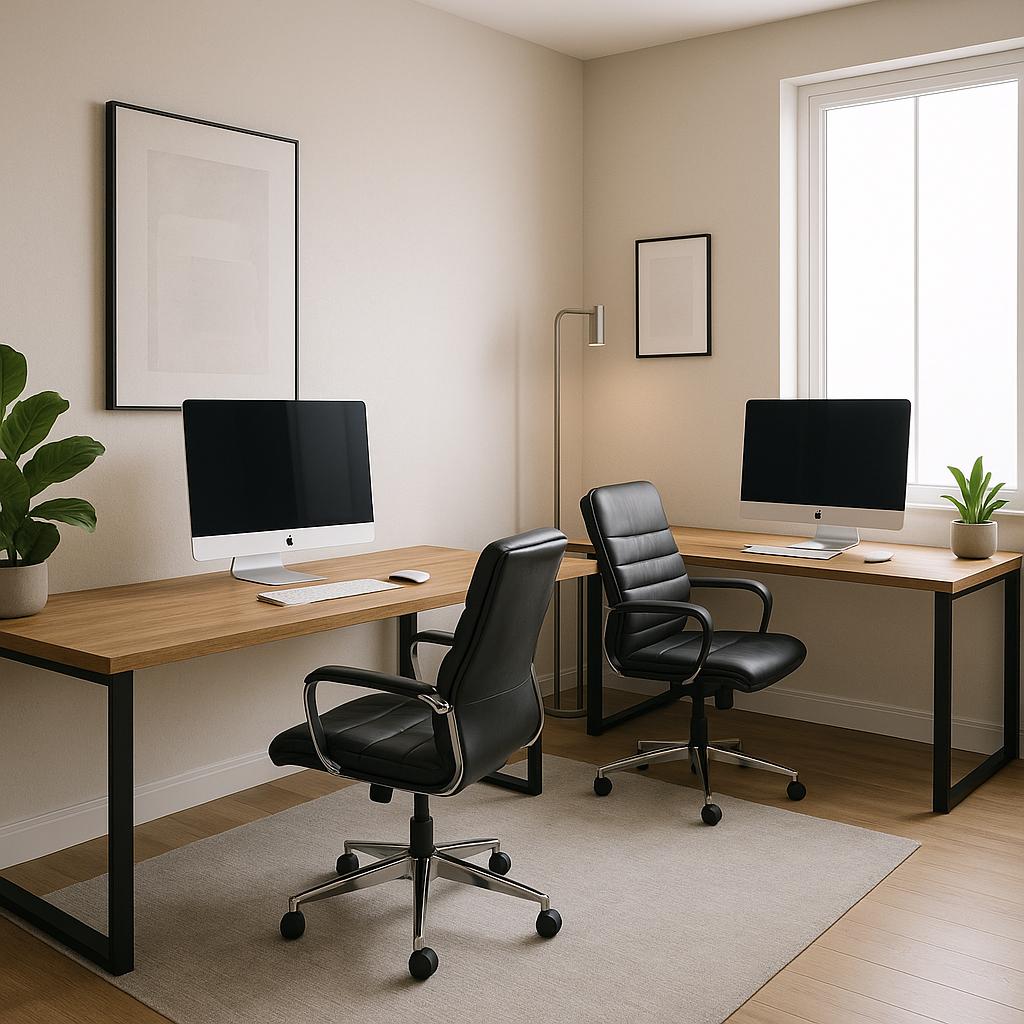
Try wire hanging systems or cork strips for easy and damage-free swaps.
-
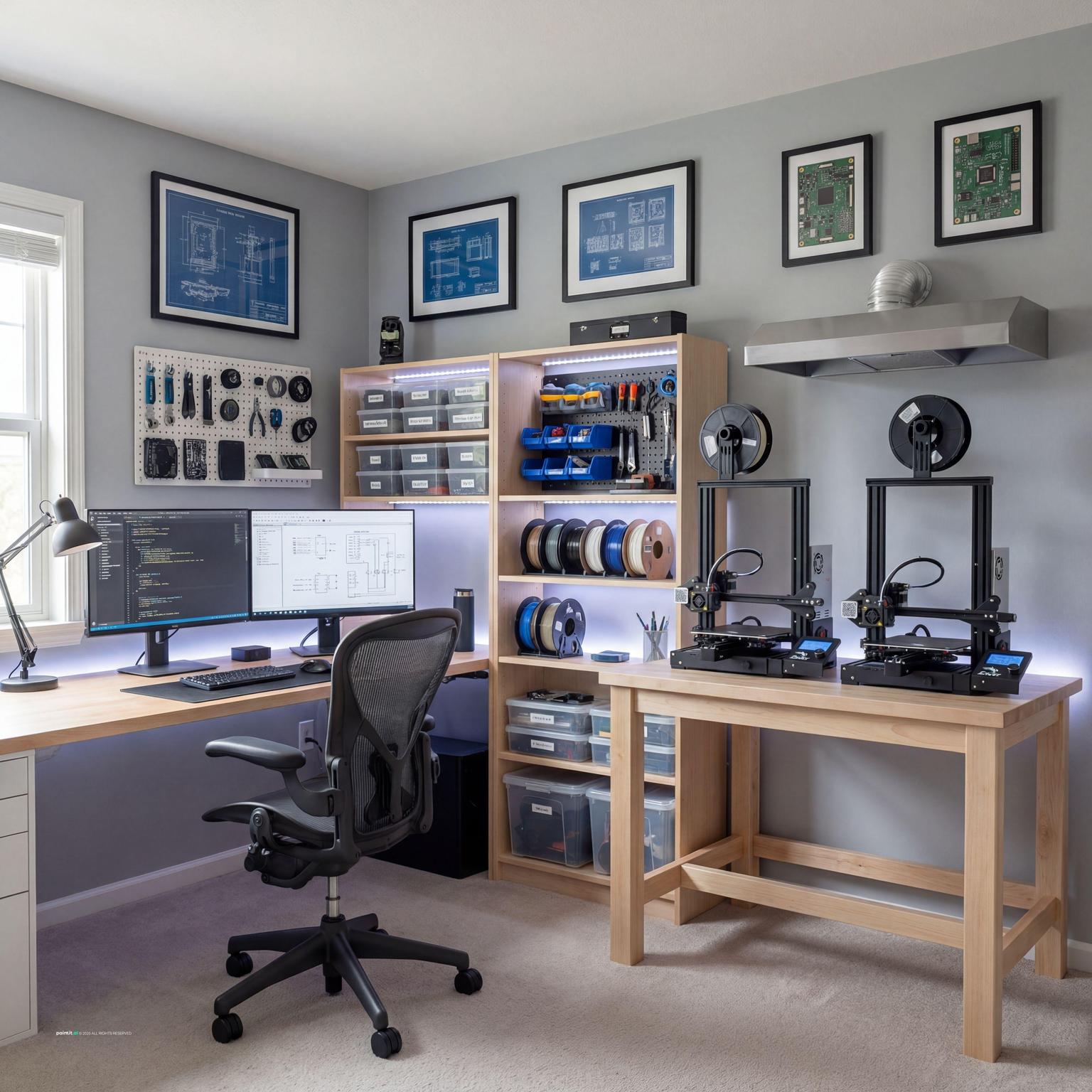
Sound-absorbing wall or ceiling panels reduce echo and create a calmer environment. Choose panels in colors or shapes that complement the overall aesthetic.
-
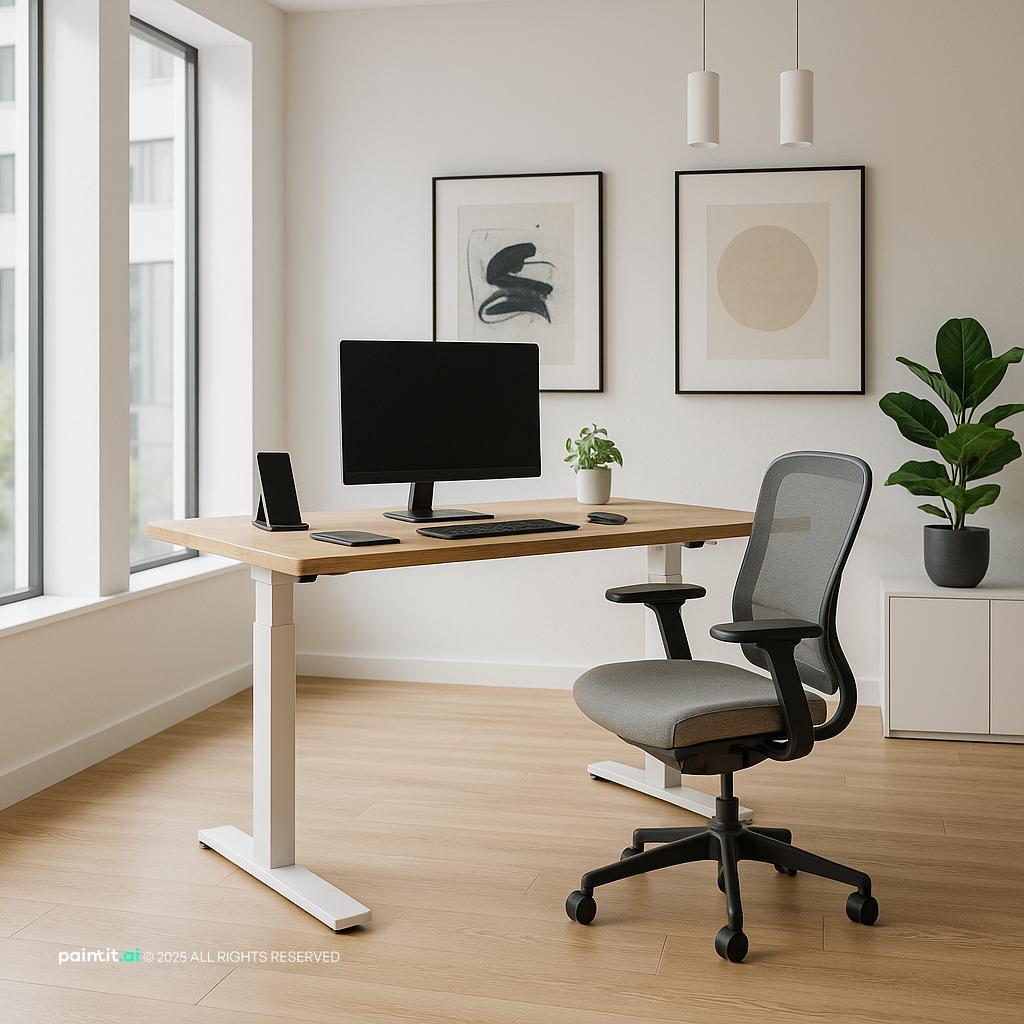
Bespoke cabinetry and organizers tailored to the workflow of the office help keep supplies close at hand and surfaces clutter-free. Consider lockable units for sensitive materials.
-
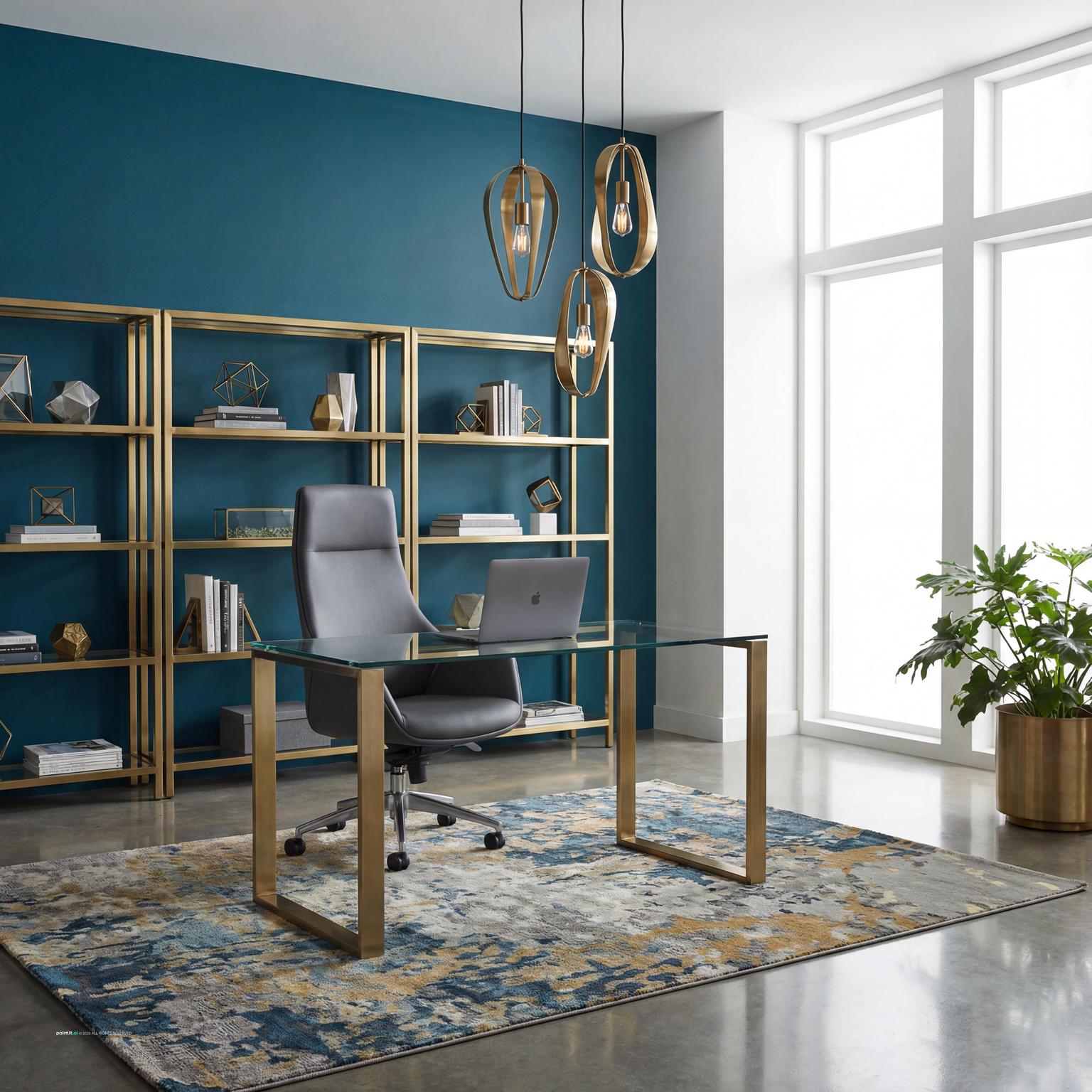
Mount a digital screen for news, schedules, or welcoming messages. It also allows employees to update the status of their tasks during the day easily.
-
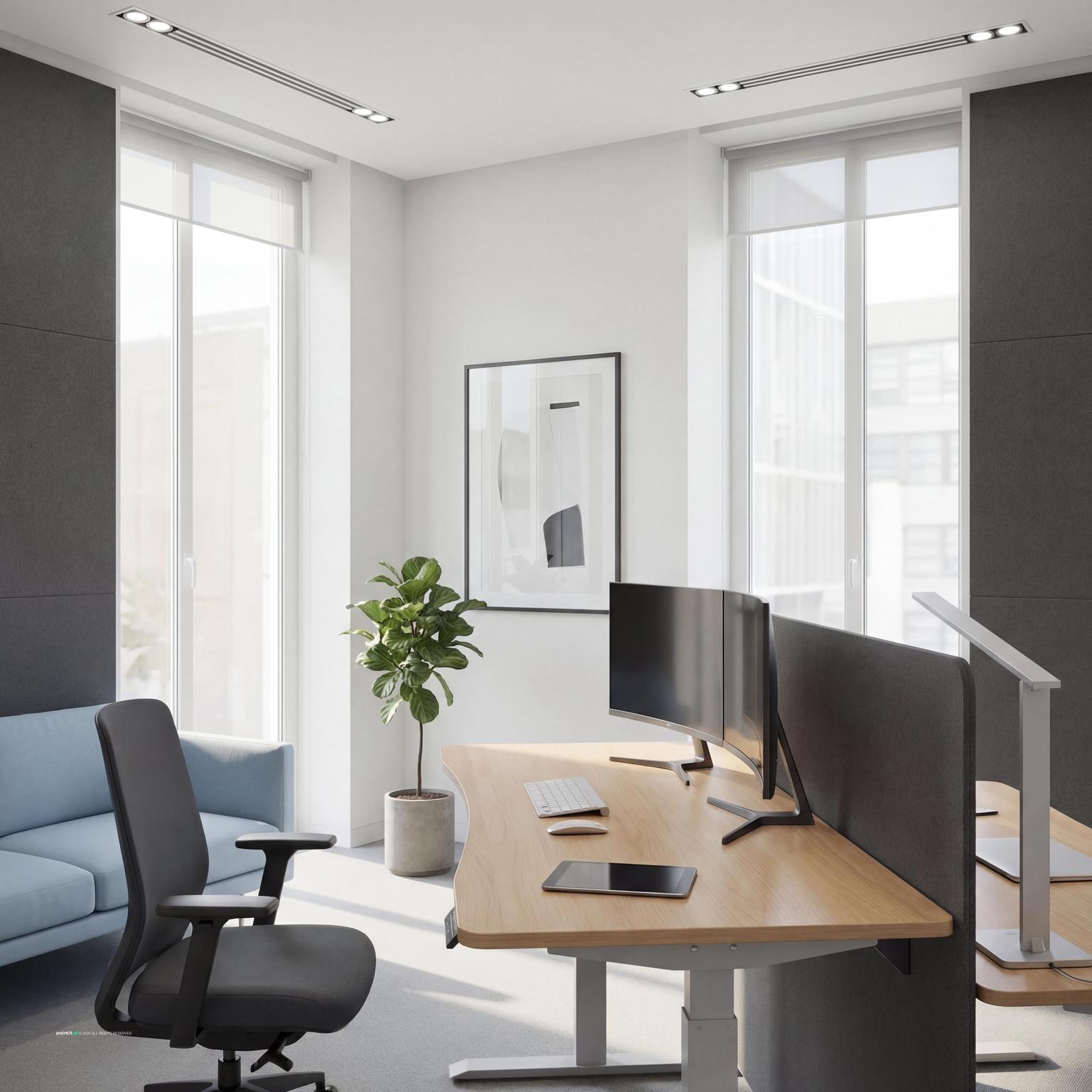
Create a comfortable seating area with reading materials and school information for parents and guardians. Offer a coffee station or hydration area for extra hospitality.
-
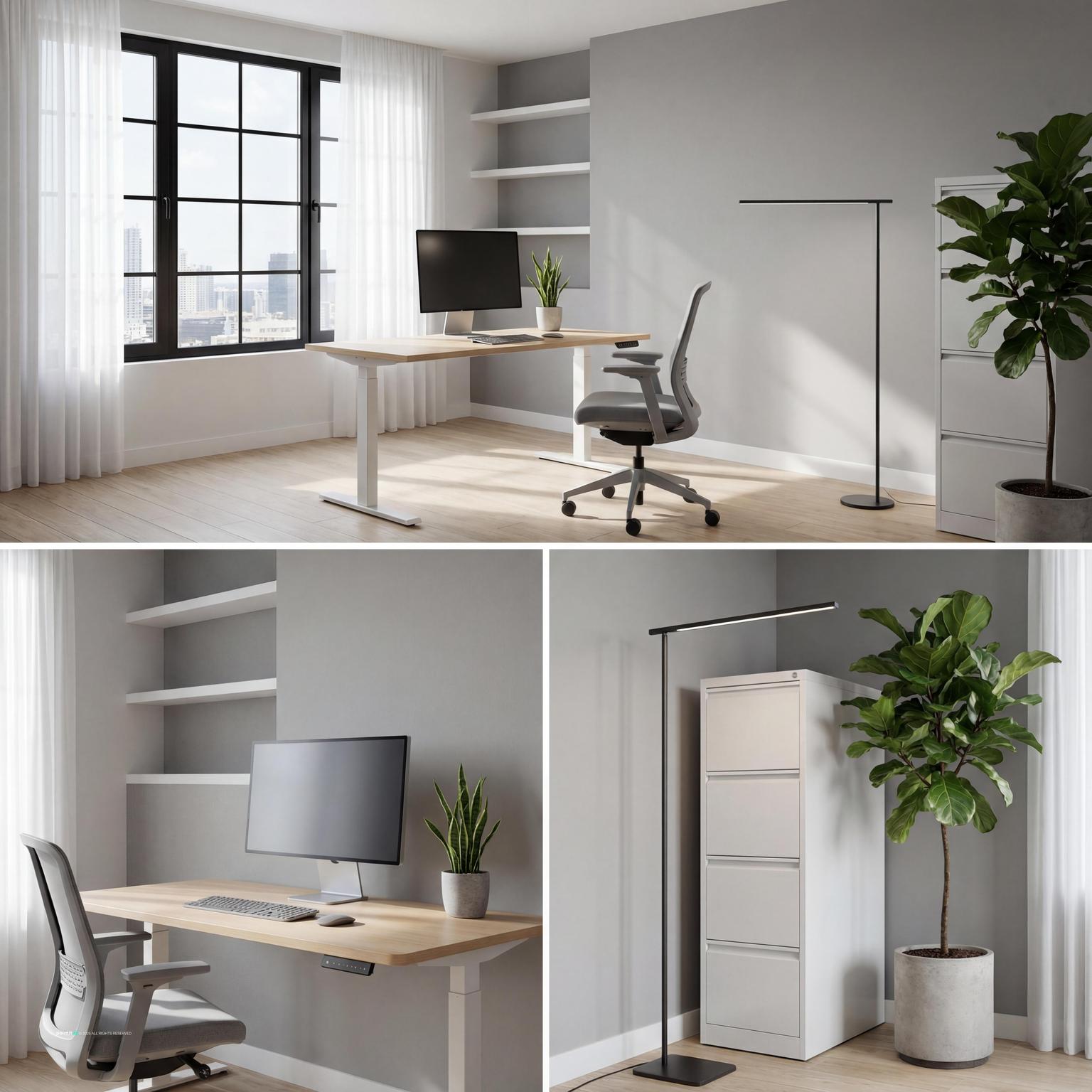
Dedicated spaces for achievement badges, event photos, or motivational messages can support school pride. Update these boards regularly to keep things fresh and relevant.
-
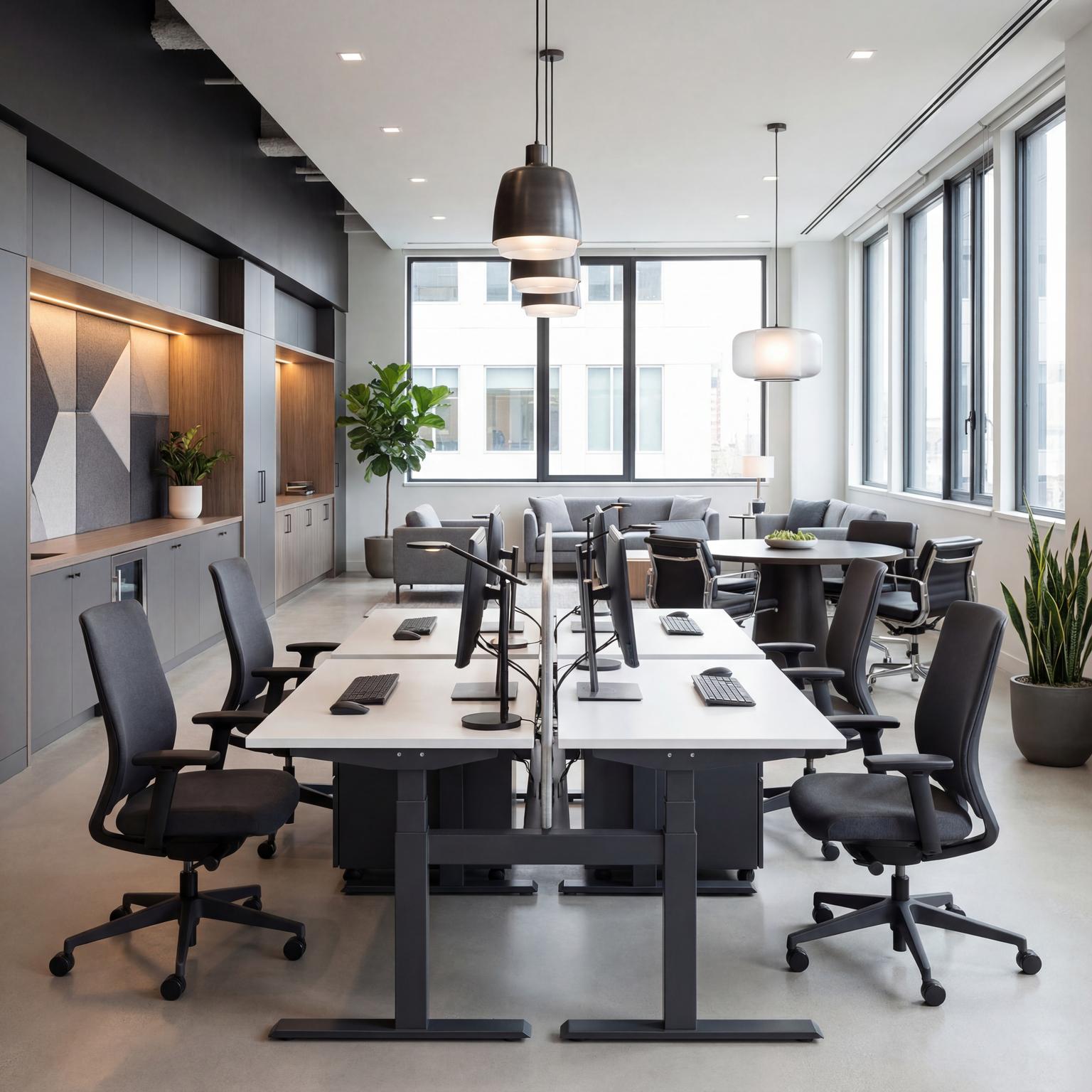
Designate clearly labeled file drawers or wall-mounted organizers to prevent paper piles from taking over. Color-coding can expedite retrieval and re-filing, especially during busy periods.
-
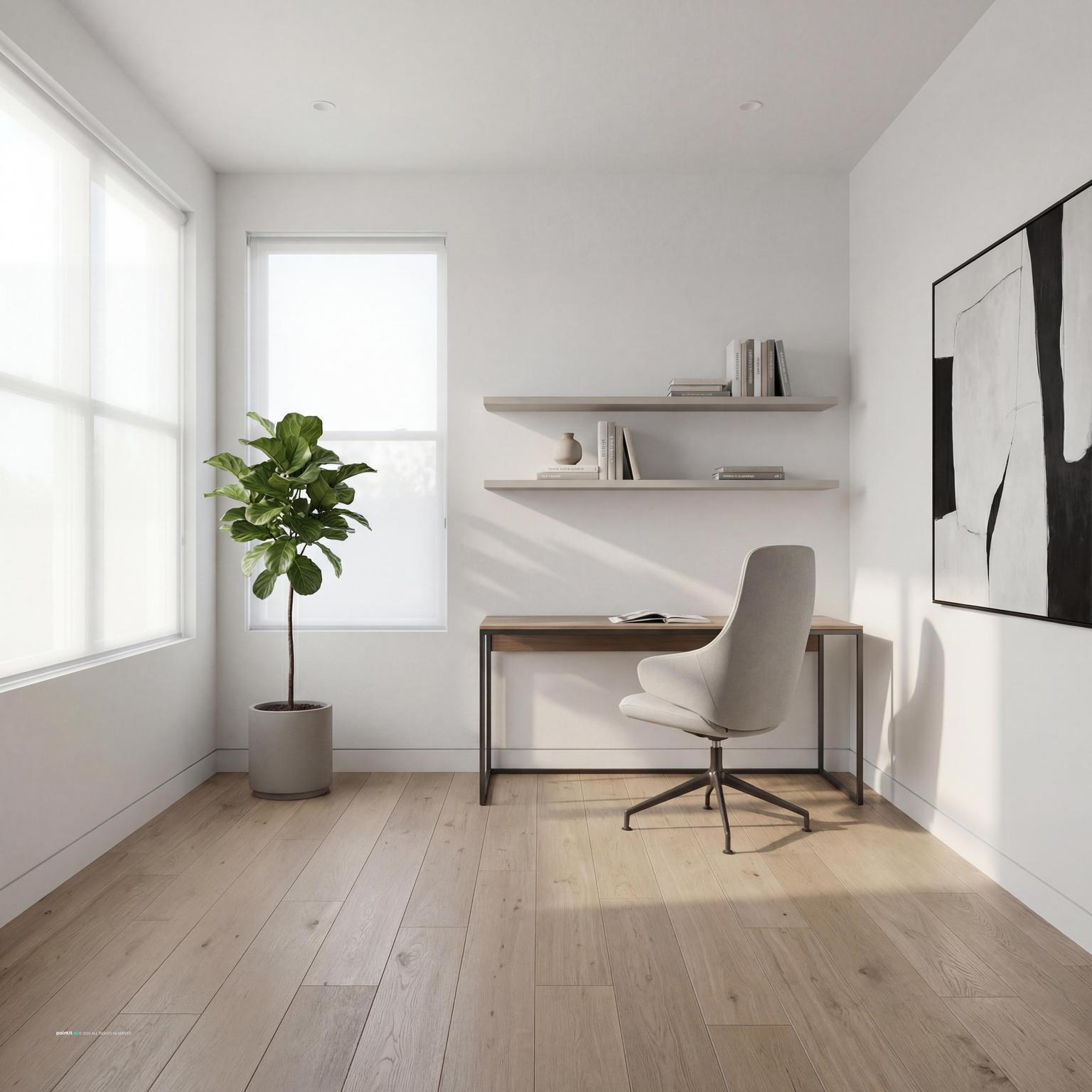
Partitioned alcoves or small glass-walled rooms allow for discreet meetings with students or parents while keeping supervision possible. Soundproofing these areas adds an additional layer of confidentiality.
-
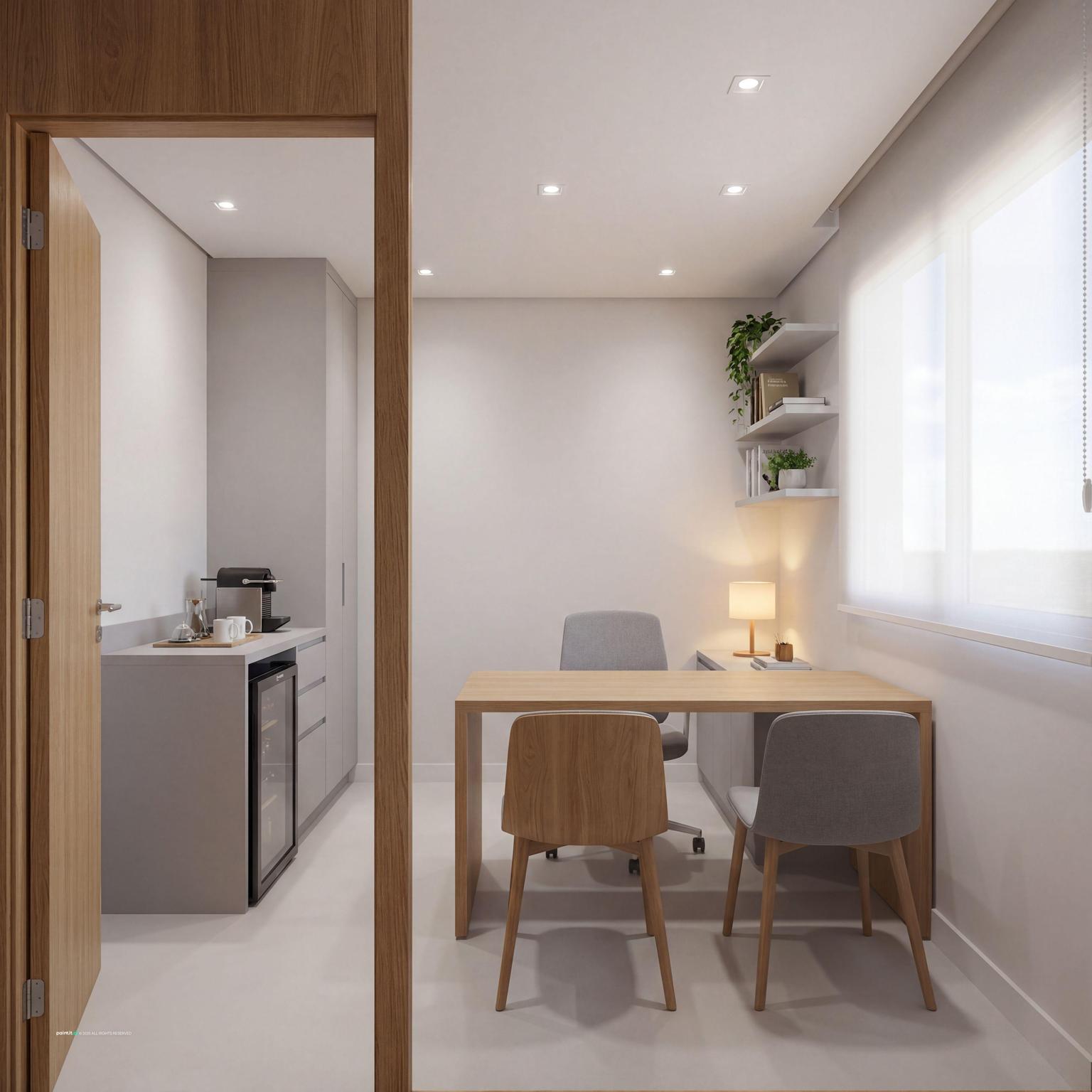
Provide dedicated points where staff and visitors can plug in devices. Integrated USB and power outlets in furniture or wall fixtures help ensure ongoing connectivity.
-
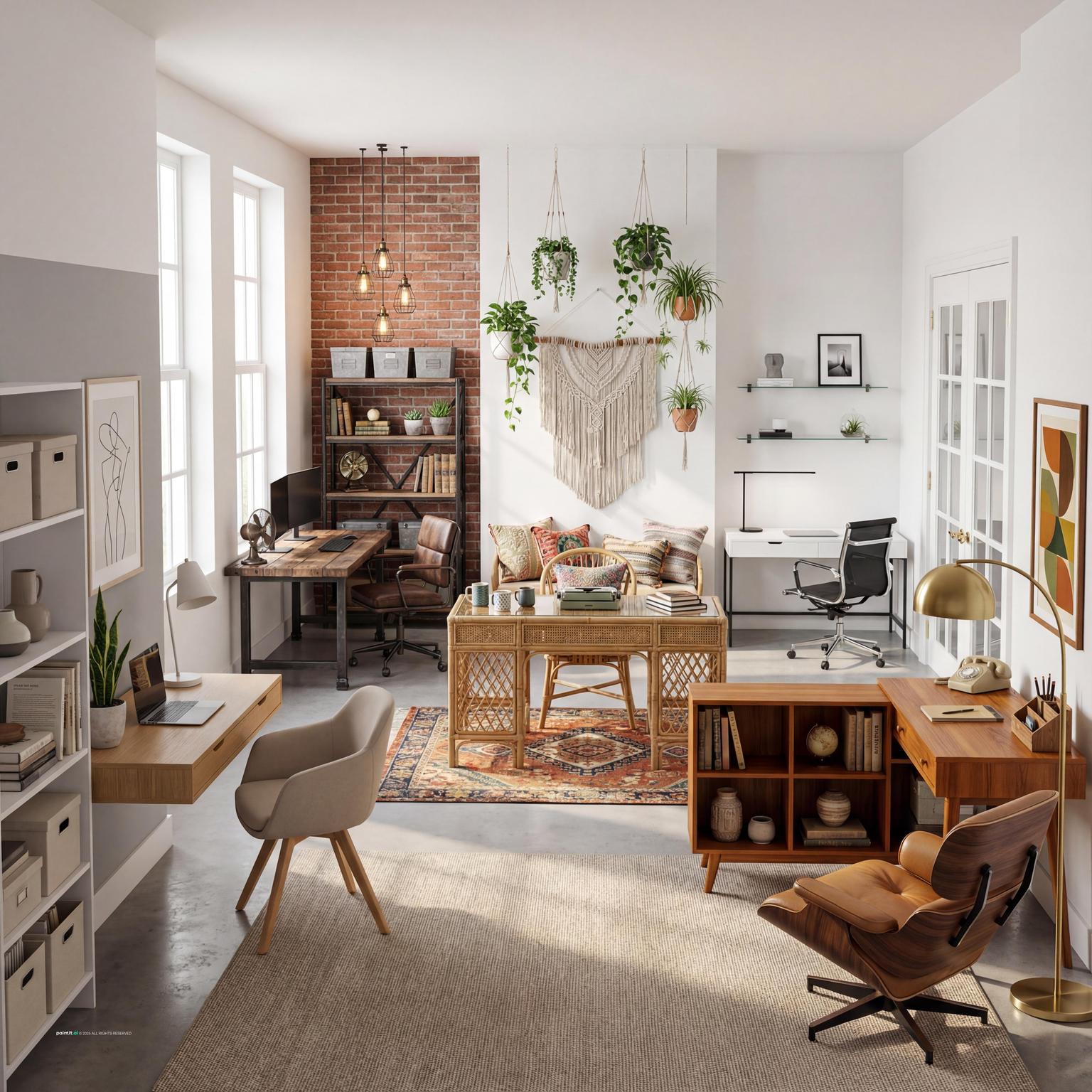
Stations with small lockers allow for secure charging during meetings.
-
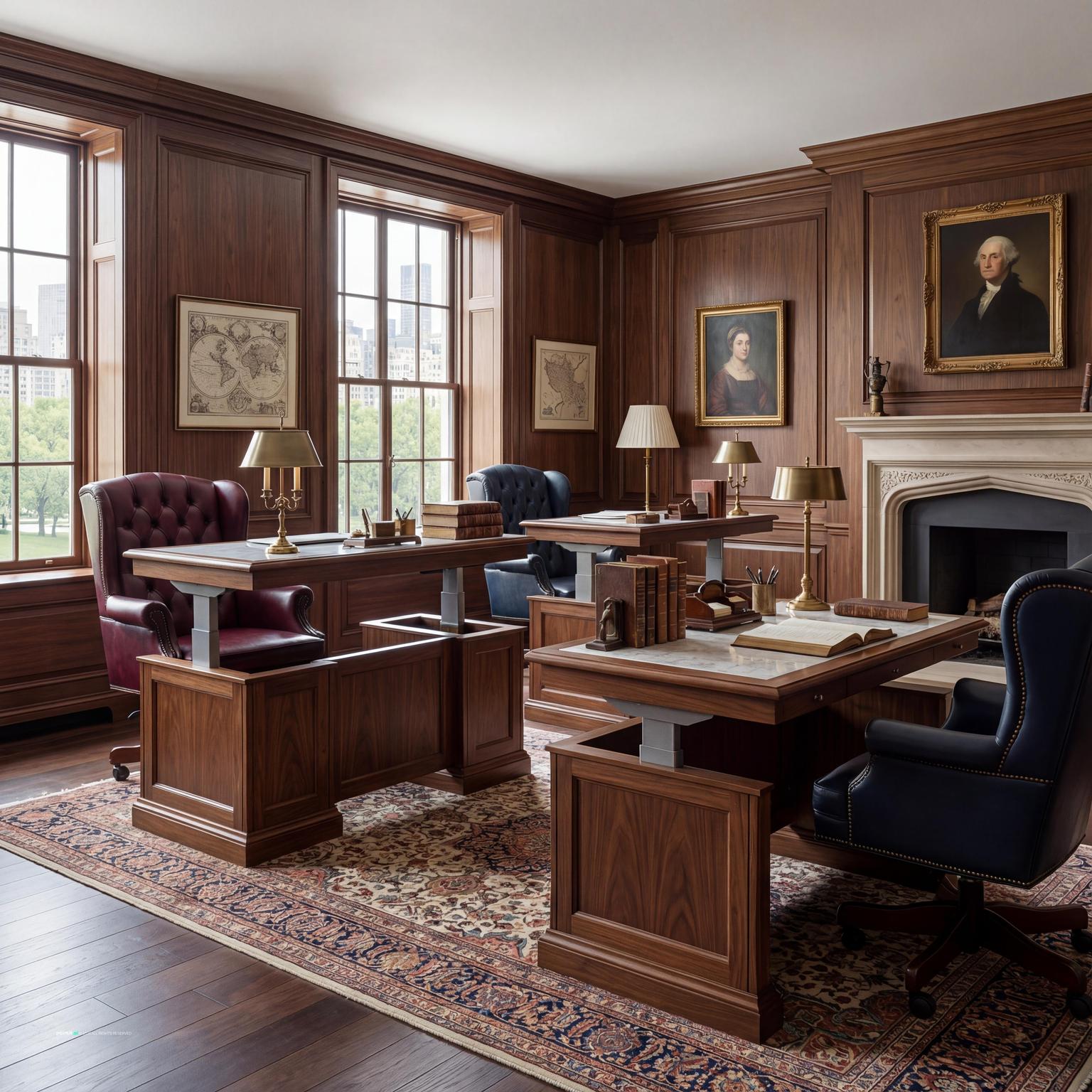
Opt for soft neutrals or desaturated blues and greens to evoke relaxation and focus. Pair with pops of brighter color on accessories to keep the space lively yet grounded.
-
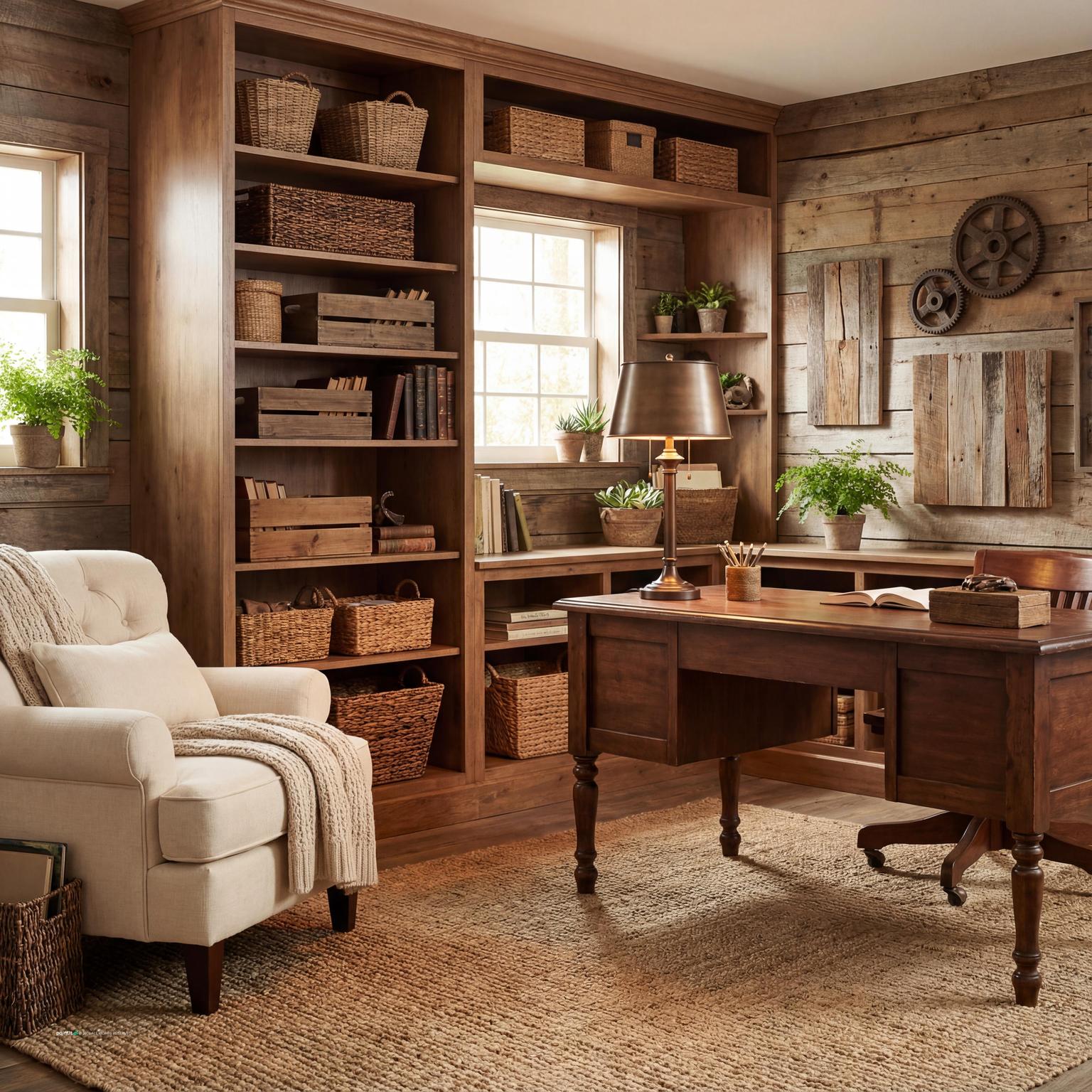
Large, easy-to-update wall calendars or digital scheduling screens help everyone stay on the same page. For high-traffic areas, dry-erase options are a hit for quick changes and reminders.
-
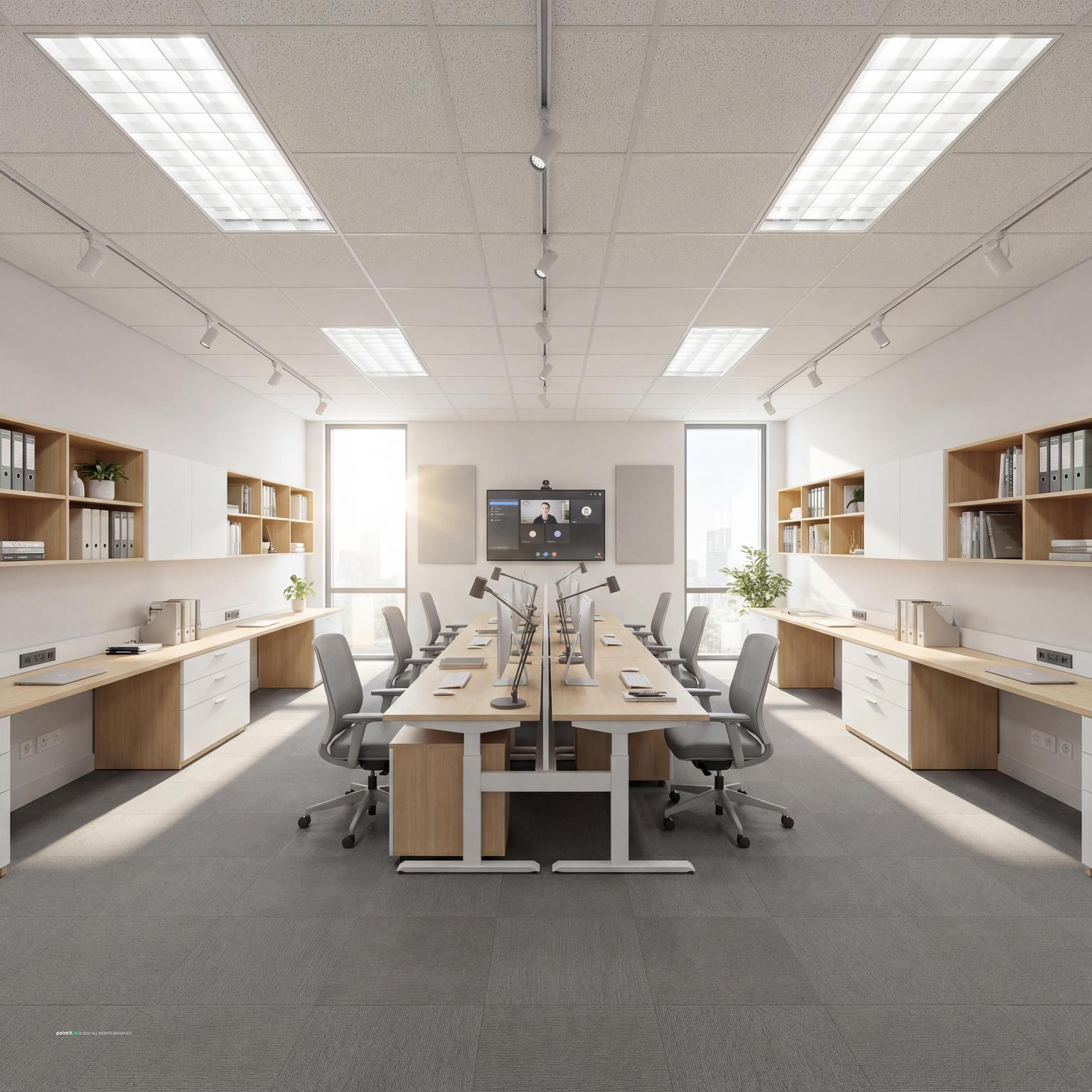
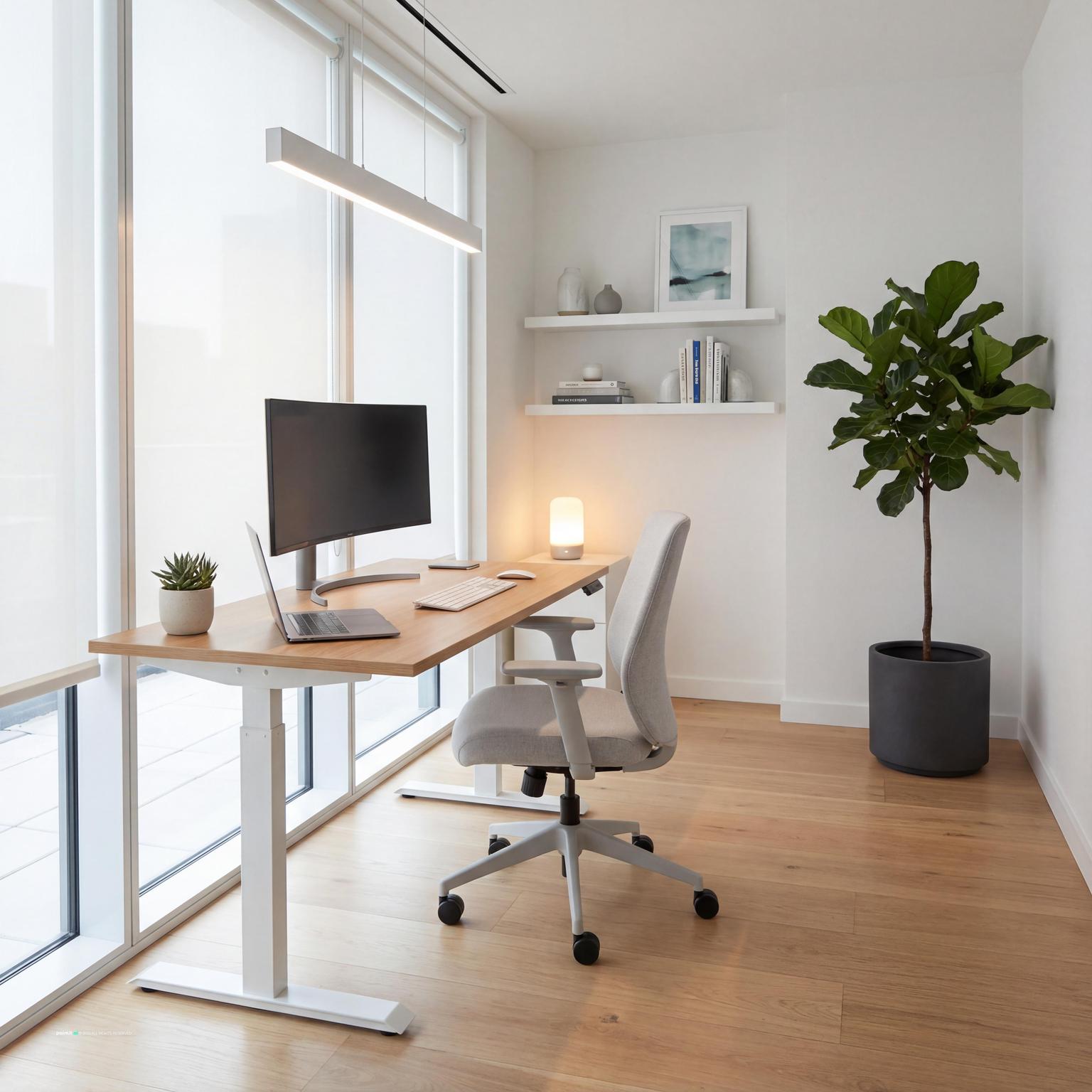
Comfortable desks and chairs boost productivity. Adjustable-height desks, supportive chairs and wrist rests for computers consider the daily strain employees experience.
-
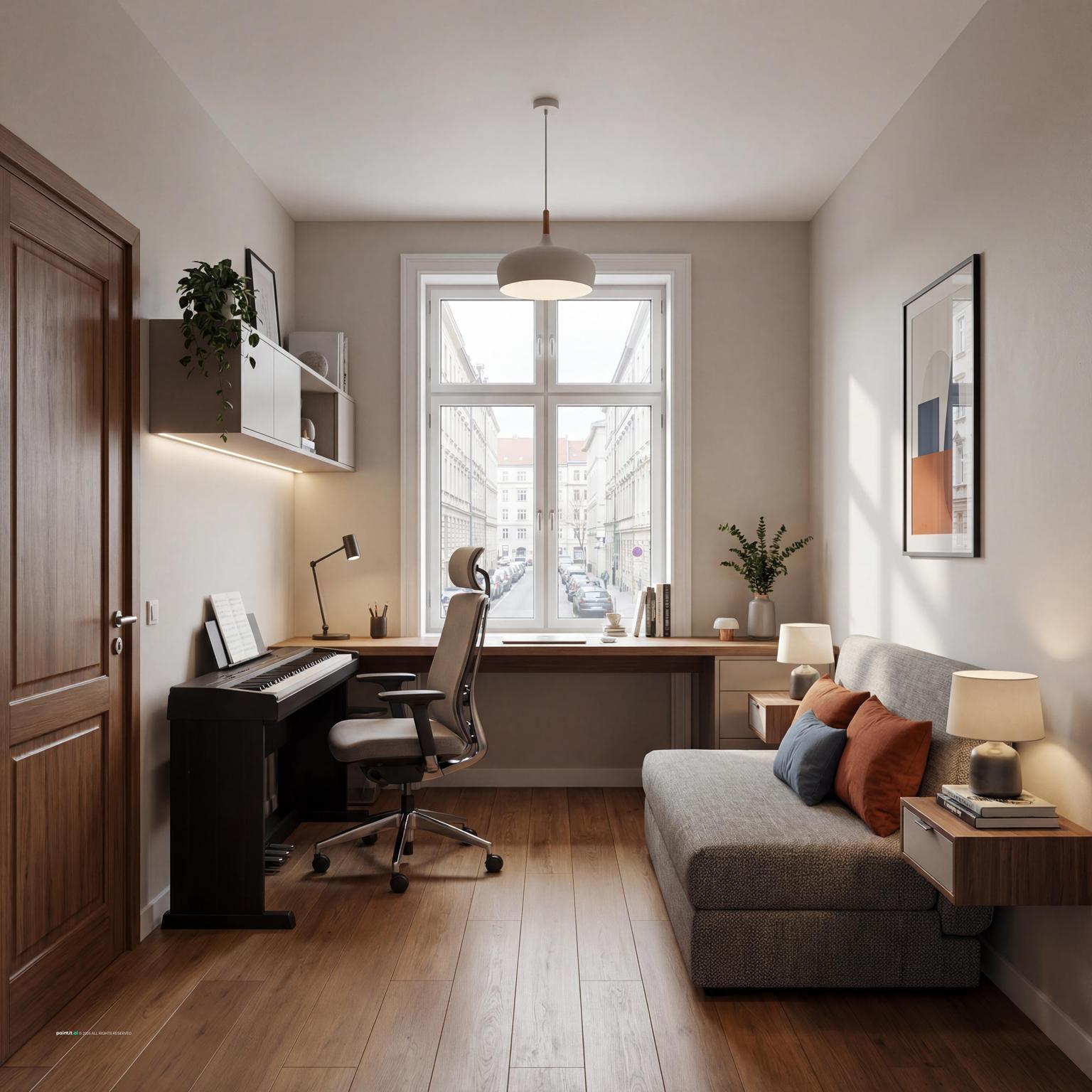
Incorporate digital tools that enhance accessibility, like voice-assist software, touchscreen kiosks, and hearing loop systems. These upgrades ensure the space welcomes everyone equally.
-
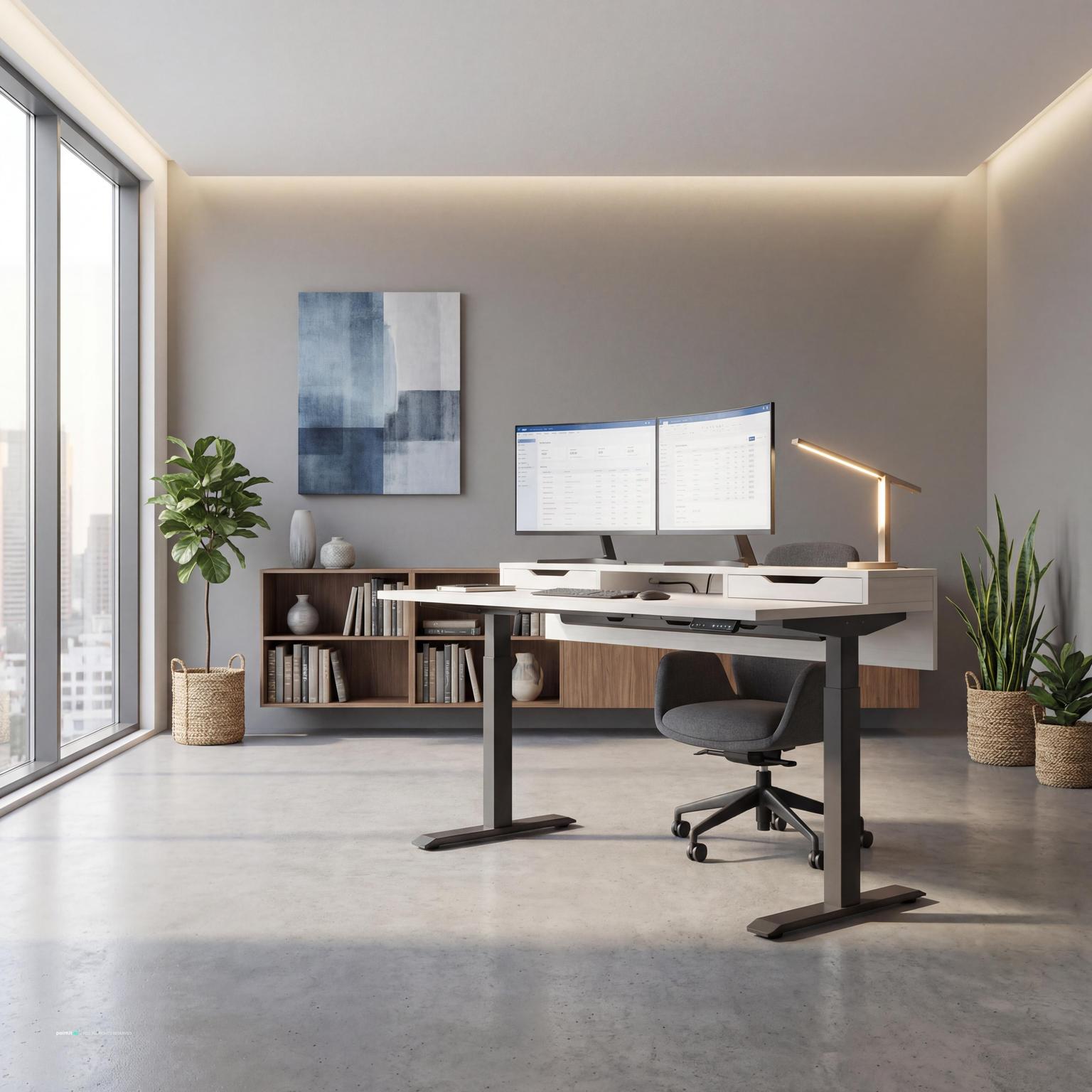
Provide secure containers for document drop-off, payments, or student notes. Position them near the entrance so families can quickly submit items even outside office hours.
-
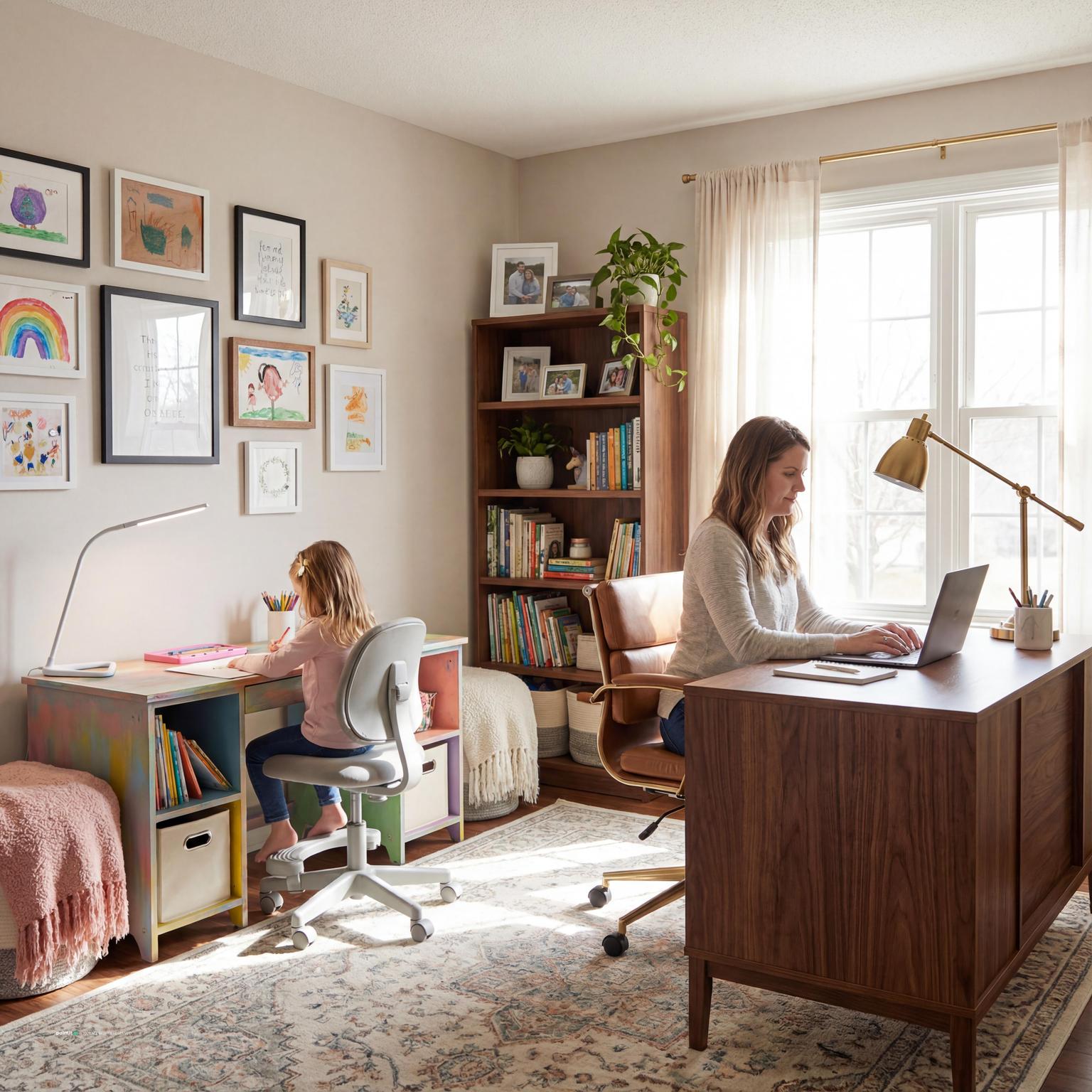
Dedicate shelf or wall space for brochures about local programs, health services, or enrichment opportunities. Keep resources updated so families walk away with current, practical information.
-
Greet visitors with their name on a digital sign or chalkboard when possible. Even a small personal touch can make interactions smoother and more memorable.
-
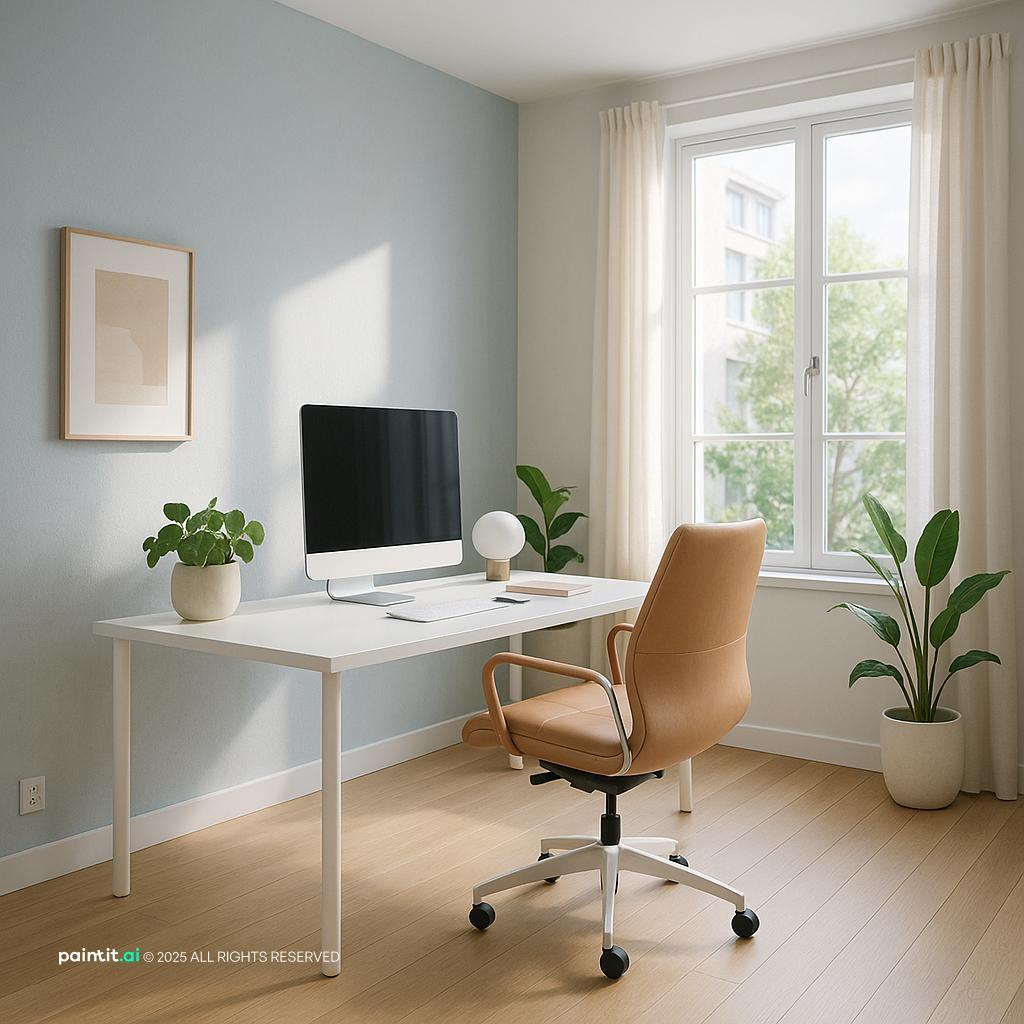
Include quiet corners with soft lighting and reduced visual clutter for students or visitors who may need a sensory break. Soft floor coverings further dampen sound and bring comfort.
-
Incorporate the school logo or colors in subtle ways, on throw pillows, window films, or entry mats, so that staff and guests feel they’ve truly entered a unique, unified environment.
-
Over time, small, coordinated touches can build strong connections to community and tradition.
School office zones and what each one needs
A school office serves visitors, staff, and confidential conversations in the same footprint. These are the functional zones worth planning for separately.
| Zone | Key requirement | Sightline / access note |
|---|---|---|
| Reception counter | 91-107 cm (36-42 in) standing-height counter | Direct sightline to main entrance and corridor |
| Visitor waiting | Seating for 3-4 minimum, away from confidential desks | Visible from reception, not from admin workstations |
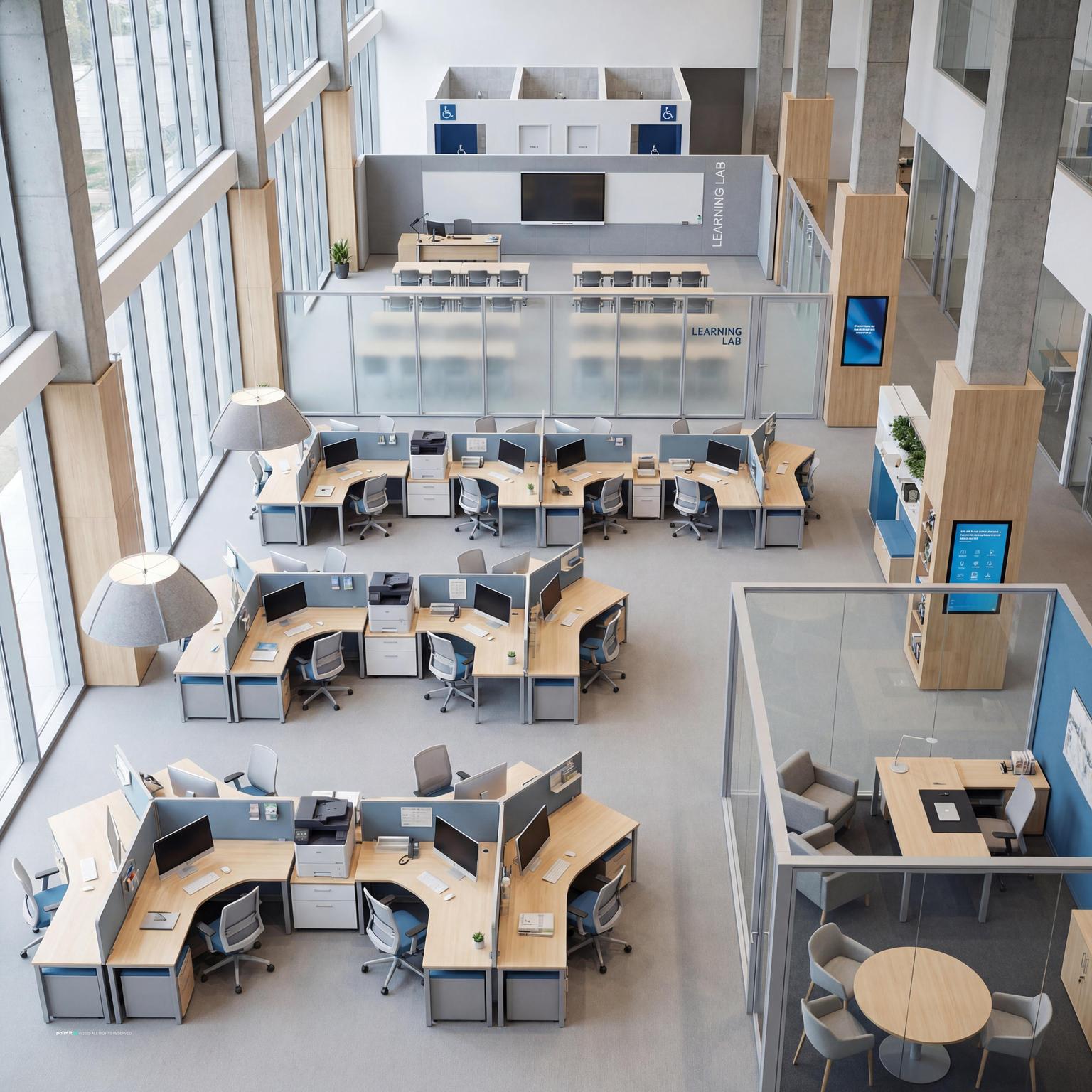
| Admin workstations | Acoustic separation or partial screening | Not visible to waiting visitors, to protect student records |
| Confidential meeting room | Fully enclosed, sound-isolated | Separate entrance path where possible |
| Records / storage | Lockable, away from public circulation | Staff-only access |
Visualize your school office design with Paintit.ai
Upload a photo of your school office to app.paintit.ai. Test different colour schemes, desk configurations, and wall treatments in 1-2 minutes. Useful for presenting proposed changes to school leadership or governors, or for comparing a warm neutral palette against something bolder with a colour feature wall.
Related design tools
More workspace planning resources for education teams.
FAQ
-
Incorporate warm lighting, comfortable seating and greenery for a welcoming look. Arrange furniture for easy movement – Make sure that parents and staff members can move through the spaces without congestion.
-
Soft neutrals (e.g., pale gray, beige, or muted blue) Use accent walls in soft colors to help students focus. Avoid harsh colors, as they may feel overwhelming in a working environment.
-
Overcrowding with bulky furniture, poor lighting, and ignoring noise control are common errors. Choose space-saving desks, layered lighting, and absorbent materials for a smoother, more functional school workspace.
-
Use clear signage, uncluttered desk layouts, and soft seating. Incorporate natural light where possible and display school spirit with tasteful art or awards to set a positive first impression for visitors.
-
Integrated cabinetry and mobile storage units reduce clutter, making supplies easy to find without crowding the space. Prioritize vertical shelves to save floor area and keep everyday essentials within arm’s reach.