
Nanyang Style Interior Design
Nanyang style interior design blends tropical climate, Chinese and Southeast Asian references, rattan, patterned tile, wood furniture, and relaxed indoor greenery.
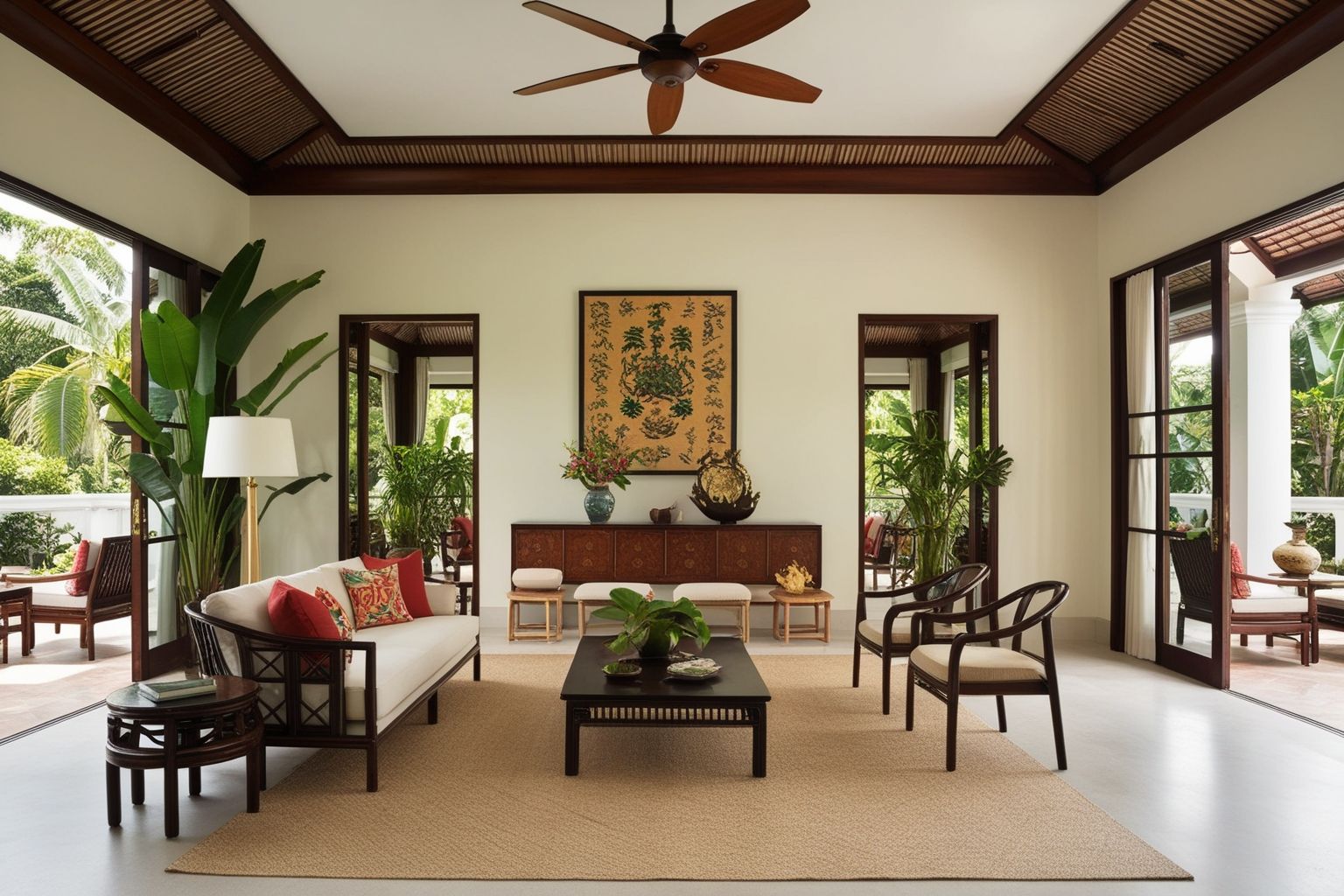
13 Nanyang Style Interior Design Ideas
-
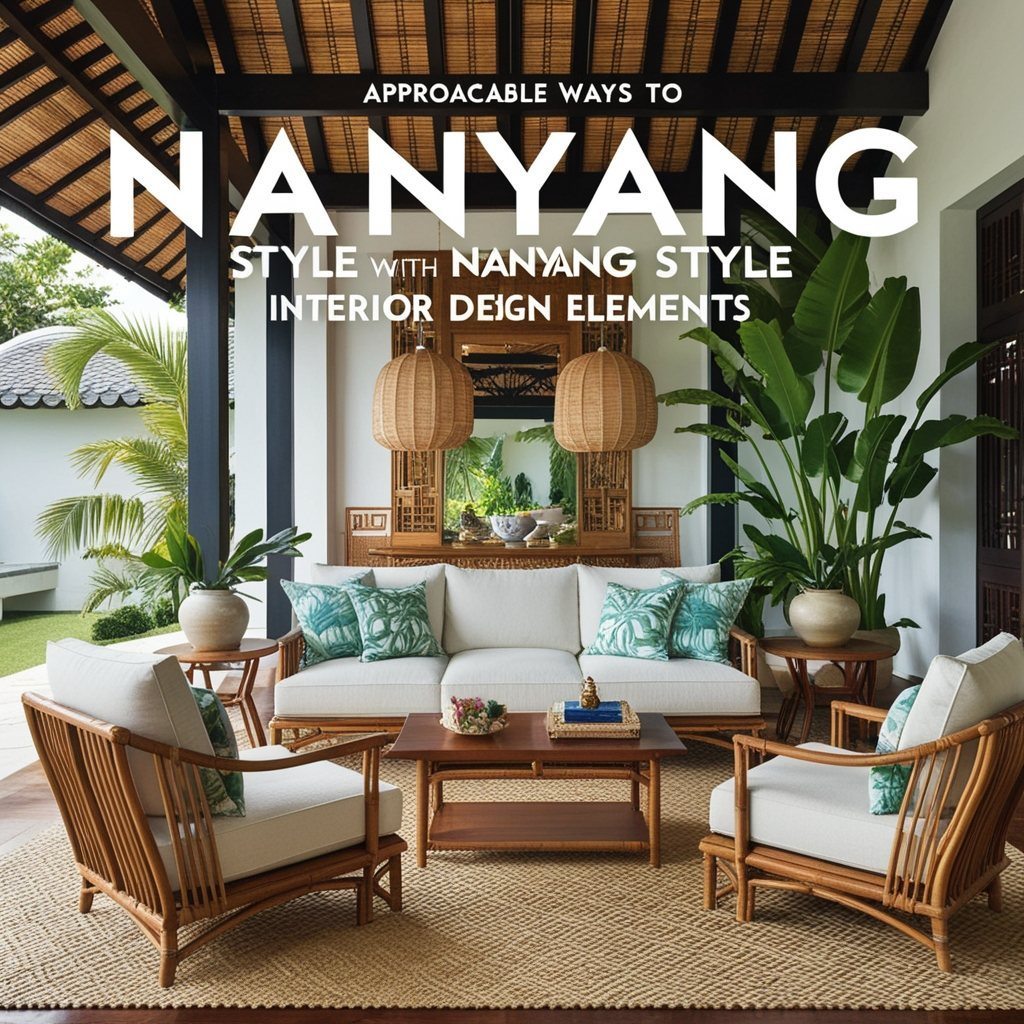
Layered Nanyang Living Space
Colonial-library furniture carries a lot of the Nanyang look on its own: a carved wood frame, deep floral fabric, and a patterned rug read as heritage pieces even in a plain room. Genuine ship paintings, brass sconces, or a globe add the period detail without tipping into costume.
-
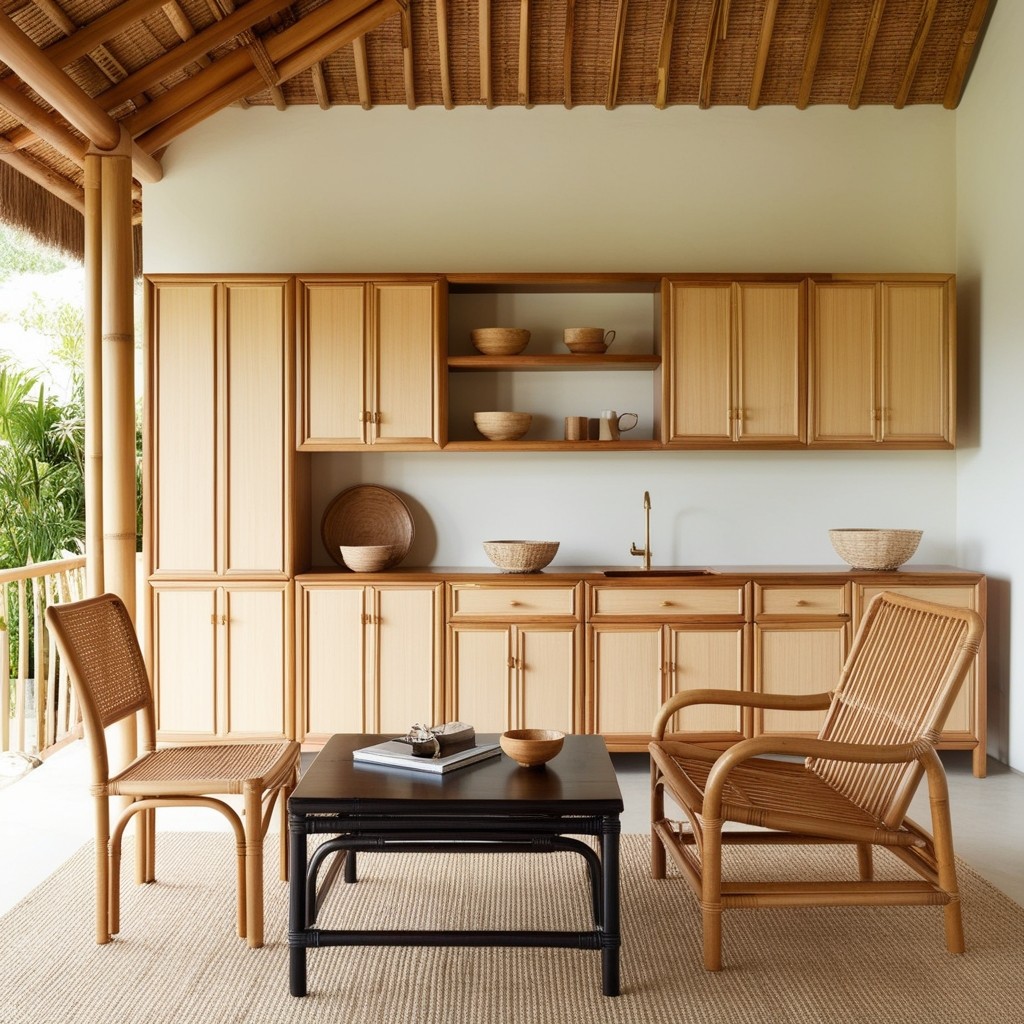
Rattan Nanyang Interior
Rattan seating against dark wood beams is the core Nanyang combination: cane and timber together, not one or the other. Keeping the doors open to greenery is doing as much work as the furniture.
-
Plant-Filled Nanyang Room
Rattan cabinet fronts instead of solid wood keep a kitchen or sideboard from feeling heavy, and open shelving lets ceramics and woven bowls double as display.
-
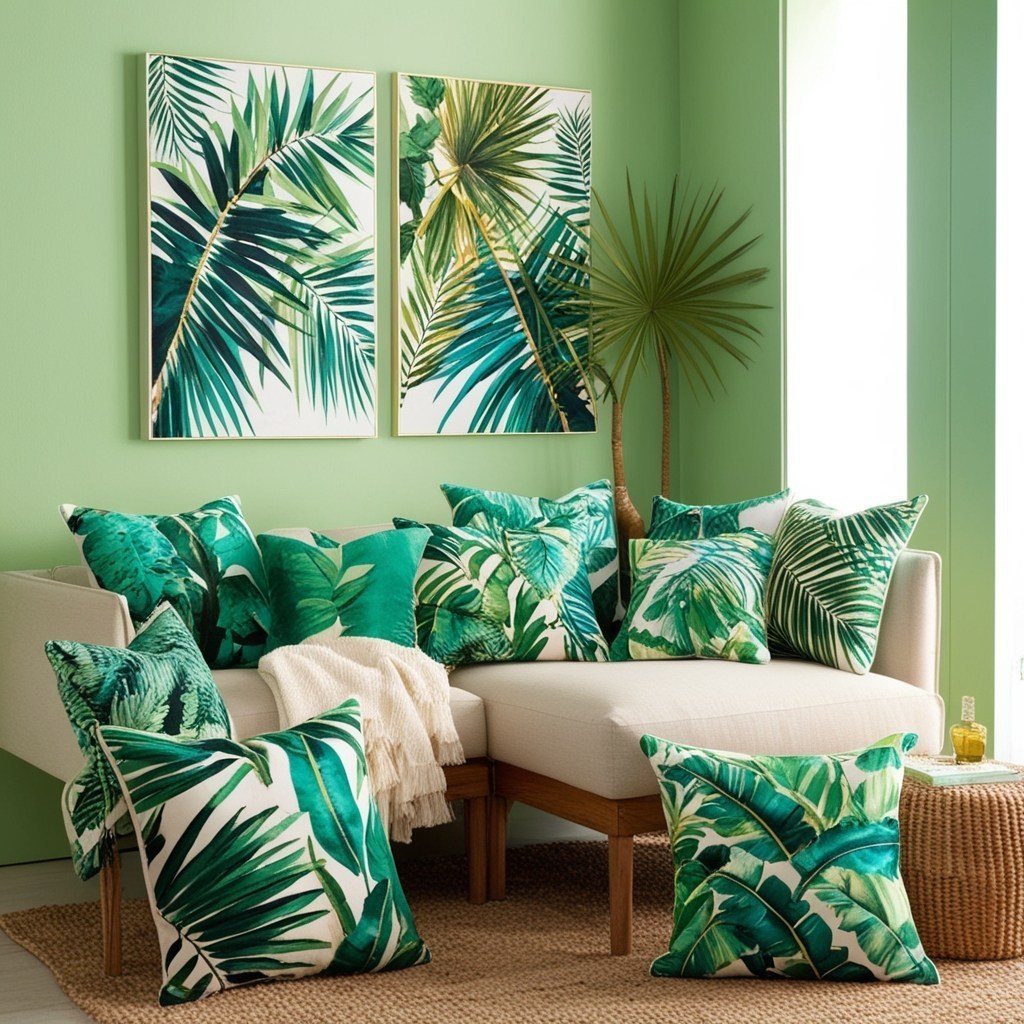
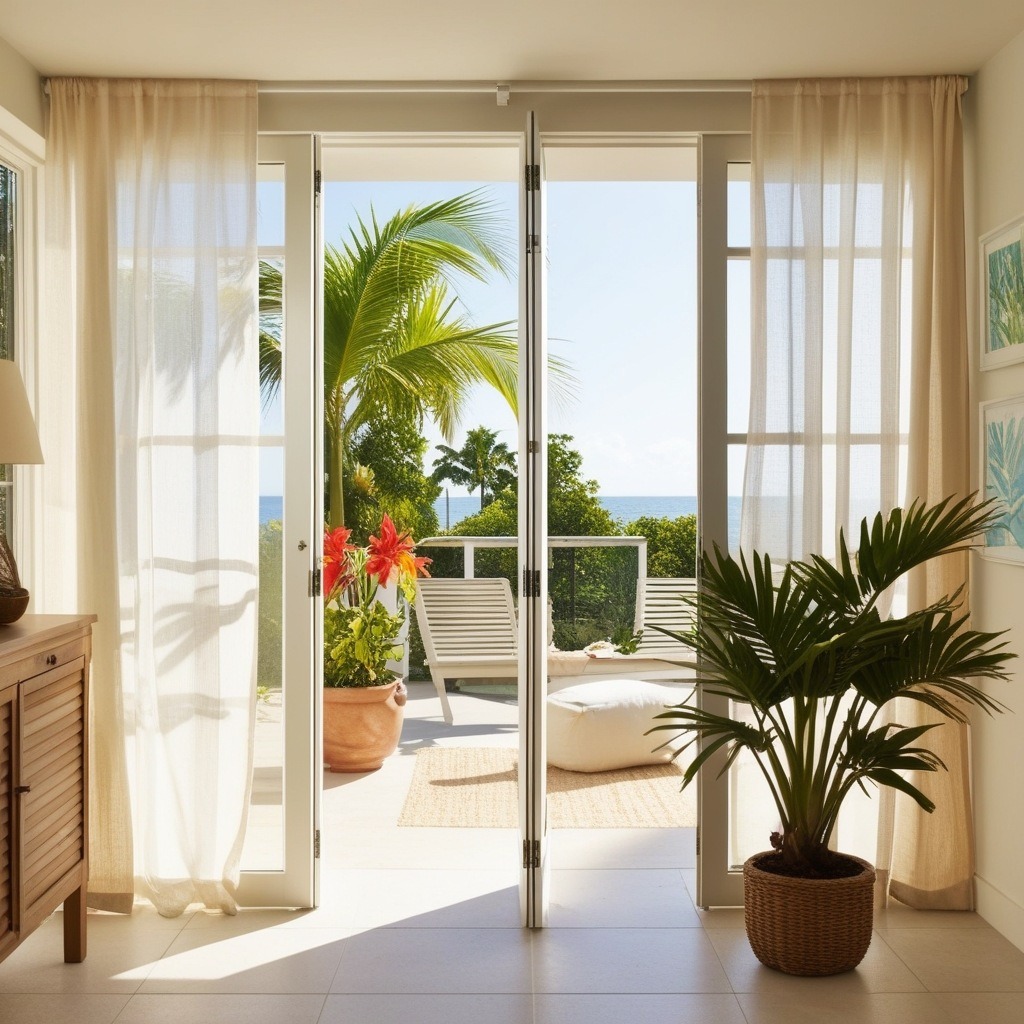
Patterned Rug Nanyang Interior
Sheer white curtains let the doorway stay the focal point rather than compete with it. Rattan furniture placed close to the opening blurs the line between the room and the garden outside.
-
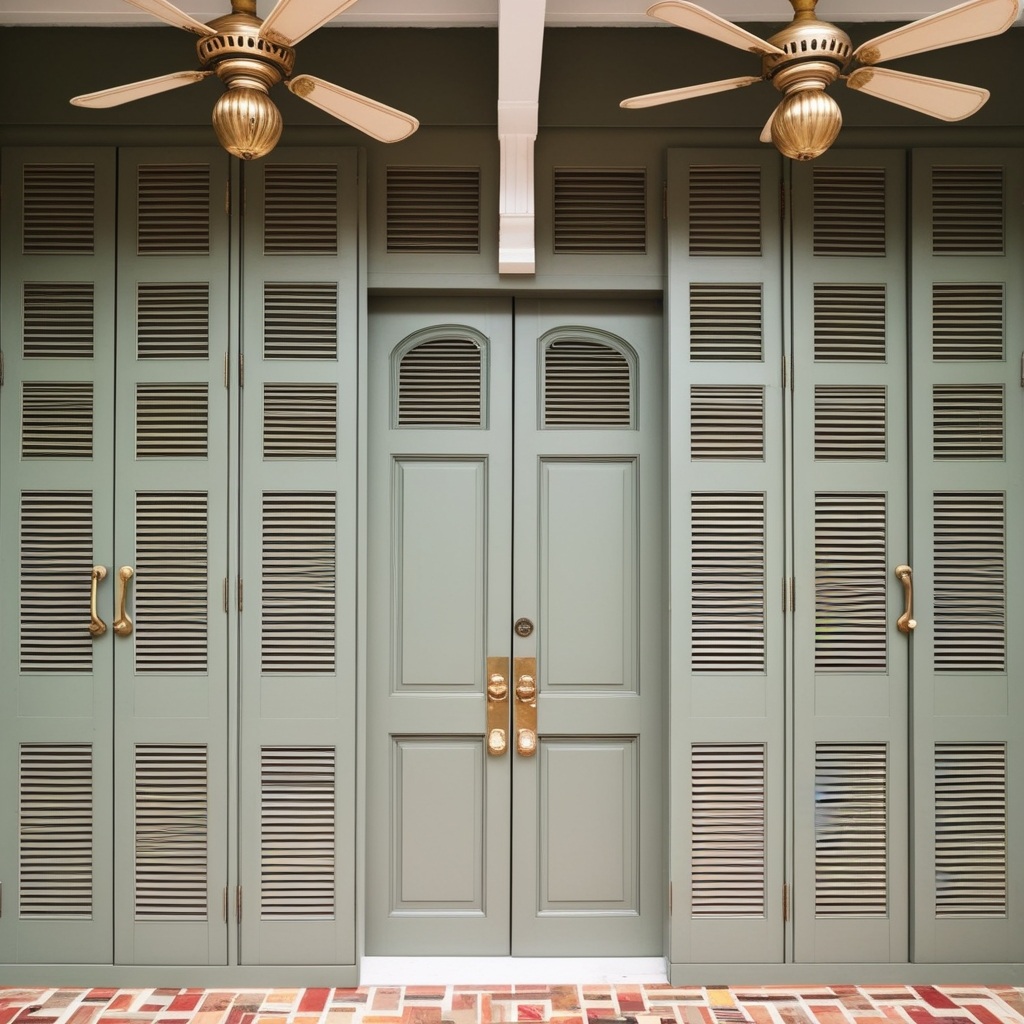
Vintage Furniture Nanyang Room
Louvered shutters in a muted green are one of the clearest Peranakan shophouse references. Brass hardware and carved timber trim around the doorway are the details that separate a genuine period detail from a generic tropical door.
-
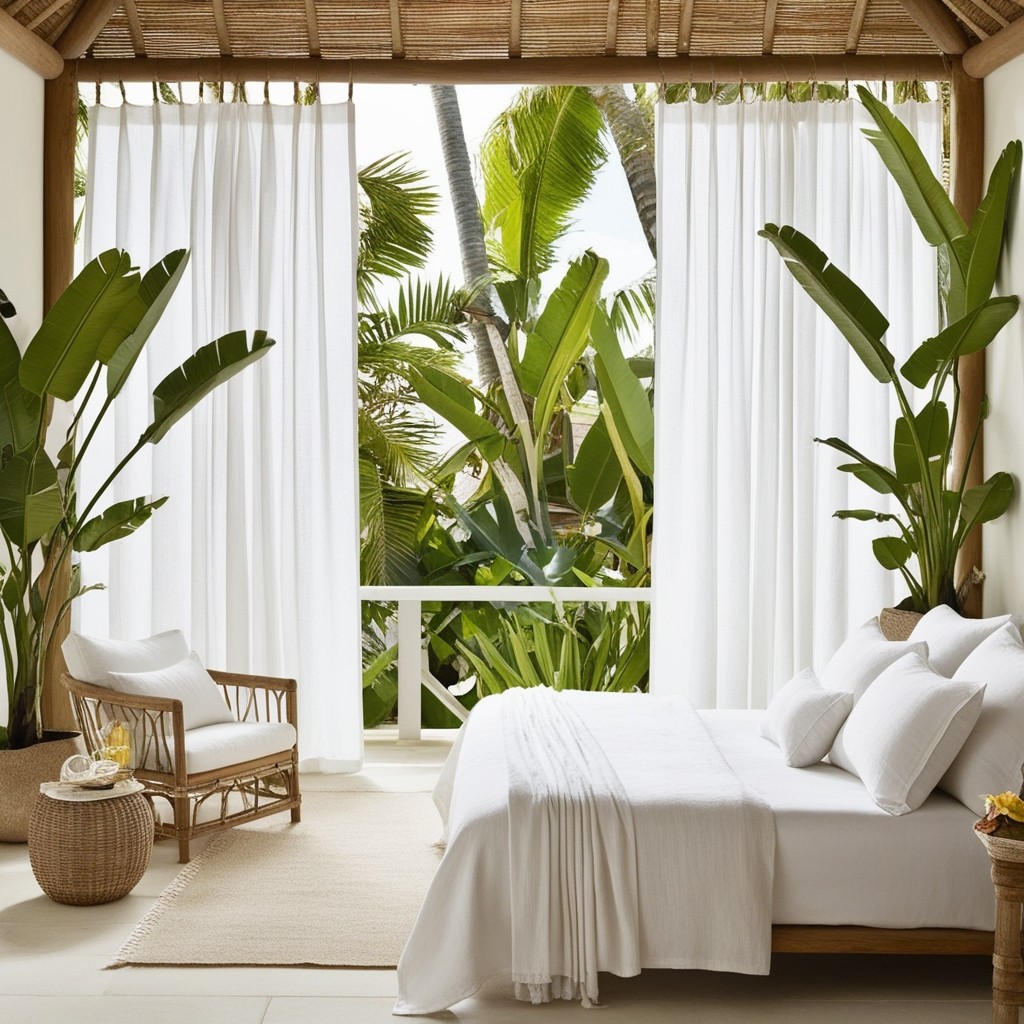
Tropical Nanyang Interior
A plain white bed and rattan chair keep this bedroom from competing with the view. The thatched roof structure over the opening is doing the stylistic work that furniture would otherwise have to do.
-
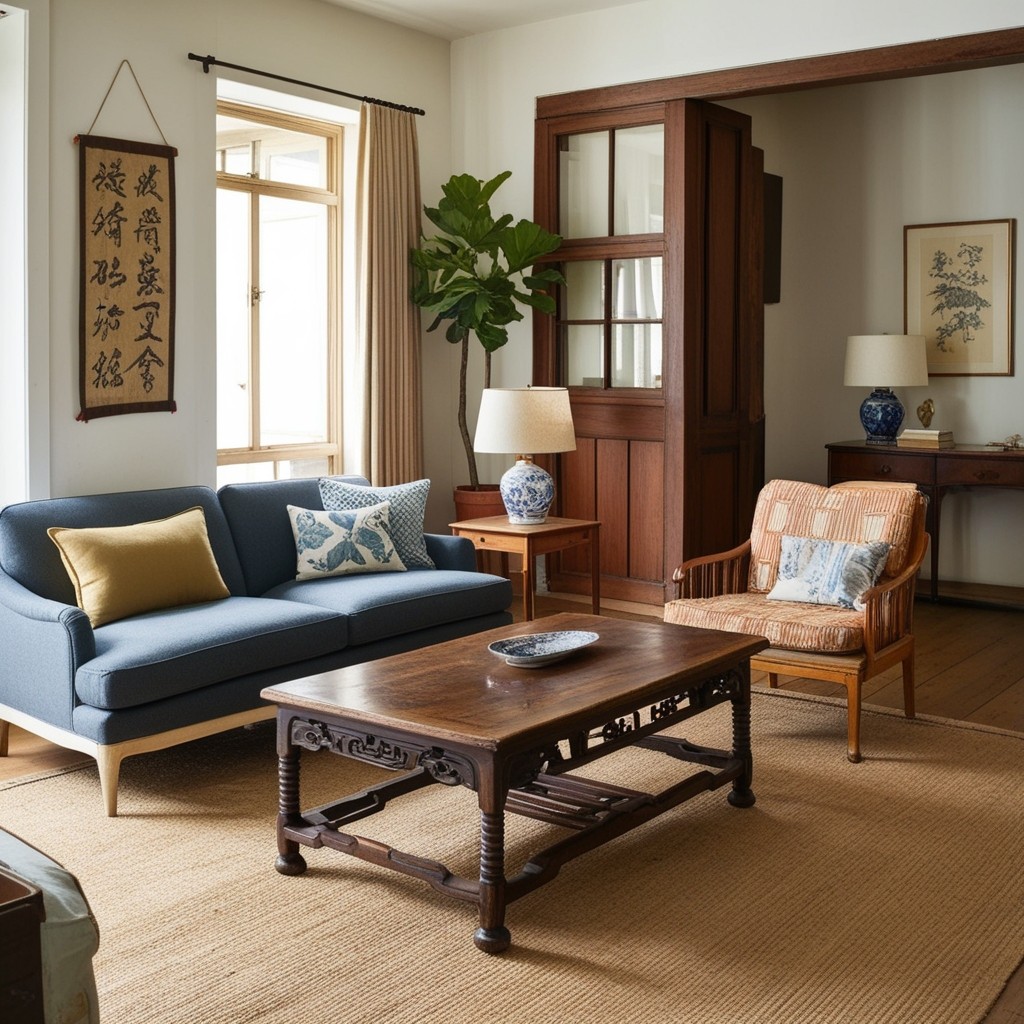
Plush Seating Nanyang Room
This is the clearest Nanyang pairing on the page: European-shaped furniture (the sofa, the console) alongside unmistakably Chinese pieces (the scroll, the porcelain lamp, the carved table). Neither side is diluted to make room for the other.
-
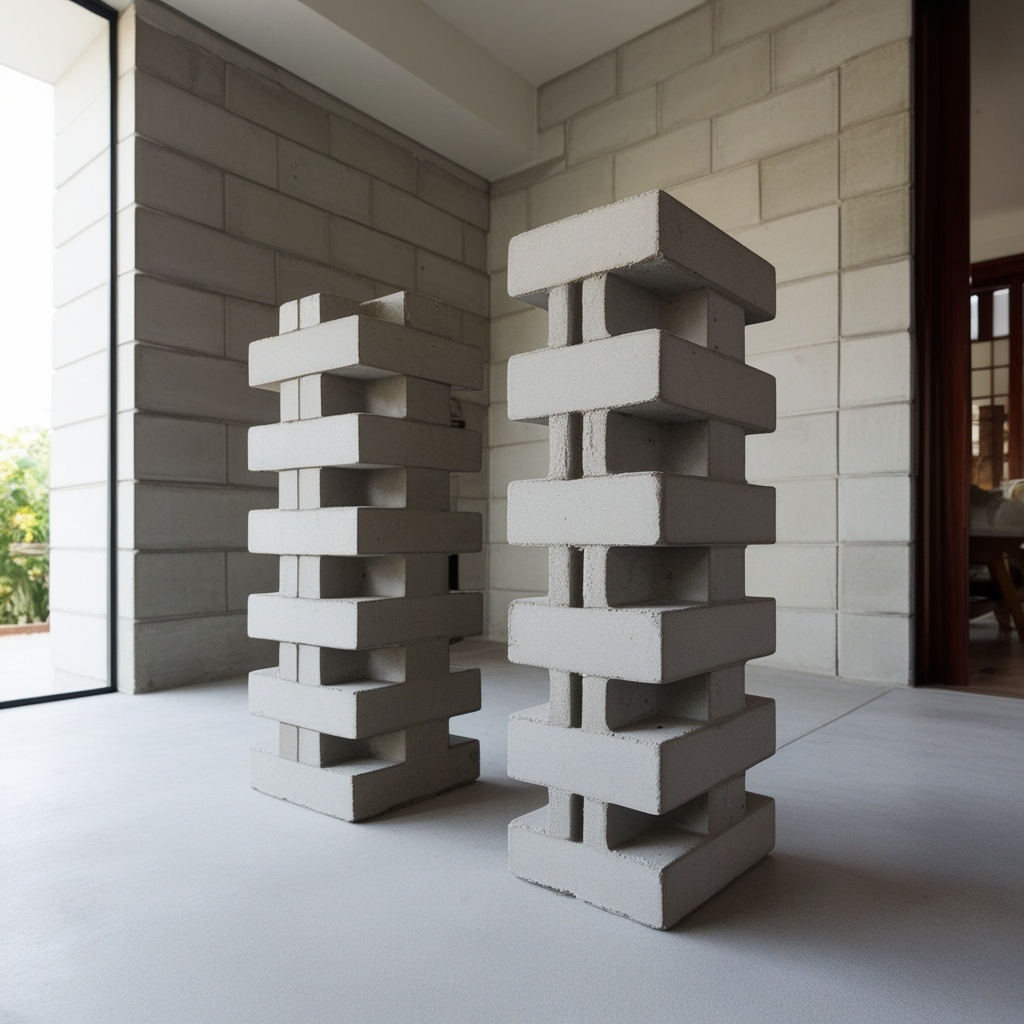
Bookshelf Nanyang Interior
A shallow recessed shelf built into the wall is a cheap way to get a display niche without extra furniture. Two or three ceramic pieces are enough; the empty space around them is part of the effect.
-
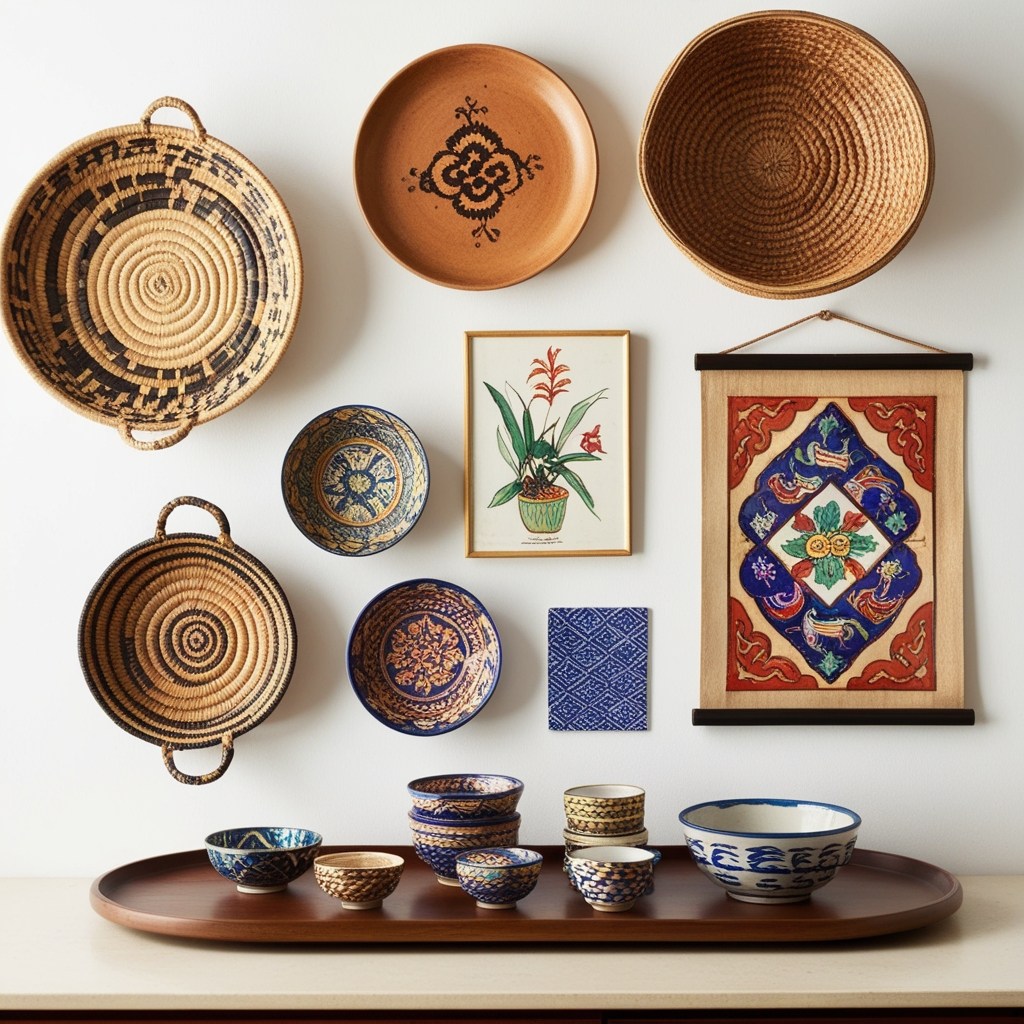
Ceramic Detail Nanyang Room
Mixing basket weave with painted ceramic works because the two textures contrast: rough fibre against glazed surface. Grouping pieces by wall rather than spacing them out reads as a collection rather than clutter.
-
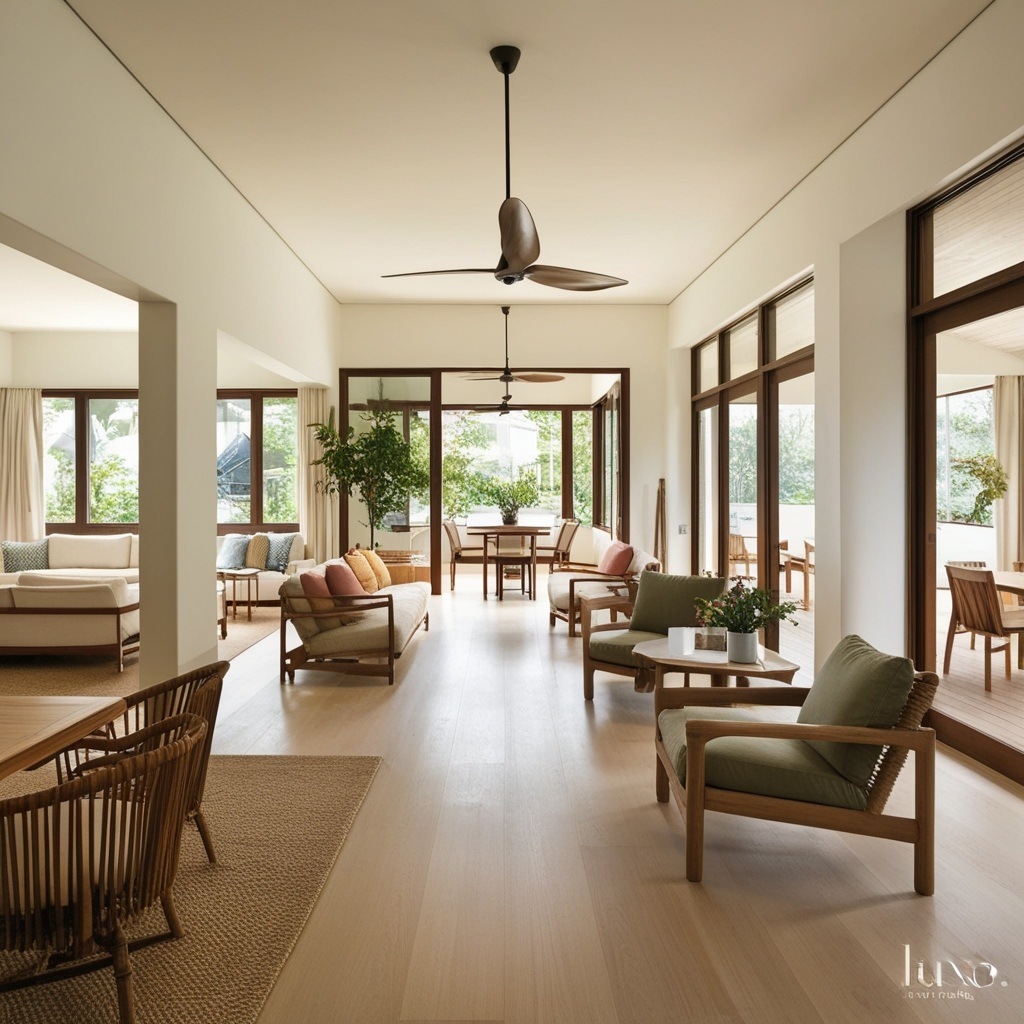
Compact Nanyang Kitchen
Rattan dining chairs paired with a solid wood table keep a dining room from feeling too formal or too beachy. A woven pendant instead of a chandelier repeats the material language overhead.
-
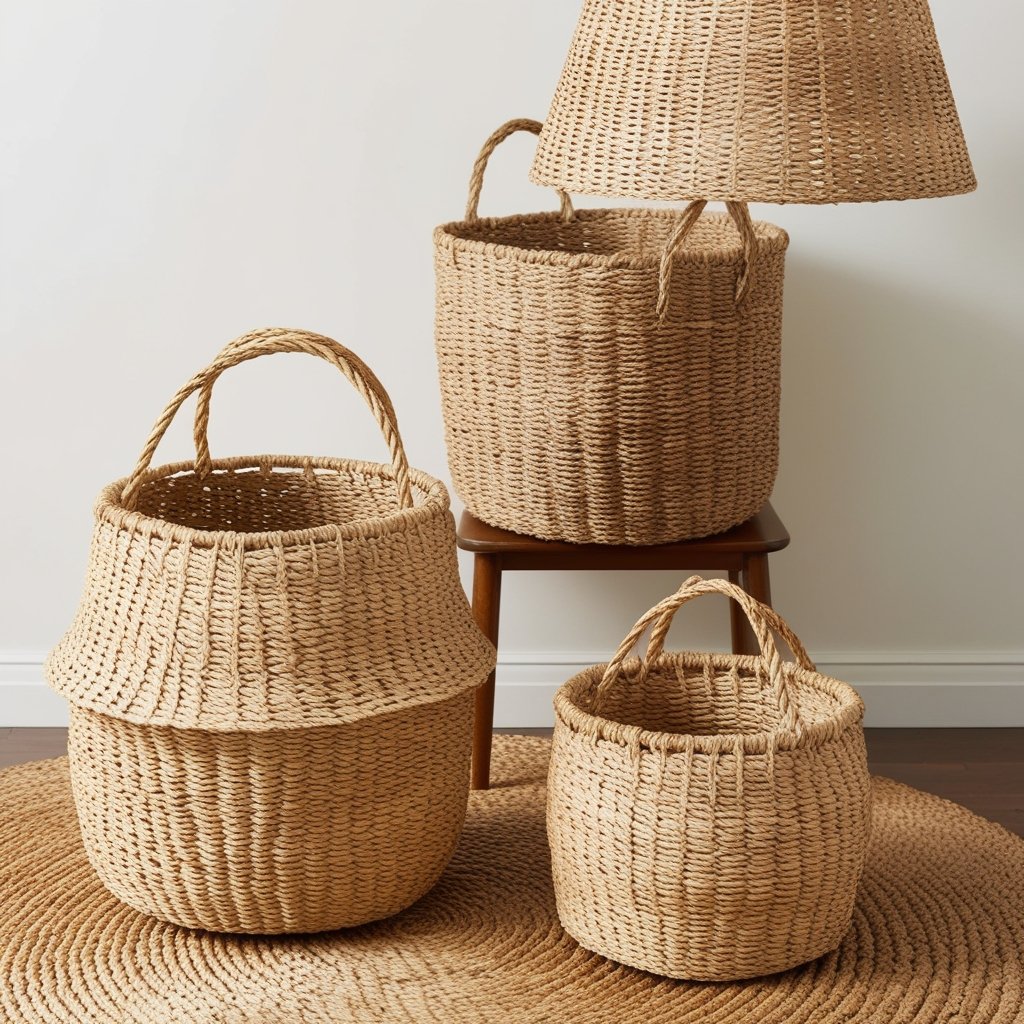
Statement Lighting Nanyang Room
Repeating the same weave on baskets and a lampshade ties unrelated objects together without anyone noticing it as a rule. It is a cheap way to make a room feel considered rather than assembled piece by piece.
-
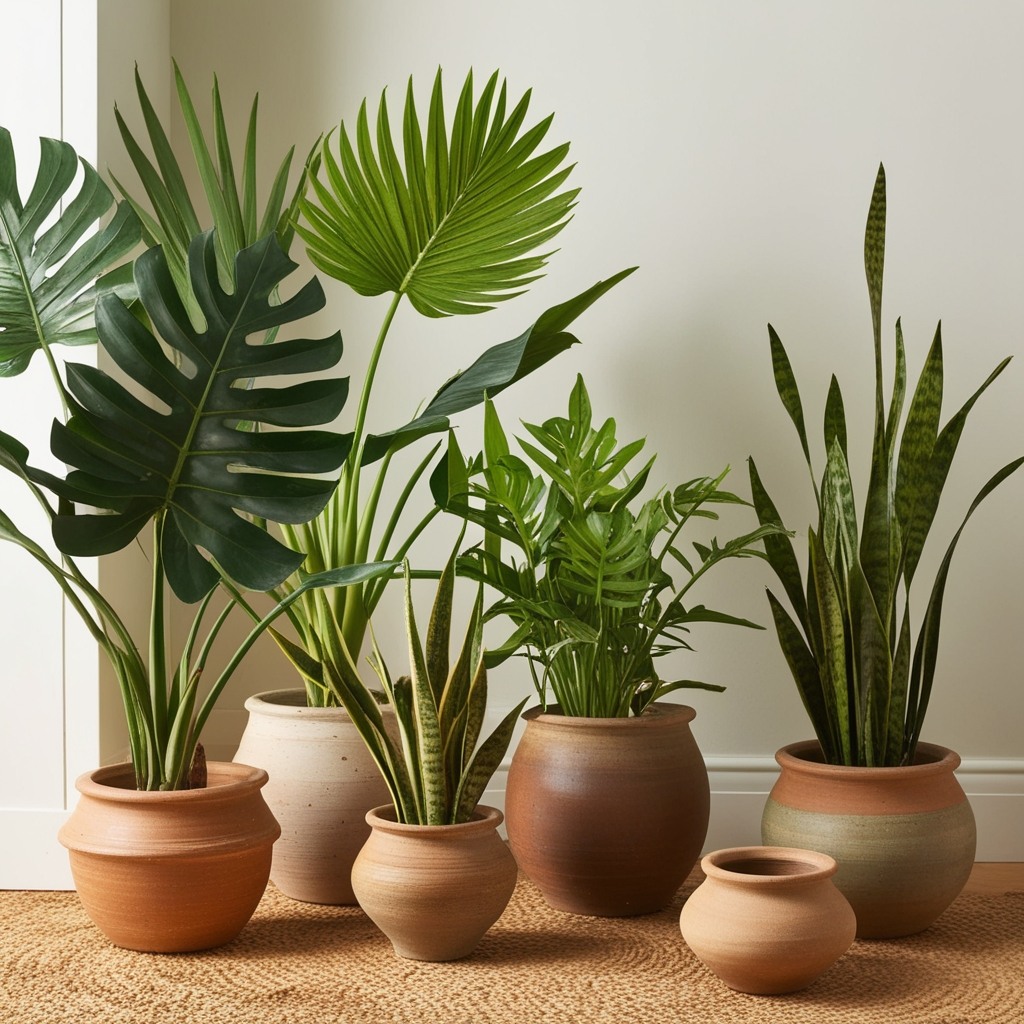
Plant And Ceramic Nanyang Interior
Varying pot height and leaf shape avoids the flat look of matched planters in a row. Terracotta and dark stoneware both read as handmade, which keeps the grouping from looking like a garden-centre display.
-
Tile Detail Nanyang Room
Timber slatting on a feature wall gives a modern room the same warm, structured look as older carved panelling, without the cost or maintenance. Rattan pendants and terracotta pots on either side keep the rest of the room from feeling too built-in.
Related styles and tools
If you’re curious about fresh styles beyond Nanyang style interior design, take a moment to explore other looks and ideas that can inspire your next project. A new direction might be the perfect fit for your space.
FAQ
-
Nanyang style interior design is known for its use of local Southeast Asian materials, a tropical and colonial look and feel. Consider airy layouts, rattan furniture and leafy plants. Rooms are bright, open and relaxed, perfectly fitting warm regions.
-
Opt for neutrals like whites, beiges, and light browns as your main palette, then add a few saturated accents in turquoise, green, or coral. Natural shades help keep rooms breezy and welcoming.
-
Embrace natural materials like rattan, bamboo, teak and linen. Mix them with ceramic or terra cotta tiles for more personality. Stay true to this philosophy by choosing authentic, tactile finishes wherever possible.
-
Low-profile seating, cane chairs and carved wood tables all fit this style. Look for pieces with gentle curves and light-colored wood finishes. Keeps the overall vibe comfortable, never fussy.
-
Botanical prints, tropical leaves, and Peranakan tiles are classic. You can also include simple geometric shapes or woven textures for subtle variety that references the region’s heritage.
-
Maximize natural light using sheer curtains. For fixtures, pick woven pendant lamps or lanterns. The aim is soft, layered light—warm and easy, never harsh or cold.
-
Absolutely—clean lines and subtle metallic accents blend well. Just balance them with earthy tones and organic shapes to keep the space grounded in the nanyang feel.
-
Choose potted palms, vintage fans, batik textiles, and hand-carved accents. Personal touches from travels or local artisans also make the space feel lived-in and relaxed.