
Asian Interior Design Style
Dreaming of a calm and harmonious home? Asian interior design style focuses on simplicity and striking silhouettes to invoke feelings of tranquility and peace. We will also take a look at some real-world examples to inspire your effort.
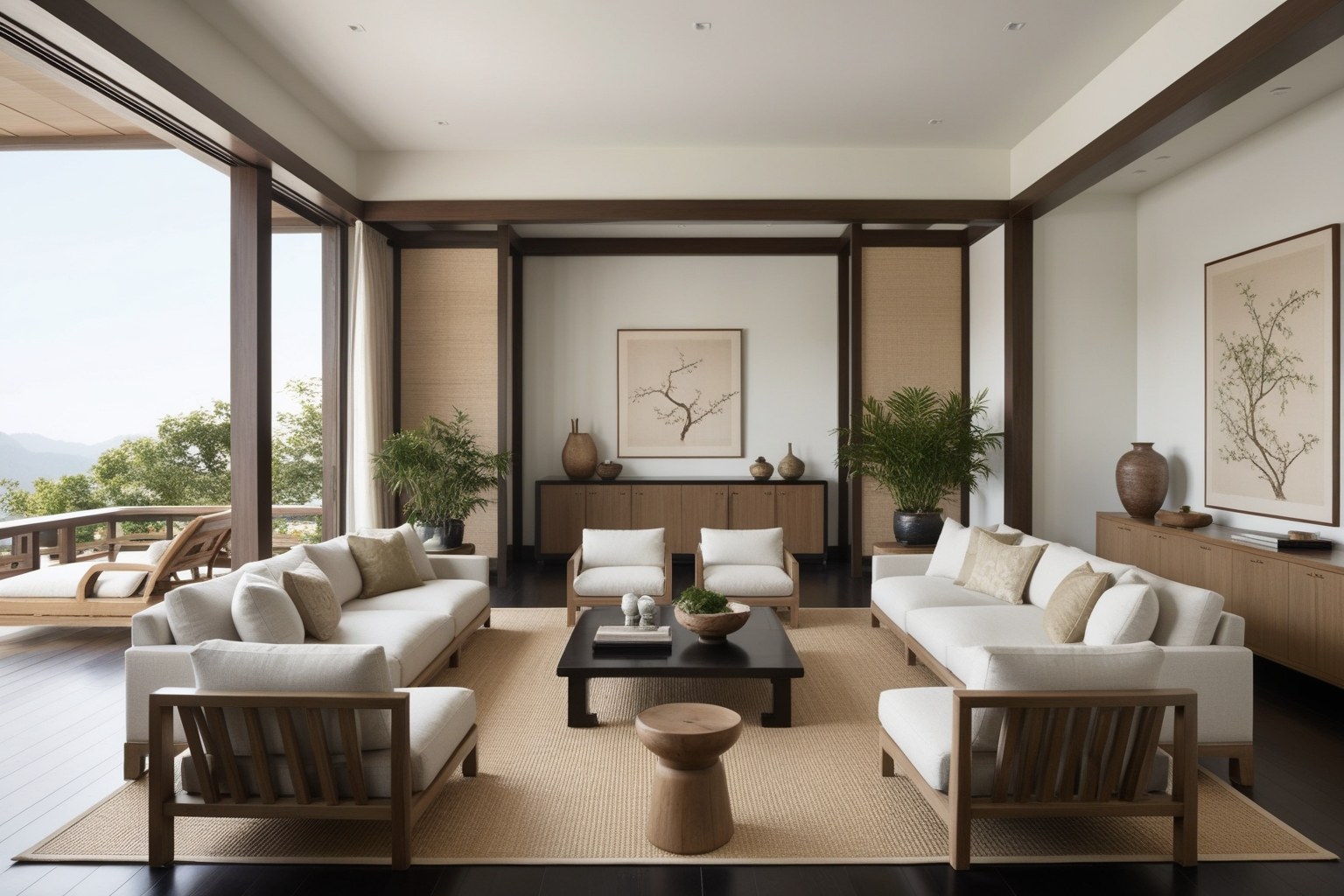
"Asian Style" Is Really Several Distinct Traditions
Treating "Asian interior design" as one uniform look flattens genuinely different design traditions - each with its own real principles worth naming rather than blending together.
-
Japanese: Wabi-Sabi and Ma
Japanese interiors draw on wabi-sabi, finding beauty in imperfection and impermanence, and ma, the deliberate use of empty space as an active design element rather than a gap to fill. Natural materials shown honestly - unpainted wood, exposed joinery - and low furniture scaled to floor-seating tradition are the practical results.
-
Chinese: Feng Shui as Structural Logic
Feng shui isn't decorative superstition in its original context - it's a system for room layout and orientation intended to support the occupant's wellbeing, covering furniture placement relative to doors and windows, and the balance of the five elements (wood, fire, earth, metal, water) in a space's materials and colors.
-
Southeast Asian: Built for the Climate
Design traditions from Thailand, Vietnam, and Indonesia lean on materials chosen for tropical humidity - teak, rattan, bamboo - and layouts that prioritize airflow, distinct from the more enclosed, seasonal logic of East Asian interiors further north.
-
Naming the Specific Tradition Beats Generic "Asian"
A room built around one of these traditions - Japanese minimalism, Chinese feng shui principles, or Southeast Asian tropical materials - reads as considered. A room borrowing surface elements from all three without a unifying logic tends to read as generic instead.
24 Asian Interior Design Style Ideas
-
Asian Interior with Statement Wall Art
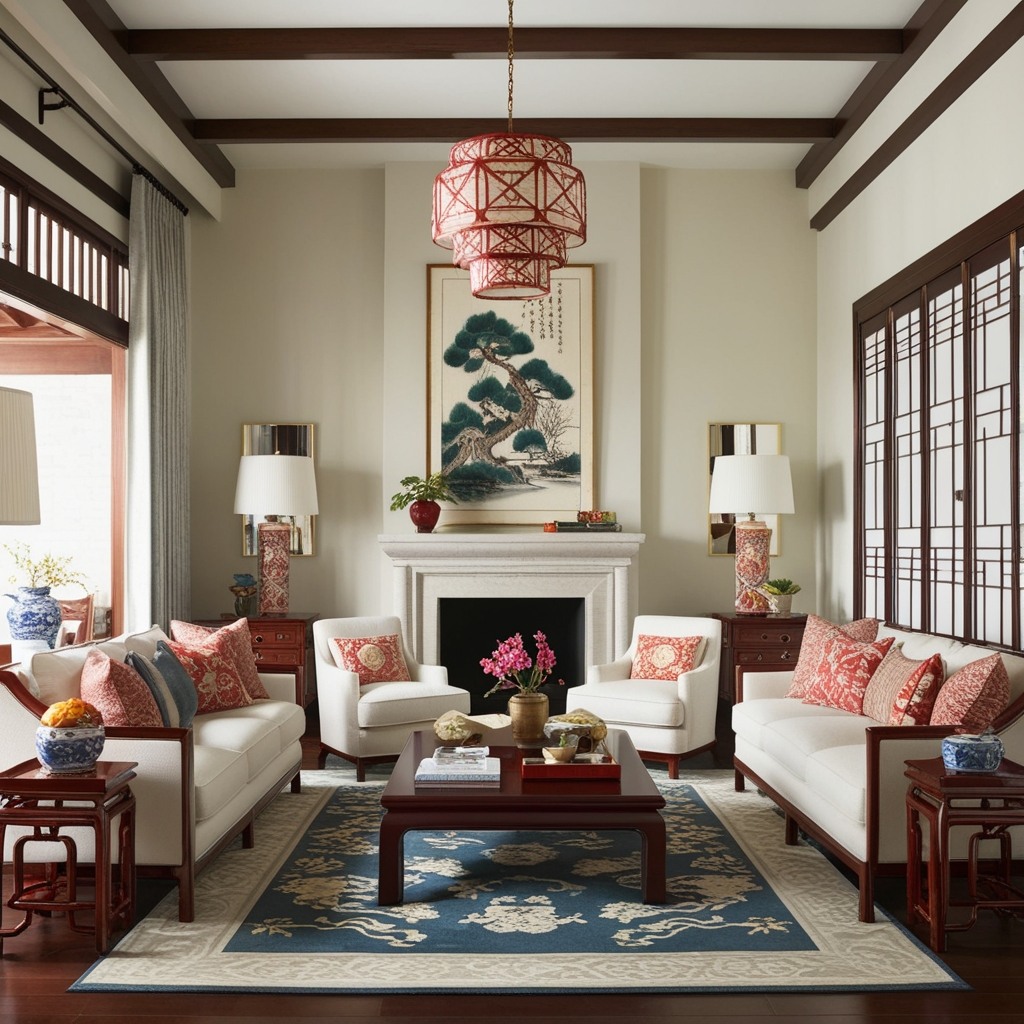
Leave more blank wall than art; negative space carries meaning in this design tradition rather than reading as unfinished.
-
Asian Interior Bold Accent Colors and Soft Natural Palette
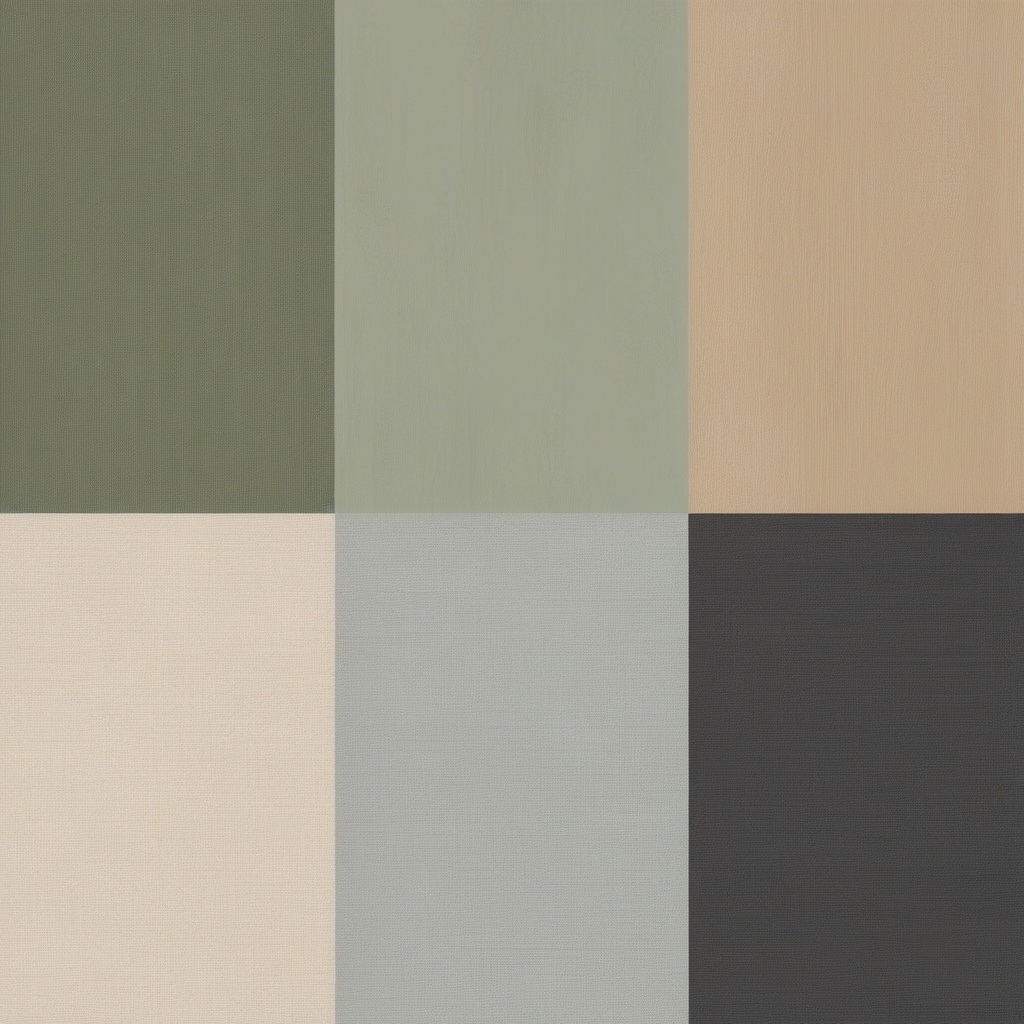
A single lacquered red or black object against a mostly natural palette carries more weight than color spread across several pieces.
-
Asian Interior Natural Fiber Textures and Wood Accents
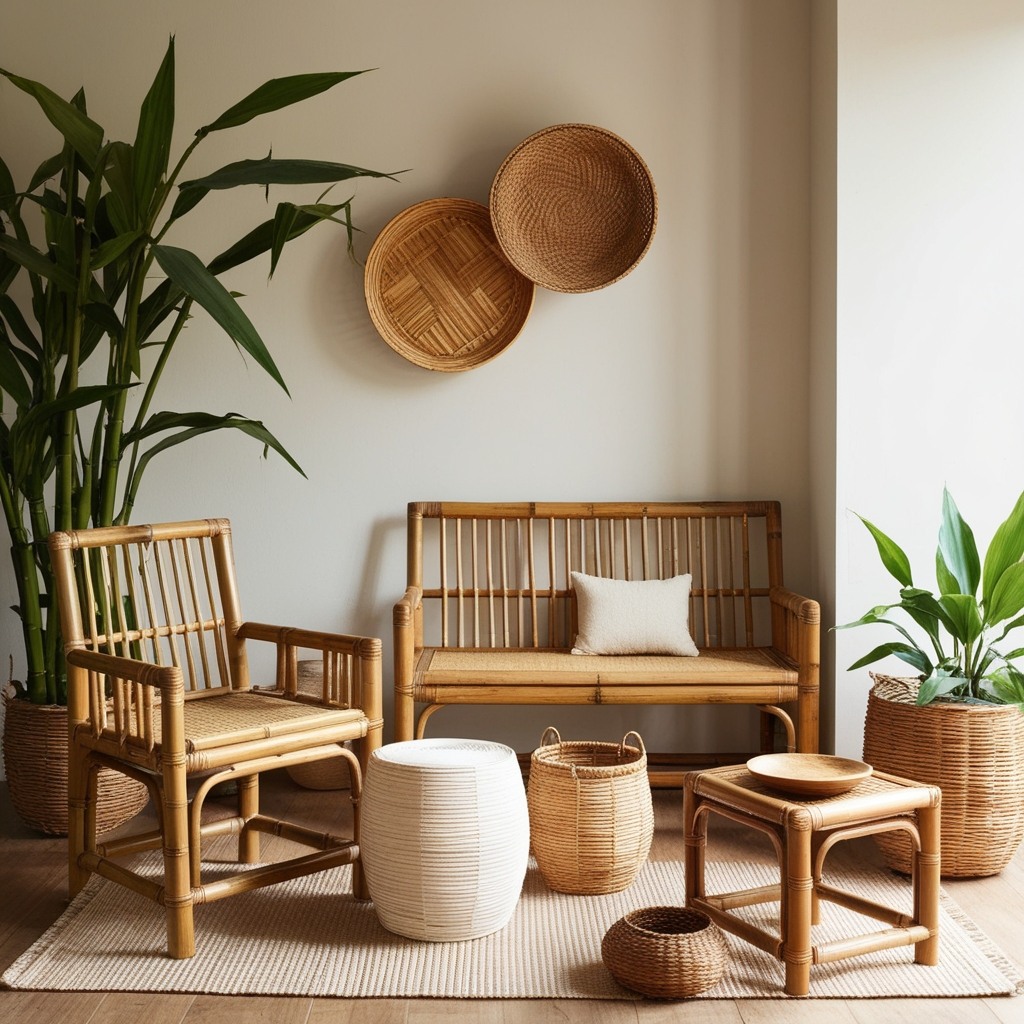
Pale, straight-grain wood, closer to Japanese hinoki than dark mahogany, keeps the room feeling light rather than heavy.
-
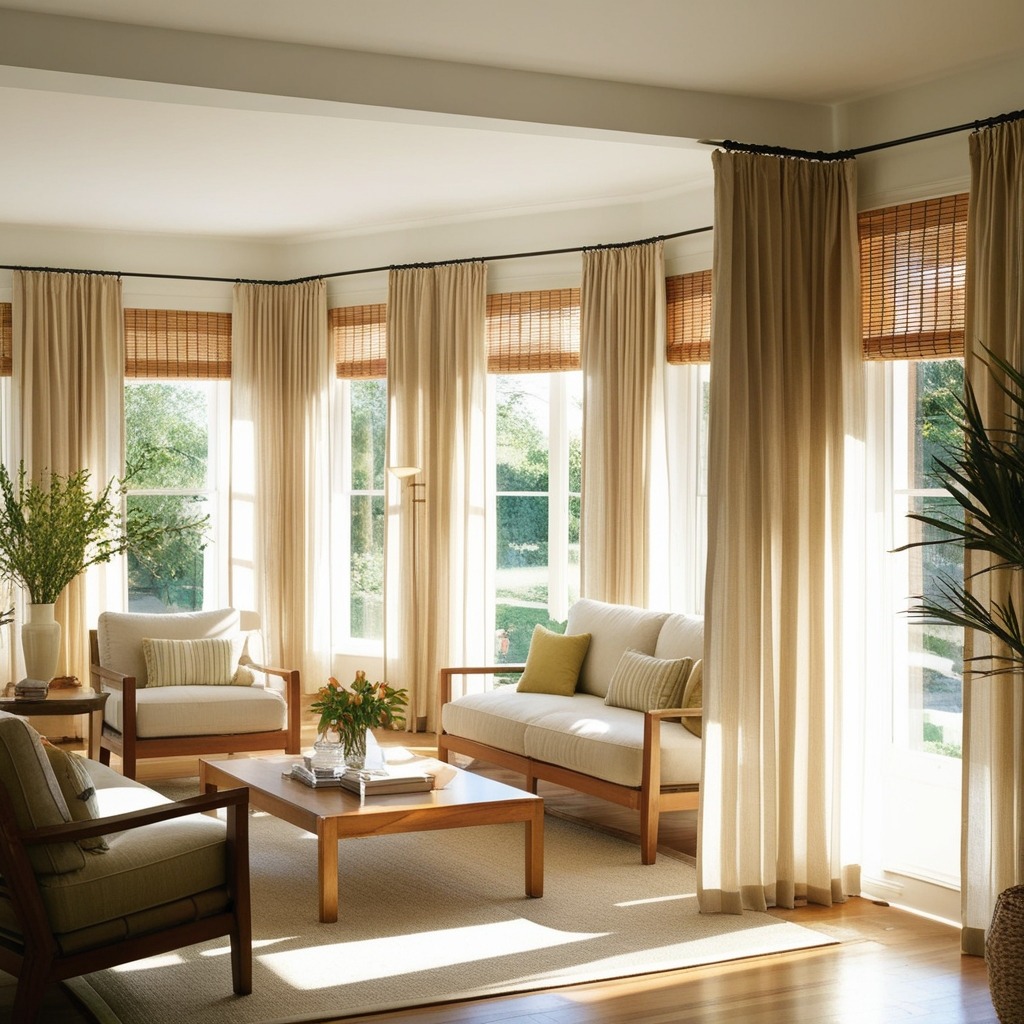
Asian Interior Natural Fiber Textures and Soft Natural Palette
Tatami-style woven flooring or rugs bring texture underfoot without adding pattern to a deliberately quiet palette.
-
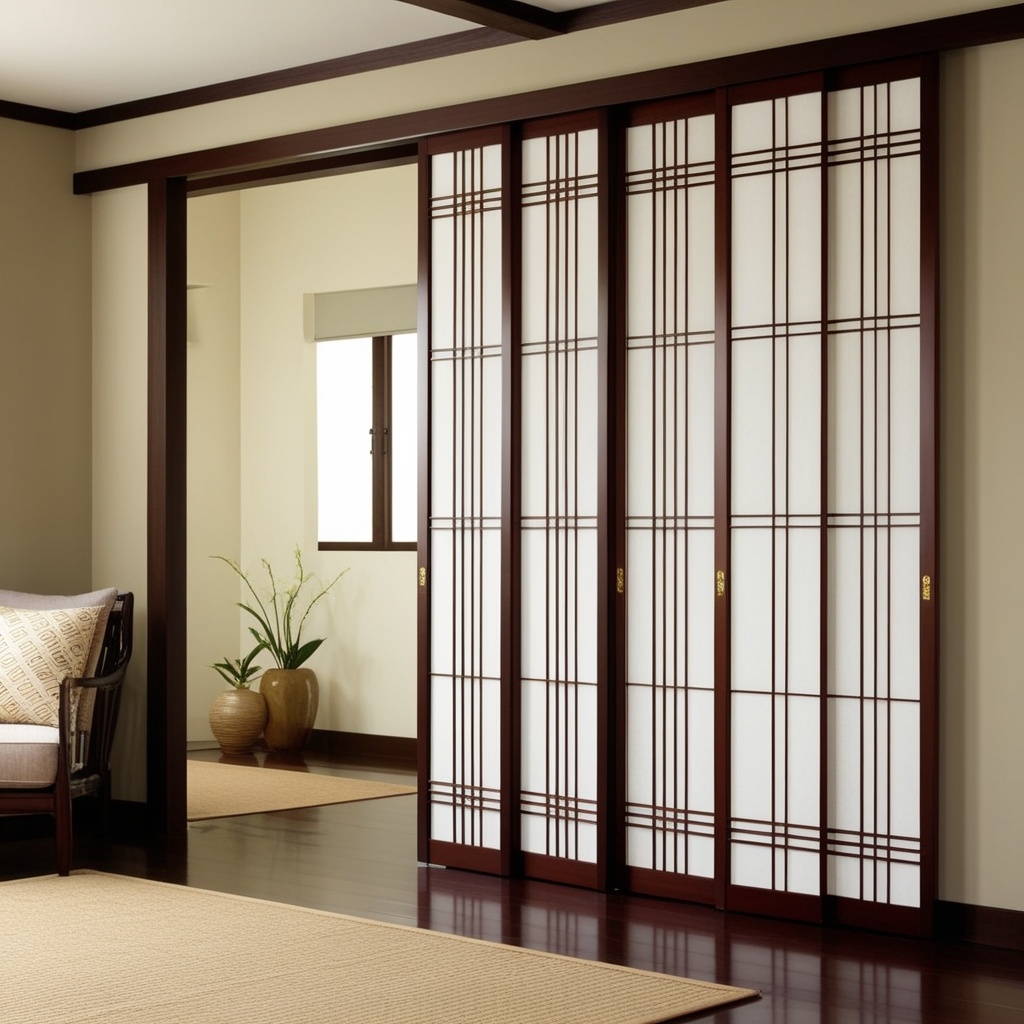
Asian Interior Flexible Furniture Layout and Wall Molding
Shoji-style sliding panels can double as room dividers, letting the layout change without permanent walls.
-
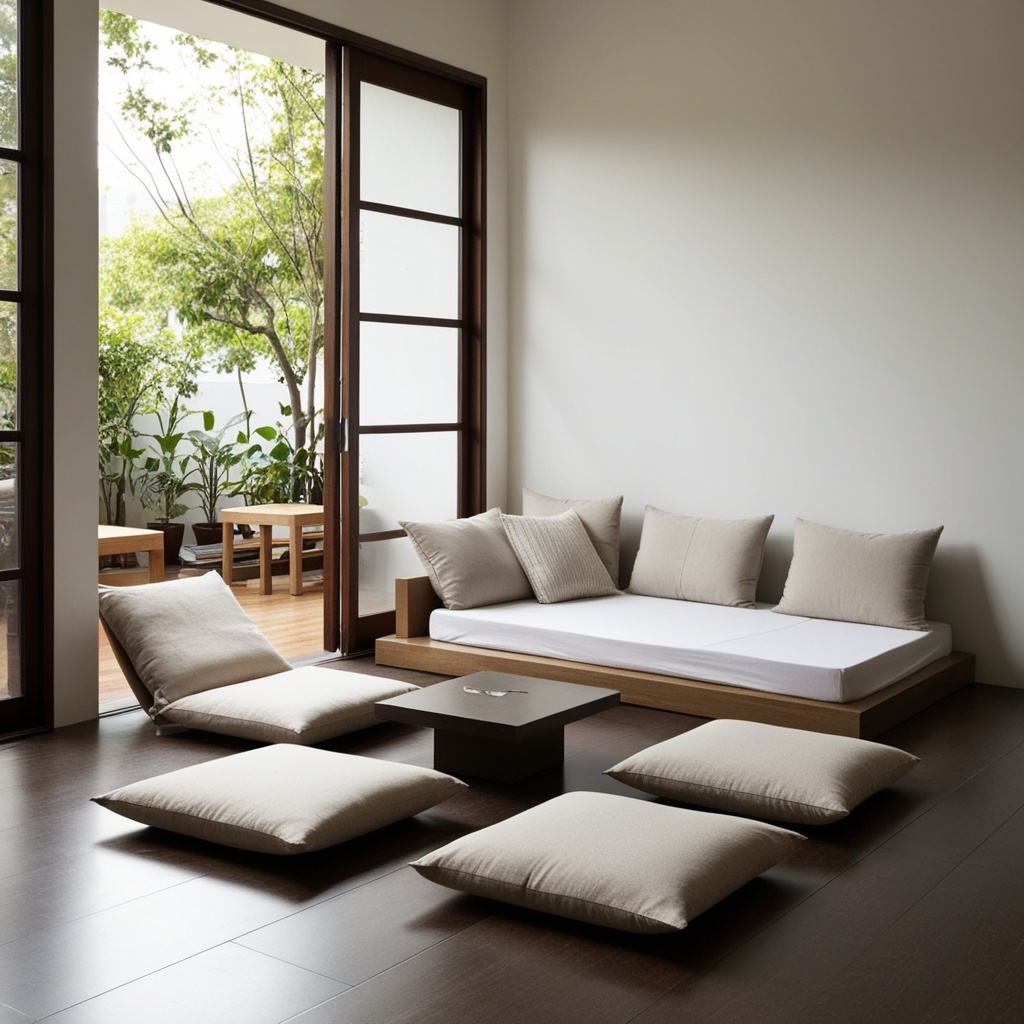
Asian Interior Plush Seating and Layered Textiles
Floor-level seating with layered cushions suits this style's low furniture heights better than a standard-height sofa would.
-
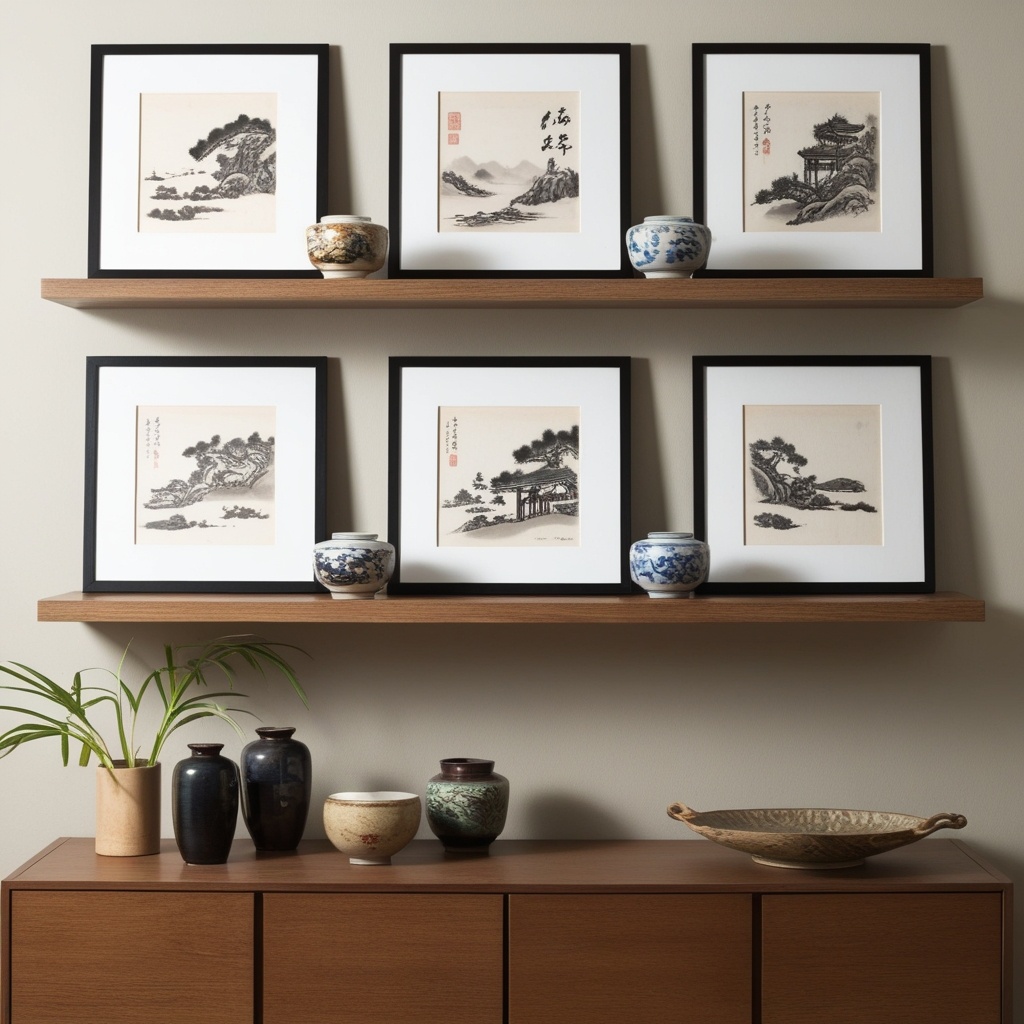
Asian Interior Statement Wall Art and Ceramic Decor
A single ink-wash-style piece of art, left with generous blank space around it, matches the restraint the rest of the room aims for.
-
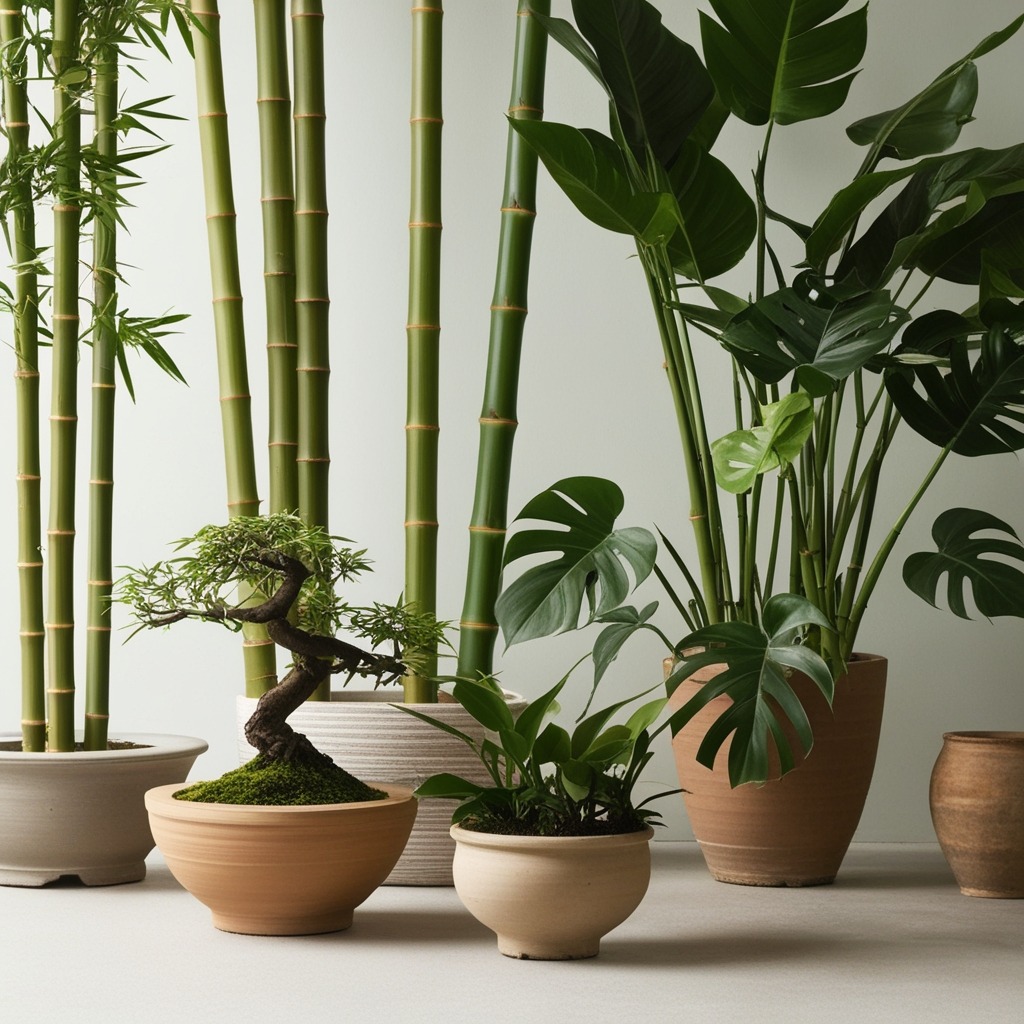
Asian Interior Lush Indoor Plants and Natural Fiber Textures
Bamboo or a single bonsai-style tree reads as more deliberate than a large collection of houseplants in this style.
-
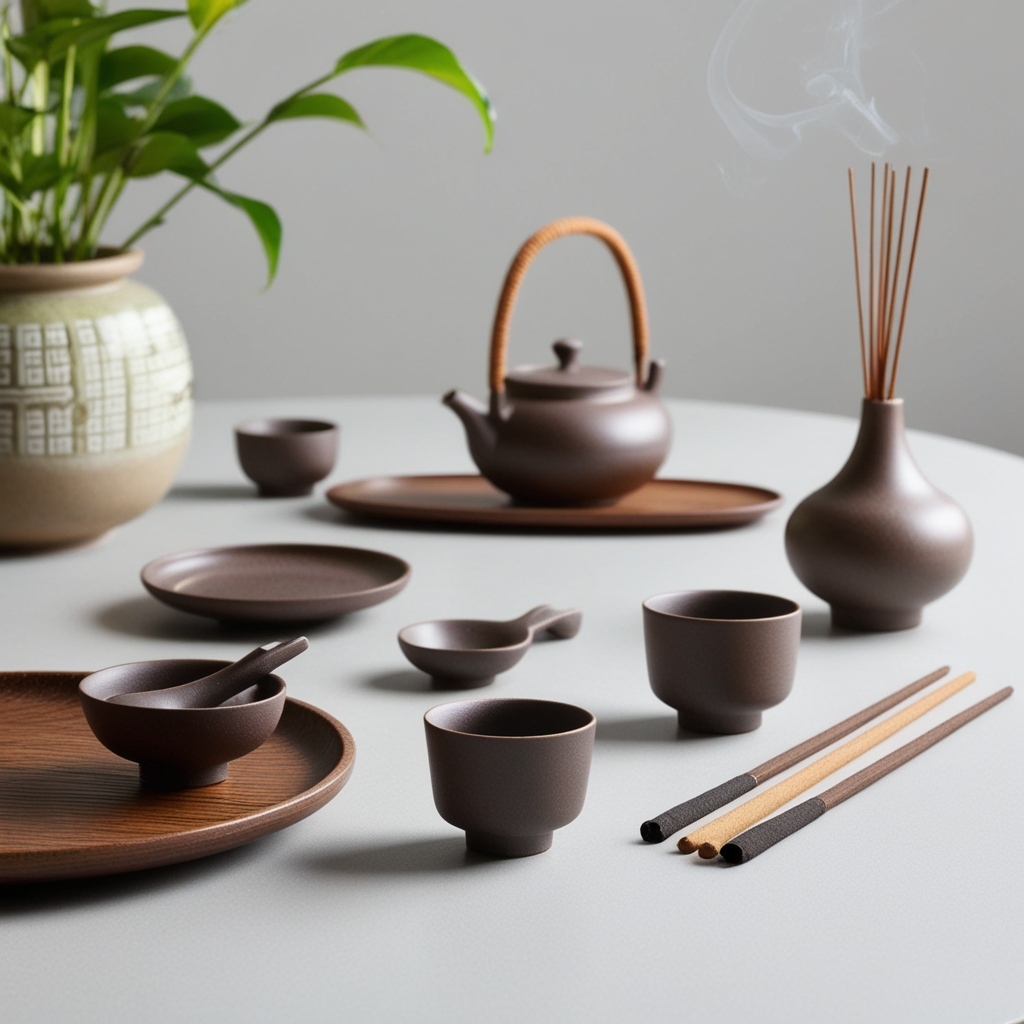
Asian Interior Sculptural Decor and Ceramic Decor
One ceramic piece, chosen for its form rather than decoration, does more here than a grouped collection would.
-
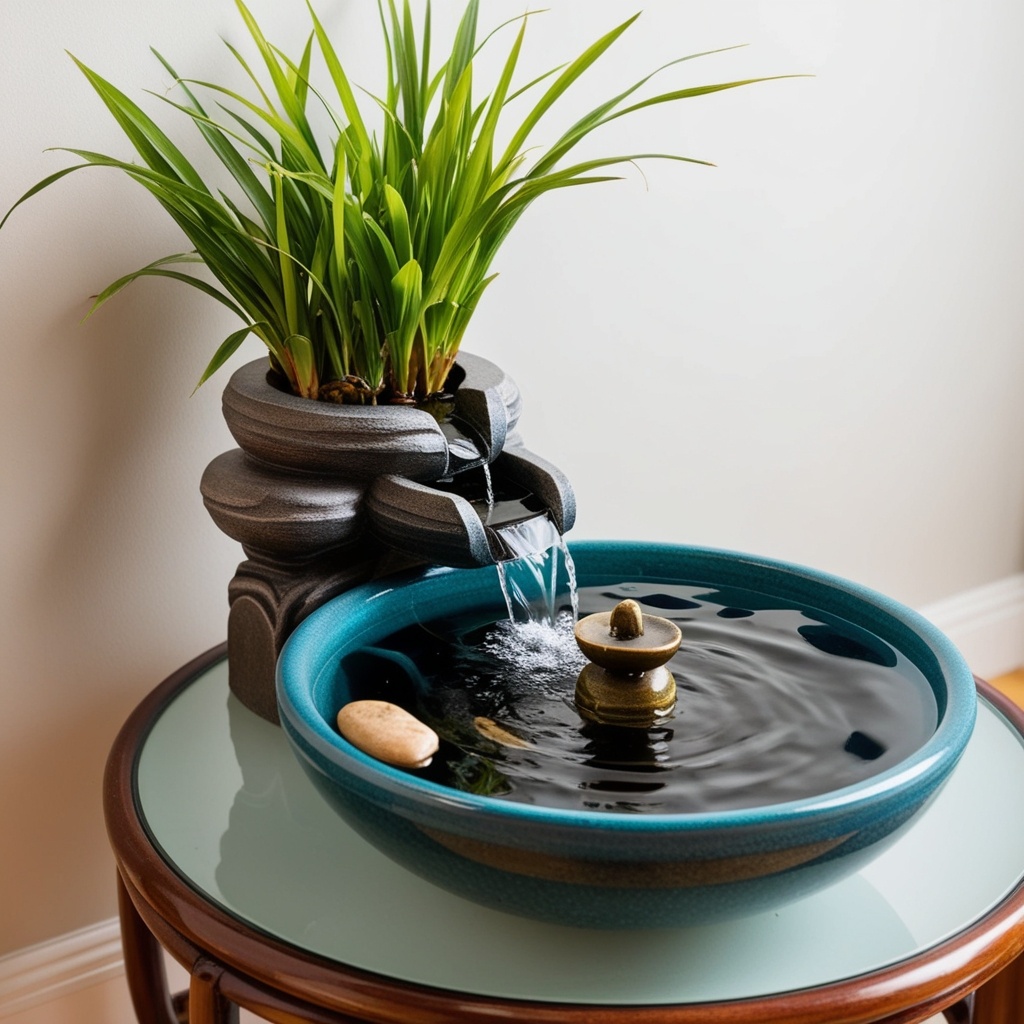
Asian Interior Stylish Furniture and Styled Table
A low table styled with one or two objects, not more, keeps the room's editing consistent down to the smallest surface.
-
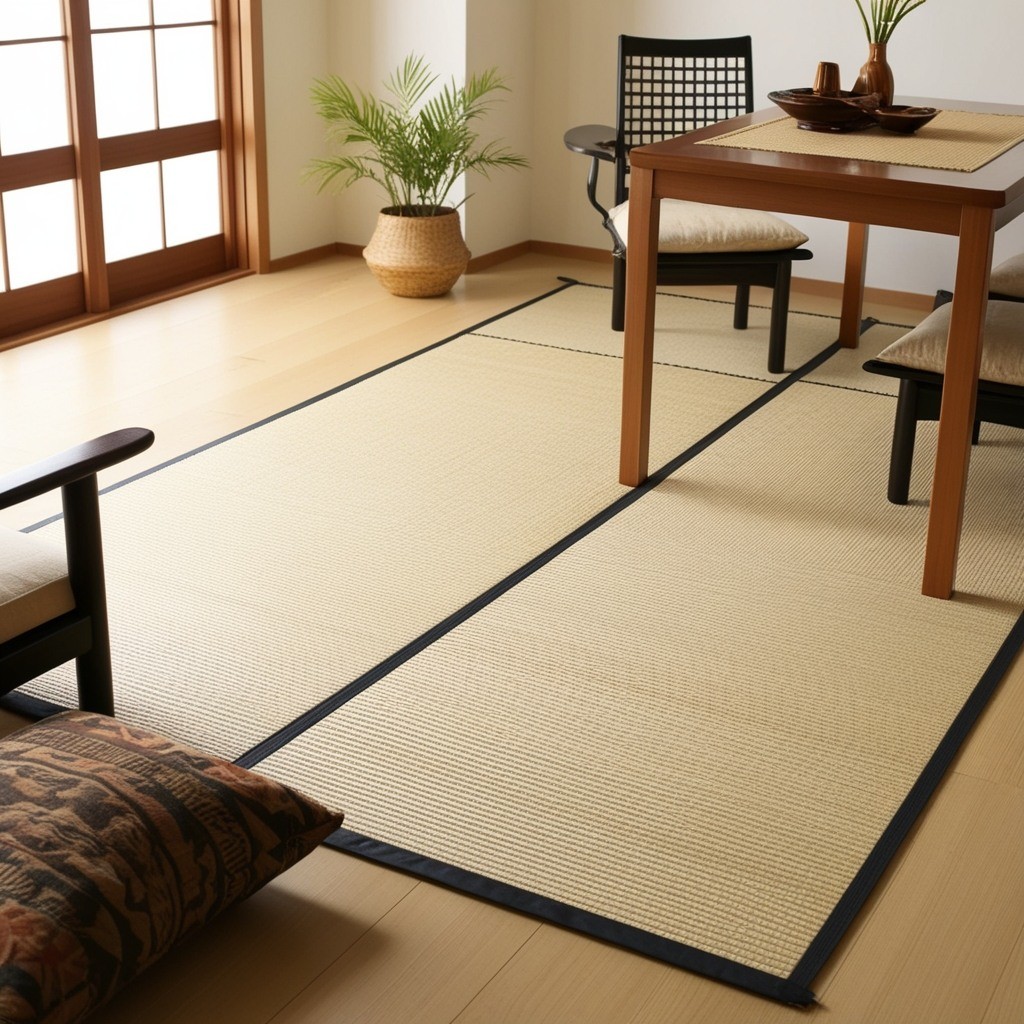
Asian Interior Plush Seating and Patterned Rug
A rug with a subtle, not busy, pattern is enough texture on the floor; anything bolder competes with the room's calm proportions.
-
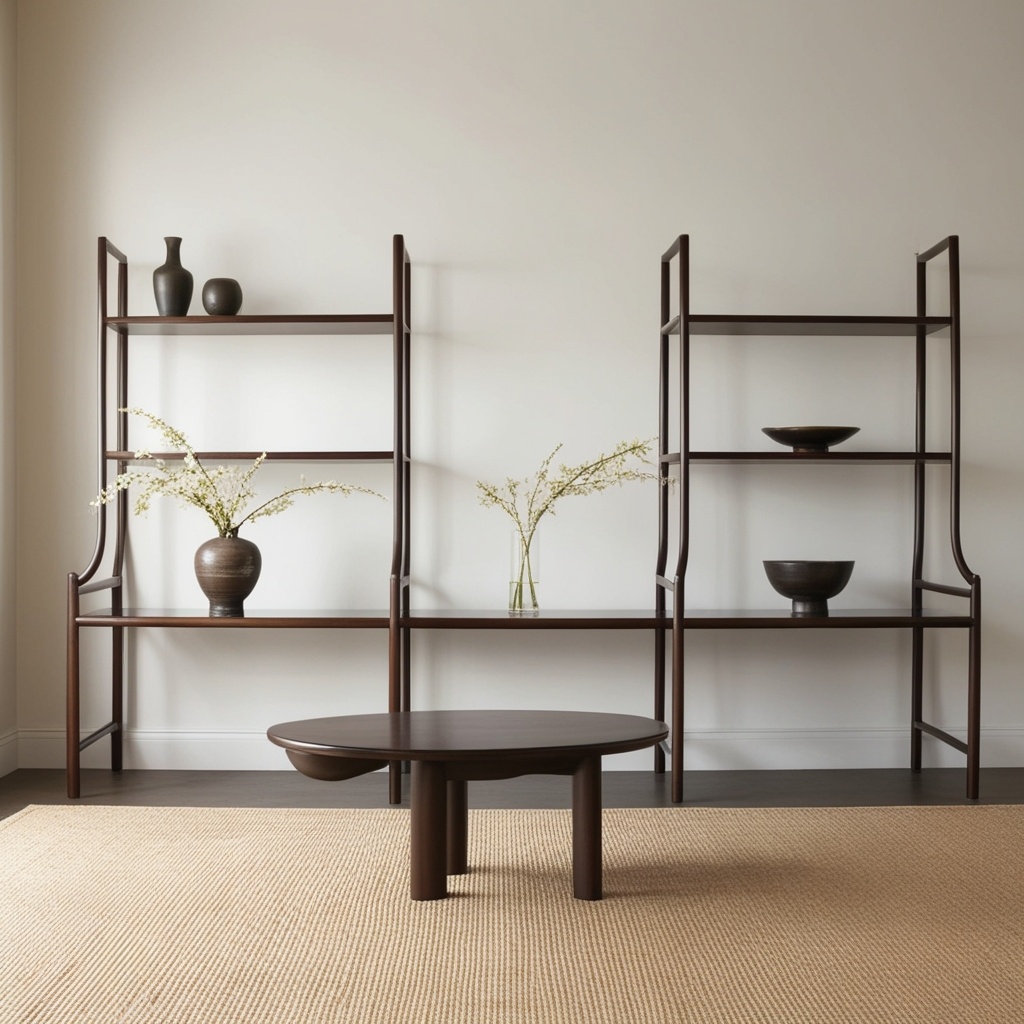
Asian Interior Open Shelving and Stylish Furniture
Low-profile furniture keeps sightlines open across the room, a proportion choice more than a style one.
-
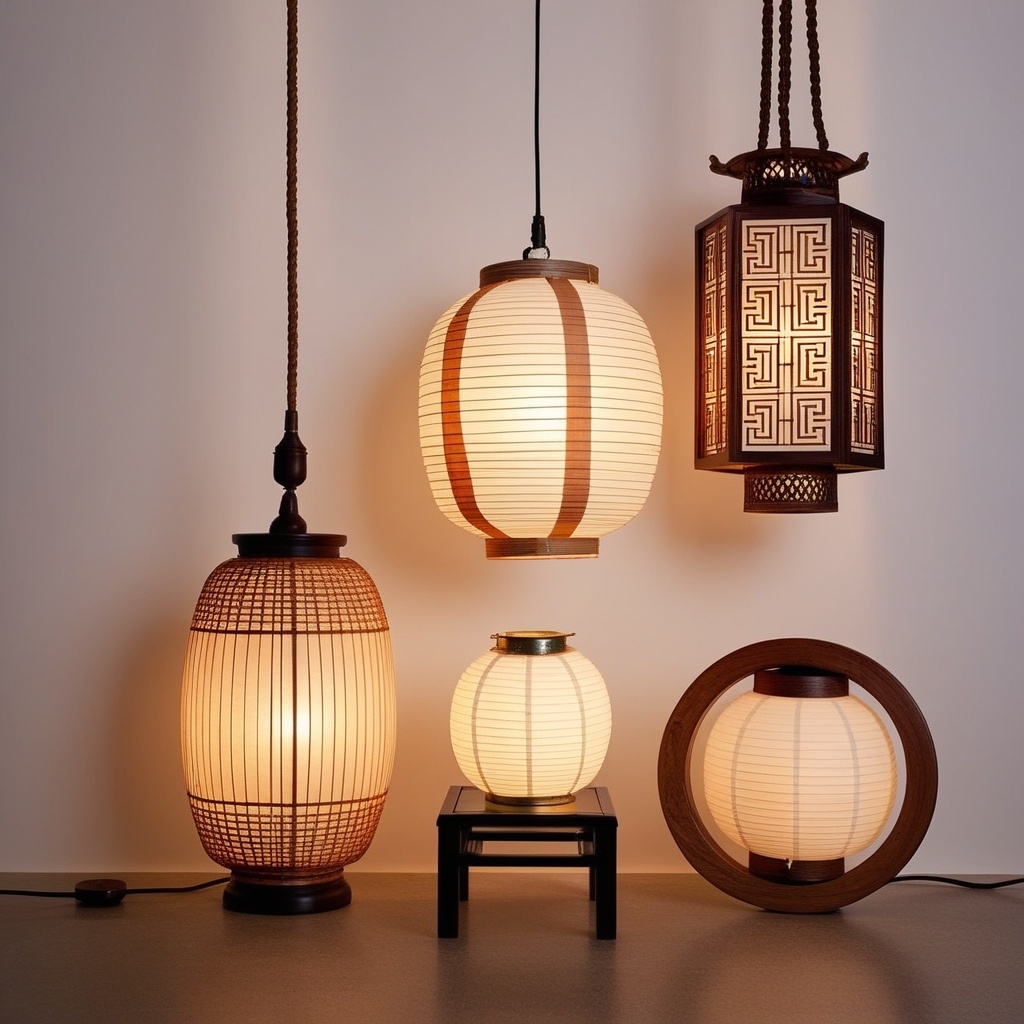
Asian Interior Statement Lighting and Wood Accents
A paper or rice-paper-style shade diffuses light the way this style's traditional lanterns did, without needing an actual lantern.
-
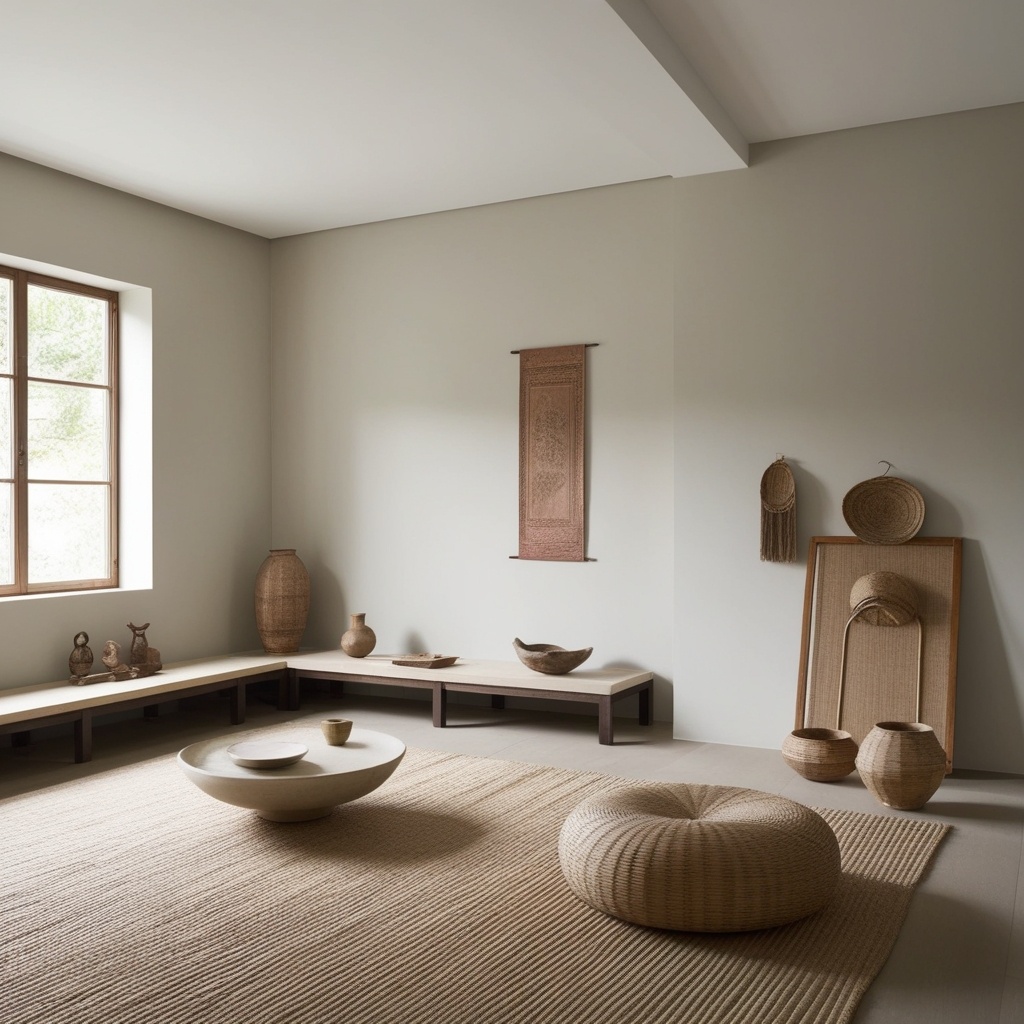
Asian Interior Open Space and Kitchen Detail
Handleless cabinetry in matte wood extends the room's restraint into the kitchen without needing separate design language.
-
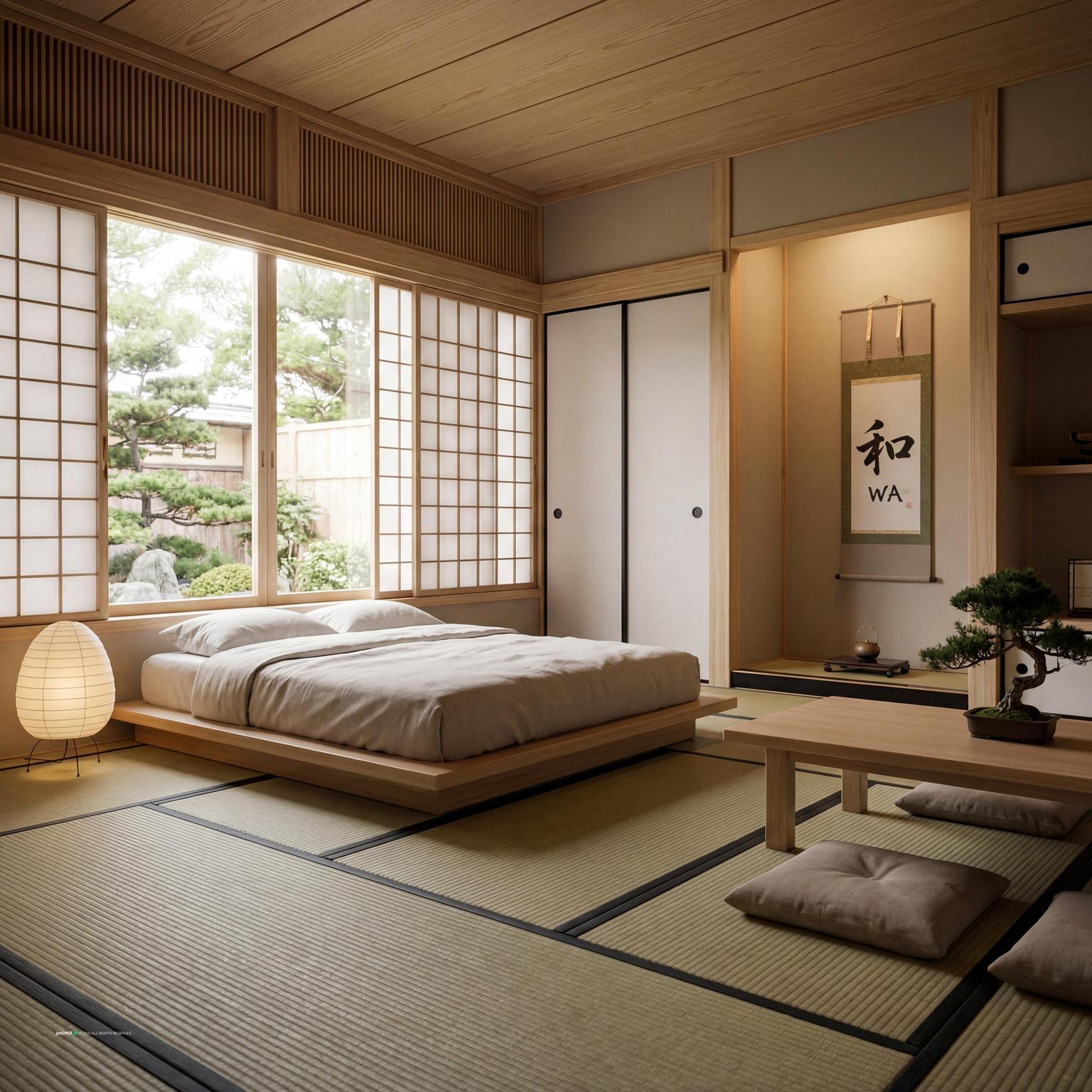
Serene Japanese-Inspired Room
A single framed view, through a window left uncluttered by curtains, does more for the room's calm than any interior decoration.
-
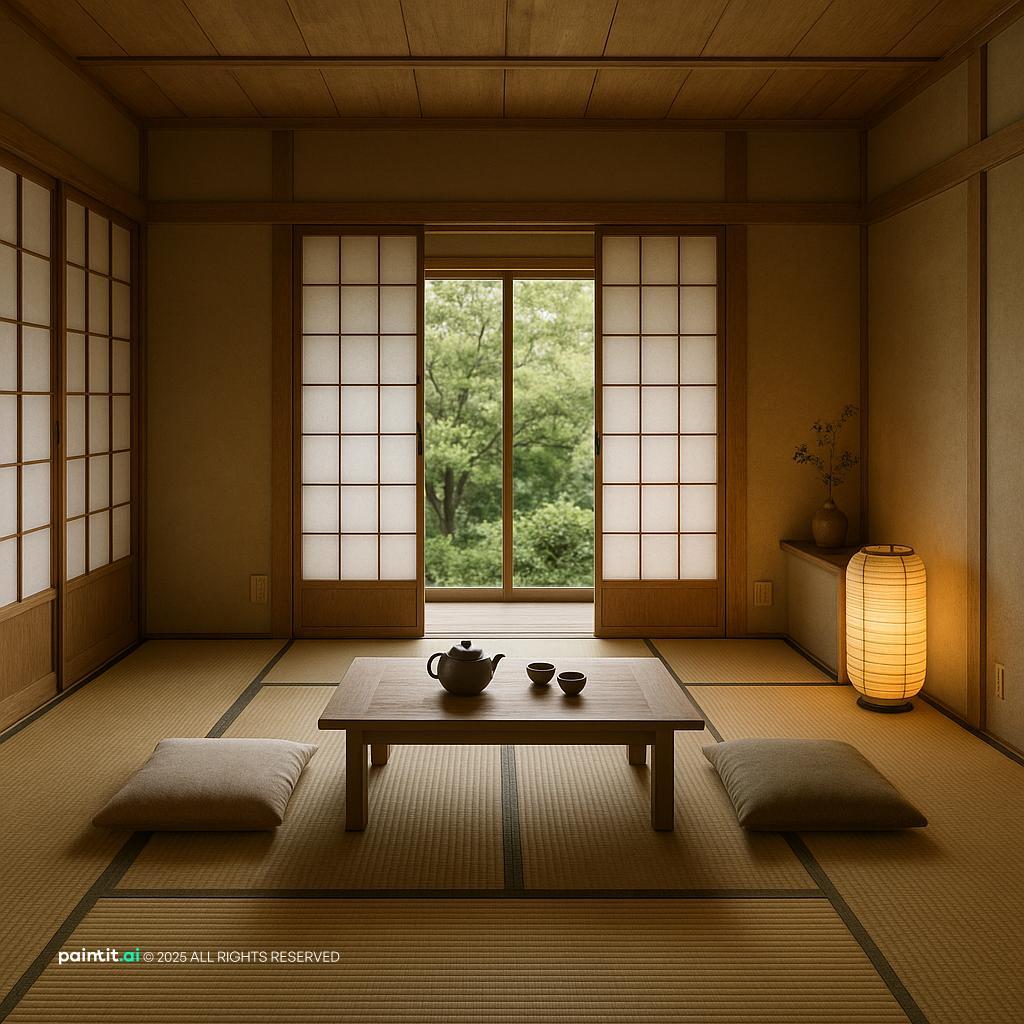
Serene Japanese-Style
Removing rather than adding is usually the right move here; each object should earn its place in an otherwise empty room.
-
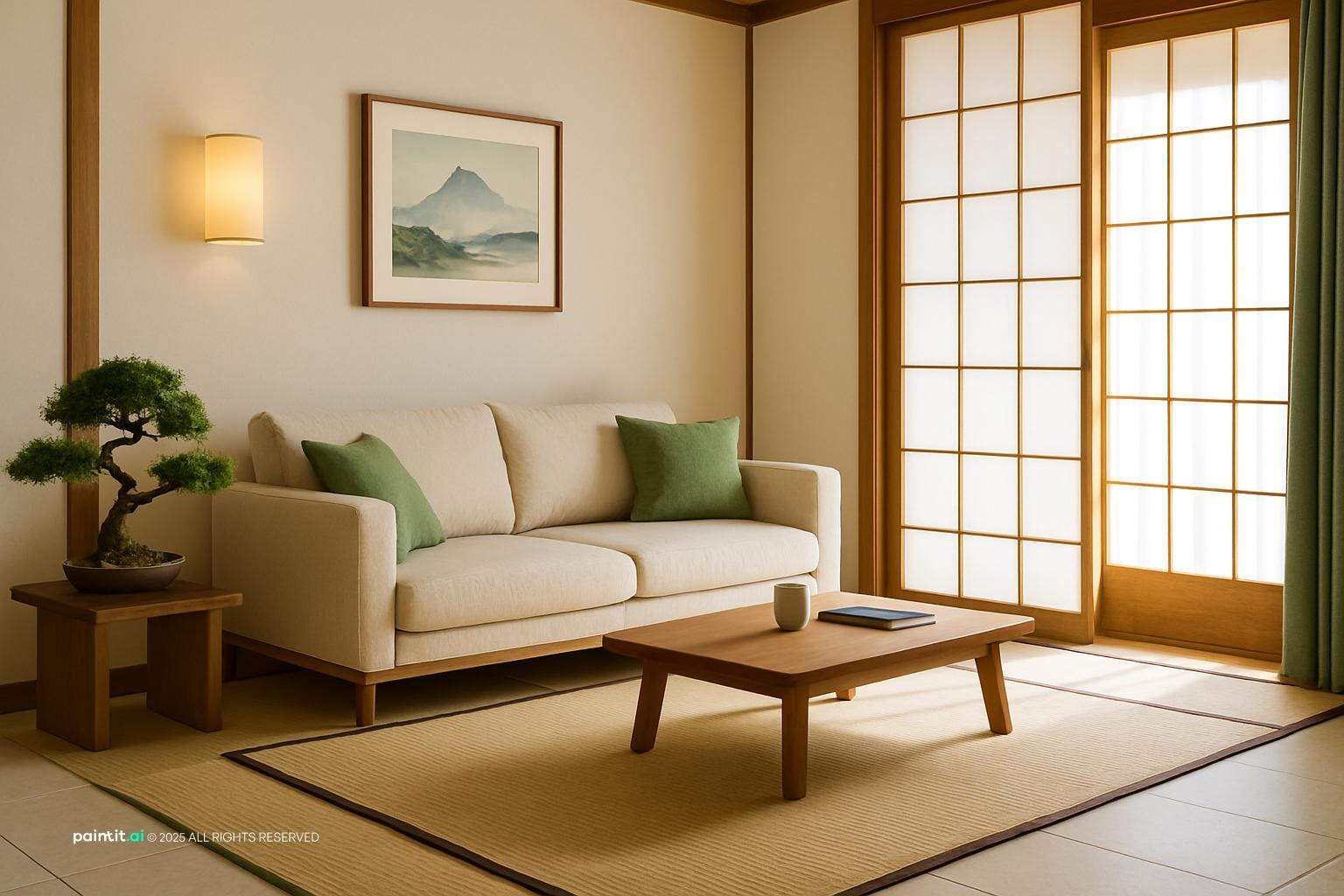
Asian Style Living Room
Furniture positioned lower than Western-standard height changes the room's proportions more than any single decorative choice.
-
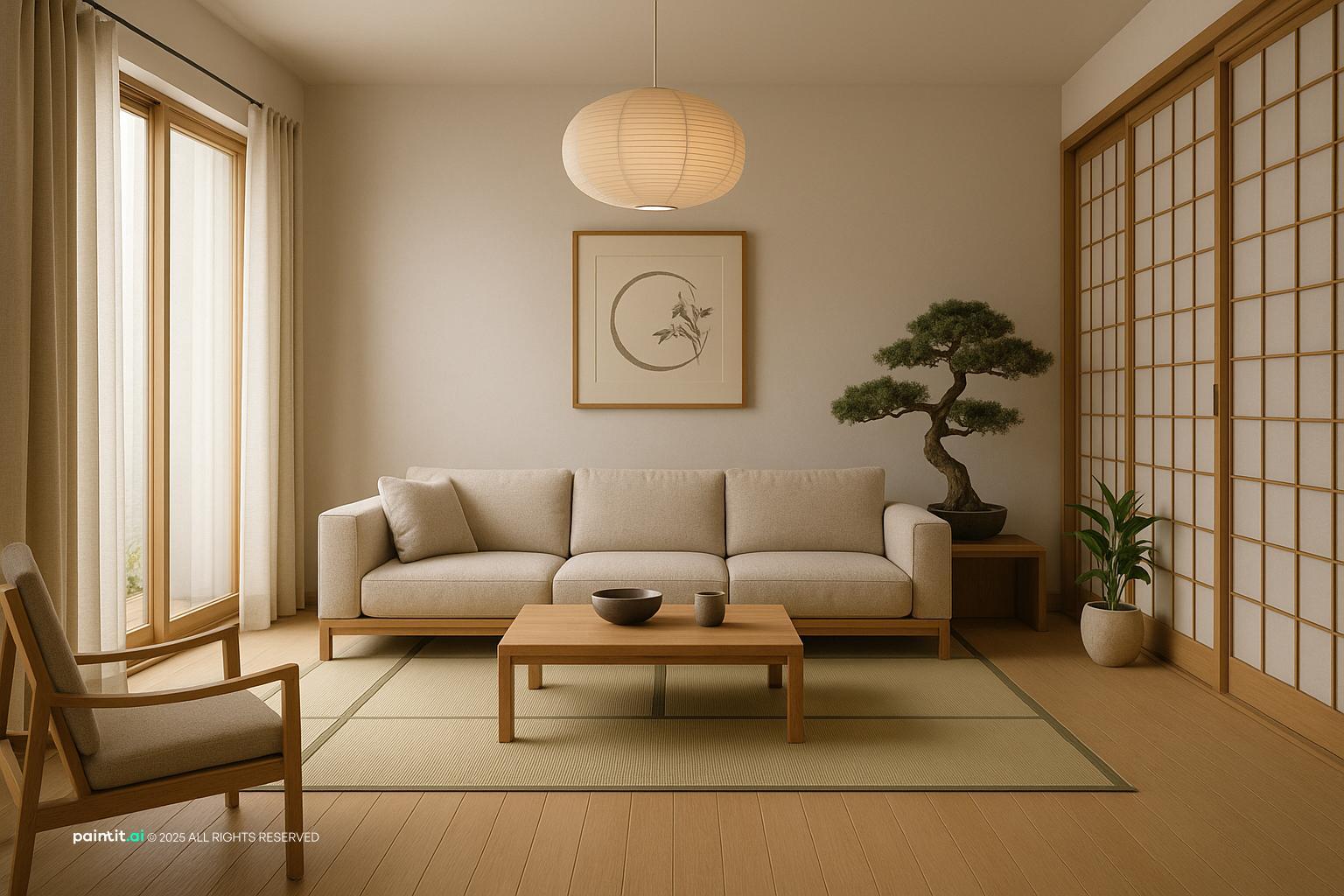
Asian Style Living Room with Warm Wood
Warm-toned wood flooring left exposed rather than covered by a large rug lets the material itself be the room's texture.
-
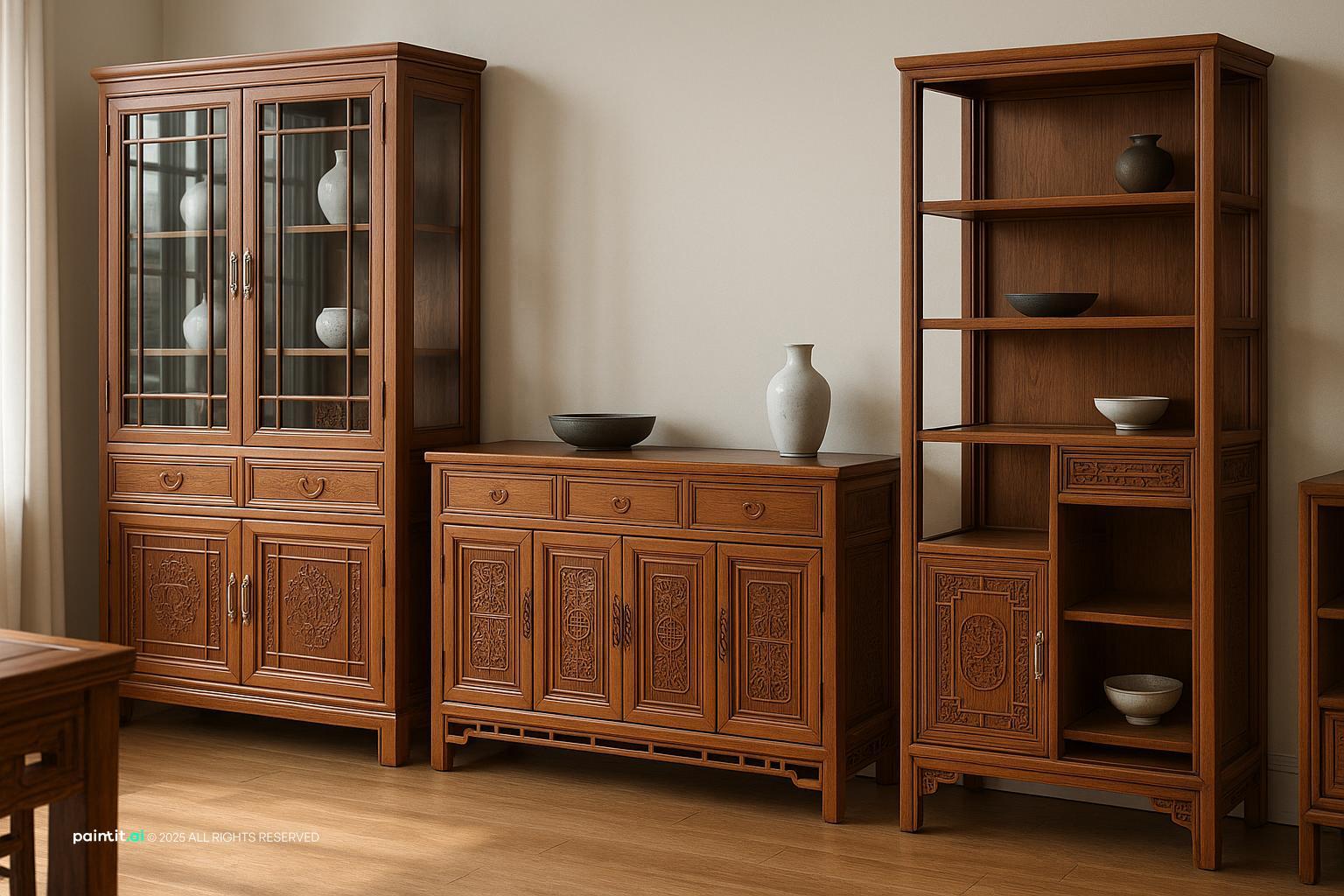
Asian Style Living Room with Statement Lighting
Floor-level uplighting rather than a central overhead fixture keeps the ceiling plane calm, which matters in a low-furniture room.
-
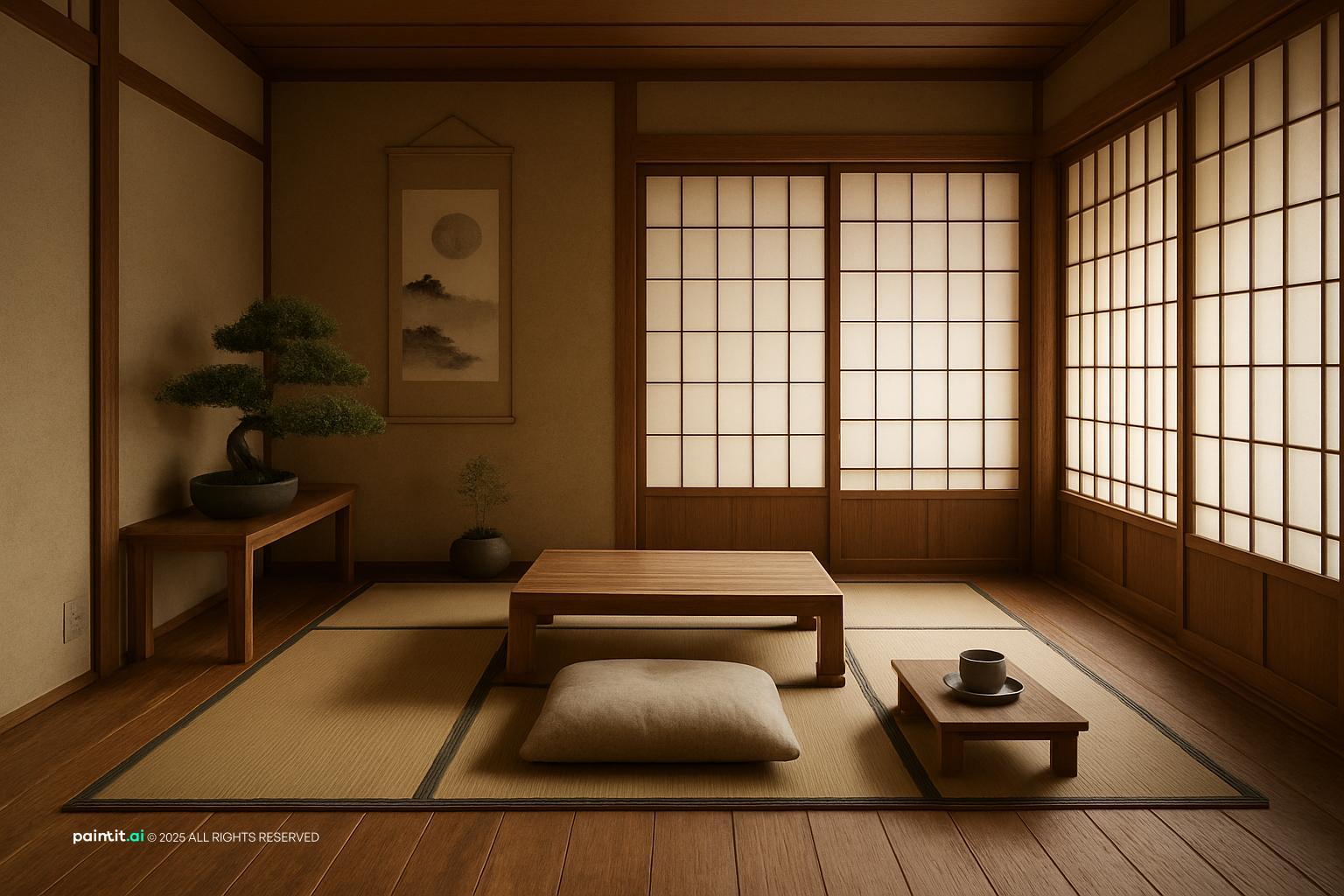
Japanese-Style Living Room
A single imperfect, handmade object, in the wabi-sabi tradition, carries more presence than a polished, mass-produced equivalent.
-
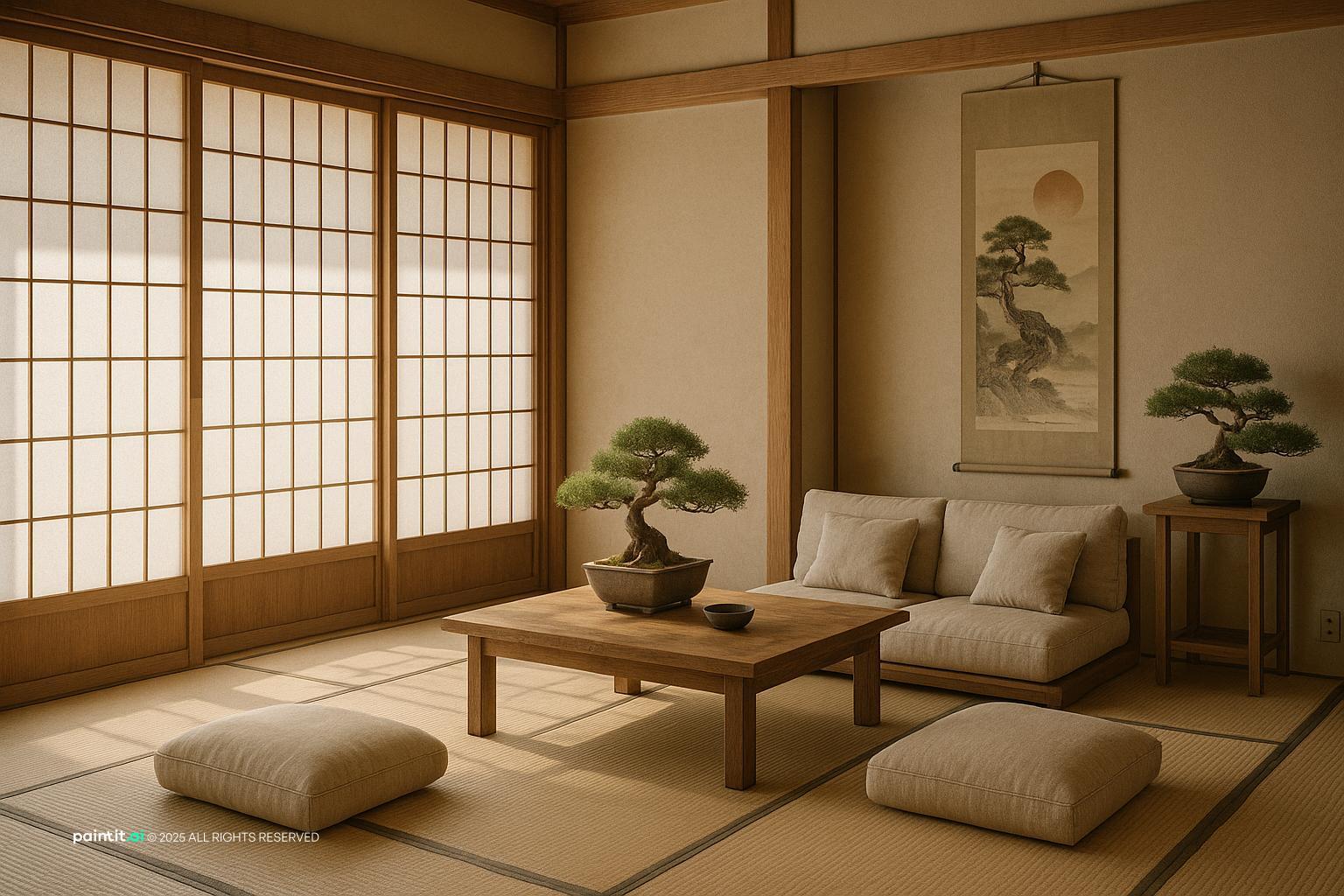
Asian Style Living Room with Layered Materials
Two or three natural materials, wood, stone, paper, repeated consistently do more than a wider material palette would.
-
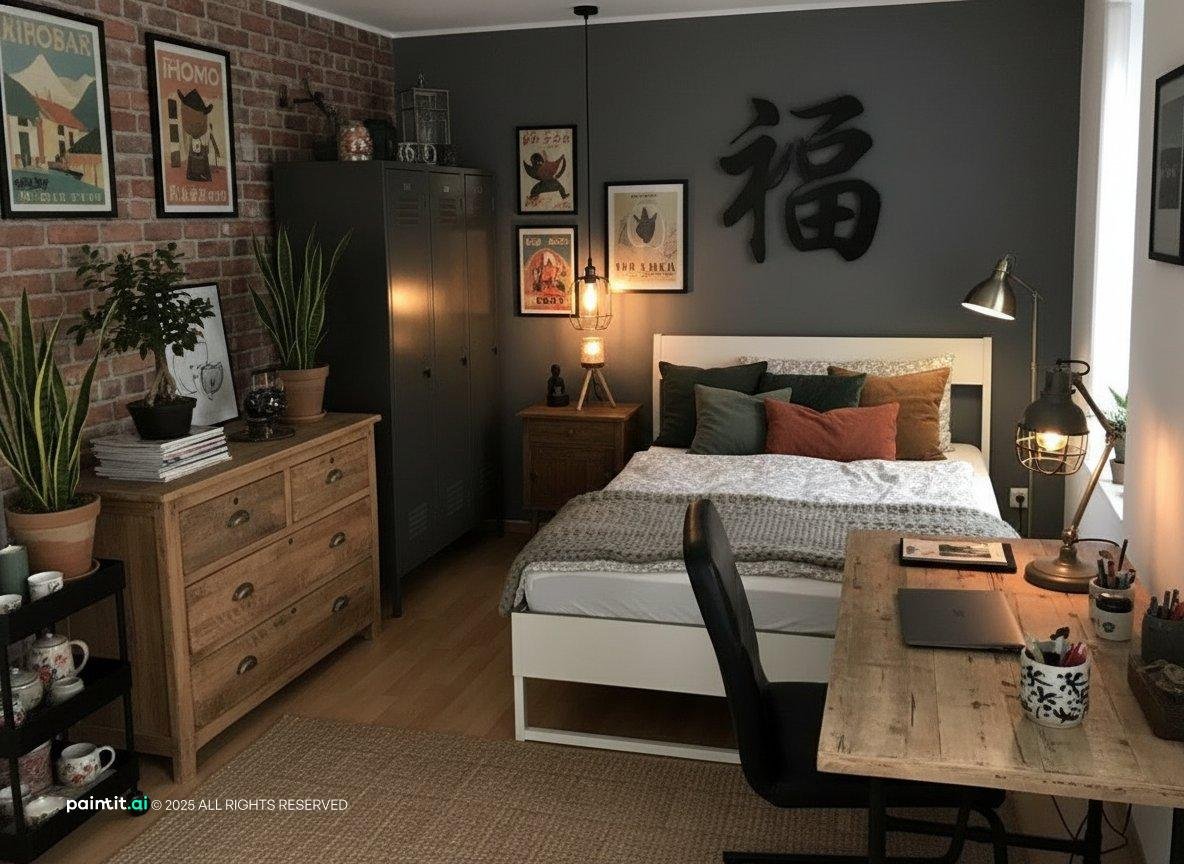
Asian-Inspired Bedroom with Calligraphy
A calligraphy panel is the single cultural detail that gives the room its Asian character.
-
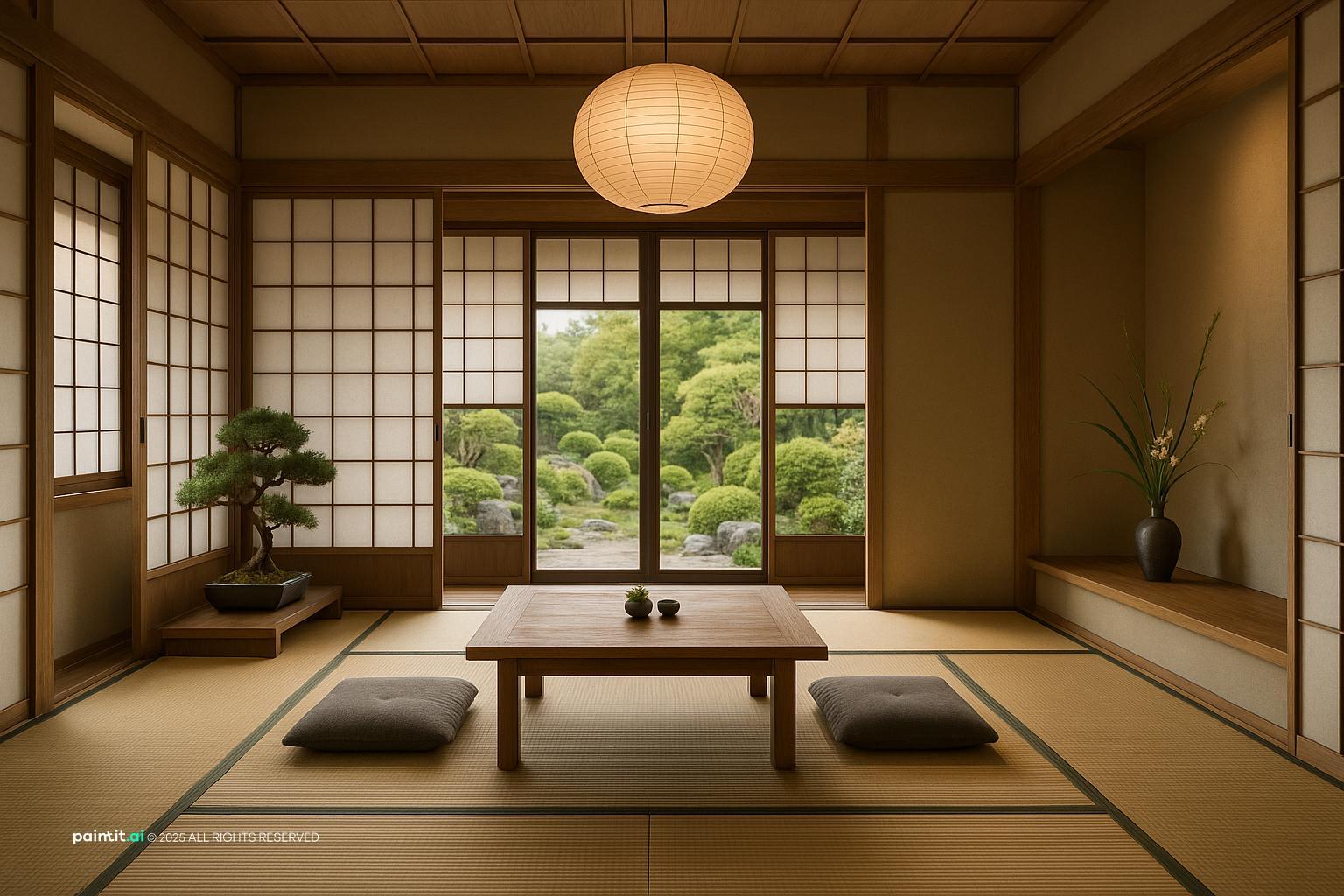
Elegant Japanese-Style
Elegance here comes from proportion and joinery quality, not from added ornament; a well-made plain piece outperforms a decorated one.
-
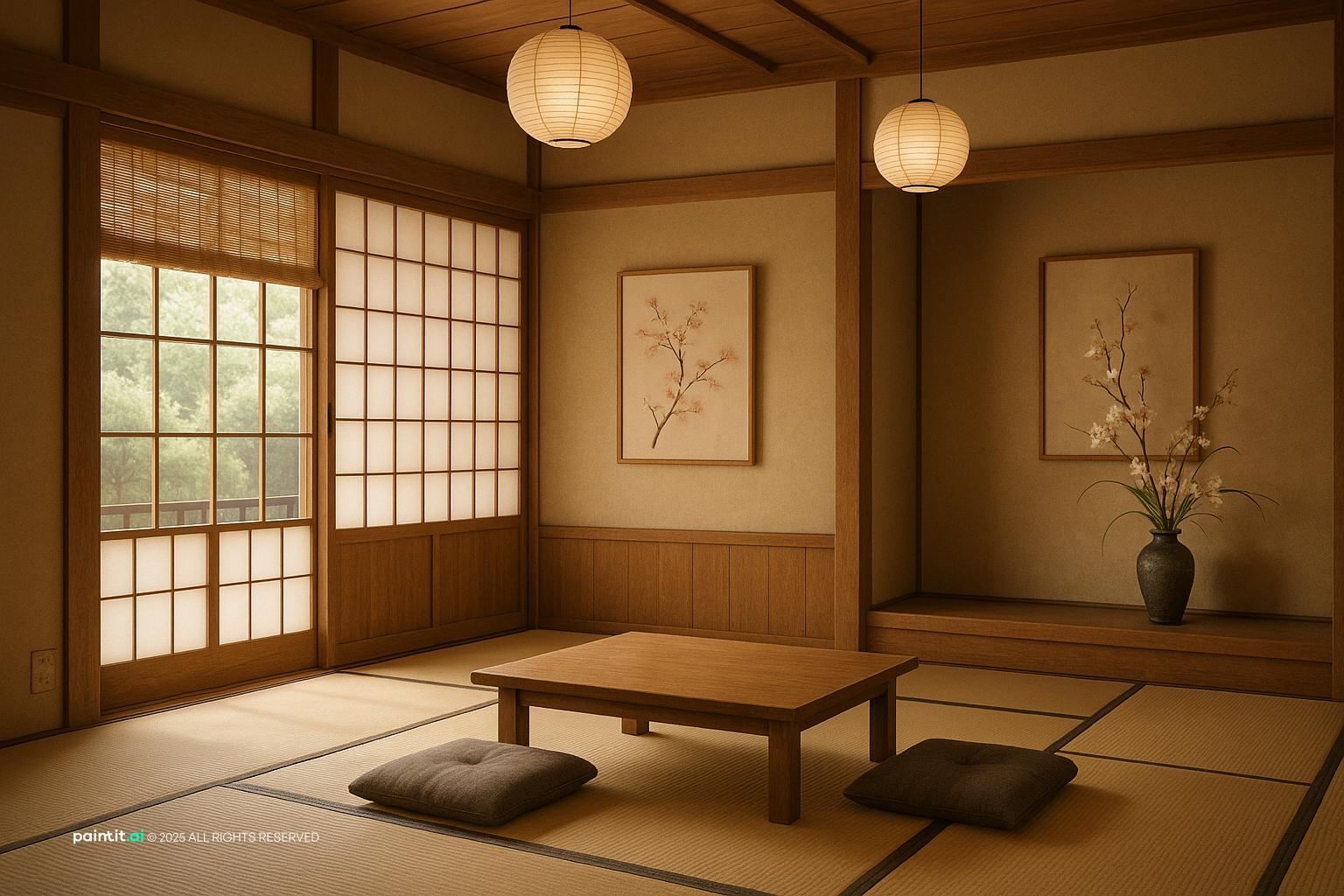
Vintage Japanese-Style
An aged wood piece with visible patina fits this style's respect for materials showing their age rather than looking new.
Discover Fresh Approaches Beyond Asian Interior Design Style Design Ideas
Trying different looks will help you get out of your comfort zone. If you are thinking about changing things up, now is the perfect time to find out what is in style and see what would look good in your home.
Oriental interiors →FAQ
-
Asian interior design style emphasizes clean lines, an uncluttered look and the use of natural materials. The style embraces natural colors and materials, along with a minimalist approach to furniture.
-
Focus on minimal décor, utilize multipurpose furniture and maximize natural light. Just choose one to avoid clutter and you will still achieve the Asian look you desire.
-
Warm neutrals, rich natural tones, and gentle greens work beautifully. Think sandy beiges, soft whites, and muted blacks. A deep red or jade accent can also add a sense of luxury and tradition.
-
Absolutely. Look to balance sleek and modern lines with some Asian-inspired accents, such as shoji screens or paper lanterns. Keep the palette neutral and surfaces clear so that both styles feel intentional and restful.
-
Wood, bamboo, stone, silk and paper. These natural elements bring a sense of warmth and texture to the space. Choose pieces that feel authentic and allow certain materials to age gracefully.
-
Low-profile seating, platform beds, lacquered cabinets, and tatami mats capture the spirit well. Look for pieces with straight lines and minimal ornamentation for a timeless, calming look.
-
Ensure ample natural light and minimal furniture use. Consider using water features or placing plants to enhance flow and tranquility. Arrange the furniture for ease of movement and balance. Soft fabrics and a couple of potted plants can really help.
-
Start by decluttering and simplifying. Consider incorporating a standout element, such as a bonsai tree or a shoji screen. Observe how the vibes change, then work your way up.