Malibu style interior design: inspiration and ideas for your home

Malibu style interior design is not generic coastal. It comes from a specific place - the cliff-top and beachfront residences of Malibu, California - and from a specific design sensibility that emerged from California modernism, the surfboard culture of the 1950s and 1960s, and the canyon-and-ocean landscape that makes the area distinct. The defining elements are sun-bleached rather than vivid, earthy rather than nautical, and sculptural rather than decorative. Travertine floors, cedar ceilings, raw stone and wood in organic forms, a palette drawn from the cliff geology and Pacific light - these are the materials of authentic Malibu style. Upload a photo to app.paintit.ai and test Malibu palette directions in your actual space. Generates a redesign in 1–2 minutes. Free to start.

Malibu Style Interior Design – with layered decor and balanced layout

What defines Malibu style in interior design?

Malibu style is a California coastal language shaped by Pacific light, cliff geology, California modernism, and indoor-outdoor living.

  • Typical materials and textures

    Travertine — the warm, slightly porous limestone used extensively in Malibu residences — is perhaps the most characteristic Malibu floor and wall material. Oak and teak in natural, unfinished states, cedar for ceiling cladding, raw stone for fireplaces and accent surfaces. These materials are chosen for their connection to the California landscape rather than their refinement. Cotton, linen, and jute textiles provide softness without competing with the material richness of stone and wood.

  • Signature furniture and decorative elements

    California modernism shapes the furniture language: low-slung seating with organic forms, sculptural pieces drawn from the 1950s–1970s California design tradition, and the relaxed confidence of a space designed for actual living rather than display.

  • The overall atmosphere and mood

    Malibu interiors blur the boundary between inside and outside more deliberately than almost any other residential style. Floor-to-ceiling windows frame the Pacific, decks extend directly from living rooms to sand or cliff-edge, and the same materials (travertine, raw wood, stone) carry through without interruption from interior floors to exterior terraces.

    The atmosphere is simultaneously relaxed and refined — not the studied perfection of a designed showroom, but the genuine ease of a space built by someone who knows how to live in it. Kelly Wearstler, whose Malibu beach houses have become the most widely referenced examples of the style, describes the approach: drawing inspiration from the shapes, textures and objects of the environment and building upon the natural beauty found there. The California light — the particular quality of Pacific coastal light — shapes every interior decision.

What makes Malibu style different from coastal and beach house design

Malibu style

Rooted in California modernism (particularly the Case Study House movement of the 1940s–1960s) and the specific geology and light of Malibu's cliffs and canyons. Materials are earthy and sculptural: travertine, raw stone, unfinished wood, seagrass. The palette is sun-bleached rather than vivid - warm whites, driftwood grey, sandy ochre, soft terracotta. The design approach is architectural first, decorative second. References: Kelly Wearstler's Malibu beach houses, Standard Architecture's Point Dume projects.
Coastal / beach house (generic)

Non-specific geographic origin. Blue and white palette, shell and driftwood decor, painted beadboard, nautical imagery. Comfortable and recognizable but lacking the architectural specificity of authentic Malibu style.

Malibu Barbie aesthetic (contemporary)

A saturated, maximalist reinterpretation of California coastal that references the 1970s pink-and-chrome palette rather than the earthier California modernist tradition. Vivid pink, chrome, white - deliberately pop and ironic. Different category from authentic Malibu design.

Malibu style visual references

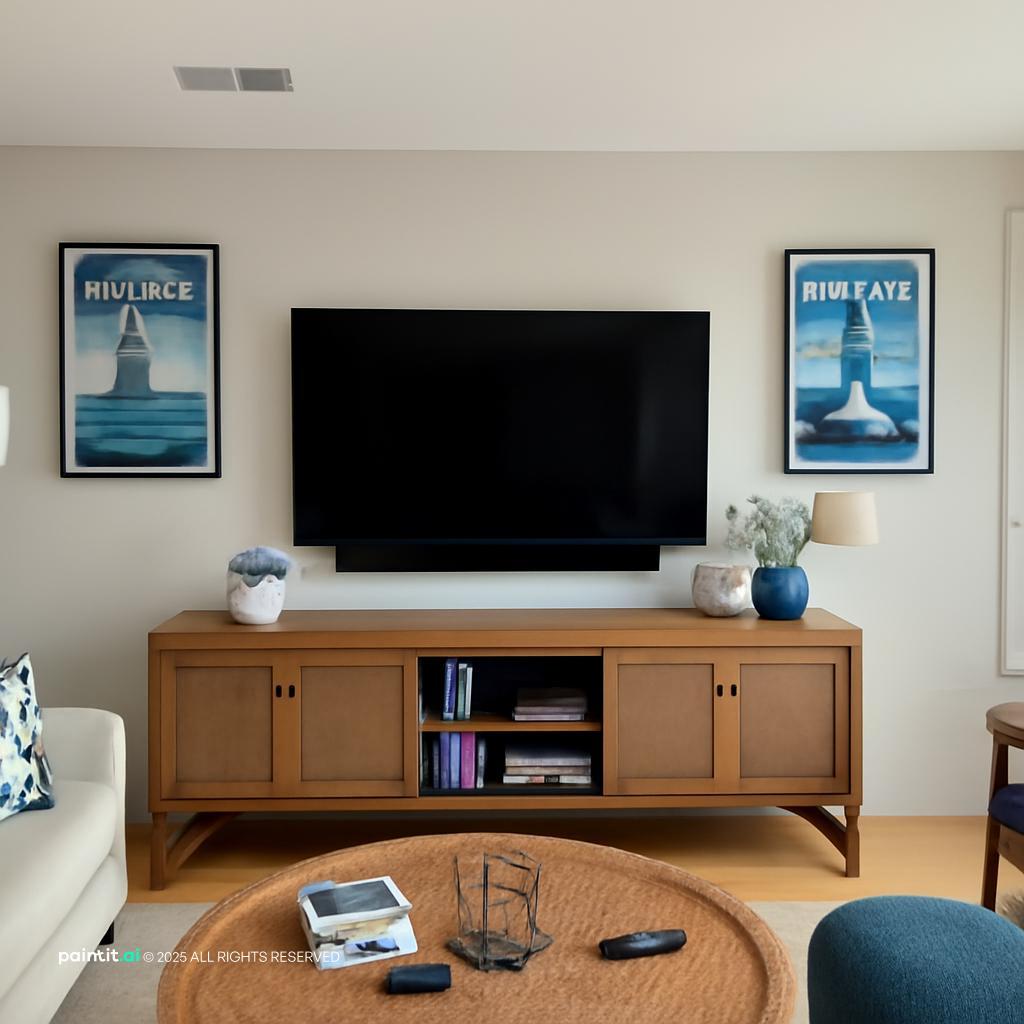
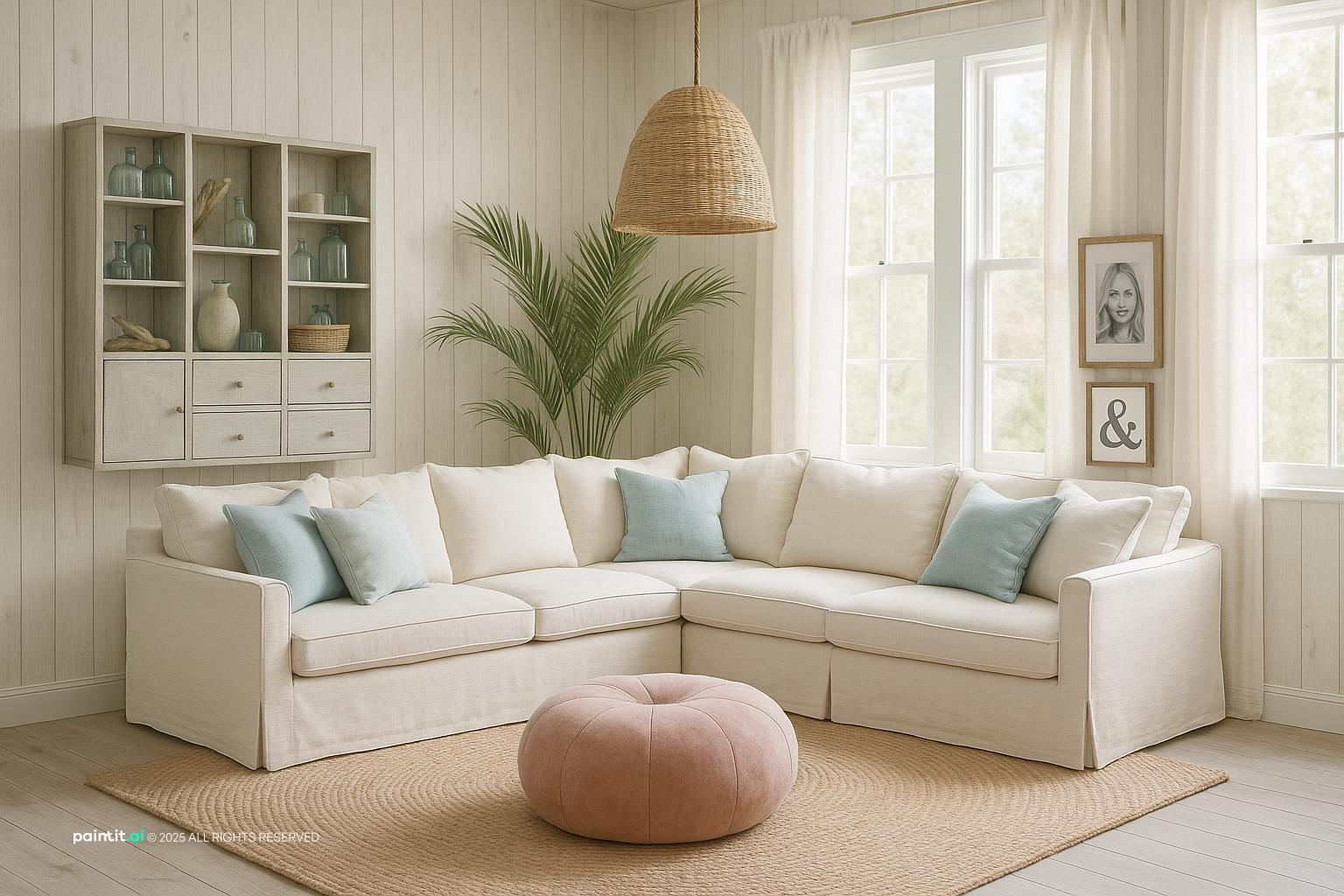
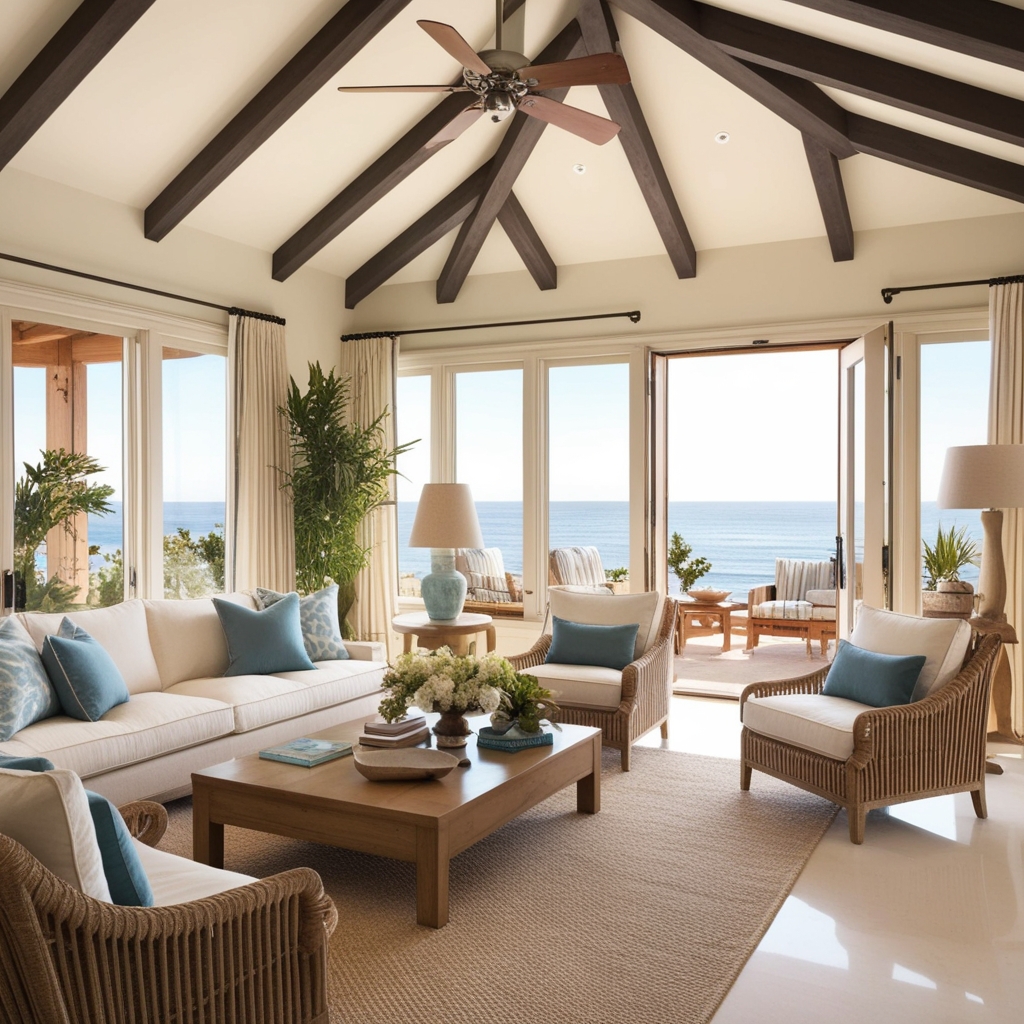
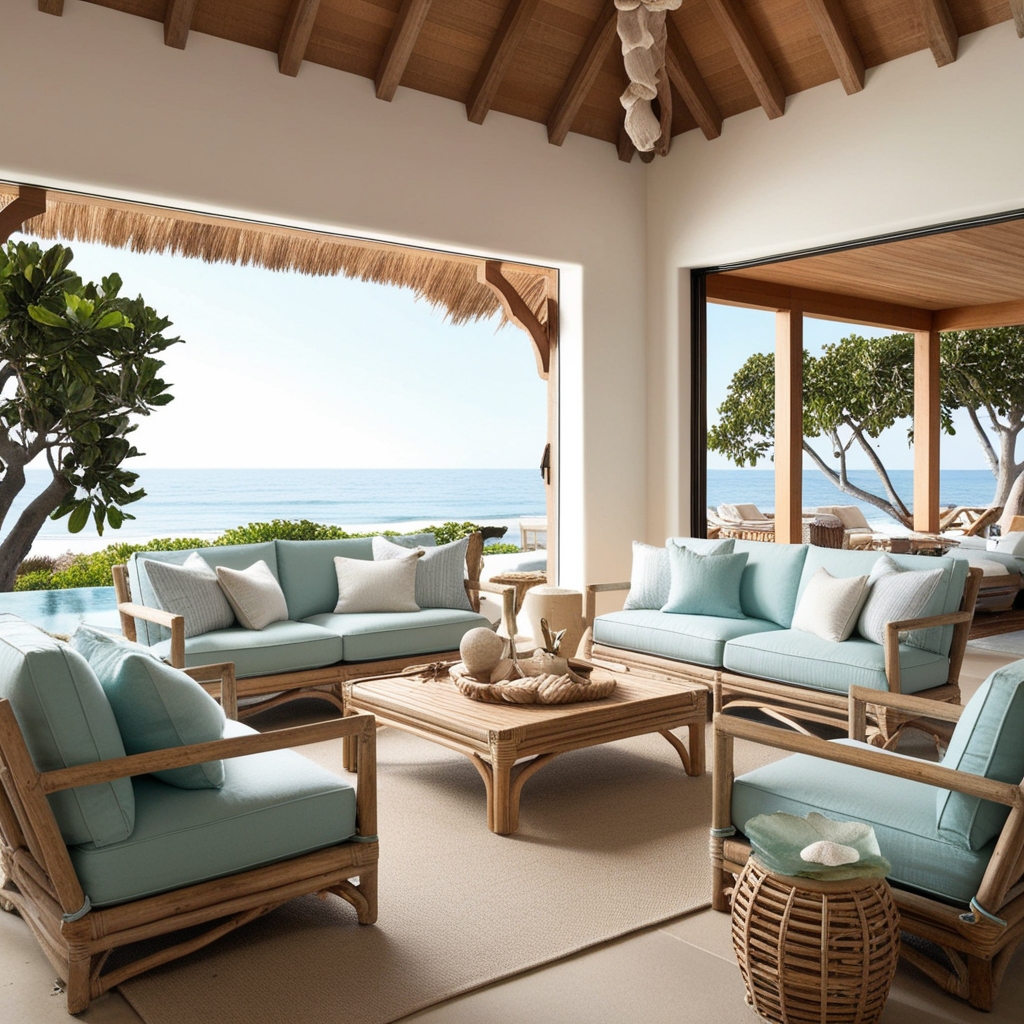
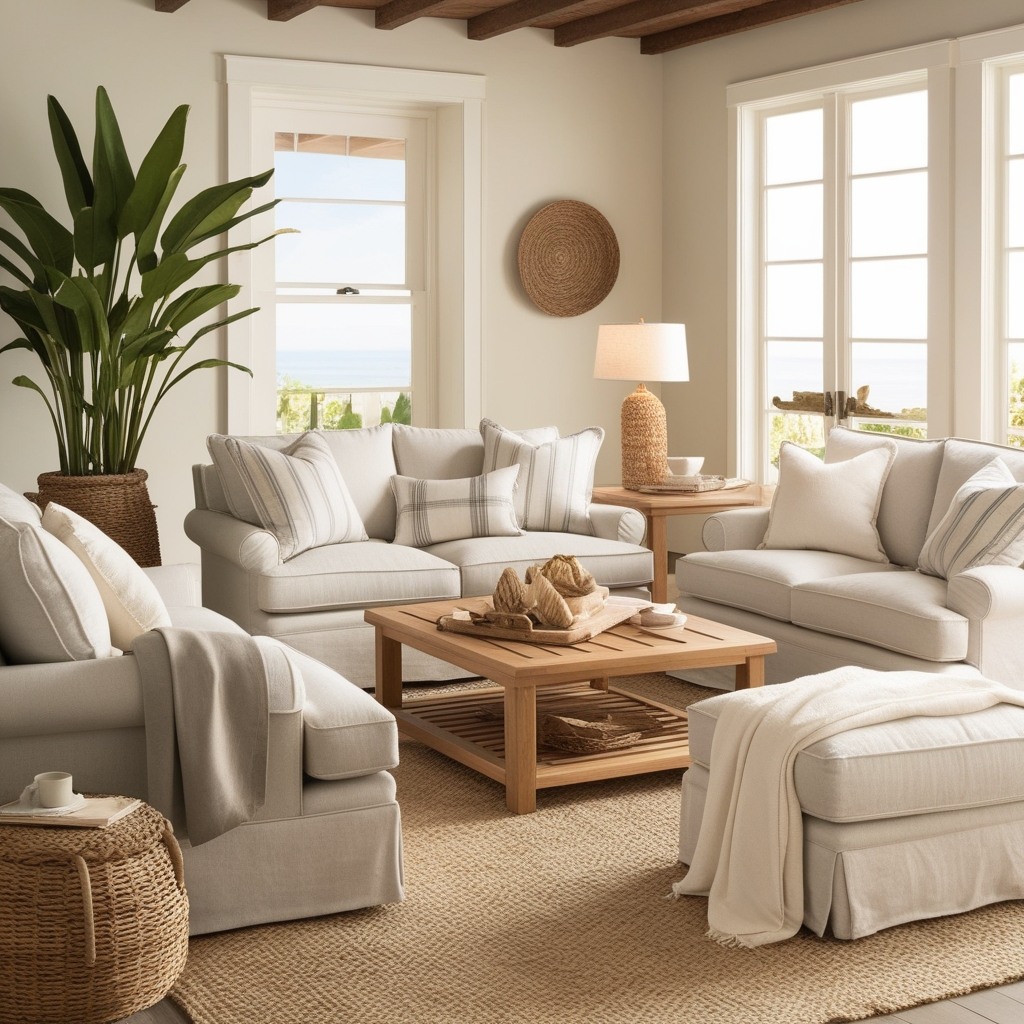
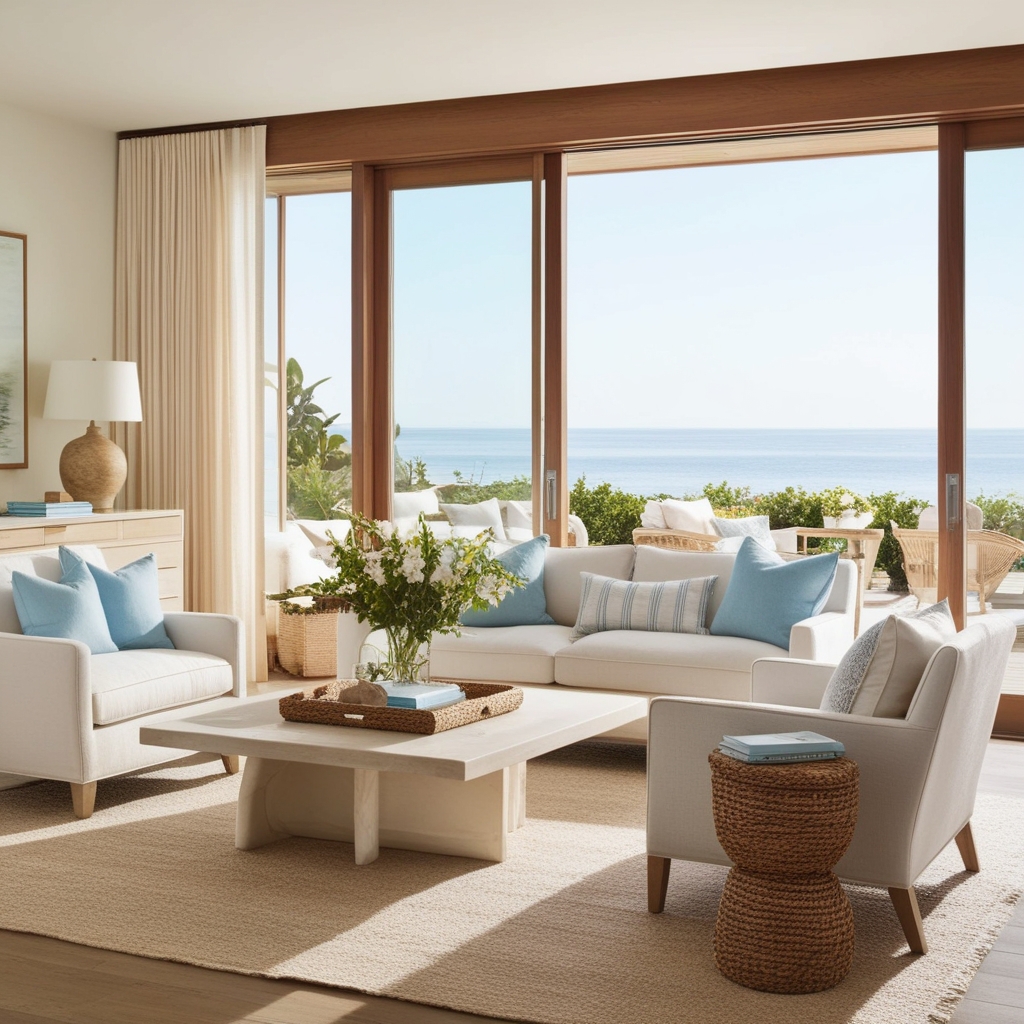
Malibu-inspired living room with warm whites, natural wood, and indoor-outdoor light
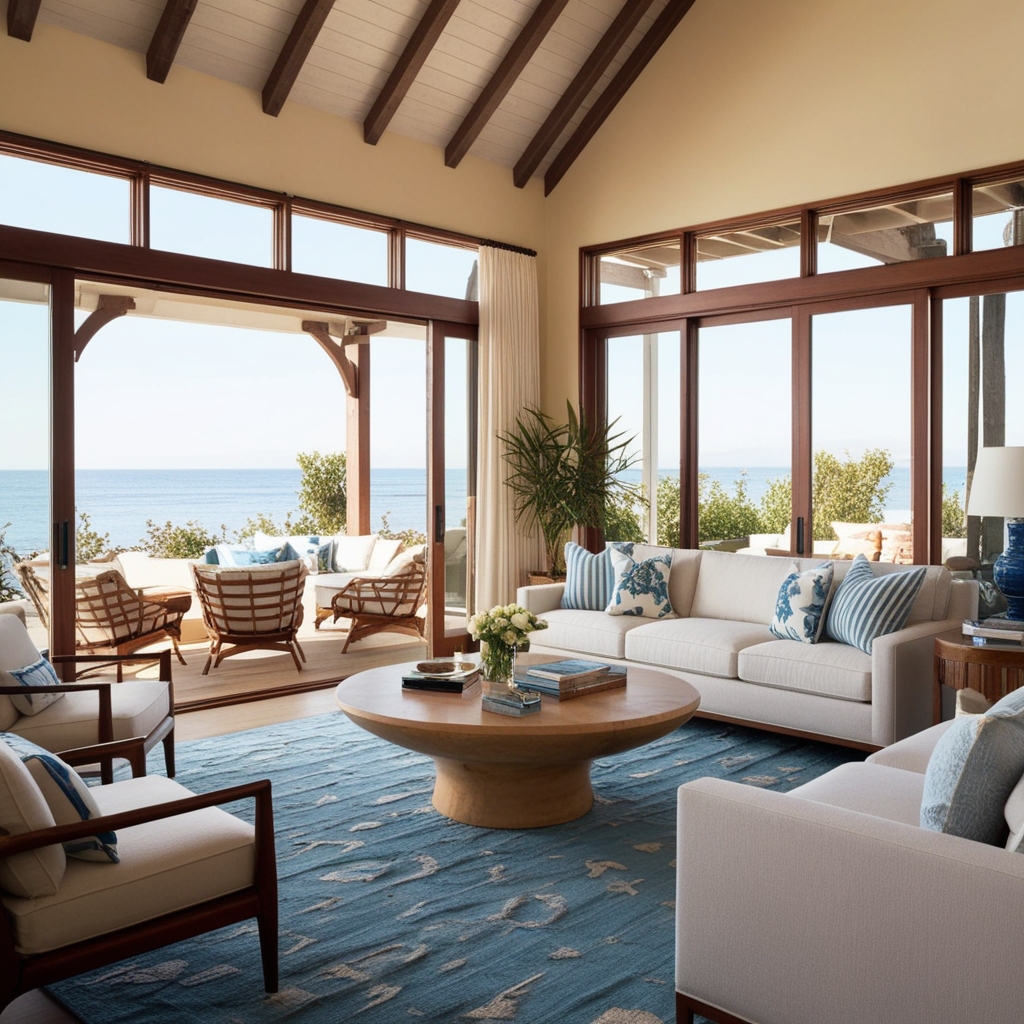
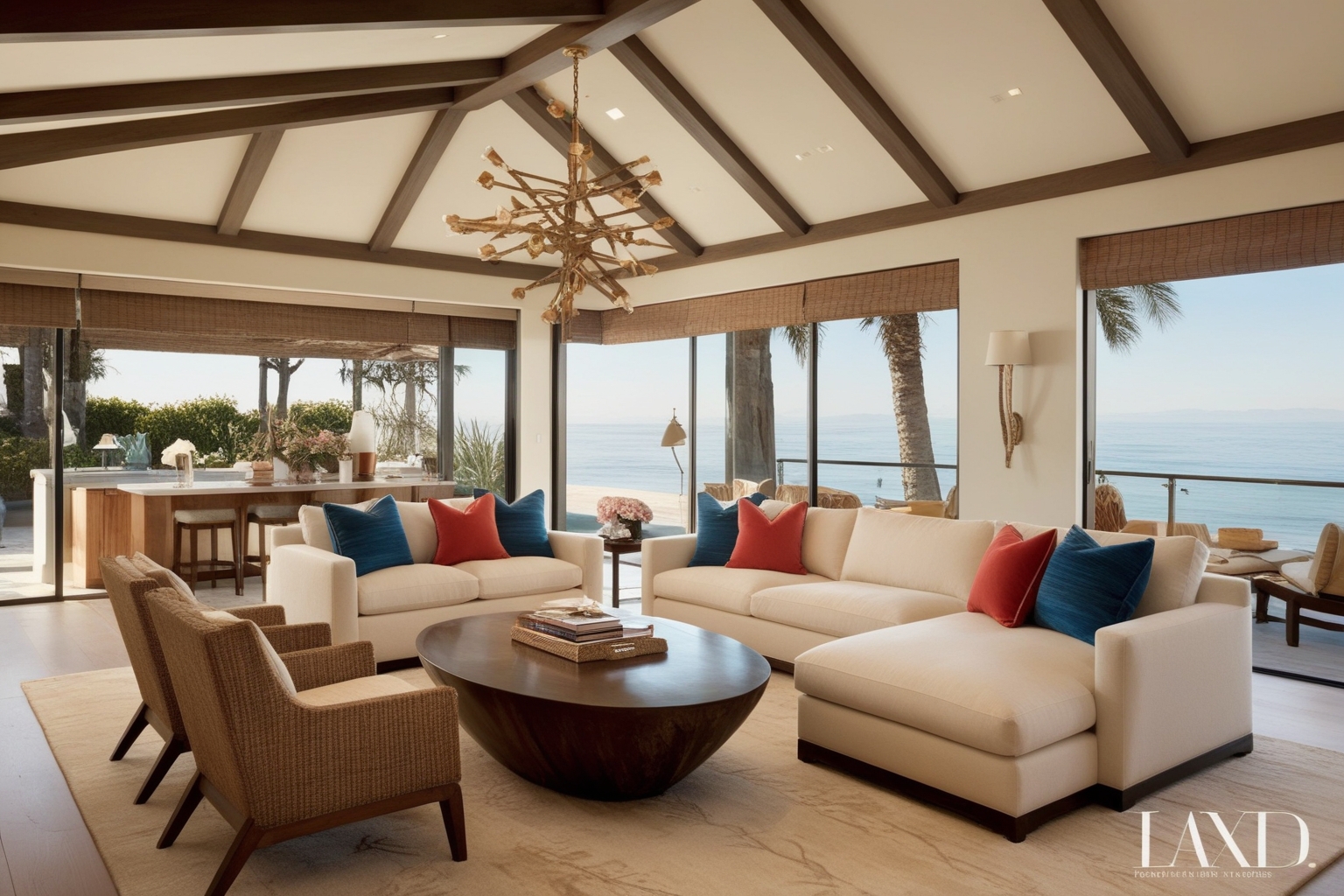
Open-plan warm coastal interior with natural stone tones and relaxed seating
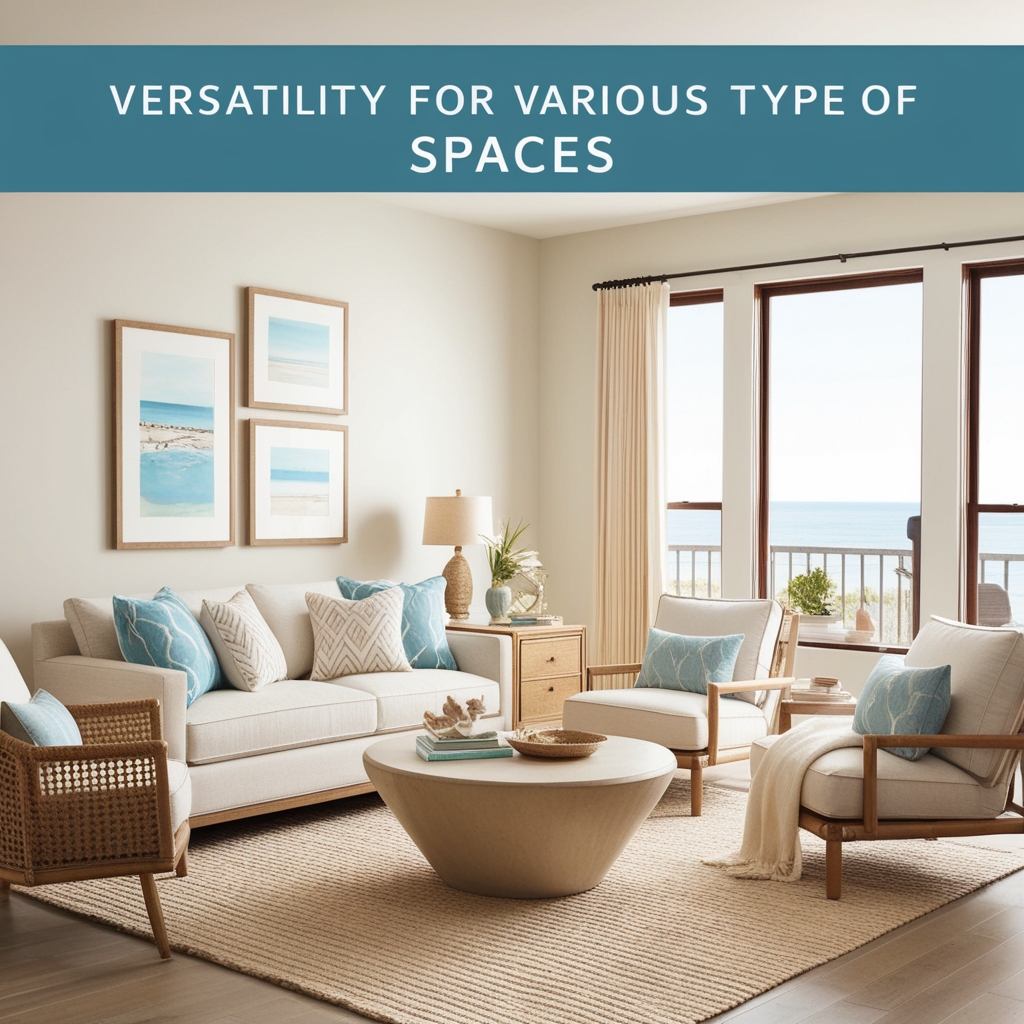
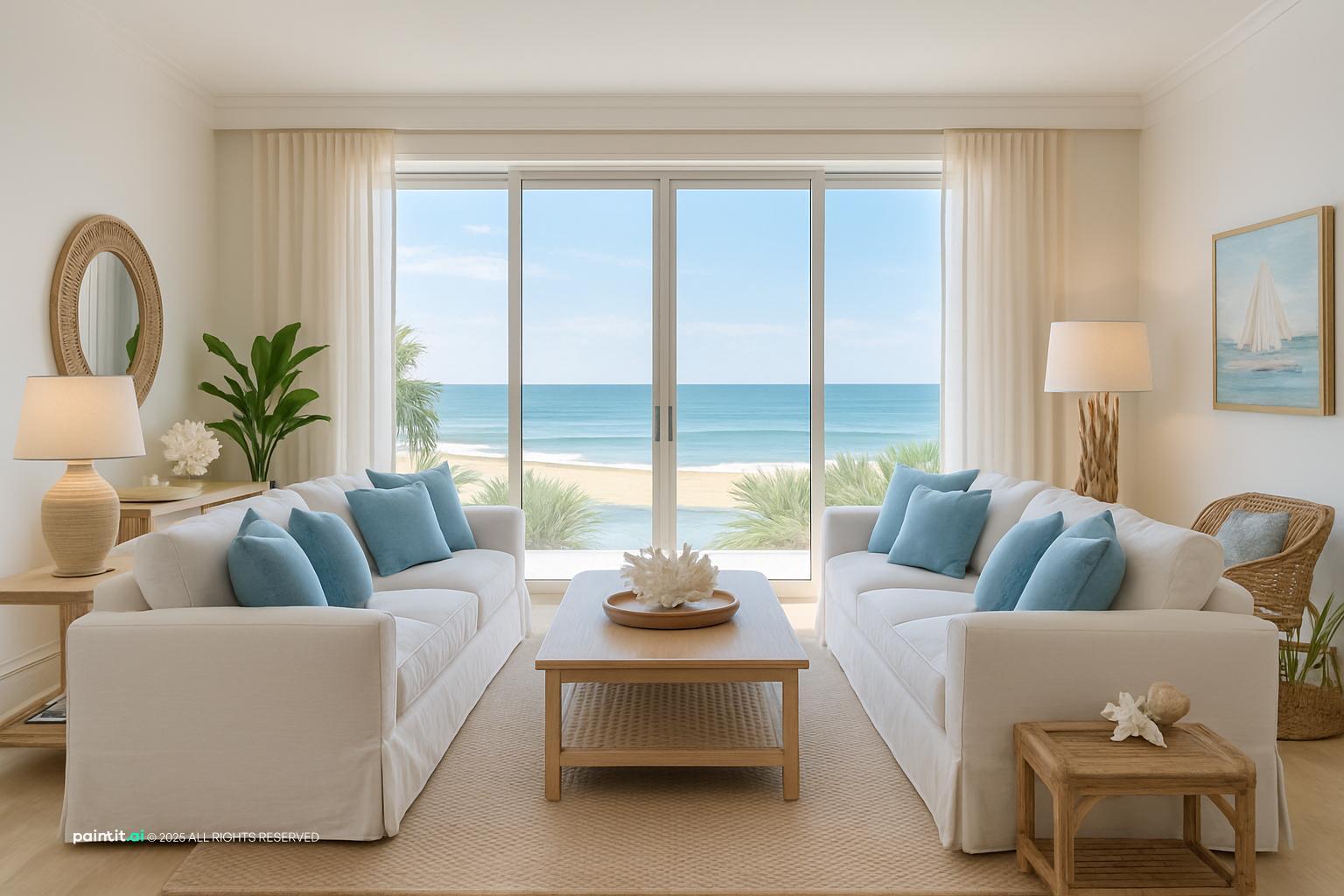
Beach house living room with natural textures and restrained blue accents
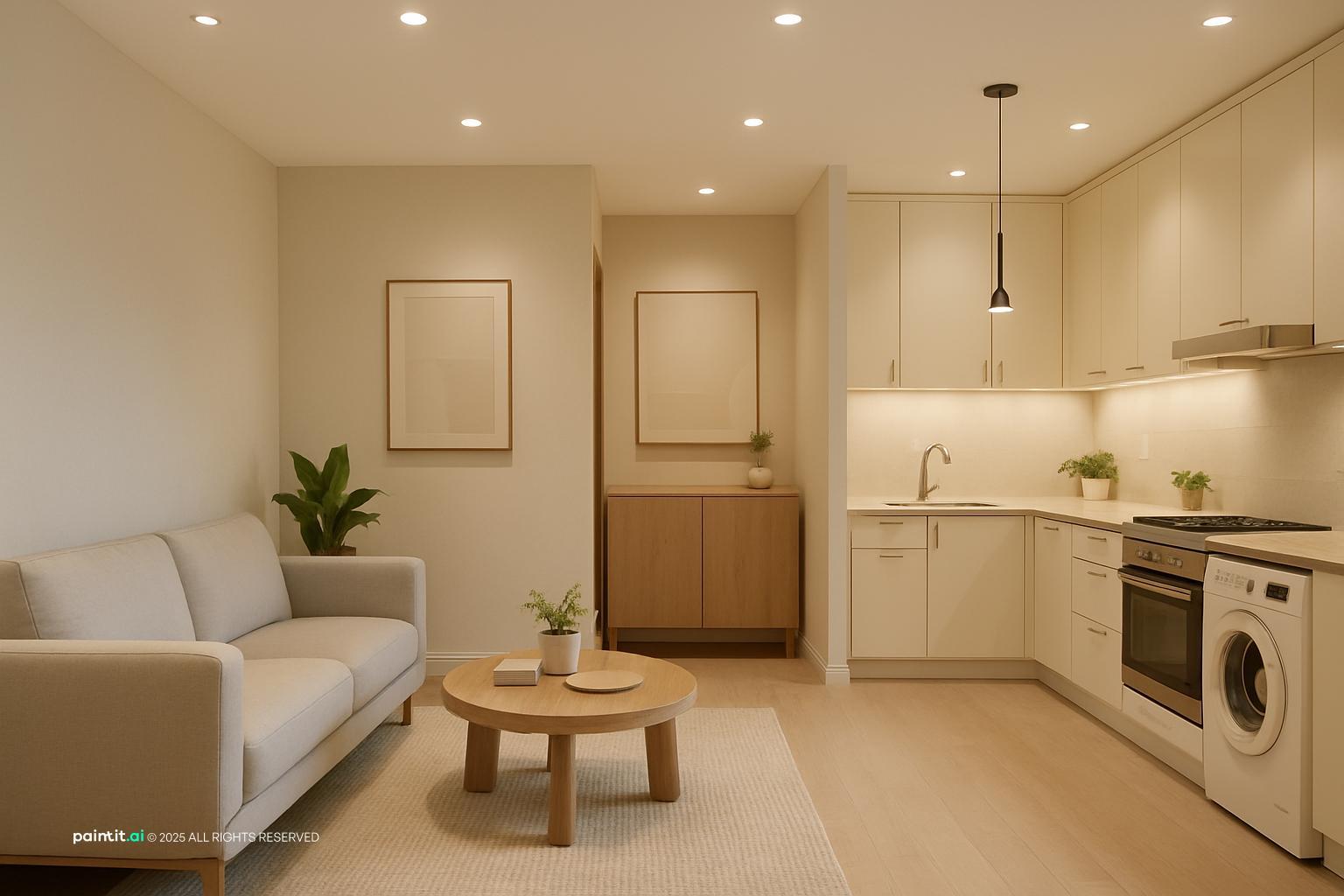
Sun-bleached warm neutral living room with simple furniture and soft daylight
Malibu interior with layered decor and balanced layout
Malibu interior with glass accents and natural wood
Malibu interior with crafted furniture and relaxed coastal palette
Malibu room with soft natural palette and comfortable furniture
Malibu room with statement wall art and layered textiles
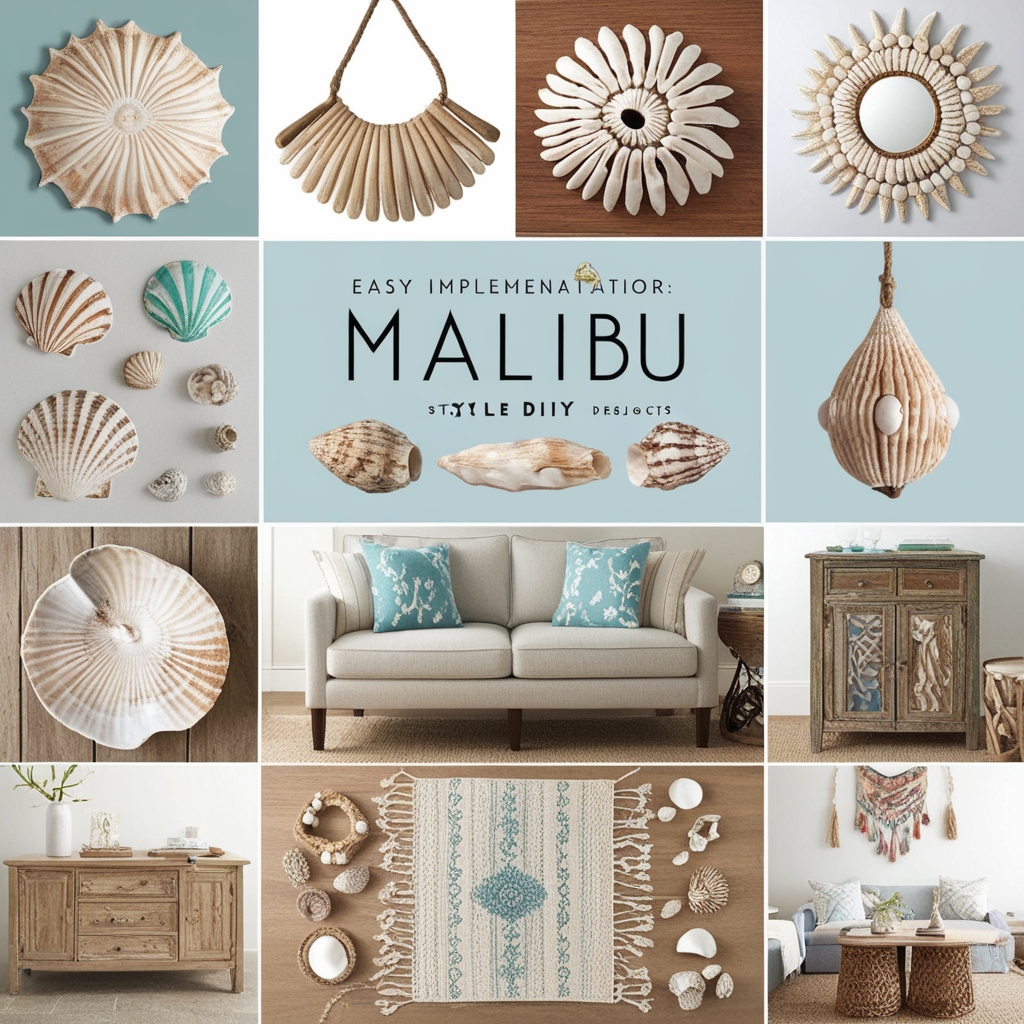
Malibu style room with crafted furniture and material references

Kelly Wearstler and the Malibu reference

Kelly Wearstler's two primary Malibu projects - the Broad Beach surf shack (a 1953 four-bedroom property on Malibu's Broad Beach) and her PCH cliff residence - have become the defining contemporary reference for Malibu style interior design. Her approach: drawing objects that are "hand-crafted, rustic and raw," replacing synthetic materials (the shag carpet at Broad Beach was replaced with seagrass), and designing for the outdoor connection.

The specific material decisions from Wearstler's Malibu work that define the contemporary style: - Wave-patterned marble as an organic, movement-referencing surface - 18-foot Ficus tree and other large-scale living plants in interior spaces - California and European midcentury vintage pieces mixed without period strictness - Cedar panelling and natural timber as wall and ceiling surfaces - Seagrass rather than carpet for floor texture

These aren't prescriptions but principles: everything references the specific quality of the place.

How to apply Malibu style in your home

Start with the palette

Sun-bleached rather than saturated. Warm white or sandy cream walls, travertine or light stone floors, natural wood in warm honey or cedar tones. The accent colours come from the California landscape: terracotta, sage green, driftwood grey, and the occasional warm ochre. Nothing vivid, nothing nautical blue.

Choose one sculptural material

Travertine as a floor, raw stone as a fireplace surround, a cedar ceiling, or unfinished marble with visible veining - one material that has physical presence and organic texture. This single material decision does more to establish Malibu character than any amount of accessorizing.

Prioritize the outdoor connection

Large sliding or folding doors, continuity of flooring material from inside to outside terrace, plants (large-scale, tropical in character) that reference the landscape. The Malibu interior is always in conversation with what's outside it.

Edit the accessories

Malibu style is materially rich but accessorily spare. A single piece of sculpture, a collection of California ceramics, large-scale artwork that references the landscape - rather than the accumulated nautical objects of generic beach house decor. The material quality of the surfaces does the work.

Visualize Malibu style with Paintit.ai

Upload a photo of any room to app.paintit.ai and test how Malibu colour palettes - sun-bleached whites, travertine tones, earthy terracotta accents - read in your actual space in 1–2 minutes. Compare a California modernist direction against a lighter coastal approach. Free to start.

FAQ

  • Malibu style draws from the architecture and landscape of Malibu, California - specifically the California modernist tradition of cliff-top and beachfront residences designed for genuine outdoor-indoor connection. The defining elements: sun-bleached warm palettes (sandy cream, driftwood grey, travertine tone, soft terracotta), raw natural materials (travertine floors, cedar ceilings, unfinished stone and wood, seagrass), California and European midcentury vintage furniture, sculptural organic forms that reference wave and cliff geology, and the priority of the Pacific Ocean view over any decorative consideration.

  • Kelly Wearstler is the most widely referenced designer for contemporary Malibu style. Her two Malibu projects - the Broad Beach surf shack (1953 four-bedroom house on Broad Beach) and her PCH cliff residence - set the visual vocabulary: earthy, raw, hand-crafted, rooted in the California landscape. Standard Architecture's Malibu projects (particularly the Point Dume house with travertine floors and cedar ceilings) represent the more architecturally rigorous contemporary direction.

  • Sun-bleached and earthy: warm white and sandy cream as the primary wall tones; travertine, limestone, and natural oak in floor and ceiling materials; driftwood grey in weathered wood accents; soft terracotta and ochre in textiles and pottery; occasional sage green from the canyon vegetation. The palette avoids vivid coastal blue, which belongs to generic beach house style rather than authentic Malibu design.

  • Yes. Upload a photo of any room to app.paintit.ai and test Malibu-inspired palettes and material directions in 1–2 minutes. Free to start.