
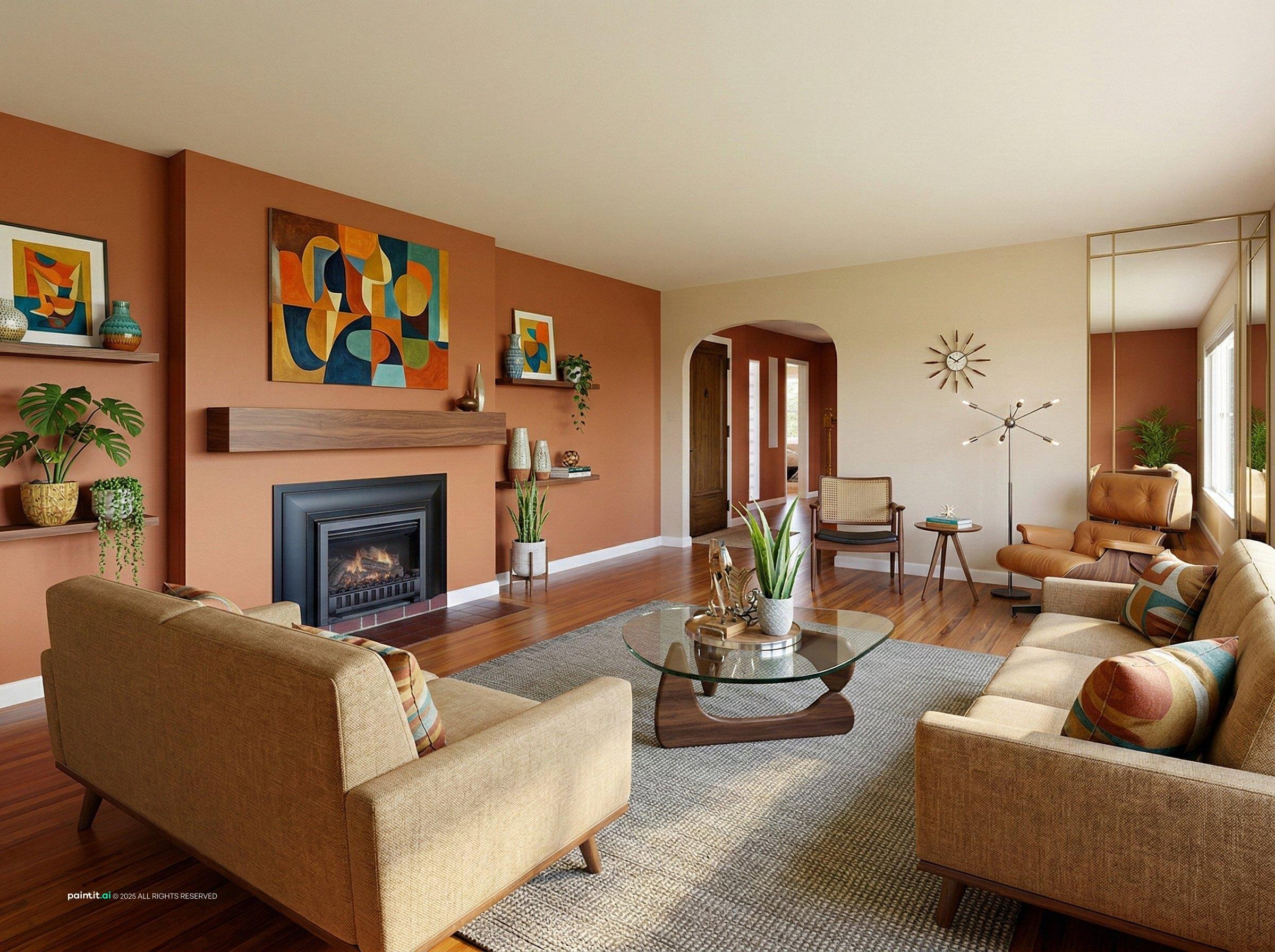
Terracotta and mid-century
Terracotta walls with tan upholstery make a bright earthy room.
Earthy living room ideas use colours and materials taken from nature: terracotta, rust, olive, sand and brown, with wood, stone, linen, wool and leather. The result is warm and calm, but it can turn flat and dark if every surface is the same tone. The rooms below show how to balance light and dark earth tones and where to add contrast. Pick a palette and try it on your own room.
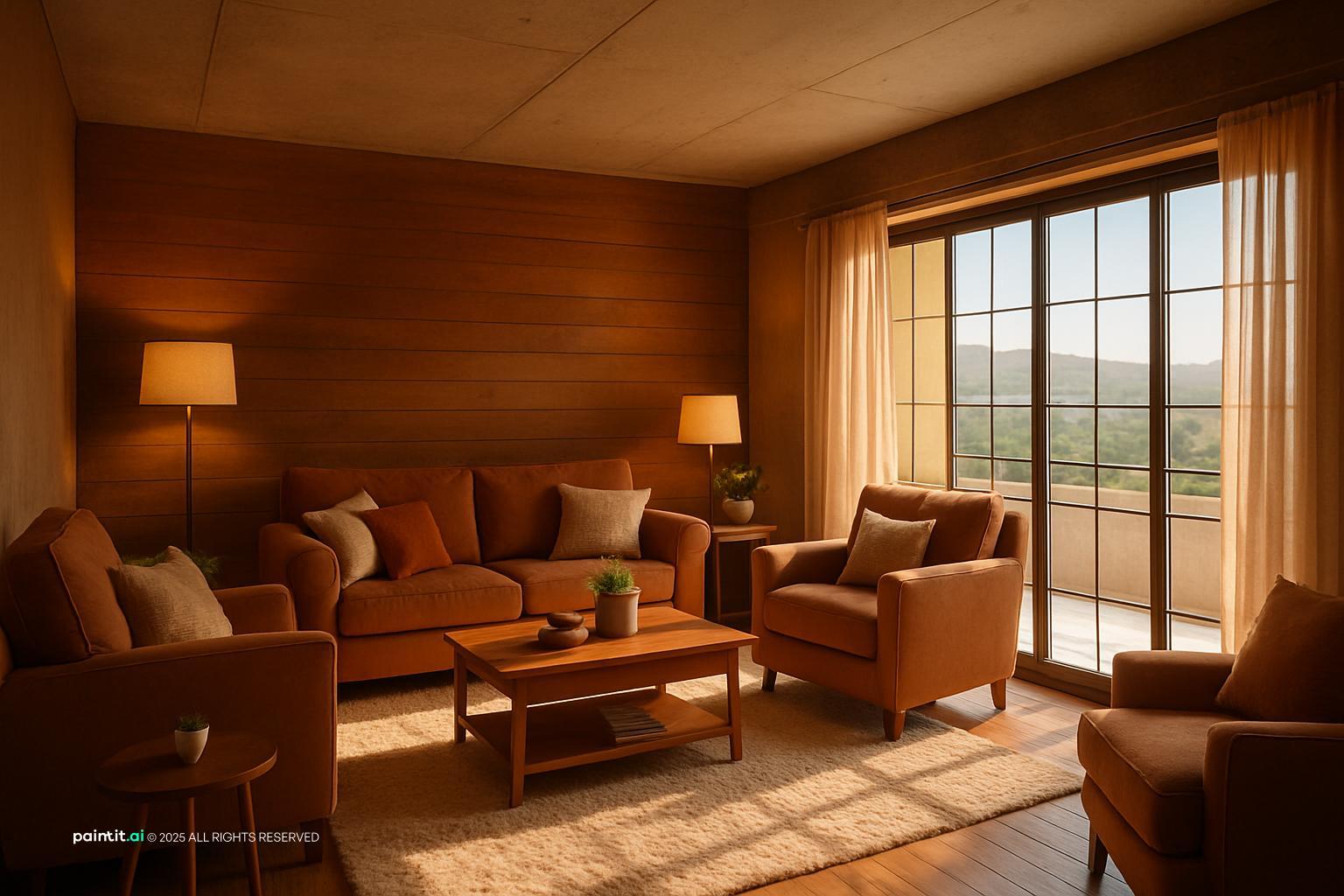
Each room uses earth tones differently: notice how much is light, how much is dark, and which material brings texture.
Terracotta walls with tan upholstery make a bright earthy room.
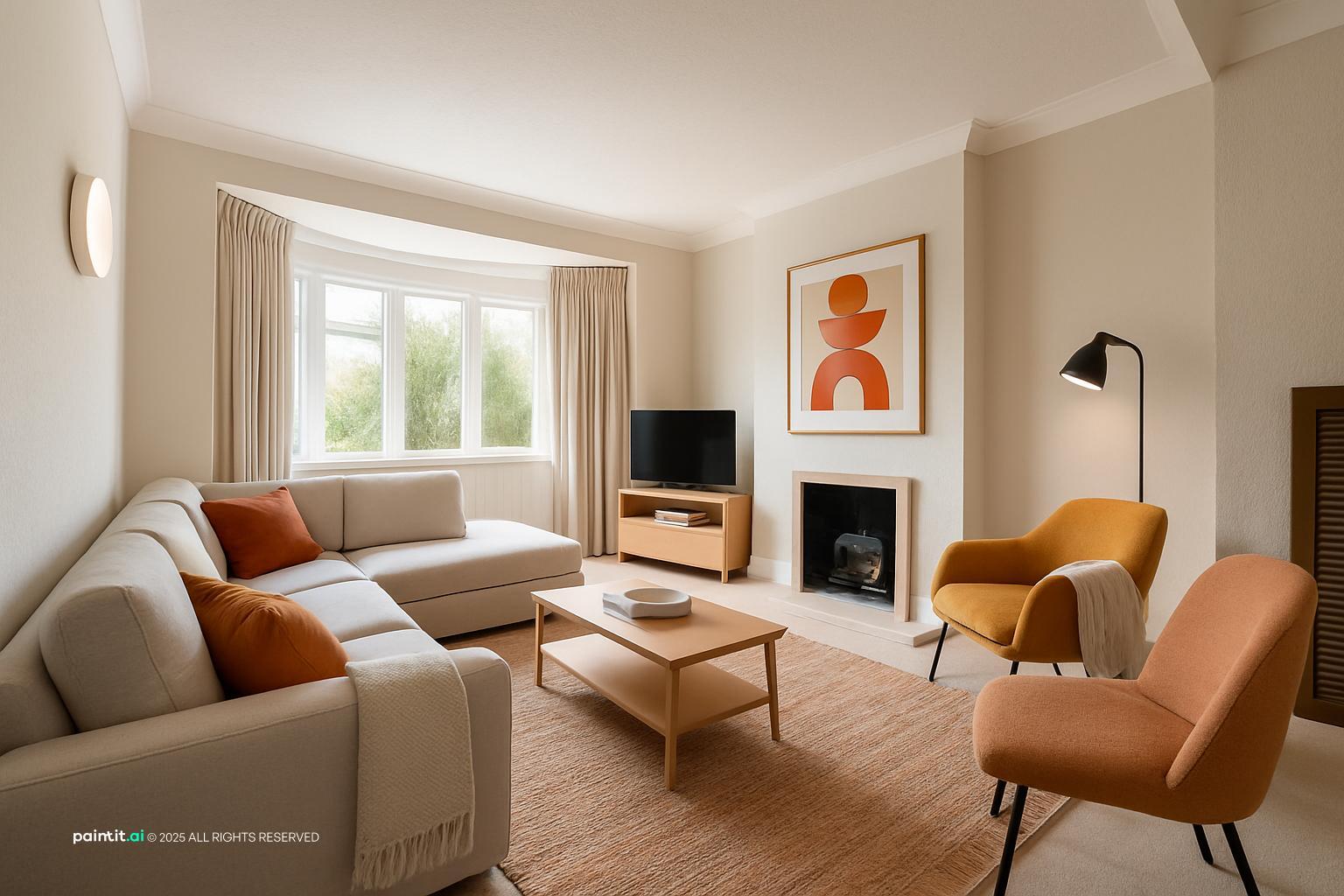
A cream base with rust and ochre accents keeps it airy.
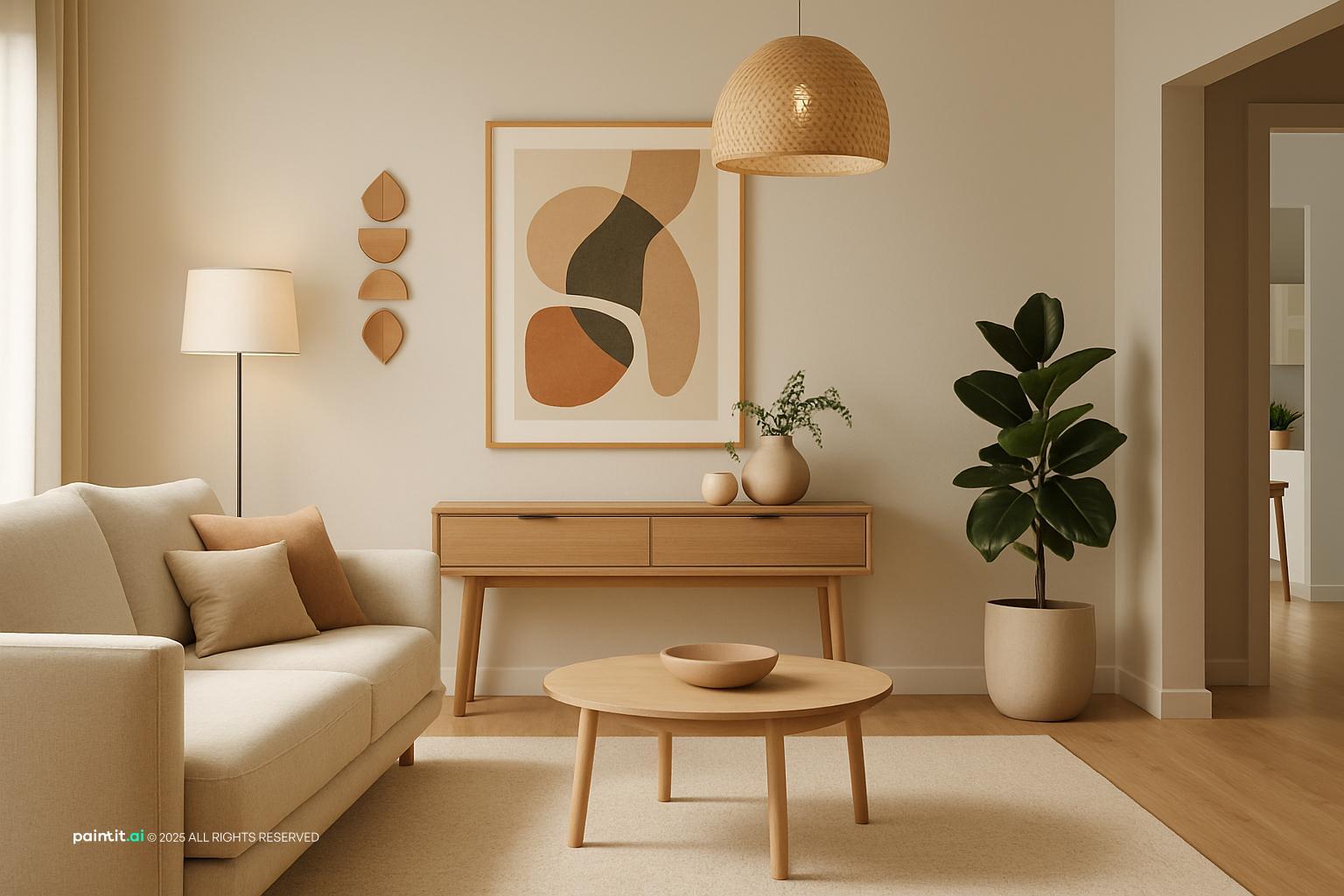
Sand walls and light wood are the calmest earthy palette.
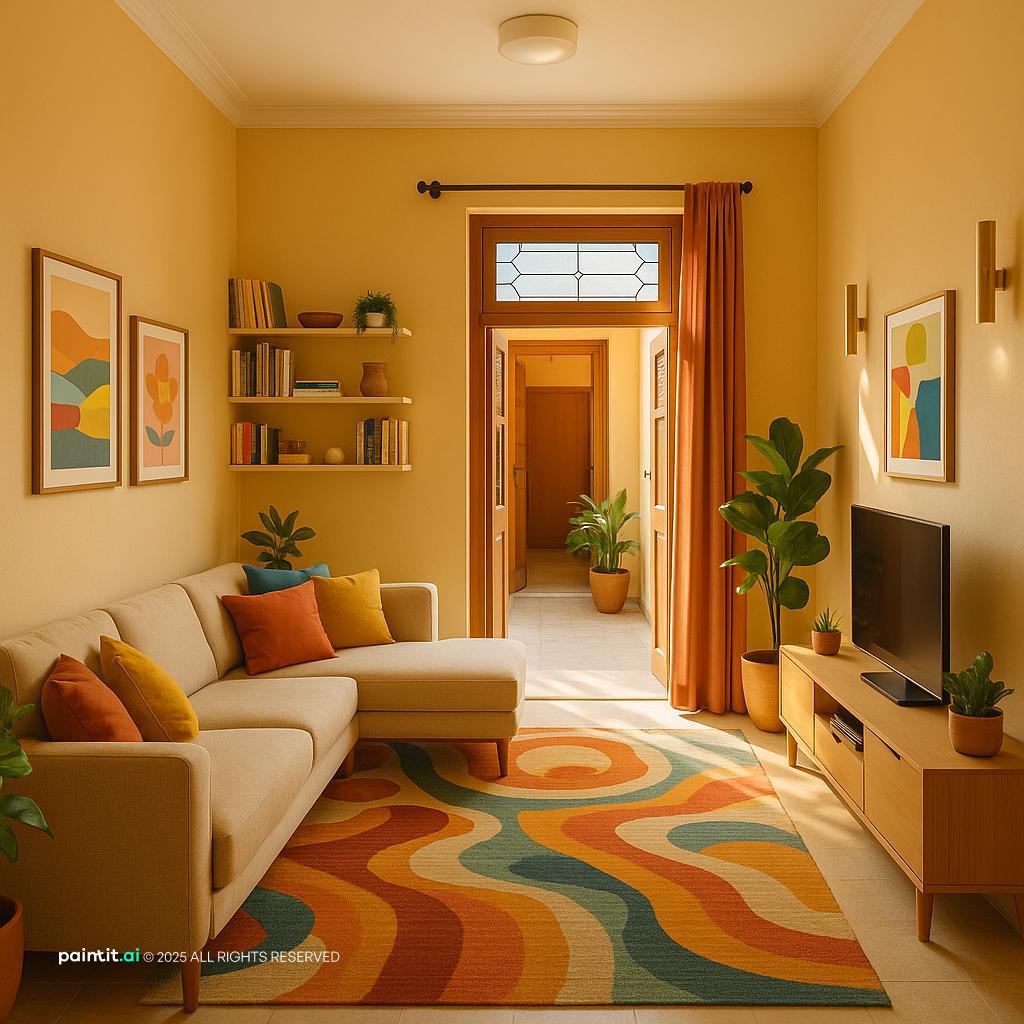
A patterned rug brings several earth tones together.
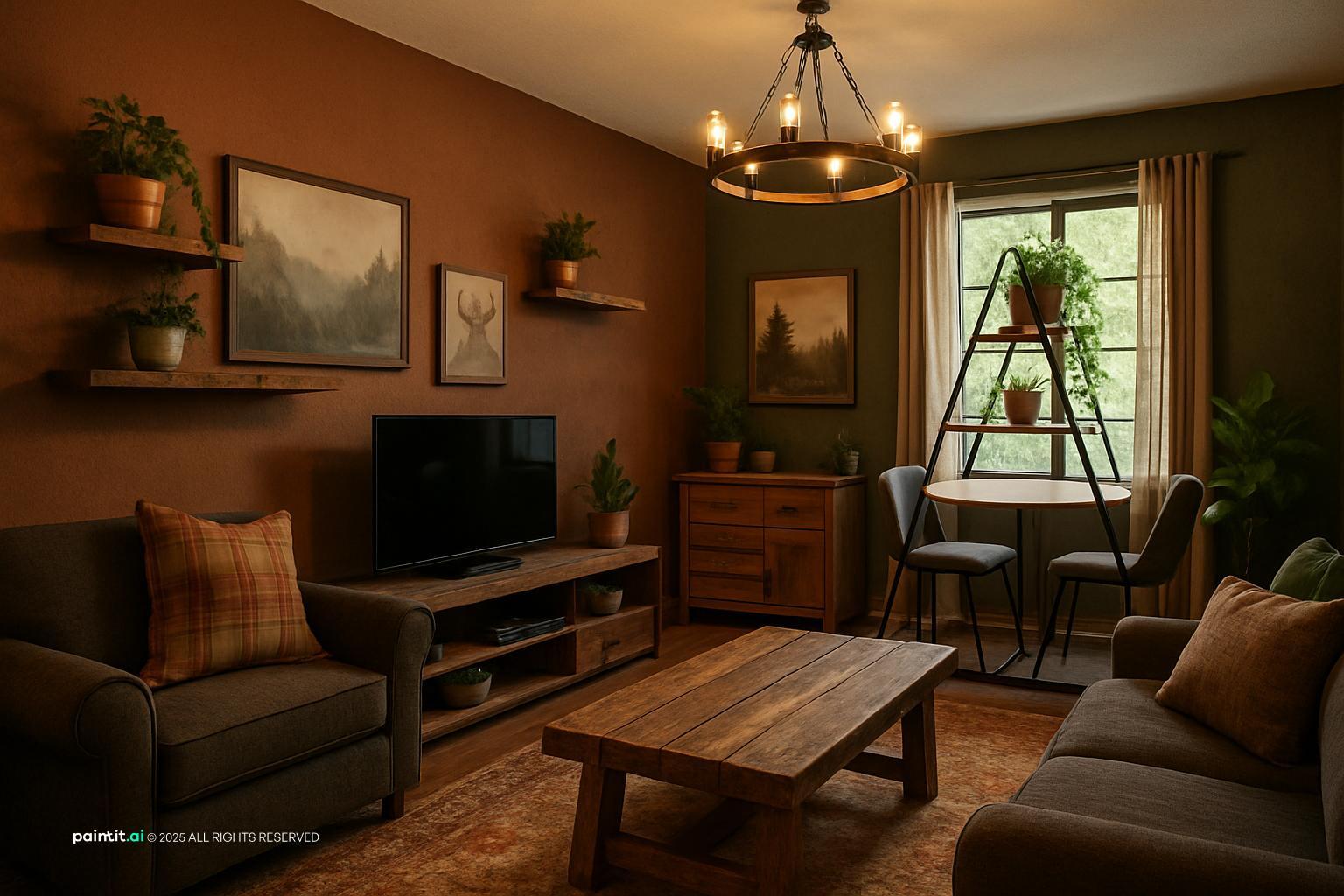
Rust and olive are the classic earthy pairing.
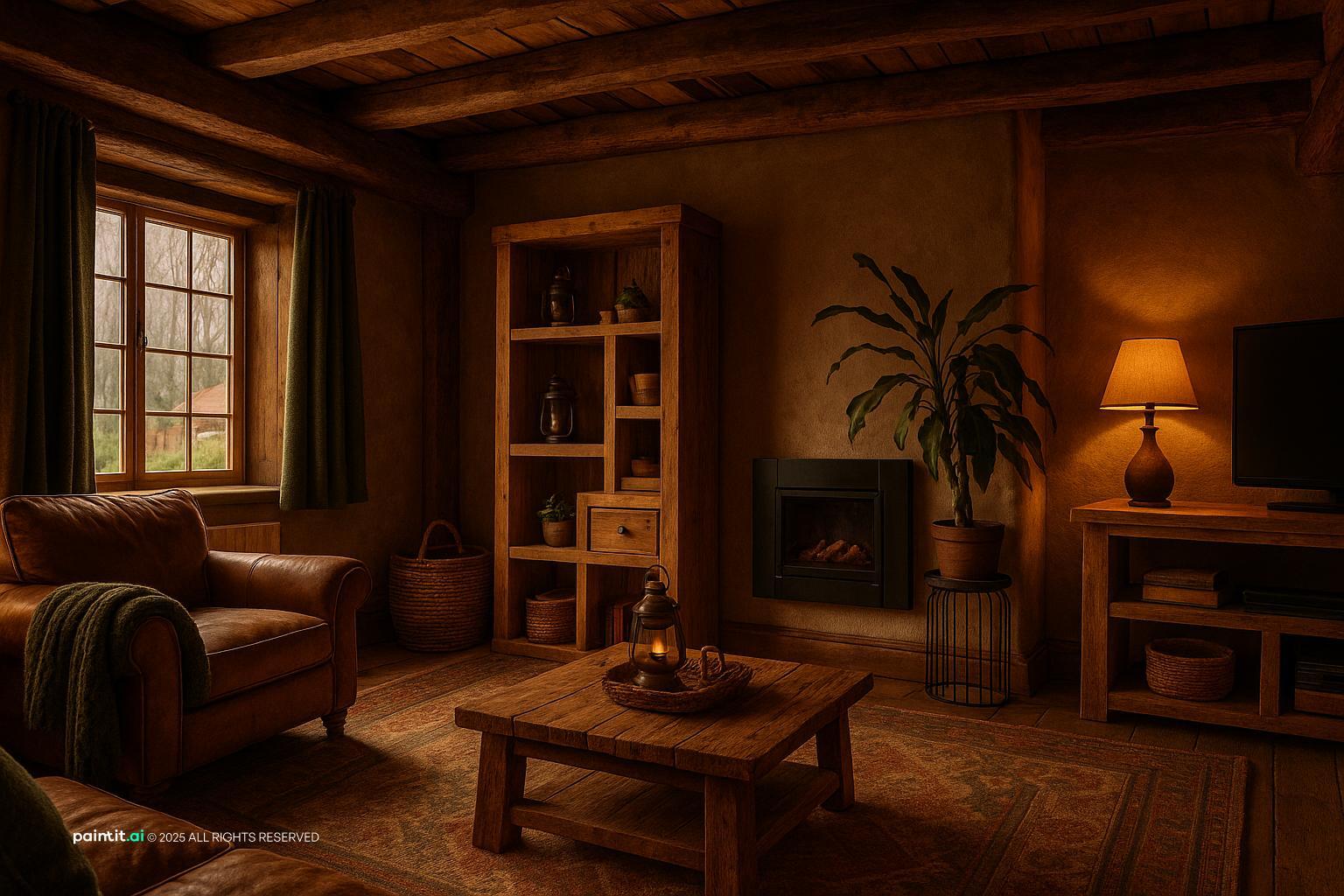
Dark earthy rooms need warm lamps on every side.
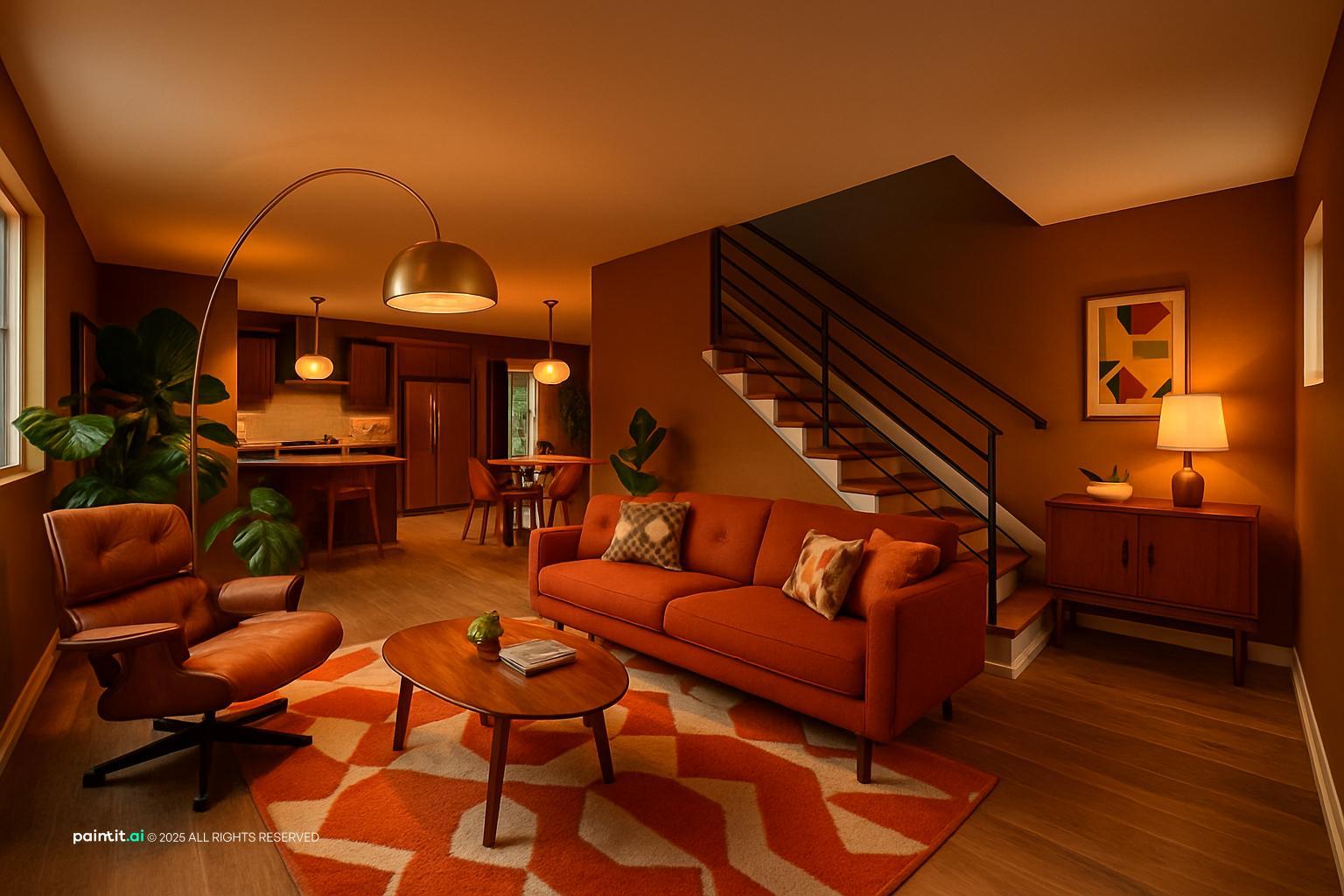
Burnt orange works as the main colour with wood floors.
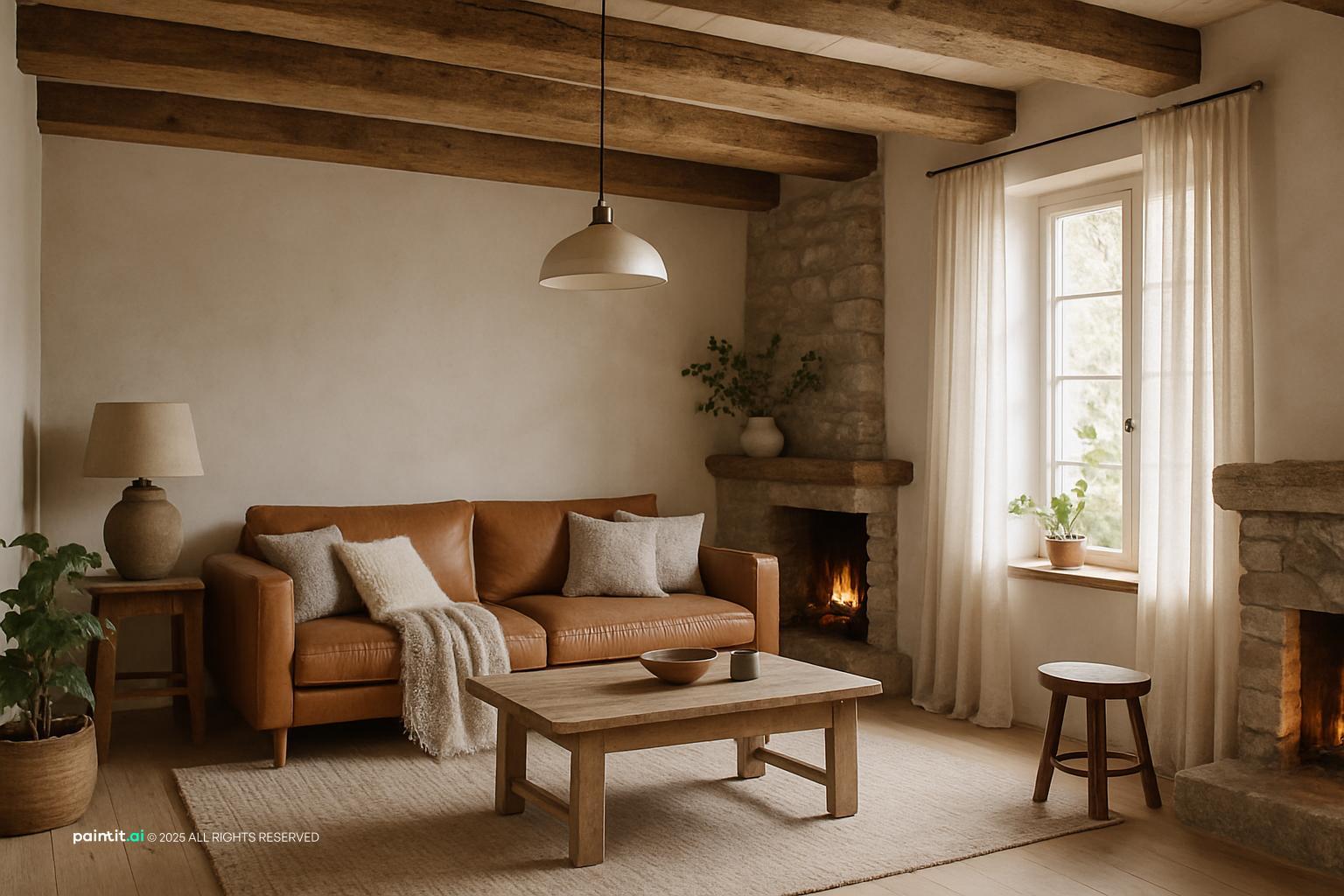
Leather, stone and wood are the core earthy materials.
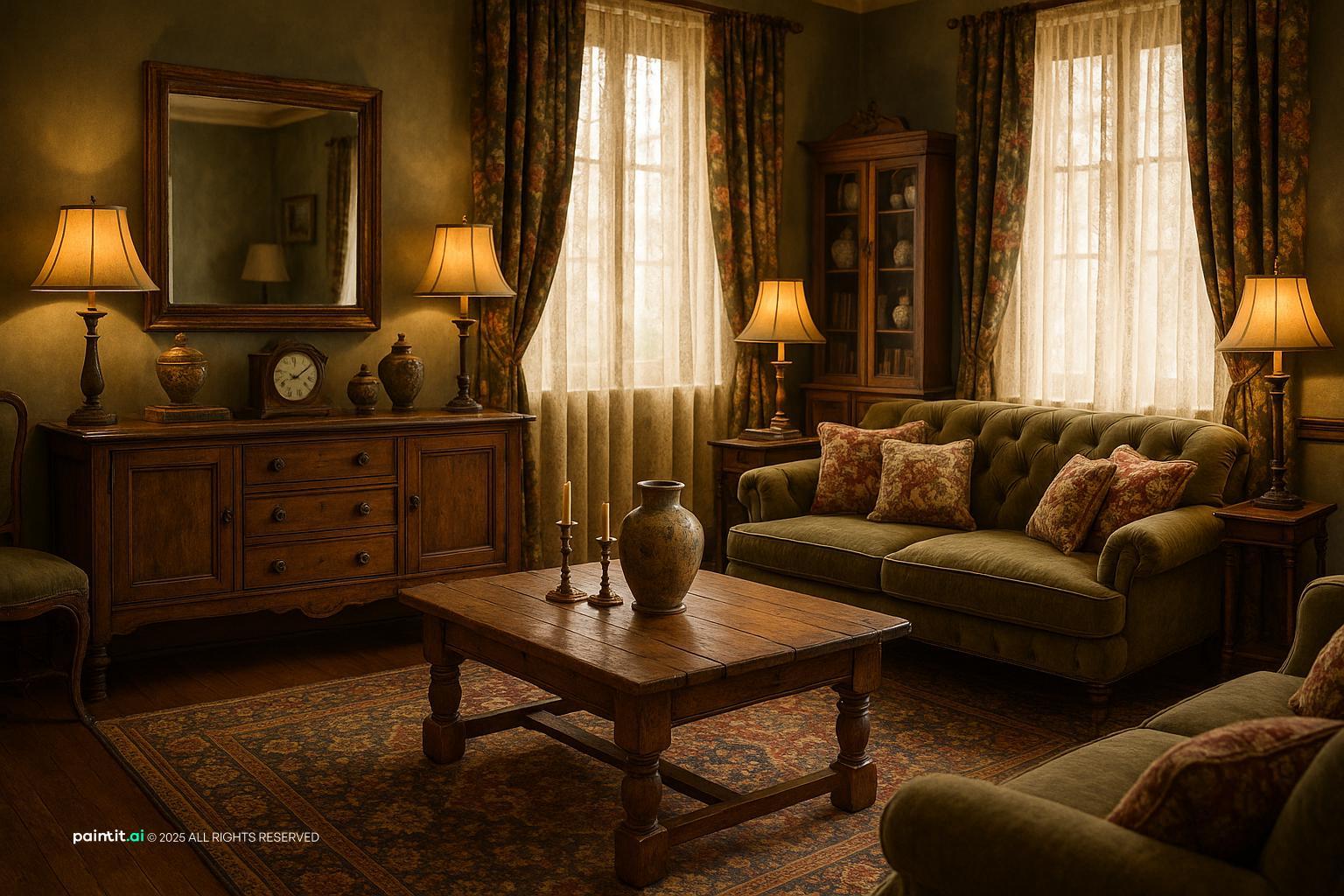
Olive green and dark wood suit traditional rooms.
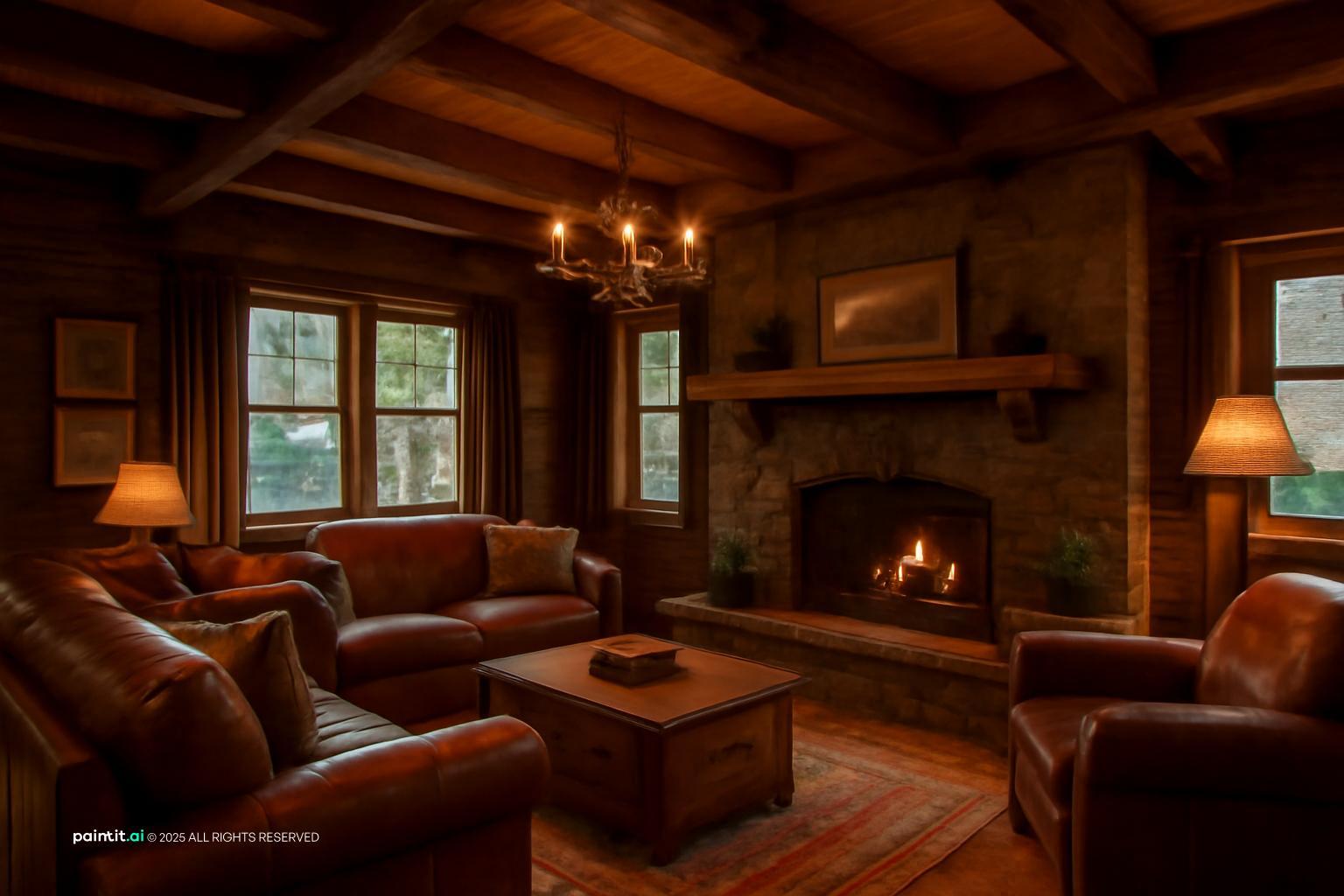
A stone fireplace is the natural focal point.
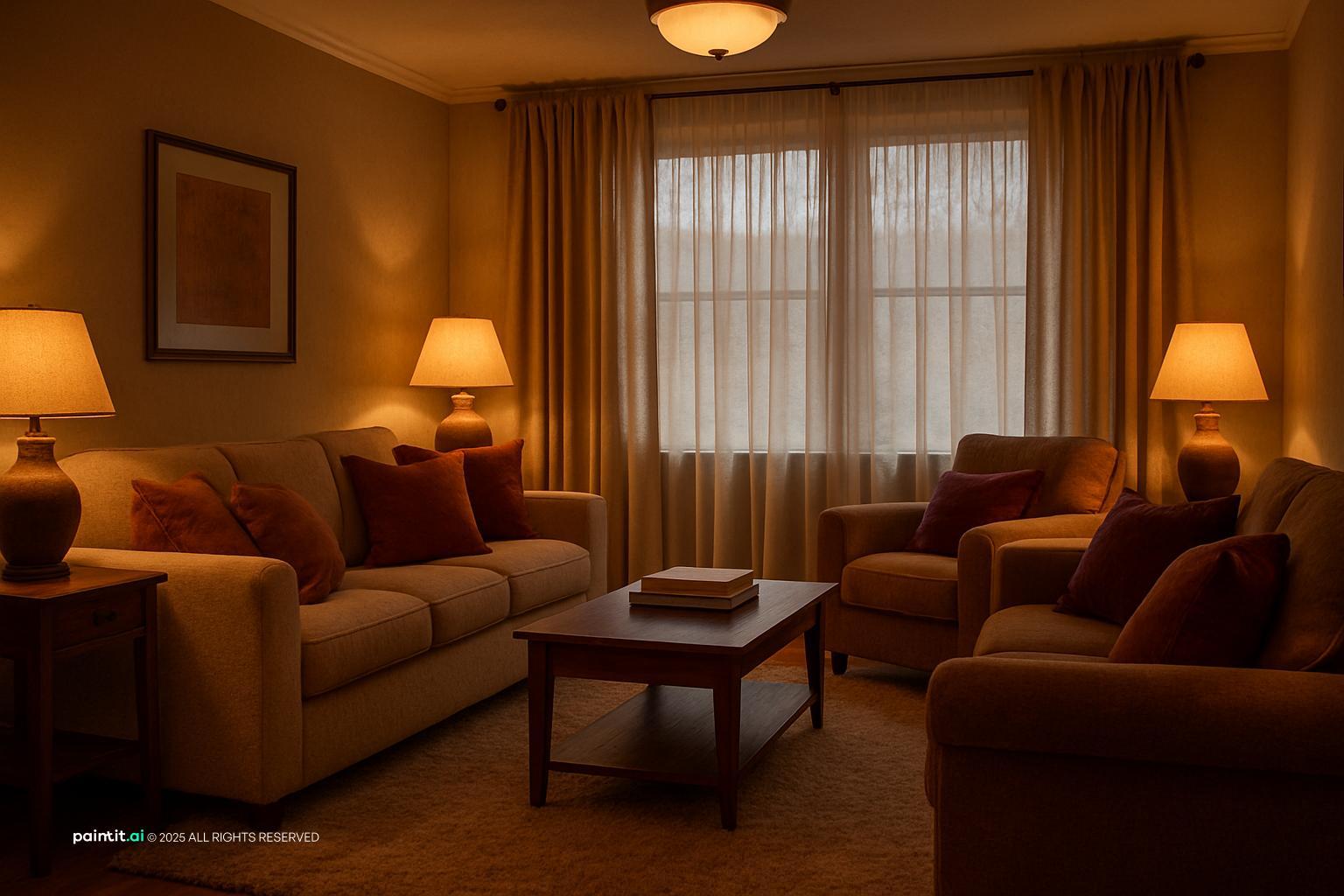
Matching lamps on both sides give balanced warm light.
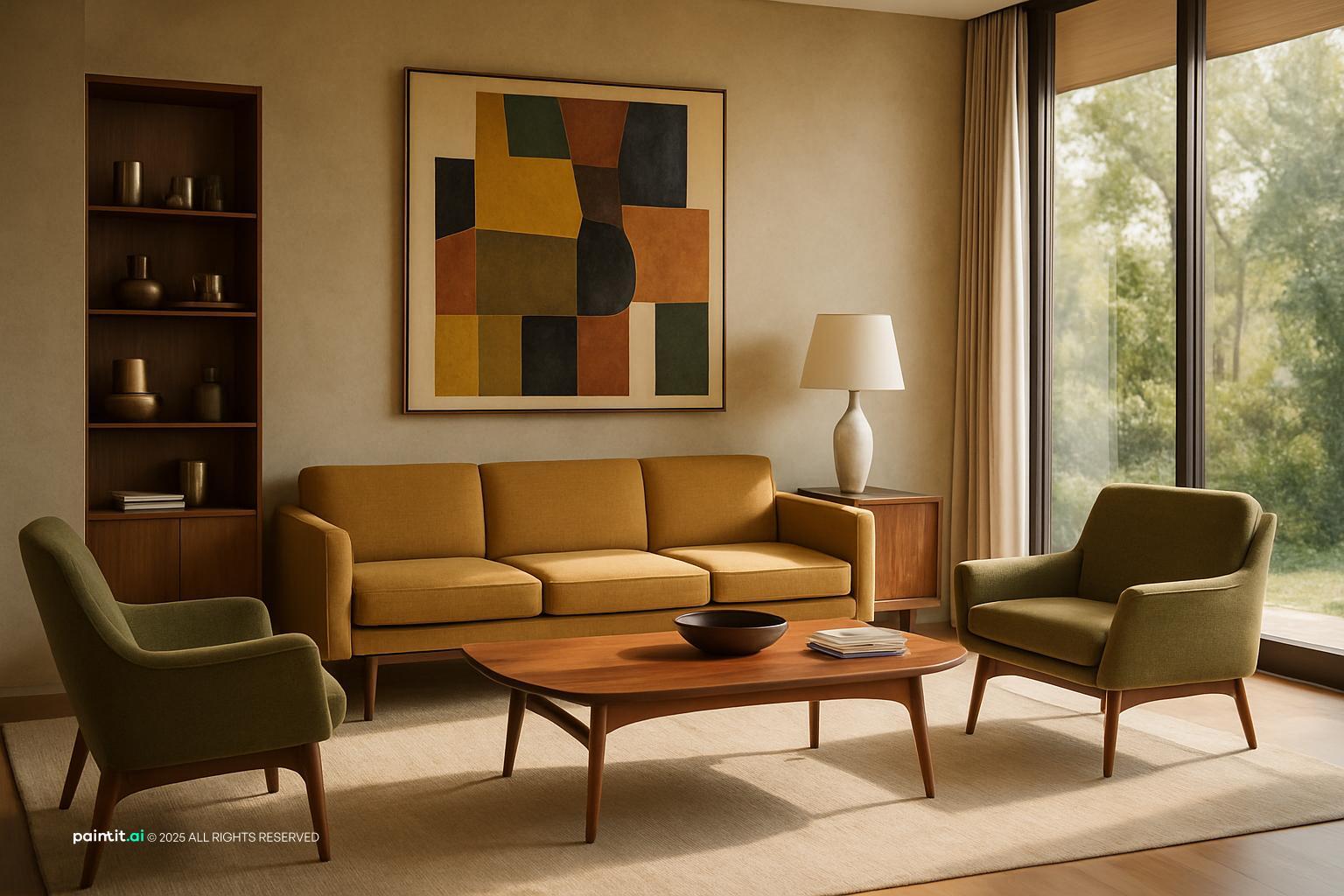
Mustard and olive with walnut is a warm modern mix.
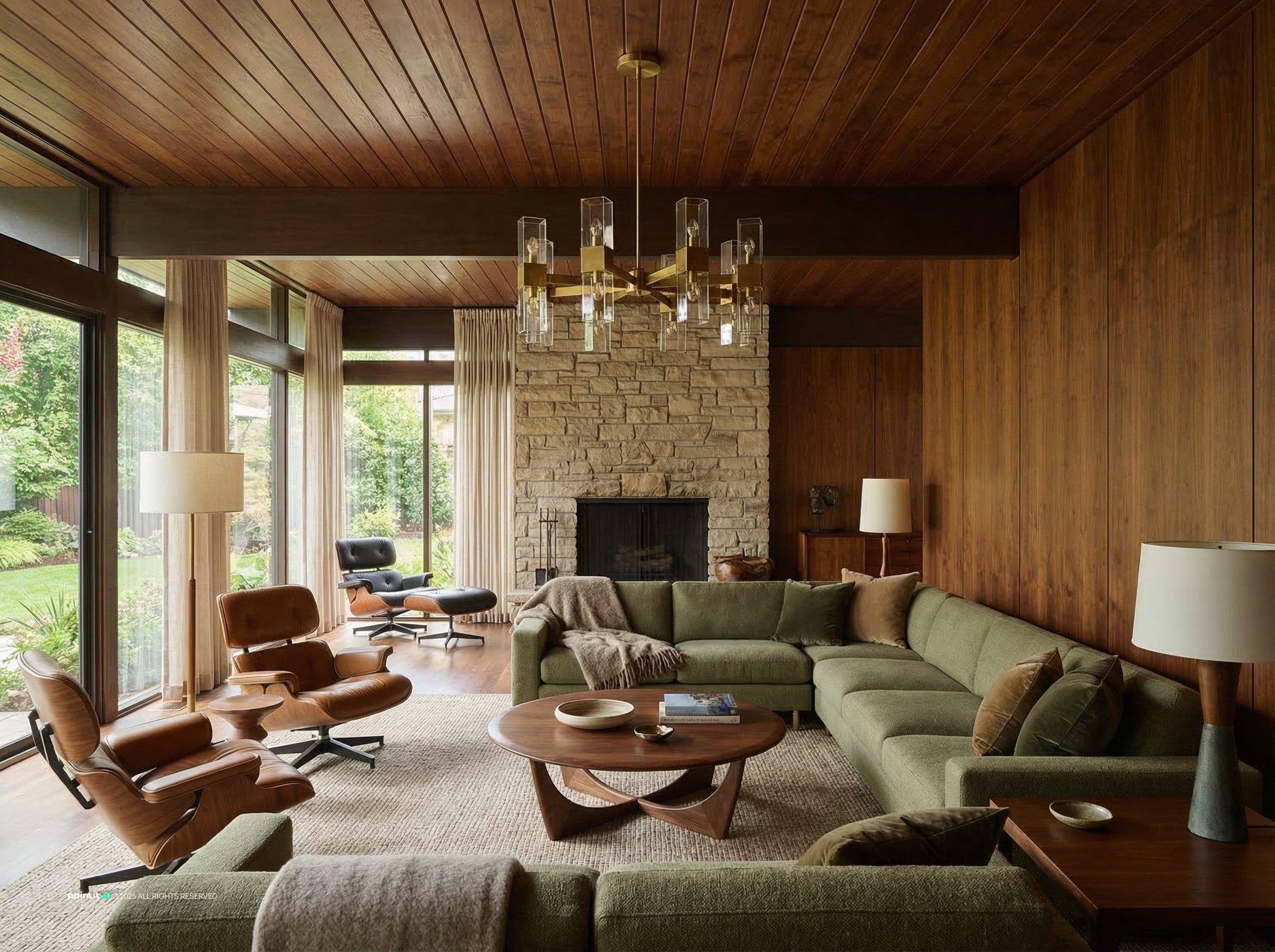
Olive upholstery links an interior to green views.
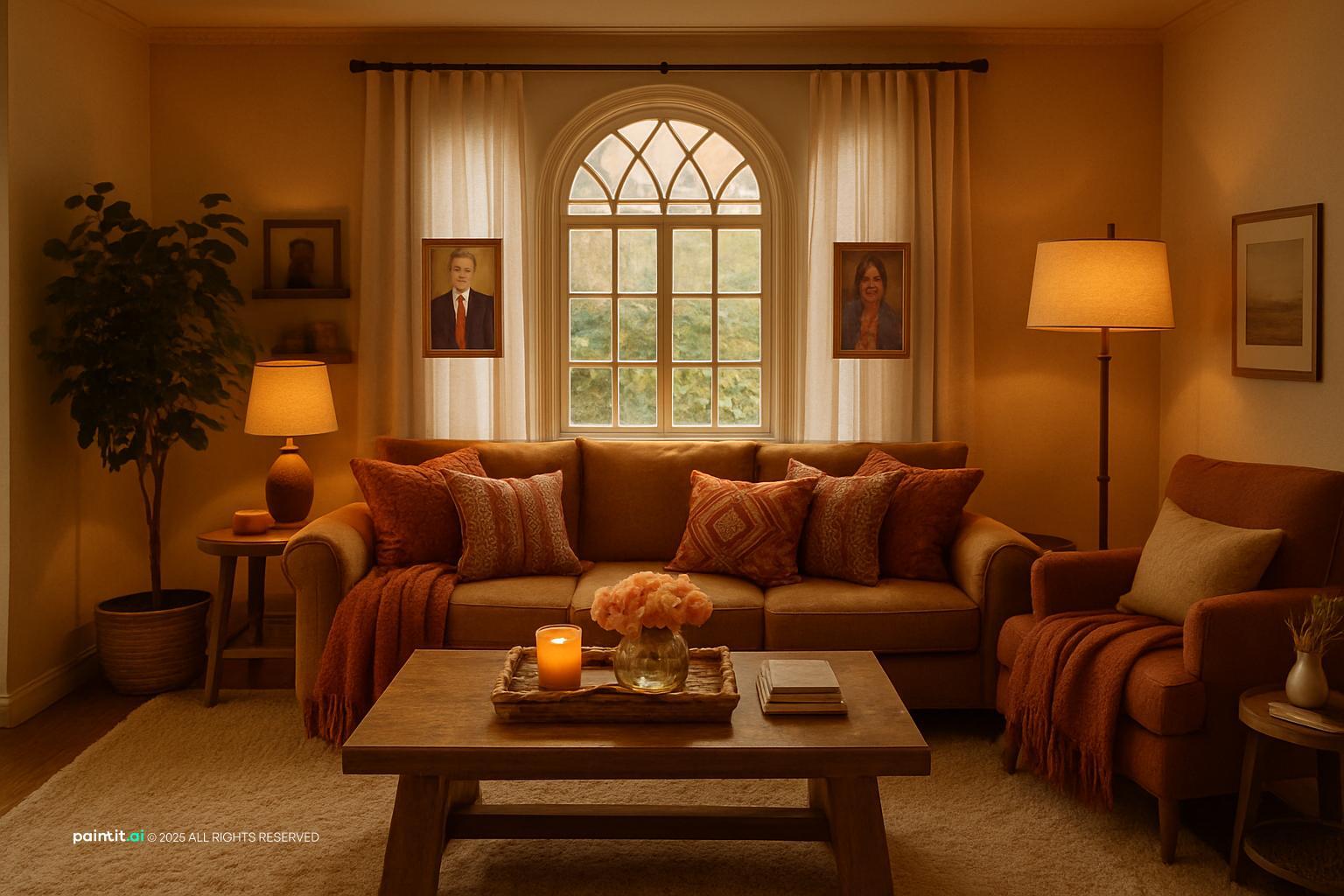
Rich rust works best in rooms with good daylight.
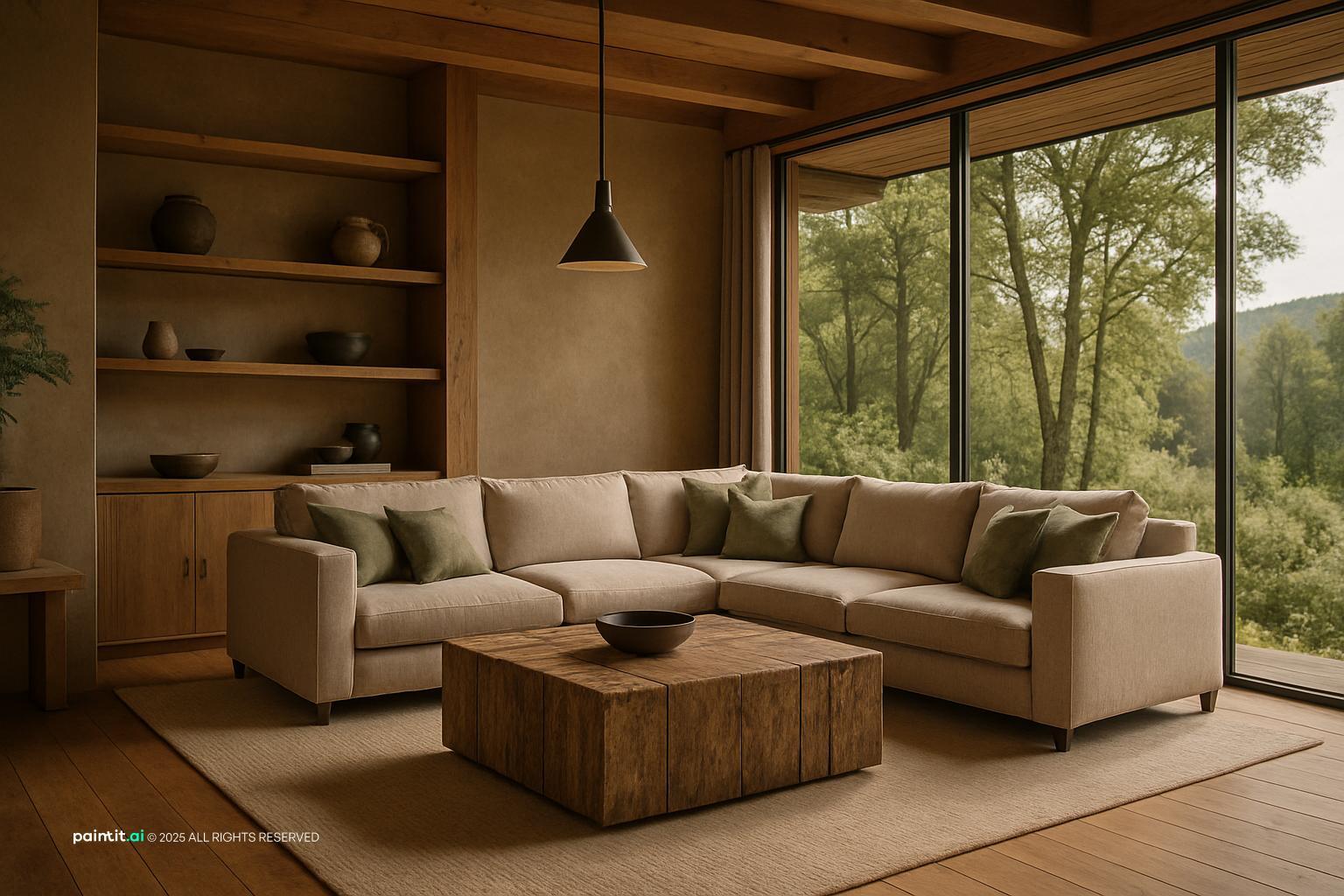
Natural light and a view make a pale earthy palette glow.
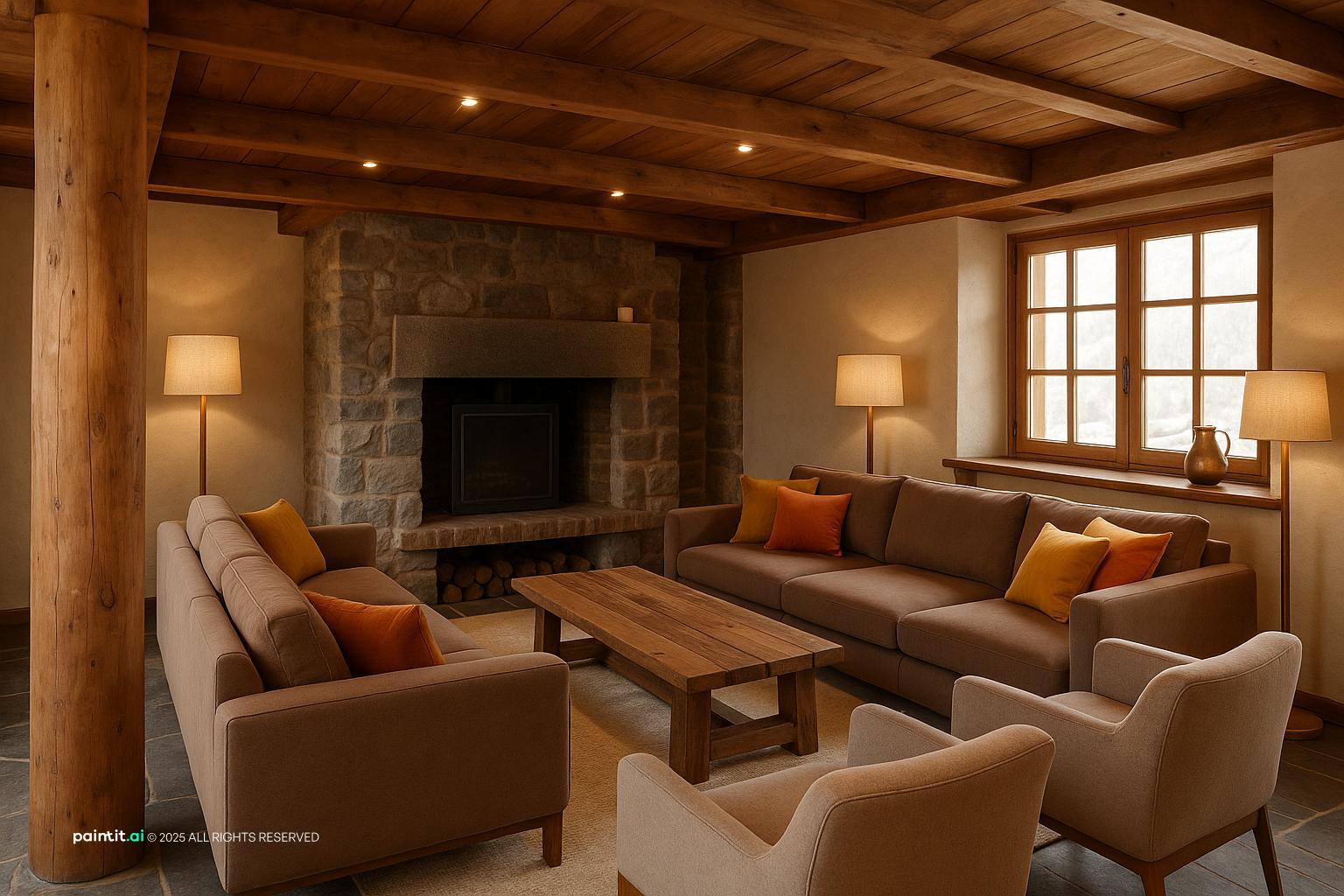
Stone and wood keep a beige room from feeling flat.
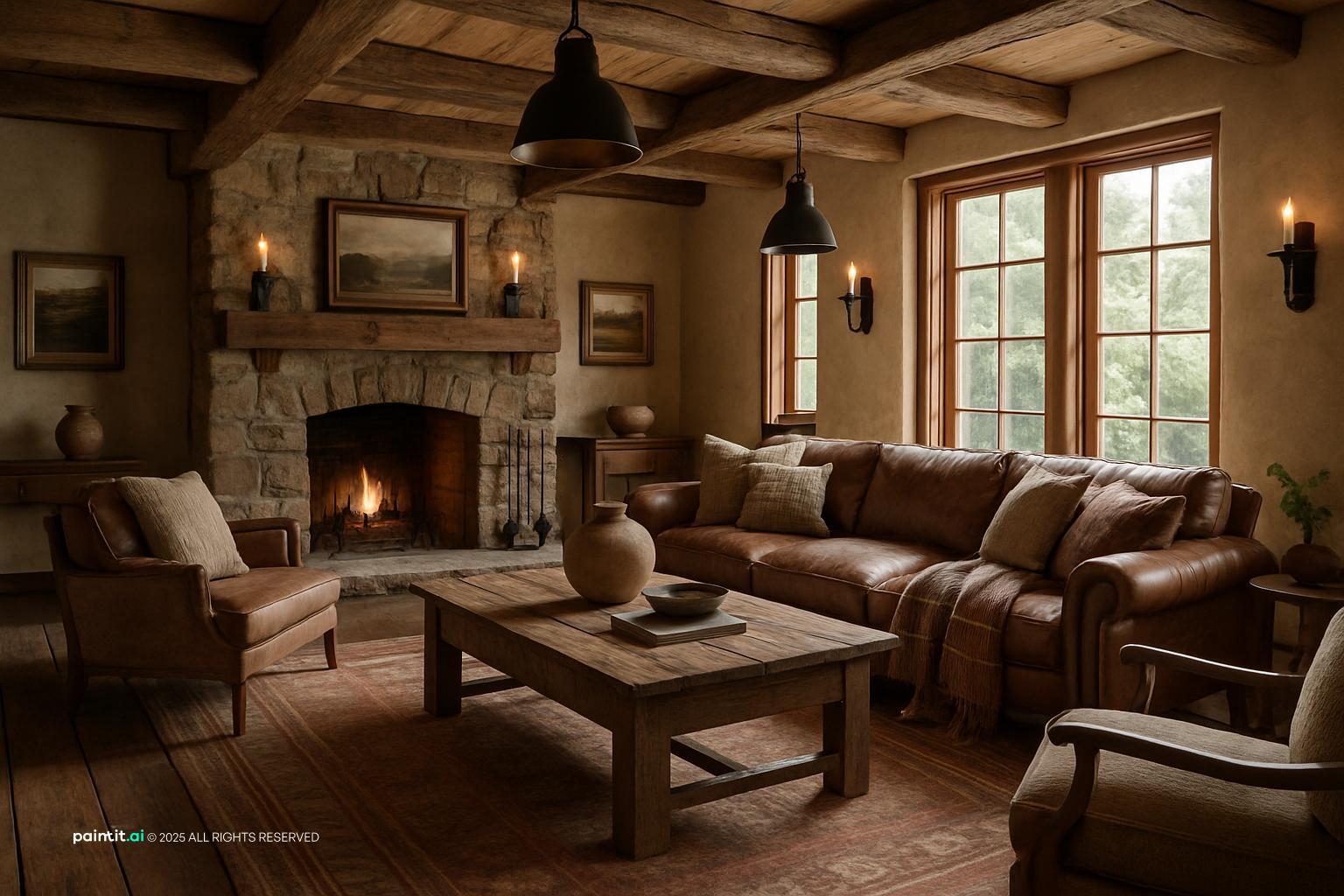
Iron and stone add weight to an earthy room.
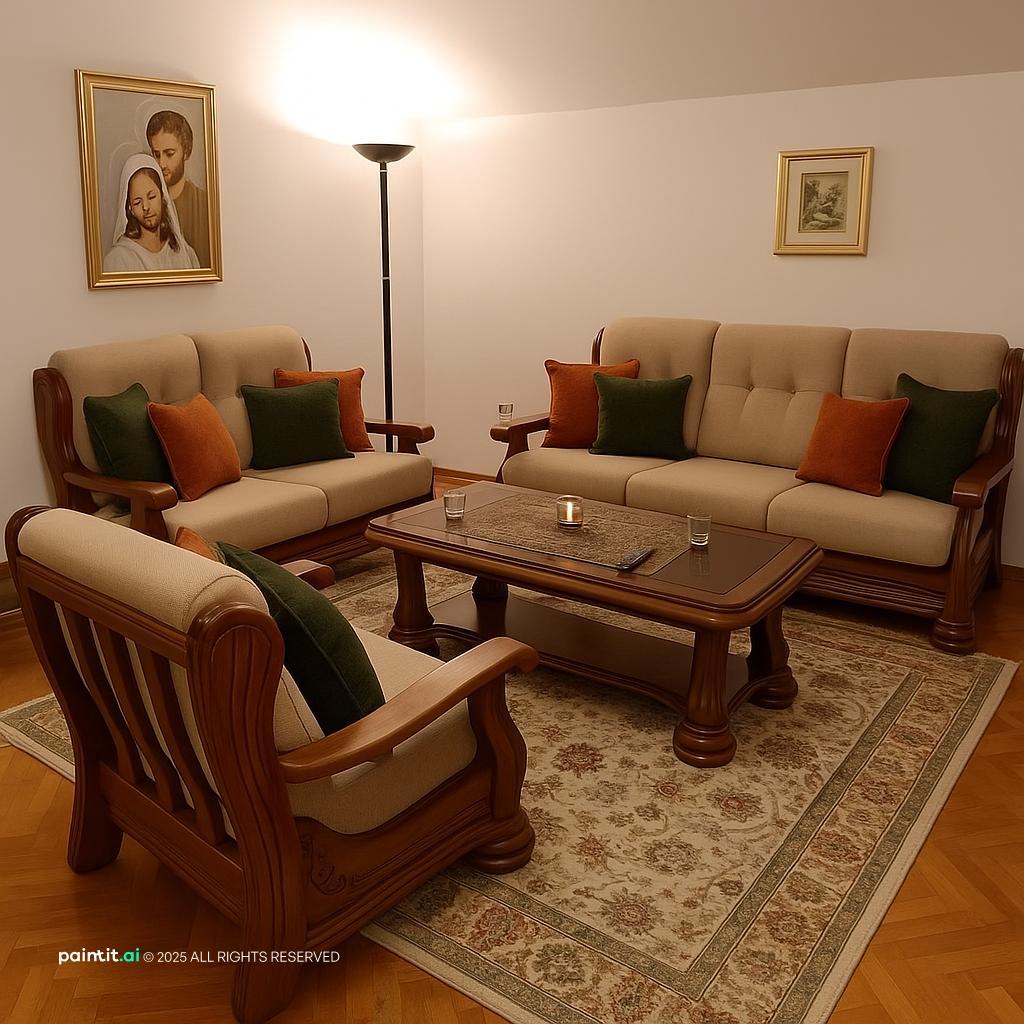
Exposed wooden sofa frames add warmth.
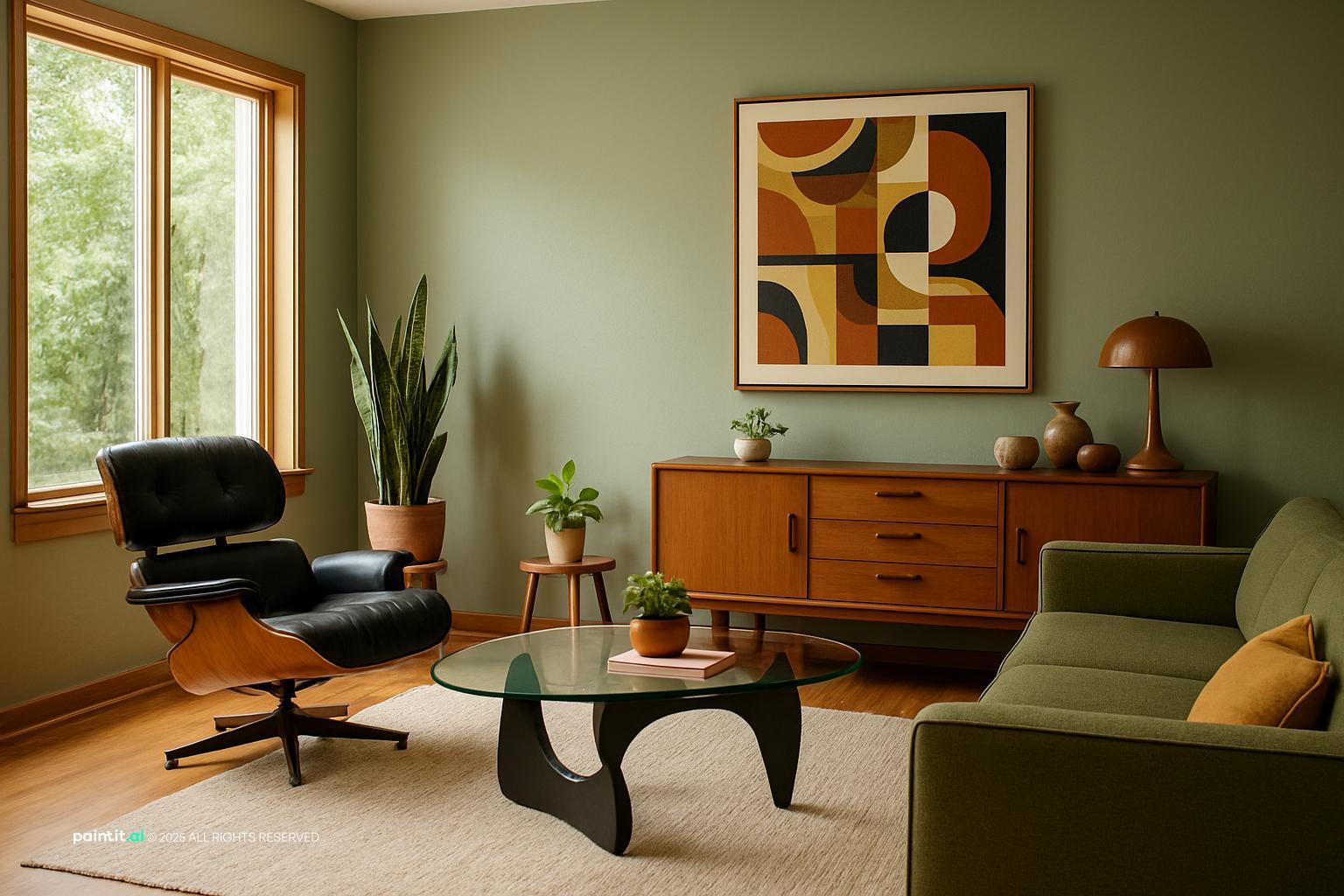
An olive wall is the earthy alternative to grey.
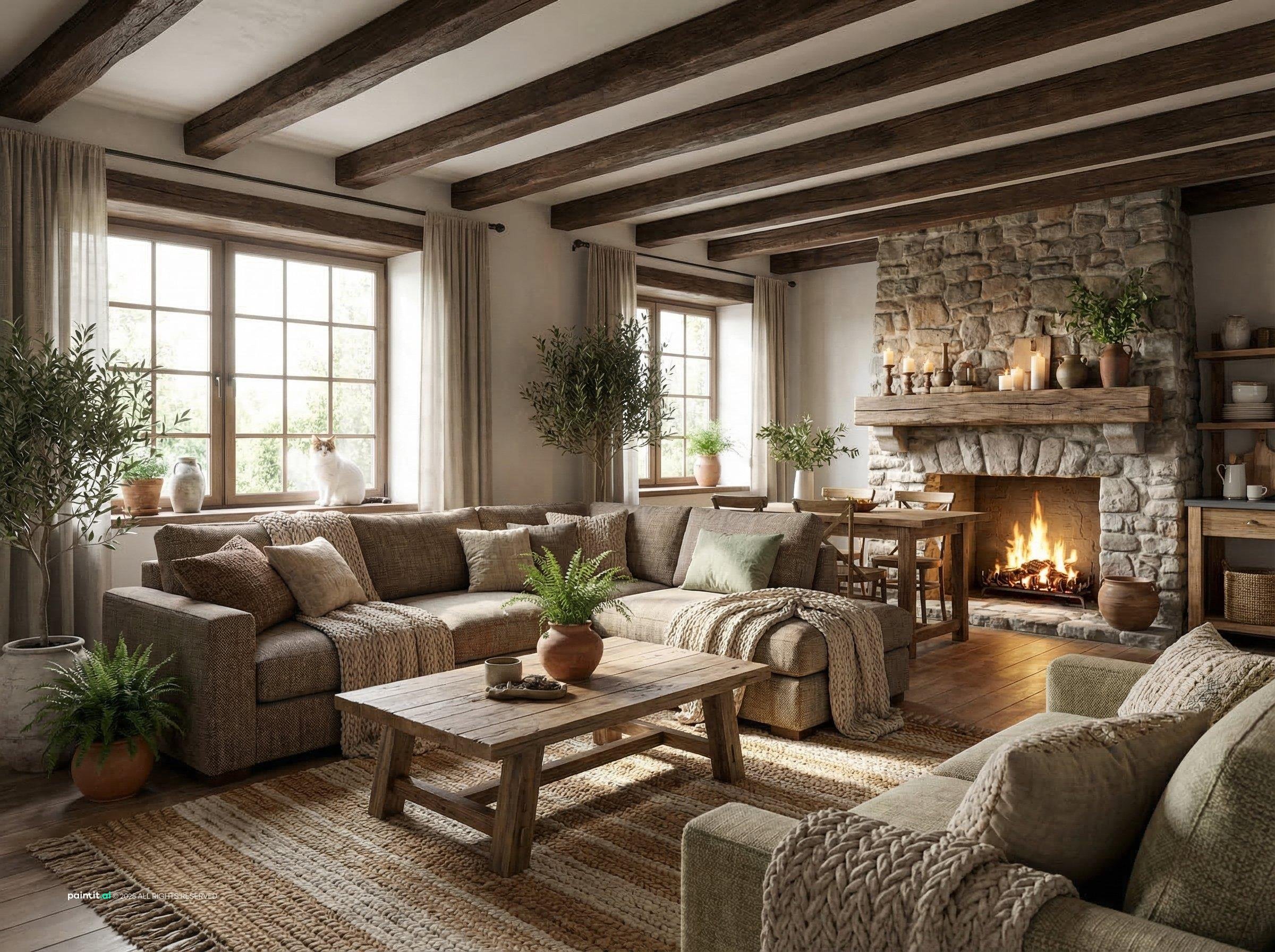
Linen upholstery softens stone and beams.
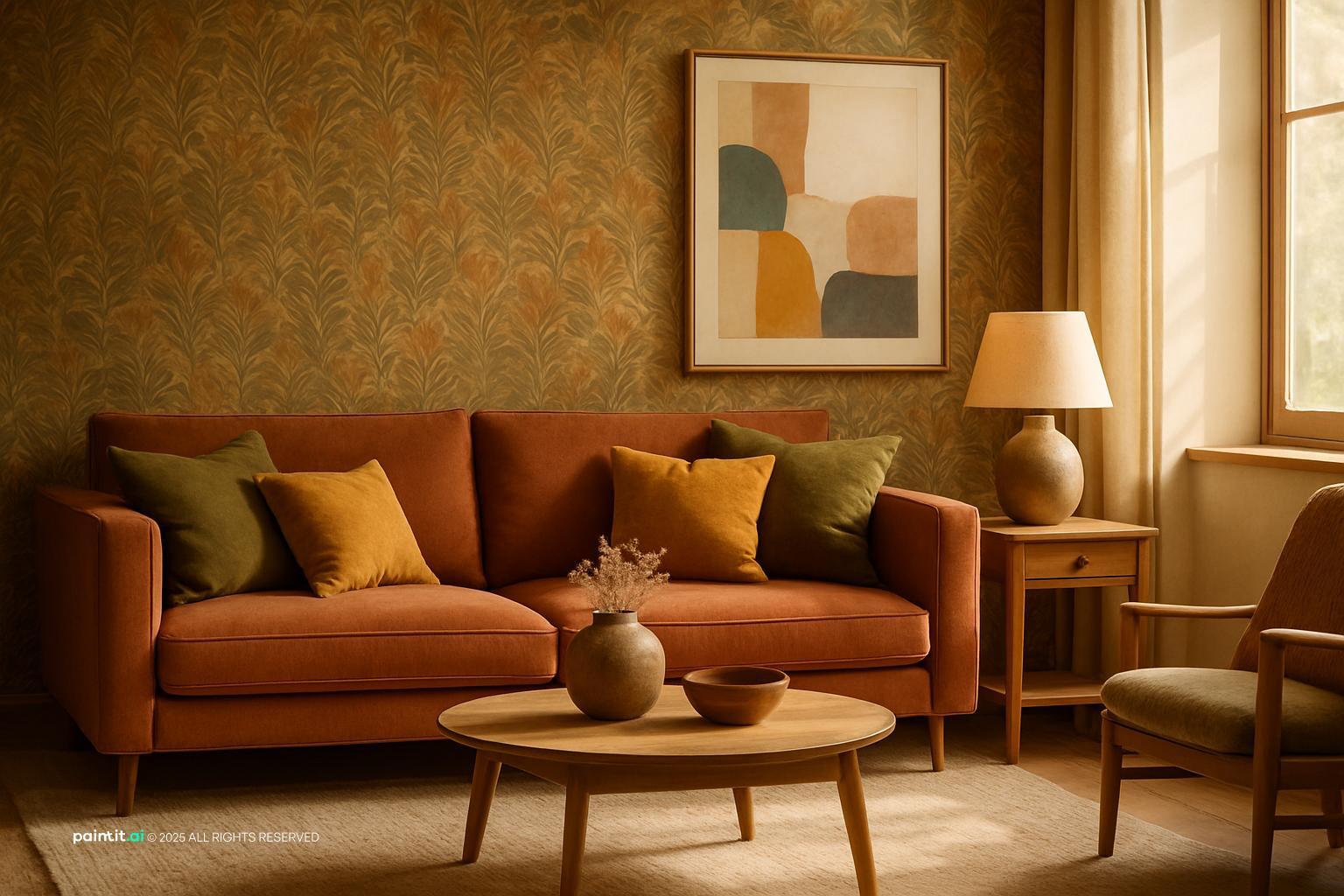
Patterned wallpaper in ochre adds texture.
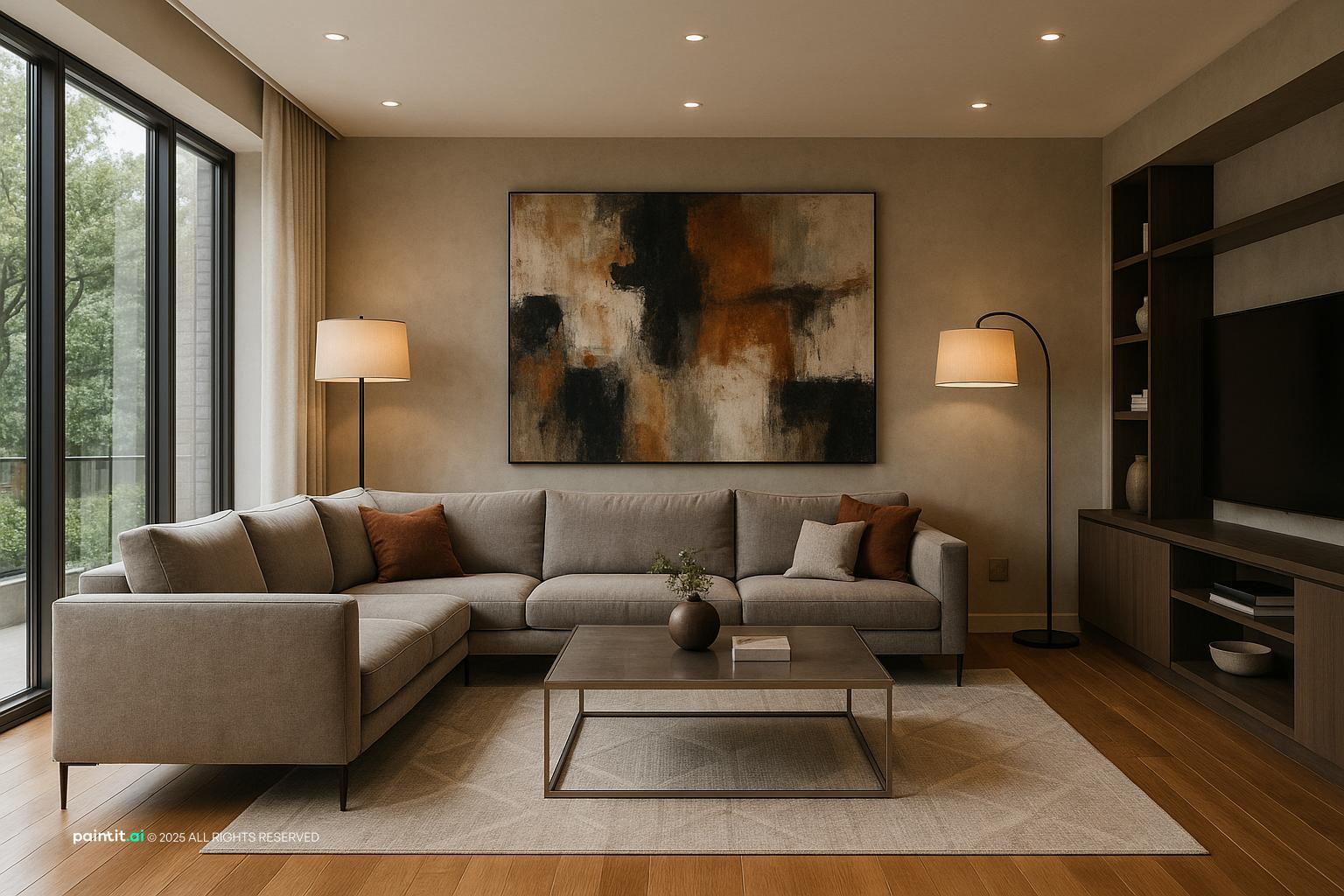
A large painting can introduce earth tones to a neutral room.
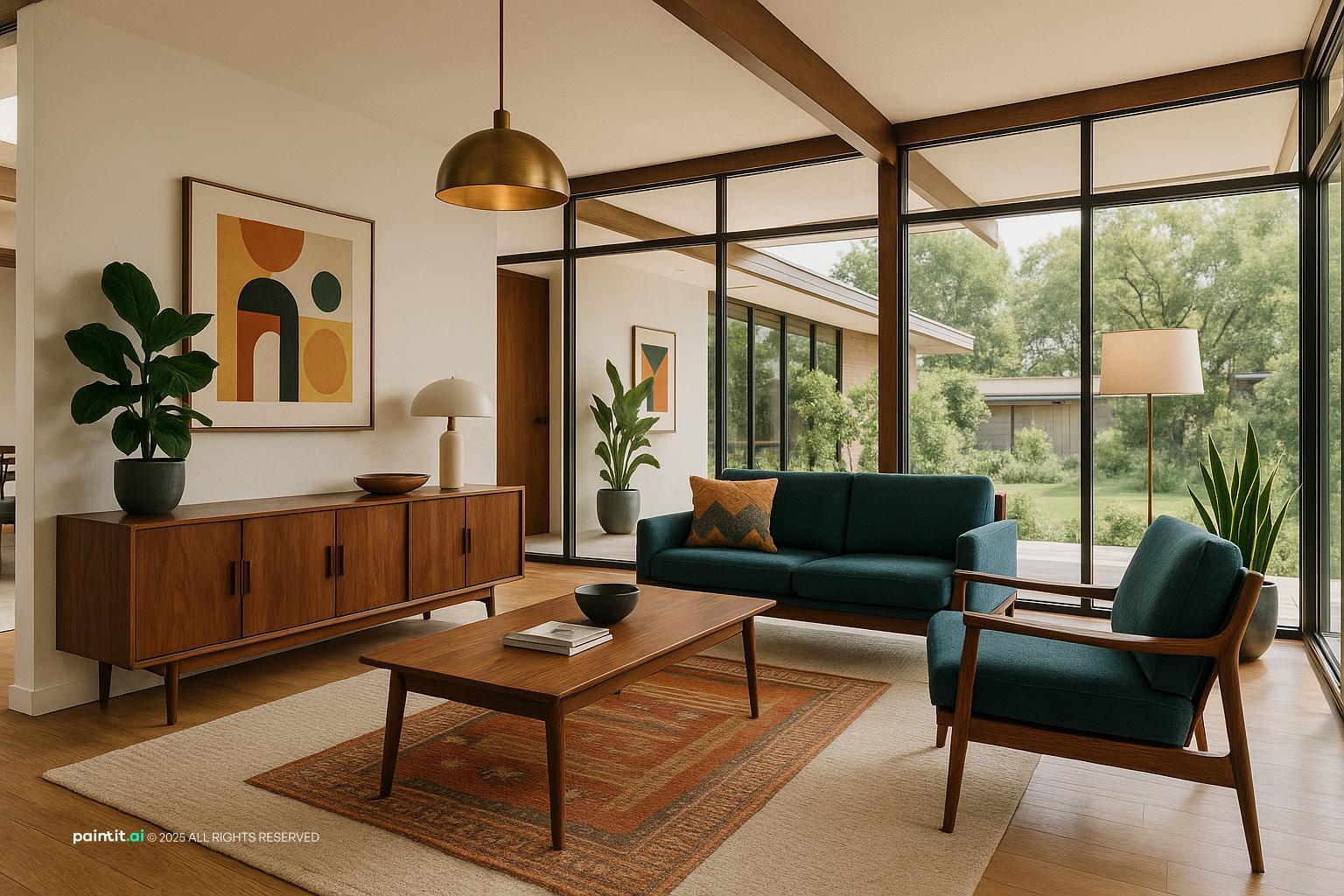
Teal is the best cool accent for an earthy palette.
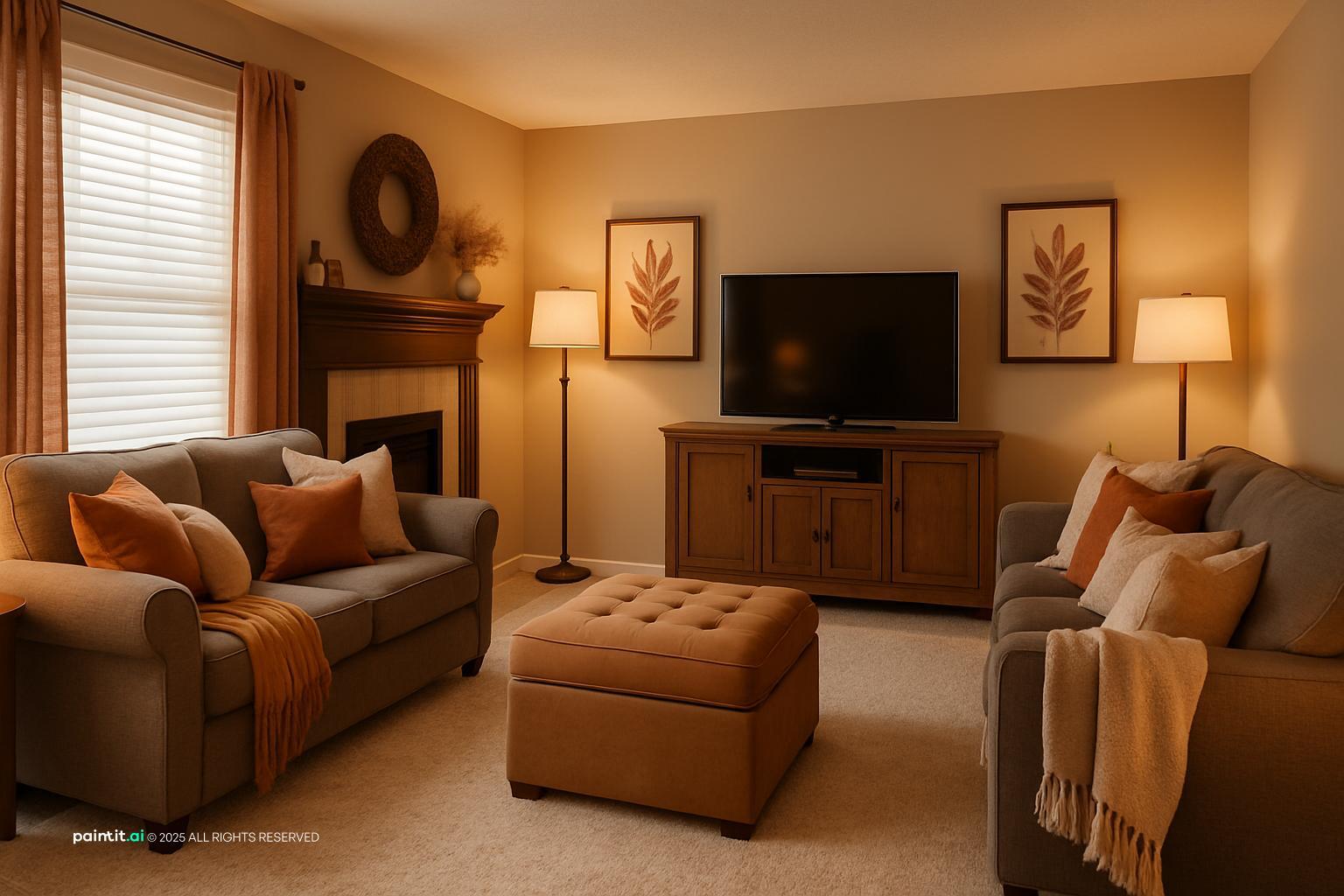
Rust cushions and throws are an easy earthy update.
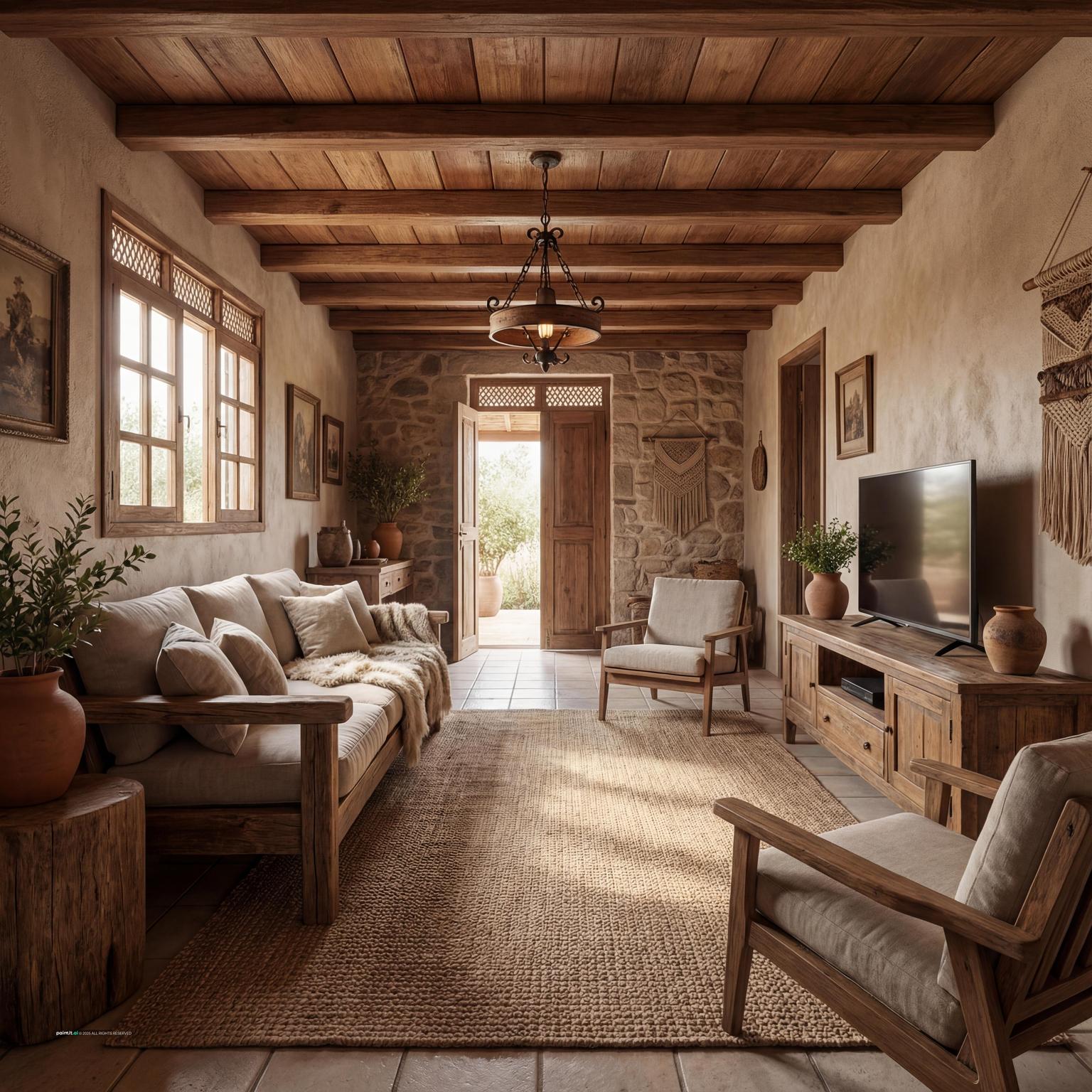
Terracotta floors make a room earthy before any decor.
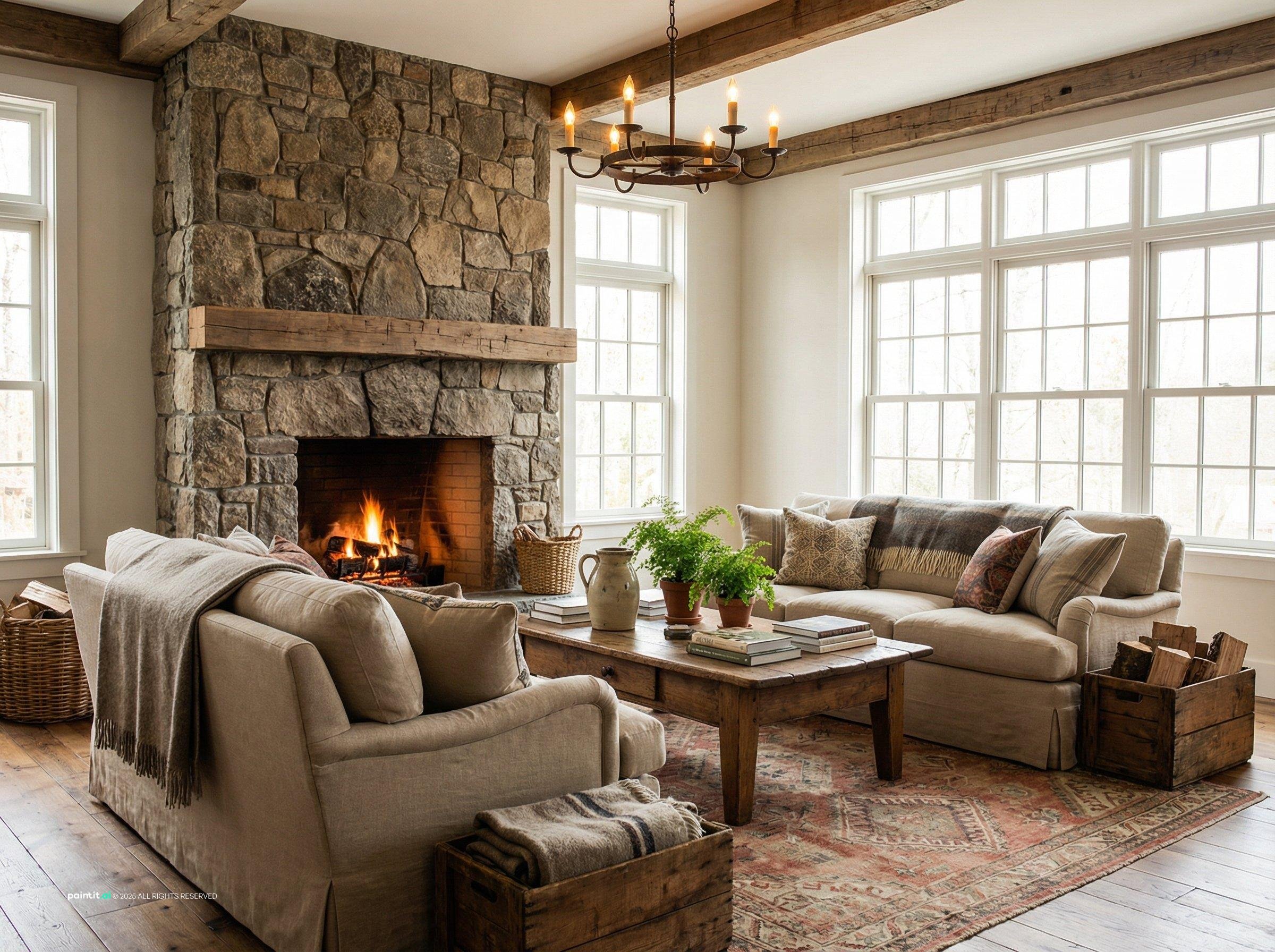
Cream sofas balance a dark stone wall.
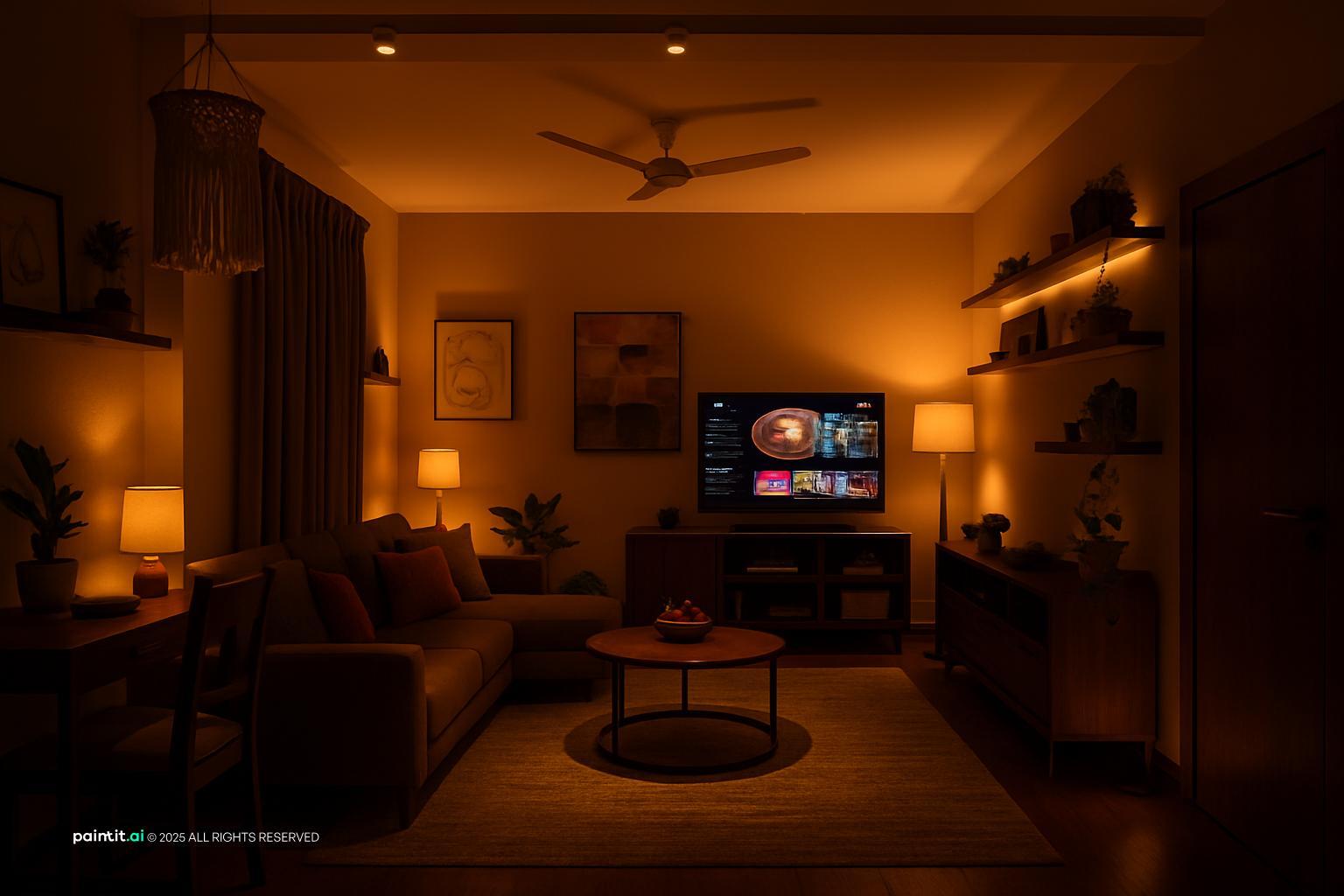
Low amber lighting suits deep earthy colours at night.
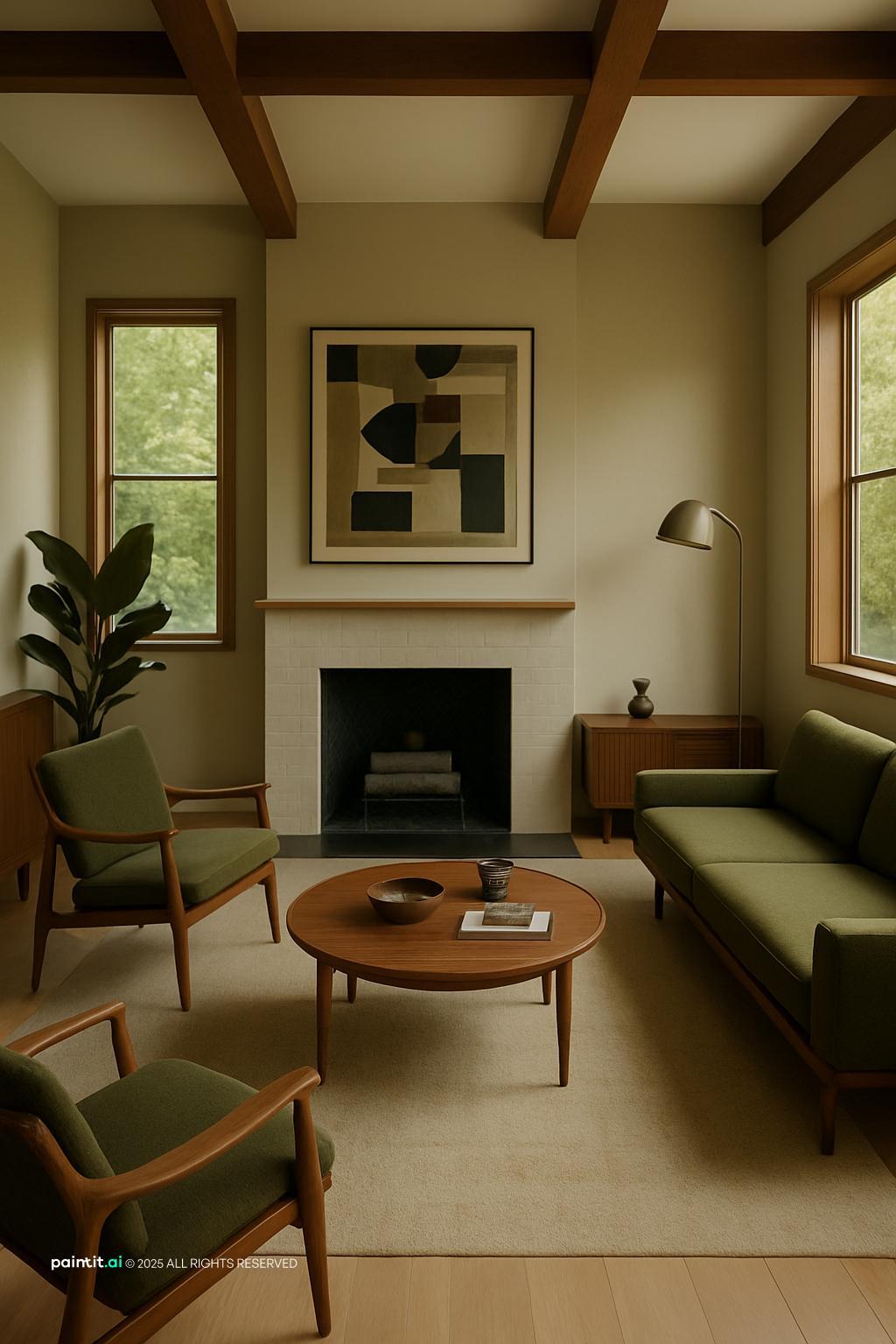
Small rooms can take one deep earthy wall colour.
Combine one light earth tone (sand, oatmeal, cream) with one or two deeper ones (terracotta, rust, olive, brown). Use the light shade on most walls, the deeper ones on furniture, a feature wall or textiles.
Wood in several tones, stone, terracotta, linen, wool, jute, leather and clay ceramics. Mixing at least three textures matters more than adding more colours.
Warm bulbs, lamps at different heights and natural daylight make earth tones glow; cool white light makes them look muddy. Plants add a living green that completes the palette.
Every surface in the same mid-brown, no light areas and only overhead lighting. Add a light wall or rug, one cool accent such as teal or sage, and warm lamps.
Upload a photo of your living room to Paintit.ai and test terracotta, olive or sand walls, earthy sofas and natural materials in your own space. Compare light and deep versions side by side.
Terracotta, rust, ochre, olive, sage, sand, oatmeal, tan and warm brown. Most earthy rooms use one light base colour and one or two deeper accents.
Keep walls or the rug light, use warm bulbs and several lamps, and add a cooler accent such as teal or sage. Avoid putting dark brown on every surface.
Wood, stone, terracotta, clay, linen, wool, jute, rattan and leather. Mixing several textures is what makes the room feel natural.