
Small caravan interior design ideas: comfort and style in a compact space
A small caravan presents the same challenge as any compact living space, but with one extra constraint: everything needs to work while moving. That means lightweight materials, secure storage, and a layout that doesn't feel like a corridor even when it effectively is one.
These 10 ideas cover the design decisions that matter most - from layout planning to material choices - with practical context for what actually works at caravan scale.
Upload a photo of your caravan interior to app.paintit.ai and test different colour and layout directions in 1–2 minutes. Free to start.
10 small caravan interior design ideas
These tips cover both the practical (layout, storage, weight) and the aesthetic (colour, light, decor). Start with the layout before anything else.
-
1. Plan Your Layout Wisely
Start with a floor plan before buying any furniture. Identify where each piece goes and map the movement path between sleeping, cooking, and sitting areas. Access to these key zones needs to be straightforward - tight corners and blocked paths create daily frustration in a small caravan. -
2. Use Multi-Functional Furniture
Purchase space-saving multi-functional furniture to increase room usability. Seek out multifunctional furniture pieces such as sofa beds, collapsible tables, and storage-equipped ottomans. These versatile pieces perform several functions yet can be discreetly stored when unnecessary, rendering them ideal for small living spaces.
-
3. Opt for Light Colors
Selecting an appropriate color palette exerts a substantial influence on the atmospheric essence within your caravan's interior space. Spaces painted in light colors including whites, creams, and pastels seem to expand in size while becoming brighter. Opt for painting both walls and cabinets in lighter shades to establish an inviting airy atmosphere.
-
4. Emphasize Vertical Space
Effective management of restricted floor space demands the strategic use of vertical areas. Integrate ceiling-reaching shelves alongside hanging racks and cabinets for storage solutions. The design element serves dual purposes by offering extra storage space while simultaneously directing attention upward to create a perceived increase in caravan height. -
5. Incorporate Clever Storage Solutions
Small caravan spaces frequently present formidable storage difficulties. To address this issue, explore unconventional ideas for integrating storage solutions into your space. Use storage bins designed for under-bed spaces alongside door-mounted hanging organizers and furniture-integrated compartments. Each tiny space holds potential as a storage area when used properly.
-
6. Maximize Natural Light
Small areas appear larger while their ambiance improves through natural light. Select window treatments that maintain privacy yet enable light penetration. Strategically position mirrors to bounce light and create a spacious illusion.
-
7. Choose the Right Decor
The elements of decor perform essential functions to establish the atmospheric conditions within your caravan space. Select decor pieces that align with your design theme yet avoid dominating the space. Choose diminutive decorative items like framed artwork and light textiles to infuse character and coziness while maintaining an uncluttered space. -
8. Stay Organized
Effective organization becomes essential when managing limited space areas. Build simple systems that make order the default: a place for everything, everything in its place. Employ an array of baskets, bins, and drawer organizers to maintain item separation while ensuring straightforward access. Frequently engage in decluttering activities to avoid the buildup of superfluous possessions which helps maintain your caravan's tidiness and operational efficiency.
-
9. Personalize Your Space
Transform your compact caravan into a comfortable abode by adding personal elements that showcase your individual style. Integrate personally significant objects like travel souvenirs and handmade crafts into your space. An exceptionally distinctive ambiance will emerge from these elements to transform your space into a uniquely singular environment. -
10. Embrace Minimalism
Evaluate the potential benefits of implementing a minimalist design strategy within your caravan's interior spaces. Direct attention to fundamental necessities while removing additional clutter. A minimalist design will create a serene environment and allow you to enjoy the beauty of simplicity.
Small caravan design ideas in action
These examples focus on practical small-space decisions: furniture that folds, storage that disappears, and light materials that keep the cabin calm.
-
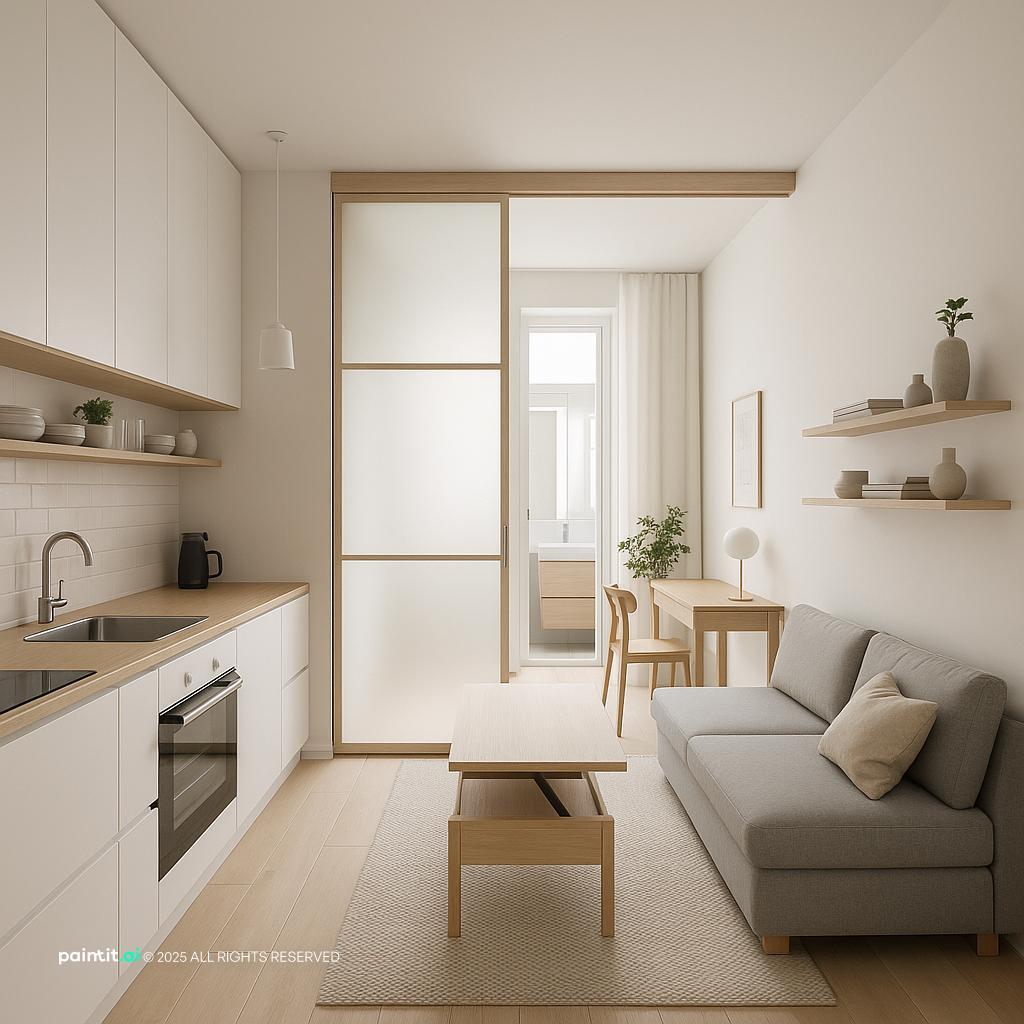
A compact caravan works when each zone has a clear purpose. Start with the sleeping, cooking, and sitting sequence, then add storage around those daily movements.
-
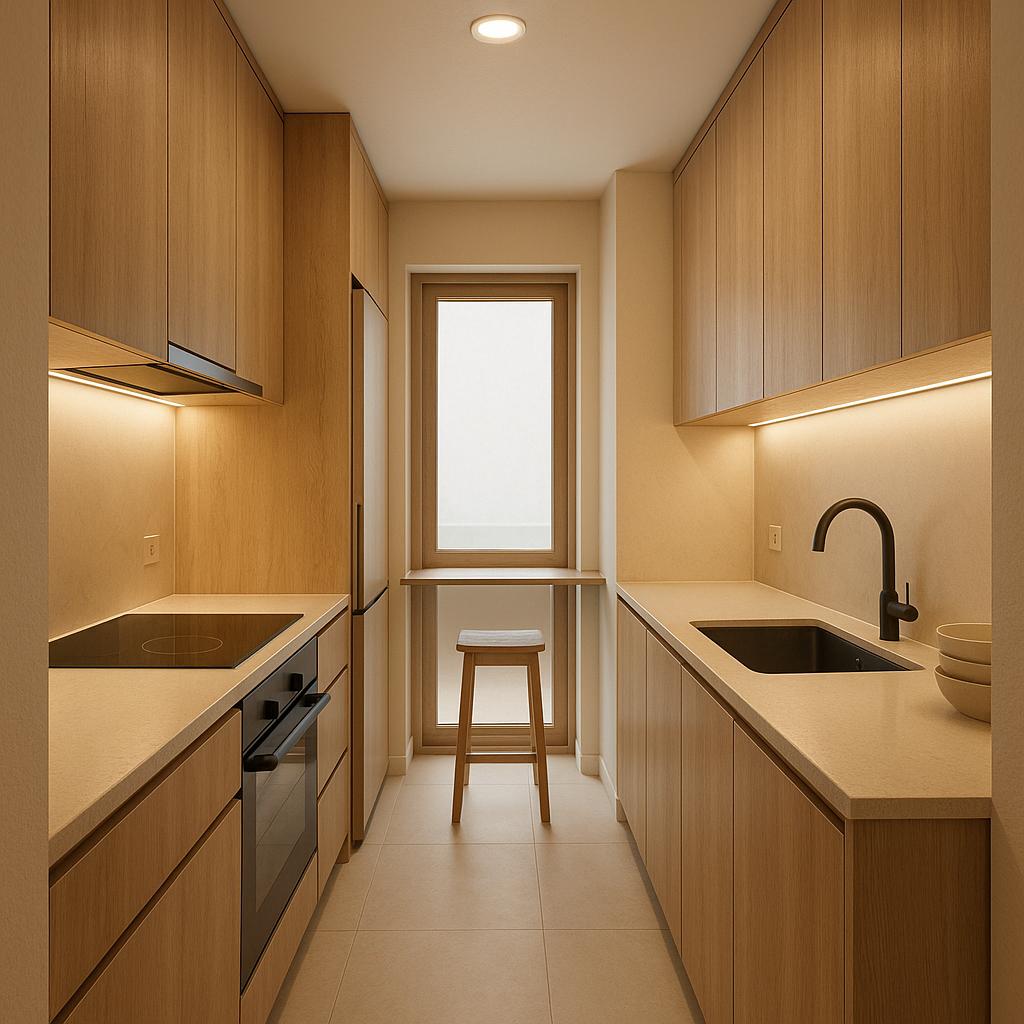
Light colours and mirrors can make the interior feel open, but the palette still needs warmth. Use pale cabinetry as the base, then add cushions, curtains, or artwork for controlled colour.
-
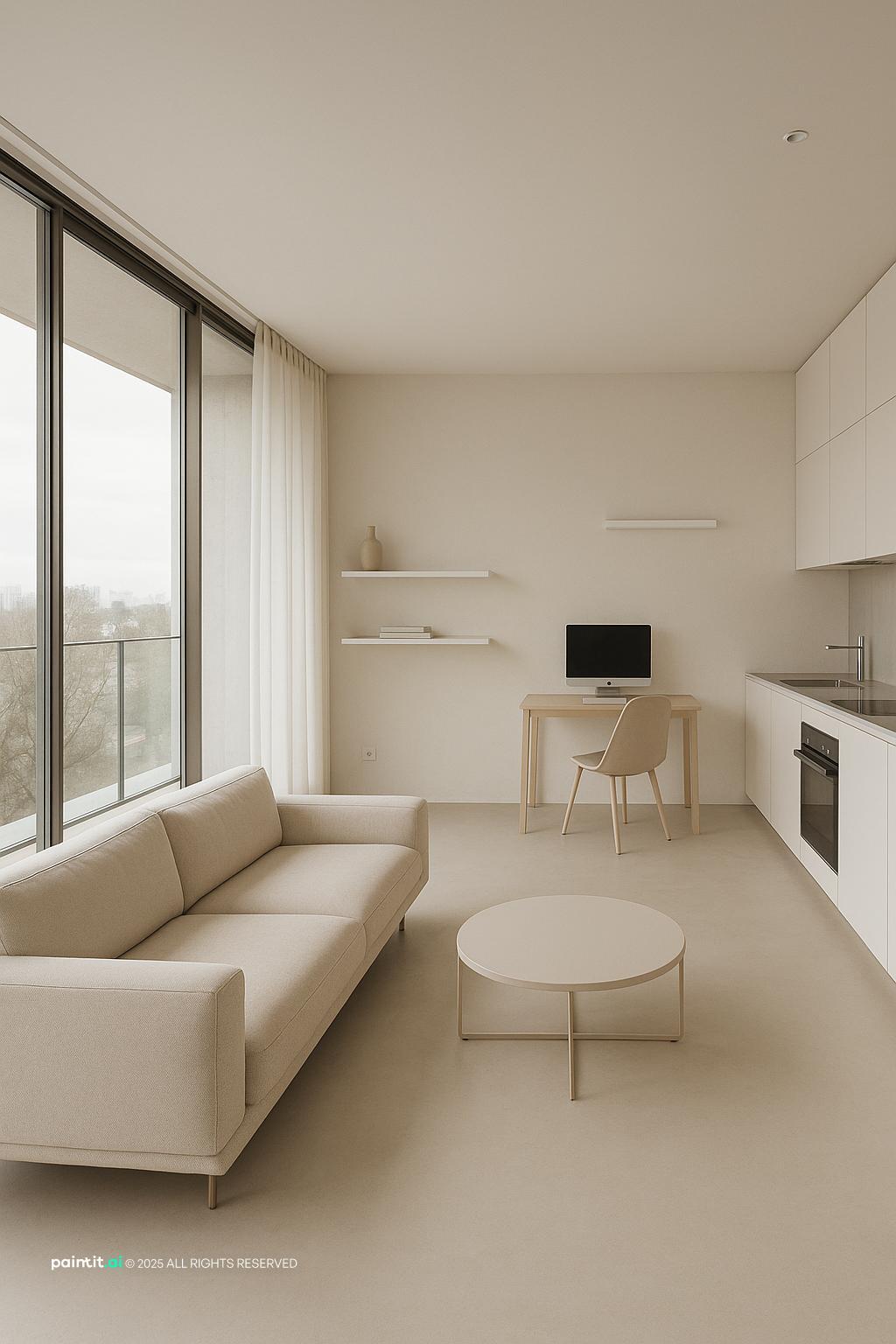
Fold-down tables, convertible seating, under-bench compartments, and overhead cabinets keep the caravan useful without turning it into a storage wall.
-
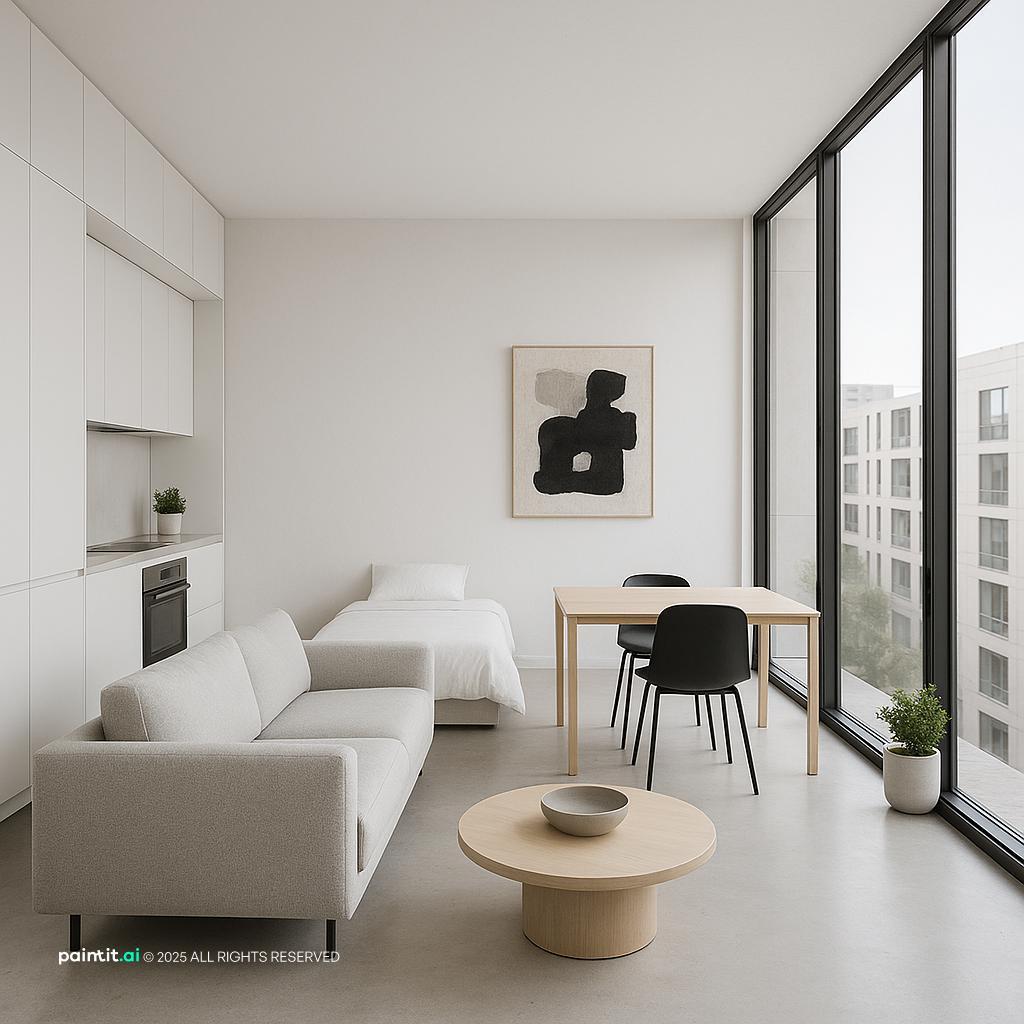
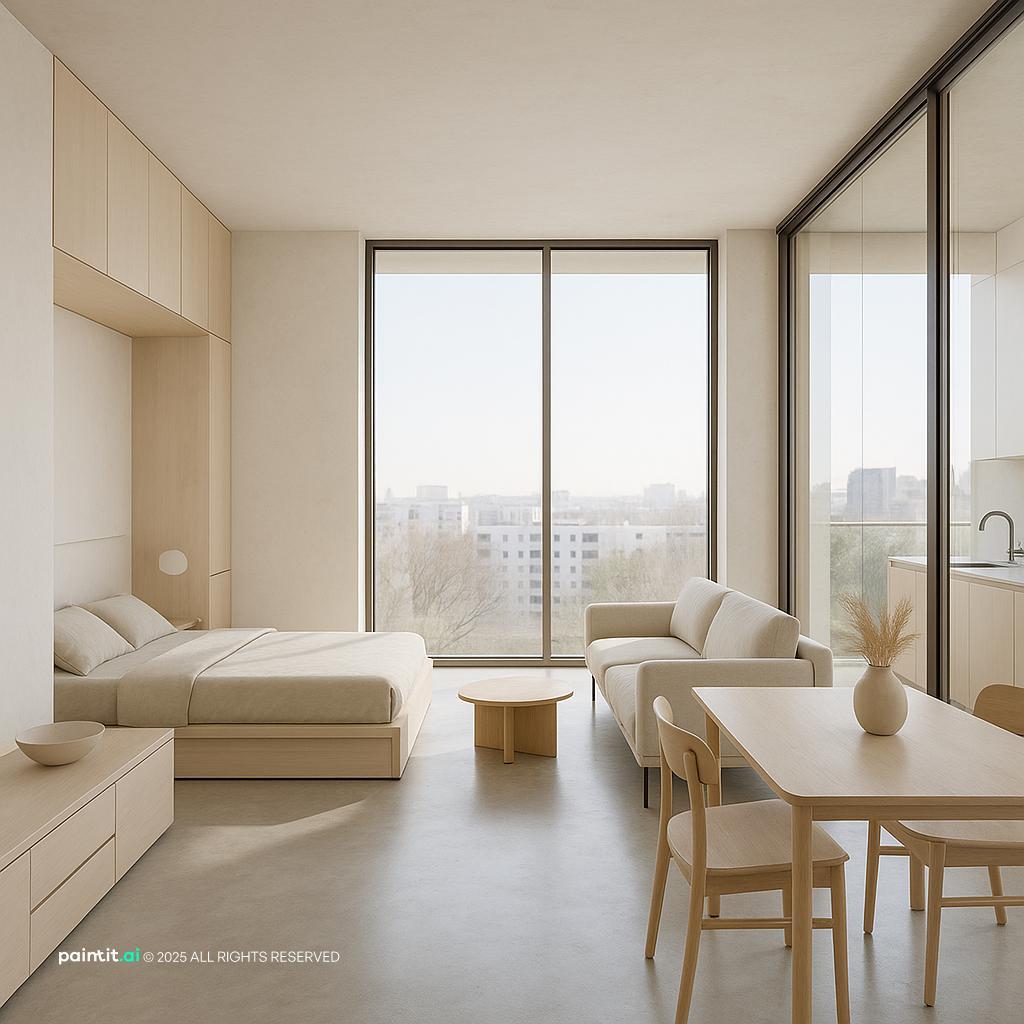
Small layouts need natural light, privacy, and glare control at the same time. Lightweight curtains, blinds, and warm LED task lights keep the space comfortable after dark.
-
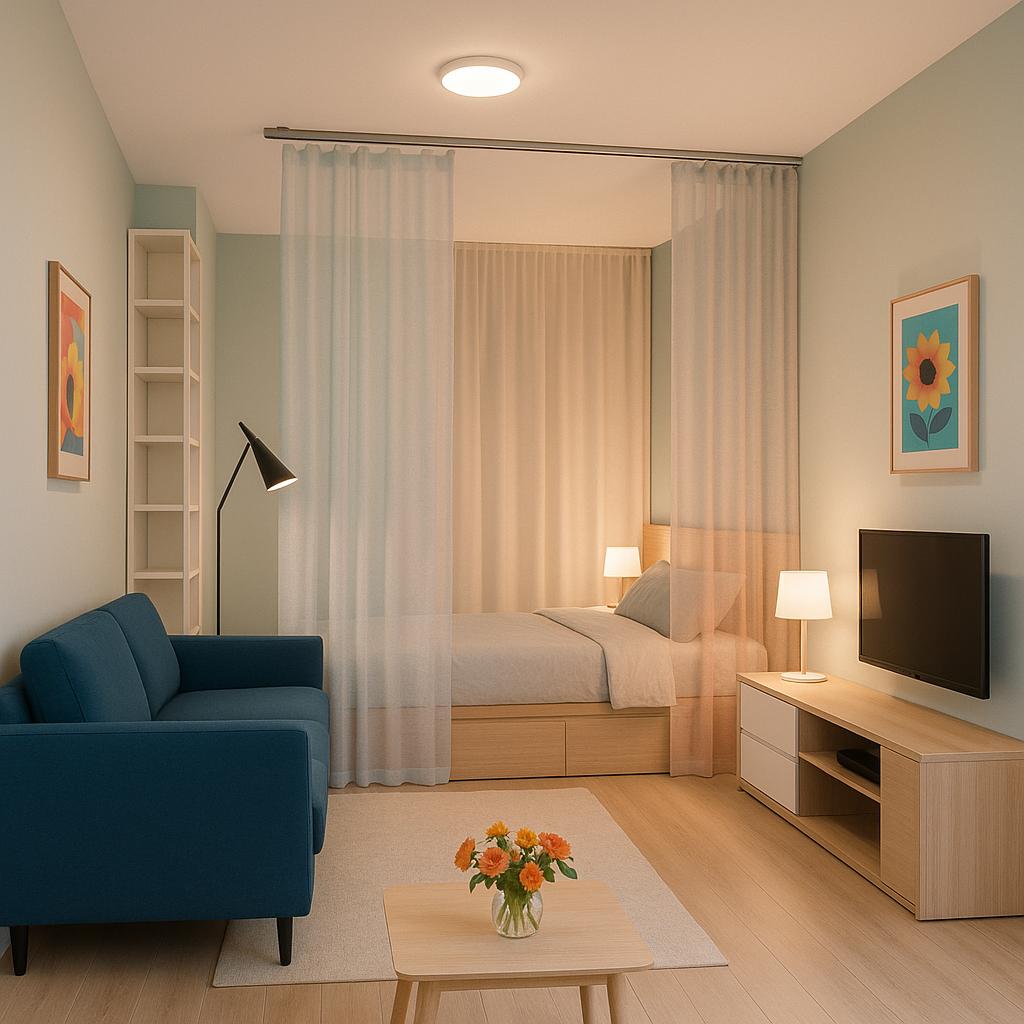
Personal details work best when they are useful too: washable textiles, compact plants, magnetic spice tins, or framed travel prints that do not steal storage space.
Caravan types and layout considerations
Touring caravan (towed)
The most common type in the UK and Europe. Typically 5–7 m long. Fixed layout (axle placement determines where heavy items can go). The standard layout sequence: lounge at the front, kitchen and dining mid-caravan, bathroom and bedroom at the rear. Design work focuses on upholstery, colour scheme, lighting, window treatments, and storage rather than structural changes. Weight distribution matters for towing: don't add heavy items to one end.Static caravan (holiday park)
Not towed; permanently or semi-permanently sited. More floor area than a touring caravan (typically 9–12 m × 3.5–4 m). Greater scope for furniture, appliances, and decorative changes because weight isn't a constraint. Often decorated more like a small apartment. The main design challenge is making the space feel residential rather than temporary — rugs, soft furnishings, proper lighting, and curtains rather than blinds do most of that work.Motorhome/campervan
Self-propelled. Combined living and driving space. The habitation area is smaller than a static but larger than a touring caravan's interior footprint. Layouts vary: fixed bed layouts, island bed layouts, French bed layouts (diagonal bed across the rear). Material choices are more critical because weight affects fuel economy and performance. Design focus: multi-function furniture, good storage, warm lighting, and a colour scheme that makes the fixed layout feel spacious.Caravan colour and material guide
Light colours expand perceived space — white, cream, soft grey, pale blue. These work in all caravan types. A single accent colour (warm terracotta, sage green, navy) in textiles and accessories adds personality without visual weight.Materials: lightweight laminates rather than solid wood for built-in furniture. Vinyl flooring outperforms carpet for hygiene and ease of cleaning. Window treatments — roller blinds for privacy, sheer curtains layered over for softness and light diffusion — do more for atmosphere than any other single decorative change.
How Paintit.ai helps with caravan design
Upload a photo of your caravan interior to app.paintit.ai and test different colour schemes, material directions, and layout approaches in 1–2 minutes. Useful for comparing a light Scandi direction against a warmer bohemian palette before buying any textiles or paint. Free to start.
START DESIGNING FREERelated design tools
Tools and related compact mobile-living design guides.
FAQ
-
Start with the layout. Use foldable tables, sofa beds, wall-mounted shelves, and under-seat storage. Keep the path between sleeping, cooking, and sitting areas clear.
-
Light neutrals, soft whites, pale sage, and warm beige make compact caravan interiors feel larger. Use stronger colours through cushions, curtains, or small decor rather than on every wall.
-
Lightweight, compact, and multi-functional furniture works best: sofa beds, folding tables, nesting stools, storage benches, and slim wall-mounted shelves.
-
Use daylight first, then layer warm LED strips, small wall lights, and focused task lighting near the kitchen and reading areas. Mirrors can help bounce light into darker corners.
-
Current caravan interiors are moving toward lighter palettes, simple natural materials, hidden storage, warm LED lighting, and flexible layouts that can shift between lounge, dining, and sleeping.