
Small boat interior design ideas: storage, comfort, and style on the water
Small boat interior design works under harder constraints than almost any other space. Weight limits affect material choices. Movement and vibration mean everything must be secured. Moisture is constant. And the available floor area is genuinely tiny.
The design ideas that work aboard a boat are mostly the same ones that work in other small spaces - light palette, multi-function furniture, vertical storage, good lighting - but with an additional layer of practicality. These 8 ideas cover both the aesthetic and the practical side.
Upload a photo of your boat interior to app.paintit.ai and see how different style directions look in your actual space. Free to start.
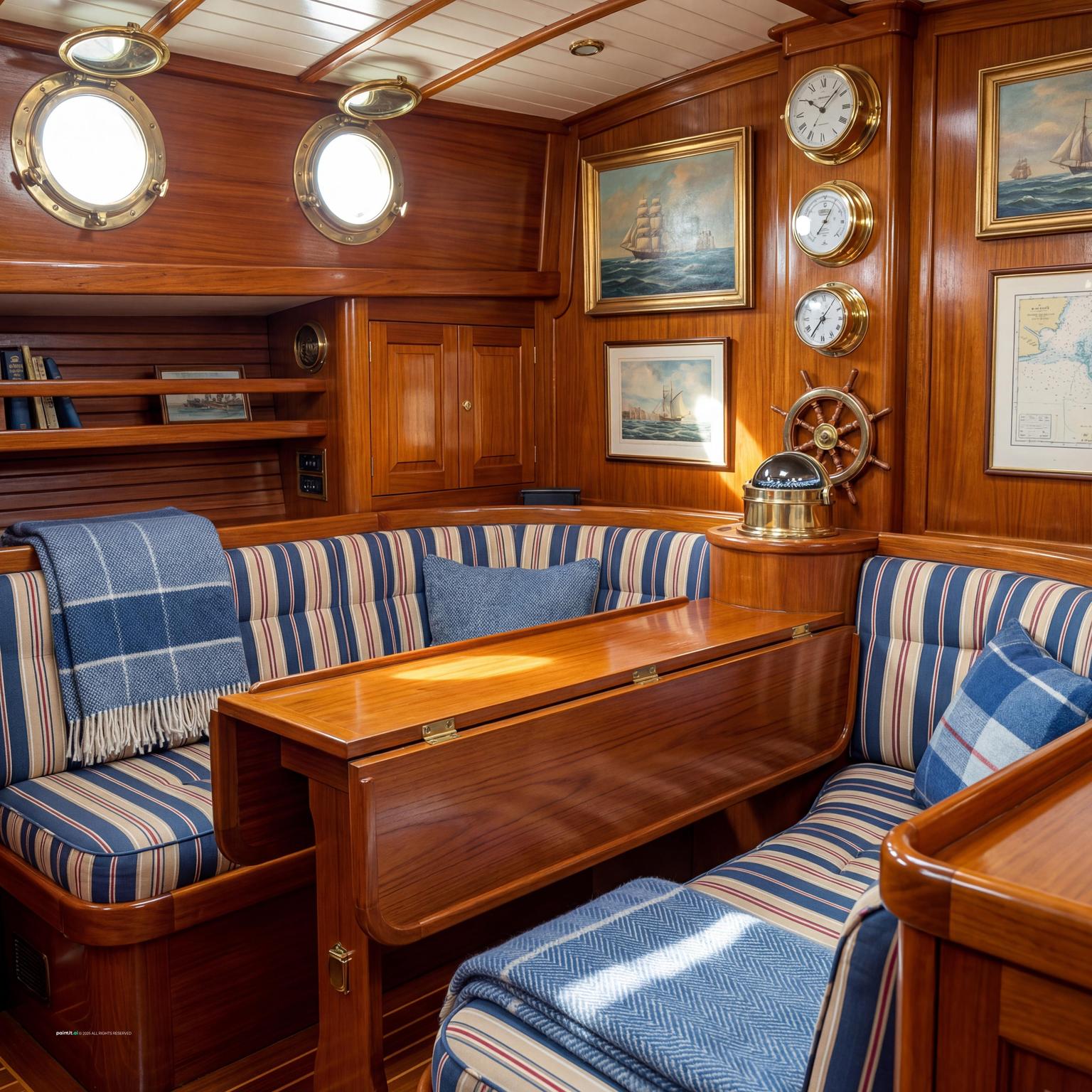
8 small boat interior design ideas
Small boat design starts with space and weight, then moves to style. These fundamentals address both.
-
1. Maximize Storage Solutions
Storage is the first design decision in a compact boat interior. Plan fixed, secure, and easy-to-reach storage before choosing decorative finishes:
- Beneath-seat storage: use the space below seating for equipment and provisions - one of the highest-volume storage opportunities on a small boat.
- Hanging organizers: mesh systems and suspended compartments keep items accessible without floor space.
- Built-in cabinets: custom built-ins that follow the hull curve use space that off-the-shelf furniture cannot reach.
-
2. Choose Multi-Functional Furniture
Choose furniture that performs more than one job and locks safely into place. Useful options include:
- Convertible sofas: fold to become beds, doubling sleeping capacity in the cabin.
- Foldable tables: expand for meals, collapse against the hull when not needed.
- Ottomans with storage: hidden storage under seating, consistent with the principle that every piece has two jobs.
-
3. Opt for Light Colors and Reflective Surfaces
Light colours make compact cabins feel brighter. Use white, cream, and pale neutrals on walls, ceilings, and large furniture surfaces. Reflective details can help:
- Mirrored accents: mirrors reflect light and visually expand the cabin - place opposite a porthole for maximum effect.
- Glossy finishes: gloss paint or varnish reflects light better than matte in low-light cabin environments.
-
4. Create Zones for Different Activities
Even in a small space, it’s important to define areas for various activities. Use rugs or different lighting to create distinct zones:
- Cooking Zone: Designate an area for meal preparation with easy access to cooking equipment.
- Relaxation Zone: Create a cozy nook for lounging with cushions and comfortable seating.
- Work Zone: If you plan to work aboard, set up a small desk or workspace that’s functional.
-
5. Incorporate Natural Light
Natural light changes how a small boat cabin feels. Increase daylight with:- Large Windows: Enhance your space by installing bigger windows or portholes to increase light entry.
- Skylights: Skylights: where the structure allows, skylights can increase cabin light.
- Transparent Materials: The use of see-through or semi-opaque panels for partitions helps preserve an open atmosphere.
-
6. Use Nautical-Inspired Décor
Use nautical references carefully so the cabin does not become themed. Consider:- Marine Colors: Employ a sea-inspired color palette that includes blues, whites, and sandy tones.
- Beachy Textiles: Select materials featuring nautical designs like stripes or anchor patterns.
- Natural Materials: Incorporate wood, wicker, and other natural elements to establish a cozy organic ambiance.
-
7. Embrace a Minimalist Approach
With limited space, less is often more. A minimalist design can open up the space and reduce clutter. Consider these tips:
- Declutter Regularly: Keep only what you need and love. Regularly assess your items aboard.
- Simplified Color Schemes: Stick to a few colors to create a cohesive look.
- simple Furniture: Choose sleek, low-profile furniture that doesn’t overpower the space.
-
8. Personalize Your Space
Finally, make the cabin personal without adding clutter:
- Art and Photos: Display art pieces and photographs that showcase your travel experiences and personal interests.
- Custom Cushions: Introduce bespoke cushions and throws to establish a warm ambiance.
- Unique Items: Incorporate souvenirs and distinctive discoveries into your decor to evoke memories.
Small boat design ideas in action
Small boat interiors work best when every choice answers three questions: is it light, secure, and useful while the boat is moving?
-
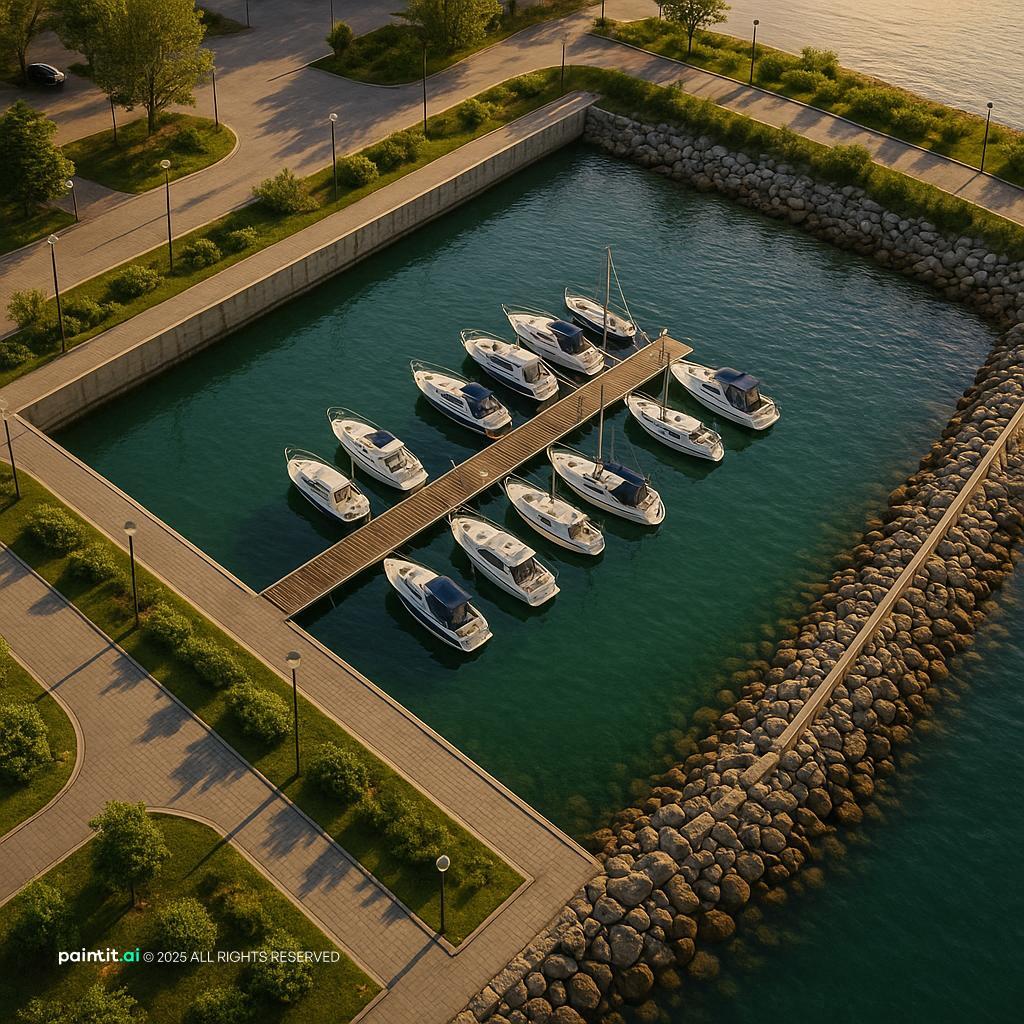
A compact sailboat cabin benefits from fixed modular furniture: a foldable table, storage benches, and soft seating that converts into sleeping space. The goal is comfort without loose pieces that move underway.
-
Light colours, marine-grade textiles, and controlled natural light make the cabin feel bigger without adding weight. Keep decorative references subtle: stripes, warm wood, and brass details usually work better than obvious anchor prints.
-
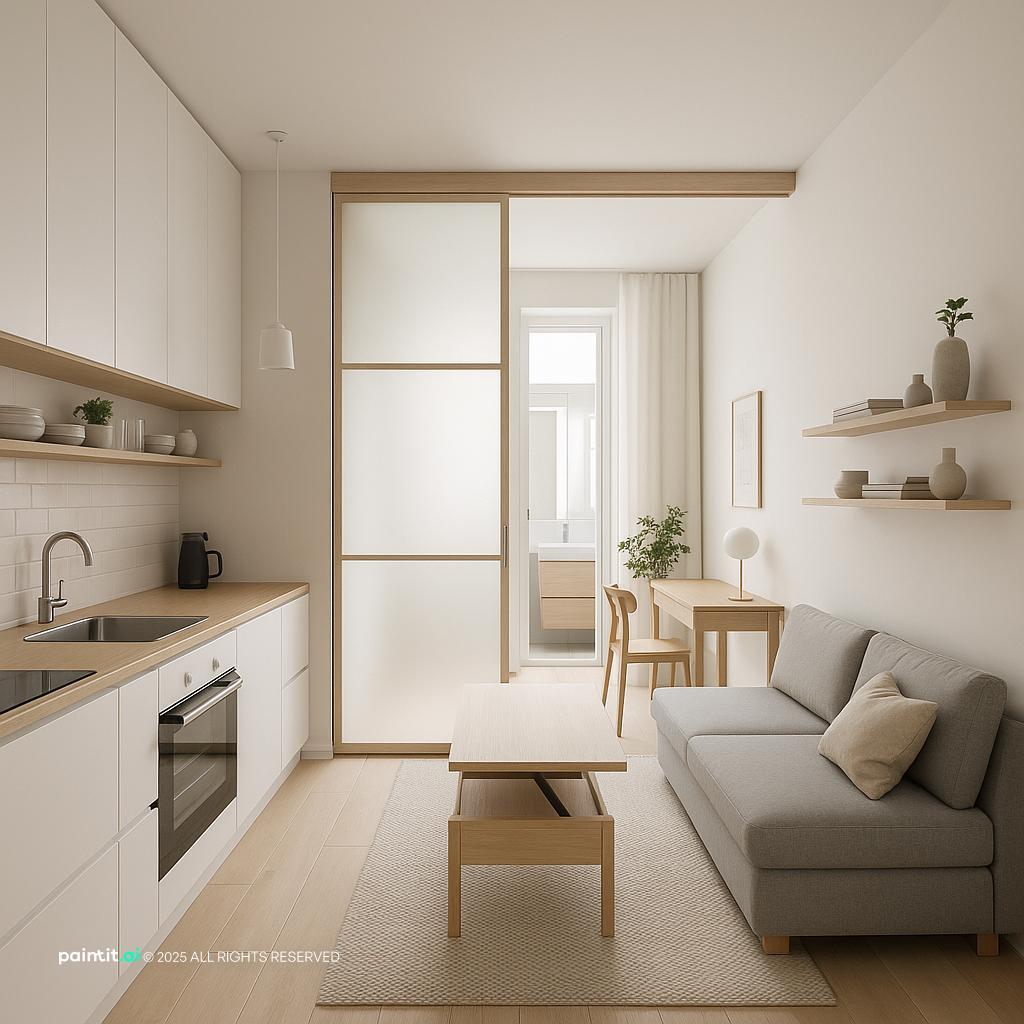
Built-in cabinetry should follow the hull curve and keep gear out of sight. Prioritize rounded edges, latchable doors, and materials that tolerate moisture and salt air.
Boat types and how design differs
The right approach depends on the vessel type — they have different layouts, different uses, and different material constraints.
Sailboat (monohull, up to 10 m)
The most common type for small boat interior renovation. Narrow beam (2–3 m typical), deep V-hull, limited headroom. The cabin layout is usually fixed by the hull: V-berth forward, salon/navigation area amidships, quarter berth or aft cabin. Design work focuses on material choices, storage integration, lighting, and upholstery. Weight matters — heavy materials affect sailing performance. Marine-grade fabrics (UV-resistant, mildew-resistant, easy to wipe) are the practical standard. Teak is beautiful but genuinely heavy; lighter hardwoods or teak-look vinyl alternatives are common in modern refits.Motor cruiser (5–10 m)
More beam than a sailboat of similar length, better headroom, typically beamier salon layout. More scope for furniture and storage. Weight is less critical than on a sailboat but materials still need to be moisture-resistant and easy to clean. The helm station and salon are often the same space — design must accommodate both.Canal narrowboat (UK)
Long and extremely narrow (typically 2 m beam, 10–22 m length). Galley kitchen, living area, sleeping area, and bathroom all in a straight line. The design challenge is making the linear layout feel like distinct rooms rather than one long corridor. Zone changes in flooring material, ceiling treatment, or paint colour create psychological separation.RIB / day boat
Minimal interior — bench seating, helm console, maybe a small forward V-berth. Design focus is on materials, hardware, and colour choices rather than furniture layout. Marine upholstery in weather-resistant fabric (Sunbrella or equivalent) and teak decking or teak-effect composite are the main design decisions.
How Paintit.ai helps with boat interior design
Upload a photo of your boat cabin or salon to app.paintit.ai. Test different colour directions, material combinations, and lighting approaches in 1–2 minutes. Useful for visualizing how a light Scandi palette changes the feel of a dark wood interior, or how a different upholstery colour reads against the hull. Free to start.
START DESIGNING FREERelated design tools
Tools and related compact-space design guides.
FAQ
-
Use multifunctional furniture such as convertible sofas or foldable tables. Maximize vertical space with shelves and hooks. Choose built-in storage that follows the hull curve so every inch has a purpose.
-
Light colours like whites and soft neutrals make cabins feel larger. Use bolder accents through cushions or accessories. Natural wood tones can add warmth without making the cabin feel heavy.
-
Choose compact furniture with marine-grade fabrics, rounded edges, and secure fixing points. Foldable dining sets, storage benches, and convertible sofas work best because every item needs at least two jobs.
-
Use LED strips under cabinets, wall sconces for soft ambient light, and task lighting near the galley or navigation area. Maximize daylight through portholes and keep window treatments light.
-
Lighter material palettes are replacing traditional teak, which is heavy and expensive. Marine-grade vinyl fabrics in solid colours and contemporary textiles are replacing anchor prints. LED lighting throughout is now standard: energy-efficient, low-heat, and dimmable.