
RV interior design ideas: materials, storage, and style for life on the road
Designing an RV interior works under constraints that most home design does not face: weight limits, material durability for movement and vibration, and space where every inch is functional.
The ideas that work in an RV are the same ones that work in any small space, but with an added practical check: material weight, vibration, secure storage, and travel use.
Upload a photo of your RV interior to app.paintit.ai and see how different style directions read in your actual space. Free to start.
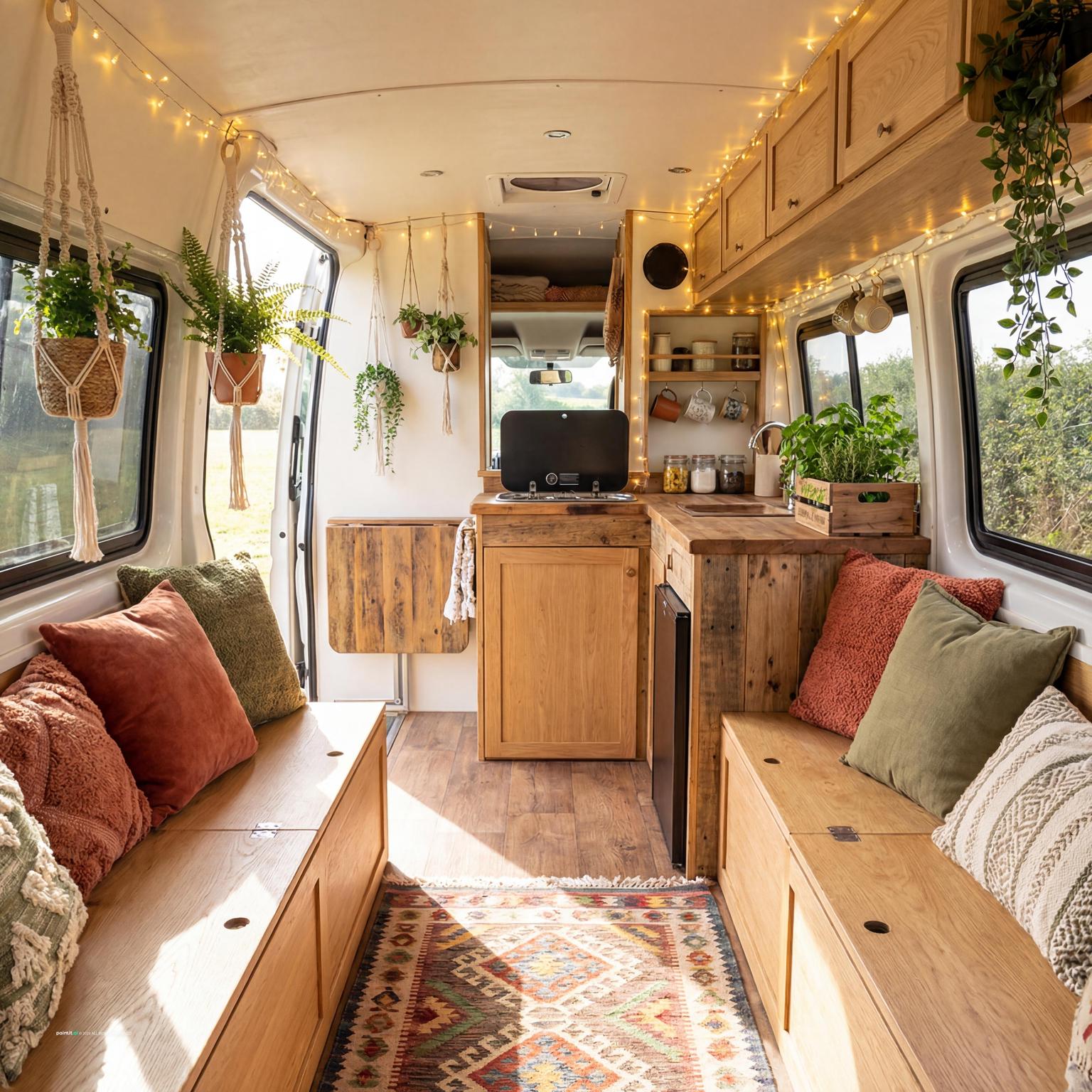
10 RV interior design ideas
Transforming the interior space of your RV can significantly enhance your travel experience. Whether you're looking to maximize space, improve comfort, or add a touch of personal style, implementing effective design ideas is crucial. Here are some essential tips to guide you through the process.
-
1. Prioritize Functionality
Prioritizing functionality emerges as the essential focus when creating your RV interior design. Examine the intended function of every room to verify that each piece of furniture and fixture performs a necessary role. Select furniture pieces that serve multiple purposes like sofa beds and tables with built-in storage functions. This method enables the optimal use of restricted space while maintaining an organized area free from clutter.
-
2. Choose a Cohesive Color Palette
An integrated color scheme transforms your RV into a seemingly larger and more inviting space. Opt for light and neutral colors to establish a spacious ambiance. Adding personality to a room through colorful accessories such as cushions, rugs, and wall art allows for individual expression while maintaining spatial balance. During your travels consider using washable materials for easy maintenance.
-
3. Optimize Storage Solutions
RVs frequently face storage difficulties which makes the development of inventive storage methods crucial. Install shelves or cabinets that extend to the ceiling to make use of vertical space. Storage boxes designed for under-bed use and seat cushions with concealed compartments provide effective ways to keep items hidden. Additionally, the use of baskets or bins helps organize smaller items for easy access during travel.
-
4. Incorporate Natural Light
By enhancing natural light levels your RV transforms into a space that feels both spacious and welcoming. Deploy sheer curtains or shades to sustain privacy while permitting sunlight to pass through. The deliberate placement of mirrors serves to bounce light while simultaneously establishing spatial depth. Explore the possibility of installing skylights to enhance your space with additional natural light.
-
5. Personalize Your Space
Your RV should reflect your unique style and personality. Integrate personal elements like travel souvenirs, family photographs, and handmade decorations into your space. The space transforms into a personal sanctuary while simultaneously establishing an inviting atmosphere that welcomes both you and your guests.
-
6. Keep It Comfortable
The essential nature of comfort in RV interiors arises from the considerable time you'll spend within your mobile dwelling. Acquire premium bedding along with pillows and seating options to guarantee travel relaxation. Integrate plush throw blankets and cushions to transform the area into a cozy haven. Moreover, verify that both ventilation and air conditioning systems operate correctly to maintain a pleasant indoor environment.
-
7. Material choices: weight and durability come first
Weight is the constraint that separates RV design from home design. Granite, heavy stone, and solid hardwood usually belong only in larger RVs. For most RVs, use vinyl plank flooring, laminate or lightweight engineered counters, moisture-resistant upholstery, and primer designed for vinyl or wood-veneer walls.
-
8. Embrace Outdoor Living
Your RV can smoothly blend indoor and outdoor living. Design the interior with the idea of enjoying nature. Consider adding outdoor-themed decor or folding chairs that can easily transition from inside to outside. Setting up an outdoor area with rugs, cushions, and lights can enhance your overall experience on your travels.
-
9. Use Smart Technology
Integrating smart technology systems into your RV setup enhances your travel adventures. Technology enables enhanced convenience through complex smart lighting systems controllable via apps and entertainment audio devices. Contemplate the installation of solar panels as a means to achieve sustainable power for your devices and appliances.
-
10. Seek Inspiration
Feel free to explore magazines, digital platforms, and RV exhibitions to gather creative ideas. Participation in RV enthusiast communities provides access to unique perspectives and innovative concepts that might otherwise remain outside your consideration. Every RV possesses distinct characteristics which require careful examination of multiple designs and layouts to determine your optimal choice.
RV renovation examples for compact mobile spaces
-
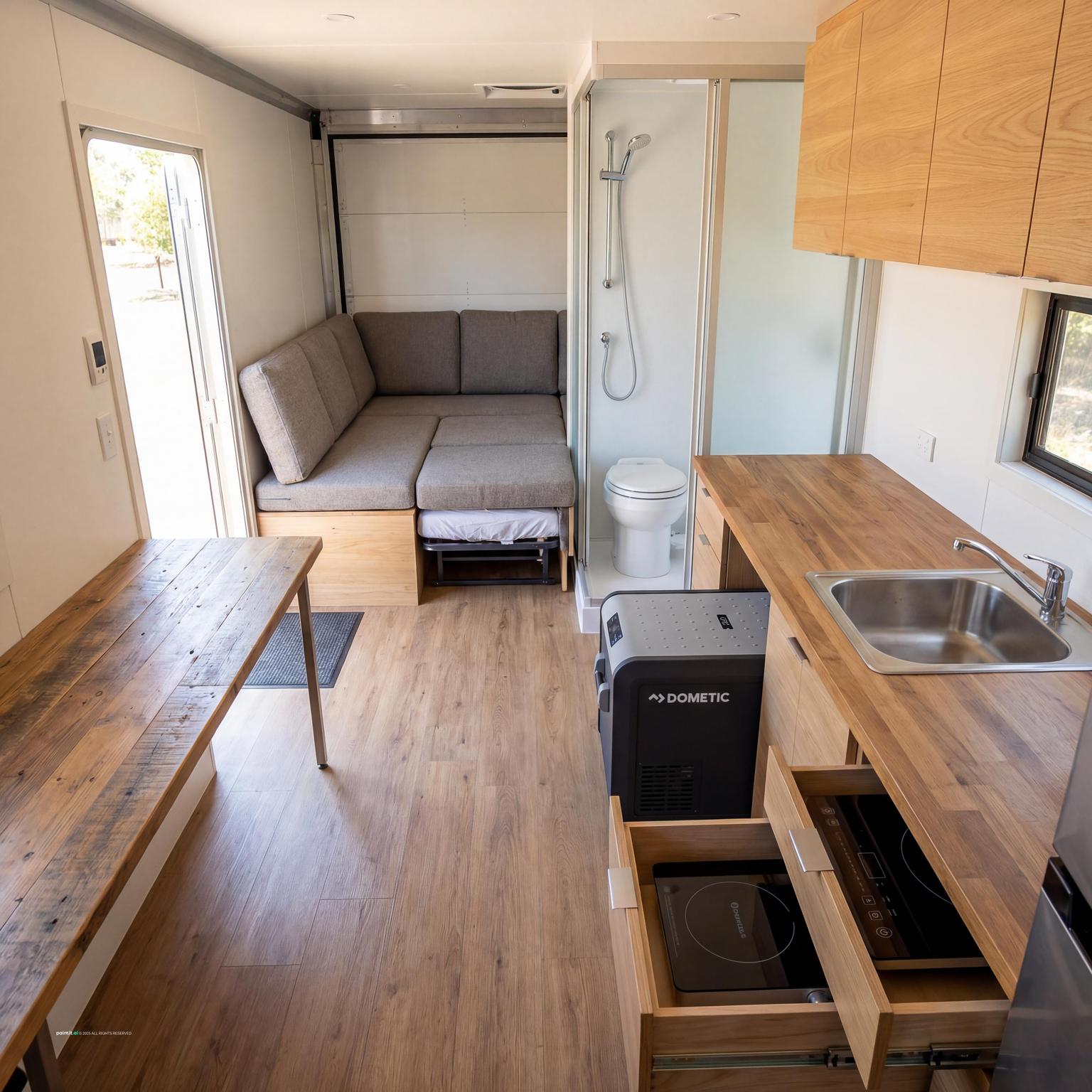
The best RV renovations start with flooring because it changes the whole interior quickly. From there, lighting fixture replacements and new upholstery do the next most work for the investment.
-
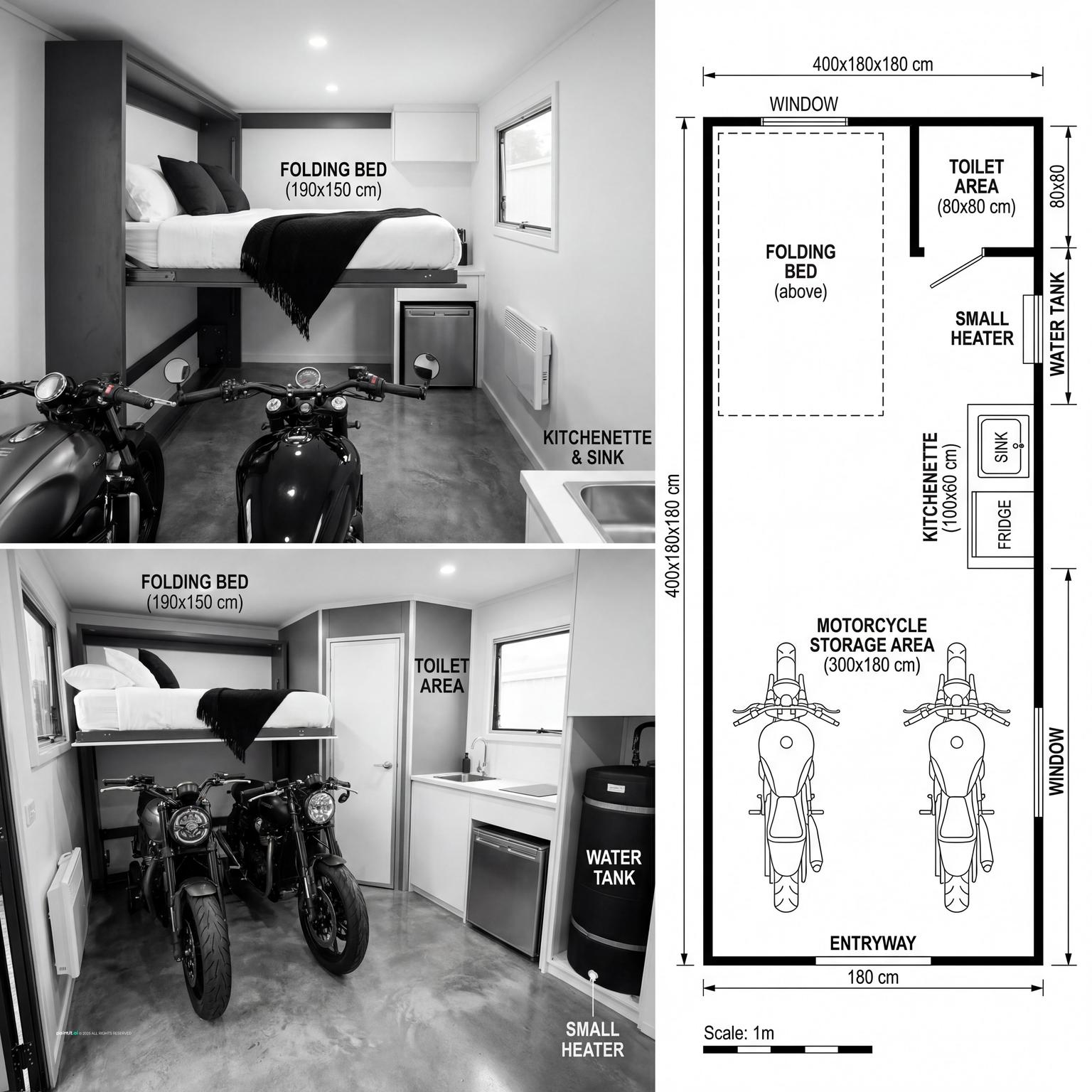
Effective space utilization remains essential in RVs where innovative storage methods create noticeable improvements. Built-in shelves combined with adaptable furniture pieces such as convertible sofas increase functionality while maintaining aesthetic appeal. The inclusion of wood finishes alongside indoor plants creates a welcoming and comfortable environment.
-
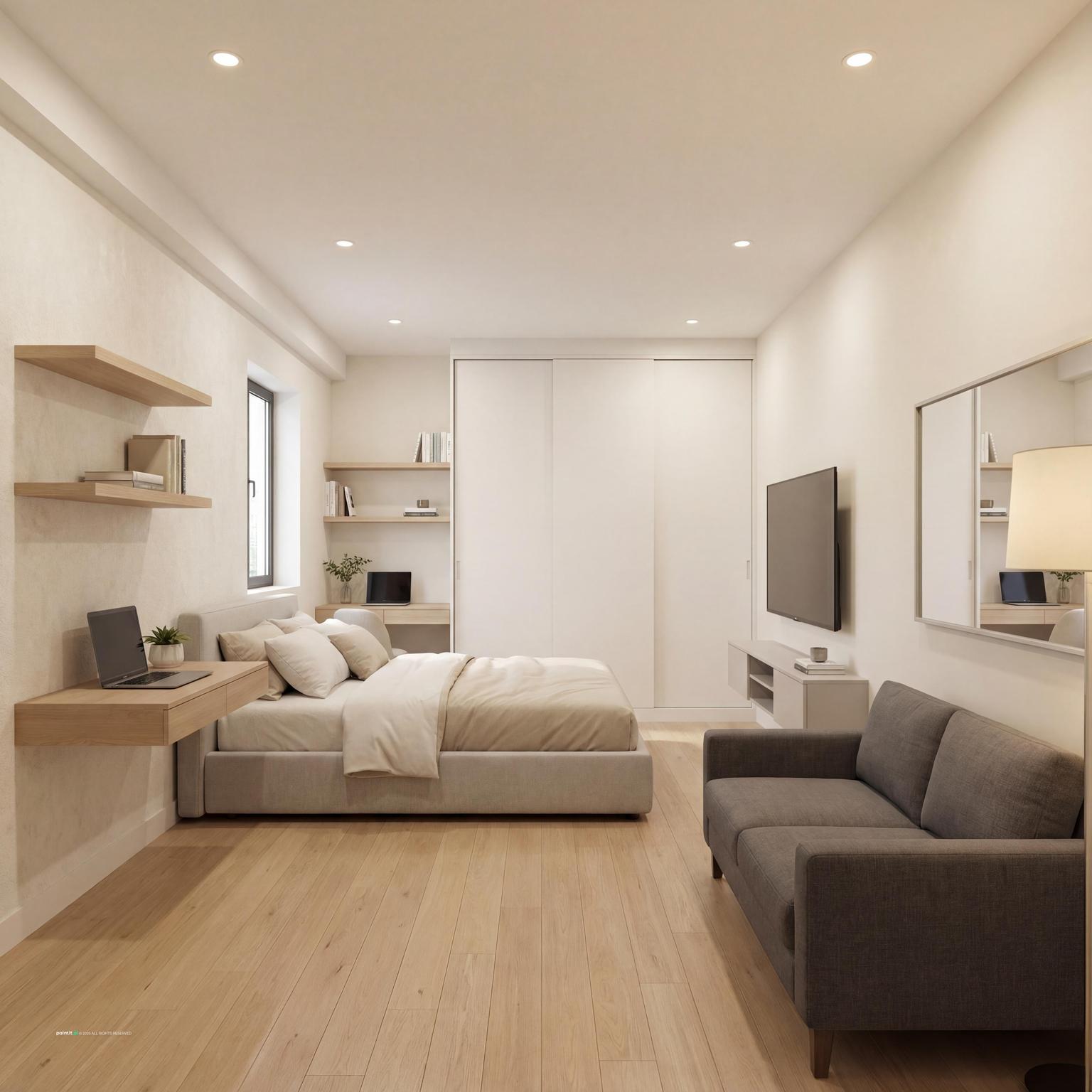
The inclusion of personalized elements such as custom curtains and decorative throw blankets serves as a mirror for your individual character and wanderlust. The function of lighting remains essential while you consider installing LED strip lights beneath cabinets together with pendant lamps to establish nighttime ambiance.
-
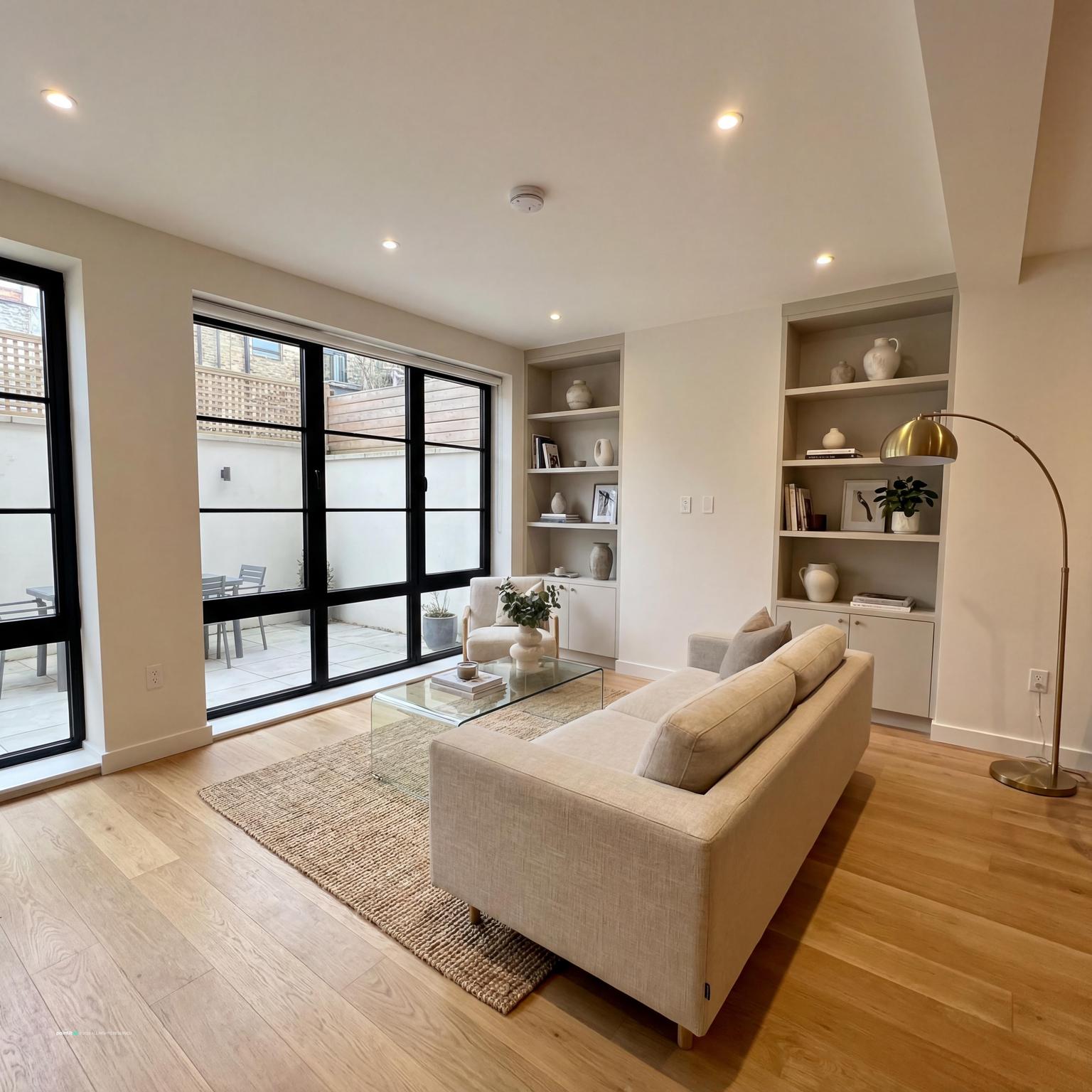
From bohemian chic to sleek modern designs, there are endless possibilities to explore for RV interiors. Each design reflects a unique lifestyle while ensuring comfort on the road.
RV types and their design implications
-
Not all RVs are the same, and the type significantly affects what design approaches are practical:
-
Class A motorhome (coach-style)
The largest RV type: 7.5-13 m long. Most residential-like interior, allowing more substantial furniture, a proper kitchen, washer/dryer, and master bedroom. Still weight-limited compared with a house, but the most flexible option. -
Class B van conversion (camper van)
The smallest motorhome, typically 5.5-6.5 m. Every square centimeter is designed. Murphy bed systems, fold-up tables, wet baths, and minimal possessions are common. Design emphasis: clever storage and visual tricks that make the space feel larger. -
Class C motorhome
Mid-size, typically 6-8 m, with the distinctive over-cab bunk area. More family-friendly than Class B and between Class A and B in terms of residential feel and design flexibility. -
Travel trailer / fifth wheel
Towed rather than self-propelled. More floor plan variety than motorhomes at similar sizes. Weight distribution matters, heavy items should stay near the axle, and all furniture must be secured for towing. -
Upgrade priority by impact
1. Flooring. 2. Lighting fixtures. 3. Upholstery or cushion covers. 4. Paint or peel-and-stick wallpaper. 5. Cabinet hardware. 6. Window treatments. 7. Countertops.
How Paintit.ai fits into RV design
-
Upload a photo of your RV interior to app.paintit.ai and see how different colour palettes and style directions read in your actual space. Useful for deciding between a light Scandinavian direction and a moody, dark-accented approach before committing to material purchases. Free to start.
Related design resources
Small-space and concept tools for RV interiors.
FAQ
-
Start with flooring, then lighting, upholstery, and paint or peel-and-stick wallpaper. Keep the palette light and cohesive, and make every decorative item earn its place because weight and secure storage matter.
-
Popular styles include coastal, moody dark palettes, farmhouse, Scandinavian, and bohemian. Each must be adapted to RV scale, weight, storage, and travel movement.
-
The 3-3-3 rule is a travel pacing guideline: drive no more than 3 hours, arrive by 3 pm, and stay at least 3 nights. It is not a design rule.
-
Yes. Upload a photo of your RV interior to app.paintit.ai and test style directions, color palettes, and material combinations in 1-2 minutes. Free to start.