
Advocate office interior design ideas: professional, private, and client-ready
An advocate's office does two jobs at once: it communicates authority and expertise to clients from the moment they walk in, and it supports long, focused working days for the advocate. These two requirements don't always point to the same design decisions.
The design of a well-planned advocate office is built around three functional requirements: privacy, file accessibility, and first impression. Everything else (materials, colors, lighting) serves these three.
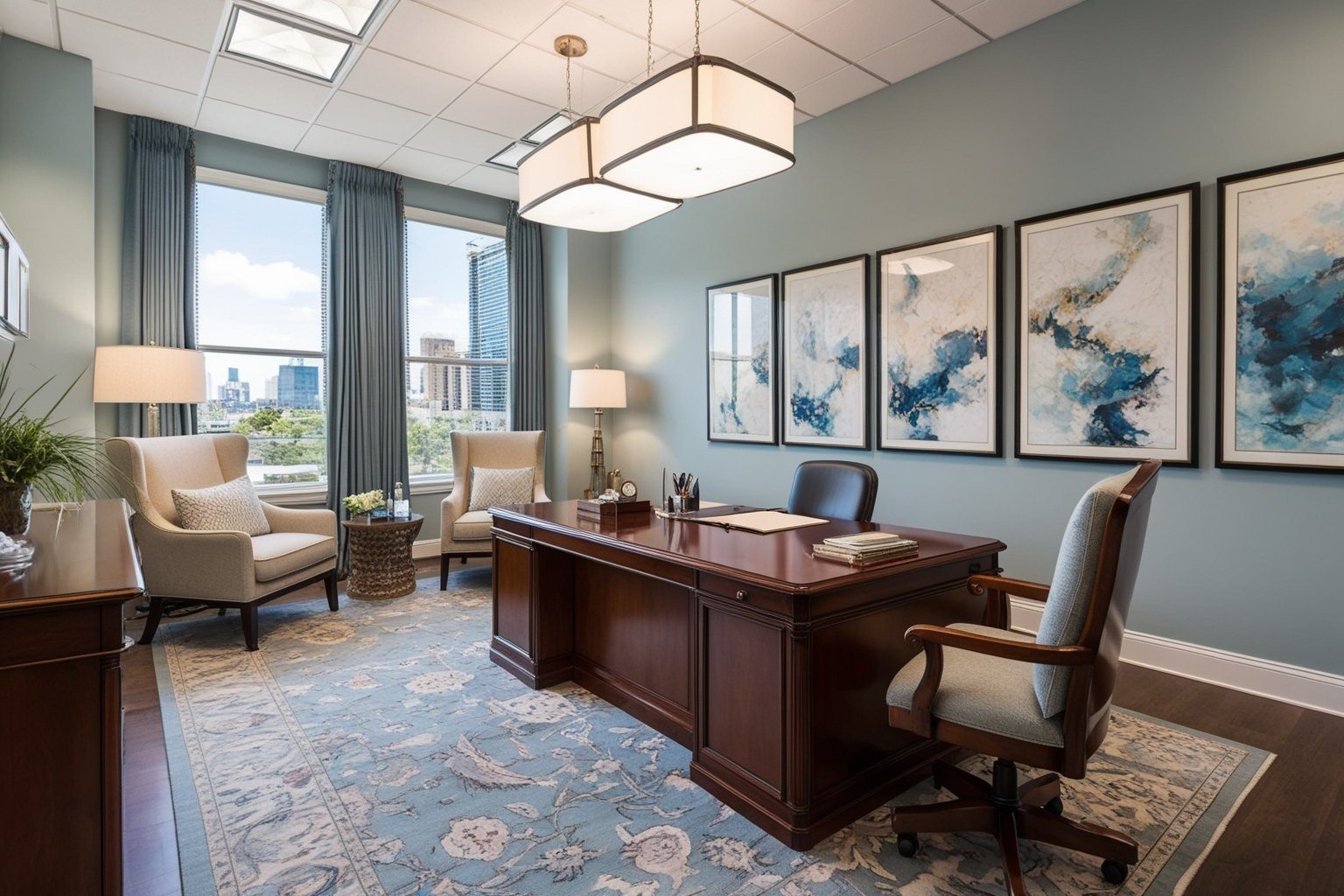
Three zones every advocate office needs
The most effective legal workspaces separate client-facing, private, and waiting functions.
-
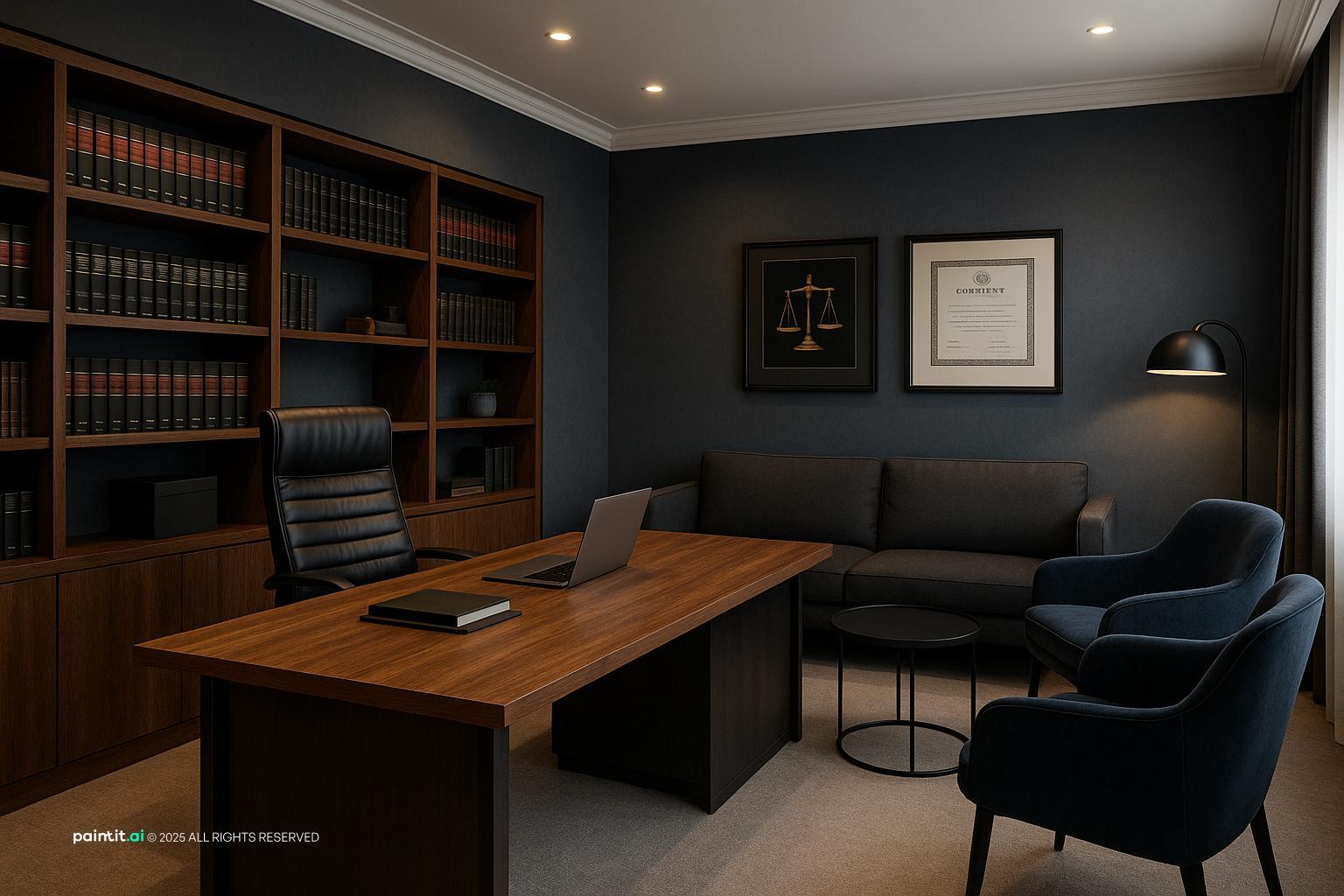
The advocate's cabin. Executive desk (minimum 160×80 cm for document spread), ergonomic chair tested for lumbar support, visitor seating for 1–2 clients, bookshelves or document cabinets within reach, sound insulation in the walls.
-
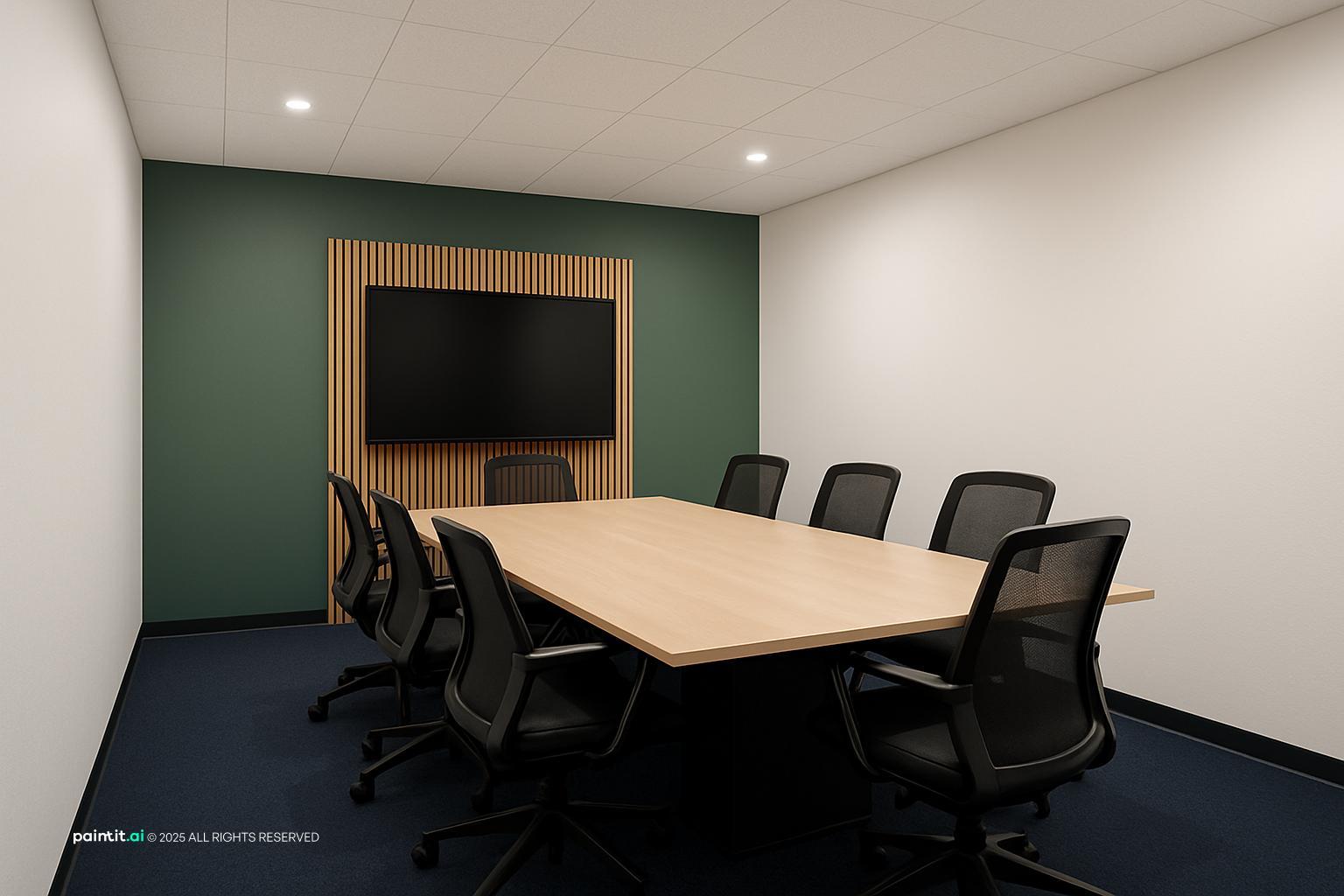
Consultation room. Soundproof partitions or double-glazed glass, frosted for privacy. Round or rectangular table for 4–6 people. Warm, dimmable lighting, not fluorescent.
-
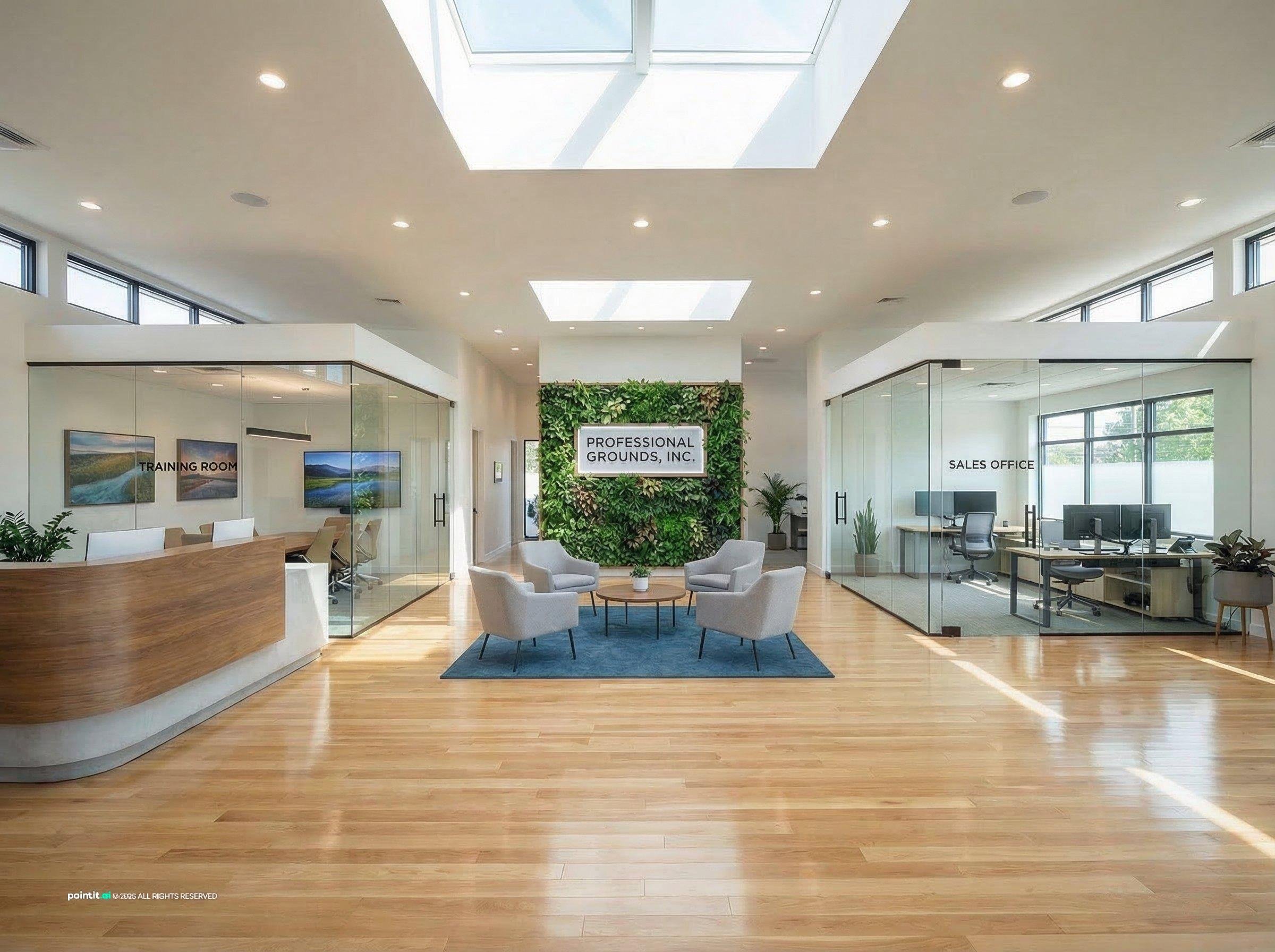
Waiting area. Plush seating, a small surface for a water station and minimal reading material. Keep it clutter-free. A calm, organized waiting area sets the tone before the client enters your cabin.
26 advocate office design ideas
-
Creating a professional yet welcoming office is crucial for advocates who want to instill confidence and ensure comfort for their clients. These ideas are curated to help you design a space that reflects integrity, privacy, and a sense of calm in your practice.
-
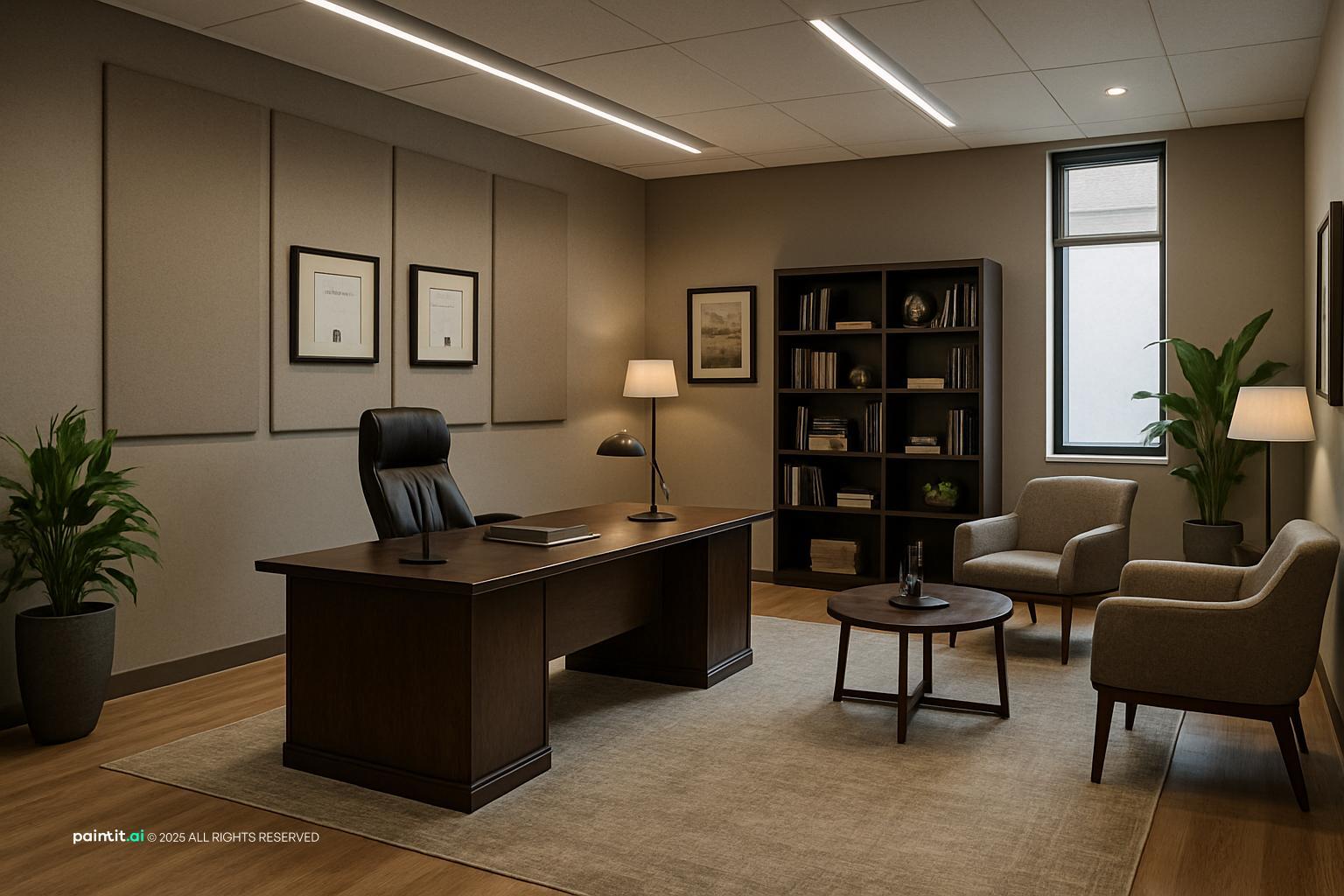
Add wood or textured wall panels behind your desk or on one main wall. This addition introduces warmth and sophistication without overpowering the space.
-
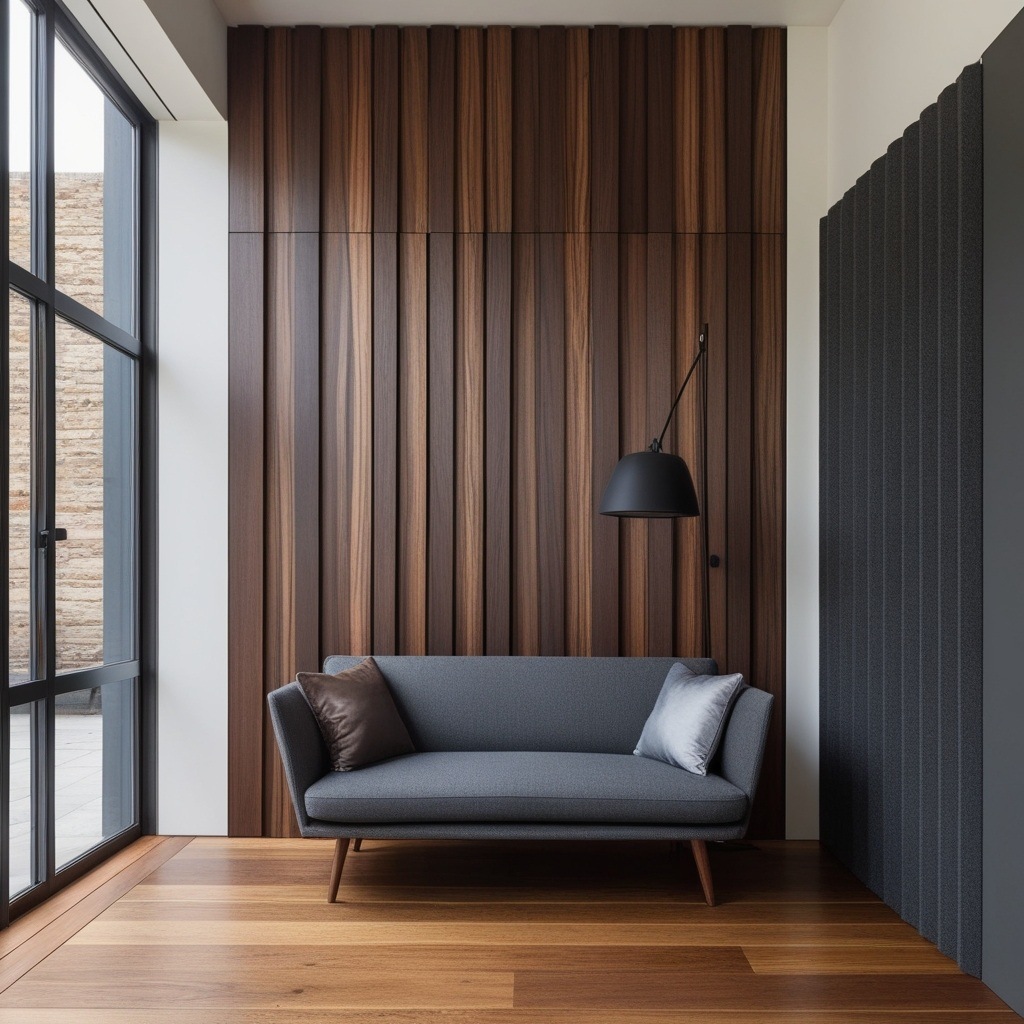
For a classic look, choose dark timber panels; for a modern twist, consider sleek acoustic panels that also help with sound control.
-
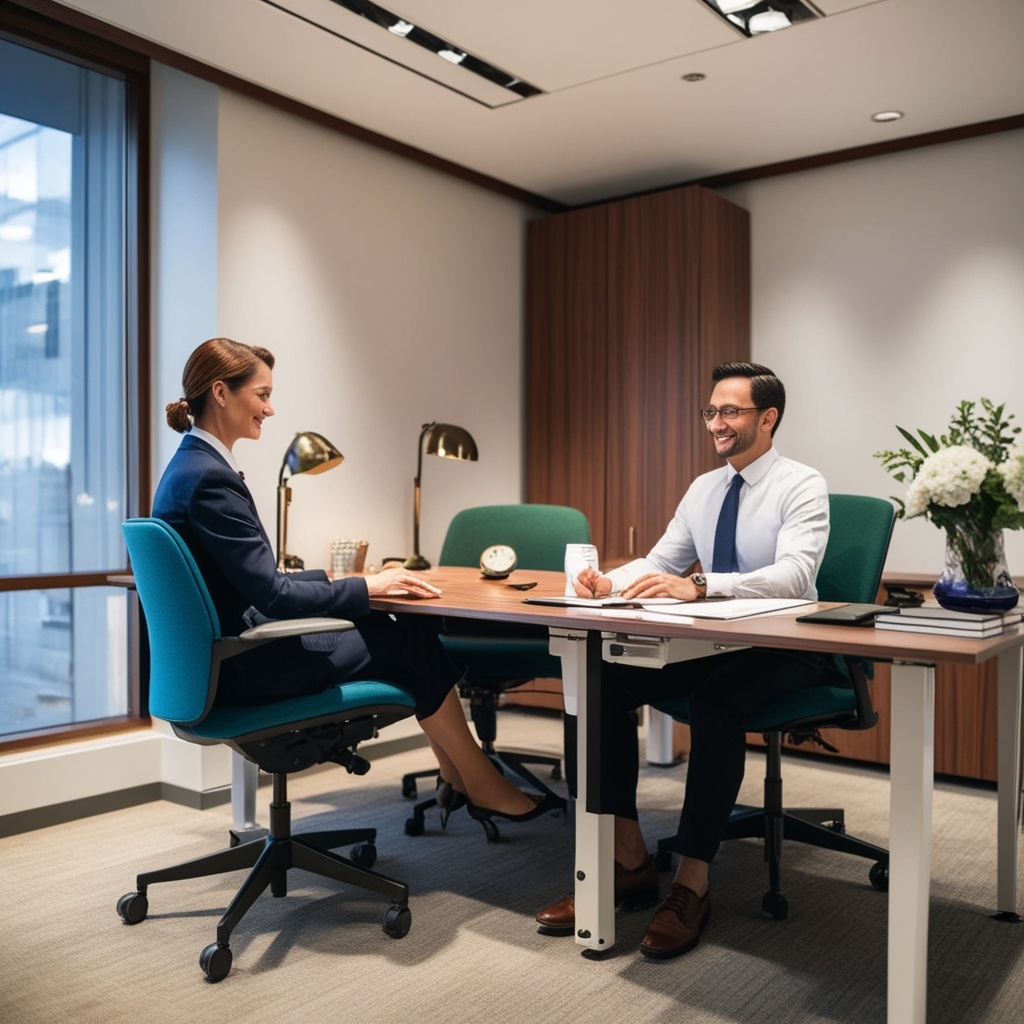
Clients may spend lengthy periods in your office, so opt for ergonomic chairs and adjustable desks to prioritize comfort and well-being. Ergonomics also benefit your own posture and energy during long casework sessions.
-
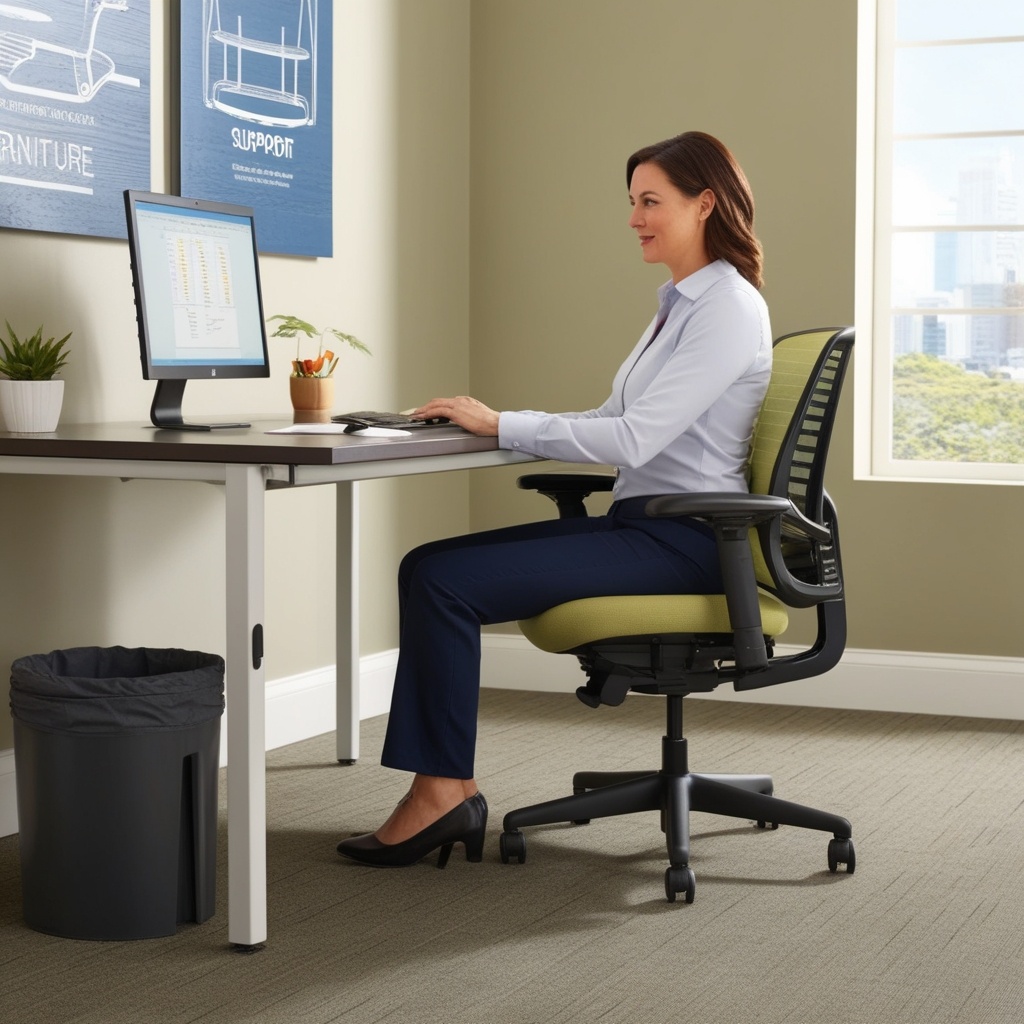
Look for furniture lines designed for heavy workplace use, and test for lumbar support before purchasing.
-
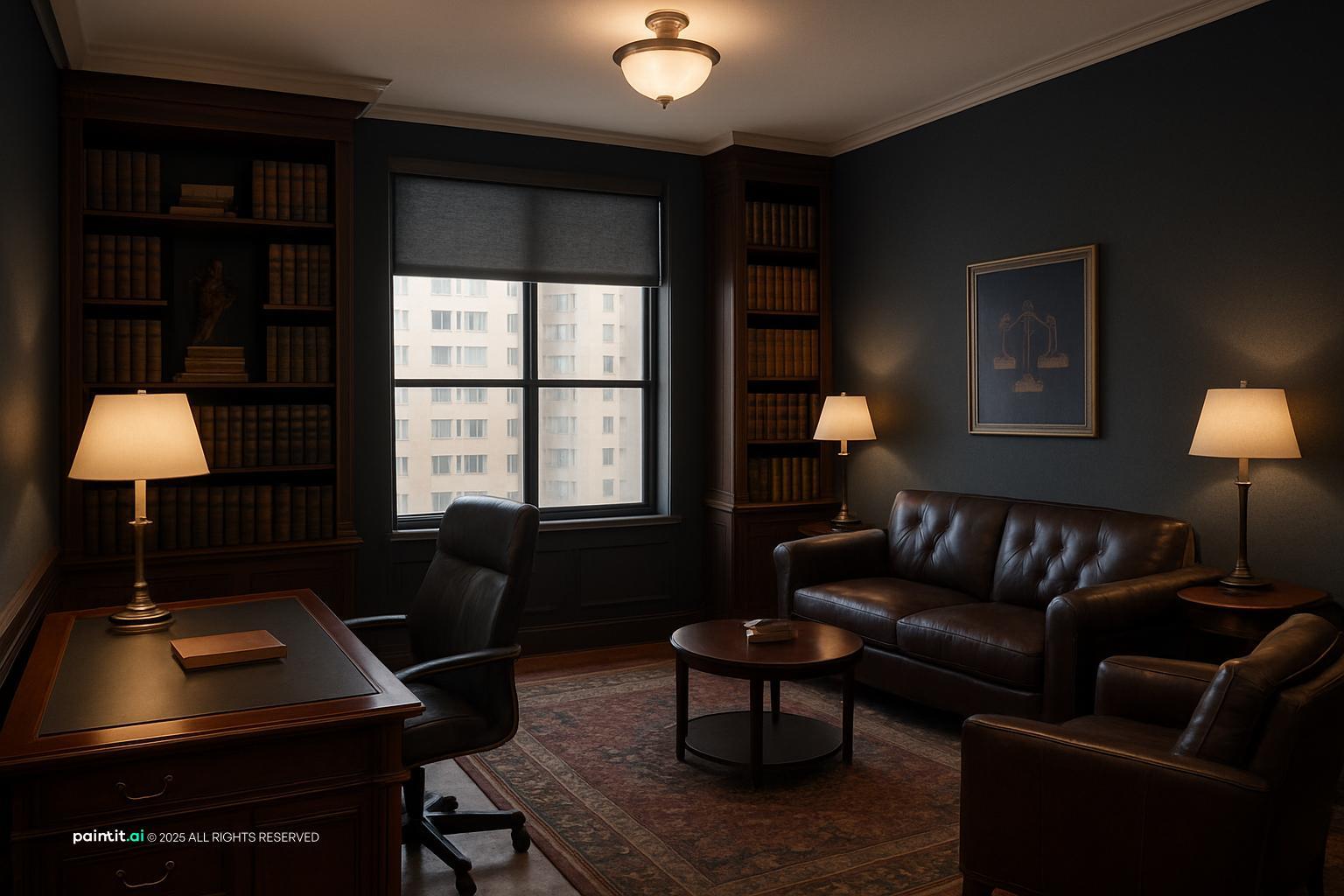
Confidentiality is vital. Integrate acoustic insulation in meeting areas using double-glazed glass, thick doors, or specialized wall panels to prevent sound leakage.
-

This feature is especially important in busy legal offices where multiple discussions may occur simultaneously.
-
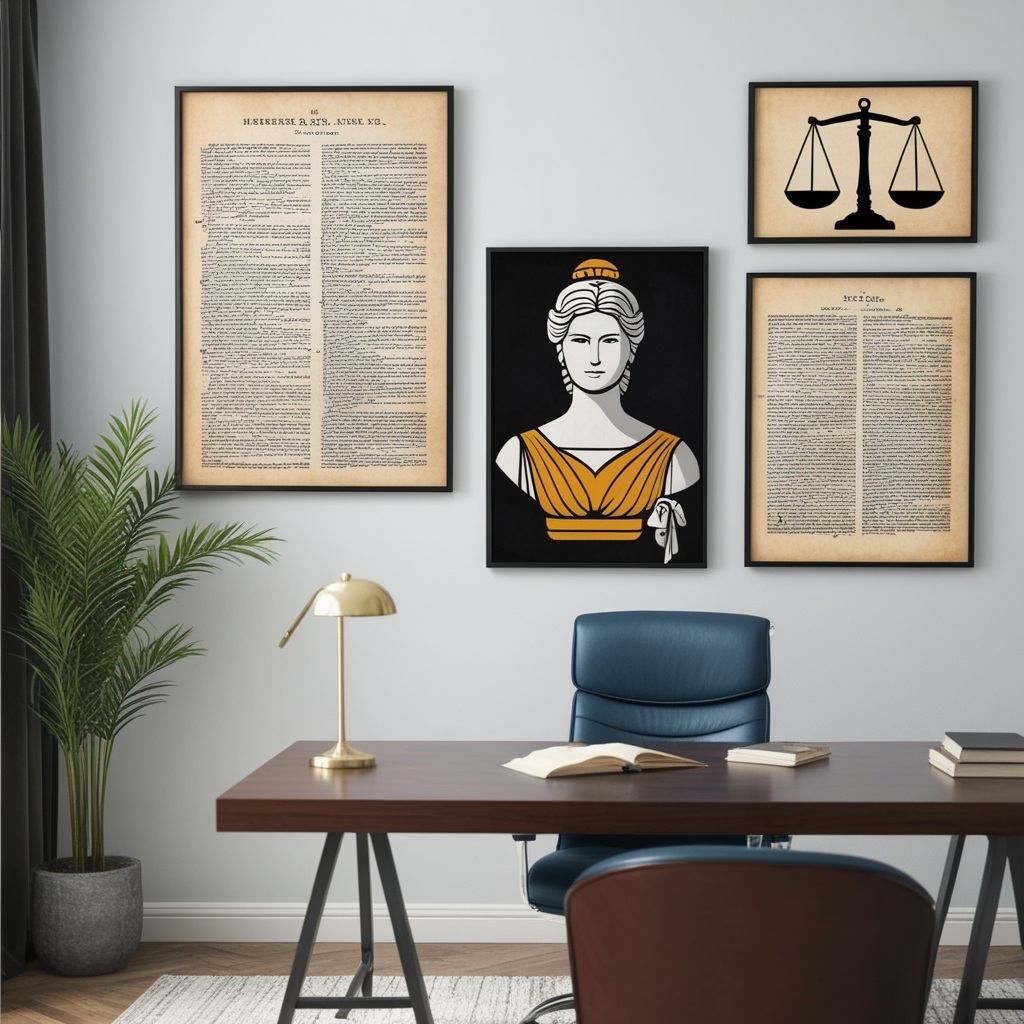
Adorn your office with tasteful art that subtly references justice: a modern interpretation of Lady Justice, framed historic law texts, or abstract scales motifs.
-
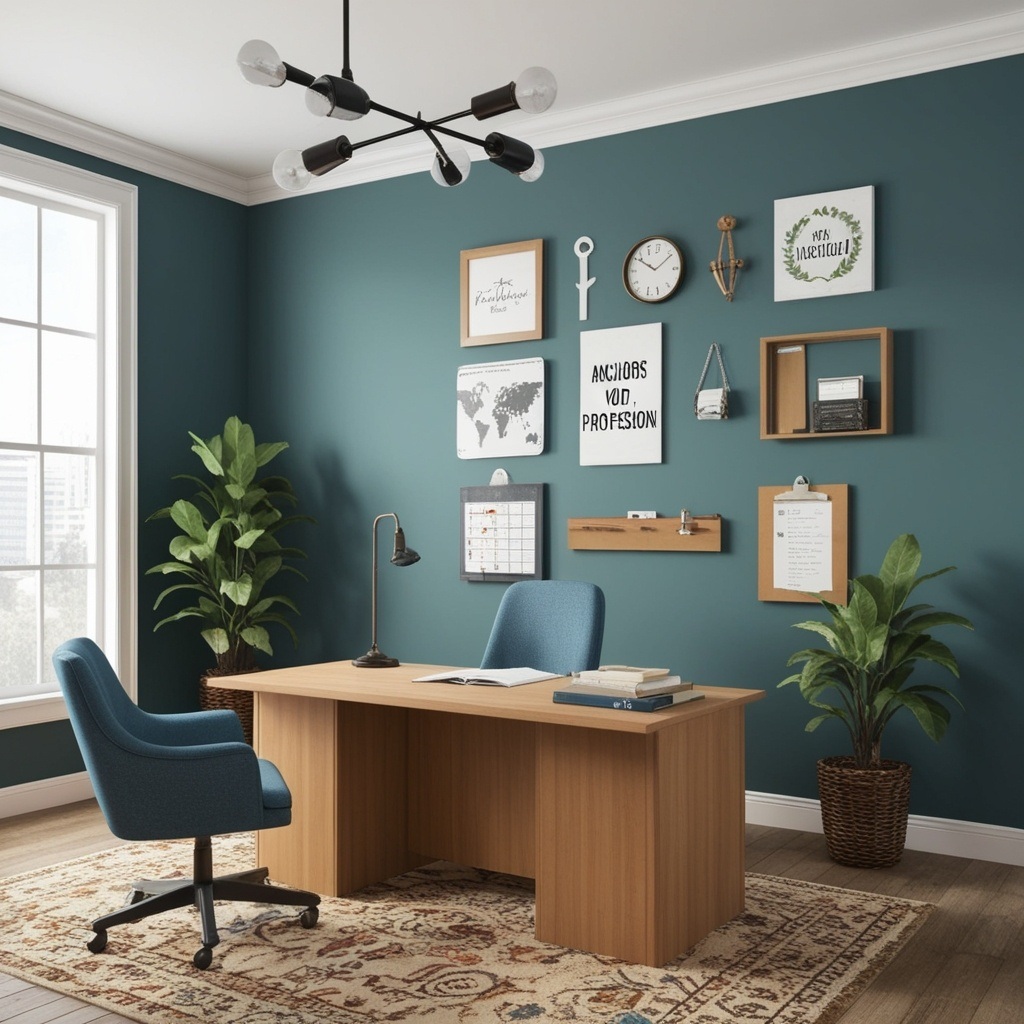
This approach anchors the space in your profession while maintaining visual interest for visitors.
-
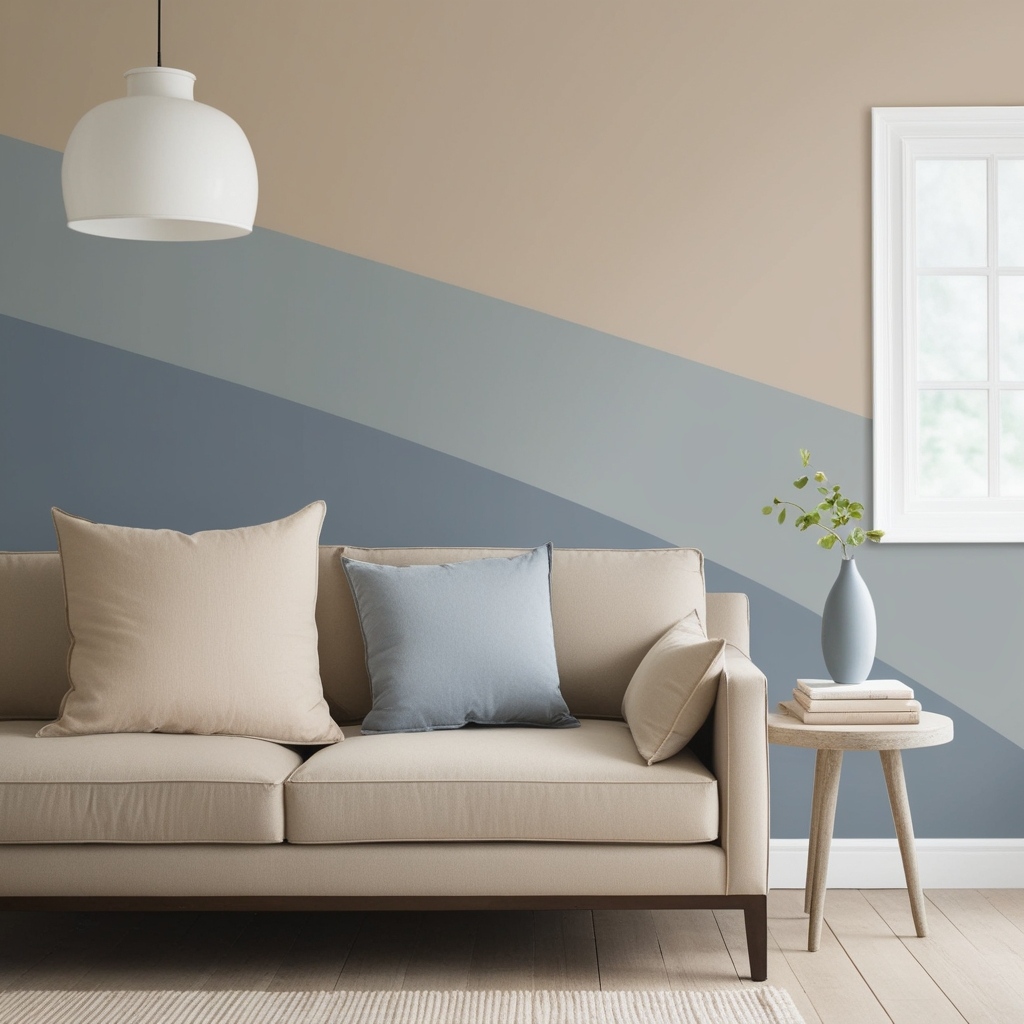
Calm beiges, soft greys, and gentle blues help build trust and put clients at ease. These colors also work well as a neutral backdrop, making the space appear larger and less distracting.
-
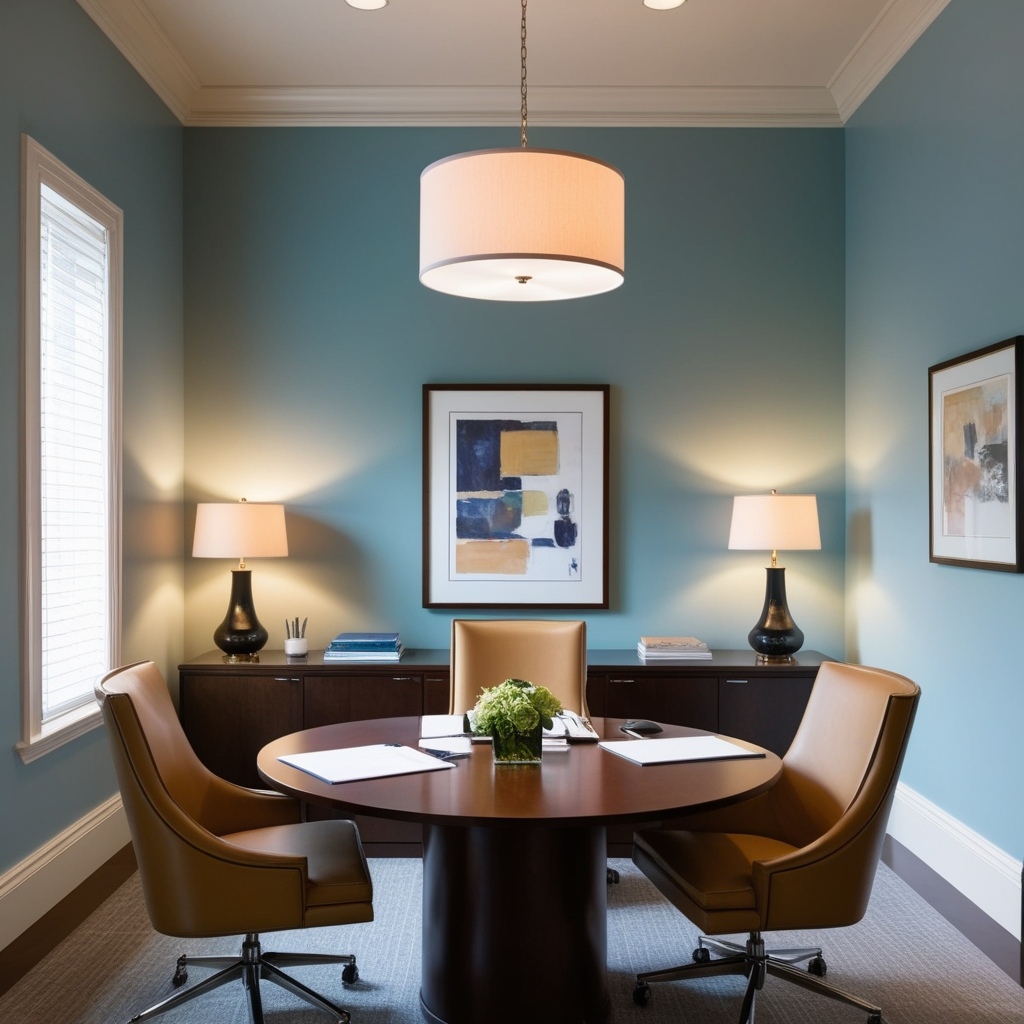
Use a mix of ambient, task, and accent lighting to handle everything from document review to confidential client conversations. Consider adjustable desk lamps, wall sconces, and ceiling fixtures with dimmers for flexibility.
-
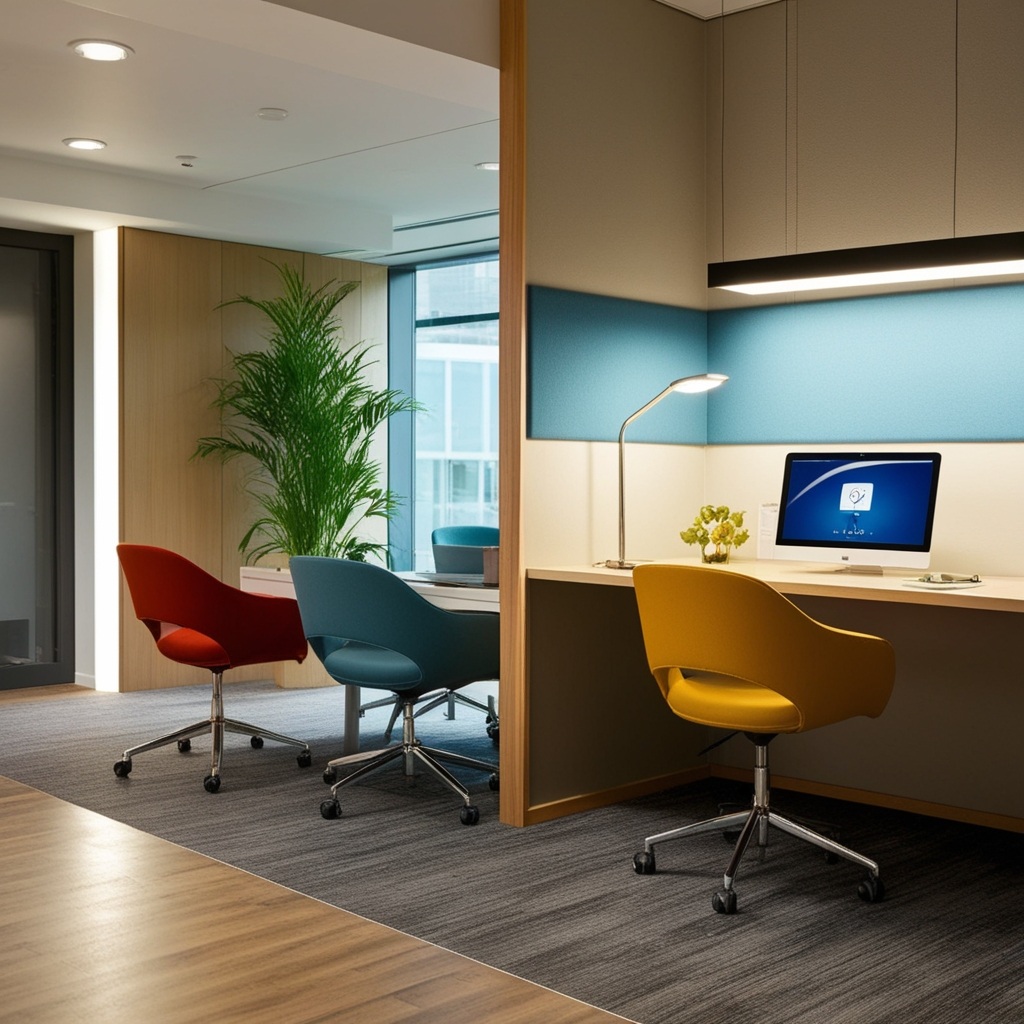
Light temperature matters: warmer tones in client areas, cooler lights at workstations improve focus.
-
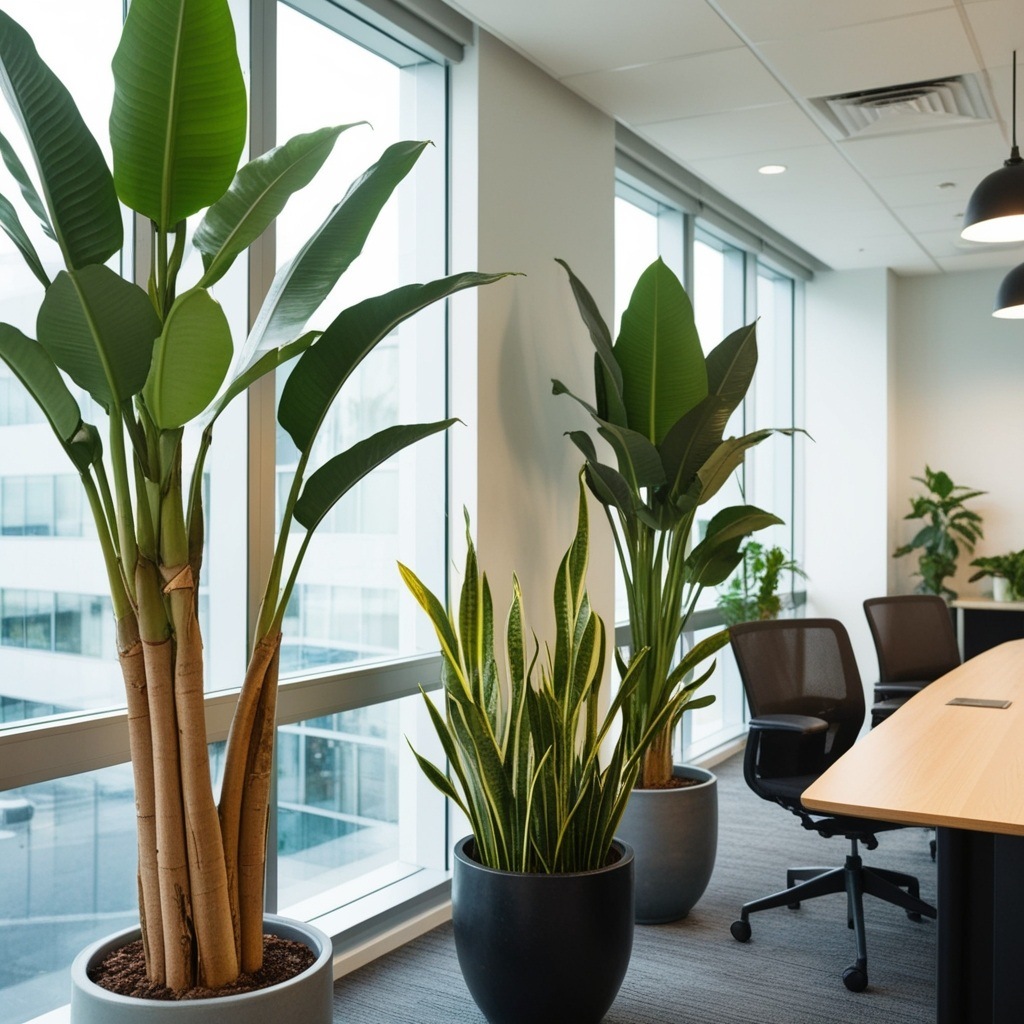
Introduce indoor plants such as rubber trees or low-maintenance snake plants. Plants boost air quality and make the environment feel alive and comforting to clients and staff alike.
-
A dedicated area for those waiting, outfitted with plush chairs, a small coffee station, and minimalist décor, sets a positive first impression and signals thoughtful hospitality.
-
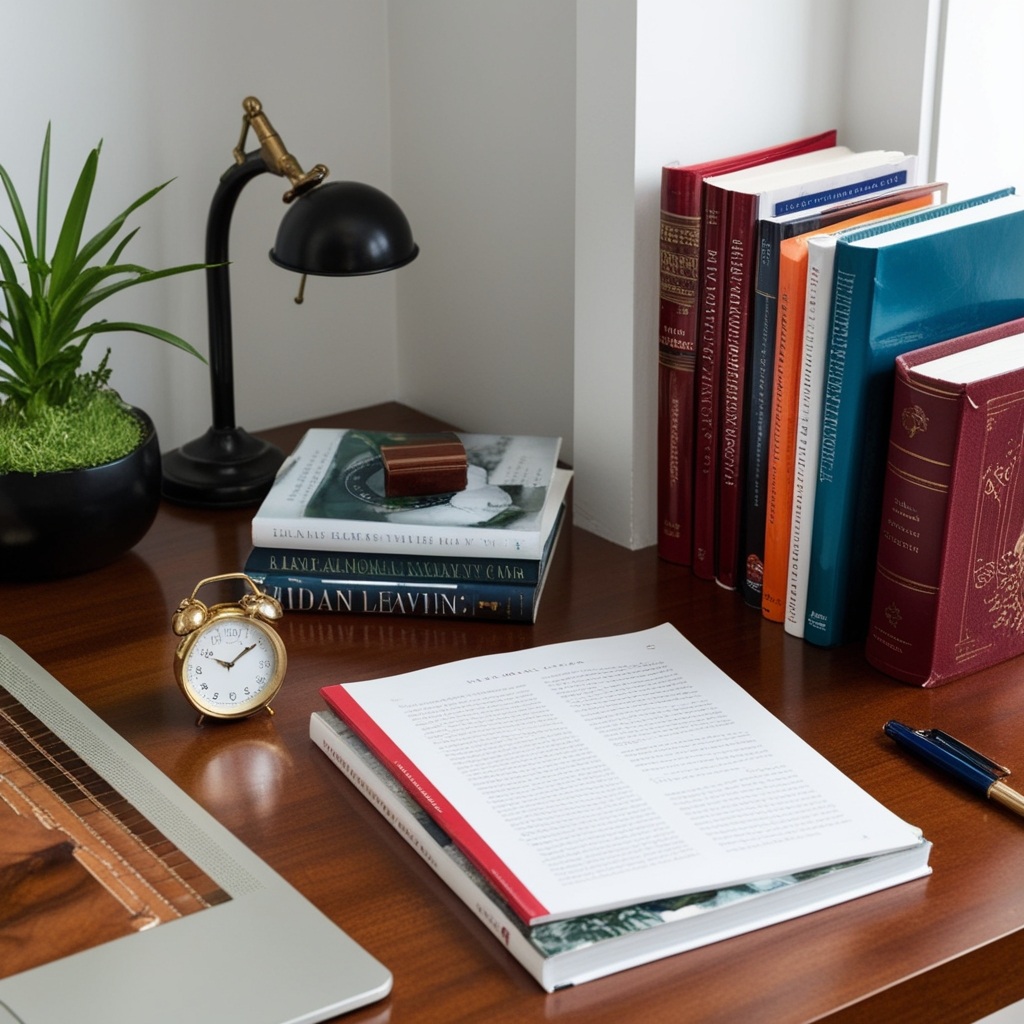
Keep this space clutter-free and stocked with a few curated reading materials relevant to your legal specialty.
-
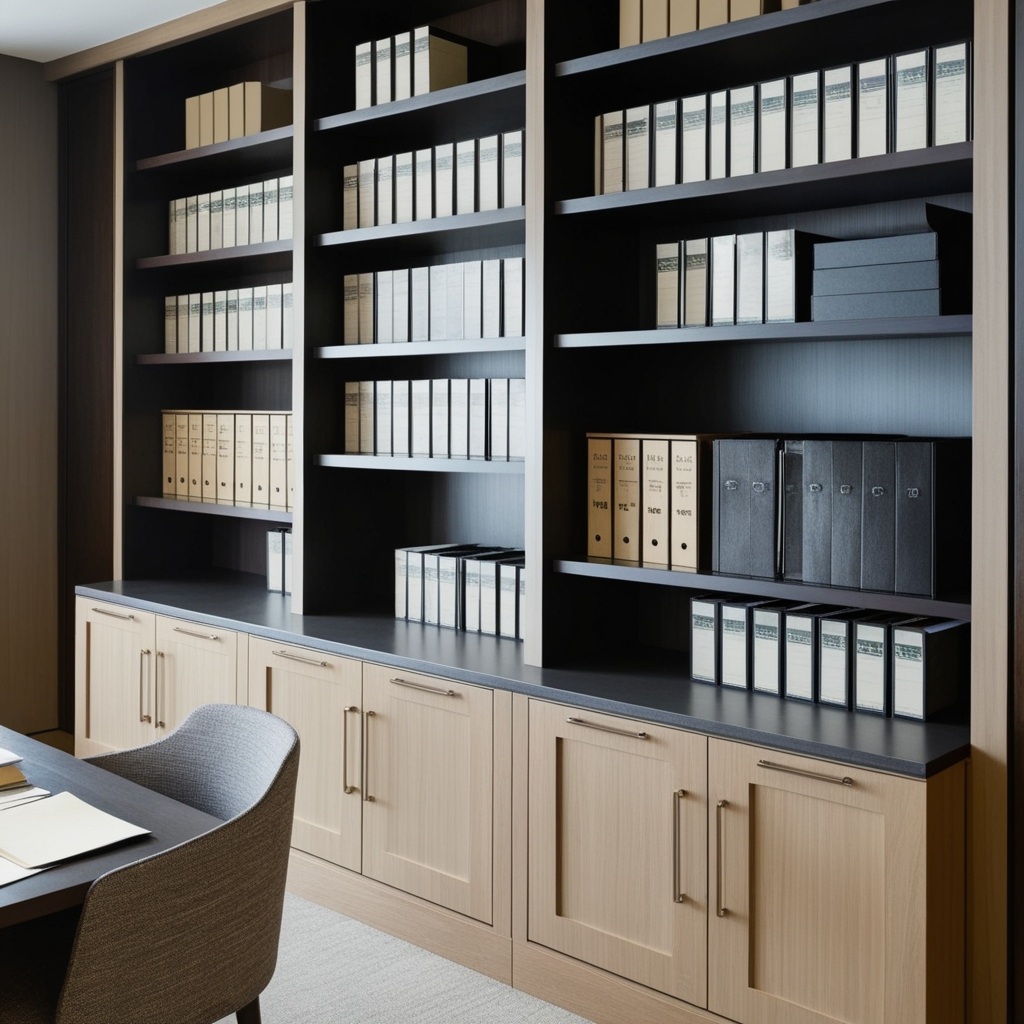
Legal work generates significant paperwork. Use built-in shelving, file cabinets that blend into the décor, and modular storage to keep files organized yet accessible.
-
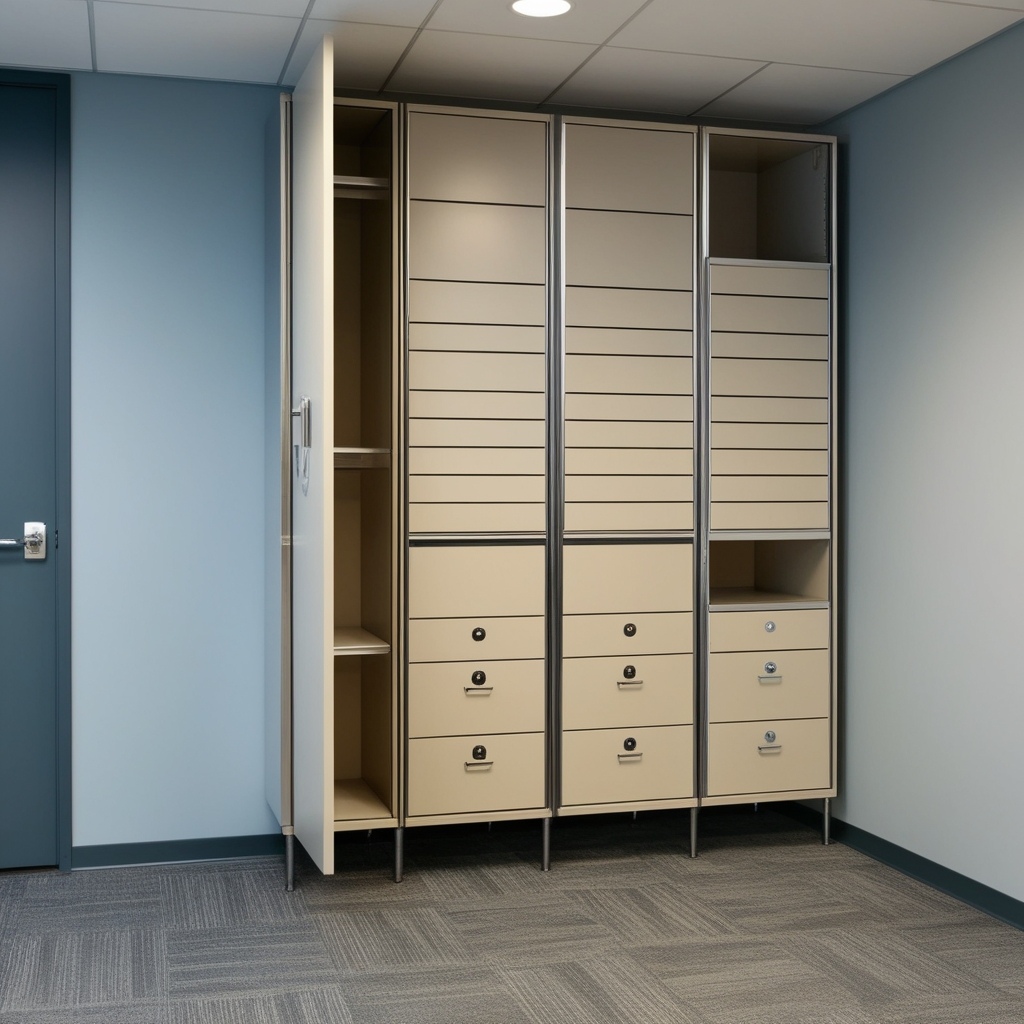
Consider storage with lockable compartments to reinforce privacy and compliance.
-
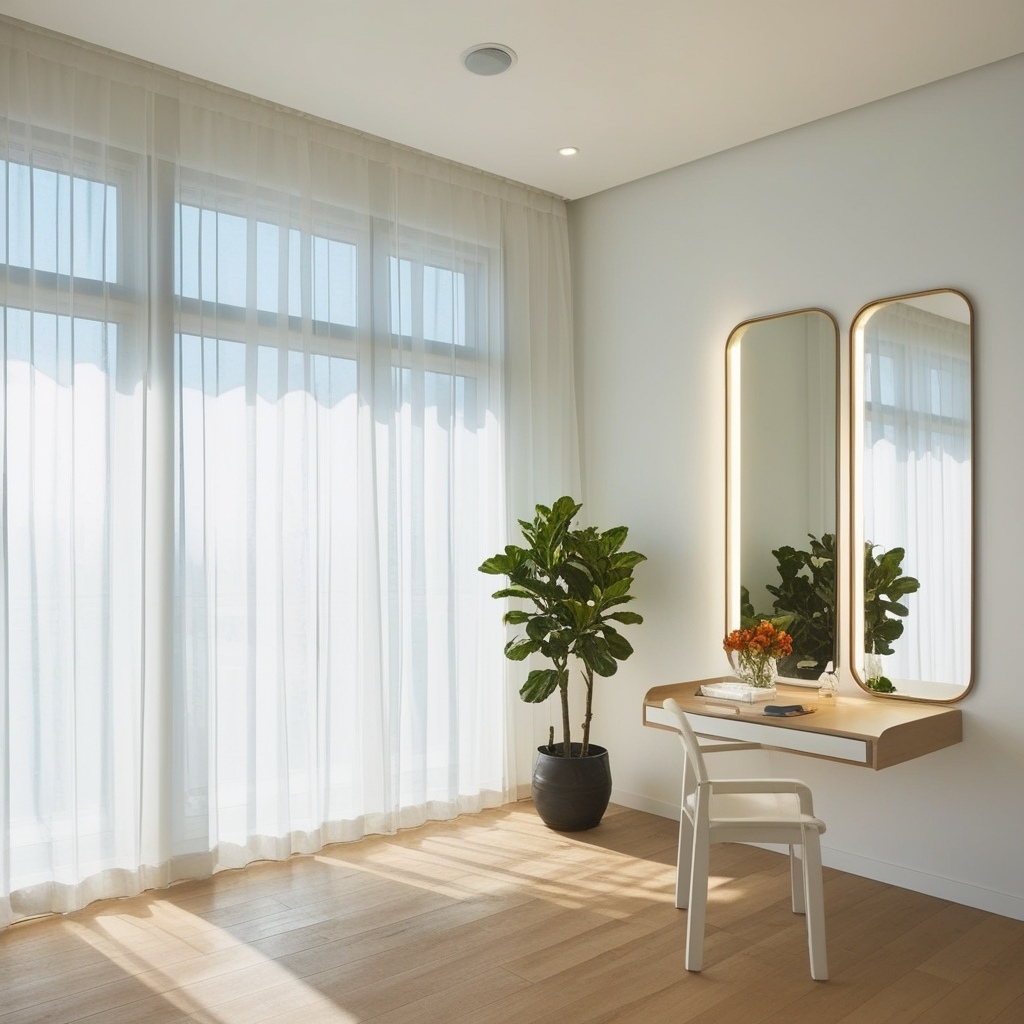
Maximize existing daylight by using sheer curtains or strategically placing mirrors to bounce light around the room. Natural light has been linked to improved mood and productivity for both staff and visitors.
-
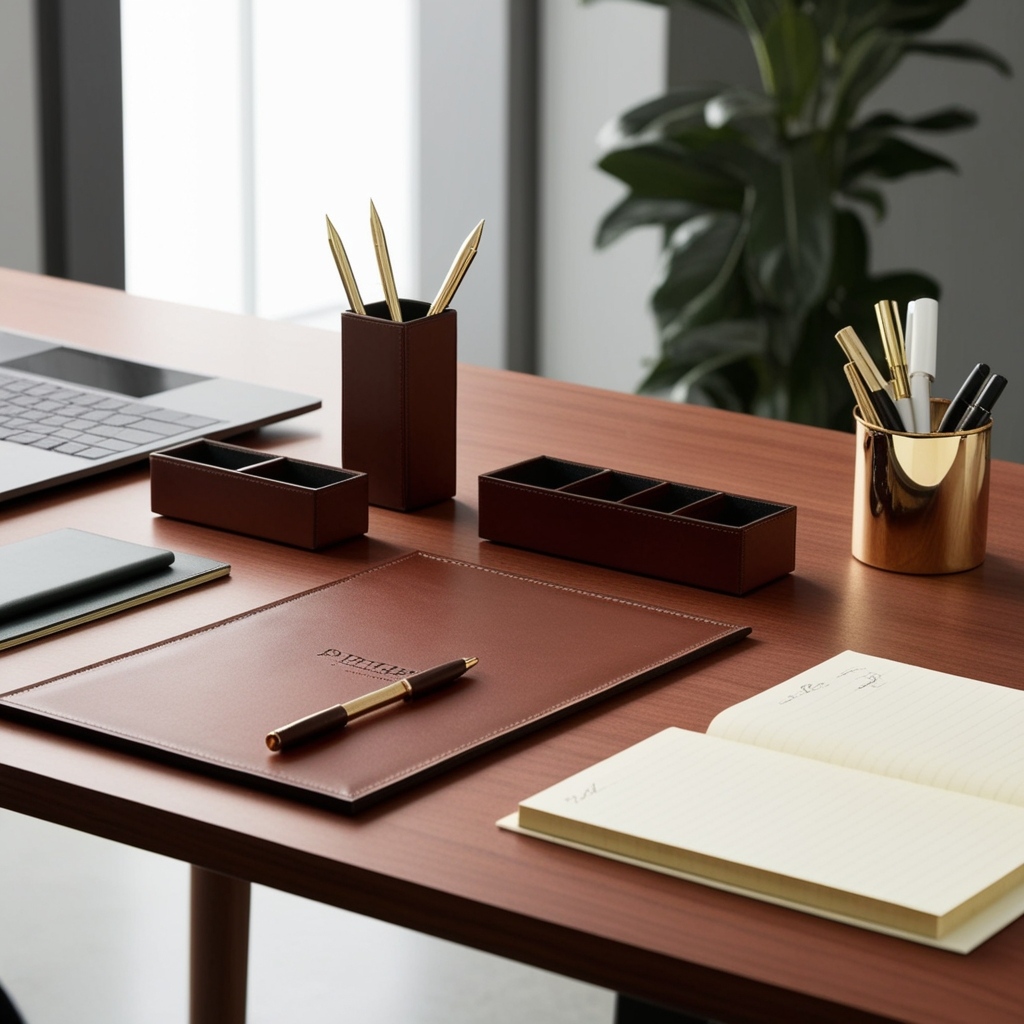
Opt for leather blotters, elegant pen stands, and minimalist organizers to keep your primary workspace tidy. These details reinforce attention to order and professionalism.
-
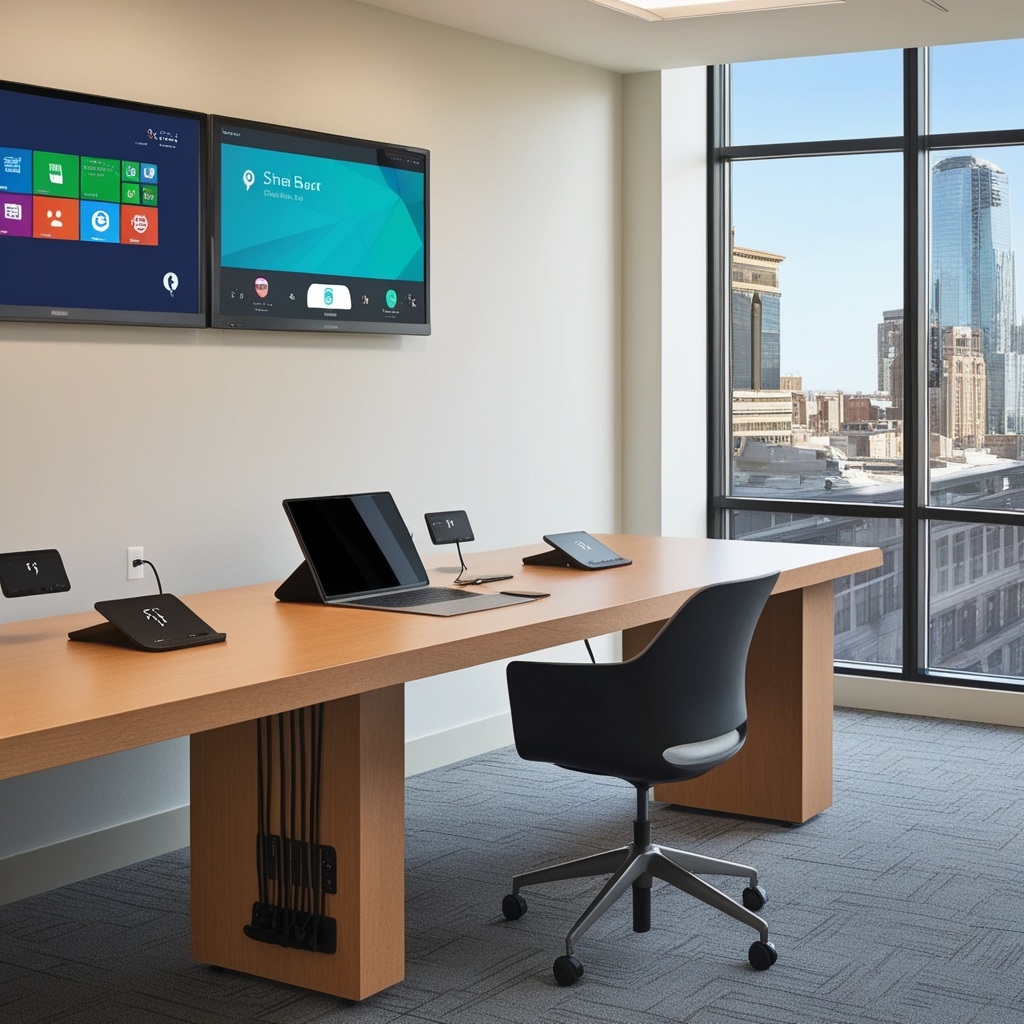
Ensure that smart boards, charging stations, and video conferencing tools fit neatly into your design. Choose cord management solutions and in-desk outlets to keep the workspace tidy.
-

Discreet tech integration also prevents visual clutter and creates an efficient workflow.
-
Set distinct zones, such as a consultation area versus your work desk, using area rugs in complimentary patterns. Rugs can absorb sound, add warmth, and clarify function within open-plan offices.
-
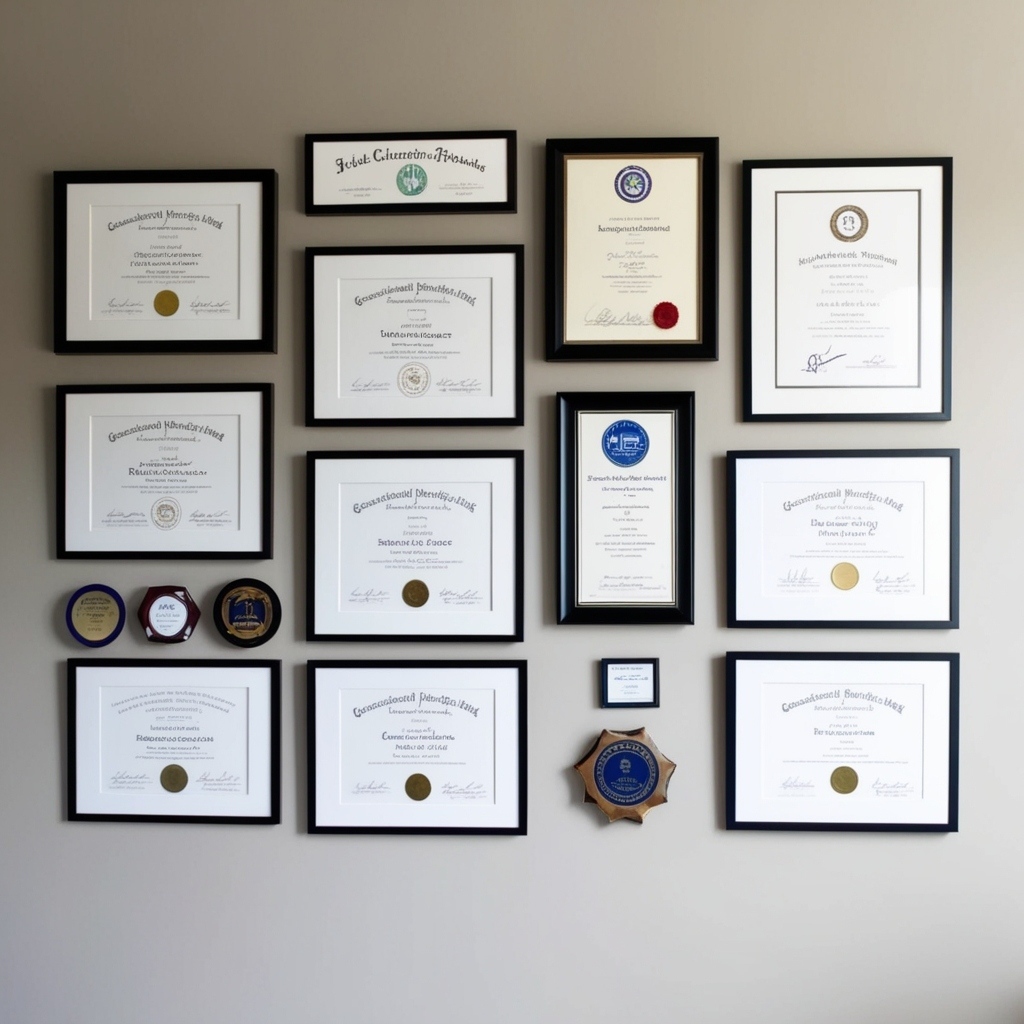
Arrange degrees, awards and certifications in clean-lined gallery frames on one feature wall. This kind of wall design lets the office reflect your success while staying understated and guarantees prospective clients that they are in safe hands.
-
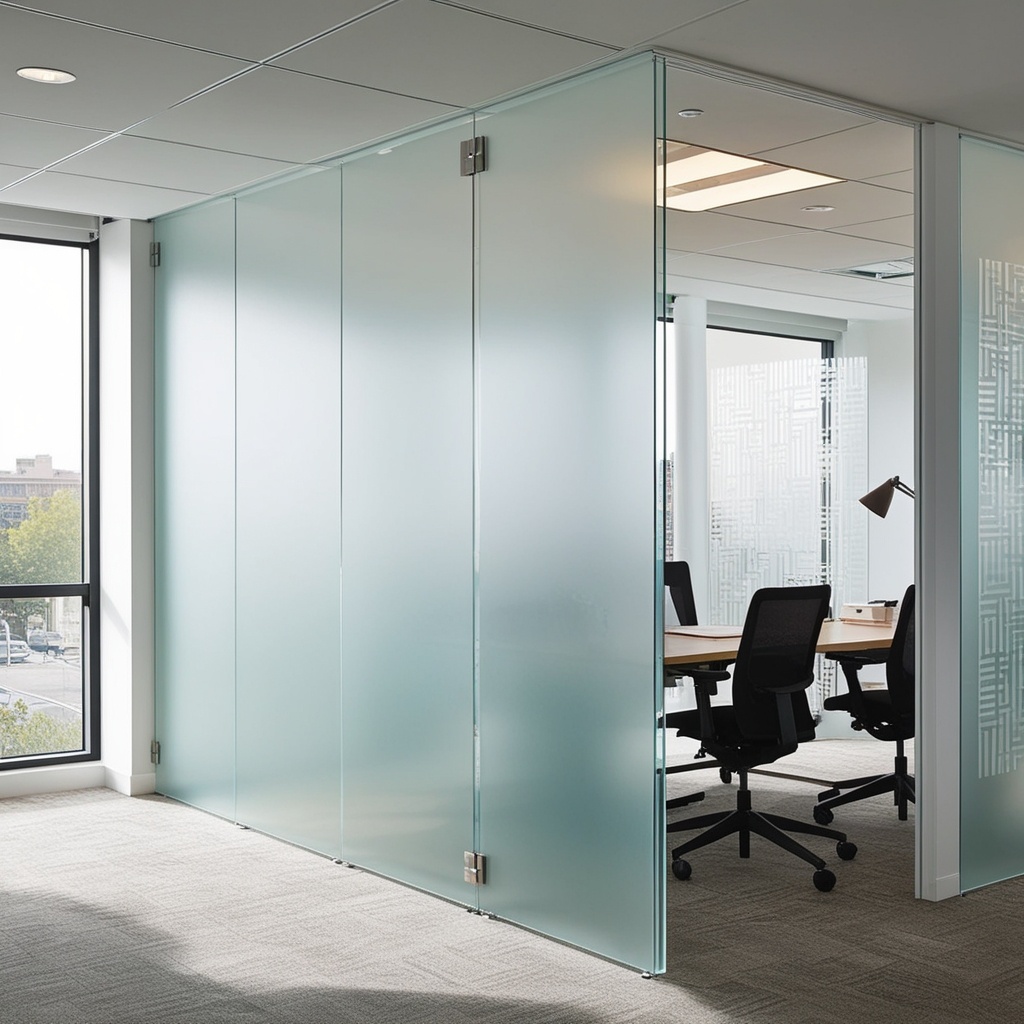
If your office uses glass walls, consider upgrading to frosted ones for enhanced privacy while still allowing light to flow. Patterns or etching can enhance the modern visual appeal of a space.
-
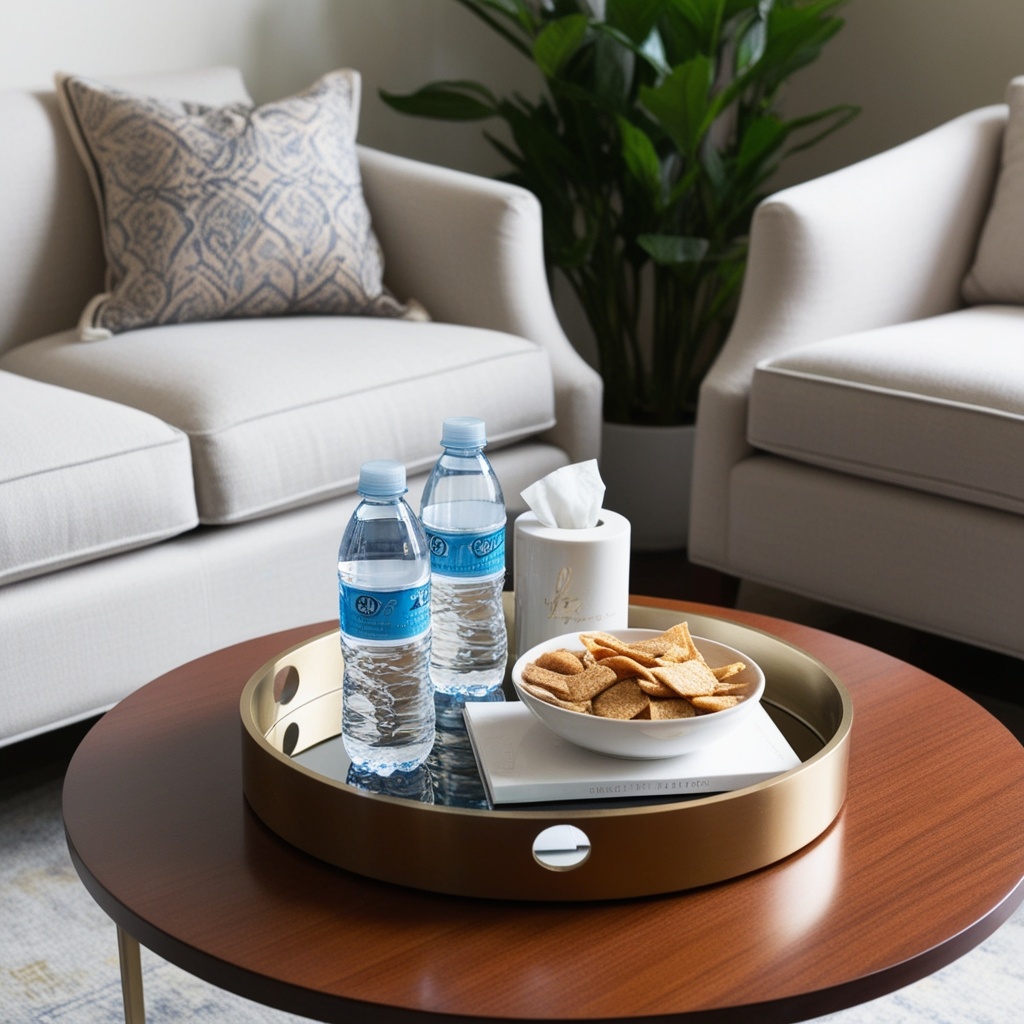
Keep a chic tray with bottled water, tissues, or discreet snacks available on the coffee table in client areas. These details help nervous visitors feel at ease and cared for before important discussions.
-
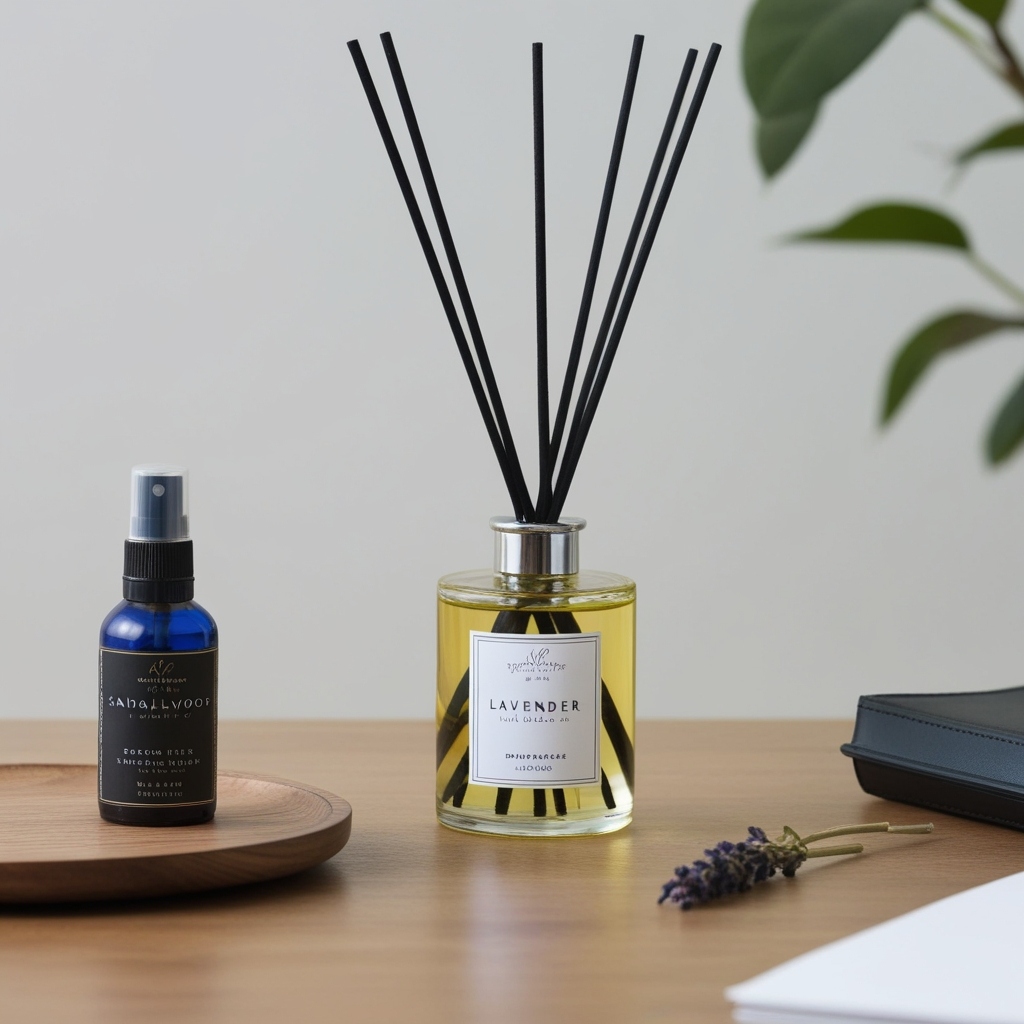
Set the mood with a light and professional fragrance via a reed diffuser or essential oil blends (lavender, sandalwood). Avoid strong perfumes out of respect for clients who are sensitive to smells.
-
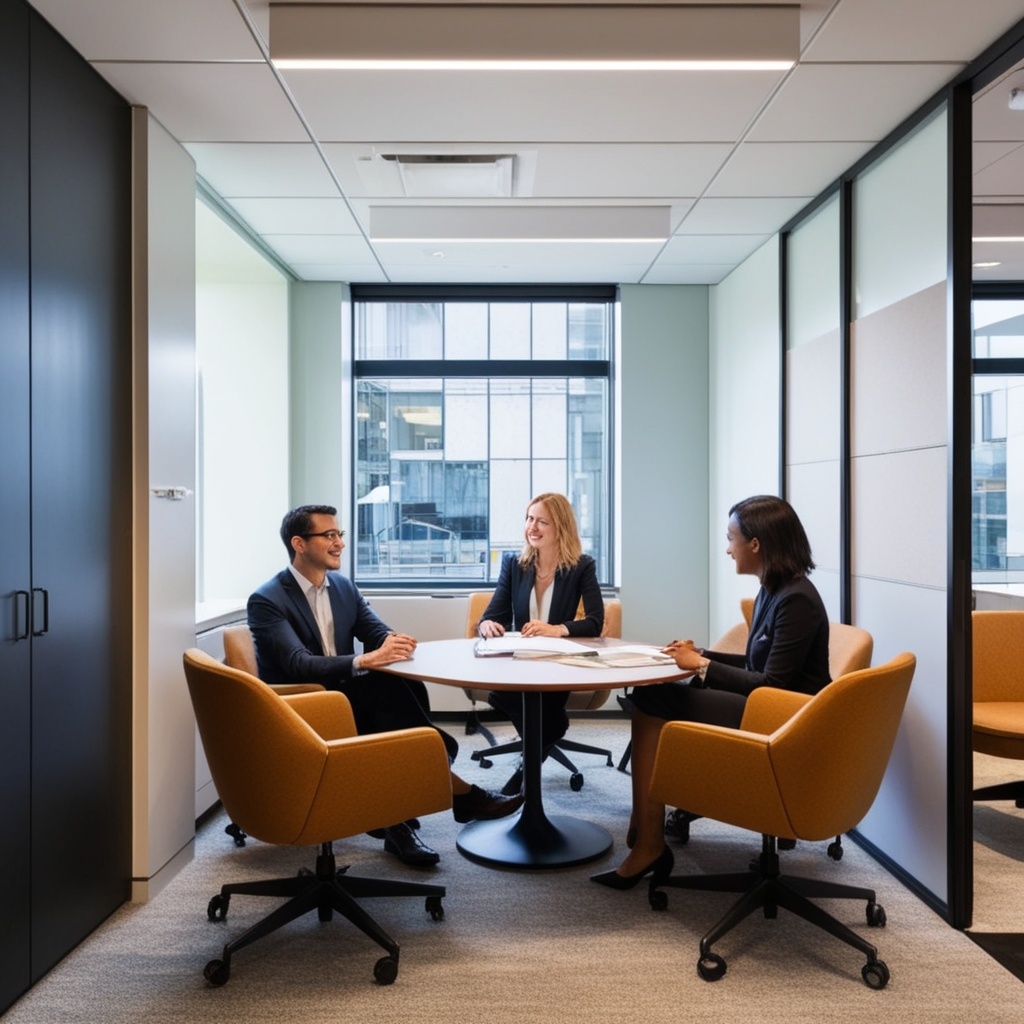
Designate a small area with movable seating or a round table for brainstorming among associates or informal client workshops. Flexibility in layout supports dynamic ways of working as your practice evolves.
Plan your advocate office redesign with Paintit.ai
Paintit.ai supports commercial and professional space design, including advocate offices and chambers.
-
Upload a photo of your current office or an empty room you're converting. Apply a Commercial Spaces or office design direction. In 1–2 minutes you get a render showing how material, color, and layout choices work in your actual space.
-
Classic: Deep walnut tones, leather seating, framed credentials gallery, traditional bookshelves. Communicates experience and authority. Best for senior advocates with an established practice.
-
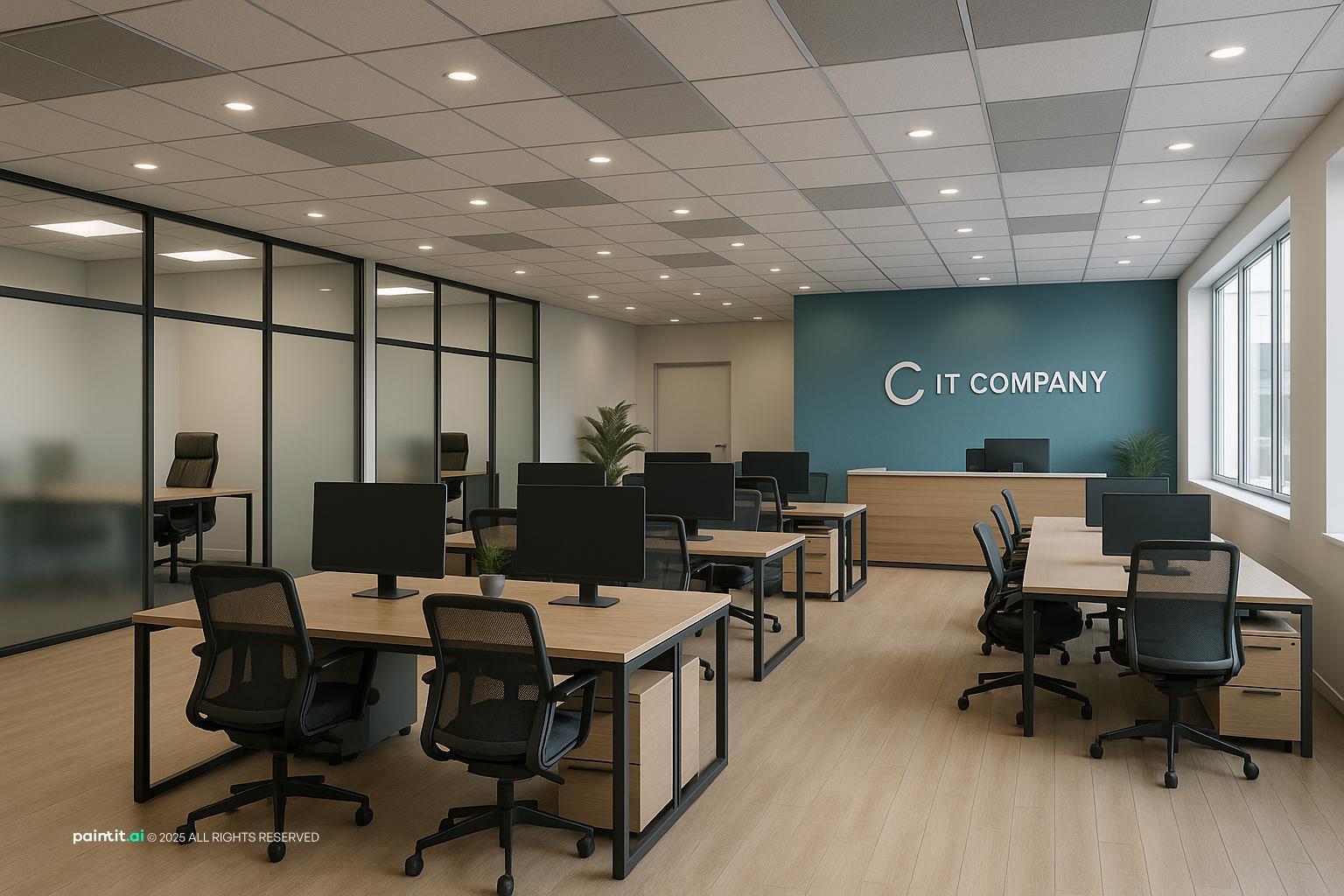
Modern: Lighter neutral palette, glass partitions, clean-lined furniture, integrated tech. Communicates efficiency and accessibility. Better for younger practices or corporate clients.
Related tools
Tools for professional office redesign, room previews, and concept options.
FAQ
-
Neutral warm tones (soft beige, warm grey, or greige) are the most reliable choice. They read as professional without feeling cold, and they provide a stable backdrop for wood furniture and legal credentials. For a classic look: deep walnut + cream walls. For a modern look: light grey + white + one wood-tone accent.
-
Very important. Client confidentiality is a legal and ethical obligation. At minimum: solid-core doors, acoustic panels on consultation room walls, and double-glazed glass if the office has interior glass walls. In busy practices with multiple meetings running at the same time, acoustic insulation is infrastructure.
-
One gallery wall in clean-lined frames is the standard. Group all credentials in a dedicated area, typically behind or beside the primary desk, rather than scattering them around the room. Uniform frames read as intentional; mixed frames read as accumulated over time.
-
Yes. Paintit.ai supports commercial and professional space design. Upload a photo of your office or an empty room, select a professional style direction, and see a redesigned render in 1–2 minutes. Useful for testing material choices, comparing classic vs. modern directions, and visualizing layouts before committing to renovation work.