
Venetian Style Interior Design
Love spaces that feel both grand and warmly lived-in? Venetian style interior design combines the timeless elegance of classical Italian elements with a relaxed and comfortable ambiance. Get inspired by real homes and learn how to incorporate the key elements through expert design tips.

The Three Crafts Behind Venetian Style
Venetian style is built on three named crafts with their own documented histories, not a generic "old-world Italian" label.
-
Venetian Plaster (Marmorino)
Venetian plaster - a mix of lime and marble dust that produces a marble-like, light-catching wall finish - originated in Rome and was refined during the Italian Renaissance. Marmorino, made with finer-grained limestone sand, gives a smoother version suited to modern rooms. Either finish does more to signal "Venetian" on a wall than any paint color could.
-
Murano Glass
In 1291, the Republic of Venice ordered every glassmaker in the city to relocate to the island of Murano - a fire-safety measure that concentrated centuries of craft knowledge in one place. Master Angelo Barovier's 15th-century discovery of cristallo, a clear glass formula, briefly made Murano the only source of mirrors in Europe. A genuine Murano chandelier or mirror, not a generic "Venetian-style" reproduction, is the single most authentic object a room can carry.
-
Fortuny Textiles
Fortuny fabric - pleated, richly patterned textile developed in early-20th-century Venice - is traditionally paired with Murano glass lamps, the shade and the base sharing the same city's craft heritage. This pairing shows up repeatedly in high-end Venetian interiors because the two materials were designed to complement each other from the start.
12 Venetian Style Interior Design Ideas
-
Venetian Interior with Layered Decor and Balanced Layout
Balance comes from spacing ornate pieces apart, not clustering them, so each one still reads as a statement.
-
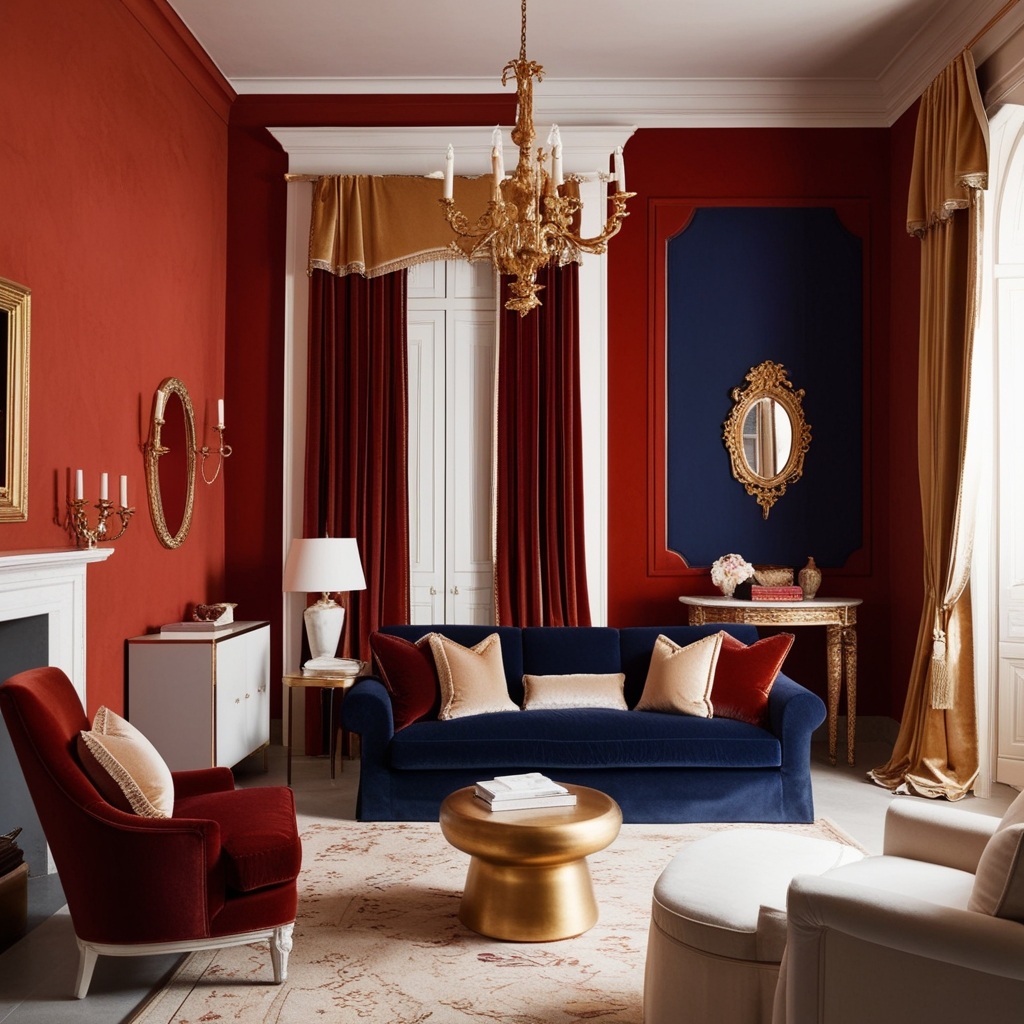
Venetian Interior with Statement Lighting and Bold Accent Colors
A Murano glass chandelier in a saturated color, amber or ruby, does the work that several smaller fixtures couldn't.
-
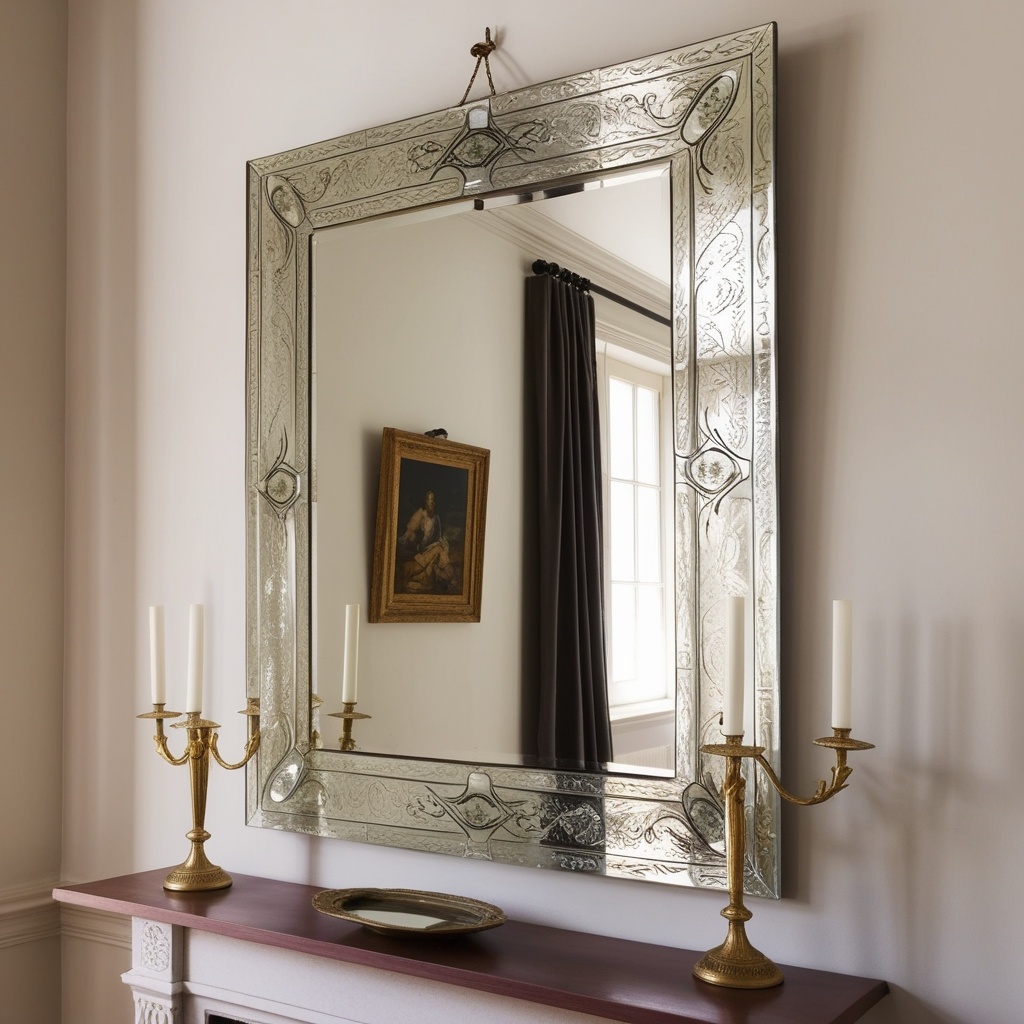
Venetian Interior with Statement Wall Art and Glass Accents
A framed piece against a mirrored wall multiplies the room's sense of light, a trick Venetian palazzos used for centuries.
-
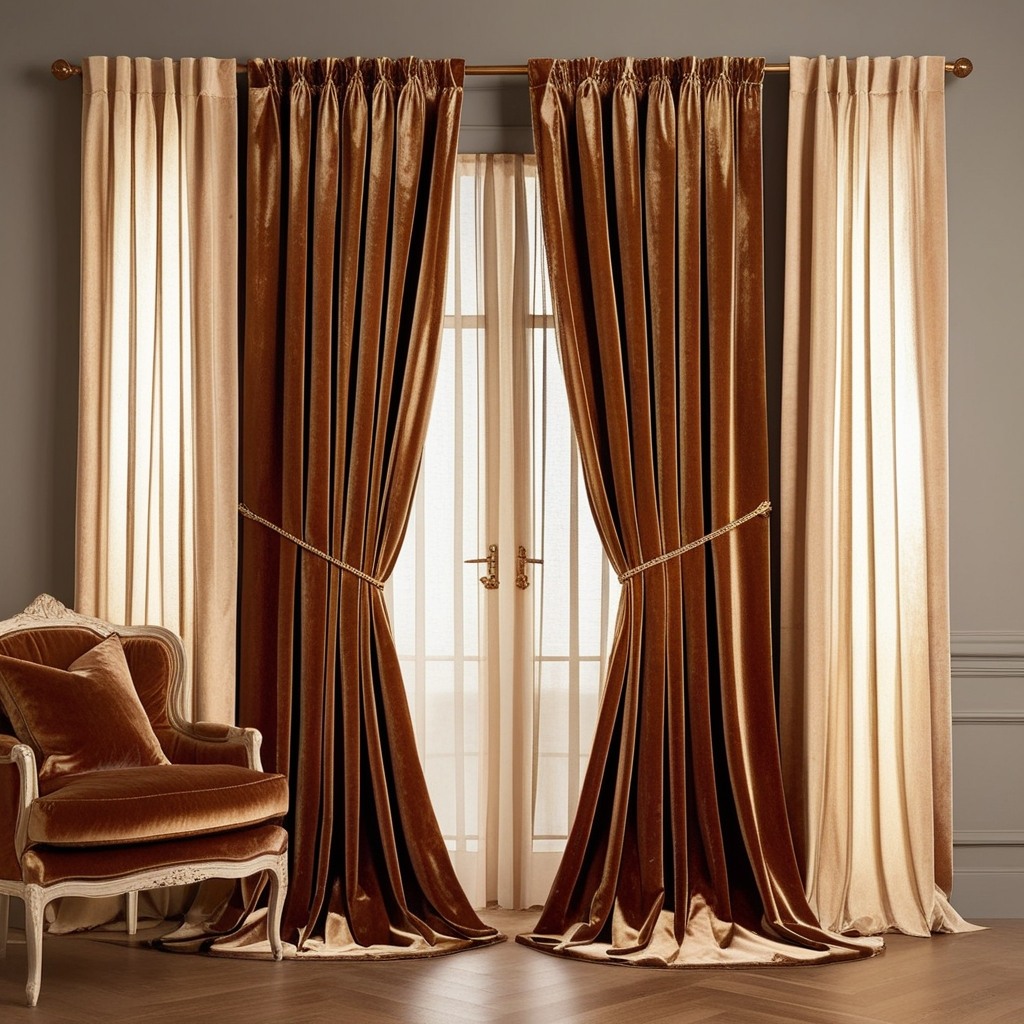
Venetian Interior with Velvet Textures and Soft Window Light
Sheer curtains rather than heavy drapes let in the diffused light Venetian interiors were designed around, letting velvet furniture catch it properly.
-
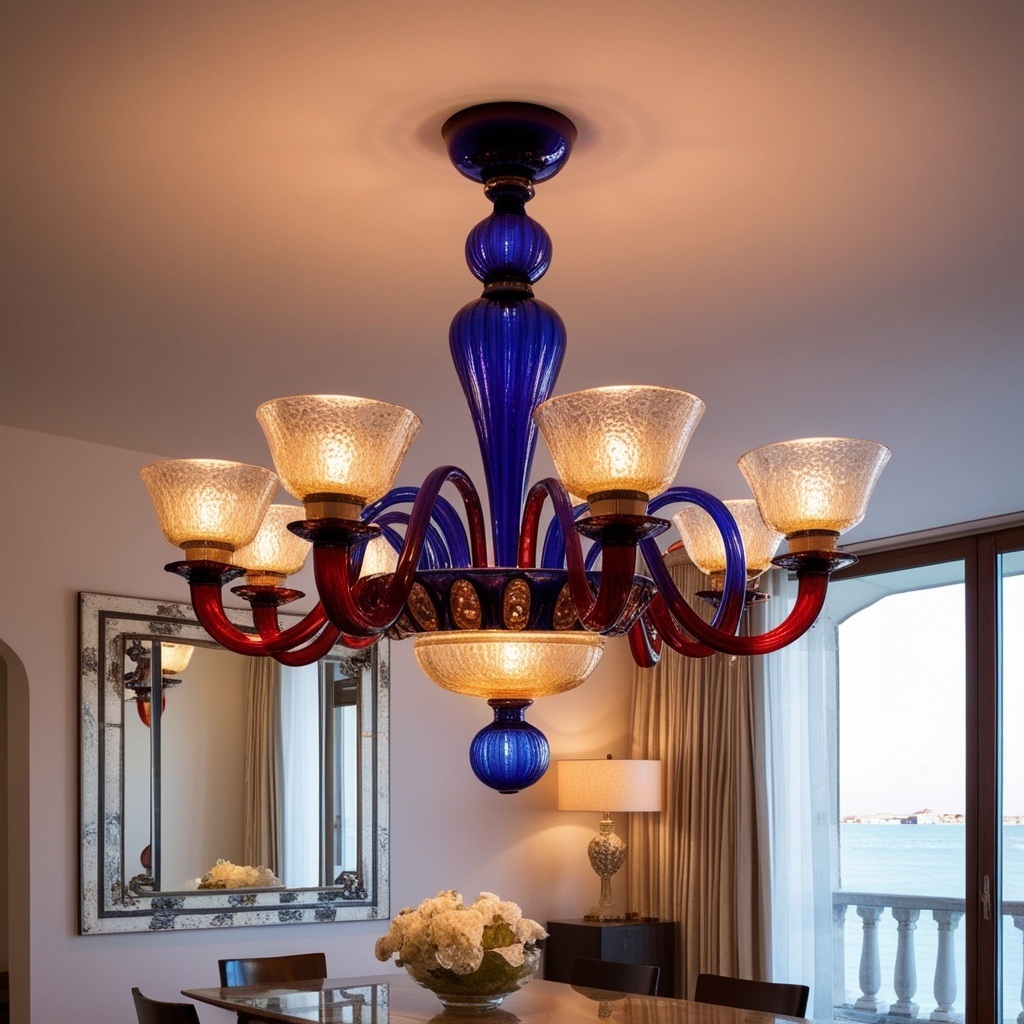
Venetian Interior with Stylish Furniture and Statement Lighting
Wall sconces flanking a piece of furniture, rather than a single central fixture, is closer to how these rooms were actually lit historically.
-

Venetian Interior with Statement Wall Art and Statement Decor Piece
One ornate object per wall is the rule here; two competing showpieces in the same sightline undercuts both.
-
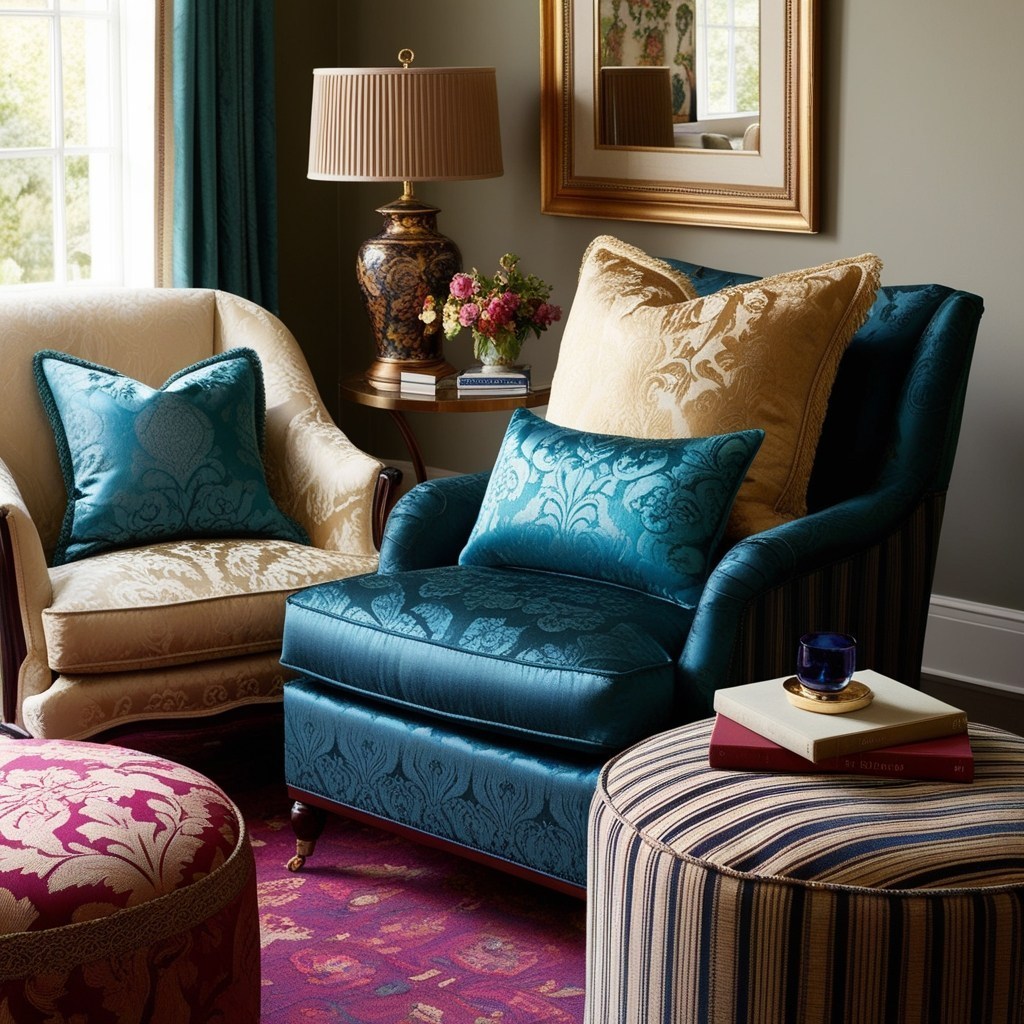
Venetian Interior with Stylish Furniture and Geometric Patterns
Terrazzo flooring underfoot is period-accurate and far more practical in a humid climate than the carpets it's often paired with elsewhere.
-

Venetian Interior with Stylish Furniture and Bold Accent Colors
Deep crimson or emerald upholstery on one key piece carries the palazzo palette without needing to repaint the room.
-

Venetian Interior with Statement Wall Art and Geometric Patterns
Terrazzo or Venetian plaster with subtle pattern gives the walls texture that flat paint can't, without competing with the art.
-

Venetian Interior with Stylish Furniture and Accent Seating
A single carved or gilded accent chair against otherwise plain seating reads as intentional rather than mismatched.
-

Venetian Interior with Stylish Furniture and Glass Accents
Glass side tables let heavier carved furniture stay the visual focus instead of competing for attention.
-
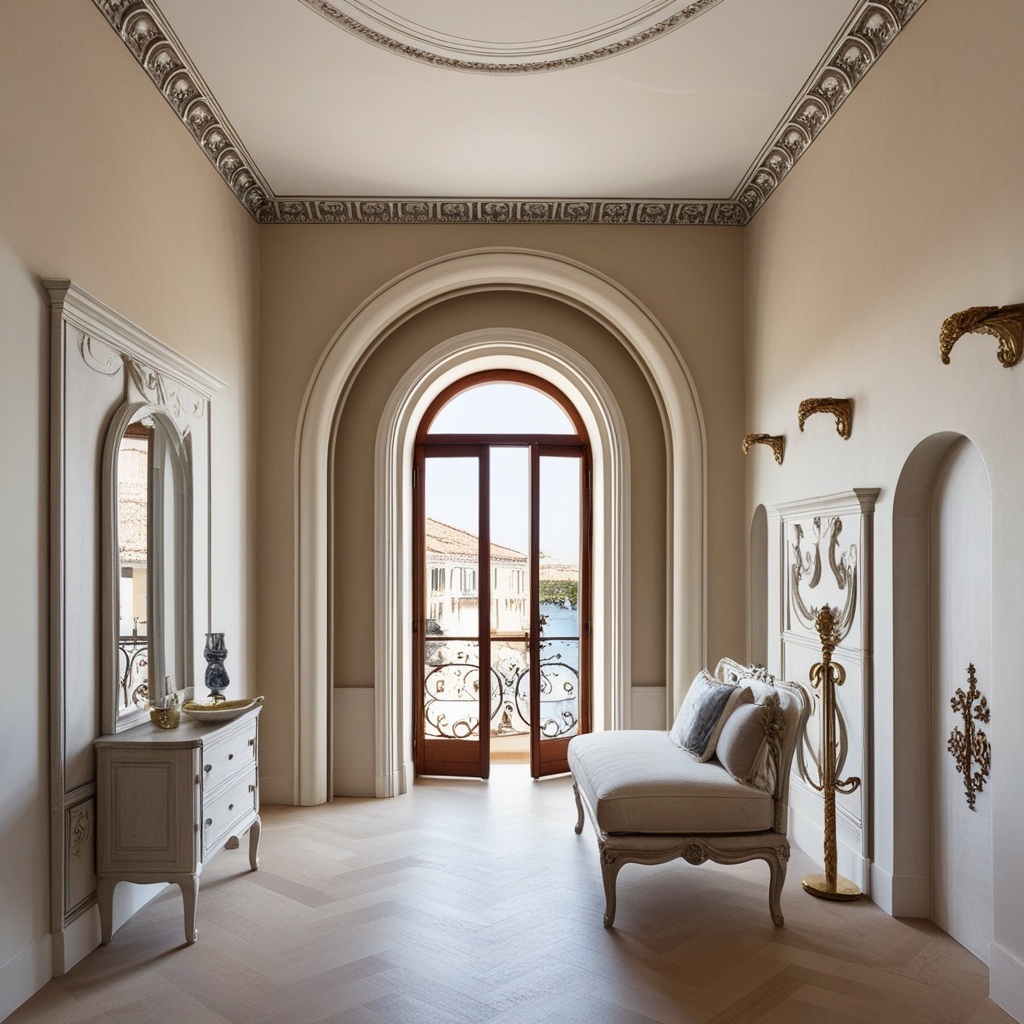
Venetian Interior with Decor Planning and Flexible Furniture Layout
Plan the Murano glass or mirror piece first; Venetian rooms are usually built around one showpiece rather than assembled from matching sets.
Related styles and tools
If you’re curious about fresh styles, exploring beyond Venetian style interior design can open up a world of inspiration. Take a moment to browse other looks for new directions to refresh your spaces.
FAQ
-
Venetian style interior design is known for rich colors, ornate details, and luxe materials like marble or velvet. Look for curved furniture, gilded accents, and textured walls to capture the elegant, layered look at home.
-
For a pop of color, choose something bold like blue or gold (walls or accessories). To capture the Venetian feel without going overboard, consider adding one or two ornate mirrors or velvet cushions. It’s layering, not cluttering.
-
Absolutely. Paint faux finishes on walls, pick up ornate thrift-store frames, or use patterned throw pillows. Reproducing the essence—rich colors and a hint of opulence—works even with simple DIY methods.
-
Go for classic options such as marble, wood, gilded metal and plush fabrics like velvet or brocade. It’s totally fine to use faux marble or gold leaf if you’re on a budget and want to achieve the same look.
-
Go for jewel tones—emerald, sapphire, ruby, and gold—balanced by creams or gray-blues. Don’t be afraid to use multiple shades in one room, as layering creates the cozy sophistication typical of Venice homes.
-
Soft, indirect lighting flatters Venetian style. Choose glass chandeliers, sconces, or candlelight to emphasize reflections. Murano-style glass or colored lampshades can instantly evoke a Venetian mood at night.
-
Yes, with adaptations. Use durable, washable fabrics and faux-finish walls for easier cleaning. Skip fragile decorative items on low surfaces. Velvet or brocade-look upholstery now comes in stain-resistant variants.
-
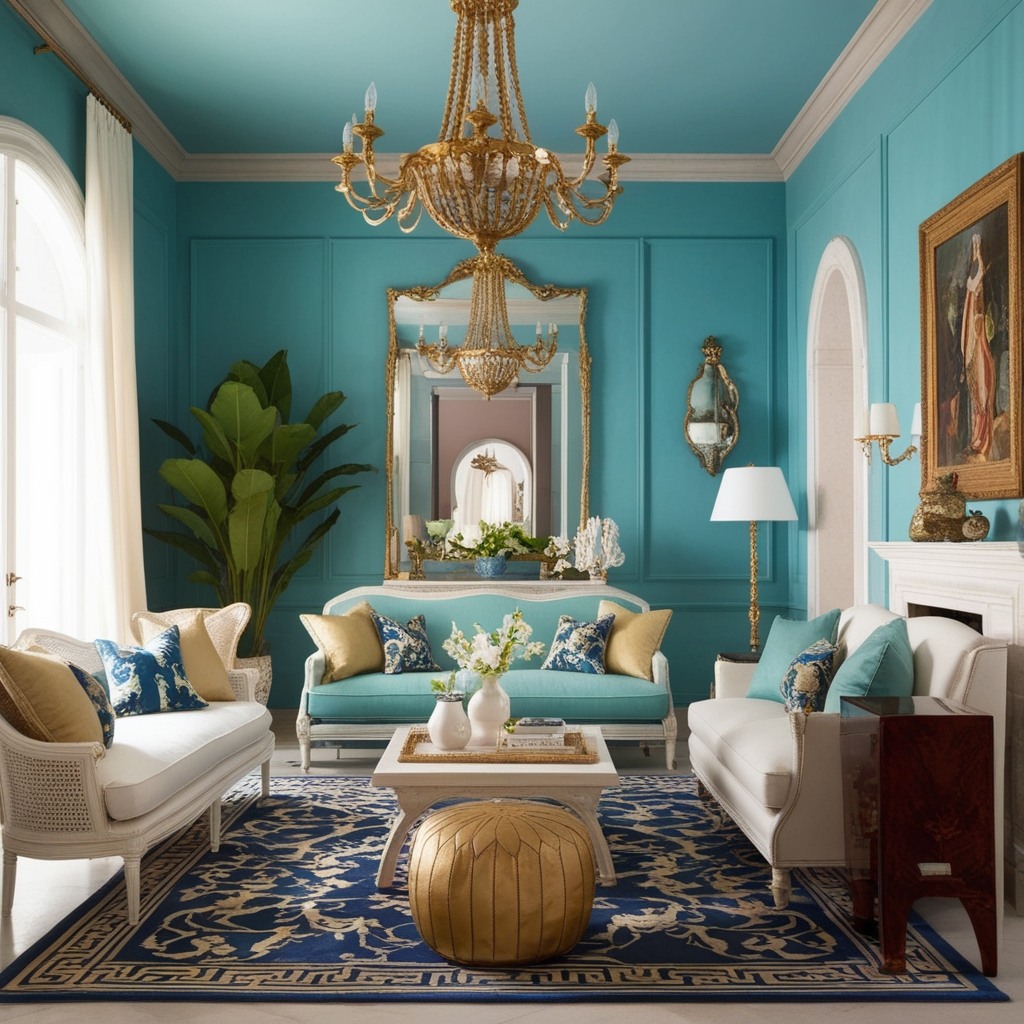
The chandelier in the living room is enough; keep everything else simple. Keep backgrounds simple and add a few opulent touches. Editing is key to ensure the space feels elegant, not fussy.