
Soft Contemporary Interior Design Style – Inspiration and Ideas for Your Home
Soft contemporary sits between two styles that usually get treated as opposites: contemporary's clean lines and minimalist's warmth. The result keeps sharp architectural forms but softens them with curved furniture, natural texture, and a muted palette - contemporary without the cold, minimalist without the sparseness.
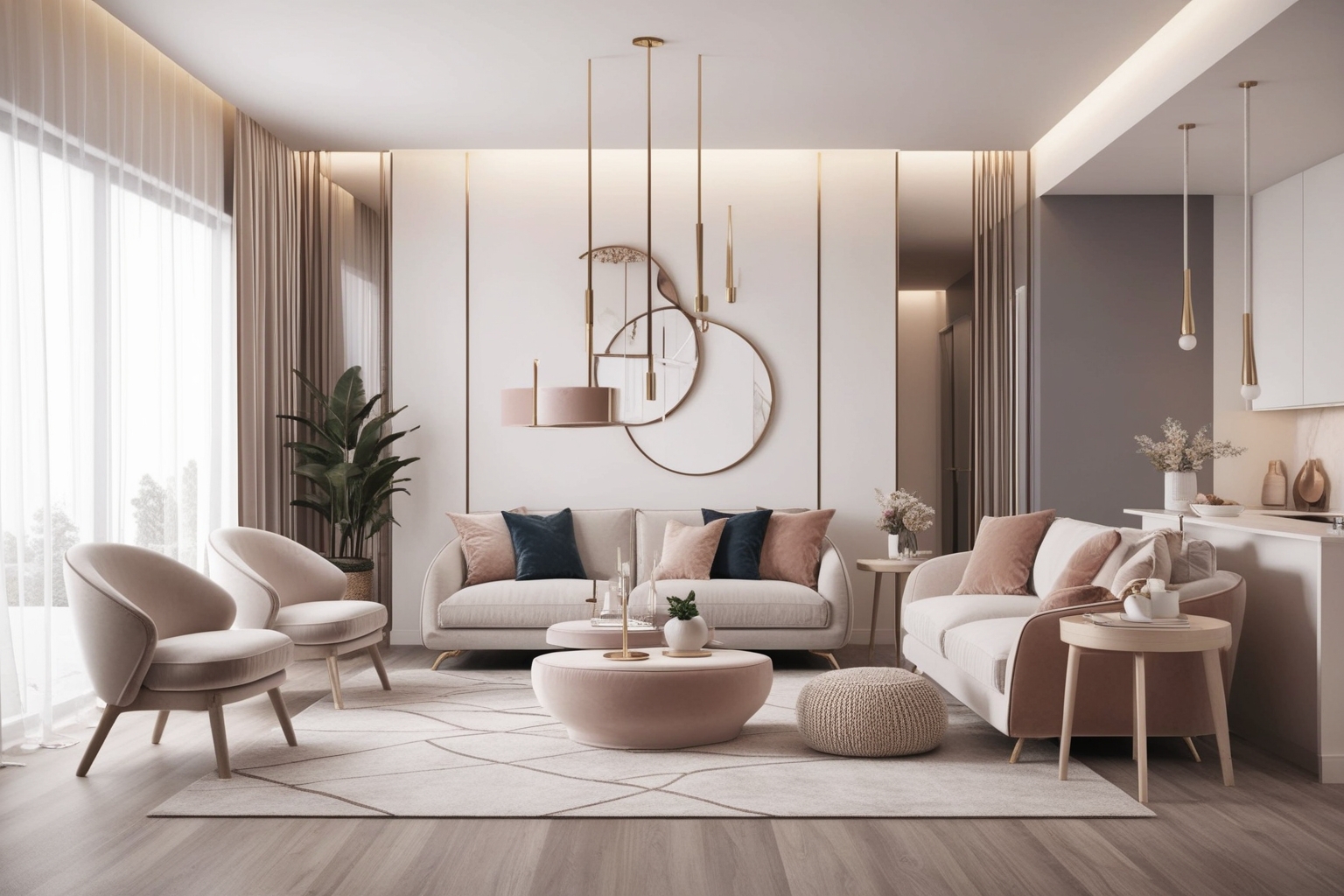
What Defines Soft Contemporary Interior Design Style?
Four decisions define the look: a muted palette, natural materials with restrained metal accents, low-profile furniture, and a mood that comes from the balance between the two, not from either extreme alone.
-
Key Colors and Palettes
Soft grays, taupe, and beige form the base, with muted blue, green, or blush pink as accents used sparingly. The palette stays deliberately quiet so texture and form carry the visual interest instead of color contrast.
-
Typical Materials and Textures
Wood, stone, and glass in their raw, unfinished states do the heavy lifting, layered with soft textiles (cotton, wool, linen) for tactile contrast. Stainless steel or brushed nickel appear only in small doses - enough for a modern edge without tipping the room cold.
-
Signature Furniture and Decorative Elements
Low-profile sofas and chairs with soft cushioning keep the silhouette clean without sacrificing comfort. Art and accessories are chosen sparingly - a handful of well-placed pieces read as curated, where too many read as cluttered and undercut the minimalist half of the equation.
-
The Overall Atmosphere and Mood
The mood succeeds or fails on balance - lean too hard into "contemporary" and the room reads as cold and showroom-like; lean too hard into "soft" and it loses definition entirely. Getting the ratio right, not any single choice, is what makes the style work.
Advantages of Soft Contemporary Interior Design Style for Your Interior
-
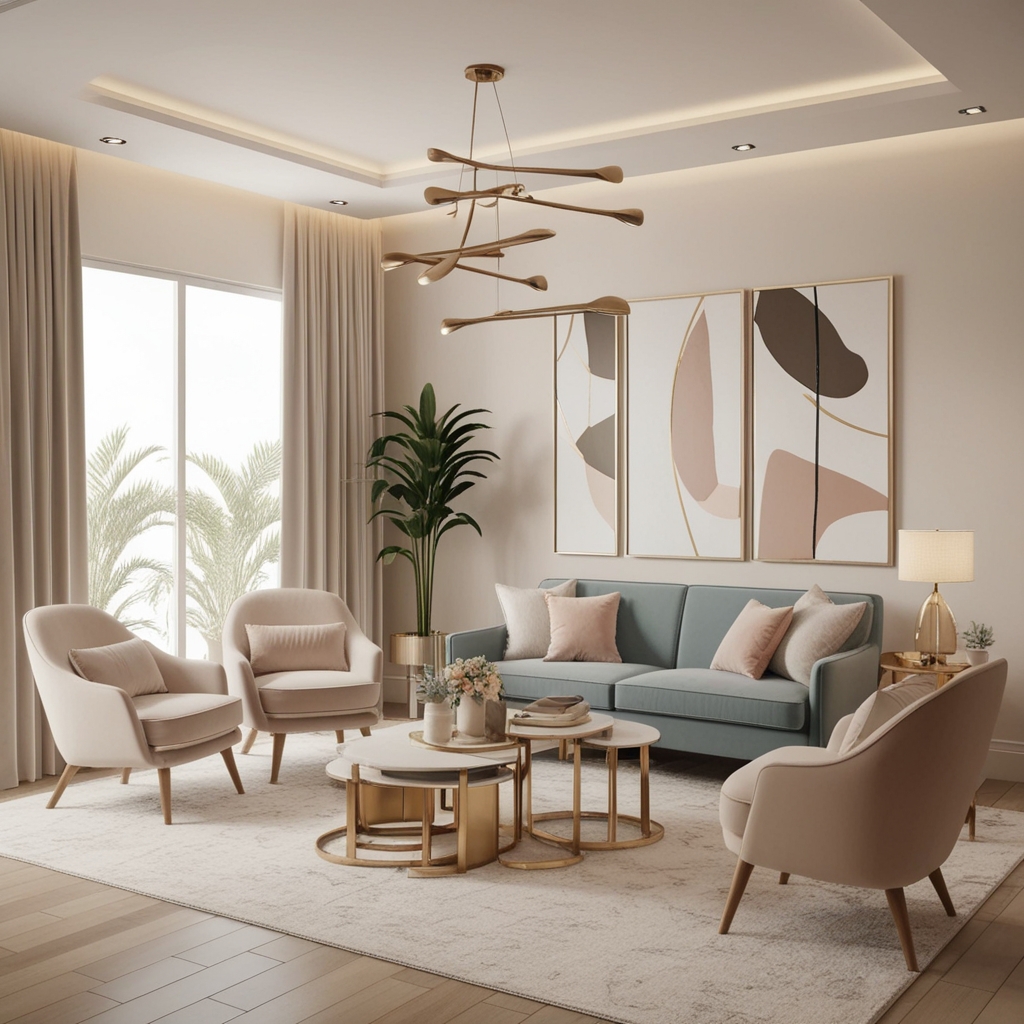
Opting for soft contemporary interior design style in your project delivers numerous advantages which turn spaces into sophisticated and graceful settings. The capacity to deliver distinctive and tailored visual elements appeals to individuals seeking to showcase their personal style alongside contemporary trends. This stylistic approach integrates contemporary trends with classic elements to achieve a balanced aesthetic that appears both novel and timeless.
-
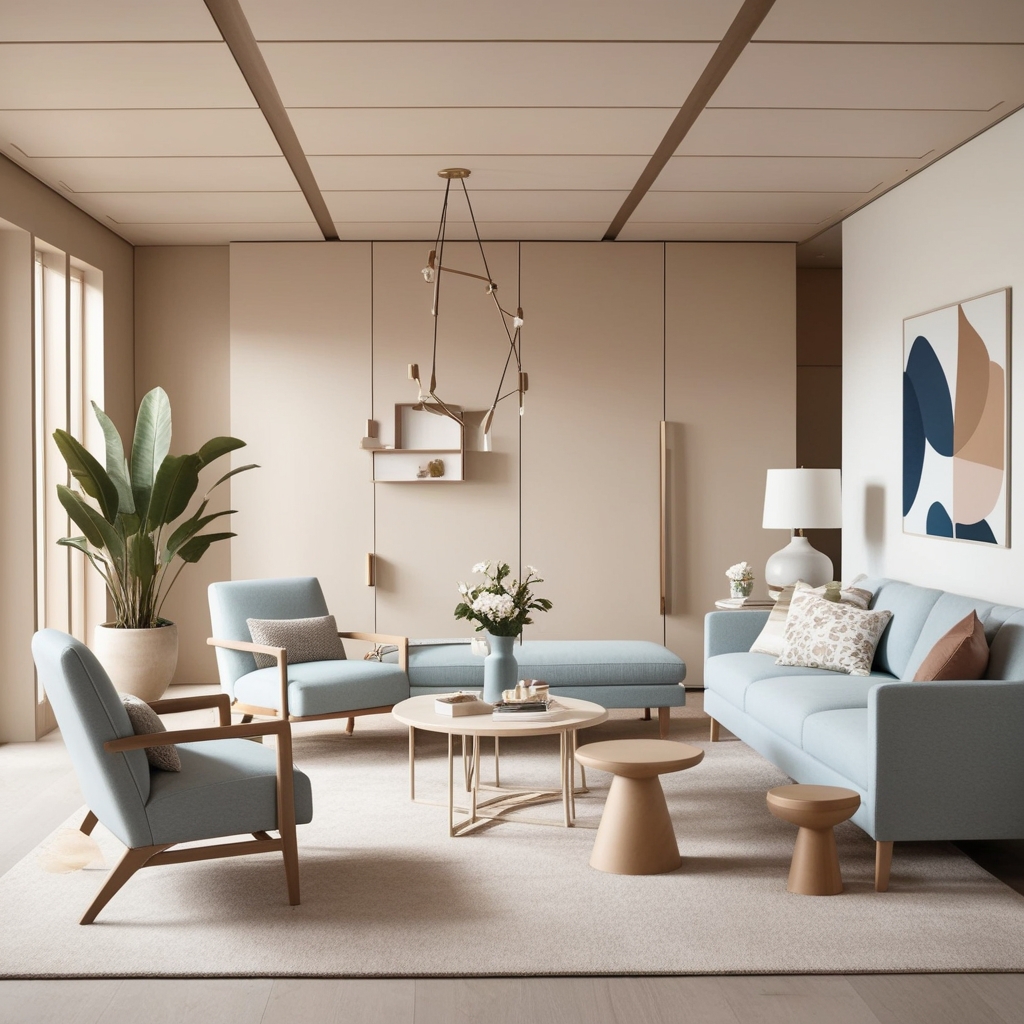
Soft contemporary design places comfort and practicality as its primary focus. Through the integration of functional elements with stylish design features, this methodology creates spaces that maintain visual appeal while supporting livability and adaptability across diverse lifestyles. Furniture designs exhibit uncomplicated linear forms that deliver comfort without intricate details.
-
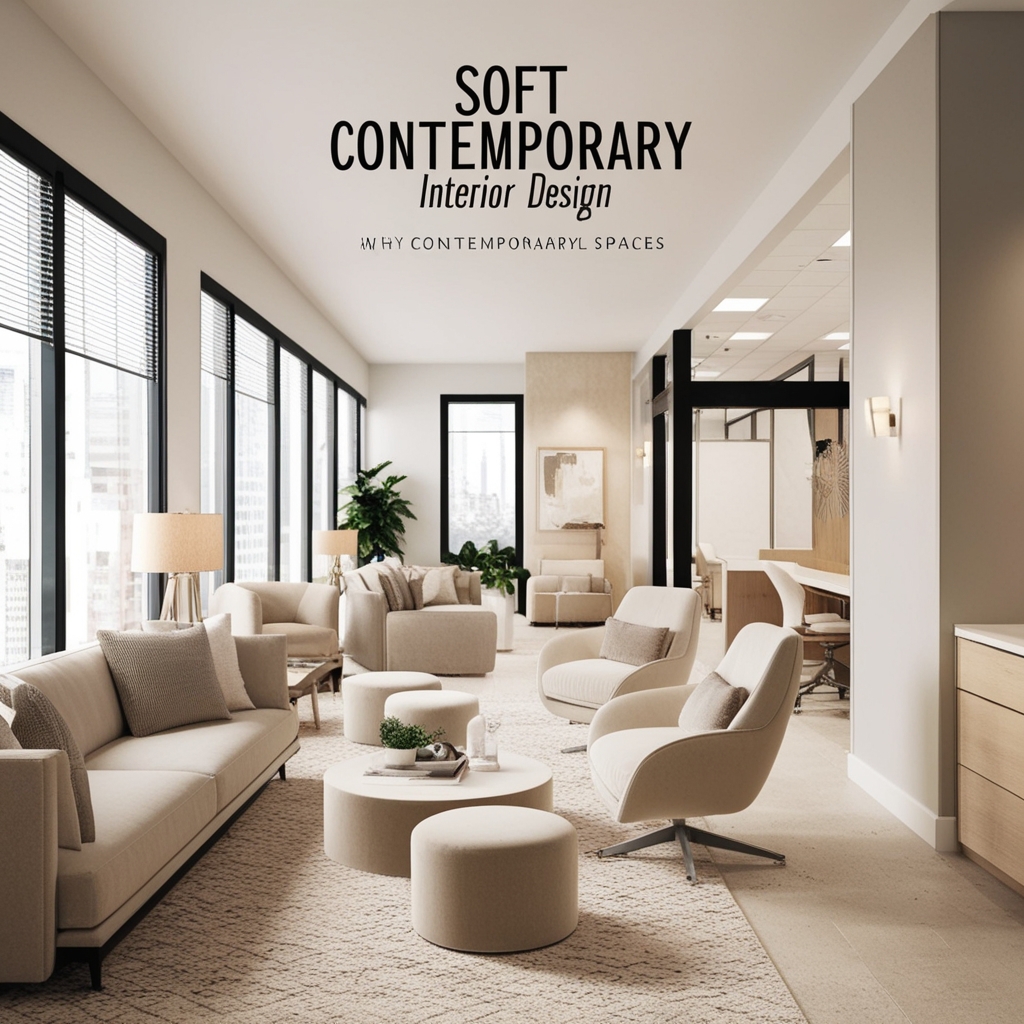
An additional strong argument for selecting soft contemporary interior design lies in its adaptability to different spatial environments. The adaptable nature of this style allows it to fit various scales and purposes effortlessly whether you're working on cozy apartments, spacious lofts, or commercial spaces like offices and lobbies. Through the strategic application of neutral colors combined with diverse textures, design elements can adapt to reflect both personal evolution and organizational transformations across time.
-
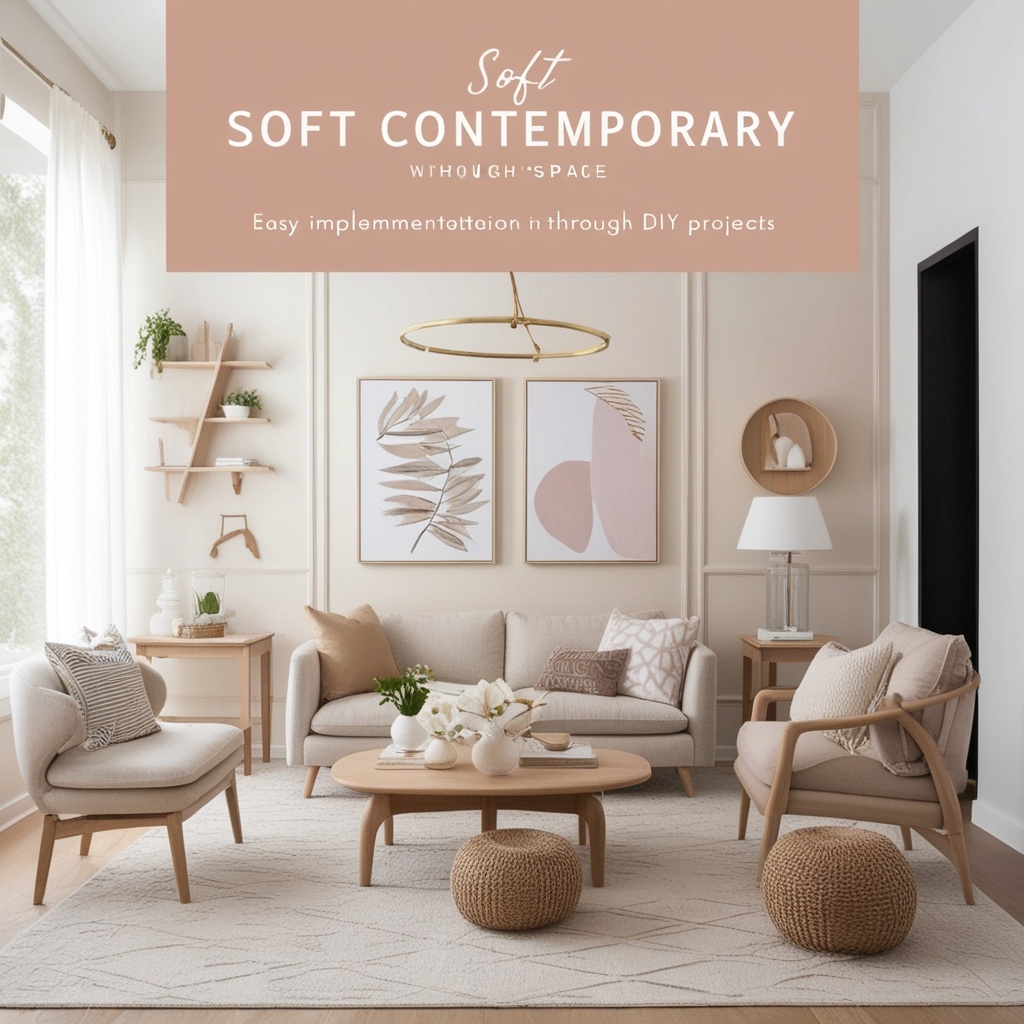
The intrinsic qualities of soft contemporary design make it readily achievable through DIY projects. Design enthusiasts have the ability to execute numerous design components including furniture assembly and wall treatments without needing professional assistance. The design process becomes financially efficient while simultaneously enabling a deeper personal connection to your space's transformation.
-
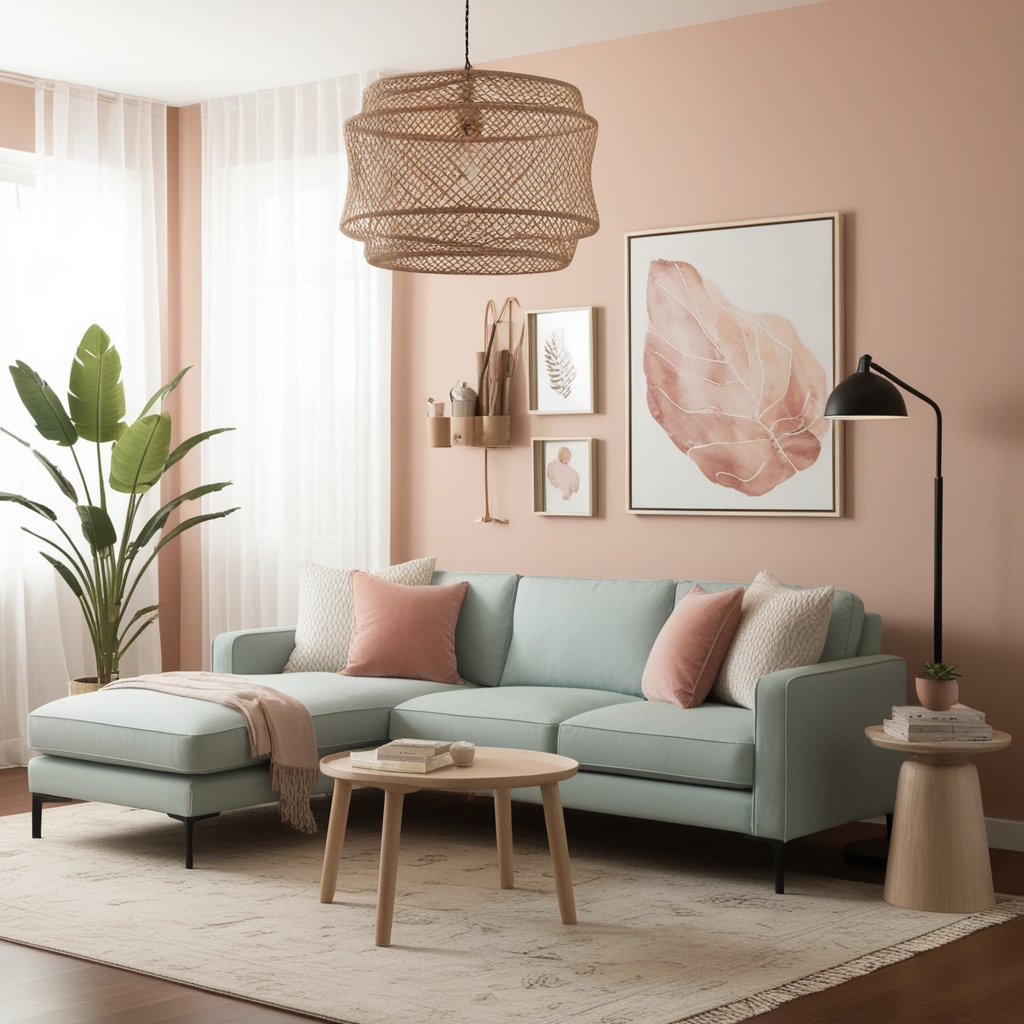
Choosing a soft contemporary interior design style enhances your space through its distinct visual appeal combined with comfort, adaptability, and DIY potential, proving it to be an intelligent option for both new constructions and remodeling projects.
How to create a soft contemporary interior
-
Crafting a soft contemporary interior design requires the integration of modern elements with gentle, inviting accents to establish a balanced atmosphere. The design style functions impeccably across residential and commercial spaces by providing an adaptable platform that supports multiple uses while retaining its sophisticated and refined look. Presented herein is a detailed procedural manual designed to assist you in creating an ideal soft contemporary interior space.
-
Initiate your design process by choosing a neutral color palette where dominant shades include whites, greys, and beiges. Integrate soft pastels and muted tones as accent colors to create depth and interest in the space while maintaining subtlety.
-
Select furnishings that display straightforward contours and uncomplicated shapes. Select furniture made from natural elements like wood and metal while exploring upholstered fabrics that deliver both comfort and visual attraction. The concept involves merging intricate elegance with comfortable warmth.
-
A soft contemporary interior design relies heavily on lighting elements to achieve its desired effect. Deploy a multifaceted lighting approach by integrating ambient, task, and accent elements to achieve complex illumination effects. Integrate floor lamps alongside wall sconces and pendant lights to enhance both aesthetic appeal and practical use.
-
Introduce various textures through textiles and materials to add visual interest. Use soft rugs, plush cushions, and different fabric finishes to create a tactile environment that invites relaxation.
-
Keep accessories minimal yet impactful. Choose pieces that complement the overall aesthetic, such as sleek vases, modern art, or statement pieces that add personality to the space.
-
To preserve a spacious atmosphere, reduce clutter to the barest essentials. Enhance spatial dynamics and functional utility through deliberate furniture positioning combined with meticulous organizational strategies.
-
These instructions enable the creation of a soft contemporary interior design that achieves both style and warmth, making it ideal for any residential or commercial space.
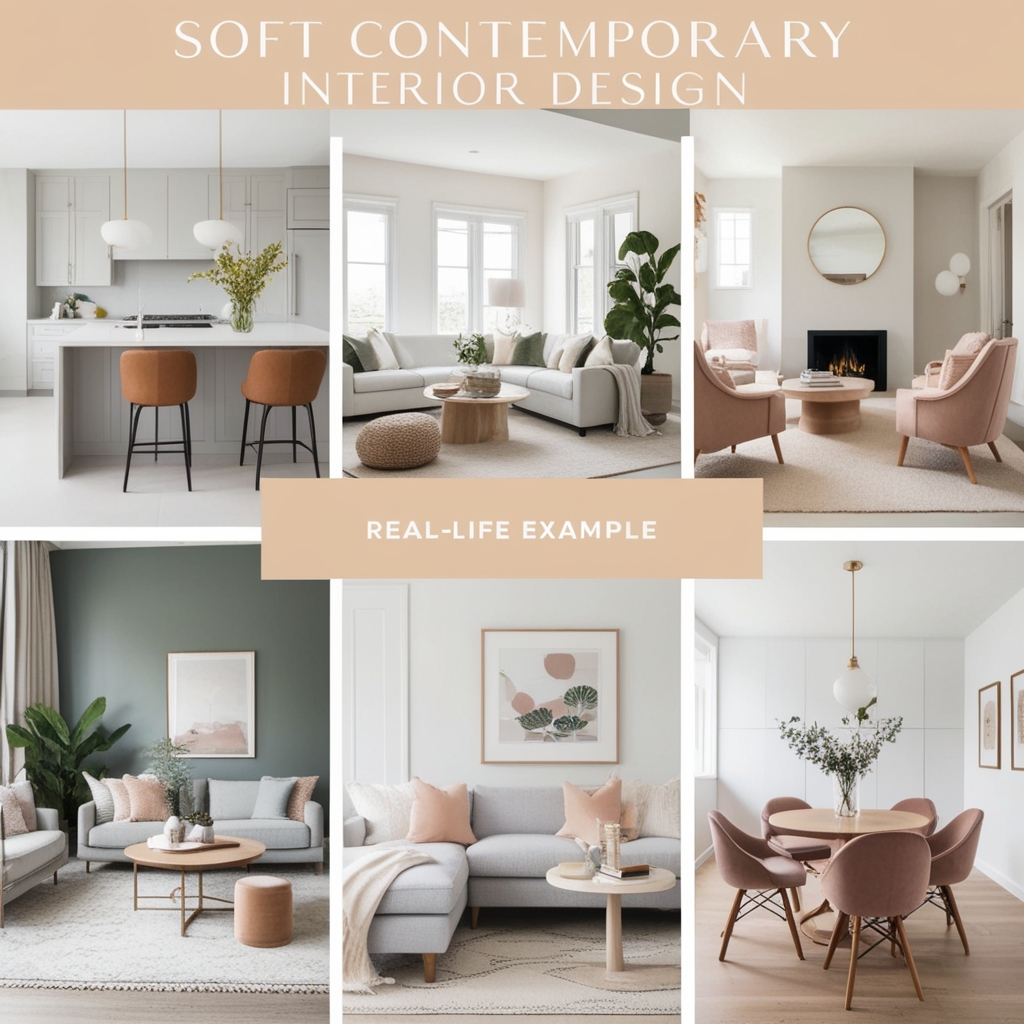
Real-Life Examples of Soft Contemporary Interior Design Style Design Ideas
A few related styles worth a look if soft contemporary is close but not quite the fit.
FAQ
-
The Soft Contemporary style features an intricate blend of sharp lines, muted color palettes, and varied textures. The design merges cozy features with sharp contemporary elements to create a balanced and welcoming space.
-
The Soft Contemporary style proves perfect for small spaces because it focuses on simplicity and multifunctional furniture which create a sense of spaciousness.
-
Start with a neutral color palette and introduce clean-lined furniture while blending materials such as metal and wood then add accent lighting for warmth.
-
Absolutely! Artificial intelligence tools construct three-dimensional models which allow you to test various layouts, color schemes, and furniture arrangements before reaching final decisions.
-
Yes. Paintit.ai's basic functionality is free to start; more advanced tools and larger projects may require a subscription.