
Plantation style interior design: inspiration and ideas for your home
Plantation style interior design and decor draw from the antebellum architecture of the American South: Greek Revival and Italianate mansions with wide wraparound verandas, columned facades, high-ceilinged formal rooms, and the tropical-adapted interiors of the Gulf Coast and Caribbean. The style is defined by its management of heat, humidity, and scale: spaces designed for southern climates with cross-ventilation, natural materials suited to humidity, and the indoor-outdoor connection that the veranda provides.
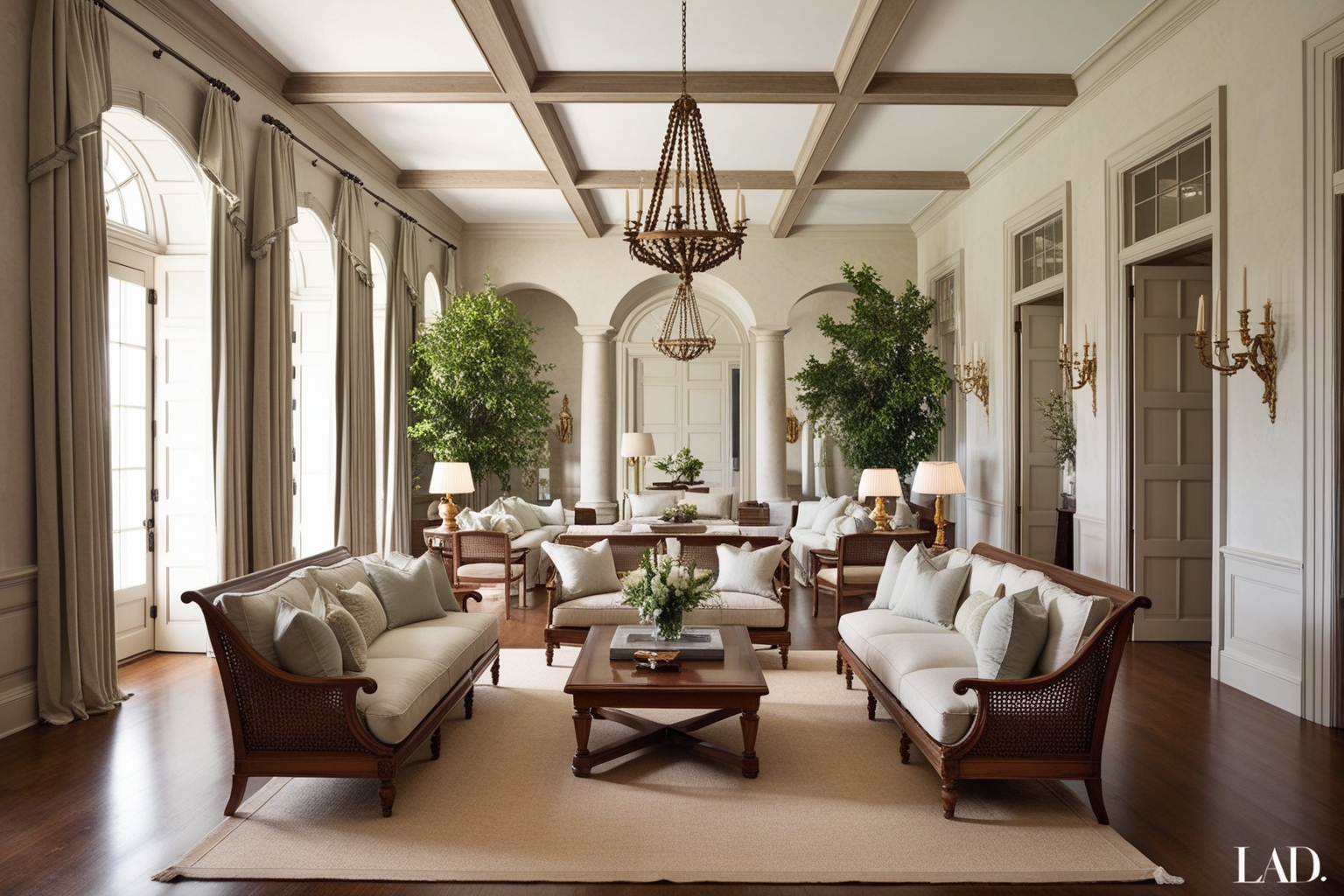
Essential Tips for Characteristics of Plantation Style Interior Design
Plantation style interior design and decor draw from the antebellum architecture of the American South: Greek Revival and Italianate mansions with wide wraparound verandas, columned facades, high-ceilinged formal rooms, and the tropical-adapted interiors of the Gulf Coast and Caribbean. The style is defined by its management of heat, humidity, and scale: spaces designed for southern climates with cross-ventilation, natural materials suited to humidity, and the indoor-outdoor connection that the veranda provides.
-
Key Colors and Palettes
Plantation style interior design showcases a color palette dominated by earthy tones including rich browns, deep greens, and various whites which mirror the natural environment. Muted wooden tones often pair with the vibrant hues of tropical flora including lush greens and exotic flower colors. These colors combine to form an environment that exudes both luxury and warmth through tropical landscape hues.
-
Typical Materials and Textures
The design style demands a focus on natural textures as its essential element. Fundamental materials like hardwood, rattan, and wicker provide durability while their tactile qualities strengthen the space's natural connection. Furniture designers frequently select bamboo and teak for structural pieces while linen and cotton dominate choices for soft furnishings. The combination of refined wooden surfaces with delicate fabrics generates a complex texture that introduces both warmth and dimensionality into interior spaces. -
Signature Furniture and Decorative Elements
Plantation style furniture showcases sophisticated artistry while emphasizing practical design and structural elegance. The pieces maintain a large and dominating presence while exhibiting an airy nature through their slatted wood construction and open-weave patterns. Signature elements include high-backed plantation chairs alongside four-poster beds draped in mosquito netting and detailedly carved wood details. The inclusion of tropical plants alongside vintage ceiling fans and plantation shutters amplifies thematic resonance by introducing historical context and geographical identity into living spaces. -
The overall atmosphere and mood
Plantation style interiors achieve a specific quality of gracious formality — spaces that are grand in scale but genuinely comfortable to inhabit. The high ceilings and wide verandas manage southern summer heat; the natural materials (mahogany, teak, rattan, linen) suit humidity and the active indoor-outdoor movement of a house built before air conditioning.
The mood is one of relaxed permanence: furniture that has been in place for generations, tropical plants that live in the same pots year after year, ceiling fans that turn slowly. There is an intimacy within the grandeur — these are houses designed for families rather than for display.
In contemporary applications, this quality can be achieved through selective elements: a veranda-inspired covered outdoor space, plantation shutters on large windows, a four-poster bed, rattan and mahogany rather than contemporary materials.
Plantation style: the defining architectural elements
The veranda
The veranda (also called piazza in the Lowcountry, or gallery in New Orleans) is the central spatial element of plantation architecture. A deep covered porch — typically one or two stories, wrapping around the house — that provides outdoor living space shaded from the sun and open to prevailing breezes. In design terms, the veranda extends the home's living area and creates a transitional zone between inside and outside.
Greek Revival columns
The antebellum plantation house is most recognizable for its columned facade — typically Greek Revival (Doric or Ionic). In interior applications, columns appear as room dividers between the entry hall and main parlour, as architectural details flanking fireplaces, and as structural elements in double-height entry halls.
The central hall plan
Plantation houses are organized around a central hall running from front to rear — the axis of through-ventilation that carries summer breezes through the house. Interior furniture arrangement respects this axis.
Plantation shutters
Interior and exterior shuttered windows control light and airflow while maintaining privacy. Interior plantation shutters (wide-blade louvered panels) are simultaneously practical and decorative — the single most accessible element for introducing the plantation aesthetic into any room.
The four-poster bed
The canopied four-poster bed — with hanging mosquito netting in the antebellum tradition, or with lighter fabric in contemporary applications — is the signature bedroom element.
How to apply plantation style
Core palette: Warm whites and creams for walls, dark mahogany or teak for furniture, natural linen and cotton for textiles, tropical green from plants as the primary colour element.
Materials: Rattan, wicker, and bamboo for casual pieces; mahogany and teak for structural furniture; linen and cotton for upholstery; sisal and seagrass for floor coverings.
Ceiling fans: Not just practical — ceiling fans with wood or period-appropriate metal blades are a decorative element in plantation style rooms.
Plants: Substantial tropical plants (palms, ferns, orchids, monstera) are room-defining elements, not accent pieces.
Visualize plantation style with Paintit.ai
Upload a photo of any room to app.paintit.ai and test plantation palettes — warm whites, mahogany tones, tropical plant accents — in 1–2 minutes. Free to start.
How to design a plantation style interior
-
The allure of a plantation style interior lies in its timeless elegance and natural charm. This design aesthetic is perfect for those who appreciate a harmonious blend of colonial architecture and modern comforts. Below, I will outline the steps to create a classic plantation style interior for any room or commercial space.
-
Start by incorporating materials such as rich woods, rattan, and woven fibers. Use mahogany or teak for furniture to establish a solid foundation. Add wicker furniture pieces to enhance the texture and create a relaxed atmosphere.
-
A plantation style interior thrives on a palette of whites, creams, and soft earth tones. These colors offer a serene backdrop that complements natural materials while allowing decorative elements to stand out without overwhelming the space.
-
Select pieces that speak to luxury and comfort. Upholstered chairs with rich fabrics, such as linen or cotton, add sophistication. Include a mix of antique and vintage decor to enhance the historical feel of the space.
-
Integrate diverse indoor plant species to evoke the rich tropical ambiance characteristic of traditional plantations. Select substantial plants such as palms and orchids for dramatic impact while diminutive ferns provide delicate touches.
-
Integrate expansive floor-to-ceiling windows alongside French doors to enhance natural light entry while establishing an interior-exterior connection. Key design elements such as crown moldings and plantation shutters serve to enhance depth and character in your spaces.
-
Select items that enhance the style but don't clutter the space. Vintage maps, cane baskets, and antique lanterns can serve as excellent decorative accents. Use soft, layered lighting to create an inviting ambiance during all times of the day.
-
Designing a plantation style interior demands historical appreciation combined with a passion for natural textures and an ability to discern elegant simplicity. Adhering to these principles enables you to design an area that remains perpetually fashionable while being both welcoming and comfortable.
Related styles and tools
FAQ
Plantation style draws from the antebellum domestic architecture of the American South — Greek Revival and Italianate mansions with wide wraparound verandas, columned facades, high ceilings, central halls designed for through-ventilation, and interiors furnished for a subtropical climate. The defining elements: natural materials suited to humidity (mahogany, teak, rattan, wicker, linen, cotton), plantation shutters, tropical plants as room-defining elements, ceiling fans, and four-poster beds.
Plantation shutters are interior louvered window shutters with wide, adjustable blades — typically 2.5 to 4.5 inches wide — hinged on a frame inside the window opening. They originated in antebellum Southern plantation homes where they controlled sunlight and airflow before air conditioning. The name comes from their historic association with Southern plantation architecture.
Warm whites and creams dominate walls, with dark mahogany or teak for furniture, natural linen and sisal for floor coverings and textiles, and tropical green from living plants as the primary colour element. The palette is warm and natural — materials provide colour through their inherent tones.
Yes. Upload a photo of any room to app.paintit.ai and test plantation palettes in 1–2 minutes. Free to start.