
German Interior Design Style Inspiration and Ideas for Your Home
German interior design is shaped by two defining traditions: the Bauhaus movement (1919–1933), which established the principle that good design must be both functional and beautiful, and the broader German craft tradition that values precision, quality materials, and longevity over decoration.
The result is a style that is simultaneously minimal and comfortable — fewer objects, each made to the highest practical standard, in spaces organized for actual daily life.
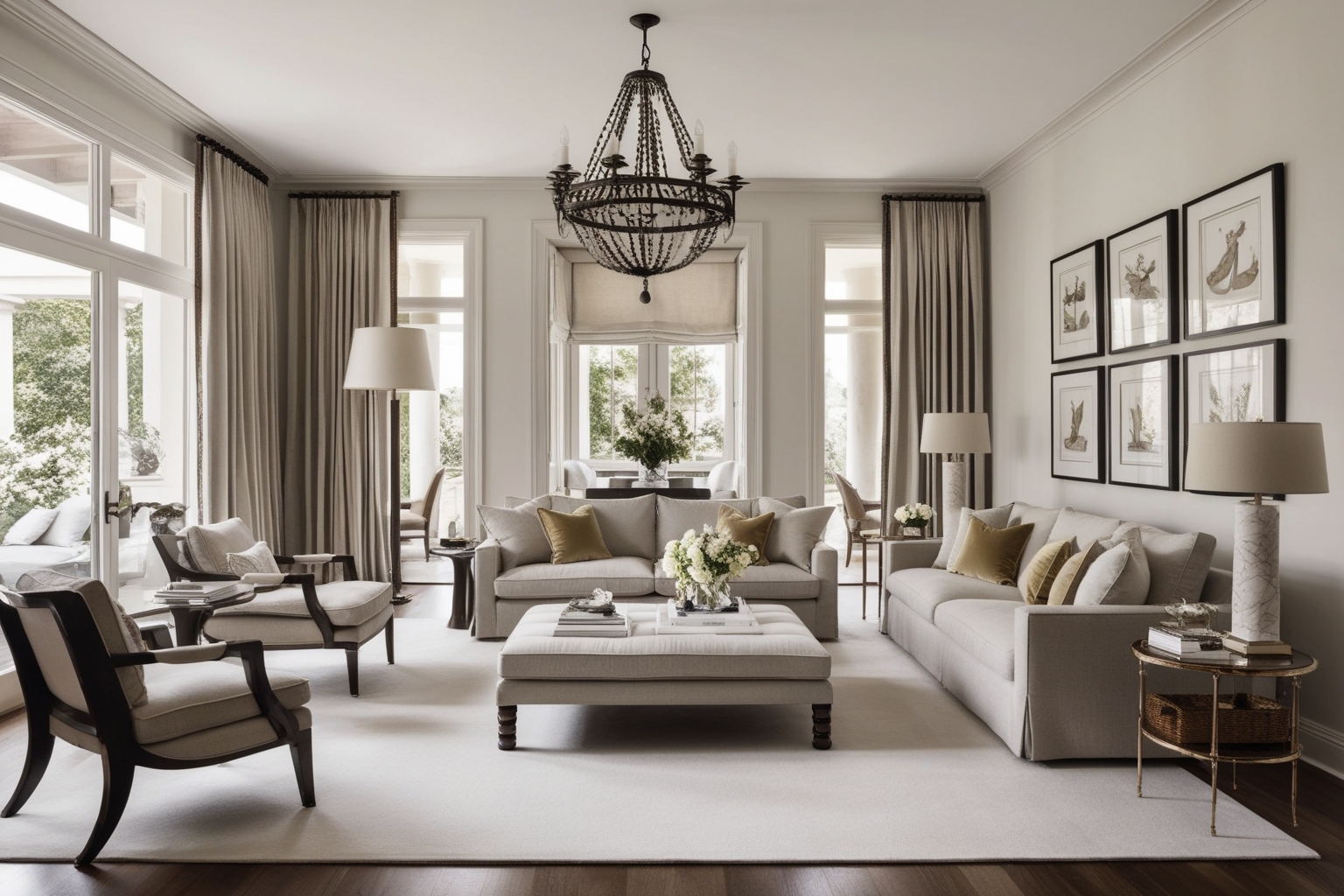
What Defines the German Interior Design Style?
The German interior design style represents an exceptional blend of functional elements with aesthetic form and minimalistic approach where every component must fulfill a specific purpose. Design enthusiasts across the globe find themselves mesmerized by this distinctive style which showcases an unparalleled method for developing balanced living environments.
-
Key Colors and Palettes
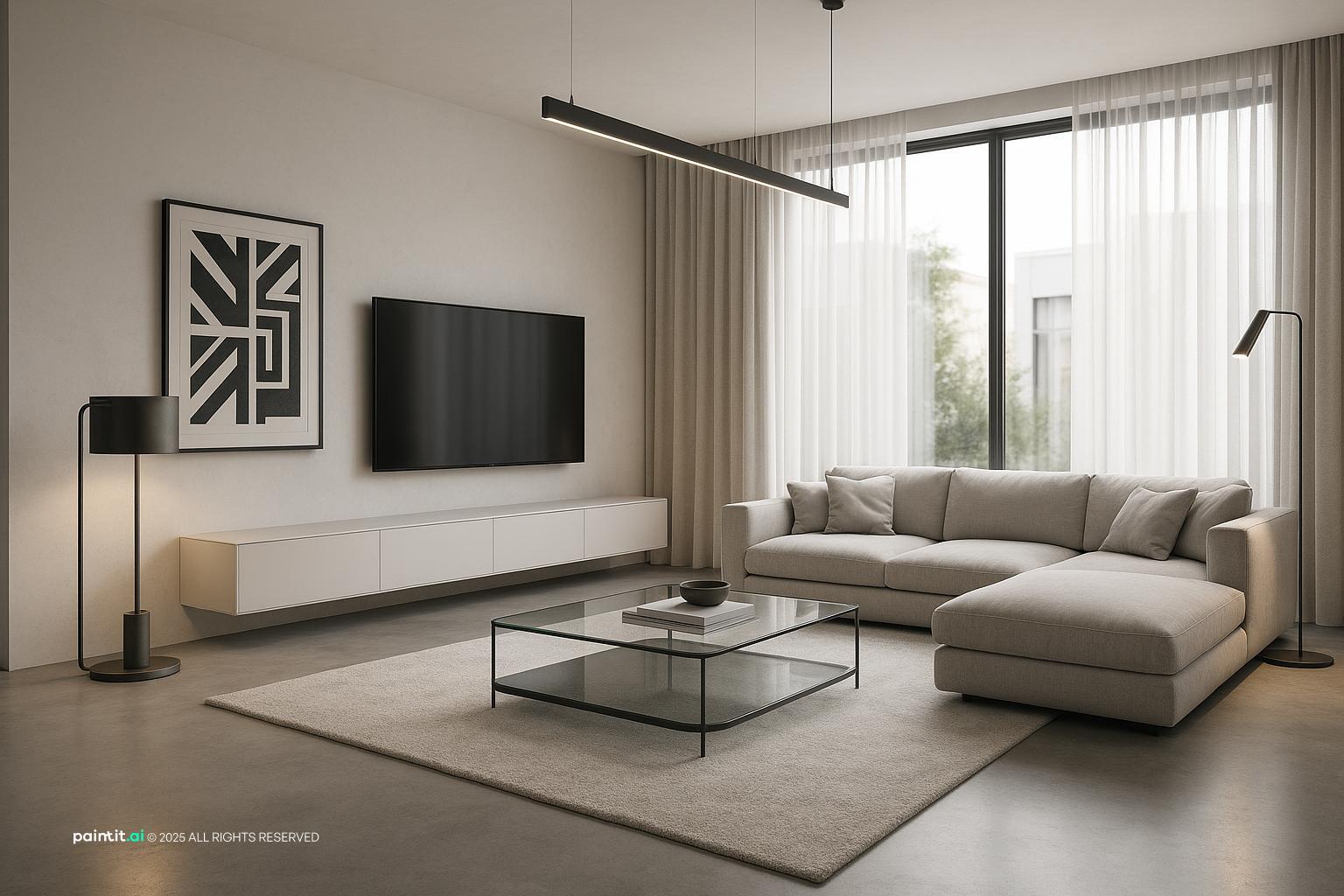
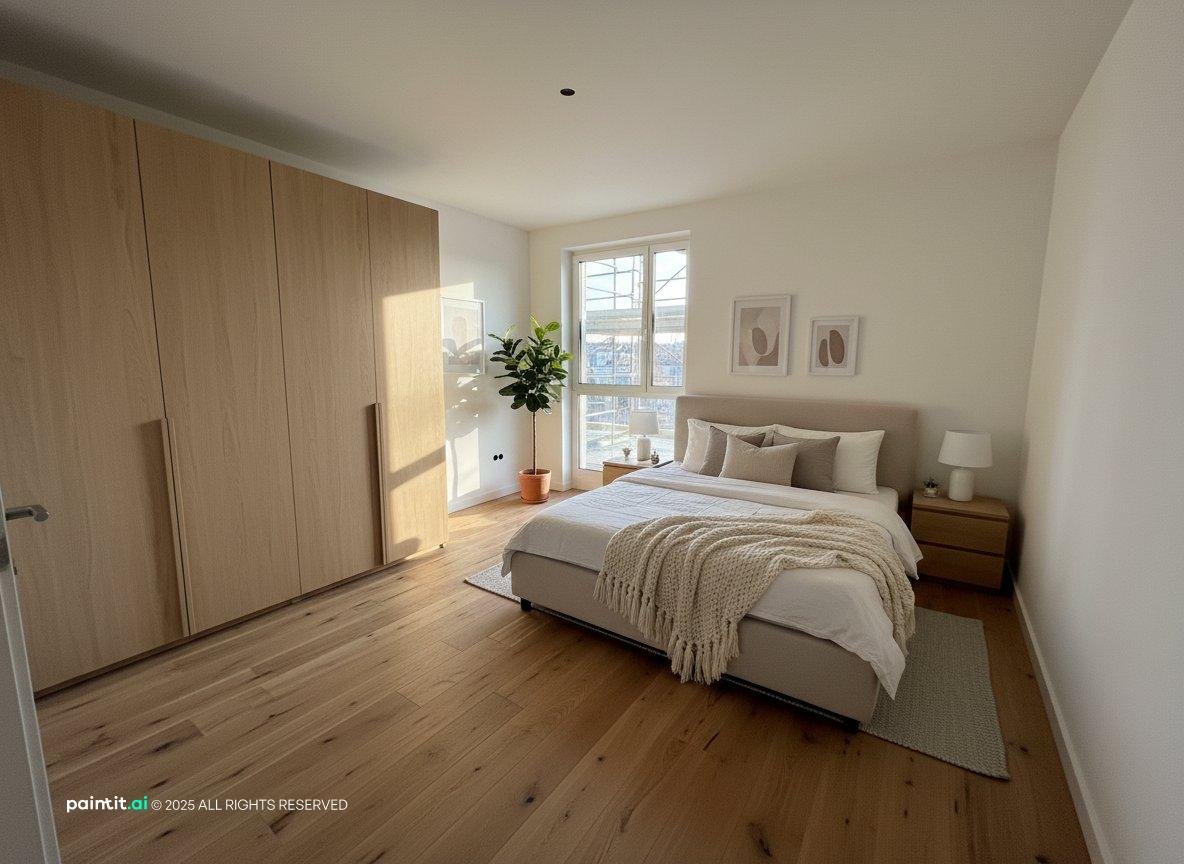
German interiors usually start with white, warm grey, beige, natural oak, walnut, and concrete or stone grey. Accent colours are controlled: deep green, anthracite, matte black, dusty terracotta, or muted blue used in one or two elements. Black hardware often ties the scheme together.
-
Typical Materials and Textures
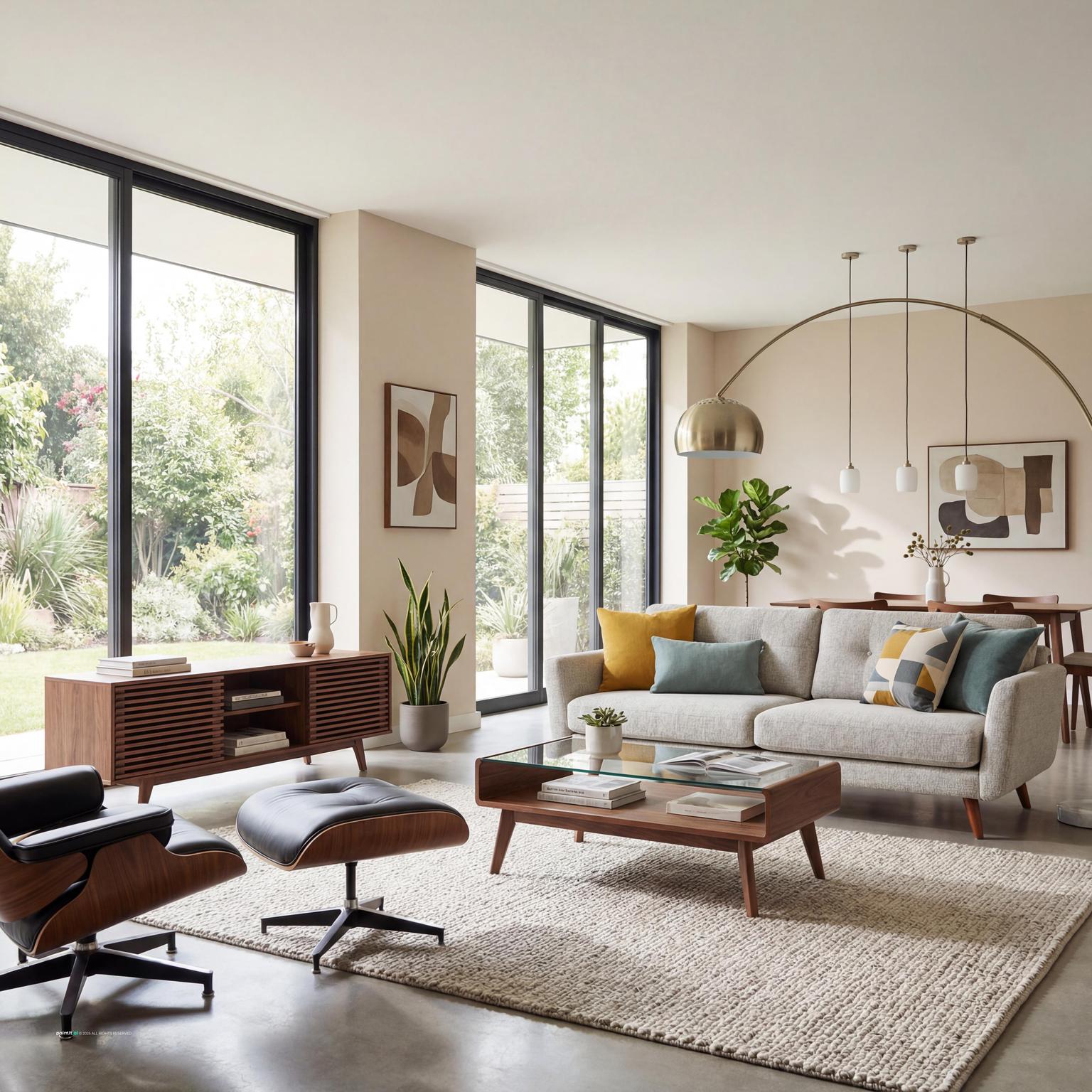
The selection process for materials in German interior design focuses on durability combined with natural aesthetic appeal. Oak and walnut wood dominate material selections, appearing frequently in flooring, cabinetry, and furniture applications. Stone, leather, glass, and metal elements add texture while maintaining restraint. Through precise craftsmanship standards these materials achieve both long-term durability and lasting design quality.
-
Signature Furniture and Decorative Elements
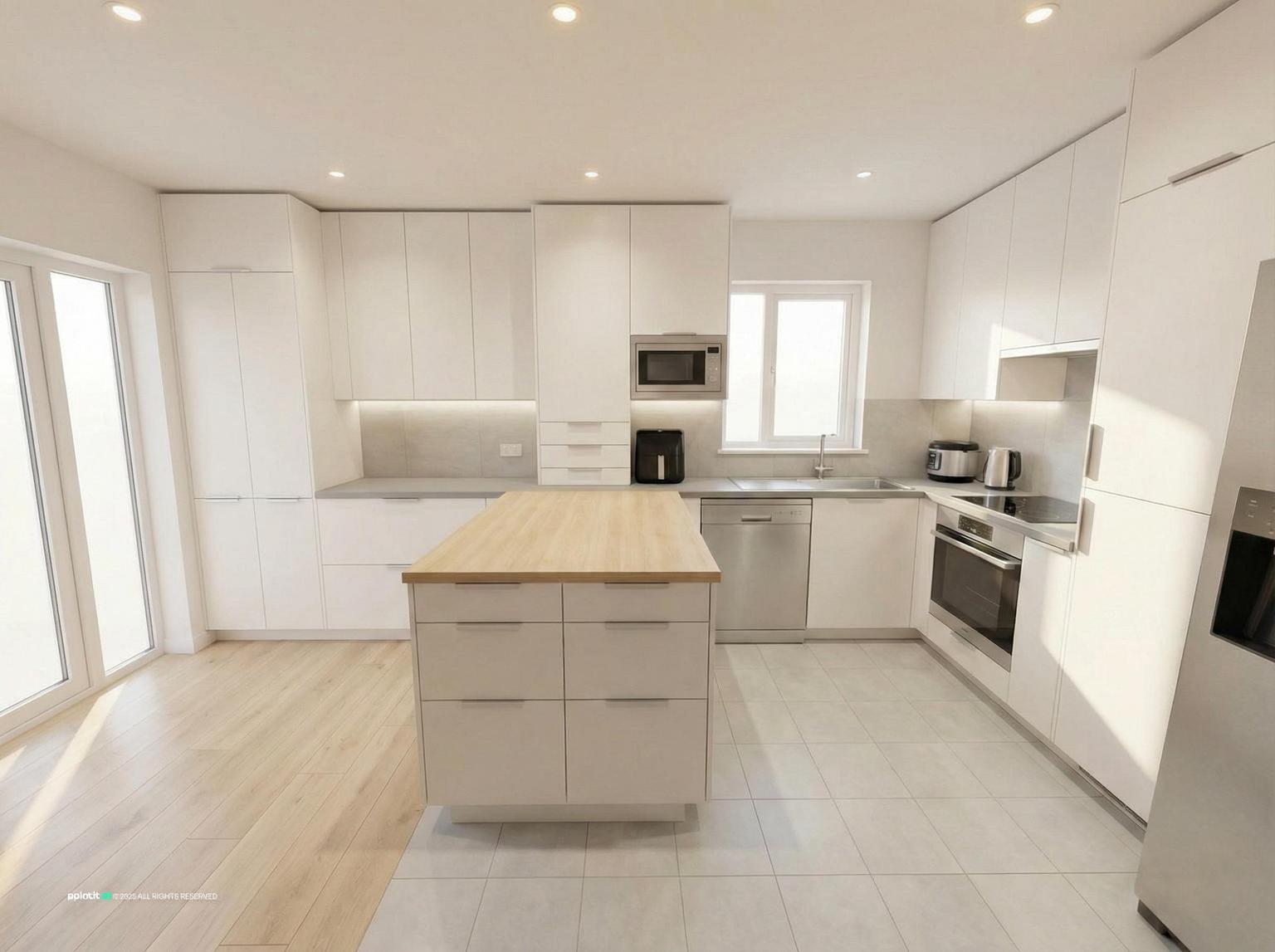
German furniture is defined by clean lines, modular planning, and practical purpose. Built-in storage, handleless cabinetry, expandable tables, and efficient shelving matter more than decorative display. Decorative elements remain sparse but intentional: a single artwork, a ceramic vessel, a textile, or a lamp chosen for both function and clarity.
-
Overall atmosphere
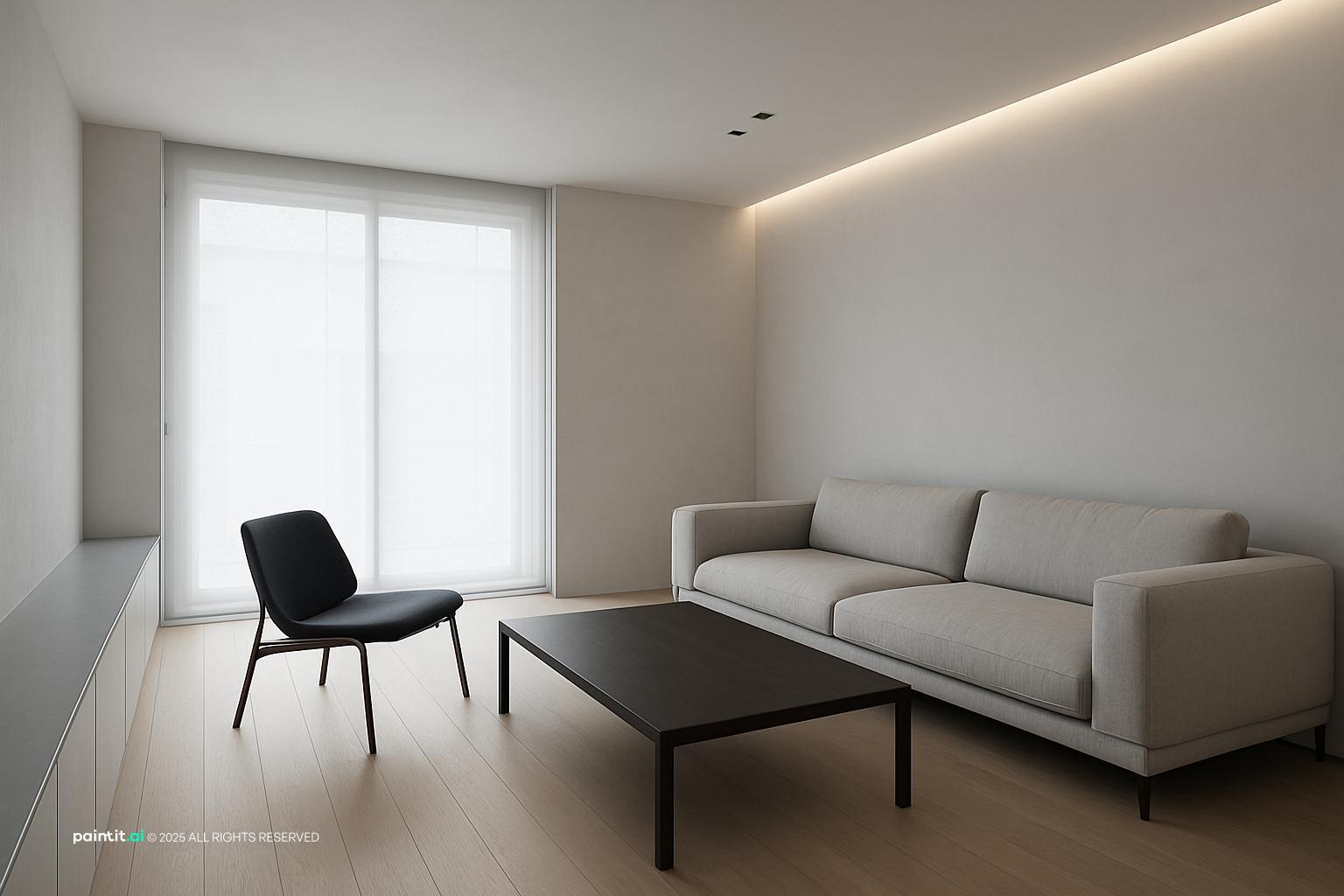
The mood is controlled, warm, and efficient. German interiors should feel engineered for daily life: clear surfaces, good storage, durable materials, and enough softness from wood, linen, and warm light to avoid feeling clinical.
German interior design visual references
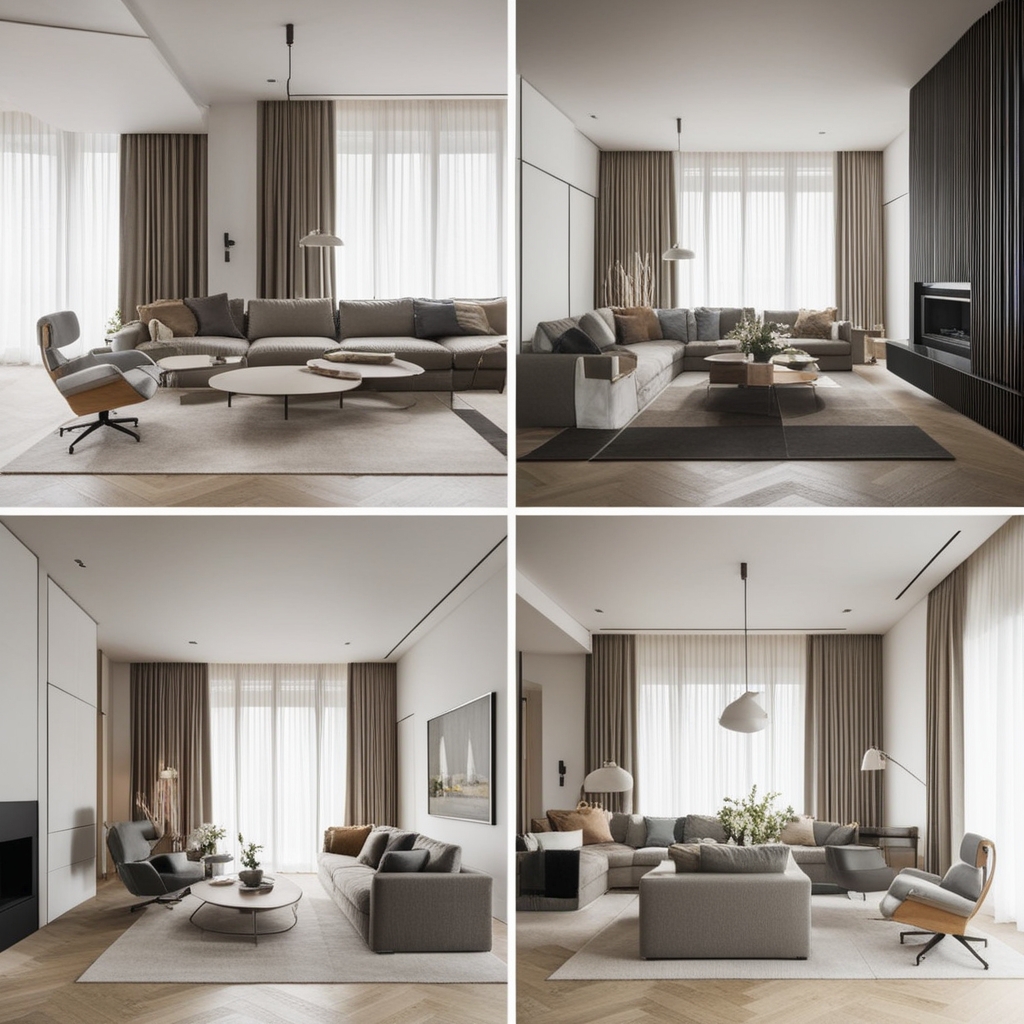
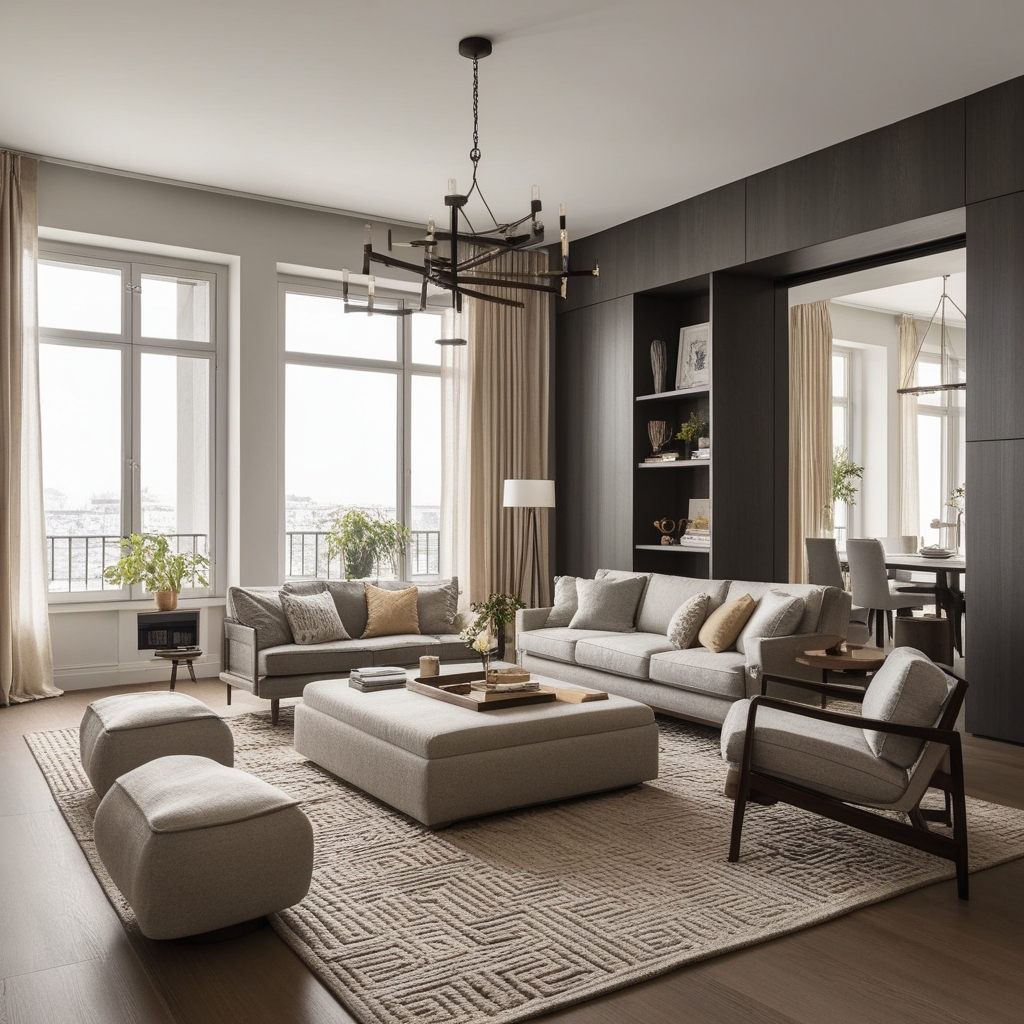
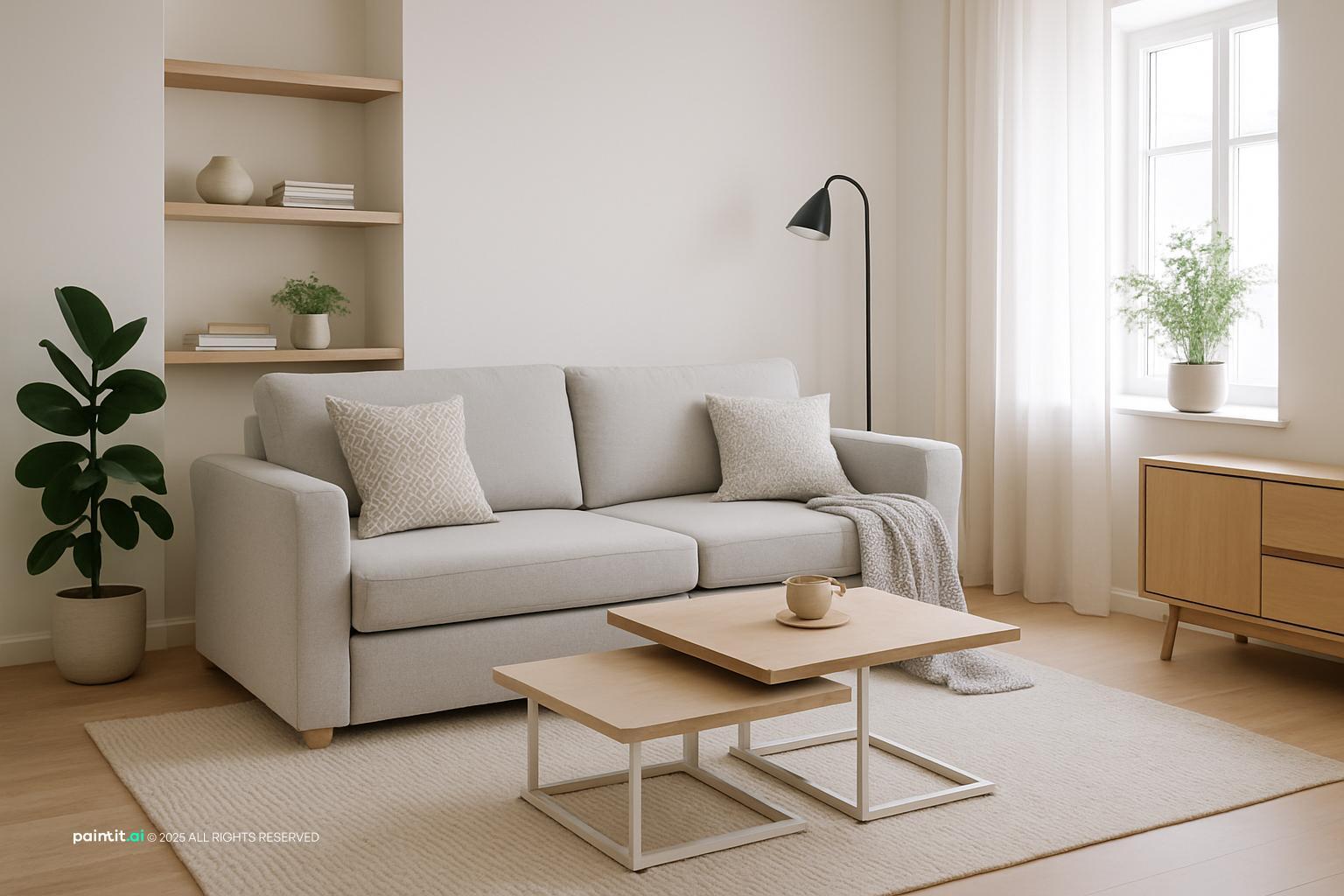
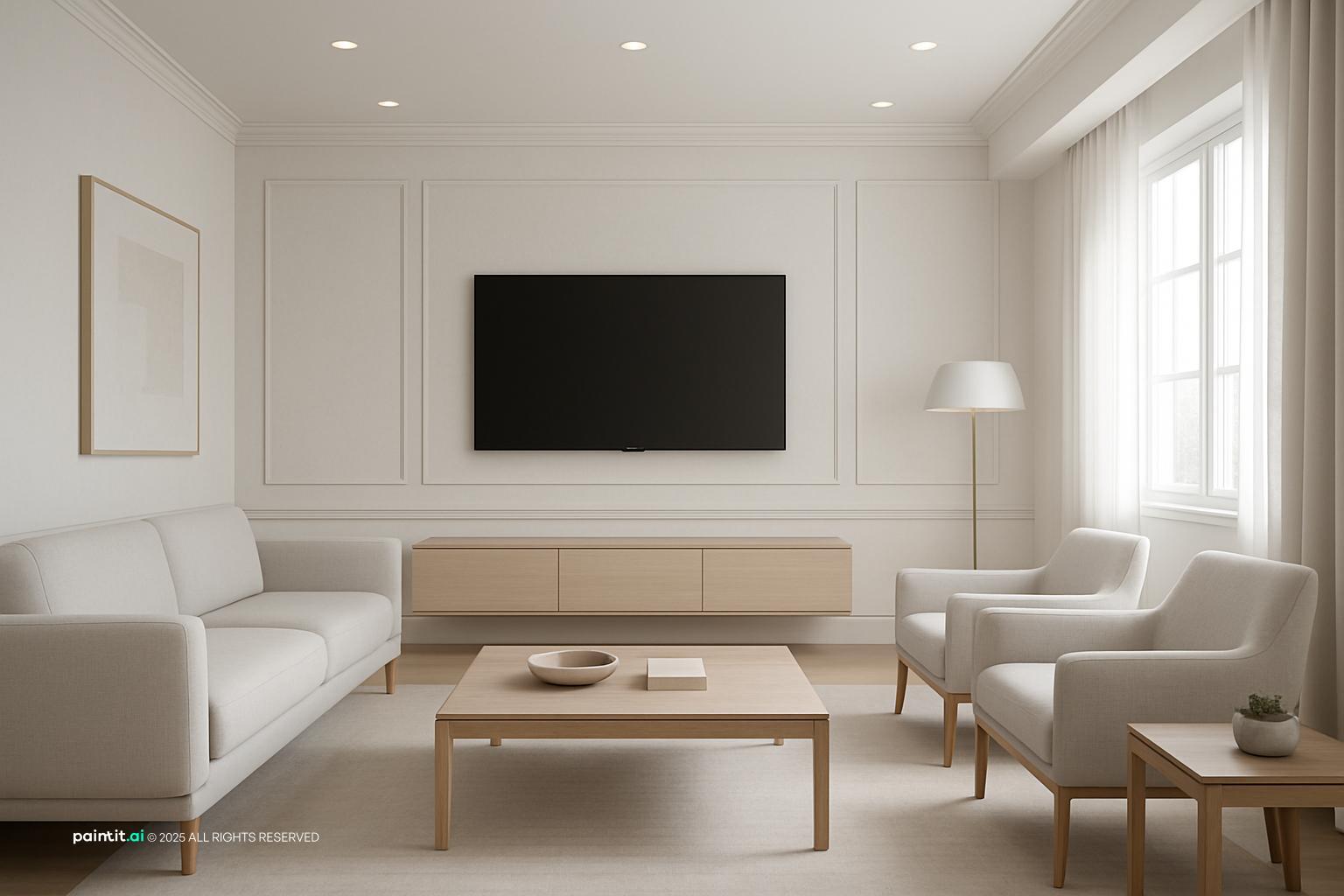
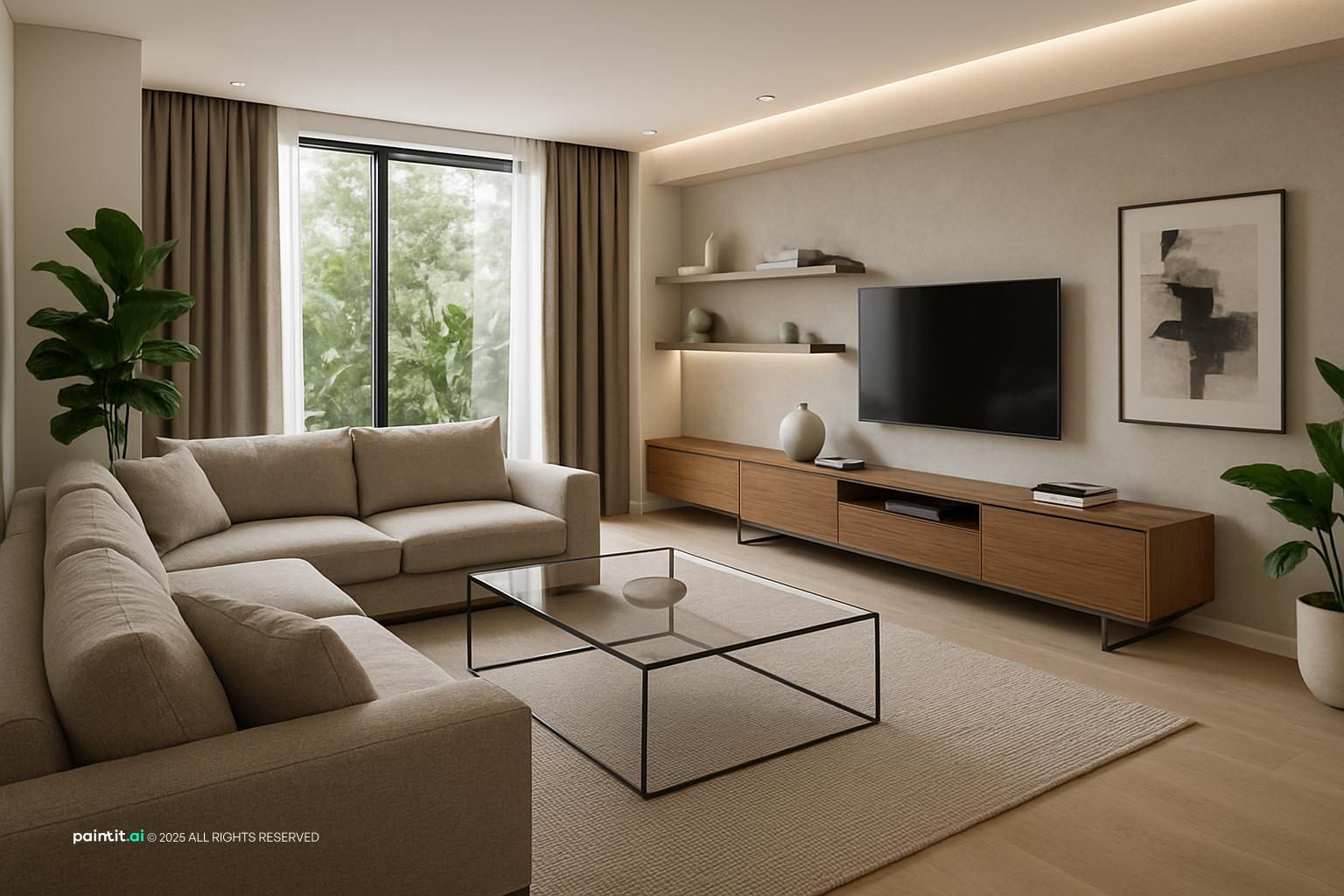
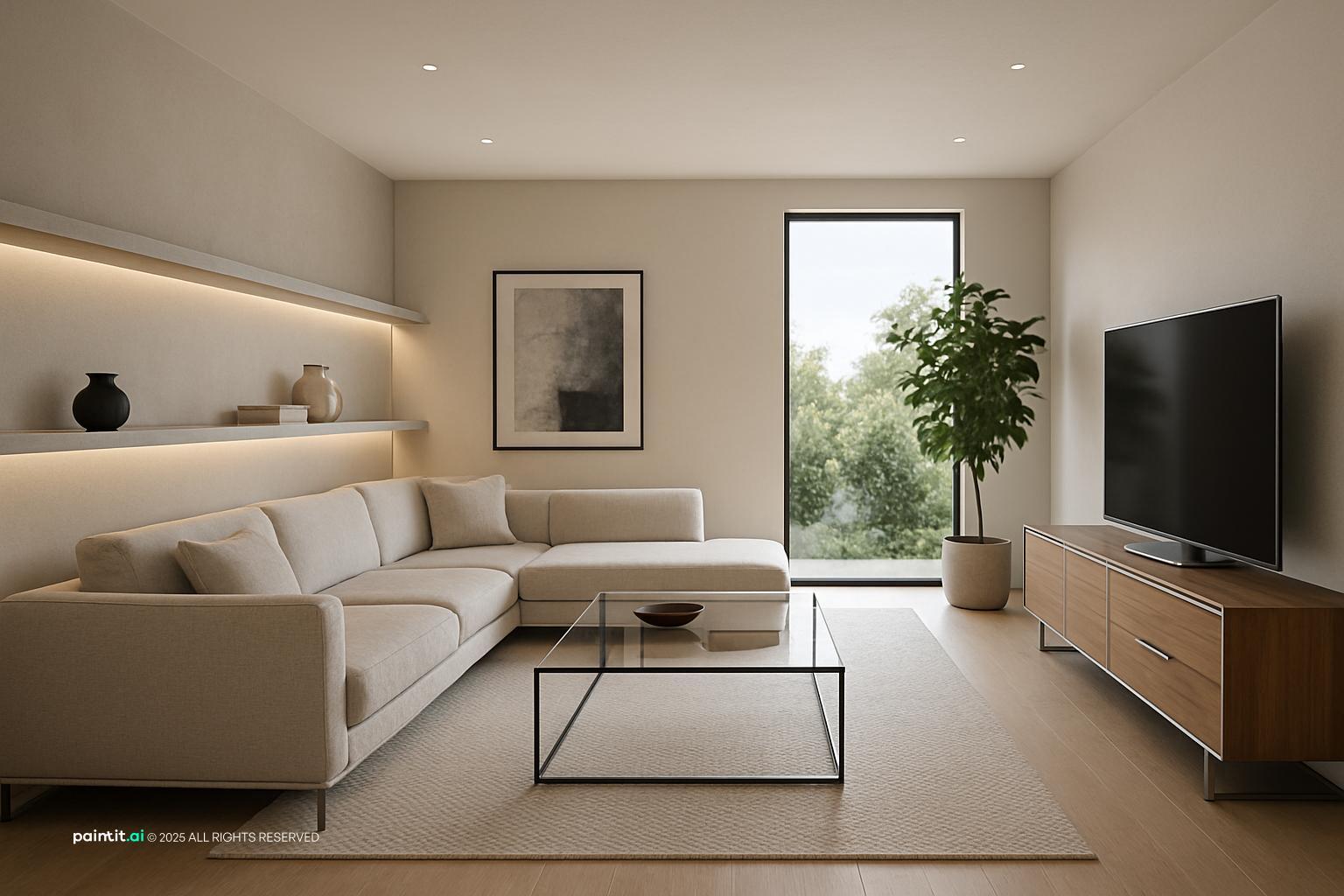
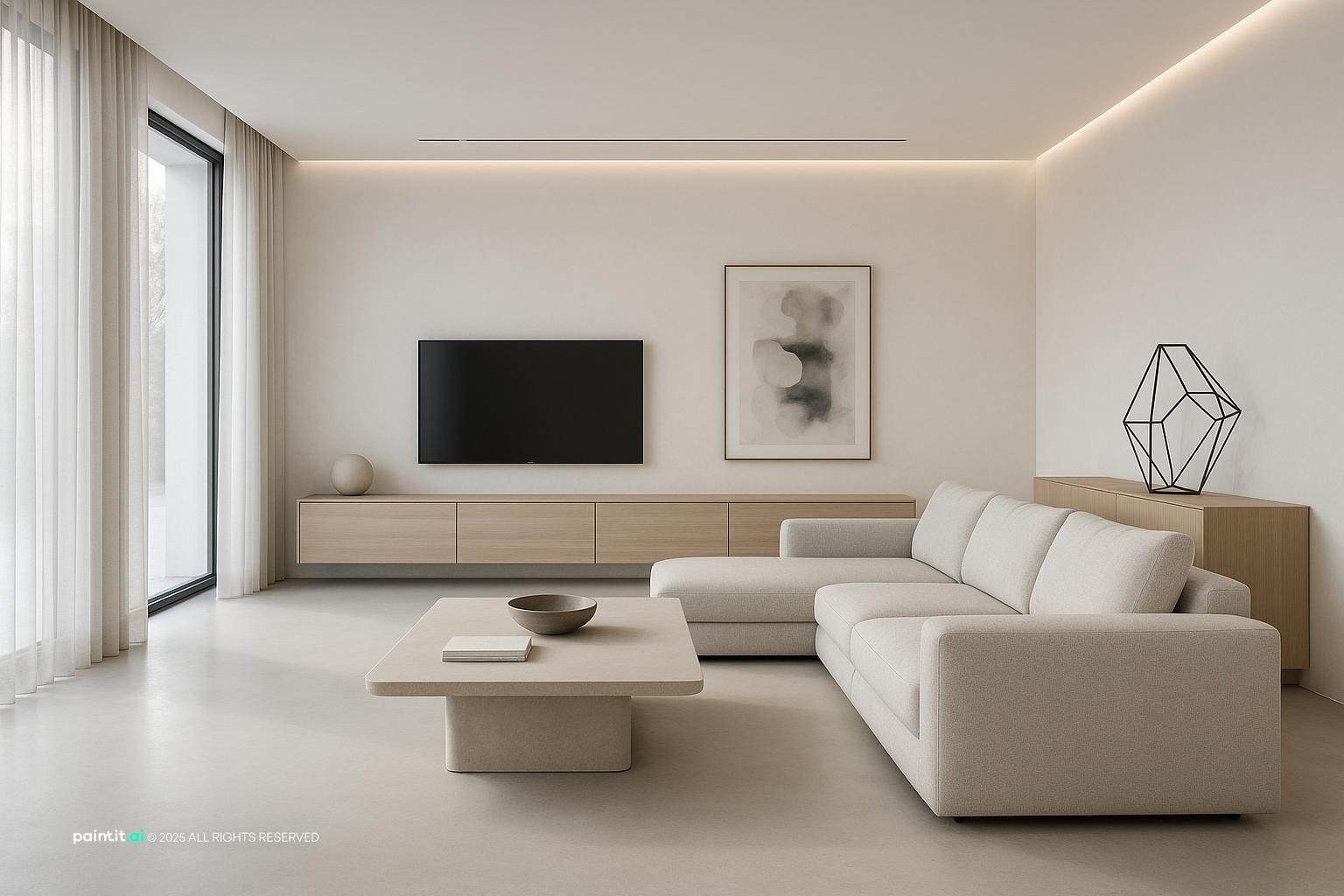
How to apply German interior style in your home
The Bauhaus principle: form follows function
Every object in a German-designed room should have a clear functional reason to be there. Ornament without function is eliminated — not because it's ugly, but because it's unnecessary. This is different from minimalism as an aesthetic; it's minimalism as an engineering discipline applied to domestic space. In practice: start by removing anything that doesn't have a specific use. What remains — good quality, well-chosen — defines the room.
The palette: neutral with considered accents
White, warm grey, beige, and natural wood tones are the foundation. These colours maximize the perception of space and light — the German apartment tradition often involves compact urban spaces where every square metre of perceived volume matters. Accent colours: deep greens, anthracite grey, matte black, or dusty terracotta appear in one or two elements — an armchair, a rug, a wall — rather than throughout. The accent's restraint makes it speak more clearly.
German colour scheme specifics
"Germany interior design color scheme" is one of the most searched German design terms. The standard scheme: light grey or warm white walls, natural oak or walnut furniture, concrete or stone grey flooring, and one accent colour in the 30% range (often deep green, dusty rose, or charcoal). Black hardware — handles, taps, light fixtures — appears as a constant accent across the room. White and black is another clean German combination that references Bauhaus graphic design.
The kitchen as design statement
German kitchen design (which has influenced global kitchen design through brands like Bulthaup, Leicht, and Poggenpohl) treats the kitchen as a precision instrument — handleless cabinets flush with the wall, integrated appliances, continuous worktop surfaces, and no visible clutter. This principle extends to the living room: storage that hides rather than displays, surfaces that stay clear.
Quality over quantity
German design culture places high value on quality of materials and manufacture. One well-made piece of furniture from a reputable source ages better than four cheaper pieces that deteriorate. The German approach: buy less, but buy right.
Visualize German interior style with Paintit.ai
Upload a photo of any room to app.paintit.ai and see how German design palettes — warm neutrals, oak tones, precise accent colours — read in your actual space in 1–2 minutes. Free to start.
Related styles
Use these tools and related Nordic pages to test German design directions in a real room.
FAQ
-
German interior design emphasizes functionality, precision, and quality craftsmanship. The Bauhaus legacy — "form follows function" — is its most important design principle. Key characteristics: neutral colour palettes (white, grey, beige, warm earth tones) with selective accent colours, oak and walnut wood in natural finishes, modular furniture that serves multiple purposes, built-in storage that keeps surfaces uncluttered, and deliberate use of natural light through large windows with minimal treatments. Quality of execution matters more than quantity of objects.
-
Very much so. The Bauhaus-influenced approach to modular, multi-function furniture — storage beds, fold-out desks, expandable dining tables — was specifically developed for urban apartments with limited floor area. The neutral palette and emphasis on natural light make compact spaces feel larger. The built-in storage principle keeps living surfaces clear, which is especially valuable when square meters are limited.
-
Bauhaus was a German art school (1919–1933, in Weimar, Dessau, and Berlin) whose core principle was the integration of fine art, crafts, and industrial design. The Bauhaus approach — "form follows function," rejection of ornament for its own sake, emphasis on quality materials and construction — became the foundation of modern design globally and specifically defined German design culture. Contemporary German interiors reflect Bauhaus principles through functional furniture, neutral palettes, precise craftsmanship, and the absence of decorative excess.
-
German colour schemes tend toward precision and restraint: a light neutral base (warm white, warm grey, or beige), natural wood tones, and one carefully chosen accent colour that appears in limited quantities. Black hardware (handles, taps, light fixtures) is a constant accent that adds definition without adding colour complexity. The effect is controlled without being cold — warmth comes from material texture (wood grain, linen, stone) rather than colour intensity.