
Finnish interior design style: inspiration and ideas for your home
Finnish interior design is shaped by a specific relationship with the natural environment, the birch and pine forests, the long dark winters and luminous summers, the cultural centrality of the sauna, and a design tradition that goes back to Alvar Aalto's integration of modern form with organic material.
The result is a style that is genuinely minimalist, not as an aesthetic choice, but as a practical philosophy. Less, but chosen carefully and made well.
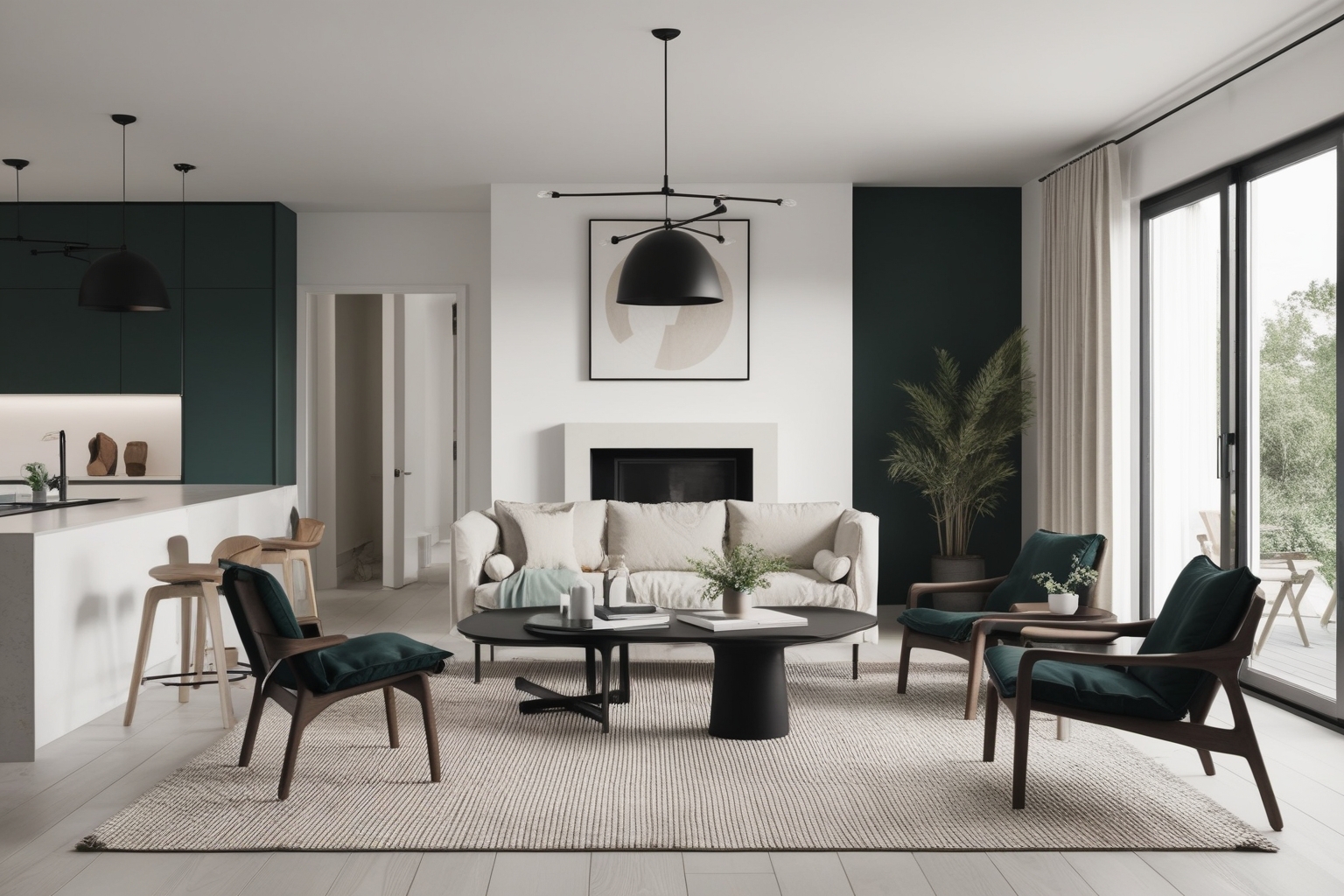
What Defines the Finnish Interior Design Style?
Finnish interior design combines practical functionality with quiet elegance, uncluttered lines and natural materials that achieve comfort and aesthetic appeal without decorative excess. The cultural roots run deep: Finnish design is inseparable from its landscape and its climate.
-
Key Colors and Palettes
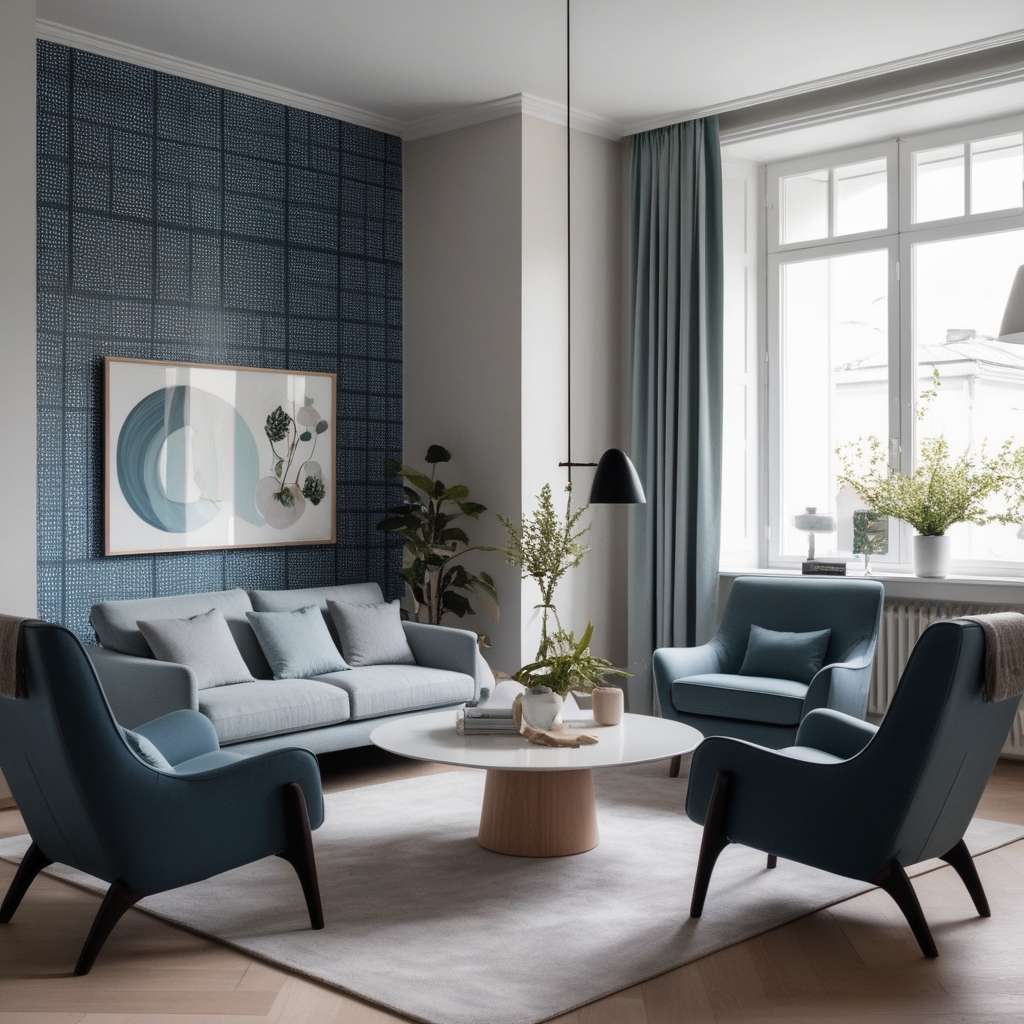
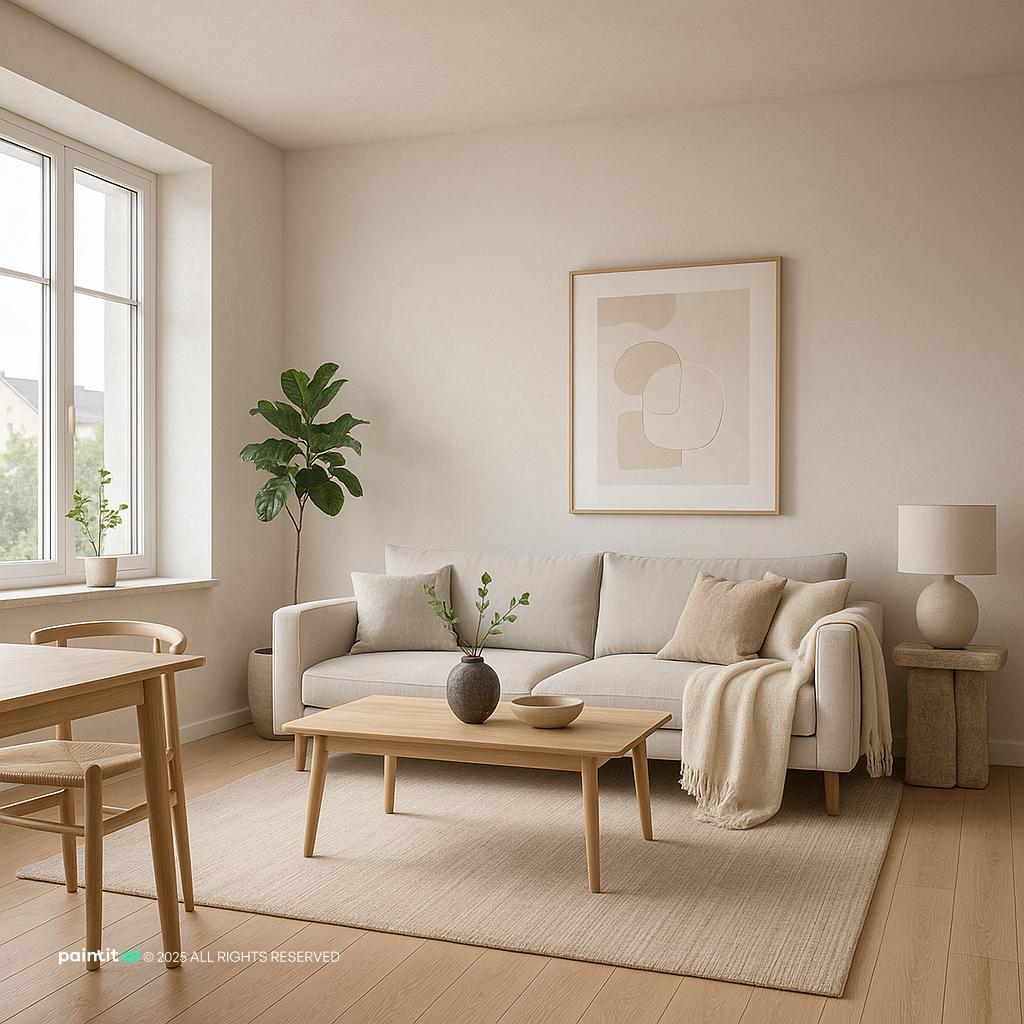
Finnish interiors favour muted neutrals: warm white, pale grey, soft beige, smoke blue, forest green, and the natural tones of birch and pine. The colour is quiet because the main atmosphere comes from light, material, and seasonal contrast rather than decorative intensity.
-
Typical Materials and Textures
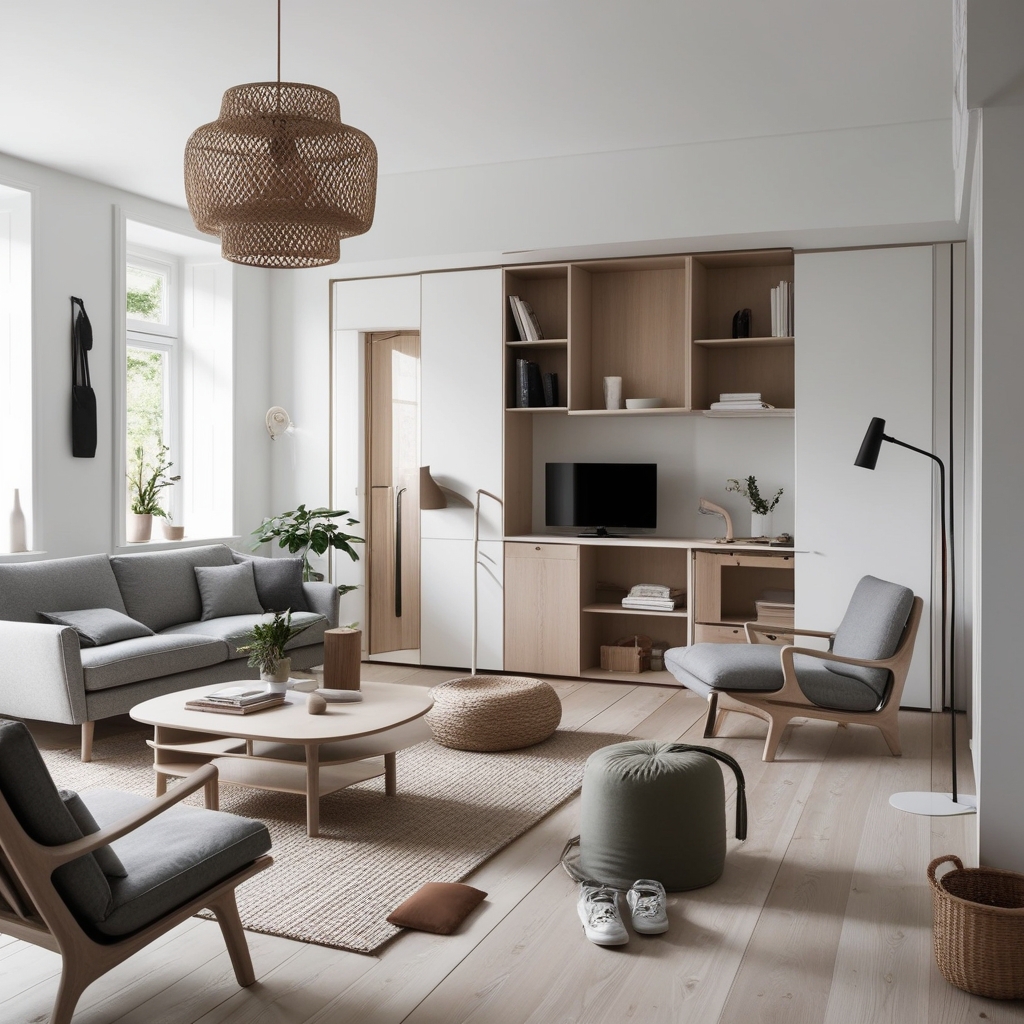
Birch and pine are the signature woods, used with visible grain and simple finishes. Wool, linen, ceramics, glass, and stone add tactile warmth without clutter. The material palette should feel close to nature and practical enough for everyday use through long winters.
-
Signature Furniture and Decorative Elements
Finnish interior design furniture is straightforward and functional, often with ergonomic forms and mid-century modern influence. Designers such as Alvar Aalto created pieces that connect modern form with natural material. The selection of decorative elements remains sparse and carefully chosen, motifs inspired by nature and Finnish artisanal tradition rather than generic Nordic cliché.
-
Overall atmosphere
The mood is calm, resilient, and spatially clear. Finnish interiors are not empty for style's sake; they are reduced so light, wood, textiles, and comfort can do the work. The result should feel quiet but not cold.
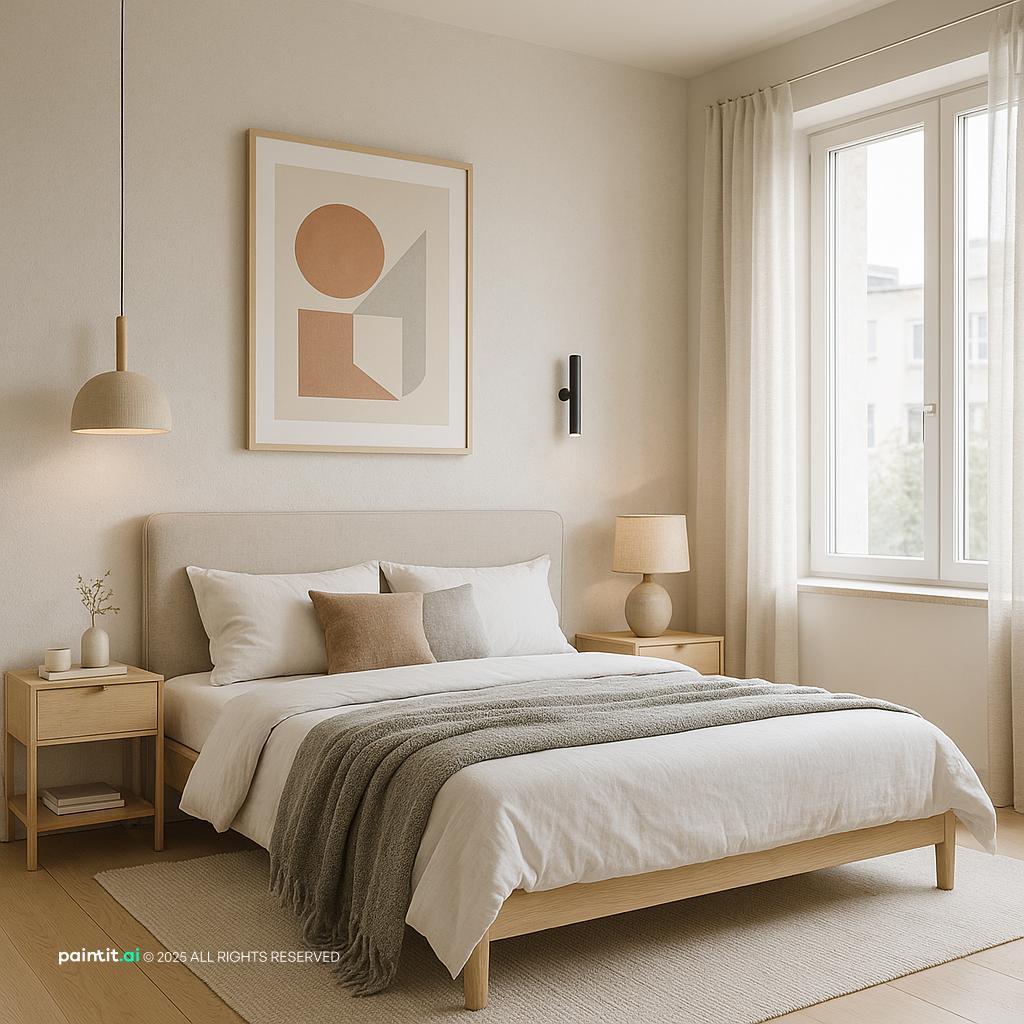
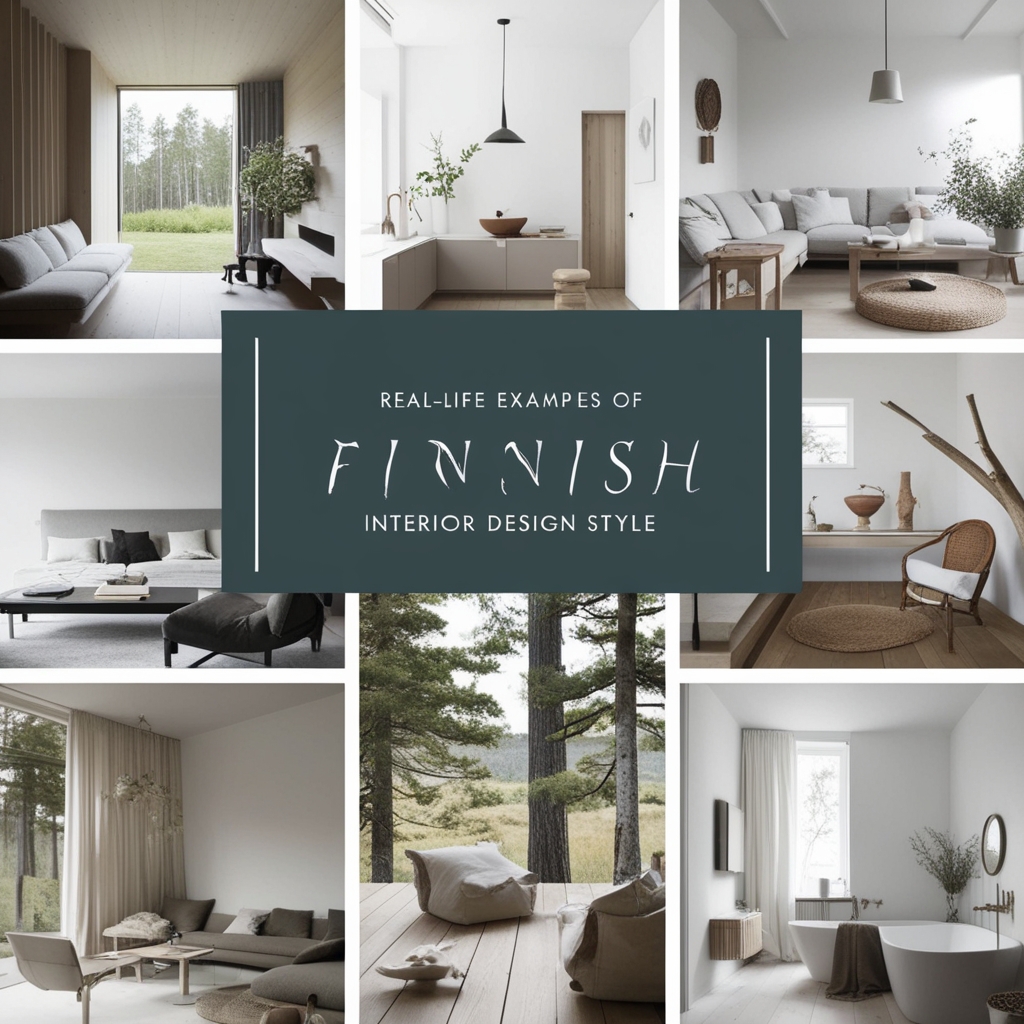
Finnish interior design visual references
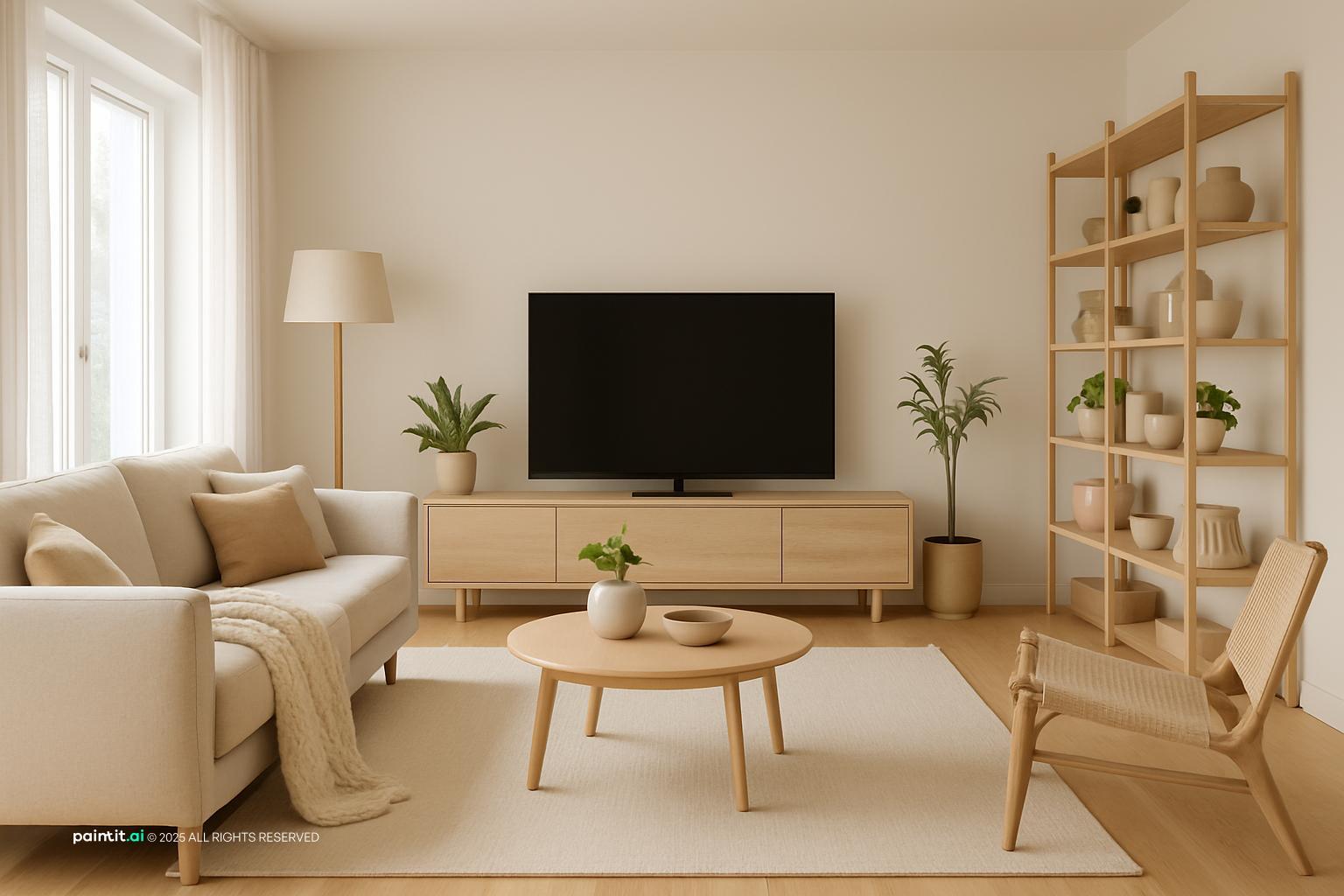
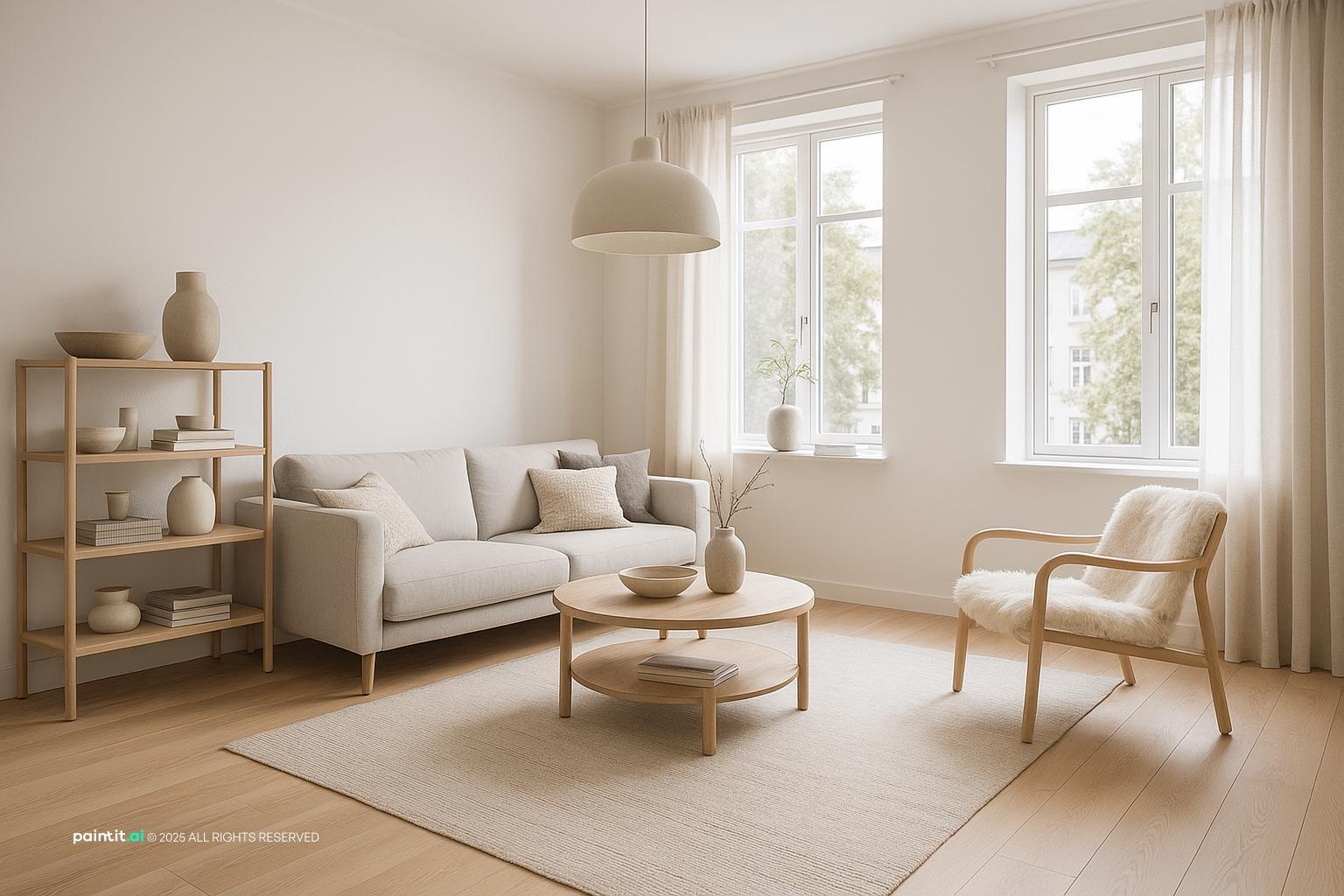
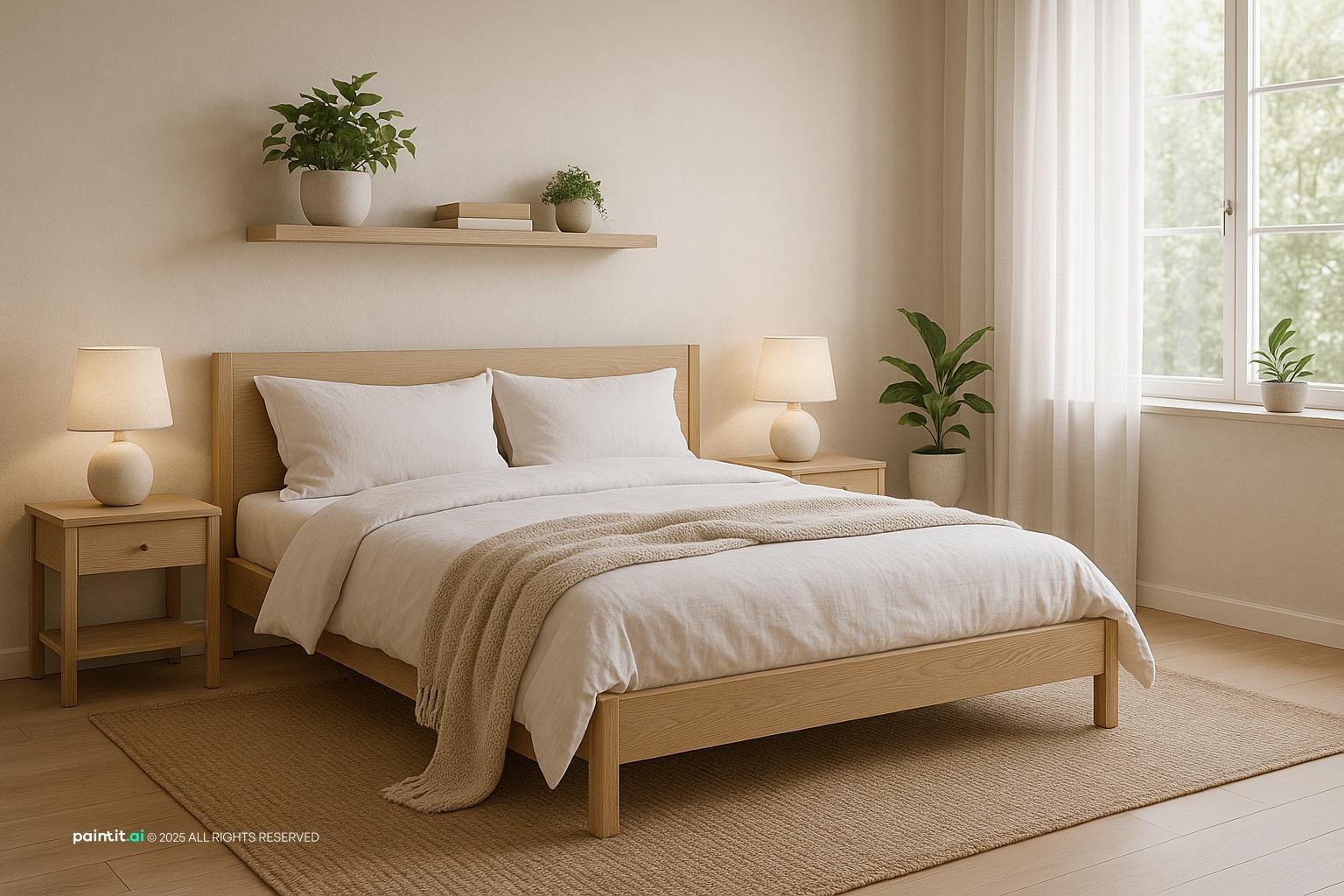
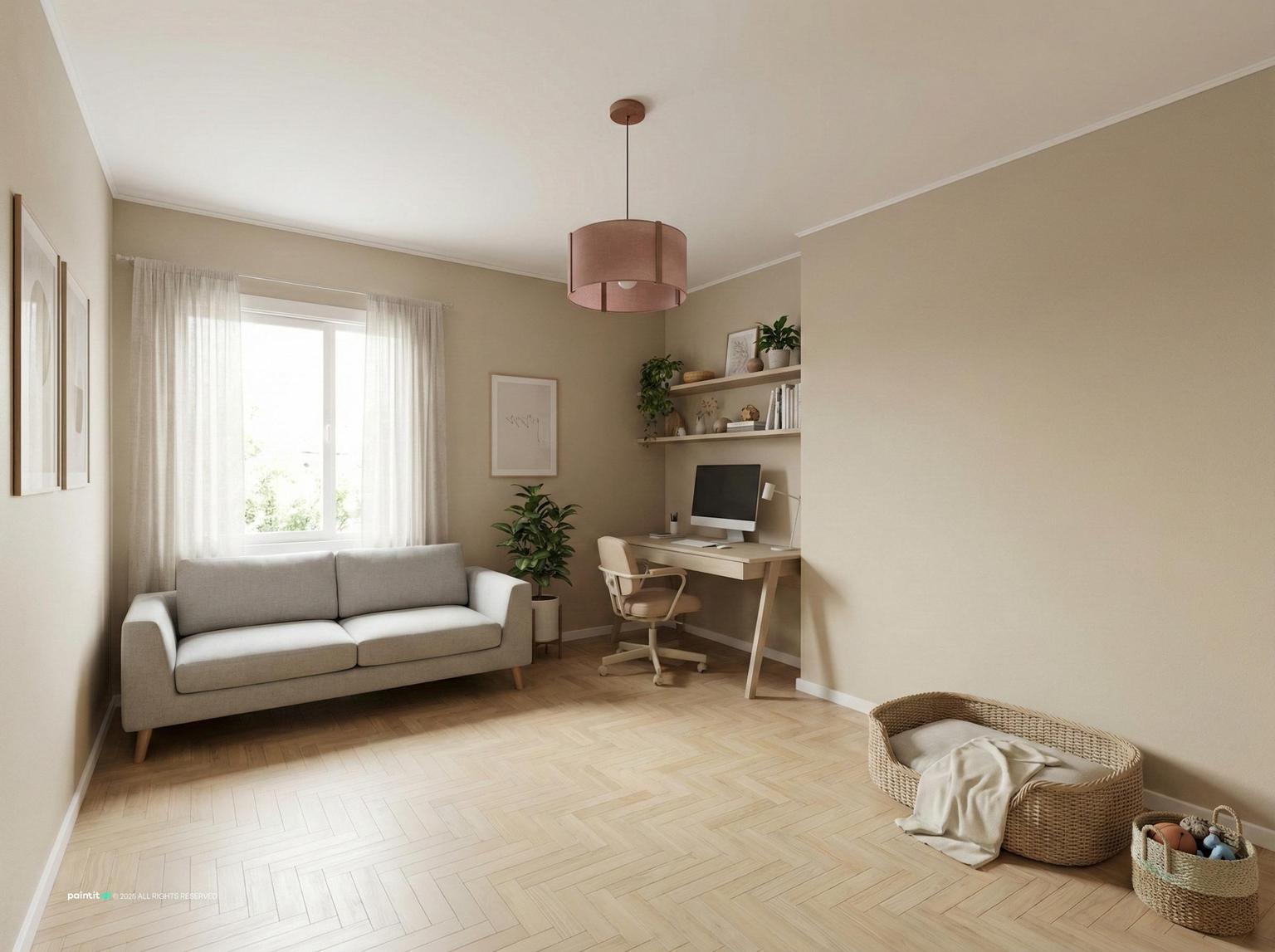
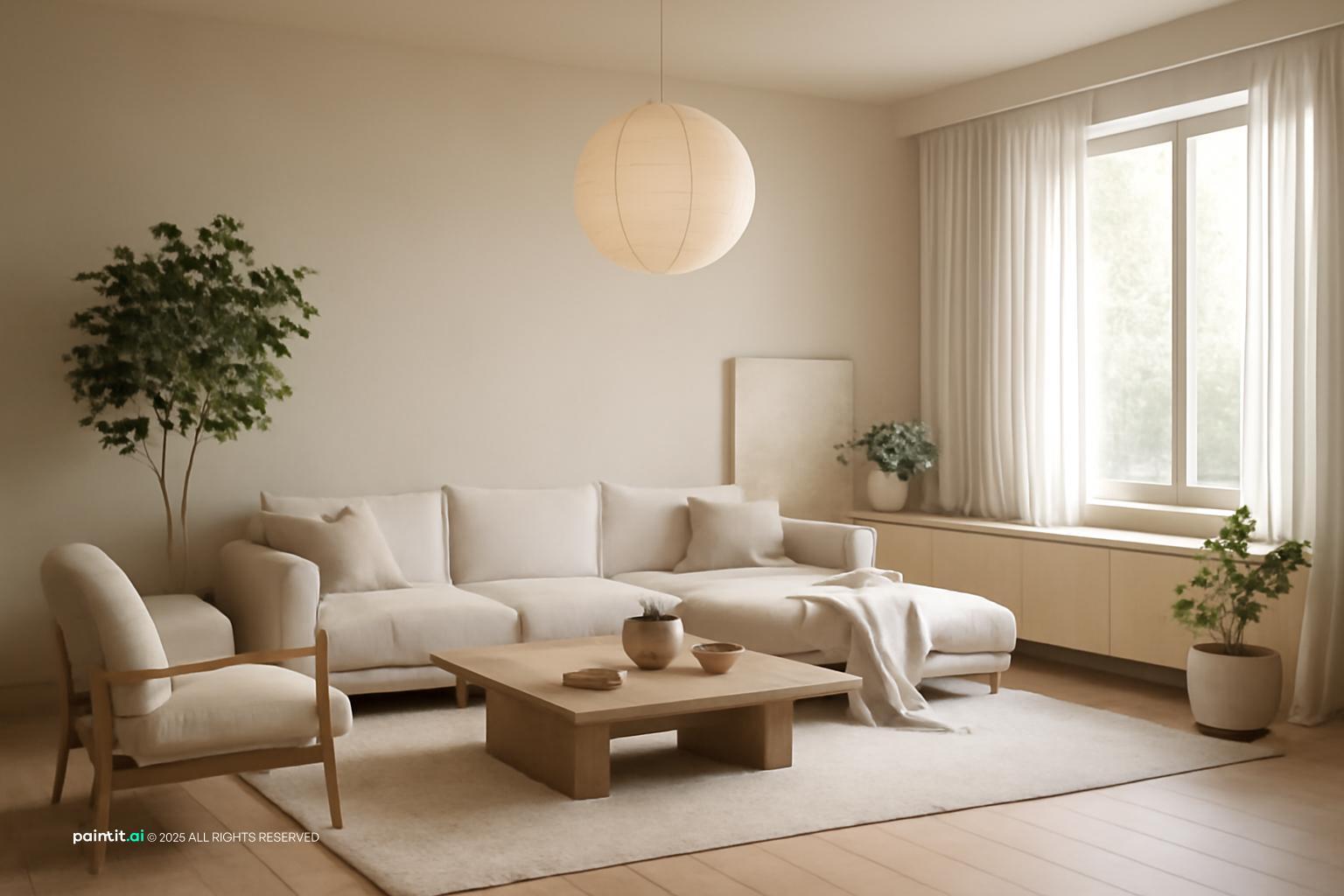
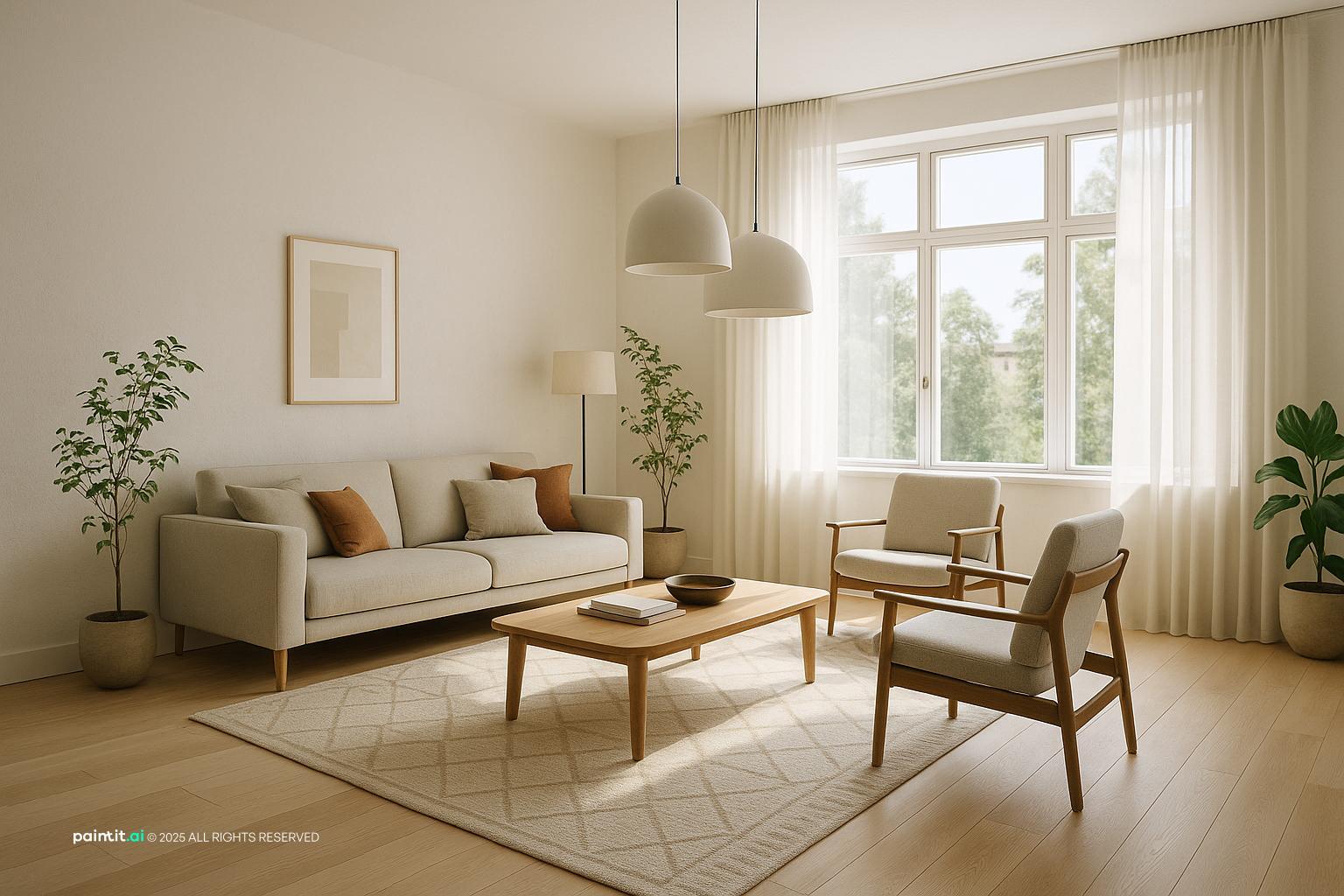
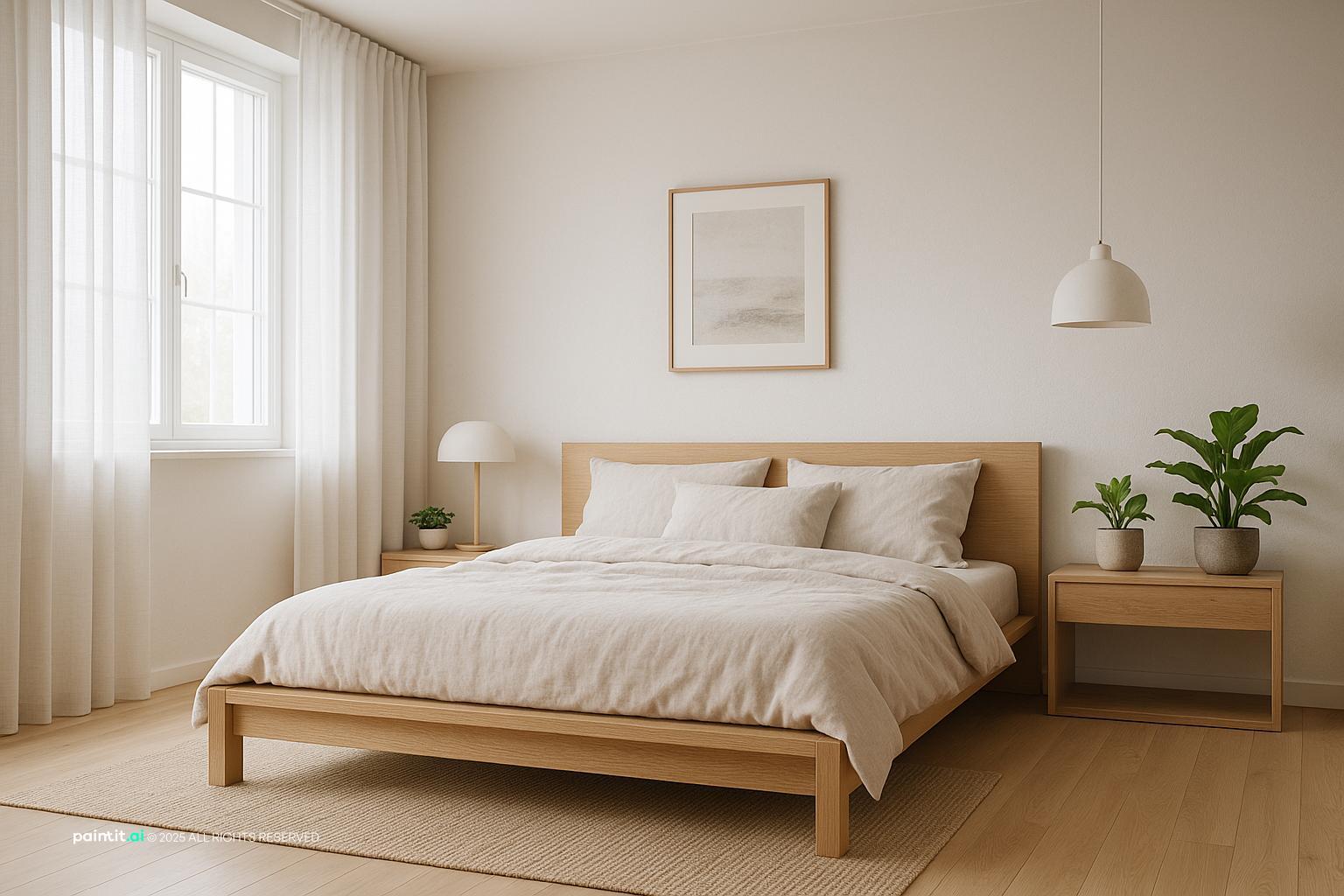
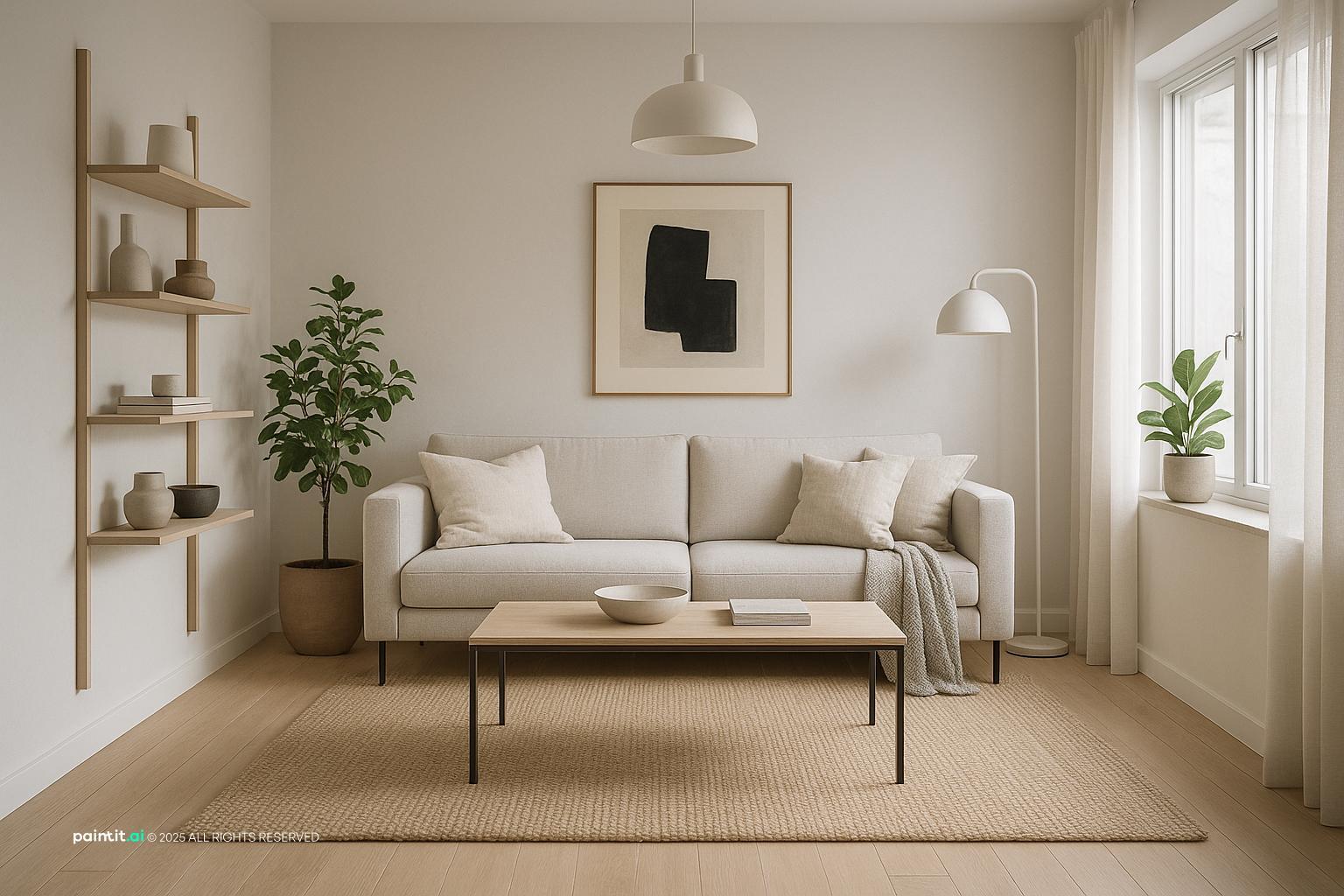
How Finnish design differs from other Scandinavian styles
Scandinavian design is often treated as a single category, but Finnish, Swedish, Danish, and Norwegian design each have distinct characters. Understanding the differences helps apply Finnish design more specifically.
Finnish vs Danish design
Danish design is perhaps the most internationally recognized Scandinavian style, the teak furniture of the 1950s and 1960s, the Hans Wegner chairs, the clean organic lines. It is warm, craft-focused, and slightly more decorative than Finnish design. Finnish design is quieter, more austere, and more directly connected to the natural landscape. Where Danish design is often about the quality of the object, Finnish design is often about the quality of the environment.
Finnish vs Swedish design
Swedish design tends toward lightness and social warmth, the Gustavian influence, the painted furniture, the pastel accents. Finnish design is darker in material tone (birch and pine rather than painted or bleached wood) and more architecturally austere. Finnish homes tend to have less decoration and more spatial quality.
Finnish design and the sauna
The sauna is not a peripheral element of Finnish culture, it is architecturally and socially central. Finnish homes are often designed around the sauna as a primary space, not an afterthought. The sauna's aesthetic (birch planks, simple benches, hot stones, controlled temperature and humidity) directly influences Finnish interior design sensibility: simplicity, natural material, comfort through environment rather than through decoration.
Alvar Aalto's influence
Alvar Aalto (1898–1976) is the defining reference for Finnish design internationally. His furniture, the Stool 60, the Paimio Chair, the Savoy vase, demonstrates the Finnish integration of modern form with natural material (bent birch plywood). His architecture (Finlandia Hall, Villa Mairea, Paimio Sanatorium) shows how Finnish design thinks about light, landscape, and the relationship between indoor and outdoor space.
How to apply Finnish style in your home
Start with light
Finnish design responds to a climate with extreme light variation, very short winter days, very long summer days. The approach is to maximize natural light throughout, using white or very pale walls, minimal window treatments, and light-toned floors that reflect light into the room. In dark winter months, layered warm artificial light (multiple sources, warm colour temperature) compensates.
Materials: birch, pine, ceramics
Birch and pine are the signature Finnish wood species, lighter in tone than Scandinavian oak and warmer than Swedish painted furniture. The Finnish preference is for the natural wood grain visible rather than stained or covered. Finnish ceramics (Arabia, Iittala) with simple organic forms in muted tones are the standard decorative element.
Textiles: wool and linen
Ryijy (Finnish wool rugs with a distinctive long pile) and traditional woven textiles are the main textile tradition. These rugs were historically hung on walls and used as sleeping surfaces before becoming floor coverings. A single ryijy in a neutral Finnish interior adds warmth and cultural identity simultaneously.
The sisu principle
Sisu is an untranslatable Finnish concept combining stoicism, resilience, and inner strength. It informs Finnish design's refusal of ornament, the Finnish home is comfortable and functional because it has been made so through careful thought and good material, not because it has been decorated.
Visualize Finnish style with Paintit.ai
Upload a photo of any room to app.paintit.ai and see how Finnish design directions, light birch tones, muted neutrals, minimal decor, read in your actual space in 1–2 minutes. Free to start.
Related styles
Use these tools and related pages to compare Finnish minimalism with adjacent Nordic directions.
FAQ
-
Finnish interior design combines functional minimalism with a deep connection to the natural landscape, birch and pine materials, muted neutral palettes, abundant natural light, sauna culture as a spatial reference point, and the influence of Alvar Aalto's organic modernism. It is quieter and more austere than Danish or Swedish design, less interested in decoration and more interested in the quality of space, light, and material.
-
Finnish design is generally darker in material tone (natural birch and pine rather than painted or bleached wood), more architecturally austere, and more directly influenced by the Finnish landscape, particularly the forests and the extreme light variation of northern latitudes. It has less decorative warmth than Swedish design and less craft focus than Danish design. The sauna is a specific cultural and spatial influence that has no direct equivalent in other Scandinavian traditions.
-
Stool 60 (1933), a three-legged bent birch plywood stool that became the archetype of Finnish modern furniture design. Paimio Chair (1932), bent birch plywood armchair designed for tuberculosis sanatorium patients to breathe more easily. Savoy vase (1936), organic-form glass vase for Iittala that remains in production. All demonstrate the Finnish principle of material honesty, ergonomic consideration, and organic form that defines the style.
-
Yes. Upload a photo of any room to app.paintit.ai and test how Finnish design directions read in your space in 1–2 minutes. Free to start.