
Baroque Style Interior Design: Everything You Need to Know
Baroque style interior design originates in 17th-century Europe and carries its opulent detailing and dramatic scale into any room it's applied to. This guide covers the textures, colors, and furnishings that define the look, and how to use them without turning a room into a museum piece.
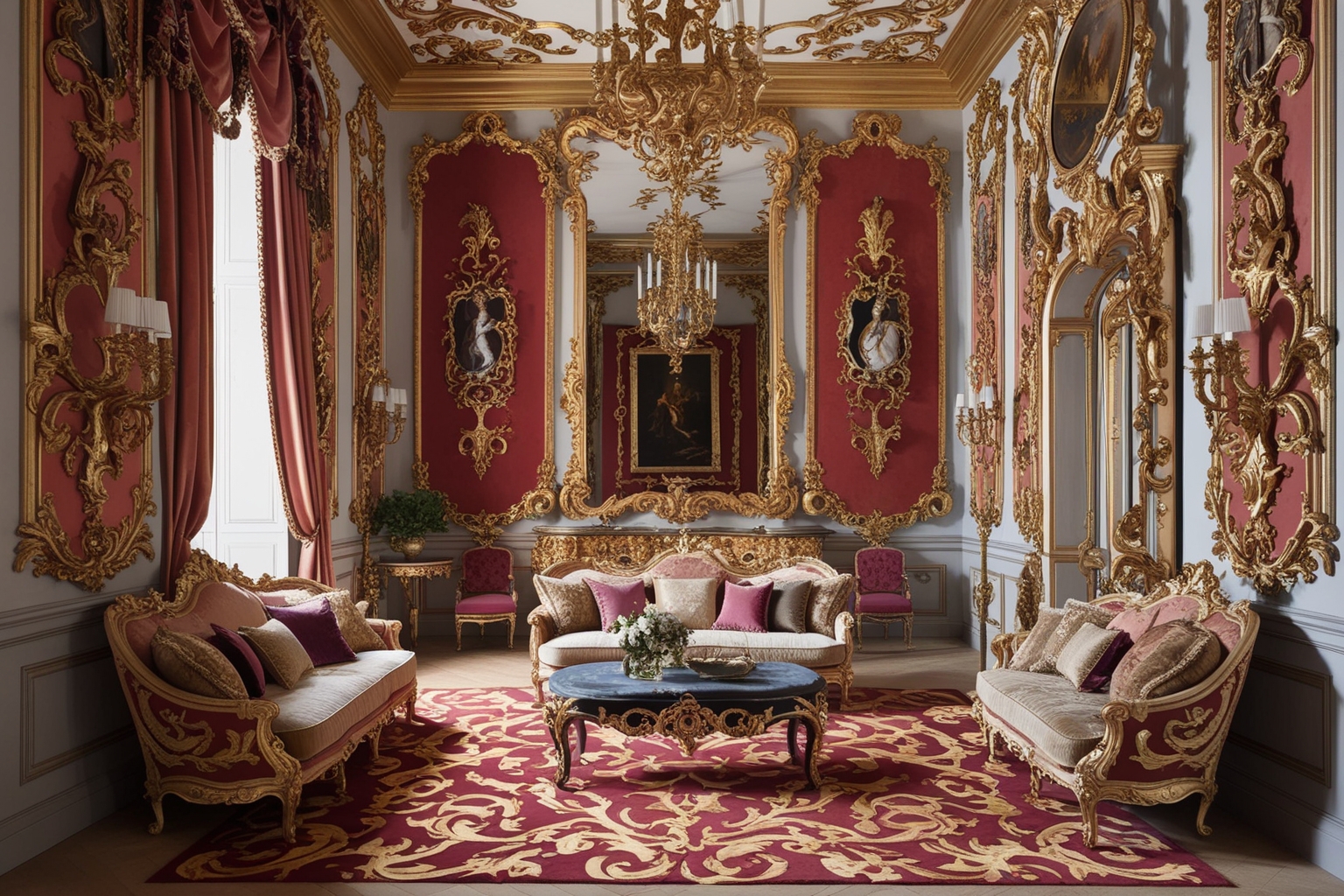
Essential Tips for Understanding Baroque Style Interior Design
-
1. Embrace Dramatic Scale
Baroque interiors favour oversized furniture, tall mirrors, and high ceilings emphasized with crown moulding. Scale down slightly for a modern room, but keep at least one large-scale piece as the anchor.
-
2. Use Rich, Saturated Colour
Deep reds, royal blues, and emerald greens paired with gold accents capture the opulence of the style far better than pastels or neutrals ever could.
-
3. Layer Ornate Detail on Furniture
Carved wood frames, curved legs, and tufted upholstery give furniture the sculptural quality central to Baroque design - look for pieces with visible craftsmanship, not flat modern lines.
-
4. Add Gilded Accents
Gold-framed mirrors, ornate picture frames, and metallic trim on furniture bring the luxurious shine that defines the style, best used as accents rather than covering every surface.
-
5. Choose a Statement Chandelier
A crystal or wrought-iron chandelier as the room's centerpiece does more to establish Baroque character than any other single purchase.
-
6. Balance Ornamentation with Open Wall Space
Leave some wall space plain so the carved and gilded details stand out clearly, rather than competing with a busy patterned wallpaper behind them.
Examples of Distinctive Features of Baroque Style Interior Design
-
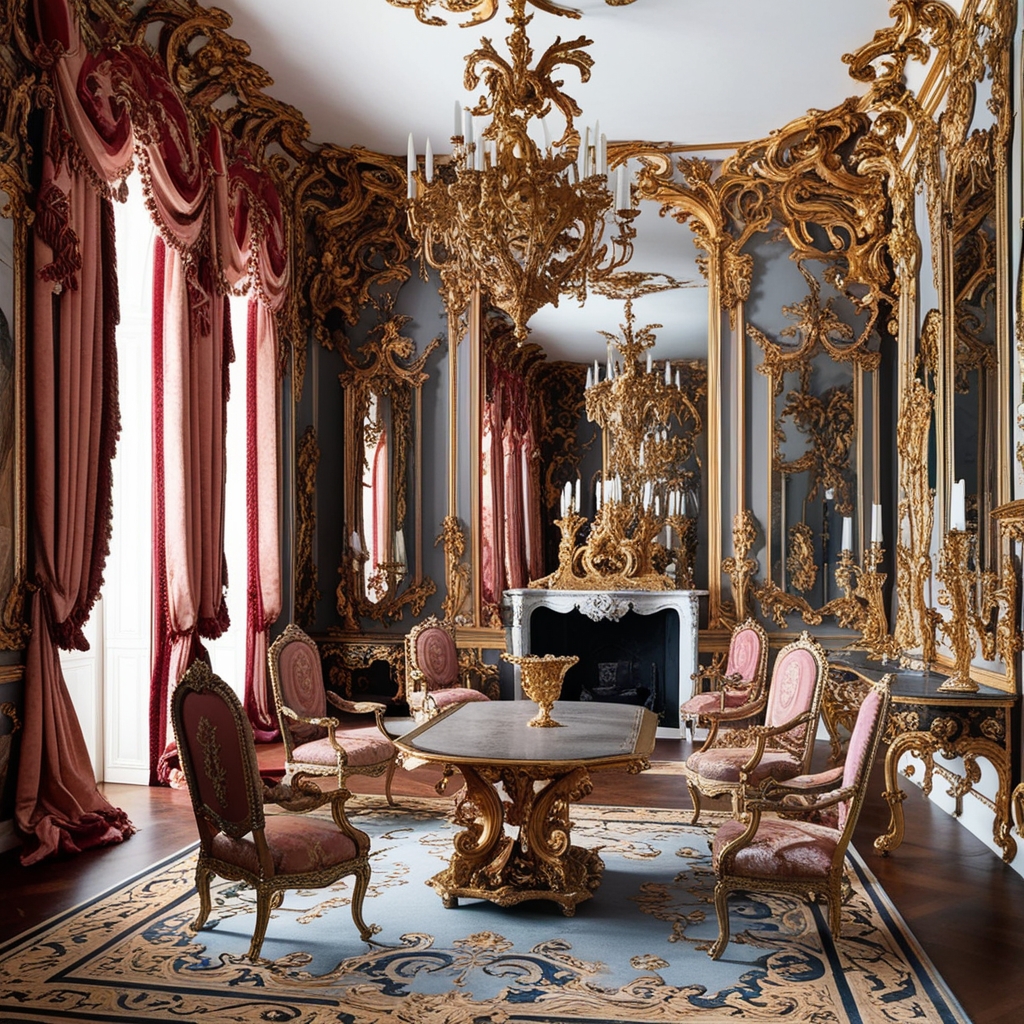
The lavish and ornate Baroque style interior design has mesmerized decor aficionados for hundreds of years with its extravagant aesthetics. Seventeenth-century European origins define this style which rapidly disseminated across the continent to introduce a period of artistic extravagance. Baroque interiors stand as a testament to intricate design by merging bold elements with delicate details while showcasing grandiose colors alongside elaborate furniture crafted from sumptuous materials. The examination within this article explores the unique characteristics that establish Baroque style interior design.
-
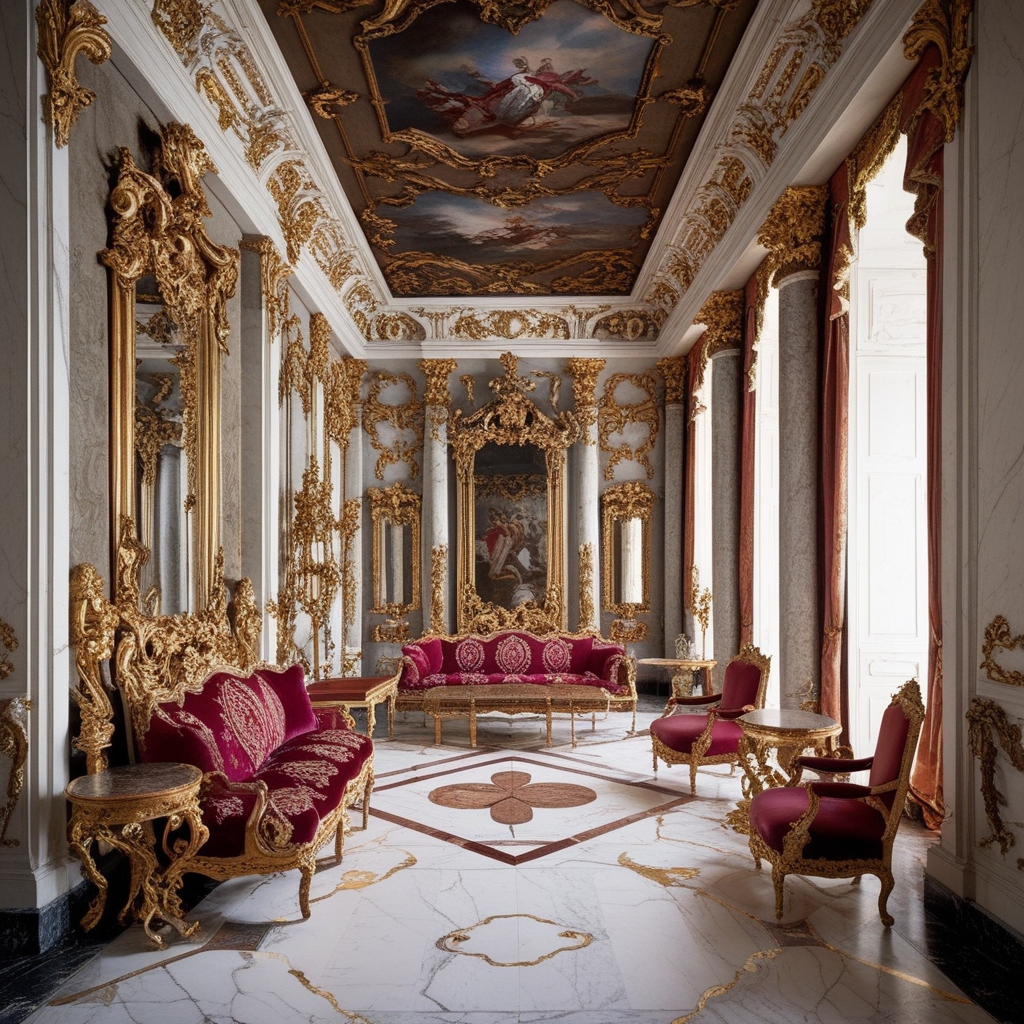
Baroque interiors showcase an intricate use of opulent materials that create a sense of wealth and detailed complexity. Fundamental components consist of extravagant fabrics like damask and velvet which frequently feature embroidered designs. Wood functions as a fundamental component, frequently appearing in elaborately carved elements that decorate furniture pieces along with moldings and frescoed ceilings. The use of both colored and white marbles in flooring and columns creates a majestic Baroque atmosphere. Artisans utilize metals like gold leaf for gilding to infuse designs with exceptional splendor and luminous brilliance.
-
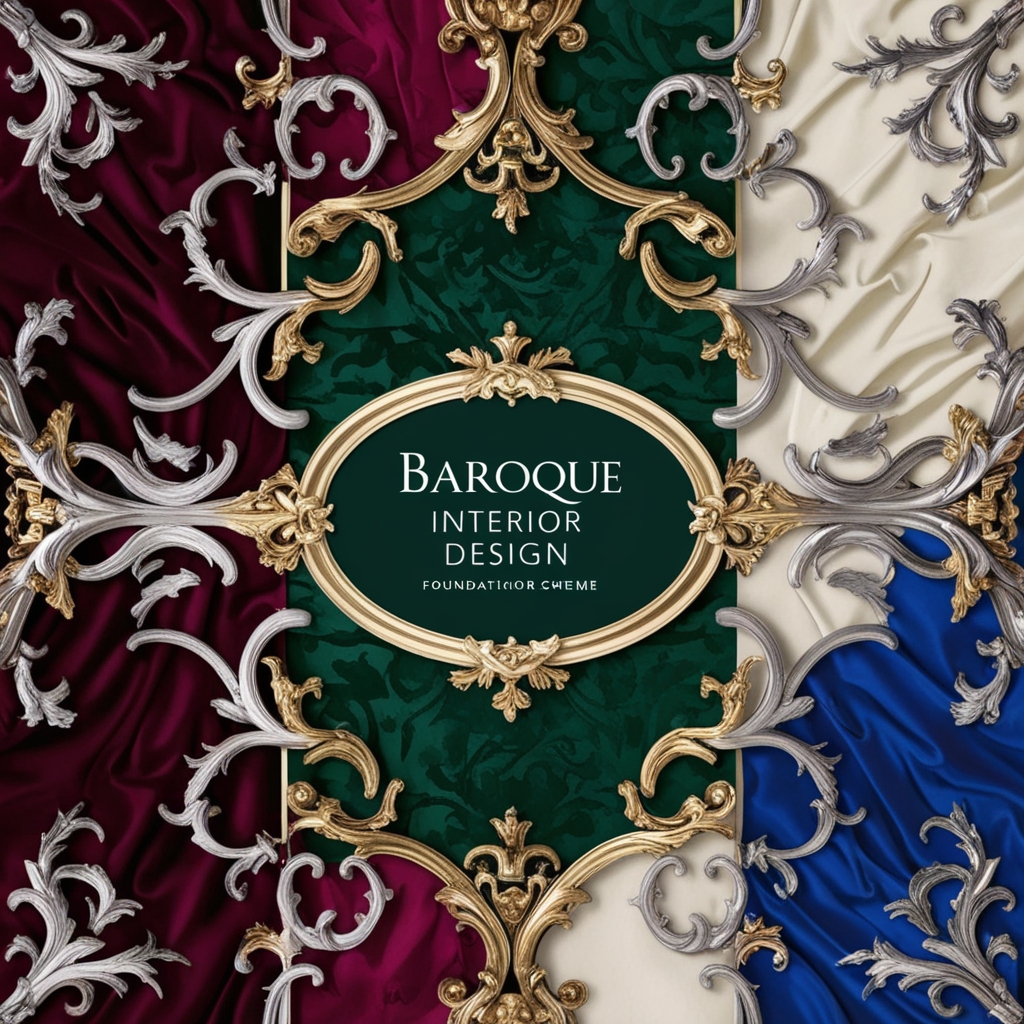
Baroque interior design utilizes bold and dramatic color schemes. Burgundy along with emerald green and royal blue establish the foundational color scheme. The Baroque style's grandeur emerges through the use of gold and silver accents which complement these colors to create an opulent visual effect. Designers occasionally incorporate cream and off-white tones to counterbalance darker shades, resulting in a visually striking yet harmonious effect.
-
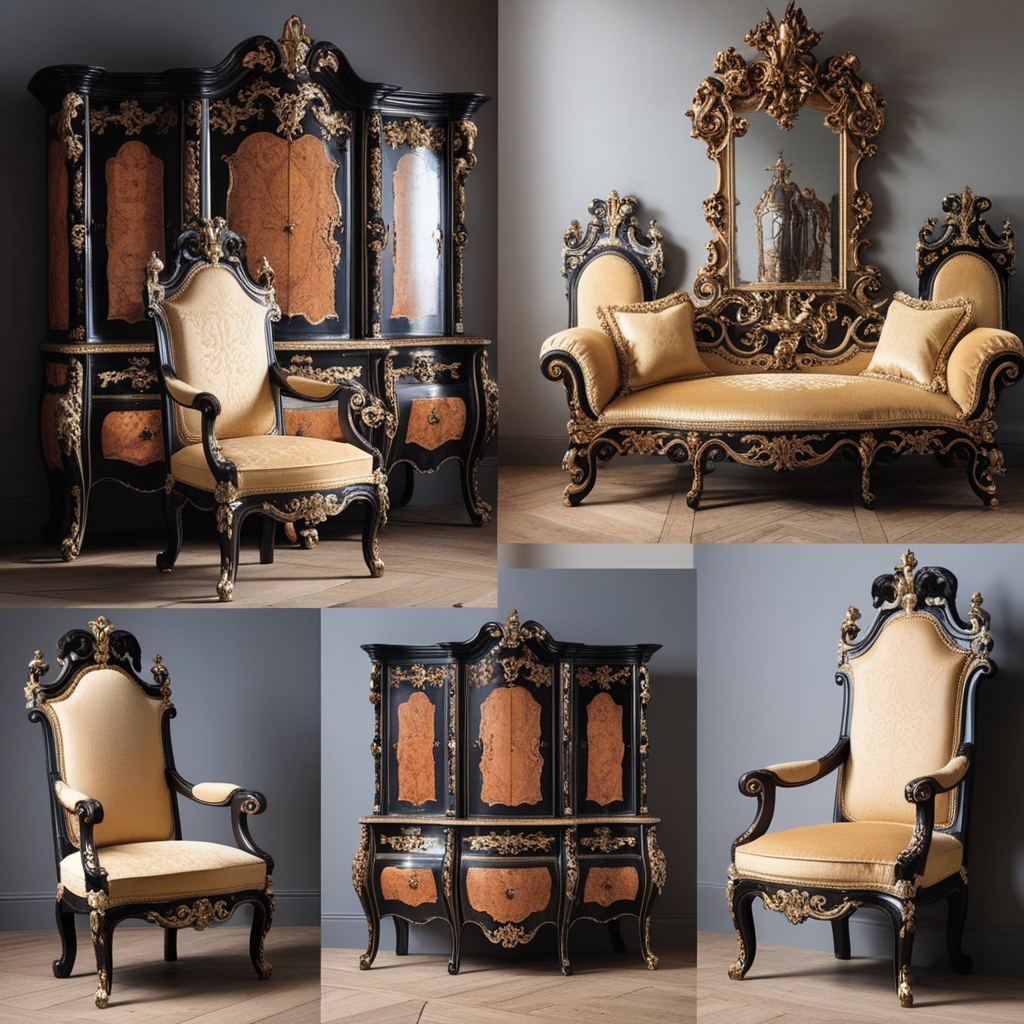
Baroque interiors showcase furniture that embodies grandeur through its attention-commanding large and ornate pieces. Furniture pieces like chairs, tables, and cabinets frequently display intricate carvings and decorations which project a sense of wealth and power. The Baroque armchair stands as a signature furniture piece with its complex curved lines and cabriole legs combined with lavish upholstery which frequently includes tassel and fringe details. Baroque artisans frequently applied dark stains to wood surfaces to accentuate their detailed carvings which define the period's craftsmanship.
-
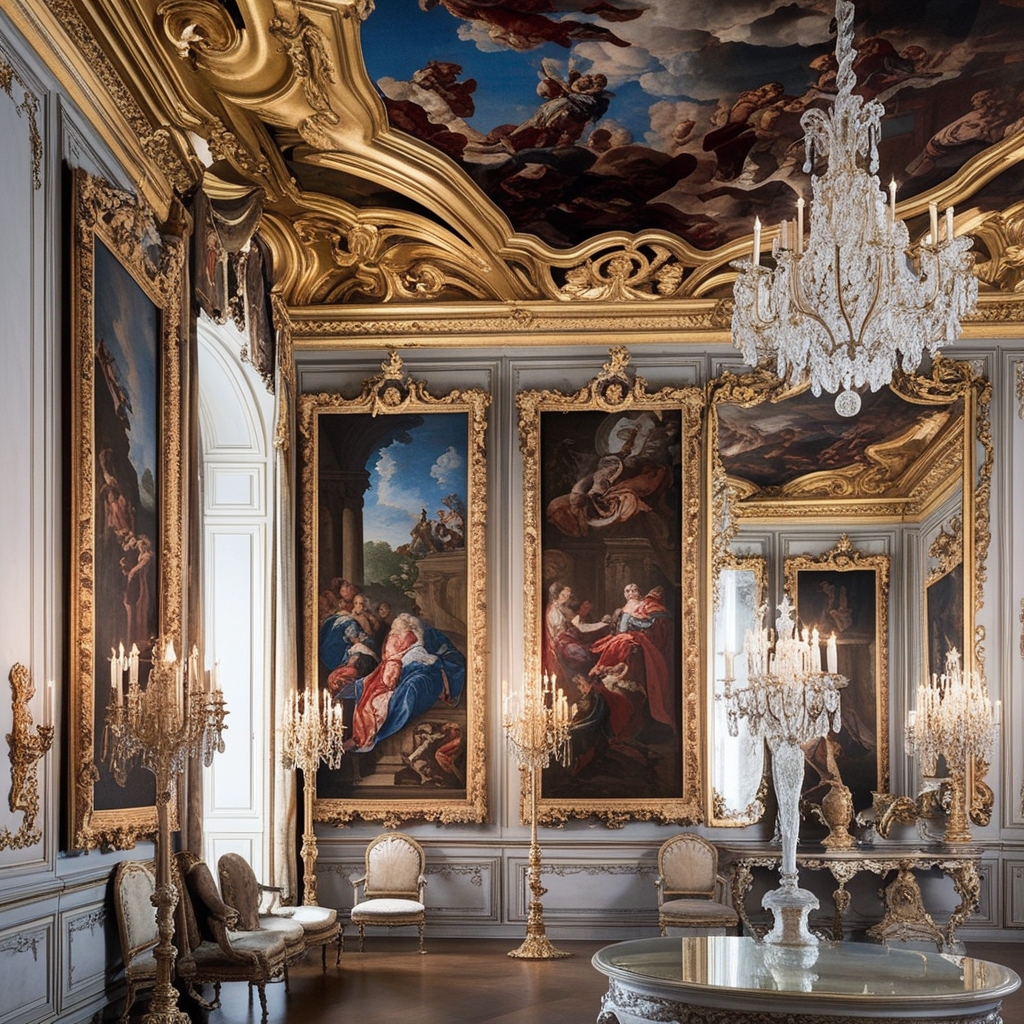
Baroque interior decor showcases multiple layers that emphasize intricate detail and grandiosity. Wall spaces frequently feature tapestries and paintings which depict allegorical, biblical, or historical themes and come adorned with intricate frames. Dynamic themes emerge in ceiling frescoes where dramatic light and shadow interplay creates an extravagant atmosphere. Crystal chandeliers alongside large candelabras and ornate mirrors work together to create an overarching sense of splendor. The strategic placement of these items serves to reflect and amplify the luxurious atmosphere which further emphasizes the opulence that defines Baroque style interior design.
-
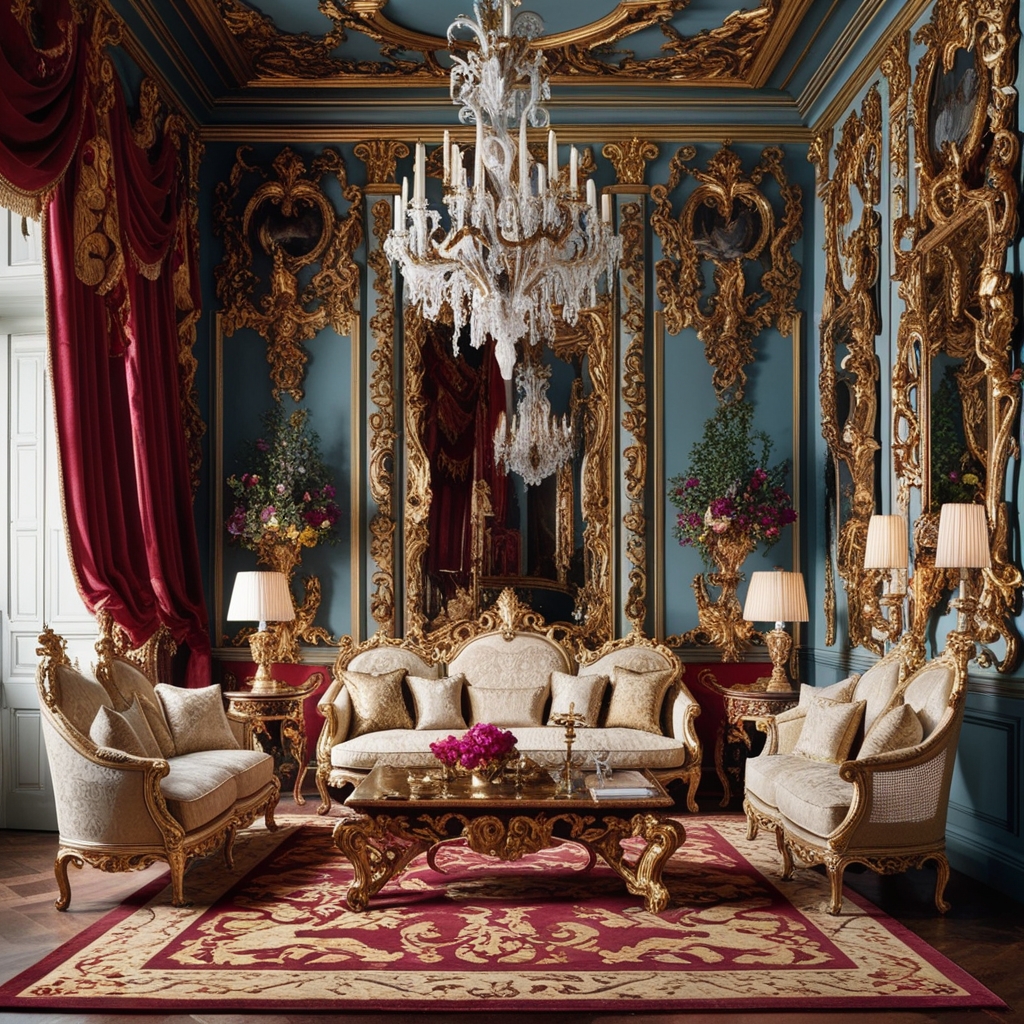
Baroque style interior design showcases its power to mesmerize through lavish details and majestic aesthetics. Through the use of opulent materials combined with striking colors and intricate furniture alongside rich decorative elements, Baroque style crafts a majestic atmosphere that remains both historically important and endlessly fascinating. Baroque style interiors remain a definitive emblem of luxury and sophistication for enthusiasts of grand artistic expression.
How to Apply Baroque Style Interior Design in Your Home to Life with Paintit.ai
-
The Baroque style of interior design, rooted in the 17th century, is known for its grandeur and opulence. By incorporating elements of this style, you can transform your home into a space that exudes elegance and drama. Below, we explore how to integrate Baroque design into various areas of your home.
-
The living room is the ideal space to showcase the Baroque style, offering a warm welcome to guests. Begin with ornate furniture featuring intricate carvings and luxurious fabrics like velvet and silk. Rich, deep colors such as gold, burgundy, and emerald green create a regal atmosphere. Incorporate large, gilded mirrors and dramatic lighting fixtures, such as chandeliers, to enhance the room's elegance. Decorative moldings on walls and ceilings add a detailed touch, elevating the room's overall aesthetic.
-
Turn your bedroom into an opulent sanctuary by adding Baroque features. The room's attention centers on the canopy bed with its intricate headboard design. Select bedding featuring brocade or damask designs to introduce intricate texture and dimensional depth. The combination of deep wall hues with lavish draperies produces an environment that feels both intimate and extravagant. Remember to incorporate antique-styled bedside tables alongside several ornate decorative pieces to achieve room cohesion.
-
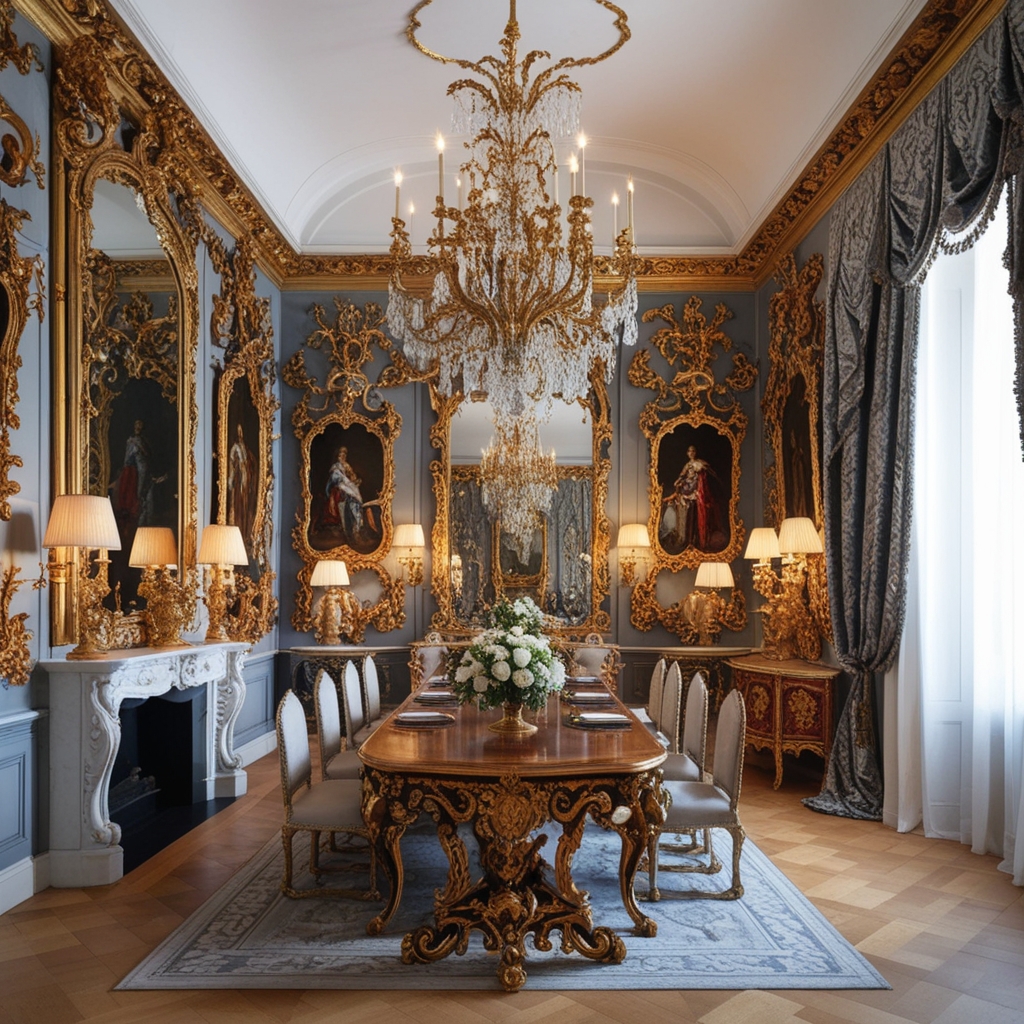
In the kitchen and dining spaces, aim to blend practical elements with Baroque opulence. Install intricately carved wooden cabinetry to create a complex and unnatural appearance. This style's opulence emerges through its hardware and fixtures crafted in gold and brass tones. The dining area features a lengthy wooden table encircled by high-backed chairs with plush upholstery which establishes an inviting meal setting. Install a statement chandelier as the central element to introduce dramatic flair into the space.
-
Extend the Baroque style to your outdoor spaces for a cohesive design theme. Use wrought-iron furniture with flourishes and filigree to echo the intricate patterns found inside. Ornate fountains or statuary can serve as focal points within your garden or patio. Maintain a color palette of deep greens and golds to anchor these outdoor elements, blending them seamlessly with the natural surroundings.
-
The integration of Baroque elements into residential spaces demands a meticulous equilibrium between lavishness and practical use. Through the use of opulent materials combined with dramatic features and consistent design across various rooms, one can create an interior space that embodies Baroque grandeur while remaining elegant and timeless.
Examples of Baroque Style Interior Design Design Ideas
Explore the captivating elegance of Baroque style interior design. Discover lavish ornaments, intricate details, and opulent furnishings that define this style, and how history and luxury combine in it.
FAQ
-
Baroque interiors display an unnatural complexity through their lavish opulence combined with intricate detailing and majestic grandeur. The defining elements of this style encompass rich materials such as marble and gold combined with striking contrasts and intricate moldings alongside opulent furniture. The presence of chandeliers together with sumptuous textiles amplifies the desired effect.
-
The room becomes overwhelmed when excessive ornate elements fill the space creating clutter. Integrate lavish elements with practical design. The proportional relationship between elements and available space must be carefully managed to prevent the emergence of an overwhelming environment. Examine the intricate interplay between chromatic elements and surface qualities.
-
It is possible to implement baroque design elements in commercial venues such as hotels and theaters. To create a memorable impression designers must tailor the style's opulent drama to suit space function and clientele by focusing on elegance and rich textures.
-
Its popularity comes from its dramatic aesthetic and the craftsmanship behind it: carved wood, gilded frames, and detailed plasterwork read as luxurious and grand rather than merely decorated.
-
Modern design features blend with traditional baroque richness in current trends. The integration of contemporary materials with traditional motifs occurs alongside the discreet incorporation of smart home technology and a focus on sustainable material choices that maintain luxury standards.
-
Paintit.ai offers advanced visualization tools to help you see potential layouts and design combinations in real-time. By using augmented reality technology, you can experiment with colors, textures, and furnishings to explore and refine your baroque design vision.