Designing a Teal and Mustard Living Room: A Guide to Vibrant Harmony

Imagine walking into a space where the deep, calming teal meets the bright, optimistic mustard, creating an unexpected warmth. This bold combination in a teal and mustard living room can feel both sophisticated and inviting, but getting the balance right often means endless scrolling through images, trying to picture how those vibrant hues will truly settle in your home. How do you translate that striking inspiration into a room that feels uniquely yours?

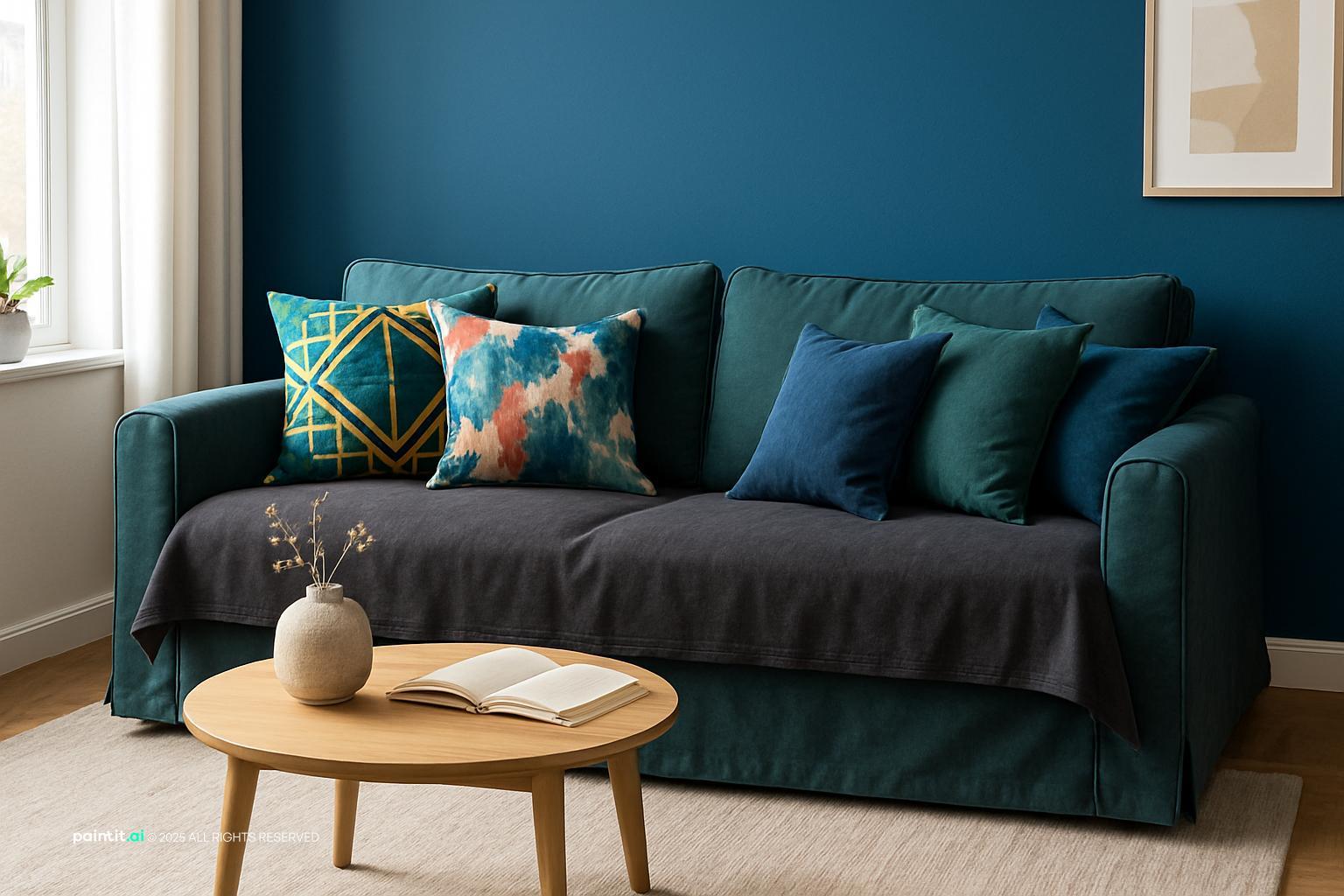
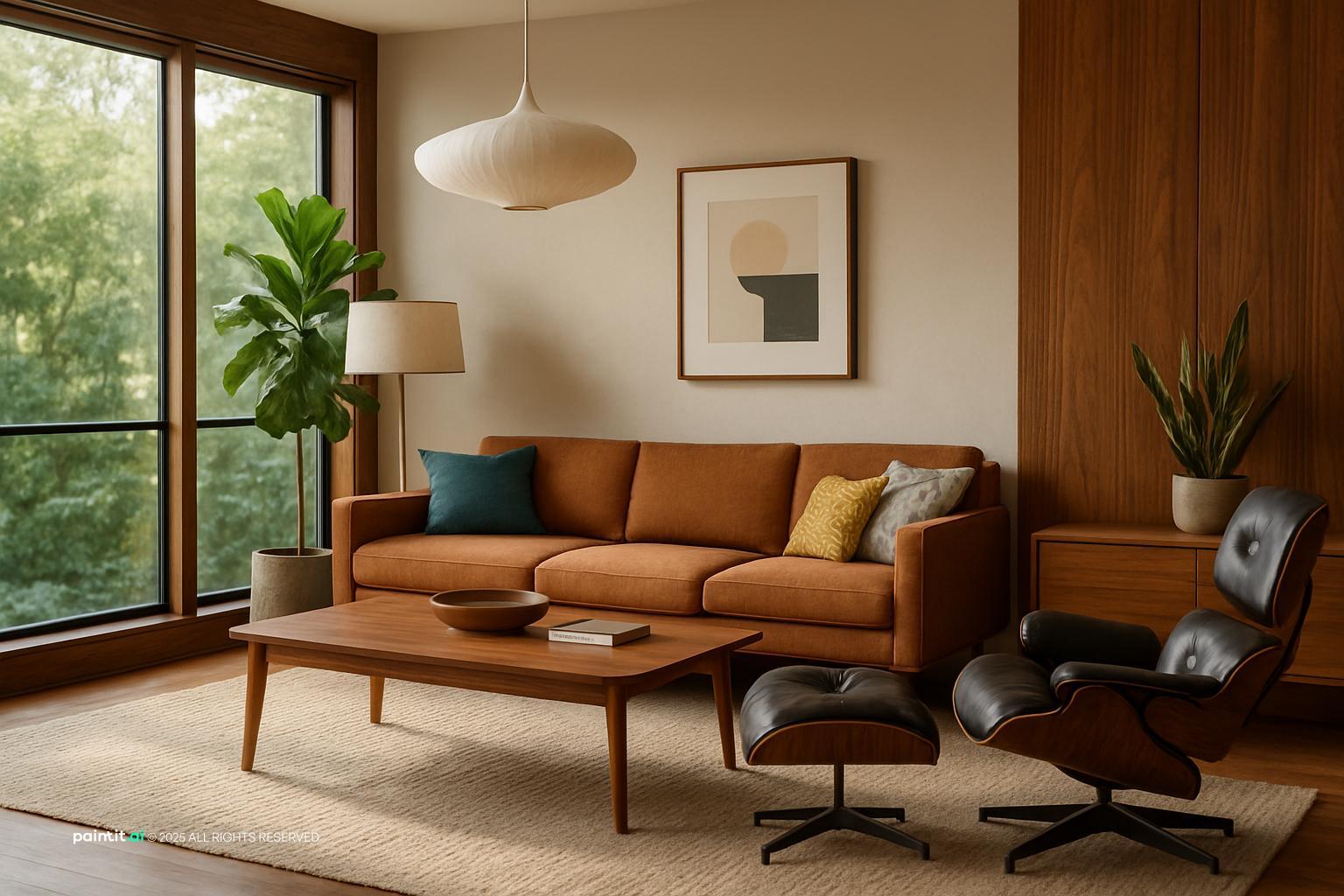
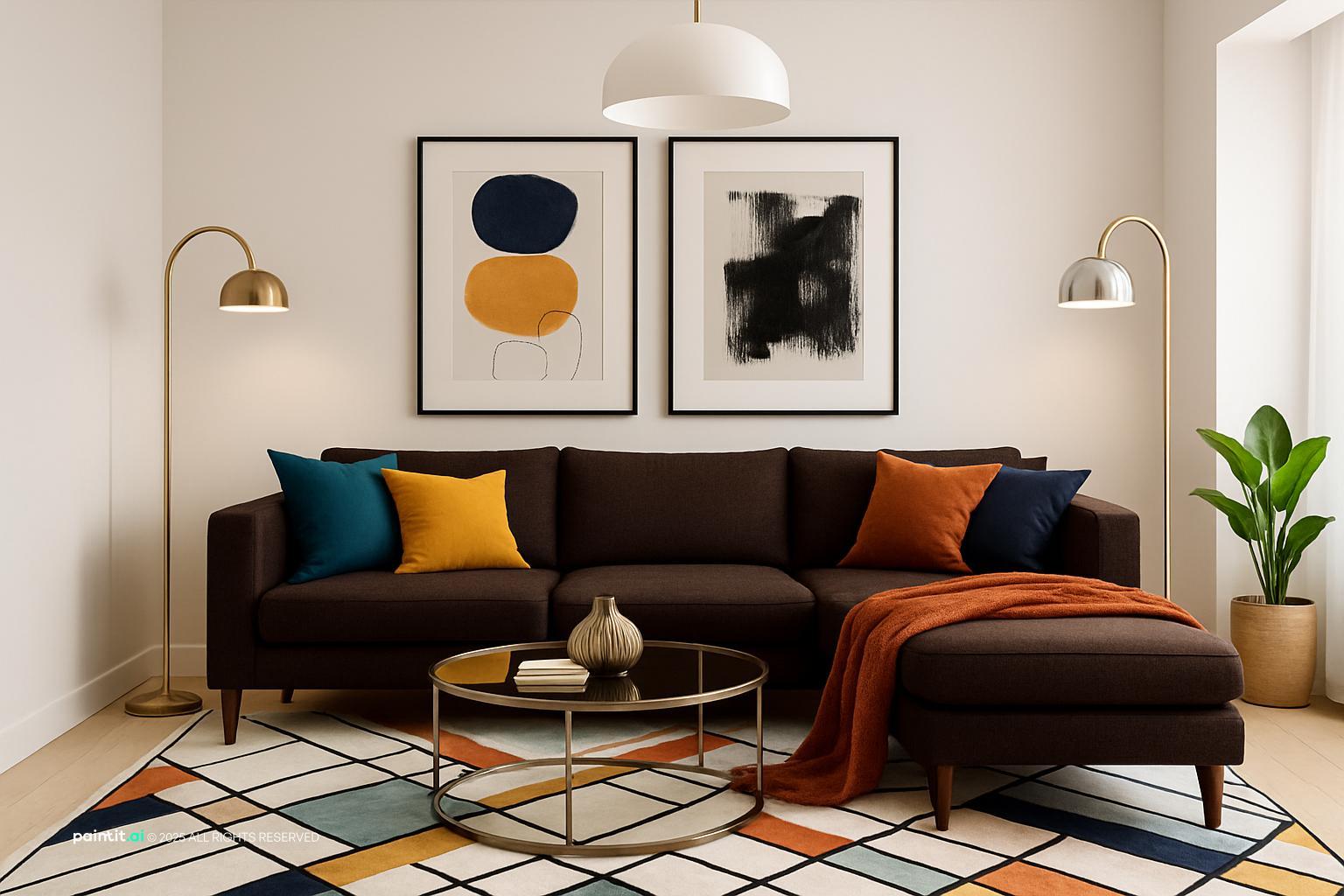
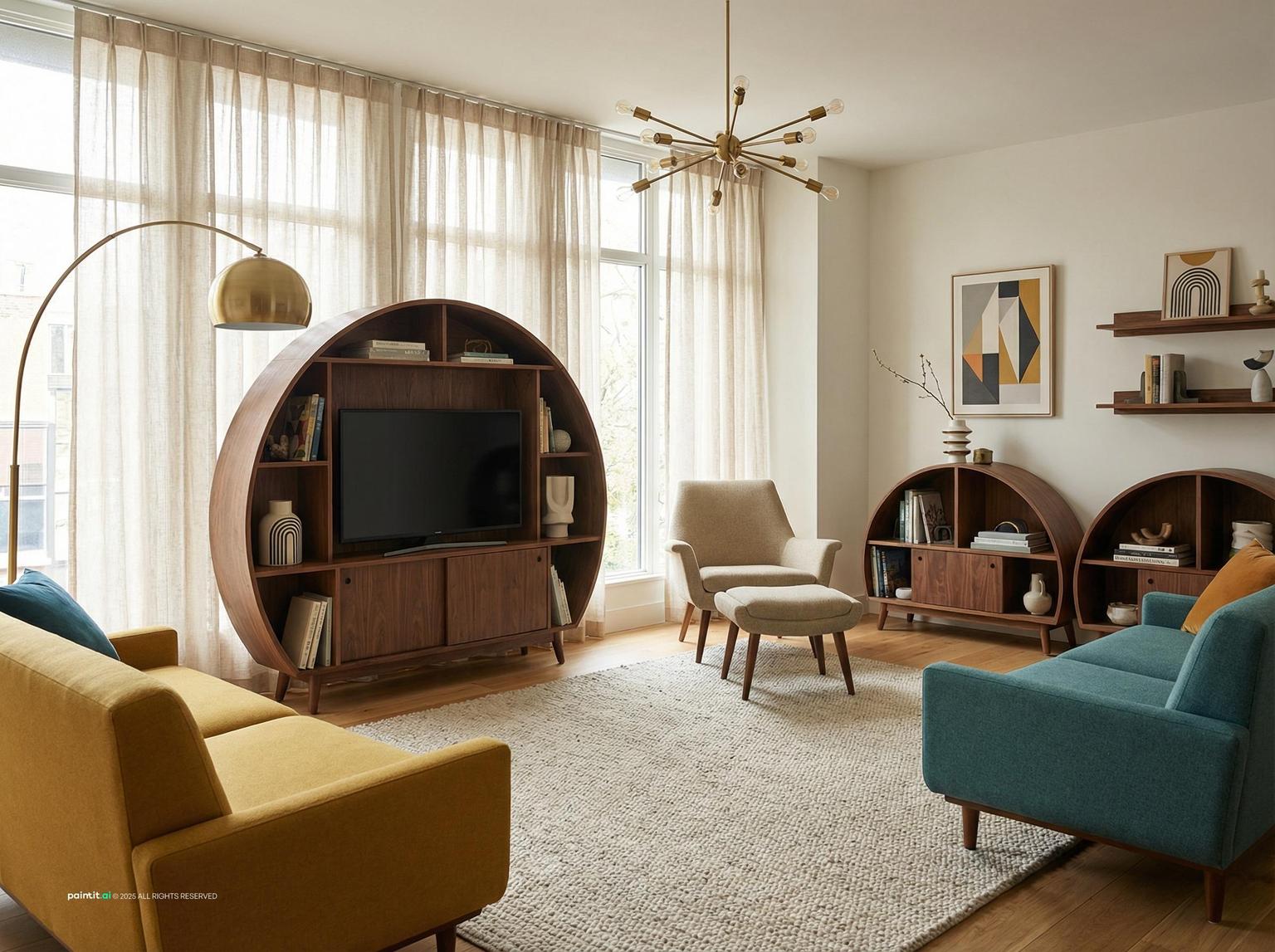
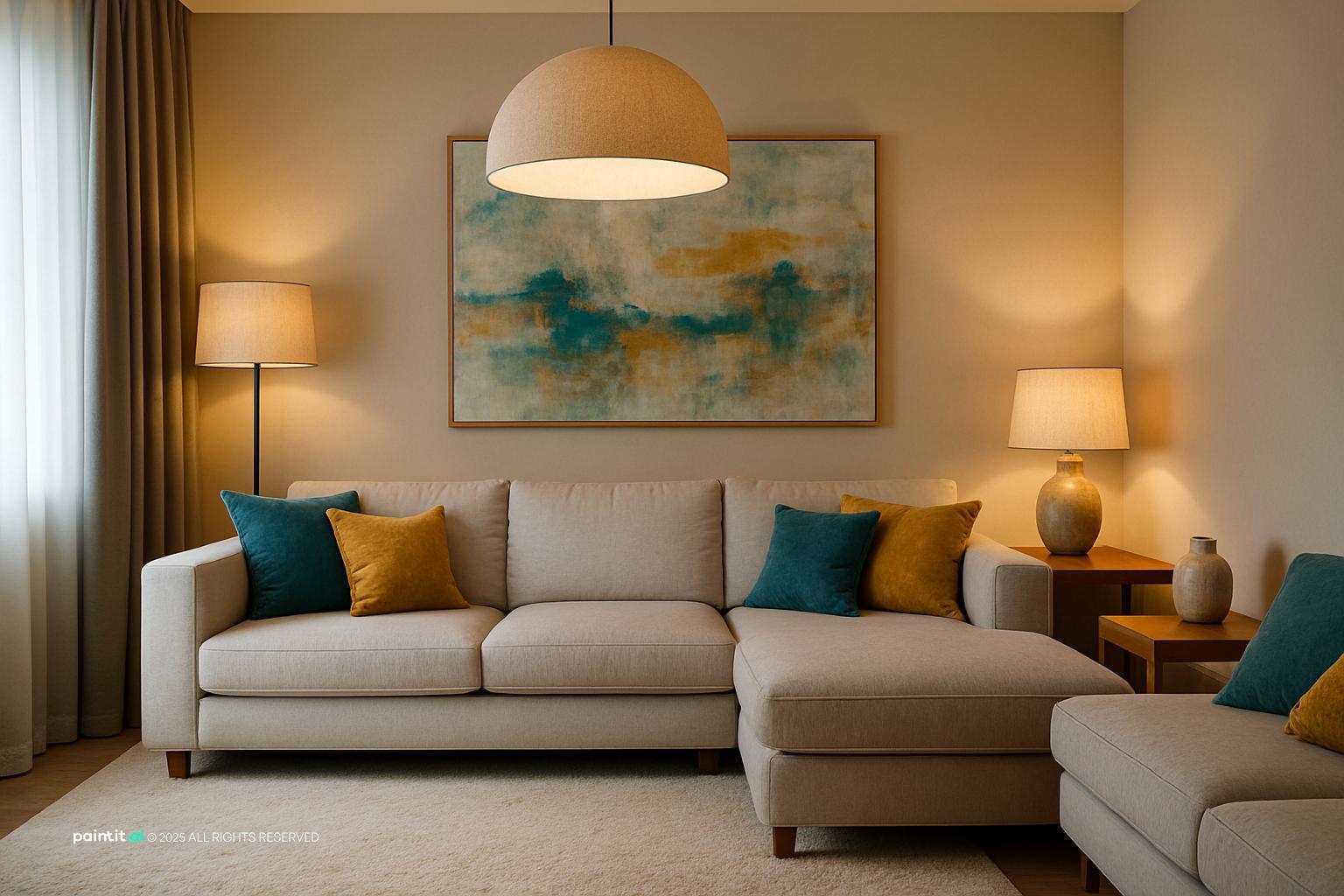
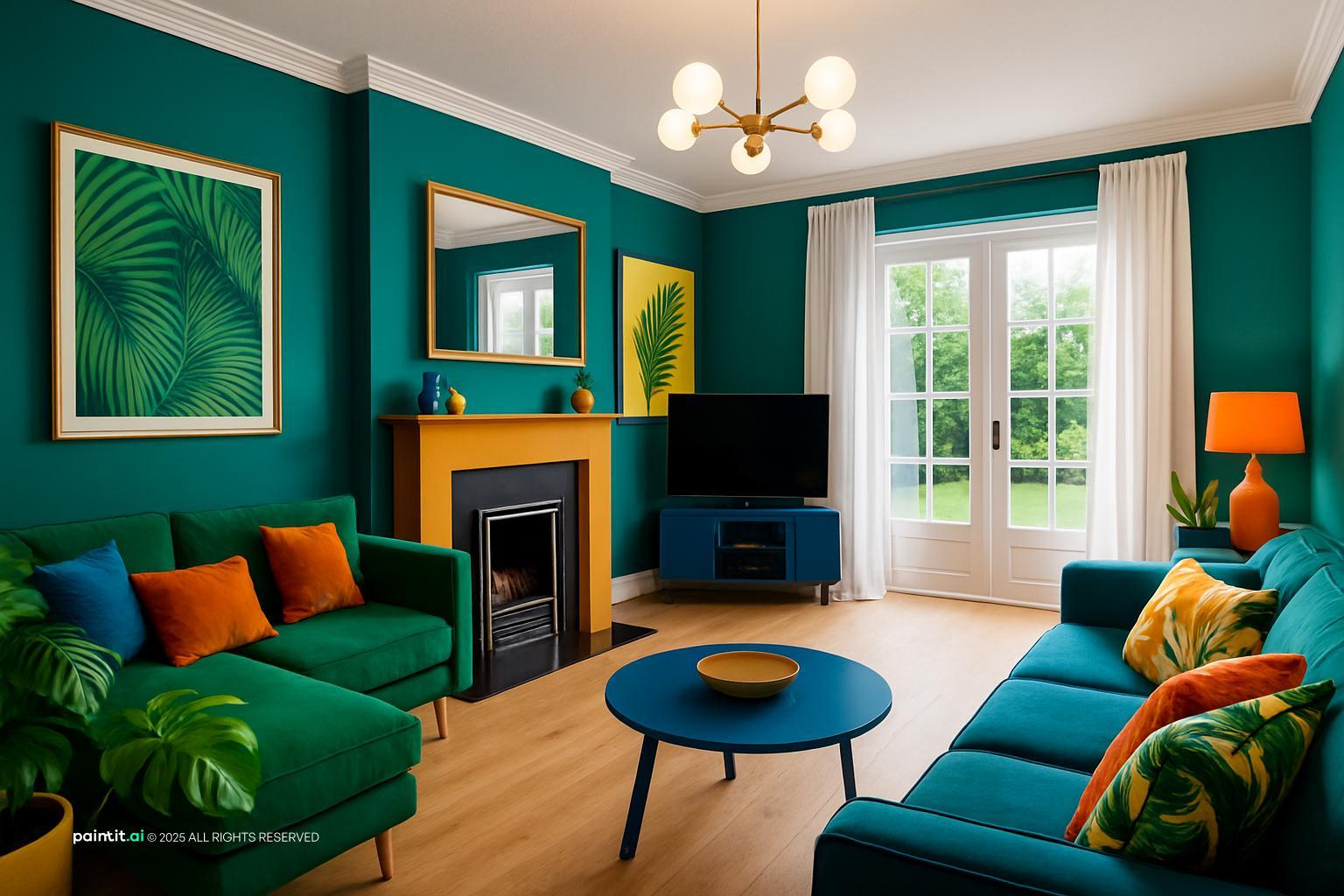
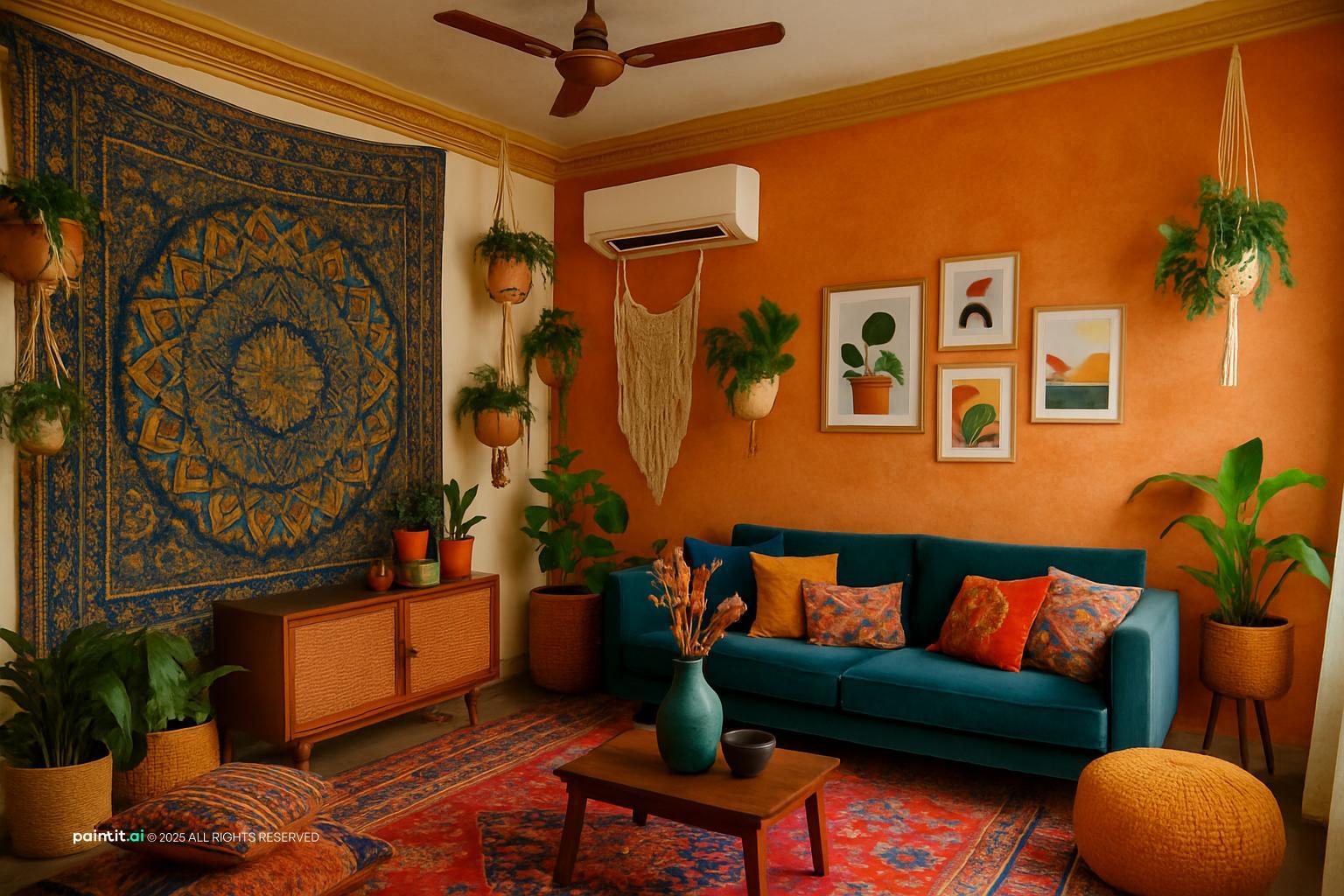
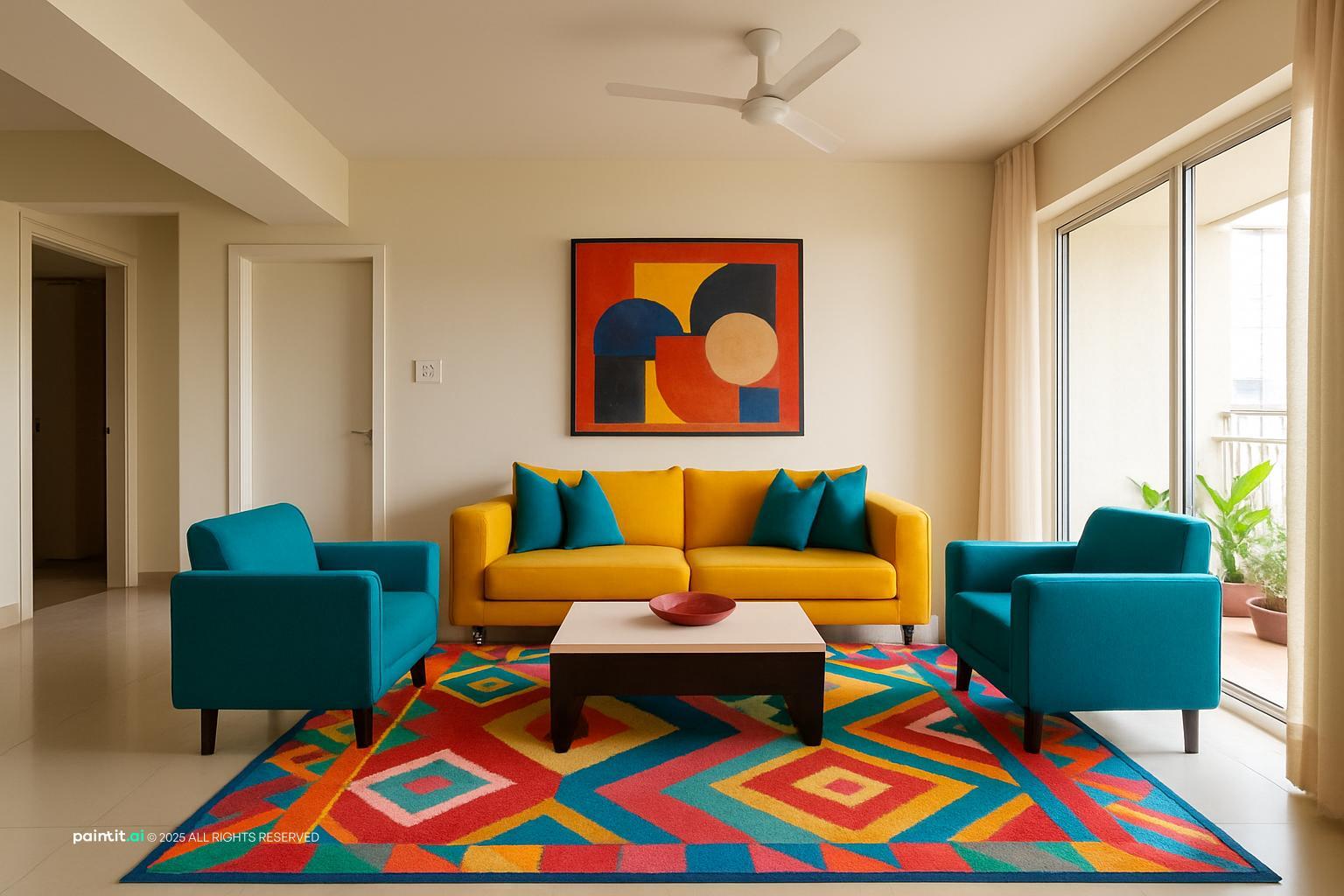
Teal And Mustard Living Room with bold accent colors and layered decor

Mastering the Teal and Mustard Living Room Aesthetic

As an interior design editor, I’ve often observed the hesitation clients feel when contemplating a truly vibrant color scheme. a teal and mustard living room offers a dynamic yet sophisticated aesthetic, balancing cool tranquility with warm, optimistic energy. This isn't just about picking two colors; it's about crafting a mood, a statement.

We understand the challenge: how do you prevent such bold hues from overwhelming a space? The key lies in strategic application and thoughtful material choices. We will explore how deep sapphire teals can ground a room, while sun-drenched mustard accents, perhaps in plush velvet or sleek brass, inject life without chaos. Most people forget that texture, from raw concrete finishes to soft linens, plays an equally vital role in this vibrant harmony.

In the following sections, we will demystify the art of balancing these colors, offering practical strategies for furniture placement, textile selection, and lighting to avoid common pitfalls. And with tools like Paintit.ai, visualizing these bold choices in your own space becomes an effortless step from inspiration to reality.

13 Creative Ways to Implement a Teal and Mustard Living Room in Your Home

1. Teal Dominance with Mustard Pops.

This approach establishes a serene foundation, allowing the deeper, calming tones of teal to envelop the room. It’s a strategy I’ve seen work beautifully in spaces aiming for a sophisticated yet inviting feel. a dominant cool color can be incredibly soothing.

Start with a large teal sofa or a feature wall painted in a rich turquoise. Introduce mustard through smaller elements like throw pillows, a vibrant ceramic vase, or a piece of abstract art. Consider a mustard-colored pouf for an unexpected touch of warmth.

  • Color palette: Deep Teal, Aqua, Mustard Yellow
  • Style: Contemporary, Coastal Modern
  • Best for: Larger living rooms, spaces needing calm

2. Mustard as the Star, Teal as Depth.

Flipping the script, this concept places the cheerful, energetic mustard at the forefront. It might seem bold at first, but the warmth it brings is unparalleled. Most people forget that a bright color can still feel grounded if paired correctly.

Opt for a striking mustard velvet armchair or a large area rug that commands attention. Teal then comes in as a grounding element, perhaps through curtains, a side table, or a collection of books on a shelf. This creates an immediate sense of joy.

  • Color palette: Goldenrod, Ochre, Petrol Blue
  • Style: Eclectic, Bohemian
  • Best for: Smaller rooms, spaces needing energy

3. The Velvet Embrace.

Texture is everything in design, and velvet brings an undeniable richness to any color scheme. This isn't just about color; it's about how light plays across the fabric. I’ve witnessed how velvet can elevate even the simplest room.

Imagine a plush teal velvet sofa paired with mustard velvet throw pillows, or vice versa. The tactile quality of the fabric enhances the depth of both hues, making the room feel incredibly luxurious and cozy. It's a truly sensory experience.

  • Color palette: Emerald Green, Dijon Yellow, Charcoal Grey
  • Style: Art Deco, Glamorous
  • Best for: Formal living rooms, cozy nooks

4. Mid-Century Modern Fusion.

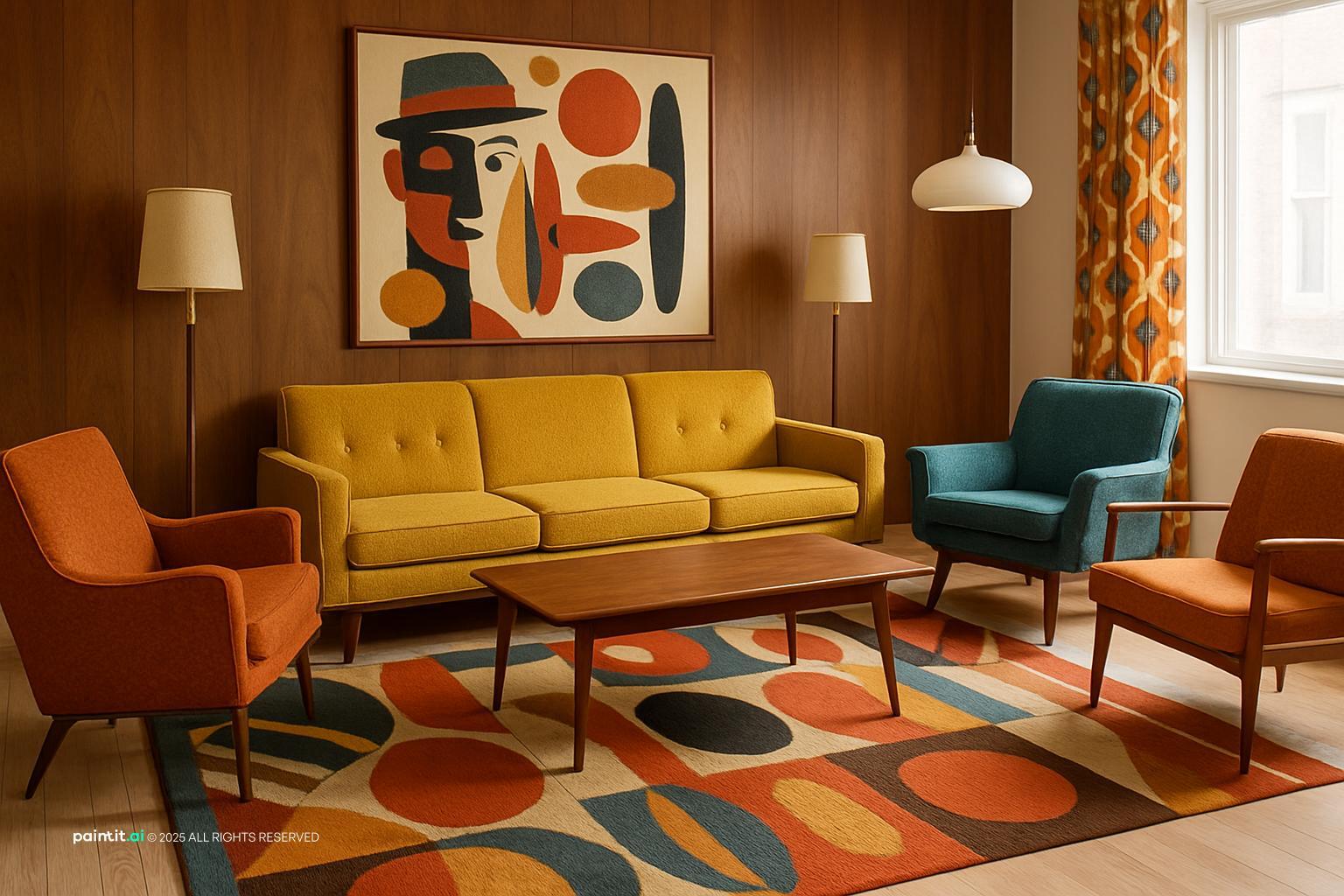
This pairing feels inherently right within a mid-century aesthetic, where clean lines meet vibrant colors. The optimism of the era perfectly aligns with this dynamic duo. Here is what matters: authenticity in design.

Incorporate furniture with sleek, tapered legs and natural wood finishes. A teal armchair with a mustard accent cushion, or a mustard credenza against a teal wall, works wonders. Geometric patterns in both colors on textiles or artwork complete the look.

  • Color palette: Teal, Mustard, Walnut Brown
  • Style: Mid-Century Modern
  • Best for: Open-plan living, retro-inspired homes

5. Bohemian Rhapsody.

For those who love layers, global influences, and a relaxed vibe, this combination is a natural fit. The free-spirited nature of bohemian design welcomes bold color pairings. It sounds simple, but layering is key.

Think macrame wall hangings, patterned rugs, and an abundance of throw pillows in various textures. A distressed teal rug can anchor the space, while mustard poufs, floor cushions, and intricate tapestries add warmth and character. Don't shy away from mixing patterns.

  • Color palette: Turquoise, Saffron, Terracotta
  • Style: Bohemian, Eclectic
  • Best for: Creative spaces, casual living areas

6. Art Deco Glamour.

This design direction embraces opulence and geometric precision. The rich tones of teal and mustard, especially when paired with metallic accents, evoke the grandeur of the 1920s. I’ve found this style truly makes a statement.

Look for furniture with curved lines and brass details. A teal velvet sofa with brass legs, complemented by a mustard accent chair and a mirrored coffee table, creates instant drama. Geometric patterns in wallpaper or textiles are also essential.

  • Color palette: Peacock Blue, Gold, Black
  • Style: Art Deco, Luxurious
  • Best for: Formal entertaining areas, grand spaces

7. Subtle Sophistication.

Not every vibrant pairing needs to shout. This approach uses muted or desaturated versions of teal and mustard for a more refined, understated elegance. It's about whispering, not yelling, with color.

Consider a dusty teal on the walls or a large rug, paired with a soft, almost ochre mustard in upholstery or art. Layering tone-on-tone textures within each color family adds depth without overwhelming the eye. This creates a serene backdrop.

  • Color palette: Muted Teal, Soft Mustard, Cream
  • Style: Scandinavian, Minimalist
  • Best for: Tranquil retreats, small apartments

8. Industrial Chic with Warmth.

The raw, edgy aesthetic of industrial design can be beautifully softened and invigorated by this color combination. It’s an unexpected pairing that truly works. Most people forget how versatile industrial elements can be.

Against a backdrop of exposed brick, concrete floors, or metal shelving, introduce a plush teal sofa. Mustard accents can come in the form of an industrial-style metal lamp with a mustard shade, or a vibrant piece of abstract art. The contrast is compelling.

  • Color palette: Slate Grey, Teal, Mustard, Rust
  • Style: Industrial, Urban Loft
  • Best for: Lofts, converted spaces

9. Gallery Wall Anchor.

A well-curated gallery wall can serve as the focal point, expertly tying together the teal and mustard scheme. This is an excellent way to introduce both colors without committing to large furniture pieces. I’ve seen this transform plain walls.

Select artwork that features both teal and mustard, mixing different styles and sizes. Use frames in complementary materials like natural wood, black, or even a subtle gold. The wall itself can be a neutral shade, allowing the art to pop.

  • Color palette: Varied Teals, Varied Mustards, White
  • Style: Eclectic, Contemporary
  • Best for: Feature walls, spaces needing personality

10. Statement Rug Foundation.

An area rug is often the unsung hero of a living room, capable of defining the entire color palette and mood. Choosing a rug that boldly incorporates both teal and mustard can anchor your design. It's a powerful starting point.

Look for a large rug with a prominent pattern featuring both hues. This allows the rest of your furniture to be more subdued, perhaps in neutral tones, letting the rug be the star. The floor becomes an art piece.

  • Color palette: Teal, Mustard, Beige
  • Style: Global, Modern
  • Best for: Defining zones in open plans, adding instant color

11. Accent Wall Drama.

Sometimes, all it takes is one bold stroke to transform a room. An accent wall in either teal or mustard can dramatically shift the energy of your living space. This is a high-impact, relatively low-commitment option.

Paint one wall in a deep teal, then use mustard in your furniture or decor on the opposing wall. Alternatively, a vibrant mustard wall can be balanced by a teal sofa or large artwork. This creates an immediate focal point and depth.

  • Color palette: Bold Teal, Bright Mustard, Off-White
  • Style: Modern, Contemporary
  • Best for: Adding drama, small rooms needing definition

12. Eclectic Charm.

This approach celebrates individuality, mixing different periods, textures, and styles, all unified by the consistent use of teal and mustard. It’s about telling a story with your possessions. I’ve seen this create truly unique homes.

Combine a vintage teal armchair with a modern mustard side table. Pair a bohemian-inspired rug with a sleek, contemporary lamp. The key is to ensure the teal and mustard elements are strategically placed to create visual flow and cohesion, rather than chaos.

  • Color palette: Varied Teals, Varied Mustards, Grey
  • Style: Eclectic, Vintage
  • Best for: Personal expression, collecting unique pieces

Mastering the Teal and Mustard Dynamic: A Deep Dive into Harmonious Contrasts

1. Color palette

Crafting a teal and mustard living room begins with a thoughtful color strategy. The base, naturally, is a deep, almost jewel-toned teal, providing a calming and sophisticated foundation. For your secondary hue, a rich, earthy mustard steps forward, not overly bright, but with a golden warmth that prevents the space from feeling cold. I’ve seen this work best when you introduce a muted charcoal grey, perhaps in a rug or a statement wall, to ground the vibrancy. A soft, creamy off-white on the ceiling or trim can offer a necessary visual break, allowing the main colors to truly pop. Finally, a subtle accent of burnished copper or a deep terracotta can add an unexpected layer of warmth and sophistication, tying the entire palette together without overwhelming it.

2. Key materials & textures

The interplay of materials is where a teal and mustard living room truly comes alive. Velvet is almost non-negotiable here; its plush texture instantly elevates the space, catching light in a way that deepens both the teal and mustard hues, creating an inviting, luxurious feel. Pair this with the raw, grounding presence of dark, perhaps slightly distressed, oak wood for coffee tables or shelving. This provides a necessary visual anchor and a touch of organic warmth. Most people forget that a subtle metallic glint, like brushed brass in lamp bases or decorative objects, introduces a sophisticated sparkle, reflecting light and adding a layer of refined elegance without being ostentatious. These elements, when combined, create a rich sensory experience, making the room feel both opulent and welcoming.

3. Furniture essentials

Defining this look with furniture means selecting pieces that speak to both comfort and style. A generously proportioned teal velvet sofa is often the heart of the room, its deep color and luxurious texture immediately setting the tone. Balance this with a striking mustard armchair, perhaps a mid-century modern silhouette with clean lines and exposed dark wood, offering a counterpoint to the sofa's plushness. choosing the right proportions is crucial; a substantial sofa needs a complementary, but not overwhelming, armchair. Finally, a dark, solid wood coffee table, perhaps with a subtle geometric pattern, grounds the seating arrangement. It sounds simple, but these three pieces, when chosen with care, dictate the entire room's flow and aesthetic, ensuring a cohesive yet dynamic feel.

4. Lighting setup

Achieving the perfect atmosphere in a teal and mustard space relies on layered lighting. Start with ambient light from a central, perhaps oversized, pendant fixture with a warm glow, casting a soft, overall illumination. This is your foundational light. Next, introduce task lighting; a tall, elegant floor lamp with a fabric shade beside the mustard armchair is ideal for reading, creating a cozy pool of light. For accent lighting, consider small, discreet picture lights above any artwork or LED strips subtly tucked behind shelving. These highlight specific features, adding depth and drawing the eye. The goal is to create pockets of warmth and interest, preventing any harsh shadows and making the vibrant colors feel rich and inviting, never flat.

5. Decorative accents & the 3-5-7 rule

Decorative accents are the finishing touches that personalize your teal and mustard living room. Think about incorporating art that features abstract forms or botanical prints, using frames in gold or dark wood to complement the palette. Lush green plants, like a tall fiddle-leaf fig or smaller snake plants, introduce a vital organic element and a fresh contrast. Here is what matters: apply the "3-5-7 rule" for styling. This means grouping items in odd numbers to create visual interest and balance. For instance, arrange three mustard cushions on your teal sofa, varying their textures. On a console table, you might display five curated objects—a brass vase, a small teal ceramic bowl, a stack of books, a framed photo, and a small plant. For a larger wall, consider a gallery of seven framed prints, mixing sizes and orientations. This intentional grouping feels natural and prevents the space from looking cluttered or overly symmetrical, making each arrangement feel thoughtfully composed.

How Paintit.ai Perfects Your Teal and Mustard Living Room Palette

Achieving the perfect balance in a teal and mustard living room is notoriously tricky. It’s not just about picking colors; it’s about how that deep, oceanic teal interacts with a sun-drenched mustard across different textures and light conditions. Most people forget that. I’ve seen countless projects stall trying to visualize these bold hues on actual walls, leading to expensive repaints. This is where paintit.ai becomes indispensable. Our ai allows you to instantly render dozens of teal and mustard variations directly onto photos of your own space. See how a velvet mustard sofa plays against a matte teal wall, or if a brighter, almost chartreuse mustard accent truly pops. Avoid costly mistakes. Try paintit.ai today and bring your vision to life, effortlessly.

FAQ

  • I've seen this happen often: people overdo one color. Balance is key. Introduce neutrals like cream or light gray to ground the space. Texture adds depth, don't skip it.

  • Start small. Think throw pillows, a ceramic vase, or a single piece of art. A velvet cushion in the deep blue-green, a wool throw in the golden yellow. These small touches make a big impact without commitment.

  • Brass and gold tones truly sing against these colors. They add warmth and a touch of sophistication. For a cooler vibe, consider matte black accents. Avoid anything too shiny or chrome.

  • Light neutrals are your friends. Cream walls, a natural linen sofa. Use reflective surfaces like mirrors. Incorporate plenty of natural light. Sheer curtains help diffuse harsh sun while maintaining brightness.

  • Velvet adds luxury to the deep blue-green. Woven wool or chunky knits for the golden yellow bring warmth. Raw wood, polished concrete, or even a touch of marble can provide grounding contrast. It's about layers.