
Santa Fe interior design ideas: adobe, terracotta, and regional materials
Santa Fe style is one of the most geographically specific interior design traditions in the United States. It comes from a real place, New Mexico, and this modern Santa Fe decorating style still draws from the architecture, craft, and landscape of that region. The adobe walls, exposed vigas (timber beams), kiva fireplaces, and handmade tile floors that define the style are not decorative choices; they are what buildings in that climate and culture look like.
That specificity is what makes it work. When you apply Santa Fe elements without understanding the regional logic behind them, the result reads as generic desert decor. When you understand why each element exists, the design has a coherent identity.
Upload a photo of your space to app.paintit.ai and test Santa Fe palette directions - earthy terracottas, adobe whites, turquoise accents - in your actual room. Generates a redesign concept in 1-2 minutes. Free to start.
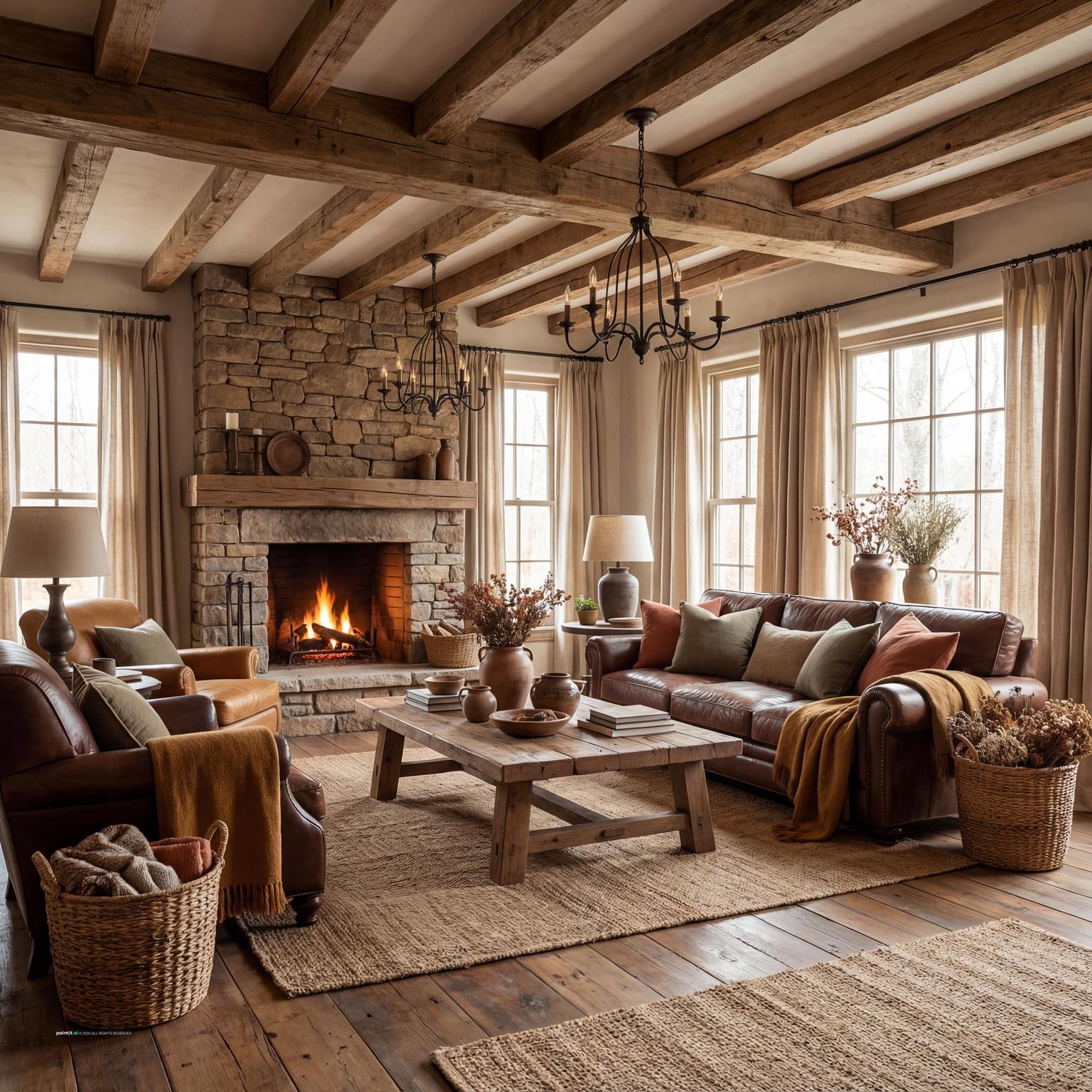
8 Santa Fe interior design ideas
Santa Fe interior design draws from New Mexico's architecture, craft traditions, desert light, and local materials. Earthy tones, rough plaster, terracotta, carved wood, wrought iron, and handmade textiles create the warmth of the style. These ideas focus on using those elements with restraint and regional logic.
-
1. Embrace Earthy Color Palettes
To show Santa Fe's unique character, select earthy color palettes that mirror the surrounding landscapes. Select color palettes featuring terracotta, adobe, sage green and soft yellows. A cohesive aesthetic emerges when these colors are applied to walls, furniture, and decor elements. Add a few saturated accent colours by using textiles or artwork to create additional visual intrigue. -
2. Incorporate Natural Materials
Natural materials are central to Santa Fe design. Use wood, stone, and adobe to bring a rustic but refined feel to the room. Exposed wooden beams, stone fireplaces, and clay walls can act as strong focal points. Choose reclaimed wood, carved timber, leather, and wrought iron to keep the material palette grounded.
-
3. Work with texture and pattern authentically
Santa Fe interiors layer texture - woven textiles, hand-thrown pottery, wrought iron, rough plaster walls, smooth river stones - rather than relying on pattern repetition. Each surface material brings its own visual weight. The combination creates depth without busy-ness.
Rugs are the most common vehicle for pattern: Navajo-style geometric designs, Zapotec weaves, and regional flat-woven textiles. If you use patterned rugs, keep other surfaces quieter. Competing patterns from multiple sources is the main failure mode in Santa Fe-inspired rooms.
One note on cultural sourcing: authentic handcrafted pieces from New Mexico and Native American artisans differ significantly from mass-produced desert-style items. The difference is visible.
-
4. Choose furniture that sits close to the ground
Santa Fe furniture is low. Sofas, daybeds, and coffee tables sit at floor level - a practical response to adobe architecture, which encourages ground-level living. Heavy, solid pieces in carved or distressed wood (pine, mesquite, Douglas fir) match the visual weight of adobe walls and exposed beams.
Look for hand-carved details rather than machine-uniform surfaces. Irregular lines and imperfect finishes are features, not defects. Leather upholstery in natural earth tones or woven textiles work better than printed fabric, which can compete with the room's material palette.
-
5. Focus on Lighting
The abundance of natural light in Santa Fe interiors makes lighting essential. Employ sheer window treatments to increase sunlight while positioning mirrors strategically to reflect light. Examine the potential inclusion of rustic light fixtures like wrought iron chandeliers and handcrafted table lamps to enhance your design scheme. -
6. Bring the Outdoors In
Your Santa Fe interior design benefits from the integration of plants and natural elements. Select drought-resistant botanical species such as succulents and cacti which flourish in arid environments. The integration of expansive windows and glass doors establishes an uninterrupted link to outdoor spaces, transforming the stunning natural scenery into an integral component of your interior living environment.
-
7. Add Artwork and Cultural Touches
Artwork is a key element of Santa Fe design. Hang pieces by local artists or incorporate traditional Native American art to infuse your home with cultural significance. Sculptures, pottery, and textiles can also serve as focal points that reflect craftsmanship and storytelling within your space.
-
8. Personalize Your Space
Through the addition of personal elements, transform your Santa Fe interior design into a unique reflection of your identity. Exhibit ancestral treasures alongside travel mementos and significant artifacts that echo your personal narrative. This elements work together to form a distinctive and welcoming space that reflects your personal style yet maintains the Santa Fe design principles.
Examples of Santa Fe Interior Design in Action
-
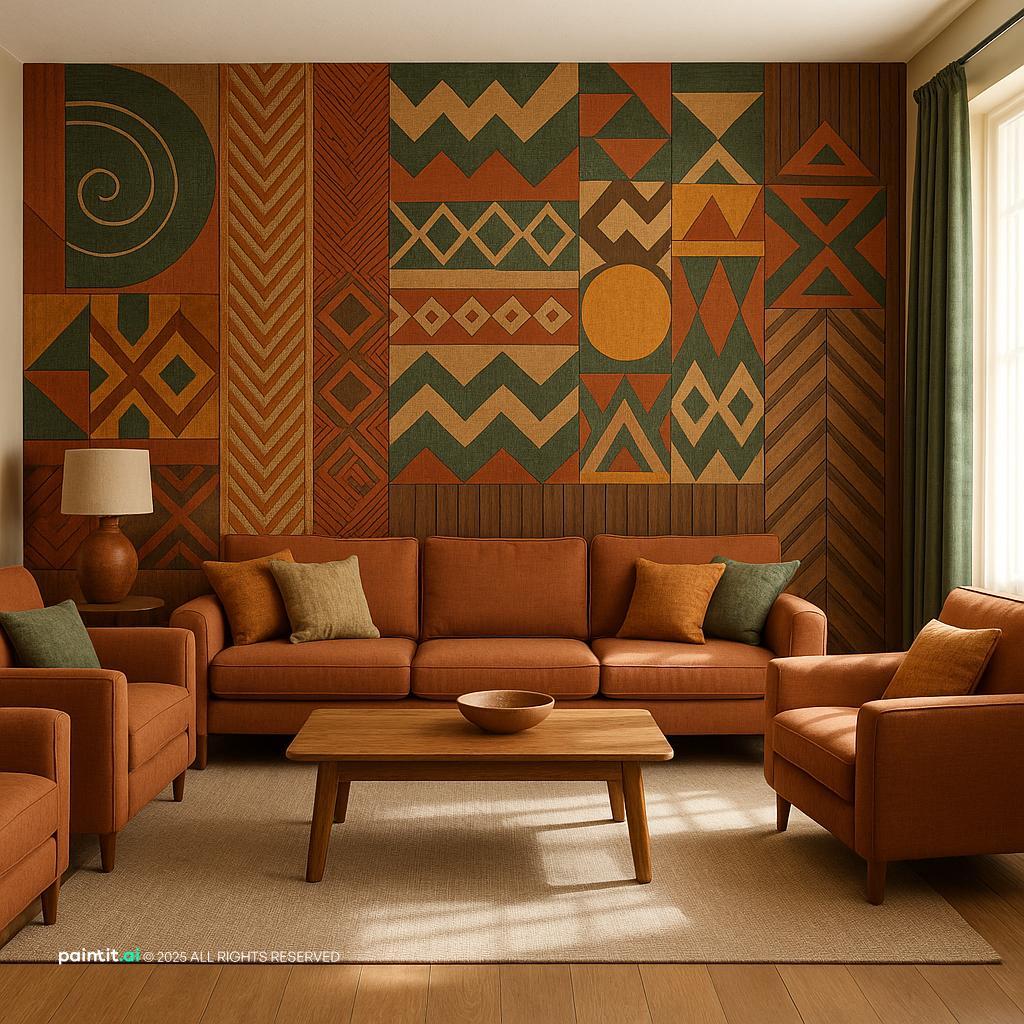
Santa Fe interior design comes from New Mexico's architecture and landscape, blending cultural influences with natural materials. This style often features earthy colour palettes, handcrafted furnishings, and textiles that reflect the region's heritage.
-
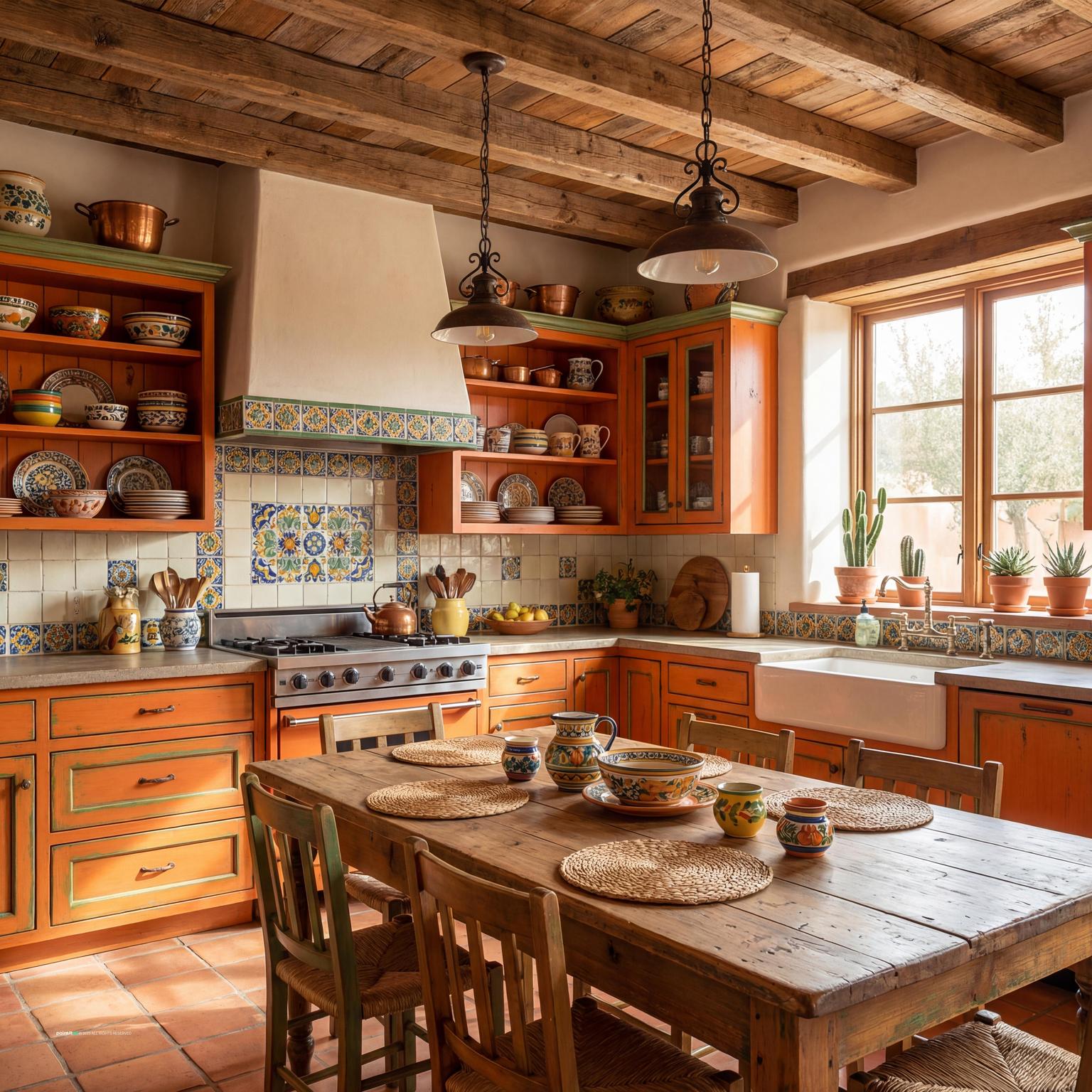
A typical Santa Fe design living room features adobe-style walls alongside large wooden beams and a kiva fireplace which establishes an inviting focal point. Terracotta tile flooring exudes rustic appeal while bright area rugs introduce multiple layers of texture and color.
-
A long pine table surrounded by chairs upholstered in woven fabric - typical of Santa Fe dining rooms. Large windows face the landscape rather than the street. In New Mexico, the view is part of the room.
-
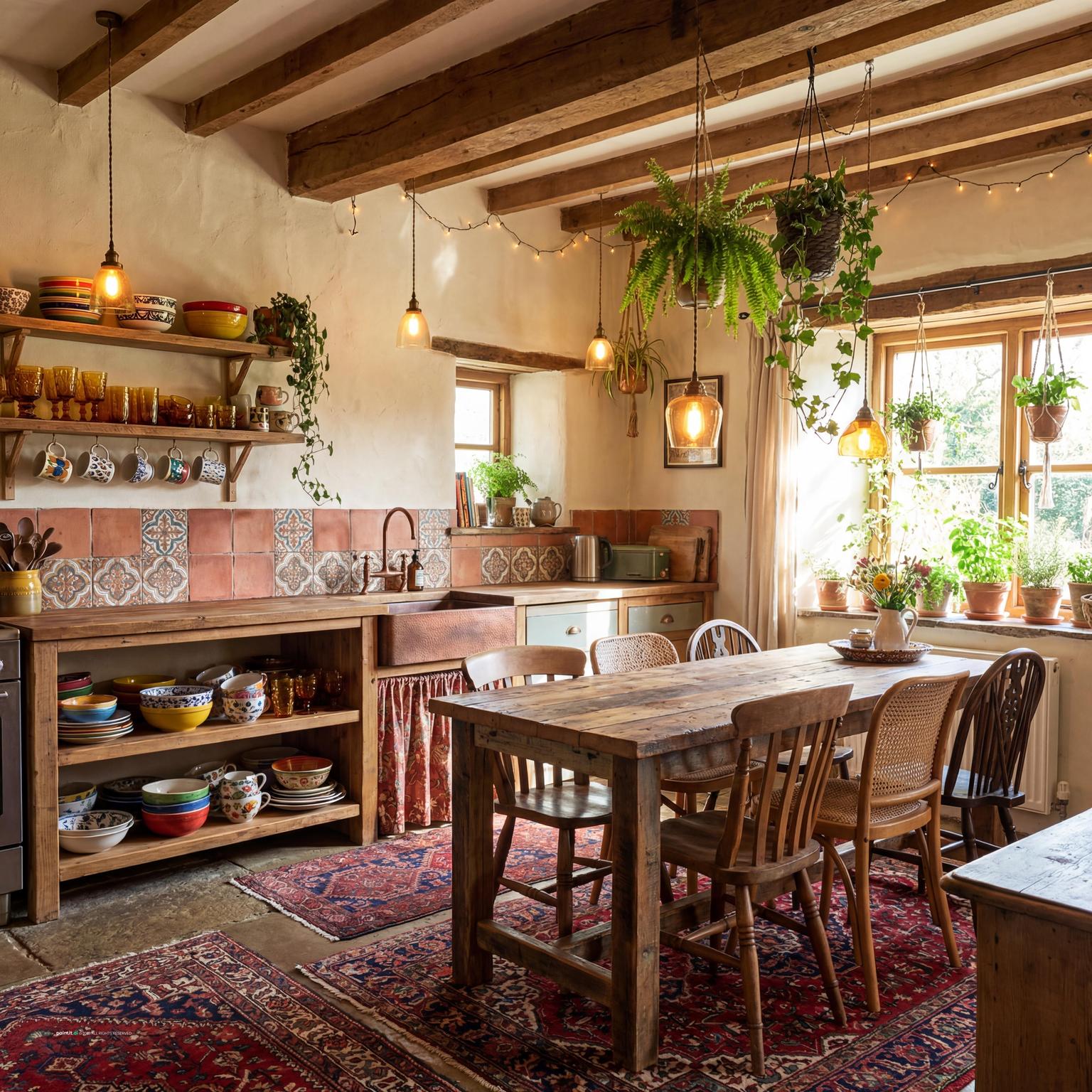
Art plays a significant role in Santa Fe interiors. Walls can be decorated with local artwork, pottery, or richly coloured textiles that tell the story of the region’s traditions. Accessories such as handmade ceramics and Native American-inspired pieces add authenticity and depth.
-
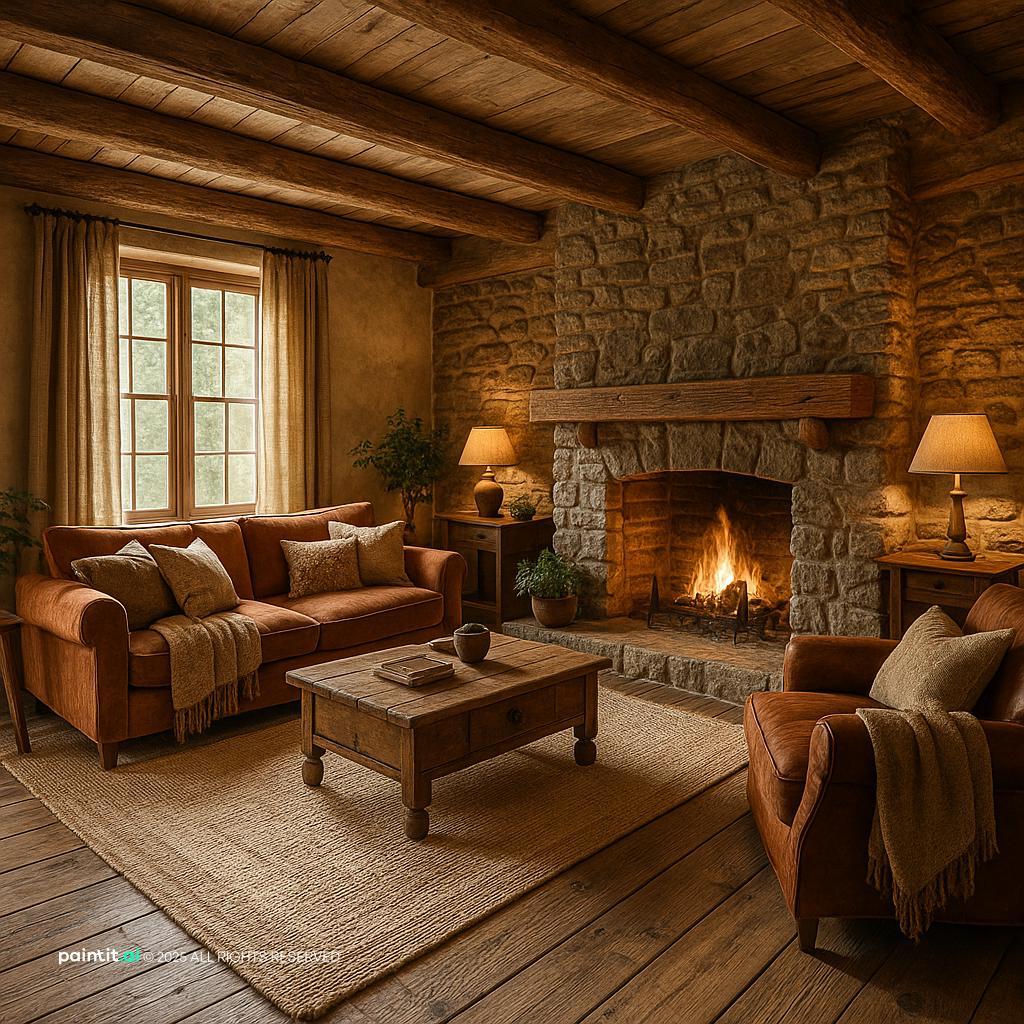
Outdoor spaces are equally important in Santa Fe design. Patios with comfortable seating areas and desert-friendly landscaping support indoor-outdoor living and connect the room back to New Mexico's climate and landscape.
Santa Fe architectural styles - there are four distinct types
The "Santa Fe style" label covers several distinct regional traditions that look and feel different. Knowing which direction you are working with produces more coherent results.
Pueblo Revival
The most recognizable. Rounded adobe forms, flat or gently sloping roofs, protruding vigas, smooth earth-toned plaster, portal (covered porch) with timber columns. Interior: low ceilings, small windows, kiva fireplaces in corners, portal-connected indoor-outdoor flow.Spanish Colonial
More formal and symmetrical than Pueblo. Courtyard layouts, carved wooden doors and furniture, tile work, wrought iron hardware, whitewashed walls with decorative accents. Interior palette: brighter than Pueblo - white walls with tile or textile color.Territorial
A late-19th century style that blended Pueblo construction with American Greek Revival details: brick coping on flat roofs, more regular window placement, wooden trim. Interior: more formal furnishings than Pueblo, with a mix of regional and Victorian details.Contemporary Santa Fe
Modern construction adapted to Santa Fe aesthetic requirements. Clean lines, expansive glass, open floor plans - but using the same materials: plaster walls, vigas, terracotta, local stone, carved wood.
How Paintit.ai helps with Santa Fe design
Upload a photo of your room to app.paintit.ai and test Santa Fe palette directions, material combinations, and furniture approaches in 1-2 minutes. It is useful for comparing a warmer terracotta-heavy direction against a quieter adobe-white palette before you buy paint, tile, or wood finishes. Free to start.
Related design tools and styles
Related tools for testing Santa Fe palettes, room layouts, and exterior material directions before committing to a renovation.
FAQ
-
Santa Fe style is a regional design tradition from New Mexico that draws on Pueblo, Spanish Colonial, and Territorial architectural influences. The defining elements are adobe or stucco walls, exposed wooden beams called vigas, kiva fireplaces, terracotta tile floors, hand-carved furniture, and handmade ceramics. The palette comes from the New Mexican landscape - terracotta, adobe white, sage green, turquoise, and deep umber.
-
Embrace multifunctional furniture and light colors to create an illusion of space. Use Native American textiles and a few statement pieces to infuse character without overcrowding. Mirrors and vertical storage can enhance both style and functionality.
-
Terracotta, sage green, sandy beige, adobe white, turquoise, and deep umber work best because they come from the New Mexican landscape and Santa Fe building materials. Use the strongest colours as accents so the room still feels grounded and calm.
-
Look for rustic wooden furniture with a weathered finish. Sturdy, handcrafted pieces such as adobe-inspired sofas or leather chairs with colorful textiles are ideal. Incorporate handmade items and artsy accents to enhance the authentic feel.
-
Use natural light as much as possible with large windows or skylights. Incorporate warm-toned lighting fixtures such as wrought iron chandeliers or rustic sconces. Layering light sources helps to create a cozy, inviting ambiance.
-
Present-day design directions focus on sustainability through reclaimed materials while merging modern aesthetics with traditional elements and incorporating biophilic design principles. The popularity of earthy colors combined with geometric patterns derived from indigenous art forms is on the rise.