
Single wide mobile home interior design ideas that work with the floor plan
A single wide has one defining constraint: it is 14 feet across. Everything else - length, layout, age of the home - varies. But that 14-foot width means every furniture choice, every storage decision, and every colour call affects how the space reads.
These 14 ideas are built around that reality. Some are about scale (Tip 1, 2). Some are about visual tricks that make the width feel less fixed (Tip 10). Some are just good small-space sense that happens to work especially well in mobile homes.
Upload a photo to app.paintit.ai and see how different directions look in your actual space - 1-2 minutes. Free to start.
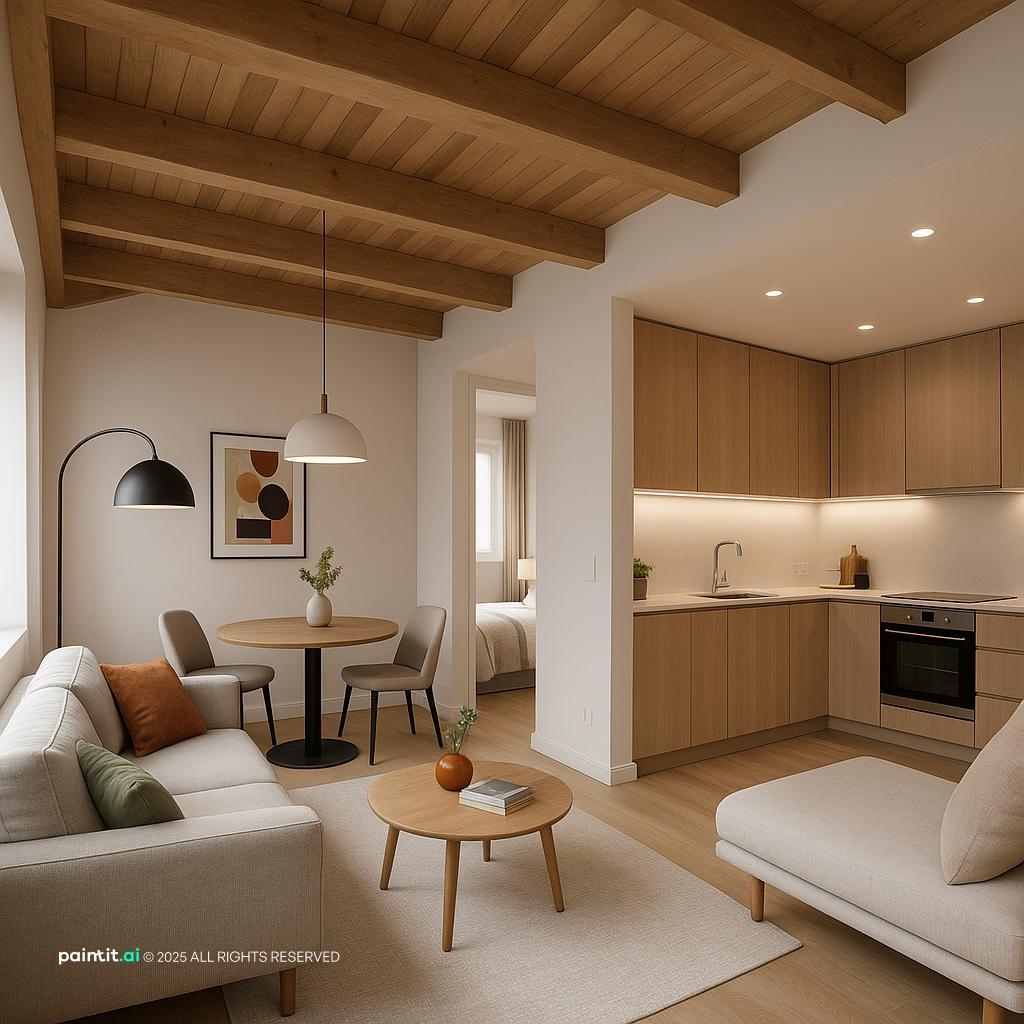
14 single wide mobile home interior design ideas
-
1. Embrace Light With Sheer Curtains
Have you ever observed the way sunlight passing through delicate fabric transforms a room into something entirely different? The use of layered sheer curtains allows abundant natural light to enter the room while maintaining your private space. This technique transforms your living space immediately by making every tiny corner shine. A single piece of advice: position rods to stretch beyond your window boundaries. Unexpectedly, greetings to the deceptive spectacle of magnificence.
-
2. Modular Sofas for Flexible Living
Have you ever tried to fit a traditional sofa through a mobile home doorway? Spoiler: not fun. Modular seating is the answer. These adaptable pieces can be arranged and rearranged according to your mood (or your latest Netflix binge configuration). Compact, comfortable, and clever, this is the kind of solution worth stealing.
-
3. Open-Concept Kitchen Delights
Who decided that meal prep should feel isolated? Knocking out non-structural barriers between your cook space and living zone makes everything feel more social. Picture Sunday pancake breakfasts with laughter wafting from room to room; it’s all possible with one bold layout change.
-
4. Multi-Tasking Furniture Magic
Storage ottomans. Drop-leaf tables. Murphy beds. Have you tried any of these space-transforming heroes? Furniture that moonlights as storage or folds away saves you an unthinkable amount of space, and stress. I still remember finding a coffee table with secret drawers. One of those simple solutions that actually changes how you use a room.
-
5. White Walls, Warm Textures
Neutral palettes aren’t just a design trend, they’re the ultimate small-space strategy. White or pale walls bounce light around, making rooms feel larger. Warm them up with woven baskets, chunky throws, and the occasional pop of greenery. Layer after layer, your living area grows in character (not clutter).
-
6. Gallery Corners, Not Walls
If an expansive gallery wall feels overwhelming, or risky, given rental restrictions, start with an art cluster in a cozy corner. Lean frames atop shelves, add small sculptures, and voilà: an artsy vibe in a pint-sized package. Ever tried layering different frame shapes and textures? The look is unexpectedly dynamic.
-
7. Use the vertical space
Shelving isn’t just for books. Use that vertical real estate for plants, pottery, or even hanging mugs in the kitchen. Floating shelves or ladder shelves can transform blank walls into chic storage (or display) spaces that tell your story.
-
8. Sliding Barn Doors
Traditional doors can really cramp a space with their swing radius. Enter the sliding barn door, sleek, efficient, and full of rustic charm. They carve out a defined space without the footprint of a regular hinged door. Plus: endless options for colors and finishes.
-
9. Under-Bed Storage Wonders
Want to channel your inner organizational wizard? Tuck rolling boxes under beds or invest in storage beds. Off-season clothes, shoes, old magazines, all vanish from sight, making the room feel instantly tidier. Early on, I stashed my winter coats here. Finding them months later felt like a mini Christmas.
-
10. Mirrored Accents Expand Space
A clever mirror placement instantly doubles the sense of space, and reflects ambient light. That’s not just smoke and mirrors; it’s pure visual science. Try a large leaning mirror in the living area or mirrored cabinets in the bathroom. It’s a small adjustment with a big impact.
-
11. Two-Tone Cabinetry for Depth
Why settle for plain cabinets? Try painting uppers and lowers in contrasting hues. Think navy and white, sage and cream, or even pale pink and deep charcoal. This trick adds instant depth and can make your kitchen appear next-level customized.
-
12. Area Rugs for Zoning
Rugs have magical powers in slender spaces, they define zones, add coziness, and soften sound. Layer textures, play with shapes. Oval or round mats can especially help soften all those straight lines and boxed-off layouts.
-
13. Clever Illumination Choices
Goodbye, harsh overhead bulb. From wall sconces to dainty fairy lights, thoughtful lighting transforms a space from “just a box” to “my sanctuary.” Layer your light sources for mood and function, soft glow by the sofa, bright task lamps above the kitchen counter.
-
14. Cozy Nooks for Rest and Reflection
Tuck a plush chair under a window, add a reading lamp, and you’ve created your own private retreat, a mini getaway at home. In my first single wide, the window nook became my morning haven. There’s real beauty in carving out daily rituals, even in limited square footage.
Examples of Curated Space Planning for a Single Wide Mobile Home
-
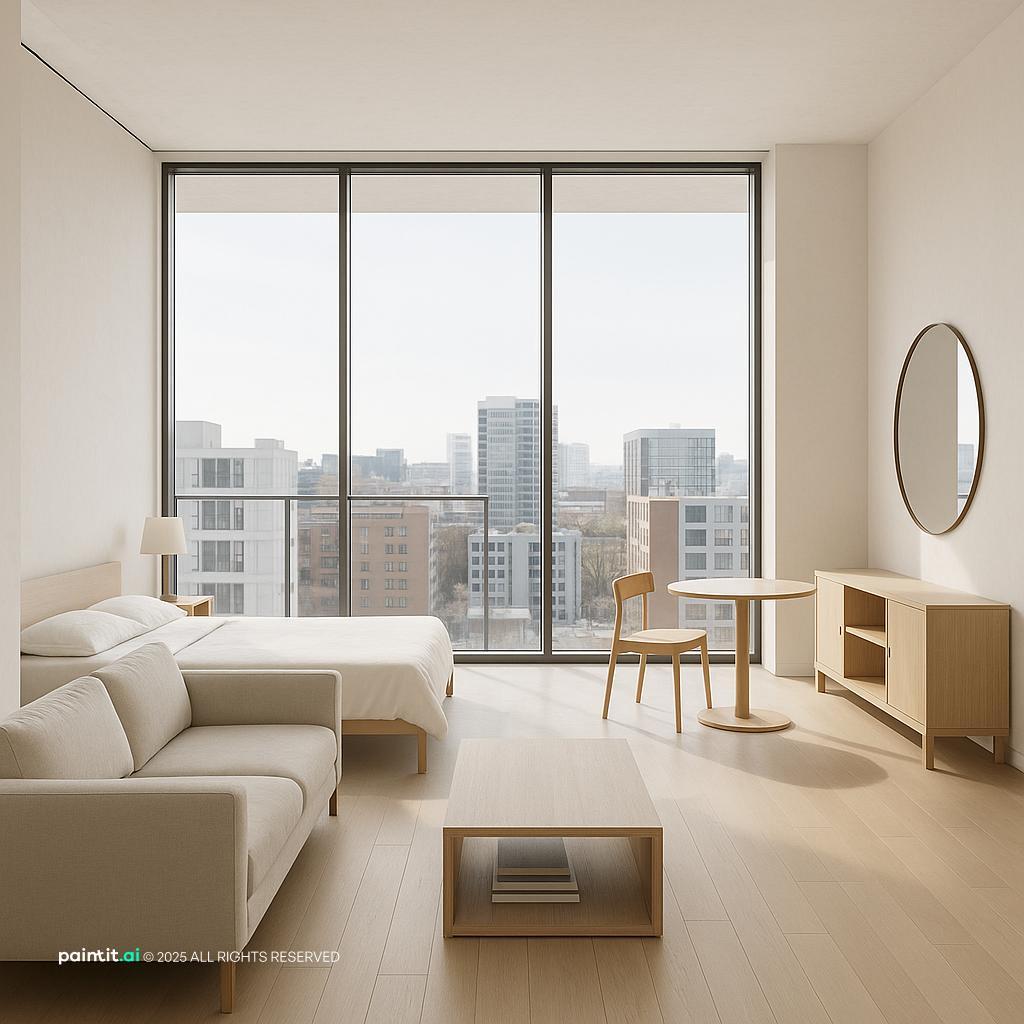
Wondering how to make the most of your uniquely-shaped space? Let's explore creative interior approaches to a single wide mobile home. This curated guide is all about turning tight quarters into places that feel open, functional, and totally personal to you.
-
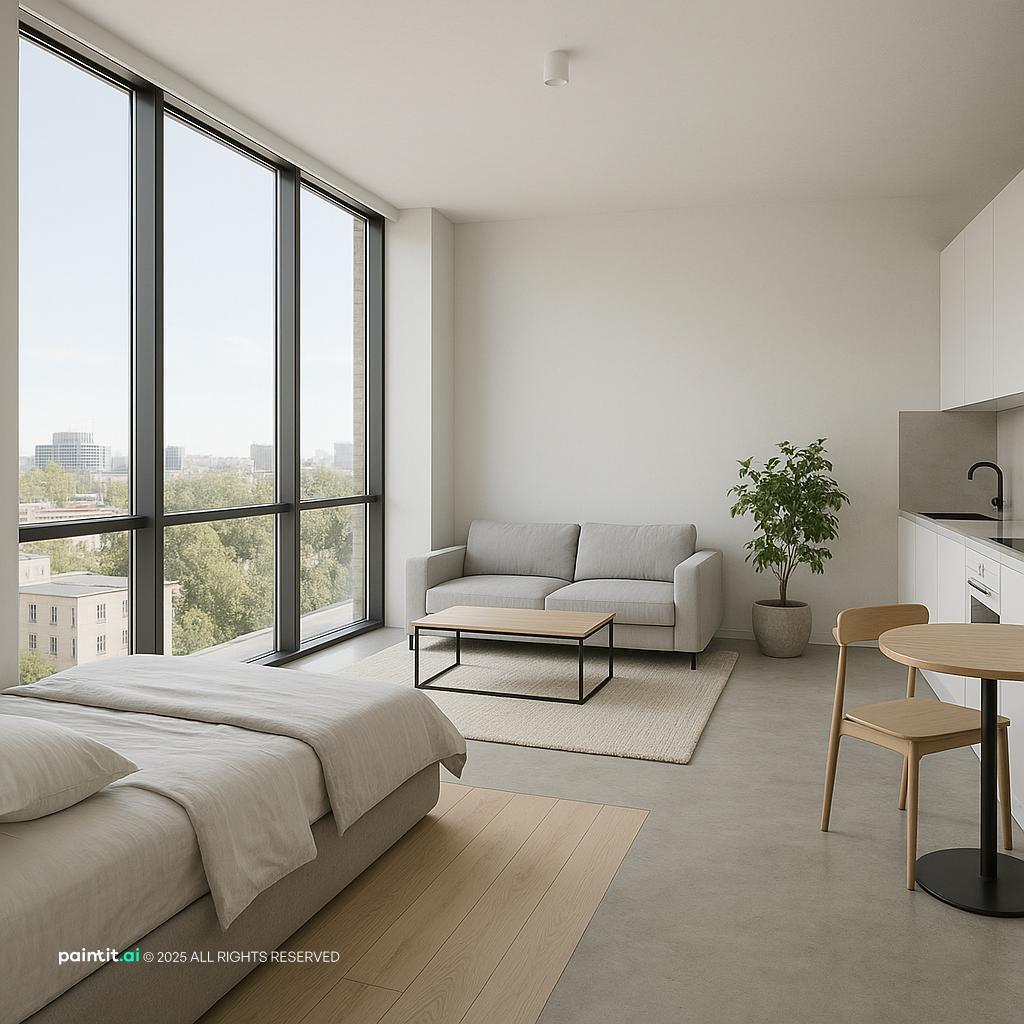
Start with traffic flow analysis. Ever tripped over a coffee table on a midnight snack run? Mapping out habitual movement paths is crucial. Try floating your main furnishings, sofa, accent chairs, away from the walls to encourage cozy conversation zones without blocking critical walkways. Even a simple reorientation of a sectional can create crisp sightlines (and the illusion of square footage).
-
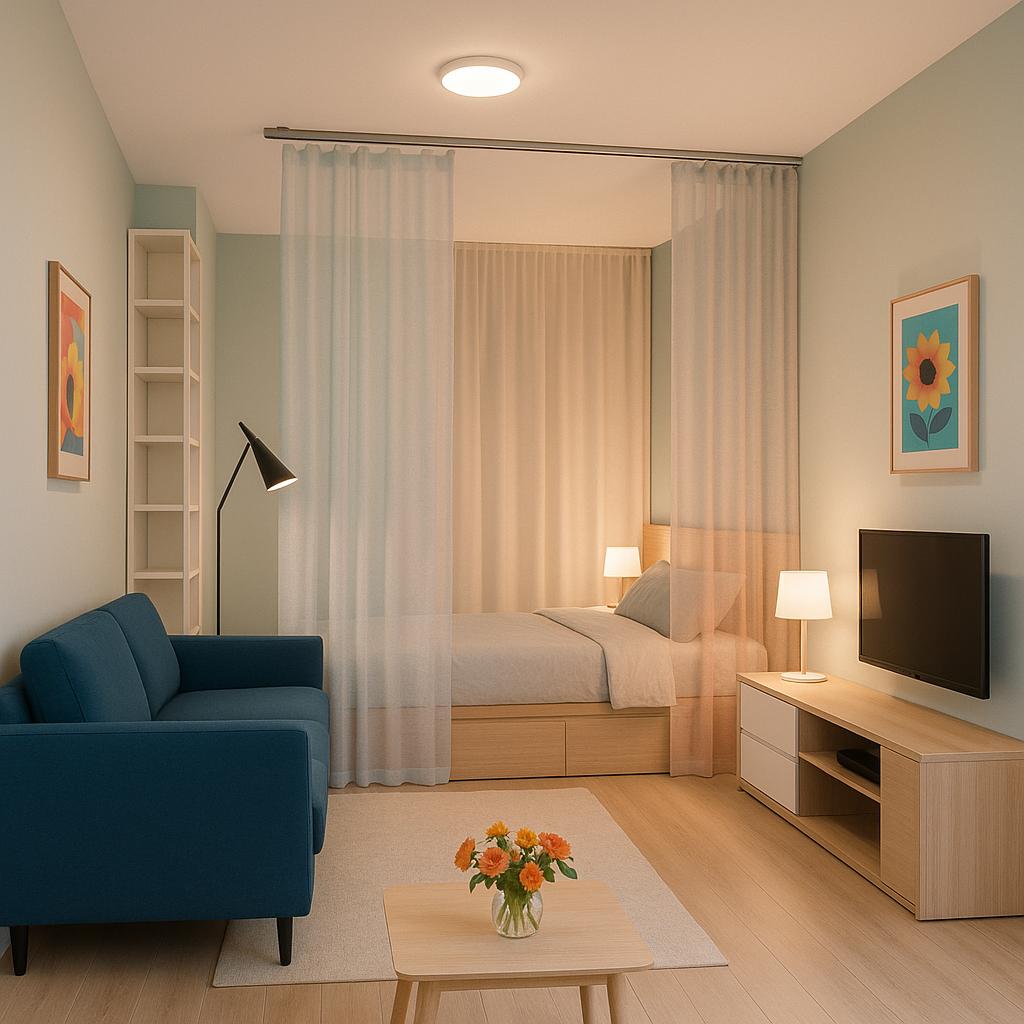
Multifunctional pieces are lifelines in compact layouts. Ottomans that hide board games, sleeper loveseats, or wall-mounted drop-leaf tables: these unsung heroes pack double-duty efficiency. In my first starter mobile home, a vintage cedar chest served as a bench, linen storage, and coffee table, saving my sanity (and limited closet space). What household object could pull triple-duty for you?
-
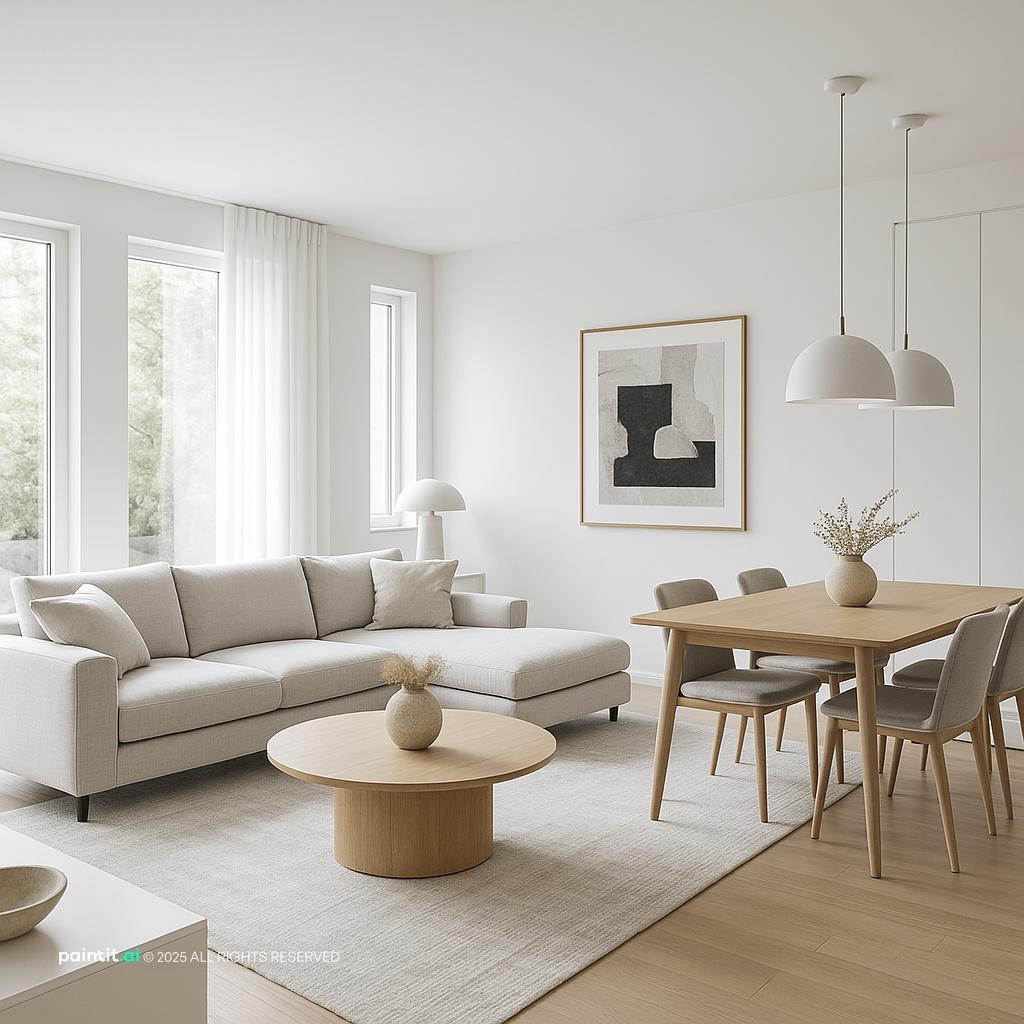
Lighting can utterly reshape a room’s mood and proportions. Relying on a single overhead fixture? Layer in options: slim-profile sconces, pendants, and portable lamps cast soft pools that elongate walls and give drama to quiet corners. Candlelight at dinnertime? Always a yes, intimate scale and instant ambiance, no installer required.
-
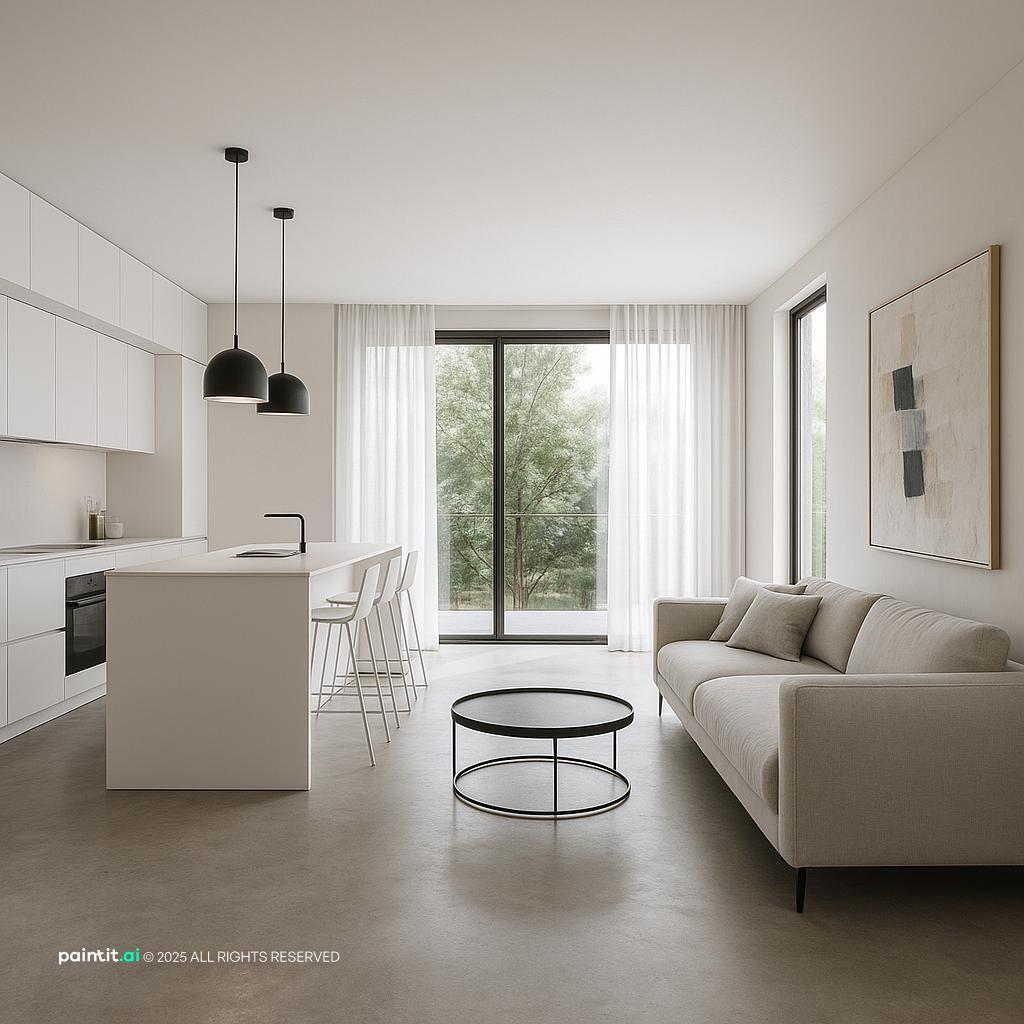
Have you ever craved a sensory-rich nest? Mixing materials is a shortcut to comfort. Try corduroy cushions, woven jute rugs, and glass-topped tables. Metallic accents and plush throws pile on personality. Don’t let limited square footage restrict your palette, embrace tactile variety, even in the littlest alcove.
-
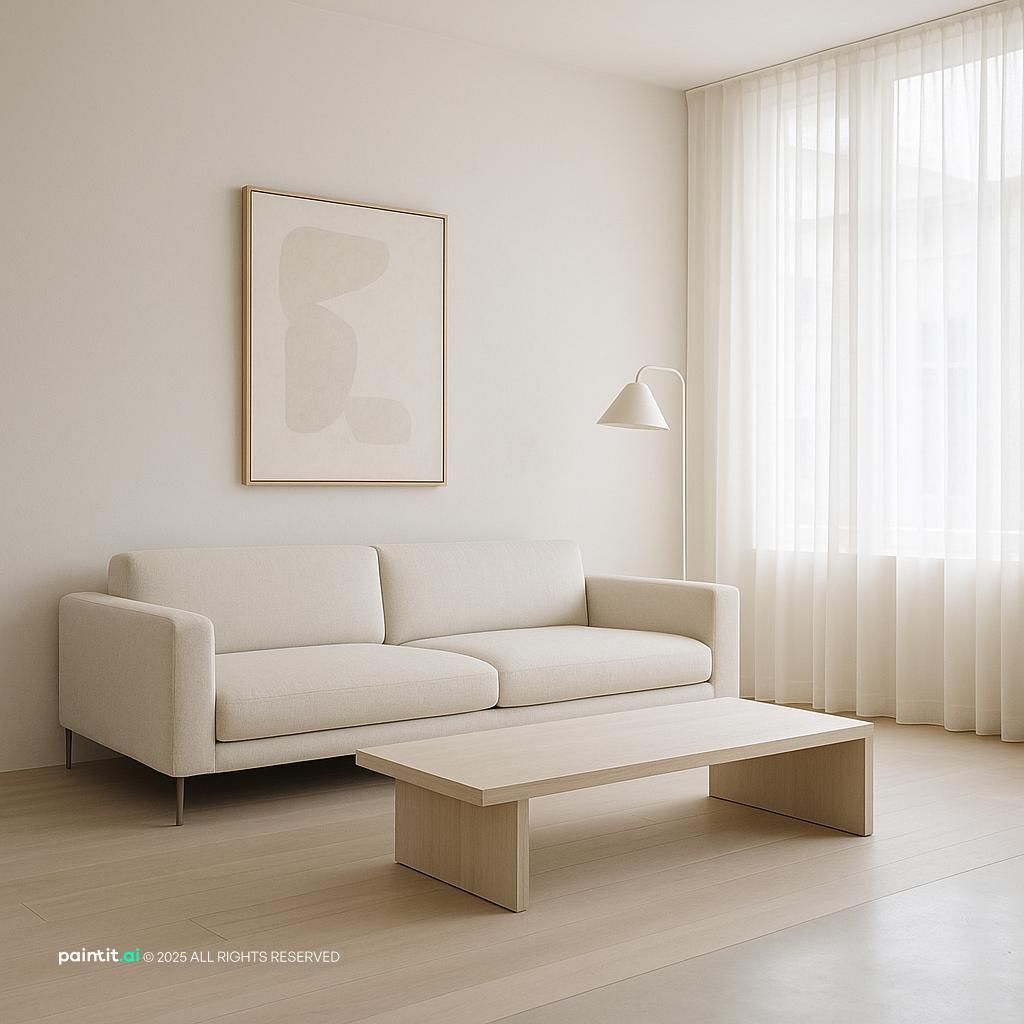
Source thoughtfully: thrift stores, flea markets, or even online swapping groups. It’s often the imperfect, storied pieces that make a space sing. Once, I scored a curvy, slightly chipped side table that now holds my collection of tiny vases, quirky, practical, and with its own history. Outfitting a single wide doesn’t have to mean buying new. Where might you hunt for one-of-a-kind treasures?
-
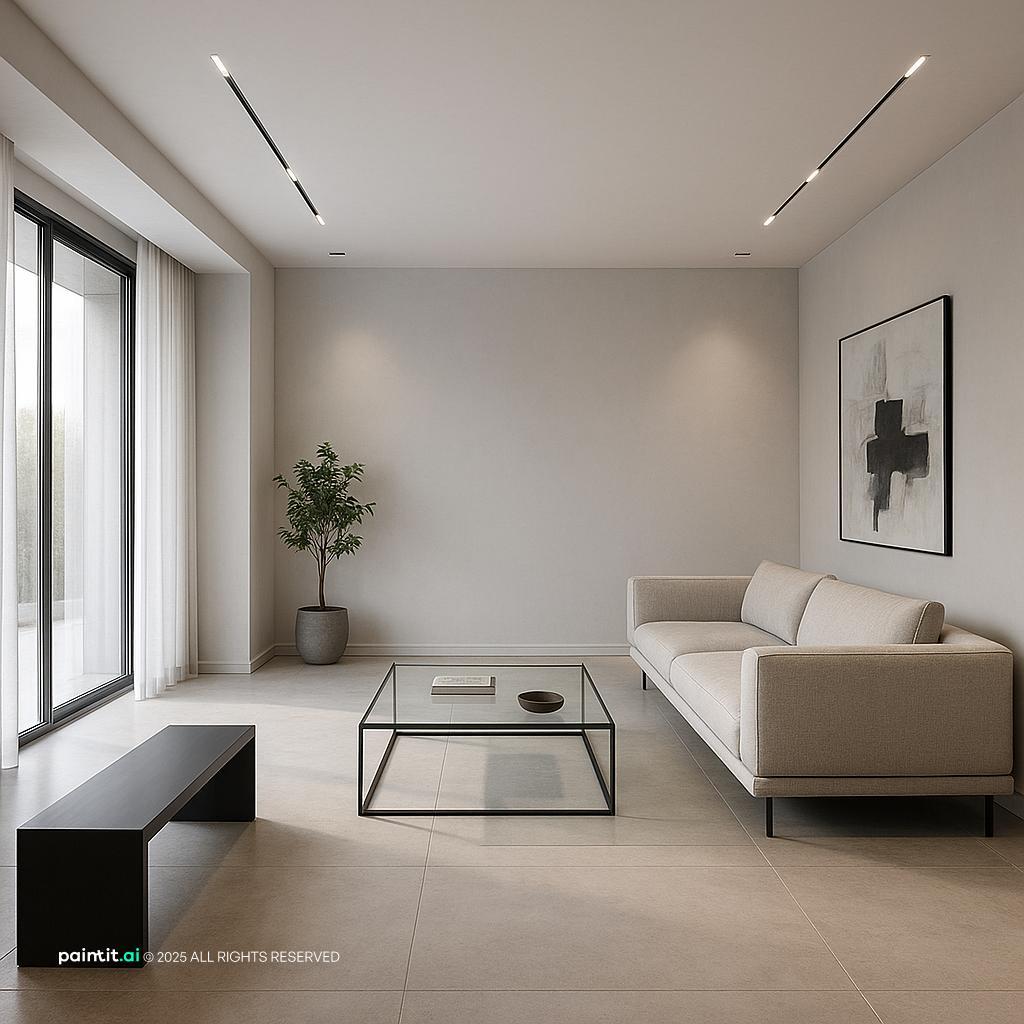
Final suggestion: ensure each component possesses its own breathing space. Aim for a balance between cozy living spaces and reduced mess. Avoid filling every surface; instead, rotate your favorite pieces and rotating smaller decorations seasonally to maintain a dynamic atmosphere. Rules? Numerous guidelines exist yet embrace their disruption as part of what makes the space yours. The narrative of your life emerges uniquely within these confines.
-
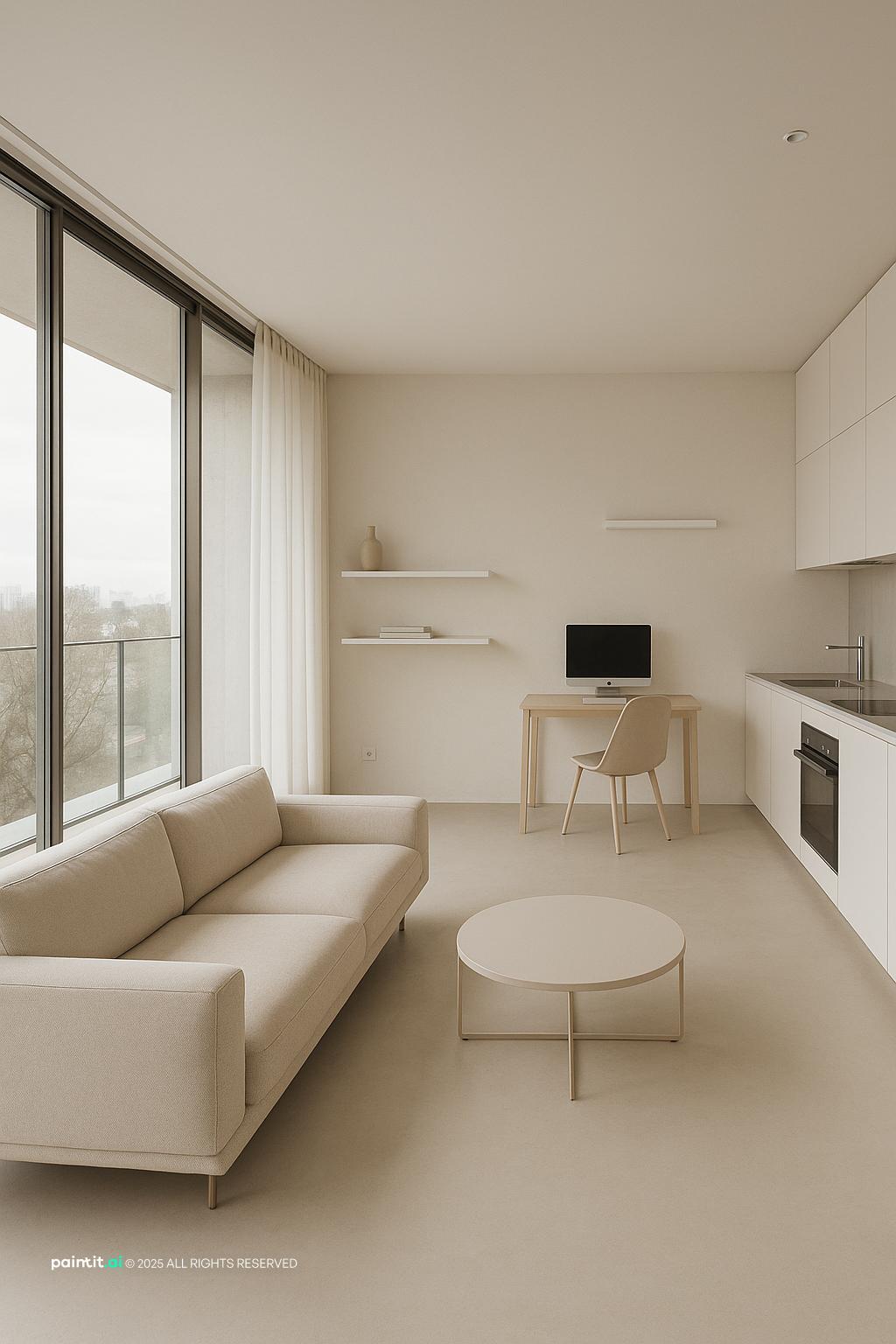
If you ever feel overwhelmed by options, just remember: small homes reward the bold, the resourceful, and the truly you. Any beloved objects waiting for their perfect spot?
Single wide dimensions and what they mean for design
The standard single wide is 14 feet (4.3 m) wide. Lengths range from about 52 to 80 feet (16-24 m). That gives you roughly 728-1,120 square feet (68-104 m2) - comparable to a small urban apartment.
Furniture scale
A standard sofa runs 84-96 inches (213-244 cm). In a 14-foot-wide room with two walls, that sofa takes up 50-57% of the room's width. Compact sofas or apartment-scale sectionals fit the proportions far better. Same applies to beds: a king-size bed is 76 inches wide, which leaves very little clearance in a narrow bedroom.The "bowling alley" problem
The long, narrow floor plan creates a strong visual axis from one end to the other. Break this by creating perpendicular visual interest: a rug laid across the width, a bookshelf positioned at 90 degrees to the main axis, or a colour accent wall at the far end that gives the eye a destination.Zone separation
The linear floor plan naturally sequences living to kitchen/dining to bedroom. Use changes in flooring material, ceiling height, or rug zones rather than physical walls to mark transitions - walls cost precious width.Light placement
A single overhead fixture in each room is the default in most single wides. Add directional task lighting - floor lamps, under-cabinet strips, pendants at the kitchen counter - to break the flat light quality. Warm temperature throughout makes the narrow space feel less corridor-like.
How Paintit.ai helps with single wide design
Upload a photo of any room in your single wide to app.paintit.ai. Test different colour directions, furniture configurations, and style approaches in 1-2 minutes. Particularly useful for deciding how a lighter palette affects the sense of width, or whether a bold feature wall gives the space a focal point or makes it feel smaller. Free to start.
Related design ideas and tools
More layout and room-planning resources for compact homes.
FAQ
-
Effective storage solutions create significant impact. Furniture pieces that serve multiple functions such as ottomans with concealed storage and under-bed drawers maintain organization. Vertical shelving - floating or ladder style - is one of the most effective tools. It adds storage without eating floor space. A cozy environment emerges not from clutter but from individual pieces standing out.
-
Swap out cabinet handles or add a splash of color with peel-and-stick wallpaper. Plants, fresh textiles, or thrifted mirrors bring instant charm. (Once, I just painted my door mint green, felt totally new.) Sometimes, it’s the smallest tweaks that spark joy.
-
Packing in oversized furniture, been there, regretted it! Blocking windows or forgetting good lighting can make rooms feel cramped. Ask yourself: is there room to breathe? Letting the space “air out” visually is everything.
-
Area rugs or open shelving work wonders for invisible boundaries. Low armchairs tuck nicely into tiny corners. Ever move things around just to “see how it feels”? Sometimes, that’s how the best layout reveals itself.
-
Play with texture! (A friend swears by faux-fur throws; I love linen.) Mix metals and woods, add warm lighting, or display art, anything goes. Have you found that one piece that just “makes” your living room? Relish it. Every home has its heartbeat, yours is unique. Don’t stress perfection. Try things, shift pieces, listen to what “feels right.” I’d love to know how you’d personalize your space (or what’s already working!).