
Bungalow Interior Design Ideas: Porches, Light, and Craftsman Details
The Craftsman bungalow was popularized by architects Greene & Greene in Pasadena between 1903 and 1914, drawing on the Arts and Crafts movement's emphasis on hand-crafted materials and close contact with nature. That origin still shapes what works inside one today: exposed wood, natural materials, and a floor plan that treats the porch as a real transition space rather than an afterthought.
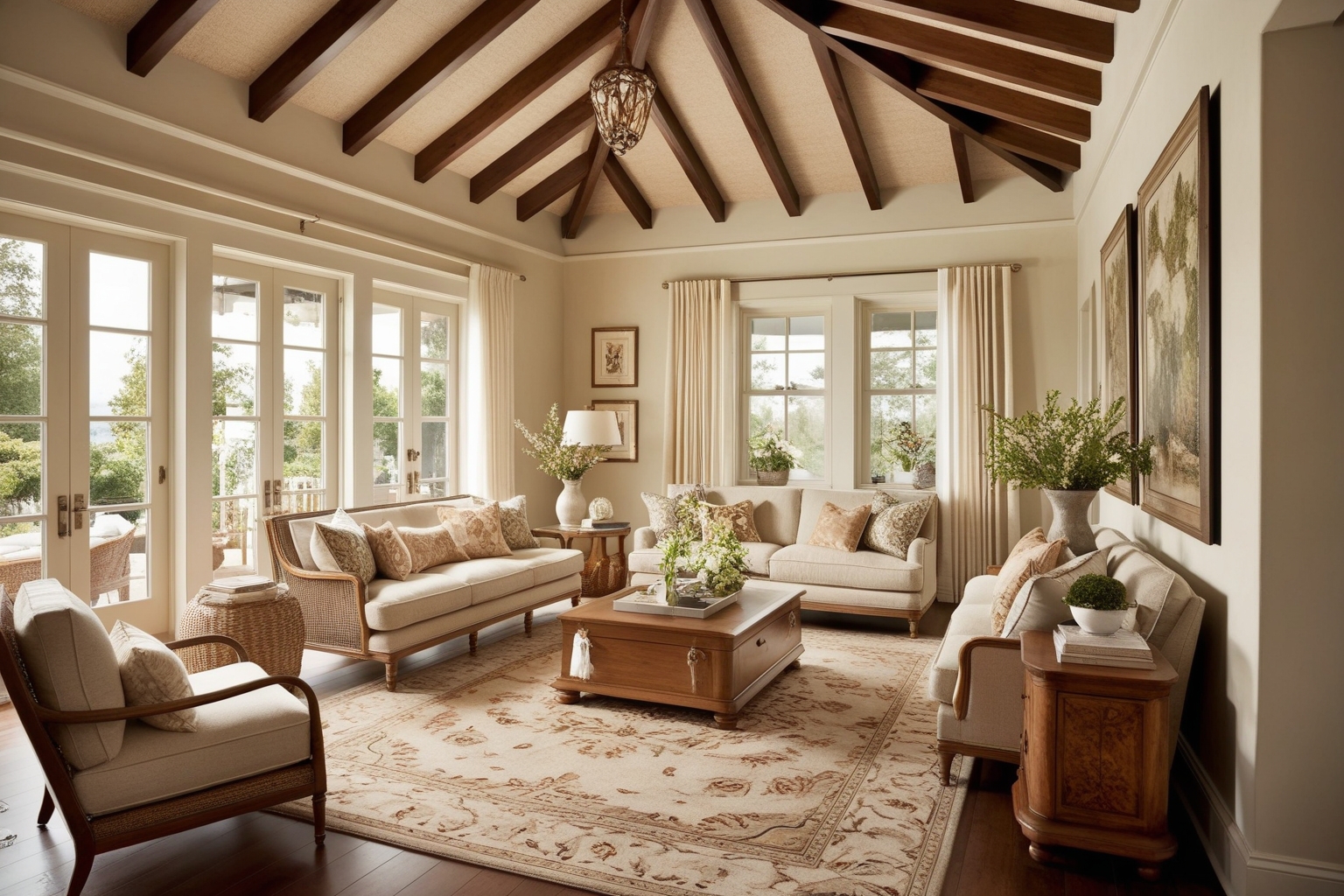
Essential Tips for The Essential Elements of Bungalow Interior Design Ideas
Four decisions define a bungalow interior more than any others: colour, materials, furniture, and lighting - all of them rooted in the style's Arts and Crafts origins rather than picked for trend value.
-
Color Palette
Earthy, muted tones - sage green, warm brown, creamy white - read as period-authentic because they were originally chosen to echo the wood and stone the house was built from, not for their own sake. Deep red or ocean blue works as an accent in small doses. Get the palette right and it creates a genuinely natural blend between indoor and outdoor spaces, which was the entire point of the style when Greene & Greene were designing it.
-
Materials and Textures
Teak, oak, and mahogany dominate original Craftsman bungalow interiors - Greene & Greene's landmark houses used tropical woods like teak and mahogany with inlays of wood, metal, and mother-of-pearl. You don't need inlay work to get the effect: exposed wood beams, stone or brick surfaces, and woven natural-fiber textiles do most of the work. Cotton, wool, and linen in solid colours or subtle patterns keep upholstery in the same material language.
-
Furniture and Decor
Solid wood construction over veneer, built-in cabinetry, and a worn leather armchair do more for a bungalow's character than a room full of new furniture. The style rejects heavy ornamentation by design - one or two pieces with real history (vintage, inherited, or genuinely antique) read as more authentic than a coordinated matching set. Stained glass and hand-woven rugs add texture without adding clutter.
-
Lighting
Layer several light sources at different heights rather than relying on one central fixture - table lamps, wall sconces, and a discreet pendant together. Wide eaves and deep porches (a hallmark of the original Craftsman style) mean bungalows often get less direct daylight than a modern open-plan house, so don't skimp on ambient lighting. Warm-toned bulbs (Edison-style or lantern fixtures) suit the era better than cool white LED.
Examples of Essential Elements of Bungalow Interior Design Ideas
-

Three areas below, each with a principle and a concrete application: layout, pattern, and the personal objects that keep a bungalow from feeling like a period-piece museum.
-
Spatial layout: work with the bungalow's original footprint rather than against it. Most were built single-story with modest square footage, so an open plan connecting living, dining, and kitchen does more for the space than adding walls back in.
-
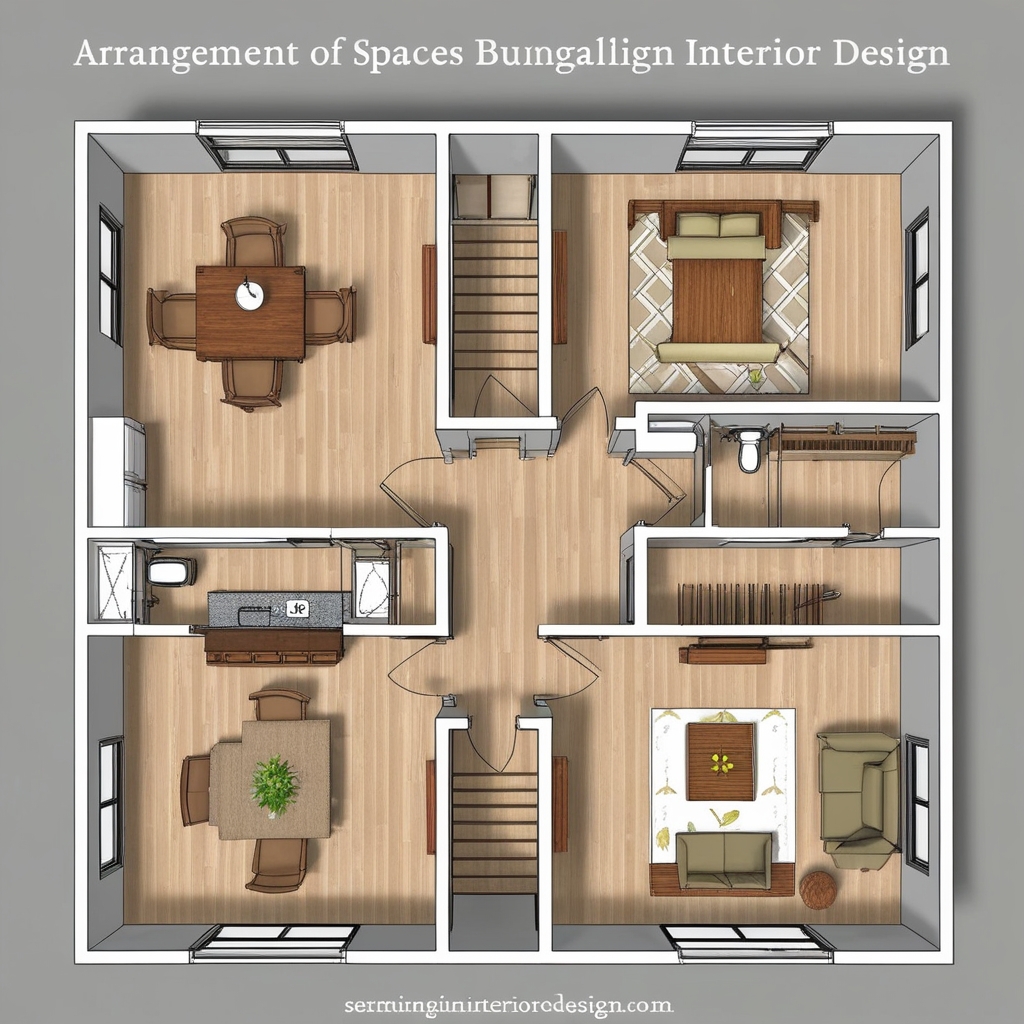
Furniture placement is what actually creates zones inside an open plan - a rug and a sofa back can define a living area without a wall, while keeping the sightline to the kitchen open preserves the light an open plan is meant to maximize.
-

Patterns and motifs: vintage or period-accurate patterns (Arts and Crafts florals, geometric tilework) read as authentic; contemporary geometric prints can work too, but only in small doses against the natural-material backdrop.
-
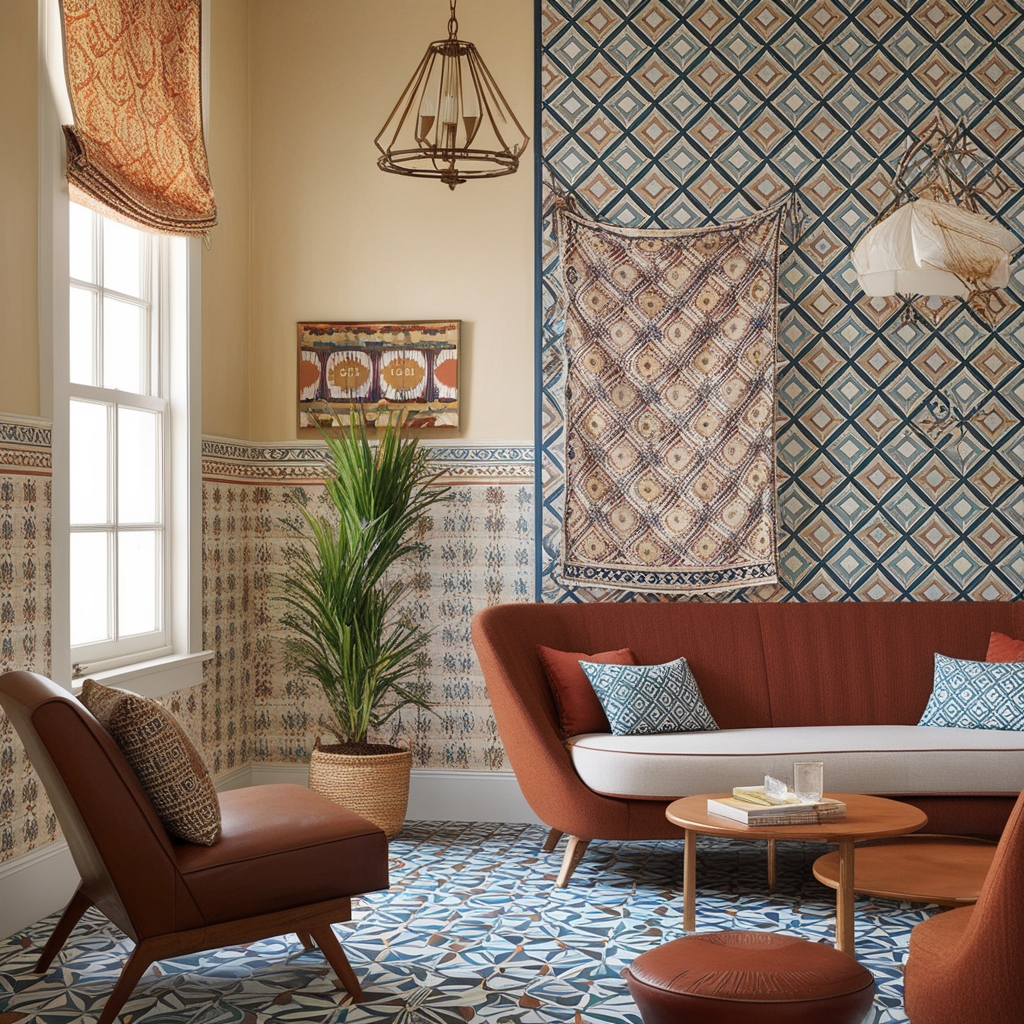
Introduce pattern through a rug, tilework, or a single wallpapered wall rather than upholstery and curtains and cushions all at once - one strong pattern moment reads as intentional, several competing ones read as clutter.
-
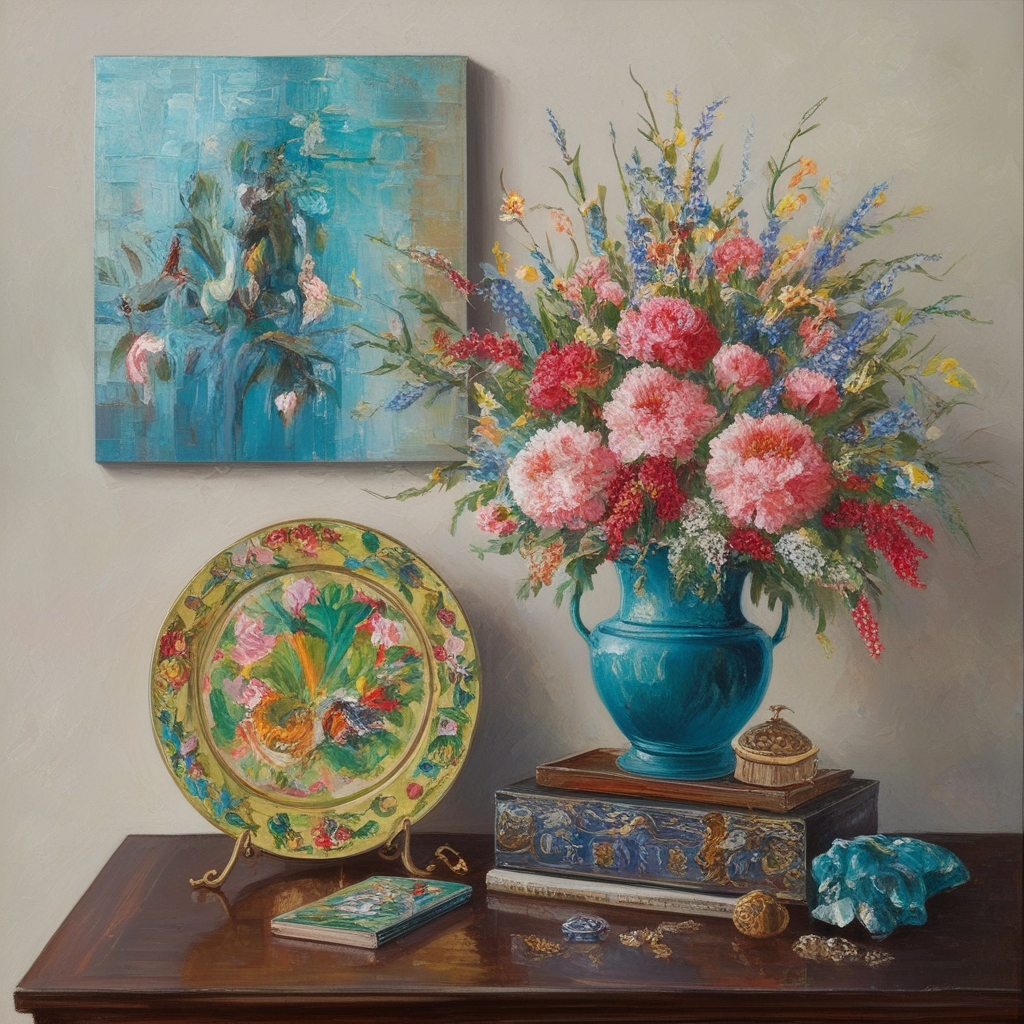
Art and accessories: pieces with real personal or historical meaning do more for a bungalow than anything bought to match the decor - stained glass, hand-woven rugs, and inherited or vintage objects fit the style's original ethos of craft over ornament.
-

Position a few pieces deliberately rather than filling every surface - one sculpture or painting per wall, positioned at eye level, does more than a cluttered gallery wall. The goal is depth and texture, not volume.
Residential vs commercial: what changes
-
The same core elements - open plan, natural materials, earthy tones - work in both a home and a commercial space, but the emphasis shifts depending on which one you're designing for.
-
In the home
Open floor plans connecting living, dining, and kitchen areas support the indoor-outdoor transition the style was built around. Handcrafted woodwork, built-in cabinetry, and vintage or artisan pieces do more for authenticity here than new matching furniture.
-
In commercial spaces
Cafes and boutique hotels borrow bungalow cues (soft lighting, rustic furnishings, natural materials) to slow customers down and make a visit feel less transactional. The simplicity that reads as "cozy" in a home reads as "considered" in a commercial space - the same design choices carry a different signal depending on context.
Discover Related Interior Design Inspirations Design Ideas
A few related layouts worth a look if you're weighing a bungalow against other footprints.

FAQ
-
The Craftsman bungalow style was popularized by architects Greene & Greene in Pasadena between 1903 and 1914, drawing on the Arts and Crafts movement. In practice that means exposed wood, natural materials, an open plan, and a preference for a few meaningful pieces over heavy ornamentation.
-
The material palette (teak, oak, mahogany, stone, brick) drawn from the original Craftsman houses, wide eaves and deep porches that limit direct daylight more than a modern open-plan house, and a deliberate rejection of heavy ornamentation in favor of one or two pieces with real history.
-
Yes - modern and rustic styles both share bungalow's preference for natural materials and muted tones, so the blend works when you keep shared textures and palettes consistent rather than mixing eras of furniture at random.
-
The most common mistake is over-decorating: filling every surface and wall with objects instead of choosing a few with real meaning. A close second is painting the whole interior in one saturated colour instead of using an earthy base with a single accent.
-
Yes, and it fits the style's original ethos well - reclaimed or FSC-certified wood, natural stone, and energy-efficient fixtures all read as authentically Craftsman rather than as a compromise, since the style was already built around local, honest materials.
-
Built-in cabinetry (a genuine Craftsman-era feature, not a modern addition), multi-use furniture, and an open plan connecting living, dining, and kitchen areas do the most for a bungalow's typically modest square footage.