
Small saree shop interior design ideas for stylish and functional spaces
A small saree shop has one design job above all others: let the sarees be the visual focus. Everything else (wall colour, shelving material, lighting, fixtures) should recede and let the fabric colour and drape do the selling.
These 19+ ideas cover the display systems, storage solutions, and atmosphere decisions that make a compact saree boutique both beautiful and functional.
These 19+ ideas cover the display systems, storage solutions, and atmosphere decisions that make a compact saree boutique both beautiful and functional.
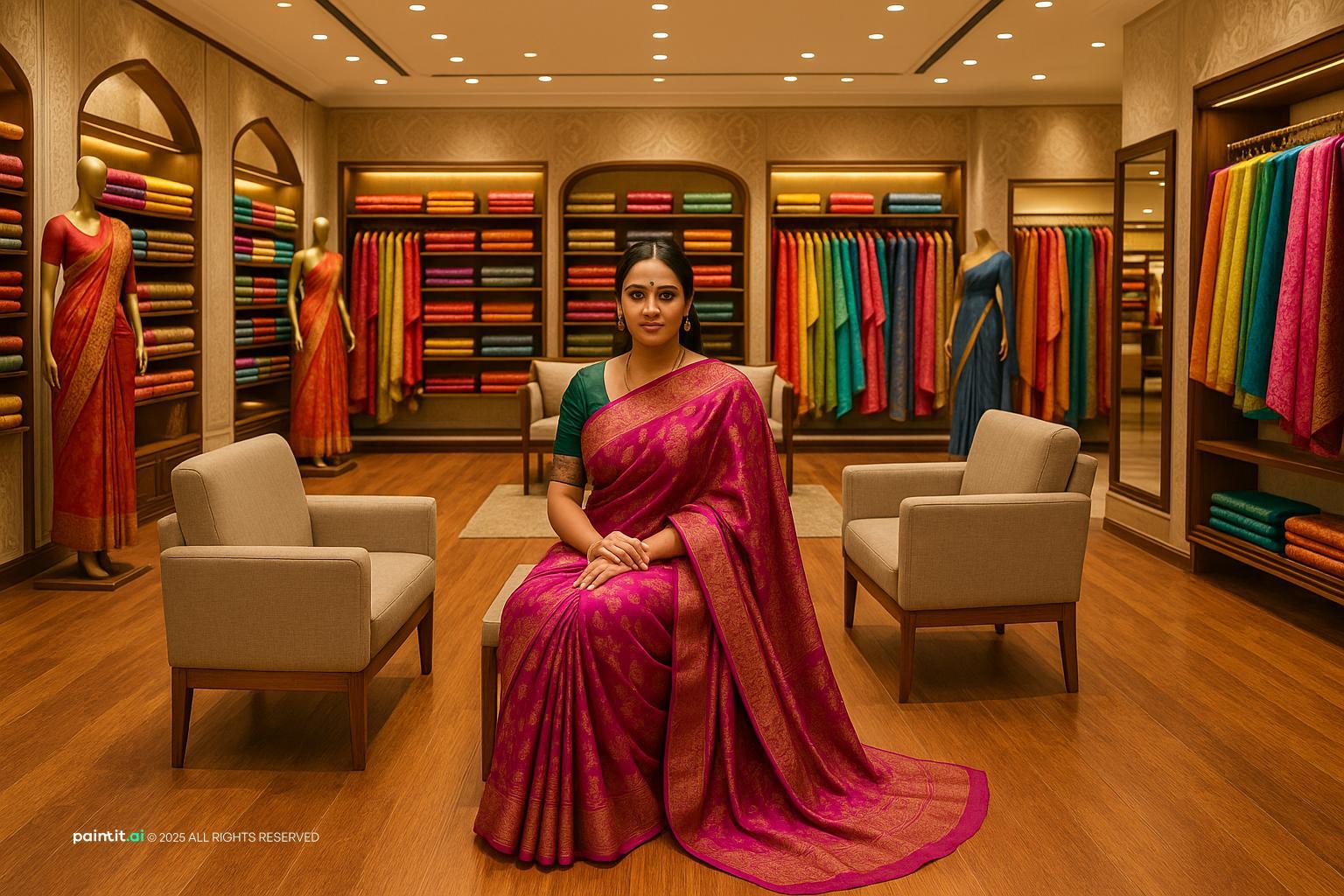
19 small saree shop interior design ideas
Start with the display system and lighting before any decorative choices. These ideas are ordered by impact.
-
1. Build a Saree Shop Design Plan Around the Fabric
A working saree shop design plan starts with what the customer actually needs to see: colour, weave, and drape. Keep walls and flooring in muted, neutral tones so the sarees read as the brightest thing in the room, not the fixtures around them.
-
2. Choose Low-Budget Racking That Still Looks Premium
Saree shop interior design on a low budget doesn't have to look cheap. Painted MS-pipe racks, open wooden cubbies, and simple sliding-glass cabinets cost far less than custom carpentry and still present folded stacks cleanly.
-
3. Colour-Block the Stock by Shade
Grouping sarees by colour family rather than fabric type turns ordinary shelving into a visual display on its own. Customers browsing for a specific shade find it faster, and the wall of colour becomes free decoration.
-
4. Separate Silk, Cotton, and Georgette Zones
A modern saree shop interior design layout usually splits stock by fabric weight as well as colour. Silk and bridal pieces near the entrance catch attention; everyday cotton and georgette sit further back where browsing takes longer.
-
5. Light for Sheen, Not Just Brightness
Saree fabric changes appearance under different light temperatures. Warm-white LED spotlights angled across folded stacks bring out zari work and silk sheen far better than flat overhead tube lighting.
-
6. Add a Mannequin or Draping Wall
One or two mannequins draped in featured sarees near the window do more selling than a full rack of folded stock. A draping wall also gives customers a sense of how the fabric falls before they try it on.
-
7. Keep a Dedicated Trial and Draping Area
Trying on a saree takes longer than most garments. A private trial room with a full-length mirror, good lighting, and space for a helper to drape avoids congestion at the main counter.
-
8. Use Glass Showcases for Premium and Bridal Pieces
High-value silk and bridal sarees benefit from a locked glass showcase near the counter. It signals value, protects the stock, and gives staff a natural spot to bring pieces out for a closer look.
-
9. Plan Storage for Bulk Stock Separately from Display
Only a fraction of inventory should live on the sales floor. Back-of-store shelving or a mezzanine keeps bulk stock organized by design code, so staff can pull a matching piece without disturbing the display.
-
10. Position the Billing Counter to See the Whole Floor
In a small saree shop interior design ideas layout, the counter usually sits near the entrance with a clear sightline across the floor. This keeps checkout fast and lets one staff member monitor the whole space.
-
11. Add a Blouse-Piece and Accessory Corner
A small dedicated area for matching blouse pieces, petticoats, and accessories near the trial room turns a single saree purchase into a complete outfit sale, without needing extra floor space.
-
12. Create a Festive and Wedding Collection Corner
Seasonal and bridal sarees sell better with their own visual identity. A slightly raised platform, richer lighting, or a decorative backdrop separates the wedding collection from everyday stock without a full renovation.
-
13. Keep Aisles Wide Enough for Draped Fabric
Saree pallu and pleats take up more space than folded garments in a bag. Aisles under 90cm feel cramped the moment two customers browse racks facing each other, so plan walkways generously even in a small footprint.
-
14. Protect Fabric with Climate and Dust Control
Silk and delicate embroidery degrade faster in humidity and direct sunlight. Keep display windows away from direct afternoon sun, and use closed cabinets or dust covers for slow-moving premium stock.
-
15. Add Seating for Family Members
Saree shopping is often a family decision, and shopping trips run long. A small bench or two chairs near the trial area keep companions comfortable while the main shopper browses or tries on pieces.
-
16. Use Signage That Reflects Simple, Modern Saree Shop Interior Design
Clean typography, a consistent colour palette, and uncluttered shelf labels read as more modern than heavy carved woodwork. A simple, modern saree shop interior design look often costs less than an ornate one and photographs better for social media.
-
17. Add Mirrors to Widen the Sense of Space
Beyond the trial room mirror, a mirrored panel on one sidewall makes a compact shop feel larger and doubles the visible colour of the display without adding a single rack.
-
18. Rotate the Window Display Regularly
A window display that changes with new arrivals or the season keeps regular customers checking in. Two or three draped sarees on a simple stand are usually more effective than an overloaded window.
-
19. Try Layouts Before You Commit
Before finalizing your saree shop interior design ideas in India, test the fixture layout with paper mockups or a free AI visualization tool. Seeing the colour zones, counter position, and trial area in place first avoids costly rearranging later.
Small saree shop design examples in action
-
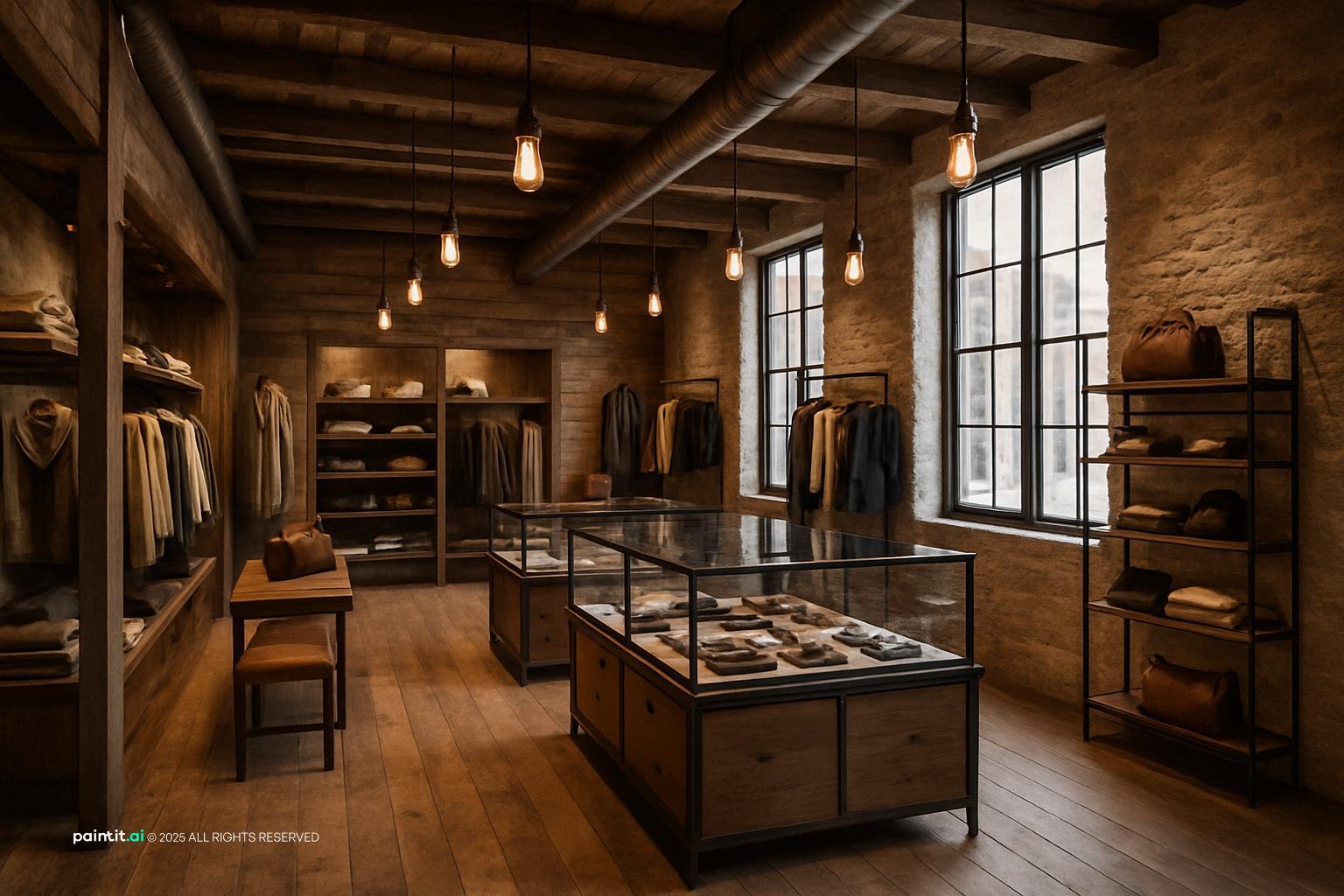
Designing a compact saree shop is all about maximizing charm and efficiency. Here are inventive ways to make the most of a small retail footprint while still celebrating craftsmanship, color, and the joy of shopping for sarees.
-
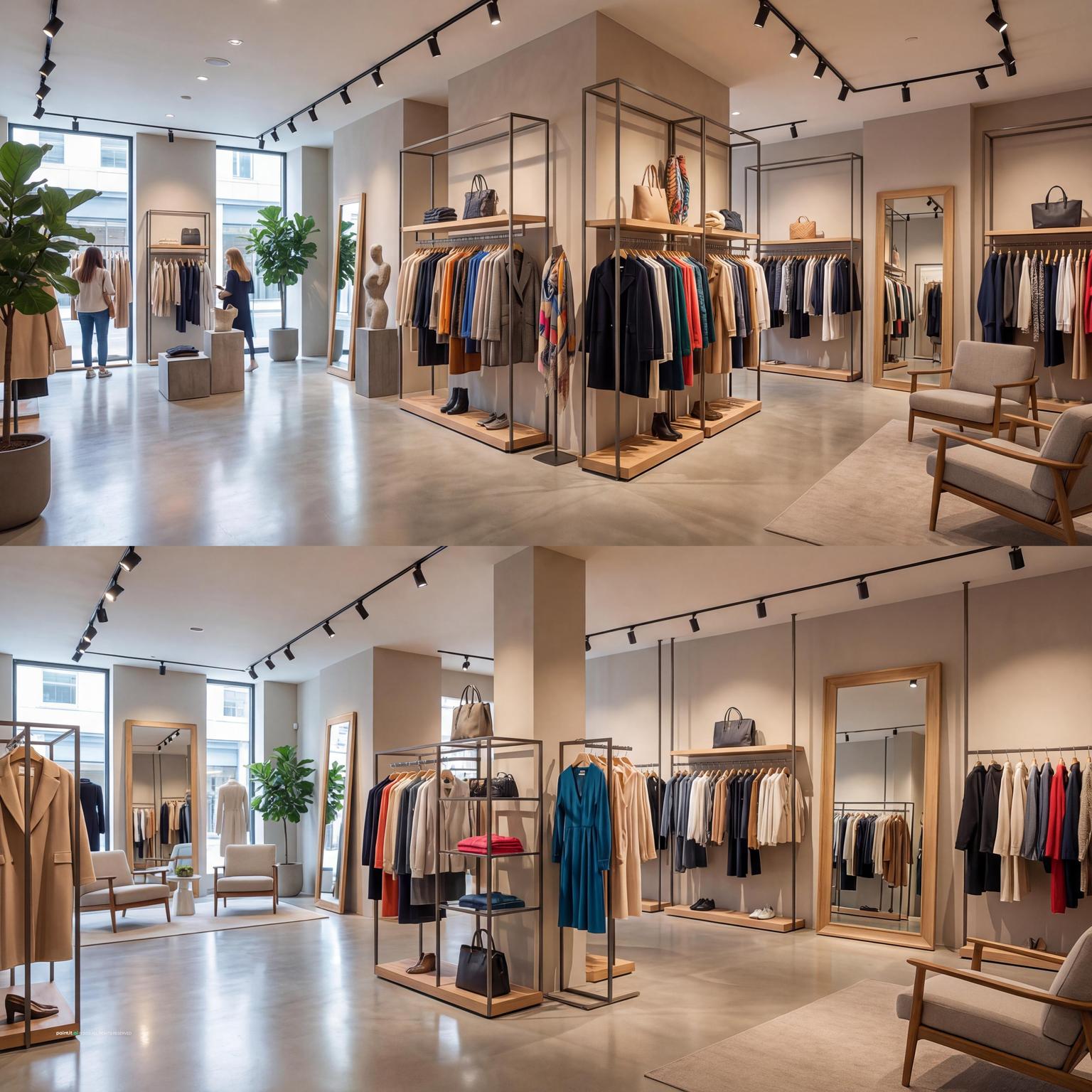
Install sleek open shelves that rise from the floor to the ceiling to display your sarees vertically. This ensures maximum storage without crowding the shop, and customers get a sweeping, colorful view as soon as they enter.
-
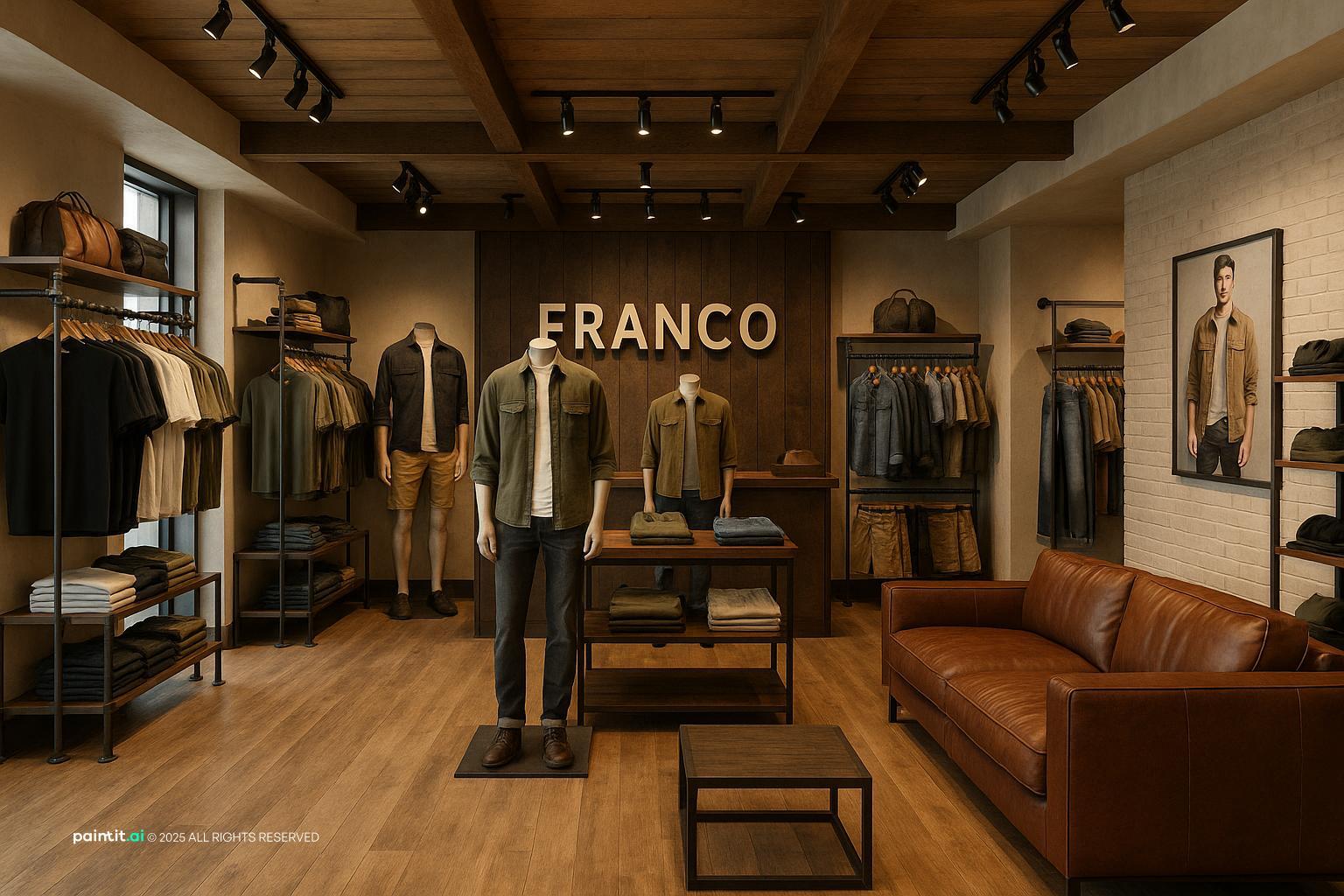
Consider organizing sarees by color or fabric type for a visually appealing display and easier customer browsing.
-
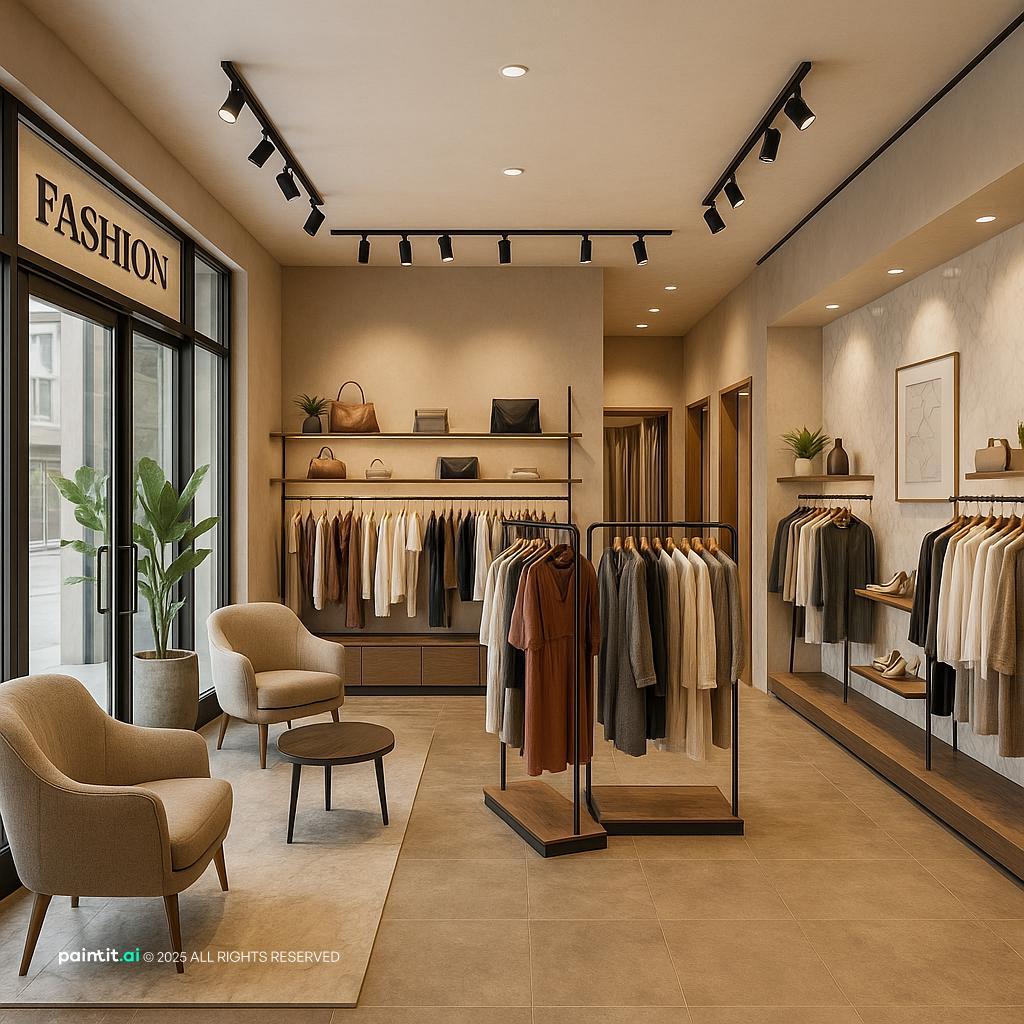
Add a wall-mounted rolling ladder alongside tall shelves. This not only adds a touch of boutique flair but also makes it effortless to reach higher shelves, optimizing every inch of your available wall space.
-
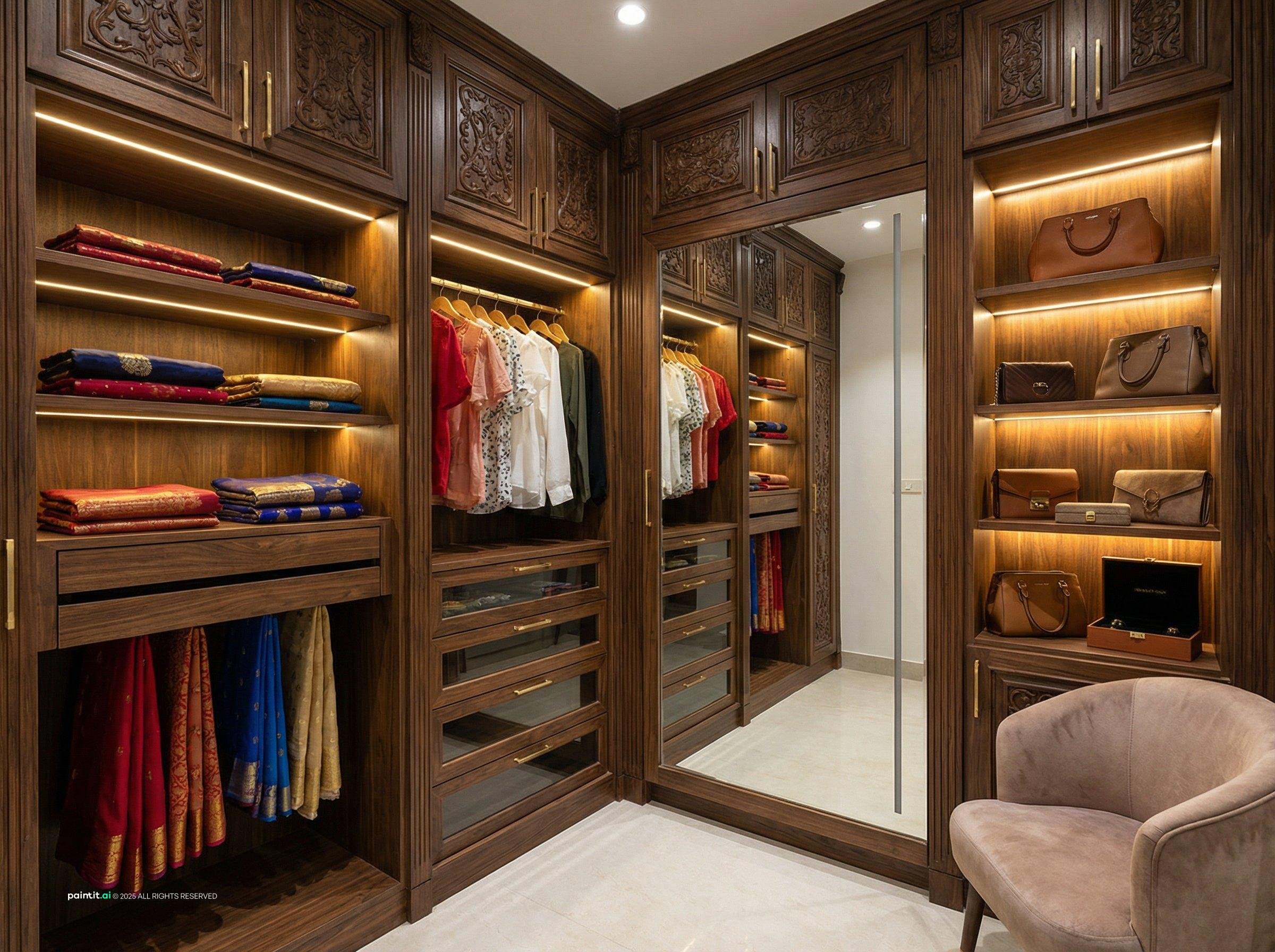
Choose a stylish, slim ladder in wood or brass to complement traditional aesthetics.
-
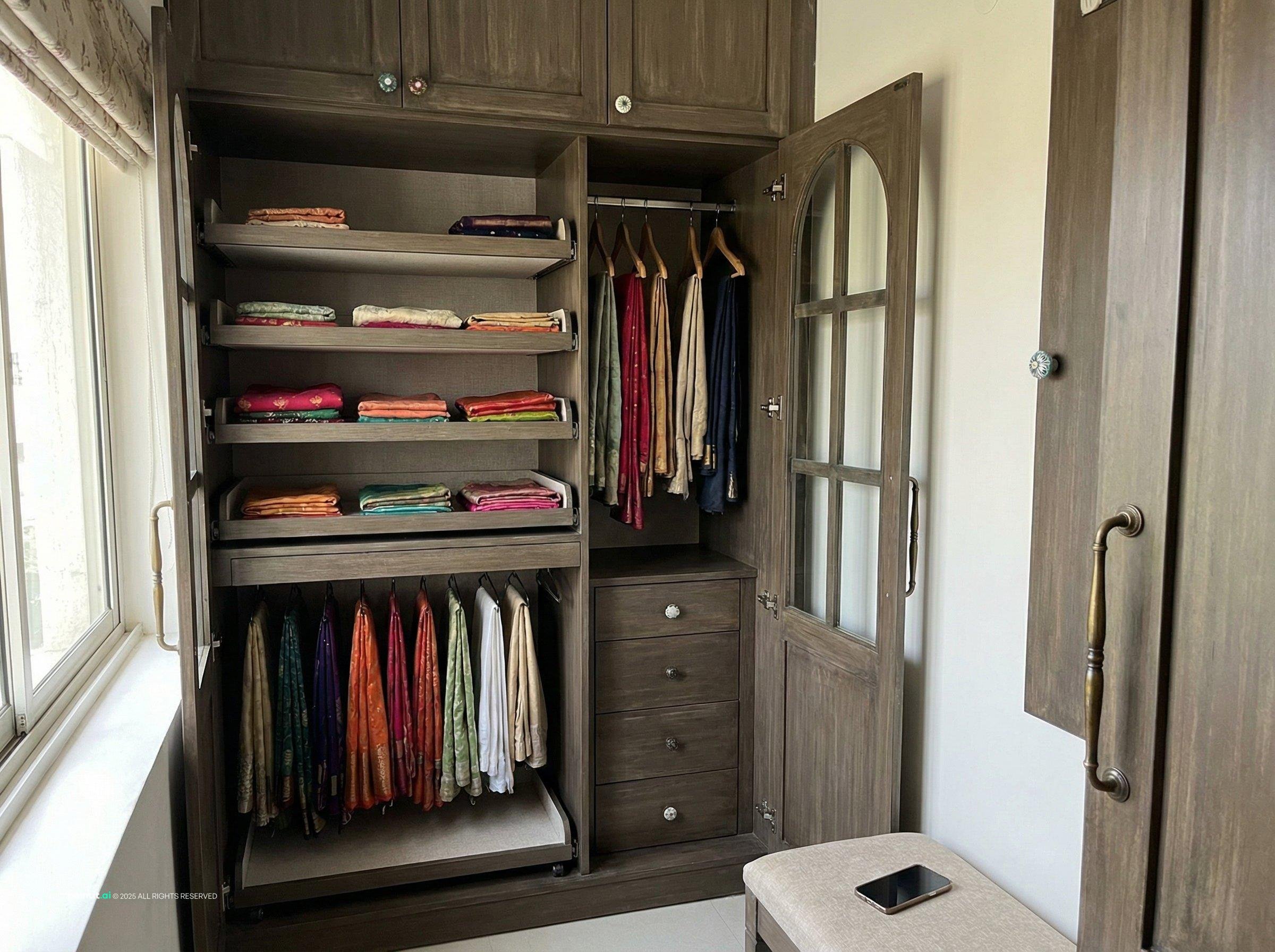
Use sliding glass cabinets instead of swinging ones to save space. They allow you to see and access them easily even when they are stored in a narrow aisle.
-
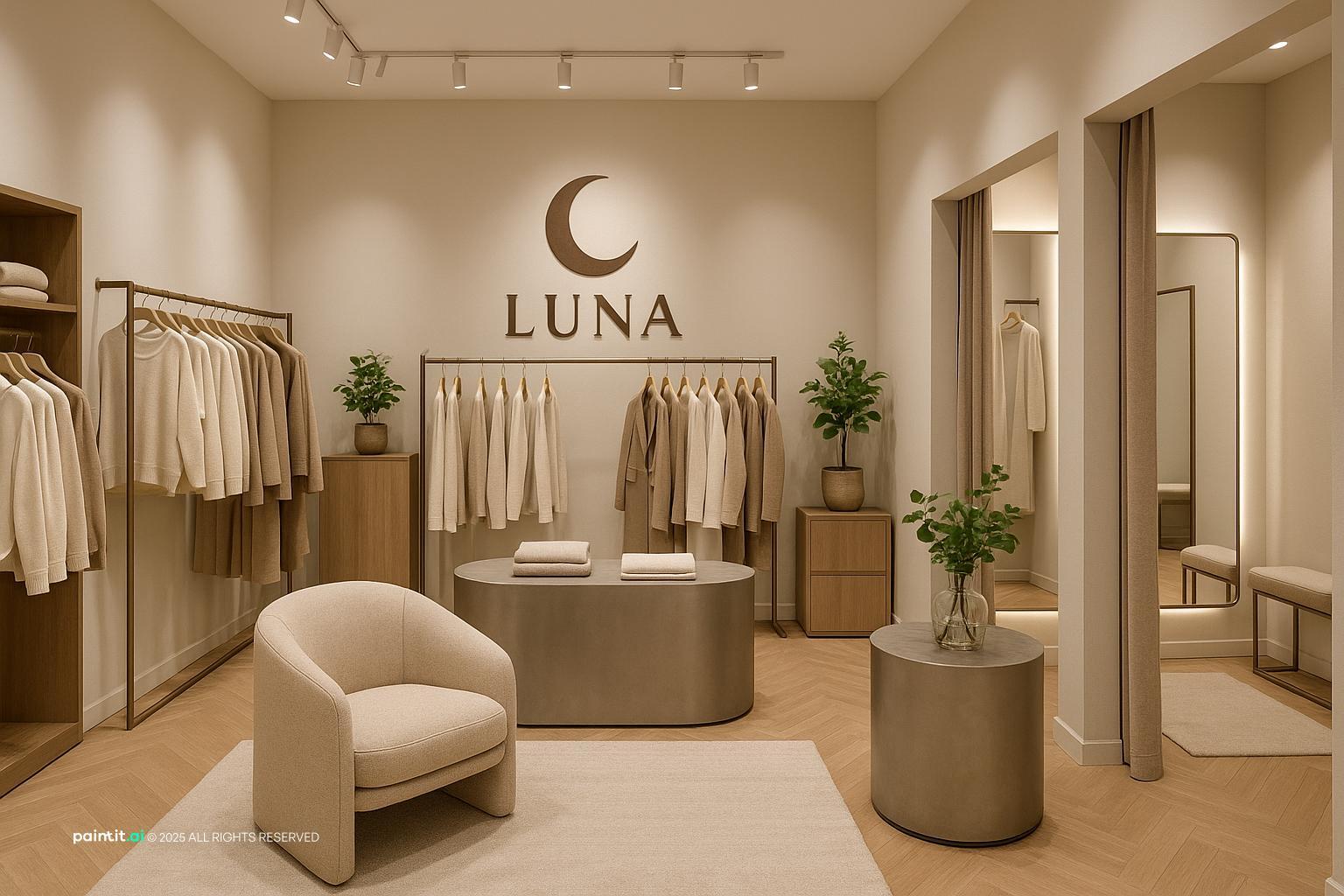
This is especially beneficial for displaying rare or fragile editions that need special handling.
-
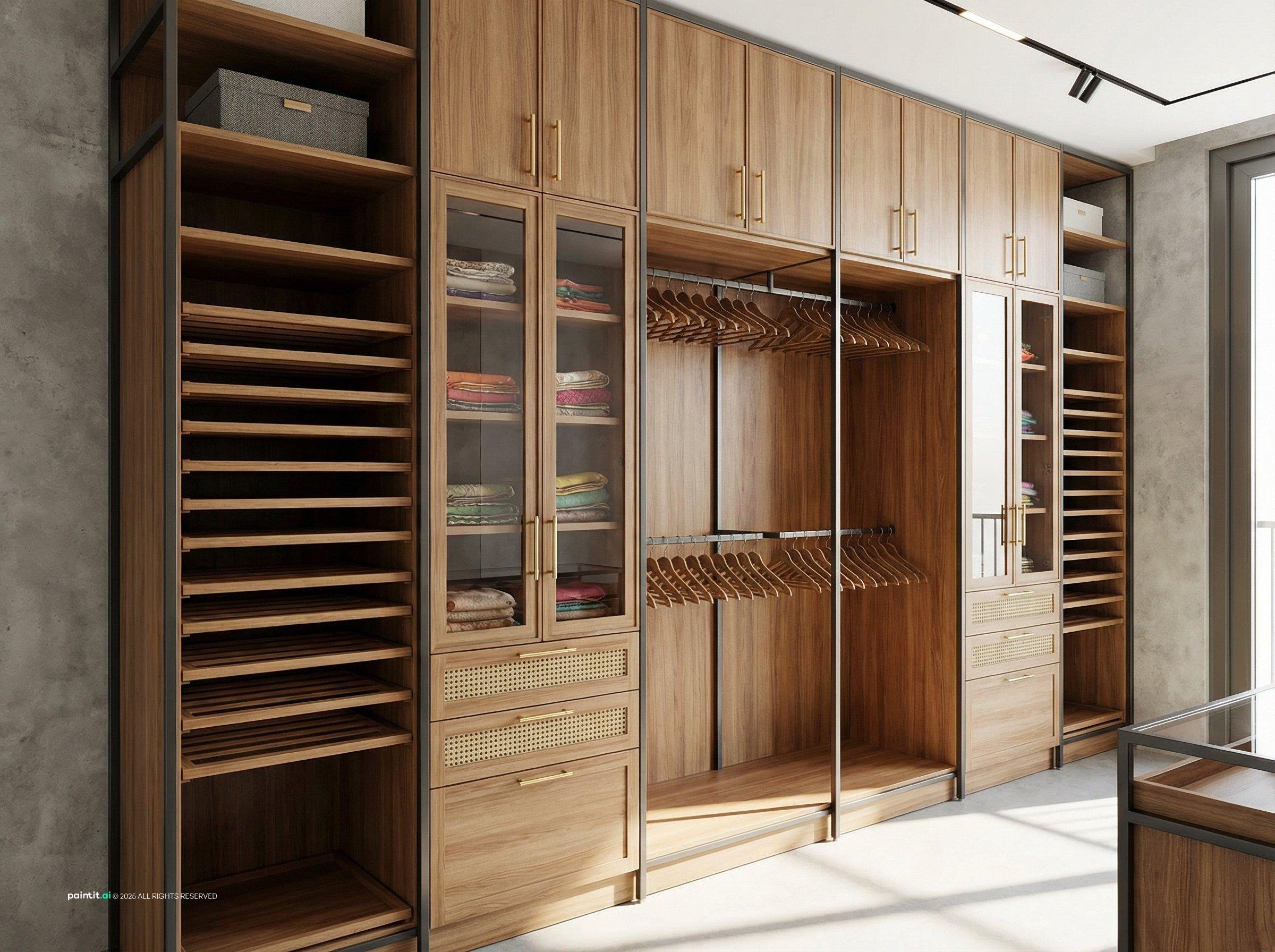
Incorporate low, movable display platforms that double as seating or step-stools. They can display featured sarees and help customers as they browse or make selections.
-
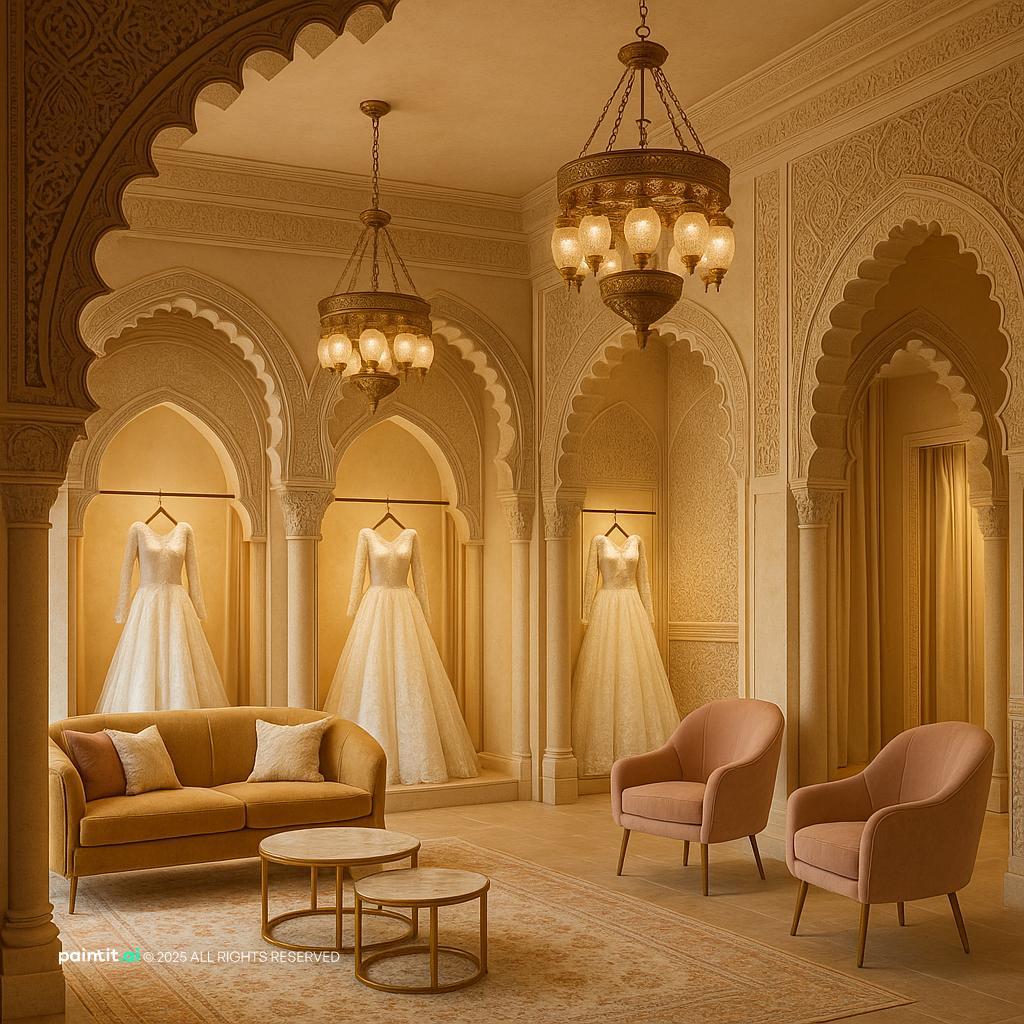
Choose lightweight platforms with hidden storage beneath for added practicality.
-
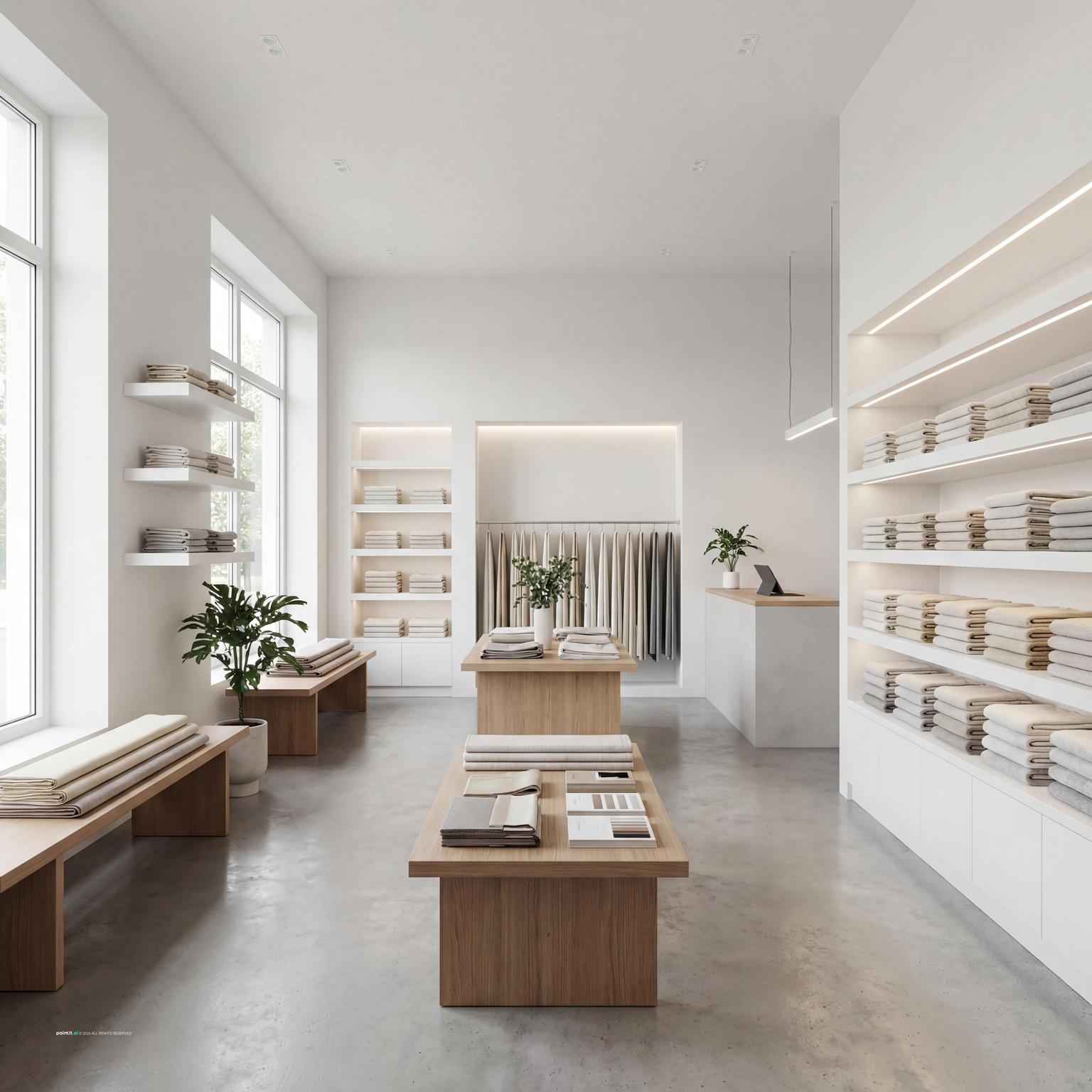
Strategically place oversized mirrors along the walls to visually double the space and create a glamorous atmosphere. Mirrors enhance lighting and boost the shopping experience, allowing clients to see sarees draped from various angles.
-
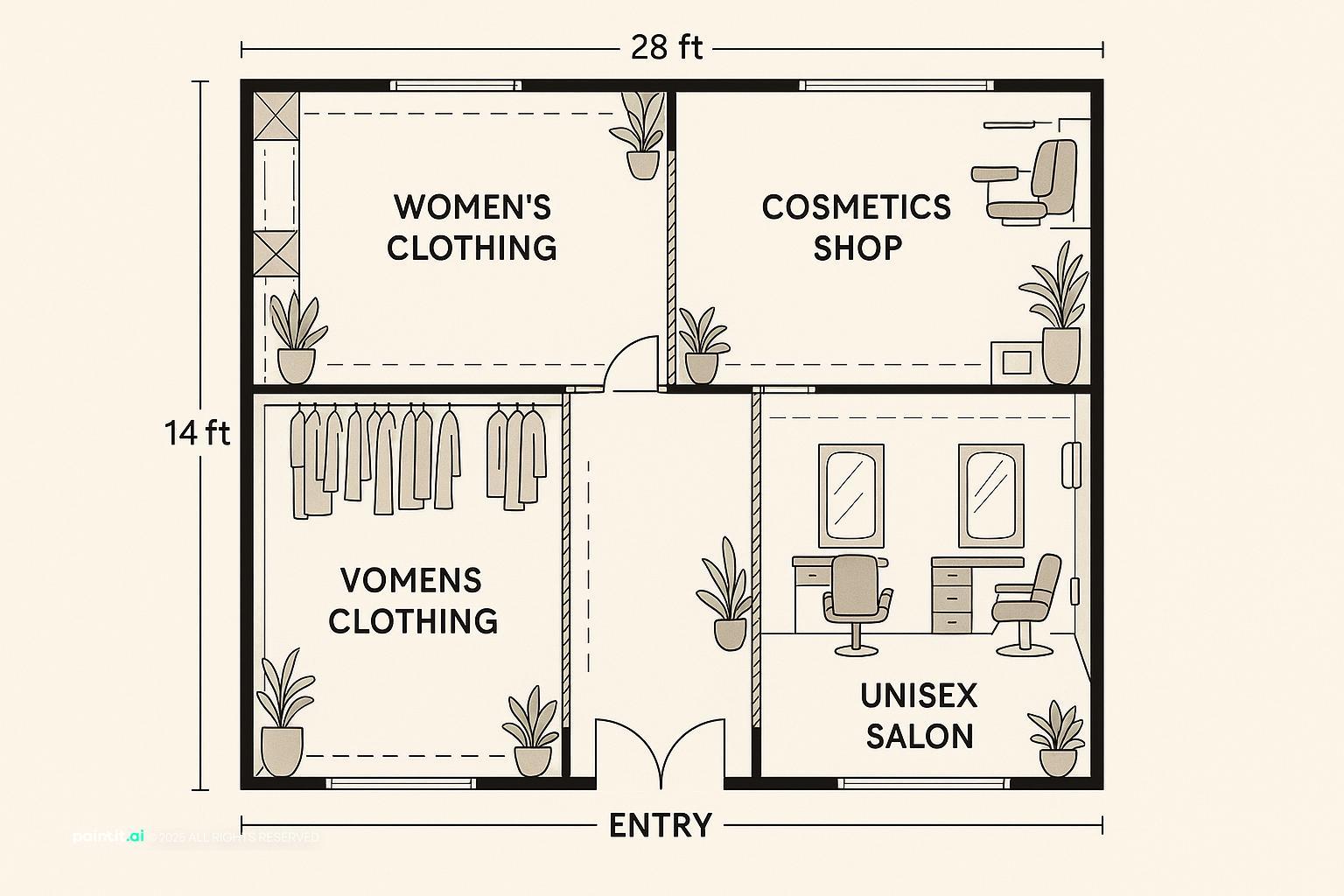
Consider installing warm LED strip lighting beneath the shelves for gentle illumination that enhances the sarees’ colors and details. This ambient lighting highlights the existing textures and gives the store a welcoming, high-end look.
-
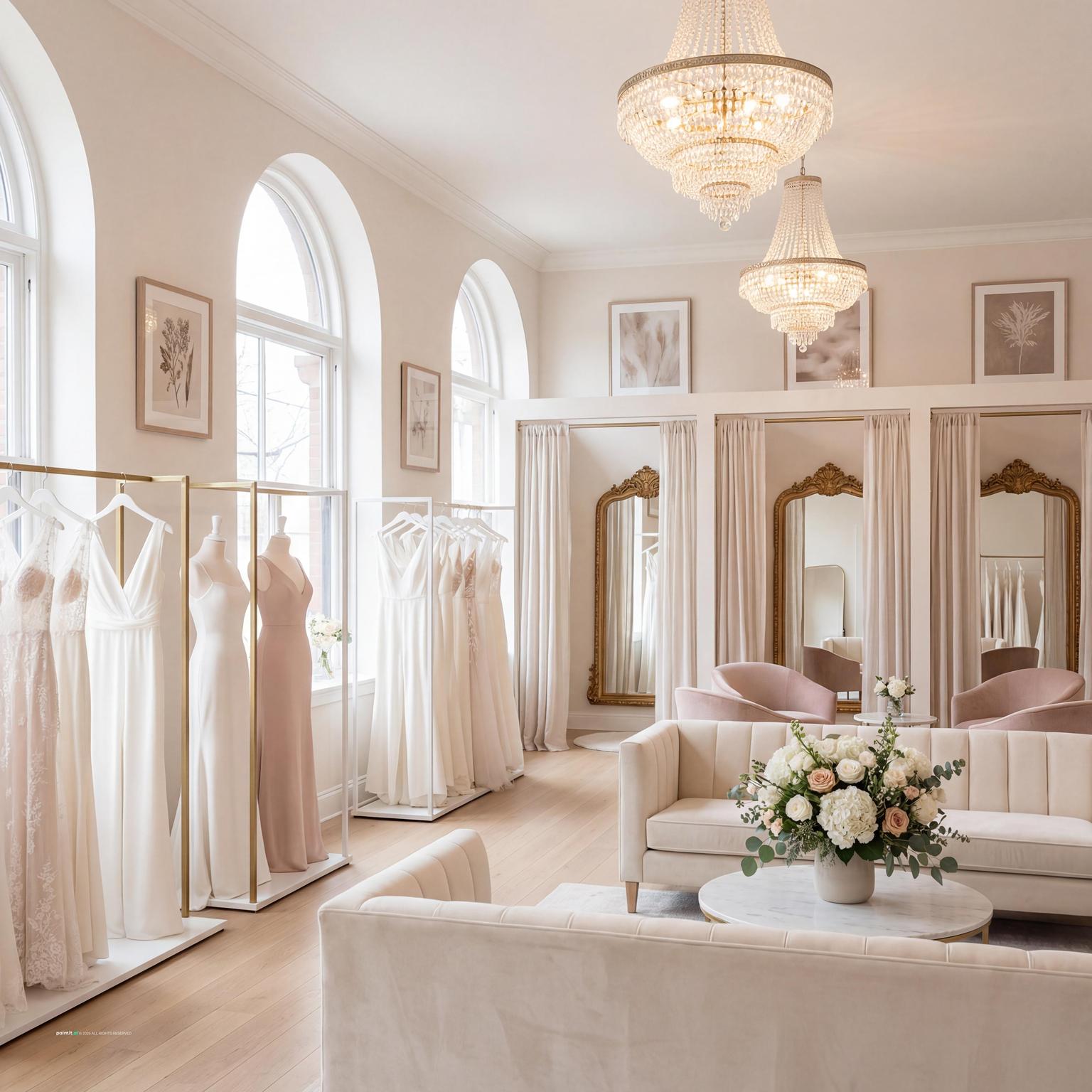
Use vertical rods anchored to the ceiling or shelves to hang sarees at display height. This lets you display special pieces in full view and makes rotating displays easy.
-
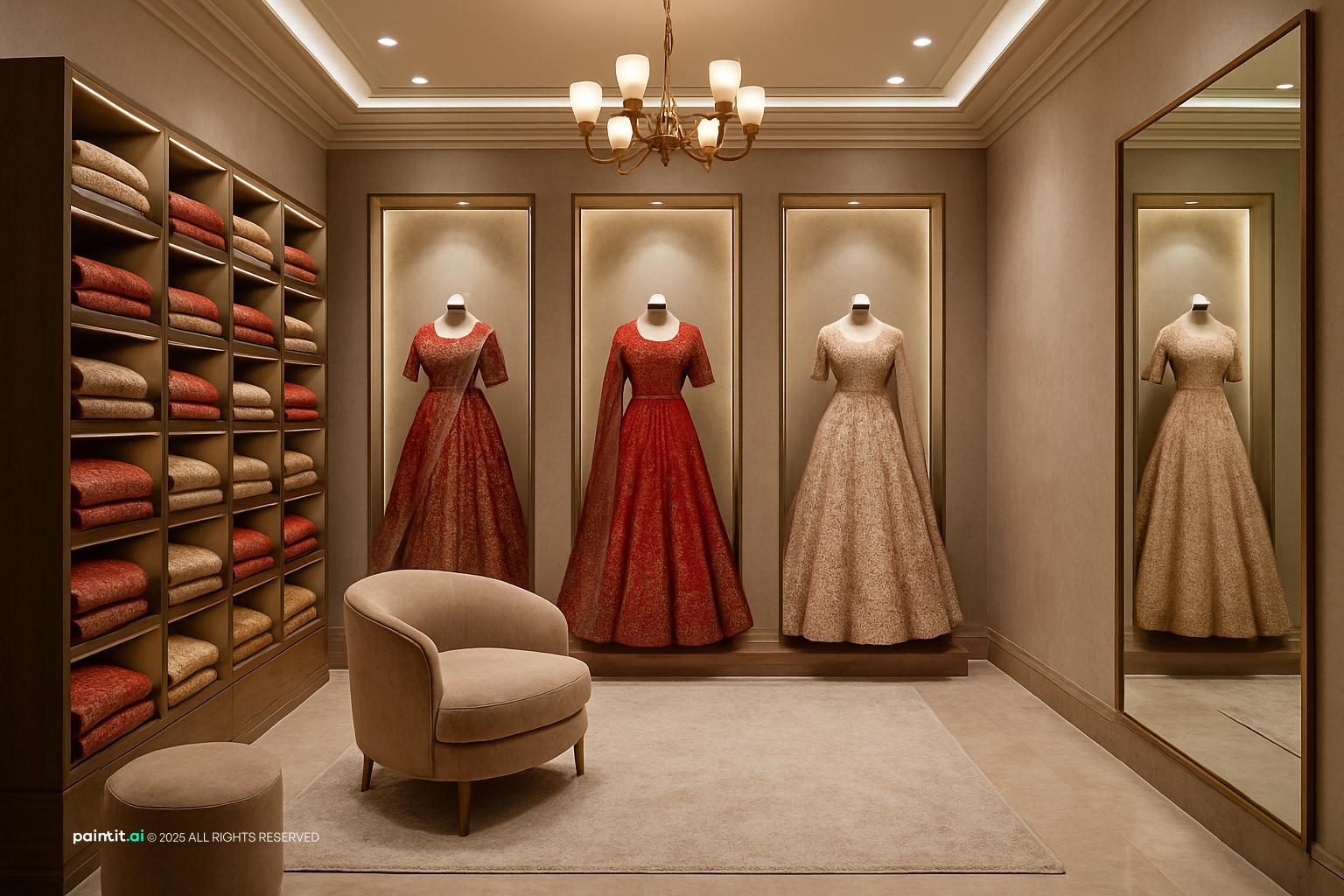
Choose rods in brushed gold or black metal for a modern touch.
-
Design compact niches for blouses, jewelry, or petticoats. Additionally, by placing the products in a separate area, companies can focus on maintaining a specific ambiance and layout on the main shopping floor.
-
Drape off a corner of the room with an attractive fabric curtain and set up a simple ottoman and full-length mirror inside. Even a tiny, thoughtfully arranged area can make a significant difference in customer experience.
-
Paint walls and shelving in a single, soft shade like pale blush or cream to let the colors of your inventory shine. A minimal backdrop prevents visual clutter and brings a studio-like calm to the space.
-
Opt for a floating or wall-attached checkout counter. A streamlined design with concealed drawers keeps essentials accessible without cluttering the counter surface, which also serves as a wrapping and folding station.
-
Add artistic ceiling elements such as lightweight textile chandeliers or clusters of clay bells. These create interest overhead without taking up shelf or floor space, reflecting the artisanal nature of the products.
-
Include shallow drawers under the main counters where sarees can be laid flat yet pulled out easily for browsing. Give each drawer a clear top or label so staff can identify the contents quickly.
Key design principles for saree shops
Colour on the walls should not compete with the sarees
Flashy or saturated wall colours take attention away from the products rather than directing it toward them. Neutral backgrounds (pale blush, cream, warm white, or light sage) let the sarees' colours stand out. If you want a feature element, use it on the ceiling (battens, textile chandelier, decorative brass bells) rather than the walls.
Lighting must be warm and colour-accurate
Warm white LEDs (2700–3000K) make silk and cotton fabric colours look rich and inviting. Cool or fluorescent lighting washes out colour and makes fabrics look flat. LED strip lighting under shelves illuminates the sarees from below without creating harsh shadows. Consistent lighting throughout, with no dark corners, allows customers to assess colours accurately.
The entry moment matters enormously
Fabric-draped mannequins near the entrance, displaying seasonal or featured collections, draw customers in immediately. The first thing a customer sees establishes what kind of shop this is; it should communicate quality, speciality, and the specific cultural identity of the collection.
The trial/draping area is a conversion driver
Even a small curtained corner with an ottoman, a full-length mirror, and good lighting converts browsers into buyers. Customers want to see how the saree drapes before committing. The lighting in this area matters: warm, even light that shows the fabric correctly (not unflattering overhead only).
Saree shop low-budget priorities
Spend on
Consistent shelving (floor-to-ceiling adjustable shelving on all available walls), warm LED lighting throughout, and one good full-length mirror.
Save on
Wall colour (a simple neutral costs the same as a bold colour but works better as a backdrop), display props (simple wooden or brass rods are more effective than elaborate display furniture), and decorative objects (a few well-chosen pieces read better than many).
How Paintit.ai helps with saree shop design
Upload a photo of your shop to app.paintit.ai. Test different wall colour directions, shelving configurations, and lighting approaches in 1–2 minutes. Particularly useful for comparing how a pale blush wall reads versus cream or warm white with your existing inventory colours. Free to start.
Related design tools and ideas
FAQ
-
Vertical floor-to-ceiling shelving maximizes wall space without consuming floor area. Organize by colour or fabric type so customers can scan the collection efficiently. A rolling ladder alongside tall shelves makes upper sections accessible and adds boutique character. Ceiling-anchored hanging rods for featured pieces let customers see the full drape at display height, rotating these weekly to showcase new arrivals.
-
The entry display is the strongest customer draw: a well-draped mannequin or a striking colour arrangement visible from the street or corridor outside draws people in before they make any conscious decision. Inside: warm lighting that makes the sarees' colours look rich and vibrant, organized displays that make browsing feel easy rather than overwhelming, and a trial area that converts interest into purchase.
-
Start with the display and lighting systems. Floor-to-ceiling shelving on all available walls, consistent warm LED lighting throughout, and a neutral wall colour that doesn't compete with the fabric colours. Add a dedicated trial/draping area with a full-length mirror and good lighting. Keep the floor as clear as possible; crowded floor space discourages browsing.
-
Yes. Upload a photo of your shop to app.paintit.ai and test different colour directions, shelving configurations, and lighting approaches in 1–2 minutes. Free to start.