
Pooja room interior design ideas for apartments and homes
A pooja room can be a dedicated room, a wall niche, a compact cabinet, or a quiet corner inside a living room. The best design depends on available space, daily ritual habits, storage needs, lighting, and how visible the mandir should be from the rest of the home.
These pooja room interior design ideas cover marble shelves, jaali panels, recessed niches, wall-mounted mandirs, compact units, storage, lighting, and vastu-led placement for apartments and houses.
Upload a photo of your wall, alcove, living room corner, or dedicated room to app.paintit.ai and test mandir styles, shelves, lighting, and colors in 1-2 minutes. Free to start.
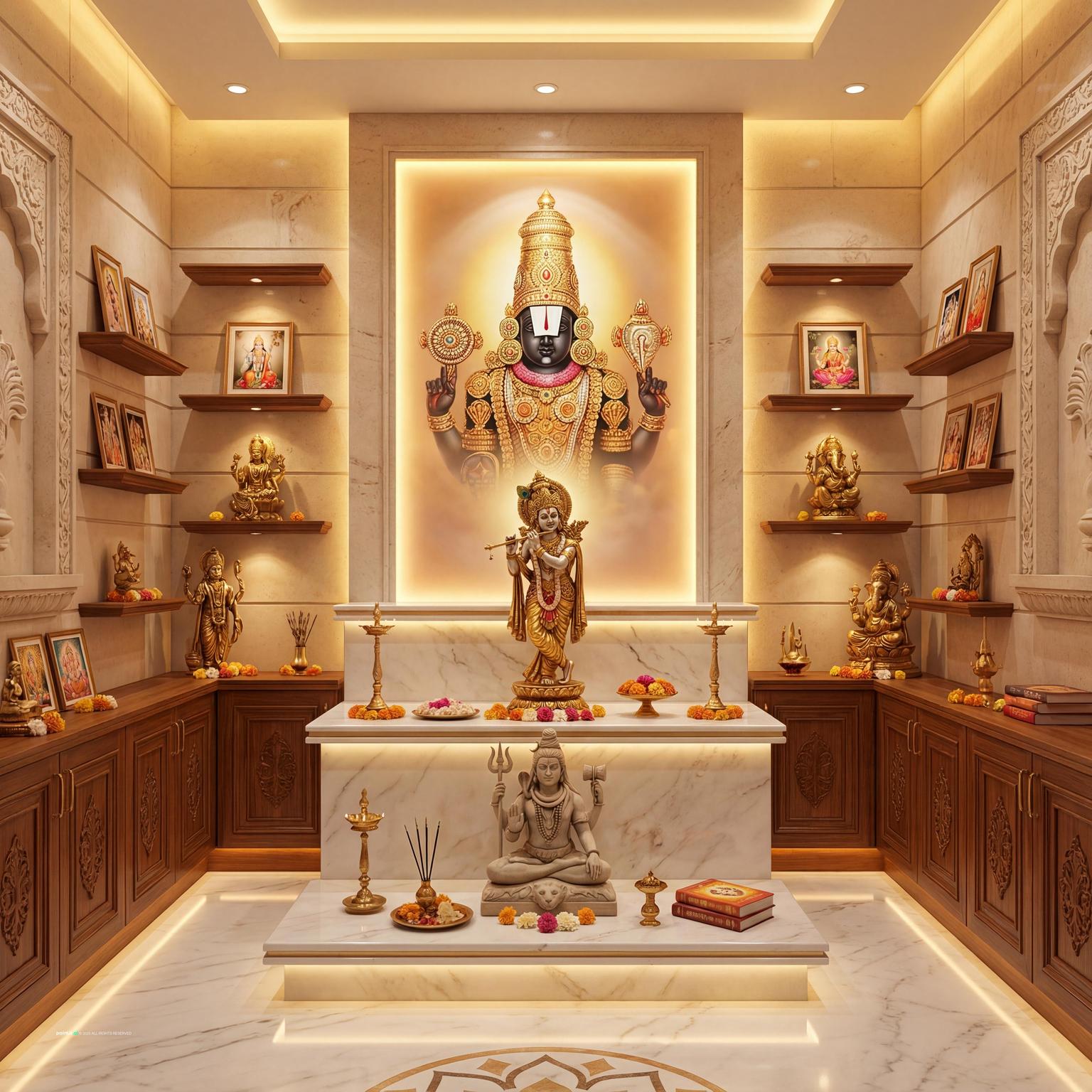
Pooja room design ideas for every home size
Whether you have a dedicated room or a compact corner unit, the design should feel calm, clean, and easy to maintain. Prioritize correct scale, safe lamp placement, storage for ritual items, and warm lighting around the mandir.
-
1. Get the Scale Right for Your Space
A full pooja room needs a mandir sized to the room, not the other way around. In a compact corner unit, choose a wall-mounted or slim floor mandir instead of shrinking a full-room design into a space it wasn't meant for.
-
2. Plan Lamp and Diya Placement for Safety First
Keep oil lamps and diyas away from curtains, wooden shelving edges, and anything flammable. A small heat-resistant tray or recessed alcove for the lamp keeps daily rituals safe without extra thought each time.
-
3. Add Dedicated Storage for Ritual Items
Incense, extra diyas, prasad plates, and puja books need a closed cabinet nearby so the altar surface itself stays uncluttered. A drawer or low cupboard built into the unit keeps daily items within reach but out of sight.
-
4. Use Warm, Layered Lighting Around the Mandir
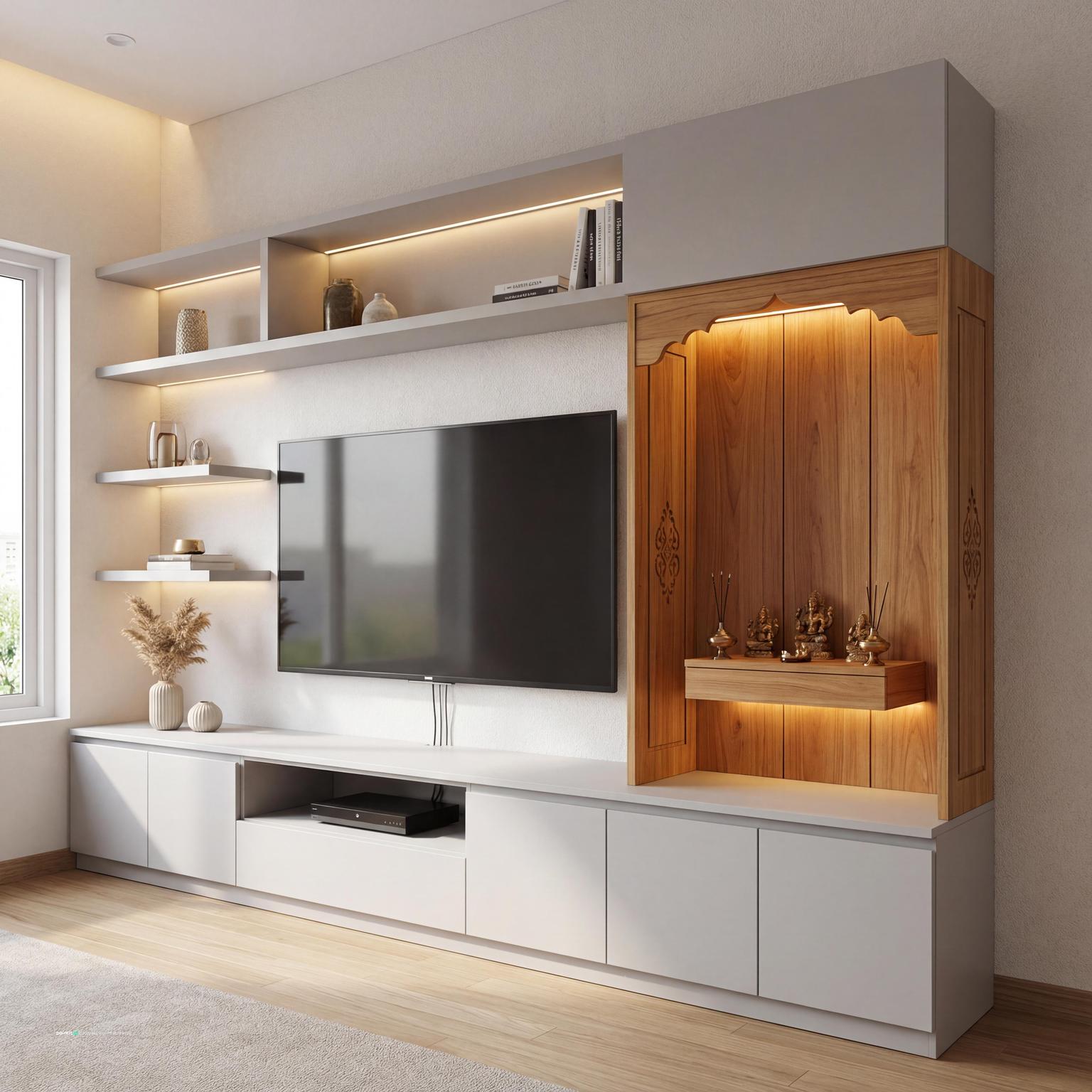
Warm-white LED strip lighting behind or above the mandir creates a calm glow without harsh shadows. Avoid cool white bulbs, which tend to make the space feel clinical rather than serene.
-
5. Choose Easy-to-Clean, Durable Materials
Marble, treated wood, or laminate surfaces resist daily incense smoke and oil residue better than untreated finishes. Since the pooja area gets cleaned frequently, material choice matters more here than almost anywhere else in the home.
-
6. Consider Traditional Directional Placement
Many households place the mandir facing east or north-east per Vastu guidelines. Whether or not you follow this strictly, deciding on orientation early affects where storage, lighting, and seating can go around it.
-
7. Ensure Good Ventilation for Smoke and Incense
A small window, exhaust vent, or proximity to airflow keeps incense smoke from settling into fabric and walls over time. This is especially important for compact corner units inside a living room or bedroom.
-
8. Add Seating for Longer Prayer Sessions
A low wooden stool or a folded mat stored nearby makes daily prayer more comfortable without permanently taking up floor space when it's not in use.
-
9. Try the Layout Before Committing to Fixtures
Before finalizing pooja room interior design ideas, test the mandir size, lighting, and storage placement with a free AI visualization tool so you can see the finished corner or room before any carpentry begins.
19 pooja room interior design ideas
-
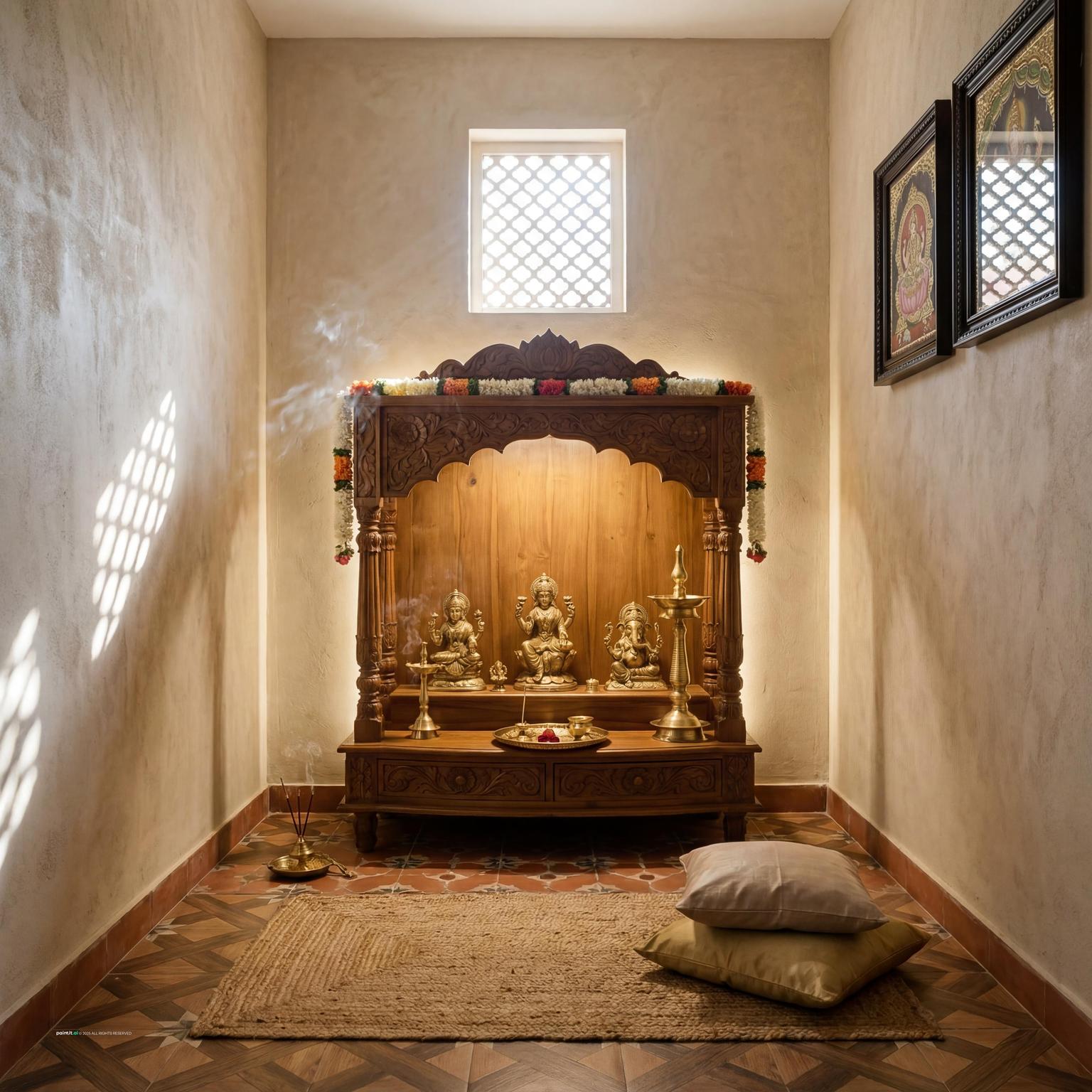
Whether you have a dedicated room or a compact corner unit, pooja room design works best when the altar, lighting, storage, and circulation are planned together. The goal is a peaceful space that supports daily rituals without creating clutter in the rest of the home.
-
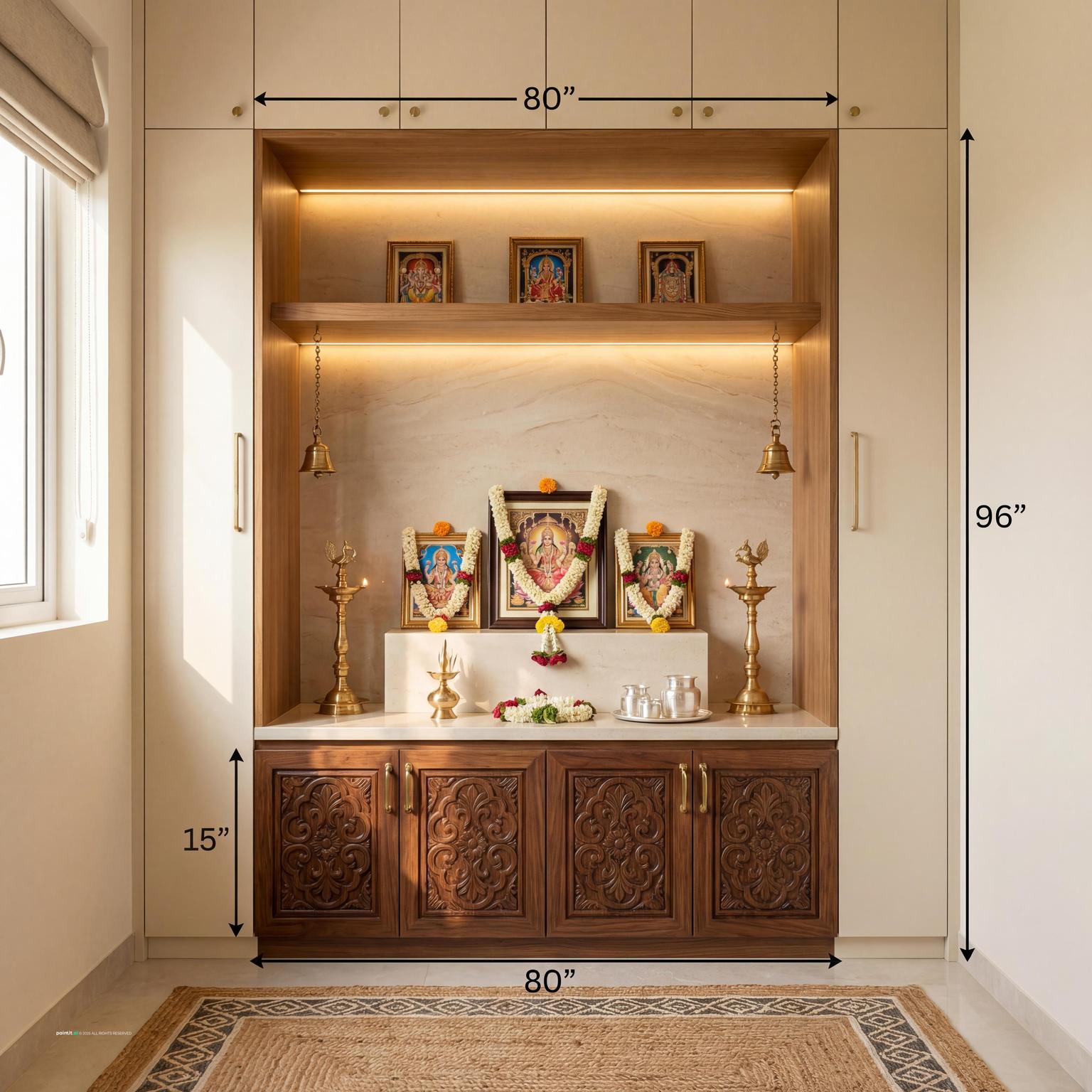
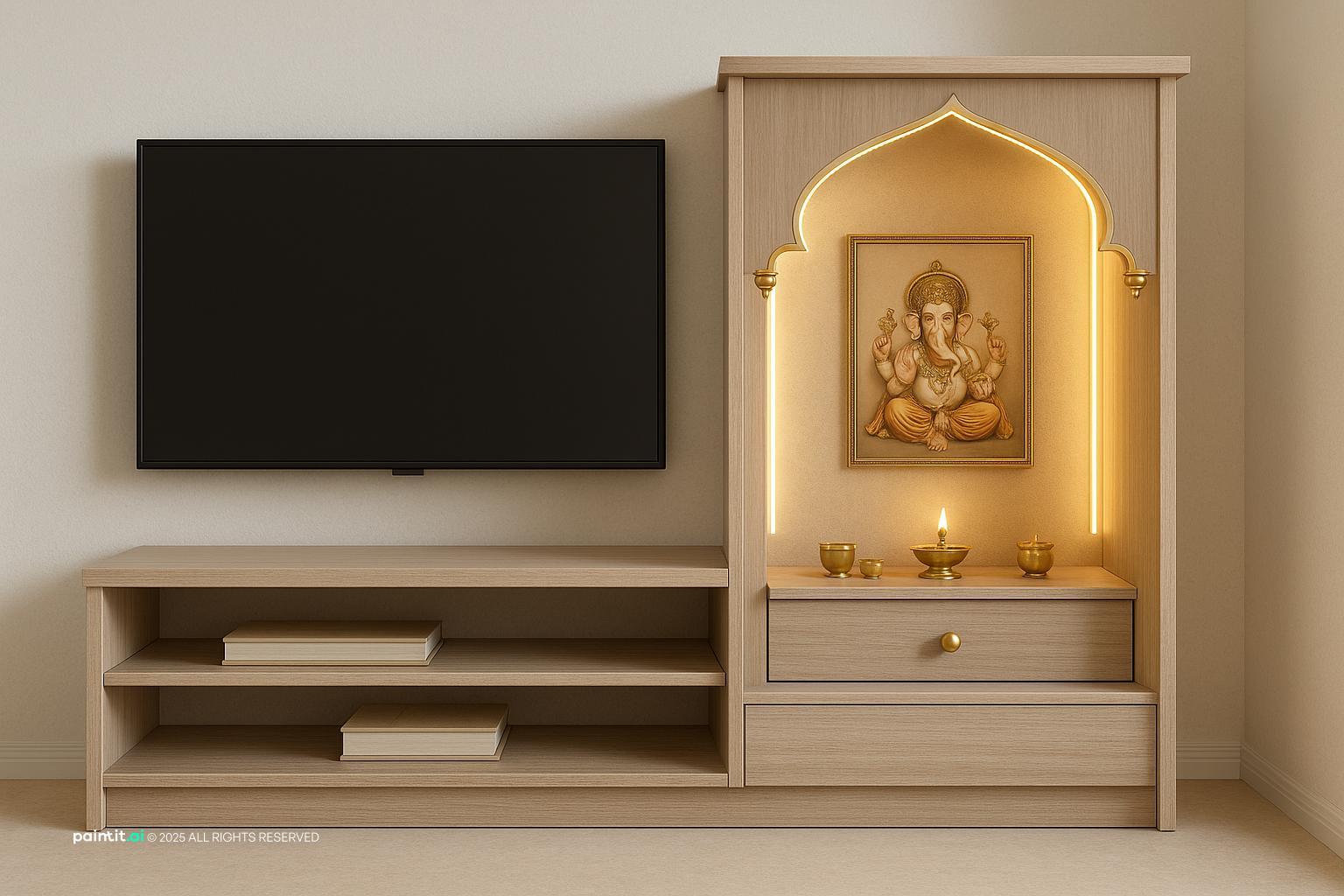
Install a marble shelf on a neutral wall for an ethereal, floating effect. In a modern apartment, it’s practical to have a sturdy and smooth surface for the idols and lamps.
-
Use concealed wall brackets with a 15 kg weight limit to keep the shelf stable.
-
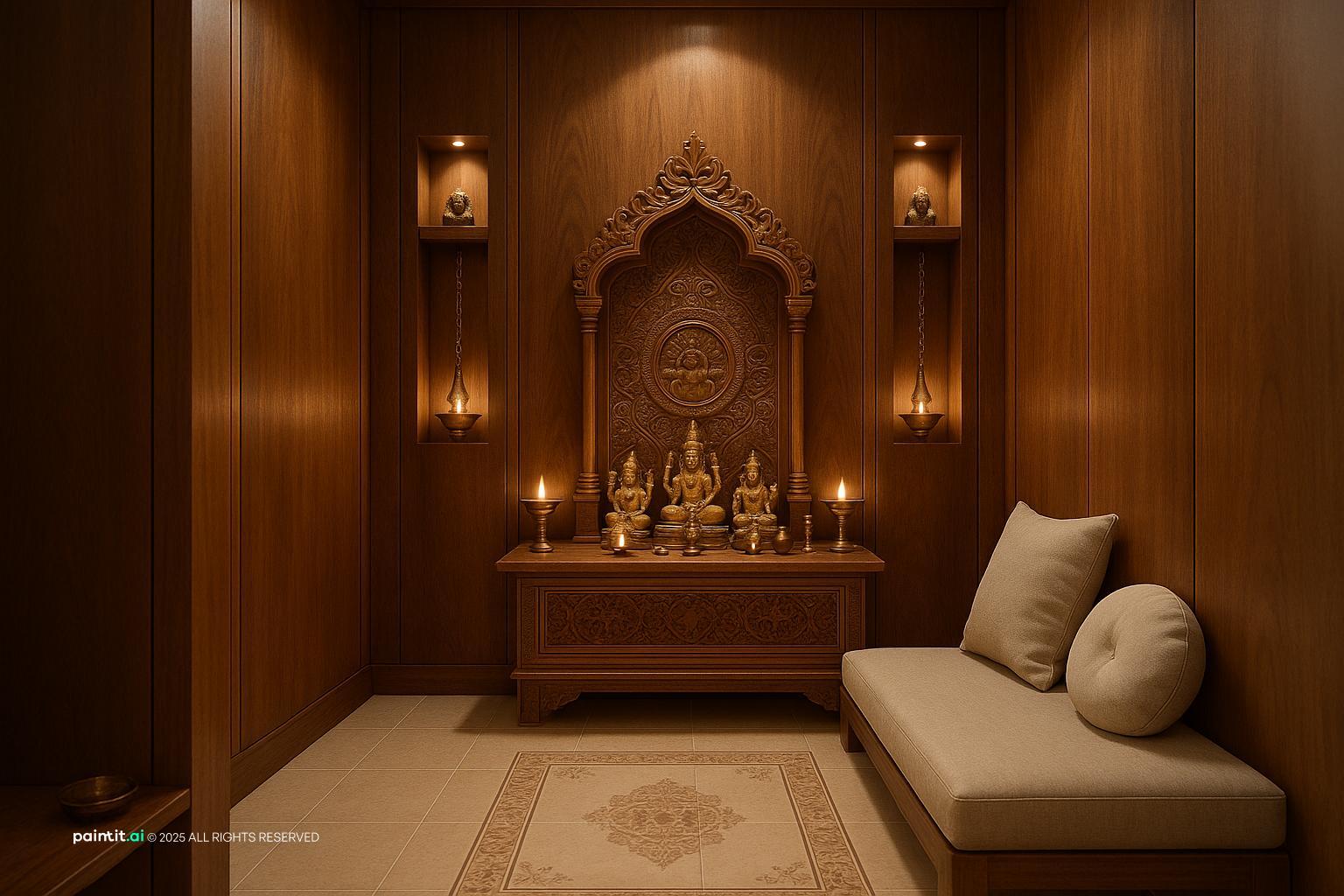
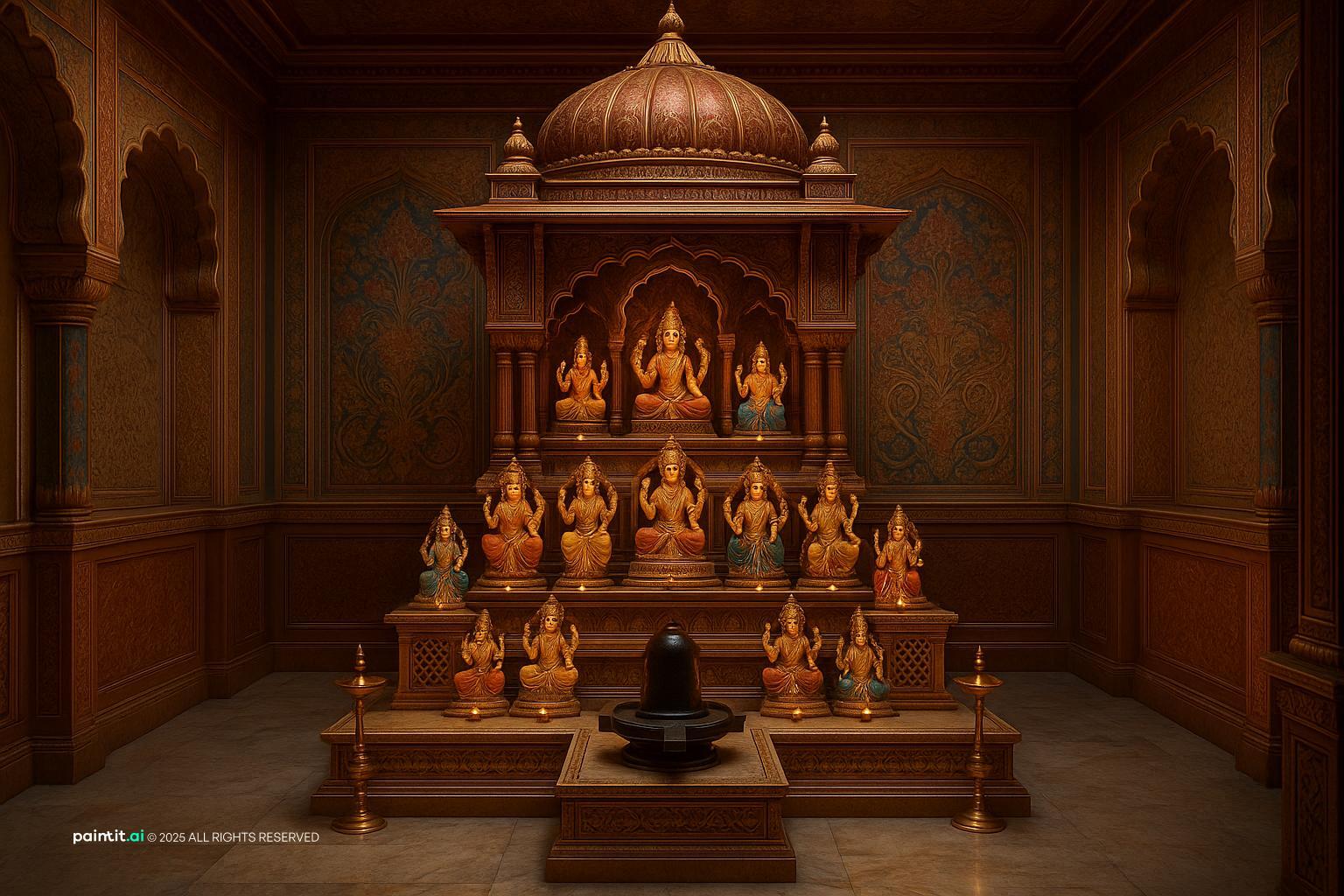
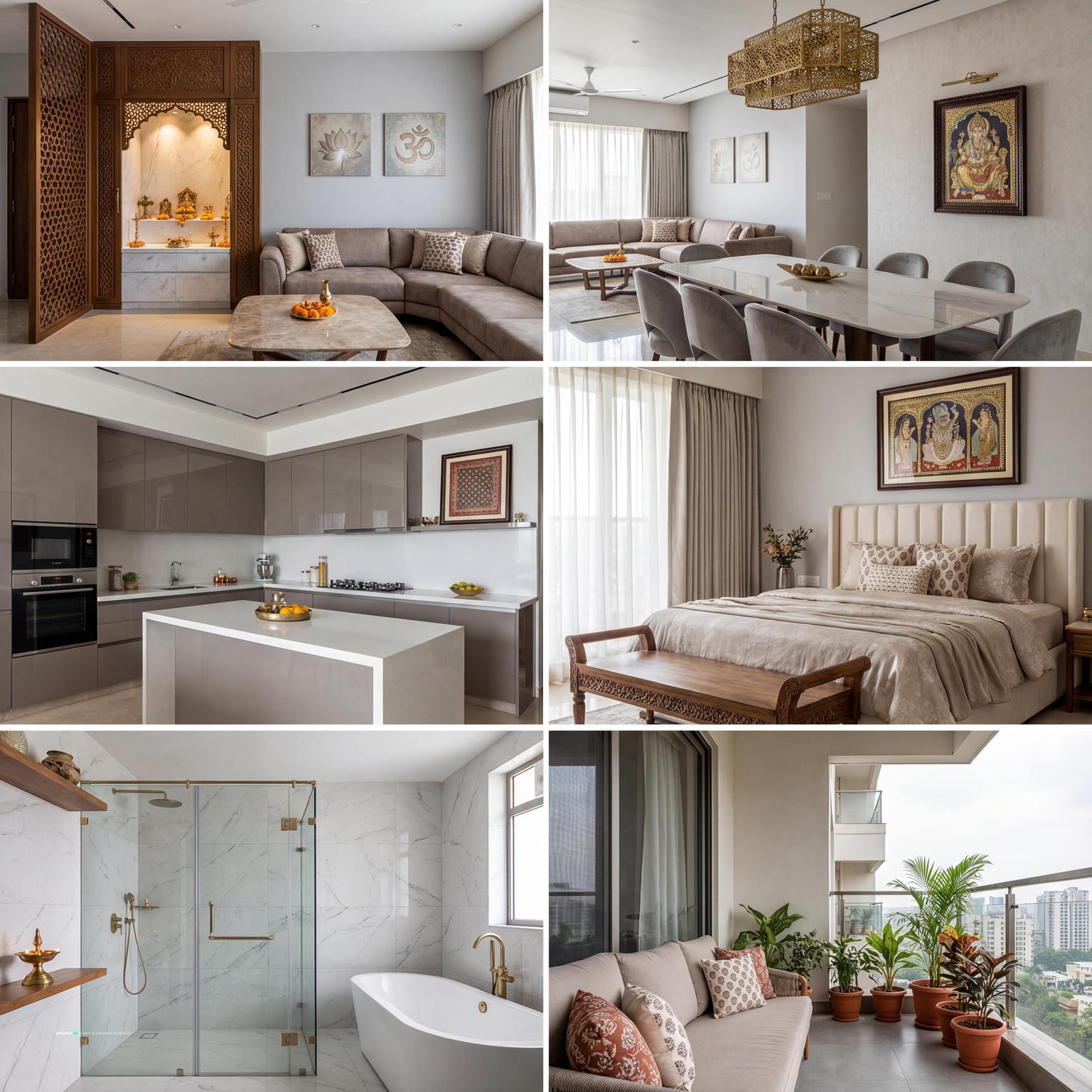
Laser-cut wooden or MDF jaali screens add striking visual depth while symbolizing spiritual motifs like lotus or om. Painted in gold or white, jaali panels also let soft light filter through, creating a serene atmosphere for prayer.
-
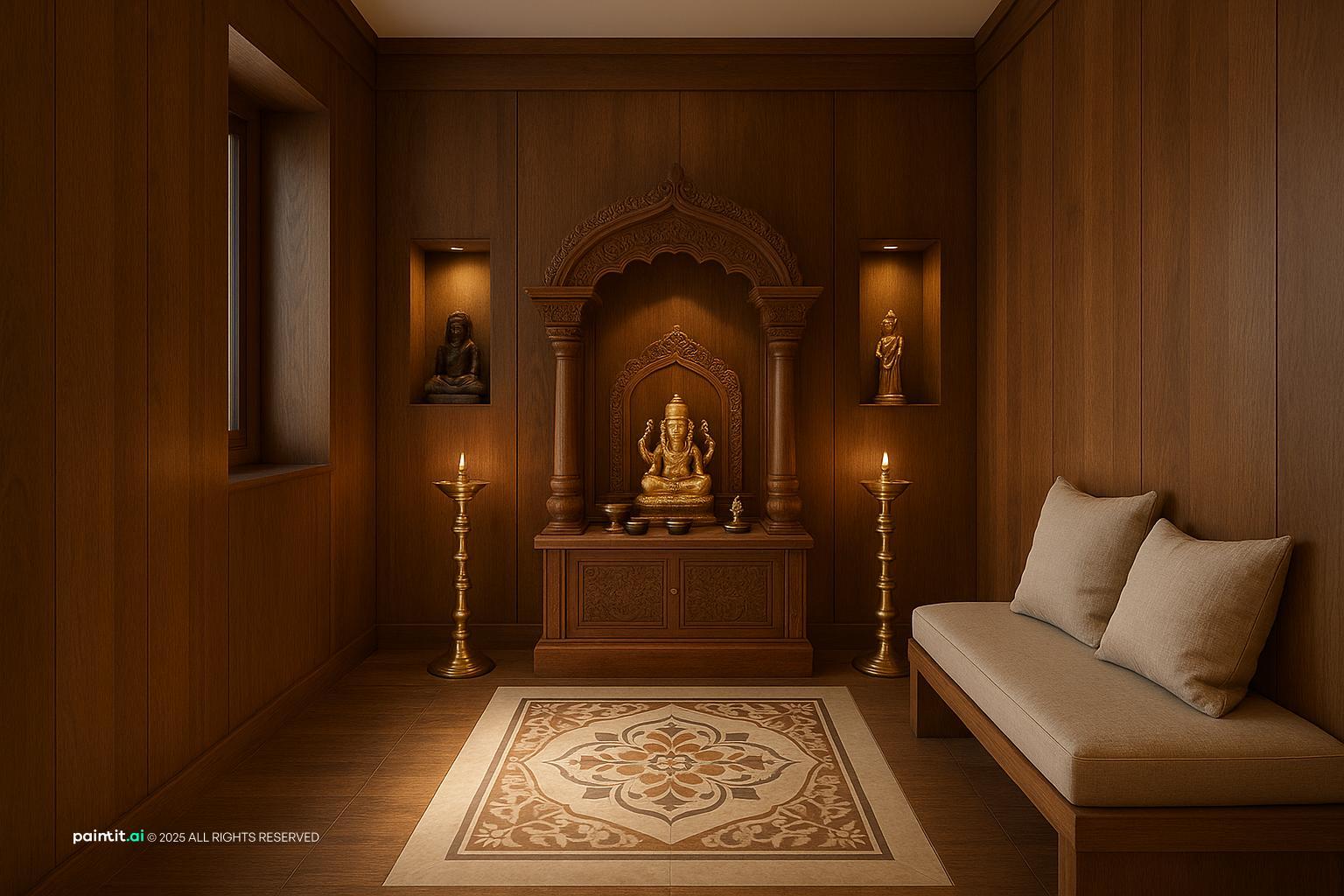
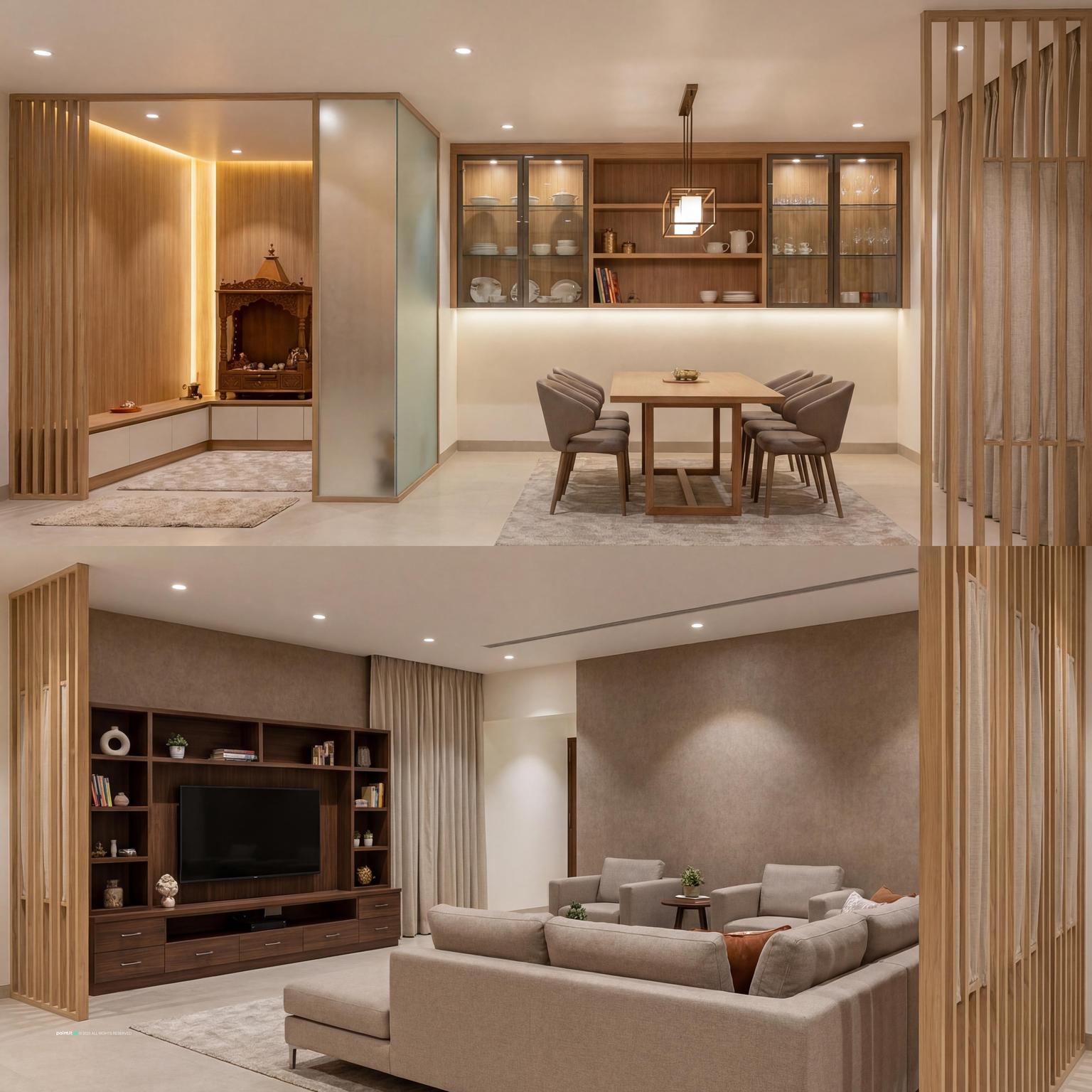
Create a recessed niche within an alcove or wall. Finish the inside with textured wallpaper and warm cove lighting. This will make the area look exquisite and draw attention to your prayer space without being too much.
-
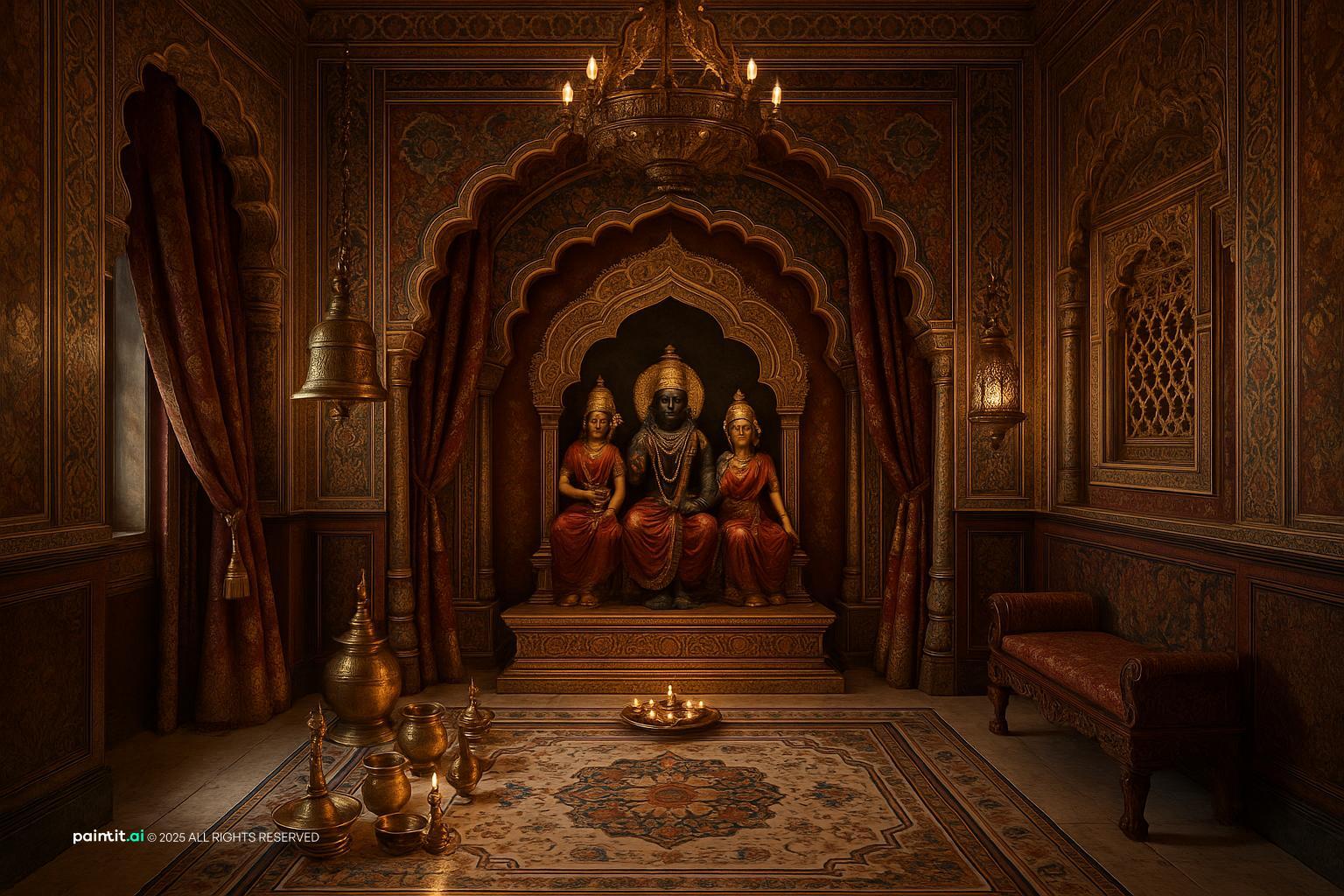
For apartments, store your essentials in a custom built-in cabinet with sliding doors. This way, everything stays tidy, the clutter can be swiftly hidden from sight and ritual actions can be performed discreetly in living rooms.
-
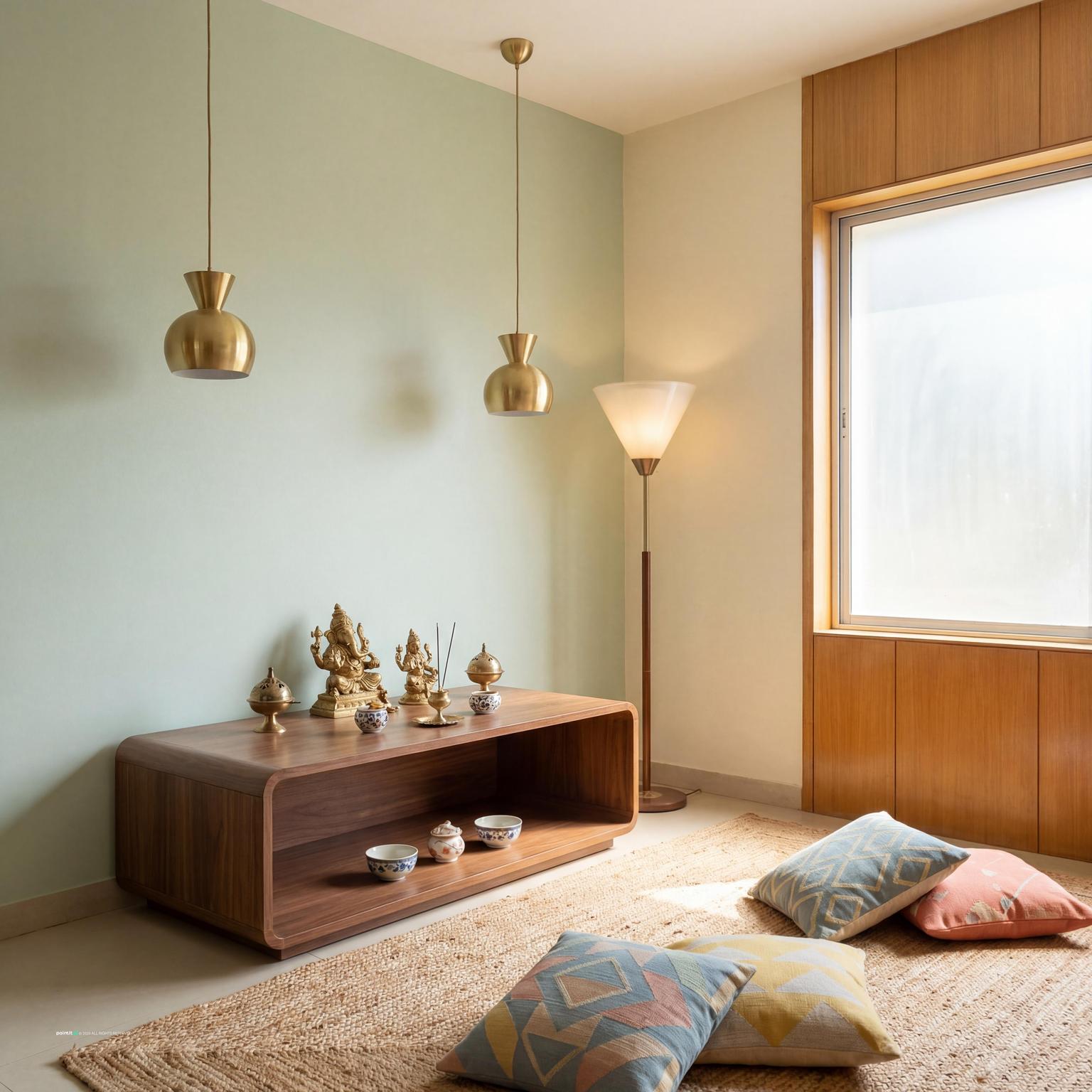
A translucent glass or fluted acrylic door softens the look while offering privacy for personal moments.
-
Arrange a cluster of hanging brass bells at different heights above your altar. The tinkle of the bell harmonizes with your prayer, enhancing the ceremonial experience and heralding a prosperous start.
-
Commission a local artist or use stencils to paint a mandala directly on the wall behind your pooja setting. The detailed design radiates calm and helps anchor your focus during meditation or chanting.
-
Opt for a compact, foldable wooden table that can be tucked away when not in use, perfect for homes with limited floor area. Choose a teak or sheesham finish with carved motifs to maintain a traditional vibe.
-
Pair with a small brass tray to organize essentials and keep meditation tools from sliding off during use.
-
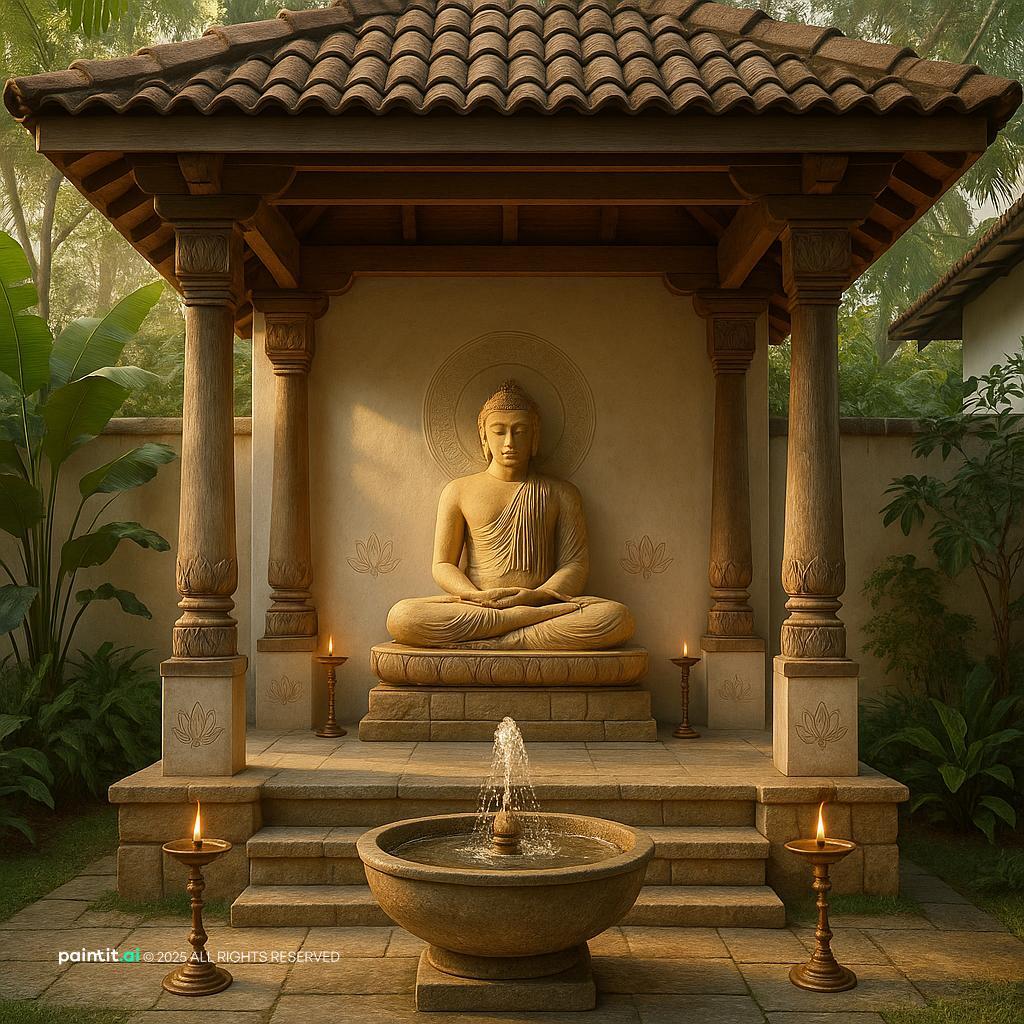
Surround your altar with lush indoor plants such as tulsi, snake plant, or peace lily. Greens purify air and infuse your prayers with a sense of vitality and connectedness.
-
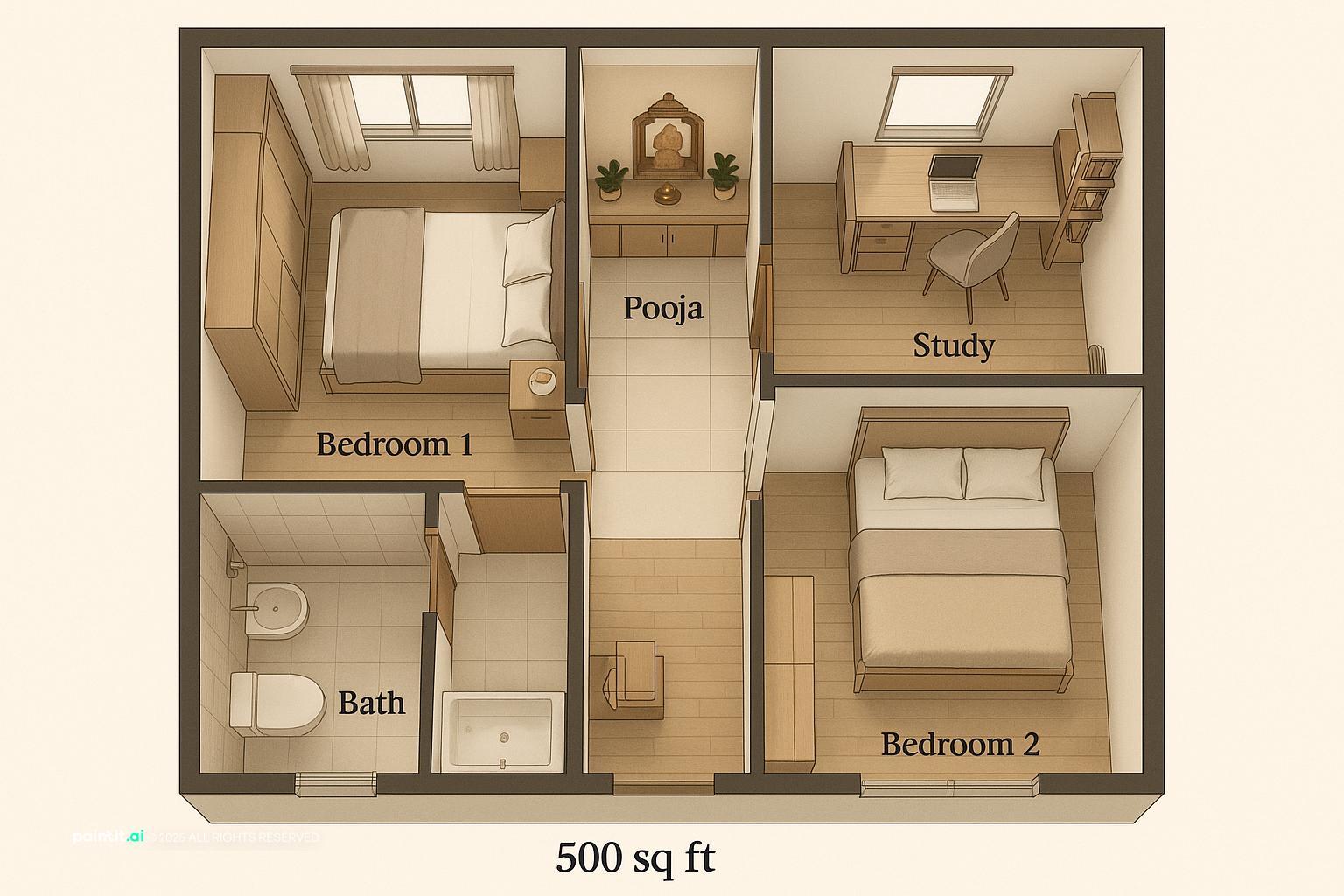
Consider wall-mounted planters to keep surfaces clear and simplify cleaning.
-
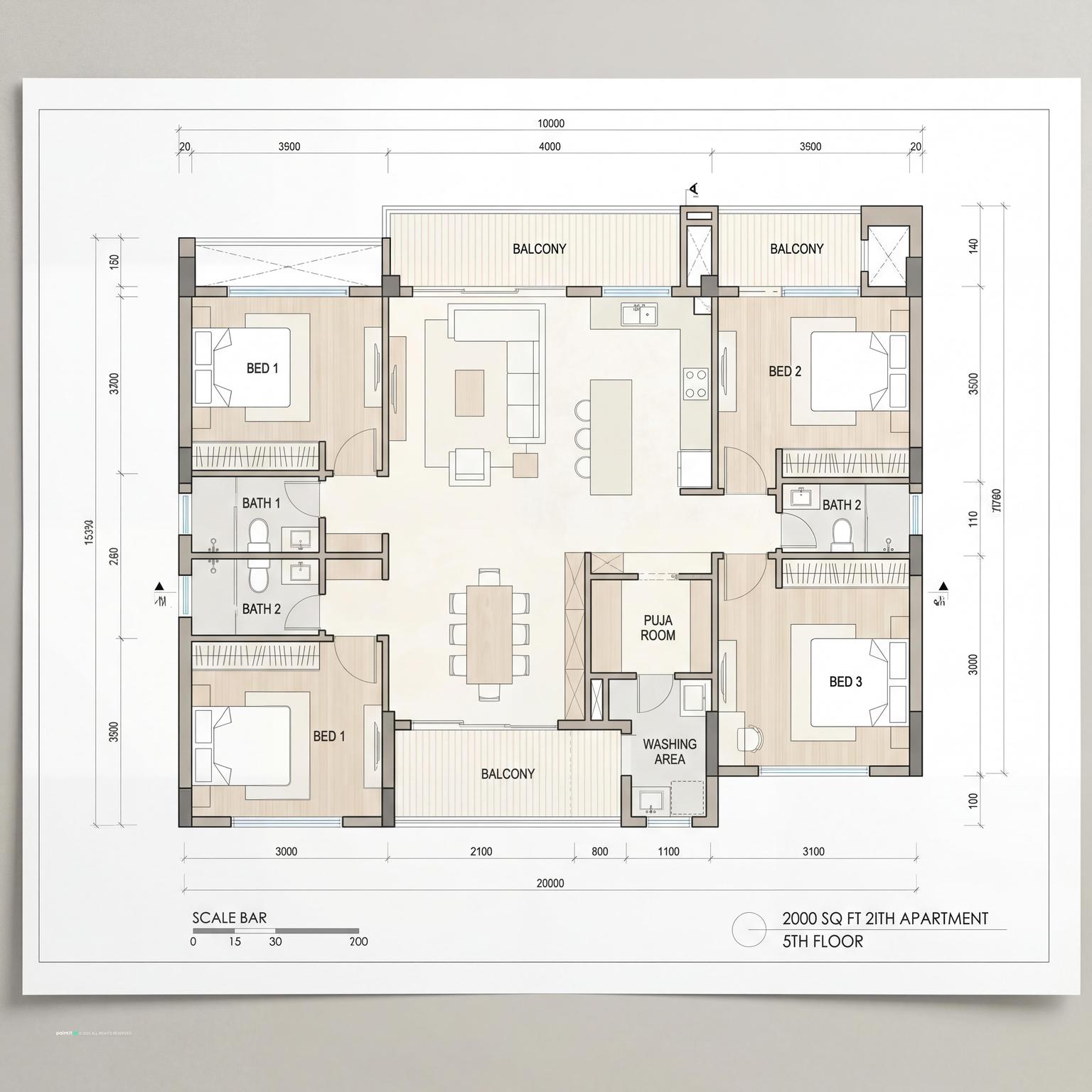
Install brass or copper hanging oil lamps with a simple pulley system for easy lighting and maintenance. The warm glow adds a timeless aura and looks beautiful in photos during festive occasions.
-
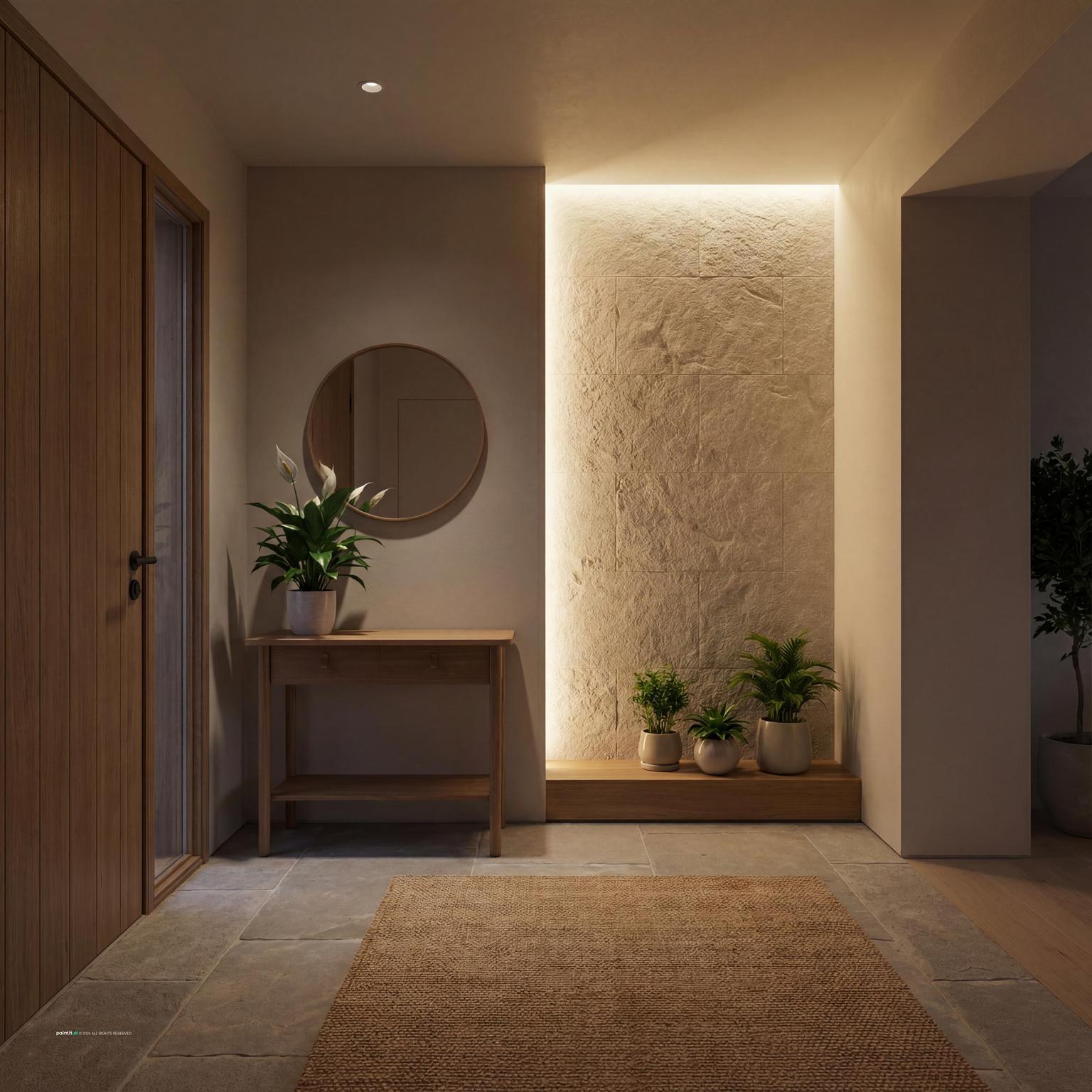
Add slender drawers beneath the prayer platform for storing flowers, incense, and matchboxes. Modular units keep even the smallest pooja items sorted and accessible, minimizing clutter and mess.
-
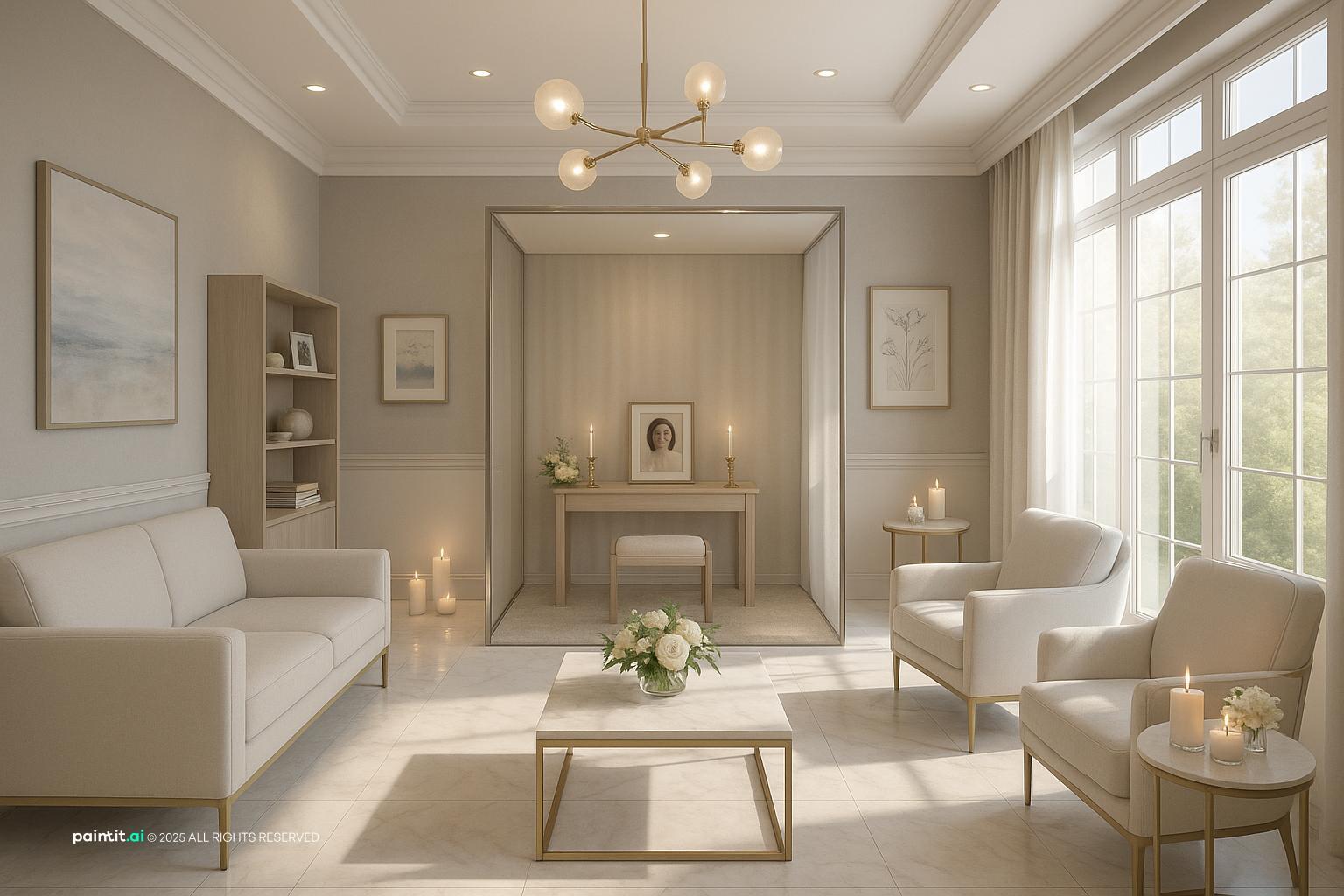
Place a miniature carved wooden mandapam, either purchased or custom-crafted, on a low platform. detailed column designs and latticework doors pay homage to classic temple architecture within your home setting.
-
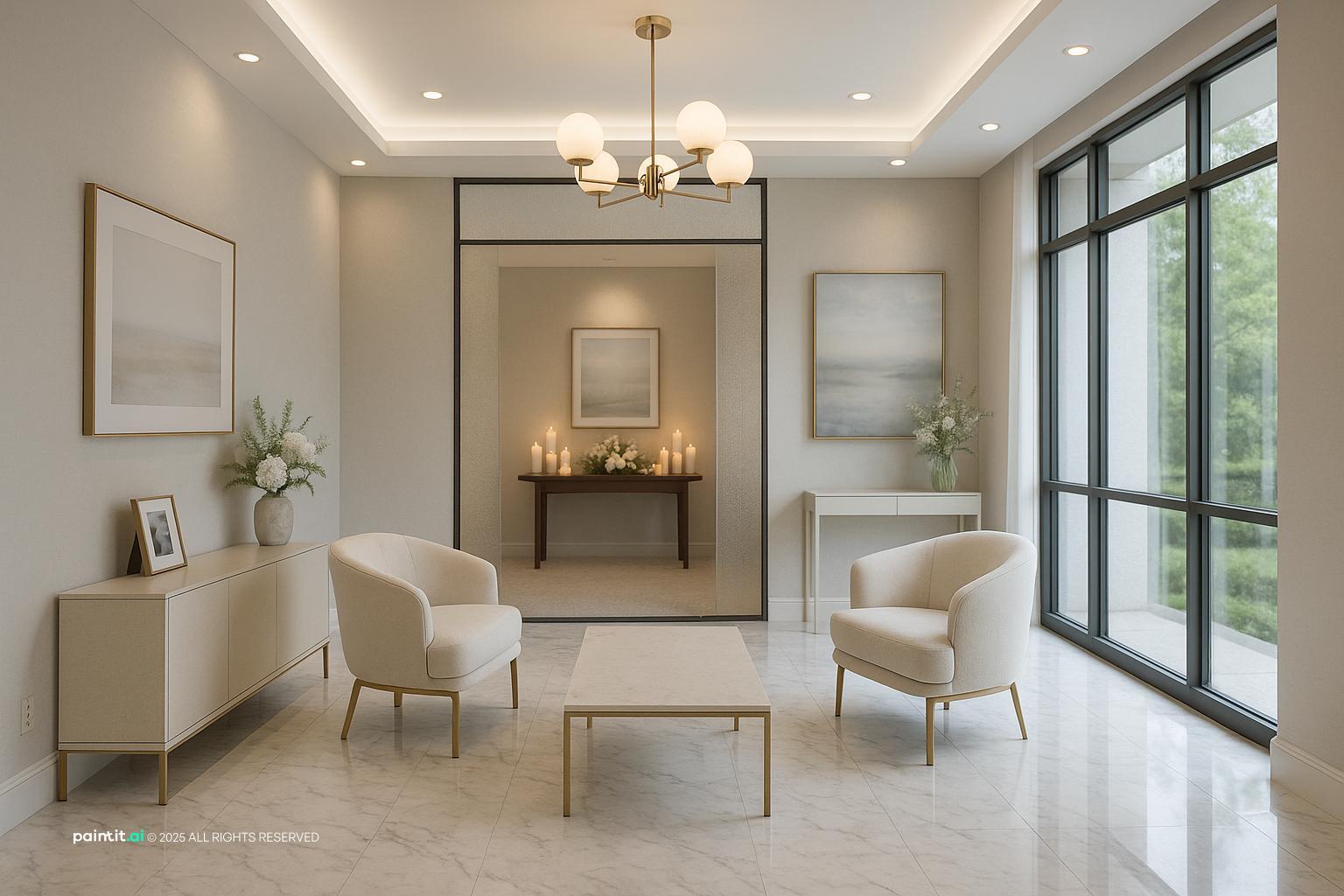
This element becomes a family heirloom, passed down through generations as a site of daily devotion.
-
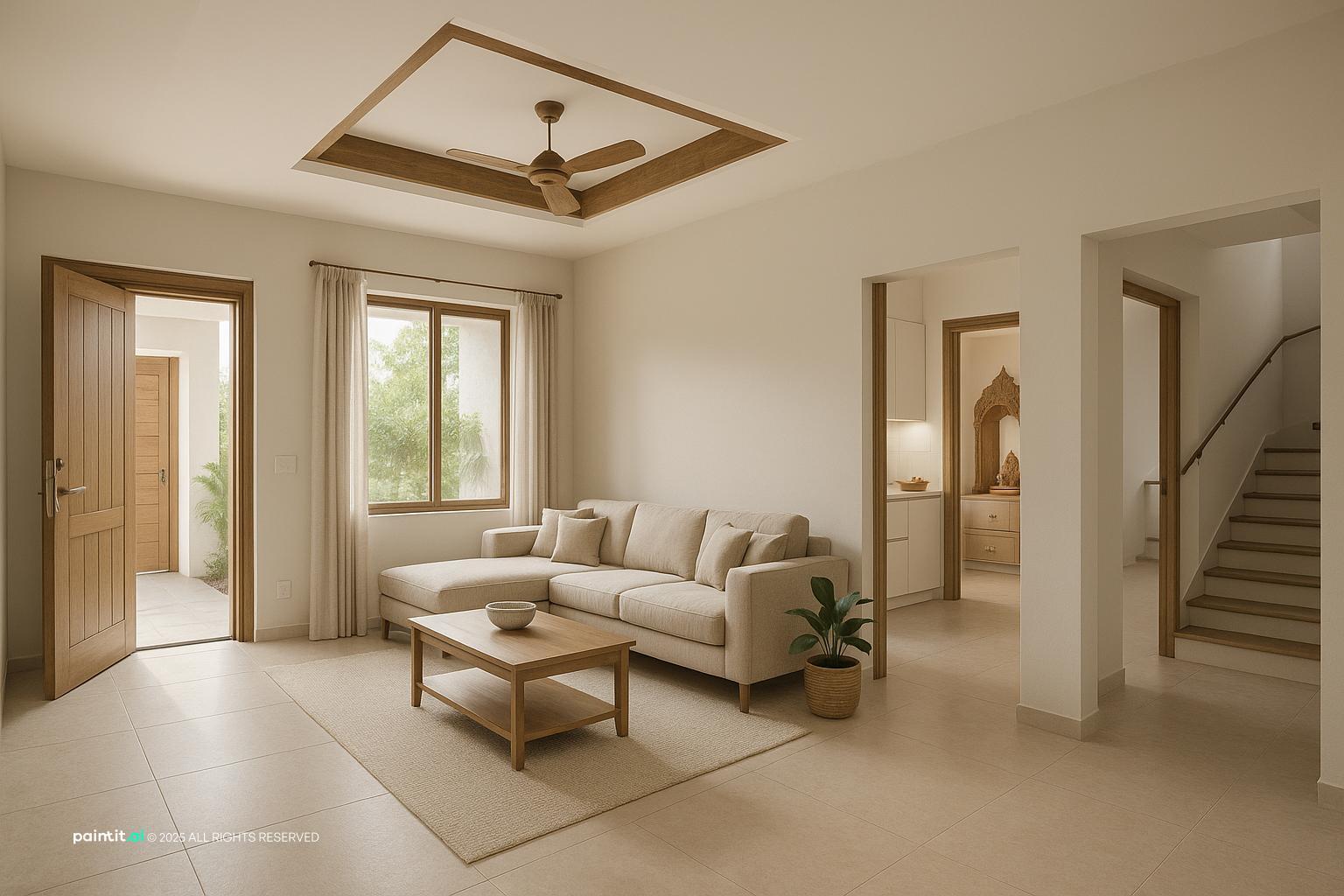
Decorate one section behind the altar with mirror tiles or a single pane. Mirrors amplify natural light, making the area feel expansive and uplifting. For an extra flourish, choose mirror shapes that echo lotus petals or geometric designs.
-
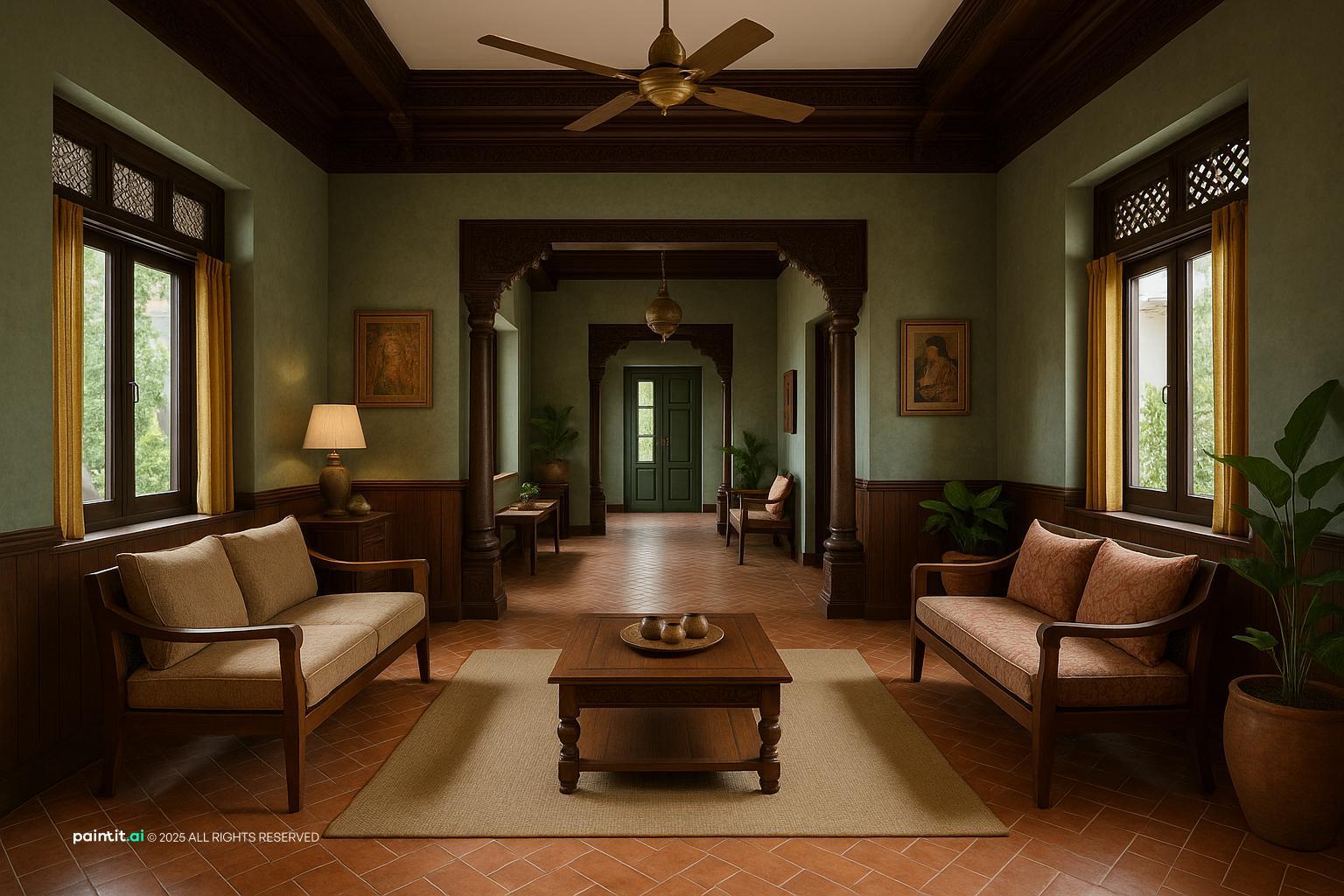
Integrate a Bluetooth speaker or a small soundbar into the cabinetry to play recorded chants and mantras. Sound can be controlled discreetly and integrate smoothly into the room’s aesthetics.
-
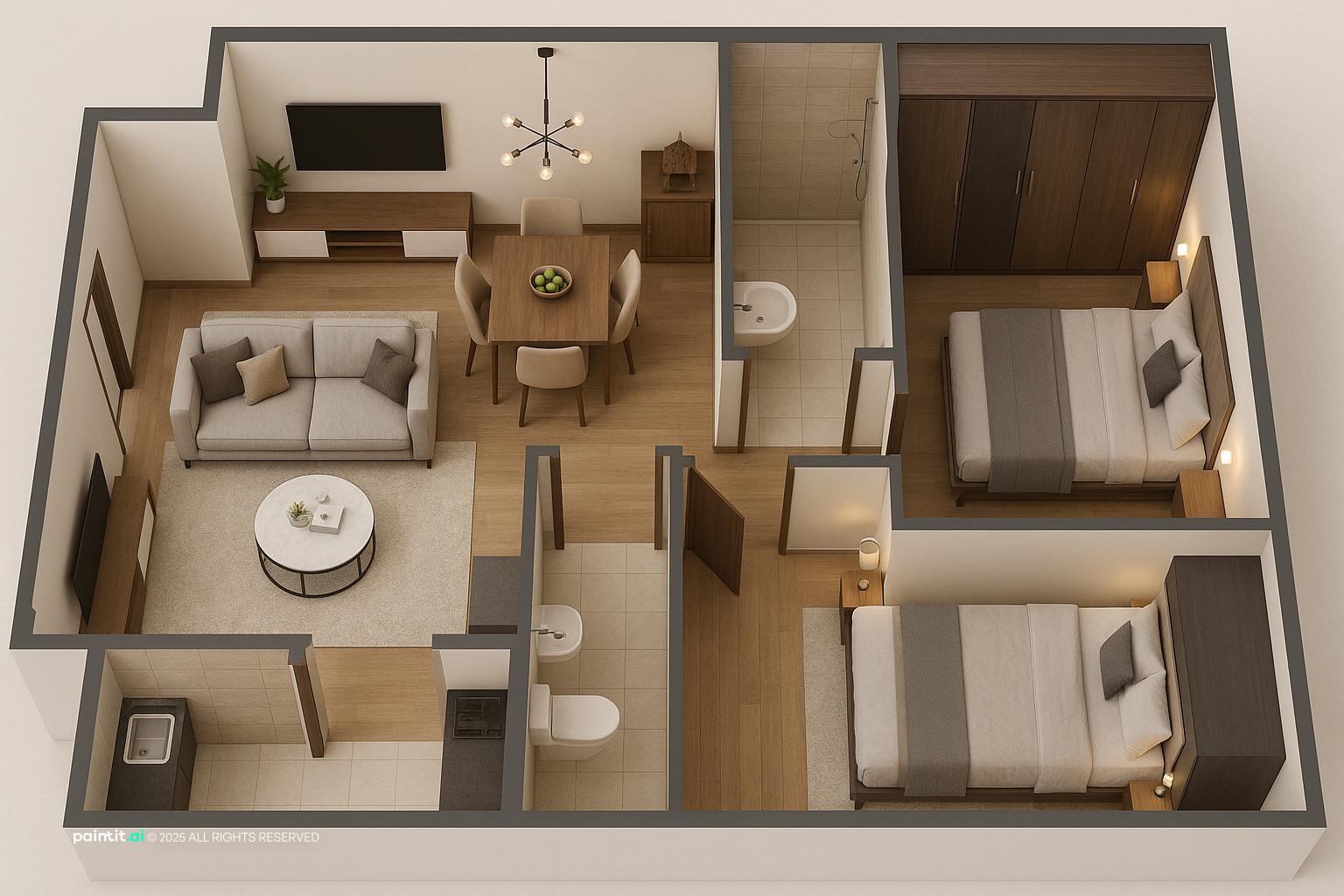
Select speakers with warm sound performance and a compact profile to keep the look neat and unobtrusive.
Pooja room types by space and style
-
Wall-mounted mandir: Best for apartments and compact homes. Use a shallow cabinet, floating shelf, or framed niche with closed storage below for lamps, incense, books, and flowers.
-
Dedicated pooja room: A full room allows stronger material choices such as marble, wood, brass, jaali doors, and layered lighting. Keep the center clear for sitting and ritual movement.
-
Living room pooja corner: Use a partition, jaali panel, fluted glass, or color change to give the area a clear identity without closing it off completely. Keep storage concealed so the room stays tidy.
-
Vastu-led planning: Many homes prefer northeast or east placement where possible. In apartments, choose the cleanest and quietest feasible location, then align the mandir and lighting so daily use remains comfortable.
-
How Paintit.ai helps: Upload a photo of your wall, alcove, living room corner, or dedicated room to app.paintit.ai and test mandir styles, shelves, jaali panels, lighting, and color options in 1-2 minutes. Free to start.
Related design tools
Tools for pooja room corners, adjacent living rooms, bedrooms, and full room visualization.
FAQ
-
Use a wall-mounted mandir, recessed niche, compact cabinet, or corner unit with closed storage for ritual items. Keep the surrounding wall calm, add warm lighting, and leave enough floor space for comfortable movement.
-
Marble, wood, brass, fluted glass, jaali panels, textured wall finishes, and warm LED lighting are common choices. Select materials that are easy to clean around lamps, flowers, incense, and daily use.
-
Many vastu-led layouts place the pooja room in the northeast or east where possible. In apartments, practical constraints matter too: choose a quiet, clean, well-lit location that does not block daily circulation.
-
Yes. Upload a photo of a wall, alcove, living room corner, or dedicated room to app.paintit.ai and test mandir styles, shelves, jaali panels, lighting, and color options in 1-2 minutes. Free to start.