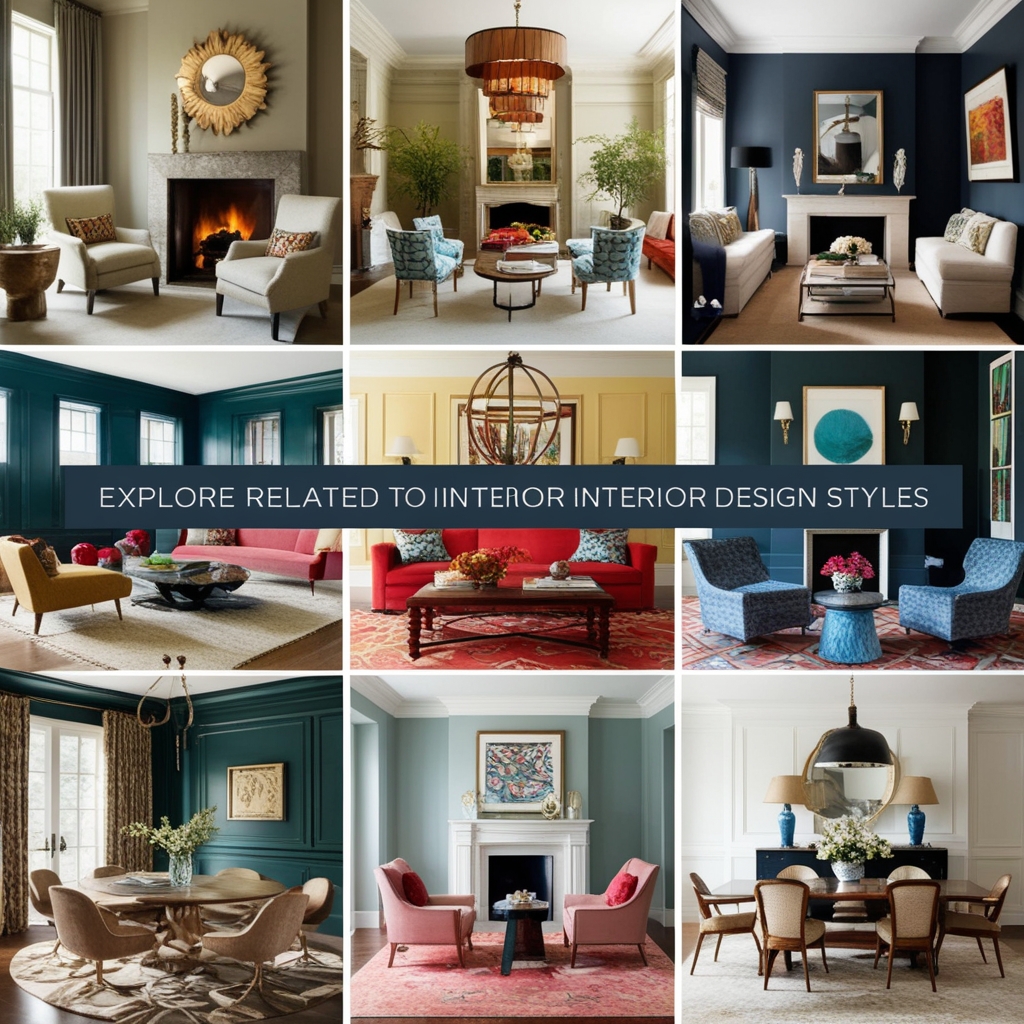
Interior Pillar Design Ideas for Column Decor, Lighting, and Room Dividers
Interior pillar design is about turning a structural column into a useful visual feature instead of treating it as an obstacle. The best pillar decoration ideas use cladding, paint, mirrors, lighting, shelving, storage, or room-divider layouts to make columns feel intentional in living rooms, offices, and open-plan interiors.
Essential Characteristics Of Interior Pillar Design Ideas
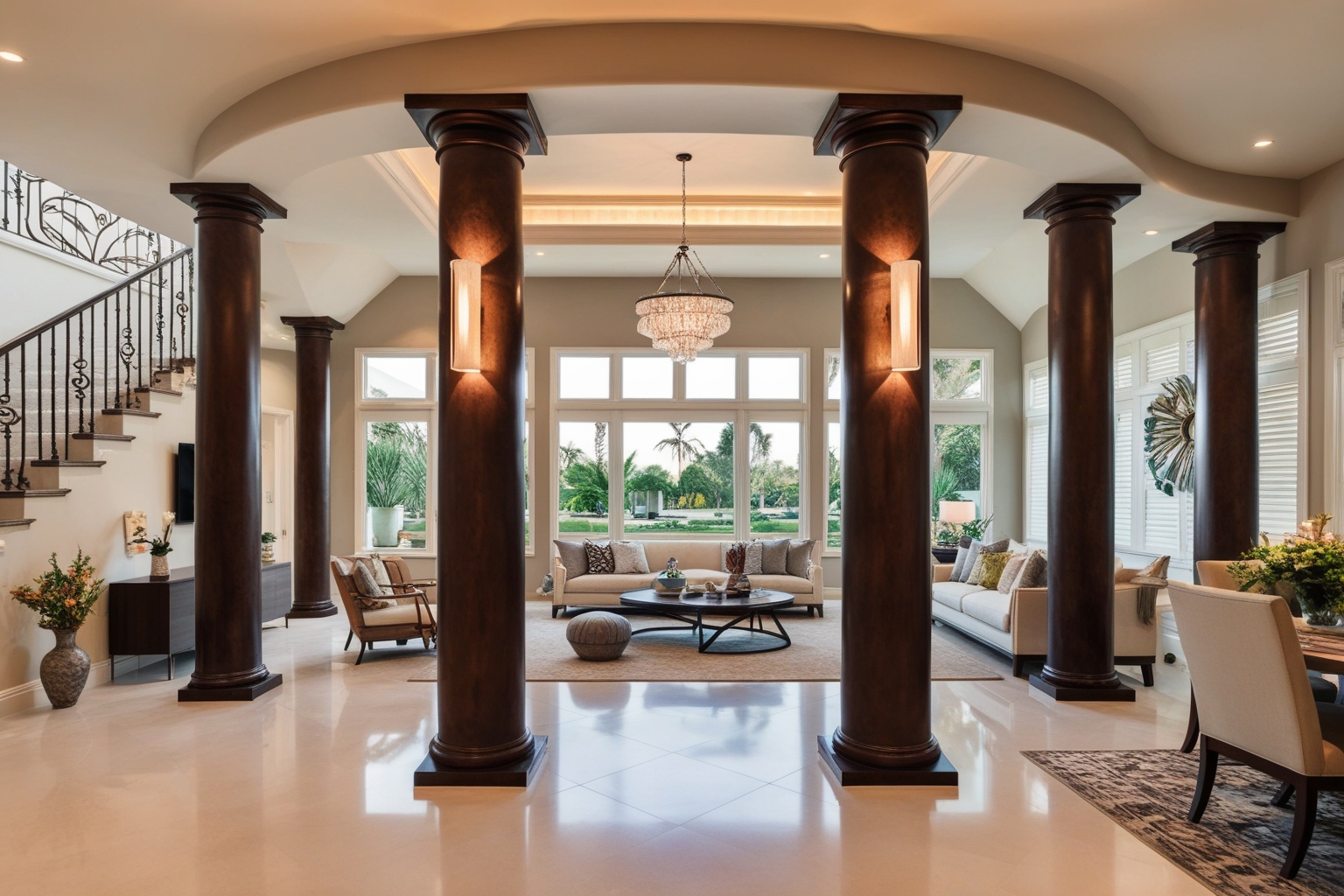
Before trying to hide a pillar, decide whether it should blend in, become a focal point, or divide the room. Living room pillar design often works best when the column supports lighting, display shelves, wall decor, or a material transition between zones.
-
Color Palette And Visual Perception
To hide a pillar in a living room, match its color to the wall, wrap it in wood slats, use mirrored panels, or connect it visually to nearby shelving. The goal is to make the column part of a larger composition.
-
Materials And Textures In Pillar Design Interior
Pillar decoration ideas for home interiors include fluting, stone veneer, tile, limewash, wood cladding, brass trim, textured paint, and framed art. Choose materials that already exist elsewhere in the room.
-
Furniture And Decor Integration
Lighting around pillars can be subtle or dramatic. Wall sconces, LED channels, uplights, and ceiling spotlights help the column add depth instead of casting awkward shadows.
-
Advanced Lighting For Aesthetic Pillar Design
A pillar can become a room divider when paired with open shelving, a half wall, a plant zone, or a change in flooring. This works especially well in living-dining layouts and office lounges.
Examples of Essential Interior Pillar Design Ideas
-
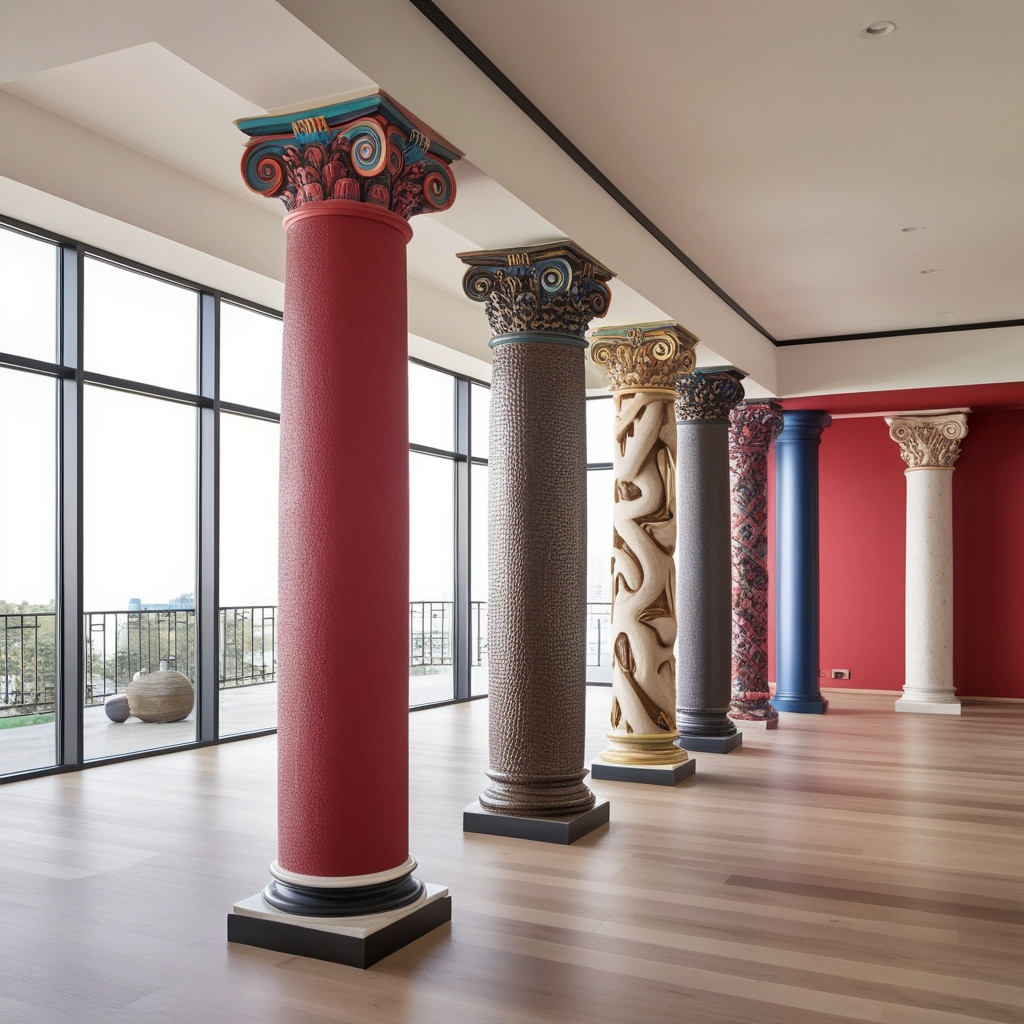
A structural pillar doesn't have to stay purely functional. With the right cladding, paint, or lighting, an aesthetic pillar treatment can become one of the more memorable details in a room instead of something people design around.
-

Spatial Layout And Zoning
-
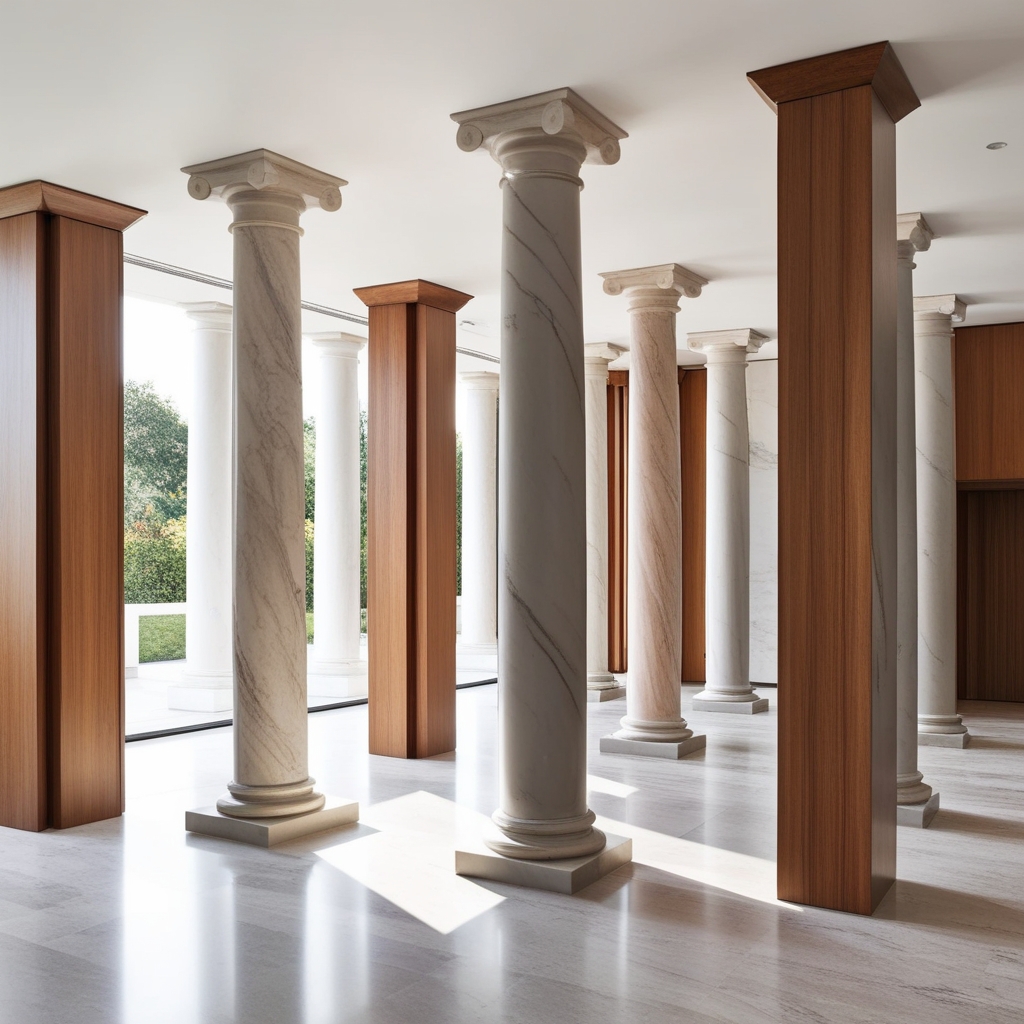
The deliberate positioning of pillars within open-plan spaces establishes specific zones. This directs movement patterns while delineating distinct areas for multiple functions like dining and lounging. Through the application of interior pillar design ideas, you can control light and shadow to adjust spatial perceptions. Marble pillars deliver lavishness, while wood pillars introduce warmth and texture that balances the coolness of modern apartments.
-
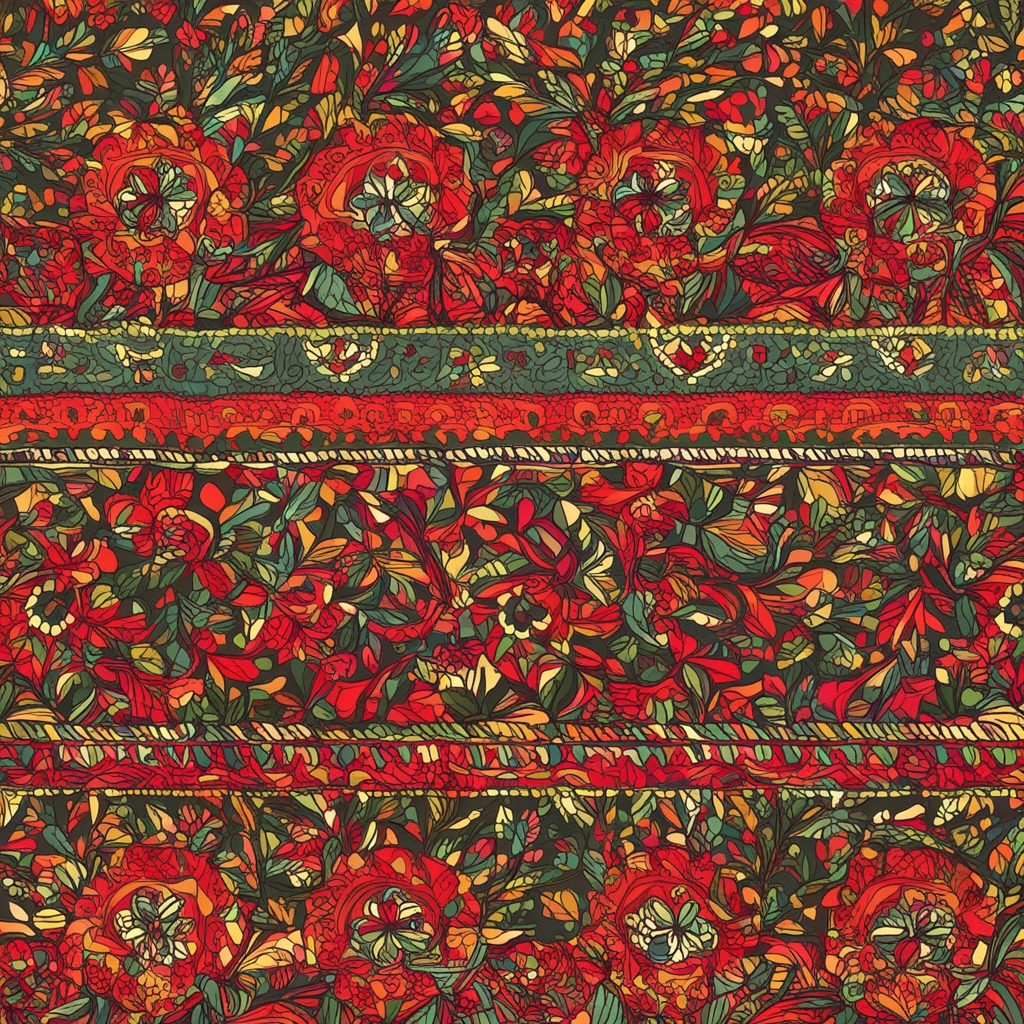
Patterns And Motifs
-
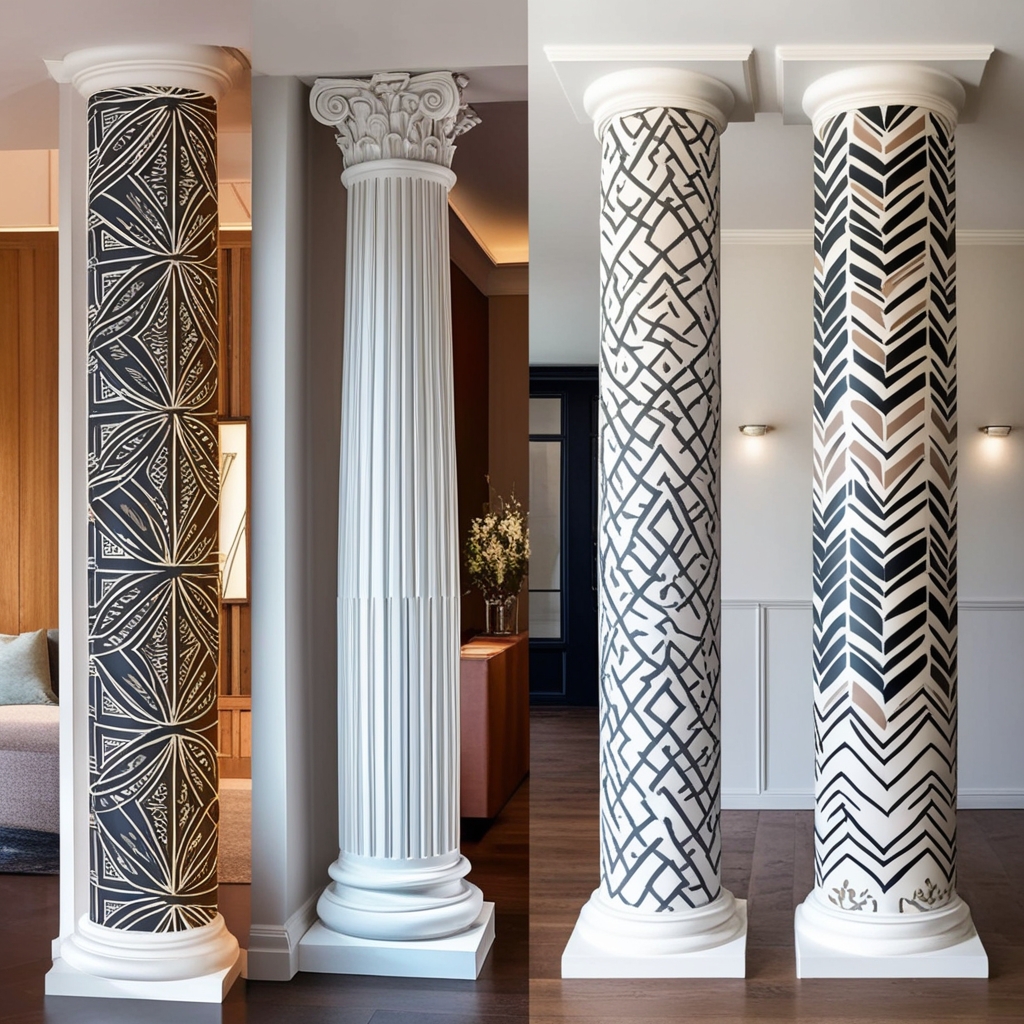
Applying patterns and motifs on pillars transforms them into striking design declarations. These concepts span from classical fluting to modern geometric patterns, providing opportunities for personal customization. Motifs often serve as reflections of cultural influences, providing an additional layer of visual complexity to the pillar design interior. Achieving equilibrium in these designs demands careful integration with other interior elements to maintain a consistent thematic flow.
-
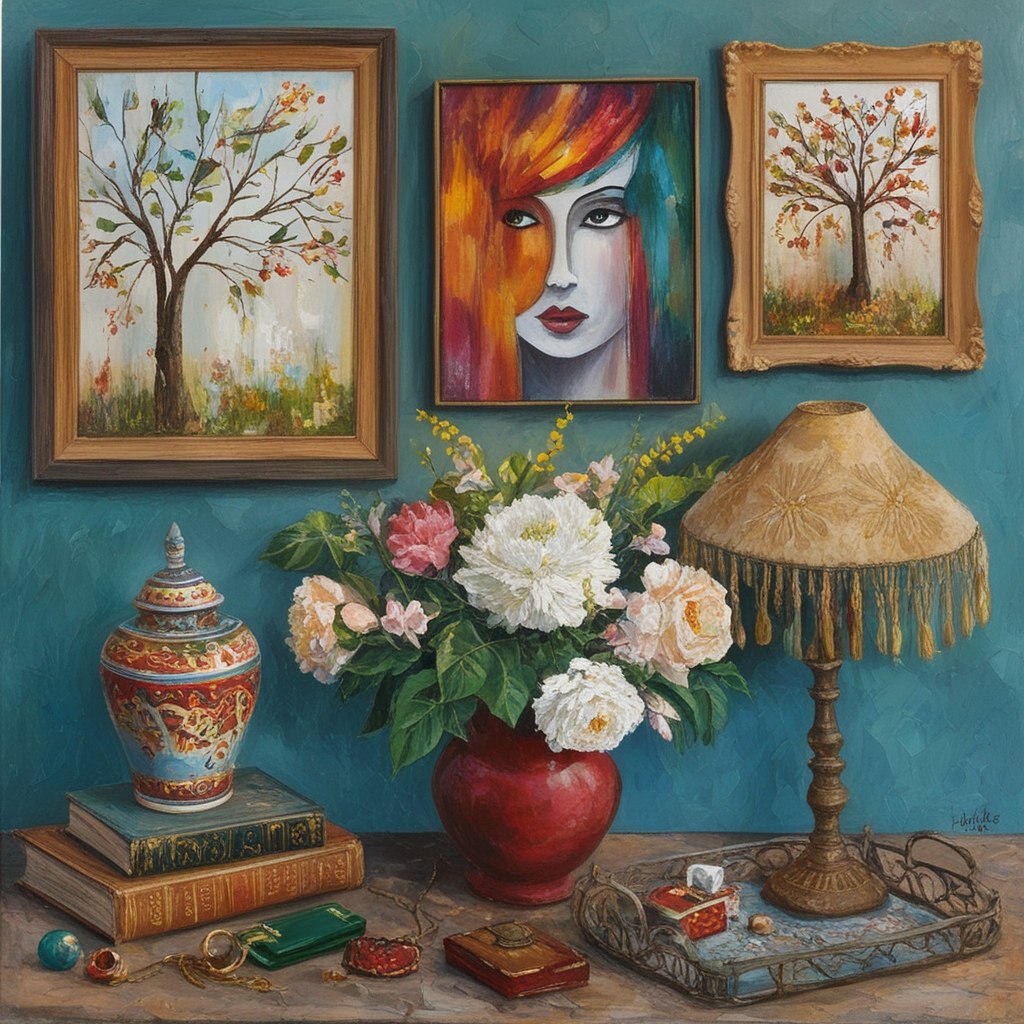
Art And Accessories
-
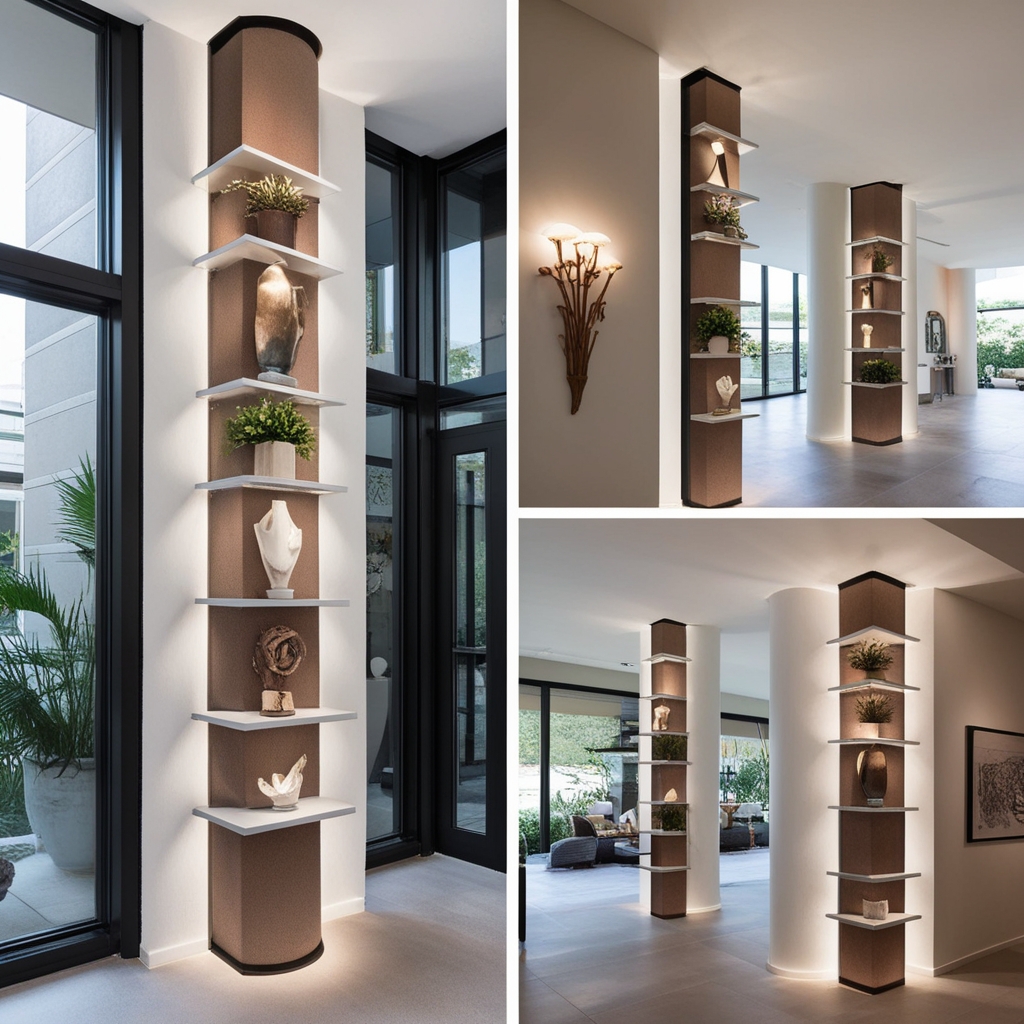
Pillars offer the perfect canvas for art installations and integrated shelving. By using sophisticated interior pillar design ideas, you can convert structural components into focal points for presenting sculptures or plants. Accessories enrich the space by adding depth and personality, inviting viewers to appreciate the architectural nuances that would otherwise go unnoticed.
Applying Office Pillar Decoration Ideas For Productivity
For commercial settings, strategic use of pillar design can enhance both aesthetics and practical functions. Incorporating integrated lighting solutions or built-in shelving into office pillar decoration ideas optimizes space utility-a crucial consideration in bustling office environments. This approach contributes to a visually appealing workplace and optimizes the working area by providing additional storage solutions.
In industrial or loft-style spaces, leaving pillars in their raw, exposed form complements the open-plan architecture. Such raw elements juxtaposed with sleek, contemporary furnishings create a visually compelling contrast. This demonstrates the versatility of furniture pillar design in professional settings. Successful integration depends on the balance between visual appeal and practical use, turning offices into innovative and inspirational landscapes.
Visualize your pillar design with Paintit.ai
Before committing to cladding, lighting, or shelving installation, test the direction visually. Upload a photo of your room to app.paintit.ai and see how different material treatments read in your actual space in 1-2 minutes.
-
What to test
Decide between wood cladding and stone veneer, test whether a mirrored pillar works with your room proportions, or see how integrated shelving changes the visual balance of the space.
Pillar cladding materials: practical guide
-
The cladding choice defines the pillar character more than any other decision. Choose the material by room type, maintenance needs, and visual weight.
-
Wood cladding
Works in contemporary, Scandinavian, farmhouse, and transitional interiors. Vertical wood slats add depth without visual heaviness. In humid areas, wood-finish cladding on a concrete core performs better than real wood.
-
Stone veneer
Works in luxury residential, mountain homes, nature-inspired, and industrial spaces. Even slim stone veneer creates strong visual weight, so it works best on pillars with solid proportions.
-
Mirrored panels
Works in city apartments, small spaces, contemporary, Art Deco, and glam interiors. It bounces light and visually expands the room, but fingerprints and cleaning are practical considerations.
-
Paint
Matching the pillar to the wall color is the most cost-effective way to make it recede. A contrasting color turns it into a deliberate feature. Use the same finish as nearby walls for a clean result.
-
Pillar design by room type
Living room pillars often work as focal points with wood cladding, shelving, or mirrors. Office pillars benefit from display shelving, acoustic wrapping, or brand-color paint. Restaurant pillars can carry the room brand through tile, mural, raw concrete, or cleanable cladding.
FAQ
-
Use the same wall color, wrap it in wood or mirror, connect it to shelving, or turn it into a lighting feature. The best solution makes the pillar feel planned, not disguised as an afterthought.
-
Decorate a pillar with wood slats, stone, tile, paint, mirrors, fluting, framed art, shelves, or sconces. Match the material to the room style so it does not feel random.
-
Wood, stone veneer, tile, microcement, mirror, plaster, and textured paint all work well. Use durable materials in high-traffic spaces and lighter finishes in small rooms.
-
Yes. A pillar can help separate living, dining, entry, or office zones when combined with shelving, lighting, plants, or a change in flooring or ceiling detail.
-
Craft sustainable pillar designs by using eco-friendly materials such as reclaimed wood and recycled metal.
-
Embed storage options and lighting features within pillars to enhance everyday living space utility.
-
If a pillar disrupts your design, consider cladding it in a material that matches your walls or using pillar color combinations that blend it into the background.