
Elevator interior design ideas: materials, panels, and finishes by building type
An elevator cab is the smallest space in a building and one of the most noticed. It is where every visitor spends 20-60 seconds with nothing to look at except the walls, floor, and ceiling. That makes the material and finish decisions unusually high-impact for the square footage involved.
The design brief for an elevator interior is simple: match the quality of the building's lobby, reflect the brand or character of the space above, and hold up to heavy daily use. The challenge is doing all three within a cab that typically measures 1.2 x 1.4 m to 2.0 x 2.0 m.
See how different materials and finishes look in a space: upload a photo to app.paintit.ai and get a redesigned render in 1-2 minutes. Free to start.
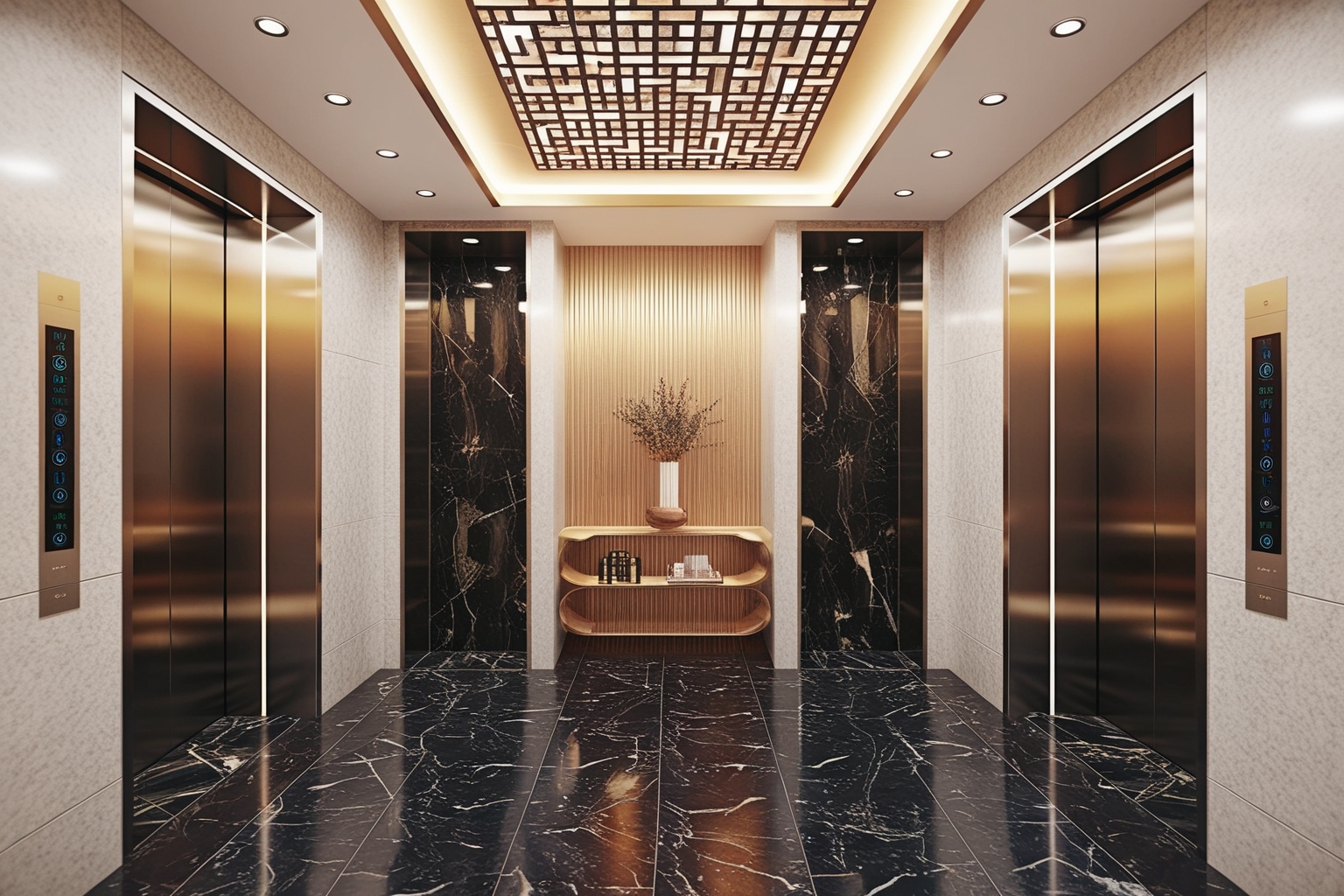
Core design decisions for elevator cab interiors
A well-designed elevator cab aligns with the building's visual language and handles durability, safety codes, and accessible controls without compromising the aesthetic.
-
Wall panels and color
Neutral tones such as warm white, light grey, champagne gold, and warm bronze are standard because they read as clean, reflect light, and do not compete with lobby finishes. A single accent panel on the rear wall can add depth without overwhelming a small cab.
-
Materials: durability first
Elevator materials take heavy contact per square meter. Walls can use brushed stainless steel, wood veneer, stone, porcelain, or glass. Floors can use stone tile, stone-look porcelain, protected hardwood, rubber, or vinyl. Ceilings work best with brushed metal, LED panels with diffuser, or mirror panels.
-
Handrails, mirrors, and controls
Handrails are both a safety requirement and a design feature. Brushed stainless reads modern, brass or brushed gold reads luxury, and painted steel reads utilitarian. Mirrors on a rear or side wall make small cabs feel larger. Flush-mounted controls look more considered than exposed plates.
-
Lighting
LED ceiling panels with diffusers give even, low-maintenance lighting. Avoid pendants because they reduce clearance and can become a hazard. Warm light suits residential and hotel elevators, while cooler neutral light suits office and retail settings.
Essential Design Elements for Elevator Interior Design Ideas
-

The cab interior should be the continuation of the lobby, not a separate design decision. When the lobby uses marble and warm brass, the elevator cab uses marble panels and brushed gold handrails. When the lobby uses concrete and dark steel, the cab uses matte panels and industrial metal. These examples show how material continuity works across different building types and styles.
-
Spatial Layout
-

The design arrangement of elevator interiors plays a vital role in enhancing both user comfort and operational efficiency. The inherent limitations of space demand the use of inventive design approaches. Through the application of mirrored surfaces designers create spatial illusions while minimalistic approaches help diminish visual clutter. An ideal configuration of control panel elements together with handrails and lighting demands an intuitive ergonomic design to provide all passengers with straightforward access and secure usage. Spaces gain detailed depth and unique character through architectural elements such as patterned wall panels and distinctive flooring which maintain functional integrity.
-

Patterns and Motifs
-

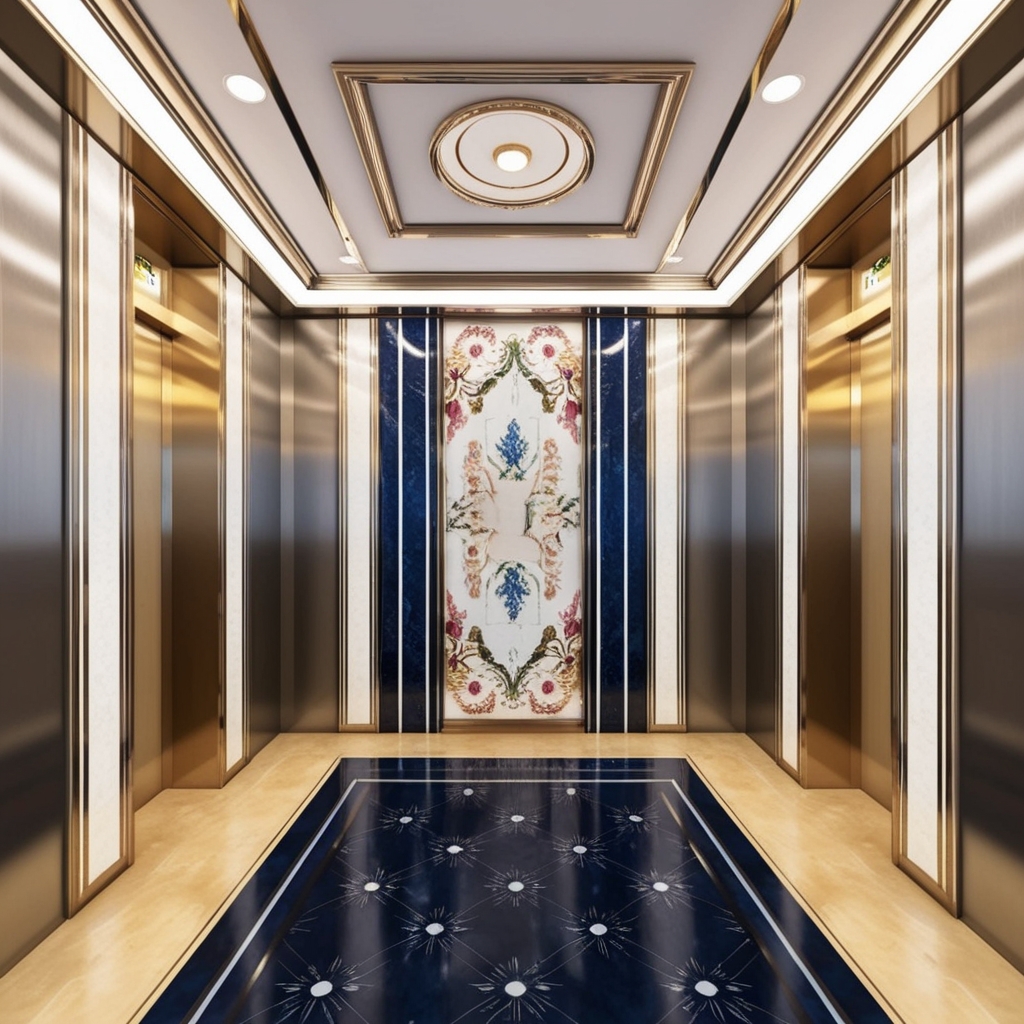
The detailed designs of patterns and motifs serve as essential elements that establish the unique atmosphere within elevator spaces. Geometric patterns establish structured modernity whereas organic motifs deliver soothing warmth and tranquil vibes. Pattern selection must correspond with the building's thematic elements while presenting its architectural style. Through the utilization of diverse materials including wood, metal, and fabric designers can integrate patterns and textures into elevator spaces to achieve a visually appealing unified atmosphere.
-

Art and Accessories
-

The incorporation of artistic elements and accessories into elevator design creates an detailed blend of sophistication and individualized expression. Complex artwork functions as a central element that provides passengers with an intriguing visual experience during their short transit. Integrate digital art installations that allow for simple updates to introduce a dynamic and perpetually shifting element into the space. The incorporation of unique lighting fixtures alongside tailored handrails serves to emphasize the design theme while enhancing the aesthetic complexity.
-
Upload a photo of your elevator cab or lobby space to Paintit.ai to test different material combinations and color schemes before specifying anything. The Commercial Spaces direction works well for elevator and lobby redesign concepts. Try it free at app.paintit.ai: render in 1-2 minutes.
-
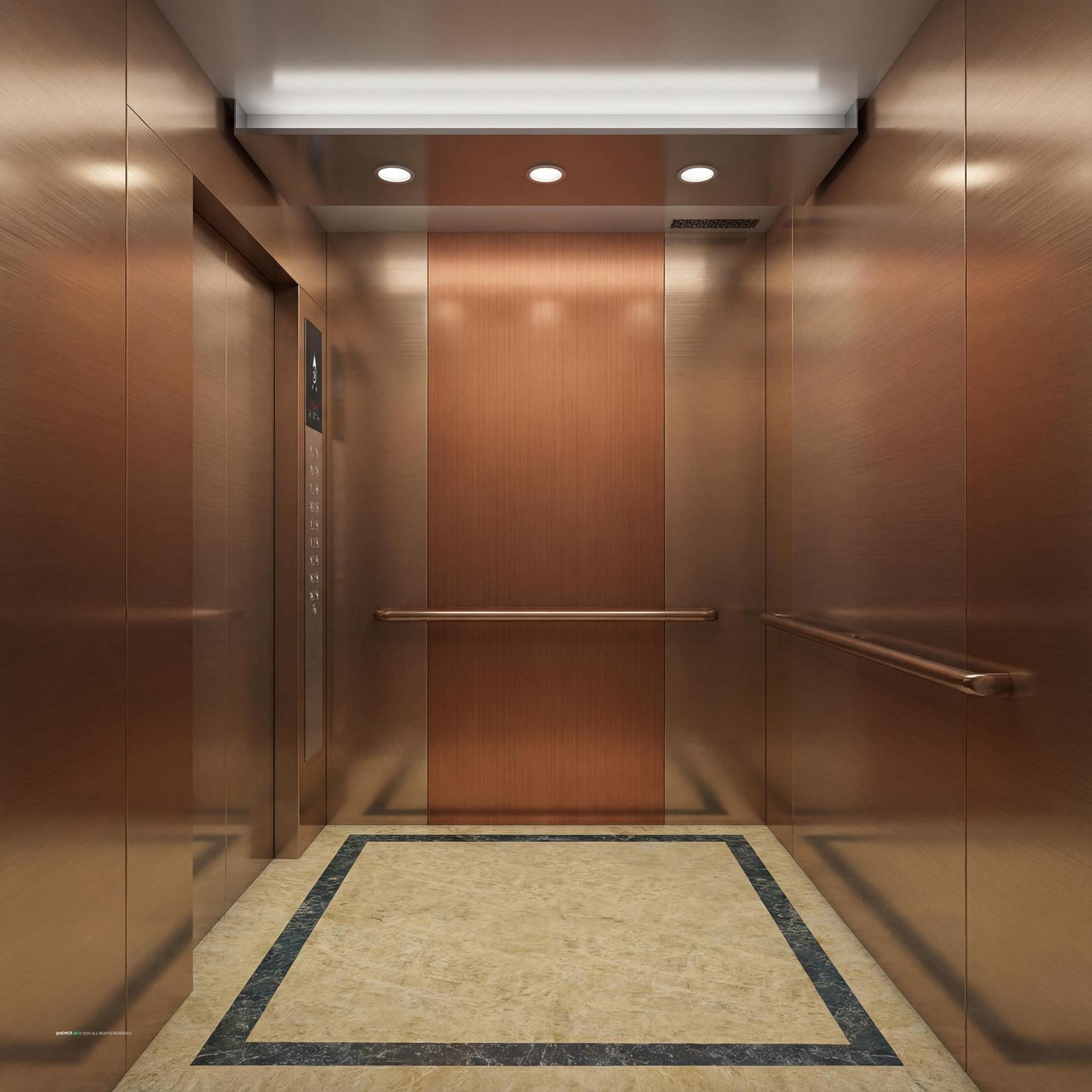
Bronze elevator cab
Bronze hairline panels hide fingerprints better than mirror-polished steel.
-
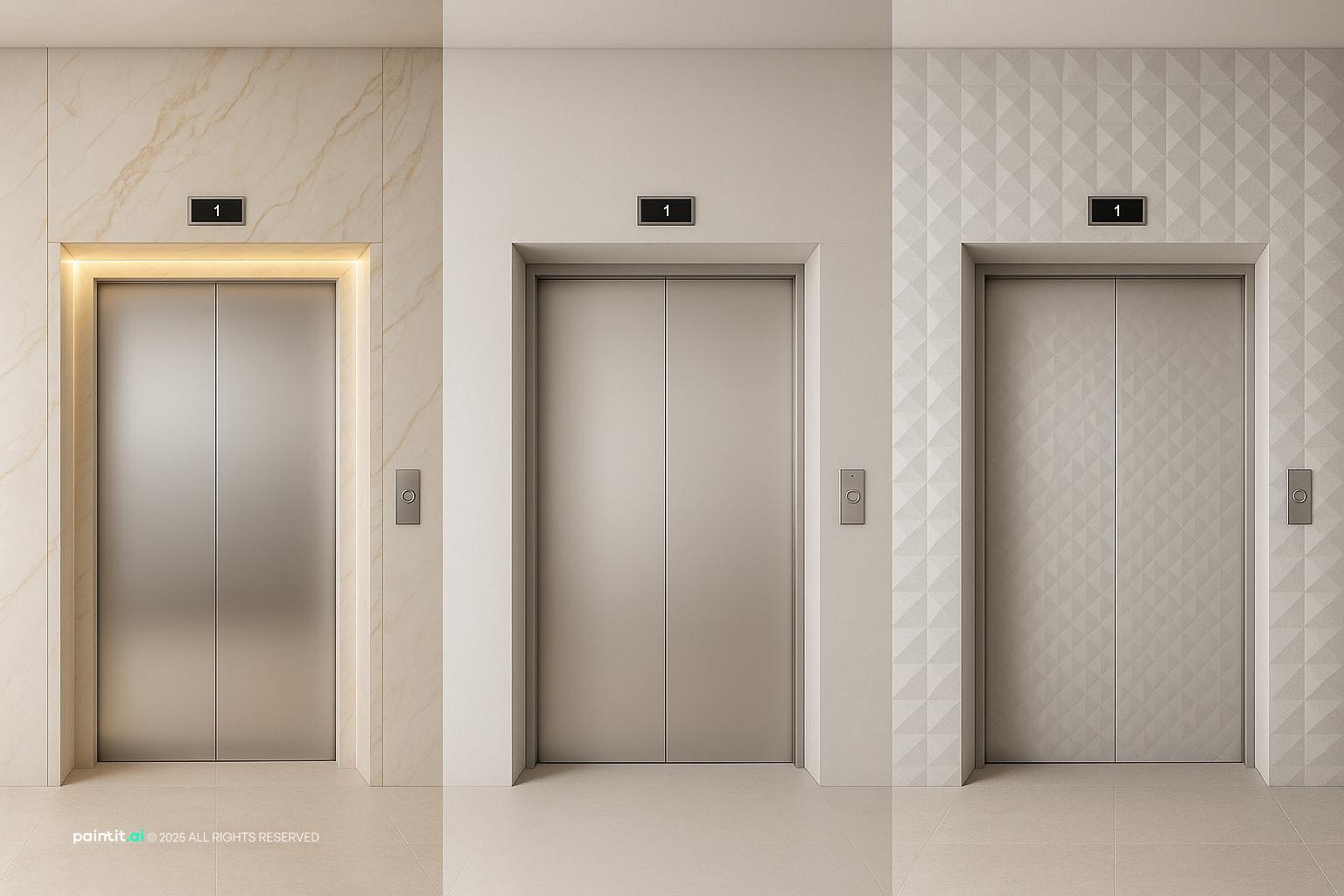
Stone elevator surrounds
The surround is what people see most; stone or sheet cladding changes a lobby quickly.
-
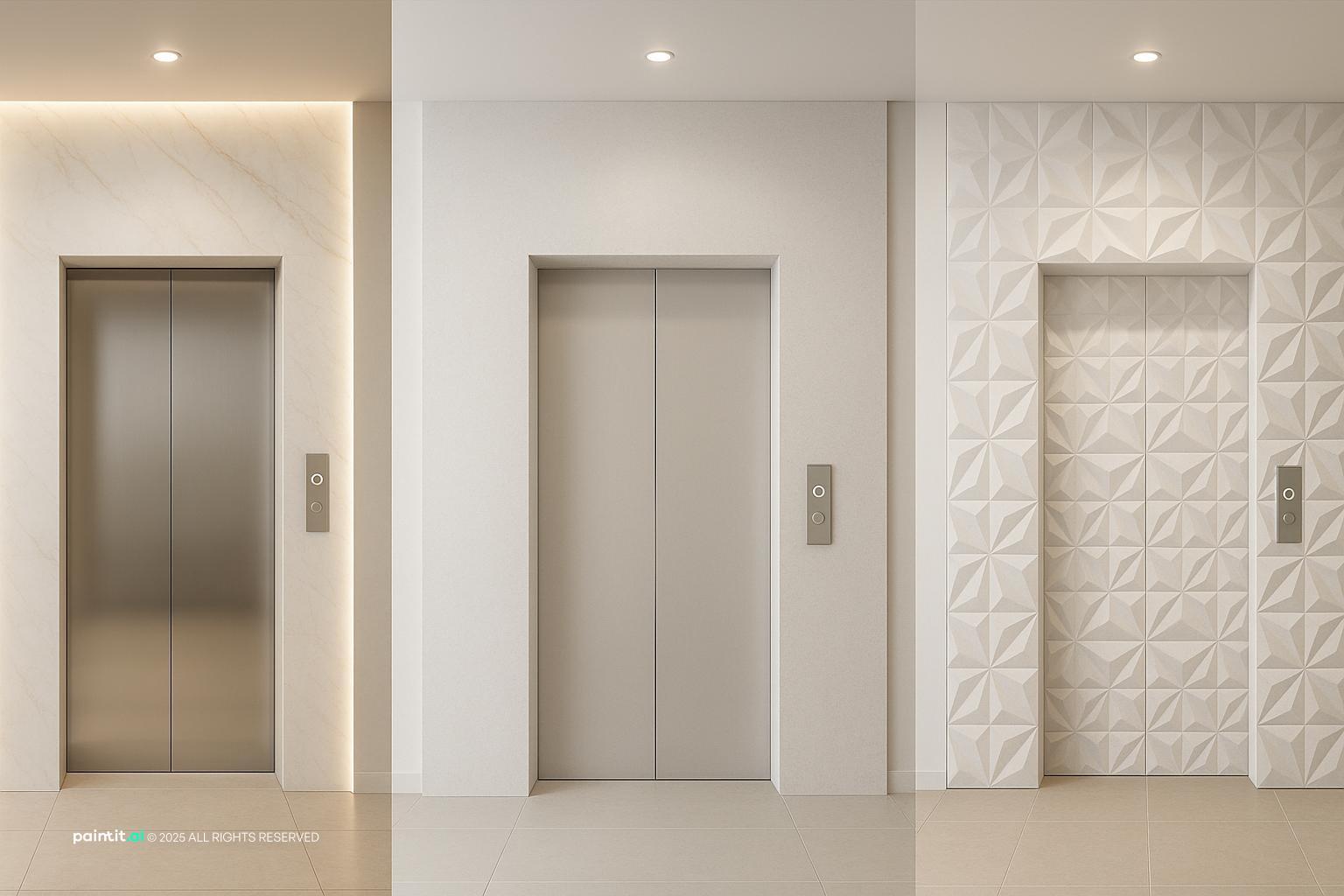
Textured panel beside the doors
A textured panel on one side adds interest without making the lobby busy.
-
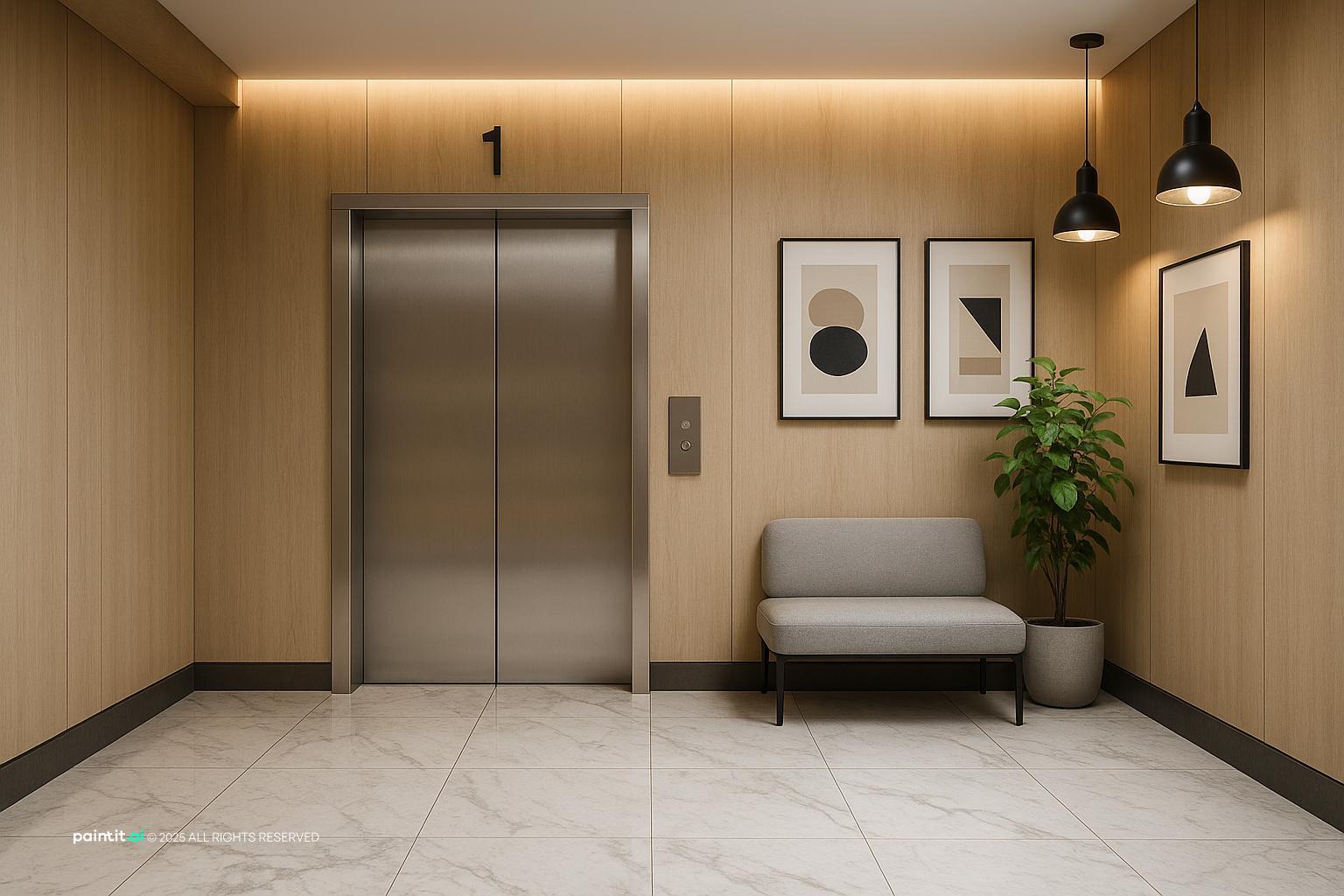
Warm residential lift lobby
Wood-look panels, art and a bench make a residential lift lobby feel like part of the home.
-
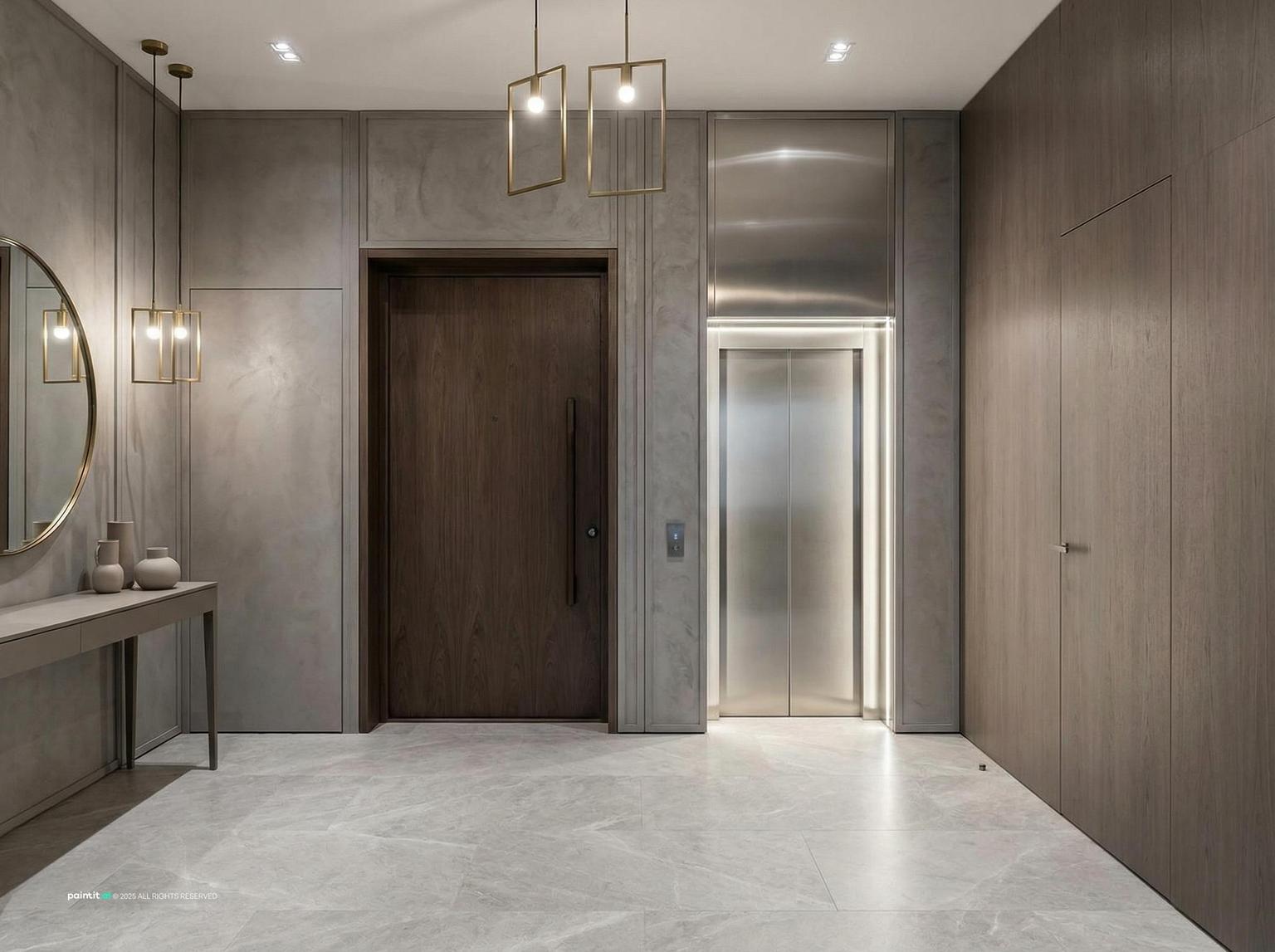
Central lift in a stone entry
Grey stone around a central lift works as the entry's main wall.
-
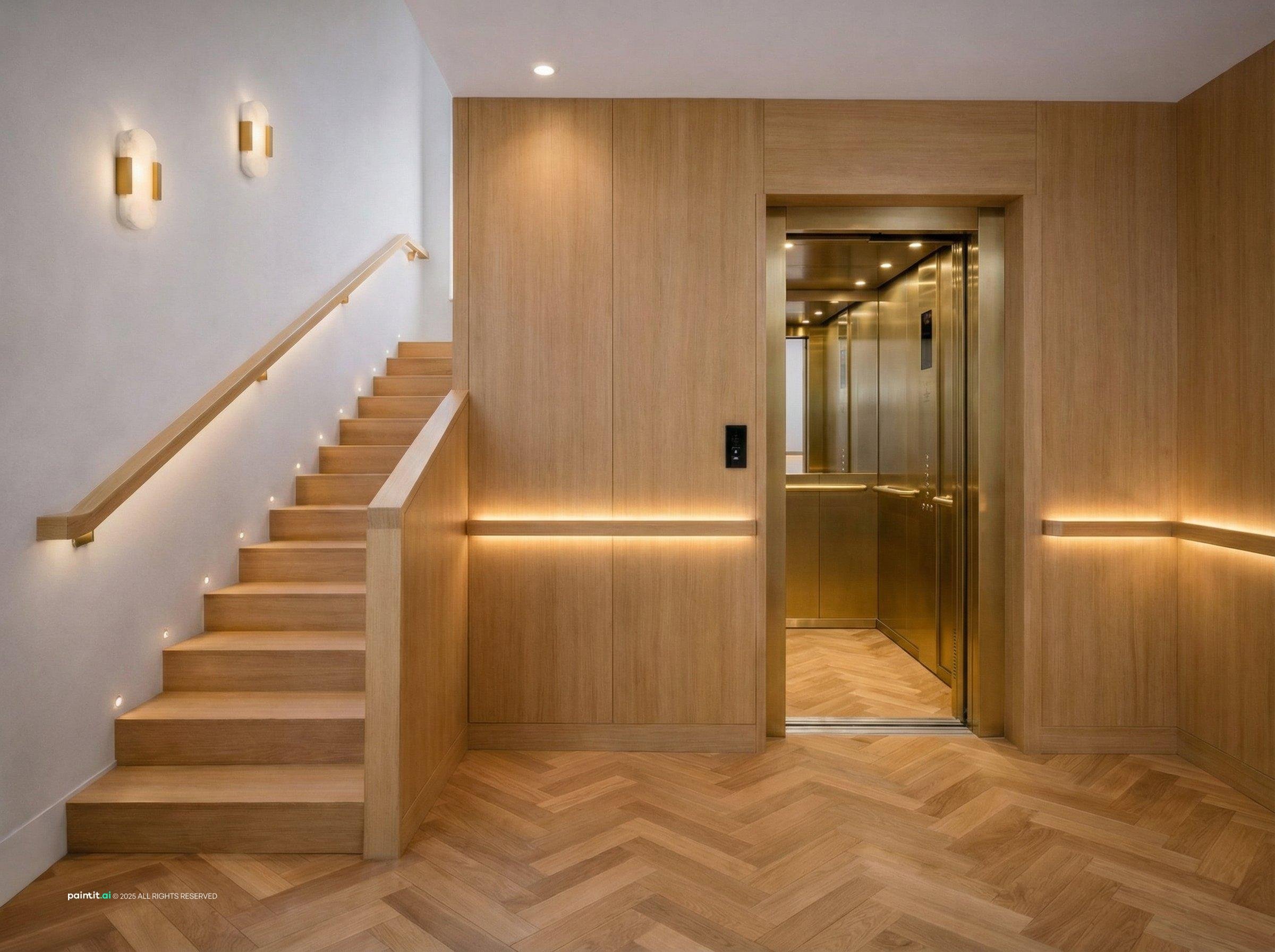
Home lift beside the stairs
A glass-door home lift next to the stairs keeps the hallway light.
-
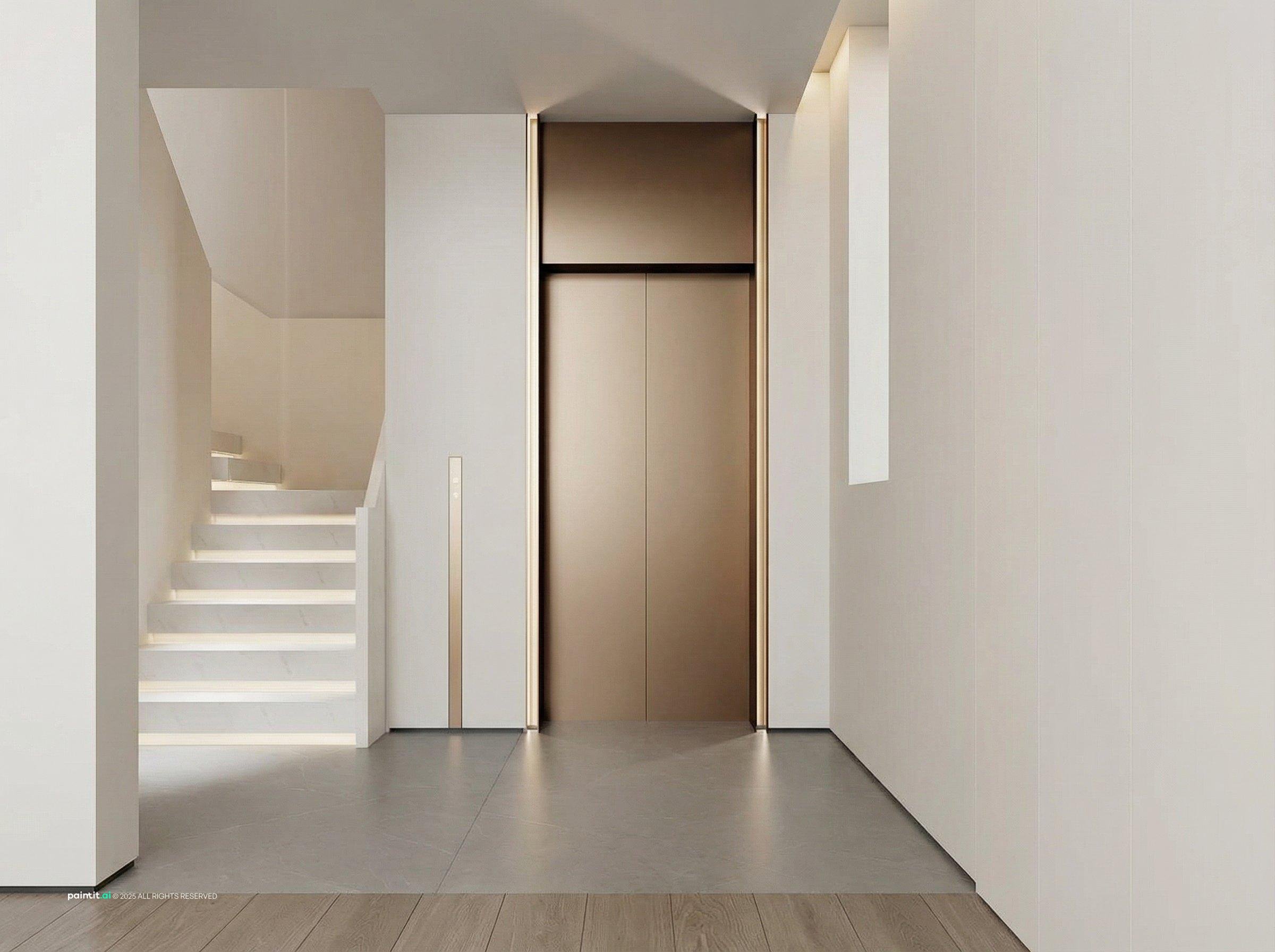
Minimal stair and lift hall
Removing extra rails around a lift makes a small stair hall look calmer.
-
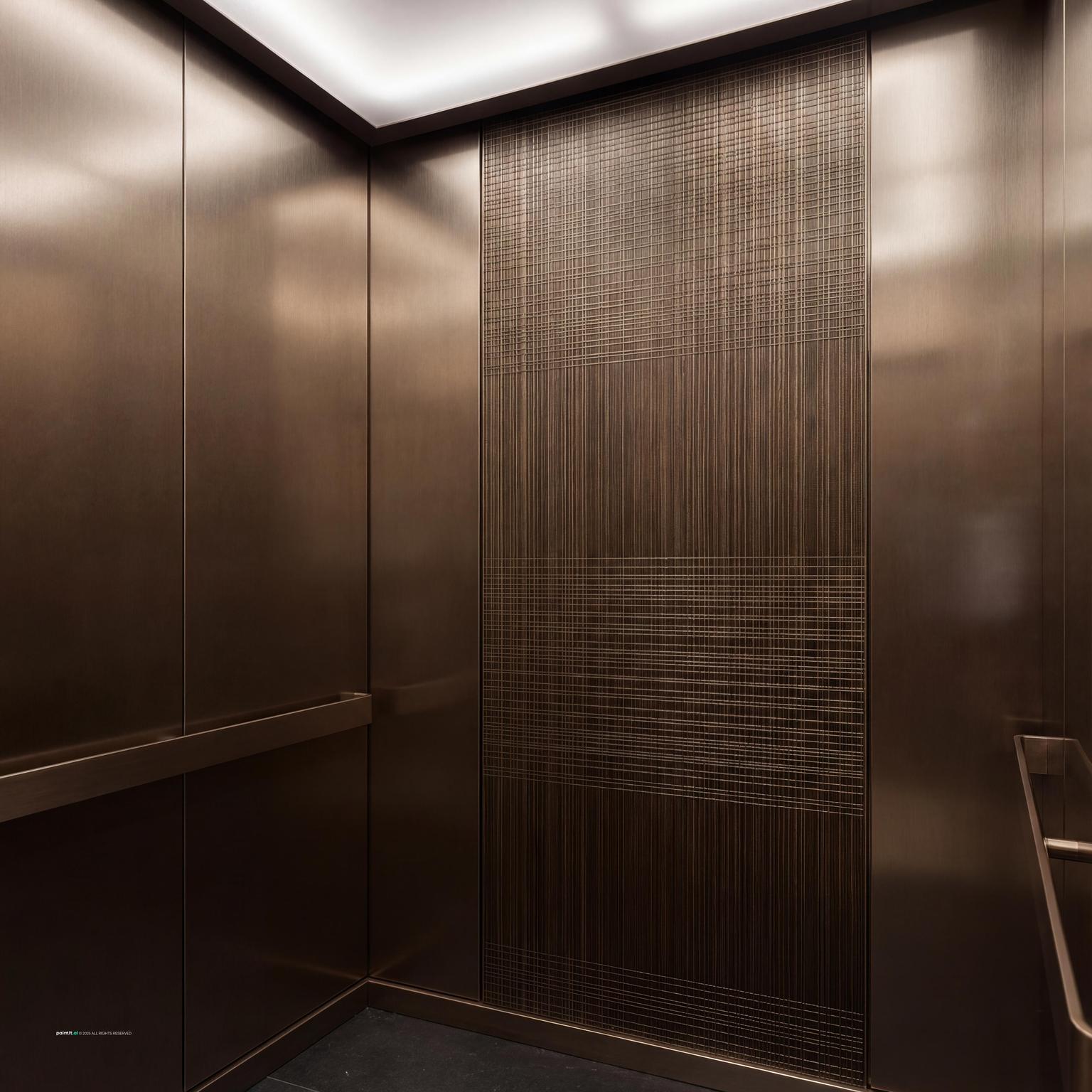
Dark bronze cab walls
A patterned center panel gives a plain steel cab a focal point.
-
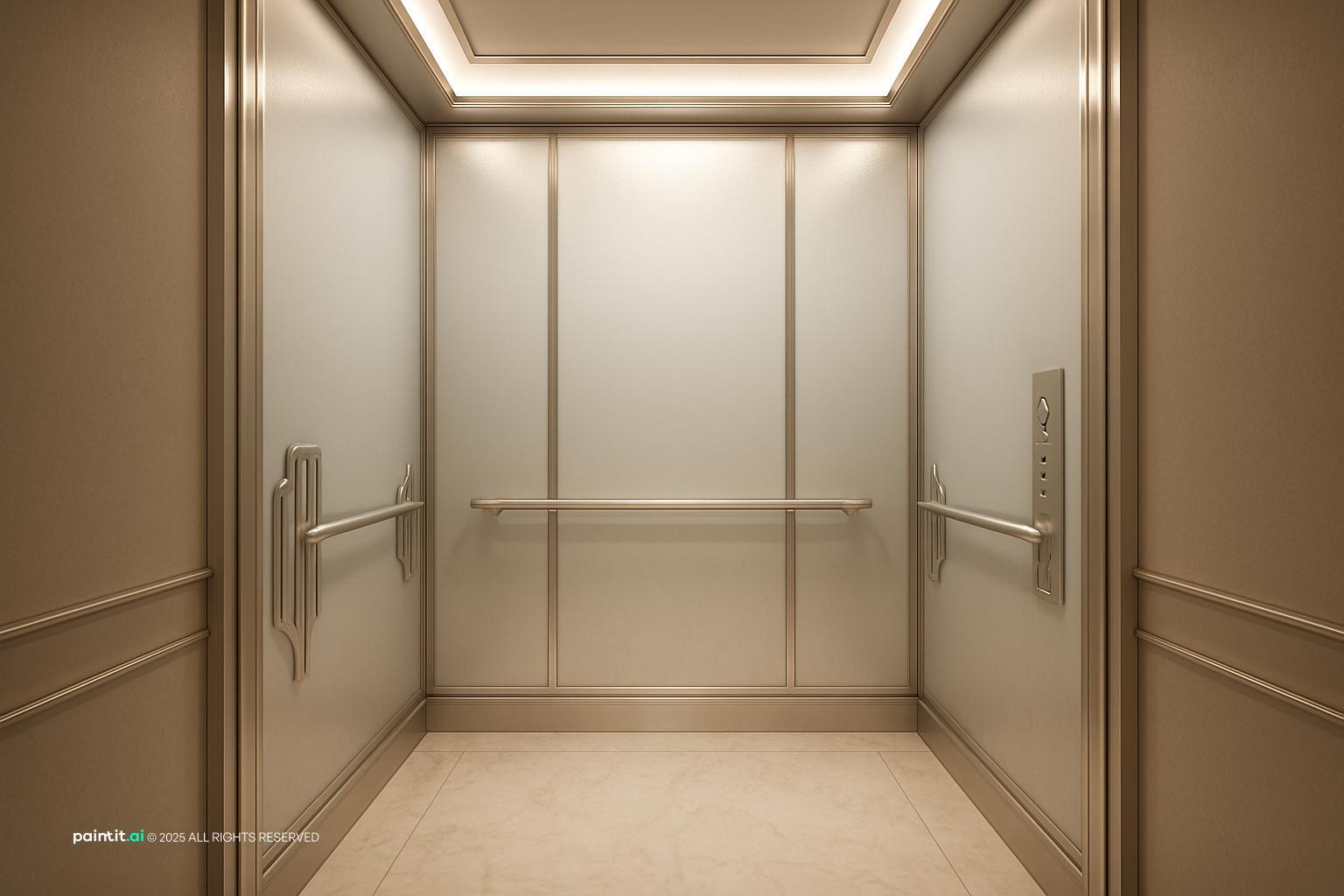
Light cab with marble floor
Cream panels and a marble floor make a small cab feel lighter.
-
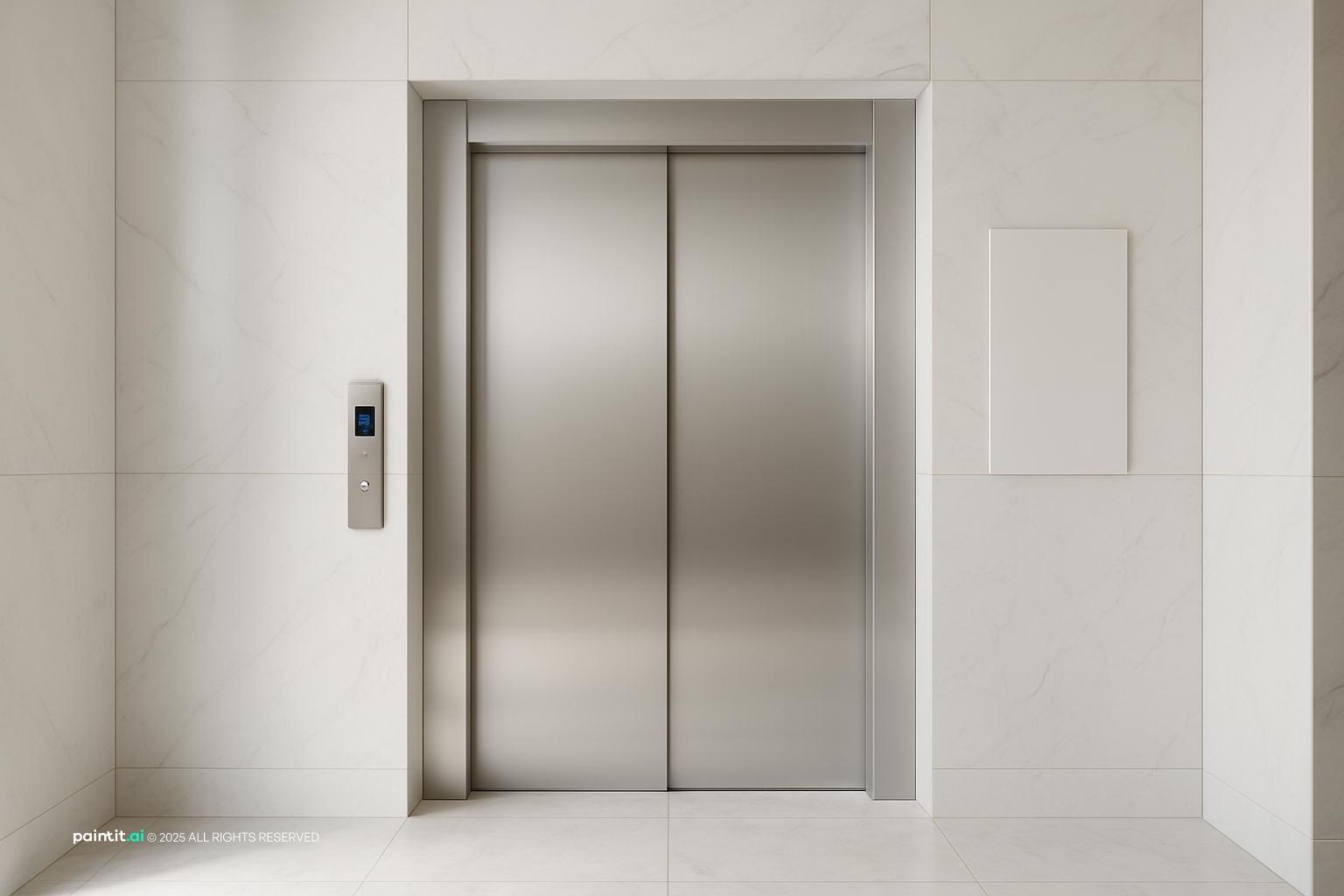
Marble elevator surround
A full marble surround turns a basic lift door into a clean feature.
-
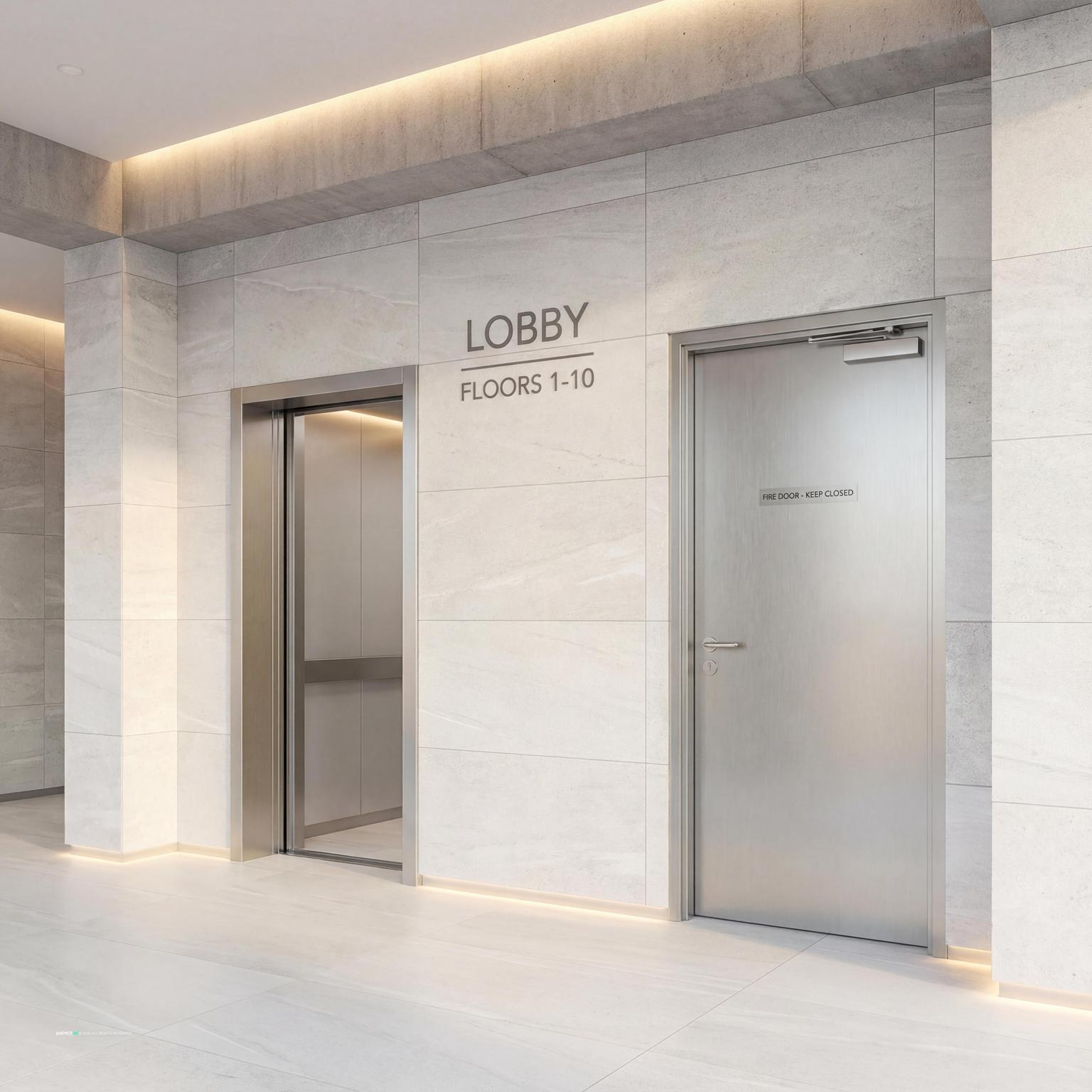
Commercial lift lobby
Matching finishes on lift and fire doors keep a commercial lobby tidy.
-
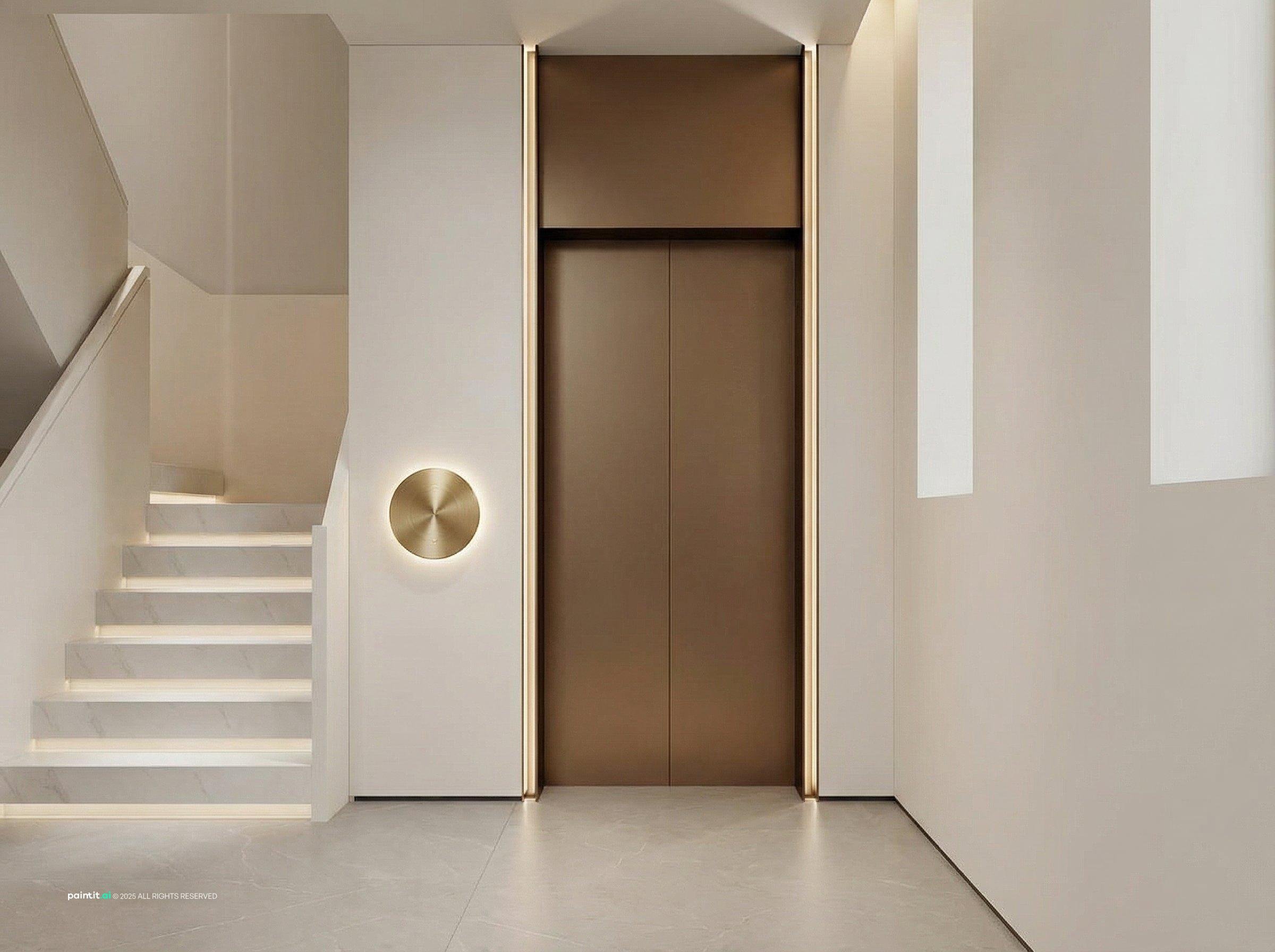
Brass details at the lift
Brass buttons and warm lighting are small upgrades that change how a lift area feels.
-
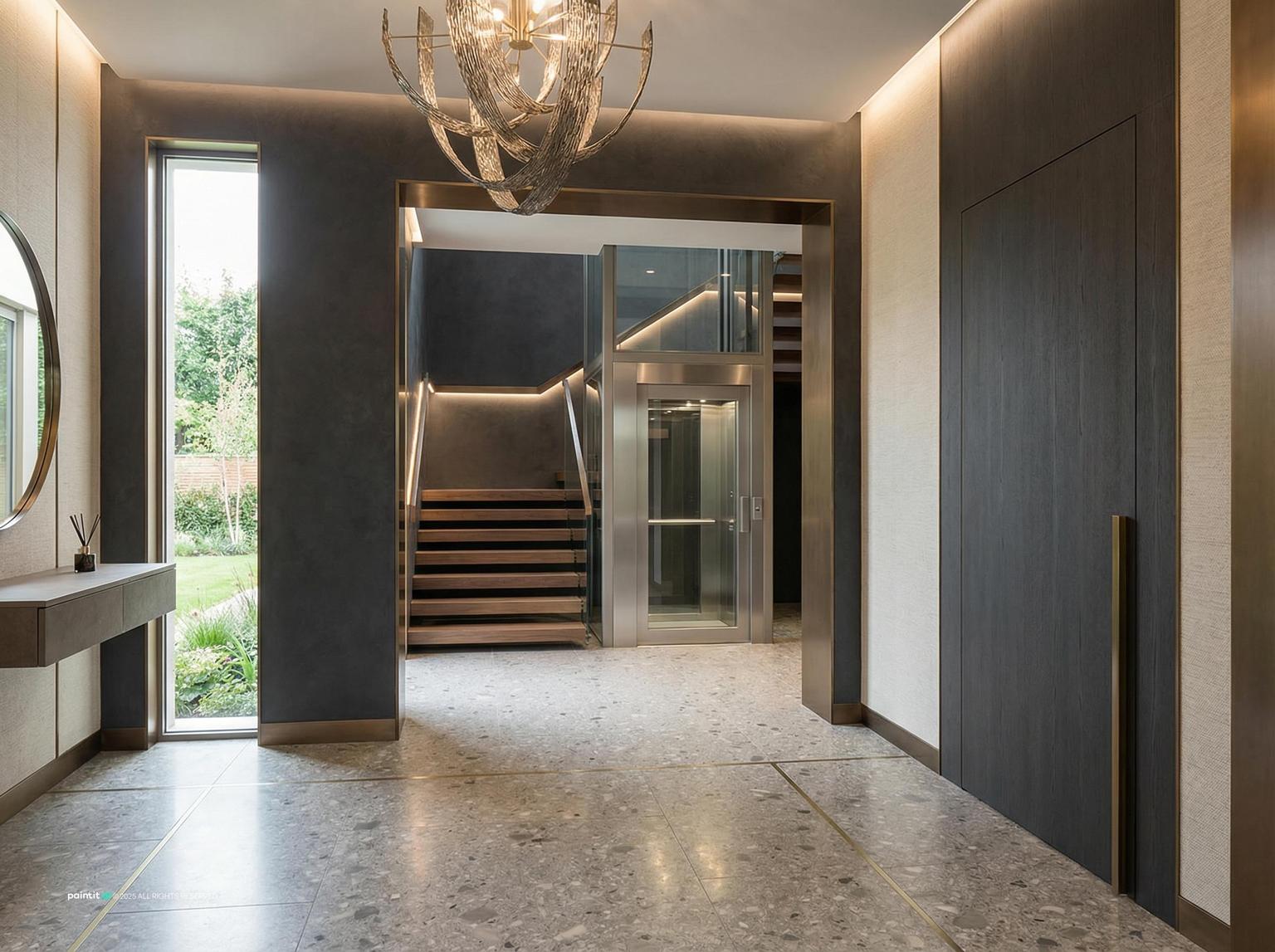
Glass lift beside the stairs
A glass lift beside the stairs keeps a narrow entry open.
-
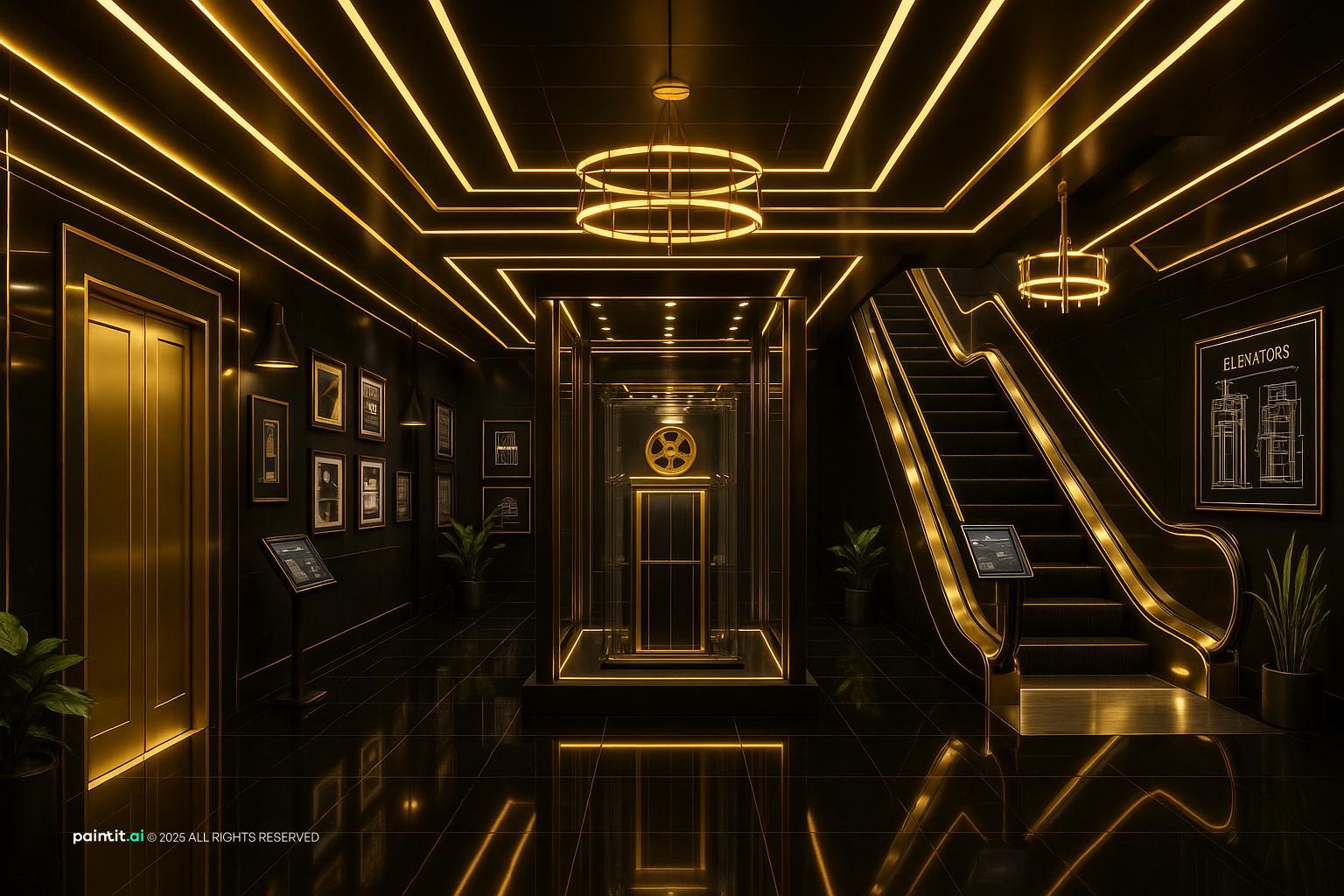
Black and gold lift lobby
Black and gold with lit ceiling lines suits a hotel or luxury residence lobby.
Elevator interior design by building type
-
The right approach depends on the building's function and the quality level it needs to signal.
-
Luxury residential
The cab should feel like an extension of the apartment lobby and common area finishes. Use natural stone floors, wood veneer wall panels, brushed brass or bronze handrails, warm LED ceiling with diffuser, and a custom control panel.
-
Corporate office
The goal is professional, clean, and durable. Brushed stainless steel walls, carpet or stone tile floor, recessed LED ceiling, matching steel handrail, and an optional branded artwork panel work well in high-traffic workday use.
-
Boutique hotel
Hotels have more design freedom. Wallpaper on one wall, brass fixtures, custom tile, integrated artwork, or ambient colored lighting can turn the elevator cab into a branding moment guests experience several times per day.
-
Retail
Retail elevators need to handle trolleys and heavy goods. Use durable floors, stainless steel walls, mirror rear wall, and strong handrails. Branding elements on ceiling or wall panels can work, but avoid materials that scratch or show dirt quickly.
How Paintit.ai fits
Paintit.ai's Commercial Spaces direction can generate concept renders for lobby and elevator cab redesigns. Upload a photo of the current cab interior, choose a style direction, and see the result in 1-2 minutes. TRY IT FREE.
Related design tools
Tools for elevator concepts, lobby redesigns, client renders, and material comparisons.
FAQ
-
Elevator interior design ideas represent detailed aesthetic and functional design solutions intended to boost both visual appeal and user experience within elevator spaces.
-
Current trends favor unique material combinations, creative lighting, advanced technology integration (touchless controls, integrated displays), and bespoke artwork. Biophilic touches like living moss walls or wood-grain panels and mixed-metal finishes are also gaining ground over uniform stainless steel cabs.
-
The integration of elevator design with contemporary minimalist elements or traditional styles establishes a unified building appearance.
-
Frequent errors encompass the disregard of safety protocols alongside design cluttering and the failure to achieve architectural integration.
-
The selection of sustainable options involves the implementation of eco-friendly materials alongside energy-efficient lighting and the adoption of green design principles.
-
Boost functionality by integrating robust materials with ergonomic designs alongside intuitive controls and features for simple maintenance.
-
Stainless steel in hairline or patterned finishes, laminate or wood-veneer panels, glass or mirror, and stone, vinyl or rubber flooring. Cab materials have to meet the fire and safety rules for the building, so confirm your choices with the lift supplier.