
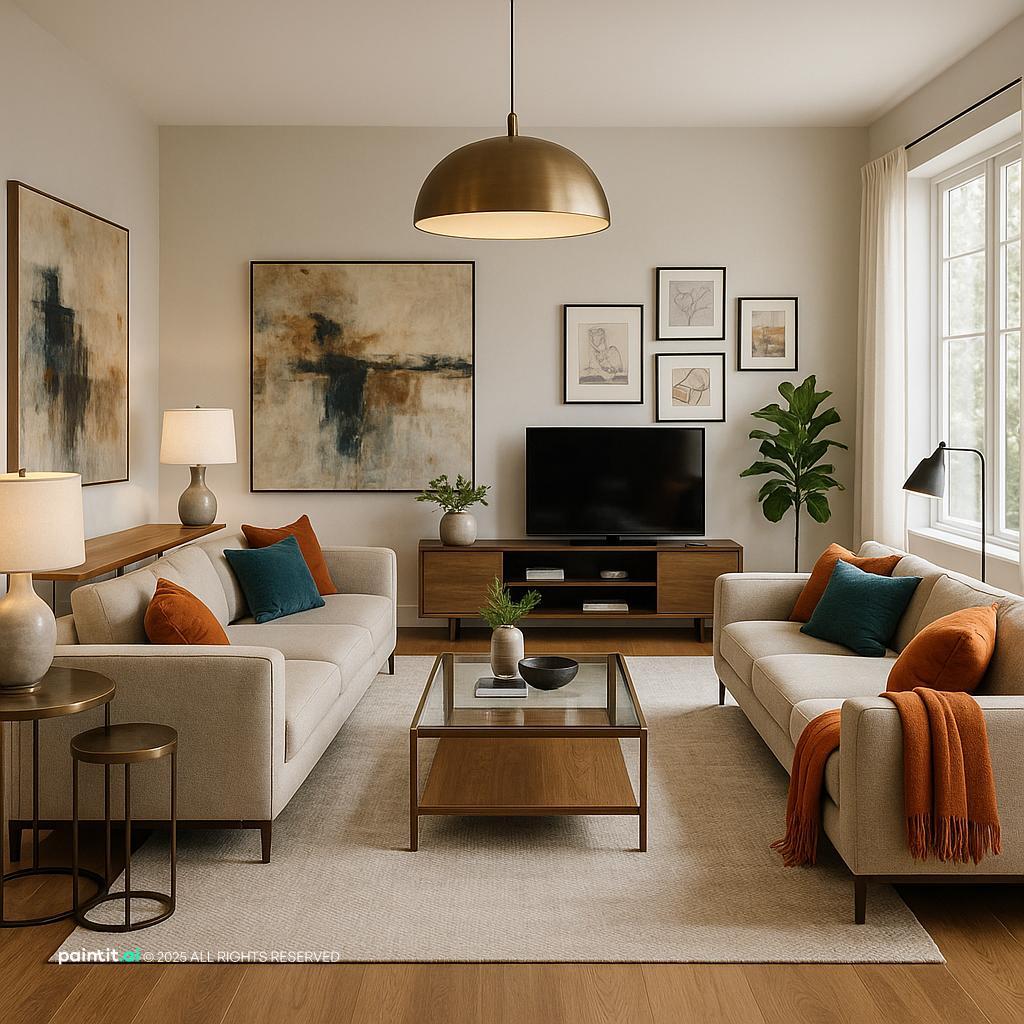
Modern Living Room Design Inspiration
Modern Living Room Design Inspiration uses grey palette, teal accents and soft textiles in a living room setting.
Teal and grey living room ideas usually succeed or fail on balance. Grey can make the room feel calm and grounded. Teal brings the depth, the color, and the point of view. Put them next to each other without a plan, though, and the room can quickly feel either cold or too matched. The first decision is simple: which color leads? A grey sofa with teal accents feels very different from teal walls with pale grey upholstery. The right answer depends on daylight, room size, what furniture you want to keep, and how much contrast you actually want to live with after the photo looks good.
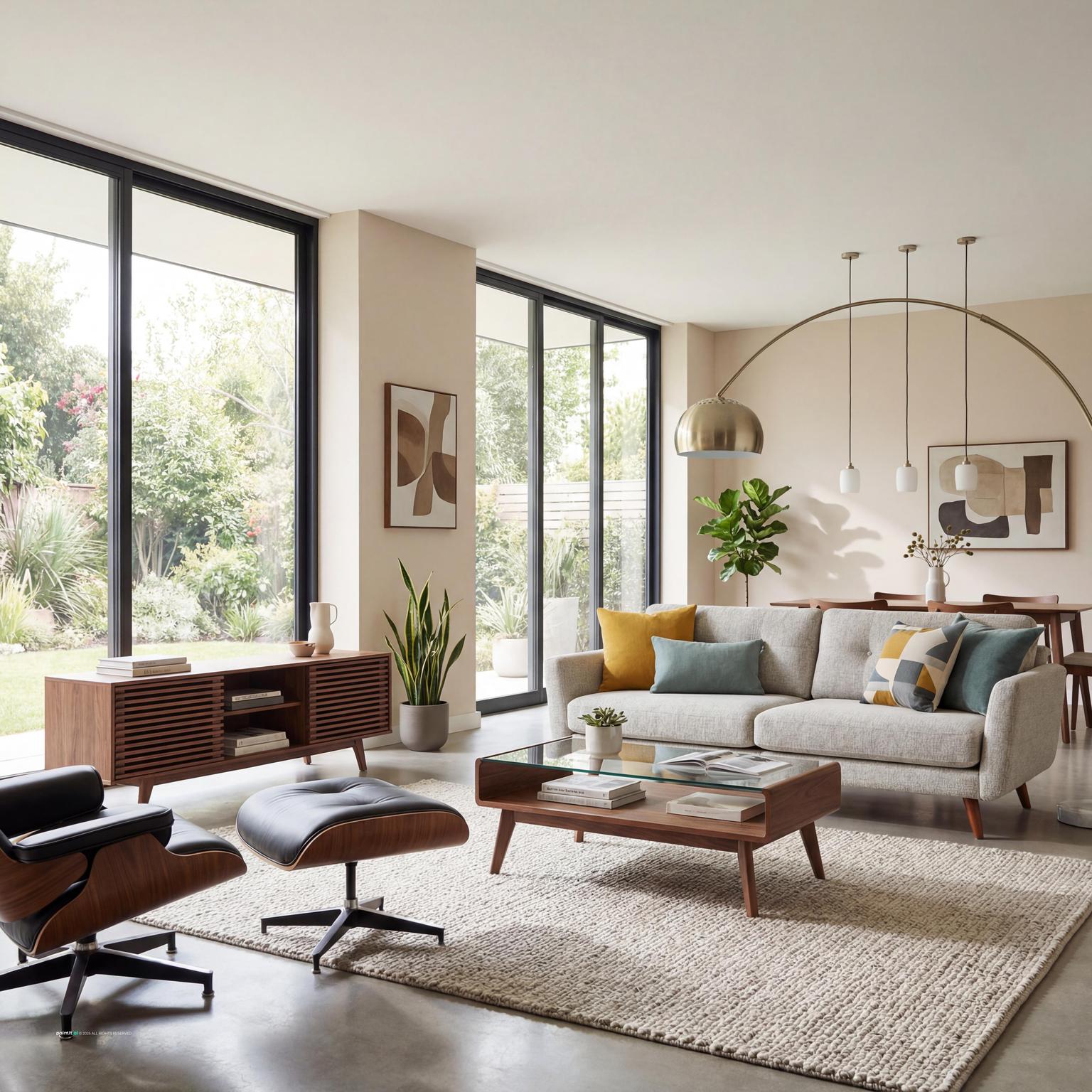
A strong teal and grey color scheme starts with proportion. In most living rooms, grey works best as the anchor on the sofa, rug, walls, or flooring. Teal often works better as the color that moves the eye through curtains, throw pillows, wall art, or one painted surface. If you are not sure how much color the room can handle, an AI living room design tool can help you compare softer and bolder options before you buy paint, curtains, or upholstery.
In Paintit.ai data, color appears in 27.6% of user prompts, and room type appears in 22.1%. That tracks with what we see in uploads: people often start with “make this living room teal and grey” before thinking about fabric, wood, metal, or lighting. But the better-looking results usually come when color is paired with materials. A matte grey linen sofa, a teal velvet chair, warm wood tones, and a brushed metal lamp will look more believable than a room described only as teal and grey.
Use the first gallery to compare color weight: small teal accents against grey furniture, a teal sofa in a grey setting, deeper wall colors, and lighter rooms where the palette stays airy.
Modern Living Room Design Inspiration uses grey palette, teal accents and soft textiles in a living room setting.
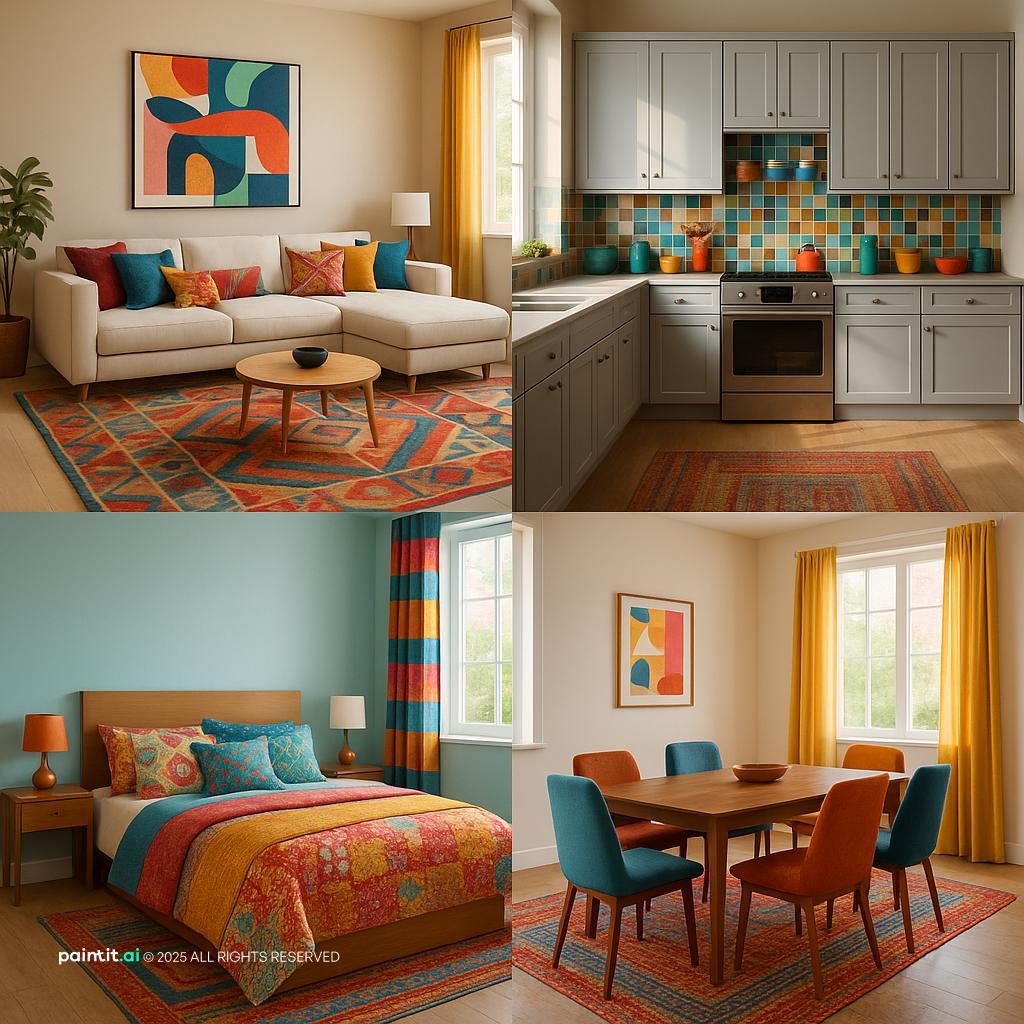
Vibrant Home Interior Design with Textiles balances grey palette, teal accents and warm wood in a living room setting.
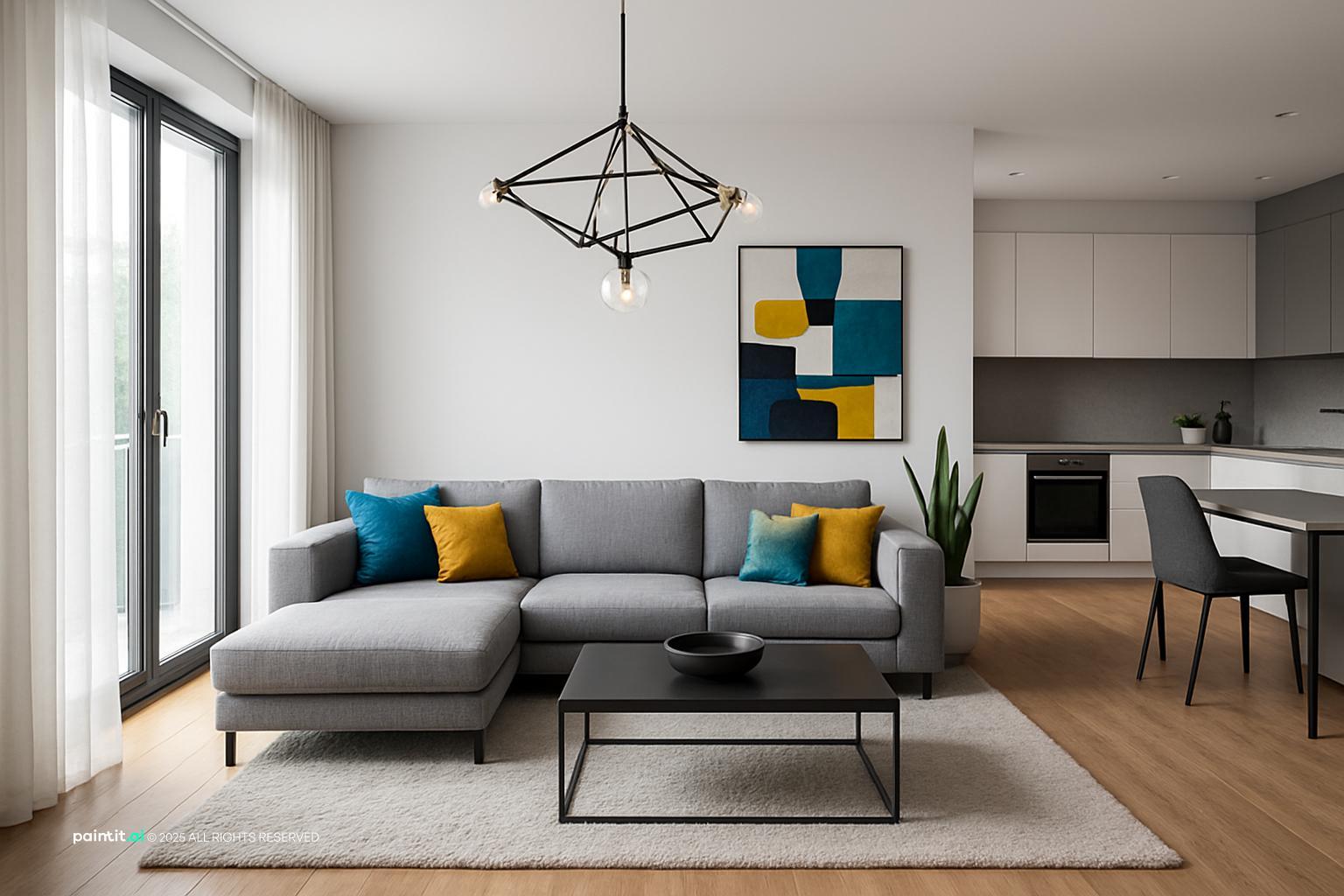
Teal and Grey Living Room Ideas with Grey Palette and Teal Accents pairs grey palette, teal accents and soft textiles in a living room setting.
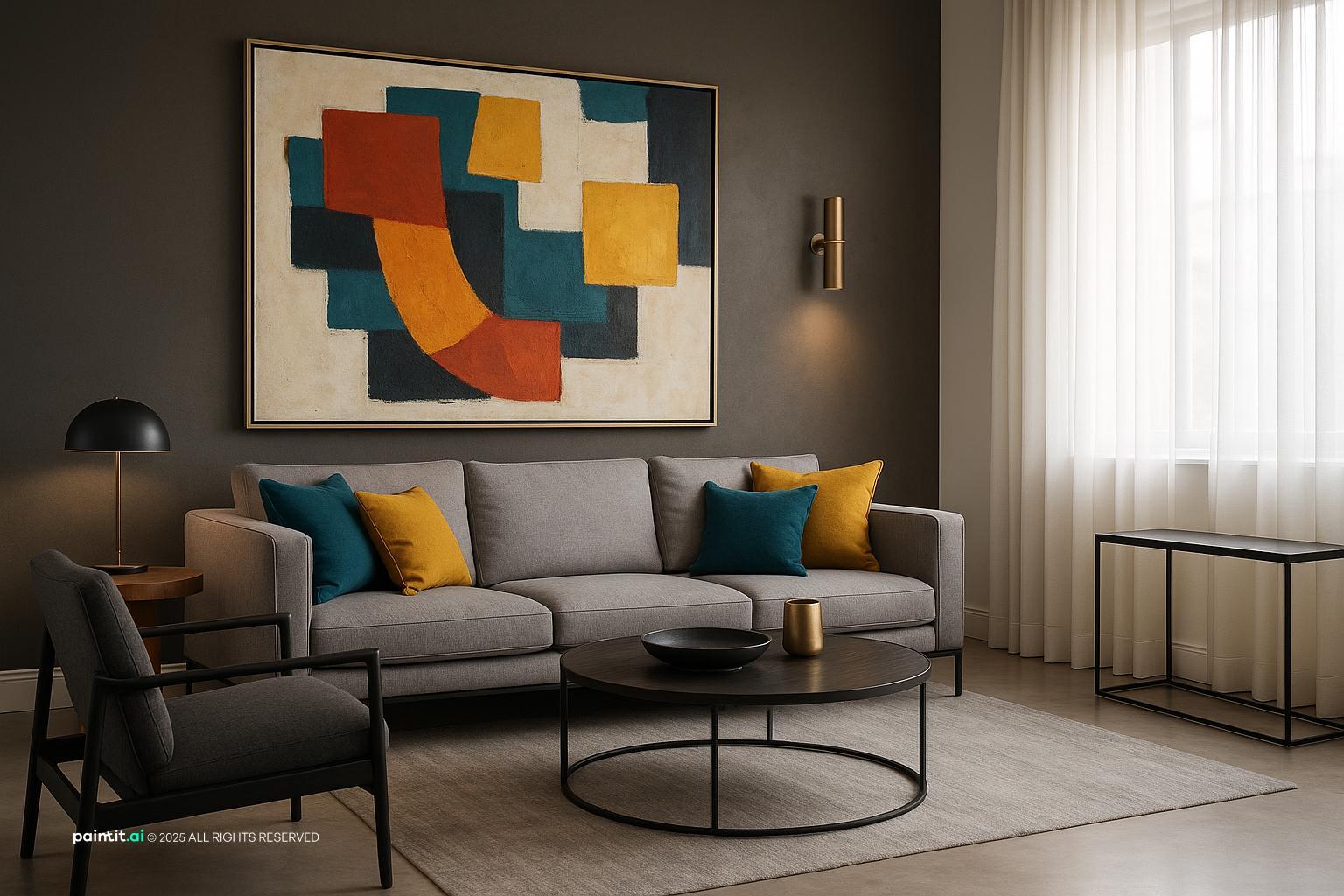
Stylish Modern Living Room Design layers grey palette, teal accents and soft textiles in a living room setting.
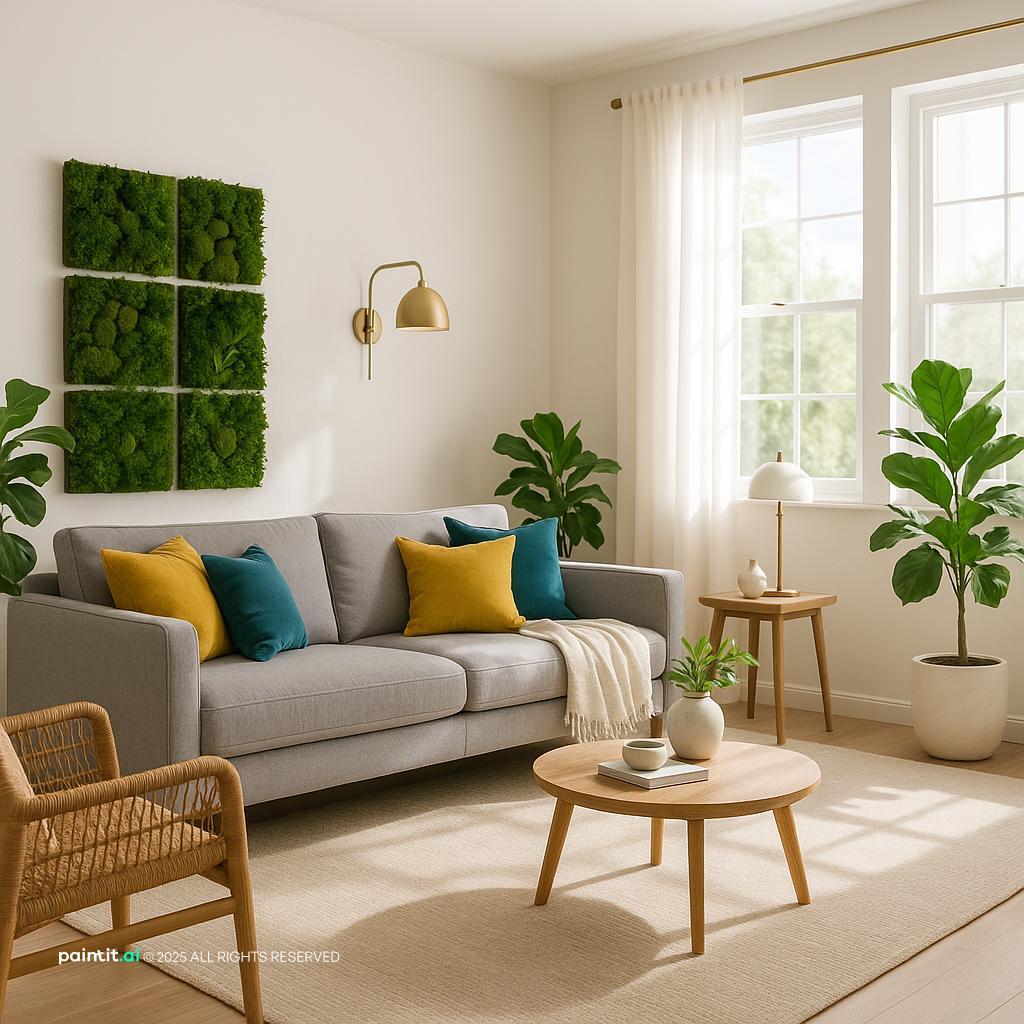
Bright Modern Living Room Design anchors grey palette, teal accents and soft textiles in a living room setting.
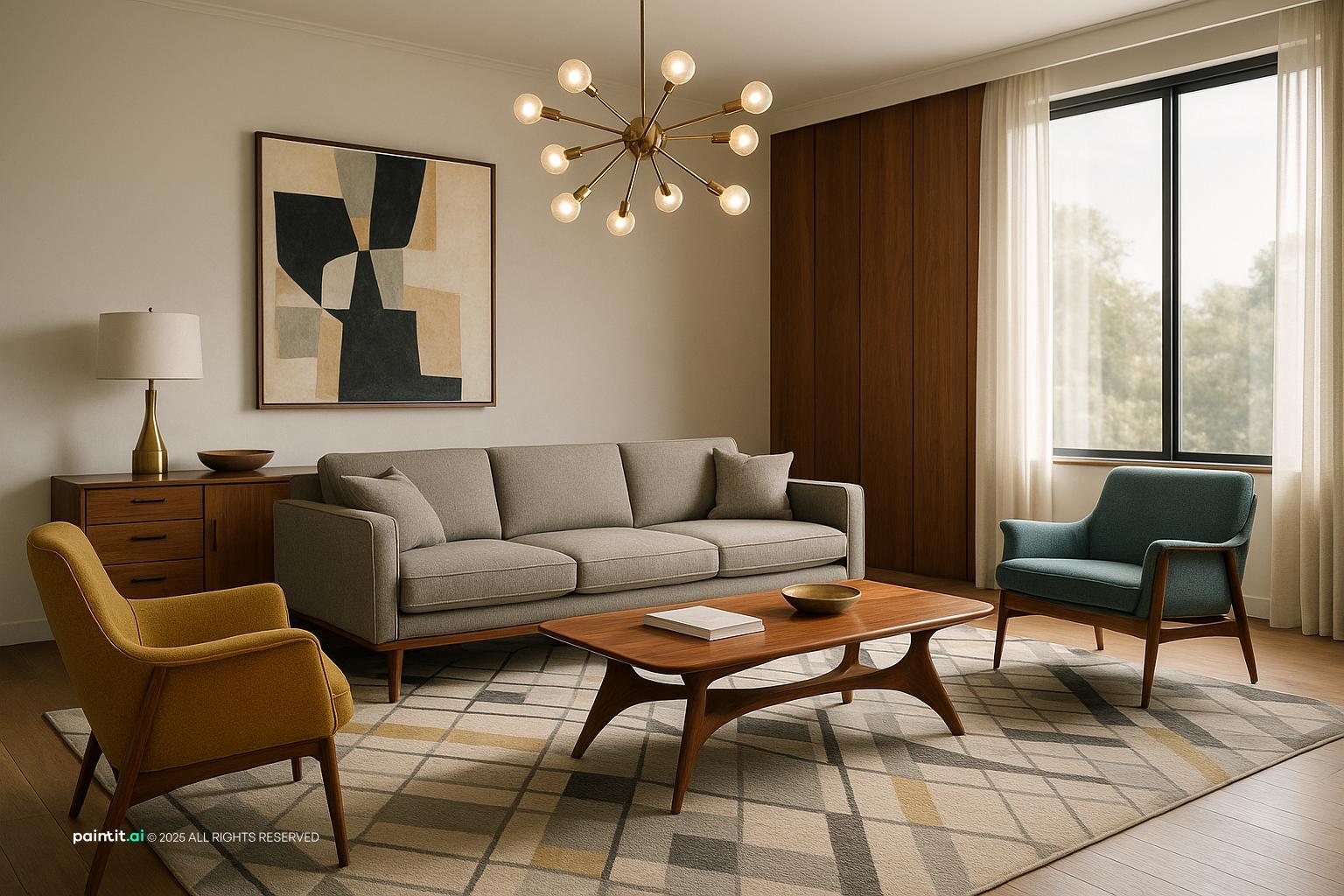
Stylish Midcentury Modern Living Room Design softens grey palette, teal accents and warm wood in a living room setting.
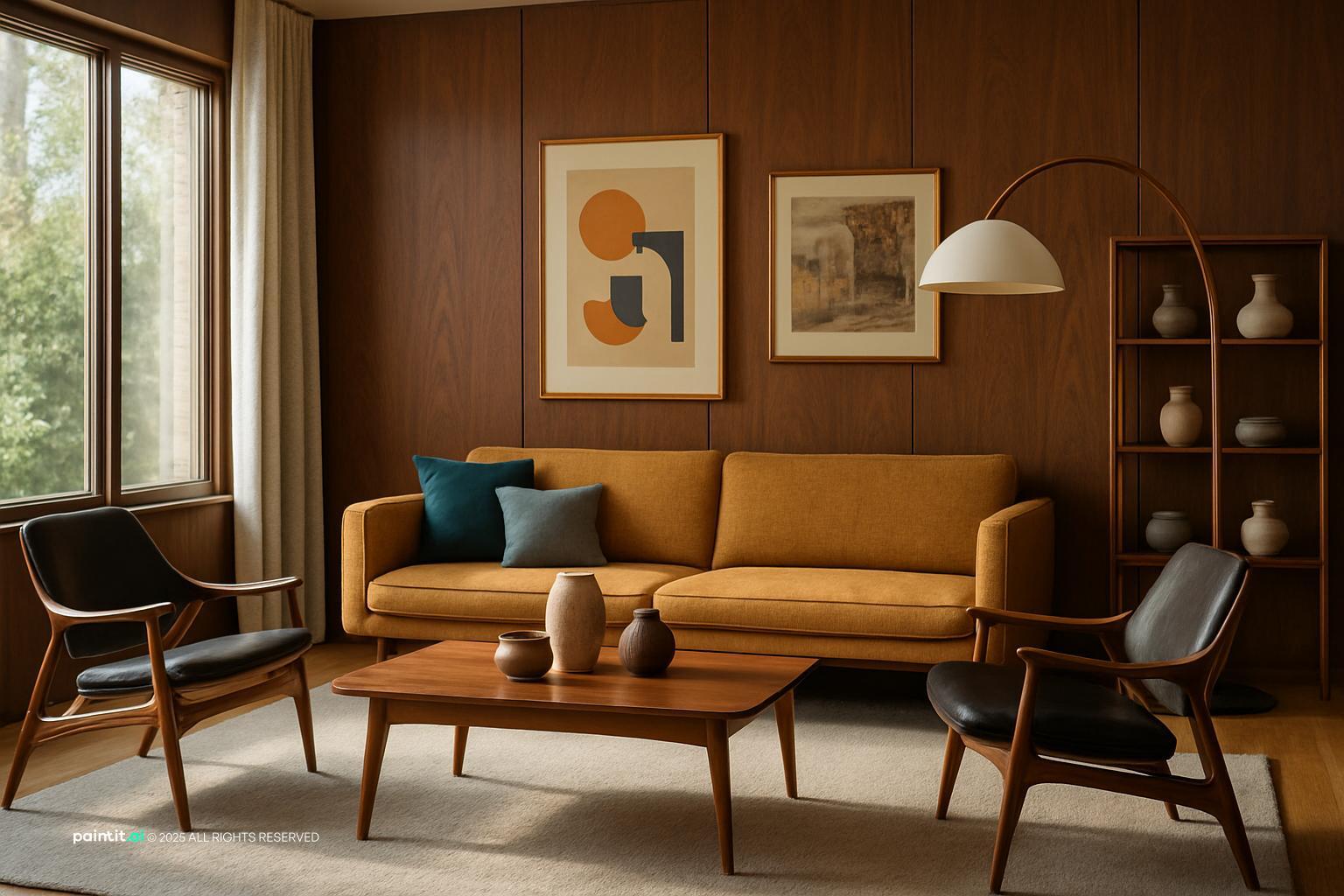
Teal and Grey Living Room Ideas with Grey Palette and Teal Accents with Warm Wood uses grey palette, teal accents and warm wood in a living room setting.
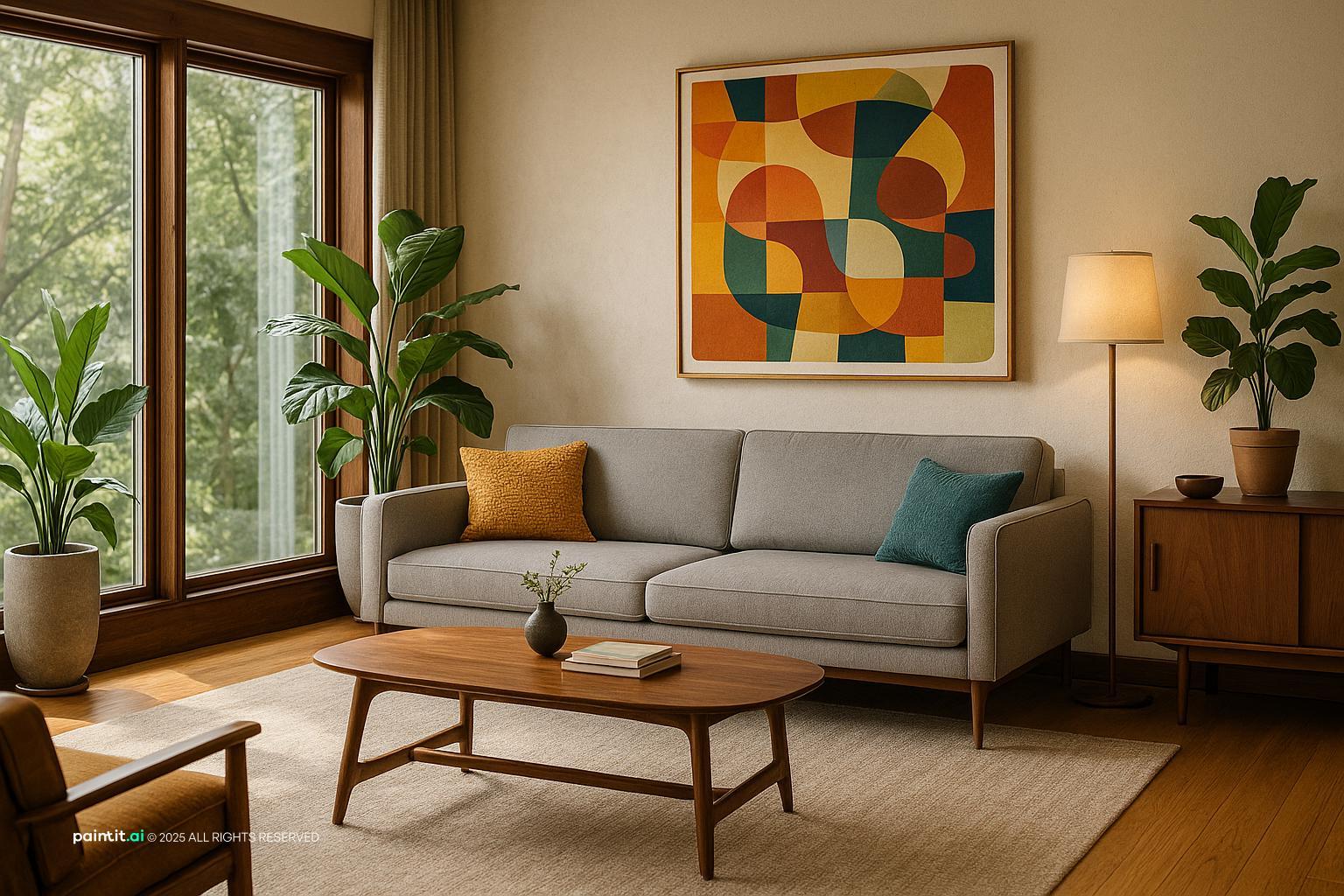
Teal and Grey Living Room Ideas with Grey Palette and Teal Accents View 3 balances grey palette, teal accents and warm wood in a living room setting.
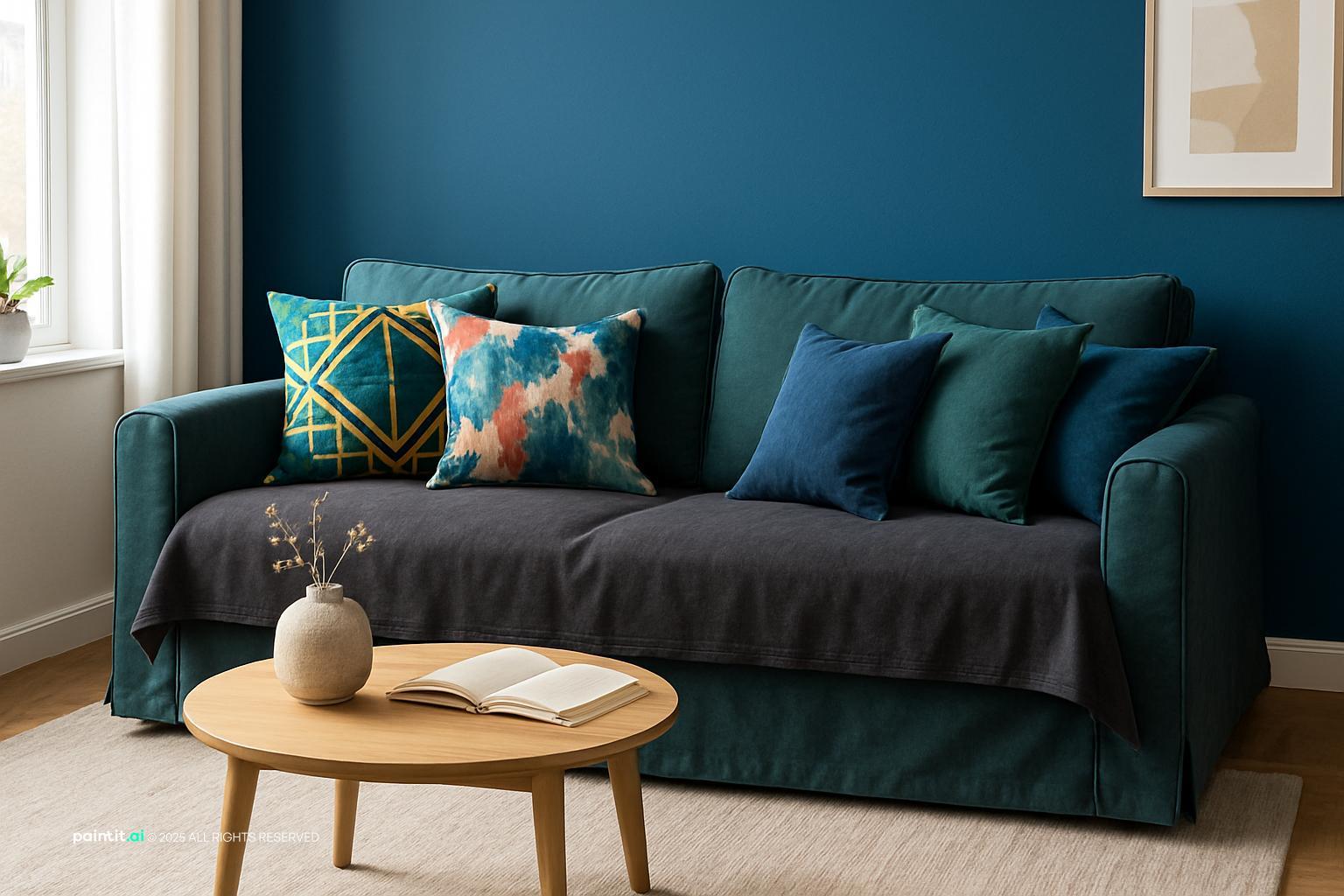
Stylish Teal Sofa Living Room Design pairs grey palette, teal accents and soft textiles in a living room setting.
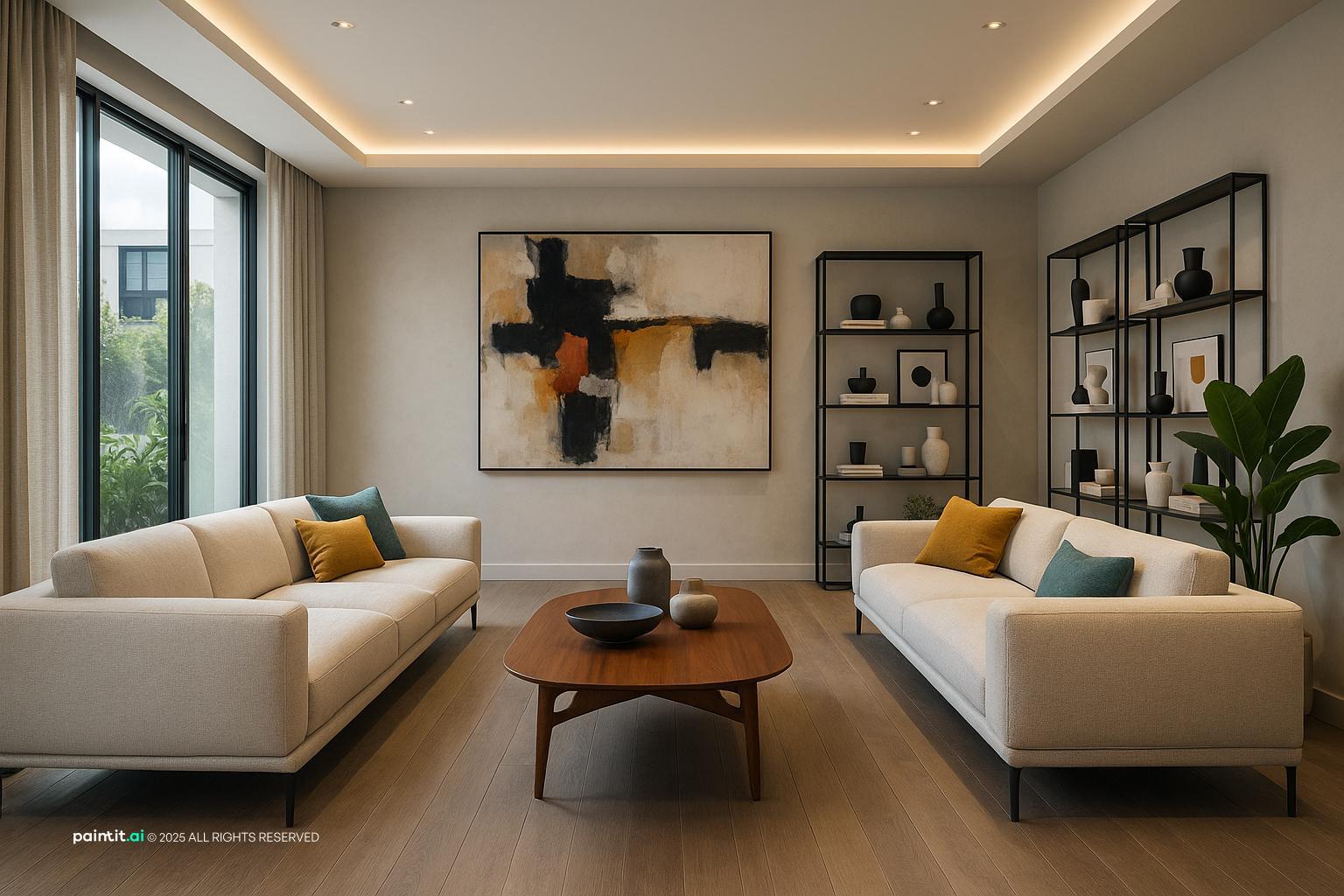
Elegant Modern Living Room Design 2025 layers grey palette, teal accents and warm wood in a living room setting.
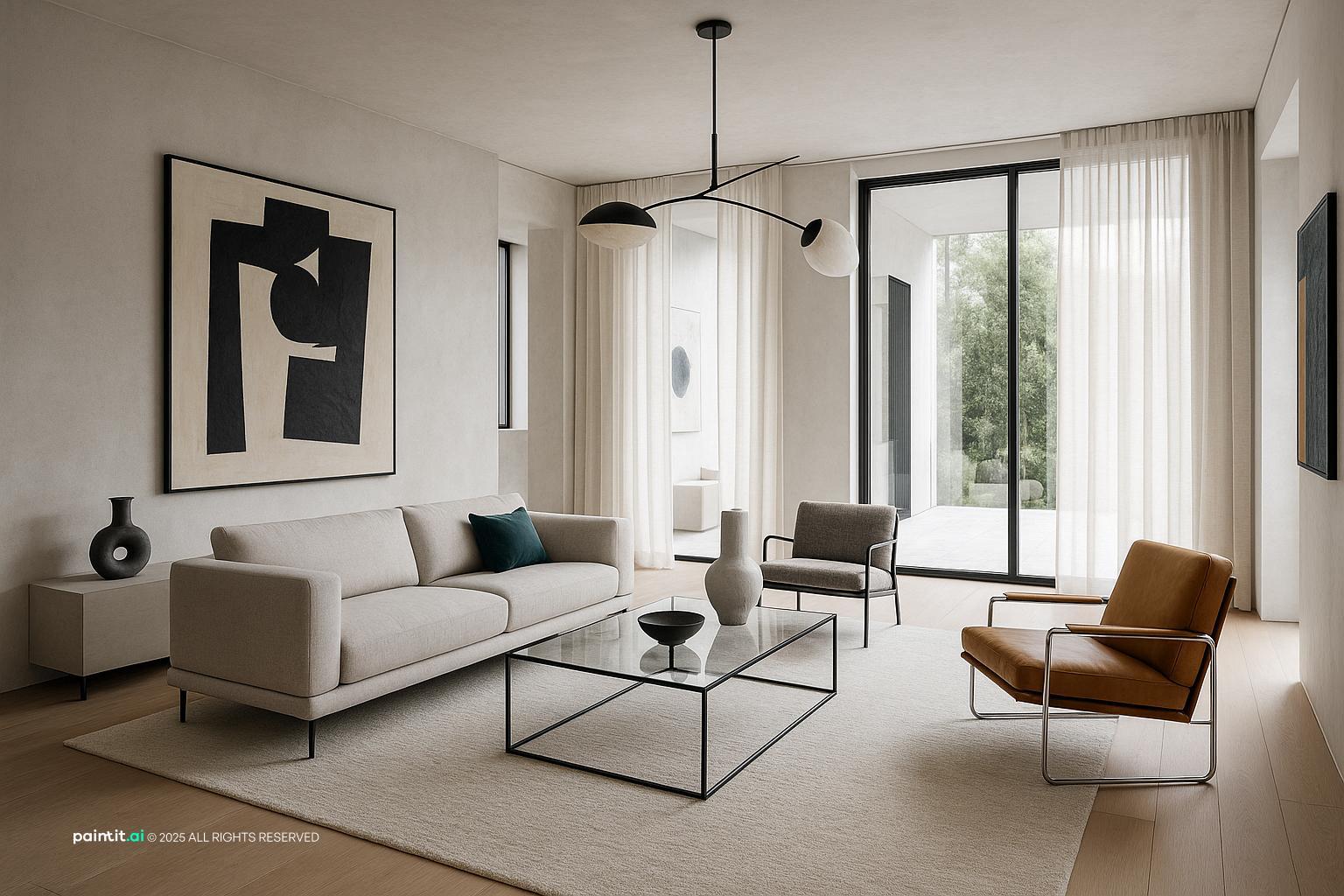
Teal and Grey Living Room Ideas with Grey Palette and Teal Accents with Soft Textiles anchors grey palette, teal accents and soft textiles in a living room setting.
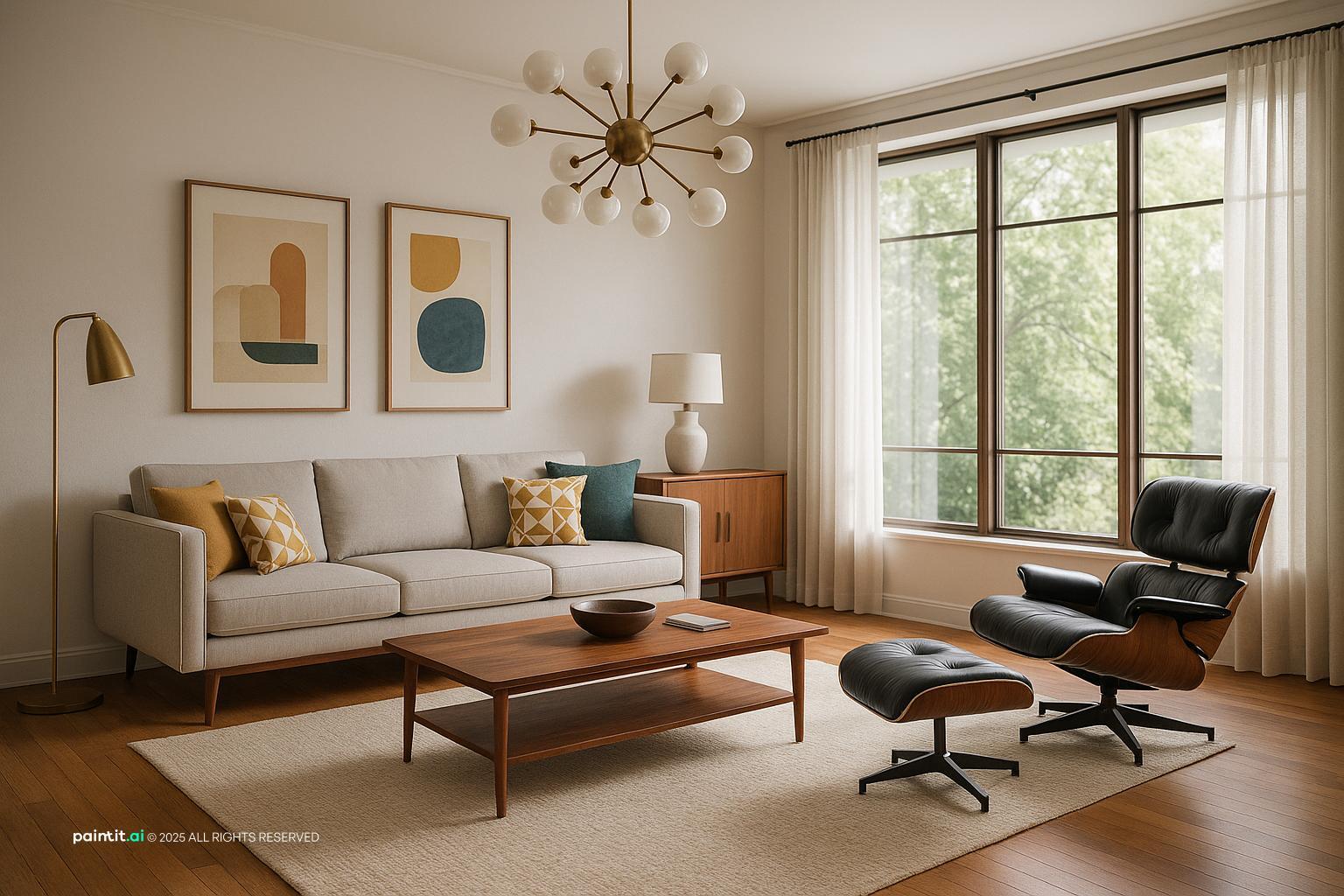
Mid-Century Modern Living Room Design softens teal accents, warm wood and soft textiles in a living room setting.
Use grey on the largest visual surfaces if you want the room to feel calm: the sofa, main rug, walls, flooring, or built-in shelving. Then repeat teal in three to five smaller places, such as cushions, curtains, a ceramic lamp, artwork, or one occasional chair. This gives the color somewhere to travel without making the room feel busy.
Why it works: grey gives the scheme weight, while teal creates rhythm. One common mistake is putting all the teal on one side of the room. A teal cushion on the sofa, a teal print across the room, and a small teal vase near the window will usually feel more intentional than one isolated color block.
A grey sofa is one of the most forgiving foundations for teal and grey living room decor. If the sofa is cool charcoal, choose a richer blue-green teal. If it is warm greige, use a slightly greener teal so the room does not turn icy. Add two solid teal pillows, one patterned pillow with grey and teal, and a textured throw that connects the colors.
In real Paintit.ai uploads, people often want to keep the sofa, floor, or built-ins and change everything around them. That matches our data: 12.0% of prompts include constraints like keep or don't change. If you are keeping a grey sofa, use AI virtual staging to test teal curtains, art, rugs, and chairs around the actual piece instead of guessing from product photos.
For a balanced grey and teal living room, use roughly 60% grey or soft neutral, 30% teal, and 10% accent color. In practice, that could mean grey walls and sofa, teal curtains and chairs, then a small amount of brass, black, oak, rust, or cream through lamps, frames, and accessories.
What to avoid: do not split the room exactly half grey and half teal unless the architecture is very simple. Equal color weight can feel tense. One color should lead, the other should support, and the accent should sharpen the palette rather than compete with it.
A teal accent wall works well behind a sofa, media unit, or fireplace when that wall already has a reason to be noticed. Choose a muted teal for small rooms or north-facing spaces, and a deeper teal if the room has good daylight and pale flooring. Keep the surrounding walls in soft grey, warm off-white, or a stone shade.
Repaint and paint requests appear in 13.2% of Paintit.ai prompts, so wall color is a common first move. I would usually start with the wall you see from the entrance, then balance it with grey upholstery and lighter artwork. Otherwise the teal can look like a dark rectangle pasted onto the room.
A dark teal and grey living room can feel intimate and tailored, but it needs contrast in the right places. Pair deep teal walls with pale grey seating, a neutral rug, and warm wood or brass details. If the sofa is charcoal, keep the walls lighter or use dark teal only on shelving backs, a single wall, or a large artwork.
Why it works: dark teal absorbs light, while pale grey reflects it. The room feels richer when those surfaces alternate. Avoid dark teal walls, a charcoal sofa, black furniture, and weak lighting all at once unless you truly want a very moody lounge.
Curtains are a practical way to bring teal into the room without changing the main furniture. Hang them close to the ceiling and let them touch, or almost touch, the floor. In a pale grey room, teal curtains can frame the window and add vertical color while the rest of the decor stays quiet.
Choose the fabric based on the mood. Linen or cotton teal curtains feel relaxed and breathable. Velvet teal curtains look heavier and more dramatic. What to avoid: short teal curtains that stop at the sill in a formal living room. The color will look abrupt, and the wall height will feel cut off.
A neutral rug is often better than a teal rug when the room already has teal on walls, chairs, curtains, or artwork. Look for grey, ivory, oatmeal, or stone rugs with subtle texture or a low-contrast pattern. The rug should be large enough for at least the front legs of the sofa and chairs to sit on it, so the seating area feels connected.
If the room feels flat, reach for texture before adding more color. A wool loop, ribbed weave, or quiet geometric pattern can give the floor depth without making the palette noisy. Avoid a rug that is too small; exposed floor around every furniture piece makes the layout feel scattered.
A teal sofa grey living room combination works best when the surrounding architecture is restrained. Pale grey walls, light oak flooring, a cream rug, and simple black or brass lighting let the sofa become the main feature. Keep other teal elements minimal: one artwork detail or a small vase may be enough.
Why it works: a teal sofa has real visual weight, especially in velvet or deep woven fabric. Give it breathing room with plain surfaces around it. Avoid adding matching teal curtains, a teal rug, and teal pillows on the same sofa; that kind of matching can make the room feel staged instead of lived in.
Wall art is one of the easiest ways to bridge teal and grey when the undertones are not identical. Choose prints or paintings that include blue-green, slate, cream, charcoal, or warm beige. Hang art at eye level, usually with the center around 57 to 60 inches from the floor, and size it generously over the sofa.
A common mistake is using artwork that is too small. Over a sofa, a single piece or grouped set should usually span about two-thirds of the sofa width. That proportion makes teal accents feel connected to the furniture instead of dotted around randomly.
Teal and grey can turn cold if every finish is cool, smooth, and reflective. Add wood tones through a coffee table, sideboard, picture frames, shelving, or a floor lamp. Oak keeps the room fresh. Walnut makes teal feel deeper and more grounded.
In Paintit.ai tests, a teal and grey prompt often looks flatter until material modifiers are added. Material appears in 19.0% of prompts, and it matters here. Natural oak, woven texture, matte linen, ribbed ceramic, or walnut veneer can change the whole mood. Treat the palette as a material balance problem, not only a color problem.
Metal finishes can push the room modern, warm, or classic. Brushed brass warms cool grey and deep teal. Matte black gives a sharper modern edge. Chrome and polished nickel can work with blue-leaning teal, but they may feel cold if the room already has grey floors and limited sunlight.
What to avoid: mixing too many metals in small accessories. Choose one dominant metal for lamps, curtain rods, and table legs. Add a smaller secondary metal only if it appears more than once and looks deliberate. Consistency matters more than perfect matching.
For a modern teal and grey living room, simplify the silhouettes. Use a low-profile sofa, slim lounge chairs, a simple coffee table, and large-scale art instead of many small decorative items. Teal can appear as one sculptural chair, a painted media wall, or broad curtain panels.
The layout also needs to feel clean. Keep a comfortable traffic path of about 30 to 36 inches where people walk through the room, and leave enough space between the sofa and coffee table for knees and movement. Modern does not mean empty; it means the visual weight is under control.
North-facing rooms often make grey look cooler and teal look darker, so use warmer greys, lighter teal, and warm bulbs. South-facing rooms can handle deeper teal, charcoal, and higher contrast because daylight keeps the colors from feeling heavy. East- and west-facing rooms shift through the day, so test samples on more than one wall.
Paintit.ai behavior shows that 15.0% of users refine designs with requests such as a bit darker, warmer, more, or less. That is exactly the right mindset for this palette. Start with a base version, then adjust the grey undertone or teal depth instead of throwing out the whole concept.
Teal and grey work best when the room has a clear color hierarchy. Edit open shelves, coffee table decor, and side tables so the eye can read the main palette. A few larger accessories often look better than many tiny teal objects scattered everywhere.
Why it works: strong colors need negative space. Paintit.ai data also shows negatives such as without and no clutter in 8.8% of prompts, which is a useful instinct for this palette. Keep the useful items, remove visual repeats, and let texture do some of the work.
The second gallery helps you compare the bigger calls: whether teal belongs on the sofa or wall, whether grey should be pale or charcoal, and how rugs, curtains, and lighting change the same palette.
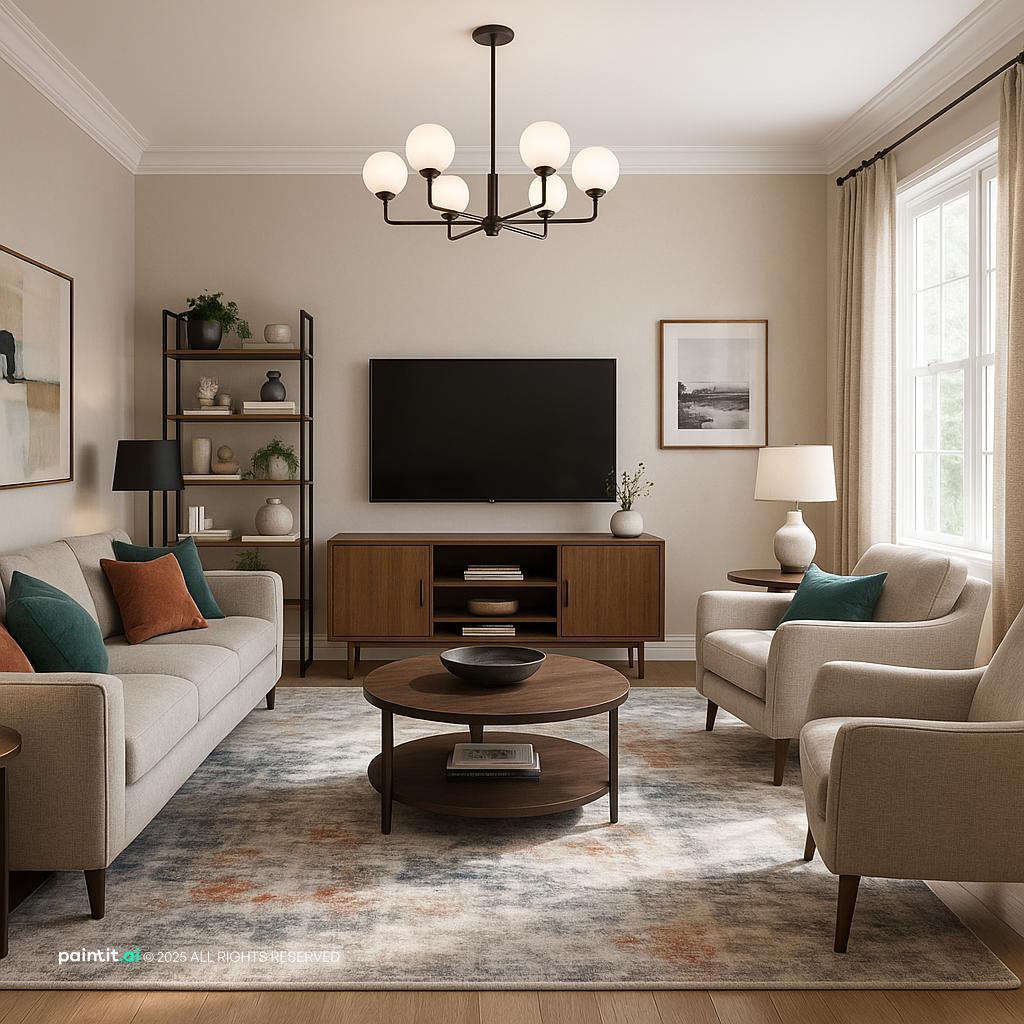
Teal and Grey Living Room Ideas with Grey Palette and Teal Accents View 5 uses grey palette, teal accents and soft textiles in a living room setting.
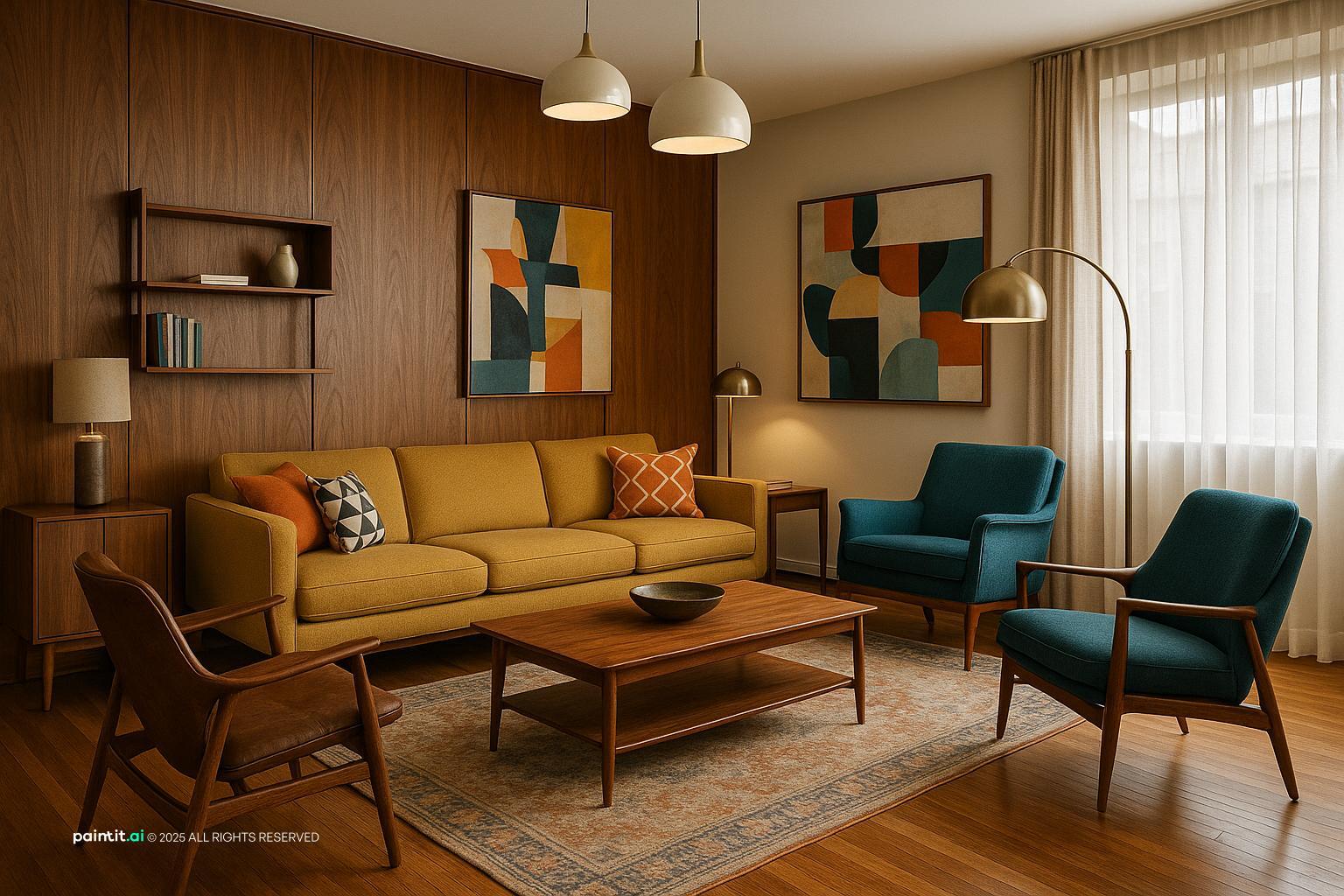
Mid-Century Modern Living Room Design with Teal Accents balances teal accents, warm wood and soft textiles in a living room setting.
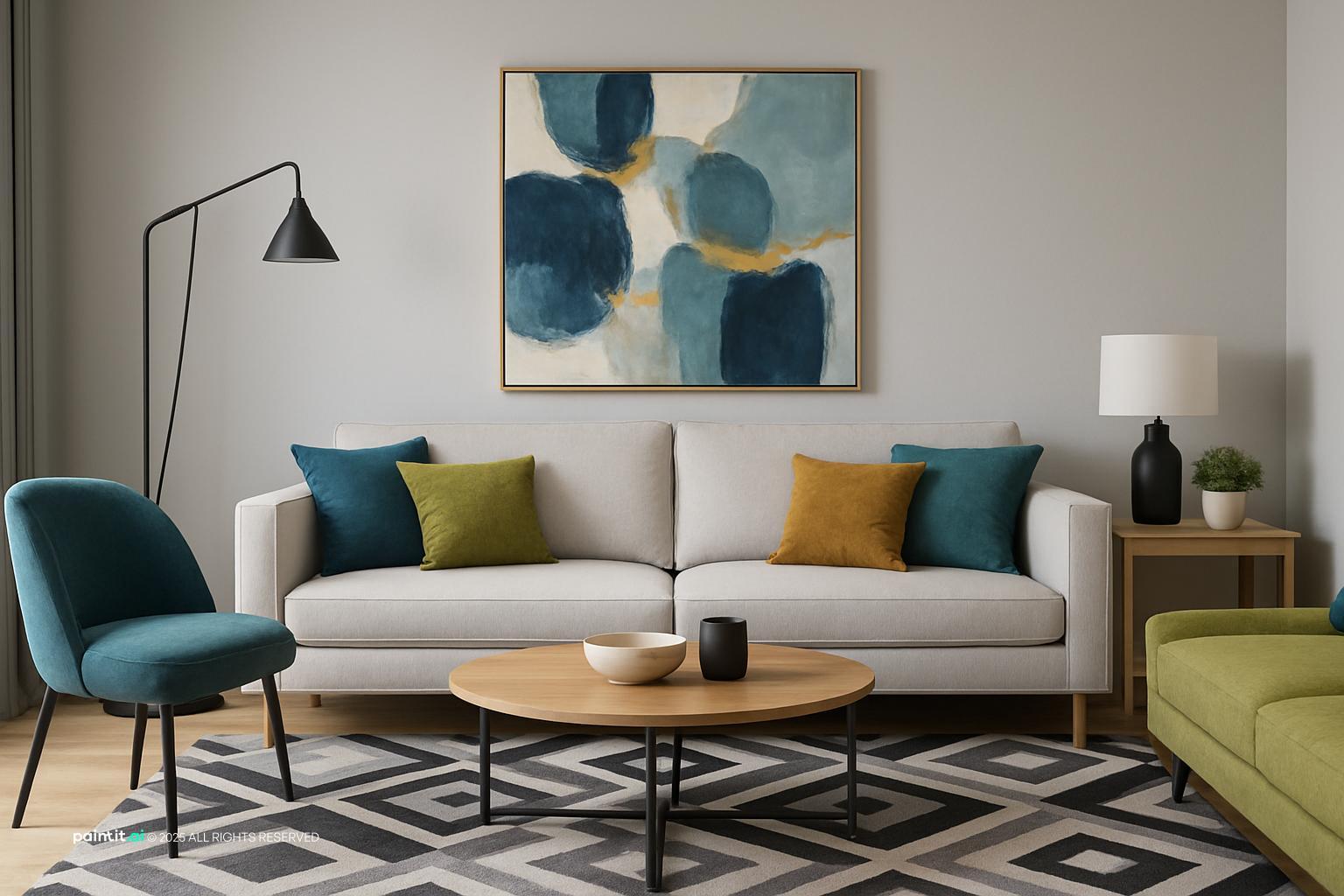
Teal and Grey Living Room Ideas with Grey Palette and Teal Accents with Metal Accents pairs grey palette, teal accents and metal accents in a living room setting.
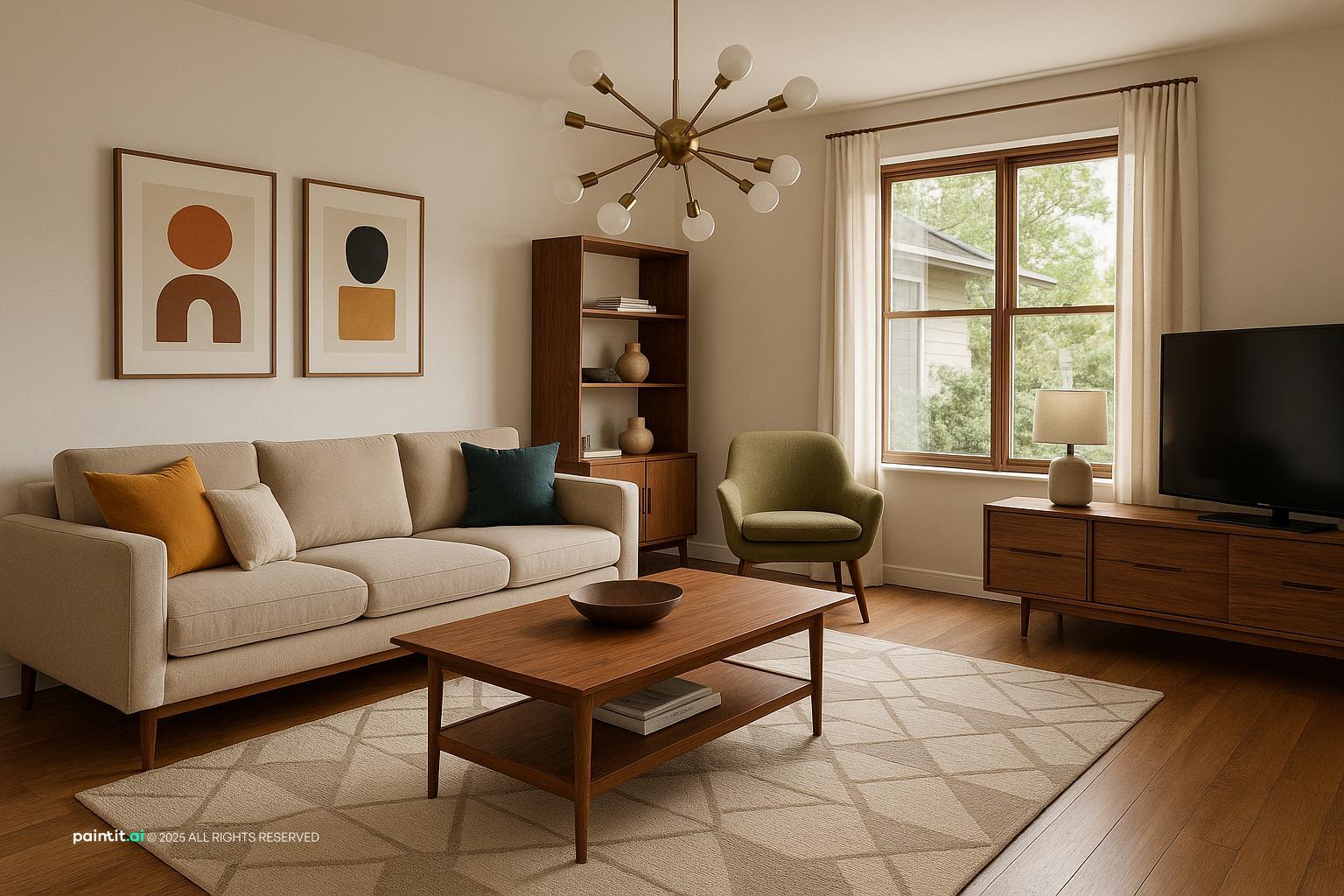
Stylish Mid-Century Modern Living Room Design layers teal accents, warm wood and clean-lined furniture in a living room setting.
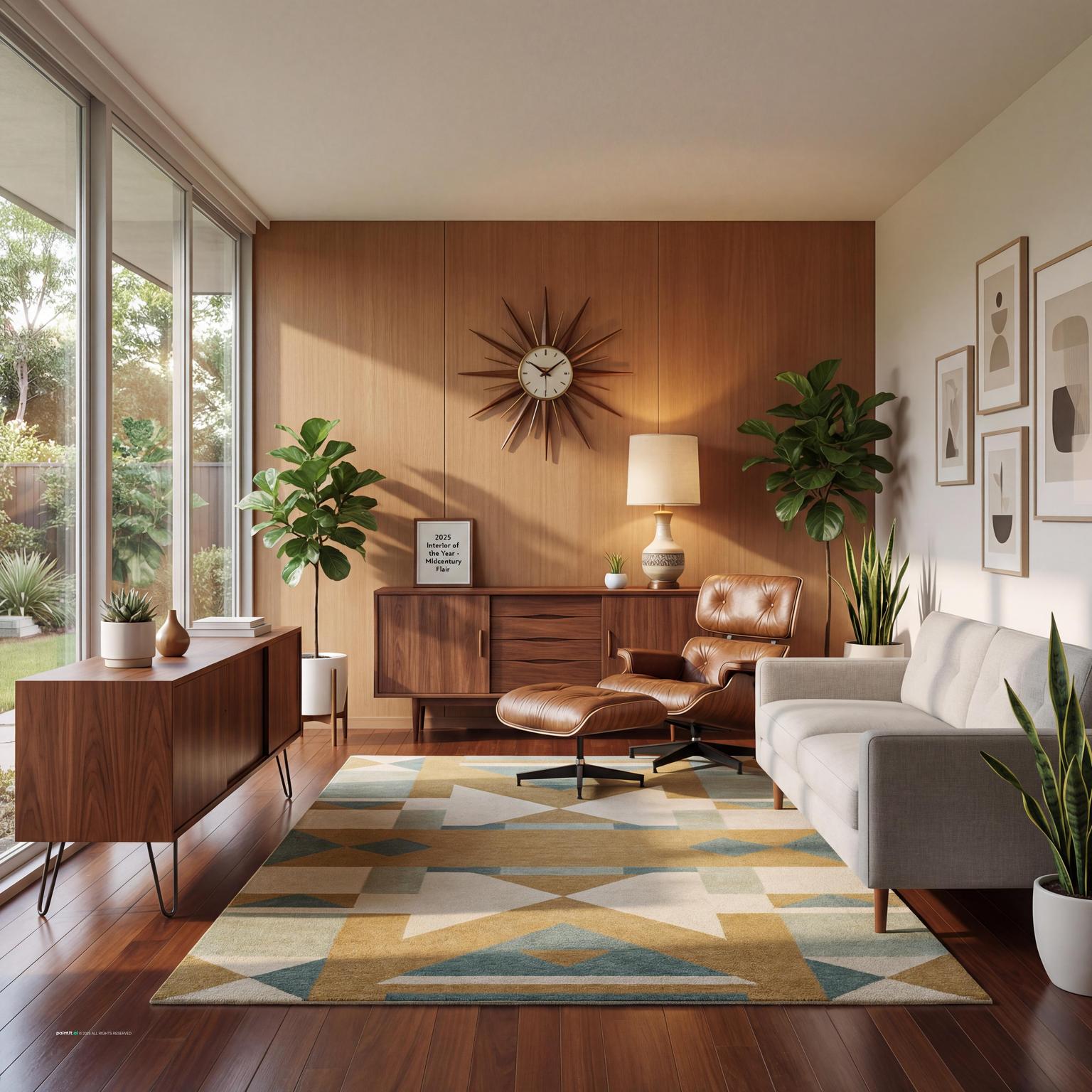
Midcentury Modern Living Room Design anchors grey palette, teal accents and warm wood in a living room setting.
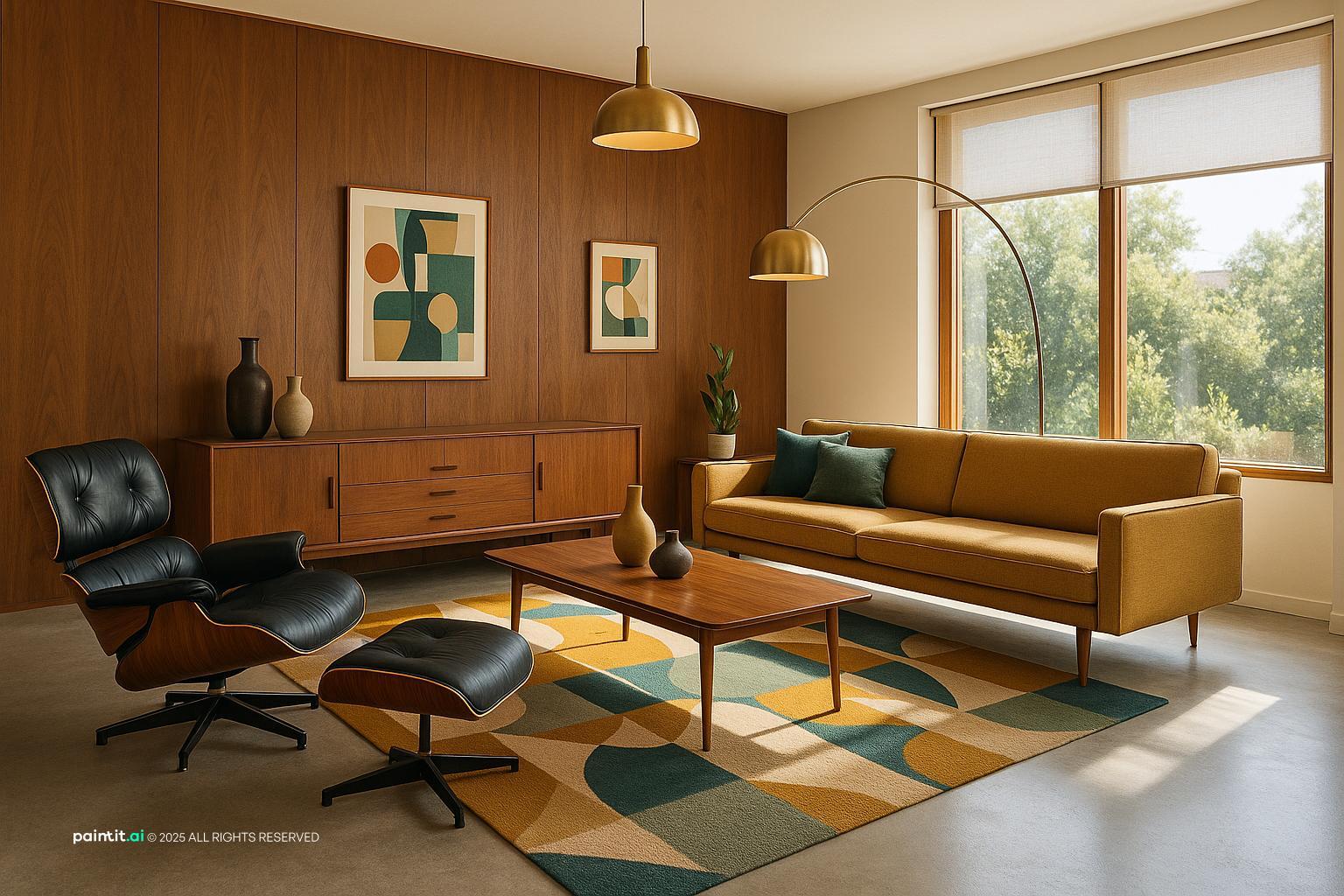
Teal and Grey Living Room Ideas with Grey Palette and Teal Accents View 7 softens grey palette, teal accents and warm wood in a living room setting.
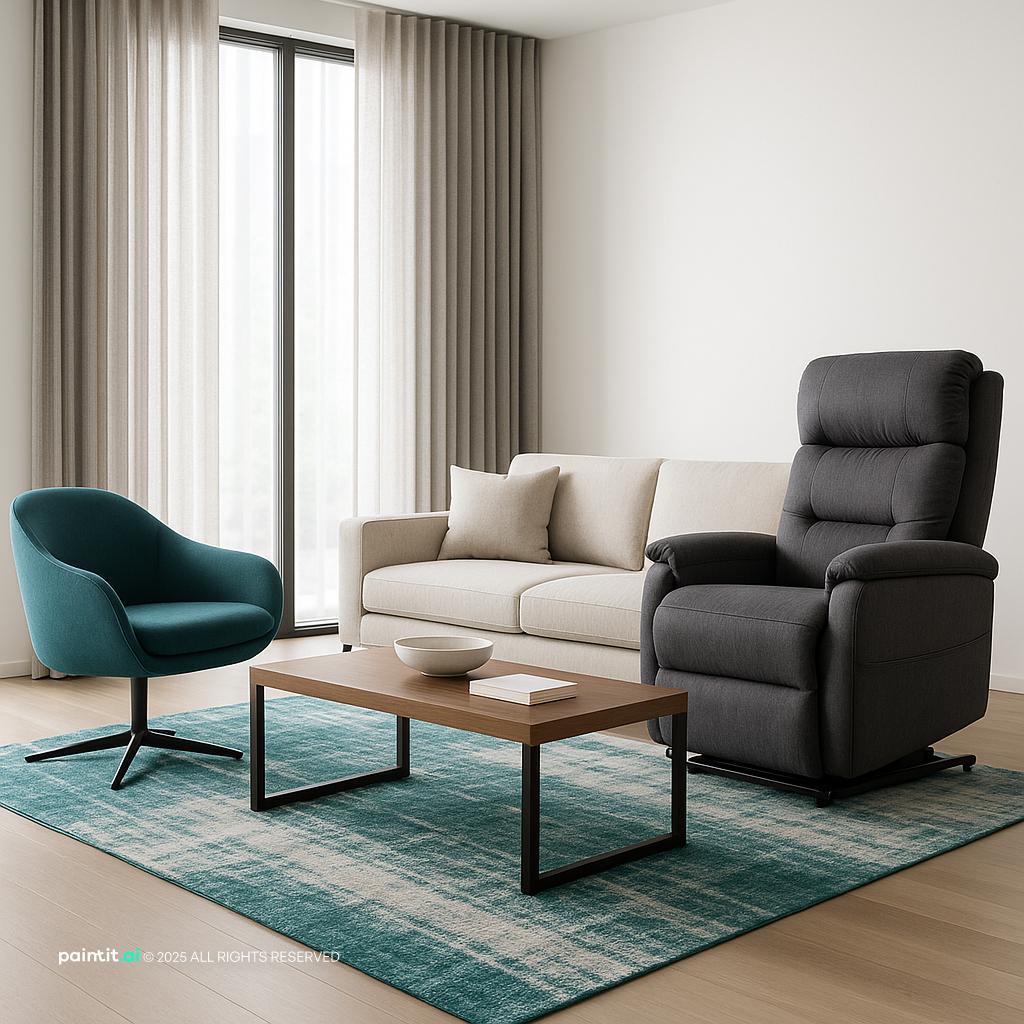
Sleek Modern Living Room Design uses grey palette, teal accents and clean-lined furniture in a living room setting.
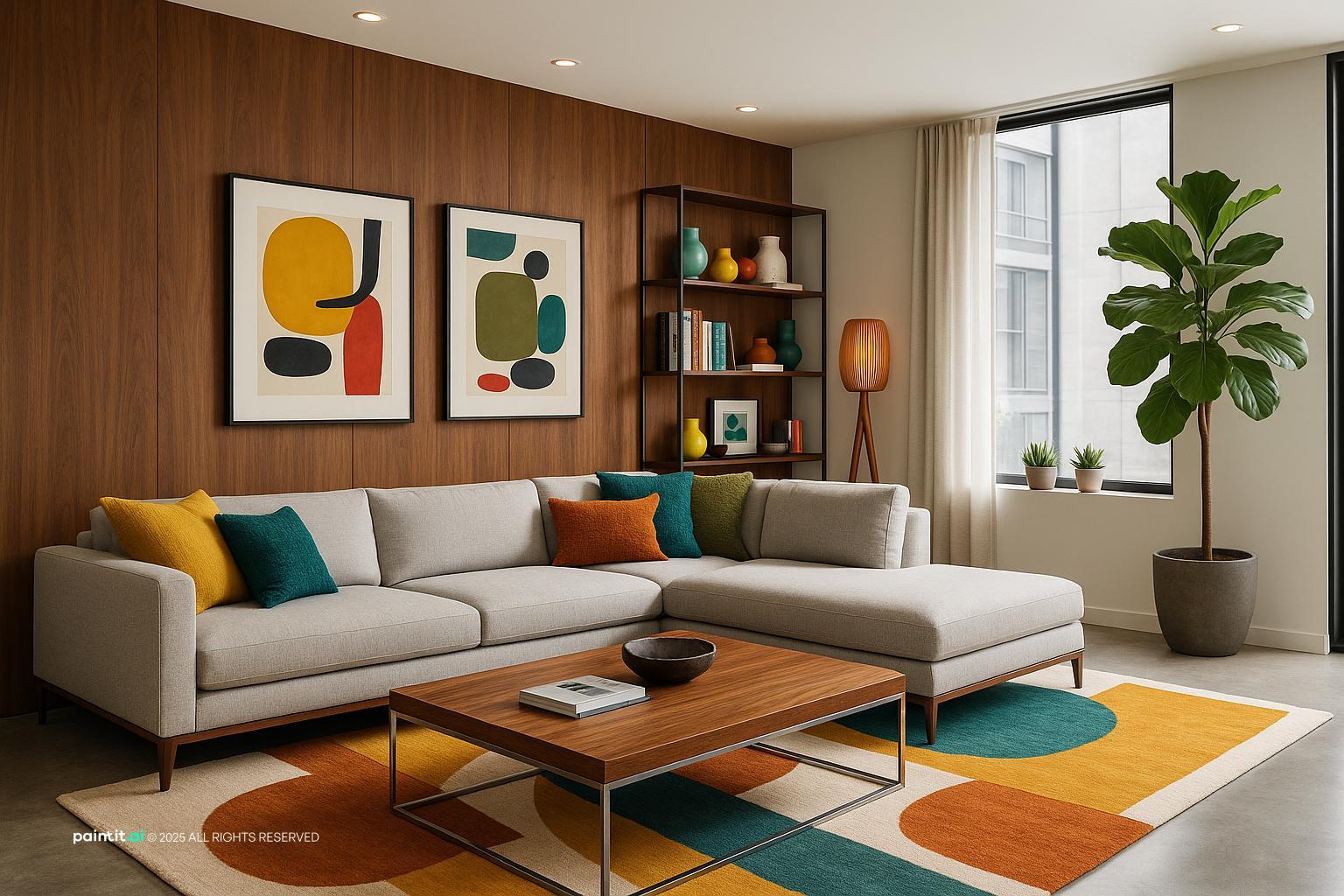
Teal and Grey Living Room Ideas with Grey Palette and Teal Accents View 8 balances grey palette, teal accents and warm wood in a living room setting.
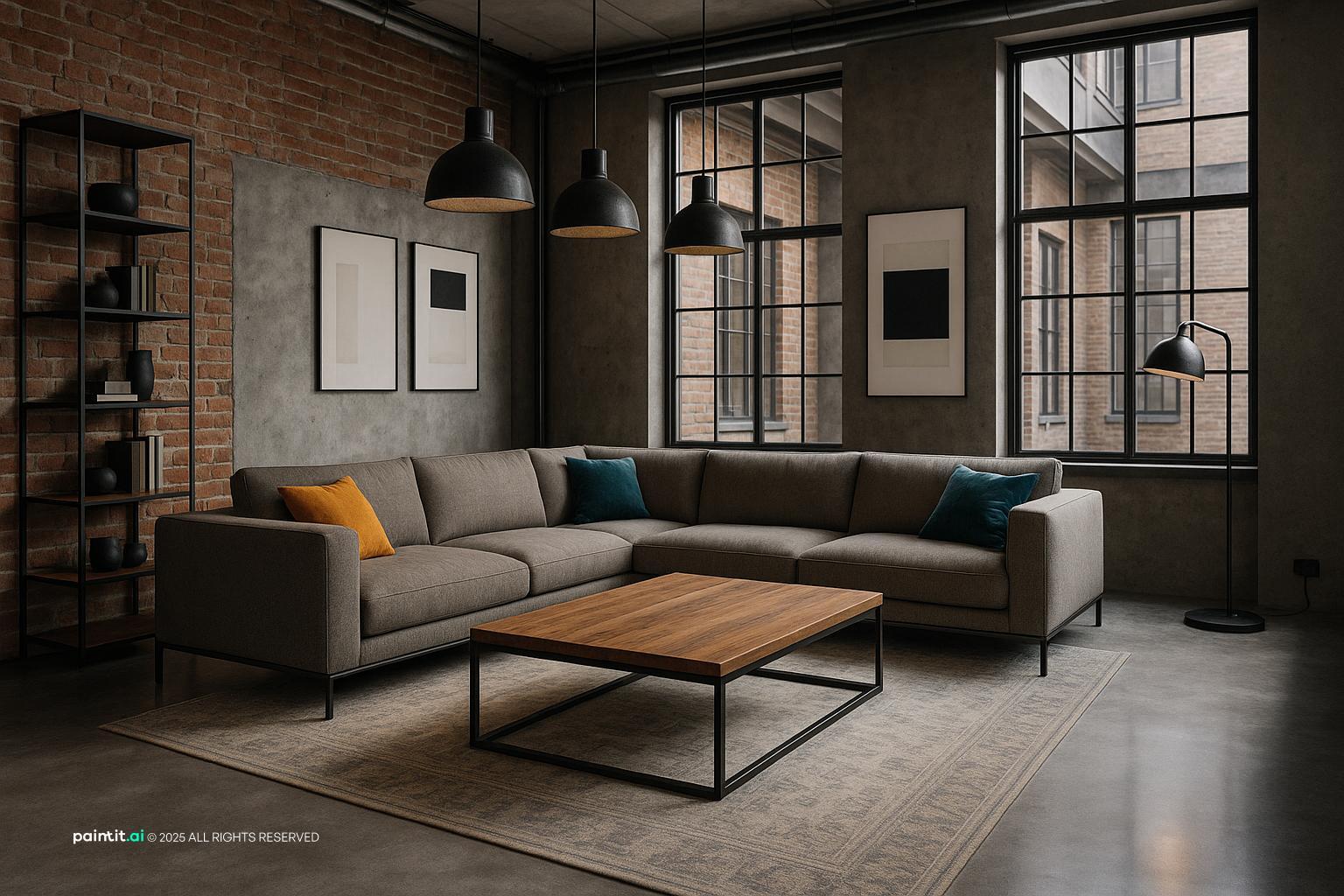
Modern Industrial Living Room Design pairs grey palette, teal accents and soft textiles in a living room setting.
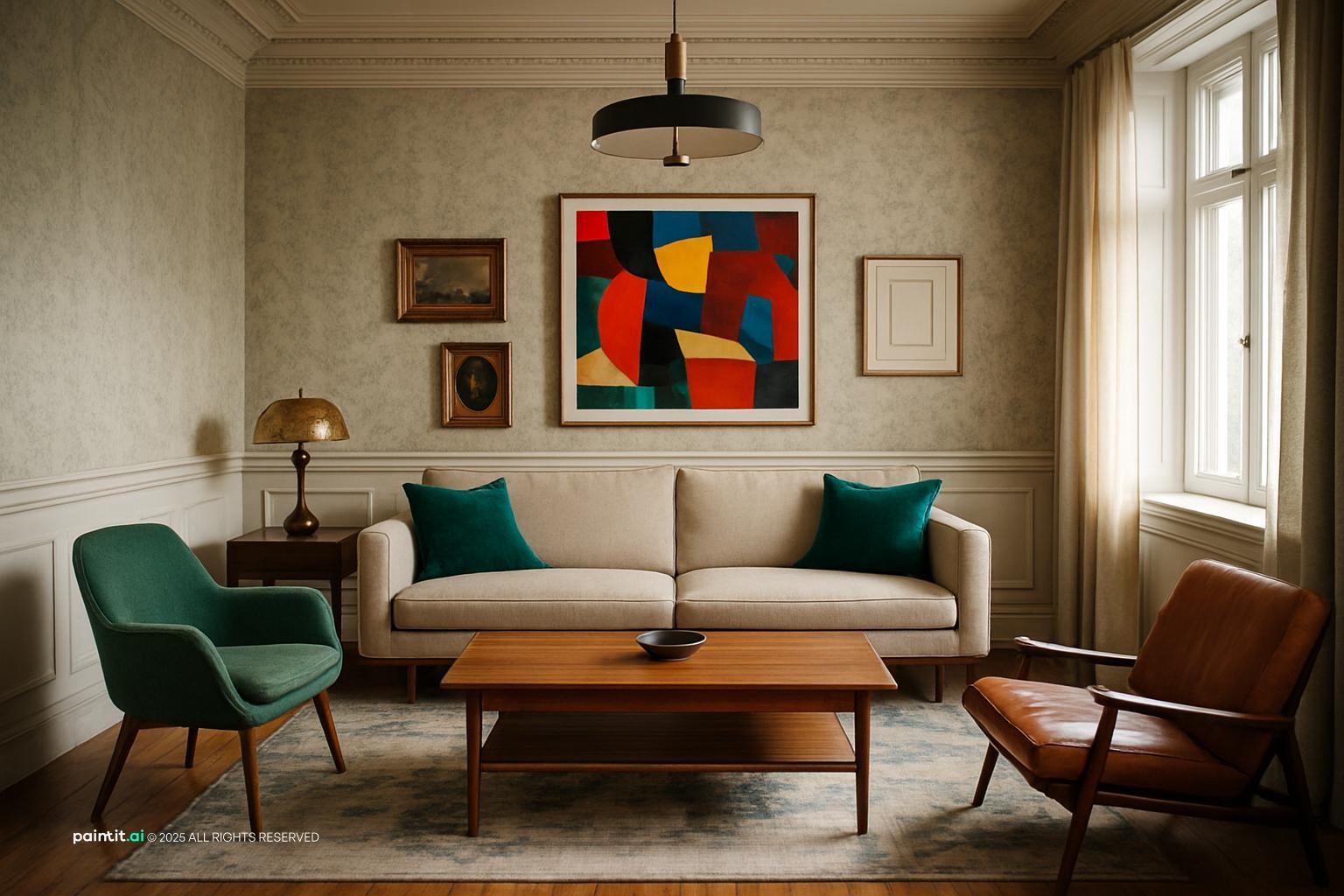
Vintage Meets Modern: Elegant Living Room Design layers teal accents, warm wood and soft textiles in a living room setting.
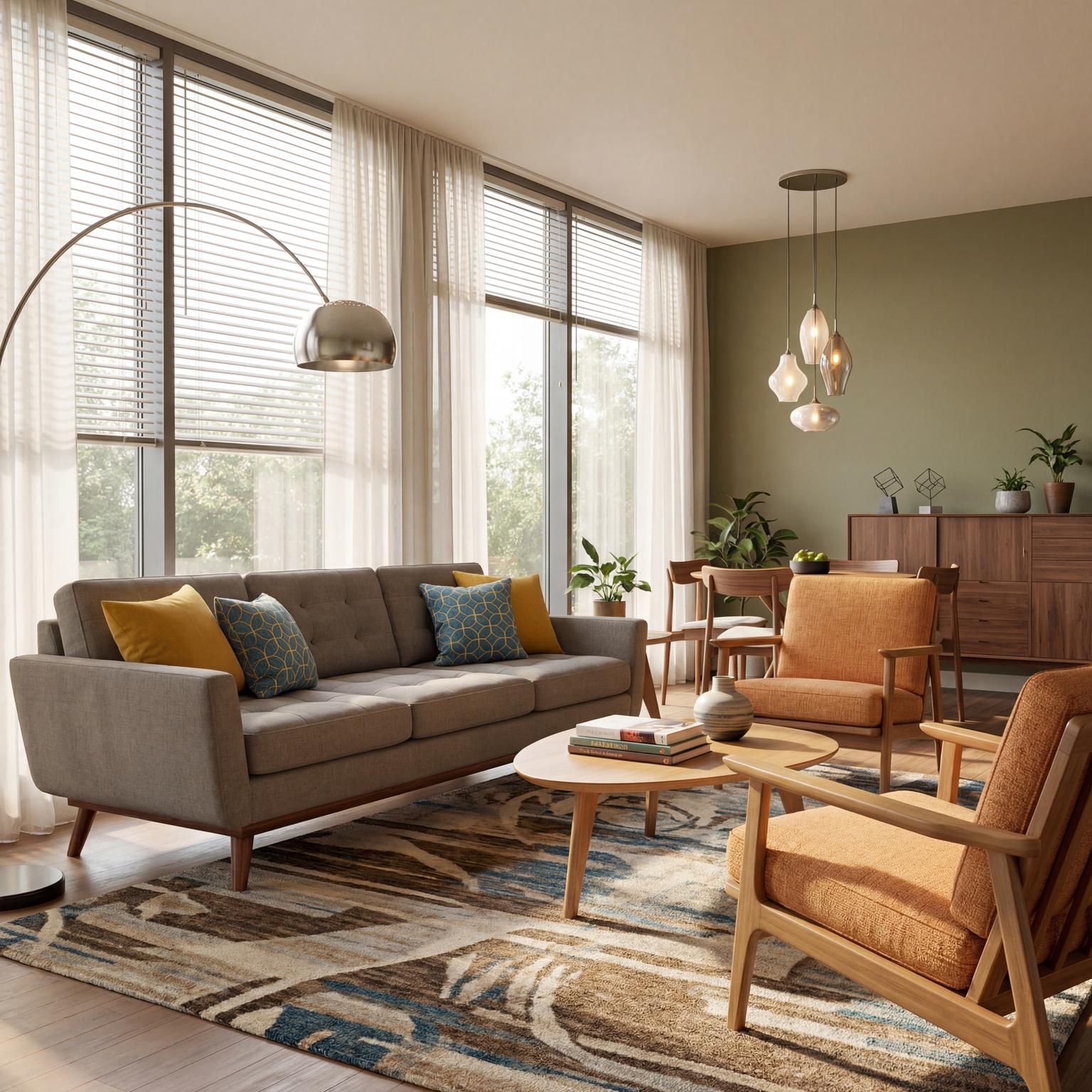
Mid-Century Modern Living Room Design with Warm Wood anchors teal accents, warm wood and soft textiles in a living room setting.
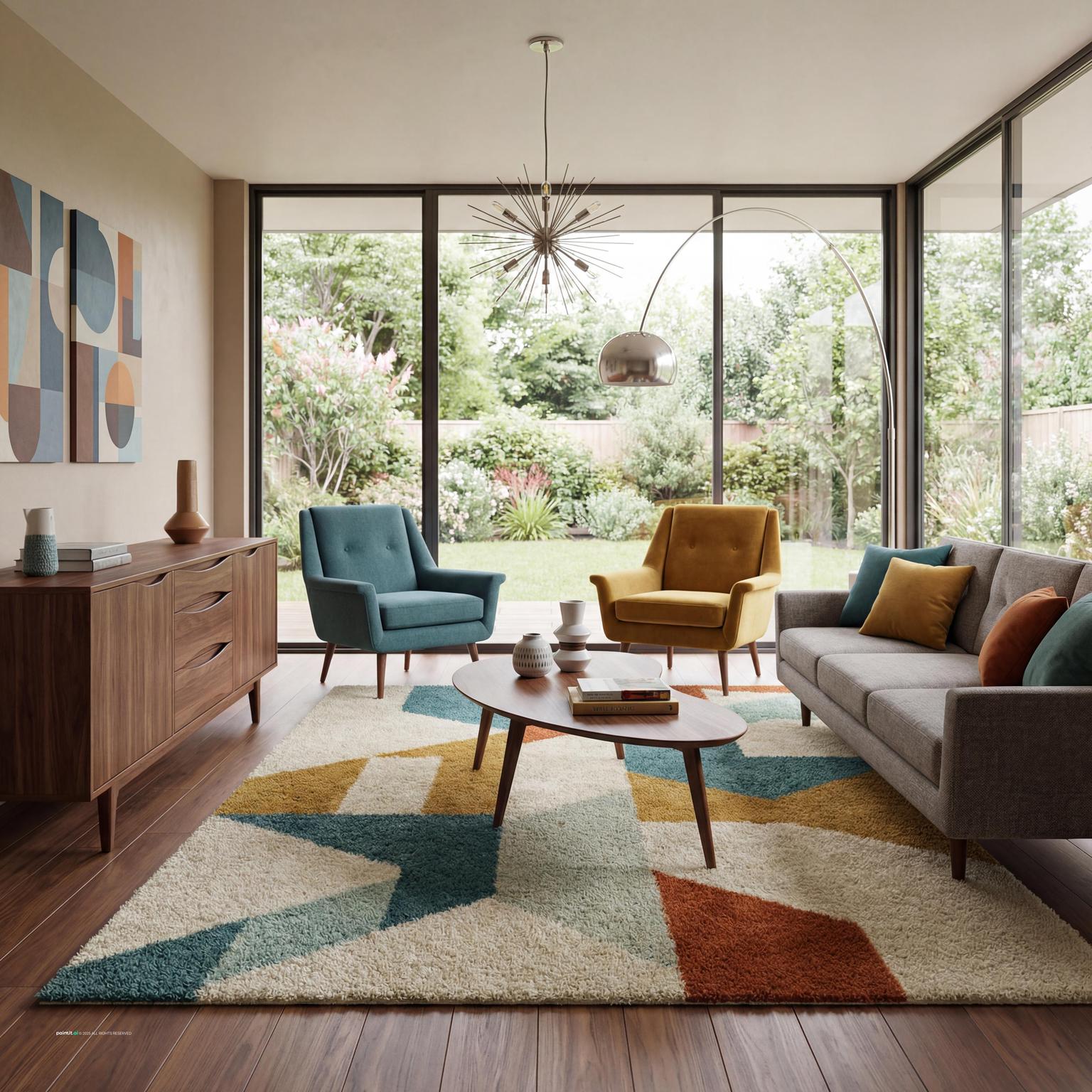
Elegant Mid-Century Modern Living Room Design softens teal accents, warm wood and soft textiles in a living room setting.
Teal can lean blue, green, dark, dusty, or jewel-like. Blue-leaning teal feels cooler and cleaner with slate grey. Green-leaning teal is easier to warm up with oak, cream, and brass. Use darker teal where you want focus, such as a wall, chair, or curtain panel, and lighter teal for cushions or small accessories.
Avoid choosing teal from a tiny paint chip or product thumbnail. View it next to your actual grey sofa, flooring, and daylight. A color that looks rich online can turn blackish in a shaded corner.
Cool greys pair naturally with blue-green teal, charcoal, black accents, and crisp white. Warm greys work better with softened teal, oatmeal rugs, tan leather, and wood tones. If the grey has a purple undertone, be careful: some teals can make it look accidental or muddy.
For broader palette thinking, the guide to the best living room colors is useful for checking undertones before committing. The goal is not a perfect match. The goal is to avoid the clash that only becomes obvious after the sofa, rug, and wall paint are all in the room.
Grey needs texture because it can look flat across large surfaces. Choose a woven grey sofa, a boucle chair, a wool rug, a ribbed ceramic lamp, or a linen curtain. If the teal is velvet, let the grey be matte so the surfaces do not fight each other.
What to avoid: too many smooth finishes at once. Glossy teal accessories, polished metal, glass tables, and flat grey walls can feel cold together. Add one tactile element near every major smooth surface.
Wood, rattan, leather, and warm stone help teal and grey feel more comfortable. A walnut media console beneath a grey wall, a natural oak coffee table on a neutral rug, or cognac leather ottomans near teal cushions can pull the room away from a chilly palette.
Use warm materials in medium-sized pieces, not only tiny accessories. A single wooden tray will not do as much as a coffee table, sideboard, shelving unit, or large frame. Avoid orange-heavy woods if your teal is very blue; the contrast can look harsh.
Only 5.9% of Paintit.ai prompts mention lighting, yet lighting is one of the main reasons teal and grey rooms look cold or flat. Use layered lighting: overhead light for general brightness, floor or table lamps near seating, and accent lighting close to art or shelves. Warm 2700K bulbs are usually safer than cool bulbs for this palette.
Place lamps where shadows collect, especially beside a charcoal sofa or dark teal wall. Do not rely on one ceiling fixture. It can create glare in the center of the room while the corners stay dull and heavy.
Styling should connect the room, not copy the same teal object over and over. Use one teal cushion, one patterned textile, one artwork detail, and one small ceramic or glass piece. Then bring in grey through books, stone trays, lampshades, or woven baskets.
Decor balance matters more than quantity. If one side of the room has a teal chair, balance it with teal in artwork or curtains on the opposite side. Avoid buying a full matching set of teal accessories; variation in scale and material usually looks more natural.
A crisp version uses pale grey, clean white, blue-leaning teal, glass, and black lines. A cozy version uses warm grey, muted teal, wool, oak, linen, and brass. A dramatic version uses dark teal, charcoal, walnut, velvet, and low warm lighting.
Before buying, name the mood you want. Style appears in 17.1% of Paintit.ai prompts, and that is a useful clue: “modern,” “cozy,” or “dramatic” changes the right shade of teal, the right grey, and the materials around them. If the design starts drifting, follow a step-by-step process like how to redesign a living room so the palette, layout, and materials all support the same direction.
Paintit.ai lets you upload a real living room photo and test teal walls, grey sofas, new curtains, rugs, lighting moods, material changes, and style direction before spending money. It is especially useful when you want to keep major pieces, such as a grey sofa or existing flooring, and change only the color, decor, or layout.
Try several versions rather than one final prompt: make the teal a bit darker, warm the grey, add oak, remove clutter, test brass instead of black, or change the lighting mood. You can also use an AI room design tool to compare a softer scheme against a bolder one and see which feels right in your actual space.
Yes. Grey gives the living room a calm base, while teal adds depth and color. The combination works best when one color leads and the other supports it, instead of giving both colors equal weight everywhere.
Start with the biggest existing piece: usually the sofa, walls, rug, or flooring. If you want to keep a grey sofa, add teal through pillows, curtains, art, and one stronger accent piece so the palette feels connected without replacing everything.
Brass, black, oak, walnut, cream, rust, blush, and cognac leather can all work with teal and grey. Choose warmer accents if the room feels too cool, and use black or chrome only when the space has enough warmth from wood, fabric, or lighting.
Add texture, contrast, and layered lighting. Use materials like velvet, linen, wool, wood, ceramic, and metal, then light the room with warm lamps instead of relying on one harsh overhead fixture. Also edit clutter so the teal and grey color story stays clear.
Use teal on accessories for the lowest-risk update, on a sofa for a bold focal point, or on one wall for depth. The darker the teal, the more important daylight, warm lamps, and lighter surrounding surfaces become.