
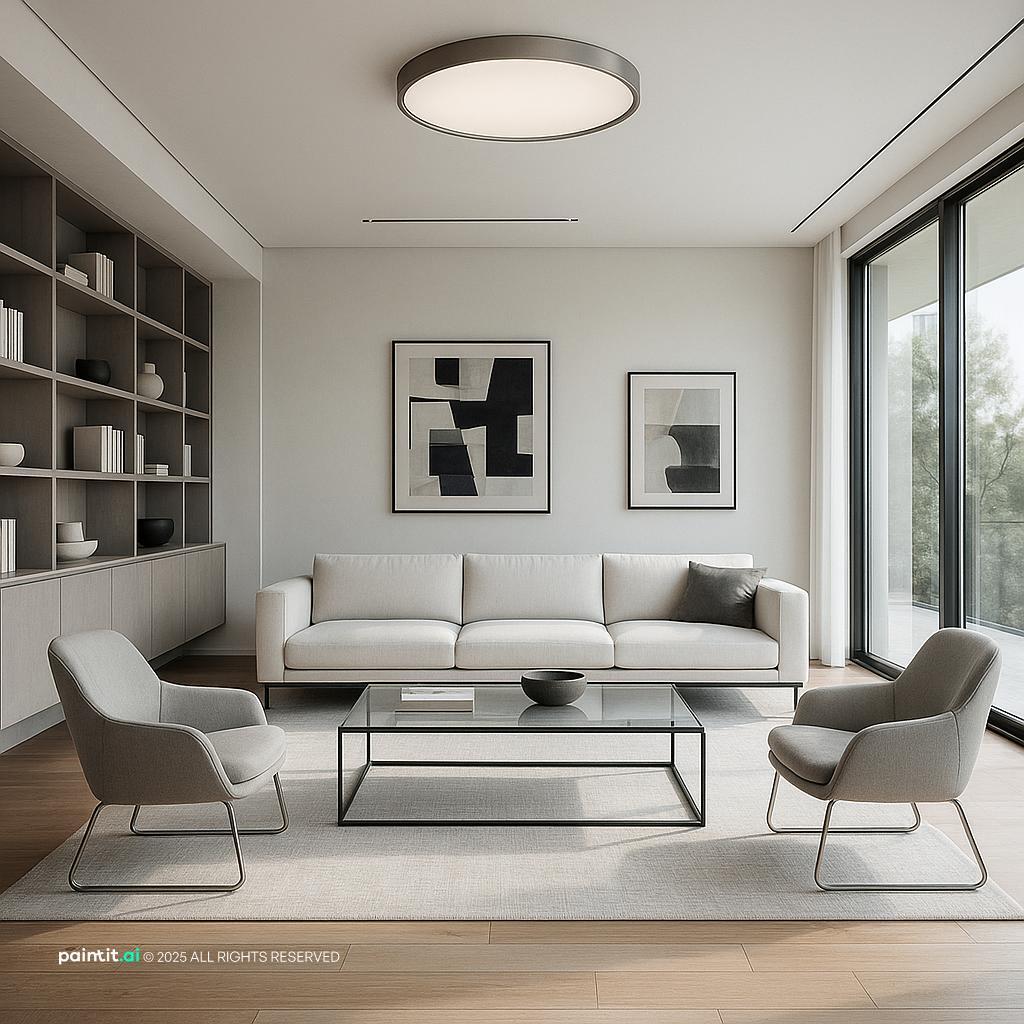
Modern Minimalist Living Room Design
Modern Minimalist Living Room Design uses grey palette, metal accents and clean-lined furniture in a living room setting.
The best grey living room ideas are not just about picking a paint color. Grey only works when the shade, light, sofa, rug, curtains, and existing pieces all make sense together. Grey can feel soft, architectural, cozy, modern, or moody. It can also turn flat fast. The difference usually comes down to warmth, contrast, layered lighting, and materials that make the grey look intentional instead of unfinished.
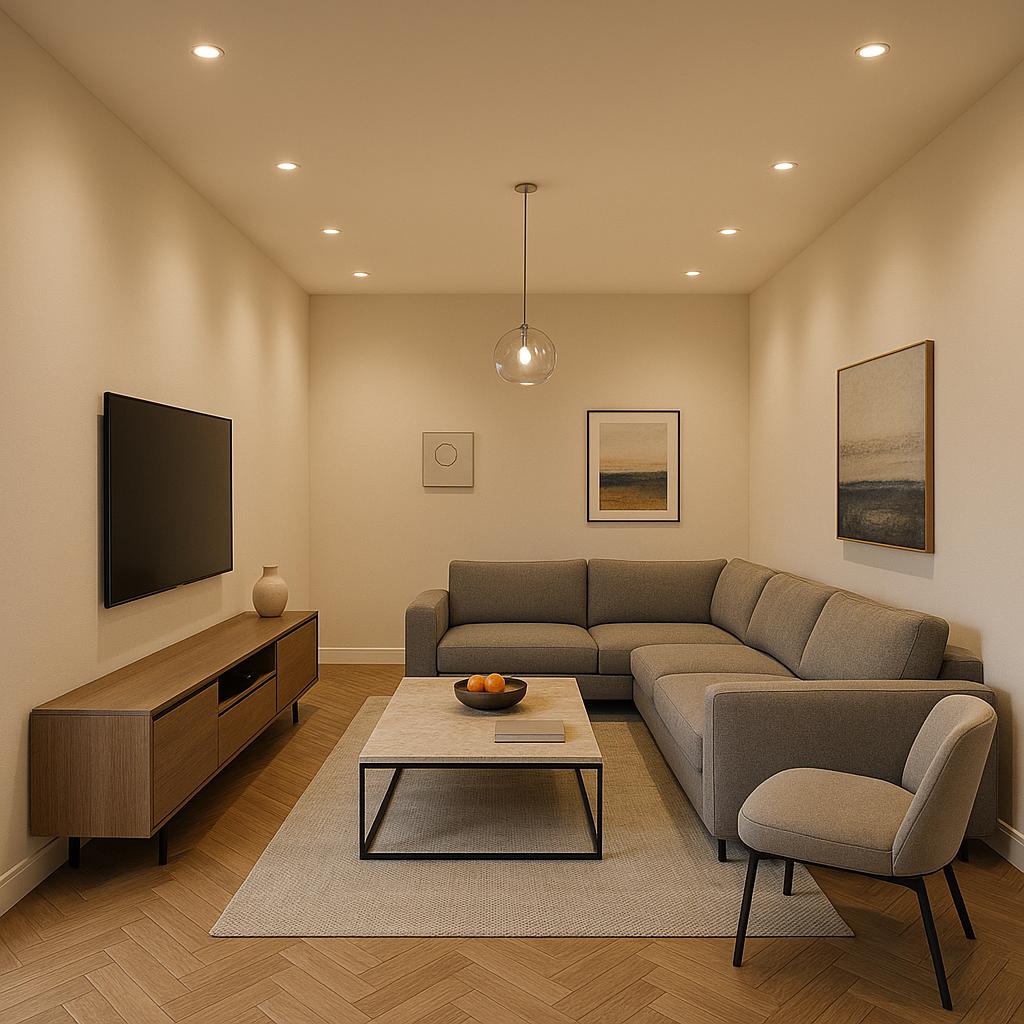
Grey is a useful foundation because it can sit quietly behind a sofa, wall art, a neutral rug, or a strong view. But it is not forgiving. A room with grey walls, a grey sofa, and cool ceiling light can feel half-done unless you add wood tones, fabric texture, and a clear color palette.
In Paintit.ai usage, color is the most common design modifier we see: 27.6% of prompts include color. Material comes next at 19.0%, then style at 17.1%. That order is exactly how I would approach a grey room: choose the temperature of the grey first, add tactile materials second, then decide whether the room leans Scandinavian, modern, industrial, classic, or relaxed. If you want to test these choices in your own photo, try the Paintit.ai living room designer.
Use the first gallery to compare how different greys behave in real living rooms: pale grey in natural light, charcoal with warm lamps, soft greige with oak, and layered neutral rooms where texture is doing most of the work.
Modern Minimalist Living Room Design uses grey palette, metal accents and clean-lined furniture in a living room setting.
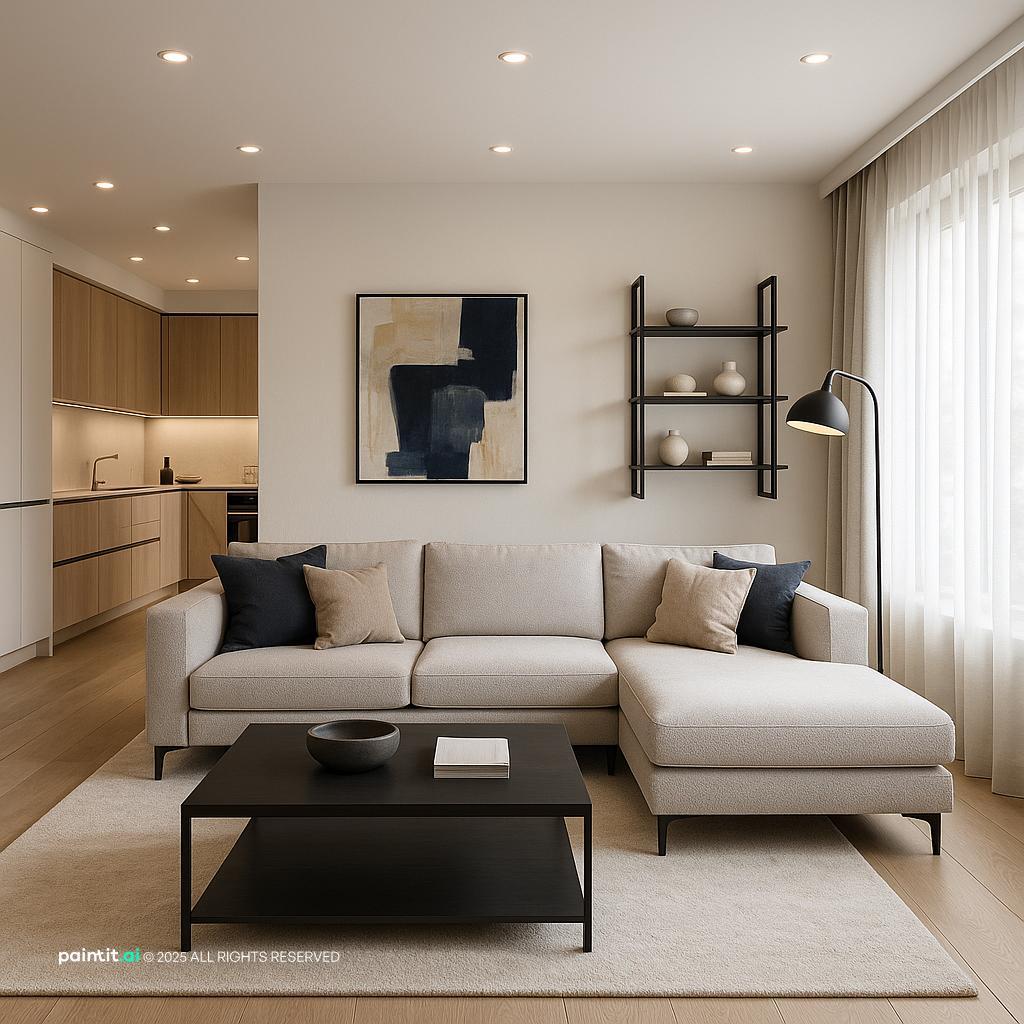
Stylish Modern Living Room Design balances grey palette, metal accents and layered neutrals in a living room setting.
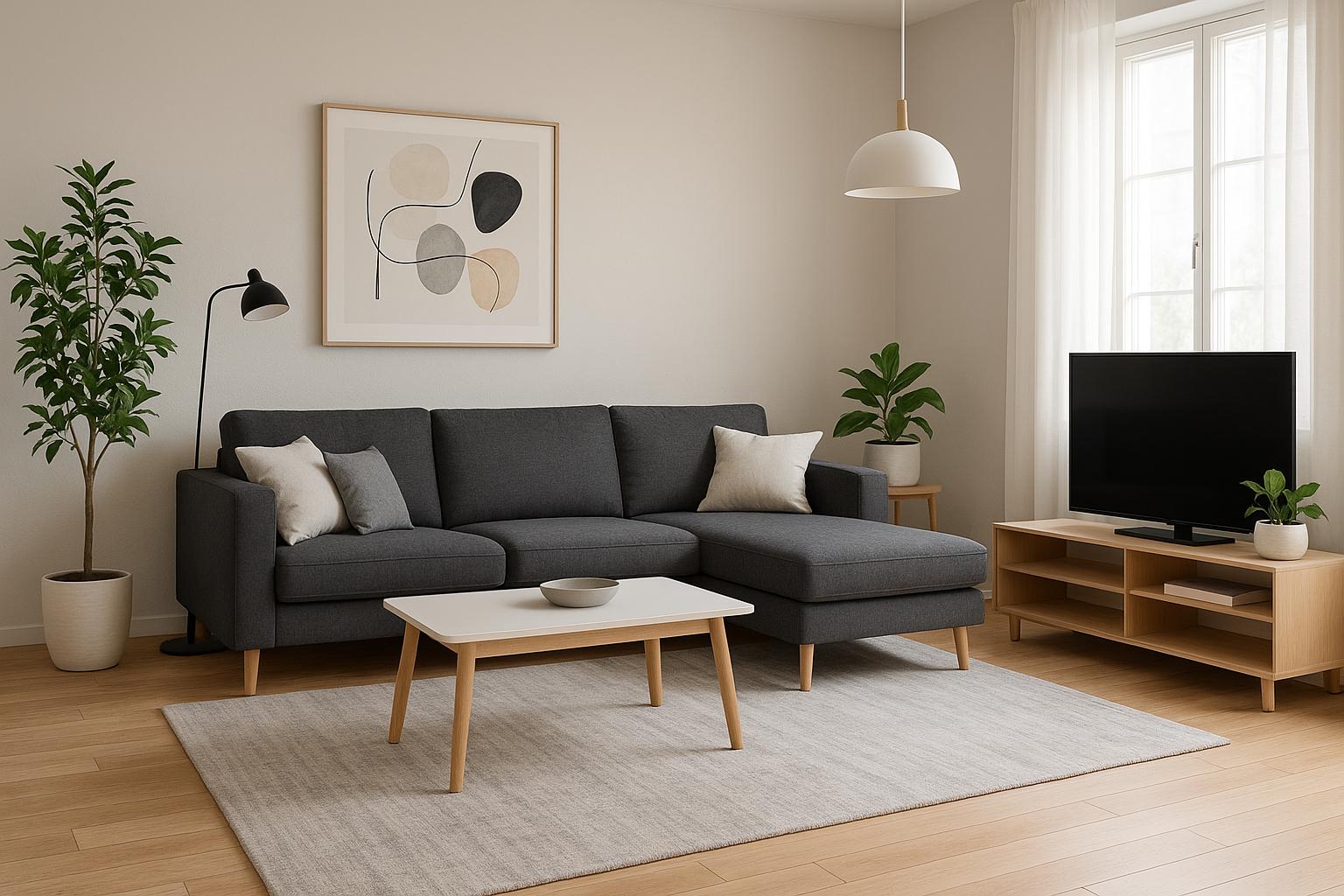
Modern Scandinavian Living Room Design pairs grey palette, warm wood and clean-lined furniture in a living room setting.
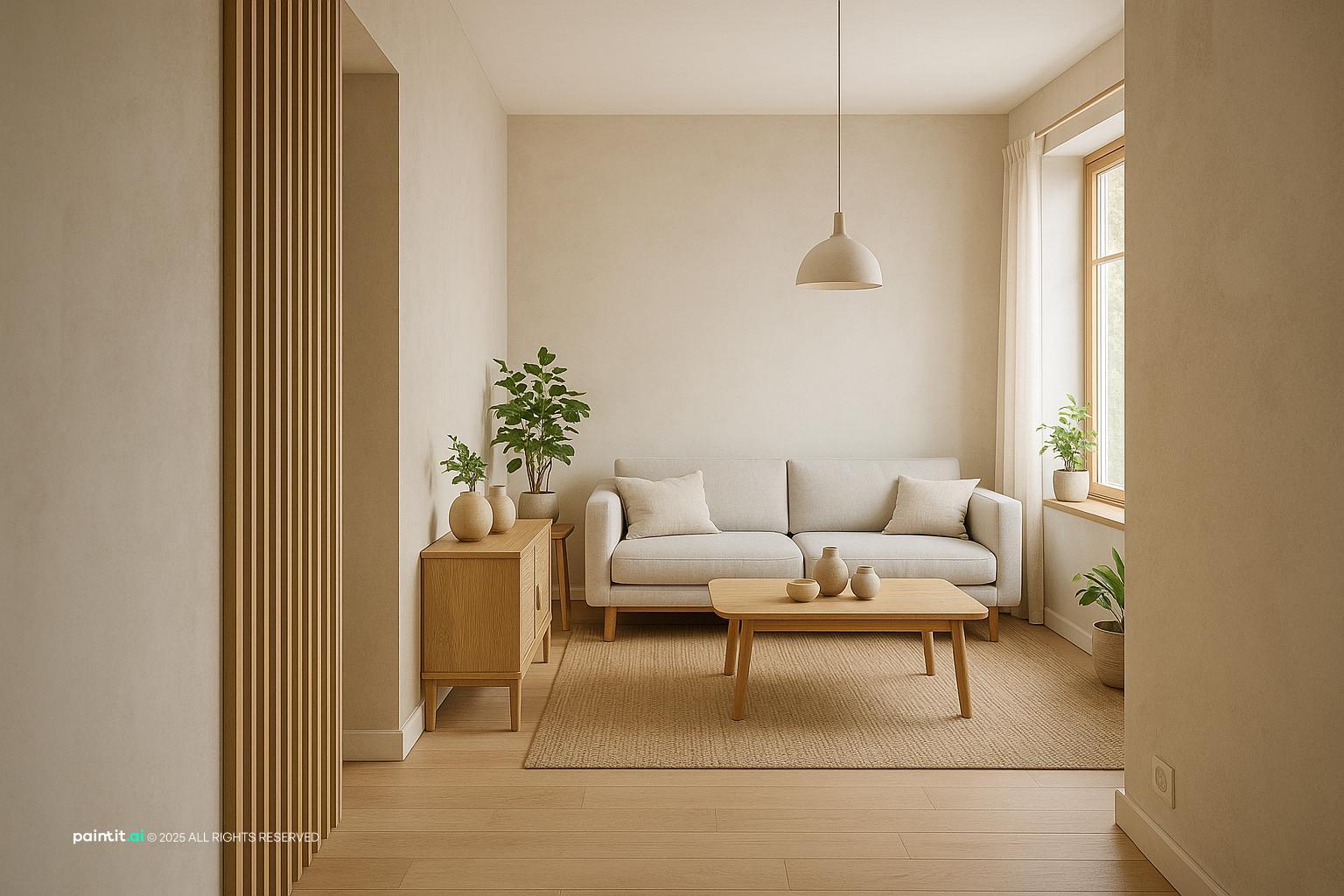
Grey Living Room Ideas with Grey Palette and Warm Wood layers grey palette, warm wood and clean-lined furniture in a living room setting.
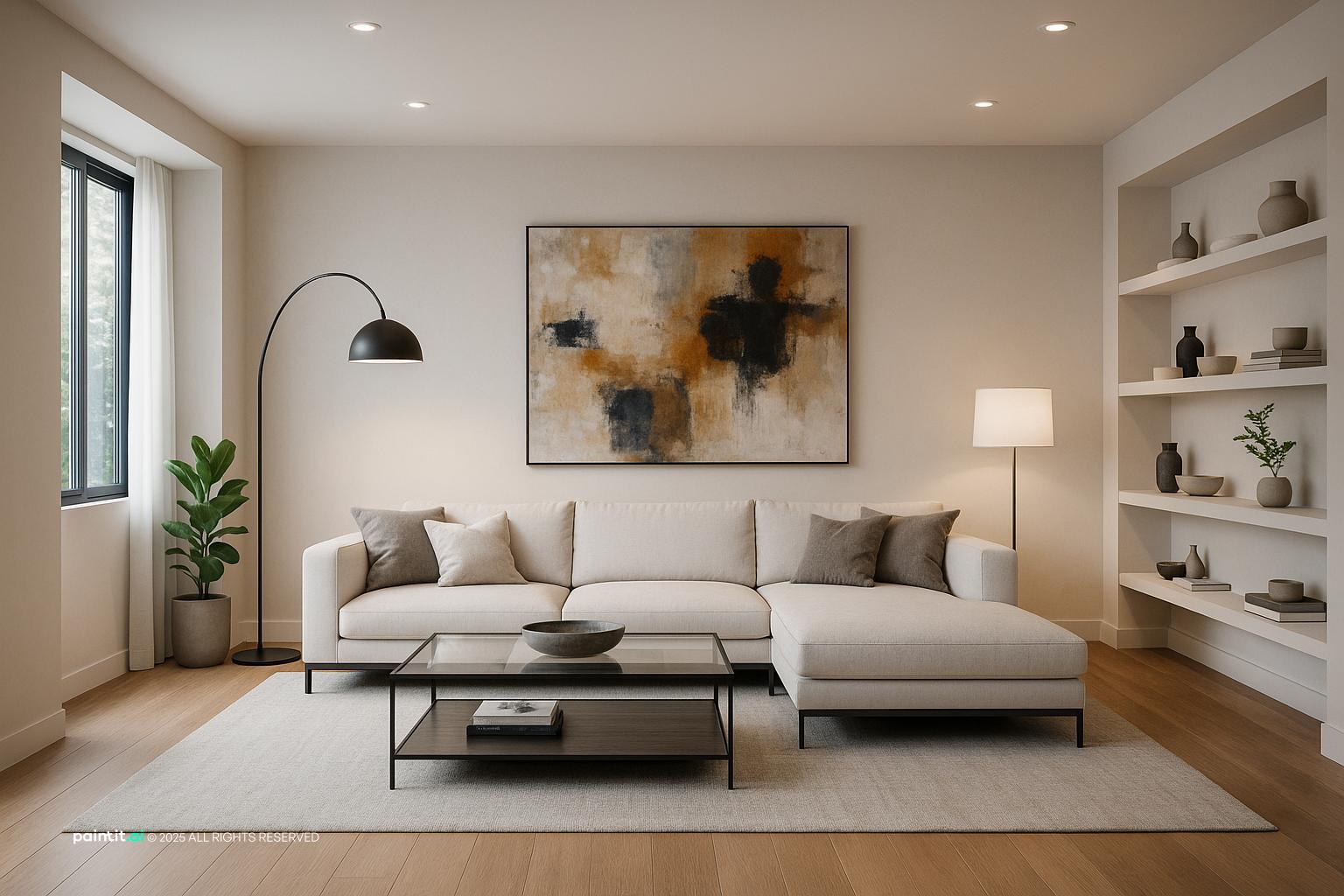
Stylish Modern Living Room Design Inspiration anchors grey palette, clean-lined furniture and plants and greenery in a living room setting.
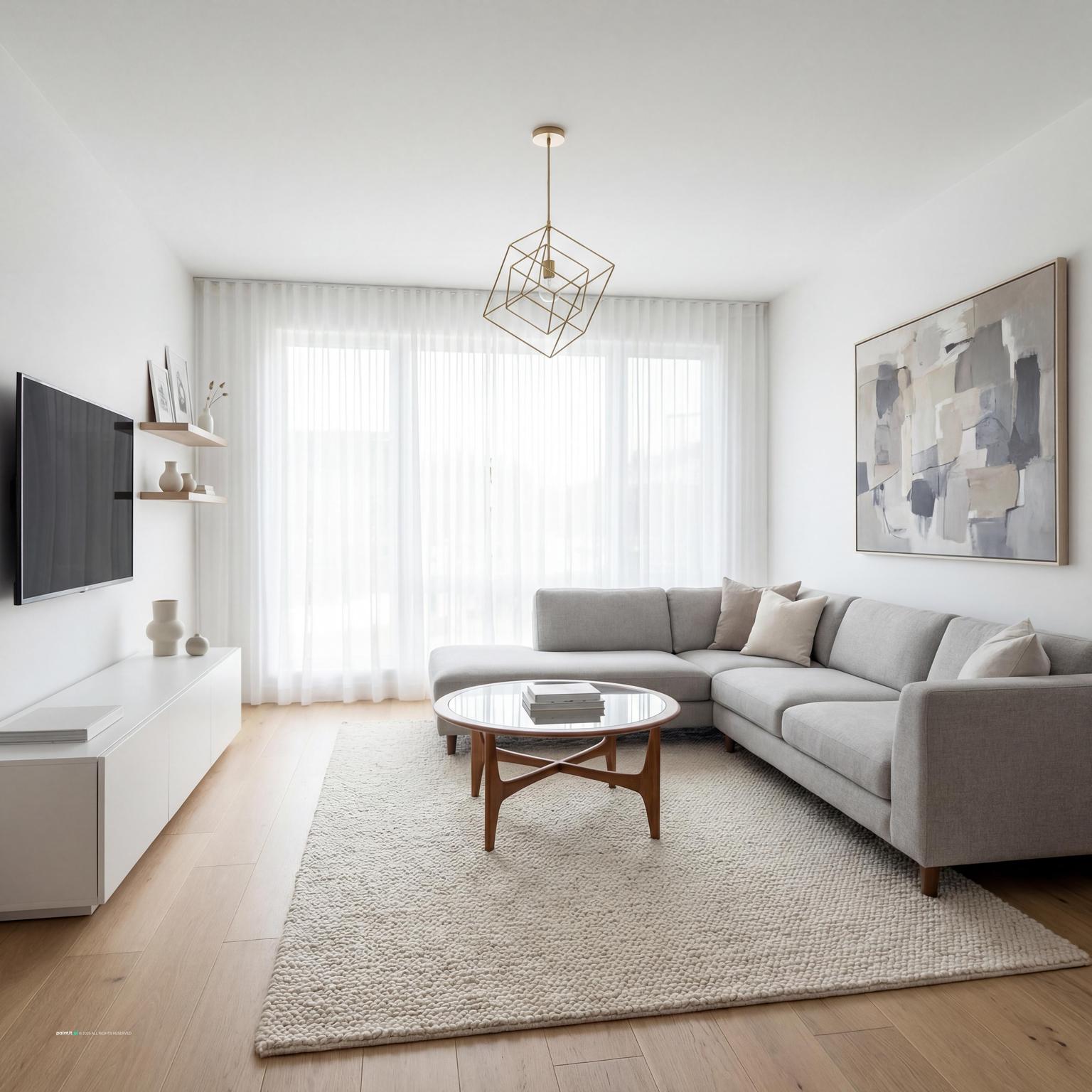
Modern Living Room Redesign softens grey palette, layered neutrals and natural light in a living room setting.
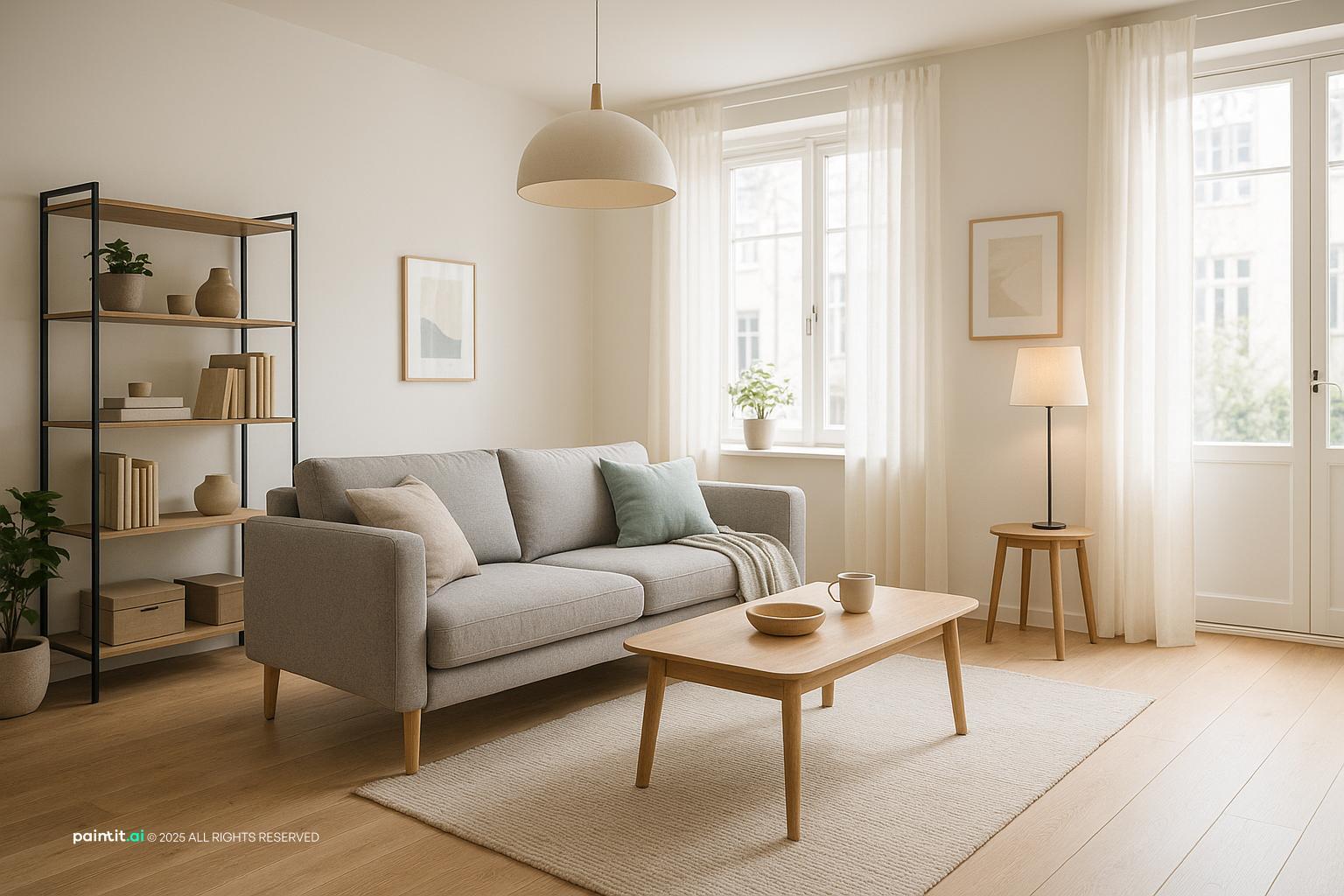
Scandinavian Style Living Room Design uses grey palette, soft textiles and layered neutrals in a living room setting.
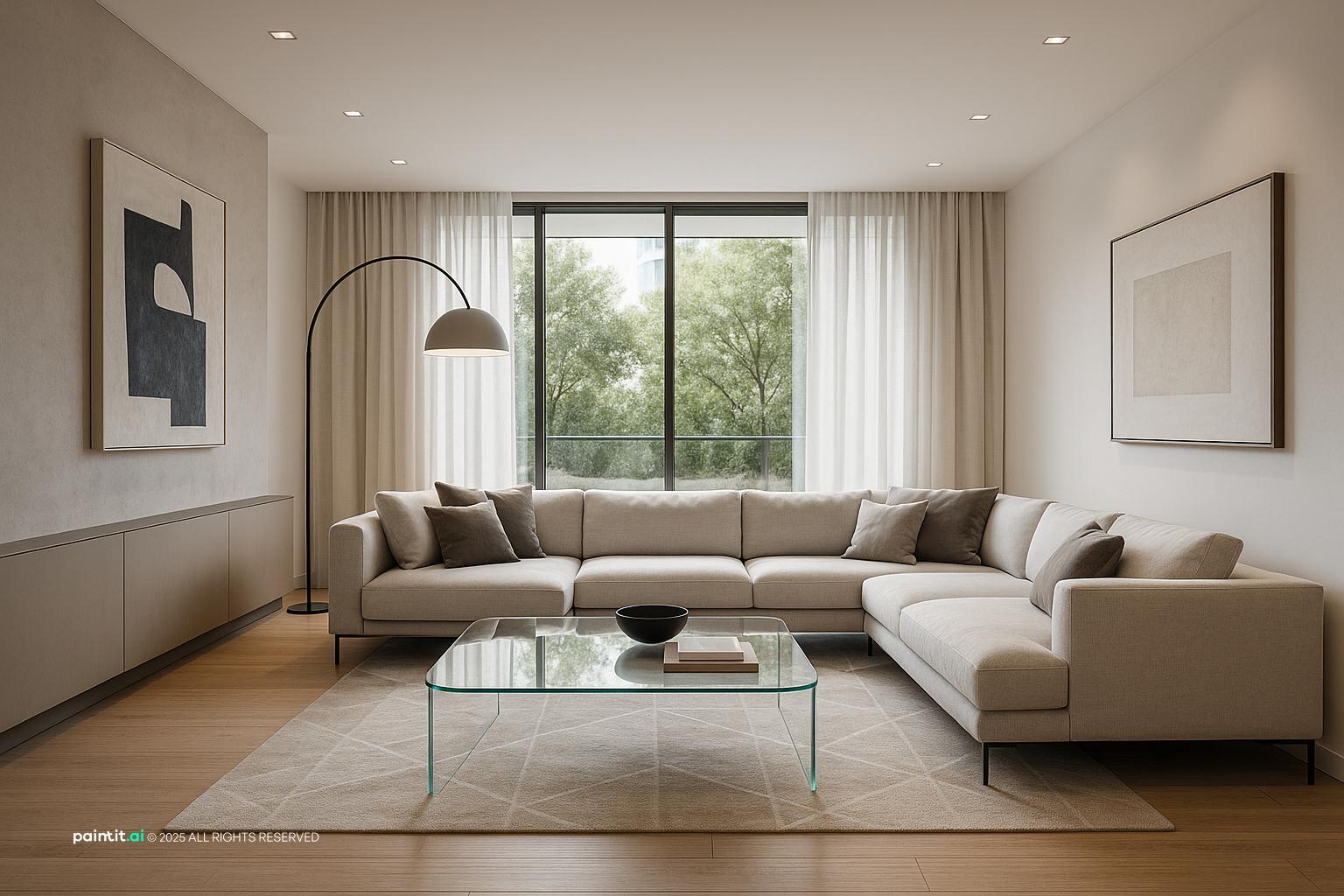
Stunning Contemporary Living Room Design balances grey palette, layered neutrals and natural light in a living room setting.
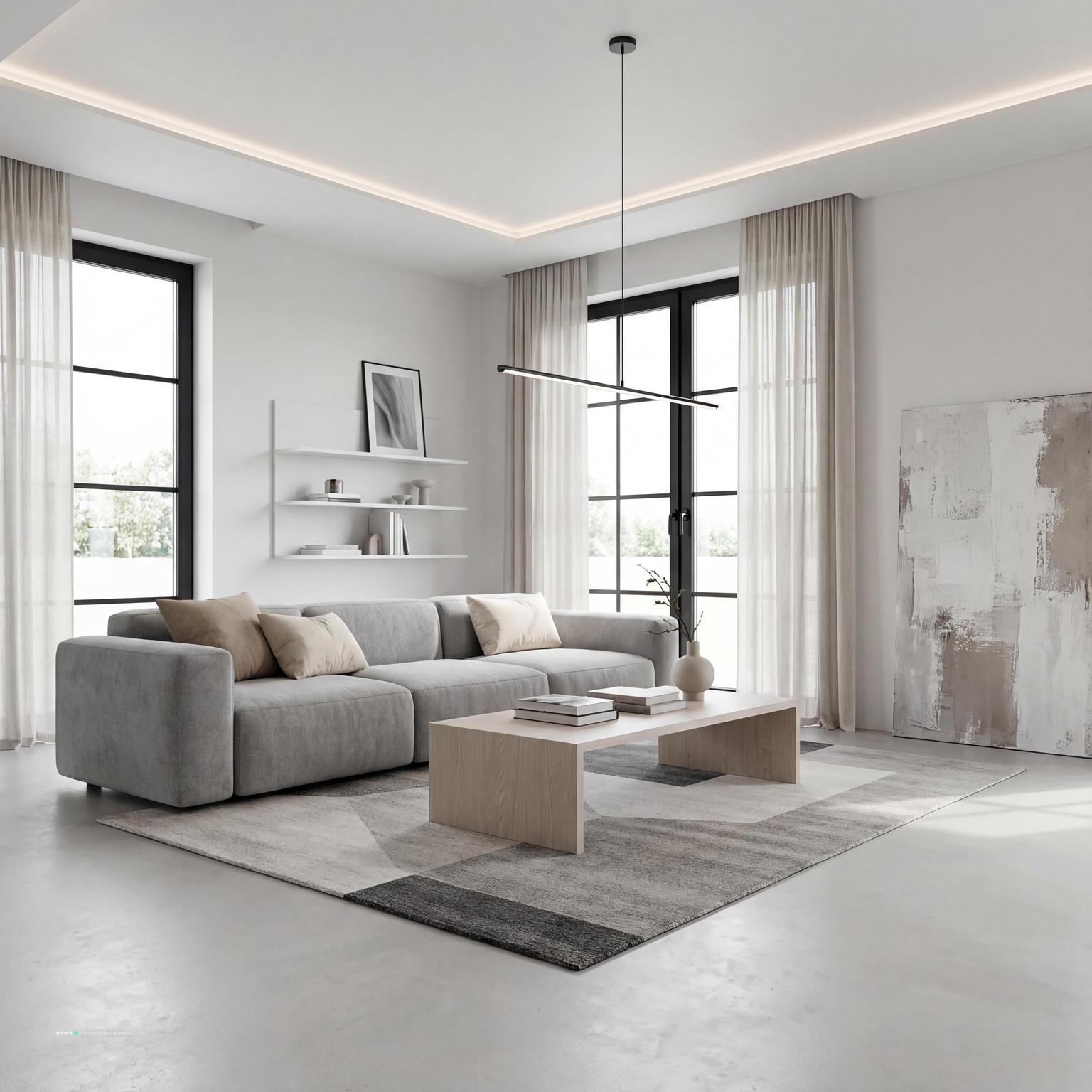
Stylish Minimalist Living Room Design pairs grey palette, warm wood and clean-lined furniture in a living room setting.
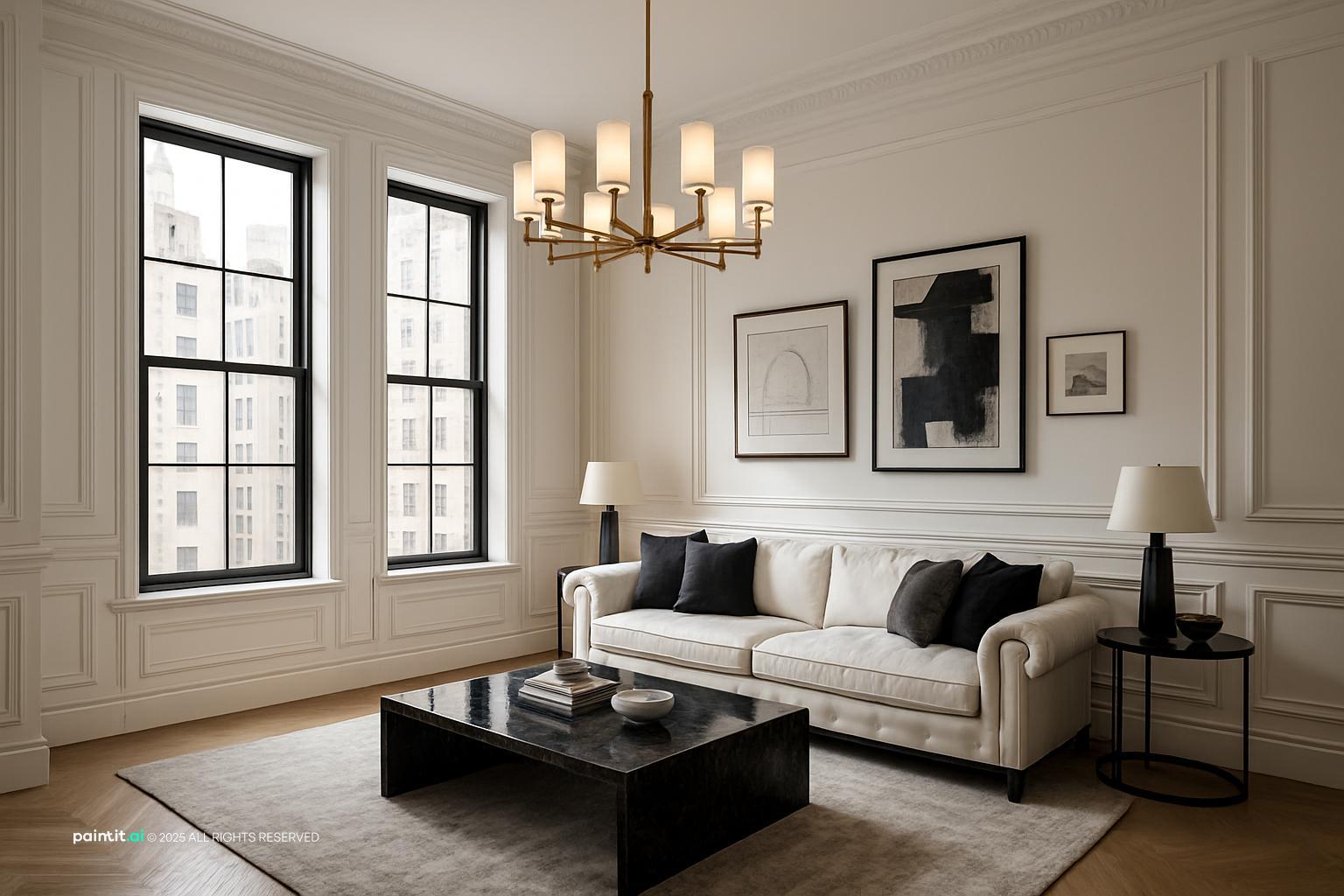
Grey Living Room Ideas with Grey Palette and Soft Textiles layers grey palette, soft textiles and dark contrast in a living room setting.
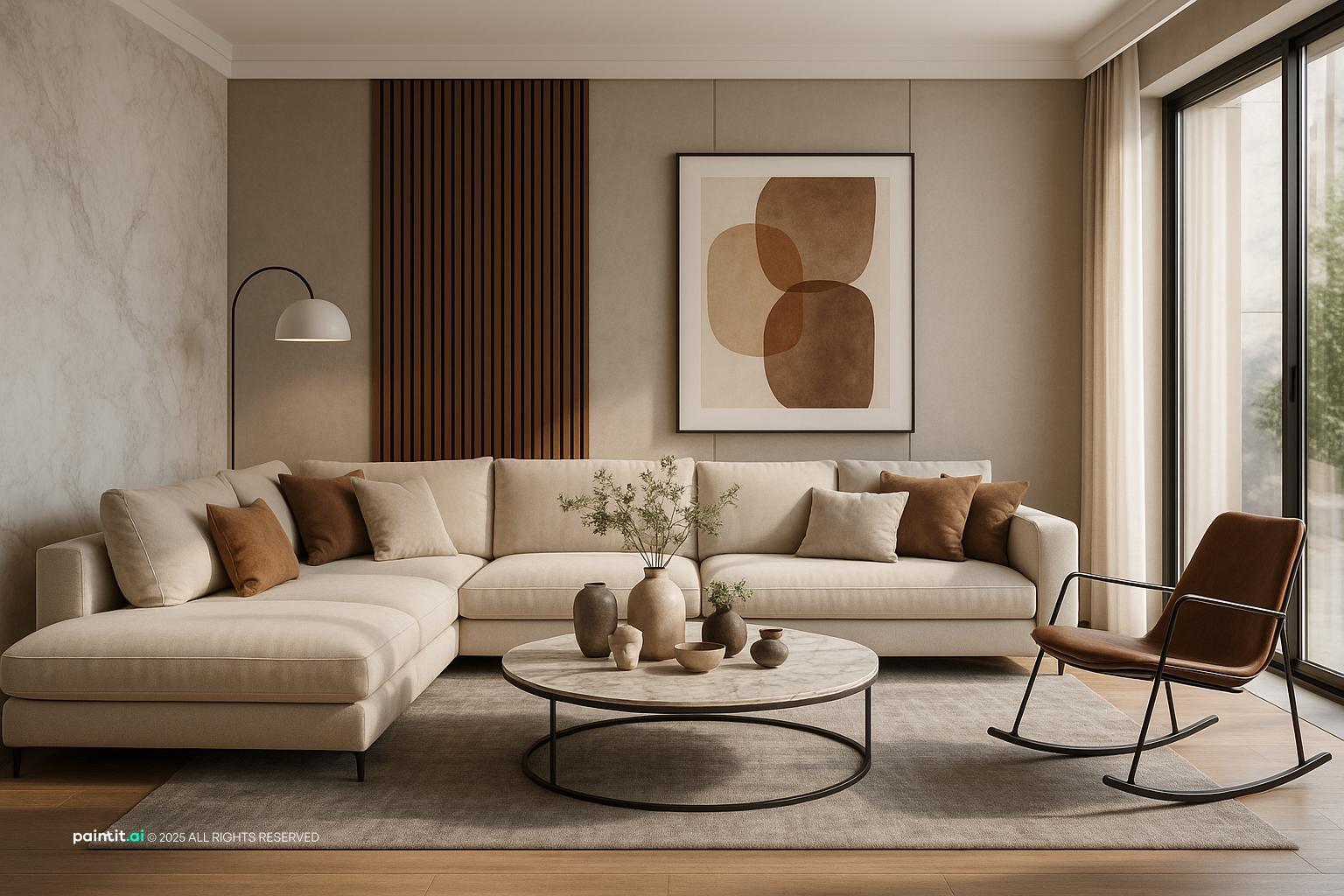
Elegant Modern Living Room Design anchors grey palette, soft textiles and metal accents in a living room setting.
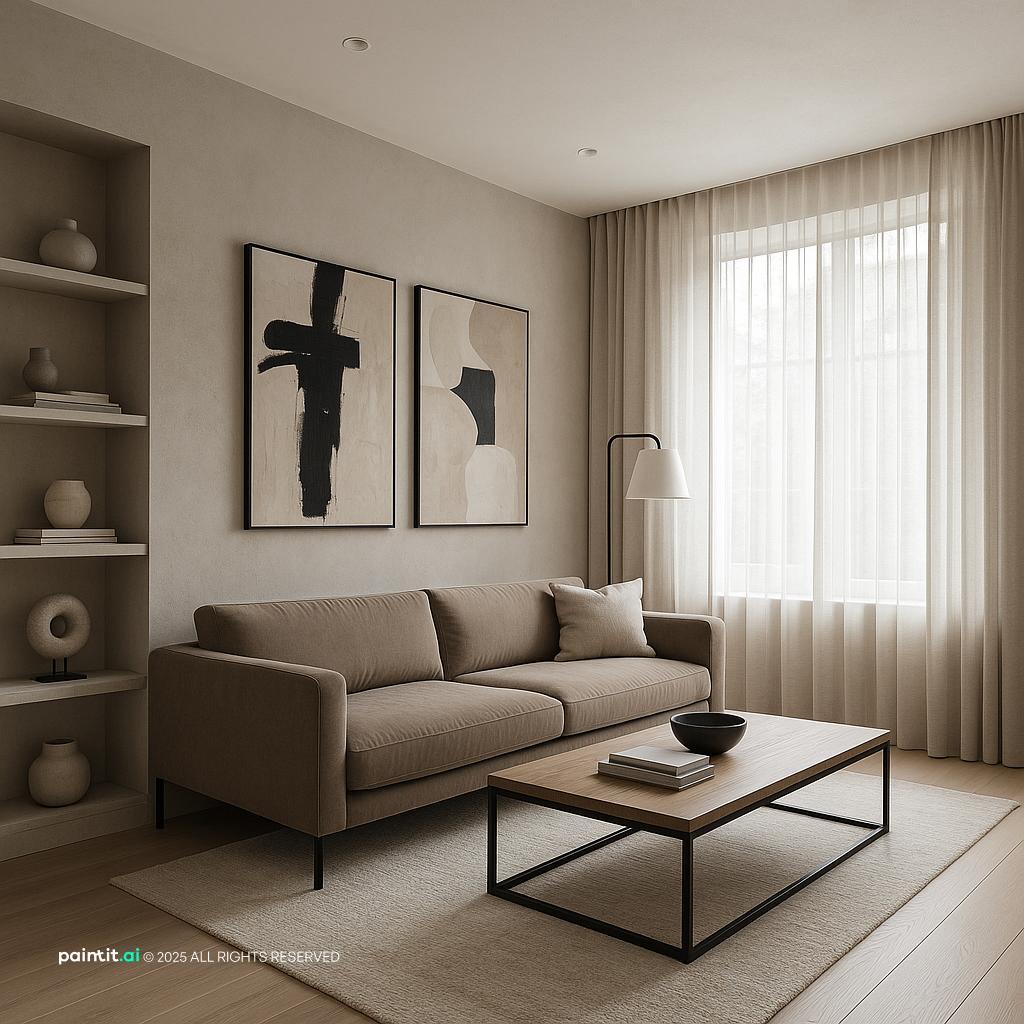
Modern Living Room Design in Neutral Tones softens grey palette, metal accents and layered neutrals in a living room setting.
Before you buy furniture or grey living room decor, decide whether your grey is cool, warm, or in the middle. A blue-grey can look crisp in a bright modern room, but it often feels chilly in a north-facing space. A warmer greige or taupe-grey is usually easier when you want the room to feel relaxed and lived-in.
Check the undertone against your floor, grey sofa, curtains, and trim in daylight and at night. The common mistake is choosing a grey from a tiny paint card without comparing it to the finishes already in the room. A grey that looks balanced in the store can turn purple, green, or flat once it meets your flooring and bulbs.
Grey needs a supporting cast. For soft contrast, pair it with ivory, oatmeal, sand, muted olive, dusty blue, rust, or deep brown. For sharper contrast, use black, white, and brass, then soften the look with a neutral rug or textured upholstery.
If you are still asking what colors go with a grey living room, compare your options with our guide to the best living room colors. A practical color palette is one grey, one warm neutral, one deeper grounding tone, and one accent color. That gives the room structure without making every pillow and vase compete for attention.
When people upload a living room with a grey sofa they need to keep, the problem is rarely the sofa itself. The problem is usually everything around it staying too cool, too flat, or too similar in tone. Treat the sofa as the anchor, then add contrast around it: a cream wool rug, oak coffee table, linen curtains, and throw pillows in camel, olive, rust, or soft black.
If the sofa is dark grey, keep nearby pieces lighter so the seating area does not feel heavy. If the sofa is pale grey, add a darker side table, black picture frames, or a walnut console to give the room structure. What to avoid: adding more mid-grey everywhere. That is when a living room starts to look like one large block of the same tone.
Light grey is useful when you want a room to feel open without using pure white. It works especially well with natural light, pale oak, soft white trim, and woven textures. Use light grey walls when the room has enough daylight to keep the grey from looking dull.
For a small room, choose a slim sofa profile, raised legs, and a rug that extends under the front legs of the seating. Add lamps with warm bulbs instead of relying only on ceiling light. That sounds small, but it is often the difference between a light grey room that feels airy and one that feels bare.
Dark grey can be excellent in a living room used mostly at night, especially with warm lighting, velvet or boucle seating, brass accents, and artwork with pale areas for contrast. Charcoal walls can make a TV less visually dominant and can help a fireplace, shelving wall, or reading corner feel more settled.
The catch is that dark grey absorbs light. Use it when you have enough lamps, sconces, or daylight to support it. What to avoid: dark grey walls with only cool overhead lighting. Add floor lamps, table lamps, and reflective details so shadows feel intentional rather than gloomy.
Grey and white living room ideas work best when white is not the only source of brightness. Use warm white walls or trim, a grey sofa, a nubby rug, ceramic lamps, and layered curtains. The room should have softness, not just a hard line between two colors.
If the scheme feels too stark, bring in beige, light wood, or aged brass. If it feels too pale, add a charcoal cushion, dark-framed wall art, or a black metal side table. A bit of contrast helps the eye read the room instead of seeing one pale wash.
In Paintit.ai tests, the strongest grey living rooms are rarely fully monochrome. The versions that hold up better almost always introduce contrasting materials, especially warm wood. Oak makes grey feel lighter and more Scandinavian. Walnut makes it richer. Reclaimed wood can push the room toward rustic or industrial.
Use wood on the coffee table, media unit, side tables, shelving, picture frames, or chair legs. What to avoid: mixing too many unrelated wood finishes in one sightline. If your floor is already warm, repeat that warmth once or twice so the palette feels connected.
A grey accent wall works when it supports something already important: a fireplace, shelving, sofa wall, or media wall. Choose a shade at least two steps deeper than the surrounding walls so the difference looks deliberate. Pair it with wall art or lighting so it does not become a blank dark rectangle.
For renters or cautious decorators, test a painted panel effect, removable wallpaper, or a large textile behind the sofa. You can test different shades of light and dark grey on your own walls using our AI house painter. This is especially useful because 13.2% of Paintit.ai prompts include repaint or paint actions, and a wall color change affects the whole room quickly.
A grey room often needs a rug that adds softness underfoot and separates the seating area from the rest of the space. In most living rooms, the rug should sit under at least the front legs of the sofa and chairs. Too small a rug makes the seating group look like separate furniture pieces instead of one zone.
For a cool grey room, use cream, jute, tan, faded terracotta, or a patterned rug with warm undertones. For a warm grey room, you can use ivory, charcoal, muted blue, or soft green. The rug covers a large visual area, so it can correct the mood much faster than small accessories.
Grey changes dramatically under different bulbs. Cool bulbs can make grey walls look blue and hard; warm bulbs make them softer but can also turn some greys muddy. Aim for ambient light, task light, and accent light instead of one ceiling fixture doing everything.
A common refinement we see is now make it cozier. Usually, that is not about changing the grey itself. It is about adding floor lamps, table lamps, shaded sconces, and warmer light near the seating. Use light to wash a curtain, illuminate art, or brighten a dark corner before you repaint the whole room.
Some users specify negatives like no clutter, and that matters in grey rooms. Grey can support a calm, edited layout, but if you remove too much, the space can feel unused. Keep surfaces clear enough for daily life, then add a few pieces with shape and texture: a ceramic bowl, a stack of books, a sculptural lamp, or one large plant.
Use closed storage if the living room handles toys, remotes, blankets, or gaming equipment. What to avoid: tiny decorative objects spread across every surface. Fewer, larger pieces usually look better against grey because they create stronger visual weight.
Because 17.1% of Paintit.ai prompts include style, we often see users refine grey rooms by asking for modern, Scandinavian, minimalist, or industrial direction. Grey can support all of these, but the materials need to change. Scandinavian grey needs pale wood, wool, linen, and simple forms. Modern grey works with low profiles, black details, stone, and clean upholstery.
Industrial grey can handle brick, metal accents, leather, and darker woods, but soften it with fabric and lamps so it does not feel harsh. Minimalist grey needs excellent proportions because there are fewer objects to hide mistakes. For a complete walkthrough of testing layout, finishes, and mood, see our guide on how to redesign a living room with Paintit.ai.
The second gallery helps you judge combinations instead of isolated details: grey sofa with oak versus walnut, pale walls versus charcoal walls, cool metal versus warm brass, and daylight scenes versus evening lighting.
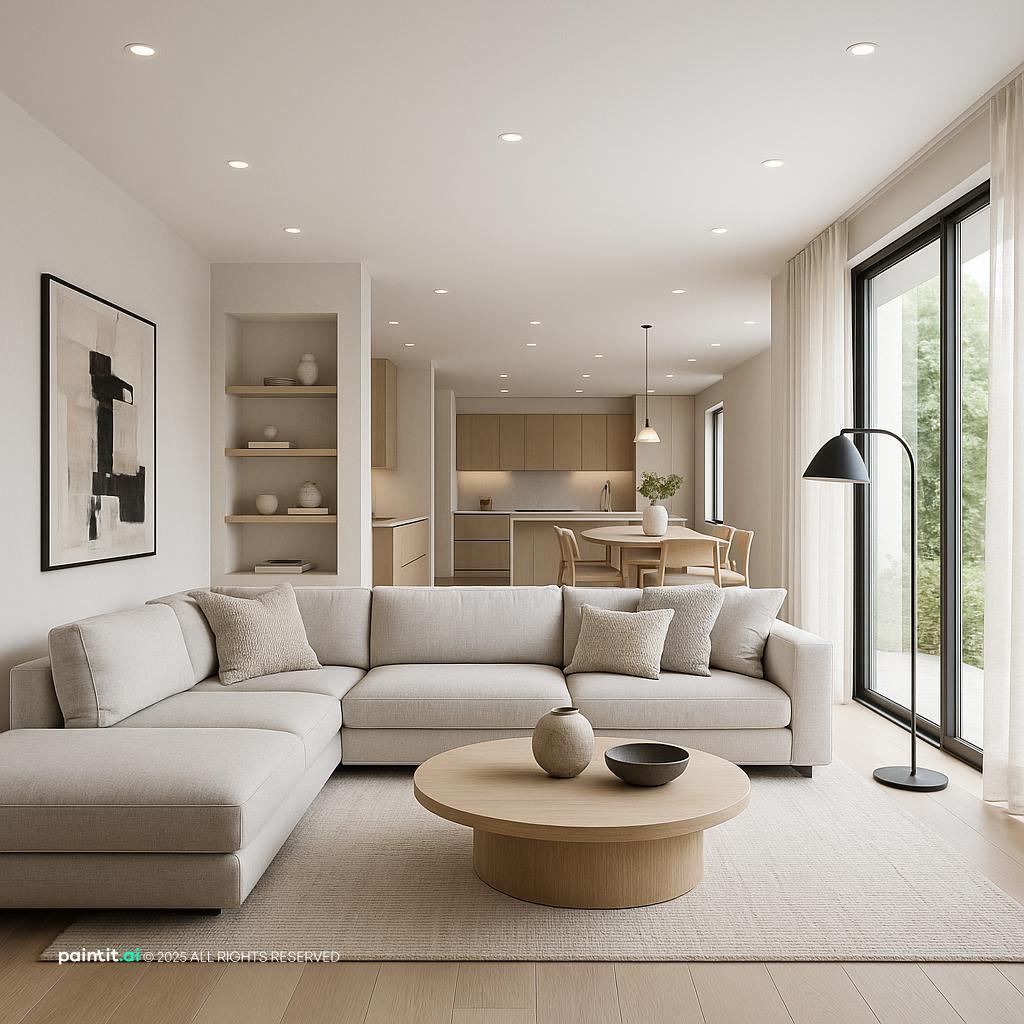
Contemporary Living Room Design 2025 uses grey palette, warm wood and soft textiles in a living room setting.
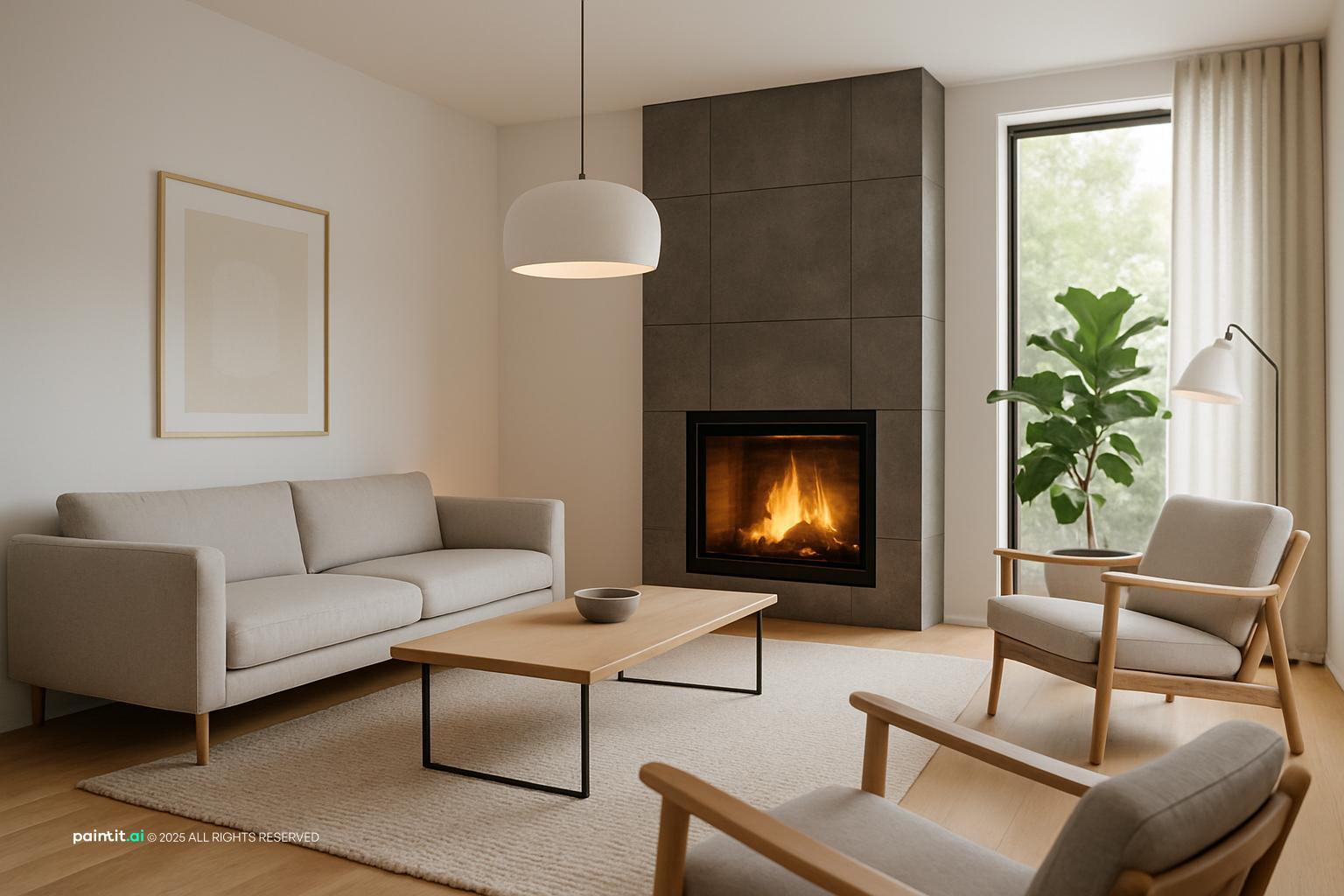
Stunning Scandinavian Living Room Design balances grey palette, warm wood and soft textiles in a living room setting.
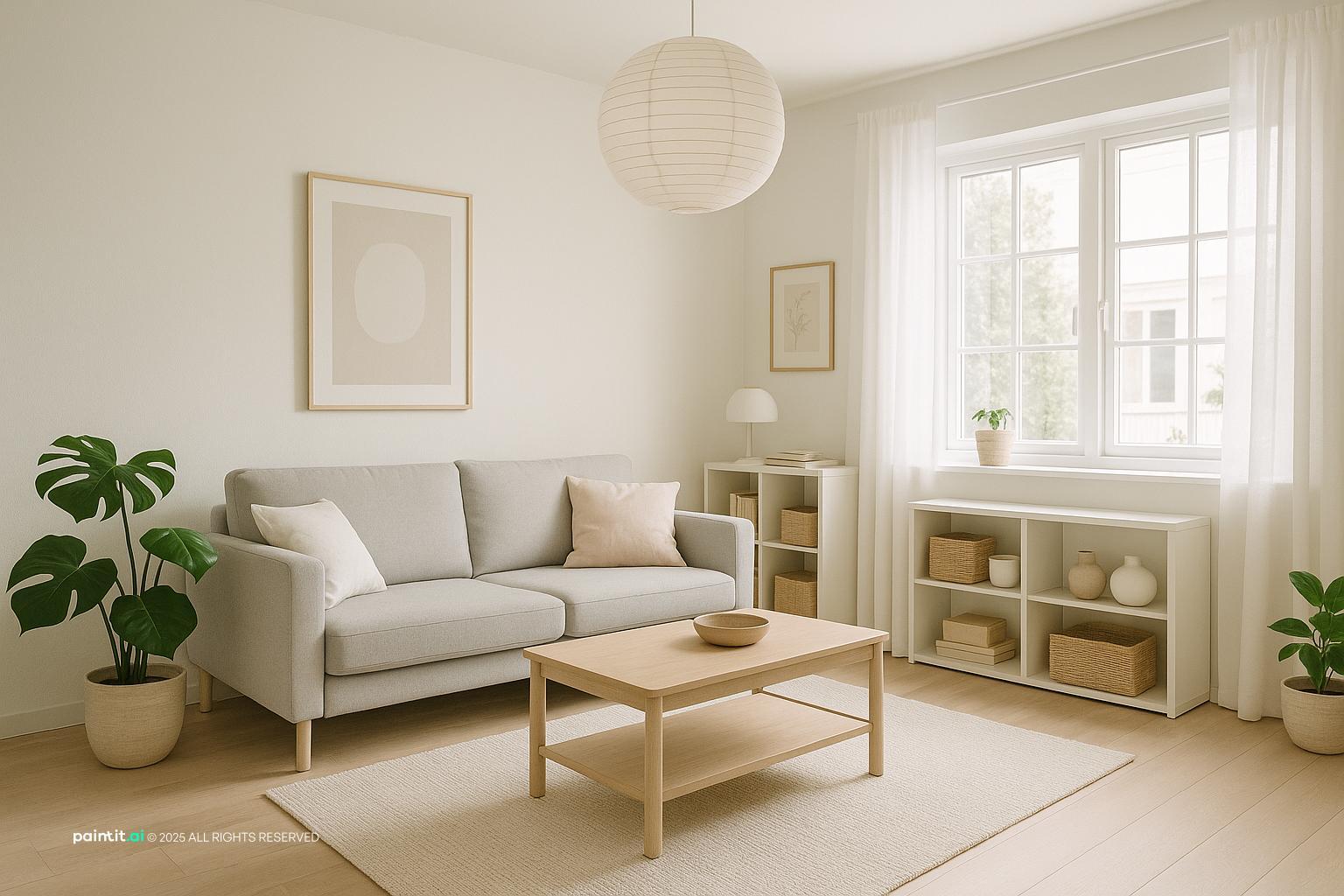
Scandinavian Living Room Design pairs grey palette and natural light in a living room setting.
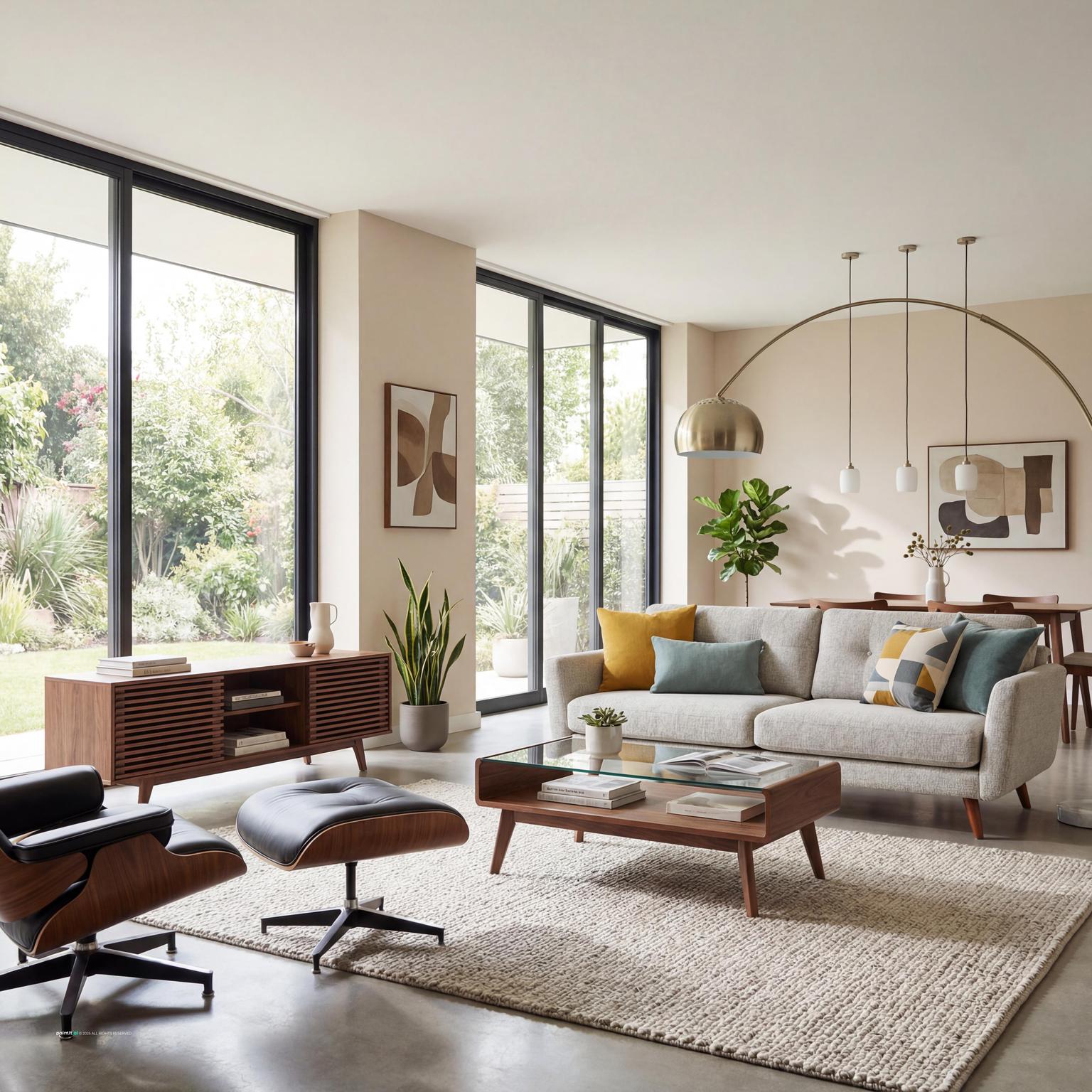
Stunning Mid-Century Modern Living Room layers grey palette, warm wood and soft textiles in a living room setting.
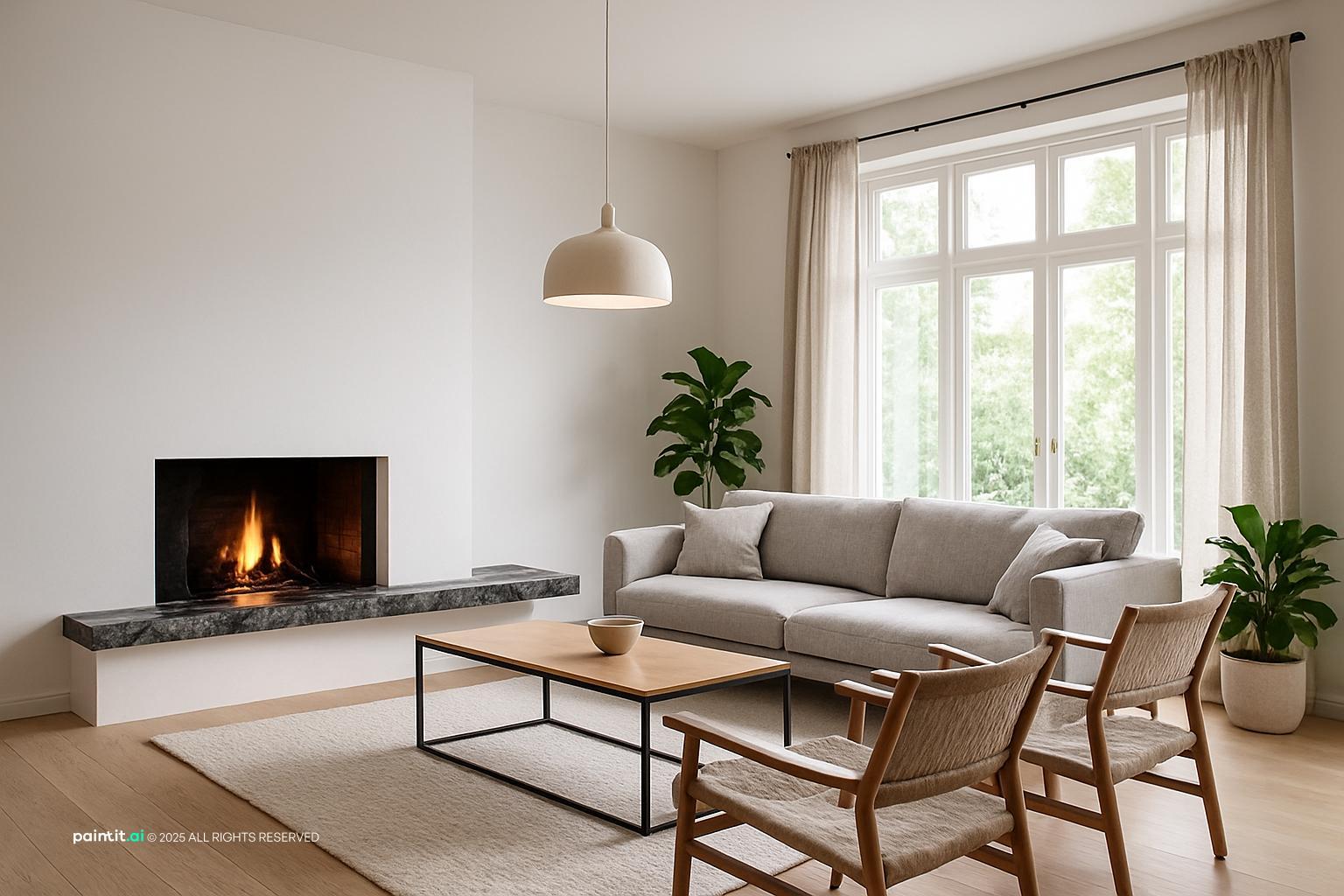
Scandinavian-Style Living Room Design anchors grey palette, warm wood and soft textiles in a living room setting.
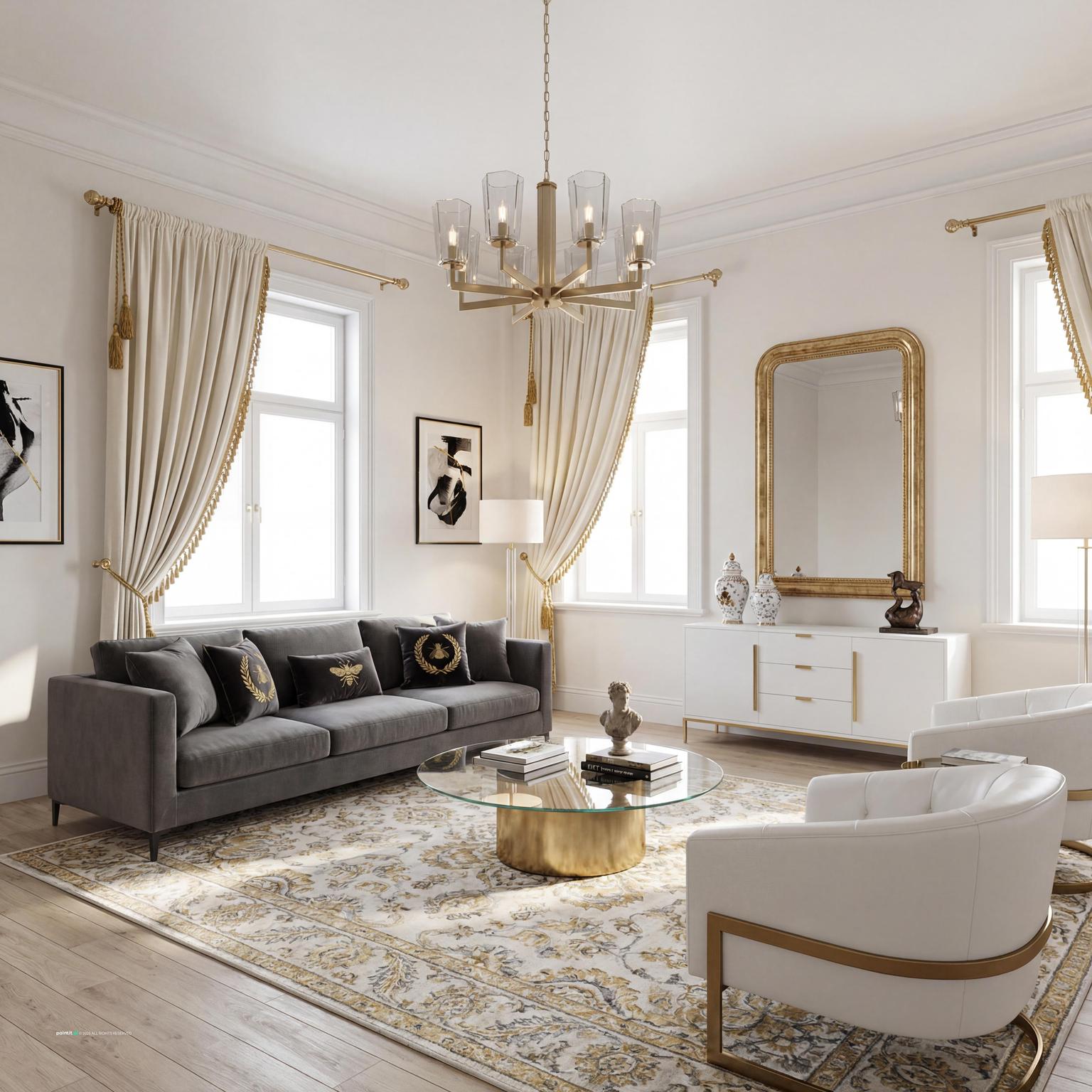
Contemporary Living Room with Empire Elements softens grey palette, layered neutrals and natural light in a living room setting.
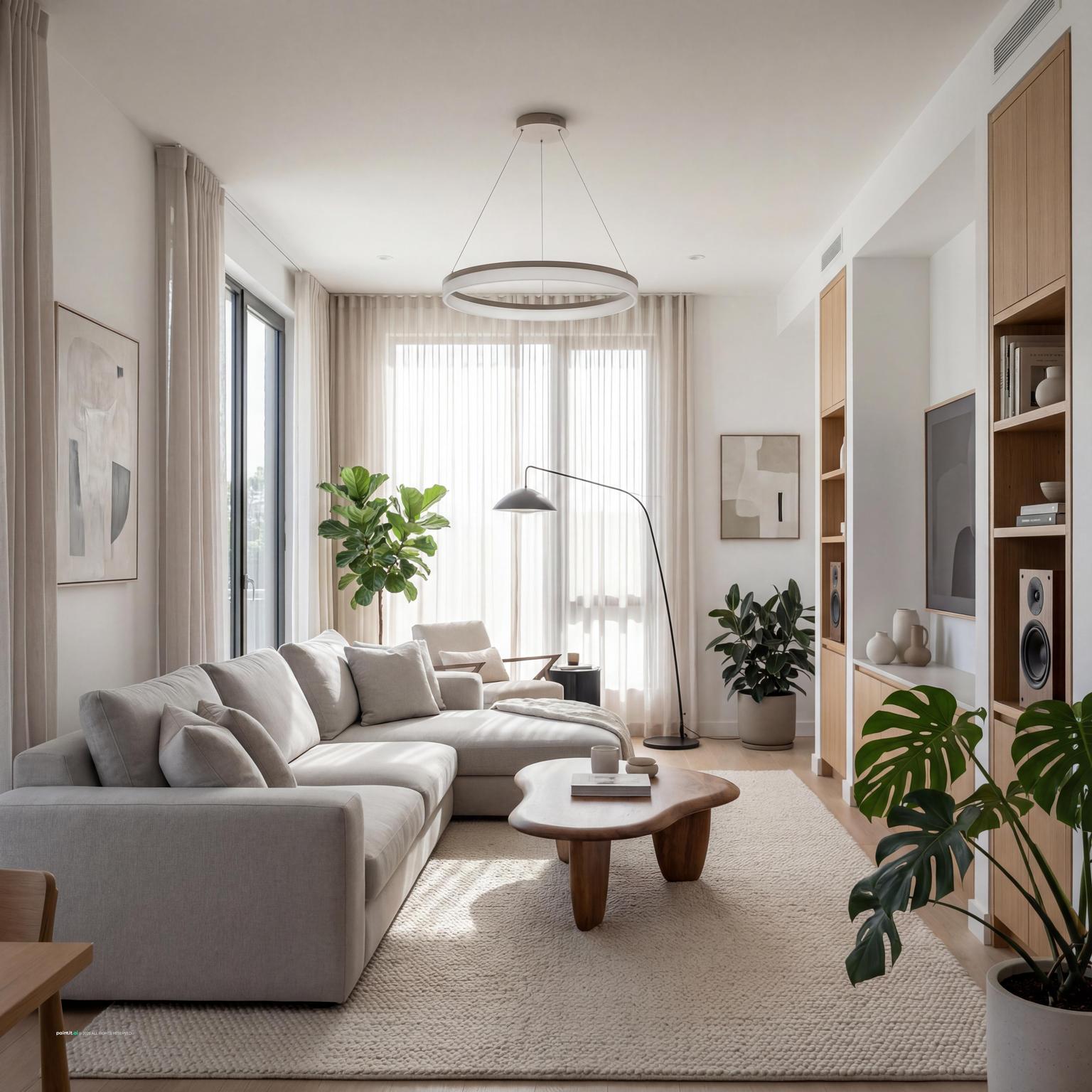
Elegant Contemporary Living Room Design 2025 uses grey palette, warm wood and soft textiles in a living room setting.
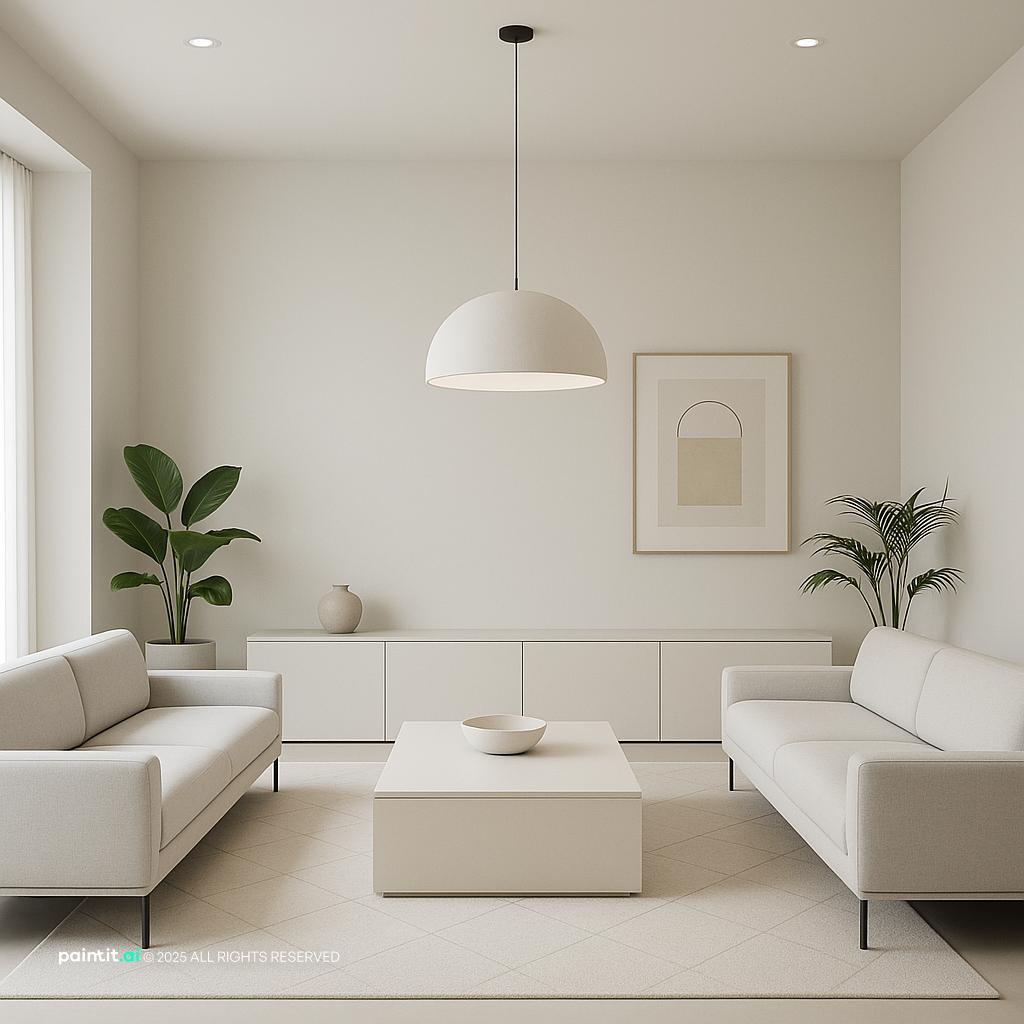
Modern Minimalist Living Room Design with Grey Palette balances grey palette, plants and greenery and layered neutrals in a living room setting.
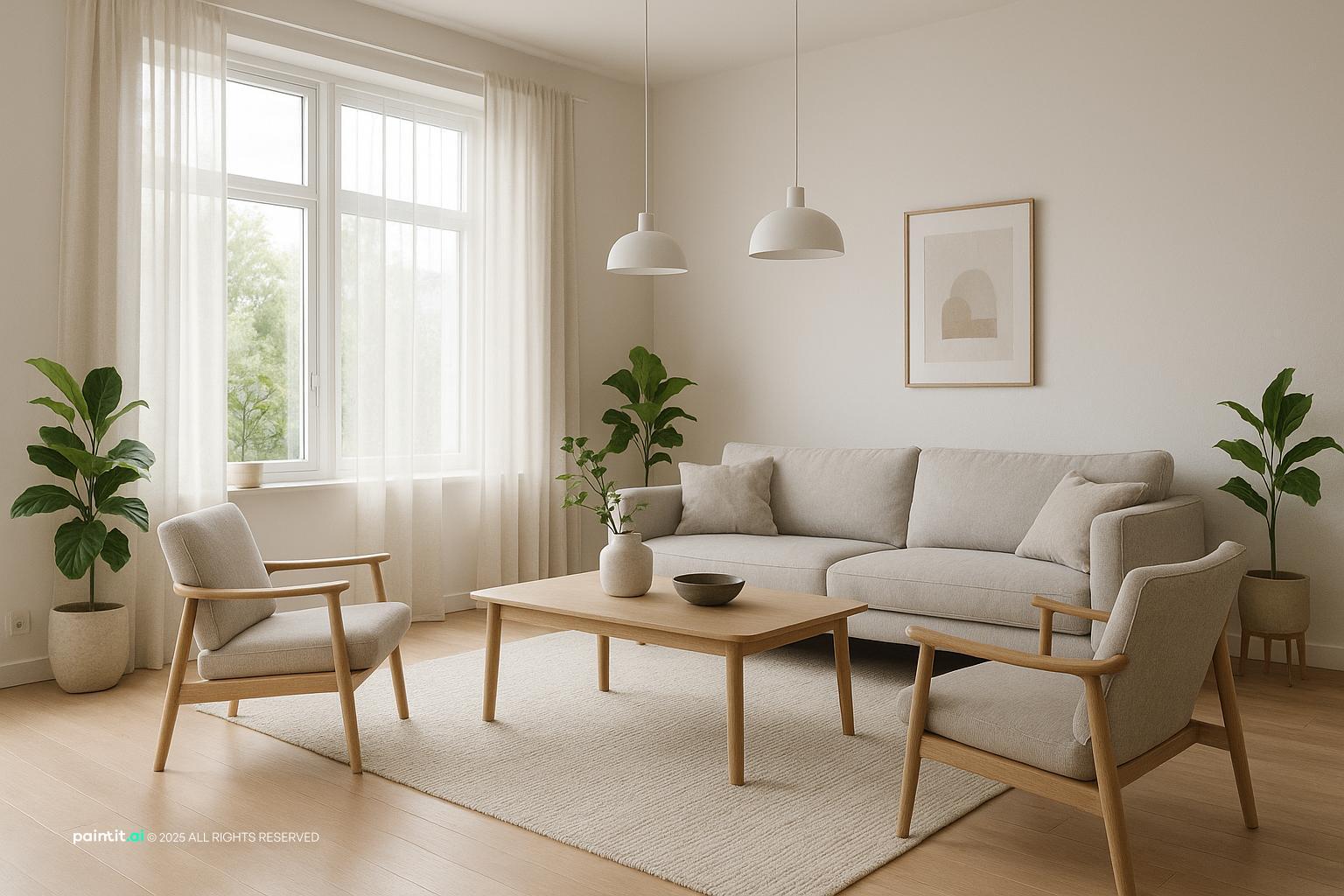
Scandinavian Living Room Design with Grey Palette pairs grey palette, warm wood and clean-lined furniture in a living room setting.
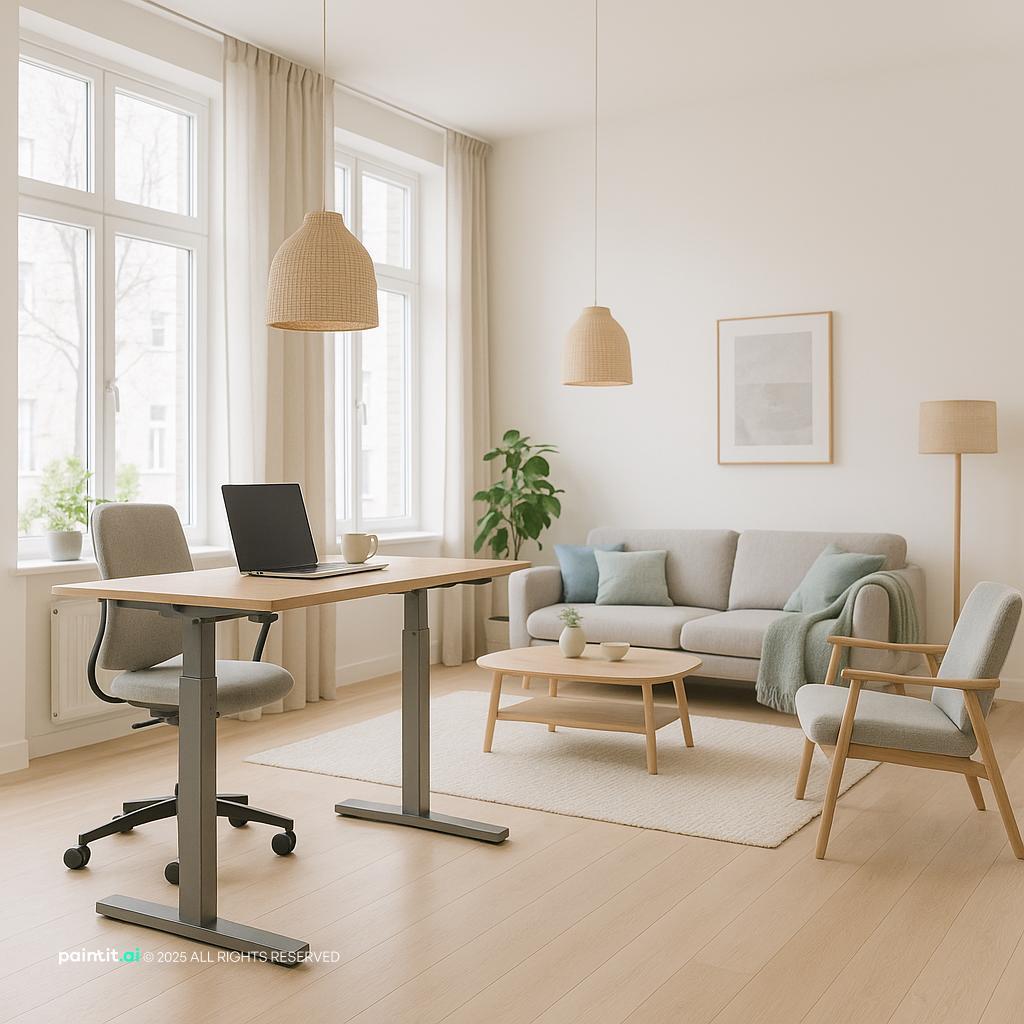
Scandinavian Contemporary Living Room Design layers grey palette, soft textiles and clean-lined furniture in a living room setting.
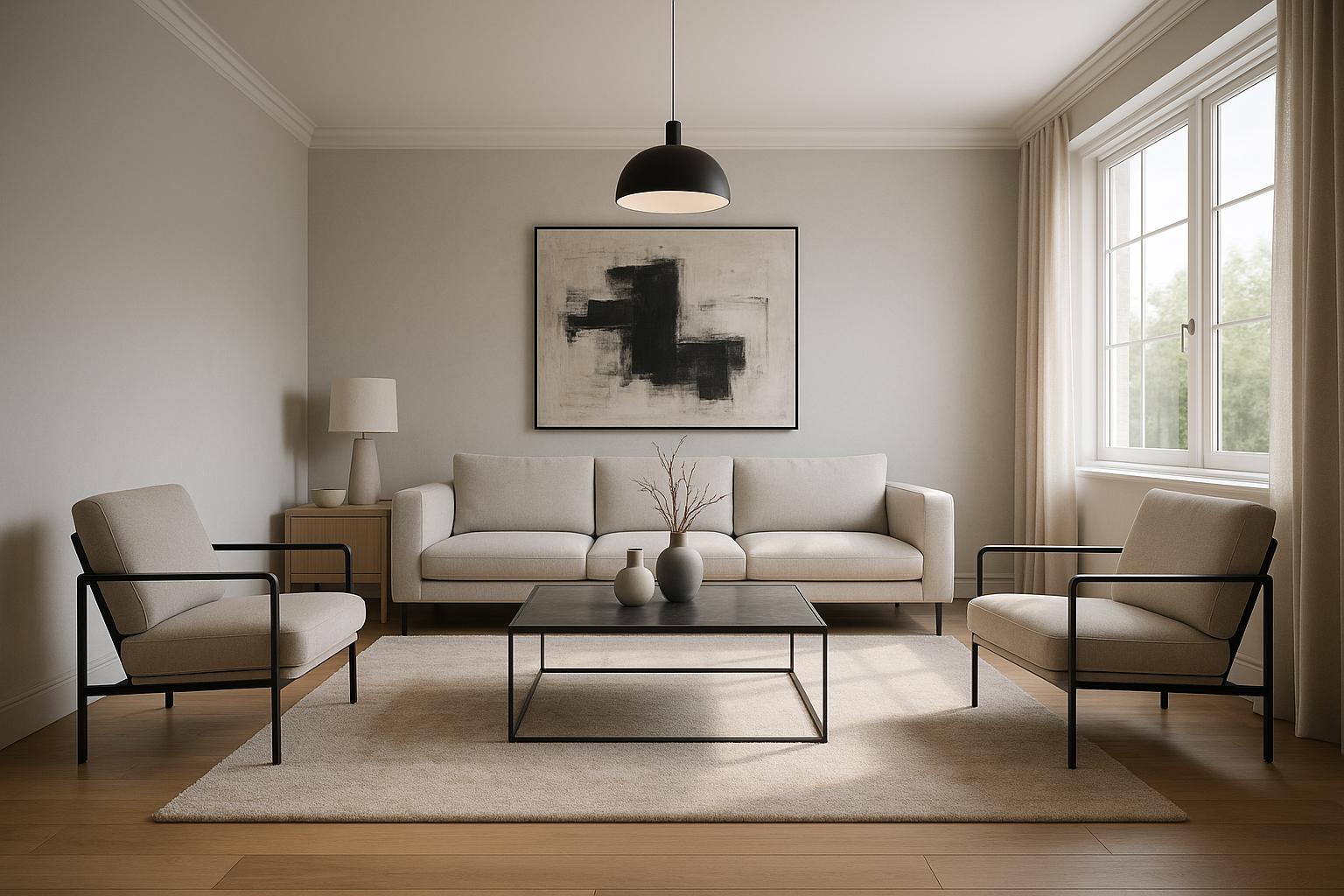
Sleek Contemporary Living Room Design anchors grey palette, metal accents and layered neutrals in a living room setting.
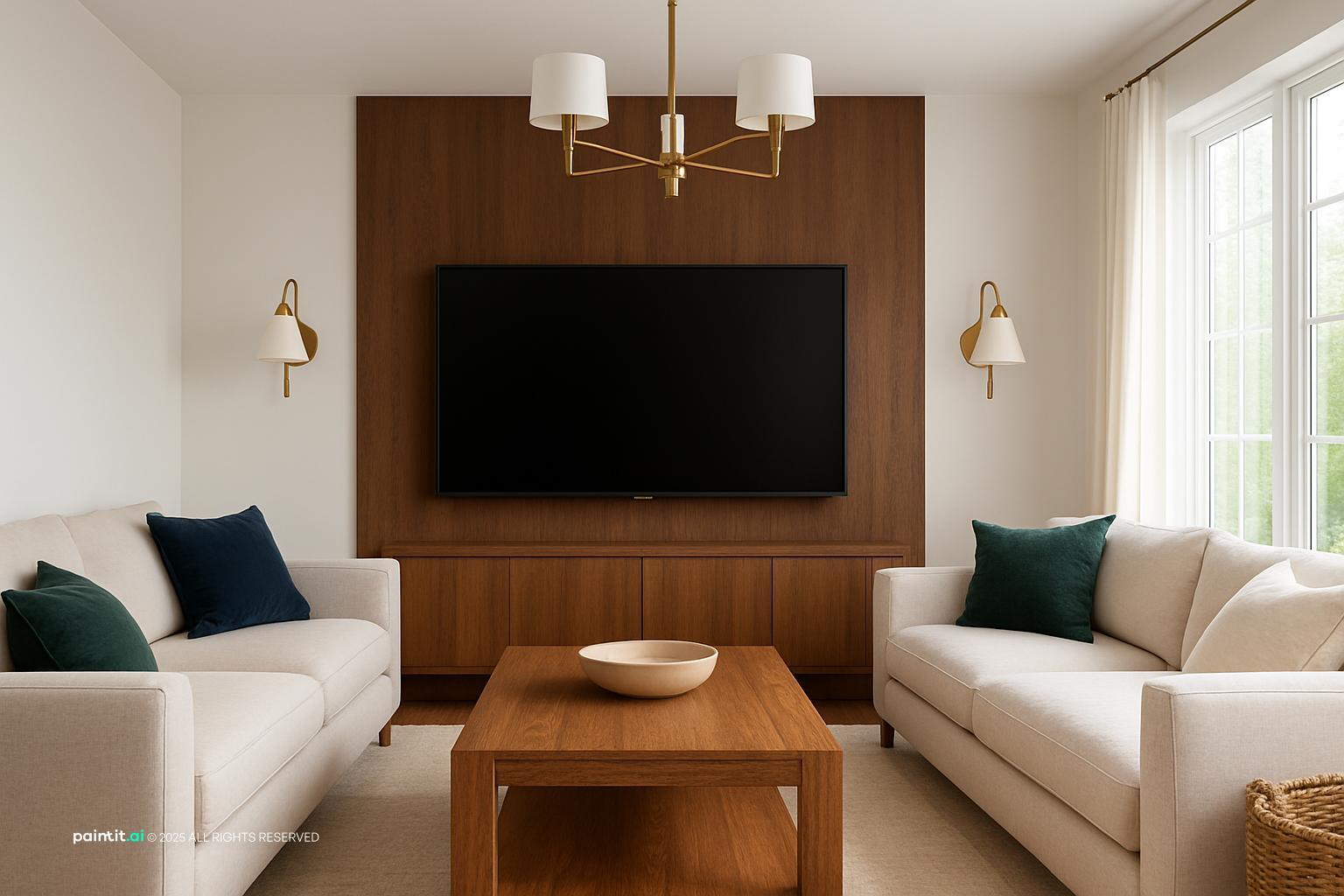
Stylish Modern Living Room Design with Grey Palette softens grey palette, soft textiles and metal accents in a living room setting.
In a bright room, you can use cleaner greys because daylight reveals nuance. In a dim room, a slightly warmer grey is usually more forgiving. Place samples near the sofa, floor, and window wall before committing.
Do not judge paint color only at noon. Evening is often when the living room is used most, and grey can change from soft to cold very quickly under the wrong bulb.
Grey living room decor should include fabric variation: linen curtains, wool rugs, boucle chairs, velvet cushions, cotton throws, or textured upholstery. I would treat a boring grey room as a texture problem before treating it as a color problem. In our tool, adding a material like boucle chair or jute rug often changes the feel more than adding a new paint color.
Use smooth and rough textures together. A flat grey sofa looks better with nubby pillows and a woven throw. Avoid matching every fabric too closely; identical grey textiles can make the room feel static.
Grey looks more natural when it touches materials with visible grain or texture. Oak and ash make it lighter, walnut makes it deeper, marble adds polish, and brick gives it a more architectural edge. Use one dominant material and one supporting material so the space does not feel busy.
If you already have grey flooring or a grey sectional, warm wood is often the easiest correction. Avoid very cool grey floors, chrome tables, and blue-grey walls together unless you are intentionally building a crisp modern scheme.
Chrome and polished nickel can look sharp with cool greys, but they can also make a room feel cold. Brass, bronze, blackened steel, or aged iron usually add more comfort. Use metal accents on lamp bases, cabinet pulls, side tables, frames, and curtain rods.
Do not scatter three or four metal finishes evenly around the room. Choose one main finish and one small contrast. For example, black curtain rods with brass lamps can work; chrome, brass, copper, and black all at once may feel accidental.
Curtains are often underestimated in grey rooms. Full-height panels in warm white, oatmeal, taupe, or soft charcoal can make grey walls feel taller and the seating area more finished. If privacy is needed, layer sheers with heavier panels.
Avoid short curtains that stop at the sill unless the architecture requires it. They can make a grey wall look chopped up. Hang rods wider than the window so fabric frames the light instead of blocking it.
Wall art can pull a grey room toward calm, graphic, organic, or colorful. Large-scale art usually works better than many small pieces scattered across grey walls. Look for pieces that repeat at least one color already in the room, such as cream from the rug, black from the frames, or rust from a pillow.
Accessories should vary in height and shape. A tall lamp, low bowl, stacked books, and a plant create better rhythm than several objects of the same size. Avoid adding accessories only to fill space; empty wall or table space can be useful when the main shapes are strong.
Grey furniture can feel visually heavy, especially in large sectionals or dark upholstery. Balance that weight with lighter chairs, open-leg tables, pale rugs, or a brighter wall behind the seating. If one side of the room has a dark sofa, use art, shelving, or a floor lamp on the opposite side to keep the sightline stable.
Avoid placing every dark object on one wall. The eye will pull toward that side, and the layout can feel lopsided even if the furniture technically fits.
Grey is sensitive to undertone, natural light, bulb temperature, rug color, and existing furniture. With Paintit.ai, you can upload a real living room photo and test wall shades, sofa colors, layouts, materials, lighting mood, and style direction before spending money on paint or furniture.
This is especially useful if you need to keep a grey sofa, carpet, floor, or media unit. Since 12.0% of prompts include keep or don't change constraints, we see many people working around real pieces rather than starting over. You can also explore broader room changes with the AI room design tool and refine the result with more warmth, less clutter, a bit more contrast, or a different material mix.
Warm white, cream, beige, oak, walnut, camel, olive, navy, rust, black, and brass all work well with grey. If the room feels cold, start with warmer accents before changing the paint.
Start with the grey undertone, then add a rug, curtains, textured throw pillows, wood furniture, layered lamps, and wall art. In practice, materials usually add depth faster than extra colors.
Yes, grey is a good color for a living room if it is balanced with texture, warmth, and good lighting. It works poorly when every surface is the same tone and there is no contrast.
Use warm bulbs, wood tones, soft textiles, a generous neutral rug, curtains, and cushions in cream, tan, rust, olive, or brown. Avoid relying only on cool overhead light.
Keep the grey sofa as the anchor and warm up the room around it. Add a cream or jute rug, wood tables, textured throw pillows, and lamps with warm light.