
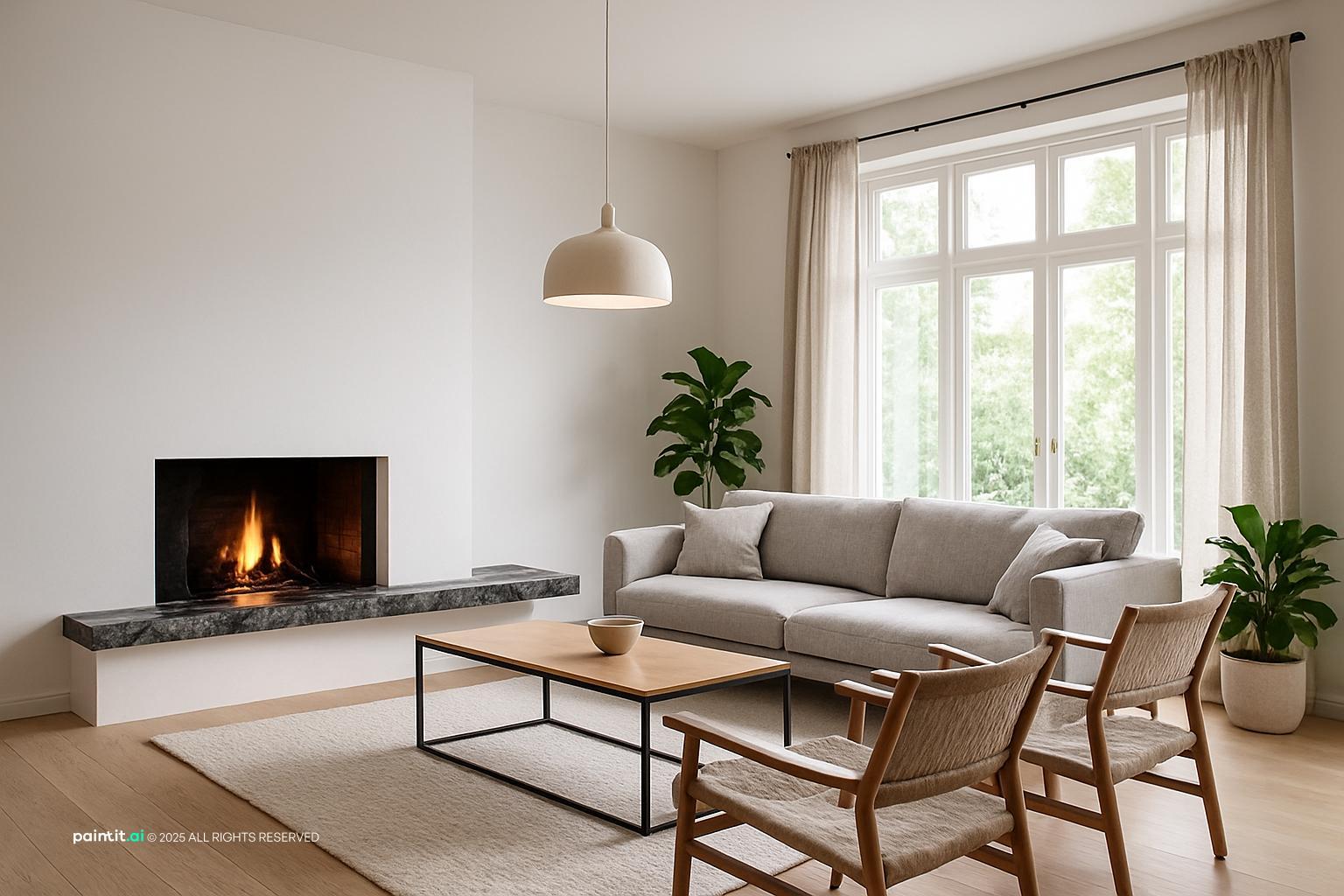
Scandinavian-Style Living Room Design
Scandinavian-Style Living Room Design uses grey palette, brown warmth and warm wood in a living room setting.
Grey and brown living room ideas work when the room feels built in layers, not color-matched from a showroom set. Grey gives the living room structure. Brown brings warmth through leather, timber, woven texture, brick, stone, and aged finishes. In Paintit.ai usage, color appears in 27.6% of prompts, and that matches what we see in real uploads: people usually start with a shade. The better rooms come from the next step. Tie that shade to the living room layout, daylight, sofa size, rug texture, floor tone, and the materials already in the photo.
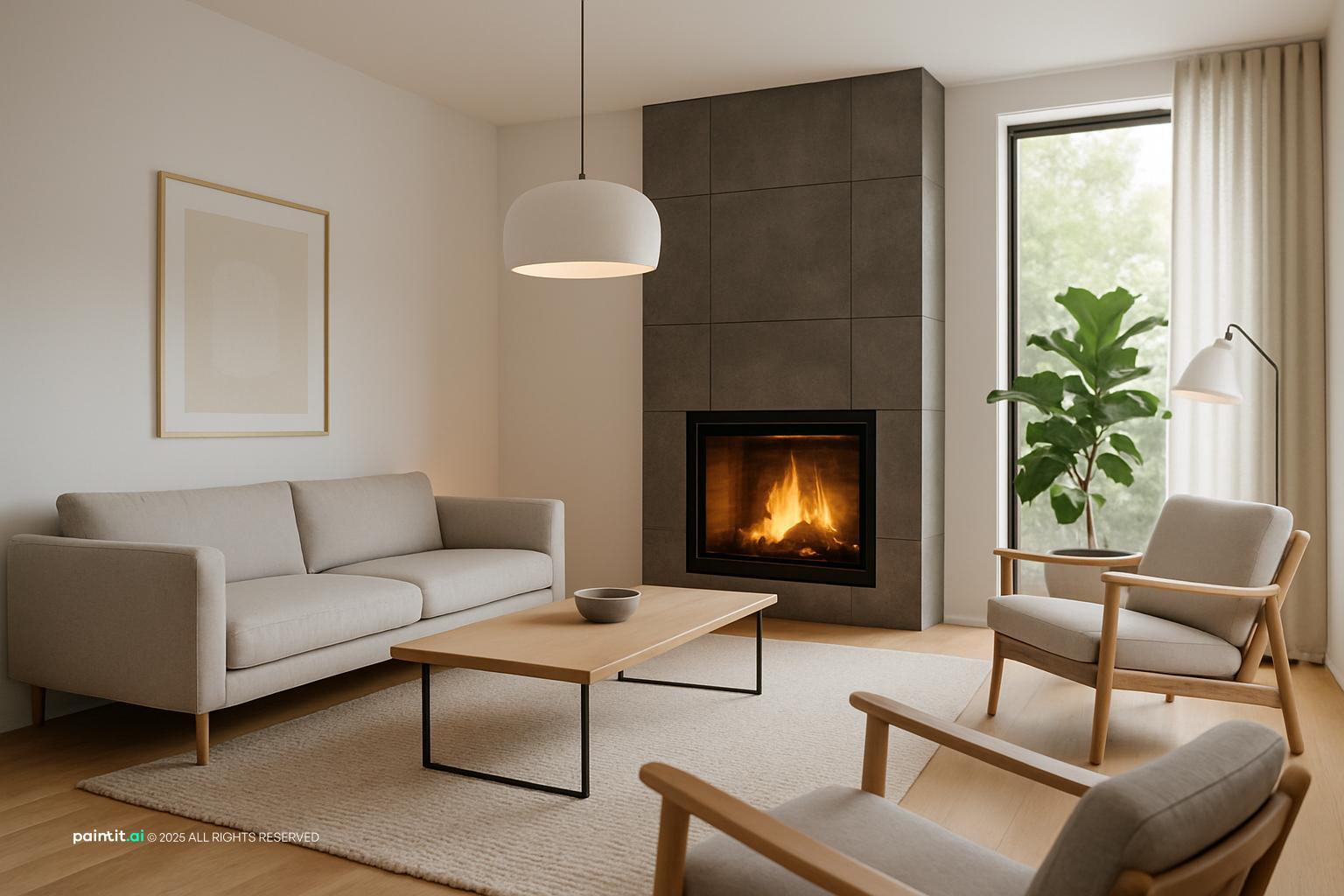
A strong grey and brown color scheme is not just grey paint plus brown furniture. The pairing works because these neutrals do different jobs. Grey can calm the background, sharpen the architecture, or cool down a bright room. Brown adds grain, age, softness, and visual weight, especially as walnut, oak, leather, rattan, brick, or bronze.
Room type is specified in 22.1% of Paintit.ai prompts, which is why the living room context matters so much. This room has traffic paths, screen glare, conversation seating, side tables, lamps, and usually at least one large piece of furniture you cannot ignore. If you want to test how grey walls, brown seating, and rug choices behave before buying anything, AI living room design lets you compare the same room with different palettes and furniture directions.
Use the first gallery to read the room’s overall mood before you get stuck on small decor. Pale grey with warm oak feels open and relaxed. Charcoal with cognac leather feels stronger and more graphic. Mushroom grey with deep walnut creates a quieter, more cocooned living room.
Scandinavian-Style Living Room Design uses grey palette, brown warmth and warm wood in a living room setting.
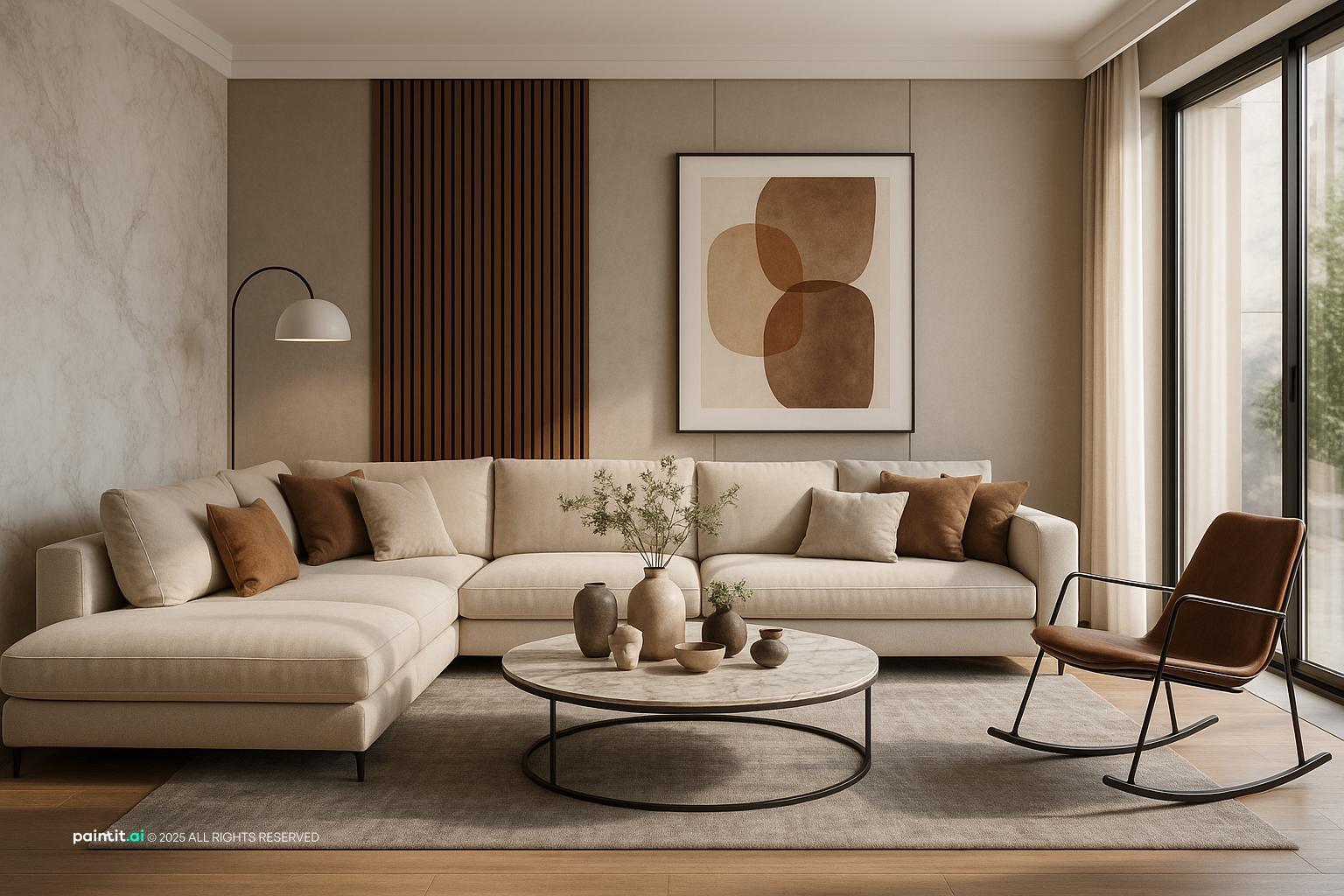
Elegant Modern Living Room Design balances grey palette, brown warmth and soft textiles in a living room setting.
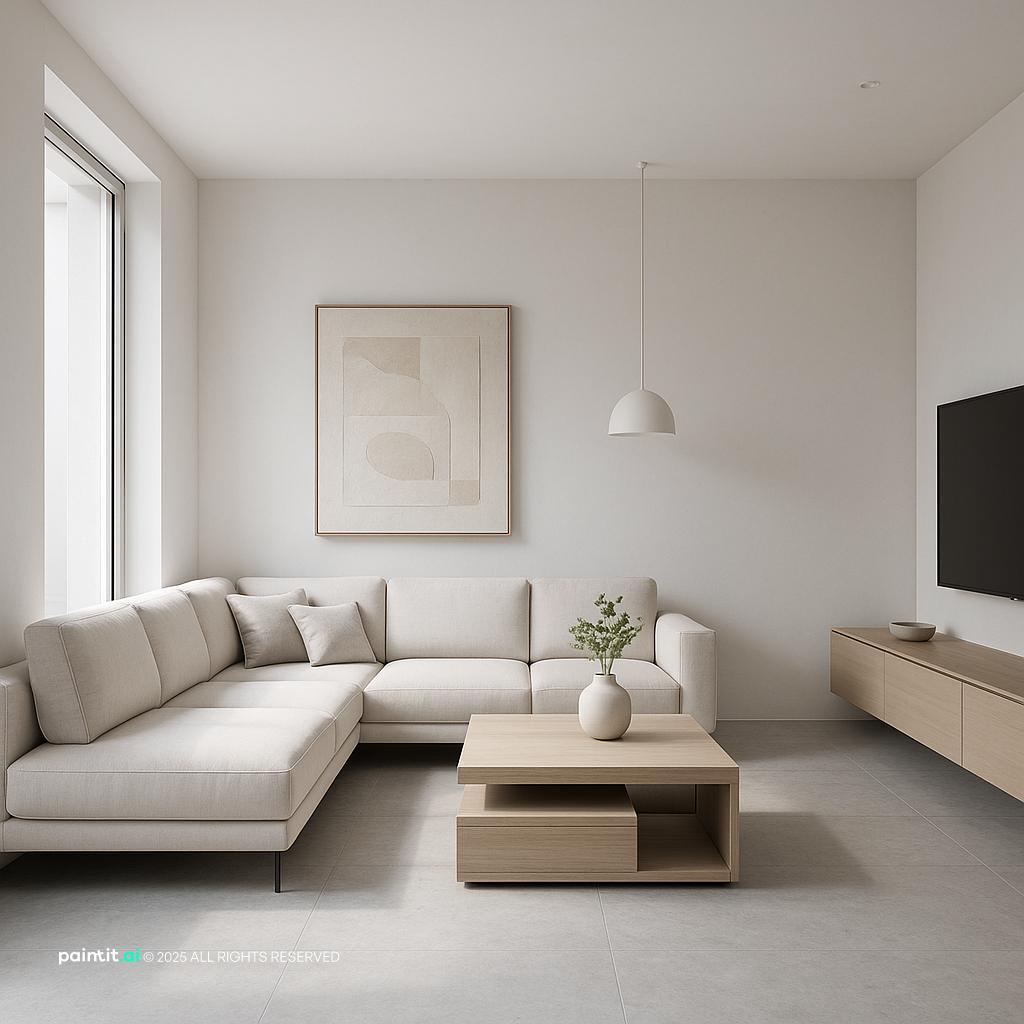
Grey and Brown Living Room Ideas with Grey Palette and Brown Warmth pairs grey palette, brown warmth and soft textiles in a living room setting.
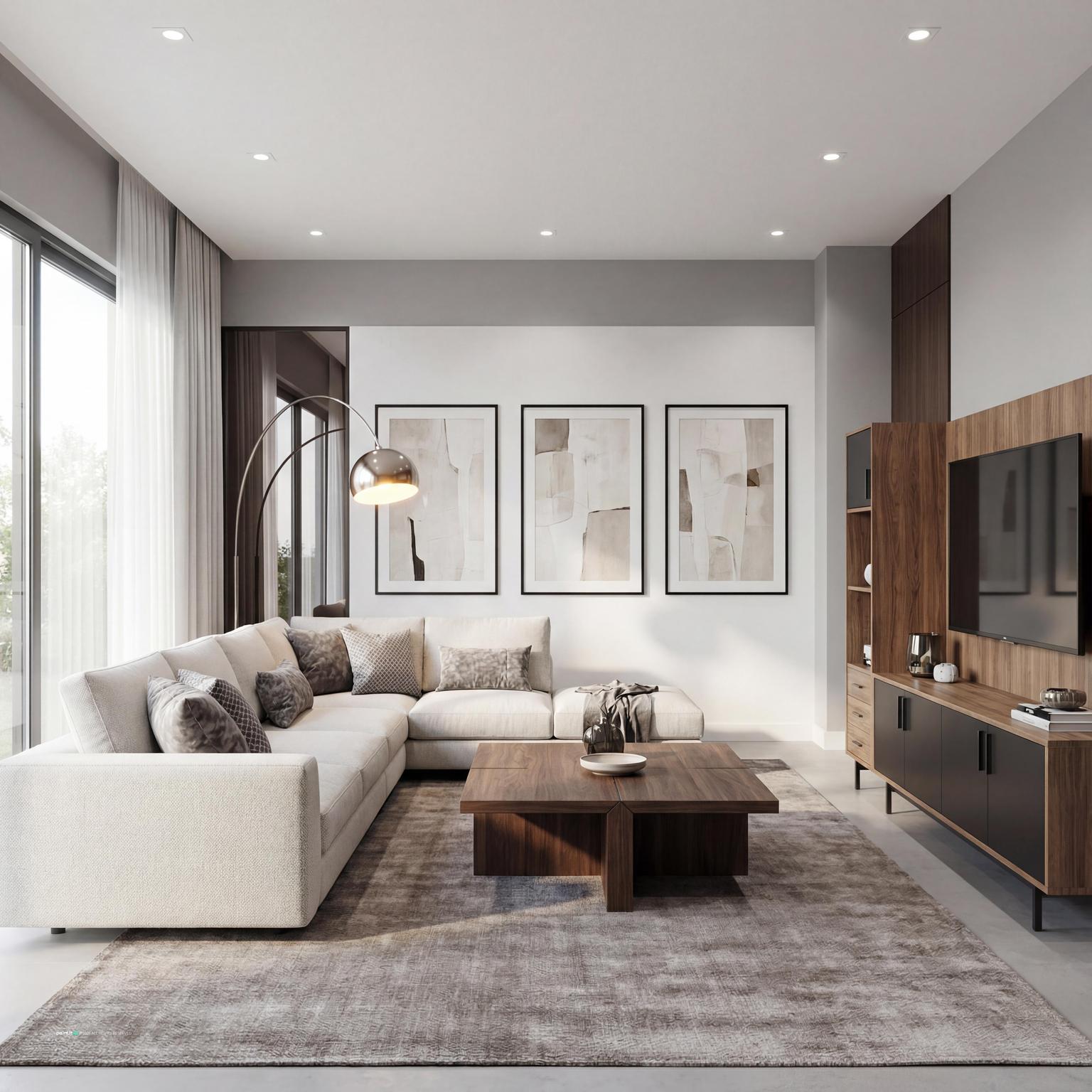
Modern Living Room Design with Elegance layers grey palette, brown warmth and metal accents in a living room setting.
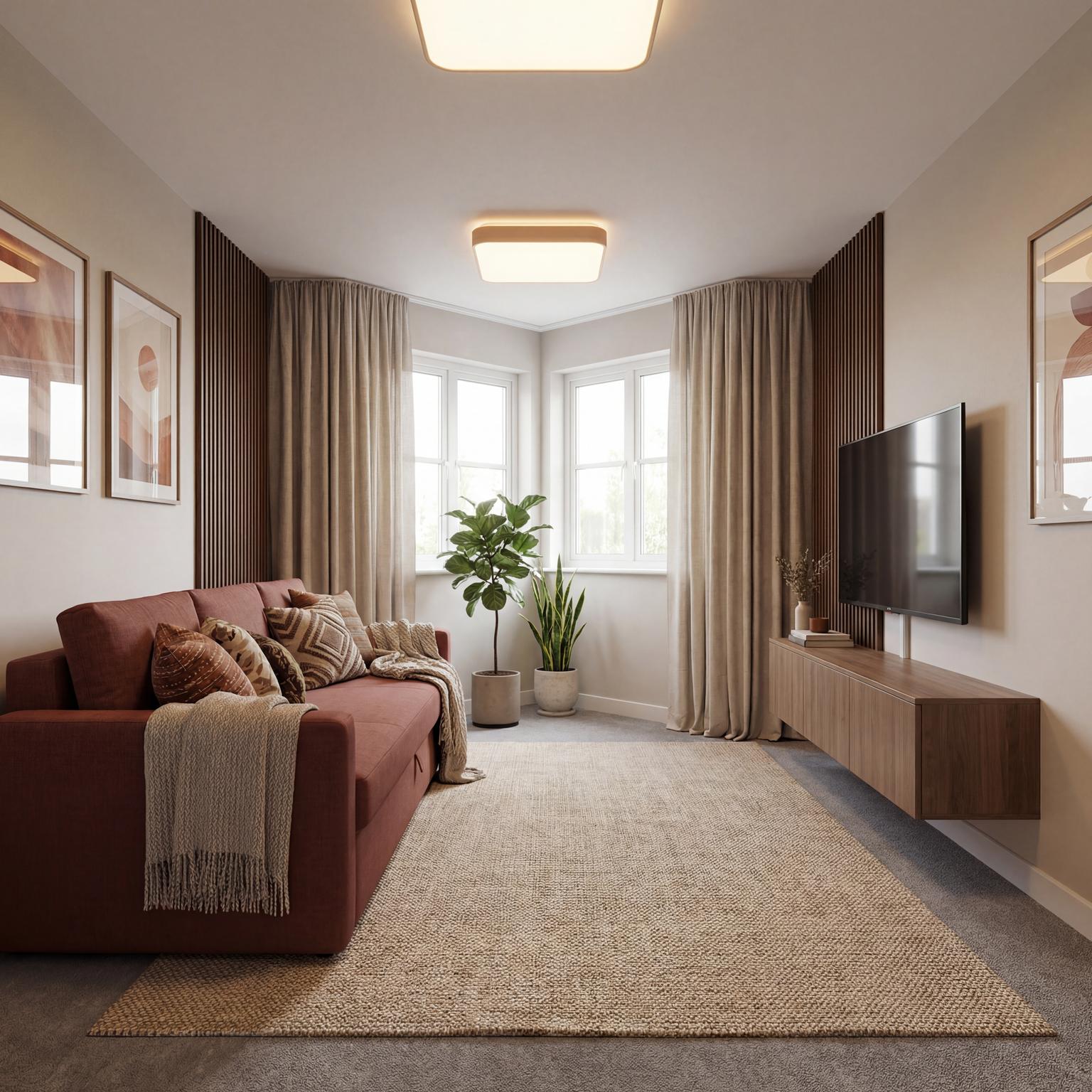
Elegant Redesign for a Cozy Second Living Room anchors grey palette, brown warmth and soft textiles in a living room setting.
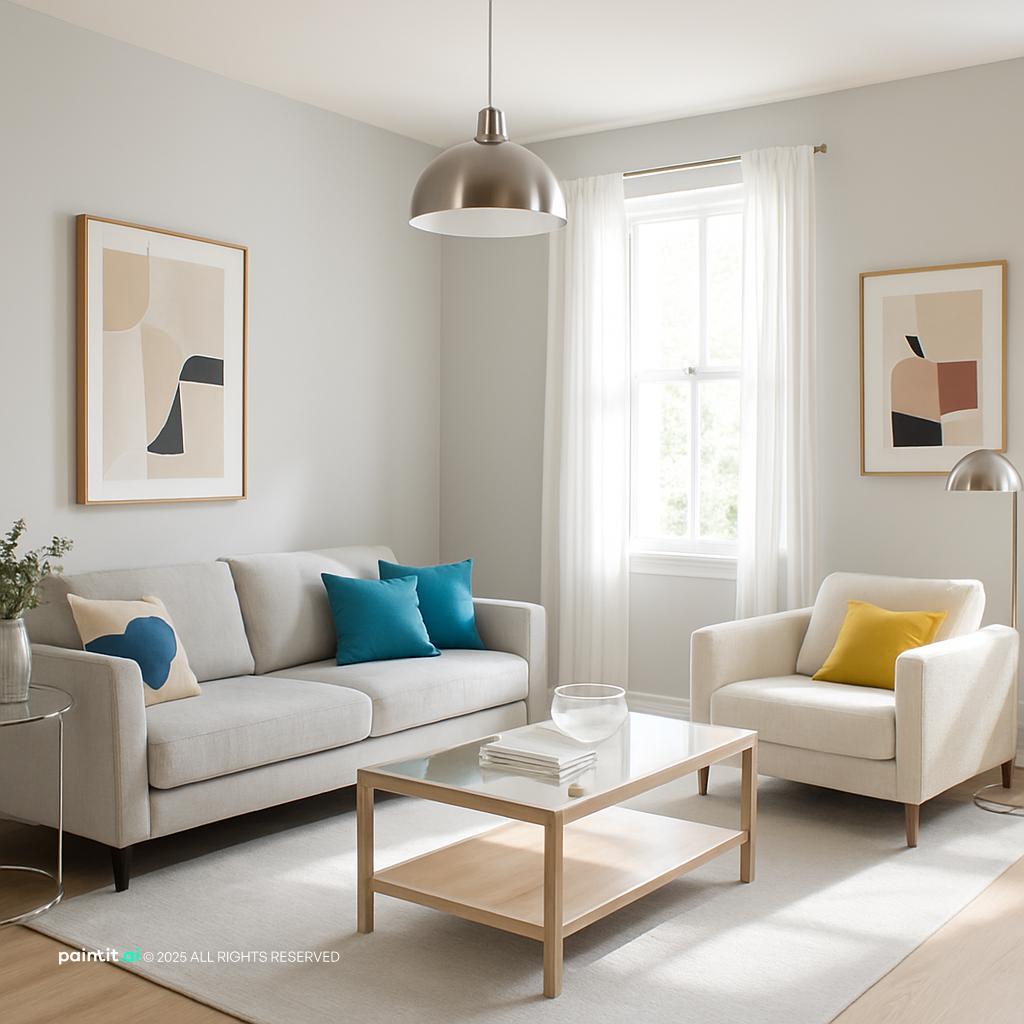
Grey and Brown Living Room Ideas with Grey Palette and Brown Warmth with Soft Textiles softens grey palette, brown warmth and soft textiles in a living room setting.
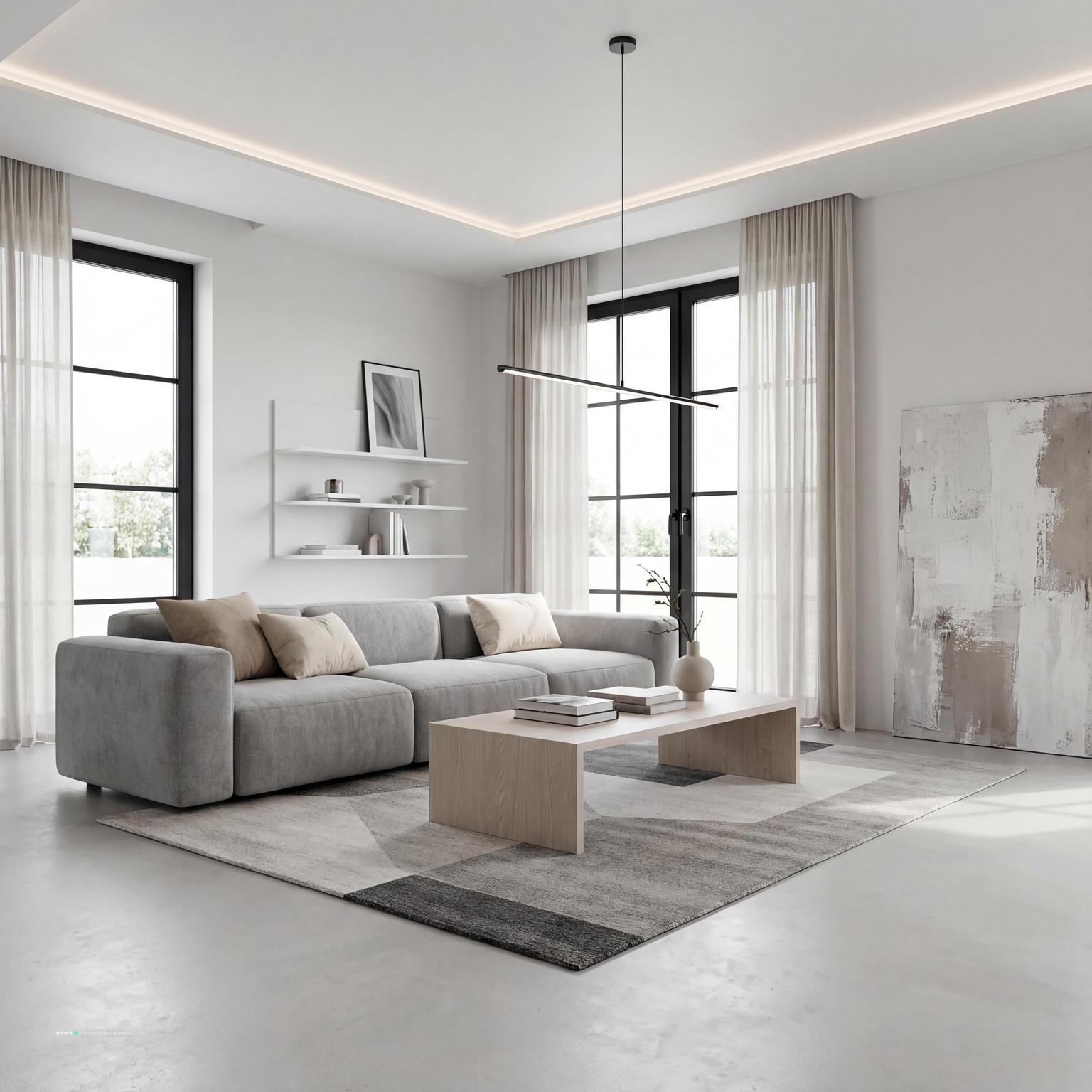
Stylish Minimalist Living Room Design uses grey palette, brown warmth and warm wood in a living room setting.
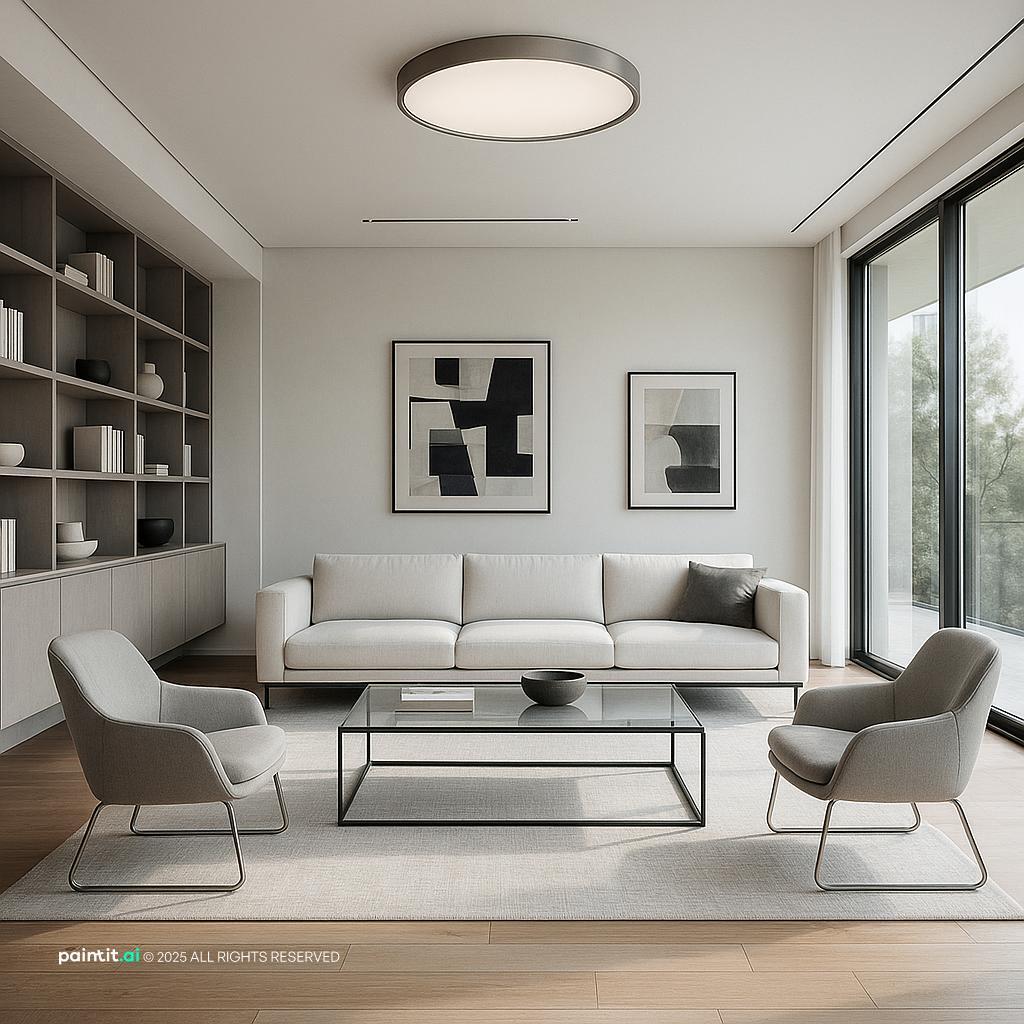
Modern Minimalist Living Room Design balances grey palette, brown warmth and metal accents in a living room setting.
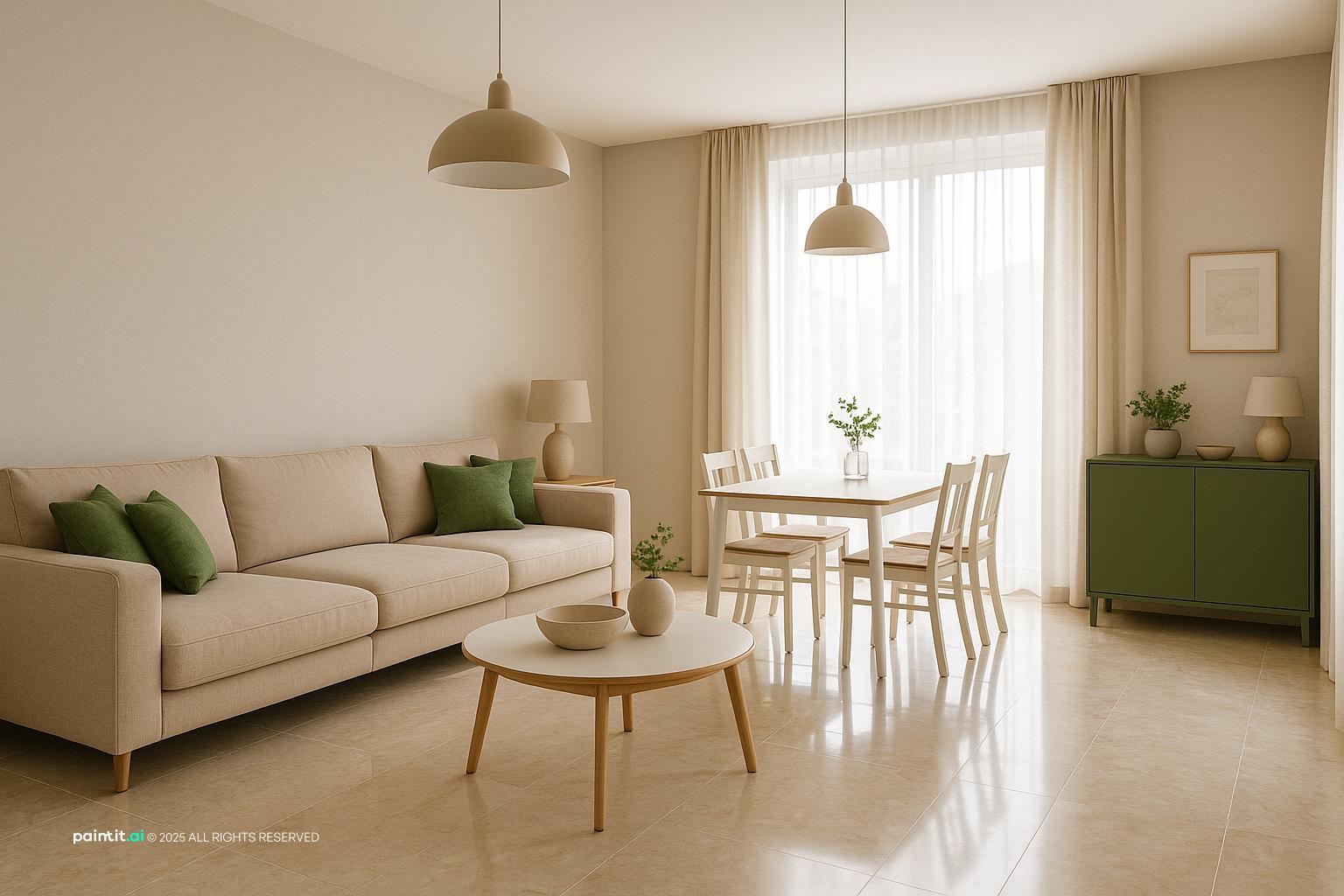
Grey and Brown Living Room Ideas with Grey Palette and Brown Warmth View 3 pairs grey palette, brown warmth and soft textiles in a living room setting.
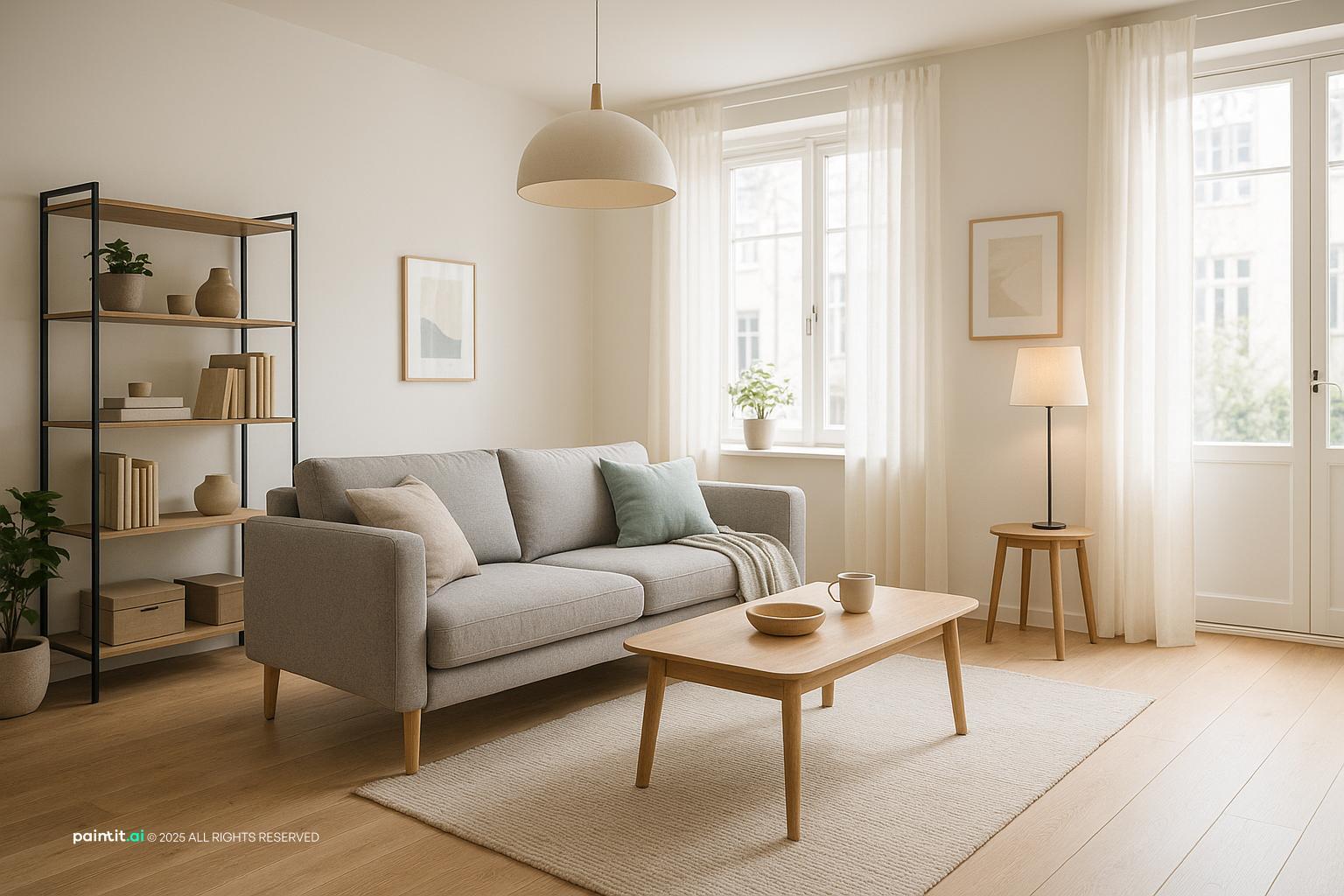
Scandinavian Style Living Room Design layers grey palette, brown warmth and soft textiles in a living room setting.
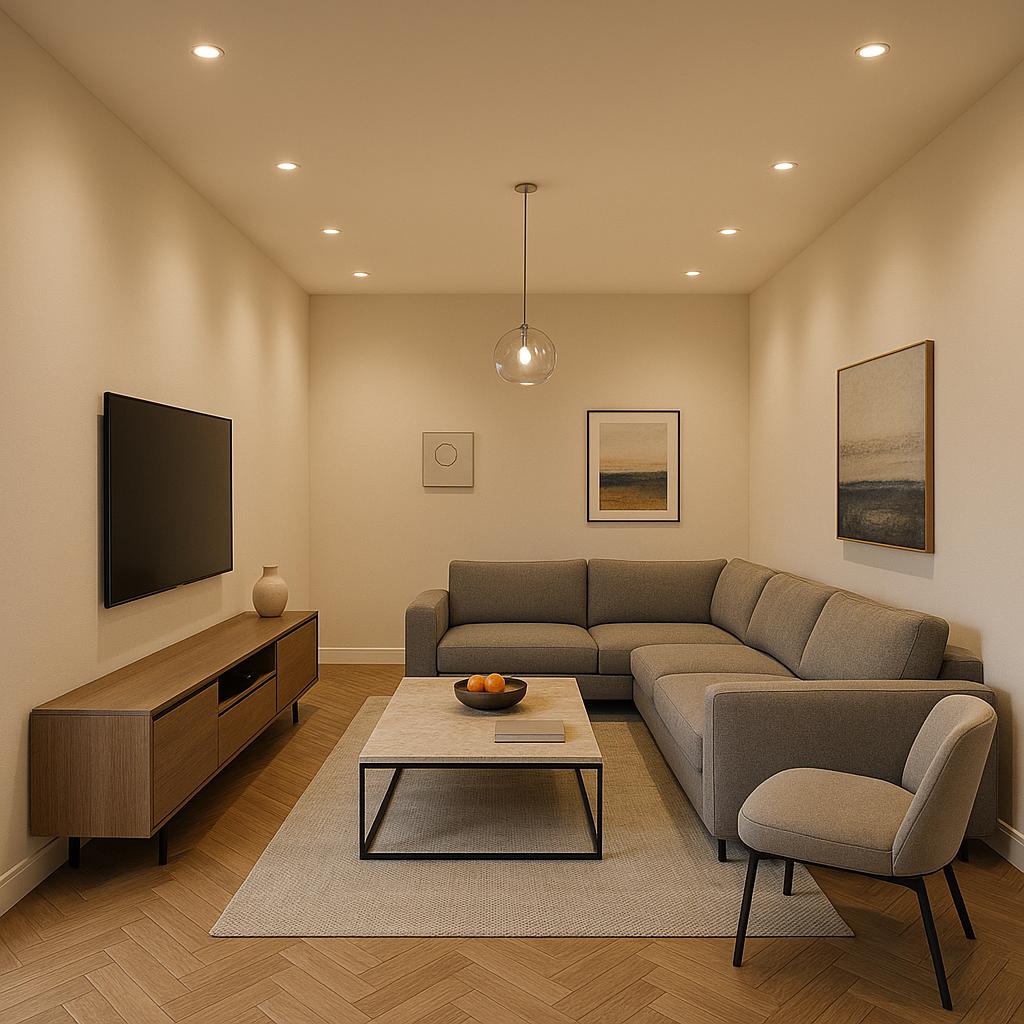
Luxury Modern Hotel Living Room Design anchors grey palette, brown warmth and metal accents in a living room setting.
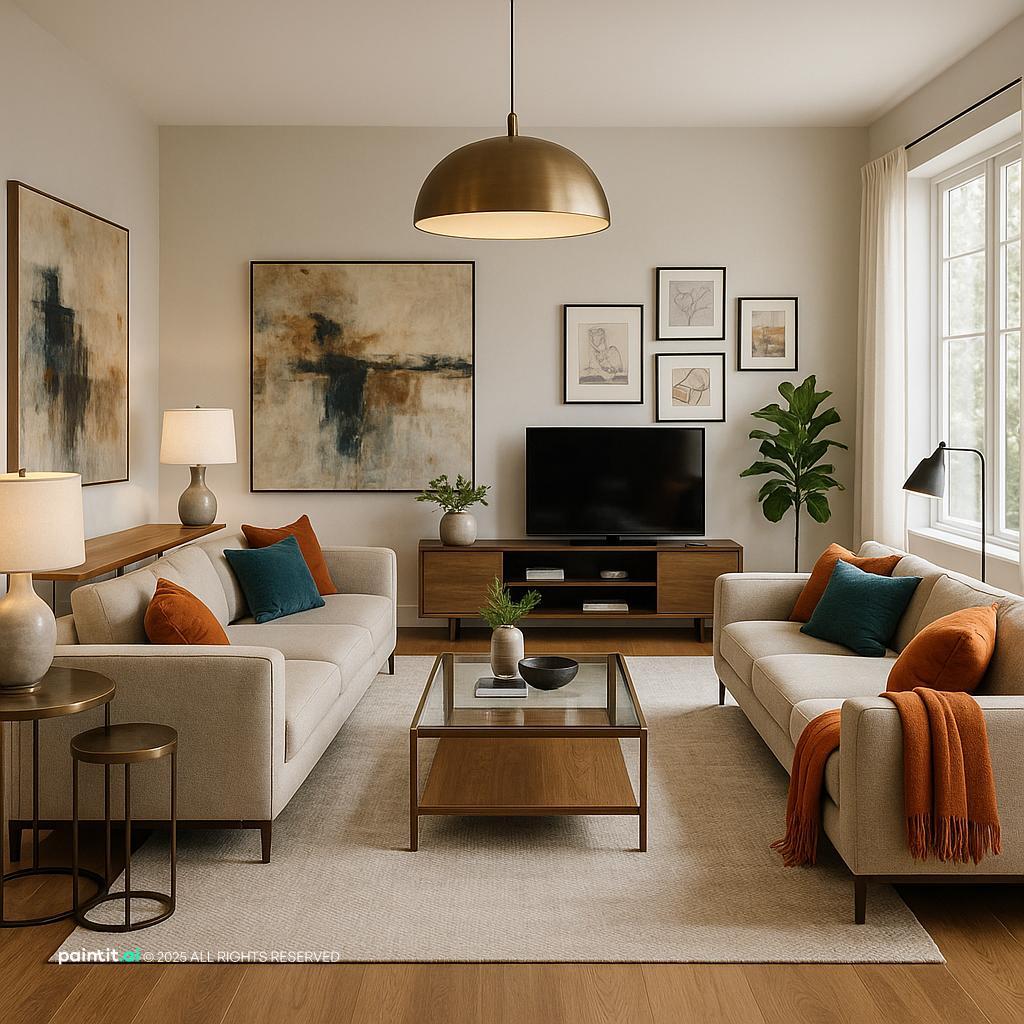
Modern Living Room Design Inspiration softens grey palette, brown warmth and soft textiles in a living room setting.
Use grey as the largest visual field if you want the room to feel calm and structured. That can mean grey walls, a grey sectional, a grey rug, or pale grey curtains. Then bring in brown where texture helps: a coffee table, leather chair, wood media unit, woven ottoman, side tables, or picture frames.
A useful starting ratio is 60% grey, 30% brown, and 10% accent color. You do not need to measure it, but it helps stop the room from turning muddy. The common mistake is using equal amounts of flat grey and flat brown on every surface. When both colors are matte and close in depth, the eye has nowhere to land.
Many real living rooms start with one large piece the homeowner wants to keep. Paintit.ai data shows that 12.0% of prompts include keep or do not change modifiers, and a dominant brown sofa is exactly the kind of item people work around. If you have a brown sofa, use grey to control its warmth: soft greige walls, a cool grey rug, or medium grey curtains can make the sofa look intentional instead of heavy.
For a brown sofa, choose a rug that reaches at least under the front legs of the sofa and chairs. That connects the seating group instead of leaving the sofa as a separate block. Add two or three throw pillows that repeat both color families, such as oatmeal, charcoal, tan, and muted olive. The grey elements frame the sofa, while small mixed-color details make the palette feel planned.
A grey sofa brown accents combination is one of the easiest ways to use this palette because the large upholstered piece stays quiet. Add brown through a walnut coffee table, caramel leather pouf, oak picture frames, cane cabinet, or dark wood floor lamp. Do not make every brown the same. A mix of light oak, tan leather, and darker walnut usually feels more natural.
Check the sofa shape before choosing the accents. If the sofa is deep and low, it needs a coffee table with enough presence, like thick wood legs or a stone top with brown veining. If the sofa is slim and upright, lighter brown accents will usually sit better. What fails in practice: adding only tiny brown objects, such as trays and vases, and expecting them to balance a large grey sectional.
The phrase brown leather sofa grey walls sounds simple, but undertone decides whether it works. Cognac leather often looks best with warm grey, taupe grey, mushroom, or soft stone. Dark espresso leather can handle cooler grey, especially when the room also has white trim, black metal, or a pale neutral rug to keep it from closing in.
Paint a sample board before committing. Look at it beside the sofa in morning and evening light. If the grey turns blue next to orange leather, bridge the gap with cream textiles, warm wood, or muted brass. For broader palette comparisons, the Paintit.ai article on best living room colors is useful when you are choosing between warm, cool, and mixed neutrals.
The rug is often the piece that makes a brown and grey living room feel coherent. Look for patterns that include both families: charcoal and beige, taupe and ivory, grey with tan borders, or a vintage-style rug with faded brown, cream, and slate. A plain rug can work too, but it should have texture, such as wool, jute blend, loop pile, or a subtle rib.
Size matters more than pattern. In most living rooms, the rug should sit under the front legs of the sofa and chairs, or fully under all seating if the room is large. A rug that floats in the middle makes the furniture feel disconnected. A correctly sized rug creates one visual island, so grey walls and brown furniture read as one composition instead of separate decisions.
For a modern grey and brown living room, reduce the number of decorative details and let shape and finish do more work. Choose a low-profile grey sofa, a walnut or smoked oak media unit, black or aged bronze metal finishes, and simple linen curtains. Keep the coffee table clear except for one tray, one book stack, and one sculptural object.
The point is contrast without clutter. Use one large piece of wall art rather than several small frames, and repeat the same metal finish on the floor lamp, curtain rod, and side table legs. Avoid too many rustic accessories in a modern room. If the wood is already strong, keep baskets, signs, and small decorative objects under control.
A grey accent wall can work behind a sofa, fireplace, or media wall if it strengthens the focal point. A brown accent wall is trickier unless it is a material, such as wood slats, brick, limewash, or paneling. In Paintit.ai tests, we often see more convincing results when users specify wood instead of only brown, because the design gains grain, shadow, and depth.
If the room is narrow, avoid making the long wall very dark; it can create a tunnel effect. Put the darker grey or brown on the shorter end wall instead, so it visually pulls that wall forward. Accent walls work best when they correct proportions or anchor a feature, not when they are added just because one wall is empty.
Warm greys, greige, taupe, and mushroom shades usually sit more easily with brown wood tones. Cool blue-grey can still work, but it needs a bridge: cream upholstery, a sandy rug, black metal, greenery, or artwork that contains both warm and cool notes. Without that bridge, the brown can look orange and the grey can look icy.
Use the largest fixed surfaces as your guide. If your flooring is honey oak, do not choose a cold grey wall without testing it. If your floor is cool concrete or grey tile, add warmer brown furniture and textured curtains so the room does not feel hard. The risky shortcut is choosing paint from a tiny chip under store lighting, then finding out it changes completely beside your sofa.
A living room needs storage, so let practical pieces carry some of the brown. A walnut media console, oak bookcase, dark wood nesting tables, or built-in shelving can warm up grey walls while also handling remotes, books, games, and baskets. This is stronger than relying only on small grey and brown living room decor.
Place the storage where it supports the room’s sightline. A low brown wood media unit works well under a TV because it grounds the black screen. A tall bookcase is better on a side wall where it will not overpower the seating. Functional brown pieces add scale, and scale is what makes the palette feel deliberate.
Curtains matter in grey and brown rooms because they take up vertical space. If the walls are grey and the floor is brown wood, choose curtains in oatmeal, warm white, stone, or pale taupe. Hang them high and wide so they frame the window without stealing daylight.
Avoid shiny grey curtains unless the room is intentionally glam or formal. In everyday living rooms, matte linen, cotton blend, or textured weave usually looks better. If the room feels too brown, curtains are a good place to add grey accents without repainting. If it feels too grey, choose warmer fabric and repeat that warmth in pillows or a throw.
Grey and brown can support many accent colors, but the best choice depends on undertone. Muted green works well with wood and leather. Terracotta warms up cool grey. Soft blue can freshen a room with dark brown furniture. Black sharpens the scheme, while cream makes it gentler.
Keep the accent color on moveable pieces first: cushions, art, a lamp shade, ceramics, or a throw. That gives you room to adjust later. Do not add five unrelated accent colors just because the neutral room feels plain. If the base feels flat, fix texture and lighting before adding more color.
A grey brown living room color scheme is easier to solve if you adjust one layer at a time. Start with the largest items: wall color, sofa, rug, and main wood tone. Then refine with lamps, curtains, pillows, art, and smaller decor. Paintit.ai users often work this way too; 15.0% of prompts use refinement language such as instead, now, a bit, more, or less.
If you are redesigning around existing furniture, take a photo and test several versions before buying. You can keep the sofa, change the wall color, add a rug, or try different art using AI virtual staging. The room becomes a sequence of decisions, not one expensive guess.
Use the second gallery to compare how depth changes the same palette. Pale grey and oak feels airy. Mid-grey and walnut feels balanced and practical. Charcoal and dark leather needs stronger lighting and lighter textiles to stay comfortable.
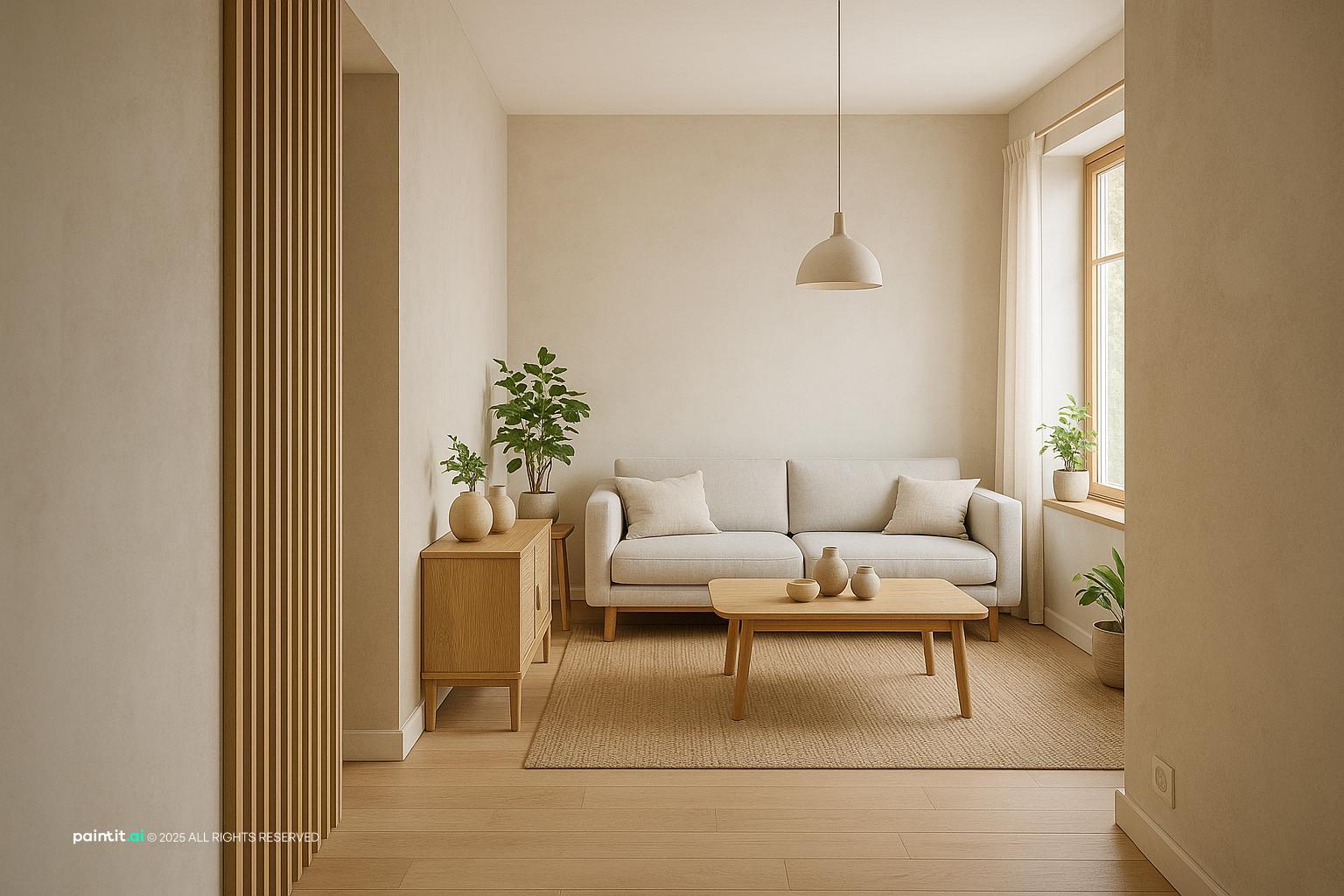
Grey and Brown Living Room Ideas with Grey Palette and Brown Warmth with Warm Wood uses grey palette, brown warmth and warm wood in a living room setting.
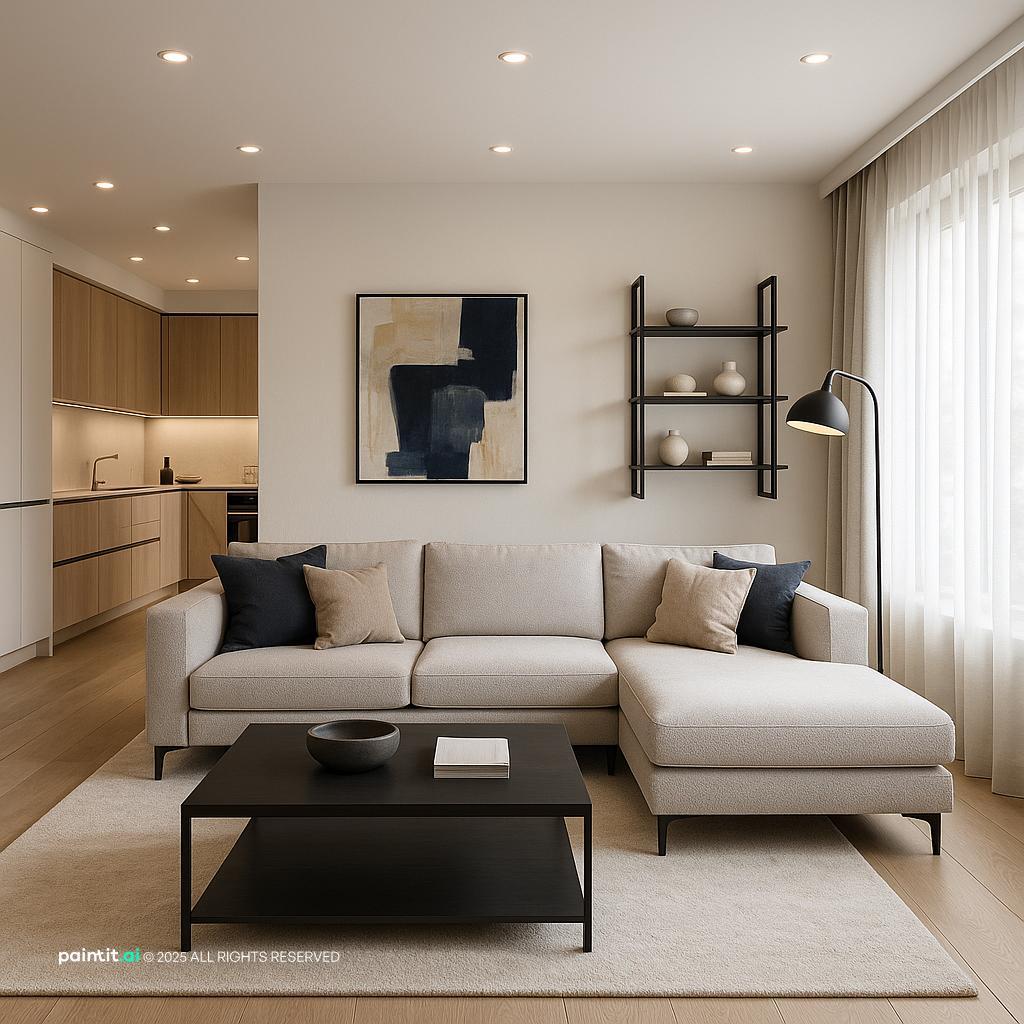
Stylish Modern Living Room Design balances grey palette, brown warmth and metal accents in a living room setting.
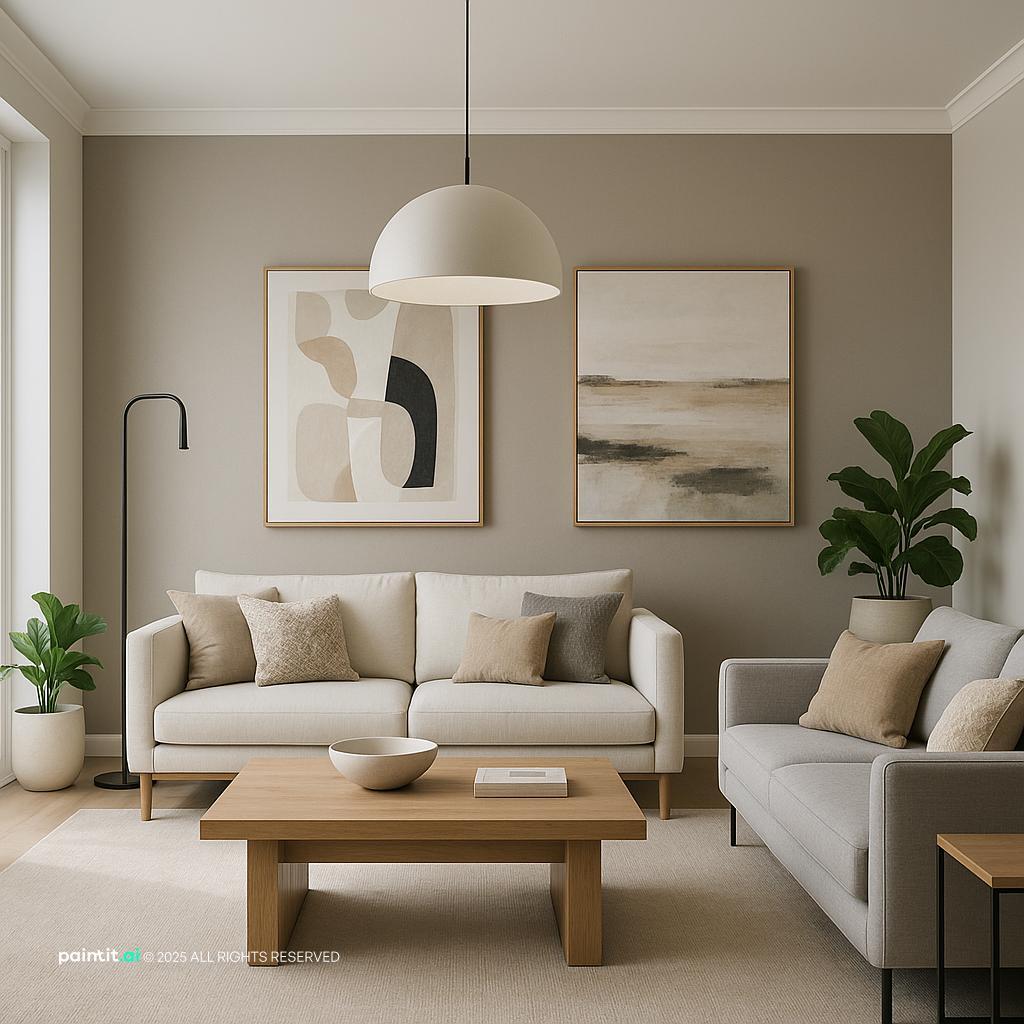
Modern Living Room Redesign Inspiration pairs grey palette, brown warmth and soft textiles in a living room setting.
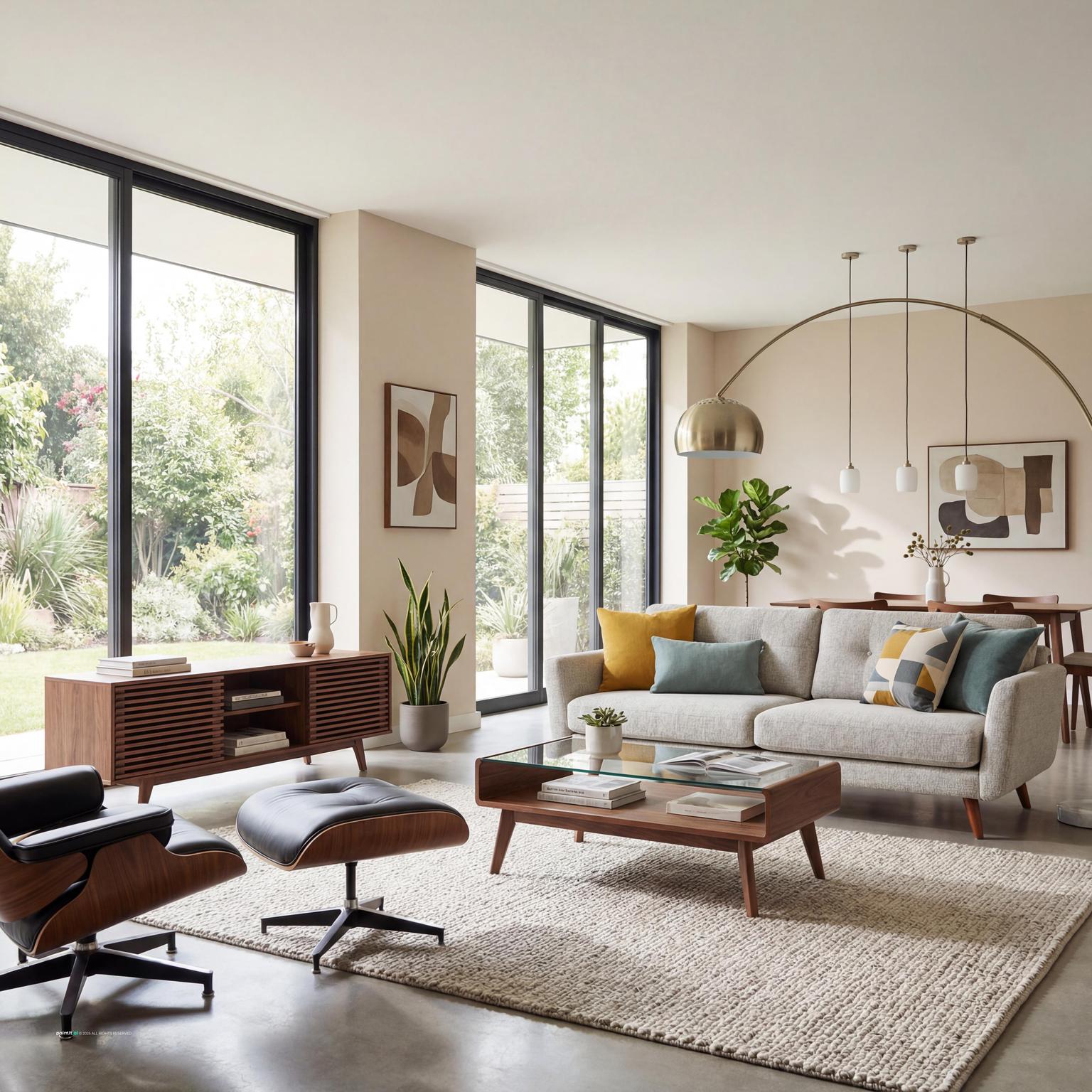
Stunning Mid-Century Modern Living Room layers grey palette, brown warmth and warm wood in a living room setting.
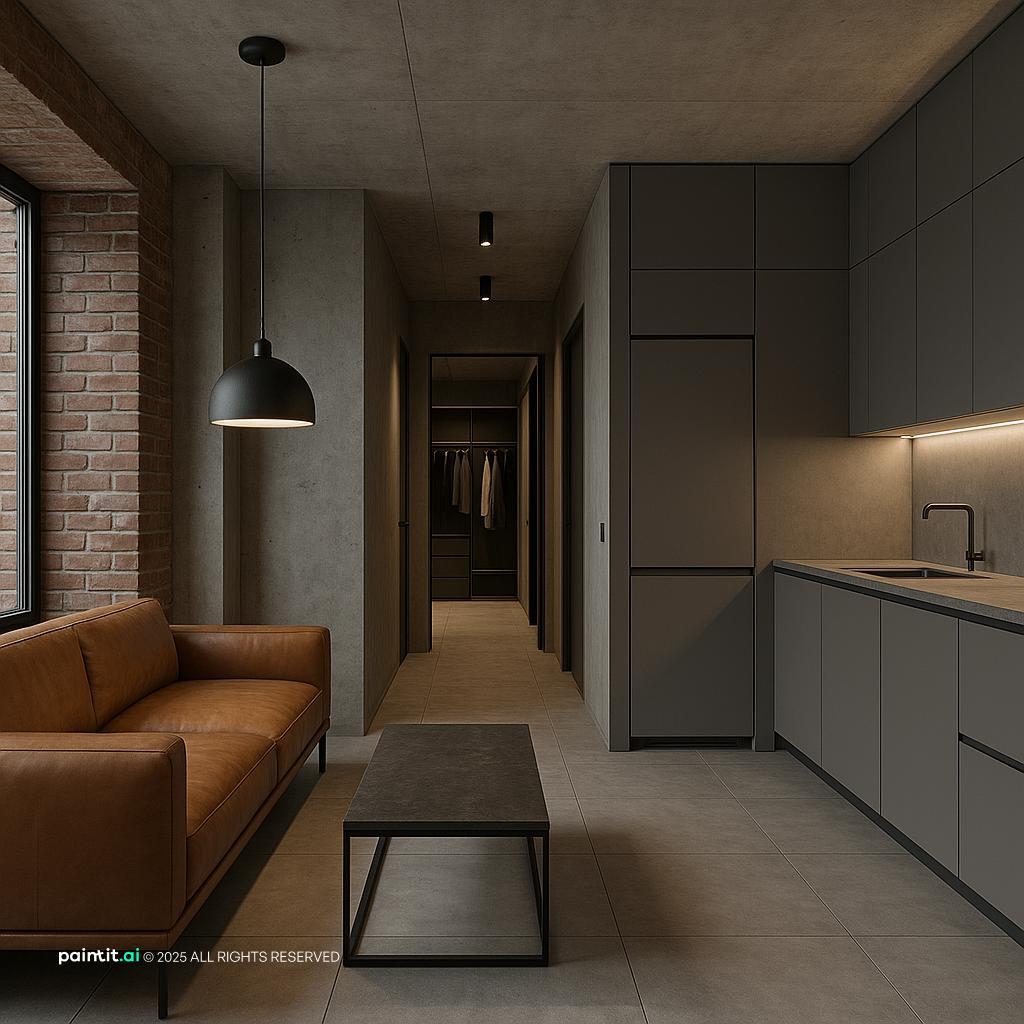
Stunning Minimalist Loft Apartment Design anchors grey palette, brown warmth and metal accents in a living room setting.
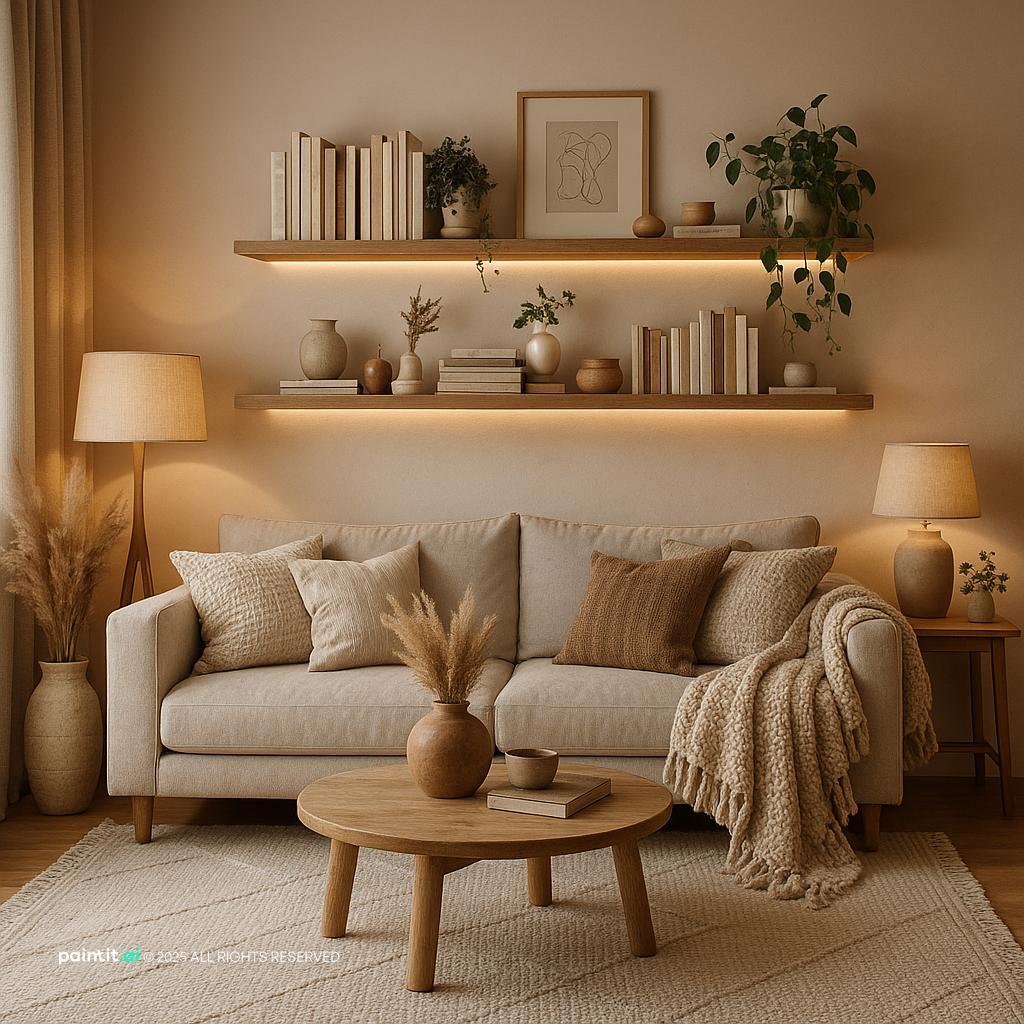
Cozy Scandinavian-Bohemian Living Room Design softens grey palette, brown warmth and soft textiles in a living room setting.
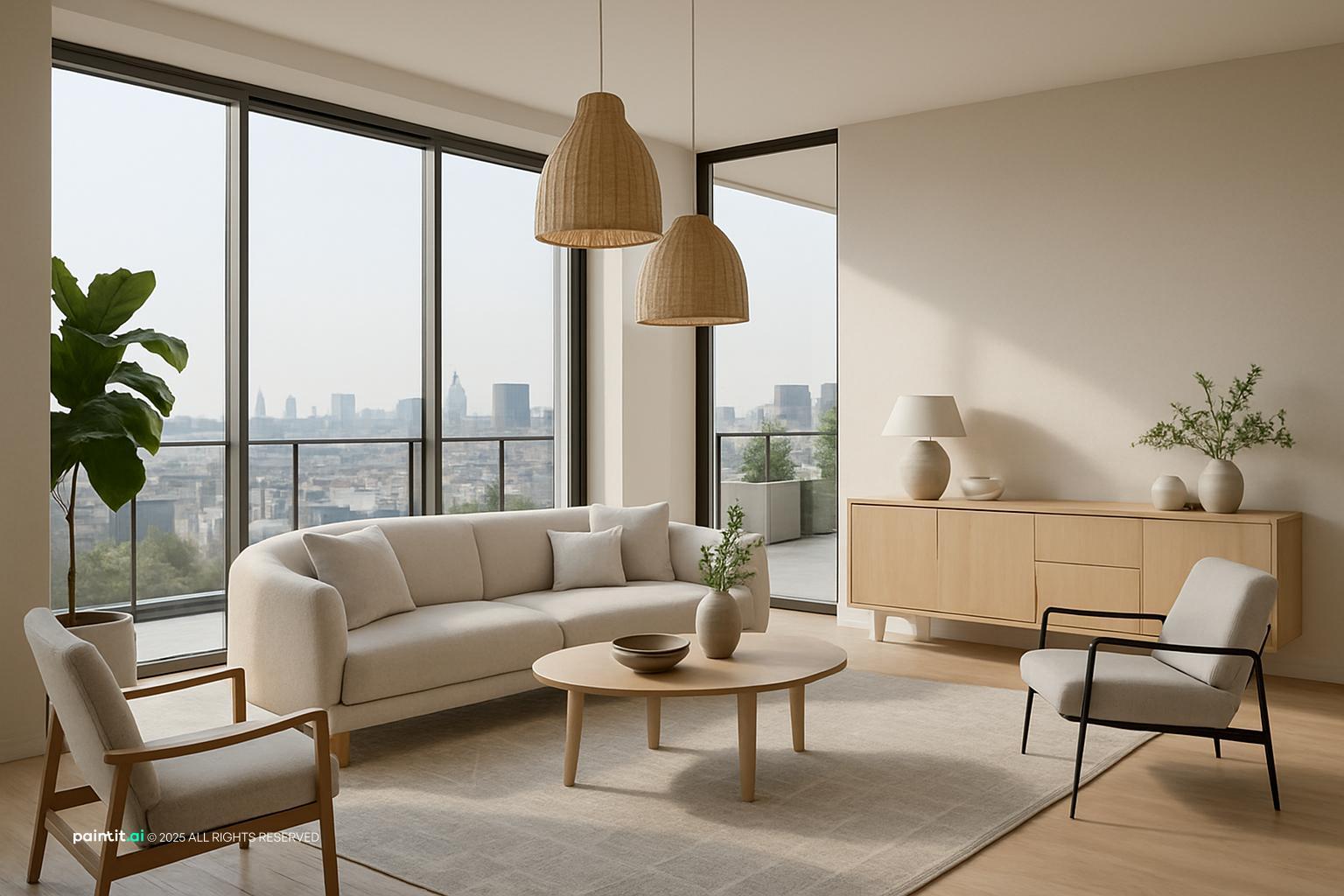
Luxury Scandinavian Living Room with City Views uses grey palette, brown warmth and soft textiles in a living room setting.
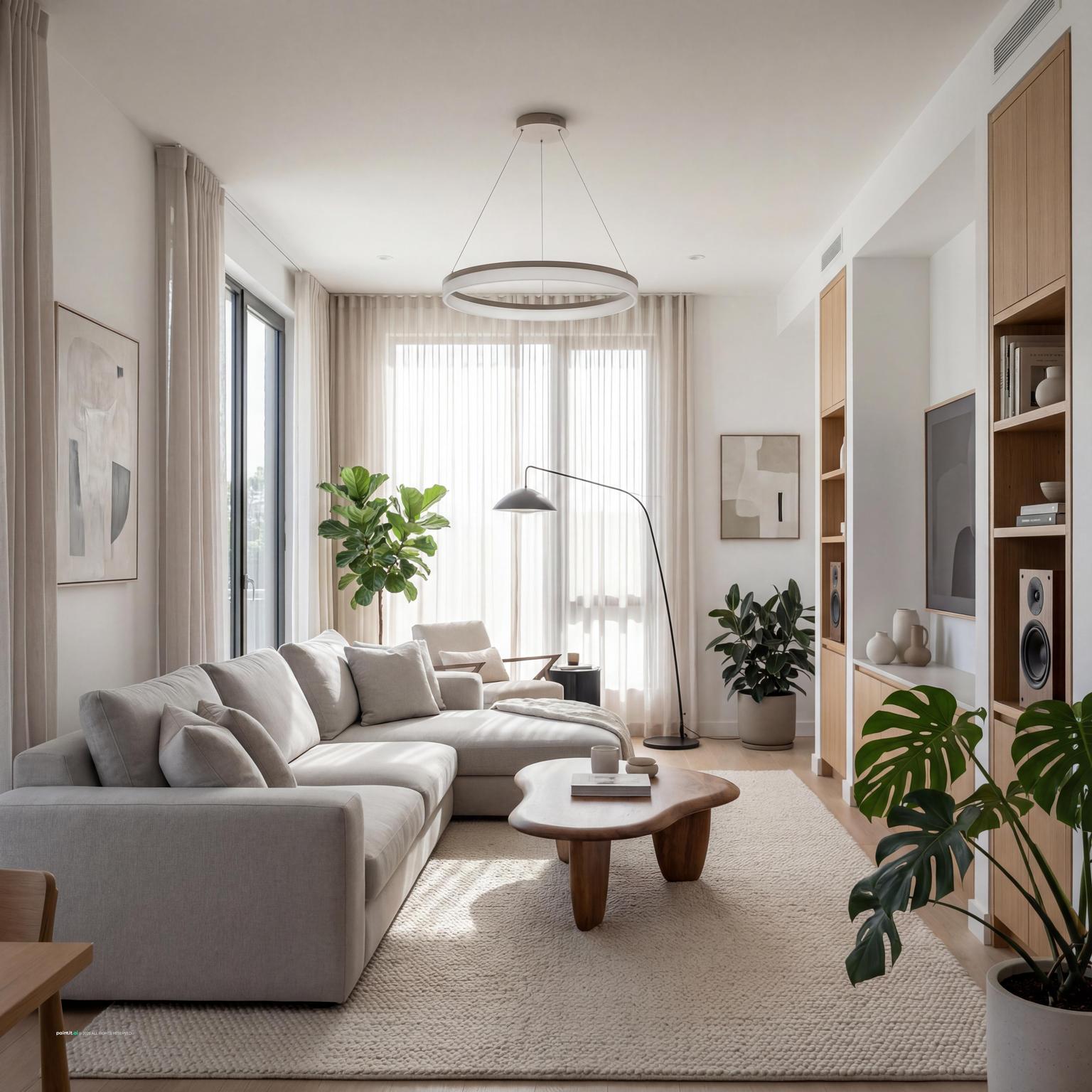
Elegant Contemporary Living Room Design 2025 balances grey palette, brown warmth and warm wood in a living room setting.
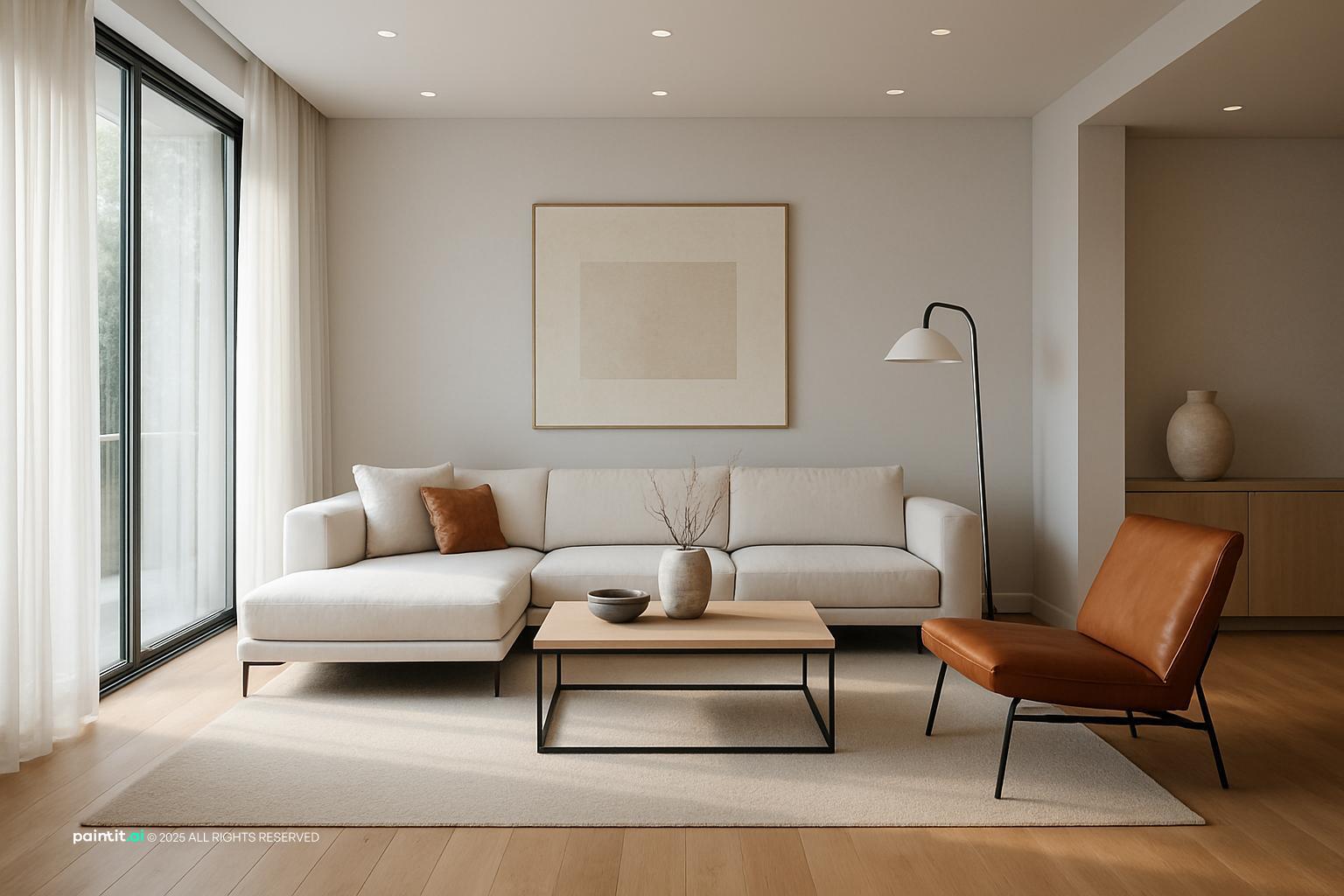
Grey and Brown Living Room Ideas with Grey Palette and Brown Warmth View 5 pairs grey palette, brown warmth and warm wood in a living room setting.
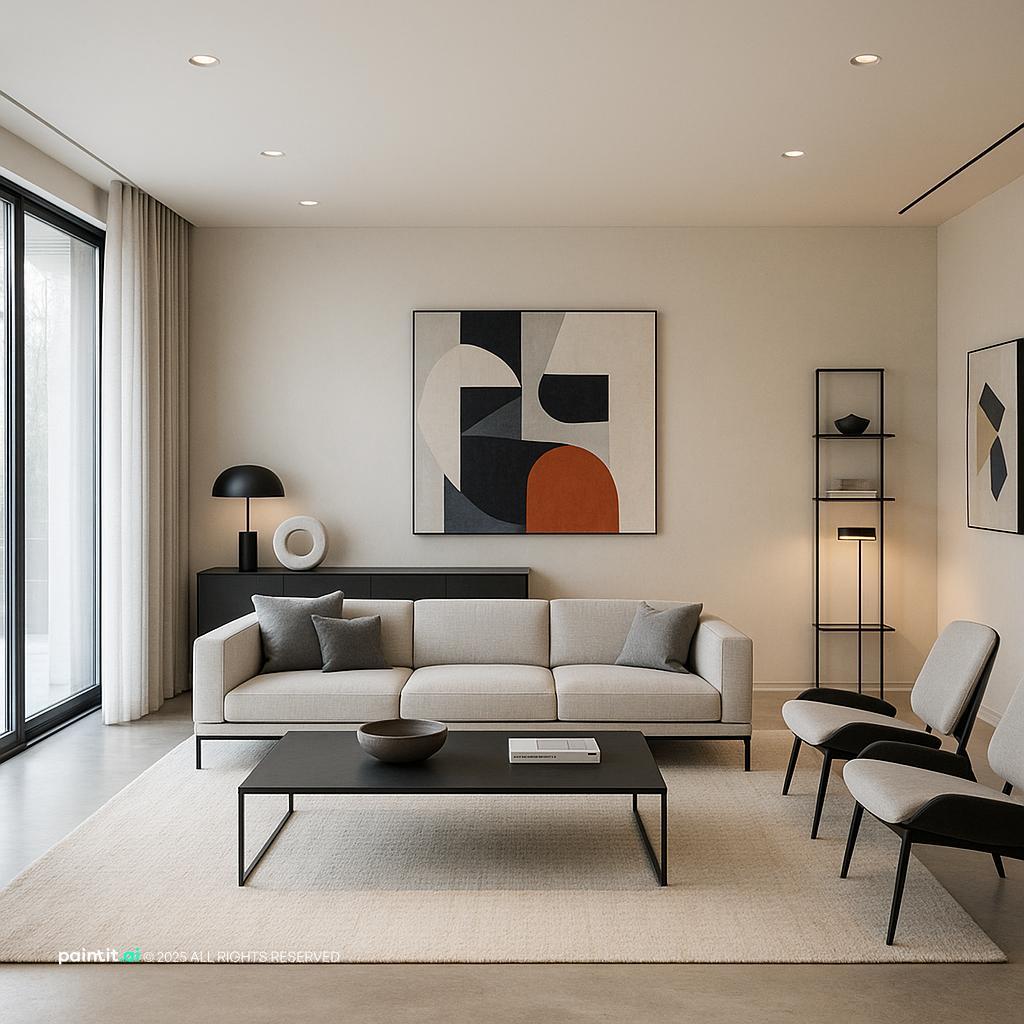
Modern Living Room Design for 2025 layers grey palette, brown warmth and clean-lined furniture in a living room setting.
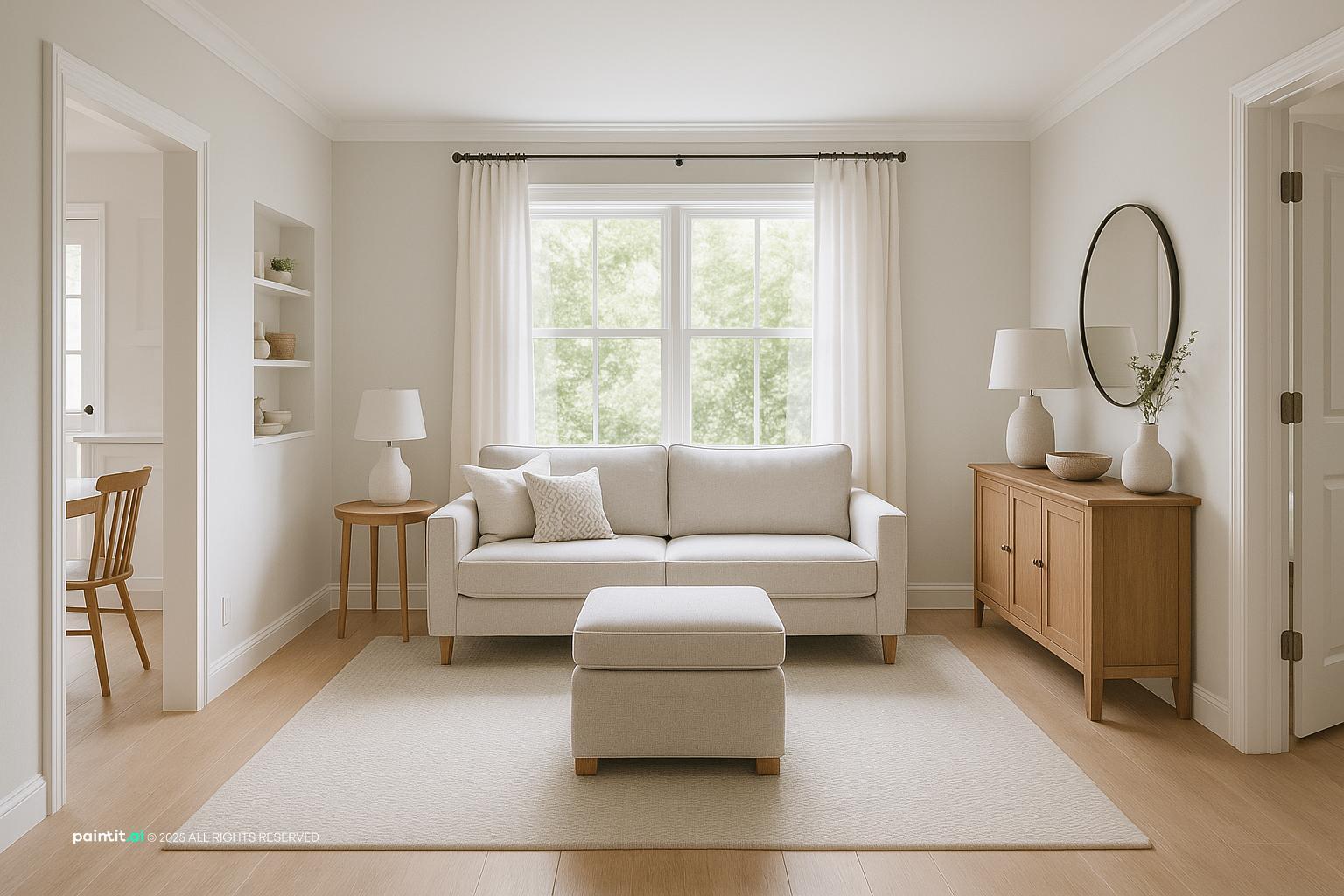
Transitional Compact Living Room Design anchors grey palette, brown warmth and warm wood in a living room setting.
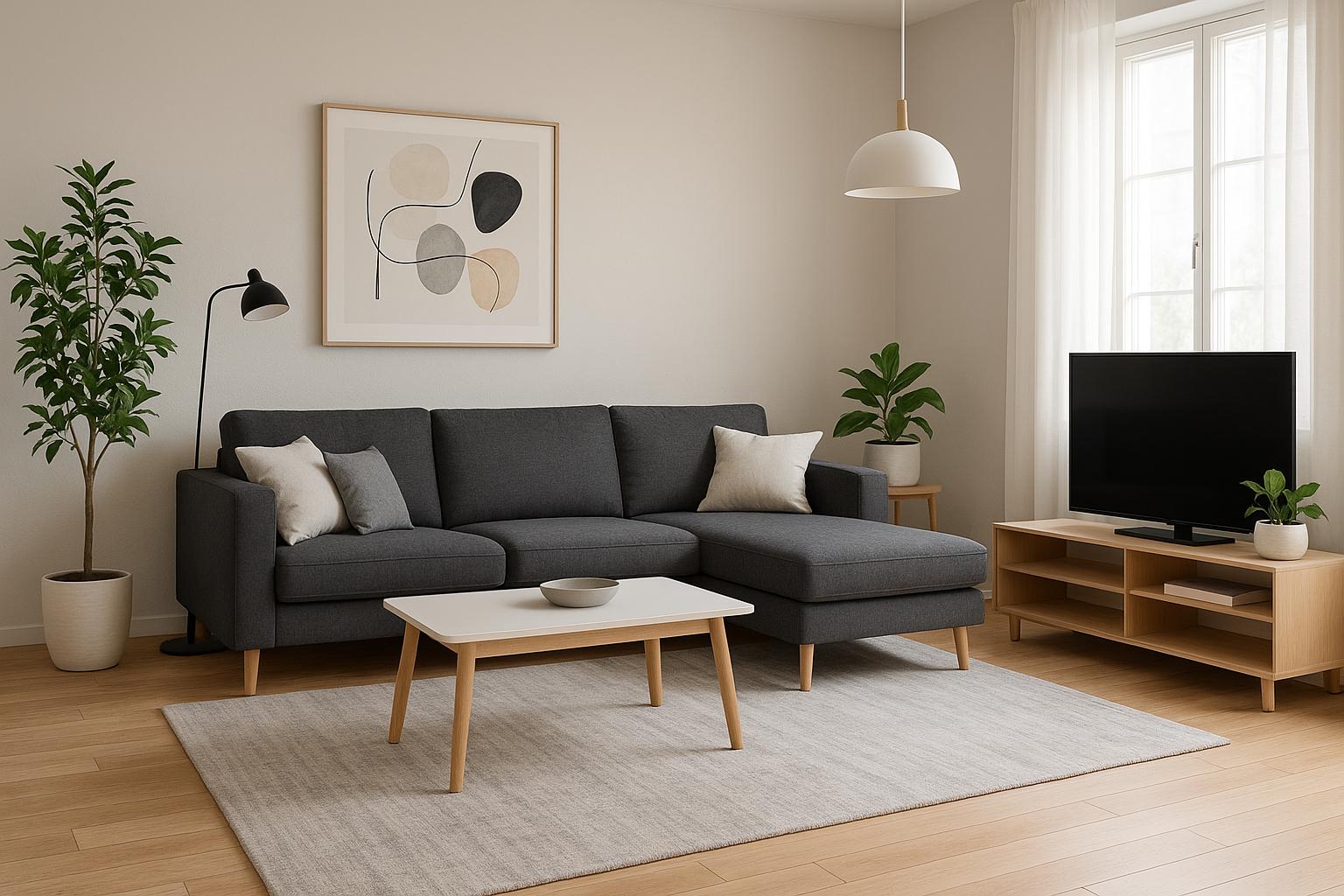
Modern Scandinavian Living Room Design softens grey palette, brown warmth and warm wood in a living room setting.
Grey paint names can be misleading. A color called stone may turn blue in a north-facing room, while a taupe grey may look beige beside warm wood. Test large swatches near the sofa, flooring, and window trim. Use warm grey with honey oak, cognac leather, and brass; use cooler grey with espresso wood, black metal, or crisp white architecture.
Avoid choosing the darkest grey first. In living rooms, walls collect shadows behind sofas, curtains, and bookcases. If the room has limited daylight, one step lighter than your first choice often looks closer to the mood you wanted.
Brown is most convincing when it comes from a material. In Paintit.ai data, material is specified in 19.0% of prompts, and we see why: wood, marble, brick, leather, and woven fibers give the palette depth that plain color blocks cannot. Use oak for casual warmth, walnut for depth, leather for weight, and rattan or jute for a lighter natural note.
Avoid using too many manufactured brown finishes that are close but not quite the same. If the floor, TV unit, side table, and frames are all different reddish browns, the room can feel accidental. Choose one dominant wood family and let smaller pieces vary more subtly.
Metal is the quiet third player in this palette. Black metal makes grey and brown feel more graphic. Aged brass warms cool grey and works well with cognac leather. Brushed nickel or pewter can suit a cooler room, especially with slate grey, espresso furniture, and marble.
Repeat the metal finish at least twice: lamp base and curtain rod, coffee table legs and picture frames, or cabinet hardware and floor lamp. Avoid scattering chrome, brass, black, and copper equally across the room unless the style is deliberately eclectic.
Use textiles to break up the density of grey walls and brown furniture. A neutral rug, linen curtains, boucle chair, wool throw, velvet pillow, or woven basket can add softness without bringing in loud color. If the sofa is leather, add fabric pillows and a textured throw. If the sofa is grey fabric, add a leather cushion, suede ottoman, or wood side table nearby.
Avoid matching every pillow to the sofa. Mix one light neutral, one darker shade, and one patterned piece that includes both grey and brown. That gives you decor balance without making the seating look staged and stiff.
Only 5.9% of Paintit.ai prompts specify lighting, yet lighting is one of the main reasons grey and brown rooms look flat in both renders and real rooms. Use ambient light for overall brightness, task light near reading seats, and accent light to catch art, shelves, plants, or textured walls. A single ceiling fixture rarely does enough.
Place a floor lamp near the darker side of a brown sofa, add a table lamp on a wood side table, and use warm bulbs so grey walls do not look cold at night. Avoid strong overhead glare on leather because it can create shiny patches and make the sofa look bulkier.
Wall art can connect grey and brown without being literal. Look for pieces with charcoal, cream, sepia, muted green, rust, soft black, or sandy tones. Large-scale art works especially well above a sofa because it balances the width of the seating and gives the eye a clear focal point.
Avoid hanging several small frames too high above the sofa. Keep the bottom edge close enough to relate to the furniture, often around a handspan above the sofa back. If the room already has strong wood tones, use thinner frames so the wall does not become visually heavy.
Brown pieces usually feel heavier than grey ones, especially if they are leather, dark wood, or bulky. Spread that weight around the room. If the sofa is brown, use a wood or leather detail on the opposite side, such as a chair, frame, or cabinet. If the main sofa is grey, place brown accents in at least two areas so the color does not sit only at the coffee table.
Avoid pushing all dark elements to one wall. The room will feel lopsided, and the traffic path may feel cramped even if the furniture technically fits. Check the room from the doorway first; that first sightline often shows whether the color weight is balanced.
Paintit.ai is useful for this palette because small differences in grey, brown, lighting, and material can change the whole room. Upload a real living room photo, keep the pieces you want to keep, then test grey walls, brown seating, wood tones, curtains, rug sizes, and lighting mood around your actual windows and layout.
For a more structured process, use how to redesign a living room with Paintit.ai to turn these ideas into a practical design brief. You can also use AI room design when you want to compare style directions, from soft traditional to cleaner modern layouts, before spending money on paint, furniture, or finishes.
Yes. Grey gives the living room structure, while brown adds warmth and texture. The pairing works best when brown comes through wood, leather, brick, or woven materials instead of flat color alone.
Start with the largest pieces: walls, sofa, rug, and flooring. Then repeat both colors in smaller details such as throw pillows, curtains, wall art, lamps, and wood furniture so the room feels connected.
Muted green, cream, black, terracotta, soft blue, and aged brass all work well. Choose one or two accents and repeat them lightly instead of adding several competing colors.
Use layered lighting, varied textures, and clear contrast. Add table lamps, floor lamps, a textured neutral rug, linen curtains, wood grain, leather, and artwork so the room has shadows, highlights, and depth.
Grey is often easier as the main background color, especially on walls, curtains, or a sofa. Brown usually works best as the warmer material layer through furniture, flooring, leather, wood tones, and accents.