
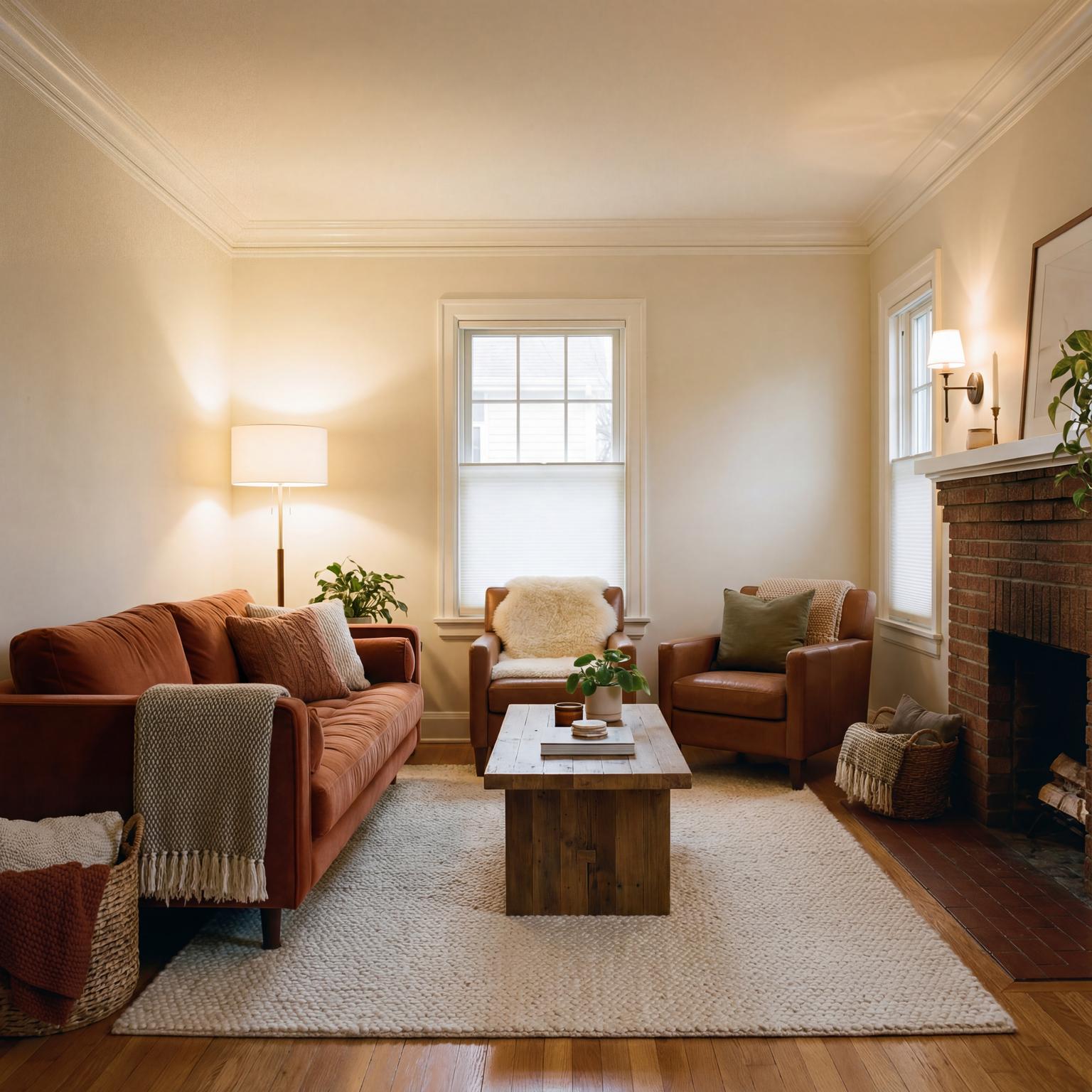
Cozy Small Living Room Inspirations
Cozy Small Living Room Inspirations uses fireplace focal point, compact proportions and soft textiles in a living room setting.
A small living room with fireplace can feel warm, grounded, and finished. It can also feel cramped fast if the layout ignores the hearth. In a compact room, sofa depth, chair angle, rug size, mantel decor, and TV placement all affect whether the space works in daily life. Start by treating the fireplace as the fixed anchor. In Paintit.ai data, 12.0% of users use keep or don't change instructions, and this room type is a perfect example of why that matters. Keep the architectural feature, then make the furniture, palette, lighting, and storage work around it.
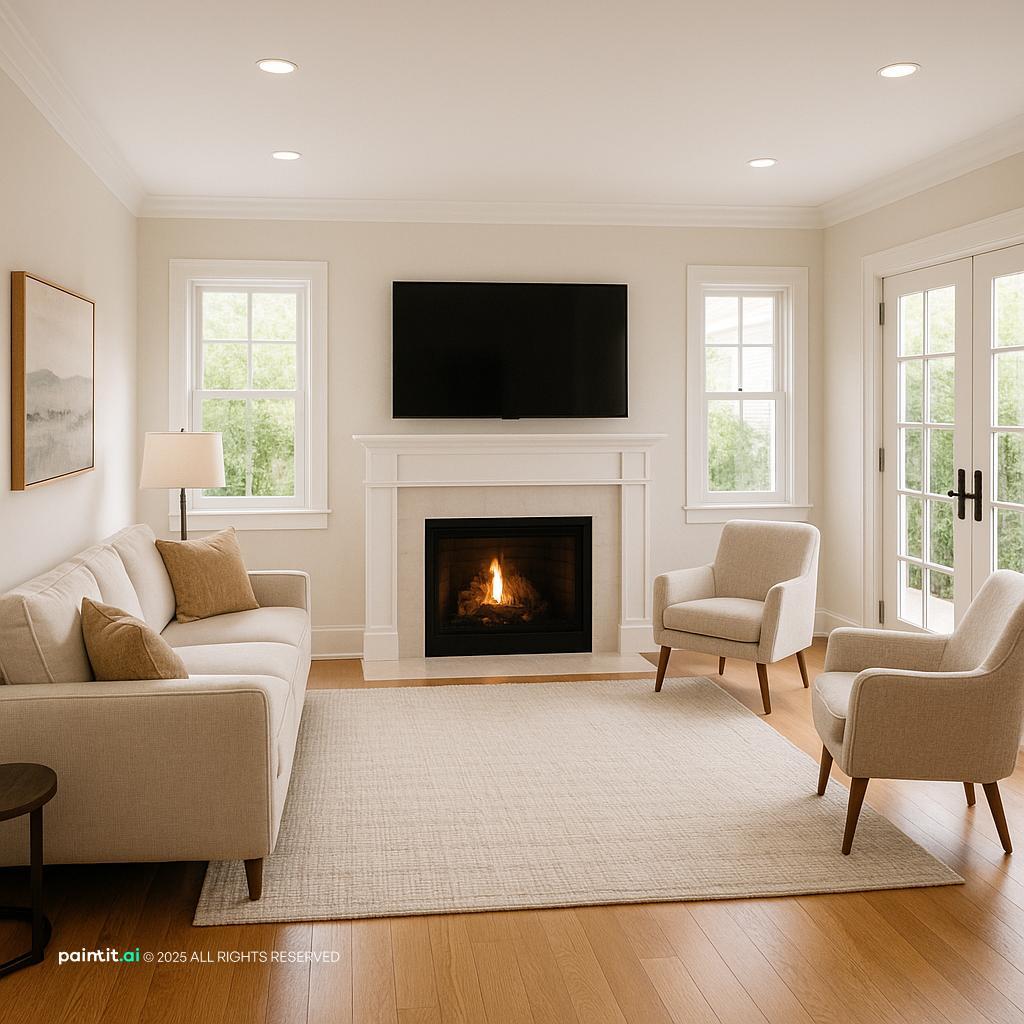
The fireplace is not just a pretty wall. It changes traffic flow, seating direction, visual weight, storage, and where people naturally look when they enter the room. When planning your AI living room design, lock the fireplace into the floor plan first. Then decide where the main seat, secondary chairs, rug, media wall, and walking path belong.
Small rooms do not forgive vague planning. Paintit.ai users mention room type in 22.1% of prompts and dimensions in 3.2%, which tells us something practical: people know size is the problem, even when they do not have exact measurements. A 10-by-12 living room cannot take a deep sectional, a chunky coffee table, and a crowded mantel the way a larger room can. I would treat this as a layout puzzle first and a decorating project second.
Use the first gallery to study how seating can face, frame, or angle toward the fireplace without blocking the hearth, pinching the walking path, or making the room feel packed.
Cozy Small Living Room Inspirations uses fireplace focal point, compact proportions and soft textiles in a living room setting.
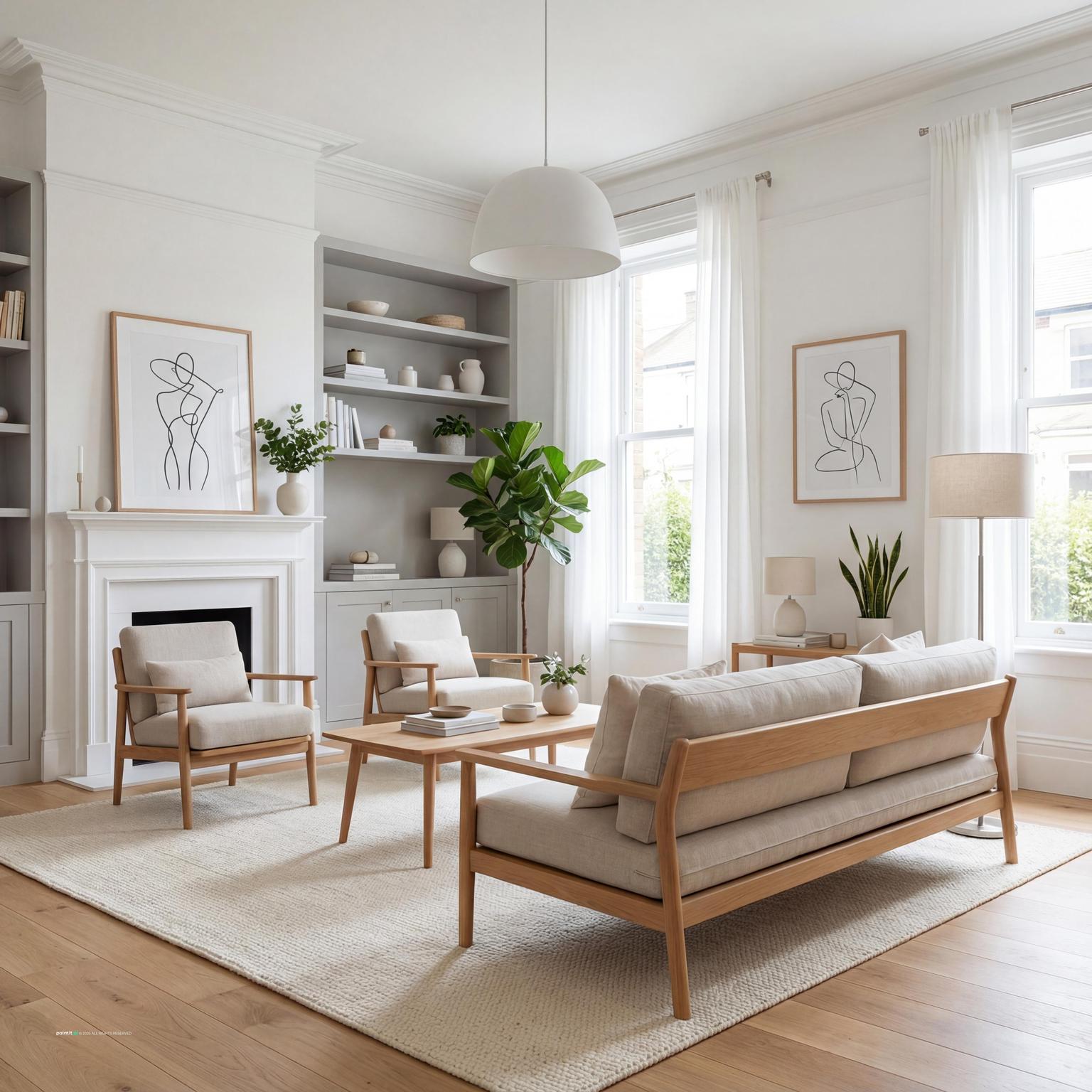
Scandinavian Living Room Redesign balances fireplace focal point, compact proportions and space-saving storage in a living room setting.
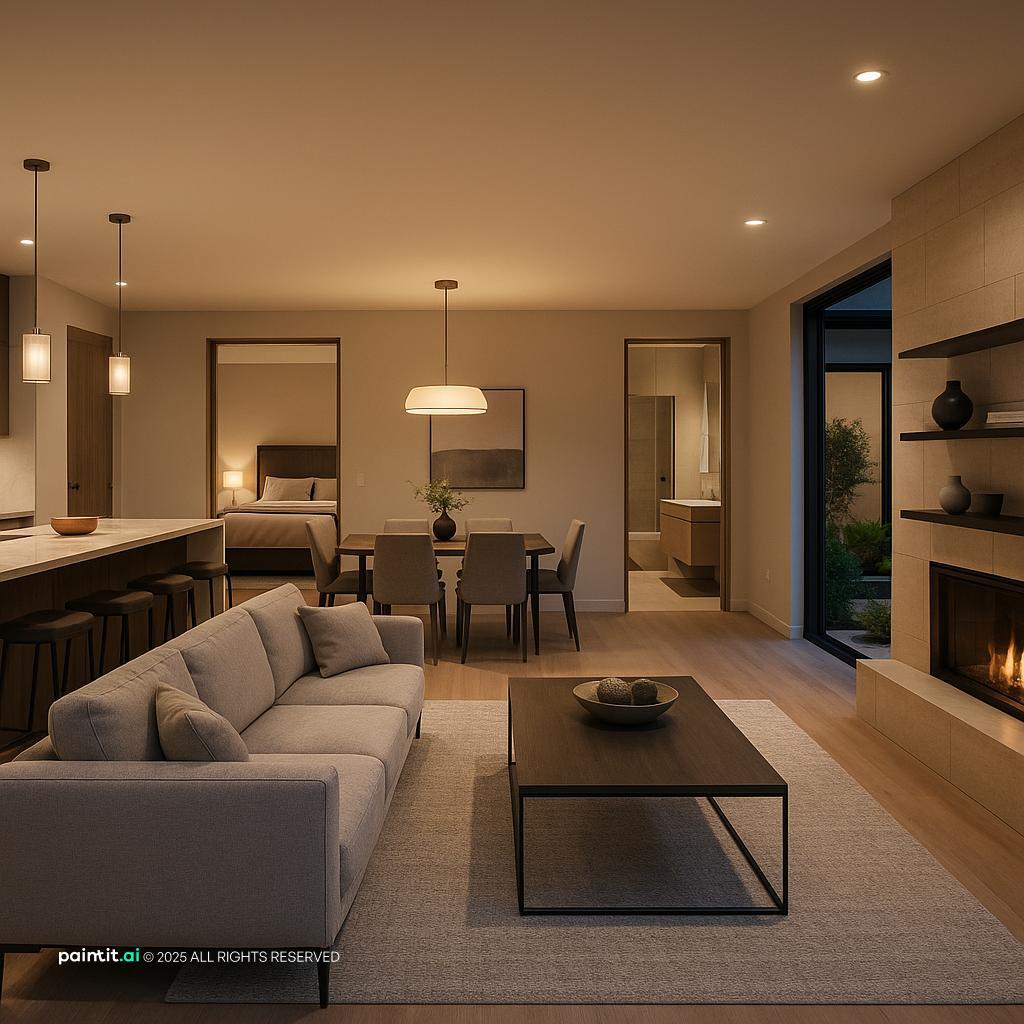
Stunning Open-Concept Interior Design pairs fireplace focal point, compact proportions and space-saving storage in a living room setting.
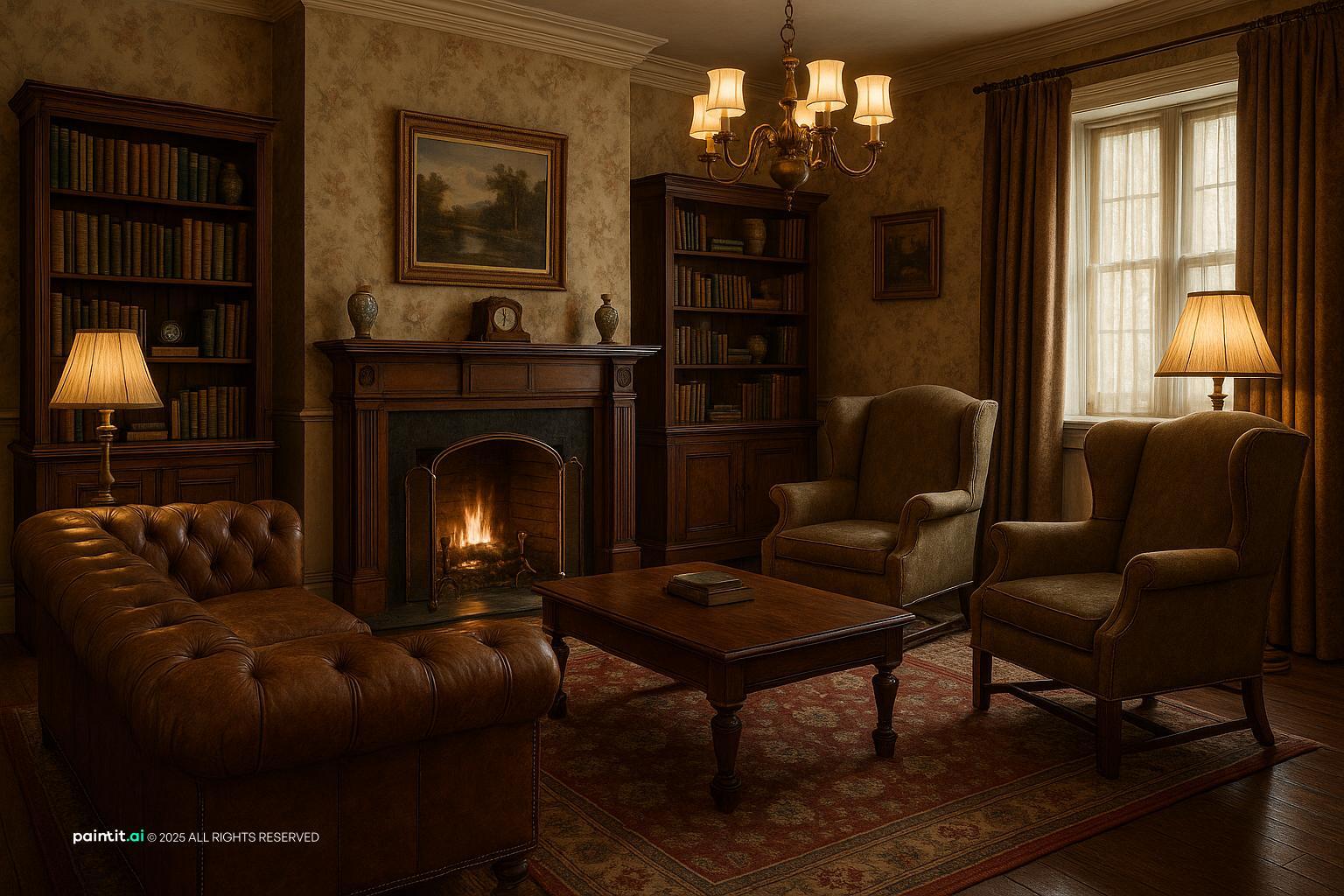
Elegant Vintage Living Room Design layers fireplace focal point, metal accents and natural light in a living room setting.
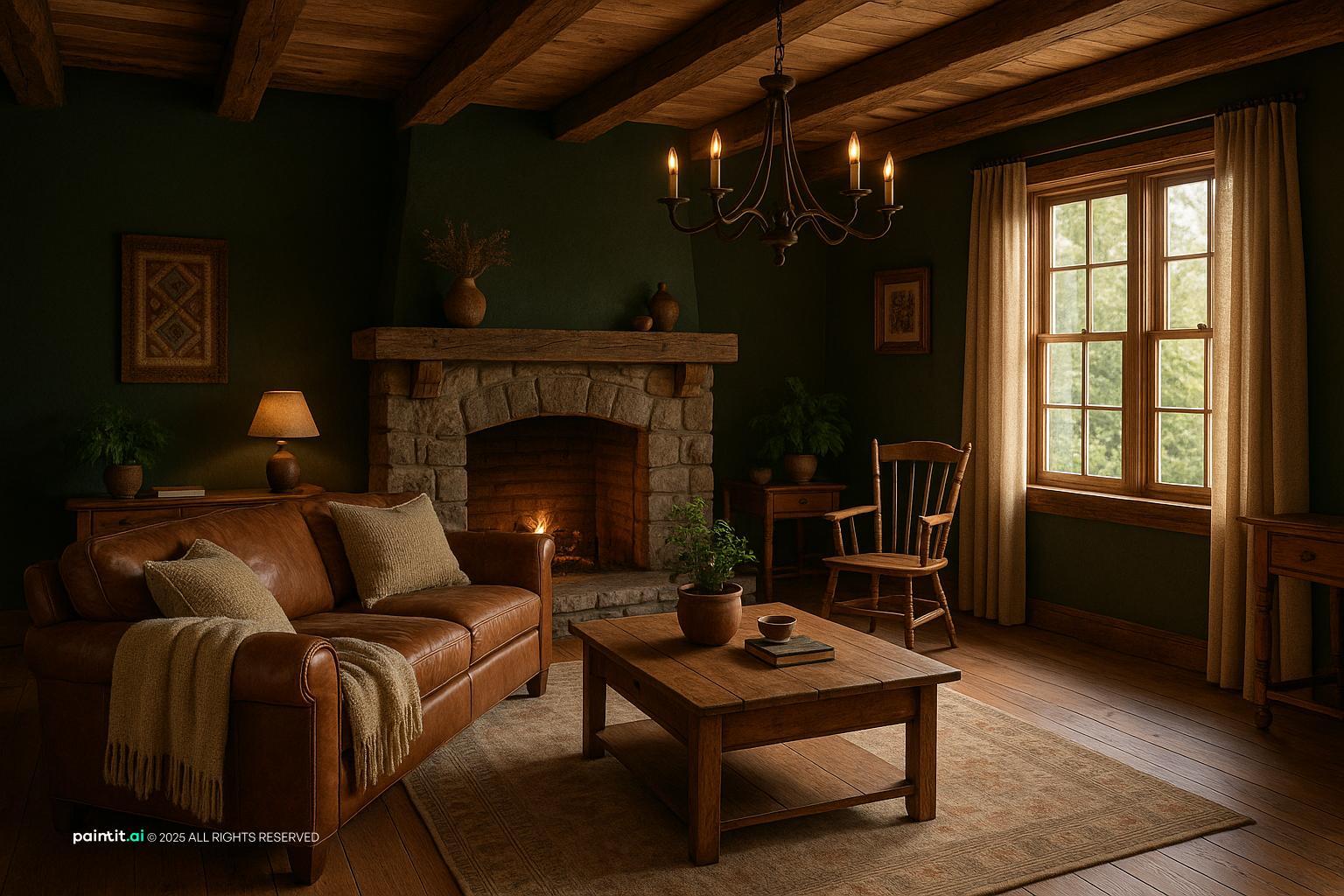
Small Living Room With Fireplace with Fireplace Focal Point and Compact Proportions anchors fireplace focal point, compact proportions and soft textiles in a living room setting.
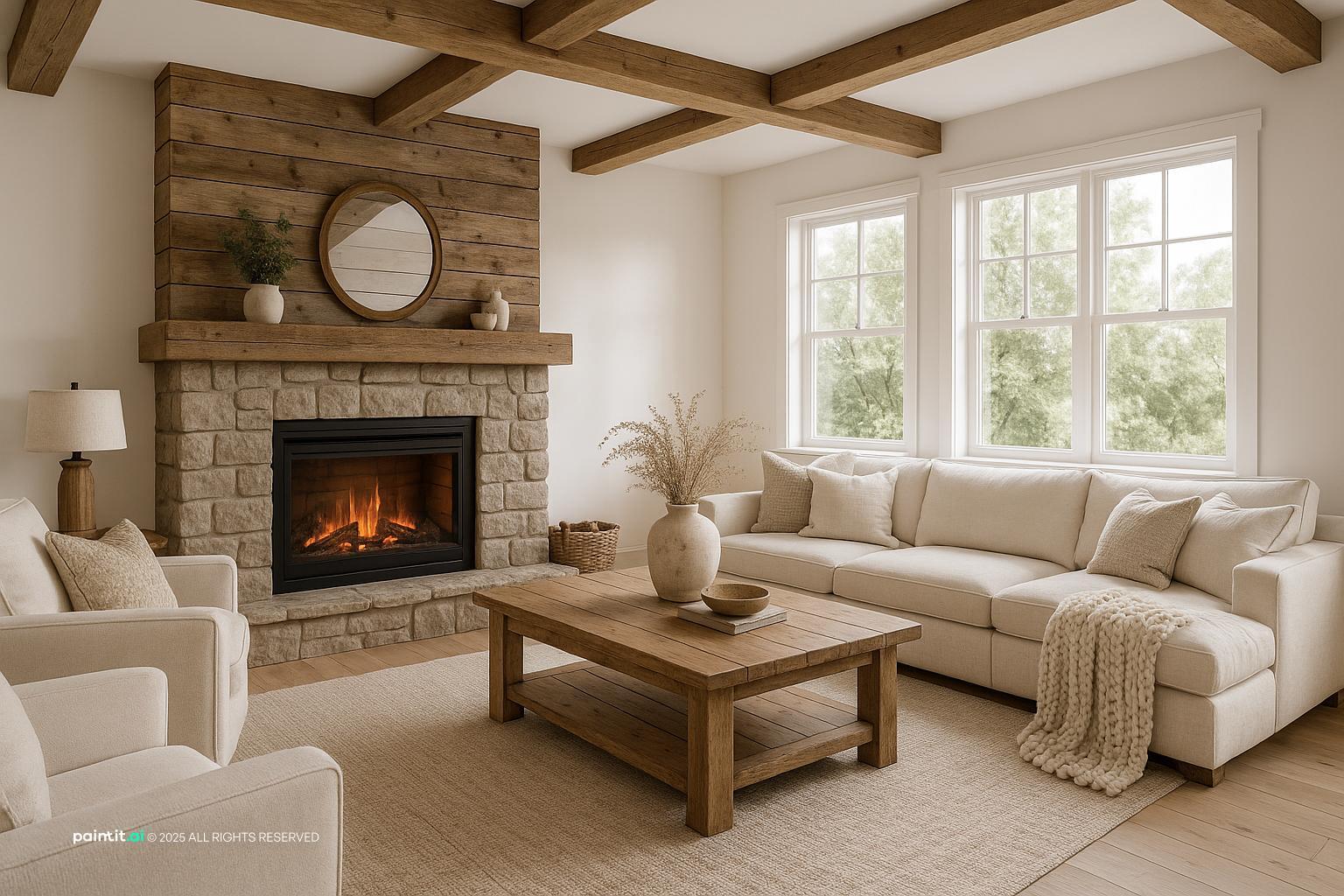
Cozy Modern Farmhouse Living Room Design softens fireplace focal point, soft textiles and layered neutrals in a living room setting.
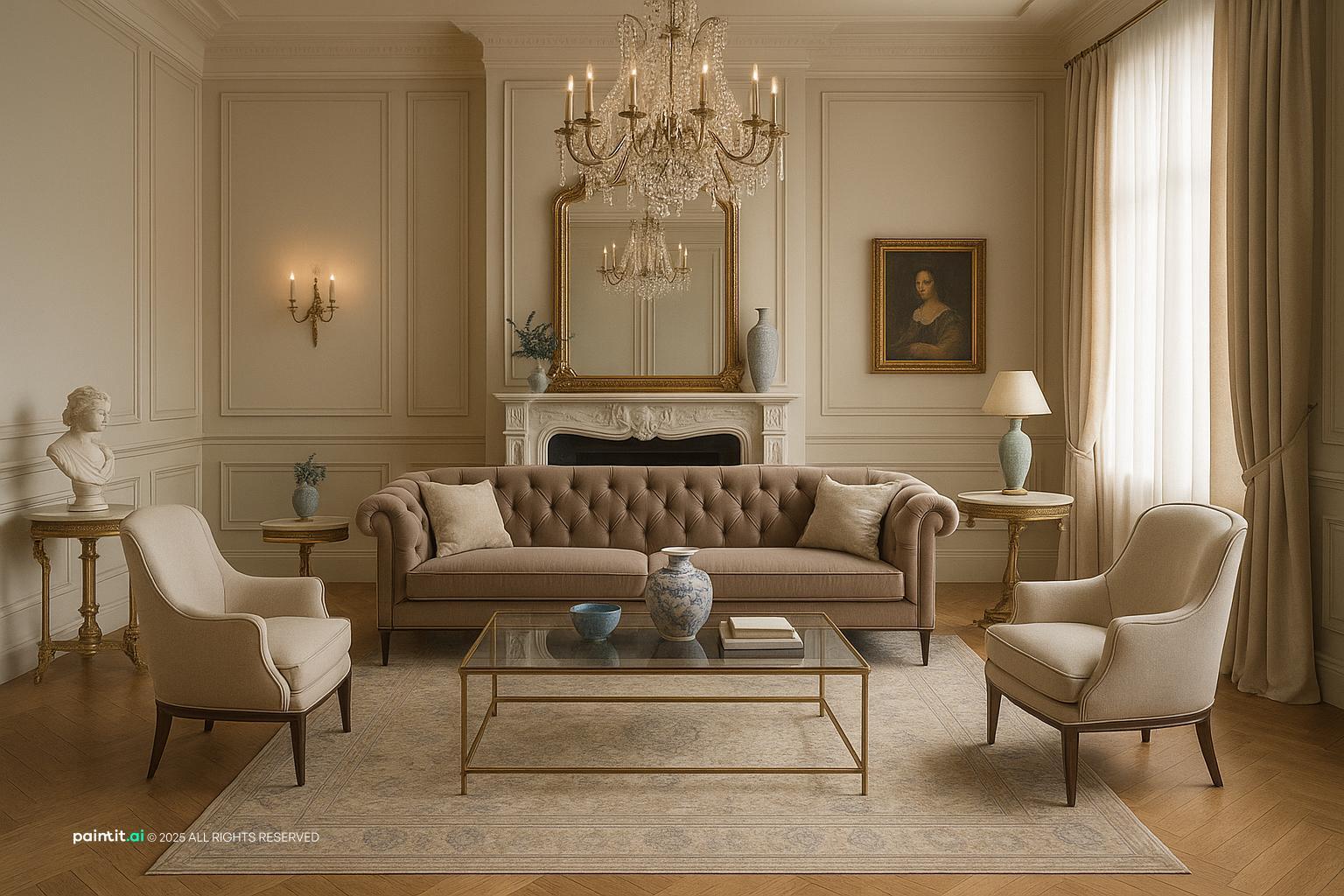
Elegant Neoclassical Living Room Design uses fireplace focal point and layered neutrals in a living room setting.
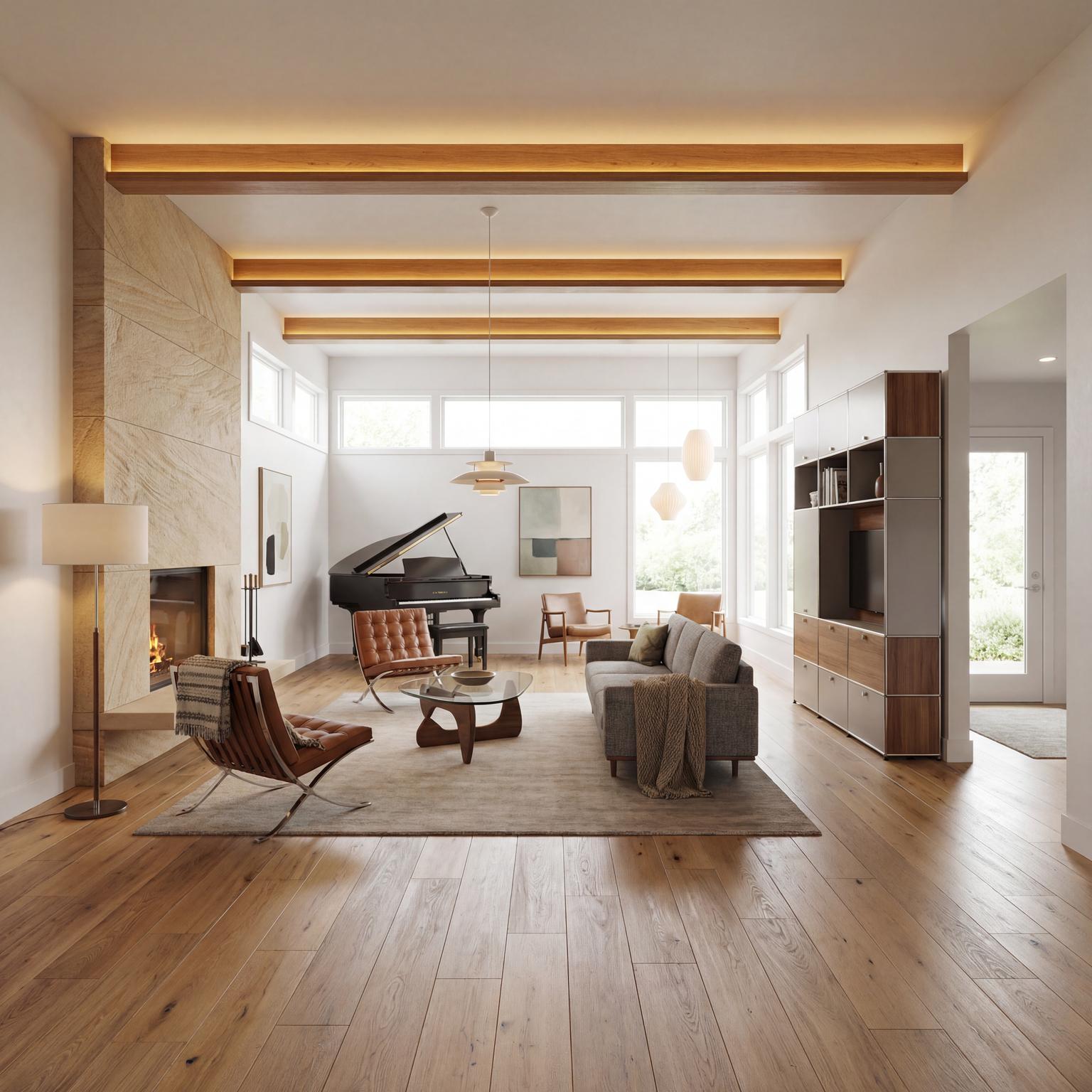
Bright MCM Contemporary Living Room Redesign balances fireplace focal point, space-saving storage and warm wood in a living room setting.
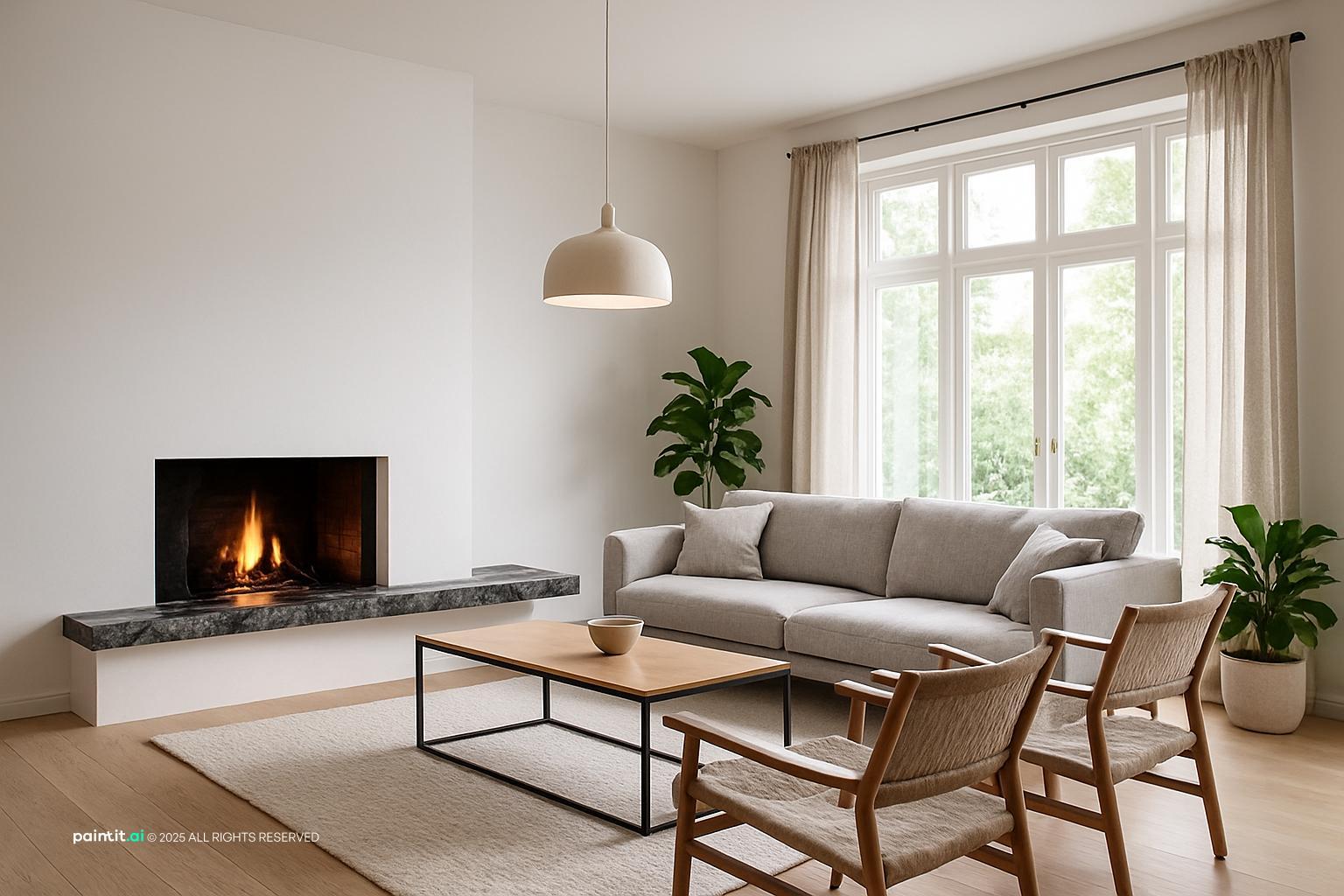
Scandinavian-Style Living Room Design pairs fireplace focal point, warm wood and soft textiles in a living room setting.
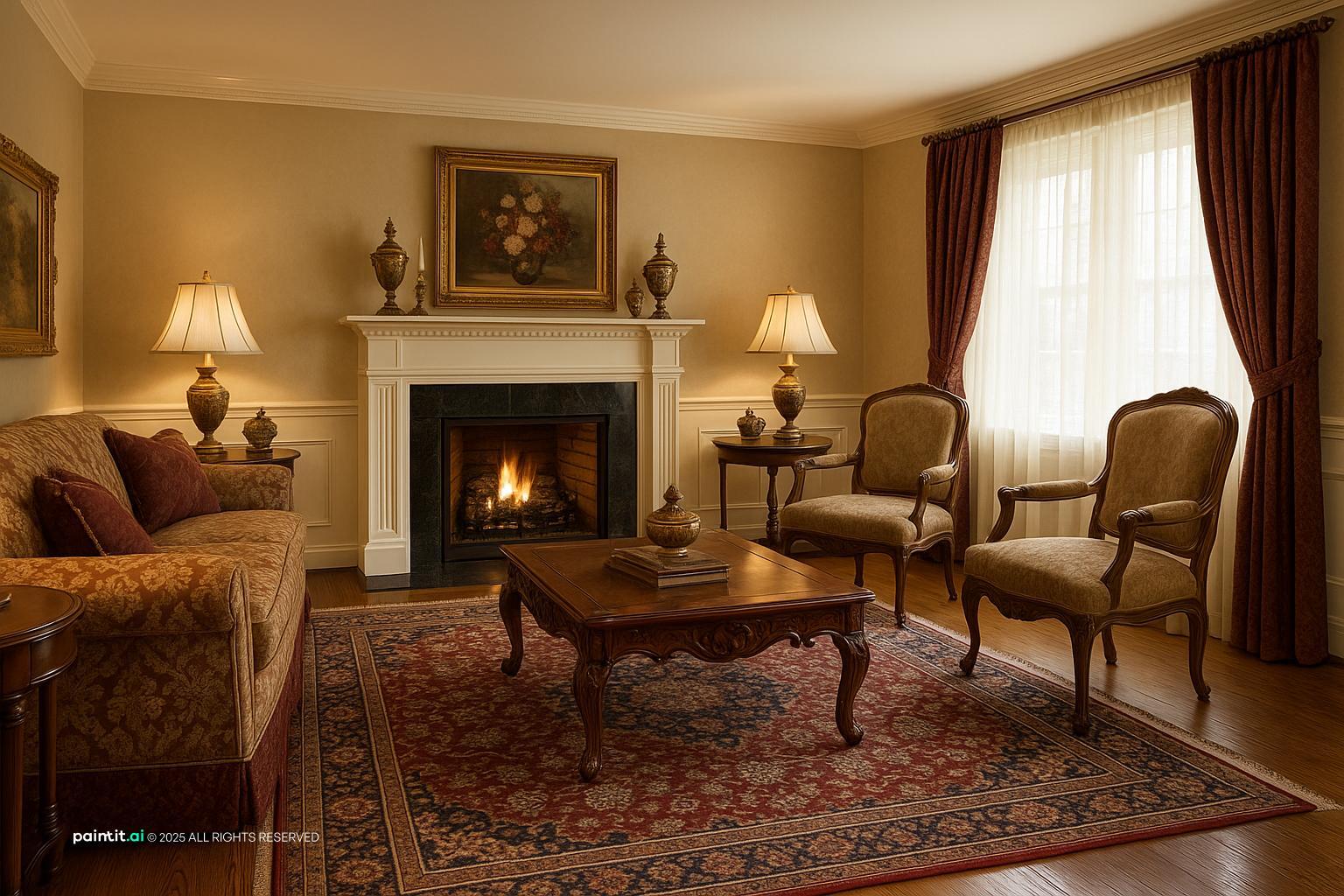
Small Living Room With Fireplace with Fireplace Focal Point and Layered Neutrals layers fireplace focal point, layered neutrals and natural light in a living room setting.
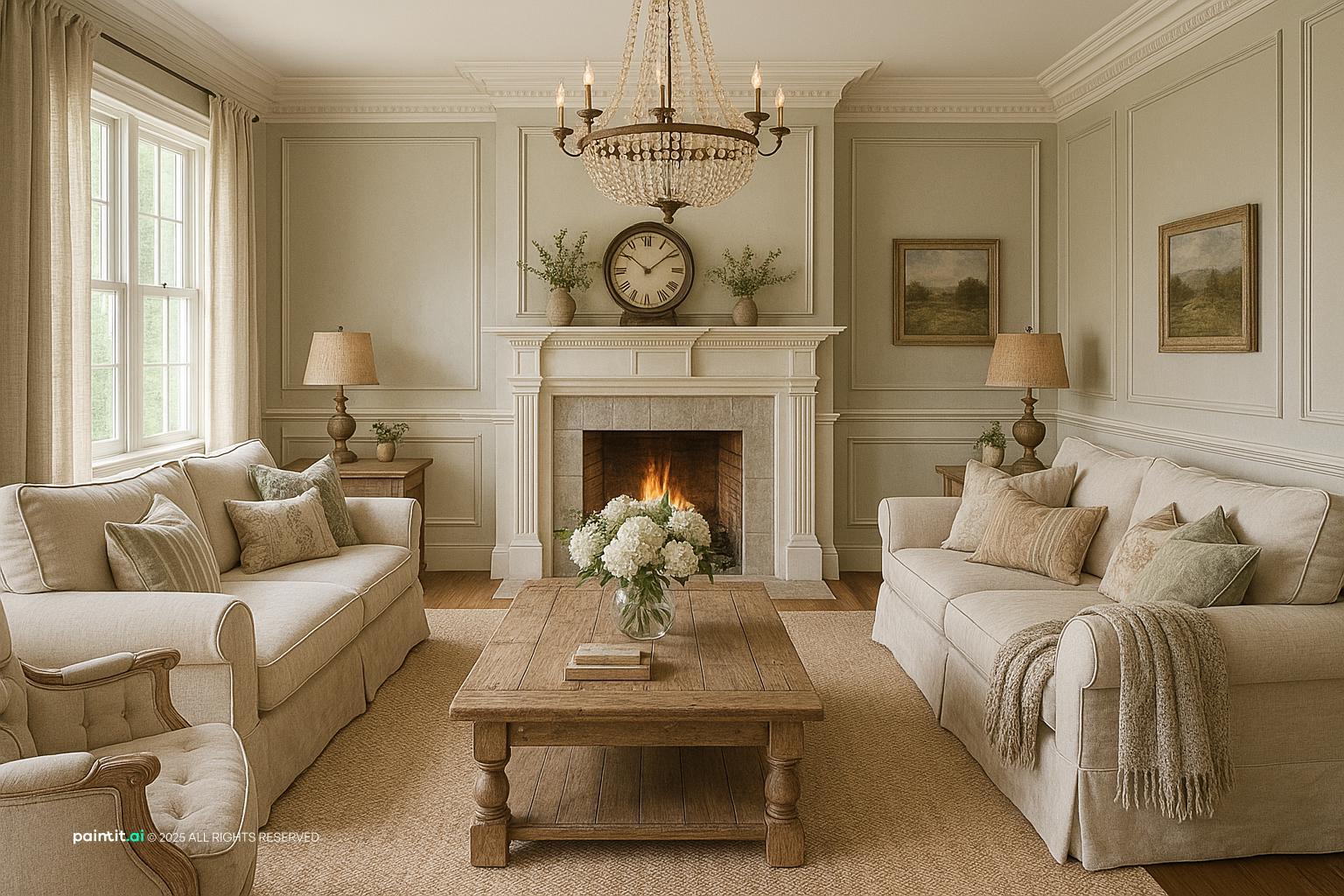
Small Living Room With Fireplace with Fireplace Focal Point and Soft Textiles anchors fireplace focal point, soft textiles and layered neutrals in a living room setting.
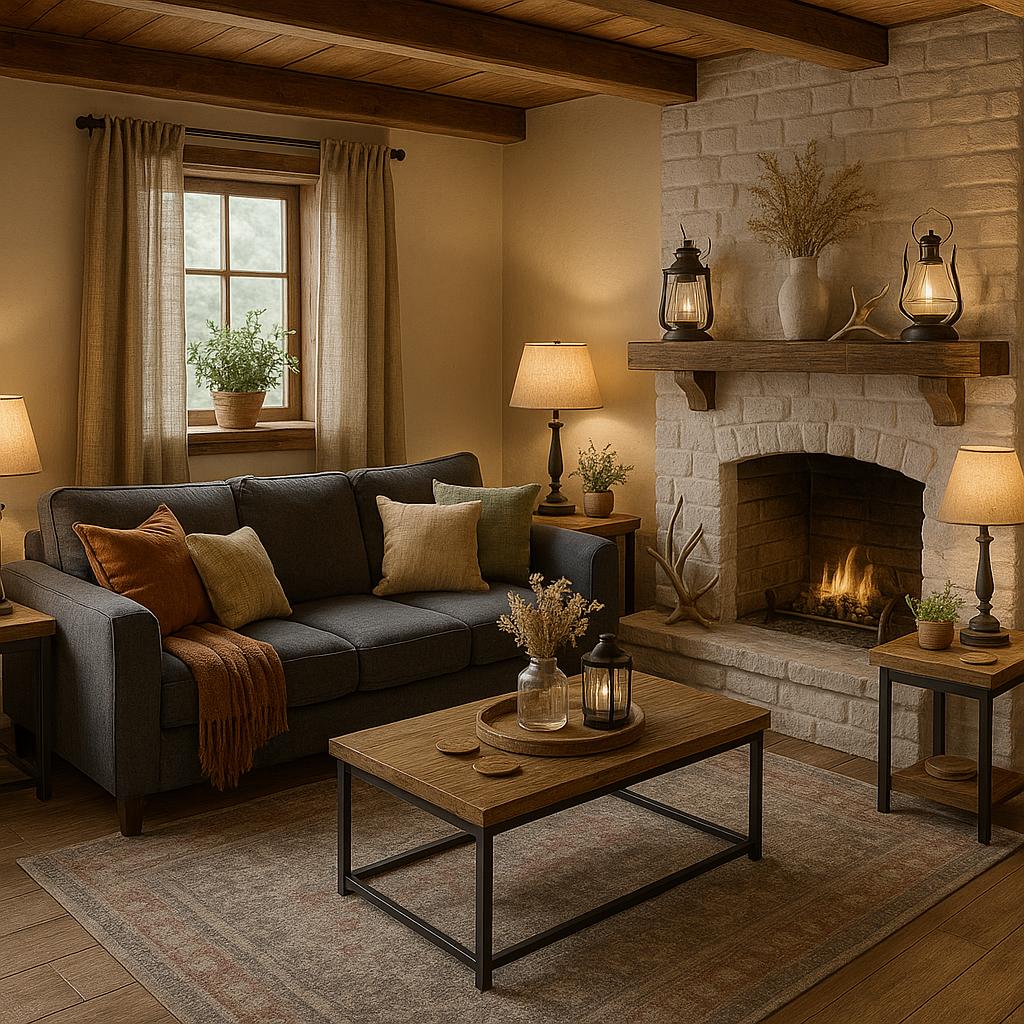
Cozy Farmhouse Basement Living Room Design softens fireplace focal point, soft textiles and metal accents in a living room setting.
A good small living room layout with fireplace starts by marking the hearth, mantel width, and any clearance you need before you choose furniture. Leave empty floor in front of the fire so the seating does not look pushed into the architecture. A practical target is at least 30 inches between the hearth and the coffee table when the room allows it.
Why it works: the fireplace becomes a calm visual anchor instead of an obstacle everyone has to work around. What to avoid: centering every object on the room if the fireplace is off-center. In many older homes, the fireplace does not line up perfectly with windows, doors, or ceiling lights. The furniture should respond to the real geometry, not the rectangle you wish the room had.
If the room has enough depth, place a small sofa across from the fireplace and pull it slightly off the wall. Even 4 to 8 inches of breathing room behind the sofa can make the layout feel more deliberate. Choose a sofa with slim arms, a tight back, and a depth closer to 34 inches than 40 inches if the room is under 150 sq ft.
This works best when the fireplace wall is the clearest focal wall. Avoid bulky rolled arms or a chaise that cuts into the traffic path. In Paintit.ai tests, we often see compact rooms improve immediately when the sofa silhouette gets lighter, even before anyone changes the wall color.
A pair of narrow armchairs can frame the fireplace focal point without swallowing the room. Look for open legs, lower backs, and seats that can angle slightly inward. This creates cozy seating while keeping a route to the window, entry, or adjacent room.
When people upload a small living room, chair scale is often the first thing that looks wrong. One large chair can overpower the hearth and make the fireplace feel squeezed. Two smaller armchairs, or one chair plus a pouf, usually gives you more usable flexibility.
Corner fireplaces make symmetry harder, so do not force a formal layout if the architecture is fighting you. Angle the sofa or chairs 10 to 20 degrees toward the fire, then square the rug to the main seating group rather than the fireplace itself. This keeps the room functional instead of visually twisted.
Why it works: the eye understands that the seating is responding to the fireplace, even if every line is not perfectly aligned. What to avoid: putting the TV, sofa, and coffee table on three competing diagonals. One diagonal can feel relaxed. Three usually feel chaotic.
In a small fireplace room, the coffee table is often the piece that quietly ruins circulation. Use an oval, round, nesting, or narrow rectangular table so people can move between the seating and the fireplace without catching their knees on corners. A table around two-thirds the length of the sofa is usually enough.
If the hearth projects into the room, consider a pair of small drink tables instead of one central table. This keeps the fire area visually open. It also works better in real use, especially when people are getting up, carrying drinks, or moving around during the evening.
A rug helps the seating area feel connected to the fireplace, especially in open-plan apartments or small rooms with several doorways. Ideally, the front legs of the sofa and chairs should sit on the rug. If the rug is too small, the fireplace can look detached from the furniture.
Choose a rug that stops before the hearth rather than curling against it. Natural fiber, low-pile wool, and subtle pattern work well because they add texture without taking over. Avoid high-pile rugs too close to a working fireplace.
A small living room with fireplace and tv needs one decision first: is the TV secondary to the fireplace, equal to it, or the main everyday focus? If the TV goes above the mantel, use a low-profile screen, keep mantel decor minimal, and check the viewing height from the sofa. If the TV goes on an adjacent wall, let the fireplace stay warmer and more decorative.
In Paintit.ai behavior, 15% of prompts include refinement language like instead, more, a bit, or now, and TV placement is exactly the kind of choice people test again and again. The layouts that breathe better are often asymmetrical: sofa facing the TV wall, chair angled toward the fire, and a rug tying both zones together.
Built-ins beside a fireplace can make a small room feel finished, but only when they are shallow, balanced, and not overfilled. Closed storage at the bottom hides games, remotes, and cables. Open shelves above can hold a small number of books and objects. Keep shelf depth in proportion to the room so the fireplace wall does not become too heavy.
Why it works: storage moves clutter off the floor and gives the fireplace wall a clear job. What to avoid: filling every shelf because the shelves exist. Paintit.ai users use negative modifiers like without or no clutter in 8.8% of prompts, and small fireplace rooms usually need that subtractive thinking more than another layer of decor.
Small living room mantel decor should have a readable shape from across the room. Try one mirror or artwork piece, one low object, and one organic element such as branches or a small vase. Keep the tallest item to one side if the fireplace is off-center, or use a centered piece if the architecture is symmetrical.
A crowded mantel makes the wall look busy and visually shrinks the room. What to avoid: tiny objects lined up in a row. They create visual static and compete with the firebox, especially when the room already has a TV or built-ins nearby.
A mirror above the mantel can bounce window light and help a small room feel larger, but it should reflect something worth seeing. Before hanging it, sit on the sofa and check the reflection. If it catches a ceiling fan, a blank ceiling, or a cluttered corner, artwork may be the better choice.
The stronger versions of these rooms often use reflective materials in a controlled way. A softly antiqued mirror, pale stone surround, or satin-painted mantel can add depth without using any extra floor space.
Small living room furniture arrangement with fireplace should begin with how people enter and cross the room. Do not place the back of a sofa so close to the doorway that the room feels blocked. If the room is narrow, use a loveseat, apartment sofa, or two chairs facing the fireplace instead of a full-size sofa.
Why it works: the fireplace remains inviting because the path toward it is not interrupted. What to avoid: designing a showroom vignette that only looks good from one angle. A pretty layout fails if everyone has to sidestep the coffee table to sit down.
A small cozy living room with fireplace needs softness, but not piles of things. Use one textured throw, two or three pillows, a warm rug, and a lamp with a fabric shade. Add contrast through texture rather than by adding more objects.
This is where the no clutter mindset matters. Remove one accessory from the mantel, one pillow from the sofa, or one extra side table if the room feels tight. Cozy should feel easy to sit in, not like the furniture is surrounded by decor.
Brick, stone, tile, plaster, marble, and painted wood each point the room in a different direction. If the fireplace is red brick, try warm white walls, medium wood, and black metal accents. If it is pale stone or marble, soft taupe, linen, and light oak can keep the room calm without making it cold.
Paintit.ai data shows material terms such as wood, marble, and brick appear in 19.0% of prompts, which matches what we see visually: surfaces set the mood quickly. Material contrast is usually more useful than adding another furniture piece. A wood mantel against painted brick or a brass sconce against plaster gives the wall depth without taking floor area.
A sectional can work in a small fireplace room, but only if it does not block the hearth, window, or entry. Choose a compact L-shape with a short chaise, low back, and raised legs. If you are struggling to picture the right size, AI virtual staging can help you test different scales before buying furniture.
What to avoid: buying a sectional because it seems efficient, then discovering it gives fewer usable seats because the chaise blocks circulation. In very small rooms, a sofa plus one mobile chair often feels more open and adapts better to TV nights, guests, and winter evenings by the fire.
The second gallery is useful for comparing real tradeoffs: a TV above the mantel versus beside it, open shelving versus closed storage, formal symmetry versus a looser angled seating plan.
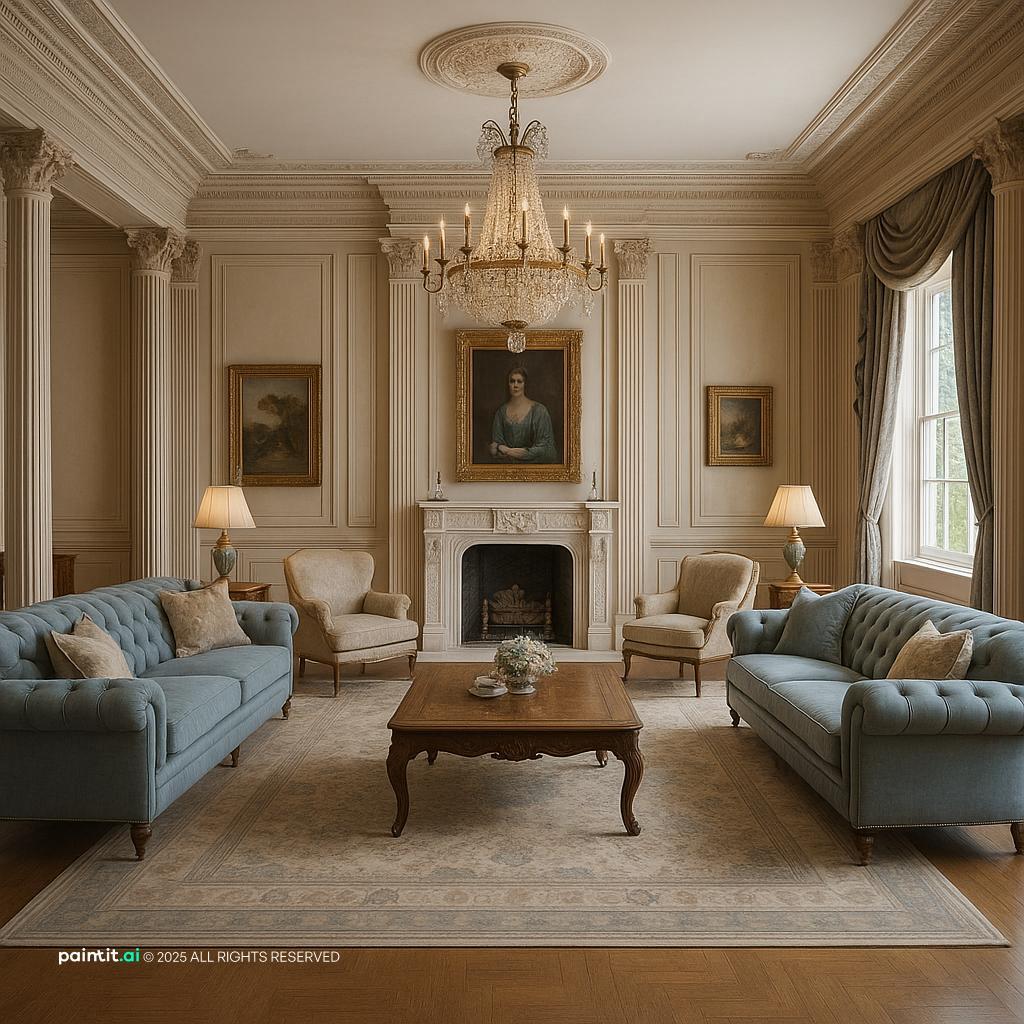
Elegant Neoclassical Living Room Design with Fireplace Focal Point uses fireplace focal point, layered neutrals and natural light in a living room setting.
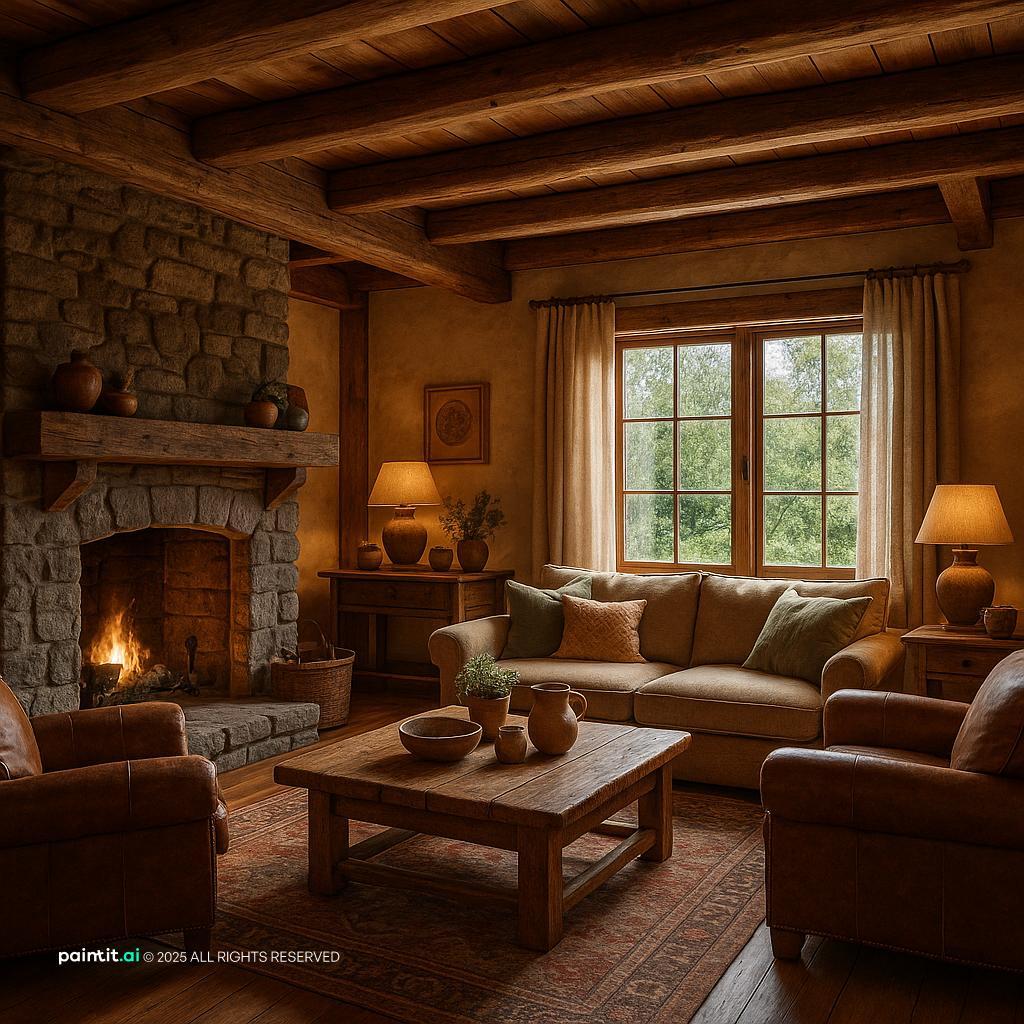
Charming Rustic Living Room Design balances fireplace focal point, soft textiles and natural light in a living room setting.
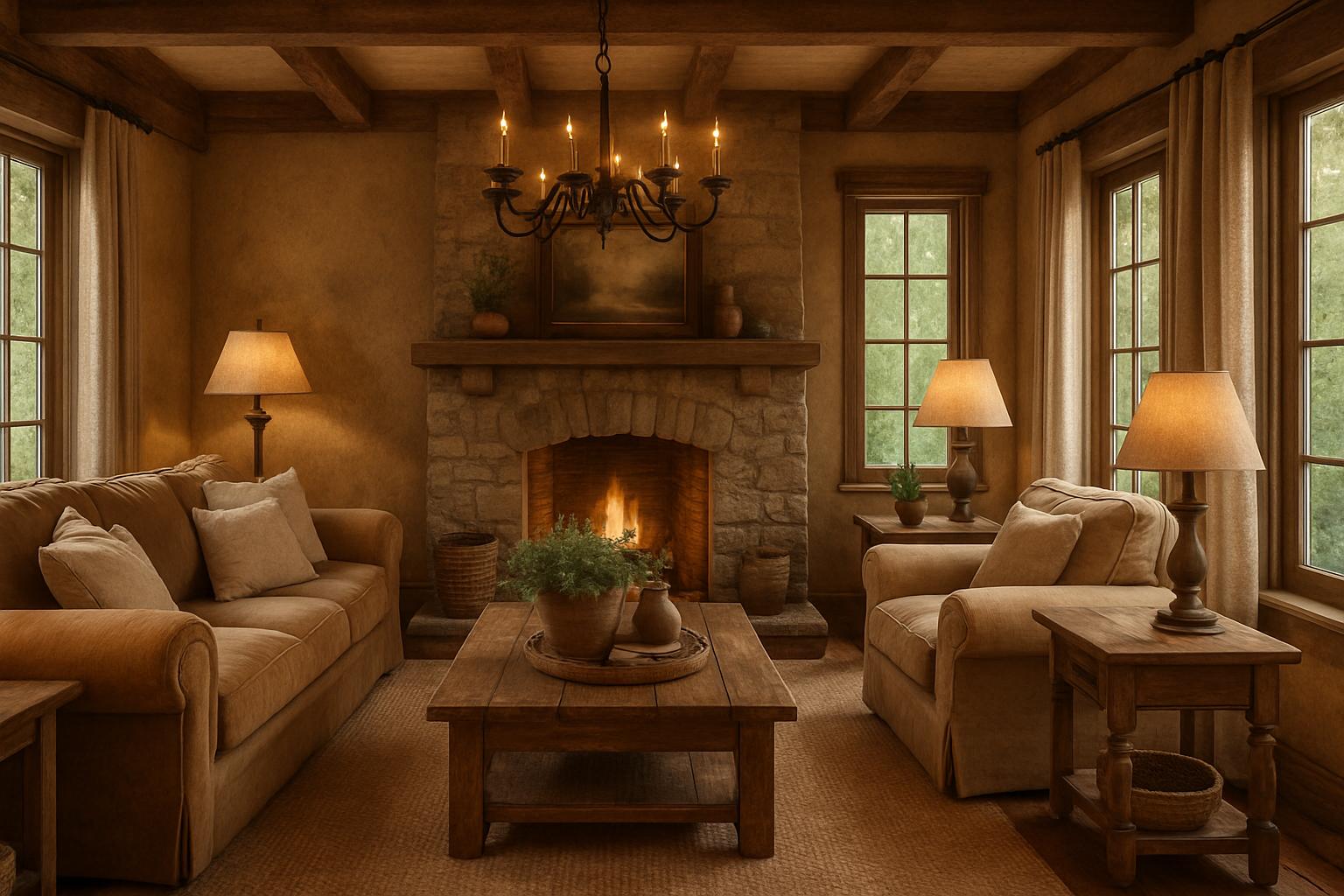
Small Living Room With Fireplace with Fireplace Focal Point and Soft Textiles with Plants and Greenery pairs fireplace focal point, soft textiles and plants and greenery in a living room setting.
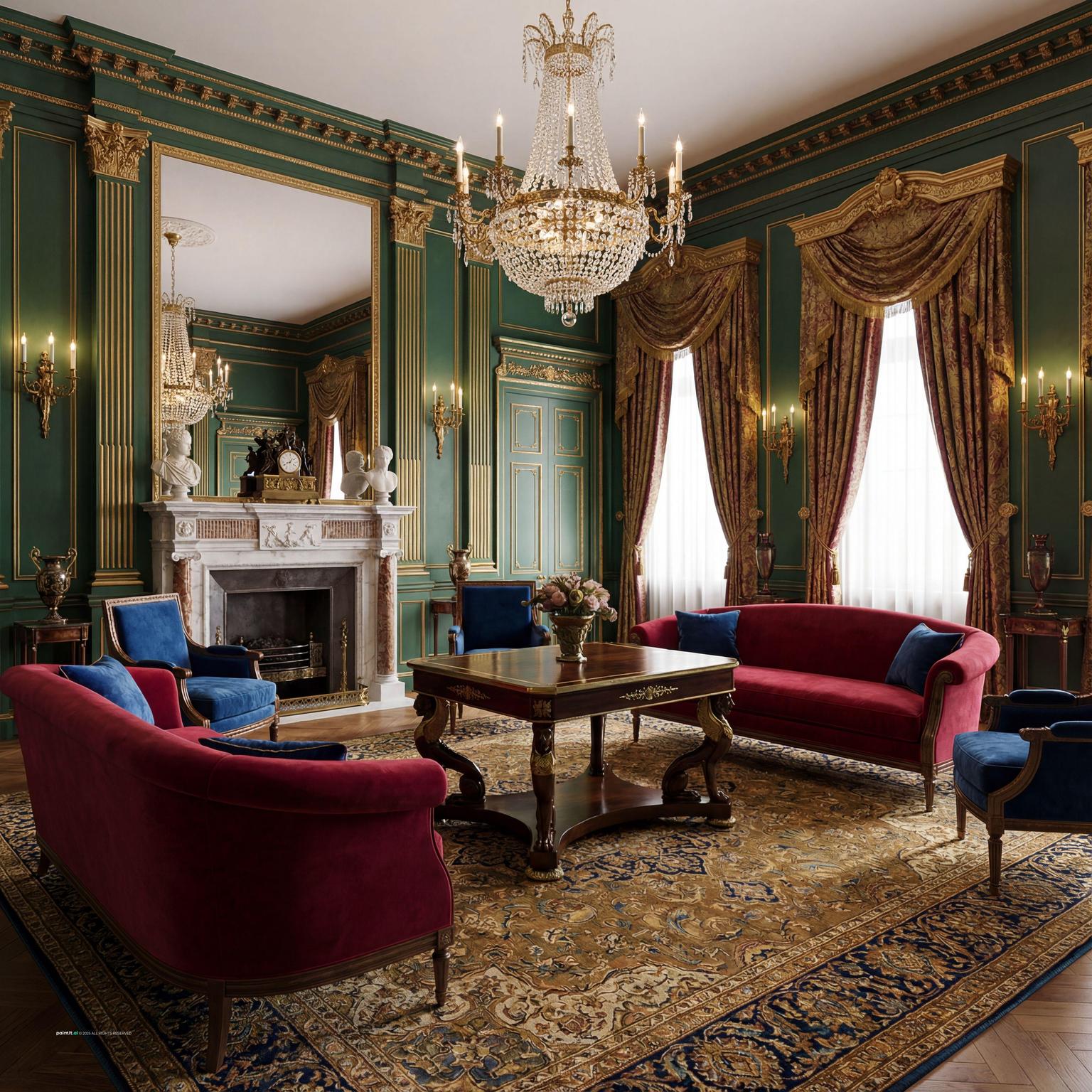
Luxurious Empire-Style Living Room Design layers fireplace focal point, soft textiles and metal accents in a living room setting.
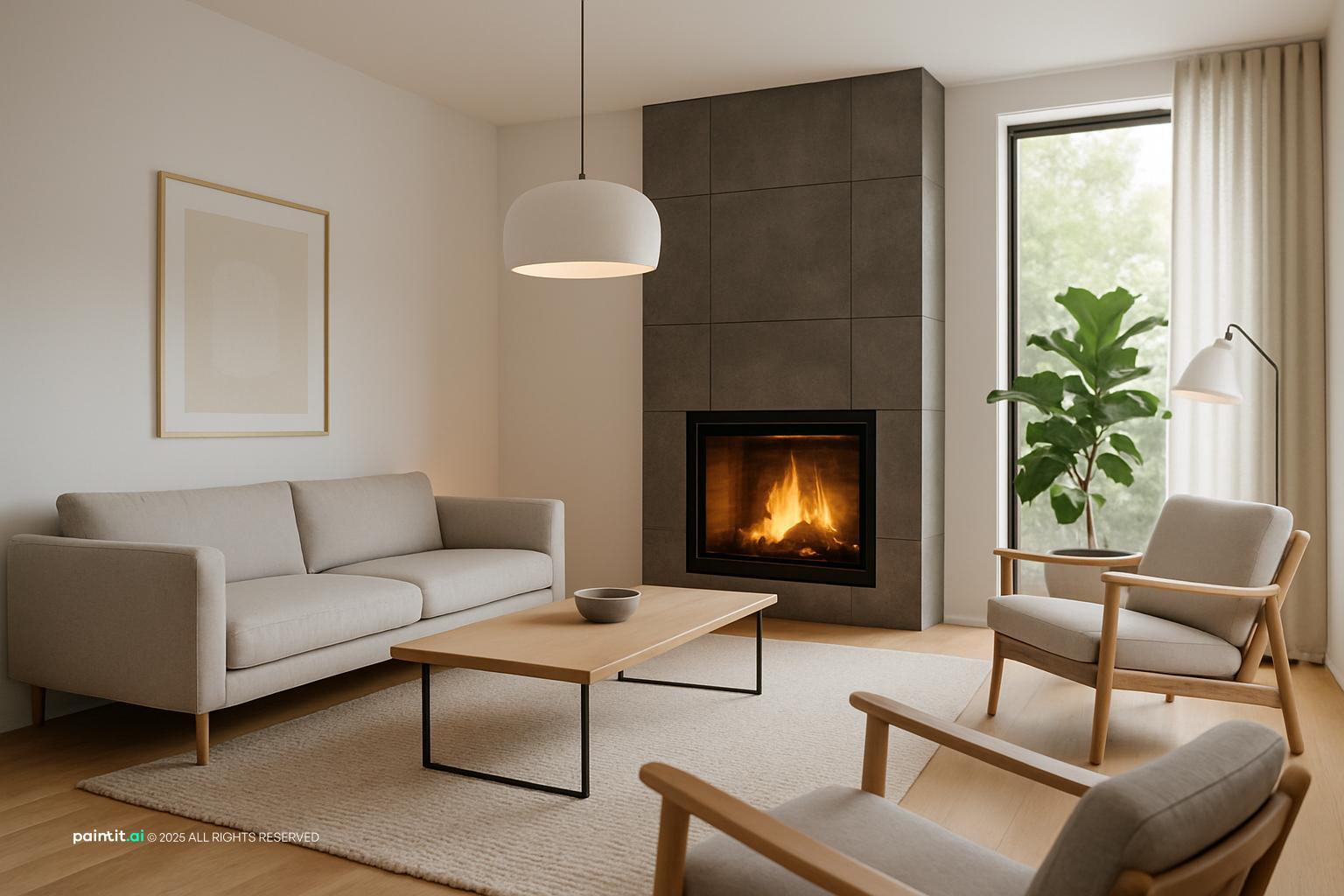
Stunning Scandinavian Living Room Design anchors fireplace focal point, warm wood and soft textiles in a living room setting.
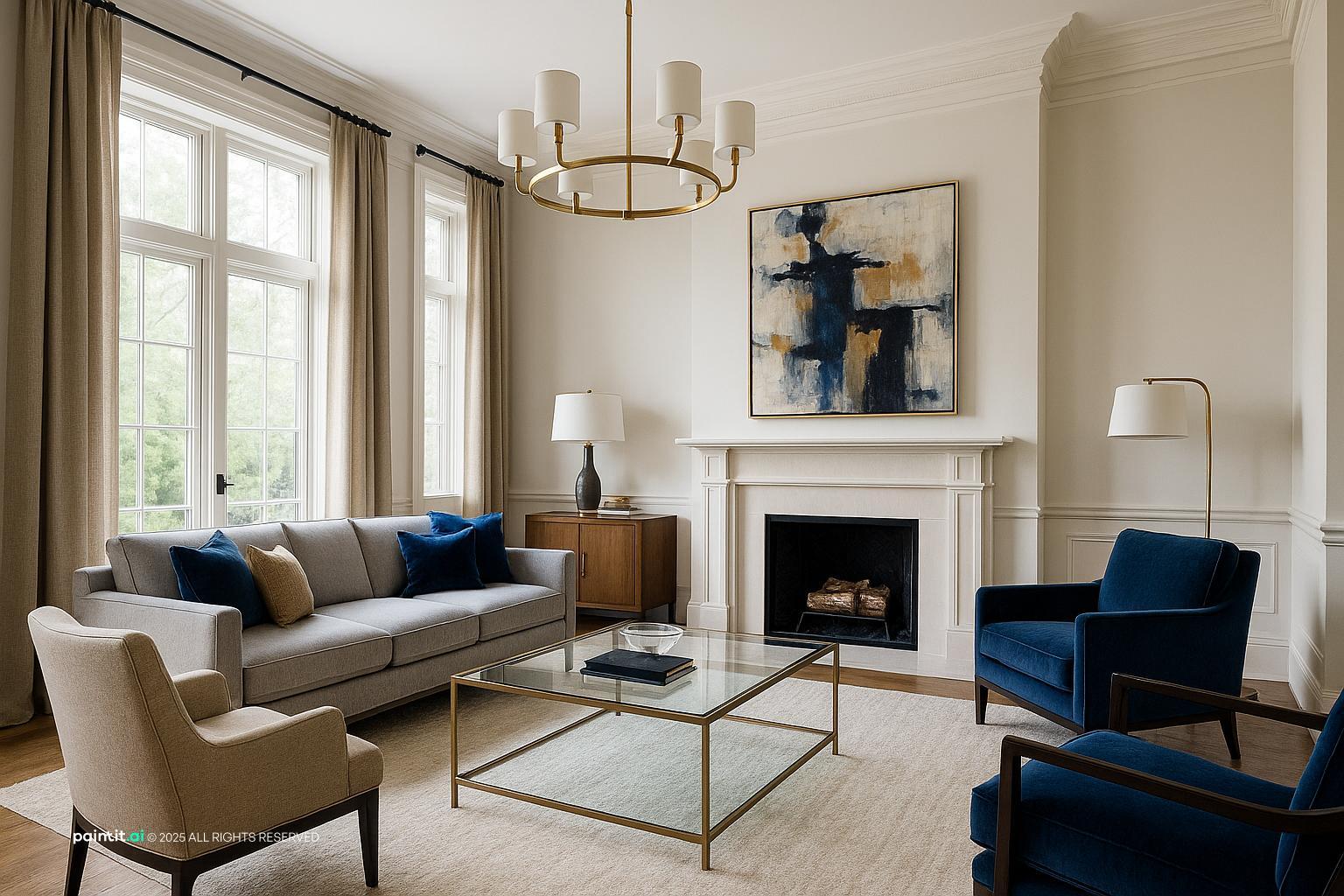
Transitional Style Living Room Design softens fireplace focal point, soft textiles and metal accents in a living room setting.
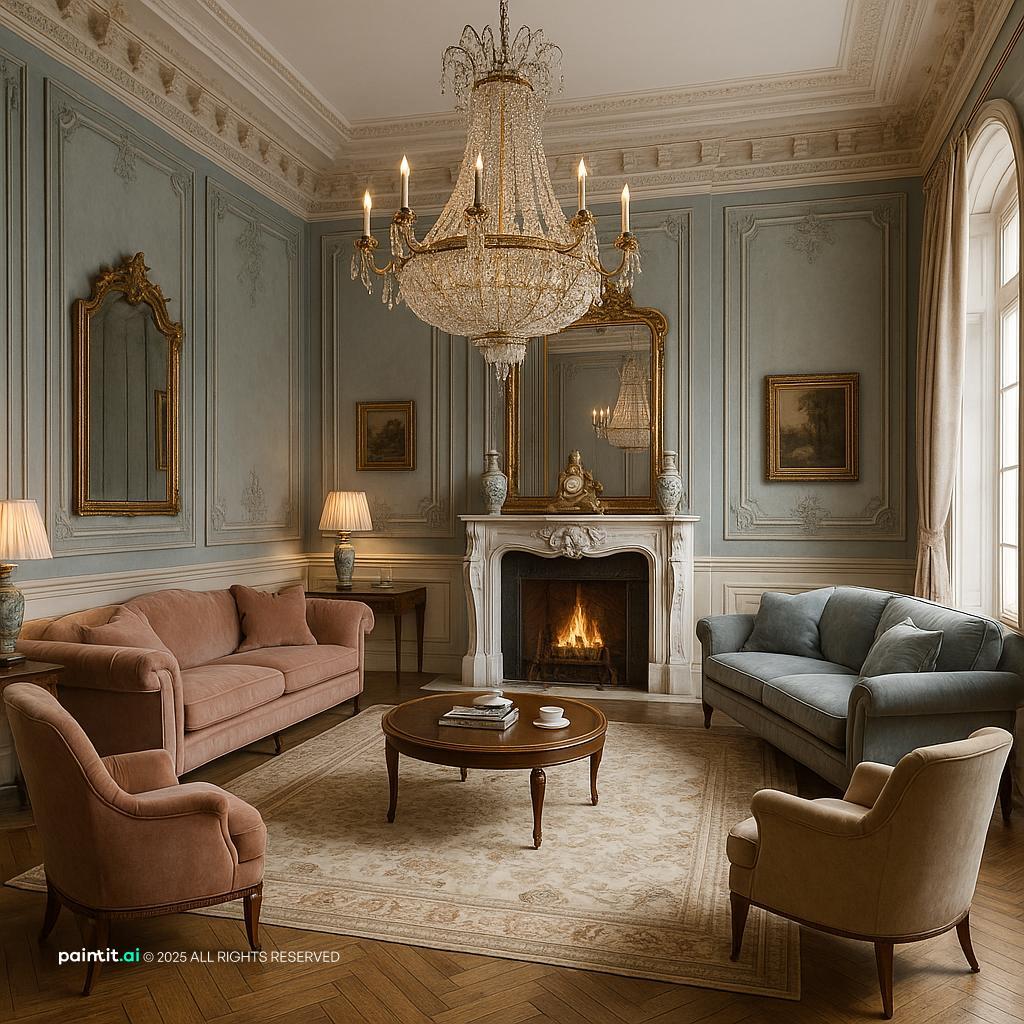
Elegant Neoclassical Living Room Design with Metal Accents uses fireplace focal point, metal accents and layered neutrals in a living room setting.
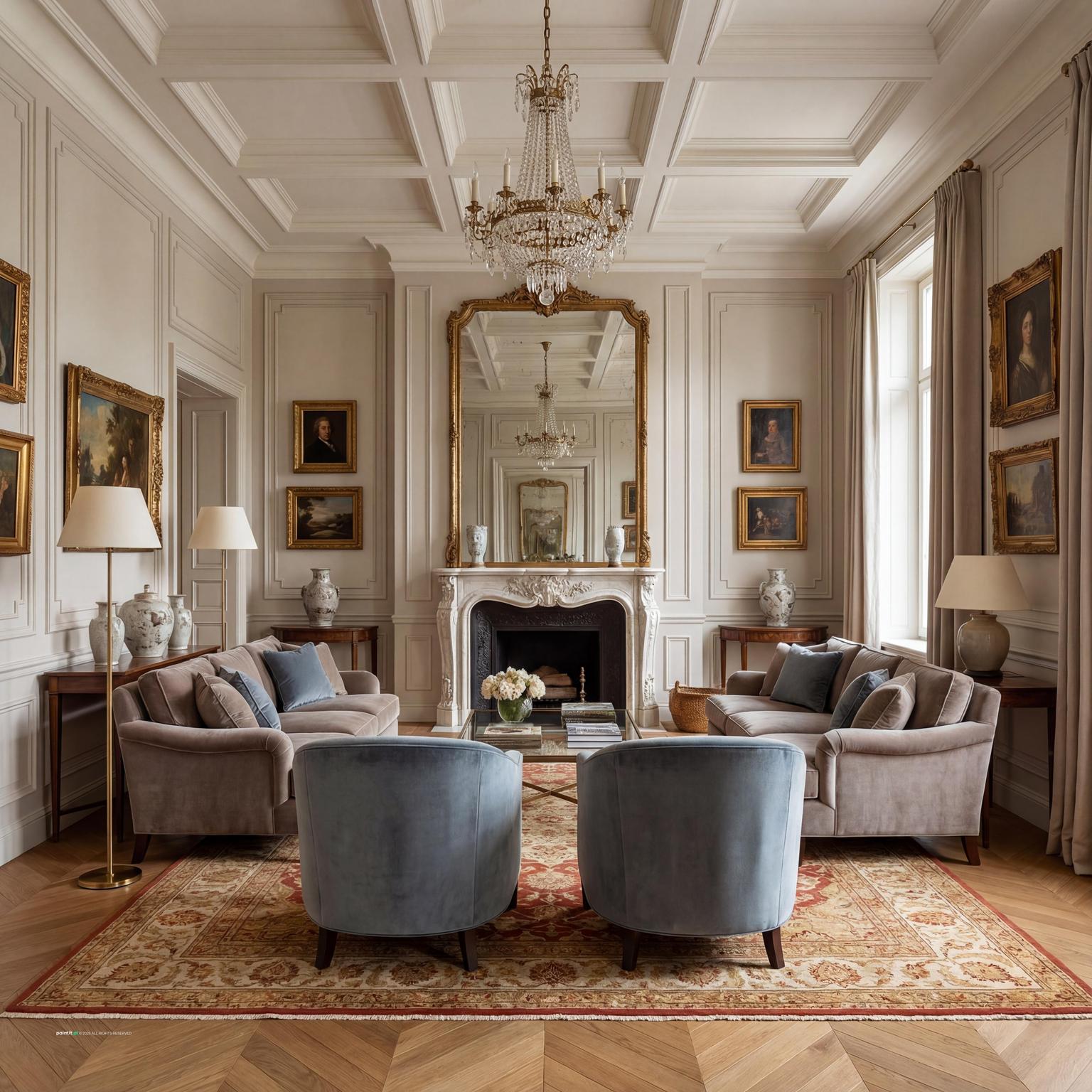
Elegant Neoclassical Living Room Design with Layered Neutrals balances fireplace focal point and layered neutrals in a living room setting.
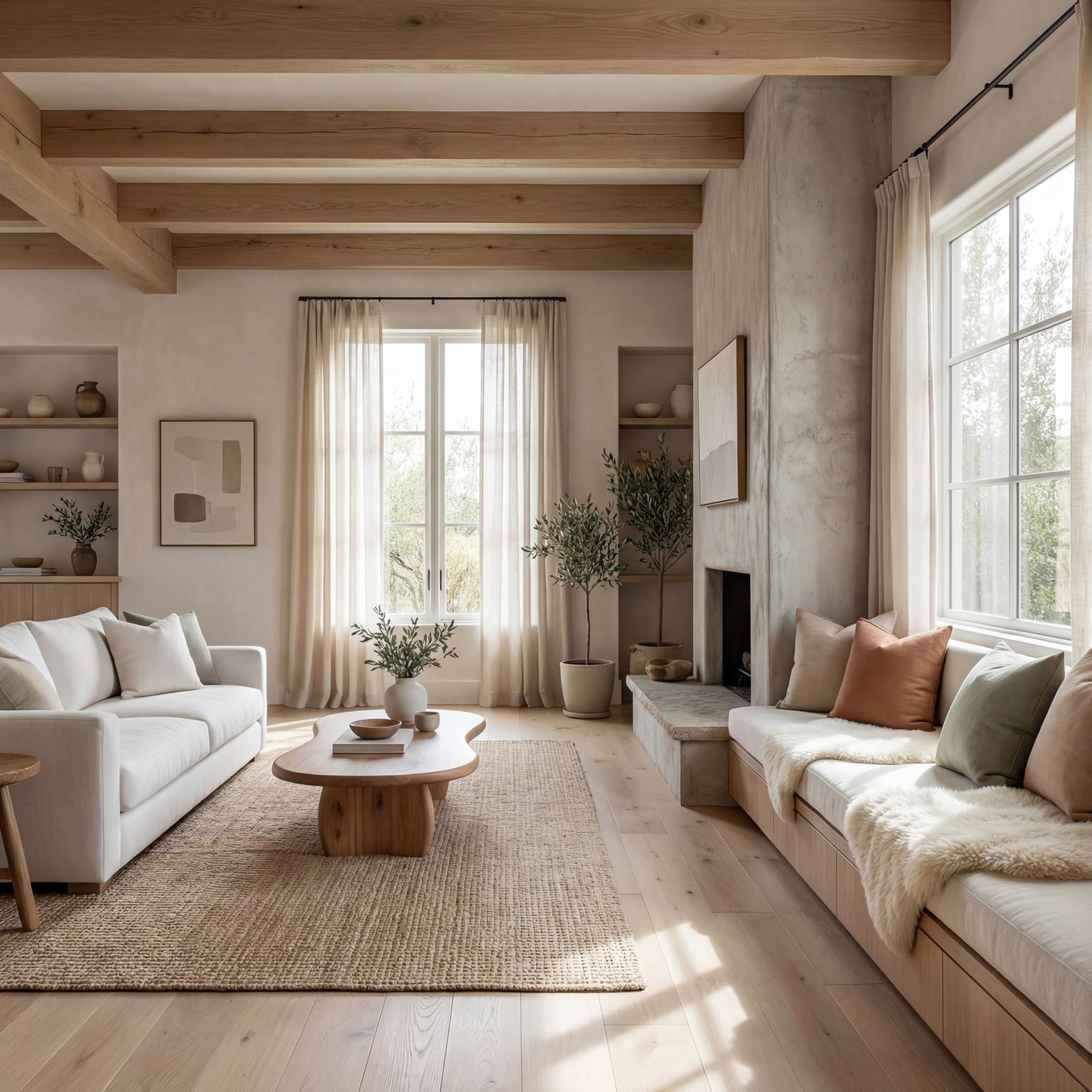
Serene Organic Style Living Room Design pairs fireplace focal point, space-saving storage and warm wood in a living room setting.
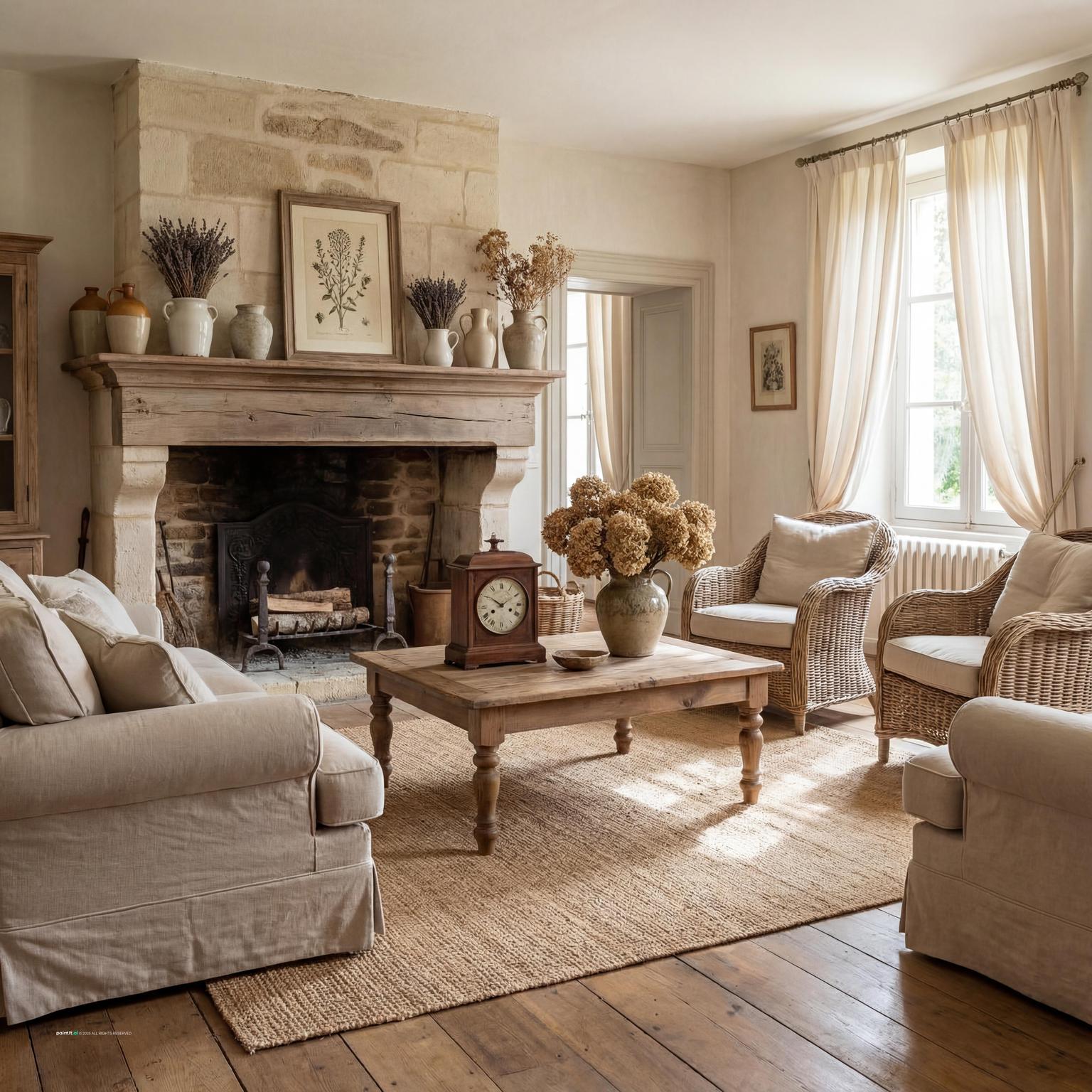
Charming French Country Living Room Design layers fireplace focal point, soft textiles and plants and greenery in a living room setting.
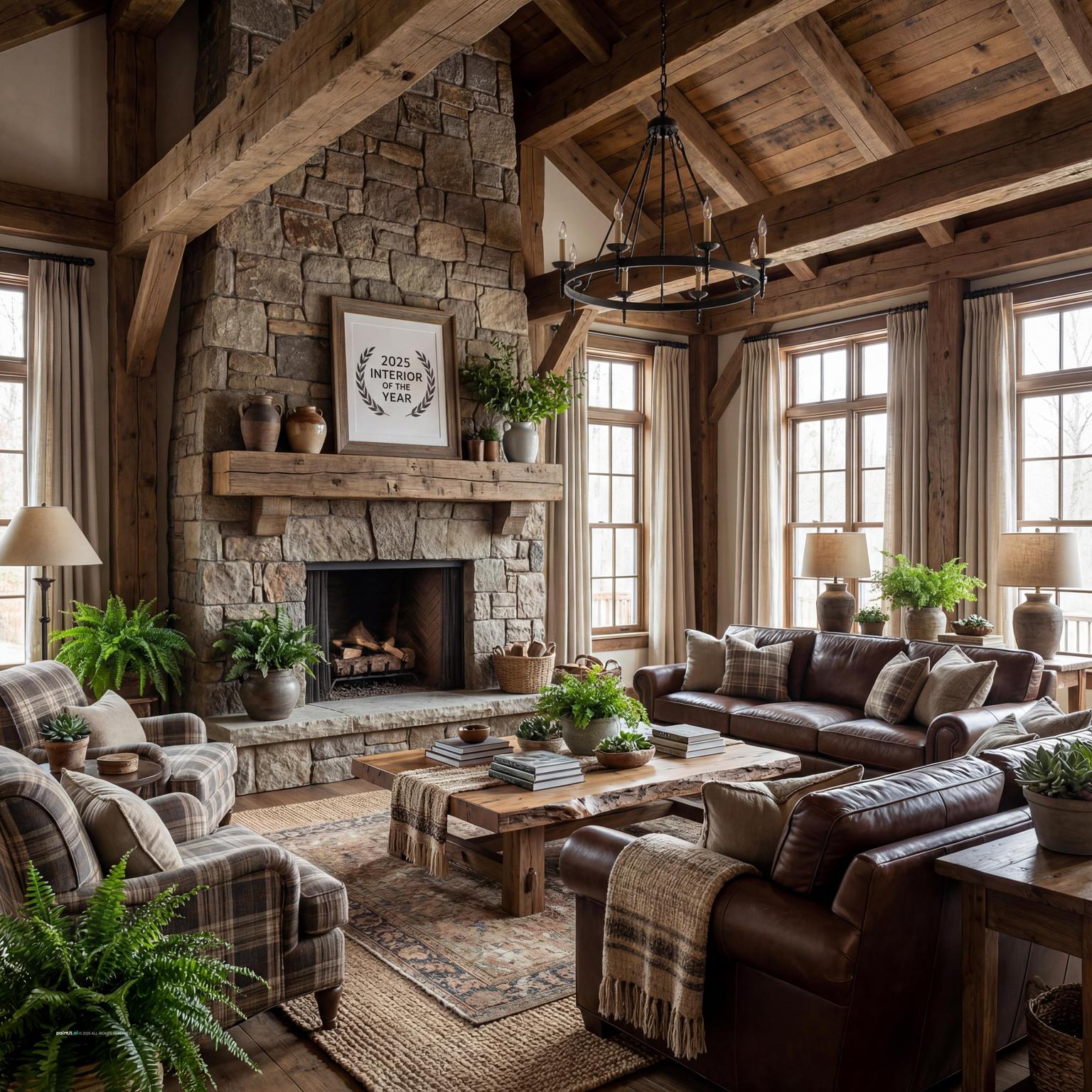
Cozy Rustic Living Room Design anchors fireplace focal point, soft textiles and plants and greenery in a living room setting.
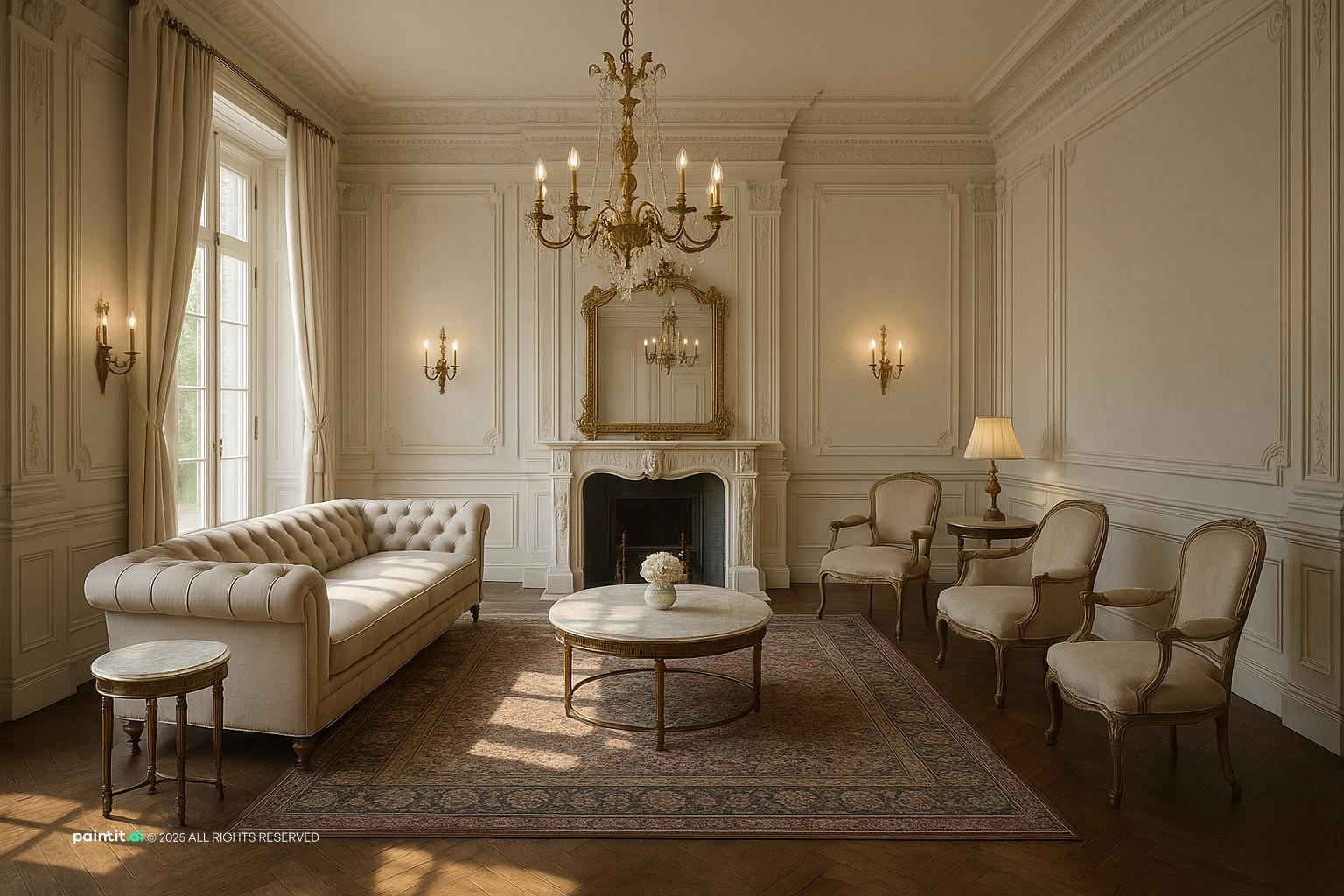
Elegant Neoclassic Living Room Design softens fireplace focal point, metal accents and natural light in a living room setting.
Light warm neutrals, soft greige, creamy white, mushroom, muted sage, and pale clay all work well in compact fireplace rooms. They reflect enough light to keep the room open while still looking good with firelight. Color is often the first thing people want to change; in Paintit.ai data, color terms such as white, beige, and sage appear in 27.6% of prompts. For more palette help, see our guide to best living room colors.
Avoid stark white if the fireplace is orange brick or dark stone, because the contrast can make the surround look harsher. Sample colors against the mantel, flooring, and upholstery in daylight and evening light. The same beige can look calm at noon and muddy at night.
The fireplace surround usually reveals the room's undertone problem. Red brick wants warmer whites, olive, camel, navy, or deep charcoal. Cool gray stone works better with blue-gray, soft white, blackened metal, and pale oak. Beige tile may need richer accents so it does not look flat.
Why it works: the fireplace stops feeling like a leftover feature. Avoid choosing wall color from a phone image only. Undertones shift dramatically near a firebox, especially when the room has warm bulbs or north-facing light.
Wood is one of the easiest ways to make brick, stone, or tile feel more residential. A slim wood mantel, oak side table, walnut picture frame, or woven tray can warm the fireplace wall without adding bulk. In a small room, repeat the wood tone two or three times so it looks intentional.
Avoid too many unrelated wood finishes. If the floor is honey oak, a gray-washed mantel, espresso media unit, and orange side table can make the room feel visually noisy. Keep the range tight.
Black metal works well for fireplace tools, picture lights, curtain rods, and TV brackets because it visually connects to the firebox. Brass or aged bronze can add warmth, especially with cream walls and traditional mantel profiles. Chrome and polished nickel are better when the room already has cool stone or modern furniture.
Use one main metal and one secondary accent at most. Too many finishes make a small room feel busy. Repetition matters more than matching every single detail.
A fireplace gives glow, not full-room lighting. Add a floor lamp near the sofa, a table lamp beside a chair, and, if possible, sconces flanking the mantel or built-ins. Lighting appears in 5.9% of Paintit.ai prompts, but in small rooms it often decides whether the fireplace feels cozy or just shadowy.
Avoid a single bright ceiling fixture. It flattens the room and creates glare on the TV or mirror. Use dimmable bulbs in the 2700K to 3000K range for a warm living room mood.
Bouclé, linen, wool, cotton velvet, and nubby woven fabrics add softness without requiring oversized furniture. A slim sofa can still feel comfortable if the upholstery has depth and the pillows are chosen well. Use a patterned pillow or rug to connect the fireplace color to the rest of the room.
Avoid heavy drapes that cover too much wall or puddle on the floor in a tight room. Roman shades, tailored curtains, or simple panels hung high can make the window feel taller without stealing space.
The mantel should read quickly: one large artwork, a round mirror, a pair of sconces, or a restrained seasonal arrangement. If the TV is above the mantel, keep objects low and asymmetrical so they do not block the screen. If there is no TV, you can use more height, but still leave negative space.
What to avoid: using the mantel as a shelf for every meaningful object. A small room needs visual rest. Edit until the fireplace feels framed, not crowded.
If the fireplace wall is dark, heavy, or full of built-ins, keep the opposite side lighter with leggy furniture, pale upholstery, or open shelving. If the fireplace is very plain, add weight with artwork, a darker mantel, or two narrow chairs. Visual balance matters more than perfect symmetry.
For a practical way to compare changes, see how to redesign a living room with Paintit.ai. Testing palette, furniture scale, and lighting together is especially useful in small rooms, where one heavy choice can throw off the whole wall.
Upload a photo of your living room and ask Paintit.ai to keep the fireplace, hearth, windows, and room structure unchanged while testing new seating, TV placement, rugs, colors, built-ins, and lighting. This matches the way many good design tests work: preserve the architecture first, then refine the choices around it.
You can compare a sofa-facing-fireplace layout, an angled chair plan, a TV-over-mantel option, or a lighter no-clutter version before buying anything. Small fireplace rooms often need several passes, and visual testing makes the tradeoffs easier to judge from your actual room instead of a generic floor plan.
Start with the fireplace and hearth as fixed points, then place seating so it faces or angles toward them without blocking the walking path. Keep about 30 inches between the hearth and coffee table when possible.
The TV can go above the mantel if the screen is not too high, but an adjacent wall is often more comfortable. Choose one main focal point so the room does not feel visually split.
Use warm layered lighting, a properly sized rug, textured textiles, and edited mantel decor. Cozy does not mean crowded; remove small clutter so the fireplace has room to breathe.
Yes, if it is compact, low-profile, and does not block the hearth, window, or entry path. In many small rooms, a sofa plus one chair is more flexible than a large sectional.
Use one clear focal piece, such as art or a mirror, then add one or two low accents. Avoid rows of tiny objects, especially if the TV or built-ins are already on the fireplace wall.