
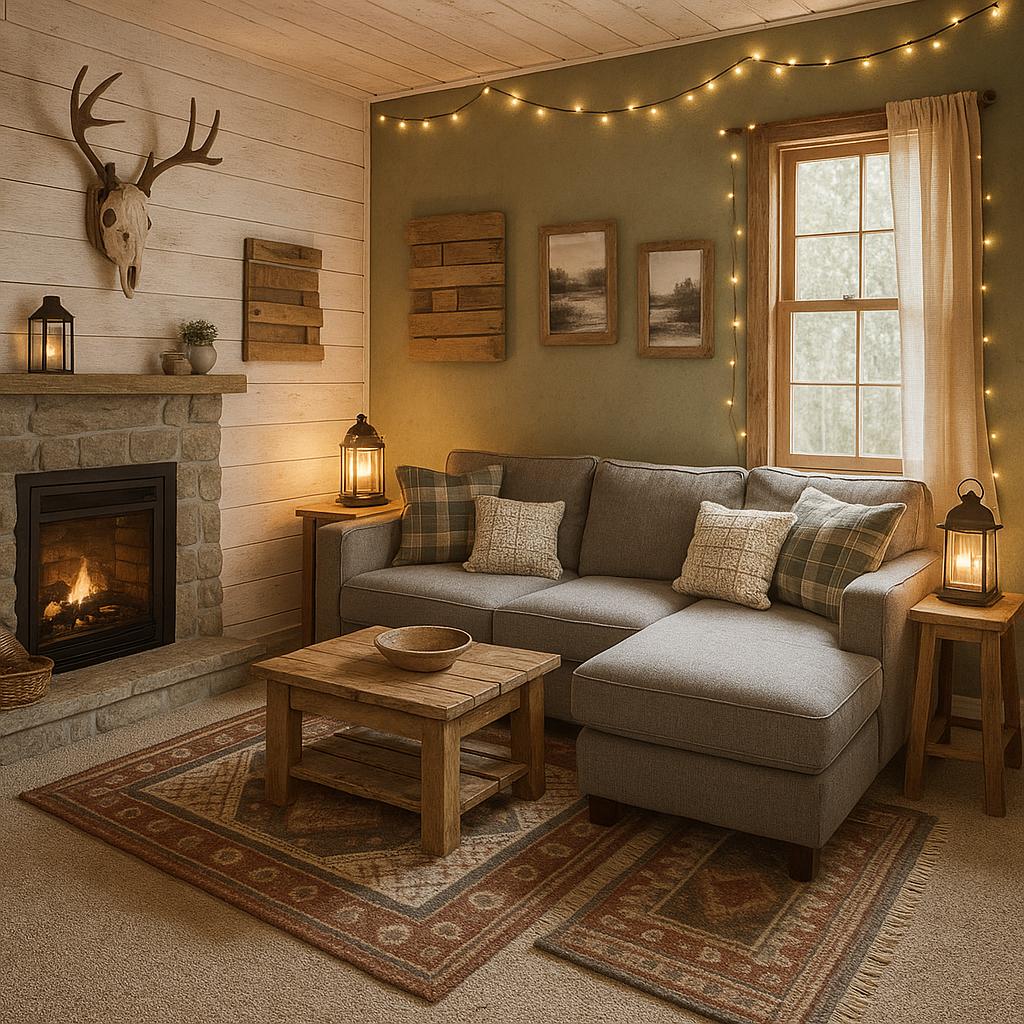
Cozy Farmhouse Cabin Living Room Design
Cozy Farmhouse Cabin Living Room Design uses fireplace focal point, soft textiles and layered neutrals in a living room setting.
The best living room fireplace ideas start with the room in front of you: wall width, window positions, sofa depth, traffic path, and whether the fireplace has to share the wall with a TV. A living room fireplace can be a real focal point, but only when the layout, palette, materials, and lighting are working with it. If those parts are off, even an expensive surround can feel like a decoration pasted onto the wall.
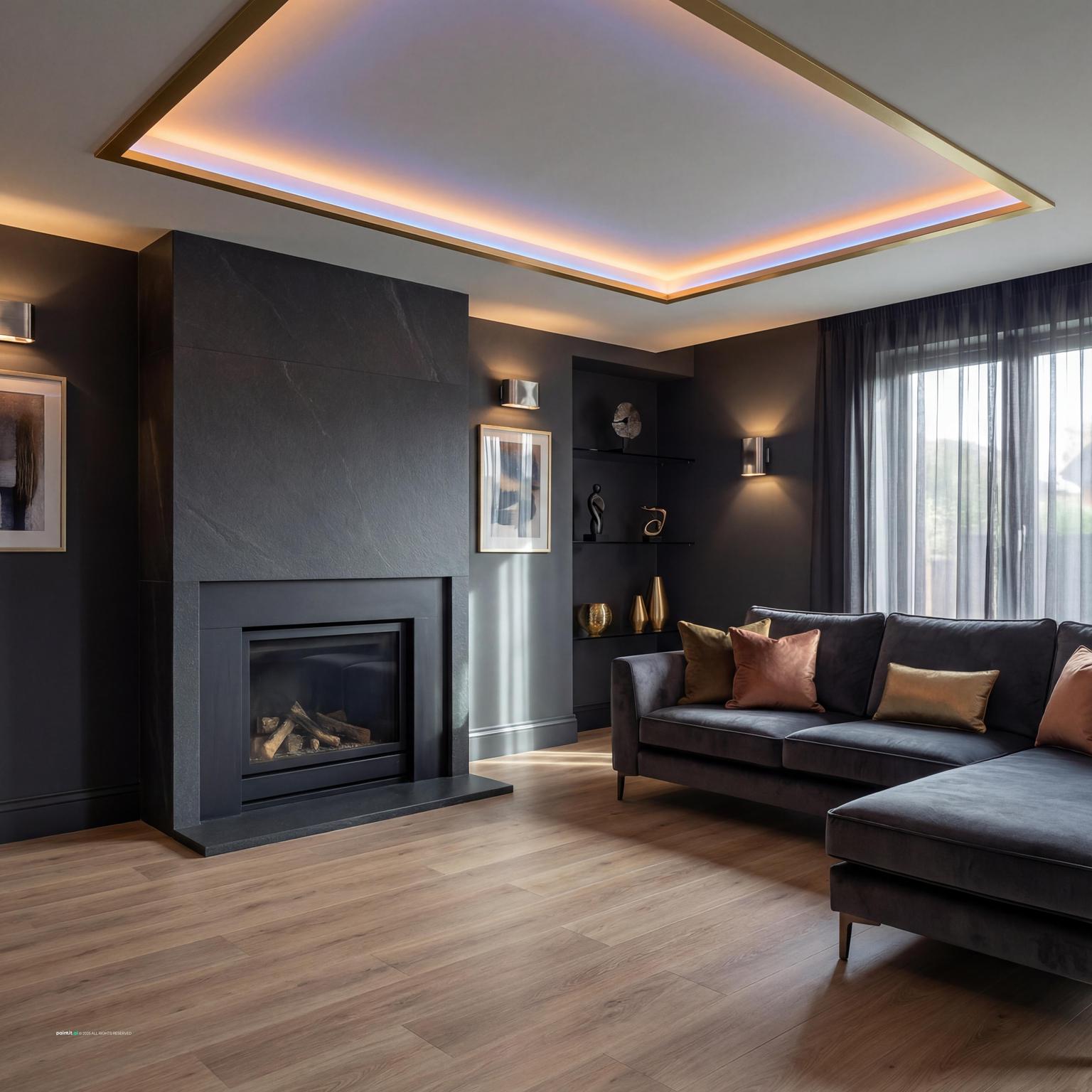
A search phrase like “living room fireplace” is fine for collecting references, but it is too thin for making decisions in a real room. In Paintit.ai prompt data, ~70% of users from 13,665 prompts write short, Google-like requests with almost no context. For fireplace rooms, we often see the same issue: the first version misses the wall scale, seating direction, material, lighting, or what should stay unchanged.
Before choosing mantel decor or a new fireplace surround, decide what the fireplace has to do. Should it anchor conversation, balance a television, warm up a very plain modern room, fix an awkward wall, or make an empty corner feel deliberate? Once that job is clear, the choices get much easier.
Use the first gallery to look at how different rooms make the fireplace feel anchored: symmetrical seating, built-ins, stone texture, wall color, oversized art, or a clean mantel with enough breathing room.
Cozy Farmhouse Cabin Living Room Design uses fireplace focal point, soft textiles and layered neutrals in a living room setting.
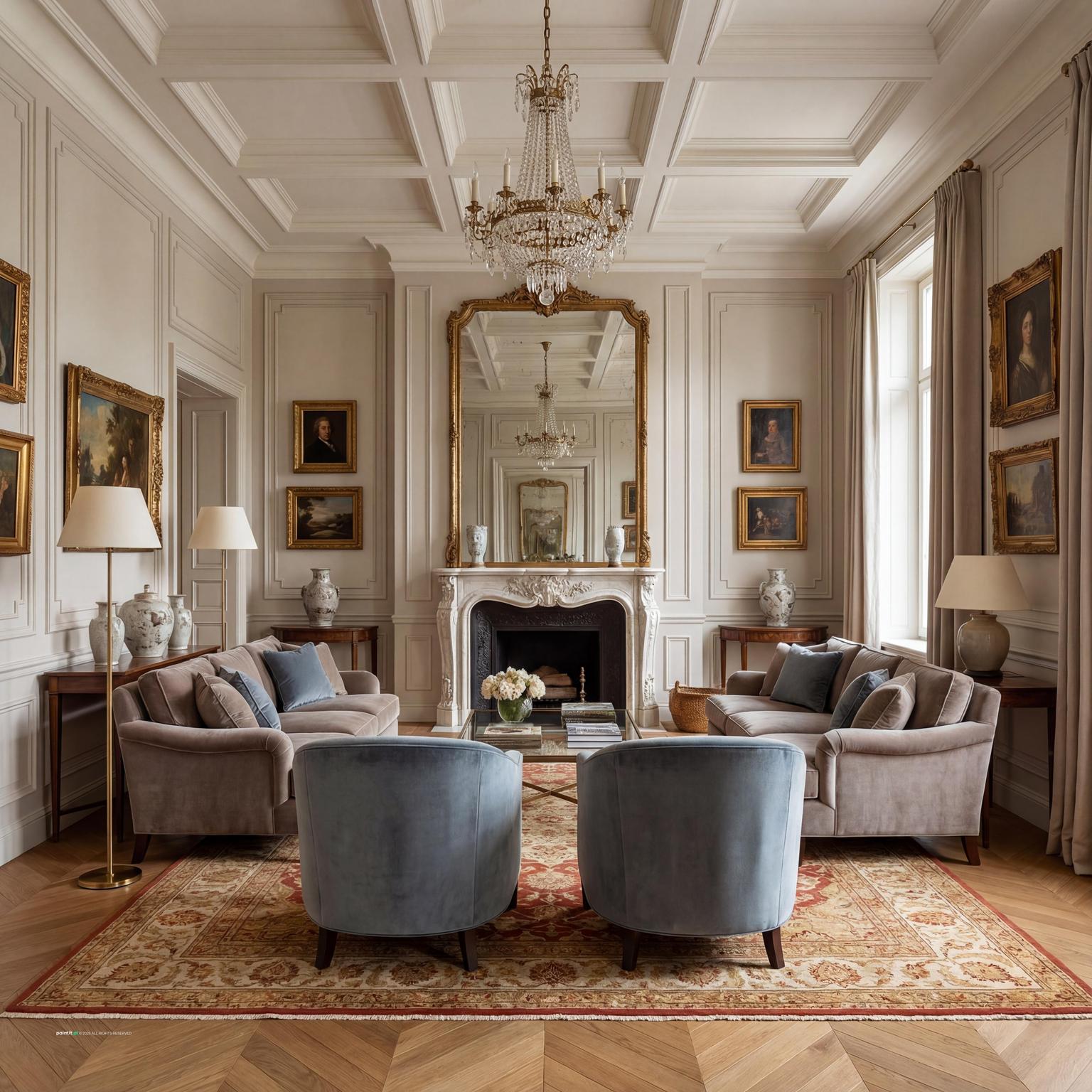
Elegant Neoclassical Living Room Design balances fireplace focal point and layered neutrals in a living room setting.
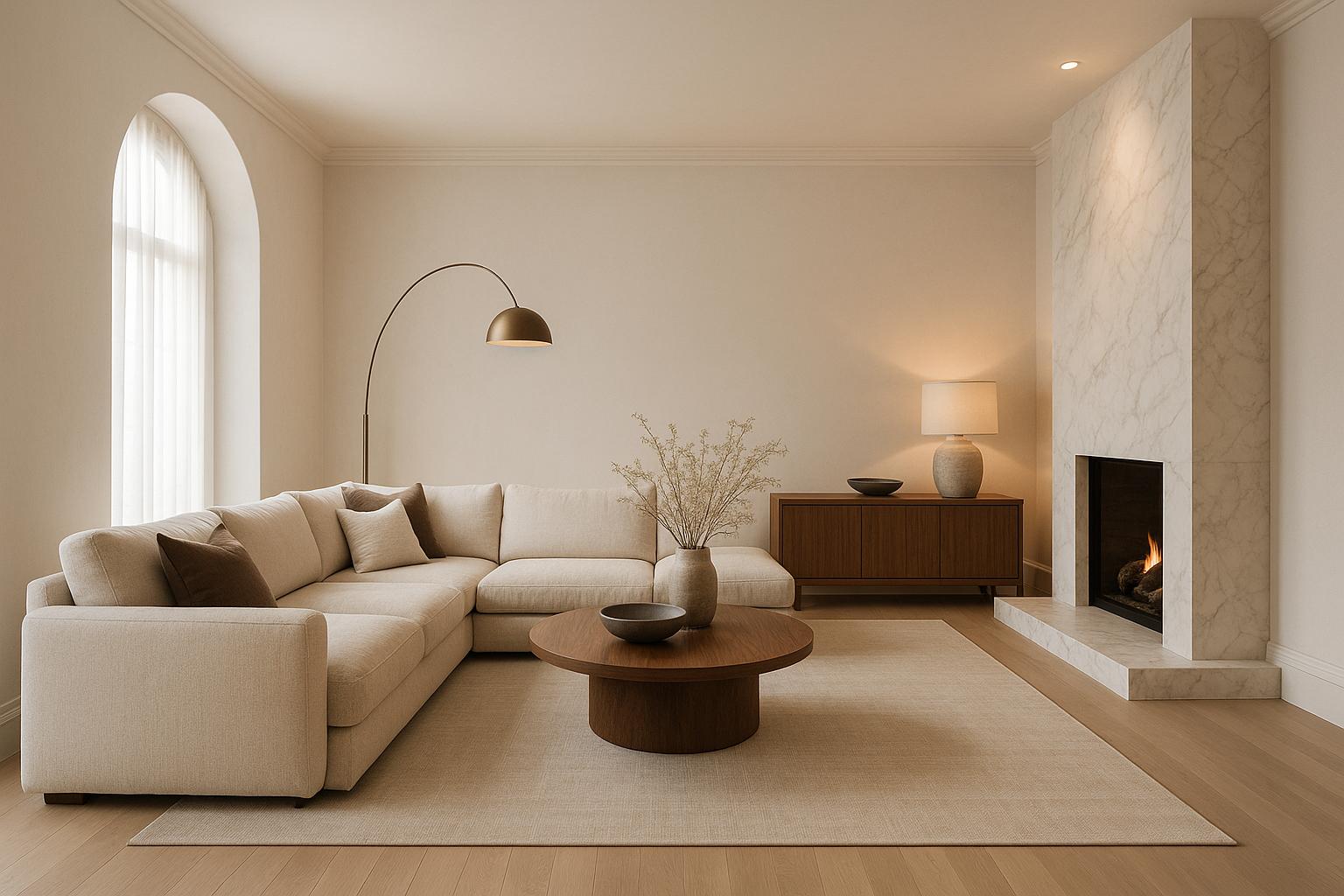
Stunning Modern Living Room Design pairs fireplace focal point and layered neutrals in a living room setting.
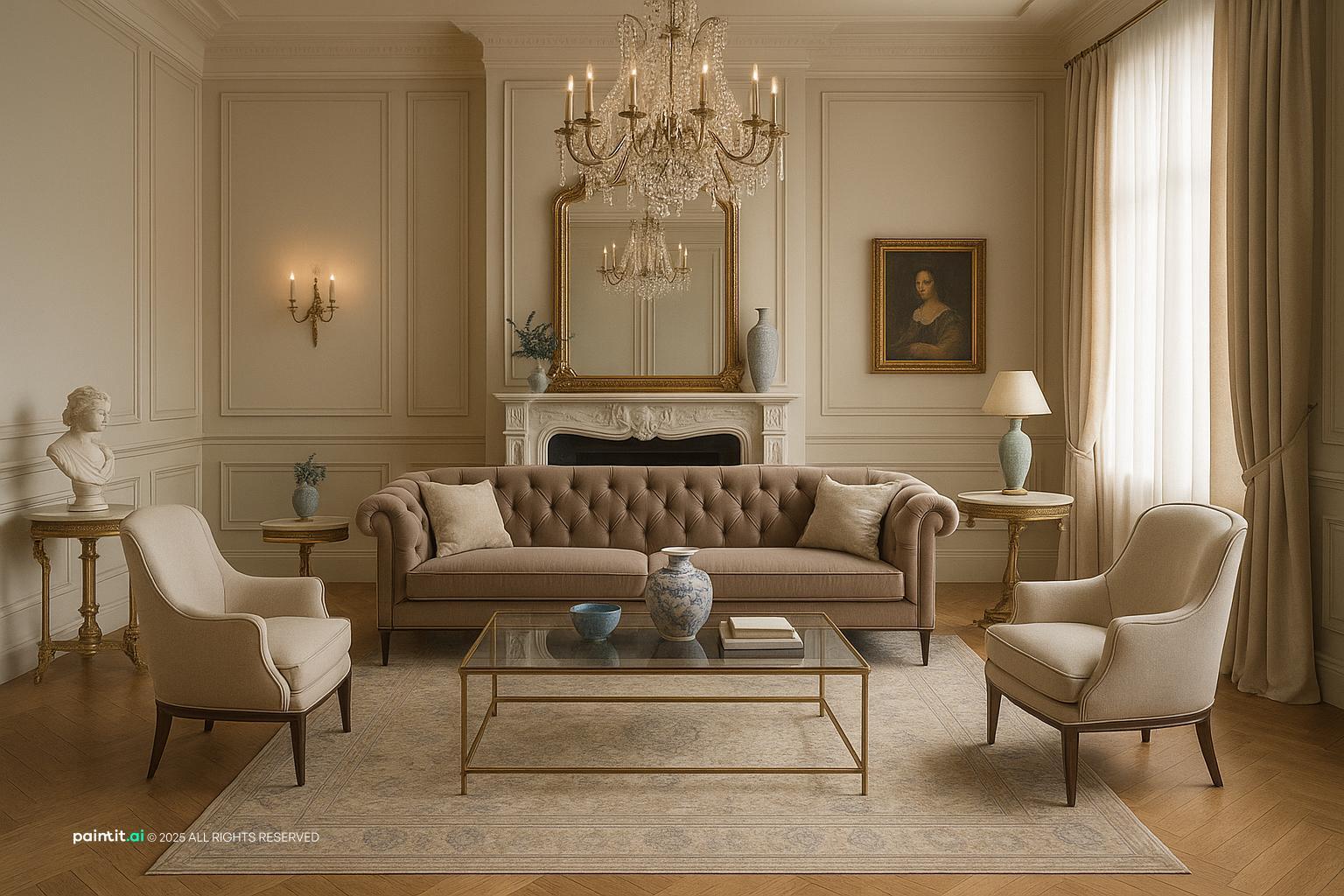
Elegant Neoclassical Living Room Design with Fireplace Focal Point layers fireplace focal point and layered neutrals in a living room setting.
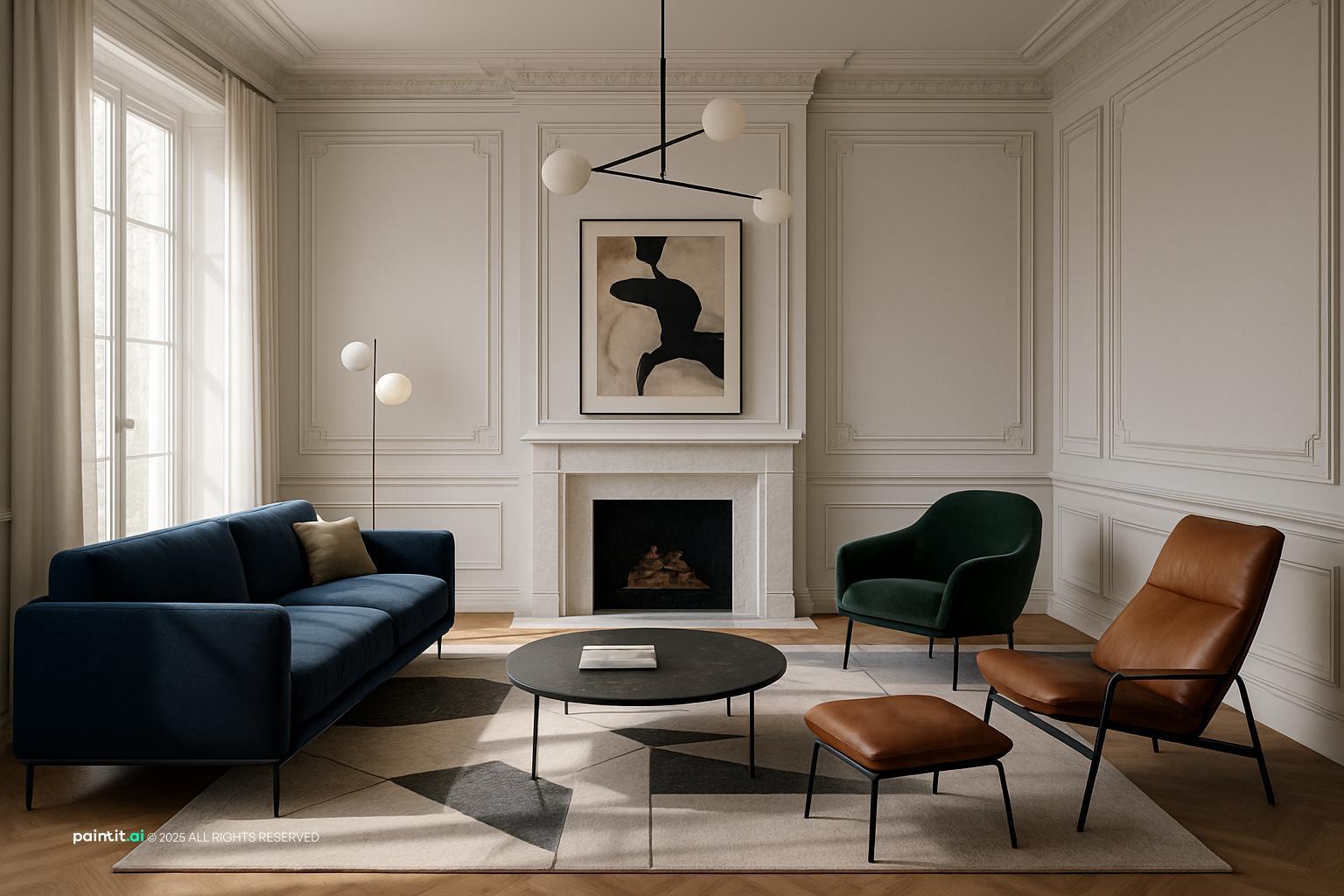
Living Room Fireplace Ideas with Fireplace Focal Point and Layered Neutrals anchors fireplace focal point, layered neutrals and natural light in a living room setting.
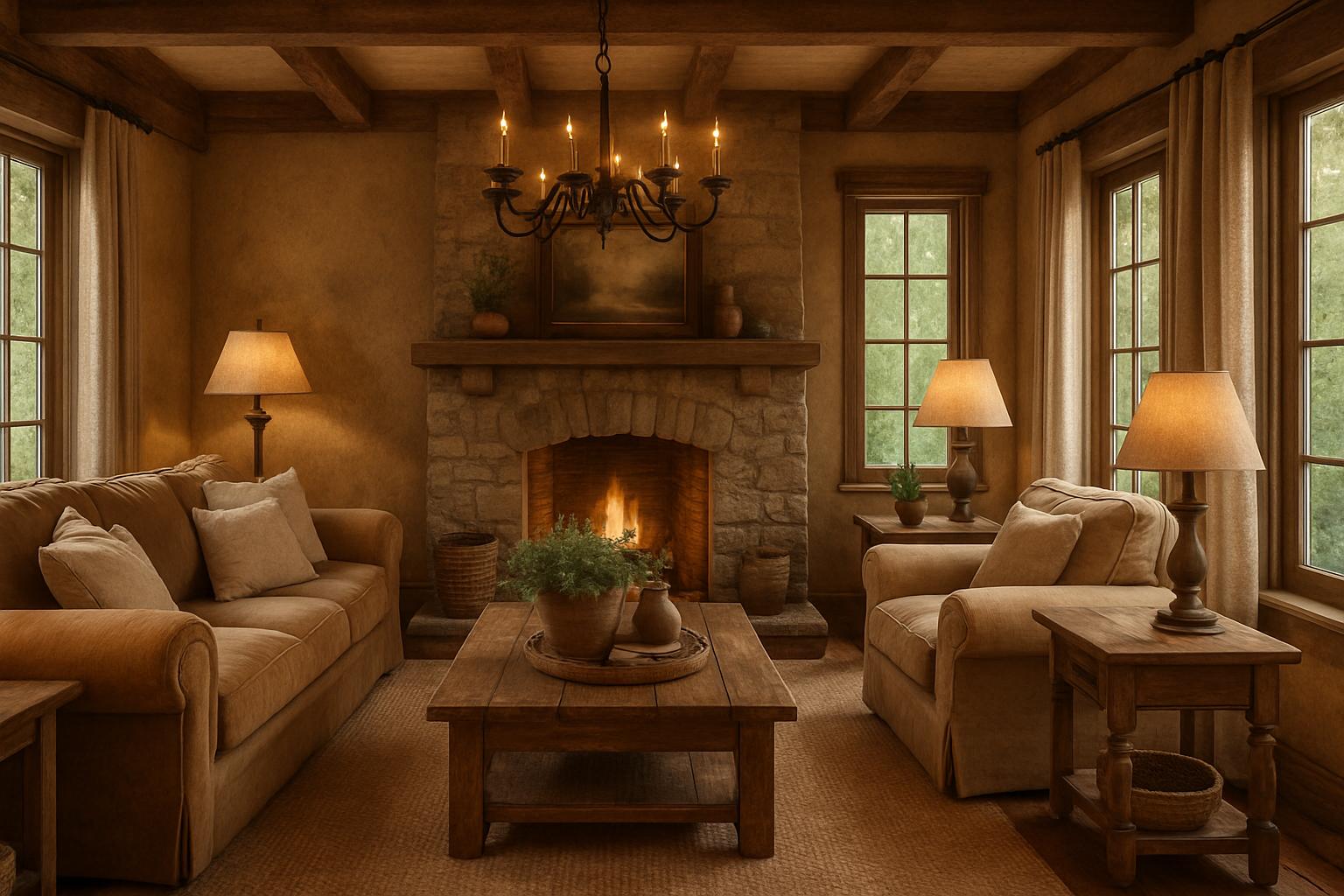
Living Room Fireplace Ideas with Fireplace Focal Point and Soft Textiles softens fireplace focal point, soft textiles and plants and greenery in a living room setting.
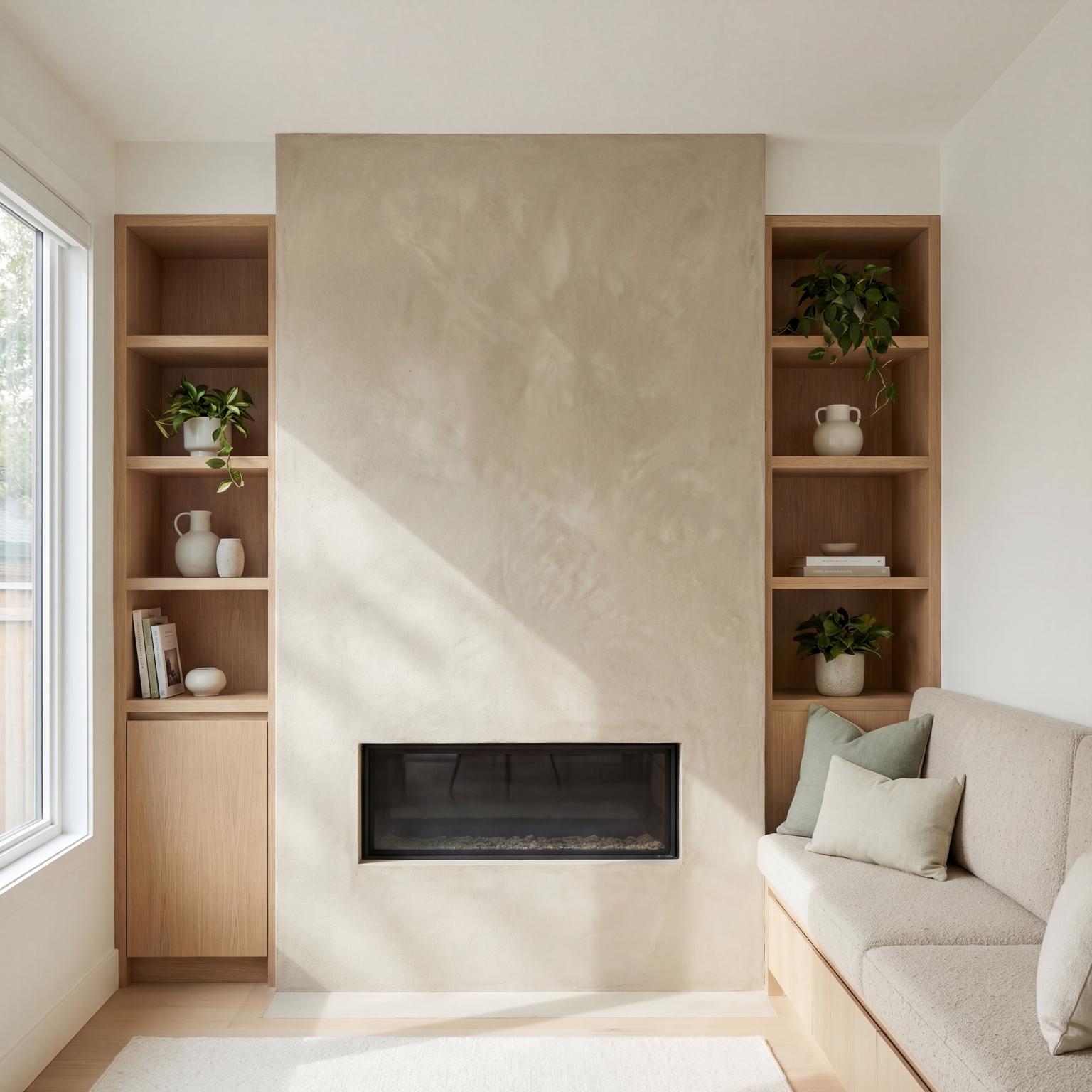
Organic Style Living Room with Modern Fireplace uses fireplace focal point, plants and greenery and layered neutrals in a living room setting.
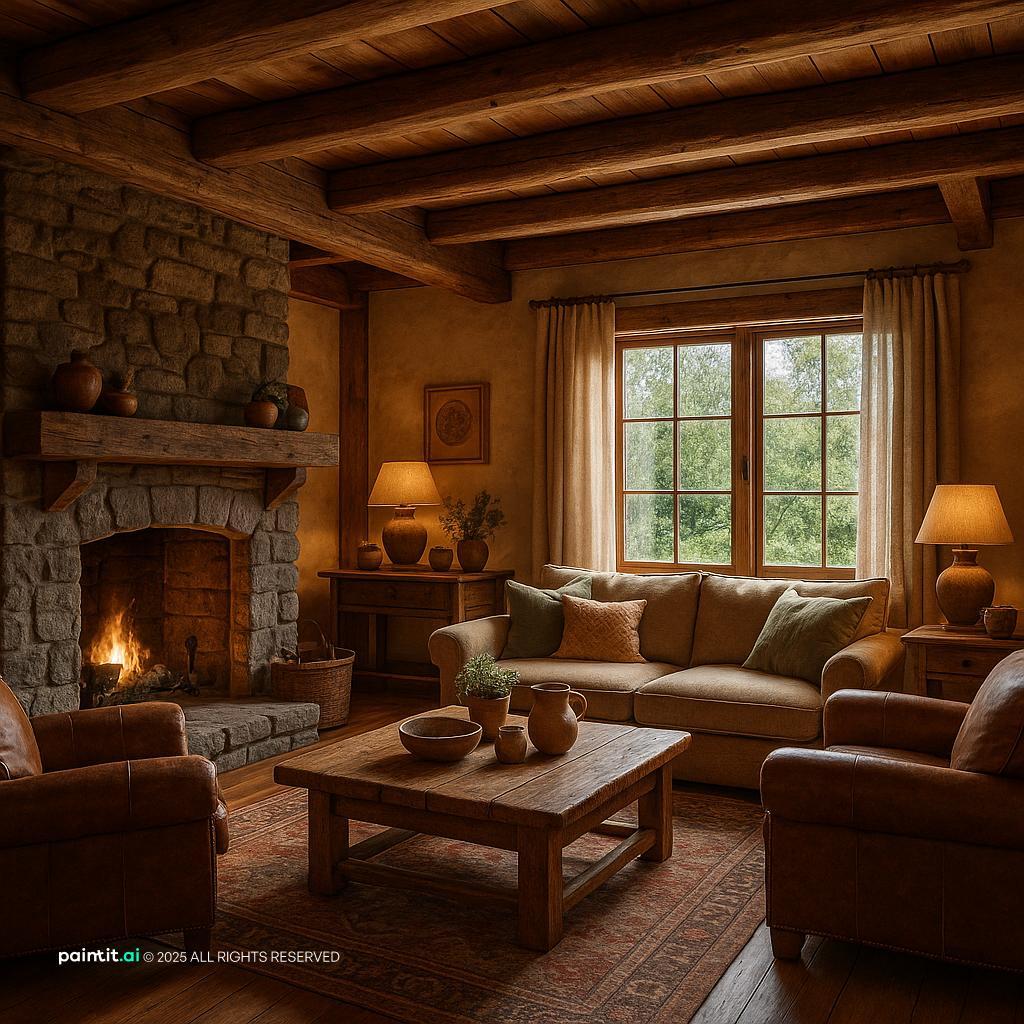
Charming Rustic Living Room Design balances fireplace focal point, soft textiles and natural light in a living room setting.
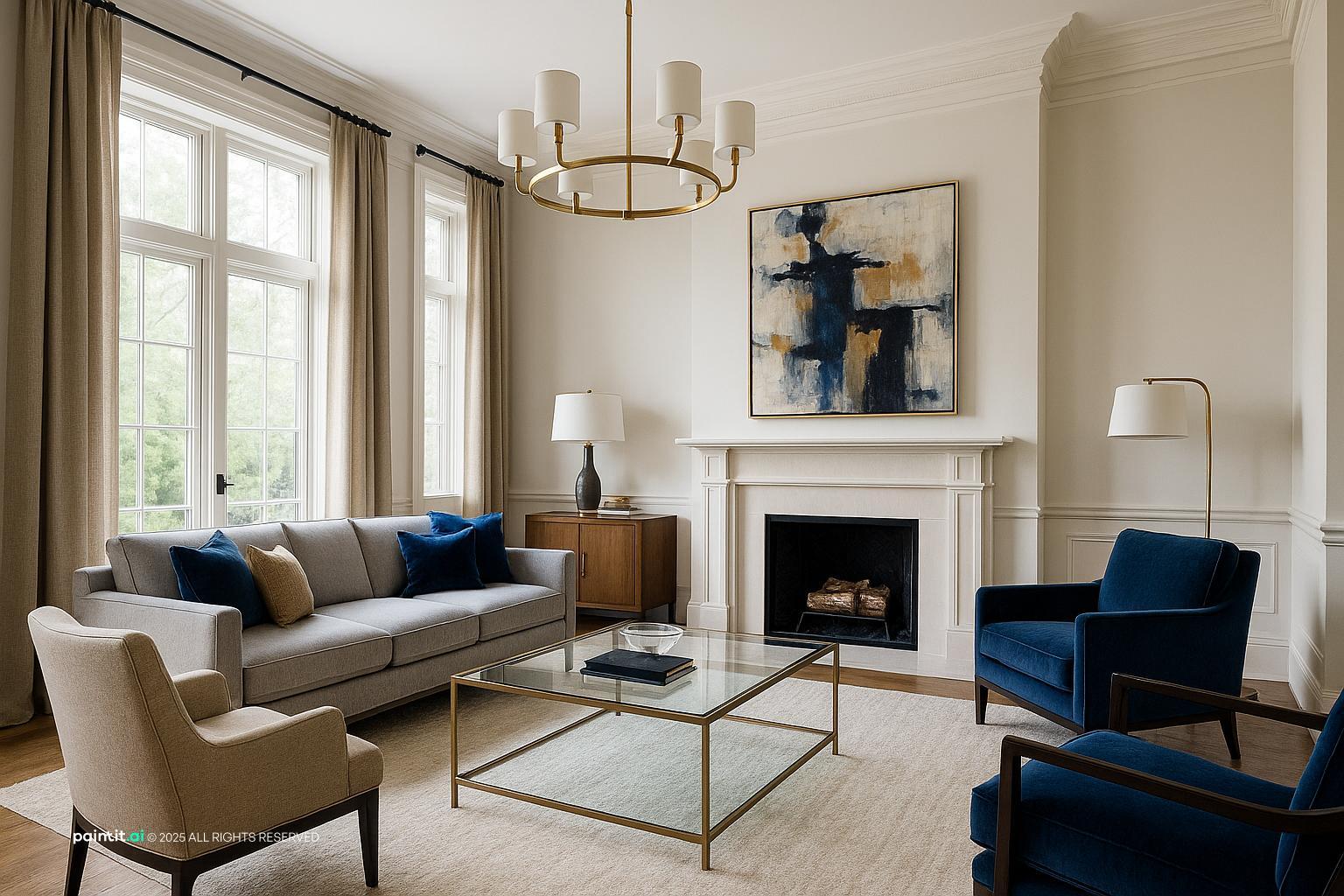
Transitional Style Living Room Design pairs fireplace focal point, soft textiles and metal accents in a living room setting.
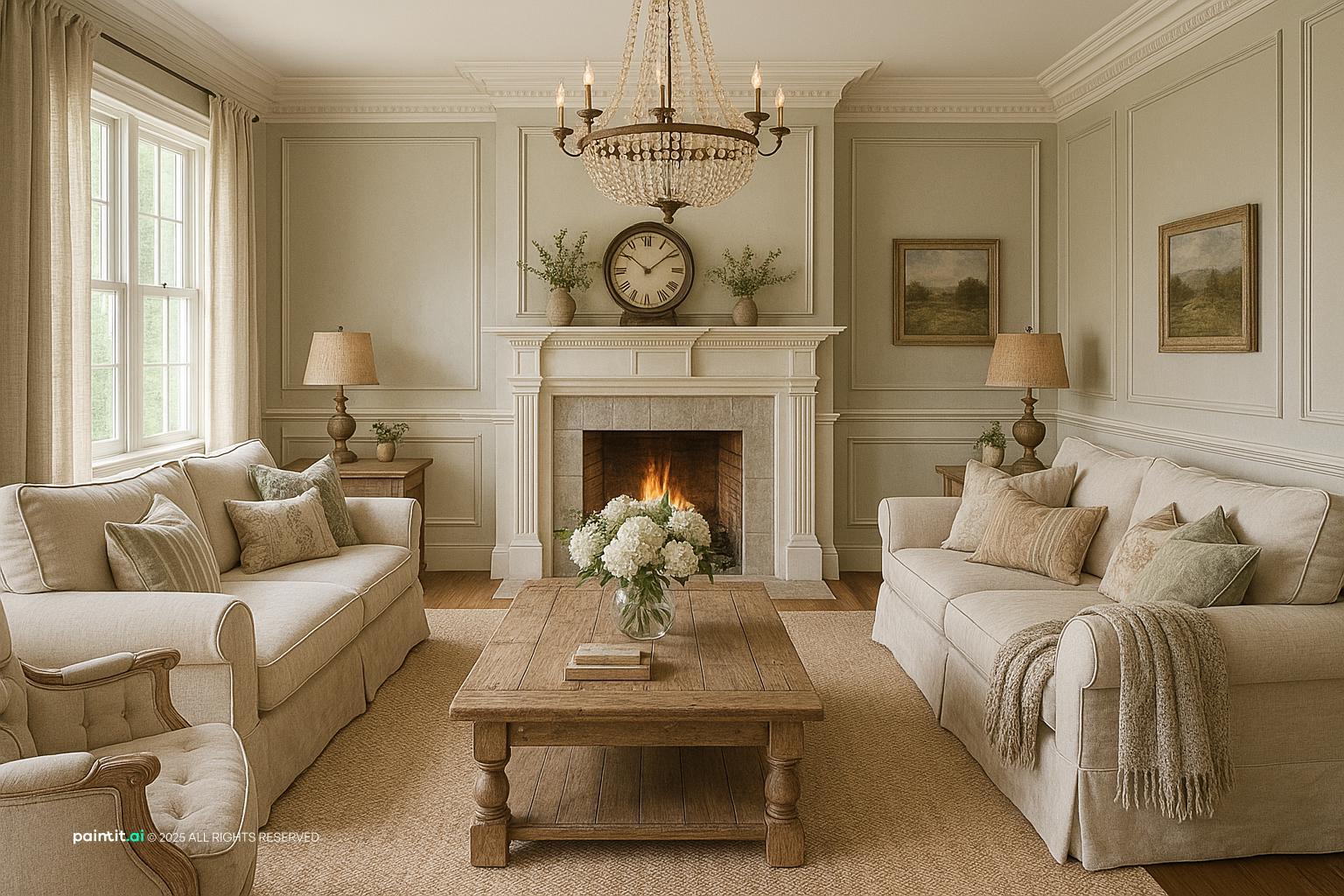
Living Room Fireplace Ideas with Fireplace Focal Point and Soft Textiles with Layered Neutrals layers fireplace focal point, soft textiles and layered neutrals in a living room setting.
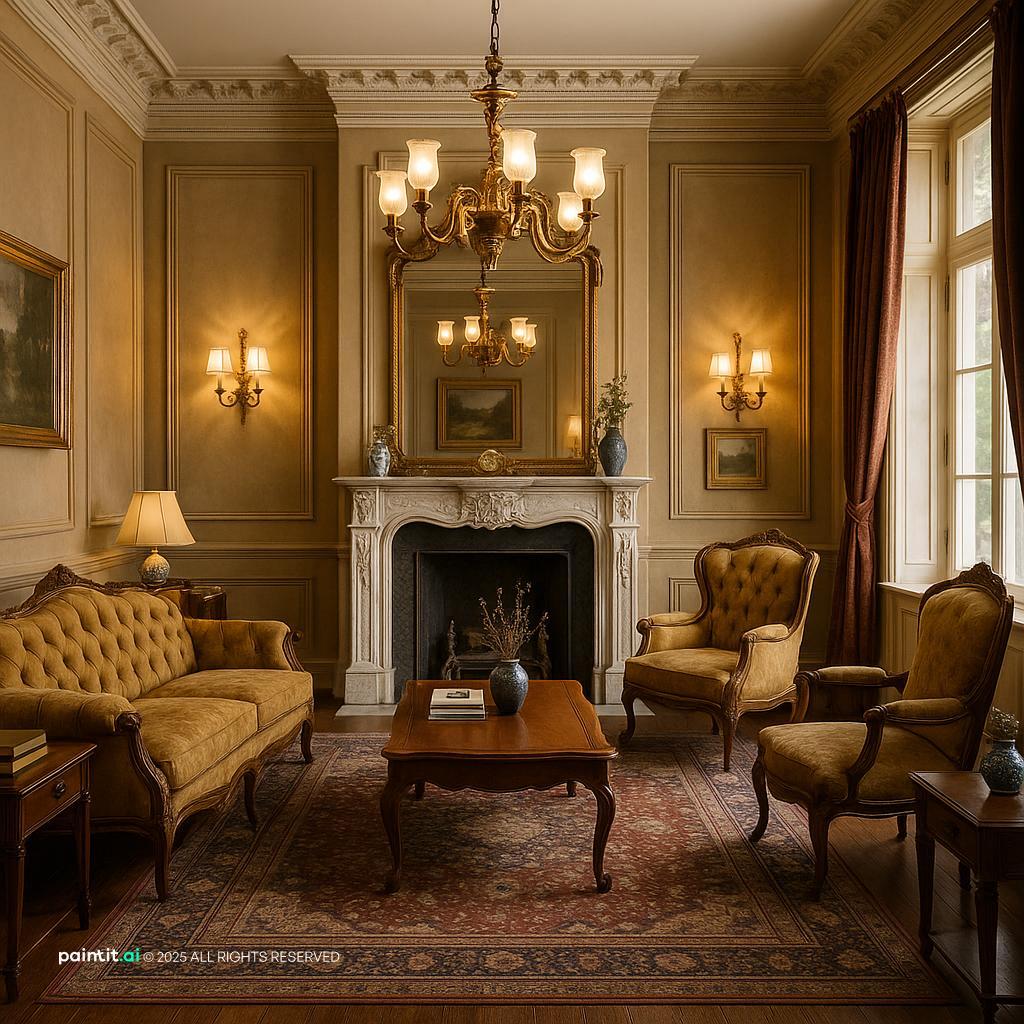
Elegant Classic Living Room Design anchors fireplace focal point, metal accents and natural light in a living room setting.
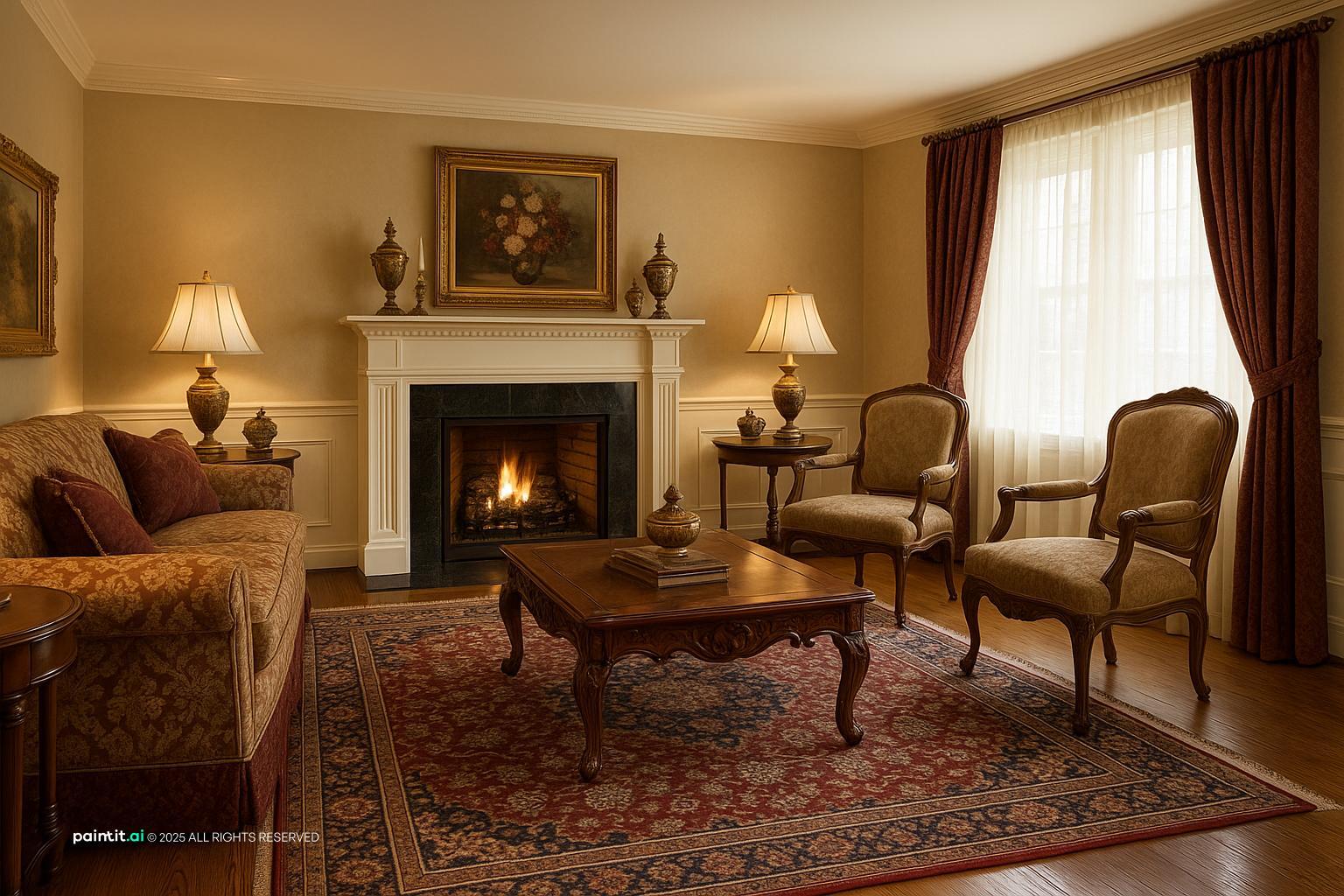
Living Room Fireplace Ideas with Fireplace Focal Point and Layered Neutrals with Natural Light softens fireplace focal point, layered neutrals and natural light in a living room setting.
Treat the fireplace wall as part of the floor plan, not just a nice background for decor. A sofa usually needs to face the fireplace or sit perpendicular to it, with chairs closing the conversation zone. Leave enough space for people to pass the hearth without walking through the middle of the seating area.
Why it works: a beautiful fireplace still feels disconnected if no seat relates to it. If you are testing a new living room layout with fireplace, use an AI living room design tool to compare sofa placement, chair angles, rug size, and TV position before moving heavy furniture.
Choose a rug large enough for at least the front legs of the sofa and chairs to sit on it. In most living rooms, the rug should reach toward the fireplace without touching the hearth. That creates a soft visual bridge between the seating and the firebox.
What to avoid: a small rug floating in the center of the room makes the fireplace feel separate from everything else. If the hearth projects into the room, keep a clean edge around it so the rug does not look squeezed in or unsafe.
A living room with tv and fireplace can work, but you need to decide which element leads. If the fireplace is low and wide, a TV above it may be comfortable when the mantel height is modest. If the fireplace is tall or traditional, place the TV on adjacent built-ins, a side wall, or a swivel mount so the room does not become one heavy vertical stack.
Why it works: dual focal points need hierarchy. Match the TV size to the wall and avoid scattering tiny decor around it. Too many small objects near a screen and mantel make the whole area look nervous.
A fireplace accent wall living room feels more finished when the surround, wall color, shelving, and lighting read as one design. You might use limewash, vertical wood slats, plaster, stone, or a deeper paint color behind the fireplace, then keep the rest of the room quieter.
For more wall-specific planning, look at living room wall design as a separate layer from furniture. The catch: a dramatic wall treatment can look great in a reference image and awkward in your room if you do not check where it meets the ceiling, baseboards, windows, and adjacent walls.
Built-ins on one or both sides of the fireplace can hold books, media equipment, baskets, and display pieces while making the fireplace feel more architectural. If the room is narrow, keep shelves shallow and use closed storage on the bottom to reduce visual clutter.
Why it works: built-ins add structure around an existing fireplace that might otherwise look too small for the wall. Avoid filling every shelf. Leave open space so the fireplace surround still reads first.
A dated brick, tile, or builder-basic surround may not need a full remodel. Paint can quiet heavy red brick, new tile can sharpen a plain surround, and a simple stone slab can make an electric fireplace feel more integrated.
In Paintit.ai tests, users who name the material — honed marble, reclaimed wood, brushed limestone, handmade zellige — usually get more believable fireplace ideas than users who only ask for “modern.” Color appears in 27.6% of prompts and material in 19.0%, which is a useful reminder: the finish is not a side note. It is the design.
Good mantel decor usually needs one dominant piece, one or two supporting objects, and enough negative space. A large mirror, framed art, sculptural vase, or pair of sconces can be enough. Keep smaller items grouped rather than lined up across the full mantel like a shop display.
What to avoid: decor that is too short, too stiffly symmetrical, or too seasonal to support the room year-round. If the fireplace opening is wide, choose wider art or layered pieces so the mantel does not look underdressed.
A stone fireplace can look grounded and beautiful, but it can also make a living room feel cold if every nearby surface is hard. Pair stone with a wood coffee table, woven shades, wool upholstery, or linen curtains. The contrast keeps the fireplace from feeling like an outdoor wall brought inside.
Best use case: this approach works especially well in rustic, transitional, Scandinavian, and organic modern rooms. Avoid pairing gray stone with cool gray walls and cool metal everywhere unless you truly want a crisp, minimal mood.
Many modern living room fireplace ideas rely on clean lines, simple slabs, and hidden hardware. To stop the room from feeling blank, vary texture: plaster wall, oak mantel shelf, ribbed cabinet doors, bouclé chair, or a low-contrast patterned rug.
Why it works: minimal rooms still need depth. If everything is smooth, white, and rectangular, the fireplace can look like a showroom panel instead of part of a lived-in room.
The hearth tells you how close furniture should come to the fireplace. In a traditional room, a raised hearth may act as a strong horizontal line. In a modern room, a flush hearth can keep the floor plane cleaner. Either way, respect its edge when placing rugs, poufs, baskets, and accent chairs.
What to avoid: crowding the hearth with too many accessories. A basket of blankets, a single log holder, or one sculptural object is usually enough unless the fireplace is purely decorative and never used.
If the room is empty, start with seating before art or accessories. A pair of chairs angled toward the fireplace, a sofa facing the wall, and a coffee table centered on the rug will quickly show whether the fireplace wall can carry the room.
For vacant spaces, AI virtual staging can help compare cozy seating options without buying furniture first. Pay attention to chair clearance, coffee table reach, and whether people can enter the room without squeezing behind the sofa.
For AI design tests, “living room fireplace decor ideas” is a starting point, not a complete brief. Add action, room, style, color, material, and constraints: “Redesign my living room fireplace in warm minimalist style, keep the windows and wood floors, change the brick to light limestone, add ambient mantel lighting, no clutter.”
This matters because only 12.0% of prompts use “keep” or “don’t change,” and only 5.9% mention lighting. If you like your existing architecture, say so clearly. Use commands such as KEEP: fireplace structure, REPAINT: mantel, REMOVE: bulky shelf, LIGHTING: warm wall sconces.
The second gallery is useful for comparing real tradeoffs: centered versus off-center seating, TV above versus beside the fireplace, dark surround versus pale stone, built-ins versus open wall, and formal symmetry versus relaxed lounge seating.
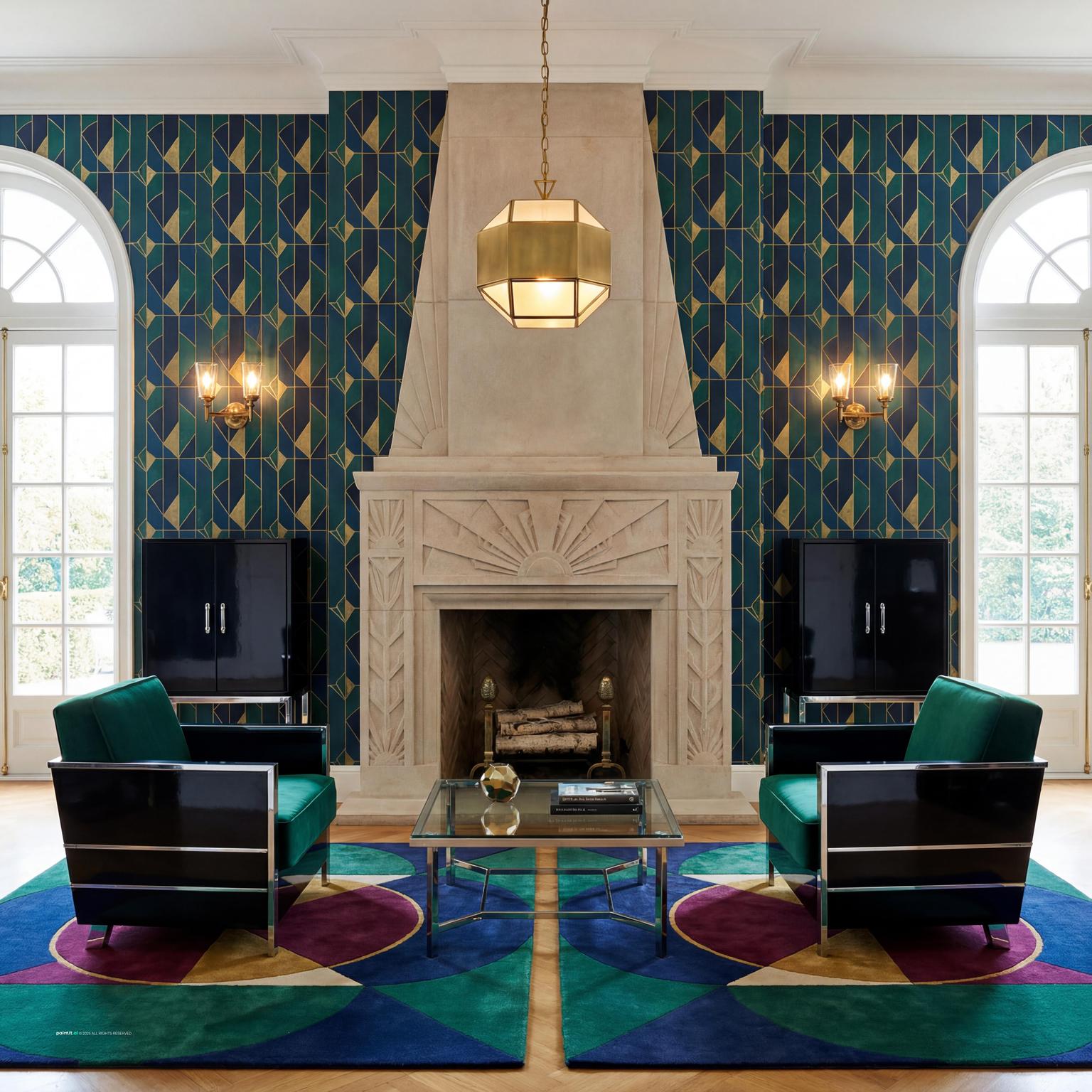
Stunning Art Deco Living Room Design uses fireplace focal point, metal accents and dark contrast in a living room setting.
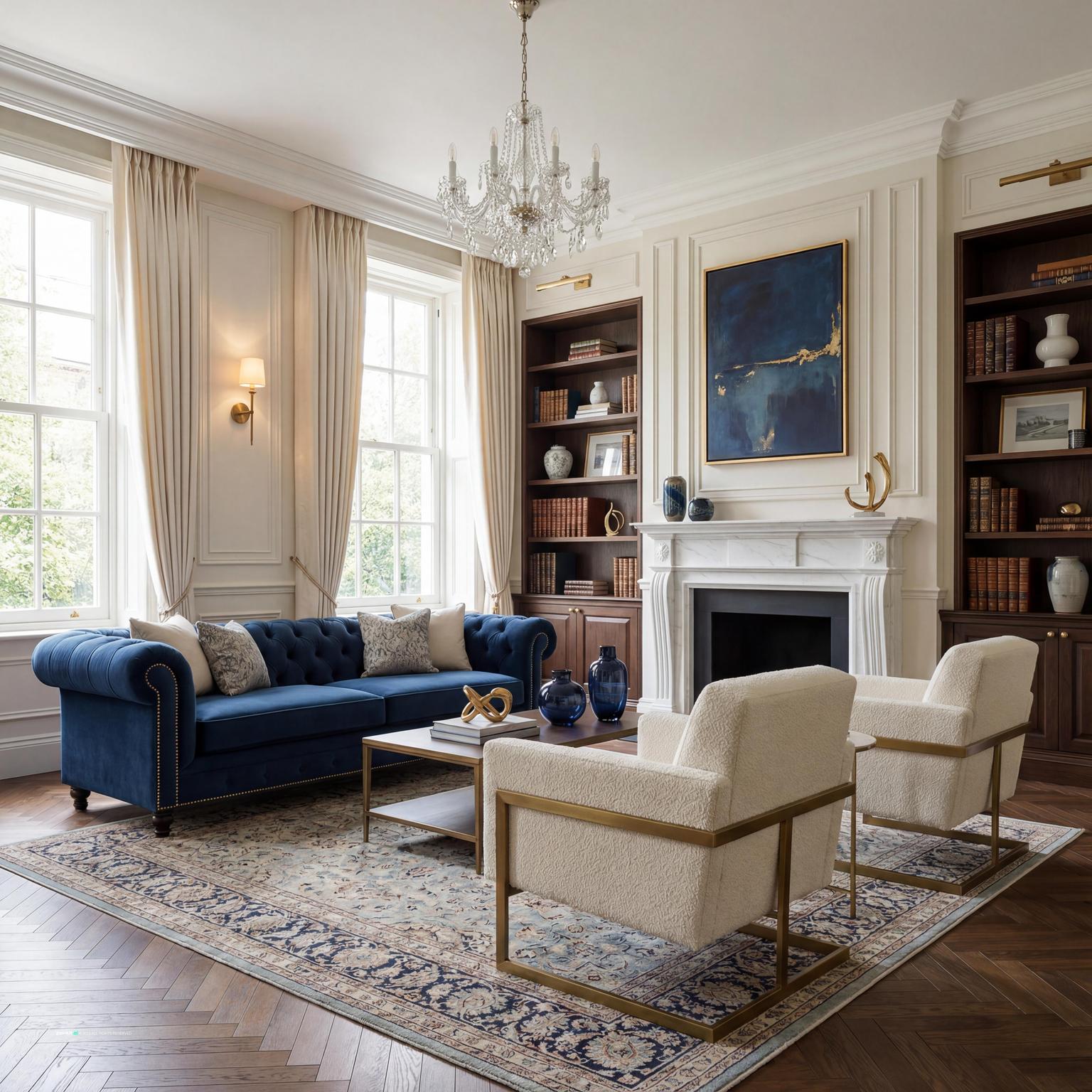
Elegant Neoclassic Living Room Design balances fireplace focal point, warm wood and metal accents in a living room setting.
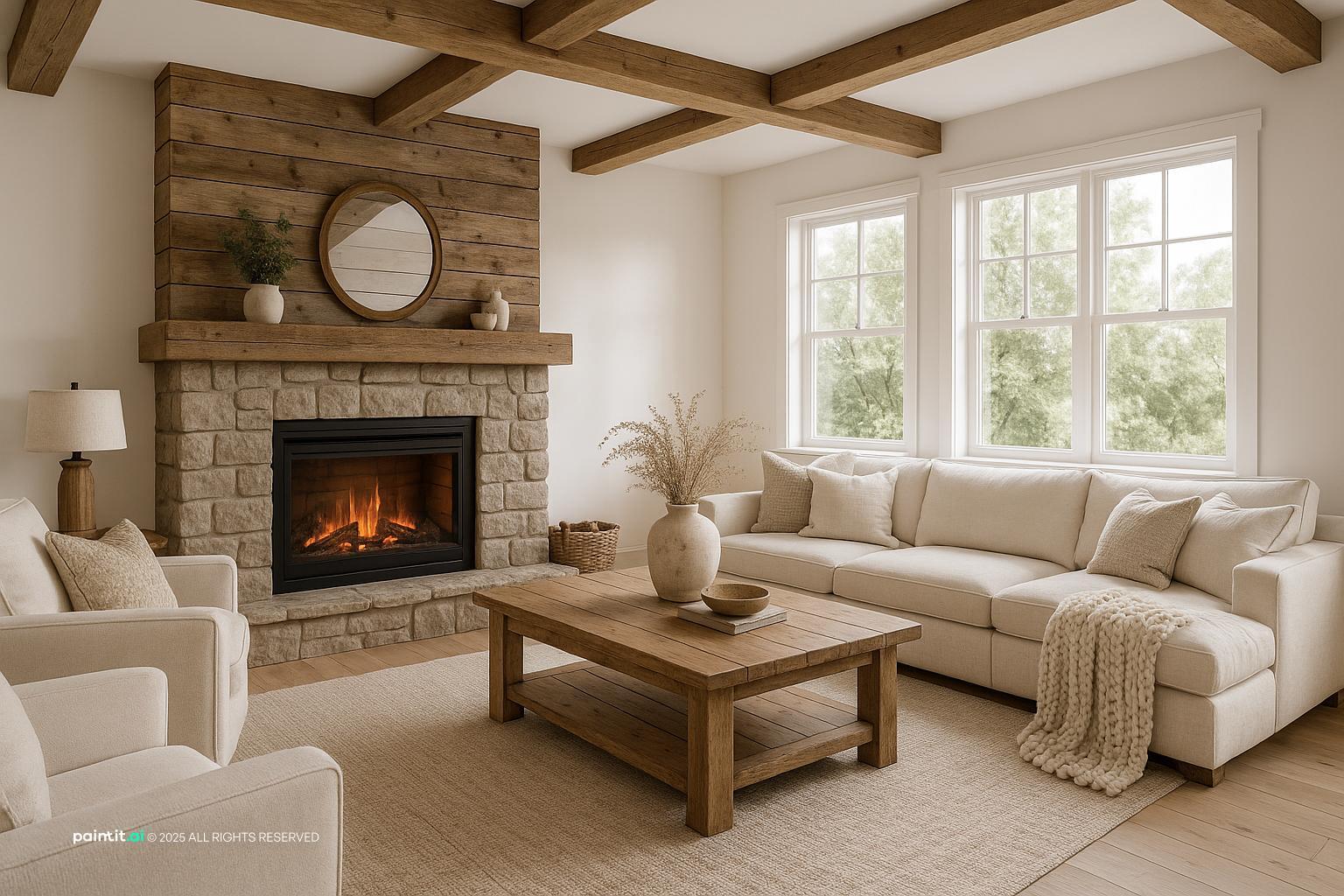
Cozy Modern Farmhouse Living Room Design pairs fireplace focal point, soft textiles and layered neutrals in a living room setting.
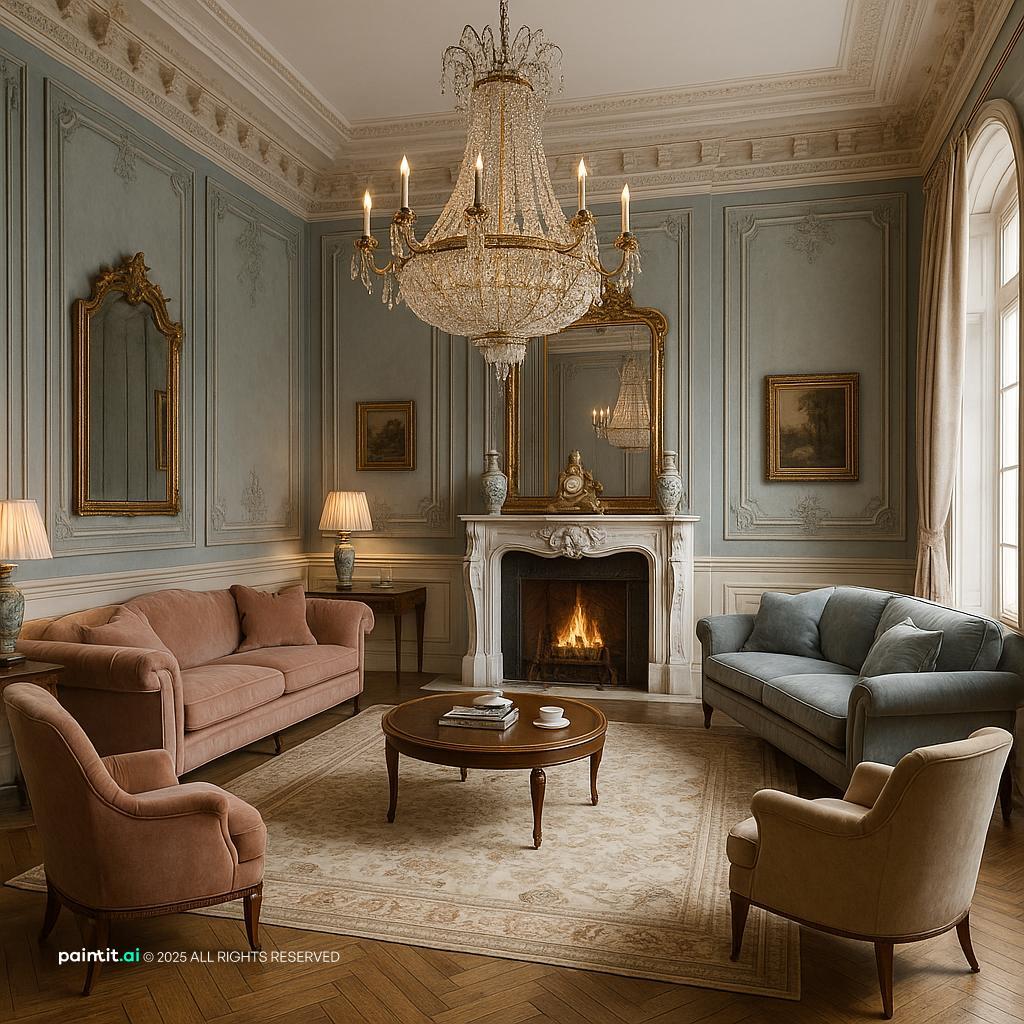
Elegant Neoclassical Living Room Design with Metal Accents layers fireplace focal point, metal accents and layered neutrals in a living room setting.
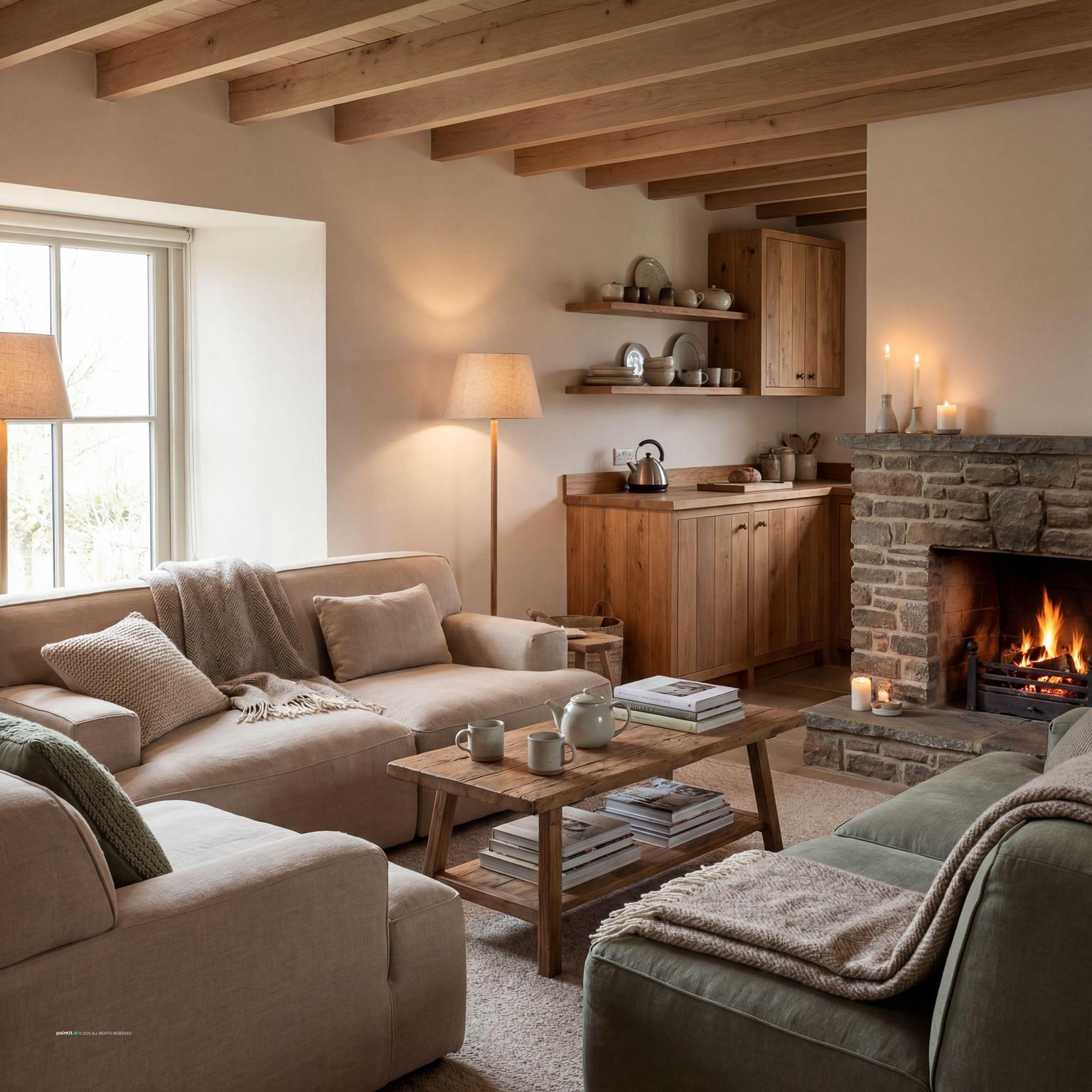
Modern Cottage Living Room Design for Relaxation anchors fireplace focal point, soft textiles and layered neutrals in a living room setting.
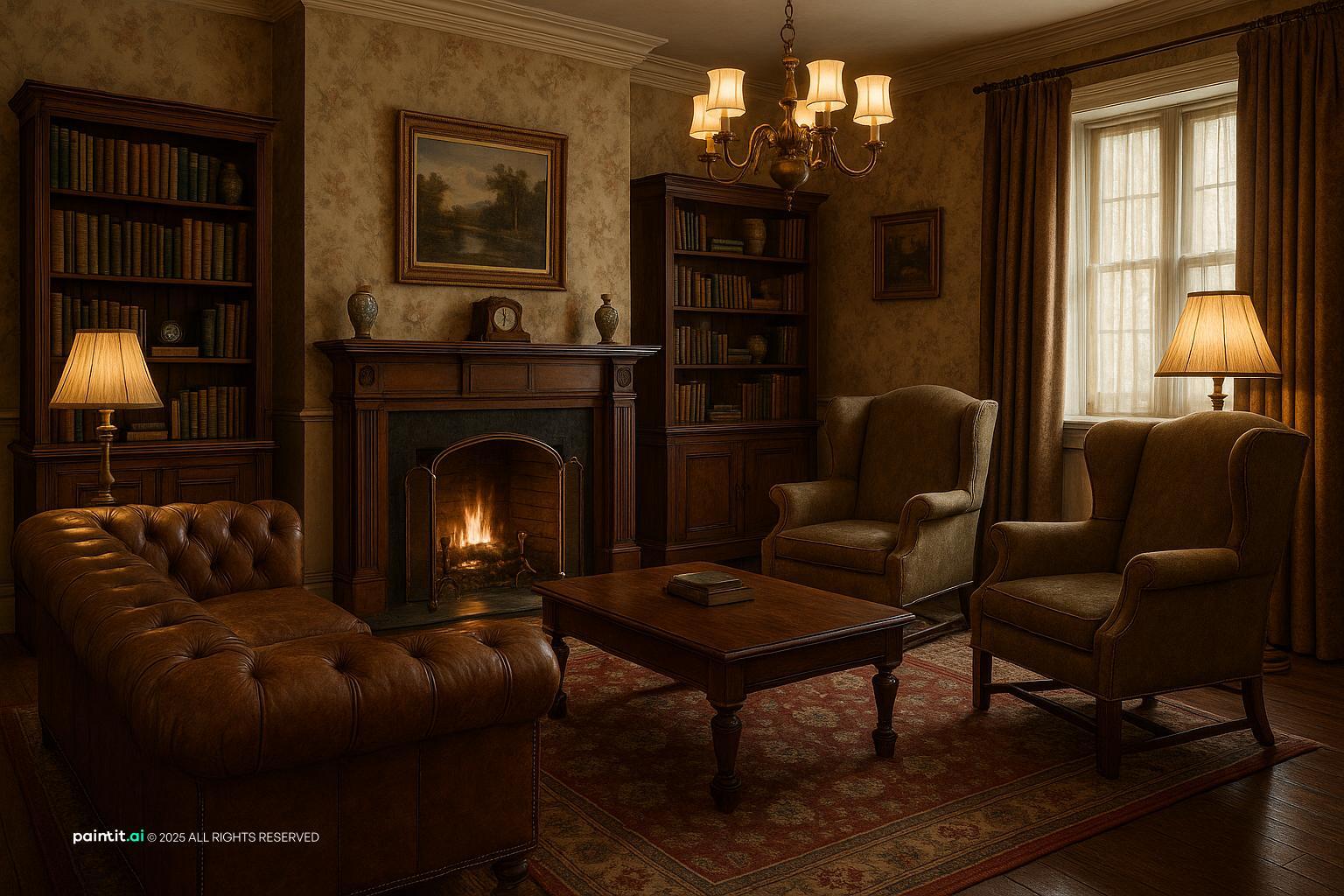
Elegant Vintage Living Room Design softens fireplace focal point, metal accents and natural light in a living room setting.
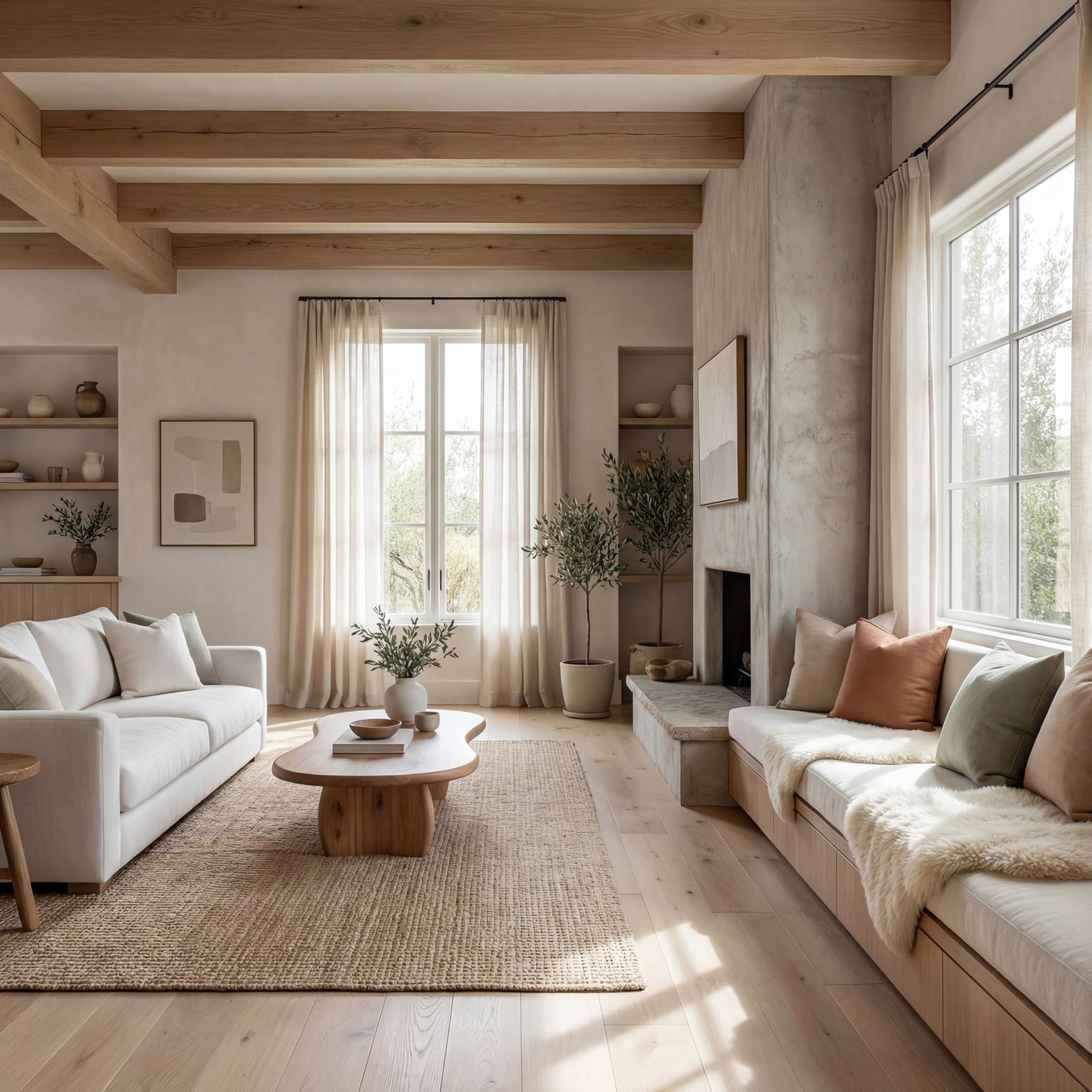
Serene Organic Style Living Room Design uses fireplace focal point, warm wood and soft textiles in a living room setting.
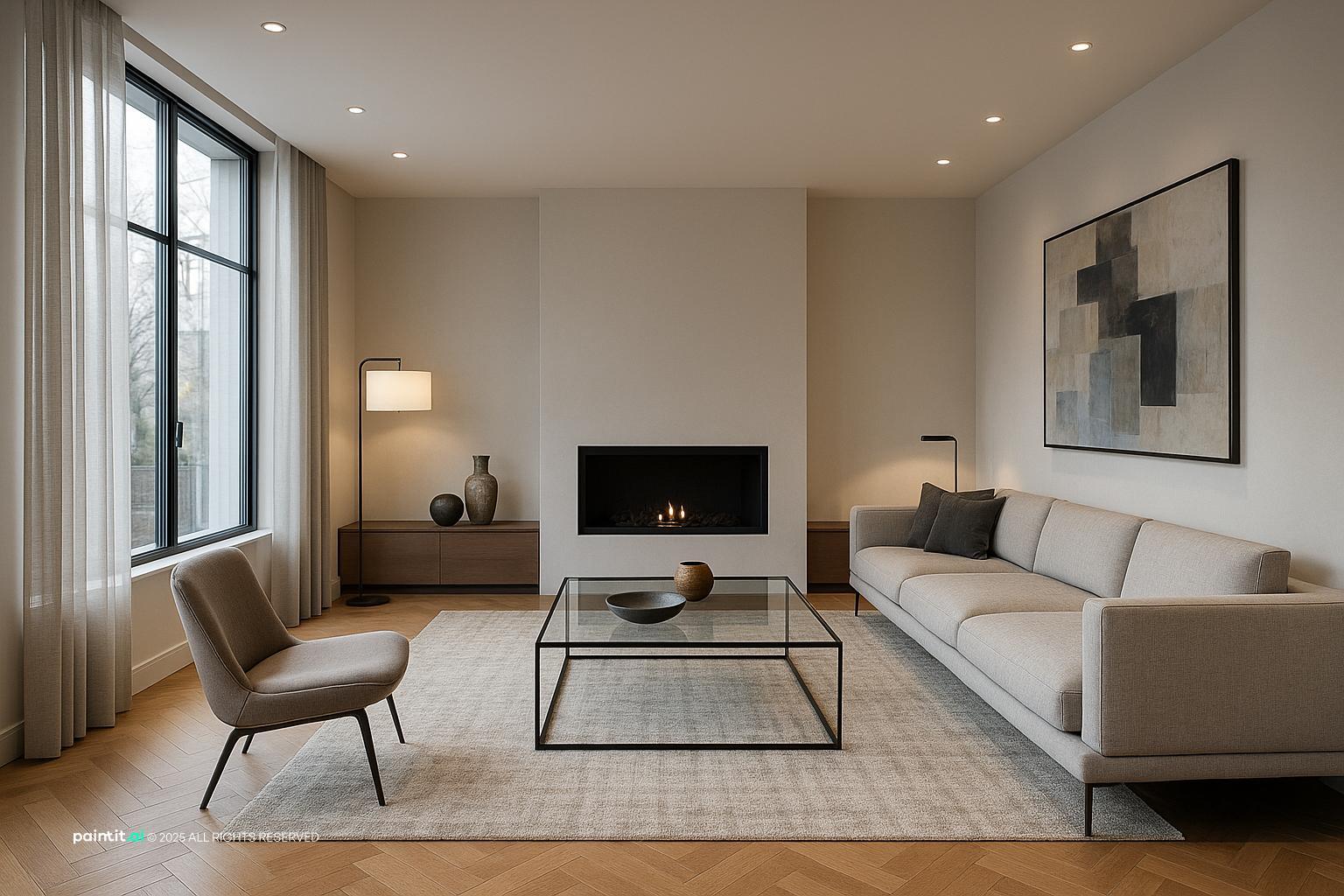
Contemporary Minimalist Living Room Design balances fireplace focal point, metal accents and clean-lined furniture in a living room setting.
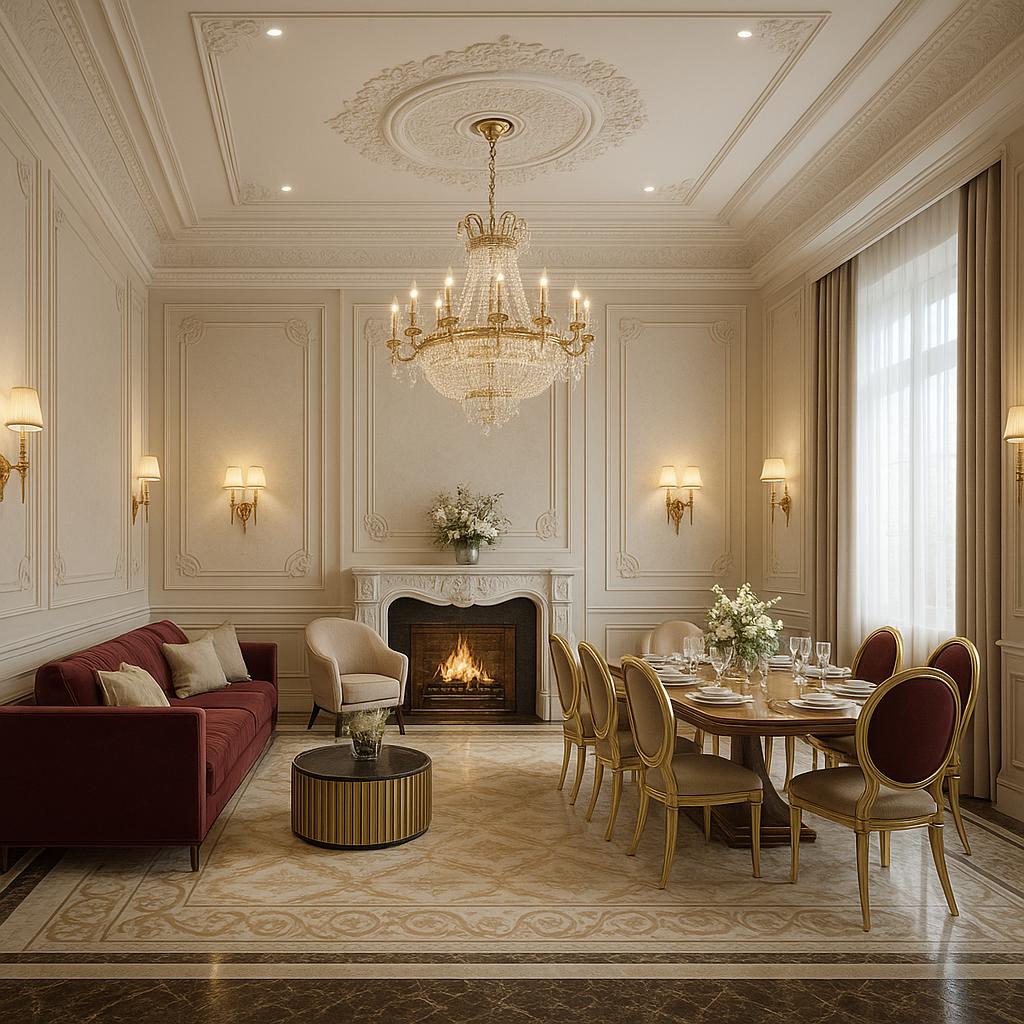
Luxurious Neoclassic Living Room Design pairs fireplace focal point and layered neutrals in a living room setting.
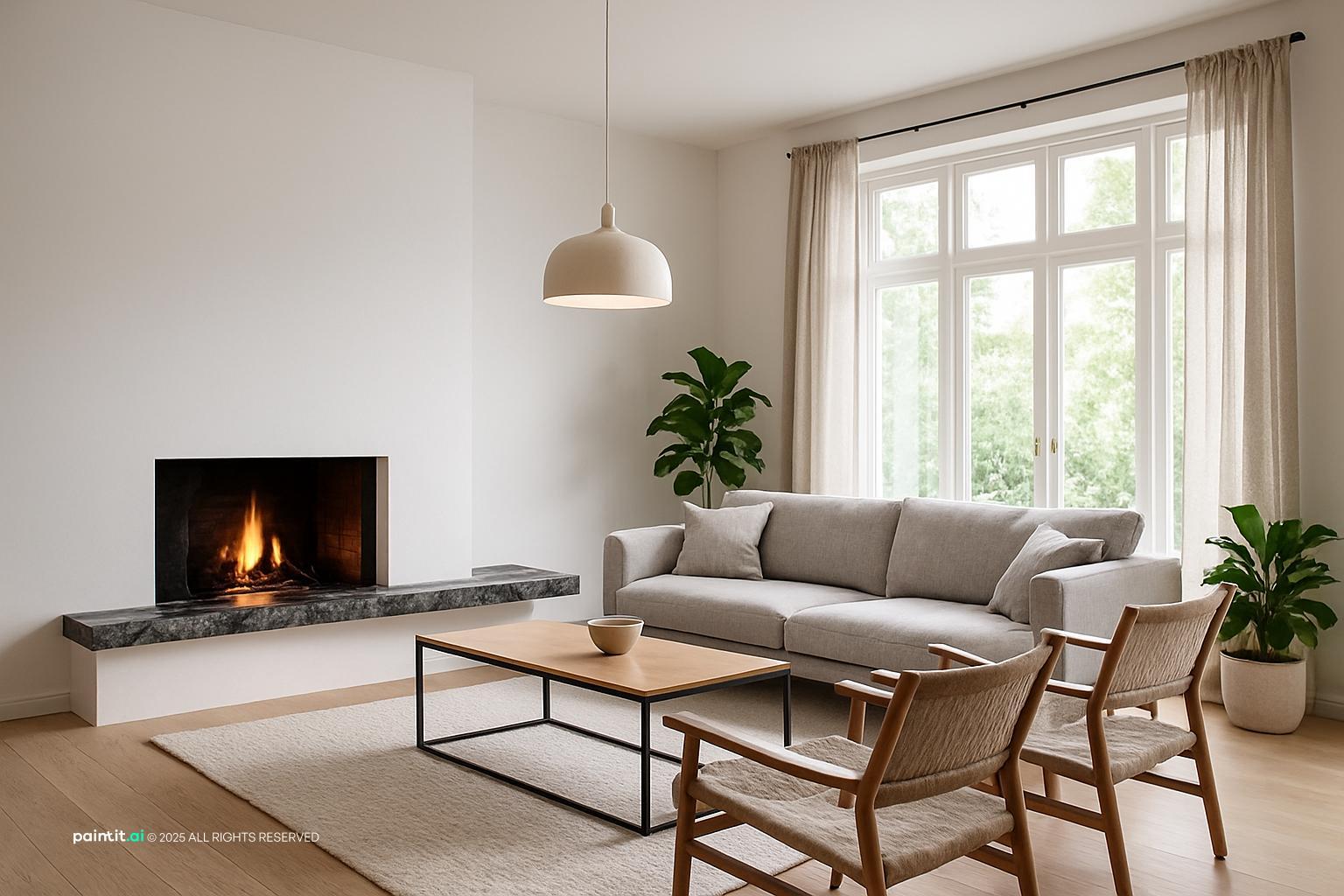
Scandinavian-Style Living Room Design layers fireplace focal point, warm wood and soft textiles in a living room setting.
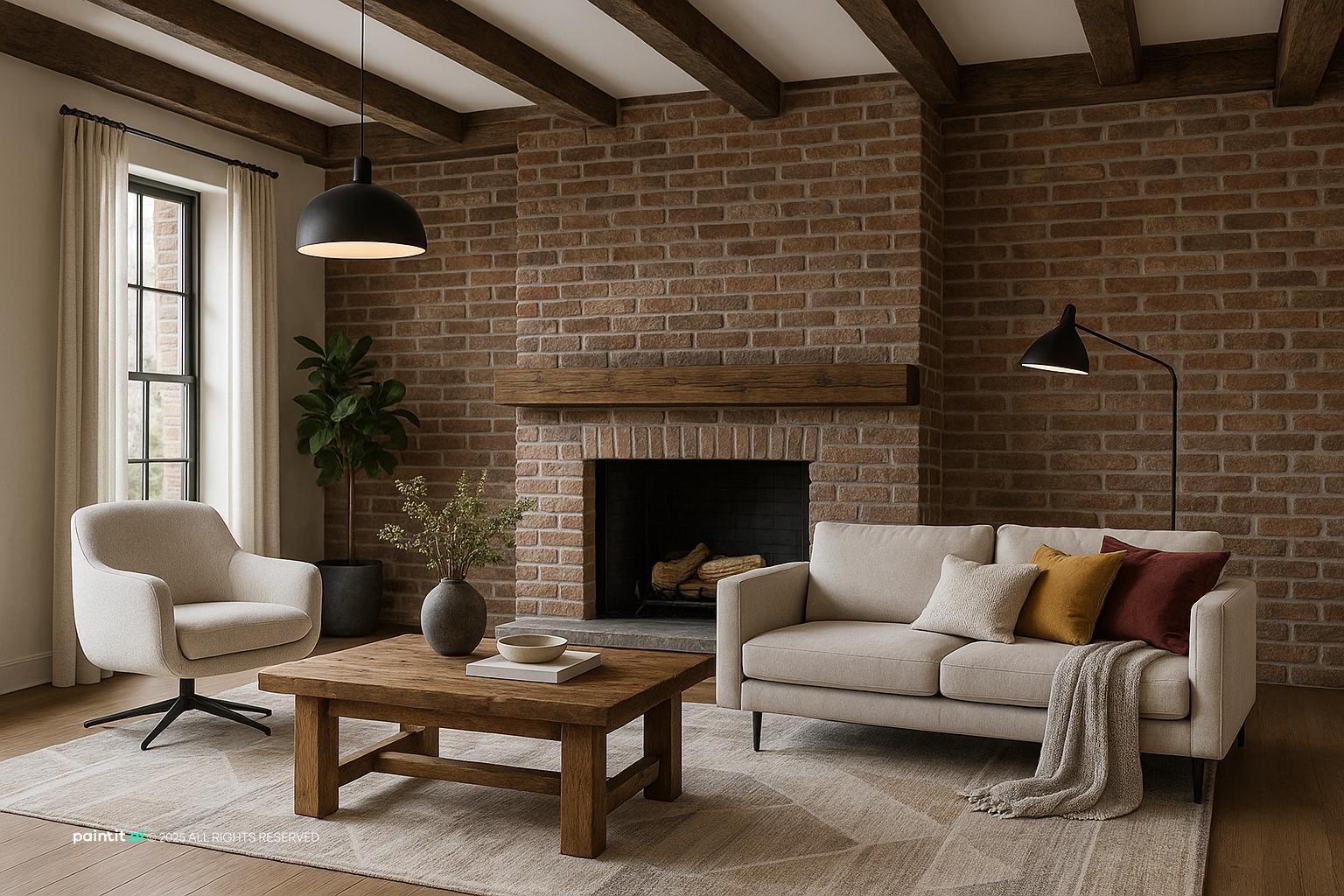
Living Room Fireplace Ideas with Fireplace Focal Point and Soft Textiles View 3 anchors fireplace focal point, soft textiles and layered neutrals in a living room setting.
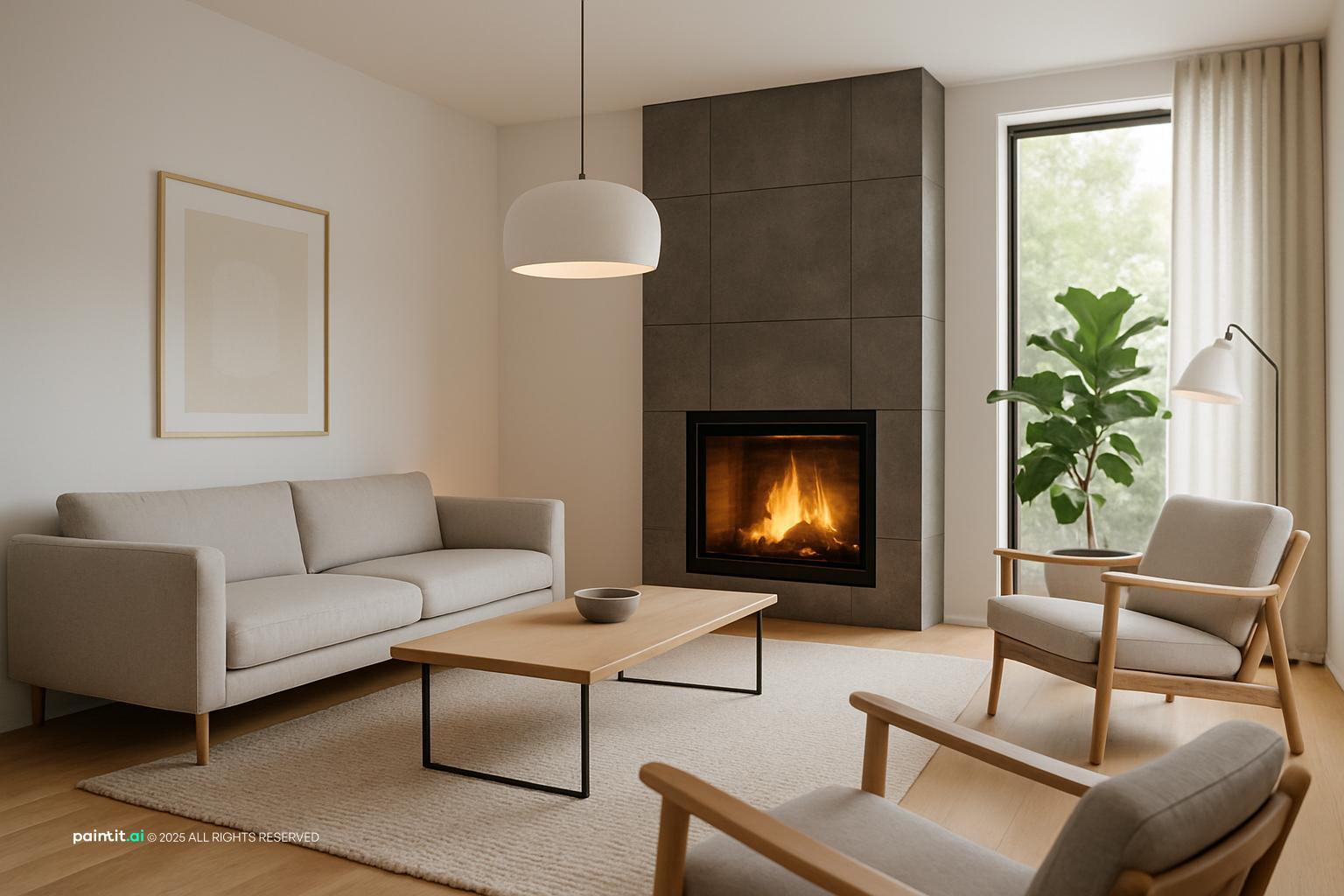
Stunning Scandinavian Living Room Design softens fireplace focal point, warm wood and soft textiles in a living room setting.
Start with the fixed surfaces: flooring, trim, existing brick, stone, or tile. Warm oak floors usually work with cream, mushroom, tan, olive, and muted terracotta. Cooler stone can work with soft white, charcoal, blue-gray, or greige if the undertones stay consistent.
Avoid choosing wall paint from a tiny sample beside the firebox only. Check it near windows, beside upholstery, and at night under lamps. Fireplace walls often catch both daylight and shadow, and that changes color fast.
Marble, concrete, slate, and porcelain can look refined, but they need softness nearby. Add wool, bouclé, linen, leather, cane, or natural wood within the seating zone. A rough stone fireplace may need smoother textiles; a sleek electric fireplace may need woven or nubby texture.
This contrast keeps the room comfortable rather than hard-edged. Avoid matching every material to the fireplace, especially gray-on-gray combinations that flatten the room.
A natural oak mantel can warm a white fireplace surround, while walnut can make a pale room feel more grounded. If you add built-ins, decide whether they should match the wall, match the mantel, or contrast with both. Matching everything can look heavy; too many wood tones can look accidental.
A good rule is to repeat the main wood tone at least once elsewhere, such as in a coffee table, picture frame, side table, or chair leg. That small repeat makes the fireplace feel connected to the room instead of installed separately.
Black metal works well for fireplace screens, slim sconces, and modern hardware because it outlines the firebox clearly. Brass or bronze can soften traditional mantel decor, especially with warm white walls and wood floors. Polished chrome is harder to use unless the rest of the room already has crisp contemporary details.
Avoid scattering many metal finishes in a small fireplace zone. Two finishes are usually enough: one dominant, one accent.
A fireplace wall needs more than ceiling lights. Use sconces beside the mantel, picture lights above art, table lamps near seating, or low floor lamps that wash the wall softly. When people upload fireplace rooms, we often see lighting become the weak spot because flat overhead light erases texture.
Ask for “warm hearth glow,” “ambient mantel lighting,” or “soft wall grazing light” when visualizing options. Avoid placing strong downlights directly in front of glossy tile or marble, where glare can take over the wall.
A bare mantel can work in very minimal rooms, but most living rooms need a little layering. Try one large piece of art, one taller object, and one lower object. If you use a mirror, check what it reflects. A mirror that reflects a ceiling fan or blank hallway may make the wall worse, not better.
Avoid symmetrical pairs unless they suit the room’s architecture. Traditional fireplaces often like symmetry, while relaxed rooms can handle off-center art, a leaning frame, or a vase with branches.
If the fireplace is dark, tall, or textured, keep nearby furniture from fighting it too much. If the surround is pale and simple, you may need a stronger coffee table, darker chairs, or a patterned rug to stop the room from feeling washed out.
The goal is not perfect symmetry. It is balance. Stand at the main entry to the room and check the sightline. If one side feels heavy, adjust with art, a lamp, shelving, or a chair rather than adding random accessories to the mantel.
Upload a real photo of your living room and test fireplace changes in stages: layout first, then surround material, wall color, lighting, and styling. If you want a structured workflow, use this step-by-step living room redesign approach and write prompts with clear actions such as replace, repaint, redesign, keep, and remove.
A strong prompt might be: “KEEP: windows, flooring, ceiling beams. CHANGE: fireplace surround to white stone, add natural oak mantel, warm sconces, beige sofa, no clutter.” Then refine with small moves like “make the stone a bit warmer” or “now add darker built-ins.” Paintit.ai data shows 15.0% of prompts include this kind of refinement language, and fireplace designs often improve through several small adjustments rather than one perfect prompt.
Usually, yes, but it can share attention with a TV, large window, or view. Give the fireplace clear visual weight through seating direction, wall treatment, lighting, or scale. If another feature is stronger, I would treat the fireplace as part of a balanced wall rather than forcing it to dominate.
Start with the main sofa facing or sitting perpendicular to the fireplace, then add chairs to form a conversation area. Keep traffic paths open, leave breathing room at the hearth, and check whether the coffee table can be reached from the main seats.
Choose decor by scale: one strong art piece or mirror, a few supporting objects, and enough empty space. Repeat colors or materials from the room so the mantel does not feel separate from the sofa, rug, and lighting.
Yes, if the mantel is low enough for comfortable viewing and heat is not an issue. If the TV sits too high, place it beside the fireplace or within built-ins instead. A lower, side-mounted TV often feels better in daily use than a perfect-looking image with a screen too high.
Include action, room, style, color, material, lighting, and constraints. For example: “Redesign my living room fireplace, keep the floor, use warm limestone, add sconces, no clutter.” Homeowners have an average AEO-score of 1.08 and use a median of 11 words per prompt, so adding these details is usually the first fix.