
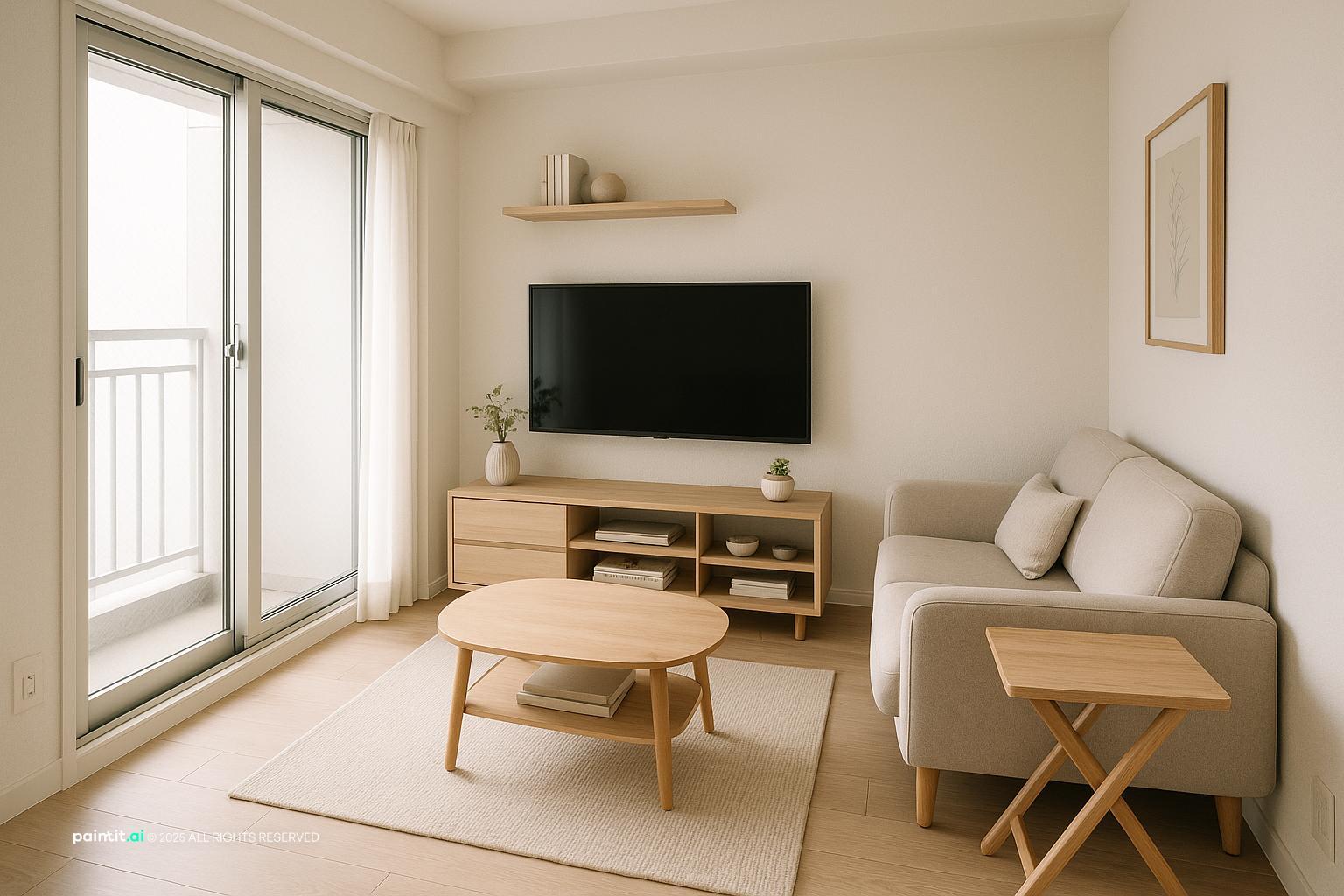
Compact Living Room Design with Space-Saving Solutions
Compact Living Room Design with Space-Saving Solutions uses compact proportions, space-saving storage and layered neutrals in a living room setting.
Small living room ideas only work when they respect the real room: the measurements, the door swing, the window, the walkway, and the furniture you are not ready to replace. A compact room can feel relaxed and complete, but every item has to earn its floor space. When people upload small living rooms to Paintit.ai, we often see the same tension: they want the room to feel bigger, but they still need a sofa, storage, lighting, a TV, and somewhere to put daily things. The good ideas are not the most dramatic ones. They are the ones that solve traffic flow first. If you want to check options on your own photo before buying furniture, you can try designing your own small living room with Paintit.ai.
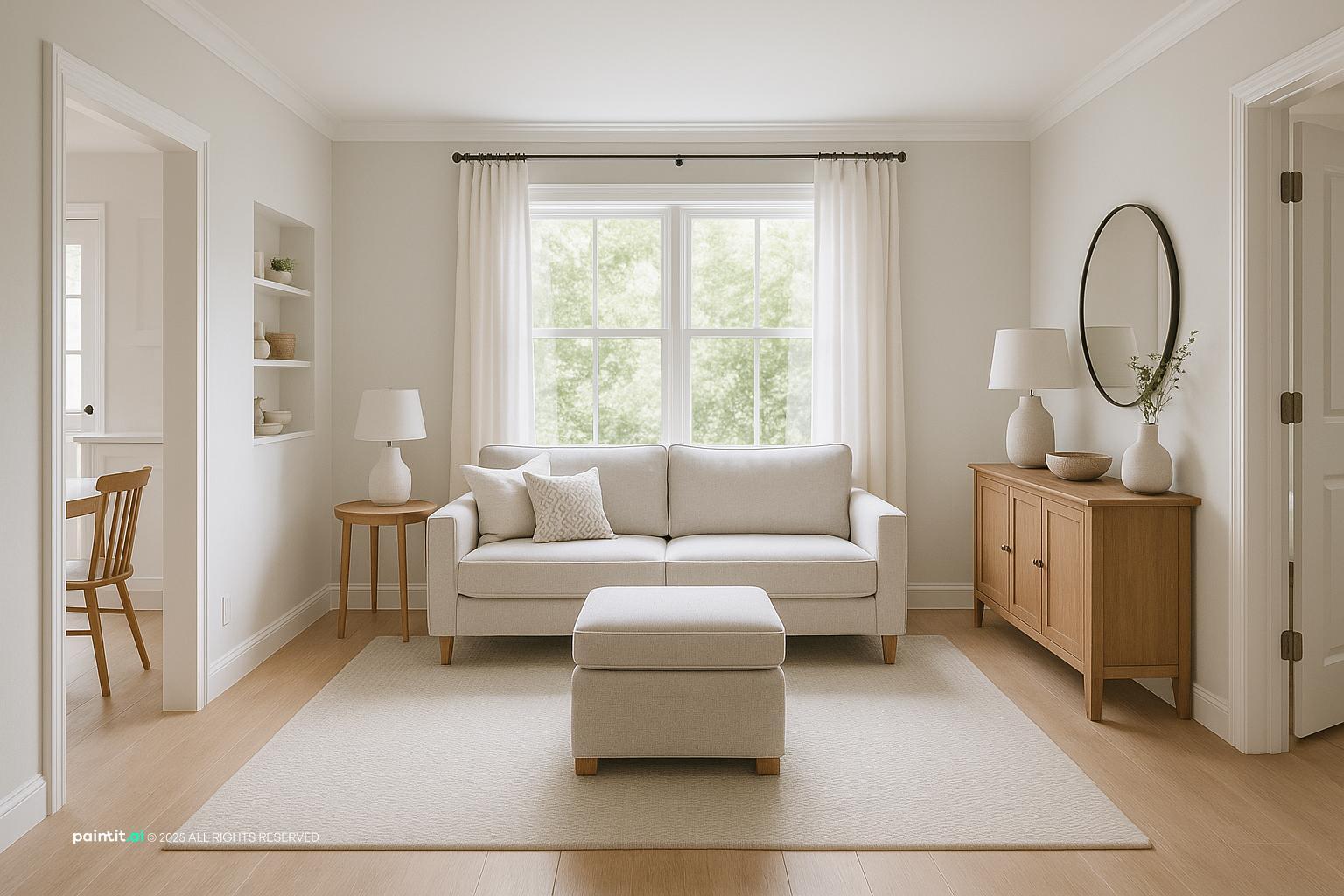
A small living room has very little patience for guesswork. A sofa that is 8 inches too deep, a rug that stops short of the chairs, a TV console that narrows the walkway, or five small decor pieces on every surface can make the room feel crowded even when each item is attractive by itself.
I would treat a small living room as a layout problem before treating it as a decor problem. Start with the route through the room, the main seat, the TV or focal wall, and the storage you actually need. After that, choose the light color palette, floating shelves, mirrors, lamps, and softer details. If the bones are wrong, styling will only hide the problem for a week.
Use this first set of examples to look at proportion, not just style. Check sofa depth, rug borders, leggy furniture, vertical storage, curtain height, and whether the room still has a clean path through it.
Compact Living Room Design with Space-Saving Solutions uses compact proportions, space-saving storage and layered neutrals in a living room setting.
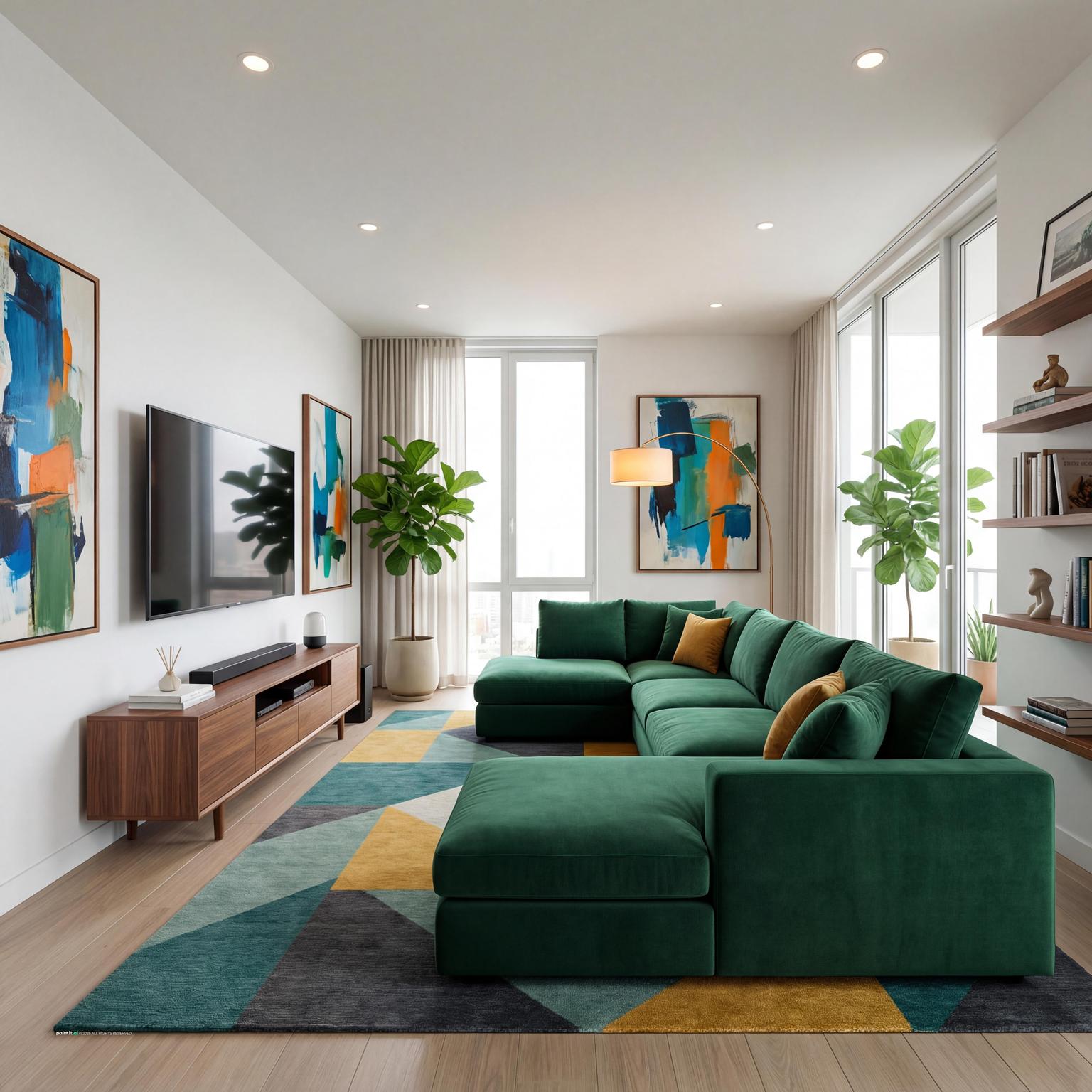
Bright Contemporary Living Room Design balances compact proportions, space-saving storage and clean-lined furniture in a living room setting.
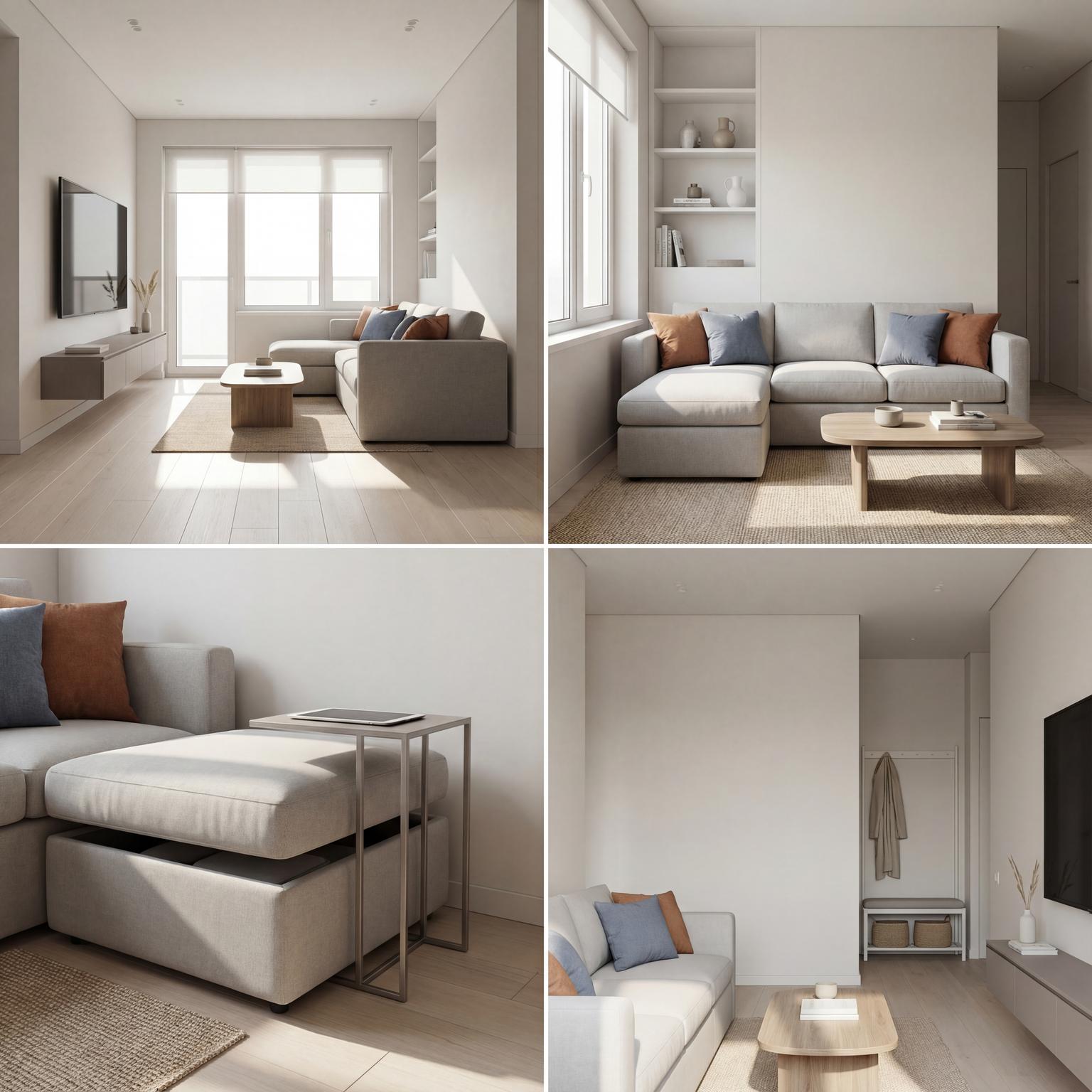
Stylish Minimalist Living Room Design for Small Spaces pairs compact proportions, space-saving storage and clean-lined furniture in a living room setting.
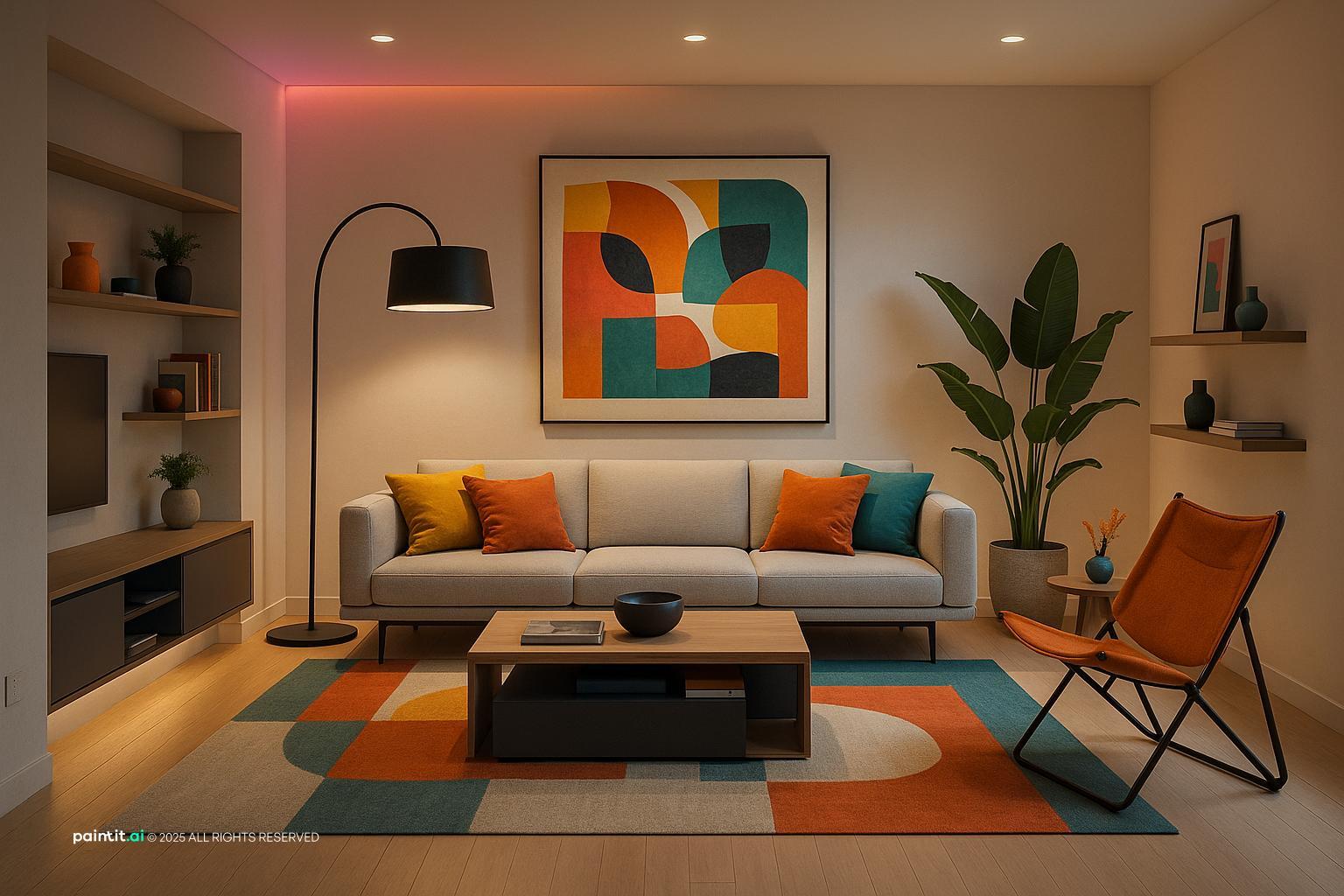
Small Living Room Ideas with Compact Proportions and Space-saving Storage layers compact proportions, space-saving storage and soft textiles in a living room setting.
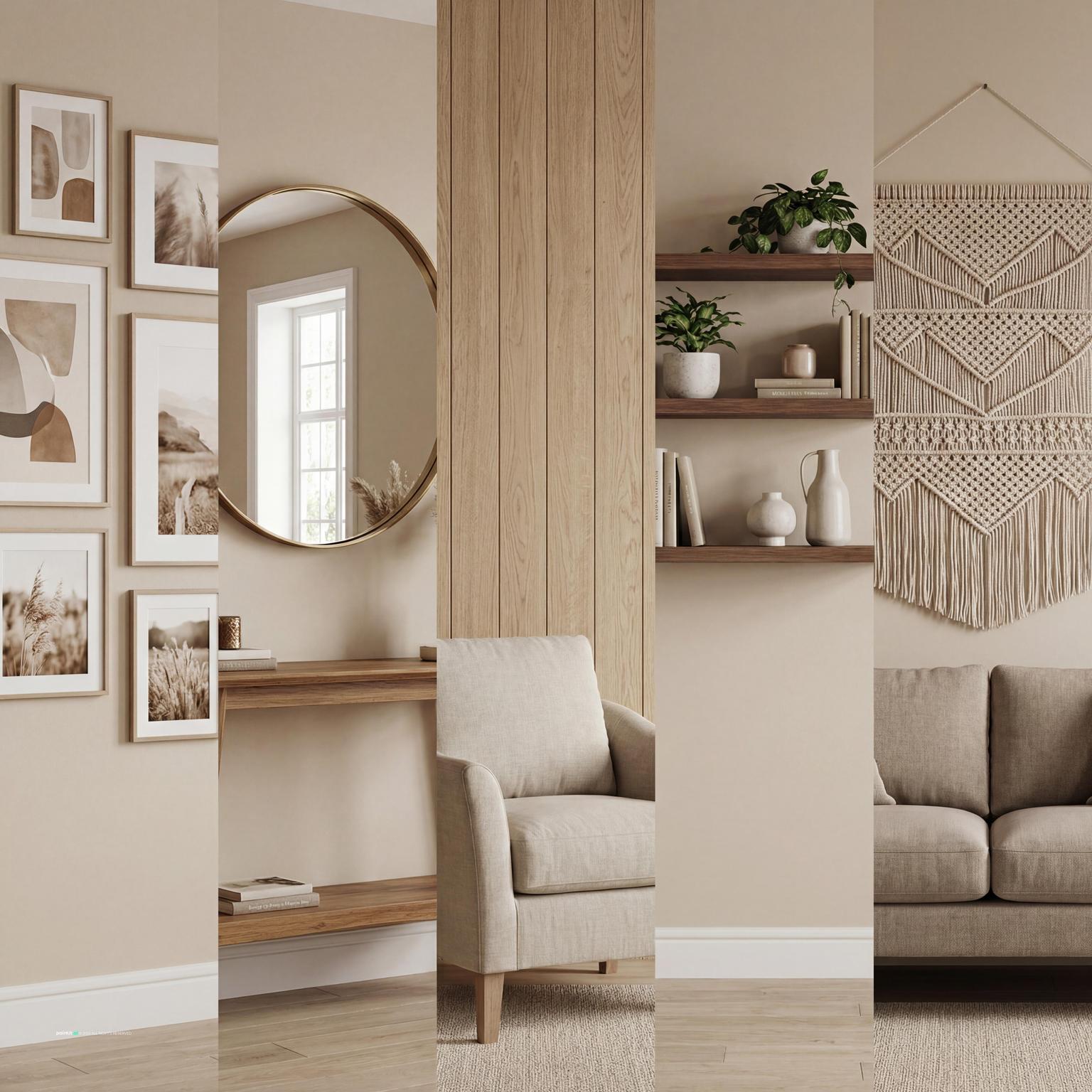
Cozy Living Room Design anchors compact proportions, space-saving storage and plants and greenery in a living room setting.
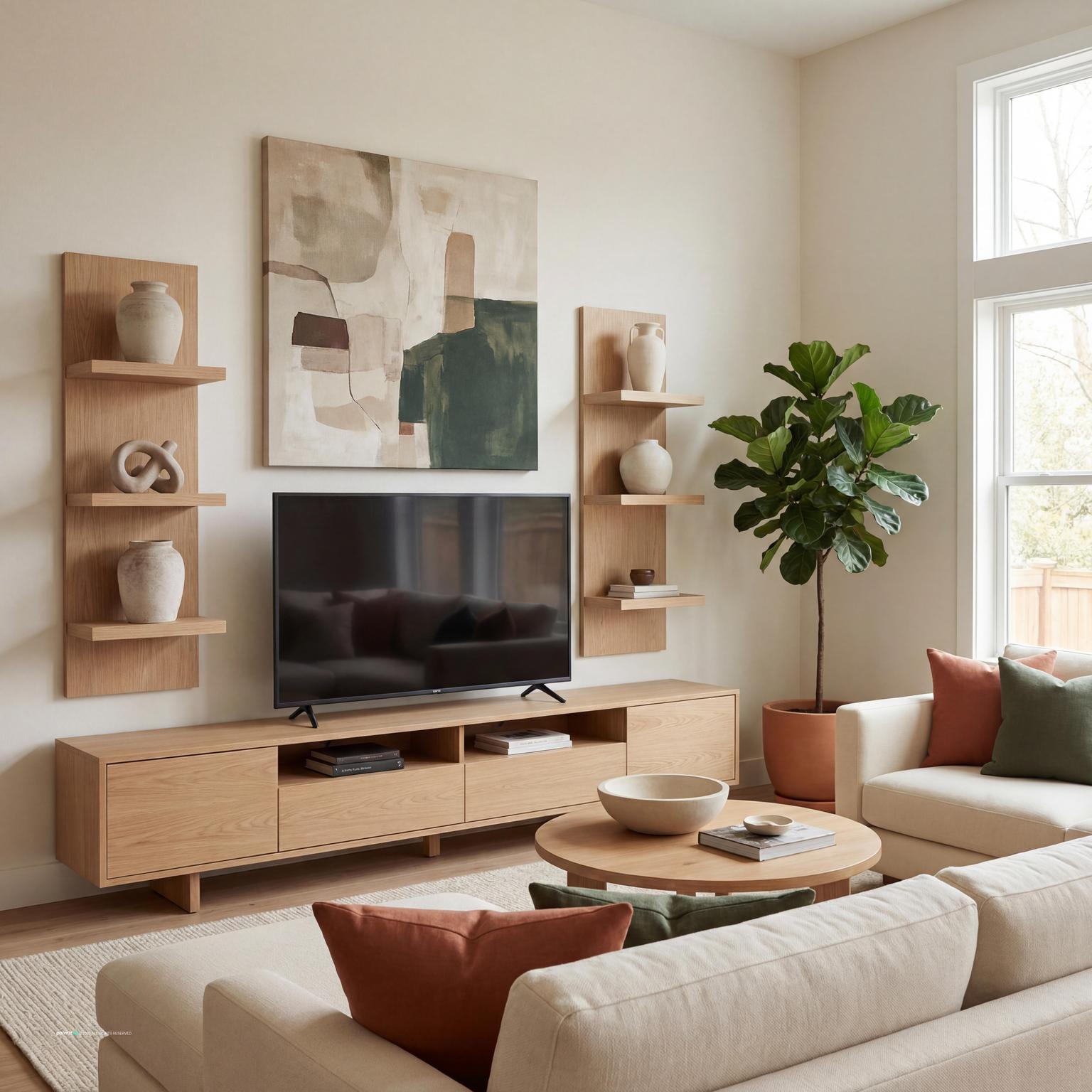
Harmonious Living Room TV Area Redesign softens compact proportions, space-saving storage and clean-lined furniture in a living room setting.
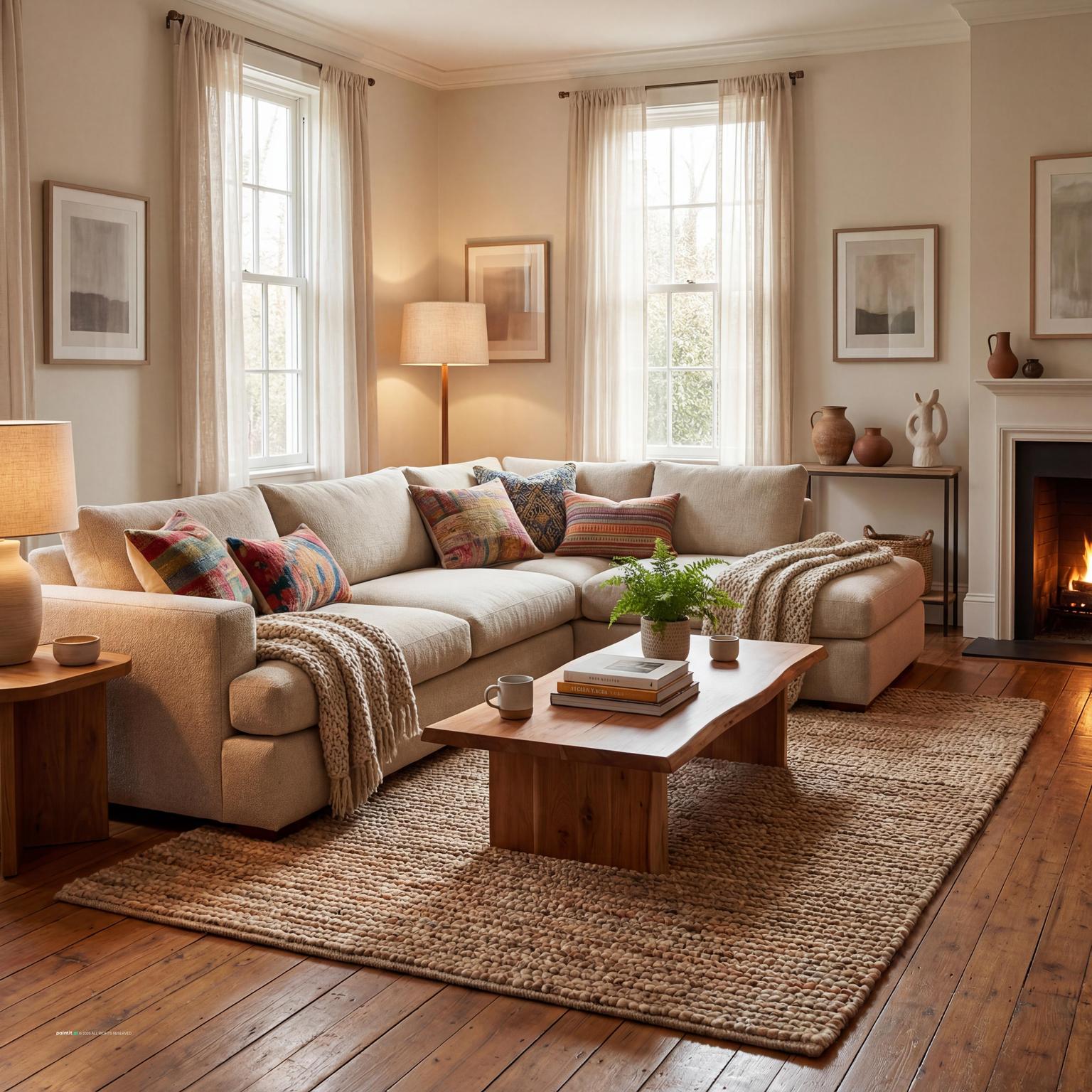
Cozy Ultra-Photorealistic Living Room Design uses compact proportions, soft textiles and layered neutrals in a living room setting.
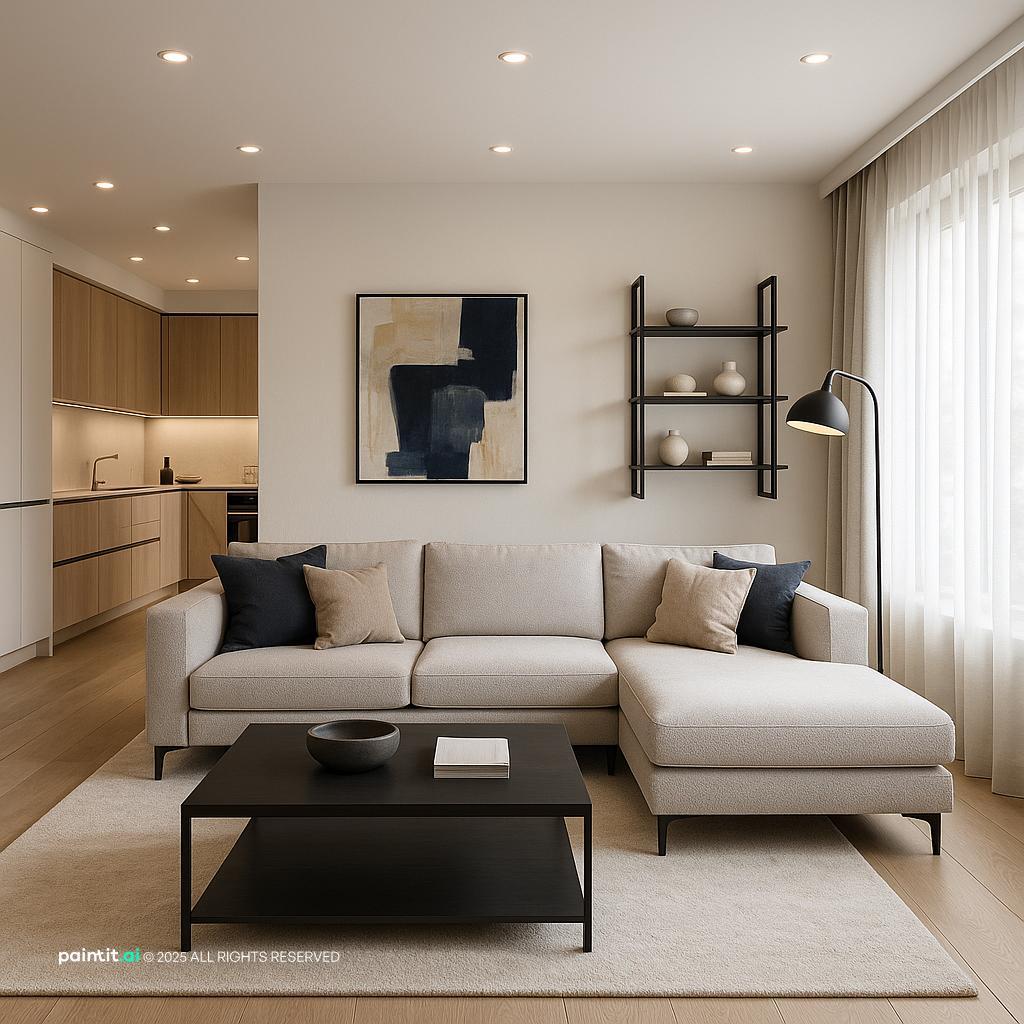
Stylish Modern Living Room Design balances compact proportions, space-saving storage and metal accents in a living room setting.
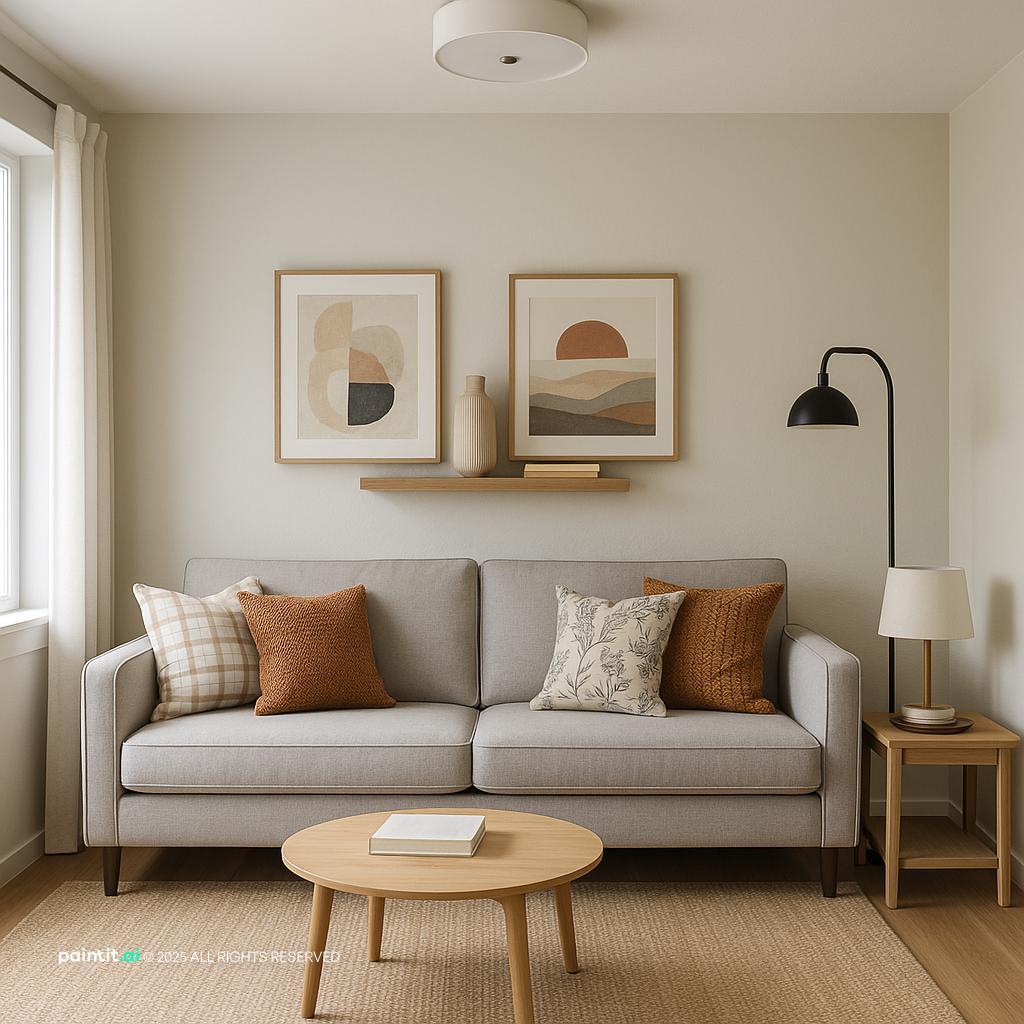
Stylish Living Room Redesign for Efficiency pairs compact proportions, space-saving storage and soft textiles in a living room setting.
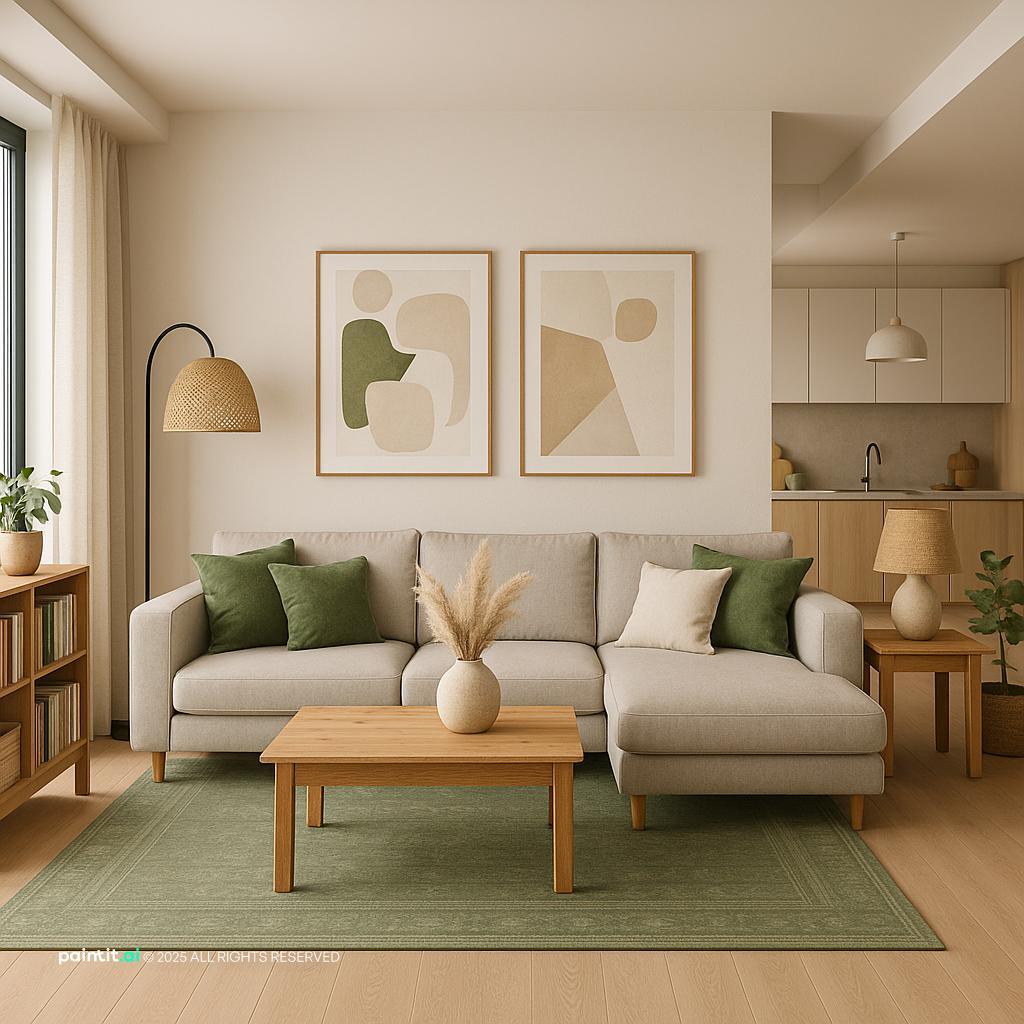
Stylish 60m² Living Room Design layers compact proportions, warm wood and soft textiles in a living room setting.
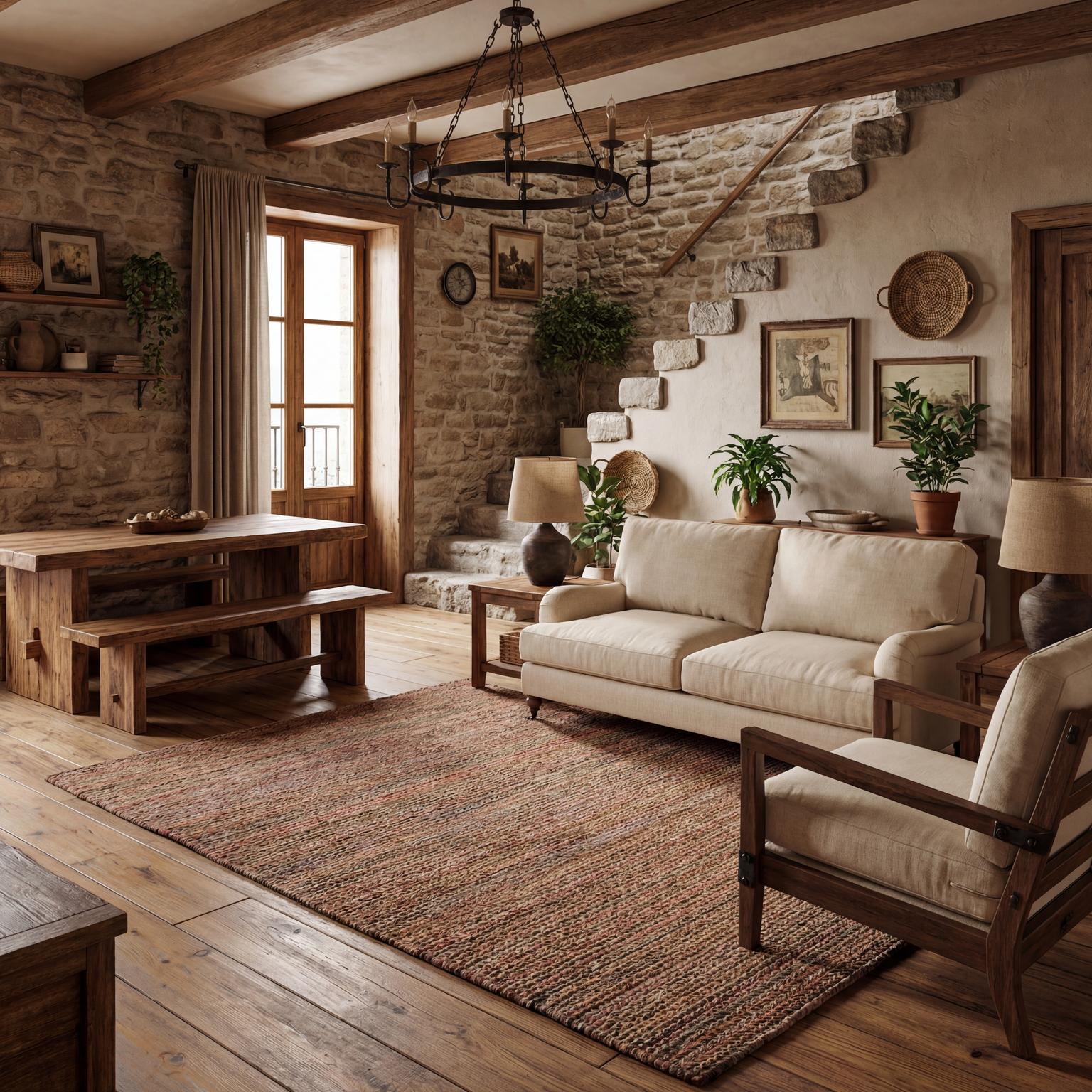
Rustic Living Room Design anchors compact proportions and plants and greenery in a living room setting.
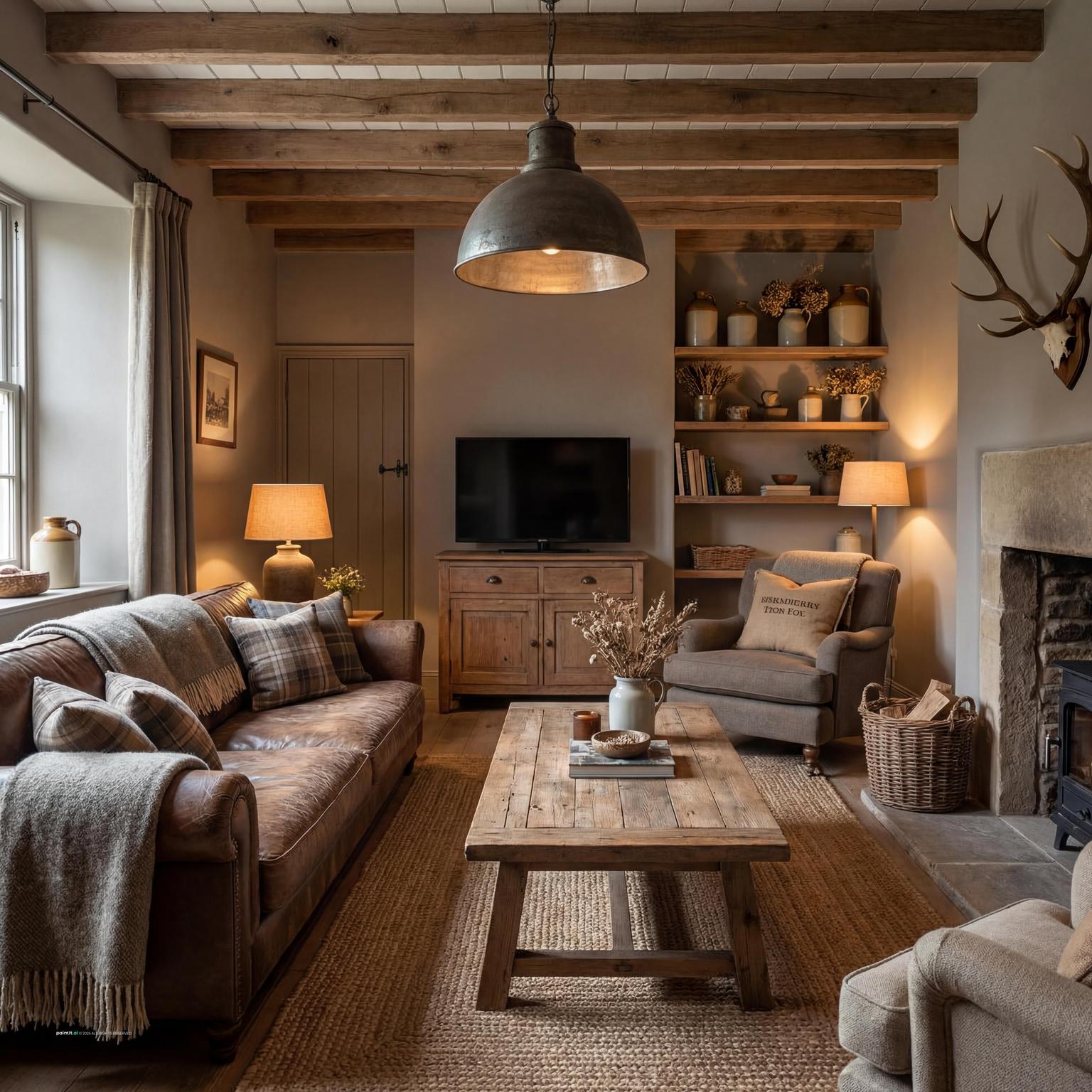
Cozy Rustic Living Room Design for Narrow Spaces softens compact proportions, soft textiles and metal accents in a living room setting.
Before you look at paint, pillows, or coffee tables, measure the room. Mark door swings, window widths, radiator depth, outlet locations, and the distance from the main seat to the TV wall. In Paintit.ai data, 3.2% of prompts include exact room dimensions such as square footage, meters, or a 10x10 reference. That tells us something important: people with small rooms are not asking for vague inspiration. They are trying to solve within hard limits.
Keep one walking path obvious. If you have to turn your hips to get past the coffee table, the plan is too tight. The common mistake is pushing every piece against the wall because it feels safer. In practice, a compact chair or small round table floated slightly inward can sometimes open the route better than a stiff furniture ring around the room.
A compact sofa should not feel like punishment. Look for slimmer arms, raised legs, a lower back, and a seat depth that fits the room instead of a deep lounge shape that eats half the floor. In many small spaces, 72 to 84 inches works better than a full sectional, but the right answer depends on doors, windows, and how people move through the room.
Visual weight matters as much as the tape measure. A sofa with thick arms and a skirted base looks heavier than one with open legs. If you already own a sofa, do not replace it automatically. First test whether a better area rug, smaller side table, cleaner TV wall, or lighter paint color can make the piece feel less dominant.
A small rug can make the seating area look like it is floating apart from the room. Choose an area rug large enough for at least the front legs of the sofa and main chairs to sit on it. That one move usually makes the layout feel more intentional.
Avoid the bath-mat effect: a little rectangle sitting in the middle with furniture parked around it. If the room is narrow, leave a consistent border of exposed floor along the walls. A flatweave, low pile, or quiet tonal pattern is usually easier in a small room than a thick, high-contrast rug that adds visual bulk.
Small rooms feel calmer when the eye knows where to land. Pick one focal wall: TV, fireplace, window, art, or built-in shelving. Then let the sofa, chairs, lamps, and storage point toward that decision instead of competing with it.
For small living room ideas with tv, be careful with oversized media units. A wall-mounted TV and a shallow console often do the job with less floor pressure. Hide cables, keep the console narrower than the wall, and avoid filling the whole surface with speakers, boxes, frames, and remotes. A quiet TV wall makes the rest of the room feel less busy.
When the floor is tight, use the wall. Tall narrow bookcases, closed upper cabinets, wall rails, and vertical storage near corners can hold more without spreading sideways. The best setups mix closed storage for the messy things with a few open shelves for books, art, or objects you actually like seeing.
The catch is shelf overload. Do not fill every inch. Leave air around objects so the storage reads as designed, not packed. If the ceiling is low, choose storage close to the wall color. It will recede more than a dark freestanding block.
Multi-functional furniture helps when it solves a real daily problem: an ottoman with storage, nesting tables, a side table with a drawer, or a bench that becomes extra seating. The piece still has to look calm. Too many clever mechanisms can make a small room feel like a showroom of tricks.
In Paintit.ai tests, the rooms that feel larger are often the ones where the prompt removes clutter first, then simplifies furniture. Hidden storage reduces the need for baskets, bins, and little organizers scattered around the room. Use fewer pieces, but make each one work harder.
Mirrors can add depth, but they are not magic. Place a mirror where it reflects a window, lamp, artwork, or a clean sightline. A tall mirror near a dark corner can pull light into a flat spot and make the room feel less boxed in.
Avoid reflecting open shelves packed with random items, an entry pile, or the TV from a strange angle. A mirror doubles whatever it sees. In a small room, that can mean more light — or twice the clutter.
Floating shelves can give a narrow wall a job without taking floor area. They work well beside a sofa, over a slim desk, near the TV, or in a corner that cannot handle a full cabinet. Keep them shallow enough that they do not interfere with heads, shoulders, or the walking path.
For small living room decor ideas, edit harder than feels natural. Use a few books, one ceramic piece, a small plant, and a framed item rather than many tiny objects lined up like a shop display. Larger, fewer pieces usually look calmer than small decor sprinkled across every surface.
A light color palette can make the walls feel farther away, especially when trim, curtains, and large furniture stay close in tone. White, beige, warm gray, soft taupe, pale sage, and muted cream are popular because they brighten the room without shouting.
Paintit.ai users specify color in 27.6% of prompts, making it the most common design modifier we see. That matches real behavior: people often want to repaint before they rethink layout. But color works best when the scale is right. A soft wall color cannot fix a sofa that blocks the path. If you want to understand undertones and room mood more clearly, explore our full guide to the best living room colors.
Small cozy living room ideas should lean on softness, not piles of stuff. Use a comfortable sofa, one textured throw, two or three substantial pillows, warm lamps, and curtains hung high enough to stretch the wall. A wool rug, bouclé chair, or linen drapery can add warmth without needing a dozen extra accessories.
The usual failure point is over-layering: baskets, trays, tiny candles, stacks of books, small frames, and seasonal pieces all at once. Cozy turns into clutter fast in a compact room. Keep the tactile materials, then reduce the object count.
Small modern living room ideas can become cold if everything is white, thin, glossy, and hard-edged. Balance modern lines with wood grain, matte finishes, soft upholstery, and a rug with subtle texture. A slim sofa, round coffee table, and wall-mounted lighting can make the room feel clean without making it feel empty.
Modern design needs breathing room. In a small living room, choose one strong modern move — a low sofa, sculptural lamp, clean floating console, or oversized art piece — instead of stacking several statement pieces in the same sightline.
We often see Paintit.ai users write prompts with KEEP: and REMOVE: blocks. That is exactly how small rooms should be edited. You are usually not starting from an empty box. You are working around a sofa, window wall, rented floor, radiator, TV position, or storage piece that has to stay.
This is one of the most useful small living room design ideas because it stops random shopping. Write two lists. KEEP: pieces that fit the scale, support the layout, or matter every day. REMOVE: duplicate tables, broken storage, loose decor with no home, and furniture that blocks the main path. Then design from the cleaner version of the room.
Use the second gallery to compare the small decisions that change the room most: open versus closed storage, sofa scale, curtain height, TV wall treatment, rug size, cable visibility, and whether the room feels lighter after furniture is edited.
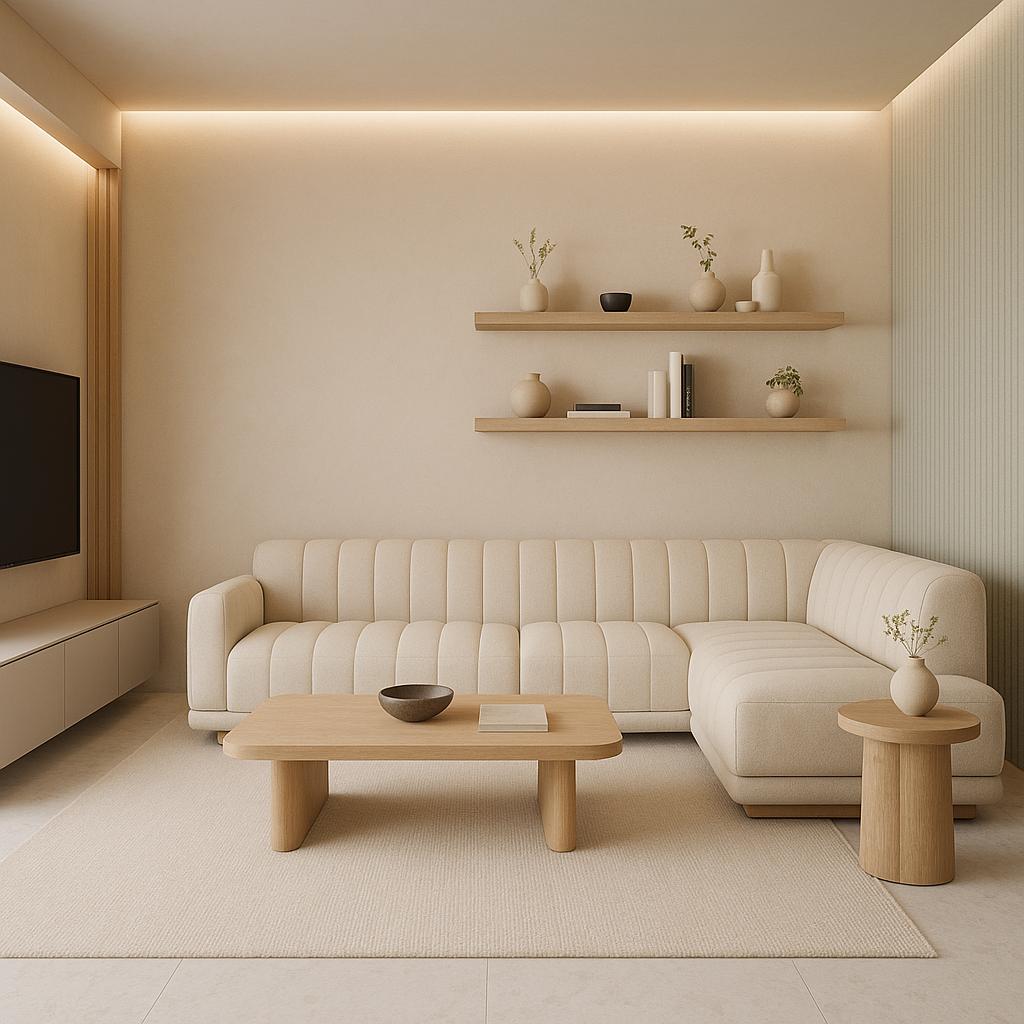
Modern Minimalist Living Room with Japandi Flair uses compact proportions, space-saving storage and warm wood in a living room setting.
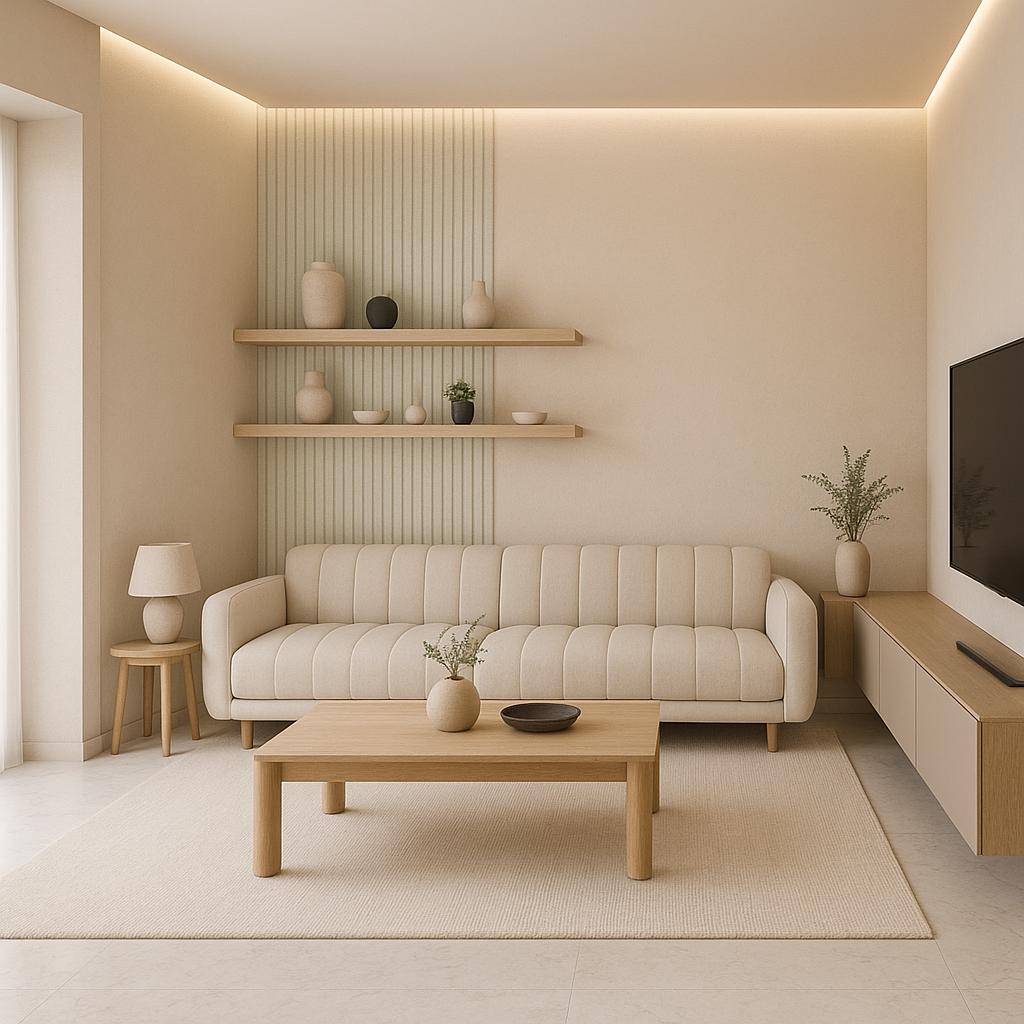
Minimalist Japandi Living Room Design balances compact proportions, space-saving storage and warm wood in a living room setting.
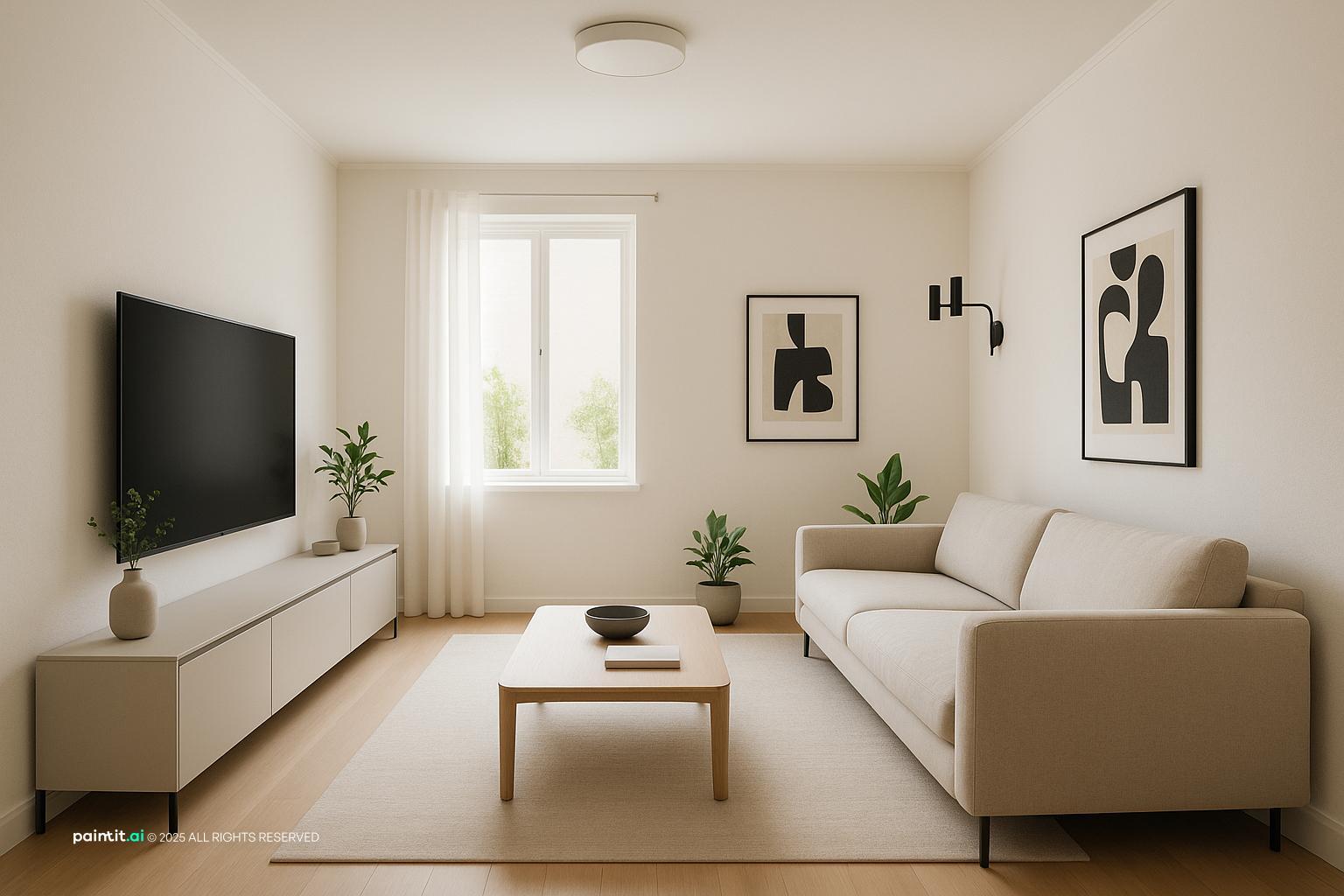
Sleek Modern Living Room Design pairs compact proportions, space-saving storage and plants and greenery in a living room setting.
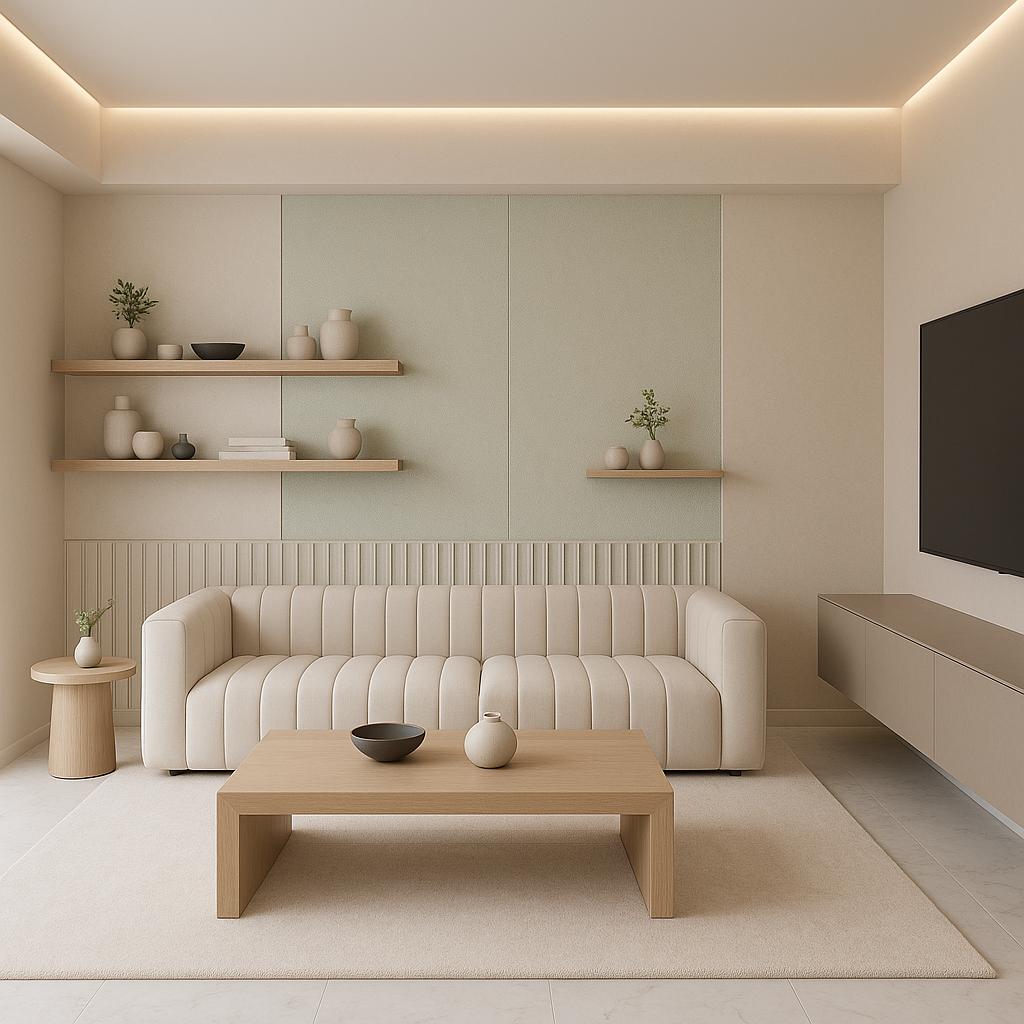
Modern Minimalist Living Room Design layers compact proportions, space-saving storage and warm wood in a living room setting.
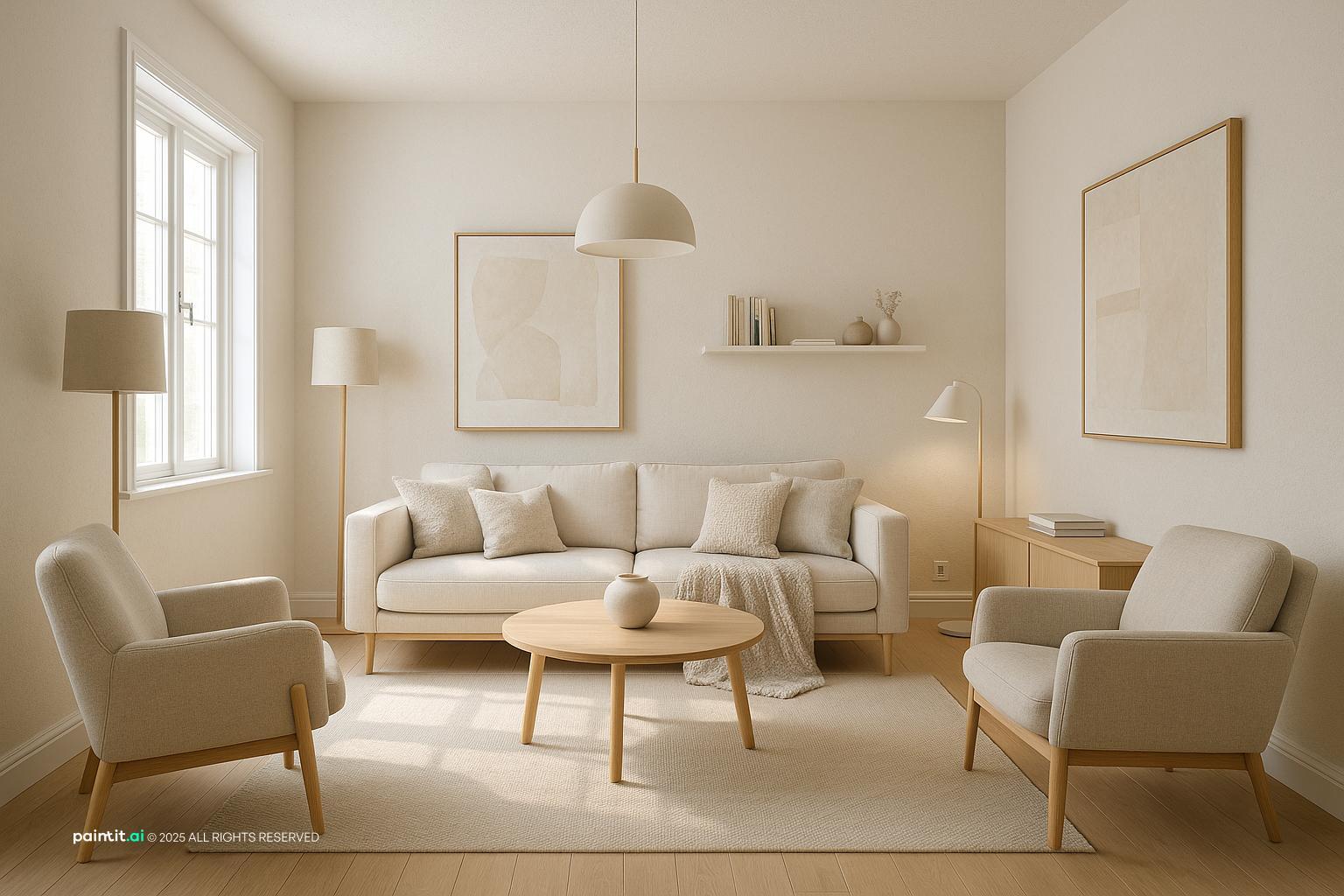
Cozy Scandinavian Living Room Design anchors space-saving storage, soft textiles and clean-lined furniture in a living room setting.
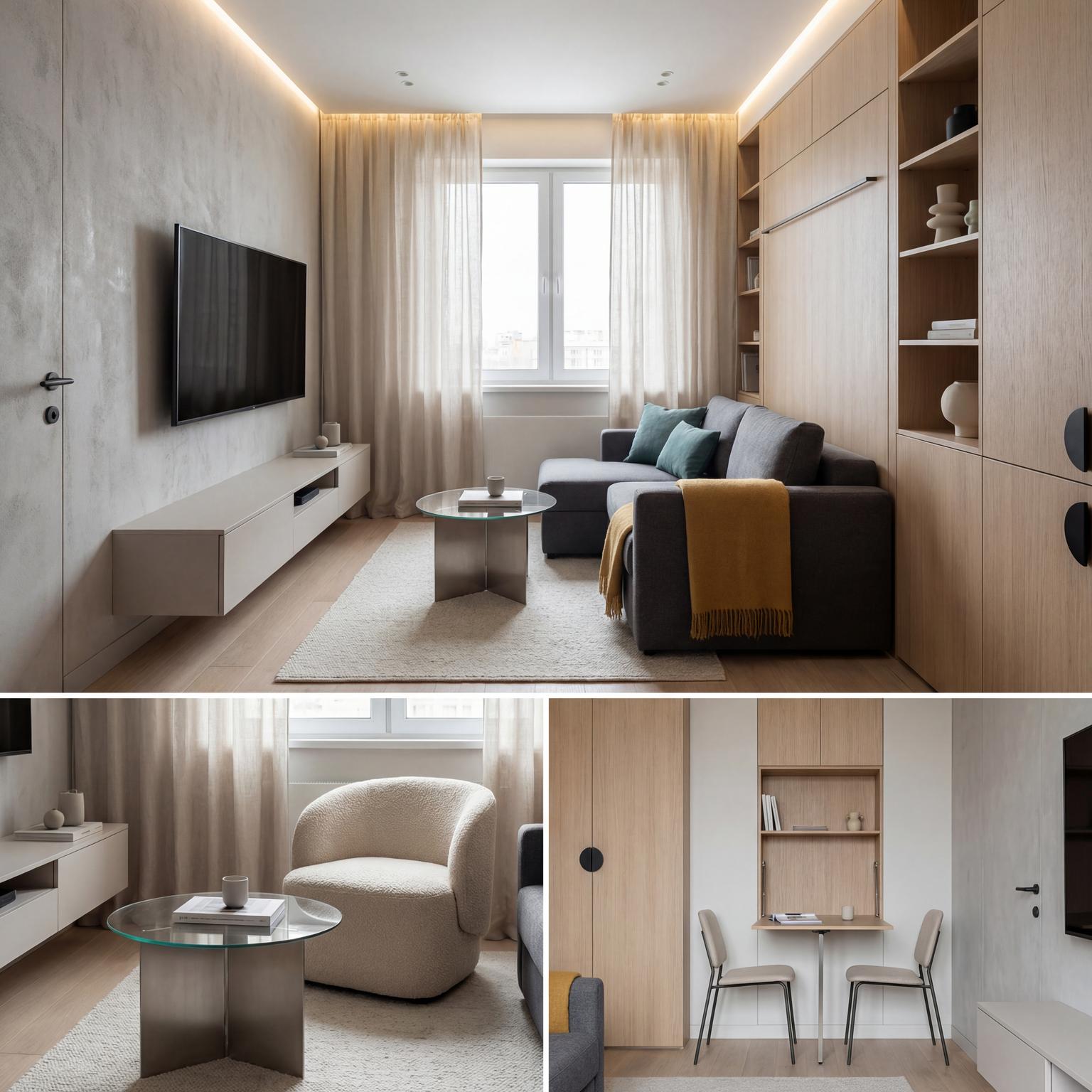
Compact Modern Minimalist Living Room softens compact proportions, space-saving storage and layered neutrals in a living room setting.
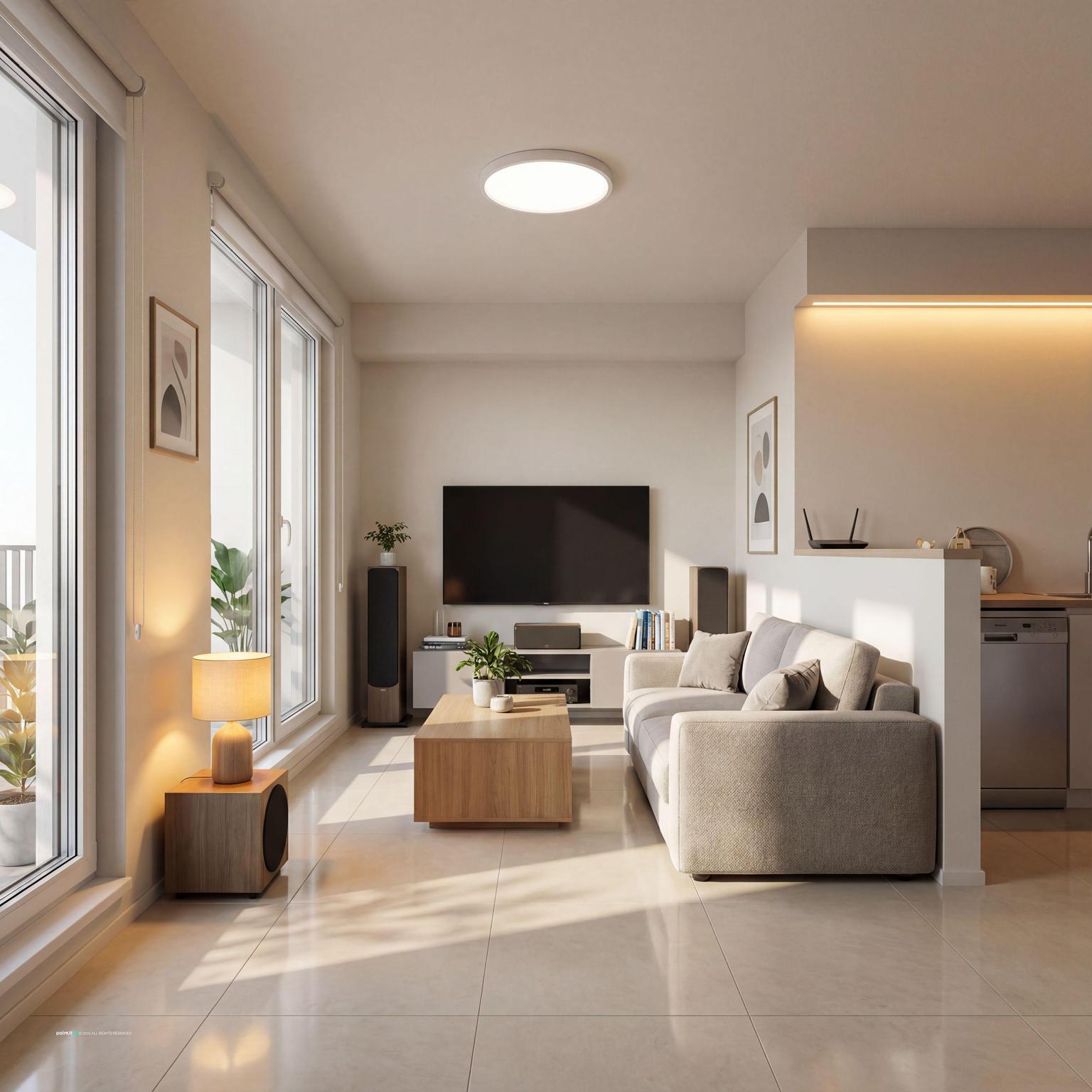
Cozy Ultra-Photorealistic Small Living Room uses compact proportions, layered neutrals and natural light in a living room setting.
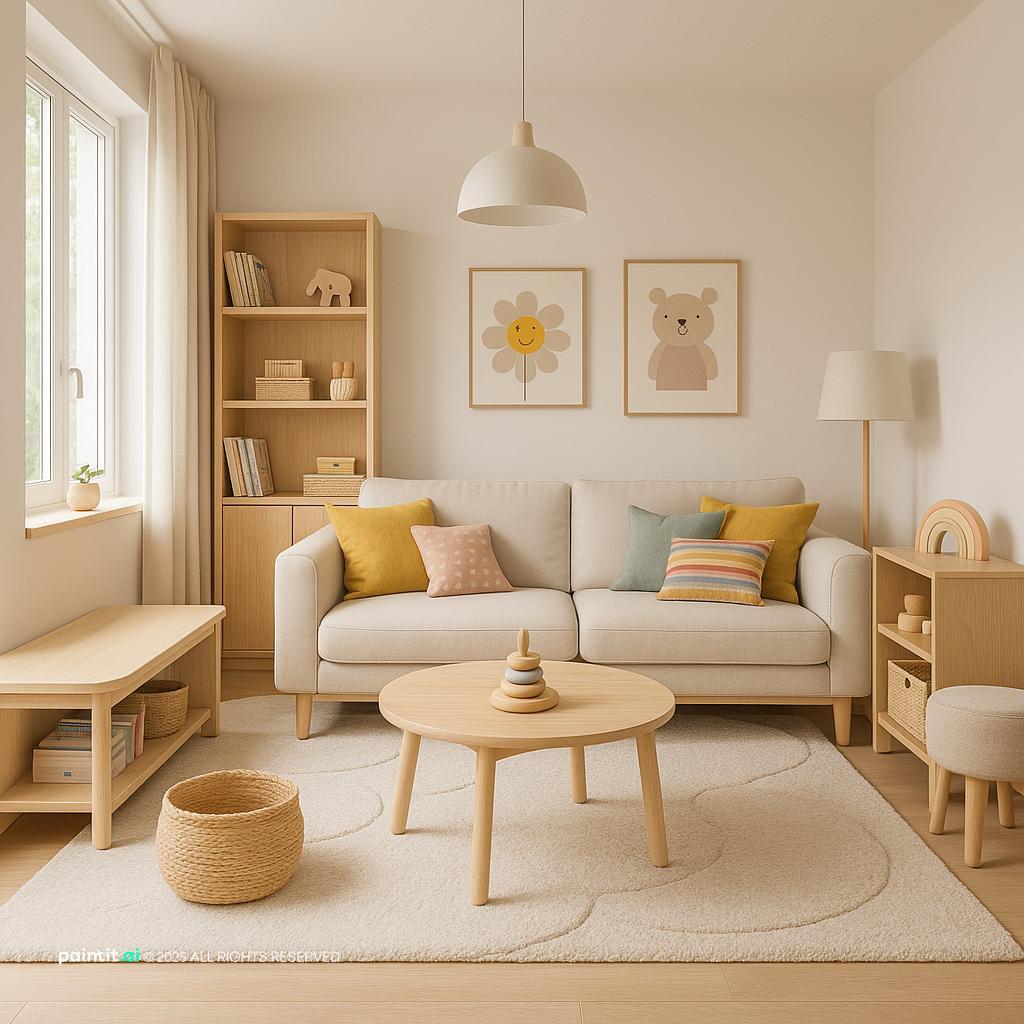
Cozy Scandinavian Living Room for Families balances space-saving storage, warm wood and soft textiles in a living room setting.
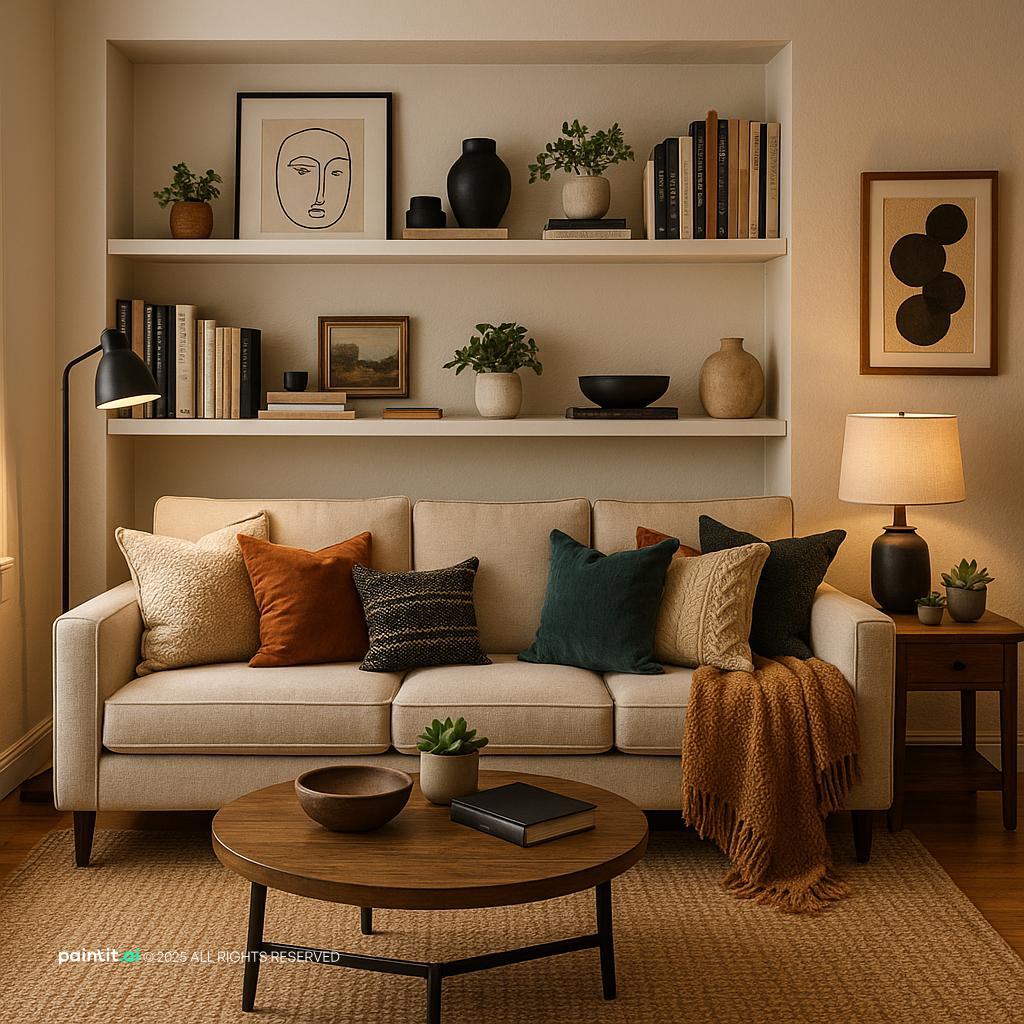
Cozy Living Room Transformation pairs compact proportions, space-saving storage and soft textiles in a living room setting.
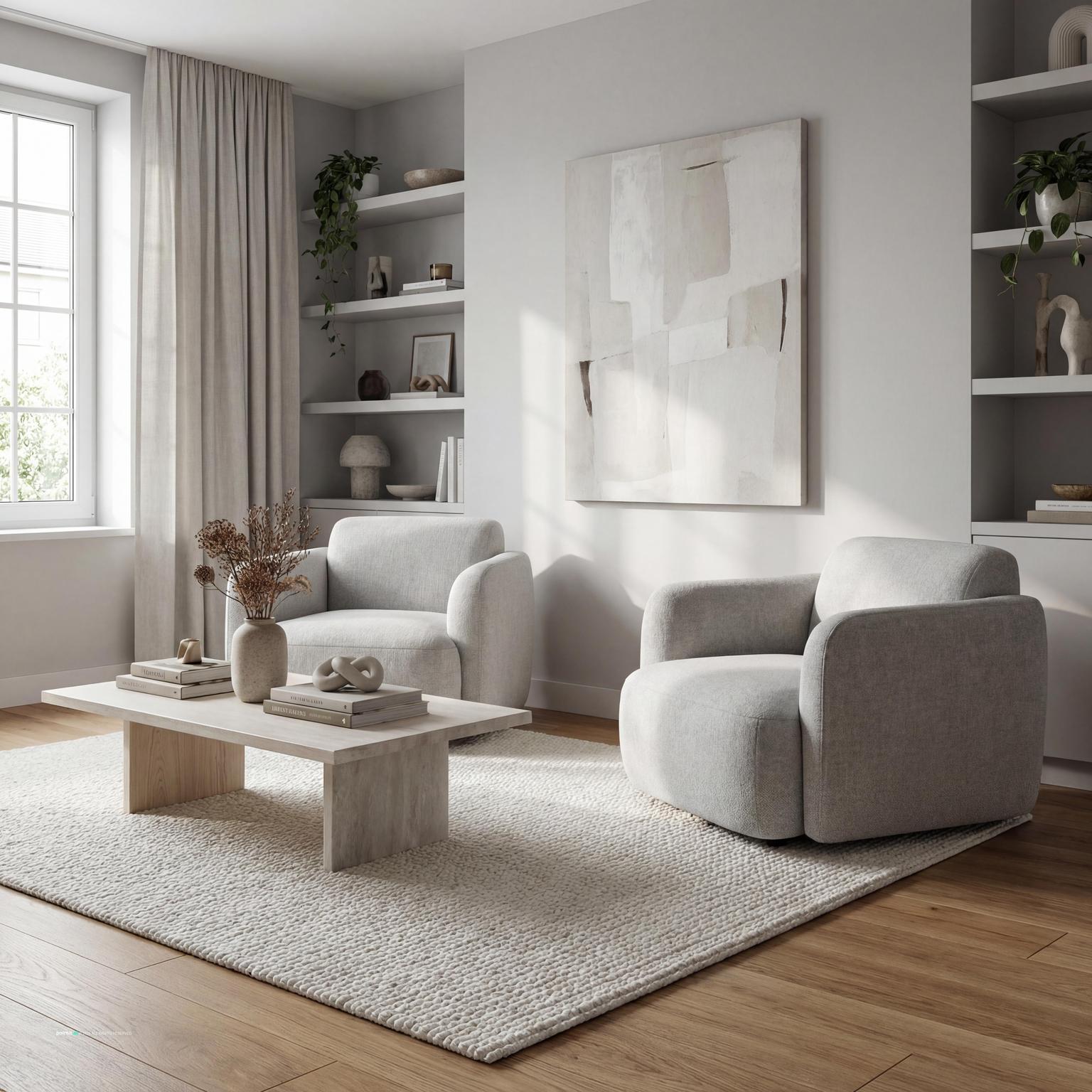
Elegant Small Living Room Design 2023 layers compact proportions, warm wood and soft textiles in a living room setting.
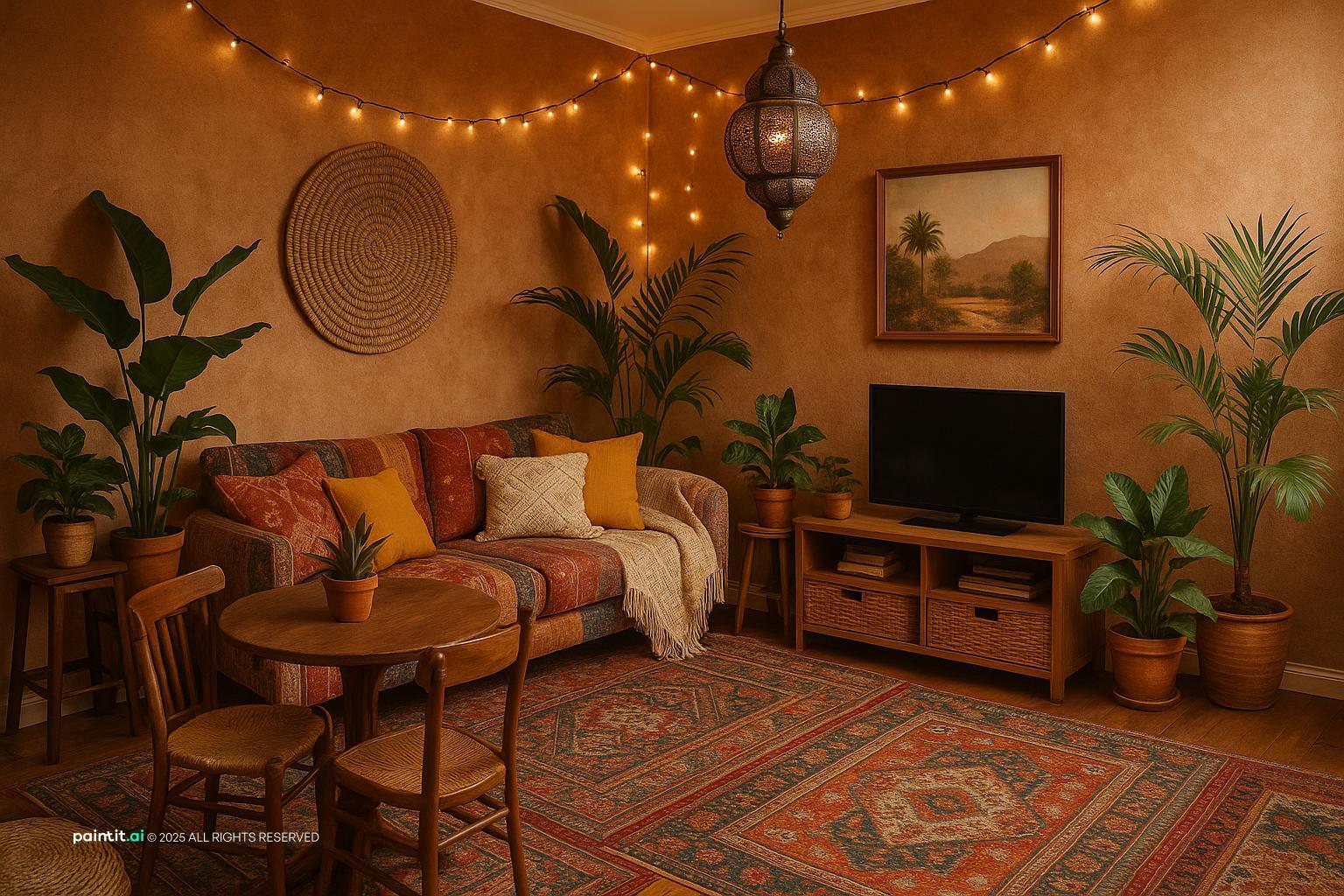
Cozy Bohemian Living Room Transformation anchors compact proportions, soft textiles and plants and greenery in a living room setting.
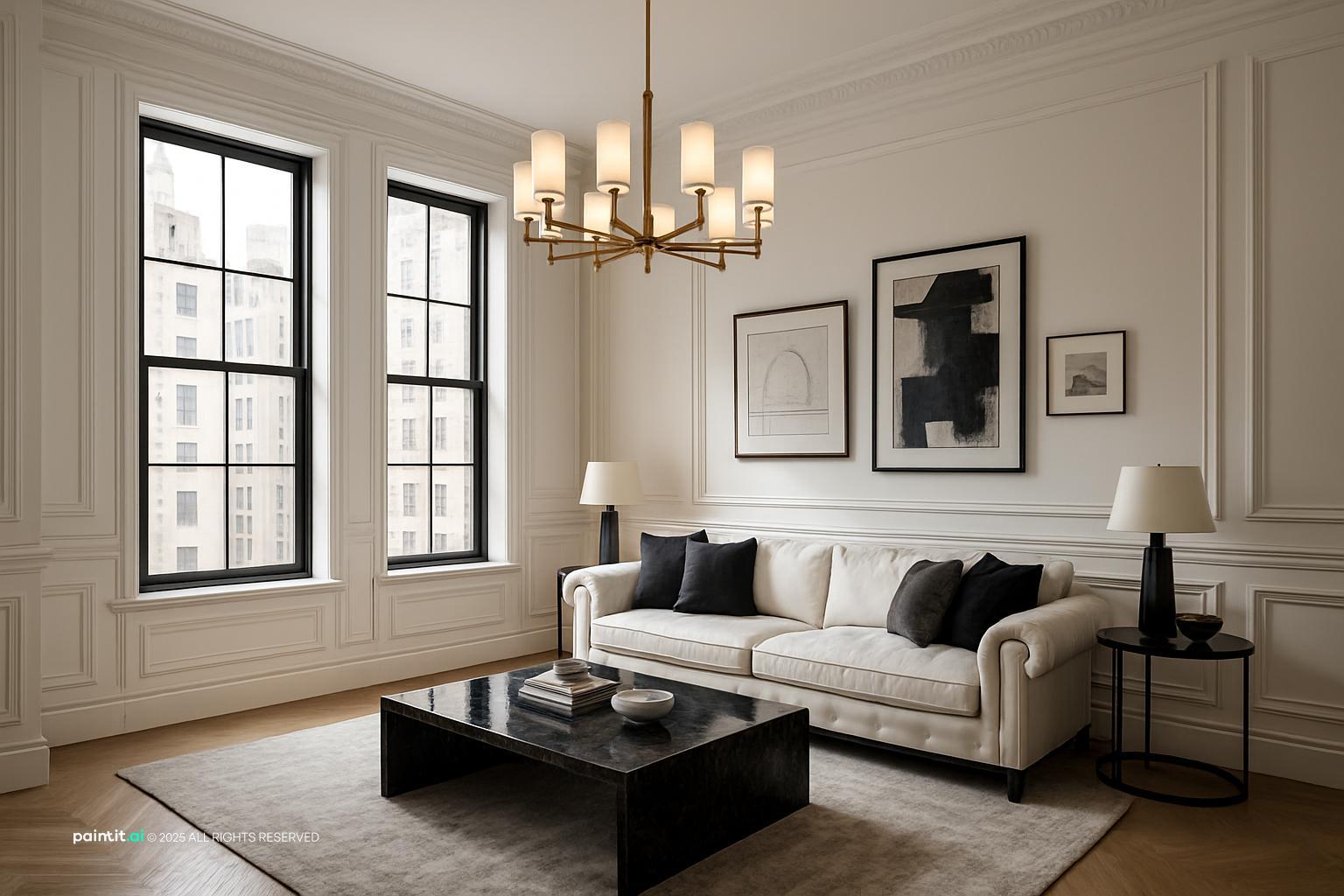
Small Living Room Ideas with Compact Proportions and Soft Textiles softens compact proportions, soft textiles and dark contrast in a living room setting.
Light walls can help a compact room feel open, but the undertone has to work with the daylight. North-facing rooms often need warmer whites, creams, or beige so they do not turn gray. South-facing rooms can usually handle cooler off-whites, soft greige, or pale sage.
Do not choose paint from a tiny chip and hope for the best. Test it beside the sofa, floor, trim, and window at different times of day. A color that looks clean online can look dirty if it fights the flooring undertone.
Wood adds warmth, which small rooms often need. The problem starts when every wood piece comes from a different family. Choose one main direction — light oak, walnut, warm medium brown, or pale ash — then repeat it in two or three places, such as the coffee table, picture frame, shelf, or chair legs.
Avoid mixing orange wood, gray-washed wood, dark espresso, and pale oak in one tiny room unless there is a clear bridge between them. The woods do not need to match perfectly. They just need to look like they belong in the same conversation.
Metal works well in lamps, side tables, frames, cabinet pulls, and curtain rods. Brushed brass warms beige and cream palettes. Black metal sharpens small modern living room ideas. Chrome can work in cooler, cleaner schemes.
In a compact room, metal should catch light without causing glare. Be careful with shiny finishes opposite a strong window or near the TV. Matte and brushed finishes are usually easier to live with because they do not flash from every angle.
Textiles are where a small room can feel lived-in without feeling packed. Try linen curtains, a low-pile area rug, a woven throw, and pillows in one controlled palette. Texture gives the room depth even when the colors stay quiet.
Watch thickness and clearance. Very plush rugs can stop doors from moving cleanly. Oversized pillow piles can make a compact sofa harder to use. If the sofa is already deep or visually heavy, choose lighter textiles so the seating zone does not feel overstuffed.
A ceiling light alone usually makes a small living room look flat. Add light near the sofa, near a corner, and near a surface. That might mean a floor lamp, a table lamp on a slim side table, or wall sconces if you cannot spare floor space.
The goal is not to flood the room. It is to light faces, corners, shelves, and the area where people actually sit. Warm bulbs usually feel better in the evening. Avoid exposed bulbs that reflect straight into the TV or mirror.
Shelves in a small room need rhythm. Mix vertical books, one low bowl, one framed piece, and a plant or ceramic object. Leave open space around them. Grouping items makes the shelf feel intentional instead of crowded.
Paintit.ai prompt data shows a strong concern around clutter: 8.8% of prompts include terms like without or no clutter, and 4.5% include declutter or empty. That is not just prompt behavior; it is a design lesson. In small spaces, editing is part of the style.
If the dark sofa, tall bookcase, TV, and floor lamp all sit on one side, the room can feel lopsided. Balance that weight with curtains, art, a lighter storage piece, or a lamp on the opposite side. Balance does not mean perfect symmetry. It means the eye can move around the room without getting stuck in one heavy corner.
Avoid putting every dark or bulky item together unless you want that wall to dominate. A small living room usually feels larger when the weight is spread out and the main sightline stays open.
Paintit.ai is useful for small living rooms because you can test a layout, palette, storage direction, lighting mood, repainting idea, or furniture swap against your actual room photo. That matters in compact spaces. A beautiful mood board will not show you that a chair blocks the balcony door or that the TV console crowds the walkway.
Use clear instructions: keep the sofa, remove clutter, preserve the window wall, try a lighter palette, replace the bulky coffee table, add vertical storage, or test floating shelves. For a more structured process, see a step-by-step example of how to redesign a living room with Paintit.ai. Small living room ideas are easier to judge when you can compare them against your real walls, floor, openings, and sightlines.
Start with the layout. Keep the main walkway open, use lighter wall colors, choose raised-leg furniture, place one correctly sized rug, and use mirrors only where they reflect light or a clean view.
Choose a compact sofa, slim tables, nesting pieces, storage ottomans, wall-mounted storage, and chairs with open legs. Avoid deep, bulky furniture that blocks movement or crowds the TV wall.
Use fewer, larger accessories instead of many tiny items. Add closed storage, edit shelves, hide cables, and keep decor only when it supports the color palette, function, or focal wall.
Put the TV on the clearest focal wall where seating can face it naturally. A wall-mounted TV with a shallow console usually saves more space than a large media unit.
Warm whites, soft beige, pale gray, cream, sage, and light taupe are reliable starting points. Add contrast with wood, textiles, art, or one darker accent instead of darkening every surface.