
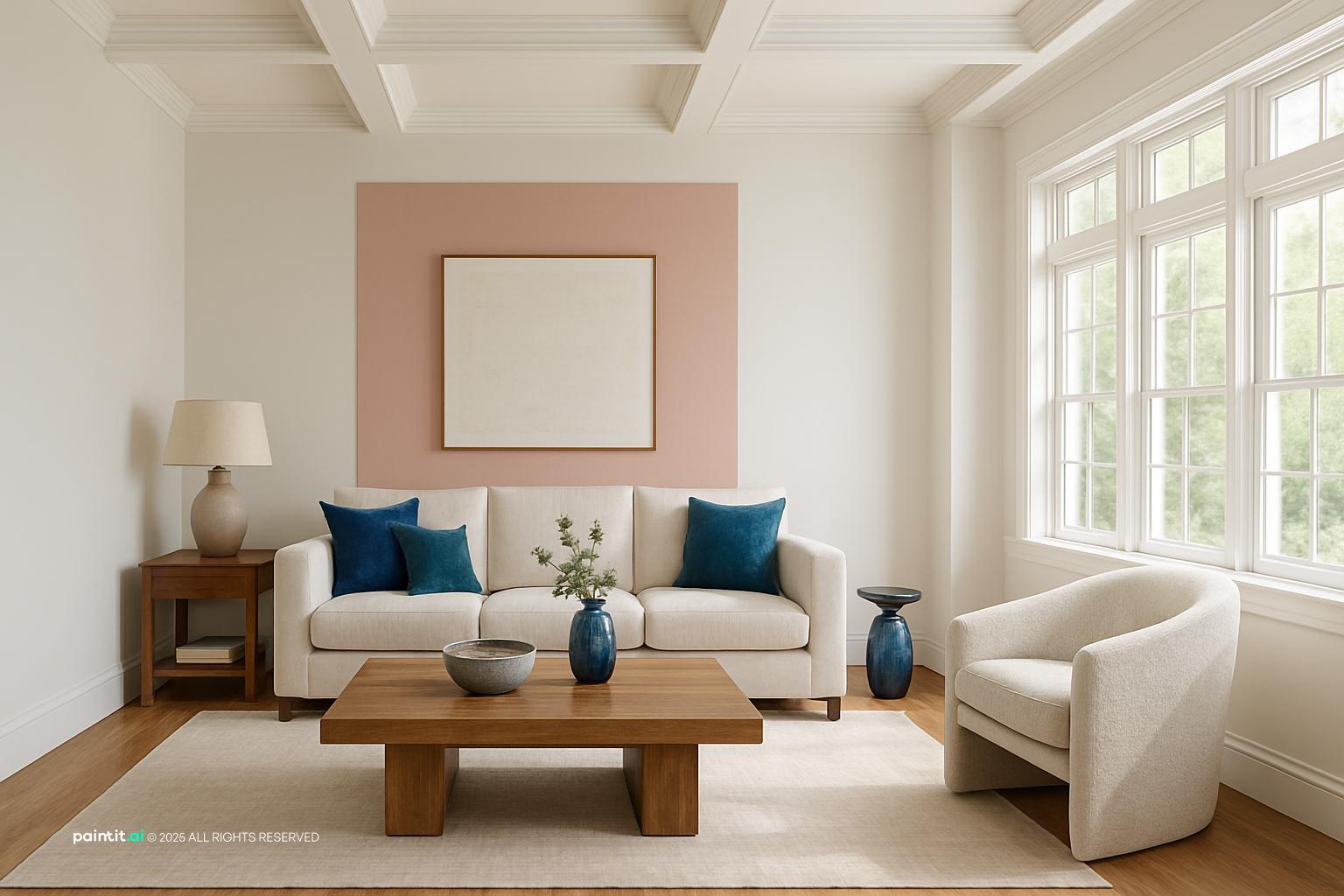
Modern Spacious Living Room Design
Modern Spacious Living Room Design uses pink accents, warm wood and layered neutrals in a living room setting.
The best pink and grey living room ideas are not about adding two pretty colors and hoping they behave. They work when you control warmth, texture, contrast, and scale. In Paintit.ai usage, approximately 70% of homeowners start with short, keyword-style prompts, and color appears in 27.6% of prompts. That feels very close to how people actually approach a room: first they search for the right pink and grey color scheme, then they realize the hard part is making it work with the sofa, floor, light, and things they already own.
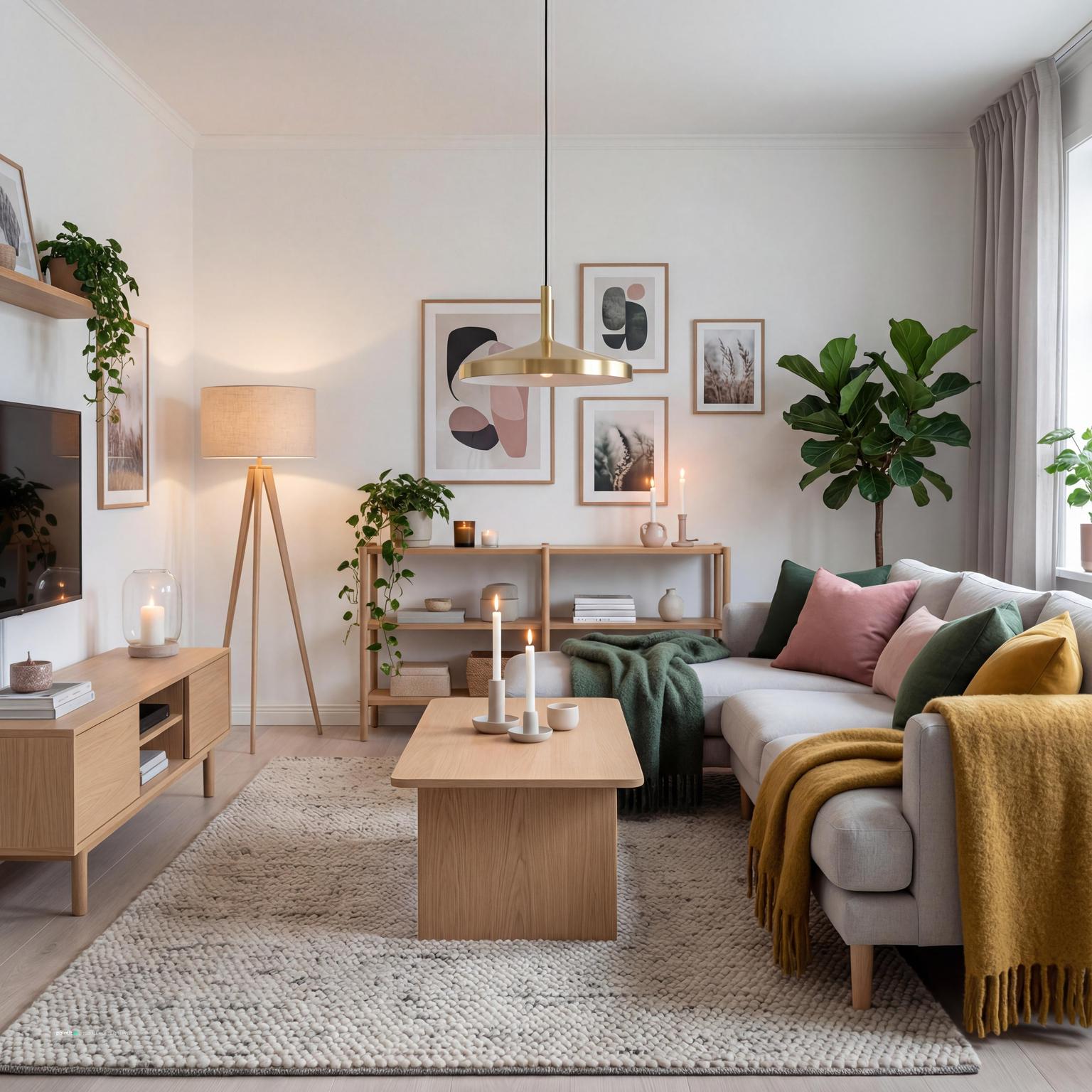
Grey gives the room a backbone. Pink takes the edge off. Together, they can look calm, tailored, romantic, modern, or playful, but only if the undertones agree. Pale cool grey with clean blush feels crisp. Charcoal with dusty rose feels deeper and more grown-up. The first decision is not “pink or grey?” It is warm or cool.
Most real living rooms are not blank boxes. There is usually a grey sofa that has to stay, timber flooring, white walls, black window frames, or a rug someone still likes. If you want to test the proportions before buying anything, AI Living Room Design can help you see whether pink should stay as a small accent, become a wall color, or move into larger fabric pieces.
Use the first gallery to compare what changes when the room has a pale grey base, a charcoal anchor, blush fabrics, rose-toned art, and different levels of contrast.
Modern Spacious Living Room Design uses pink accents, warm wood and layered neutrals in a living room setting.
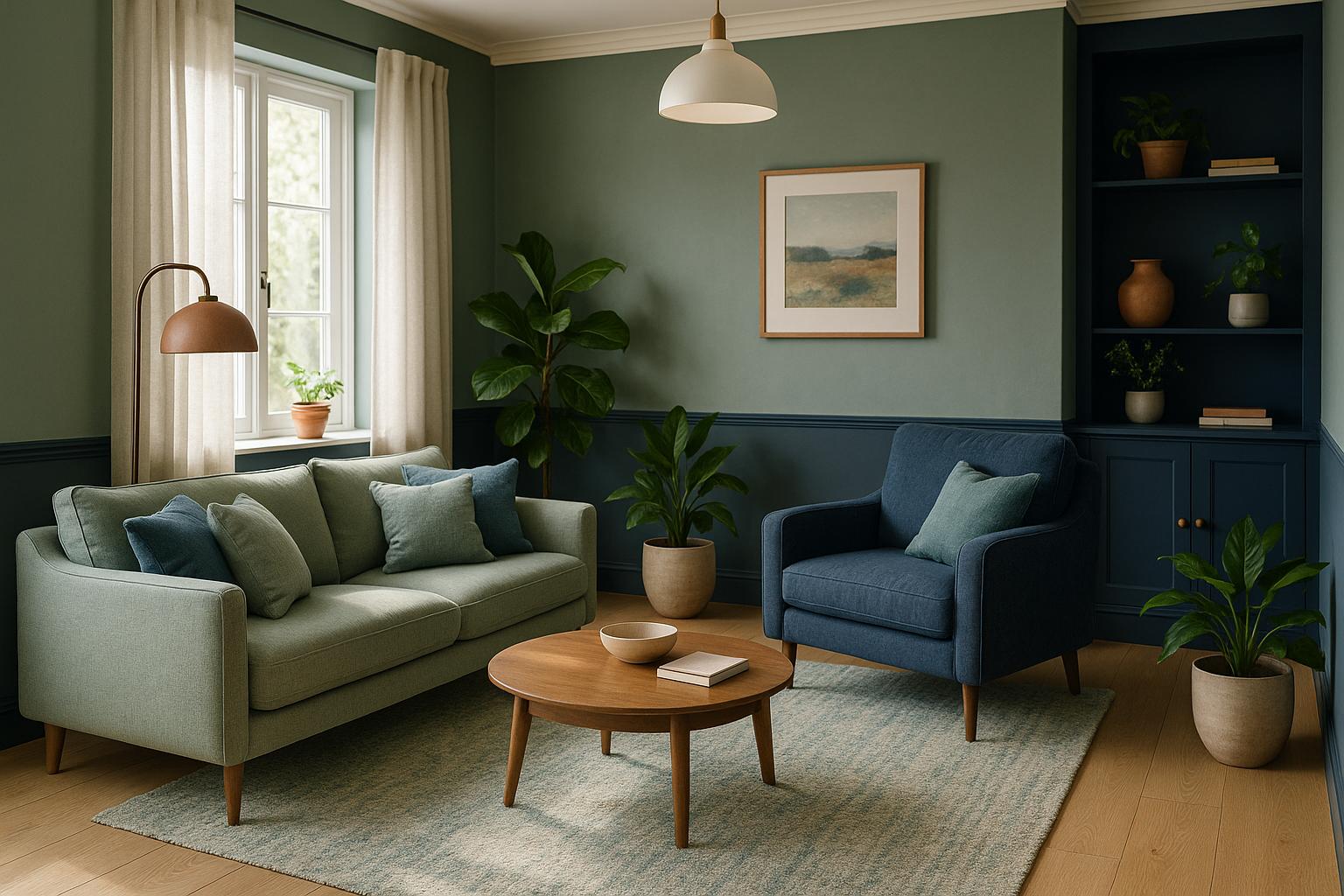
Pink and Grey Living Room Ideas with Pink Accents and Warm Wood balances pink accents, warm wood and soft textiles in a living room setting.
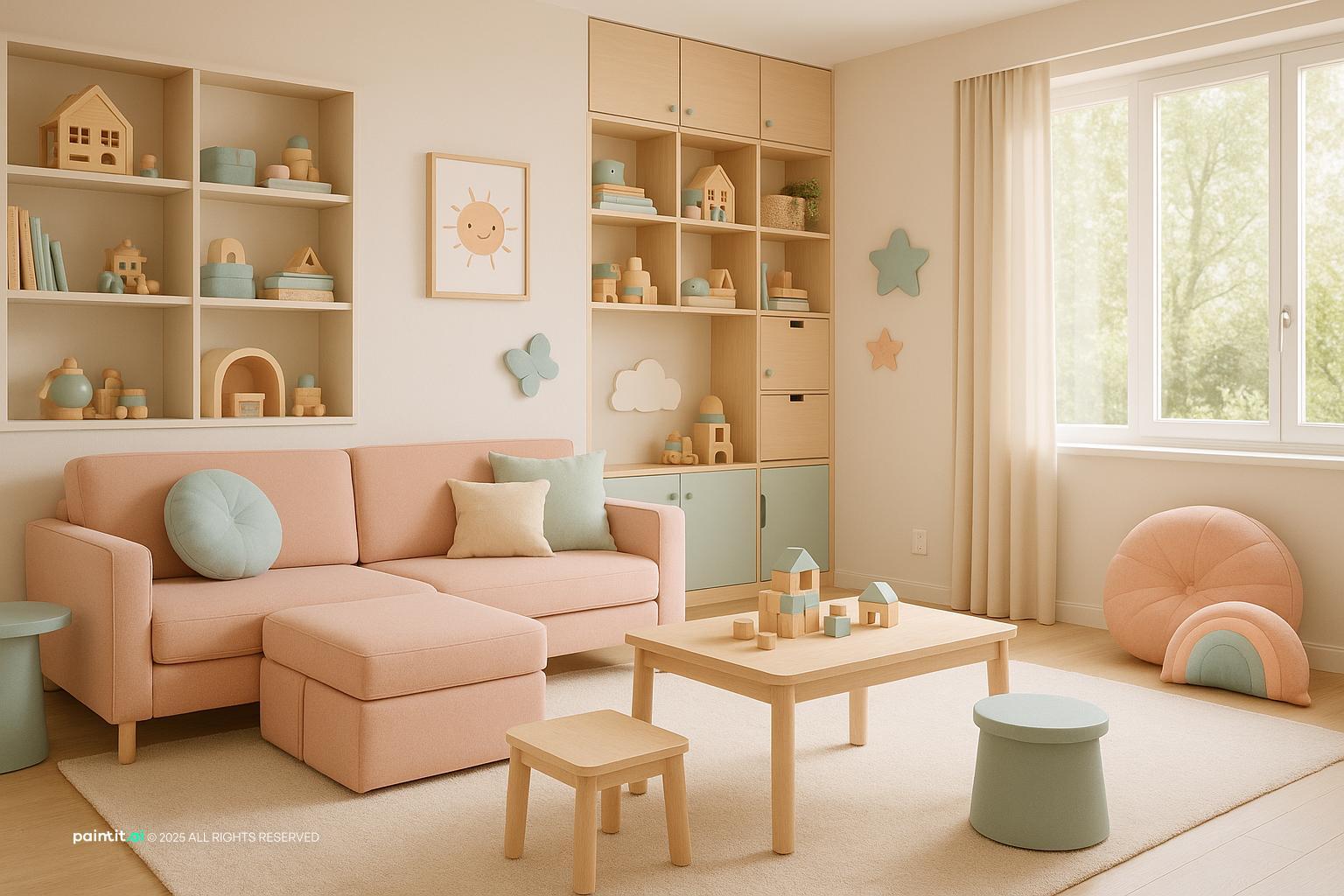
Pink and Grey Living Room Ideas with Pink Accents and Soft Textiles pairs pink accents, soft textiles and natural light in a living room setting.
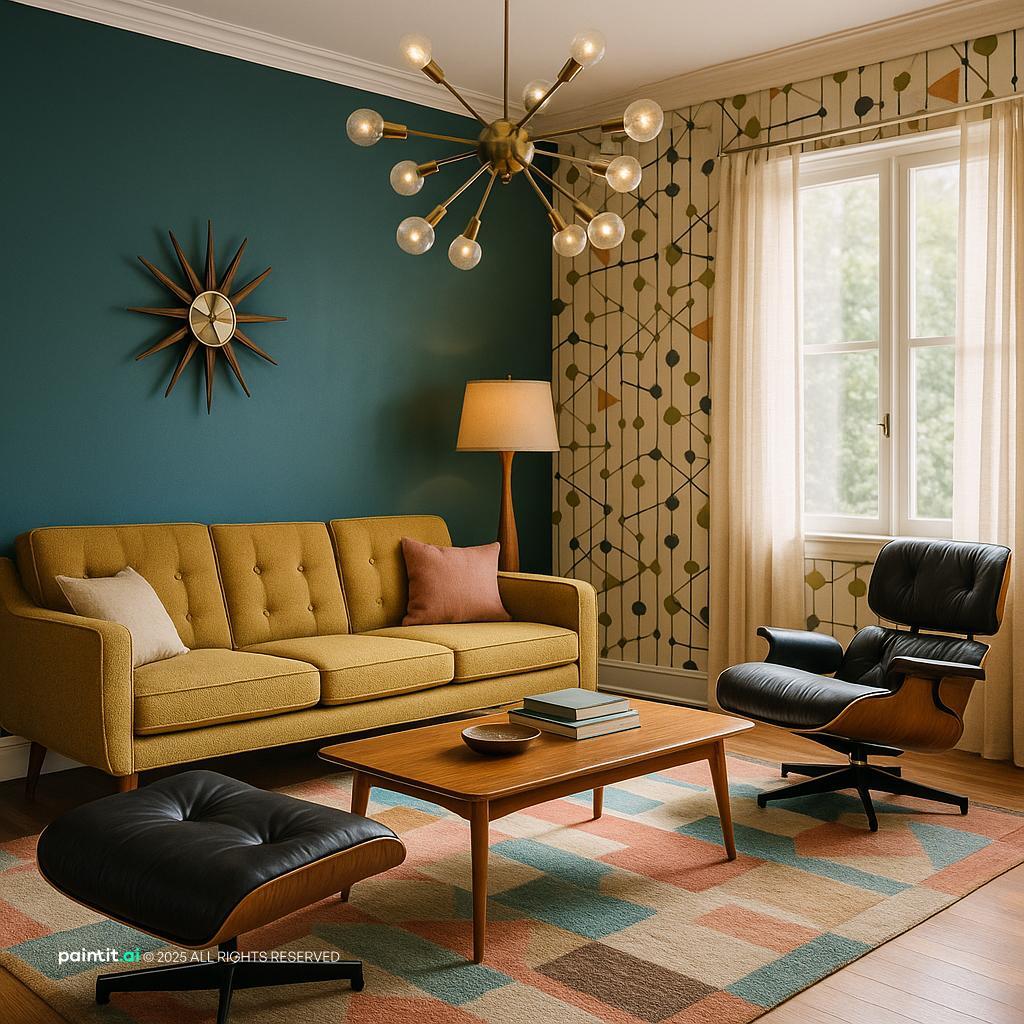
Ultra-Realistic 50s Style Living Room Design layers pink accents and natural light in a living room setting.
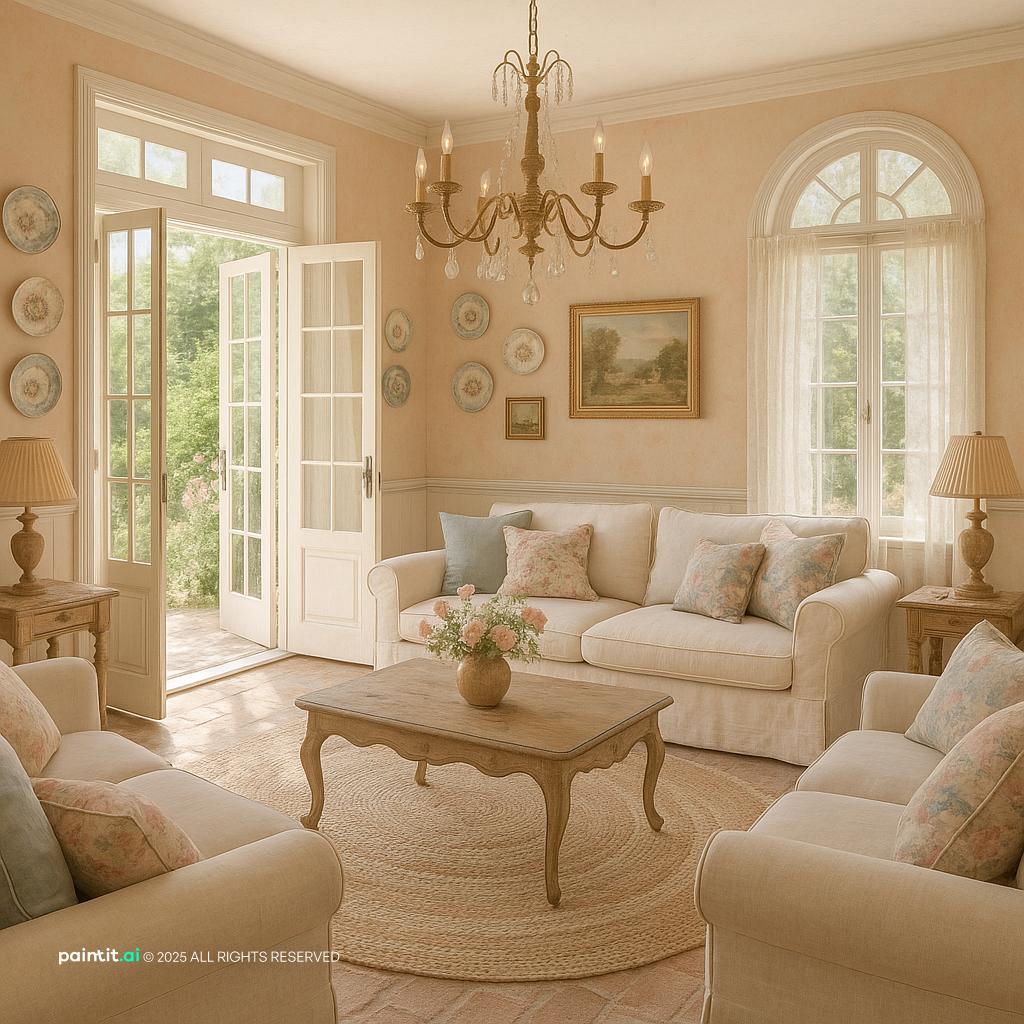
Pink and Grey Living Room Ideas with Pink Accents and Soft Textiles with Layered Neutrals anchors pink accents, soft textiles and layered neutrals in a living room setting.
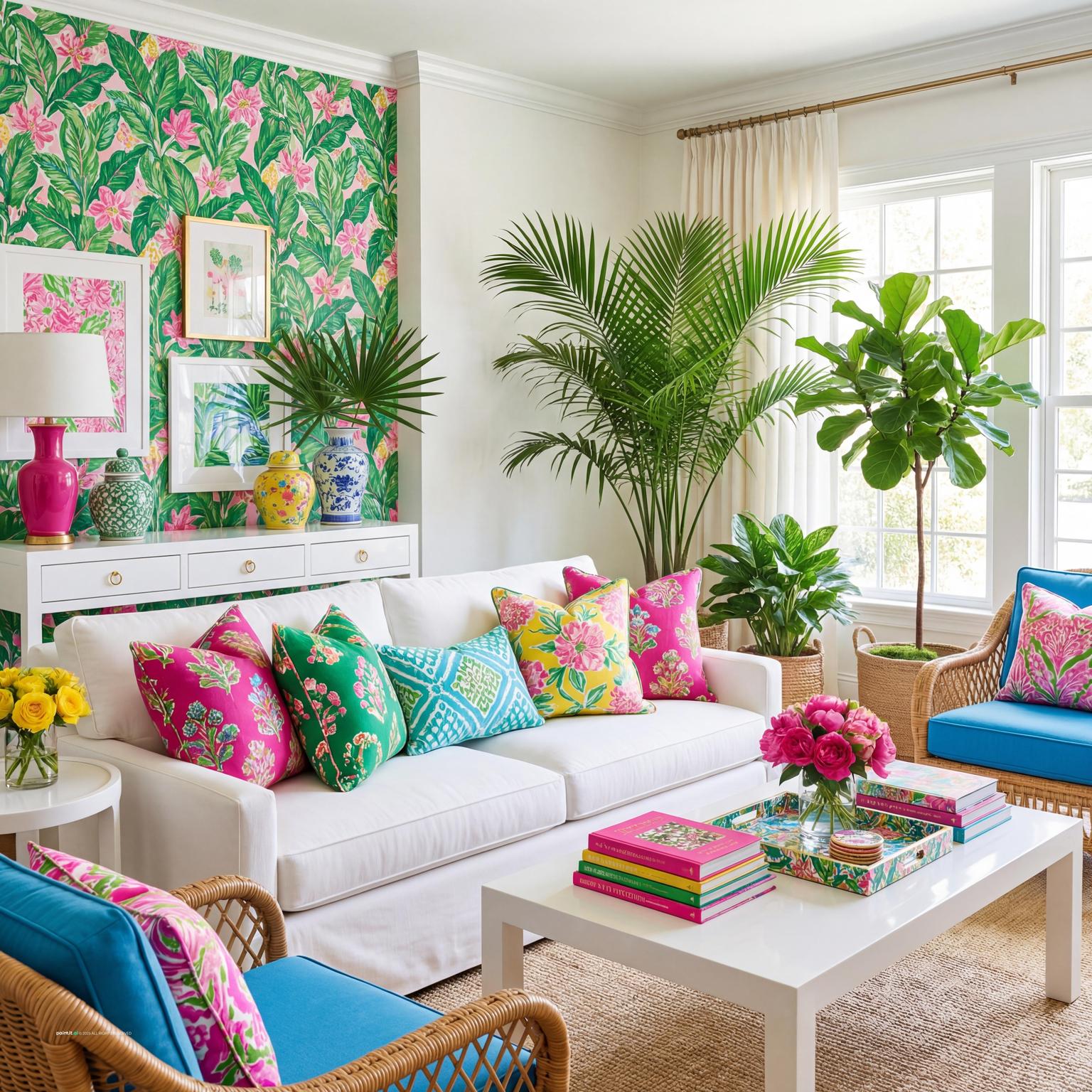
Vibrant Lilly Pulitzer Inspired Living Room softens pink accents, soft textiles and clean-lined furniture in a living room setting.
A pink and grey room usually looks better when one color leads and the other supports it. A safe starting point is 60% grey, 30% pink, and 10% accent color, such as black, brass, ivory, or warm wood. In a real living room, grey might sit on the sofa, walls, or rug, while pink comes through curtains, throw pillows, art, or one accent chair.
Why it works: the eye needs a clear order. When pink and grey are used in equal amounts across every surface, the room can feel busy or unsure of itself. If your room is already very grey, do not scatter tiny pink objects everywhere. Add pink in medium-sized moves, like cushions plus curtains, or art plus a chair.
A grey sofa is often the biggest visual block in the room, so treat it as the anchor. Add blush cushions in two tones, such as pale pink and muted rose, then use a neutral rug to soften the floor without bringing in another loud color. If the sofa is dark charcoal, choose warmer pinks and light wood tones so the seating area does not feel too heavy.
In Paintit.ai, 12.0% of prompts include keep or don't change limitations, and the grey sofa is exactly the kind of piece people usually want to keep. If you are working around major furniture, AI Virtual Staging is useful for checking how new pink accents look with existing pieces before you buy cushions, curtains, or chairs.
A blush pink and grey living room is usually the most forgiving version of this palette. Blush is soft enough for everyday life, but it still warms up grey walls, cool flooring, and metal-framed furniture. Try it first on cushions, a throw blanket, lampshades, or one large piece of wall art.
What to watch: very pale blush can disappear beside a light grey wall. If the room looks washed out, deepen the pink slightly or add a darker grey line through picture frames, a side table, or a floor lamp.
North-facing rooms often make grey look colder, so warm greige or taupe-grey may work better than blue-grey. South-facing rooms can handle cooler greys because the daylight brings warmth. Always test grey paint beside the pink fabric you plan to use, not on an empty wall.
This is where many grey and pink living room plans fail. The colors look fine separately, then clash once they sit in the same light. Cool grey usually pairs best with crisp blush or powder pink, while warm charcoal works better with dusty rose, clay pink, or muted salmon.
Instead of adding small pink accents on every shelf, choose one confident feature. It could be a velvet pink armchair, a large abstract artwork, or full-length curtains. Keep the surrounding pieces quieter so the pink feature looks intentional, not accidental.
Why it works: a living room needs a visual destination. One larger pink element often looks more mature than ten small pink accessories. If the room is compact, place the feature across from the main entry so the first view into the room feels composed.
A neutral rug is one of the best ways to ground pink and grey. Look for ivory, oatmeal, stone, or pale taupe with a woven texture, subtle stripe, or low-contrast pattern. The rug should be large enough for at least the front legs of the sofa and chairs to sit on it.
When people upload rooms with a heavy grey sofa, we often see that the weak spot is not the sofa itself. It is the dead area underneath it. A high-texture rug lifts the seating zone, reflects light, and stops the palette from turning into one flat grey block.
Pink and grey can feel chilly if every surface is painted, upholstered, or metallic. A wood coffee table, oak shelves, walnut sideboard, or rattan tray adds a natural middle tone between the two colors. Light oak suits pale grey and blush, while walnut works well with charcoal and muted rose.
What to avoid: mixing too many unrelated woods in a small living room. If the floor is already warm timber, repeat that tone once or twice in furniture or frames so the room feels connected rather than patched together.
A pink grey living room color scheme often needs a third note. Black gives definition and works well in a modern room through slim lamp bases, picture frames, curtain rods, or a metal coffee table. Brass or champagne metal feels warmer and pairs nicely with blush textiles.
Keep the accent controlled. Too much black can make the room feel hard; too much gold can make it feel overly dressed. Choose one main metal finish, then repeat it in three or four places at most.
For a modern pink and grey living room, reduce the number of decorative objects and focus on silhouette. Choose a low-profile sofa, a simple round coffee table, clean-lined storage, and art with large shapes instead of tiny detail. Pink can appear as one strong block, such as a chair or oversized artwork.
This fits a pattern we see in prompts: 8.8% include negatives such as without or no clutter. In room terms, that means keeping the traffic path clear, avoiding rows of small pink ornaments, and letting fewer objects do more work.
A pink accent wall can work behind the sofa, fireplace, or media unit, but it needs breathing room. Choose muted rose, plaster pink, or beige-pink rather than a sugary tone unless the whole room is meant to feel playful. Balance the wall with grey upholstery and warm white trim.
What to avoid: painting the narrowest wall in a small room if it makes the space feel squeezed. If the architecture is awkward, use pink through curtains or art instead. A full-height curtain panel can give you similar color impact with less risk.
Throw pillows are an easy way to add pink, but they look better when scale and texture vary. On a grey sofa, try two larger square cushions in blush, one smaller patterned cushion, and one textured neutral cushion. Velvet, linen, boucle, and woven cotton all behave differently even when the color is close.
Why it works: texture catches light. That is what keeps the palette alive. If every cushion is the same size and fabric, even good colors can look flat. Do not overfill the sofa; people still need somewhere comfortable to sit.
Wall art is a low-risk way to tie pink, grey, black, cream, and wood tones together. Abstract prints, soft nature photography, or line drawings with blush details can sit above the sofa or console. Choose frames that repeat another finish in the room, such as black metal, oak, or warm brass.
For a pink accent grey living room, art is especially useful because it bridges the sofa and accessories. Hang the main piece so its center is around eye level when standing, or slightly lower if it relates to the sofa. Tiny art floating high above large furniture is one of the fastest ways to make the wall feel unfinished.
Lighting changes pink more than many people expect. Warm bulbs make blush feel softer, while very cool bulbs can make dusty pink look grey or muddy. Use layered lighting: overhead light for general brightness, table lamps for softness, and a floor lamp near seating for evening depth.
In Paintit.ai insights, only 5.9% of prompts mention lighting, even though lighting is one of the main reasons pink and grey rooms either feel finished or flat. Do not rely on one ceiling fixture. Put light at different heights so the sofa, rug, curtains, and art all have some dimension.
Pink and grey living room decor should feel edited, not themed. Once the major pieces are chosen, remove anything that repeats the same pink too often or adds visual noise. Keep practical surfaces clear: a tray on the coffee table, one vase, one book stack, and a lamp may be enough.
If you are planning a bigger change, use a step-by-step process like How to Redesign a Living Room with Paintit.ai to compare layout, color, and styling decisions together. The best results usually come from adjusting one variable at a time: more pink, less grey, darker metal, warmer rug, or softer lighting.
Use the second gallery to compare soft blush rooms, moodier charcoal schemes, modern minimal layouts, and warmer versions built around wood, brass, and textured textiles.
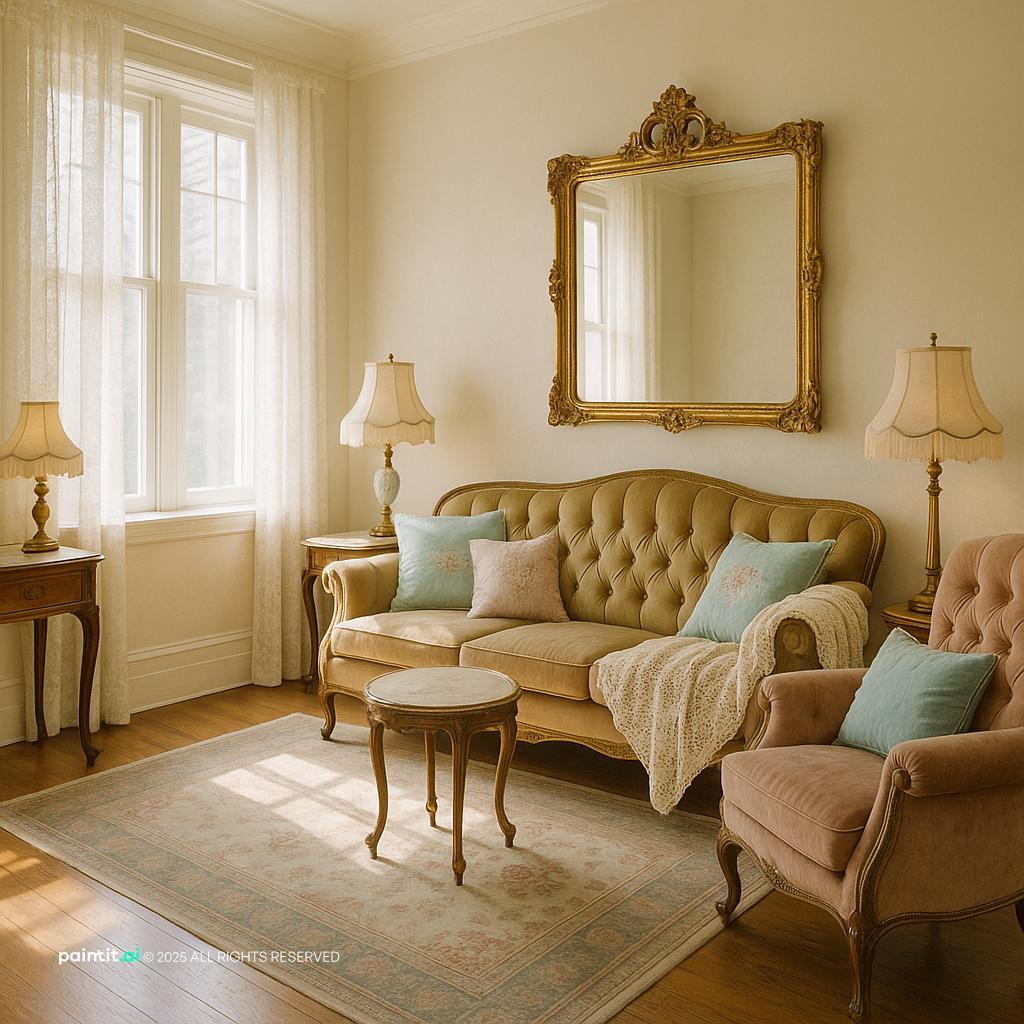
Vintage-Style Living Room Design Inspiration uses pink accents, soft textiles and layered neutrals in a living room setting.
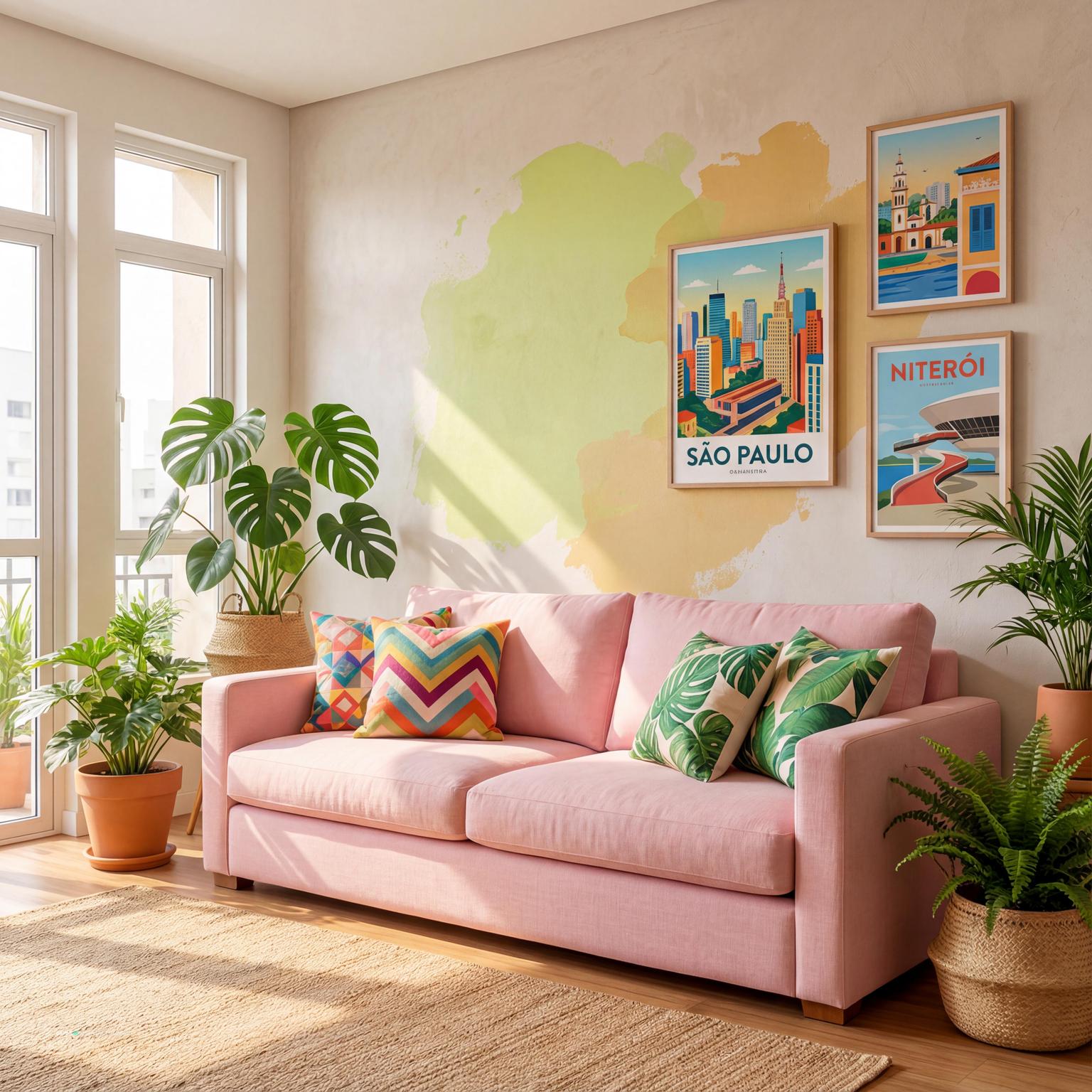
Modern Brazilian Living Room Design balances pink accents, soft textiles and plants and greenery in a living room setting.
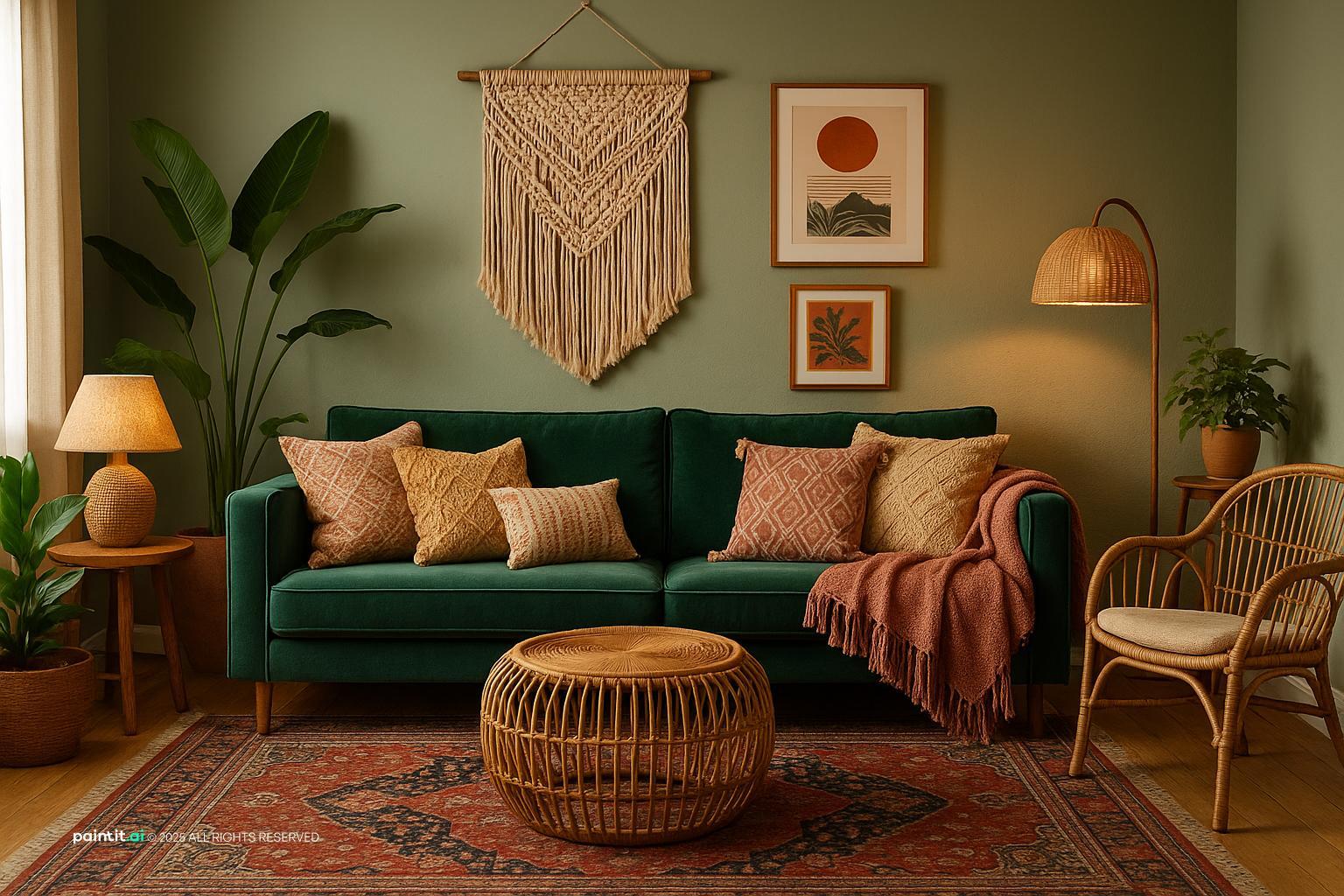
Cozy Boho Living Room Design pairs pink accents, soft textiles and plants and greenery in a living room setting.
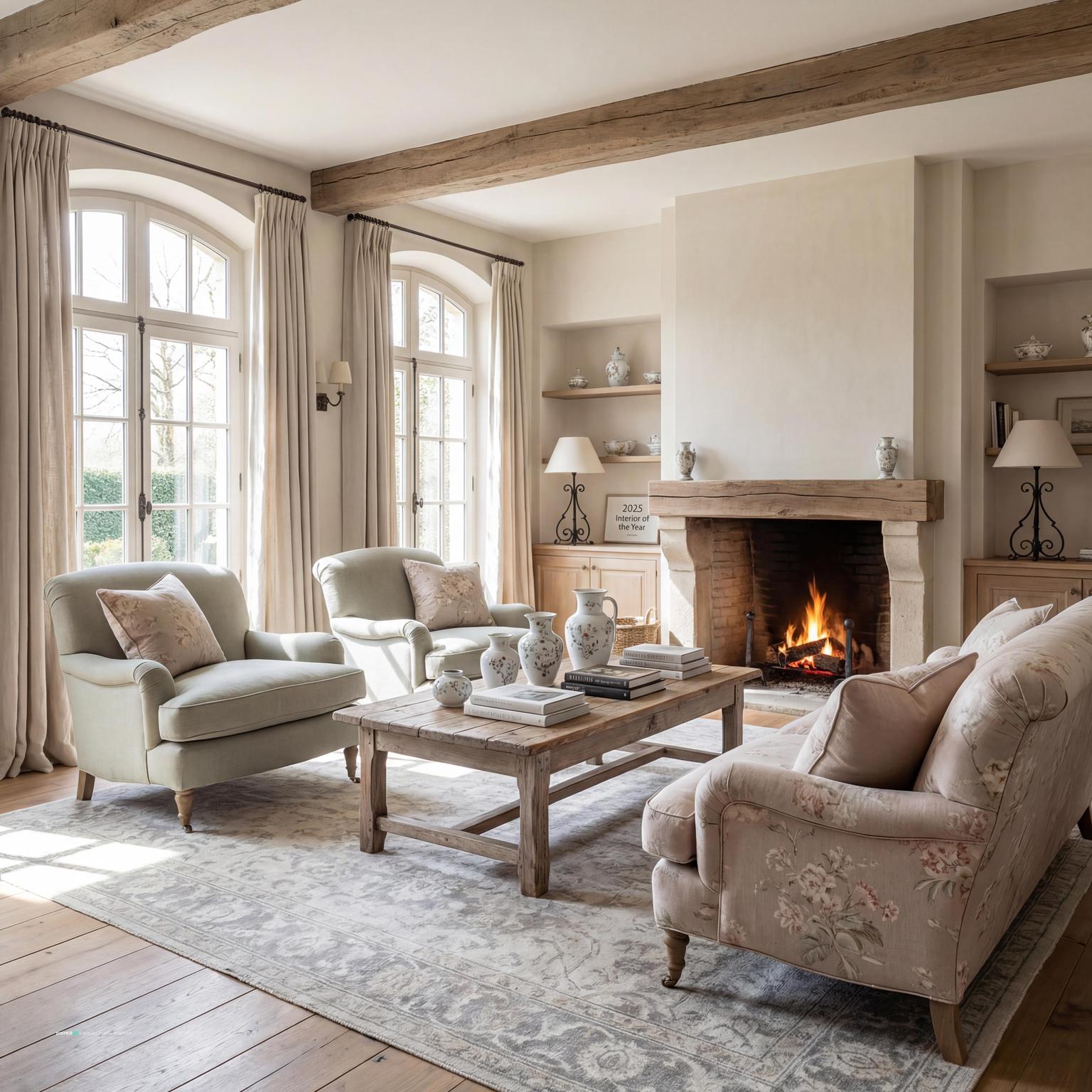
Elegant French Country Living Room Design layers grey palette, pink accents and soft textiles in a living room setting.
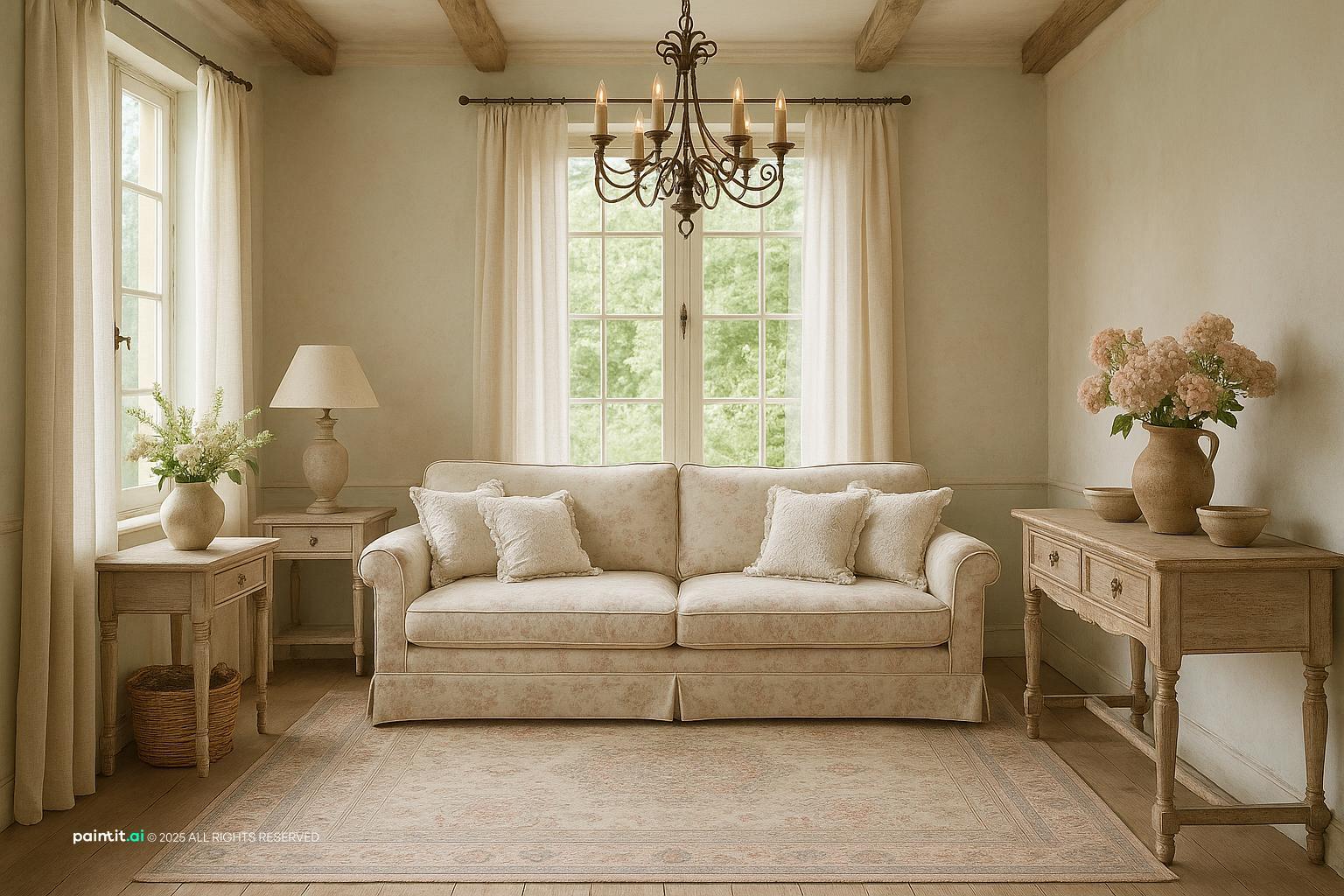
Charming French Country Living Room Design anchors pink accents, soft textiles and natural light in a living room setting.
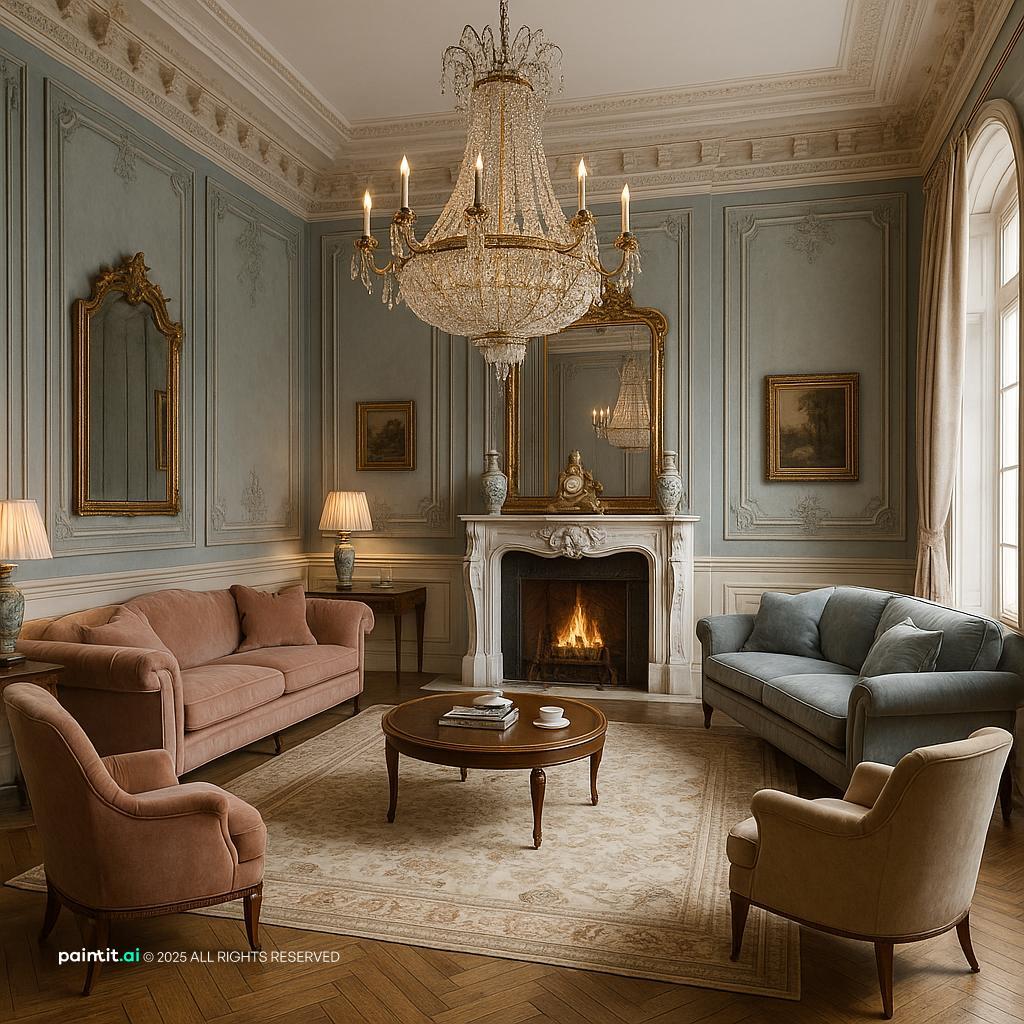
Elegant Neoclassical Living Room Design softens pink accents, metal accents and layered neutrals in a living room setting.
Blush, rose, mauve, plaster pink, and salmon can all sit under the pink label, but they do not behave the same way beside grey. Cool greys need cleaner pinks with less brown in them. Warm greys can take dustier rose tones because the undertones already lean earthy.
Use paint samples and fabric swatches together in morning and evening light. I would not choose pink from a screen alone; it can shift dramatically once it sits beside your flooring, sofa, and window light.
Very pale grey can look airy, but it may disappear if the room also has white walls and light flooring. Mid grey, warm greige, or charcoal can create a stronger base. The right choice depends on natural light, room size, and how large the main furniture pieces are.
If you are unsure which family of grey suits your space, compare it with broader advice on Best Living Room Colors. Be careful with blue-grey if your planned pink is dusty or brown-based, because the mix can look muddy fast.
A color scheme alone is not enough. Combine velvet cushions, a wool or jute-blend rug, a timber coffee table, ceramic lamps, and metal finishes so the room has shadow and touchable contrast. This matters most in rooms with a grey sofa and plain walls.
In Paintit.ai tests, we often see simple pink and grey prompts improve when users add a material direction such as light wood, brushed gold, boucle, or matte black. Avoid using only smooth synthetic fabrics, glossy furniture, and flat painted surfaces. The camera may like shine for a second, but real rooms need texture.
Curtains cover a lot of vertical space, so they can change the whole room. Blush curtains soften grey walls and add warmth, while pale grey curtains keep the palette quieter. If the room is small, hang curtains high and wide so the window feels larger.
For a calmer look, choose linen or linen-look fabric with a soft drape. Avoid short curtains that stop at the sill in a formal seating area; they cut the wall visually and make the room feel less settled.
Black metal gives pink and grey structure. Brass warms it. Chrome or polished nickel can work in cooler, cleaner rooms, but they may feel stark if the palette is already pale. Repeat the metal in lamps, frames, table legs, or cabinet hardware.
Do not use every finish at once. If the coffee table is black metal, let the floor lamp or curtain rod repeat black, then use brass only as a small secondary detail if the room needs warmth.
A good living room needs ambient, task, and accent lighting. Use the ceiling fixture for general light, a floor lamp for reading near the sofa, and table lamps or picture lights to warm up corners and artwork. Pink surfaces look richer when light comes from the side rather than only from above.
Avoid cool, harsh bulbs unless the room is intentionally crisp and contemporary. Warm white bulbs usually flatter blush and rose tones, but test them at night because bulb temperature can change how grey reads.
Decor balance matters more than matching. If one side of the room has a pink chair, repeat pink lightly on the opposite side through art or a cushion. If the sofa is visually heavy, use a lighter coffee table or open-leg side tables so the room does not feel bottom-heavy.
For open-plan rooms or empty spaces, AI Room Design can help test furniture placement before the palette is finalized. Avoid filling every shelf with pink objects; leave negative space so the color feels deliberate.
Upload a photo of your living room to Paintit.ai and test different versions of the palette: keep the grey sofa, add blush curtains, change the rug, try a rose accent wall, switch wood tones, or compare black and brass lighting. This is most useful when you are not starting from an empty room.
For better results, be specific after the first test. Instead of only writing pink and grey, try prompts such as keep my grey sofa, add blush pink accents, use a neutral rug, warm wood coffee table, layered lighting, no clutter, or make the pink a bit darker. That kind of refinement matters; 15% of all prompts contain refinement language such as instead, more, a bit, now.
Yes. Grey gives the room structure, while pink adds warmth and softness. The key is matching undertones: cool grey with crisp blush, warm grey with dusty rose or muted pink.
Start with one dominant color, usually grey, then add pink through cushions, curtains, art, or an accent chair. Finish with texture, wood tones, and one clear metal finish.
Ivory, black, brass, warm wood, taupe, cream, and soft green all work well. Choose one or two accent colors so the room does not start to feel crowded.
Add texture and layered lighting. Use a woven rug, velvet or linen cushions, wood furniture, metal lamps, and light from several heights instead of relying on one ceiling fixture.
Yes. Use cleaner furniture shapes, fewer accessories, matte black or brass details, and pink in larger controlled pieces rather than lots of small decorative items.