
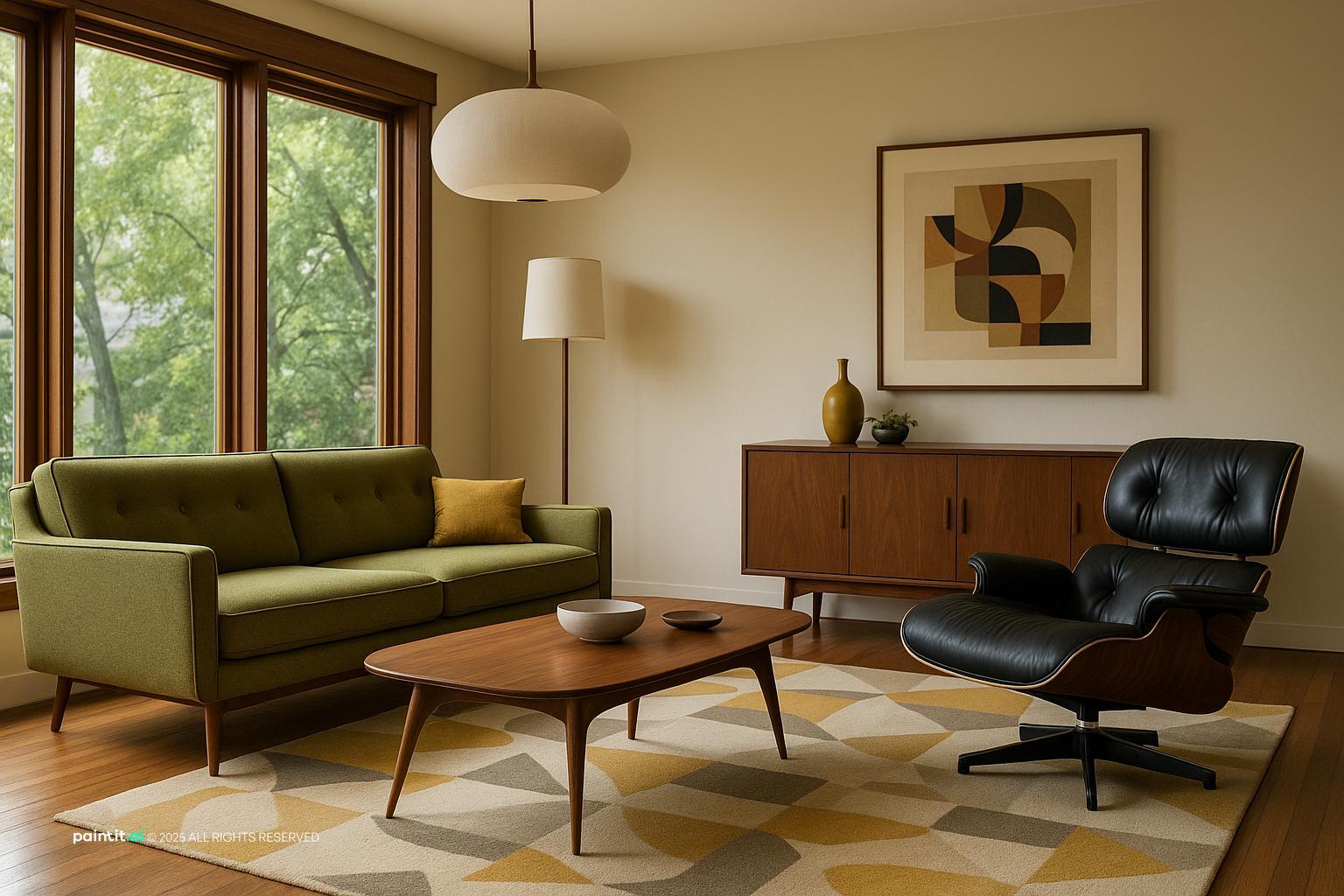
Mid-Century Modern Living Room Design
Mid-Century Modern Living Room Design uses green accents, olive green tones and warm wood in a living room setting.
Olive green living room ideas work best when the color has a real job in the room, not when it is treated like a trendy paint sample. Olive can feel warm, earthy, tailored, or moody depending on the sofa fabric, rug tone, window light, and wood finish sitting next to it. We often see people start with sage because it feels safe, then ask for the room to be a bit darker, warmer, or more grounded. Olive sits in that useful middle space: softer than forest green, richer than beige, and flexible enough for both relaxed and polished living rooms.
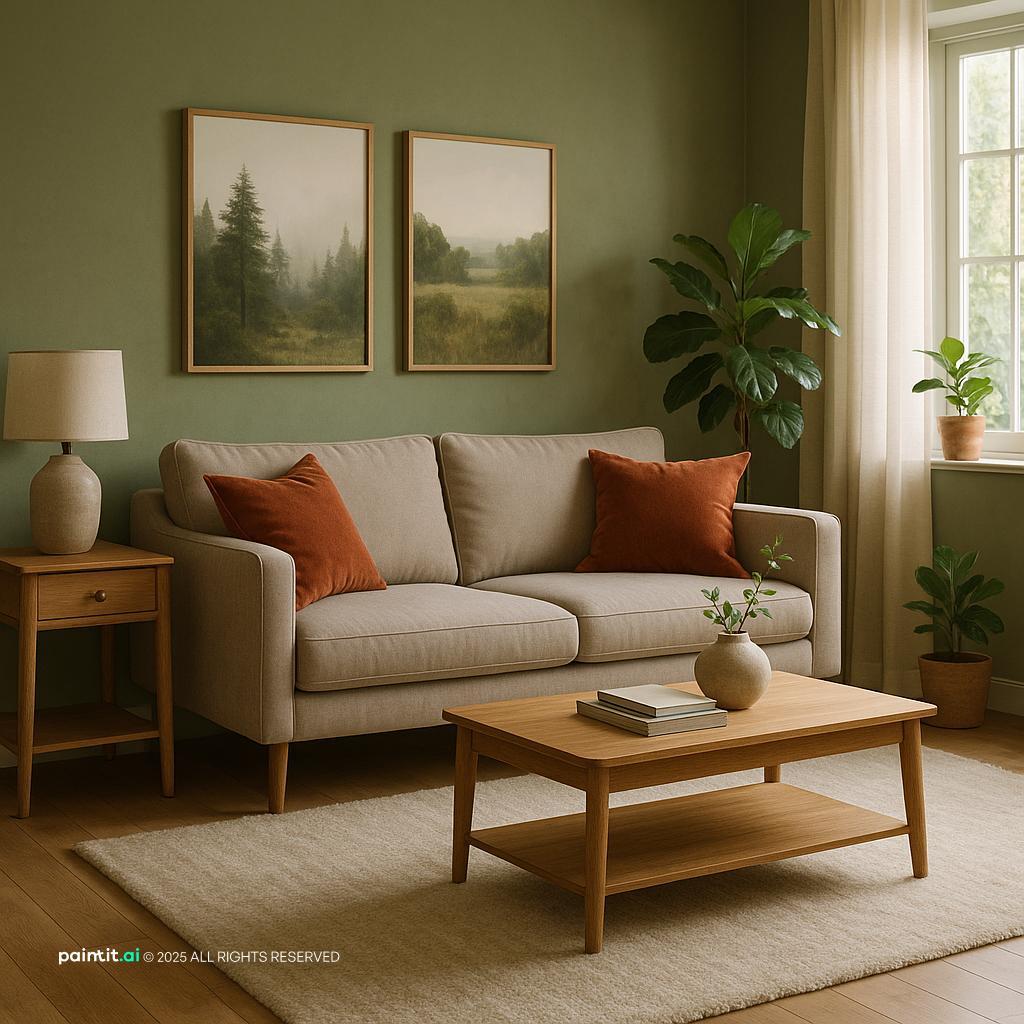
A living room has to do more than look good in one corner. It has to handle conversation, TV viewing, walking paths, storage, daylight, evening lamps, and the furniture you may not want to replace. Olive green helps because it behaves almost like a colored neutral. It can sit beside beige upholstery, walnut tables, black frames, brass lamps, cream curtains, and textured rugs without forcing every piece to match.
In Paintit.ai usage, color modifiers such as white, beige, and sage appear in 27.6% of prompts, which tells us people usually begin with palette before they think about layout. For a living room, I would test both at the same time: how the green sits on the wall, how it looks from the entry, and whether the seating area still feels balanced. If you are comparing directions early, an AI living room design preview can make those choices easier to judge before you buy paint or furniture.
Use the first gallery to compare how olive changes with room size, daylight, trim color, sofa weight, and rug contrast. The best rooms usually make one clear green decision, then leave enough neutral space for the eye to rest.
Mid-Century Modern Living Room Design uses green accents, olive green tones and warm wood in a living room setting.
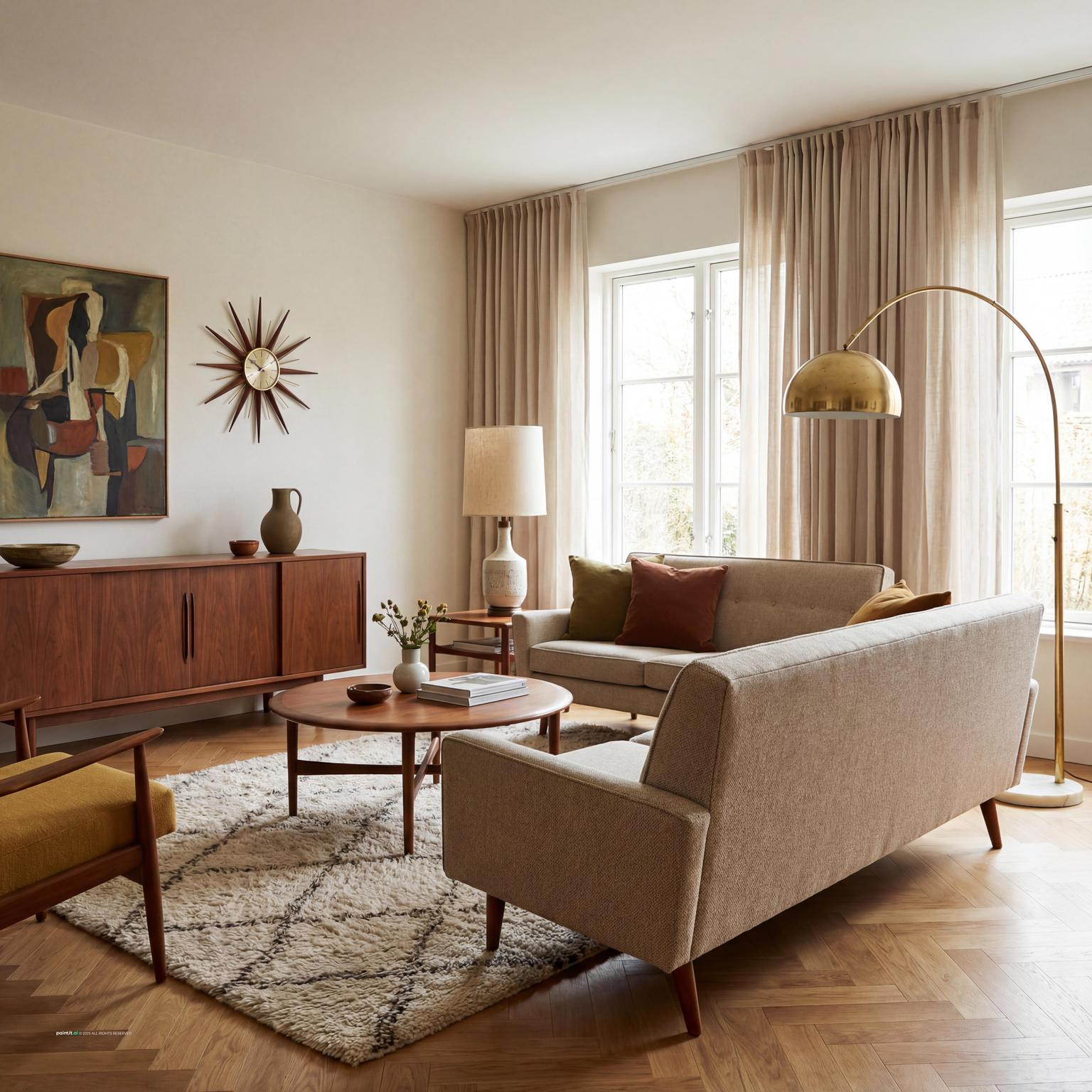
Harmonious Nature-Inspired Living Room Design balances green accents, olive green tones and warm wood in a living room setting.
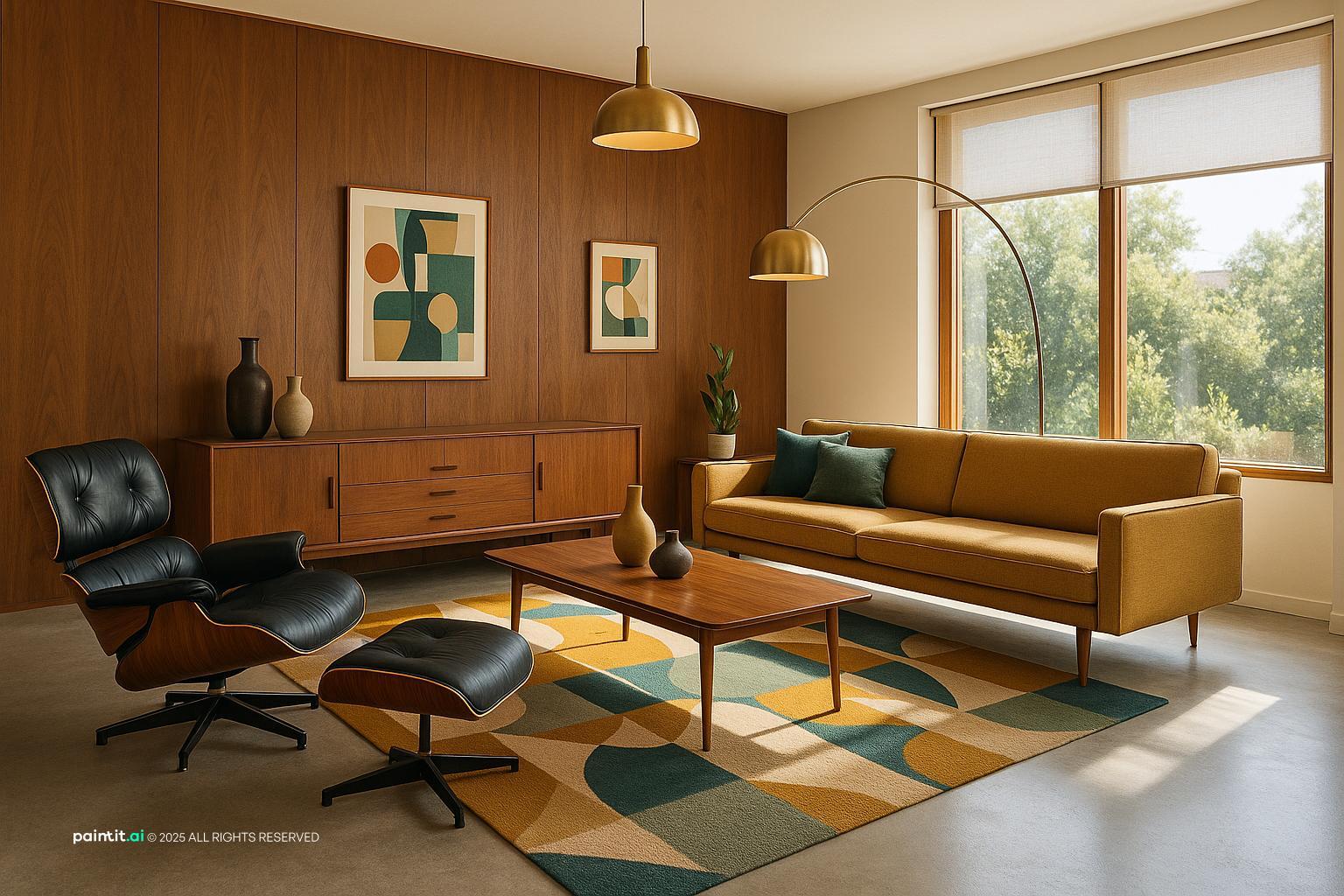
Olive Green Living Room Ideas with Green Accents and Olive Green Tones pairs green accents, olive green tones and warm wood in a living room setting.
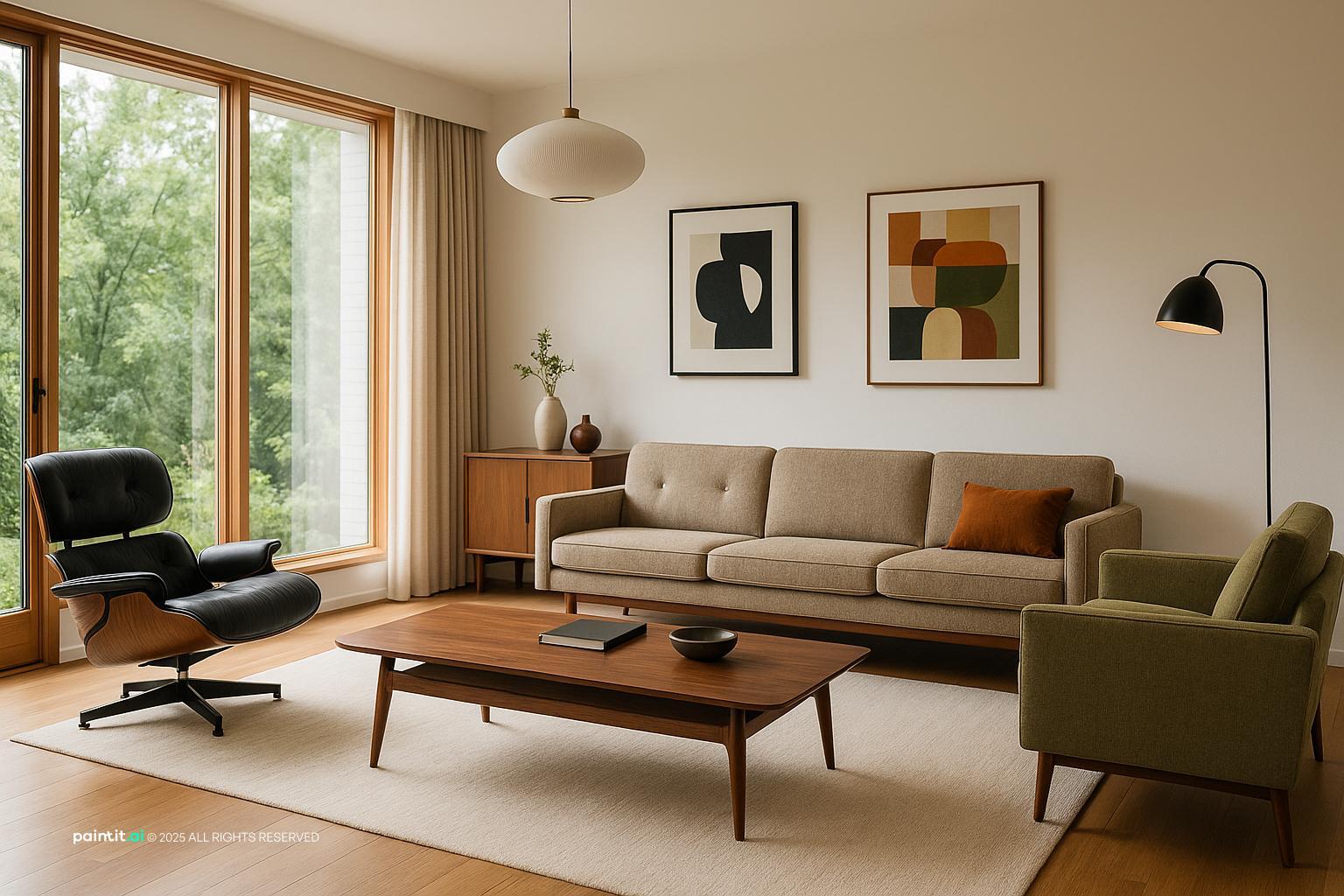
Olive Green Living Room Ideas with Green Accents and Olive Green Tones with Warm Wood layers green accents, olive green tones and warm wood in a living room setting.
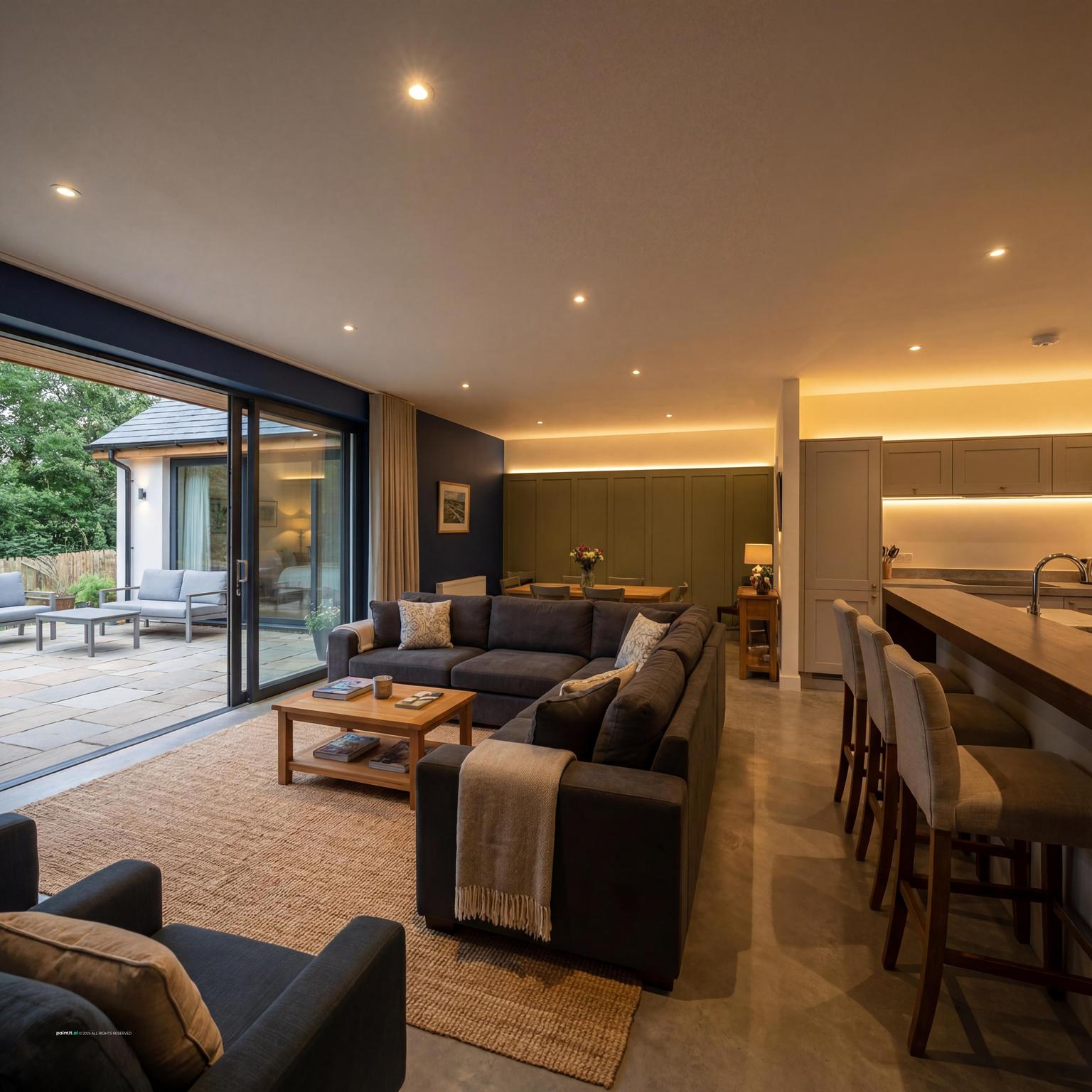
Cozy Modern Interior Design for Small Homes anchors green accents and olive green tones in a living room setting.
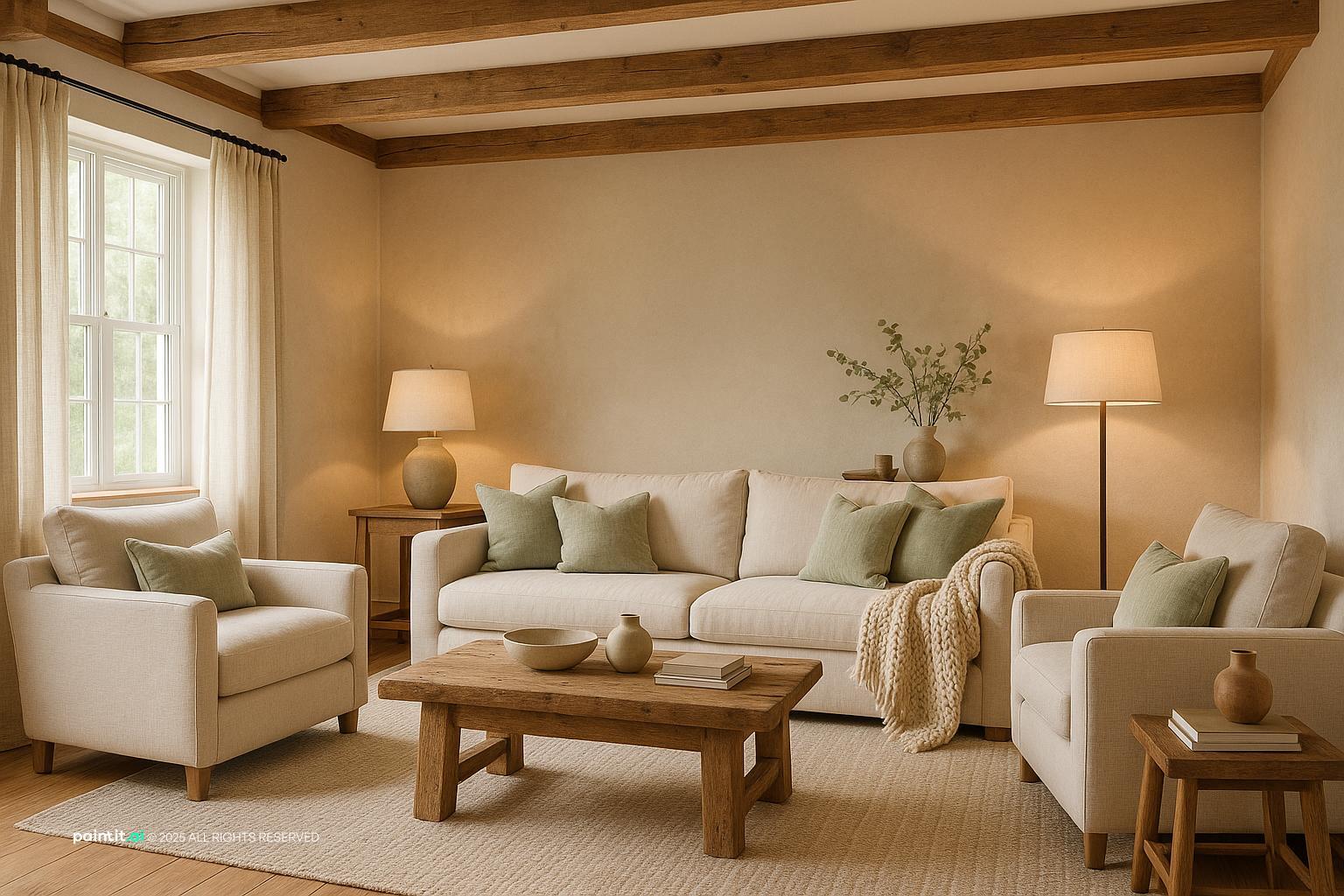
Cozy Contemporary Cottage Living Room Design softens green accents, olive green tones and warm wood in a living room setting.
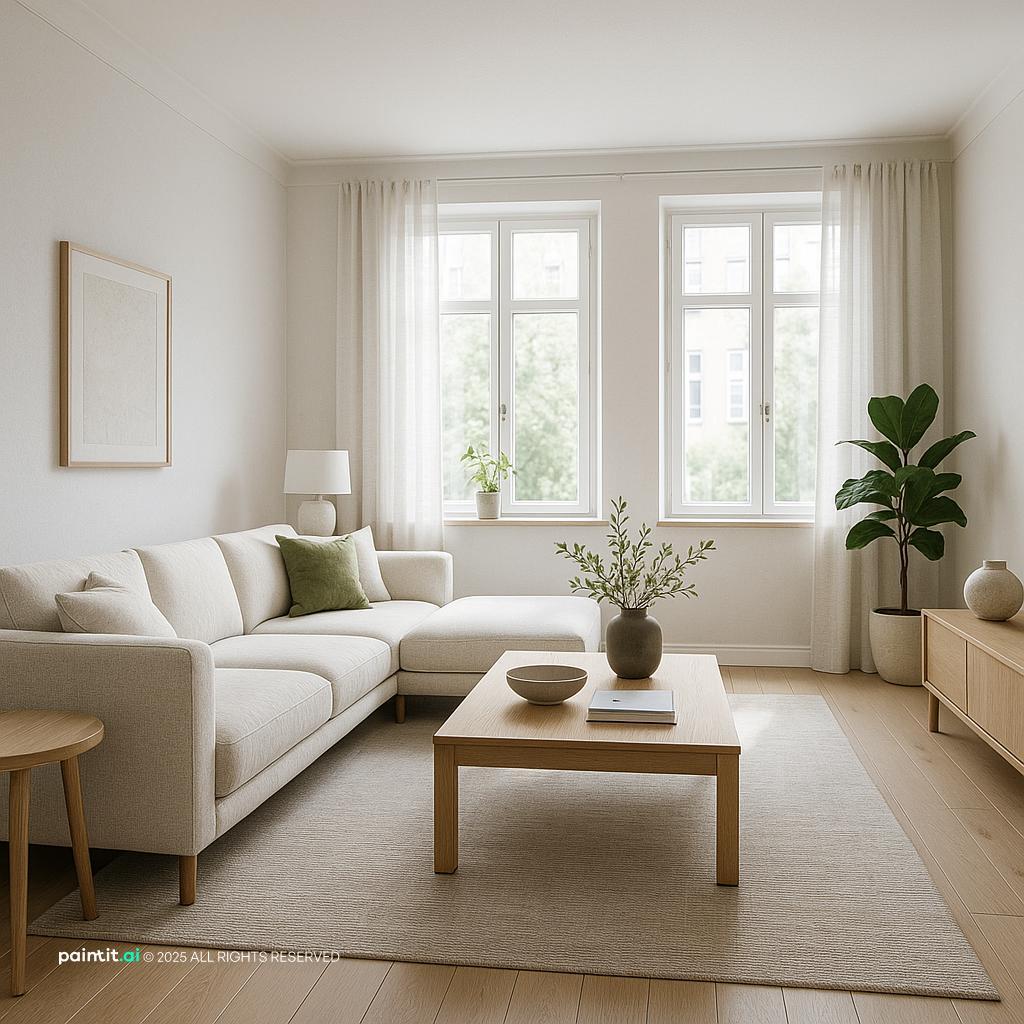
Modern Scandinavian Living Room Design uses green accents, olive green tones and warm wood in a living room setting.
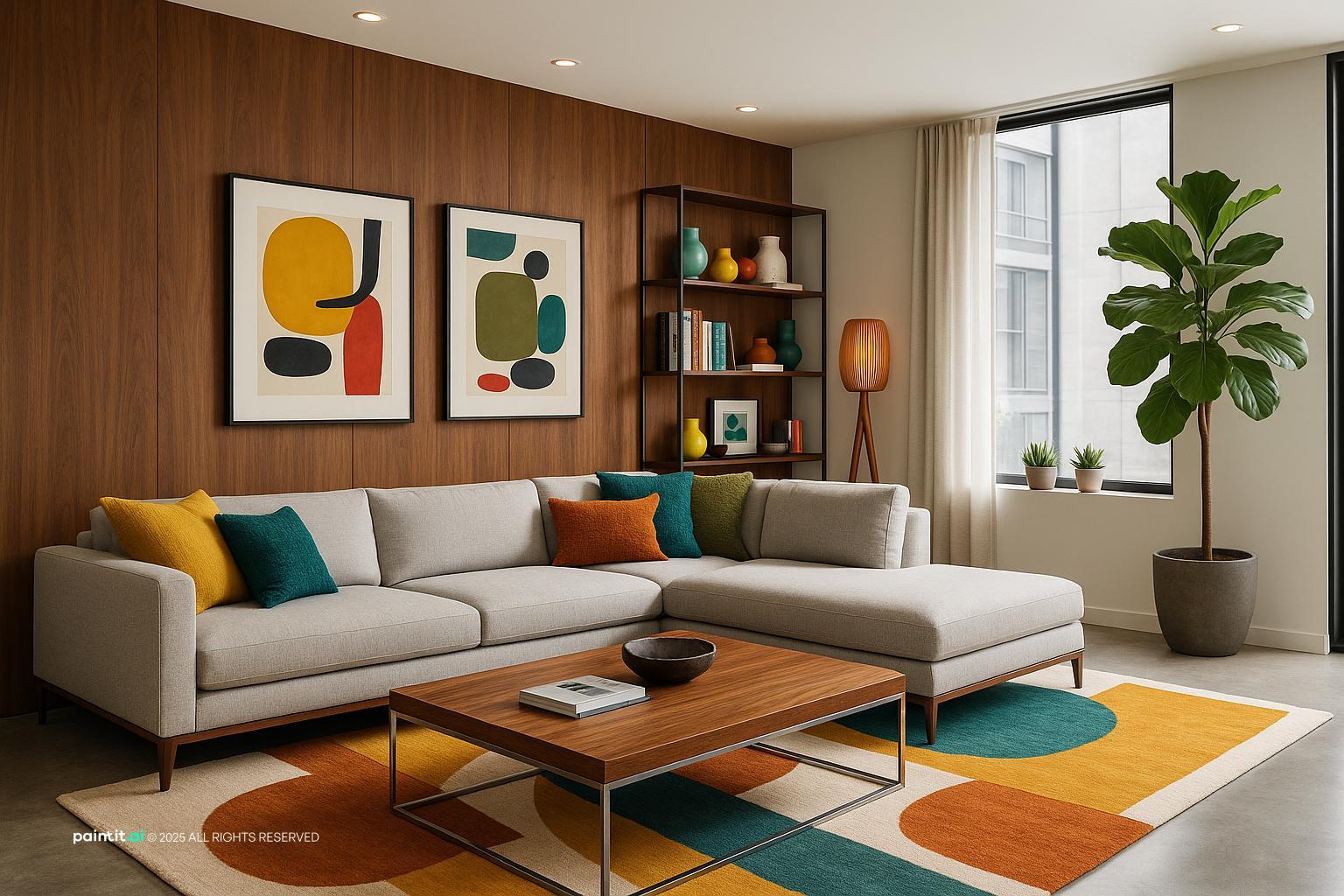
Olive Green Living Room Ideas with Green Accents and Olive Green Tones View 3 balances green accents, olive green tones and warm wood in a living room setting.
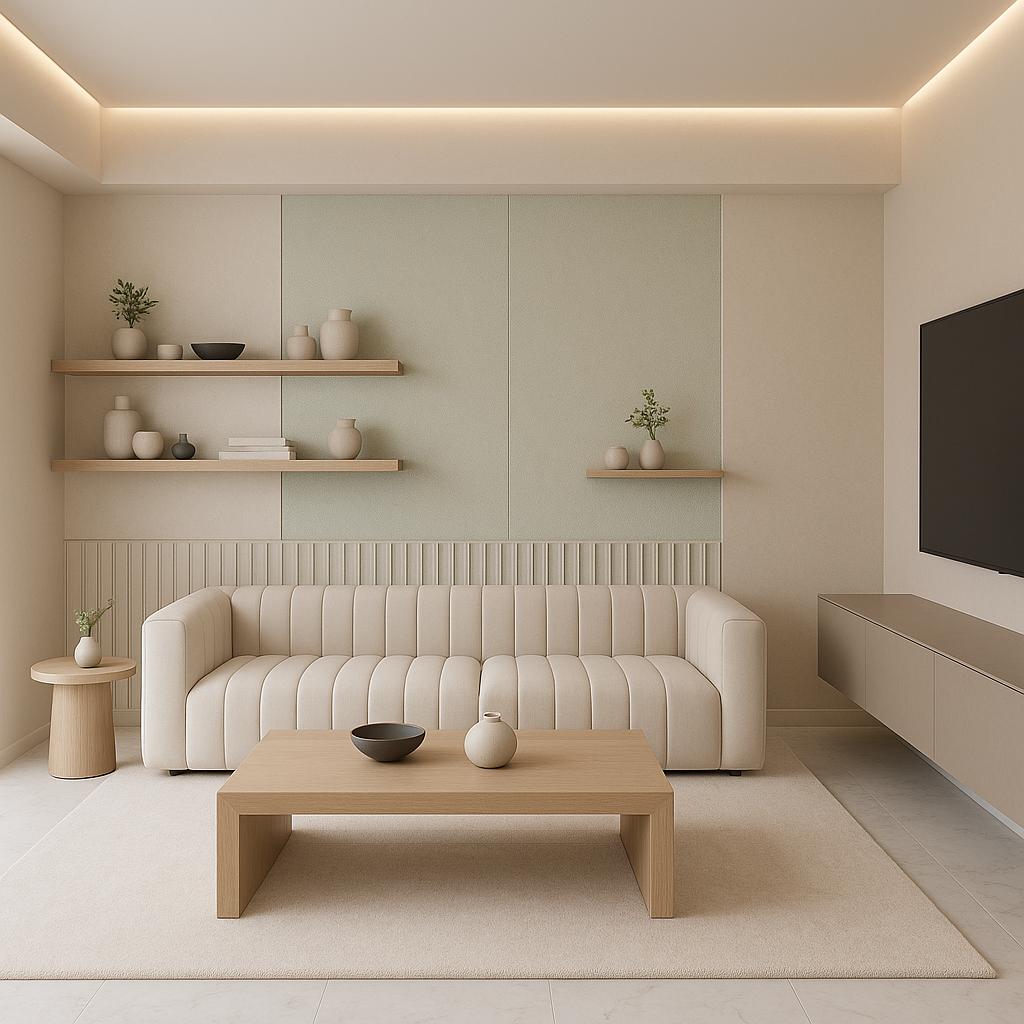
Modern Minimalist Living Room Design pairs green accents, olive green tones and warm wood in a living room setting.
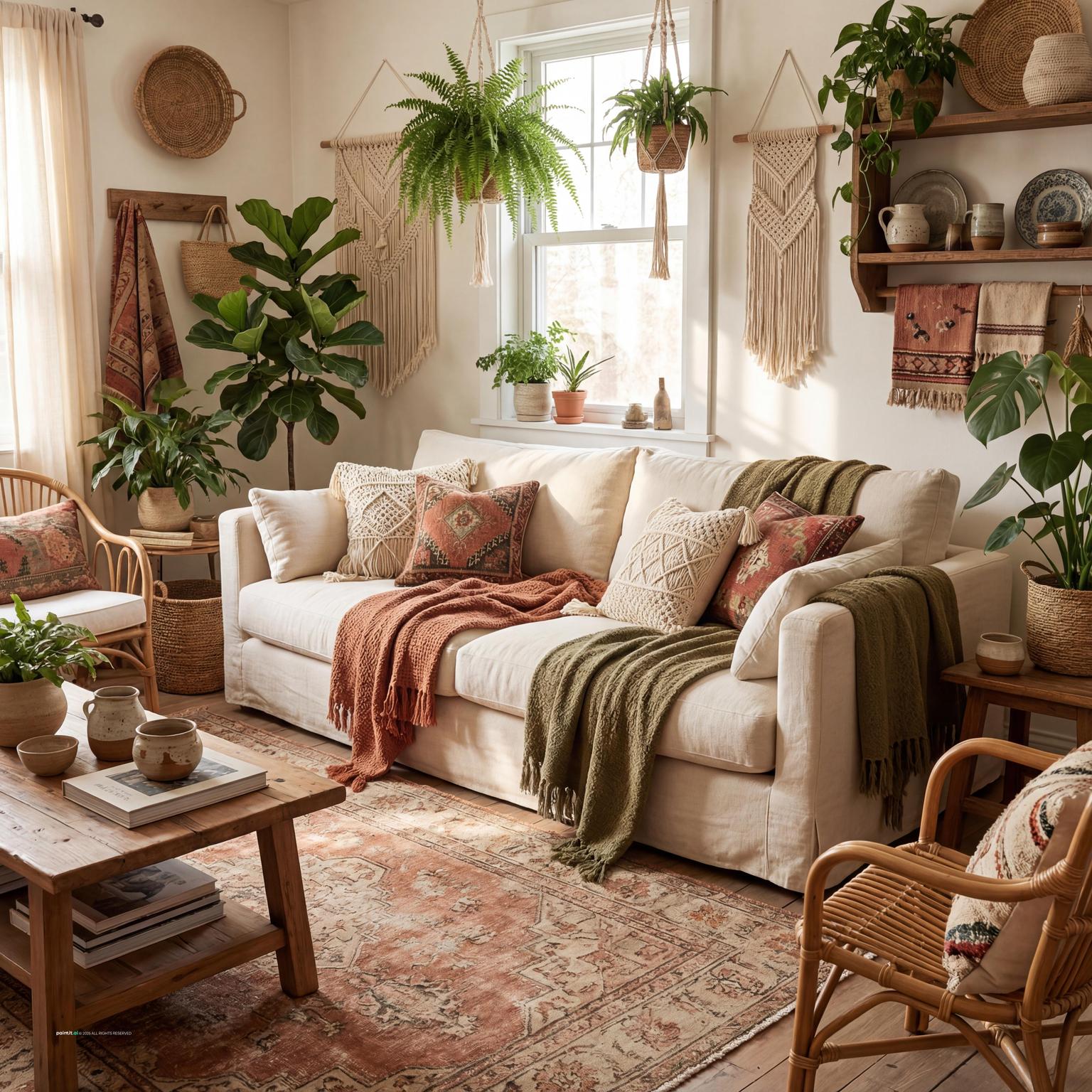
Cozy Bohemian Living Room Design layers green accents, olive green tones and soft textiles in a living room setting.
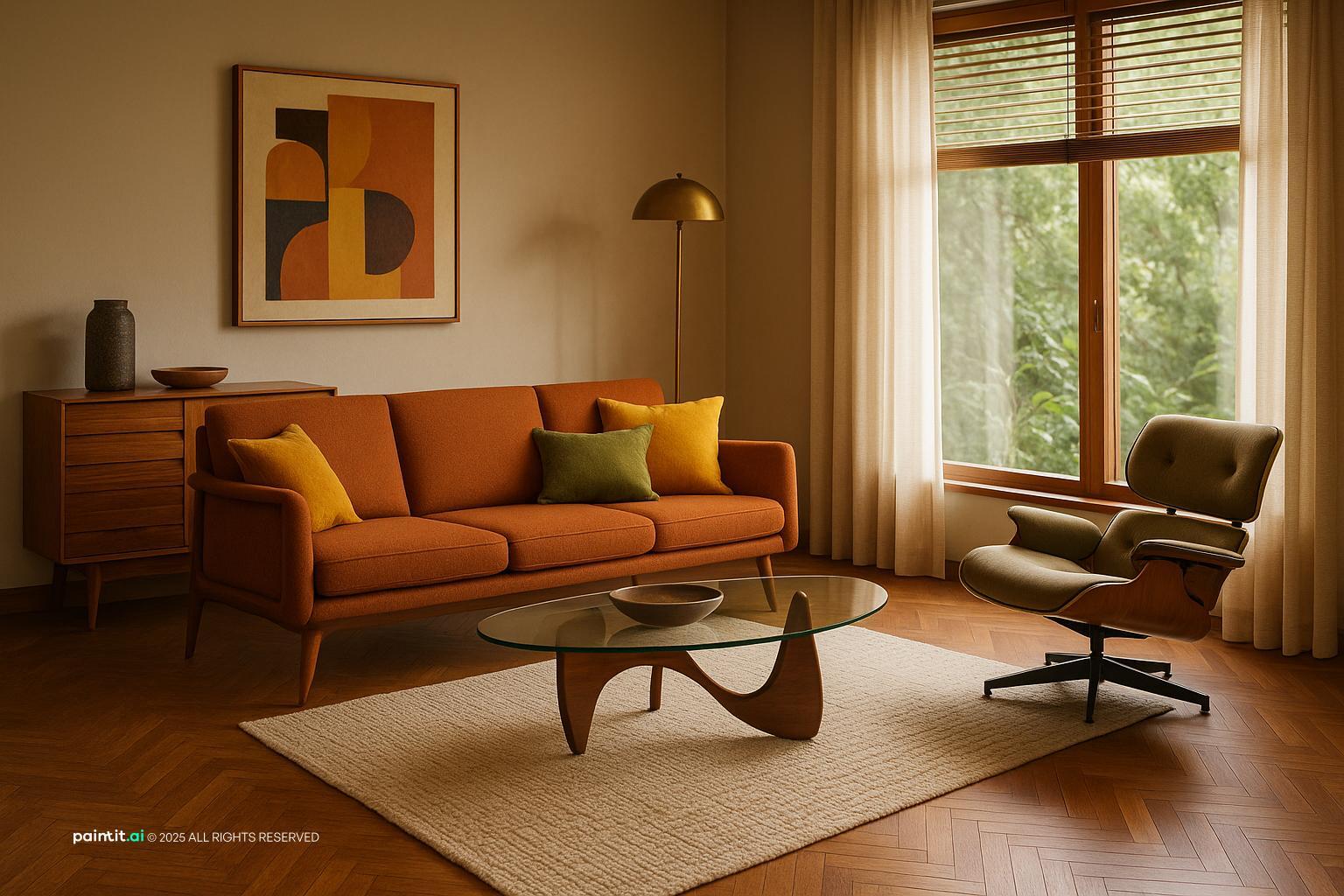
Stylish Midcentury Modern Living Room Design anchors green accents, olive green tones and warm wood in a living room setting.
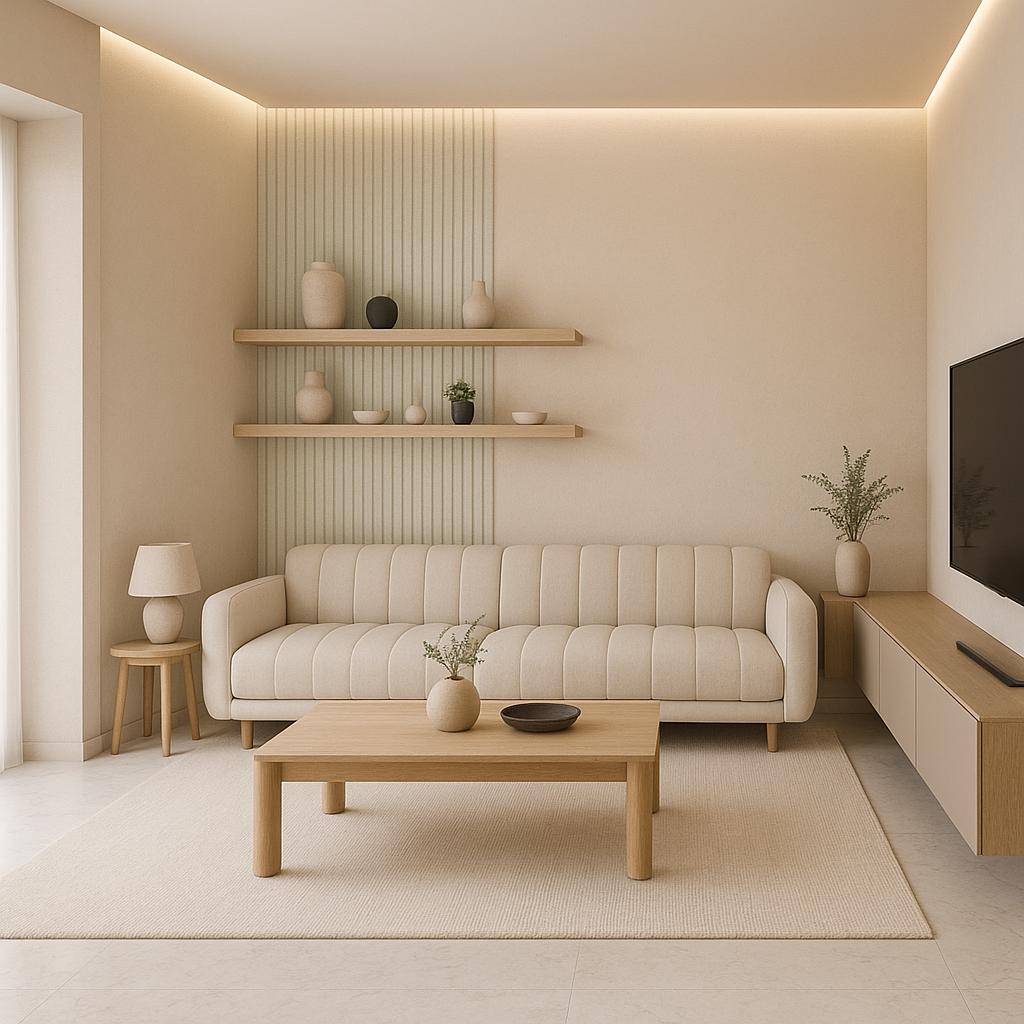
Minimalist Japandi Living Room Design softens green accents, olive green tones and warm wood in a living room setting.
If you are nervous about green living room walls, start with the wall that already has a natural focal point: the fireplace, media unit, built-in shelving, or the wall behind the sofa. A green accent wall works best when it is wide enough to frame the main furniture, not squeezed onto a small leftover surface.
Keep the adjacent walls warm white, oatmeal, or pale greige so the olive looks intentional rather than heavy. What usually goes wrong: a tiny olive patch behind a small console can look like an unfinished sample area instead of a design choice.
A green and neutral living room can feel calm without becoming flat if the green connects the sofa, floor, and tables. Olive is especially useful with beige upholstery because it adds depth while still sharing a warm undertone.
If you have oak, walnut, teak, or medium brown flooring, choose an olive that has a little yellow or brown in it. In Paintit.ai prompts, 12.0% of users include keep or don't change constraints, and this is exactly where olive earns its place: you can keep the existing sofa or floor and use the wall color to make those pieces look planned.
A green sofa is a strong move, but it is often easier to live with than four green walls. Choose a low, clean-lined sofa in olive velvet, boucle, linen blend, or performance fabric, then keep the walls creamy or pale taupe.
The best rug pairing is usually a neutral rug with texture rather than a busy pattern. The sofa carries the color at seating level, while the walls keep the room open and bright.
Sage green living room ideas often feel airy and soft, but some rooms need more depth to balance dark floors, black window frames, or bulky furniture. Olive gives you that extra weight without pushing the room into a very dark scheme.
If sage looks washed out in your space, test a warmer olive with beige, linen, and honey wood. Be careful with a gray-green olive in a north-facing room; by late afternoon it can turn dull or chilly.
Dark green living room ideas are useful when you want a media wall to recede without making the room feel stark. A deep olive or blackened green can reduce contrast around the screen and make the wall feel more built-in.
Pair it with closed storage, simple shelves, and a warm lamp nearby. Avoid glossy paint here. A matte or low-sheen finish reduces glare and keeps the wall from competing with the television.
Olive can look muddy if every edge in the room disappears. Keep the ceiling light and give the baseboards, window trim, or door casing a clean off-white to sharpen the boundaries.
This matters even more in apartments or older homes with lower ceilings. The contrast does not need to be bright white; a warm ivory usually looks more natural against olive than a blue-white trim.
Olive works well with warm colors because they share an earthy base. A camel leather chair, rust throw, or tobacco ottoman can make the room feel layered without adding a lot of extra objects.
Use these tones in larger pieces only if you want a warm, cocooning effect. For a lighter look, keep them to throw pillows, a leather tray, or one accent chair.
Black picture frames, slim metal legs, a narrow floor lamp, or a simple curtain rod can make olive look sharper. The trick is to use black as a drawing line around the room, not as a second dominant color.
What to avoid: a massive black coffee table, black sectional, and black shelving all in one olive room. Too much dark visual weight can make the seating area feel squeezed.
Paintit.ai data shows that 19.0% of prompts mention materials such as wood, brick, or marble. That matches what tends to work in real room uploads: olive looks better with tactile finishes than with too many shiny surfaces.
Try a wood coffee table, rattan side chair, linen curtains, jute or wool rug, and a ceramic lamp. These textures keep the color from looking flat, especially when the wall paint is matte.
In bright south- or west-facing rooms, olive may look lighter, almost like khaki green during the day. In shadow, the same paint color can read closer to forest green.
In Paintit.ai tests, we often see olive shift clearly when users change the lighting direction or time-of-day mood. If your living room has limited natural light, choose a slightly cleaner olive and add warm lamps before going darker.
Curtains are one of the easiest ways to make olive feel finished. Natural linen, oatmeal cotton, warm white sheers, or olive-toned drapery can all work, depending on how much contrast you want.
Hang the rod wider than the window so the fabric frames the wall instead of covering the glass. Watch out for cool gray curtains with warm olive paint; they can make both colors look a little wrong.
Paint samples show undertone, but a living room palette has to work with fabric. Place throw pillows in cream, brown, muted gold, rust, soft black, or patterned green on the sofa before you finalize the wall color.
If the pillows make the sofa look better, the color palette is probably moving in the right direction. If every accessory has to shout for attention, simplify the pattern and let the olive do more of the work.
Emerald green living room ideas can look rich, but emerald is cooler and more jewel-like than olive. It works best as an accent in glass, velvet pillows, wall art, or one chair rather than as the main wall color in an earthy olive scheme.
Use emerald when the room already has brass, marble, dark wood, or more formal details. Avoid mixing too many greens at the same strength; one green should lead, and the others should support it.
If the room already has decent furniture but feels unfinished, paint may solve more than you expect. In Paintit.ai behavior, 13.2% of users specifically use repaint or paint actions, which points to a practical reality: many living rooms need a better backdrop more than a full shopping list.
Test olive behind your current sofa, rug, and art before replacing them. You can use an AI house painter to visualize specific wall colors on your own room photo, which is much more reliable than judging a shade from a perfect showroom image.
The second gallery helps you compare the choices that change an olive room most: all-over paint versus an accent wall, pale versus dark upholstery, warm versus cool lighting, and simple versus layered styling.
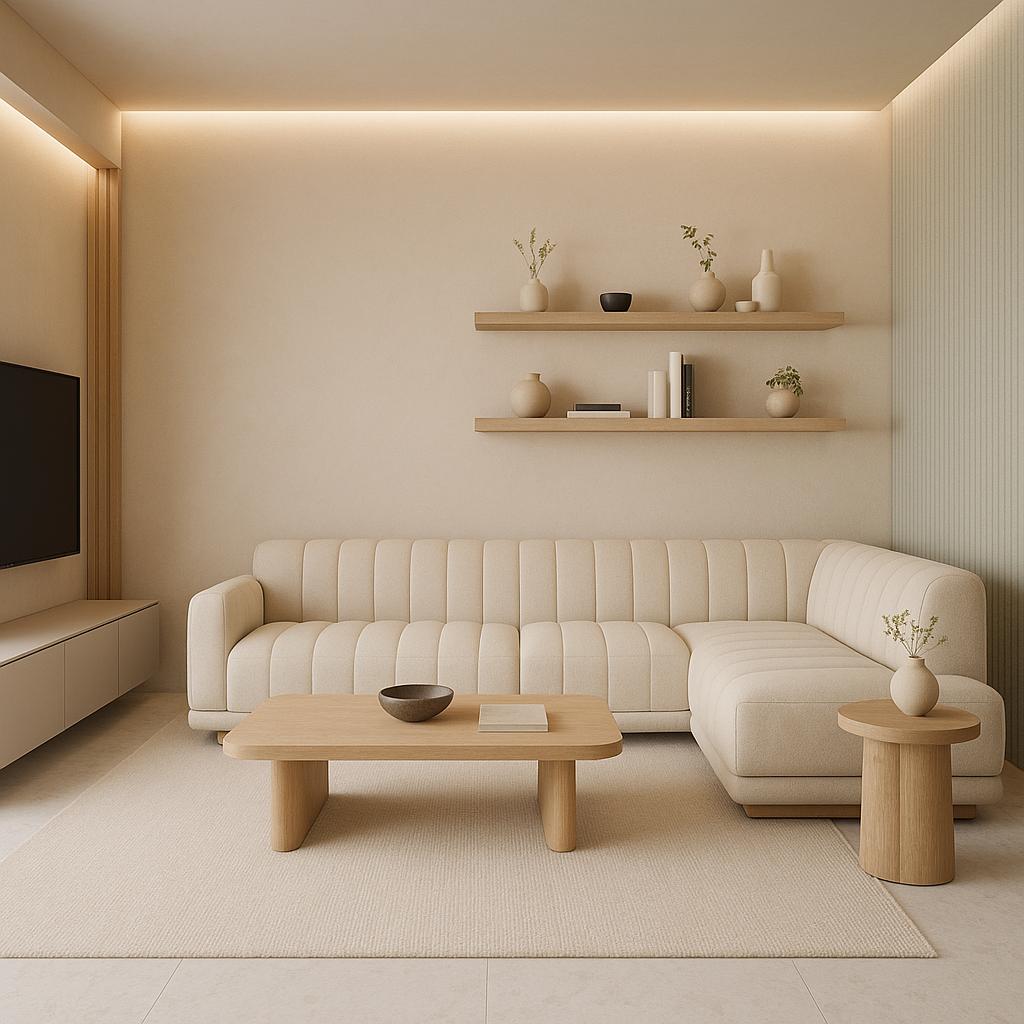
Modern Minimalist Living Room with Japandi Flair uses green accents, olive green tones and warm wood in a living room setting.
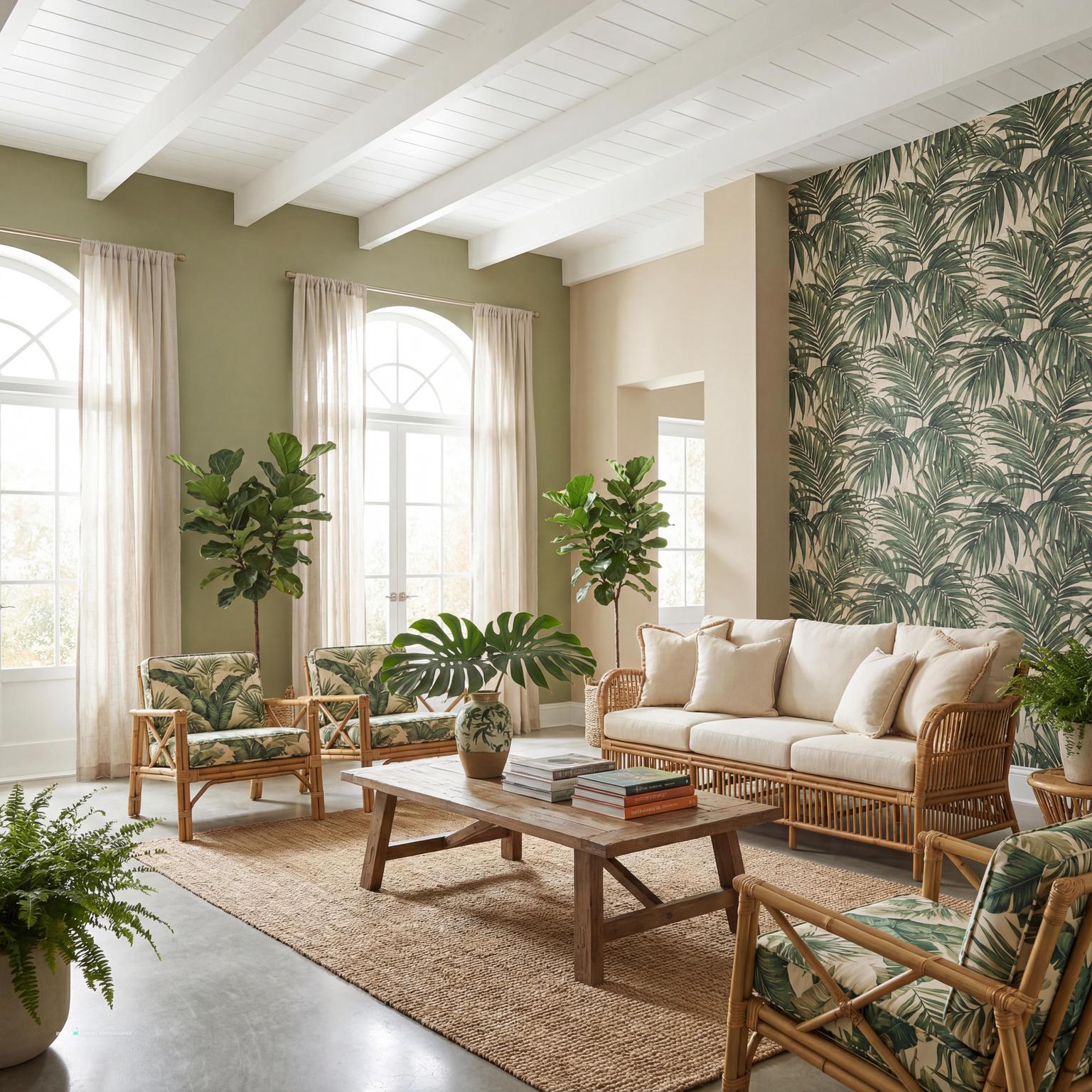
Tropical Living Room Design Inspiration balances green accents, olive green tones and layered neutrals in a living room setting.
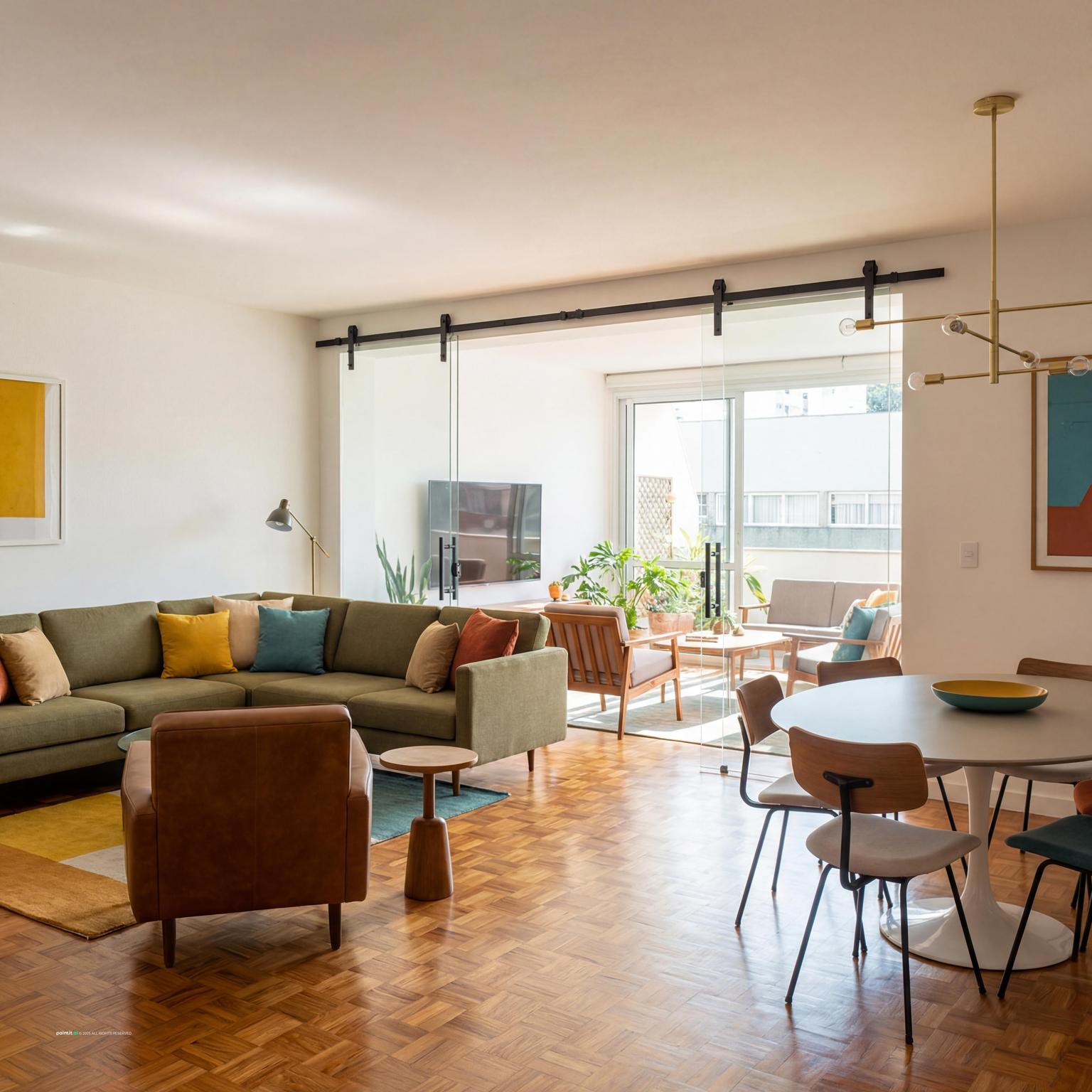
Mid-Century Modern Living Room with Scandinavian Touches pairs green accents, olive green tones and warm wood in a living room setting.
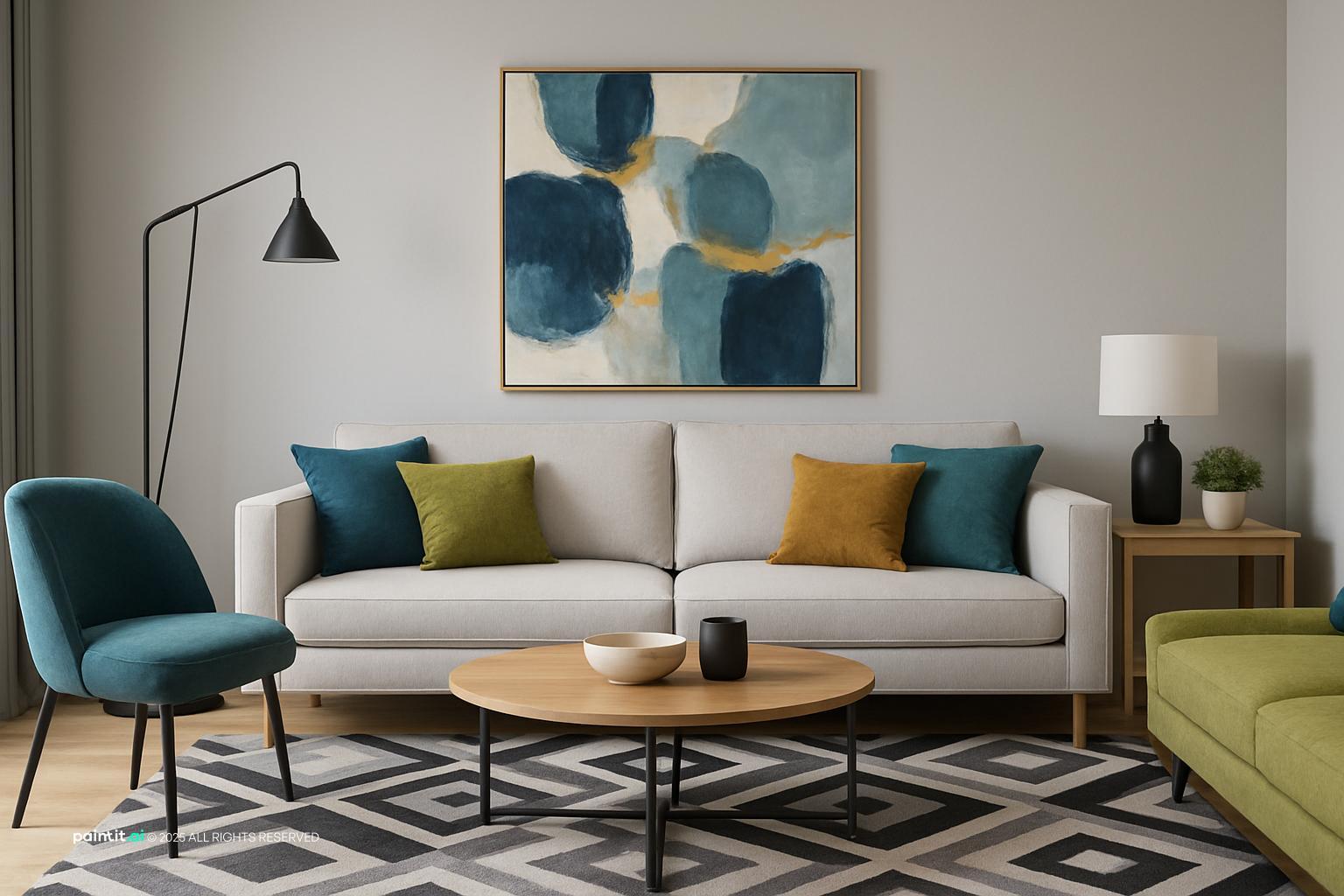
Olive Green Living Room Ideas with Green Accents and Olive Green Tones with Metal Accents layers green accents, olive green tones and metal accents in a living room setting.
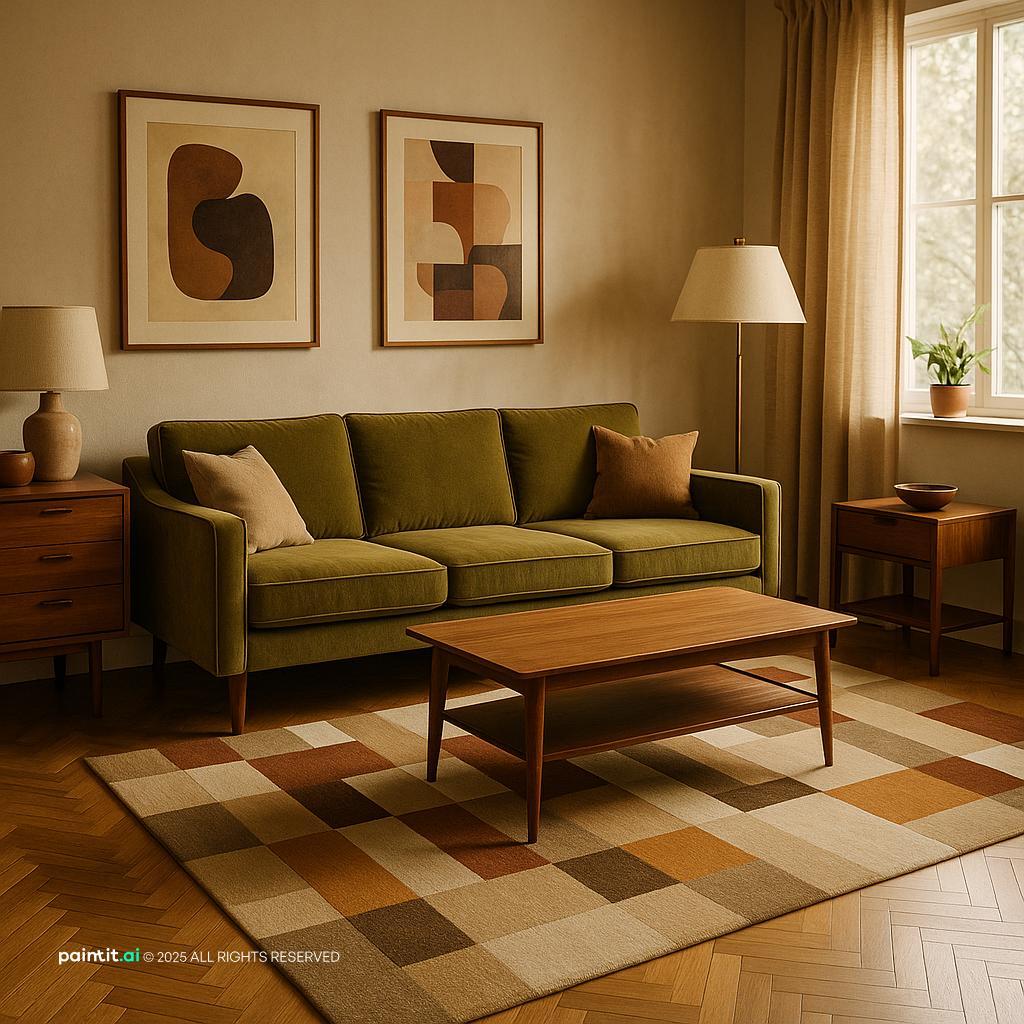
Mid-Century Modern Living Room Design with Green Accents anchors green accents, olive green tones and soft textiles in a living room setting.
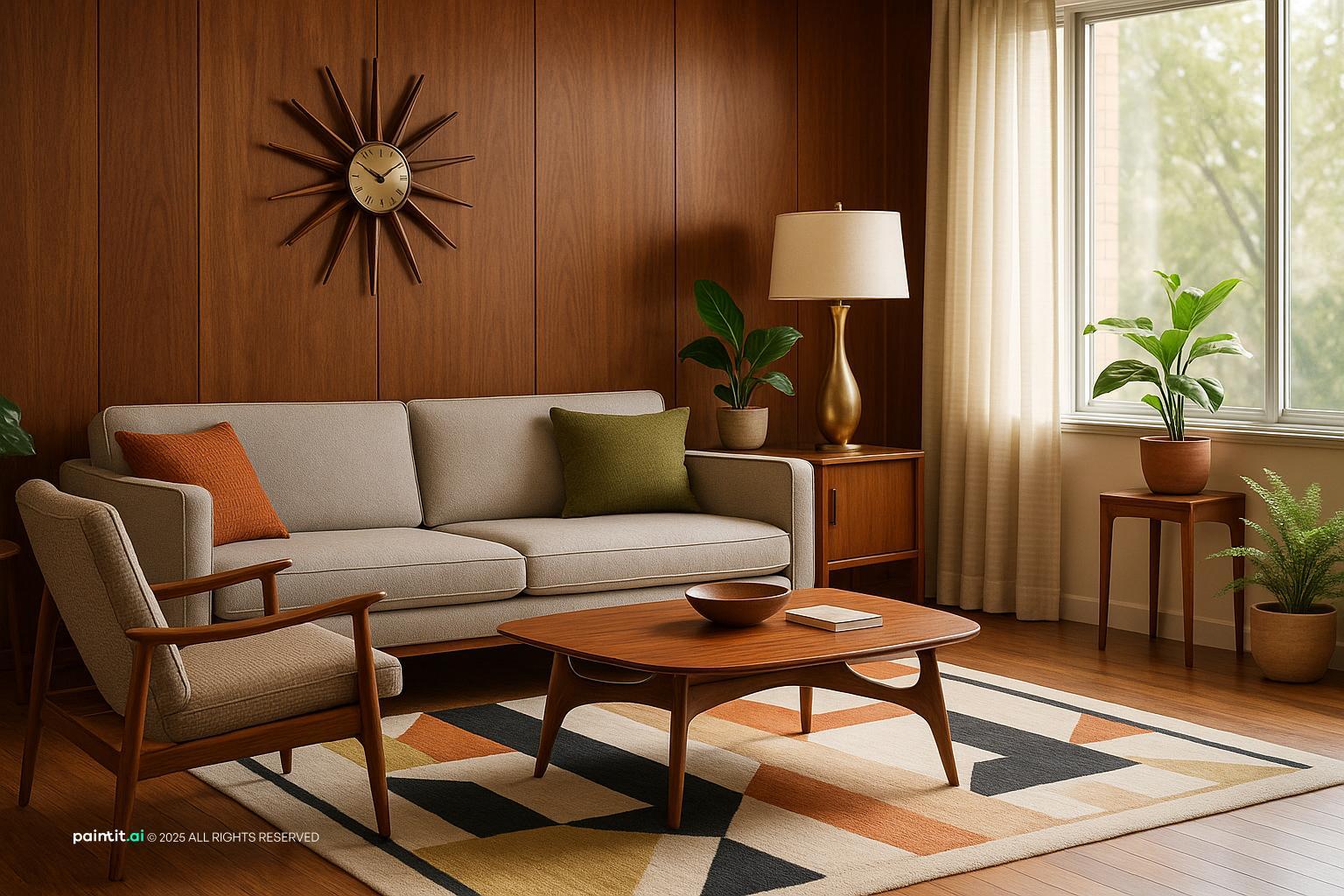
Elegant Mid-Century Modern Living Room Design softens green accents, olive green tones and warm wood in a living room setting.
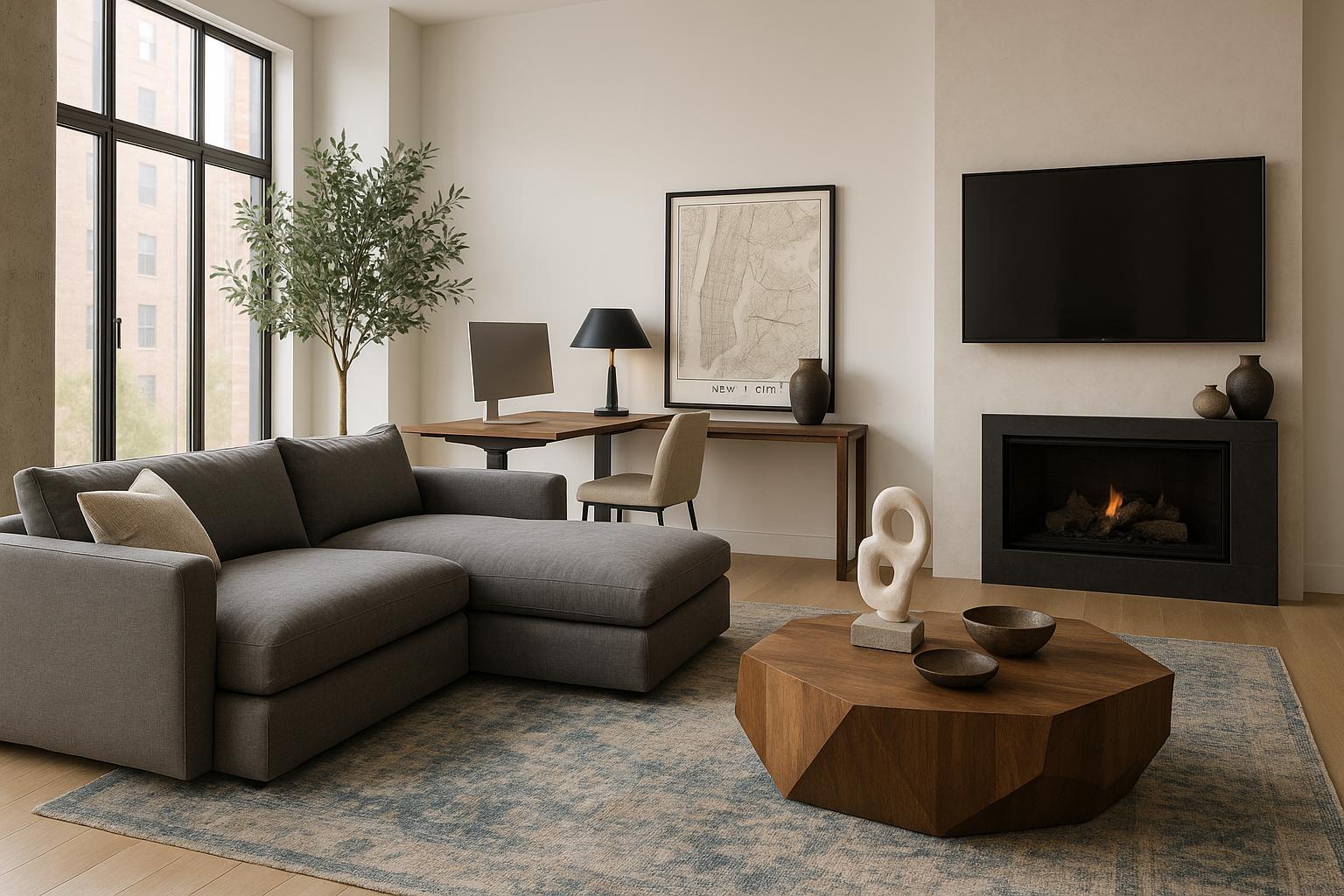
Olive Green Living Room Ideas with Green Accents and Olive Green Tones View 5 uses green accents, olive green tones and warm wood in a living room setting.
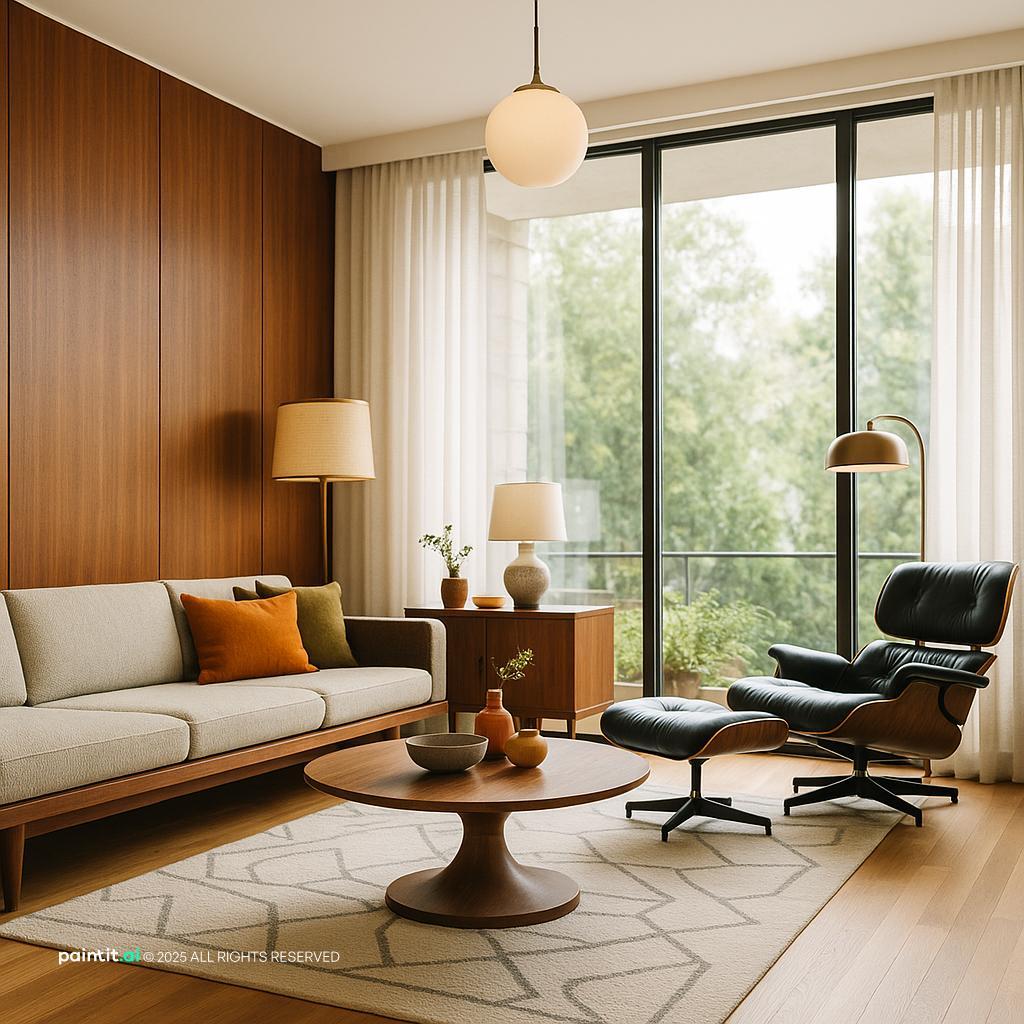
Stunning Midcentury Modern Living Room Design balances green accents, olive green tones and warm wood in a living room setting.
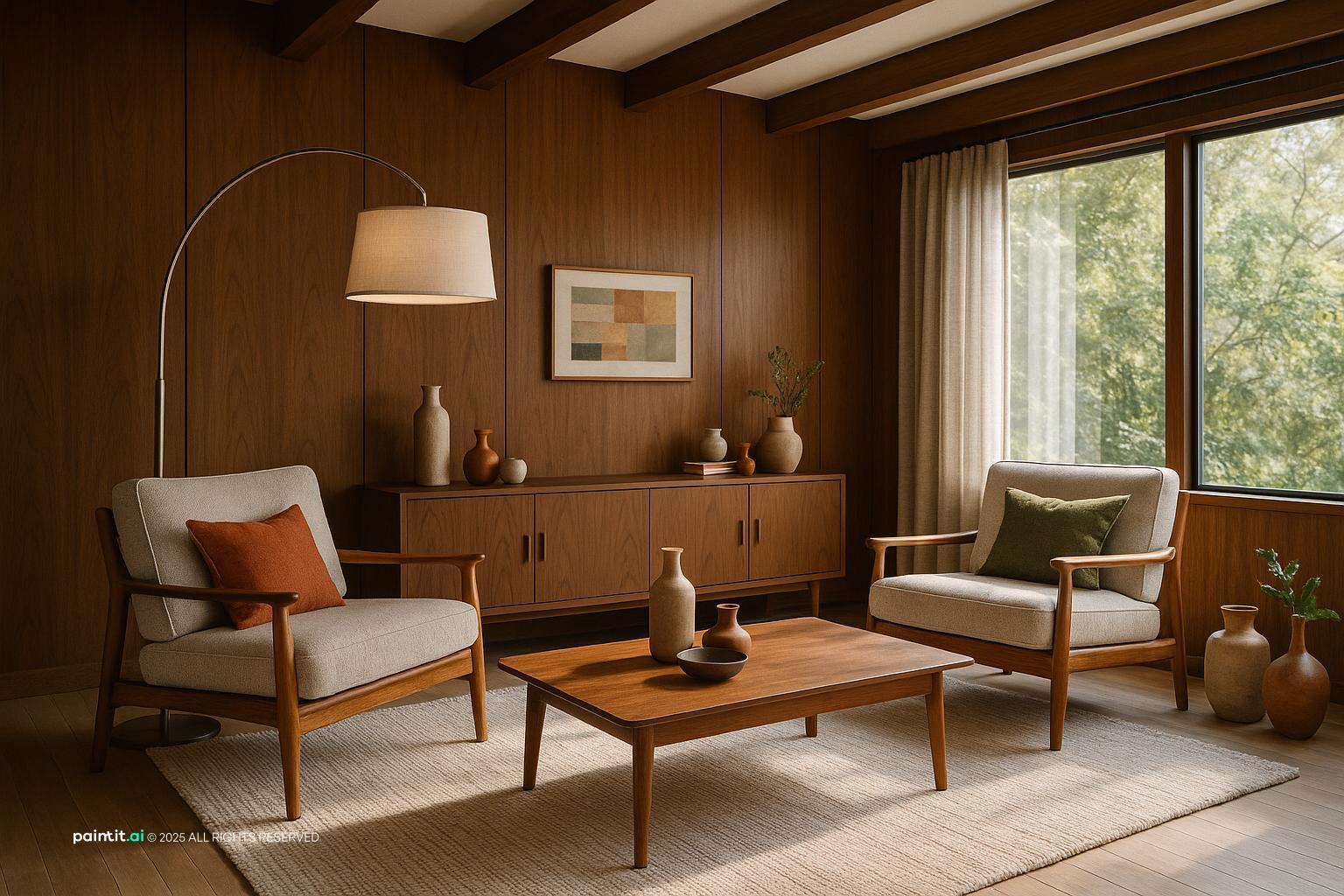
Midcentury Modern Living Room Design pairs green accents, olive green tones and warm wood in a living room setting.
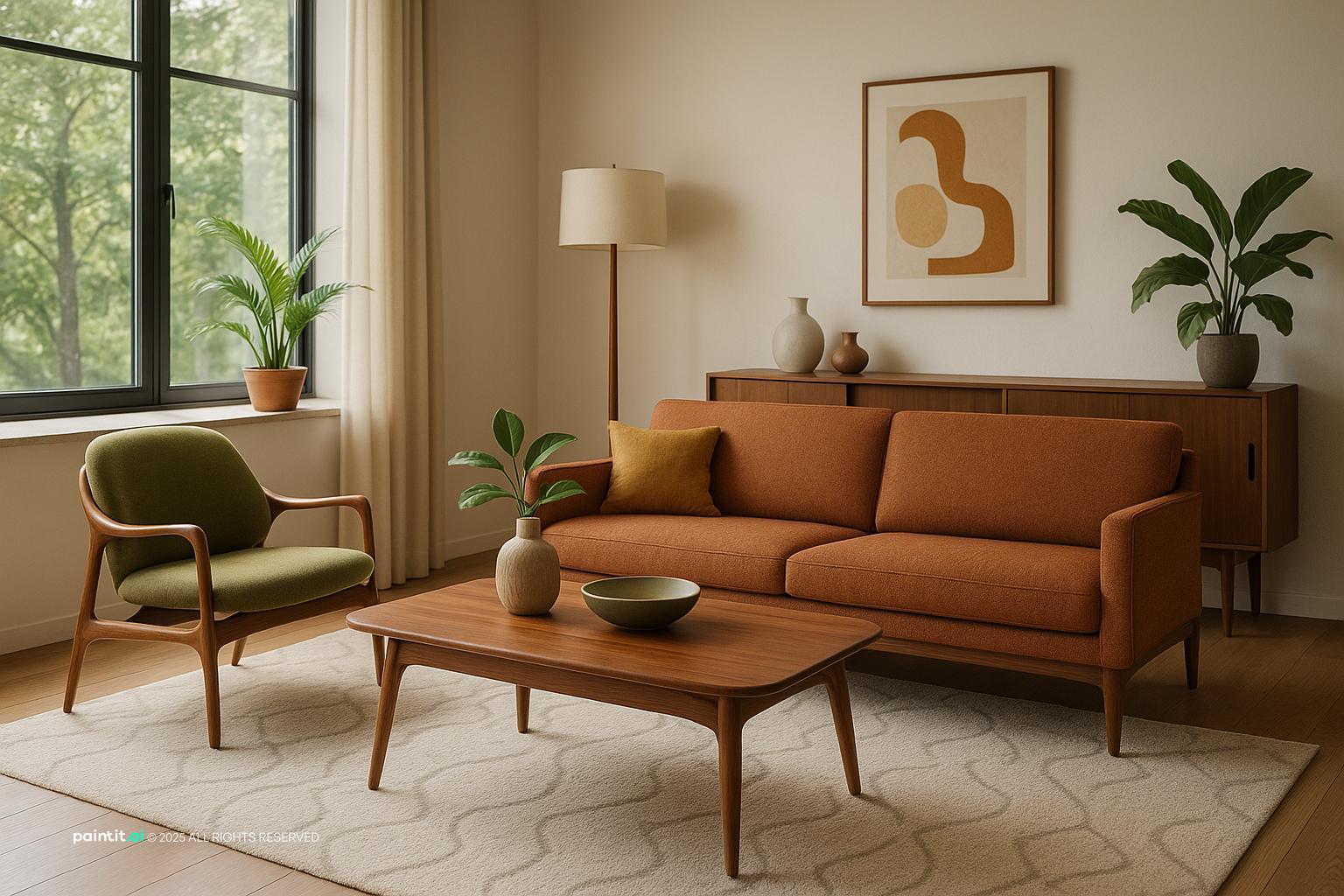
Mid-Century Modern Living Room Design with Olive Green Tones layers green accents, olive green tones and warm wood in a living room setting.
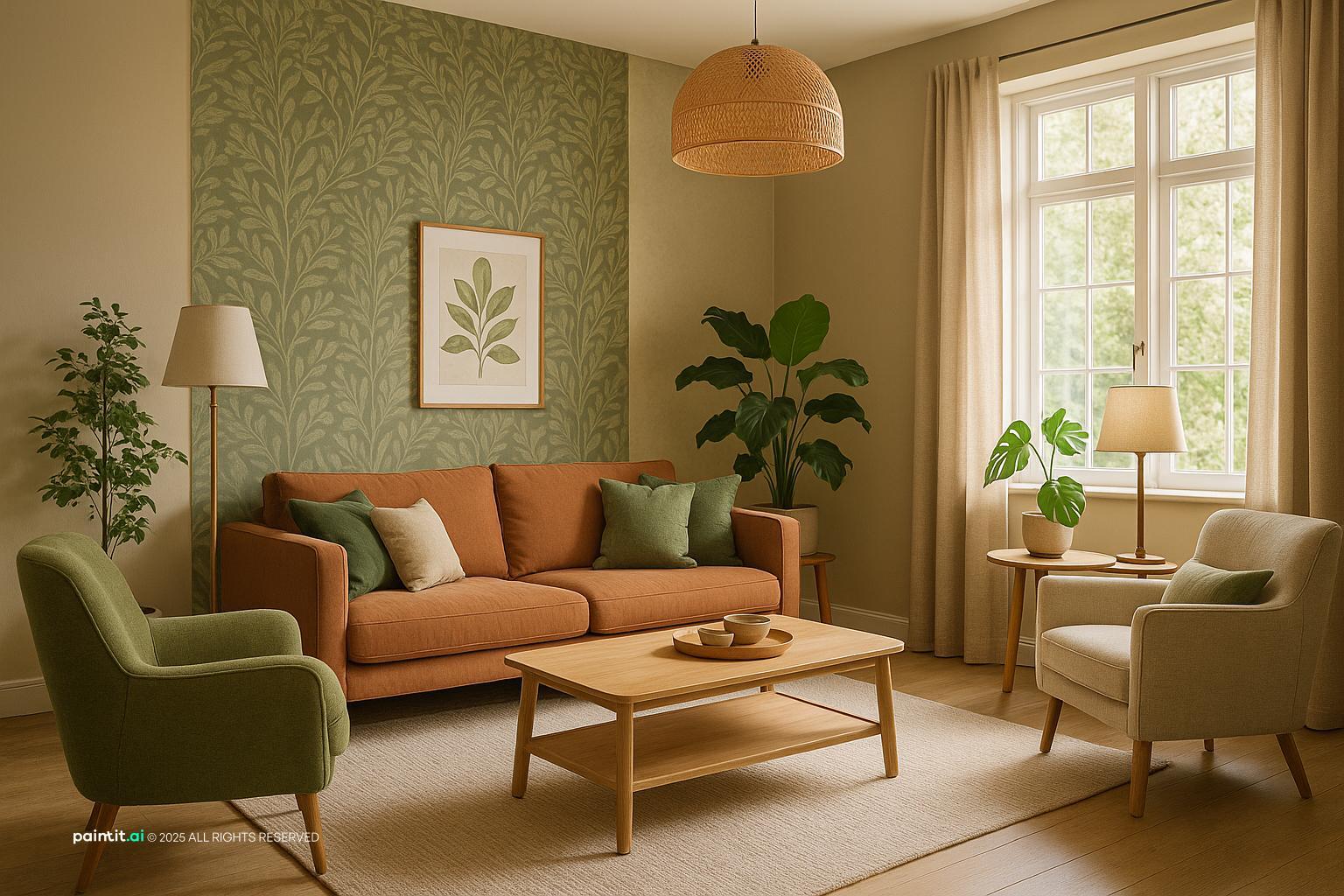
Nature-Inspired Living Room Design anchors green accents, olive green tones and soft textiles in a living room setting.
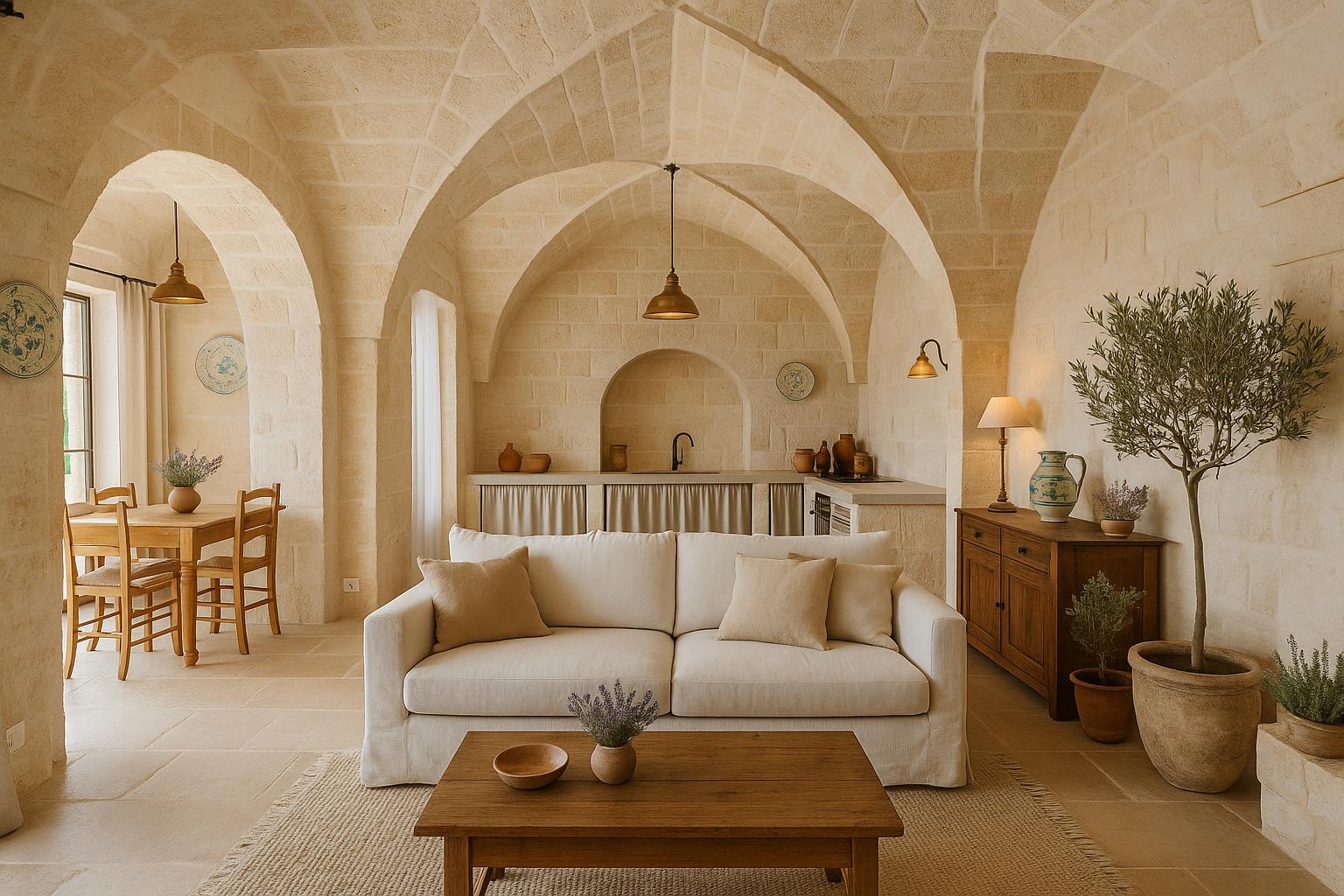
Charming Pugliese Living Area Design softens green accents, olive green tones and soft textiles in a living room setting.
Olive can lean yellow, brown, gray, or black. A yellow-brown olive feels warmer and works with oak, camel leather, beige linen, and brass. A gray olive feels quieter and suits cooler stone, black details, and modern furniture.
Use larger samples near the sofa, floor, and window, not just on a blank wall. Do not choose a paint color at noon only; check it in the evening when lamps are on.
The safest companion colors for olive are warm white, beige, tan, cream, soft black, tobacco, rust, and muted gold. If you want a fresher look, add a small amount of pale blue or dusty pink, but keep it secondary.
For broader comparison, look at how olive sits among other best living room colors before deciding whether your room needs a soft, earthy, or darker mood. Avoid pairing olive with several bright colors at once unless the room is intentionally eclectic.
Light oak keeps olive casual and Scandinavian-leaning. Walnut makes it moodier and more tailored. Reclaimed wood or exposed brick pushes the room toward rustic or industrial comfort.
Where to use it: coffee tables, shelving, picture frames, sideboards, and chair arms. Be careful with orange-heavy wood if the olive already has a strong yellow cast; the room can become too warm and slightly dated.
Brass, bronze, aged gold, and blackened metal usually flatter olive better than cool chrome. Use metal accents on lamp bases, cabinet pulls, frames, side tables, and curtain hardware.
The reason is simple: warm metal catches light and stops green walls from feeling flat. Do not scatter too many finishes around the room; two metal tones are usually enough in one living room.
Olive rooms need softness. Use a wool or jute rug, linen curtains, boucle or velvet cushions, a knit throw, and one or two patterned textiles with green, cream, or brown in them.
When people upload cluttered living rooms, the weak spot is often not the number of objects but the lack of contrast and texture hierarchy. Keep the soft layers, but remove extra small decor so the room feels warm without visual noise.
Olive needs warm artificial light, especially after sunset. Use a ceiling light for general brightness, table or floor lamps near seating, and a low accent light on shelves or beside art.
Lighting appears in 5.9% of Paintit.ai prompts, and it matters here because olive can turn swampy under cold bulbs. Choose warm bulbs, use shades that diffuse glare, and place at least one lamp near the darkest corner.
Wall art should either contrast clearly with olive or blend intentionally. Cream mats, black frames, warm wood frames, muted abstract prints, botanical artwork, and textile art all work well.
Use fewer, larger pieces instead of many small frames if the wall is already dark. What often fails: tiny art floating above a large sofa, because olive will make the empty wall space feel even heavier.
If the walls are olive, keep the largest furniture pieces lighter or more textured. If the sofa is olive, keep the walls pale and repeat green once or twice in art, a cushion, or a plant.
The room should not carry all its visual weight on one side. Balance a dark green wall with a pale rug, a lamp, a mirror, or lighter curtains so the seating area feels grounded but not boxed in.
Olive is sensitive to light, undertone, and existing furniture, so it is worth testing on your real room instead of guessing from a swatch. Upload a living room photo to Paintit.ai and try variations such as olive walls with beige sofa, keep wood floor, no clutter, warmer lighting, or add brass and linen details.
That sounds small, but it changes the decision. ~70% of users write AI prompts like in Google, using short keyword-style phrases, then refine from there. A better first prompt might name the room, the green shade, what to keep, the materials, and the lighting. You can compare paint, furniture direction, styling, and layout in stages with an AI room design workflow, then refine the result using the same practical process shown in how to redesign a living room with Paintit.ai.
Olive green works well with warm white, beige, cream, camel, rust, walnut, black, brass, and muted gold. For a softer room, use pale neutrals; for more drama, add dark wood, black accents, and warmer metal finishes.
Start with one main green element, such as green walls, a green sofa, or curtains. Then add texture through wood, linen, wool, ceramics, metal accents, and a neutral rug so the room feels layered rather than color-matched.
Yes. Green is a strong living room color because it can feel calm, grounded, and flexible. Olive is especially practical because it works with many existing beige, brown, black, and wood tones.
Use warm lighting, soft textiles, curtains, textured rugs, and wood furniture. Avoid cold bulbs and too much clutter, because both can make green walls feel harsh or muddy instead of comfortable.
Choose sage for a lighter relaxed room, olive for warmth and depth, dark green for a moodier media or fireplace wall, and emerald green living room ideas for small polished accents rather than the whole scheme.