
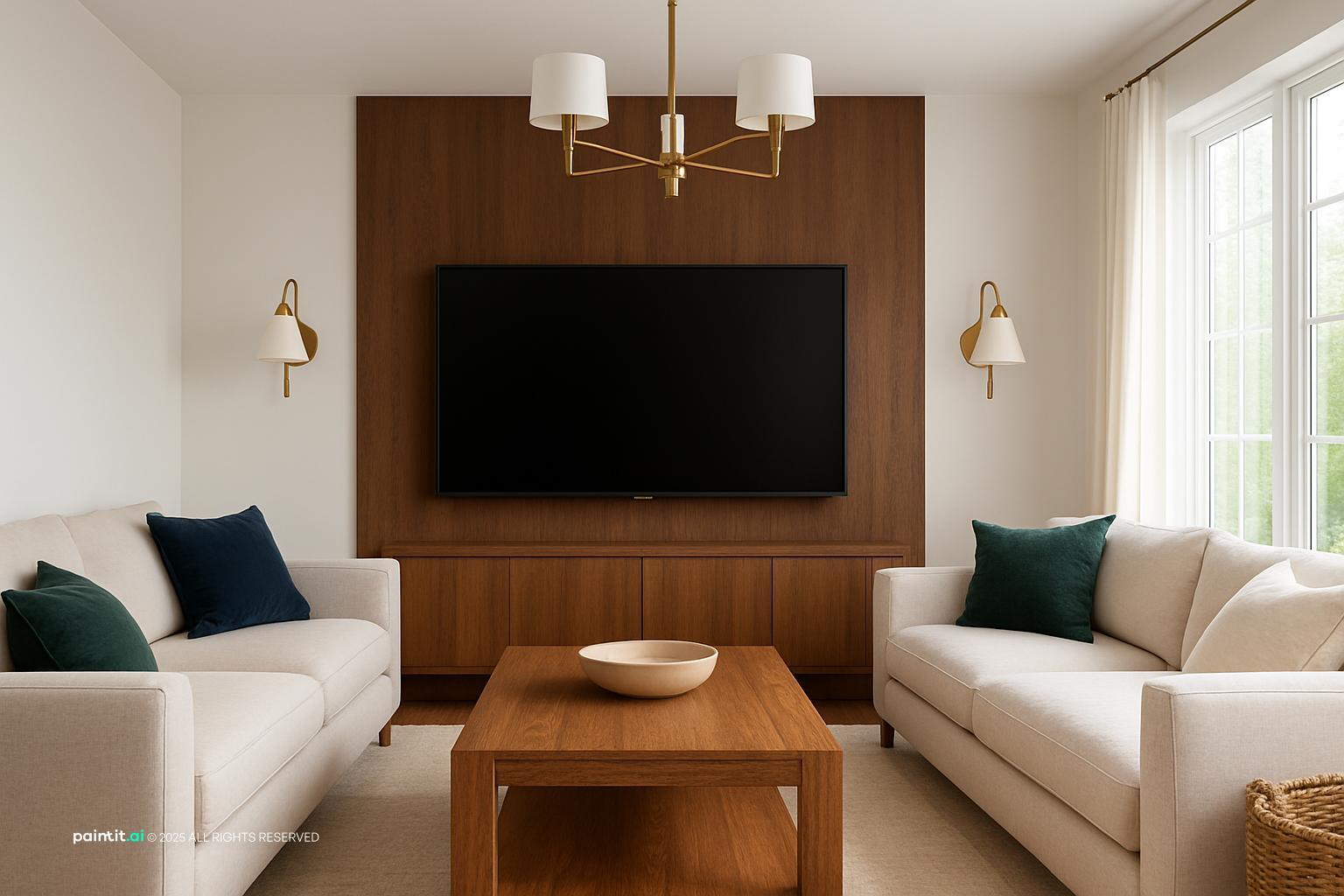
Stylish Modern Living Room Design
Stylish Modern Living Room Design uses green accents, soft textiles and metal accents in a living room setting.
The best green living room ideas usually start with one simple question: where should the green actually live? On every wall, behind the sofa, in the curtains, on a green sofa, or just in textiles and wall art? Green can be calm, rich, fresh, muddy, elegant, or flat depending on the light and the things around it. A soft sage may settle a small room beautifully. Forest or emerald green usually needs stronger lighting, cleaner contrast, and more breathing room. Before choosing the shade, look at what you plan to keep: the sofa, floor, rug, curtains, wood tones, or existing art. That decision will tell you how much green the room can handle.
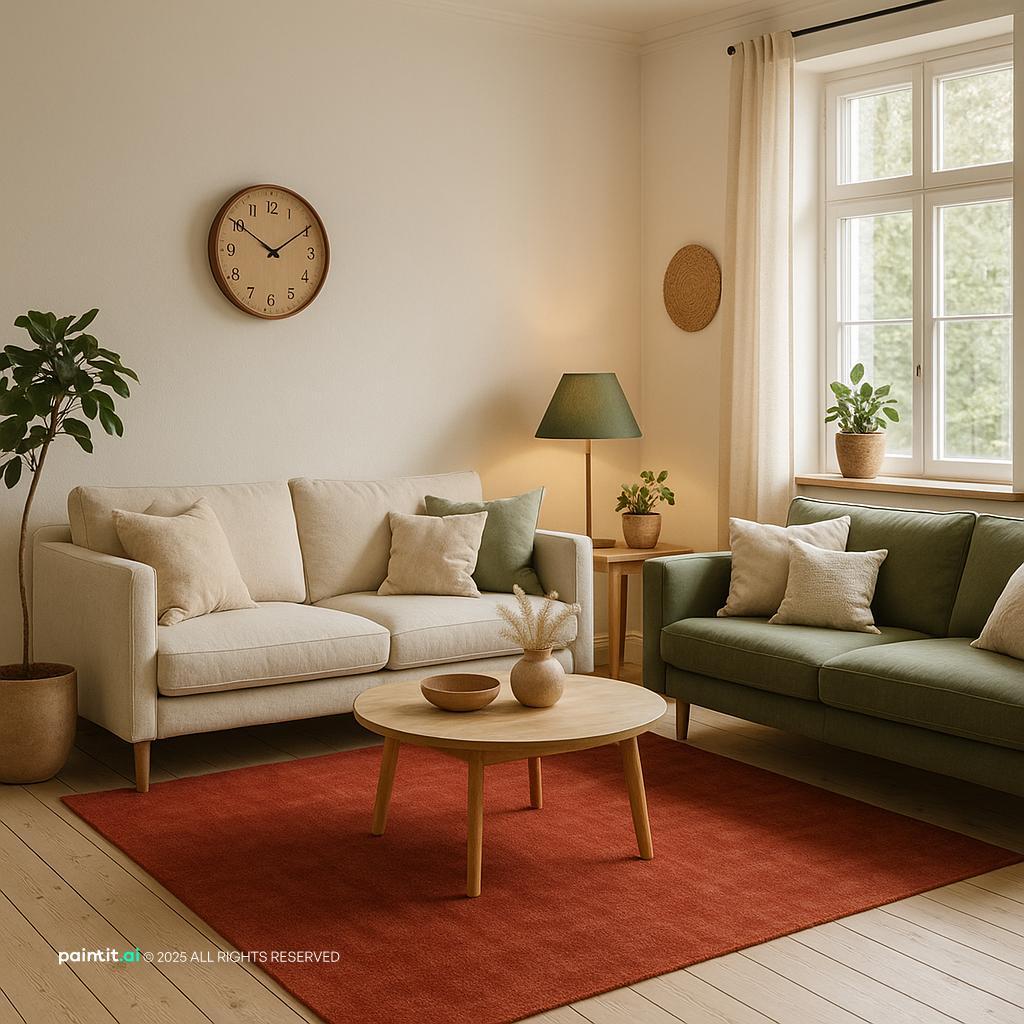
Green is not one decision. It can lean warm, cool, gray, yellow, blue, dusty, bright, deep, or almost neutral. In Paintit.ai usage, color appears in 27.6% of prompts, and people often name the shade first — “sage,” “dark green,” “olive” — then refine the room with notes like “a bit darker” or “make it warmer.” That is exactly the right way to approach green living room ideas: test the direction, then correct the undertone.
The room matters just as much as the paint color. A north-facing living room can make green walls look cooler and flatter. A sunny room can make olive, moss, or sage feel rich and relaxed. Before you commit, compare the green against your flooring, sofa fabric, natural light, and trim color. If you need a broader starting point, reviewing the best living room colors can help you see where green sits beside warm neutrals, blues, terracotta, and soft whites.
Use the first gallery to compare how different greens change the same living room. Pale sage feels quiet and airy, olive feels grounded, dark forest feels enclosed and dramatic, and emerald green looks sharper when it has polished finishes and enough light around it.
Stylish Modern Living Room Design uses green accents, soft textiles and metal accents in a living room setting.
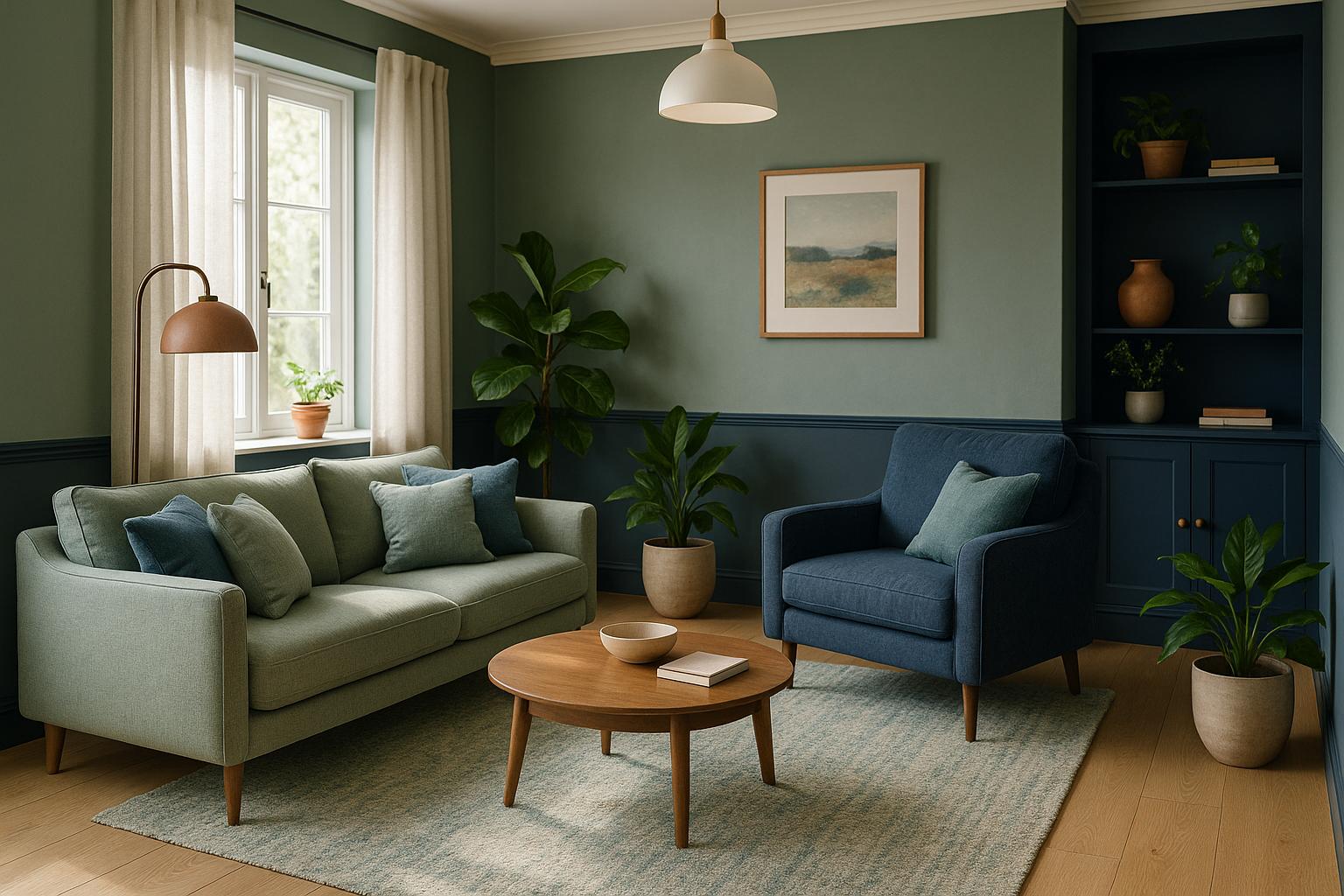
Green Living Room Ideas with Green Accents and Warm Wood balances green accents, warm wood and soft textiles in a living room setting.
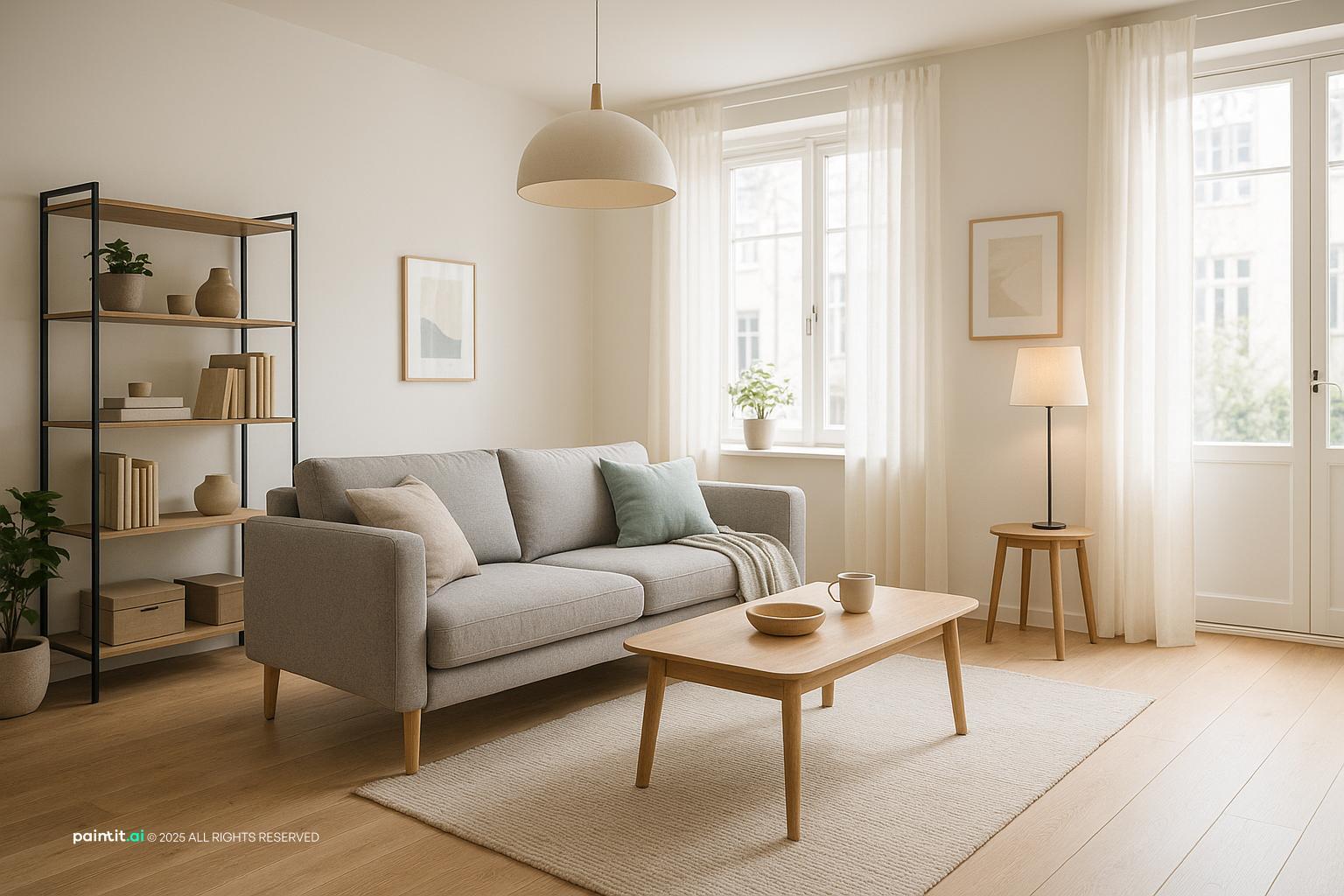
Scandinavian Style Living Room Design pairs green accents, soft textiles and layered neutrals in a living room setting.
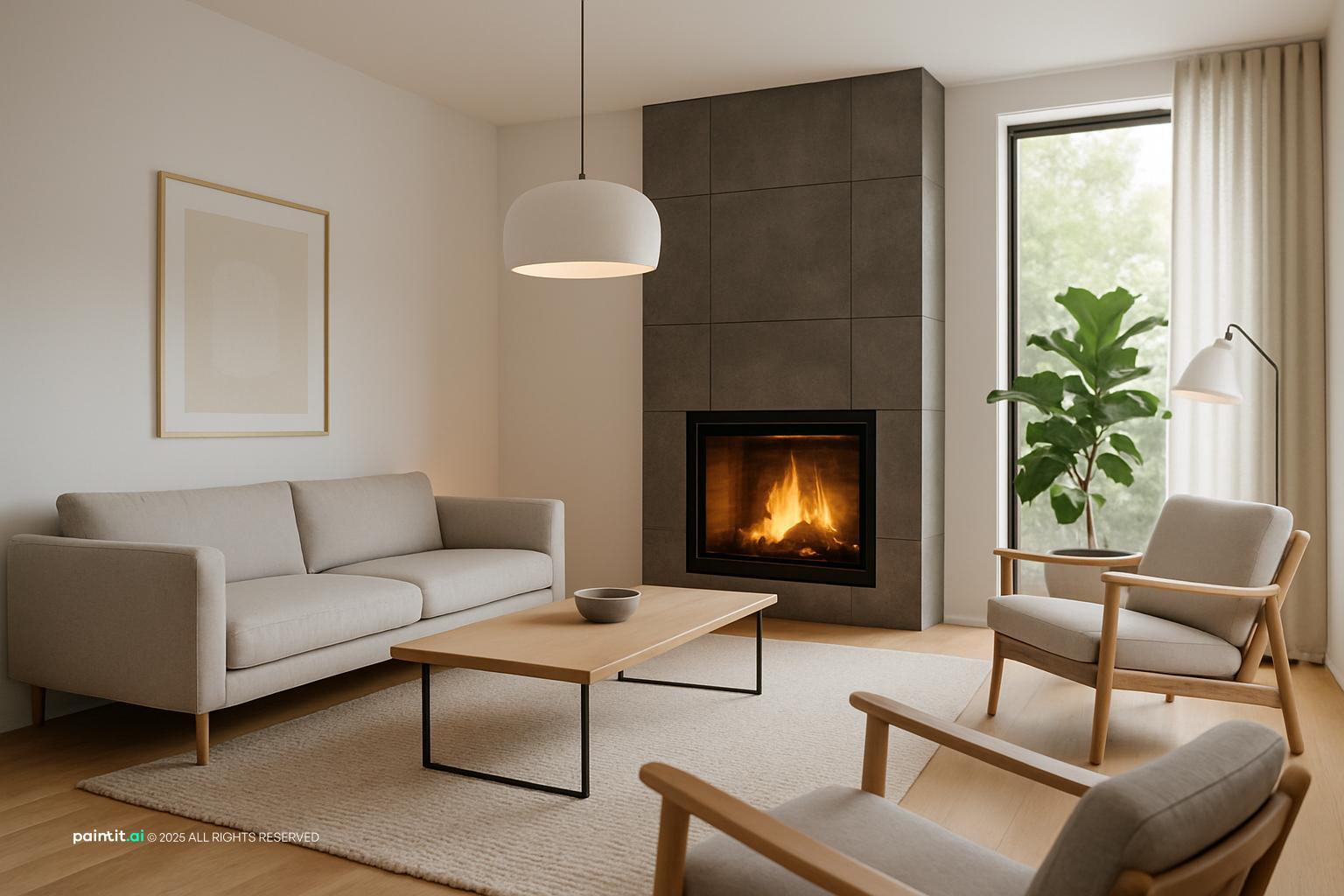
Stunning Scandinavian Living Room Design layers green accents, warm wood and soft textiles in a living room setting.
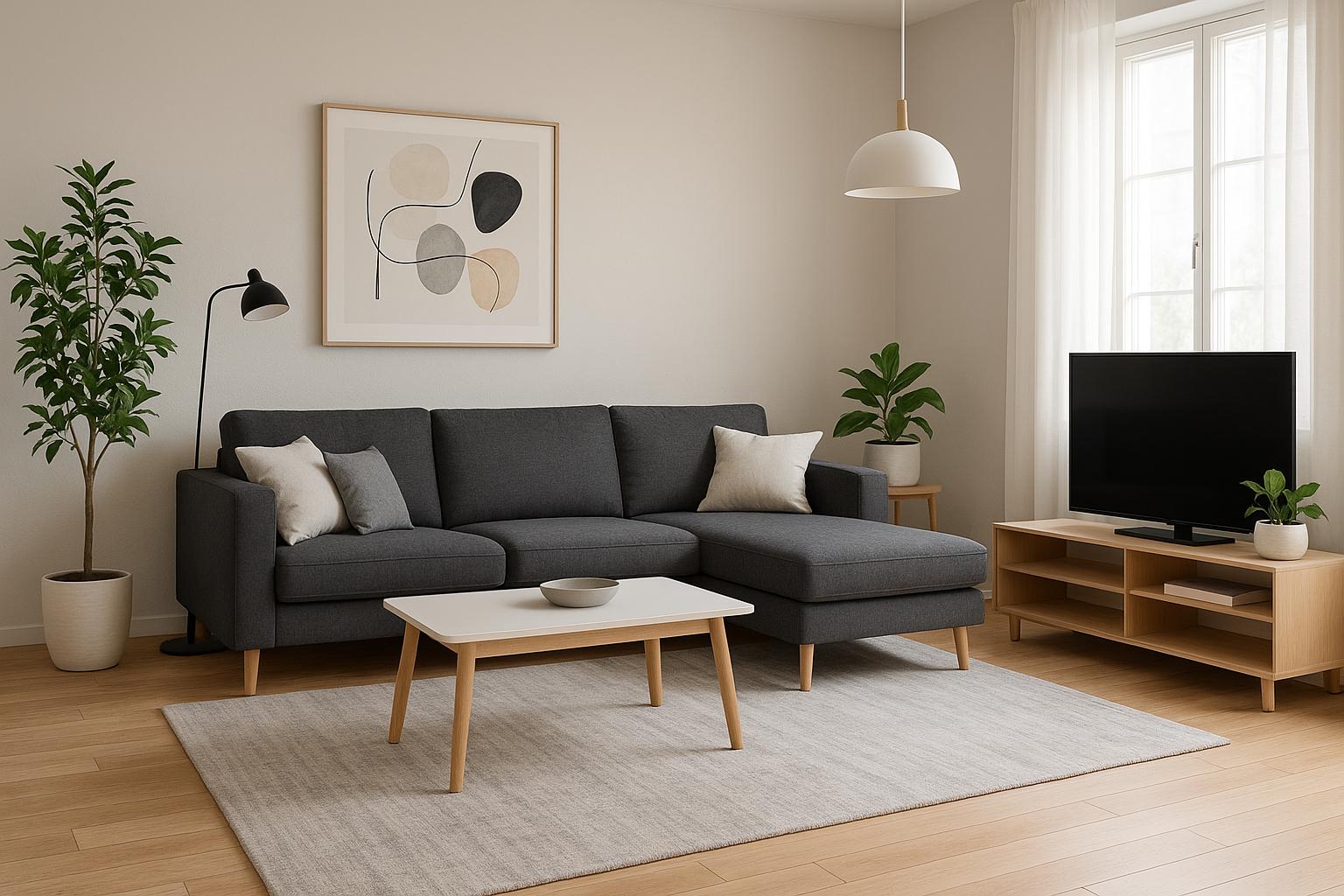
Modern Scandinavian Living Room Design anchors green accents, warm wood and clean-lined furniture in a living room setting.
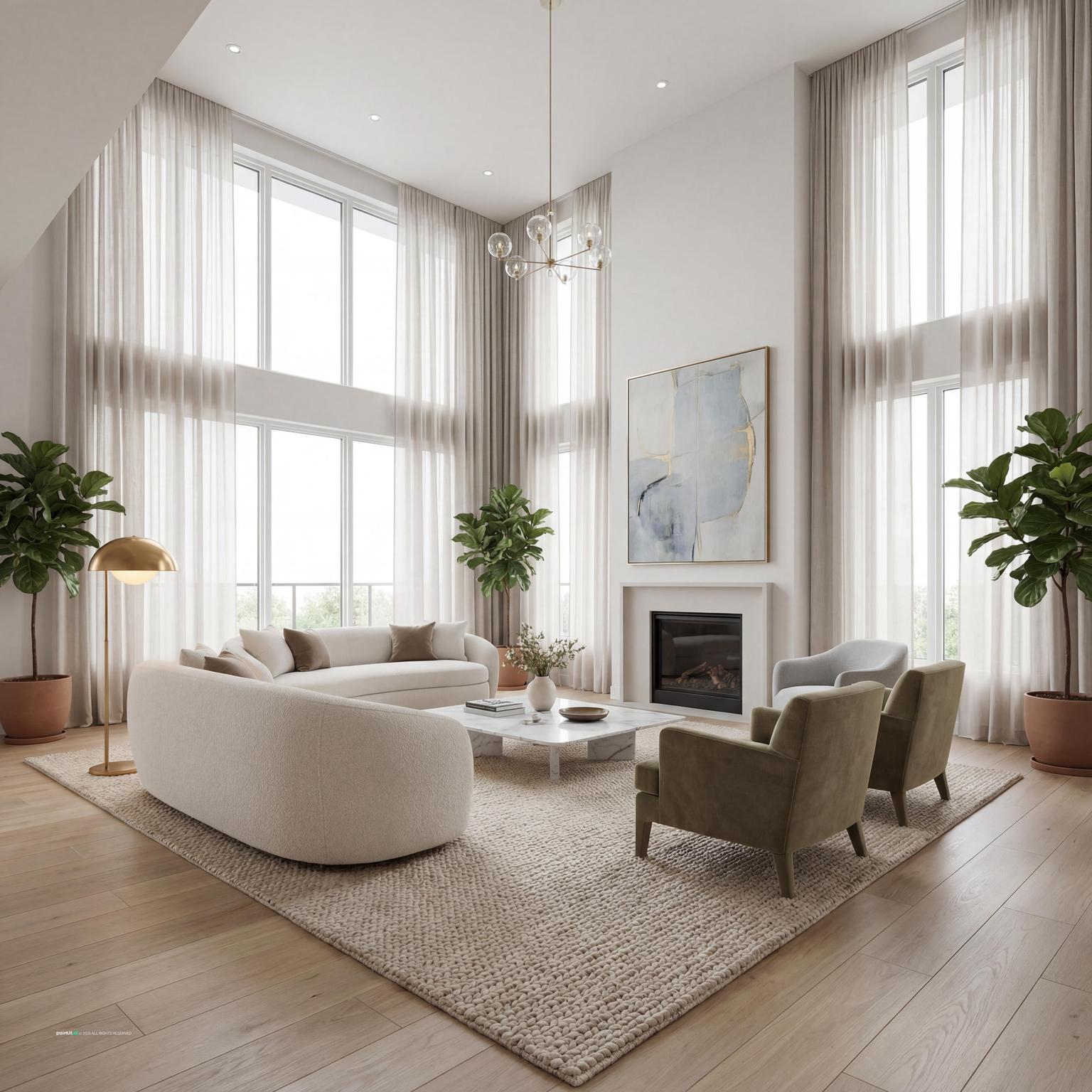
Elegant Classy Living Room Design softens green accents, clean-lined furniture and plants and greenery in a living room setting.
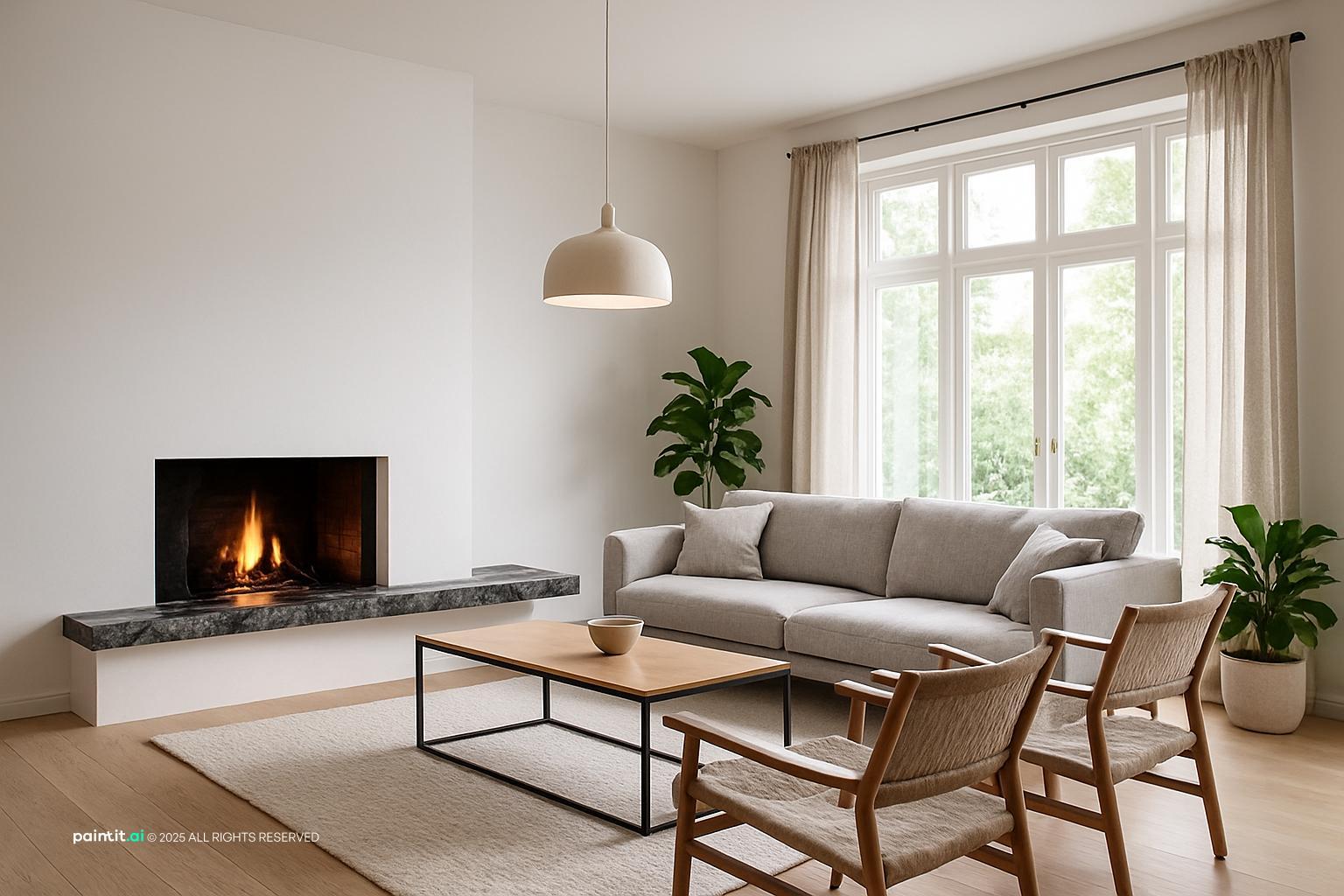
Scandinavian-Style Living Room Design uses green accents, warm wood and soft textiles in a living room setting.
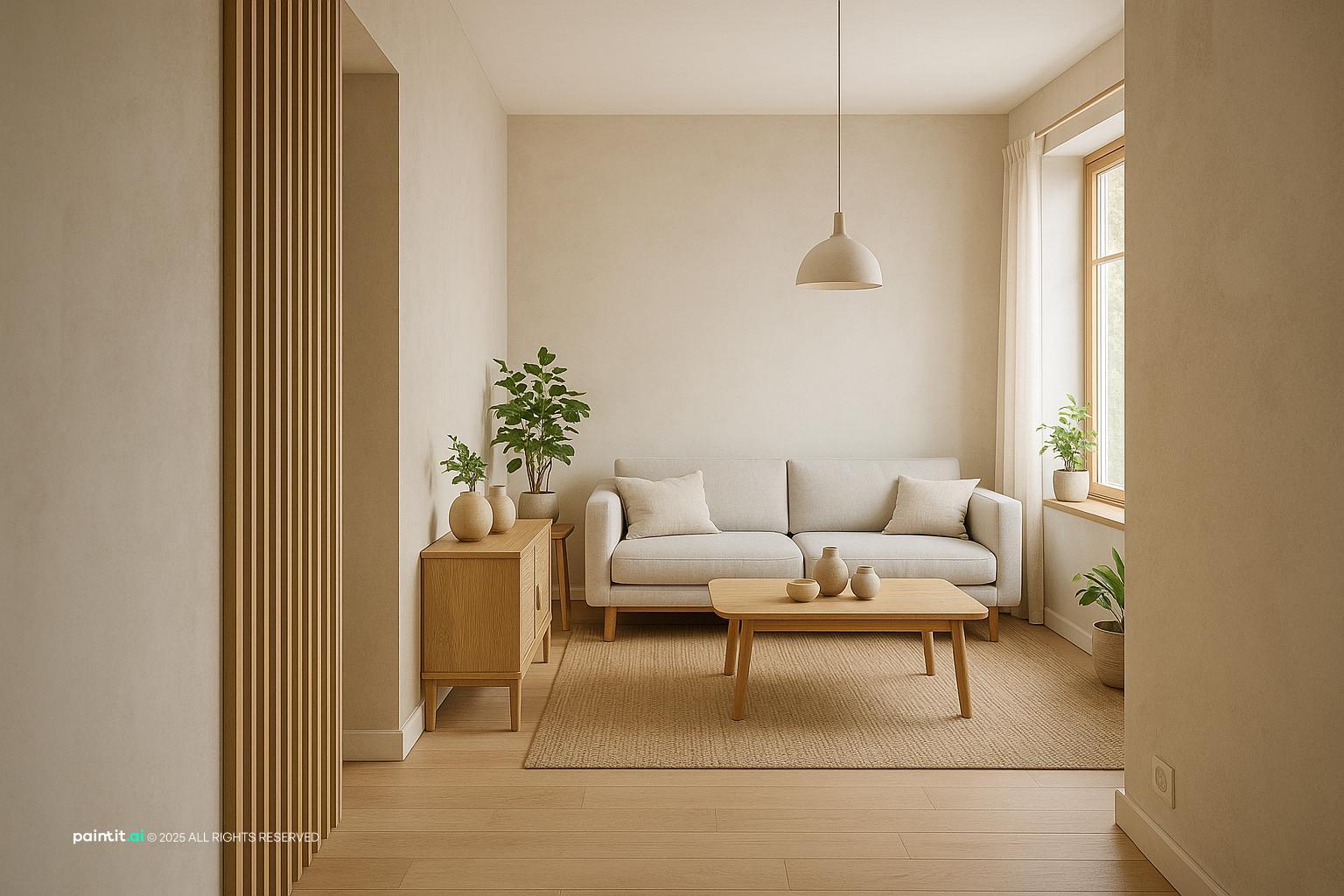
Green Living Room Ideas with Green Accents and Warm Wood with Clean-lined Furniture balances green accents, warm wood and clean-lined furniture in a living room setting.
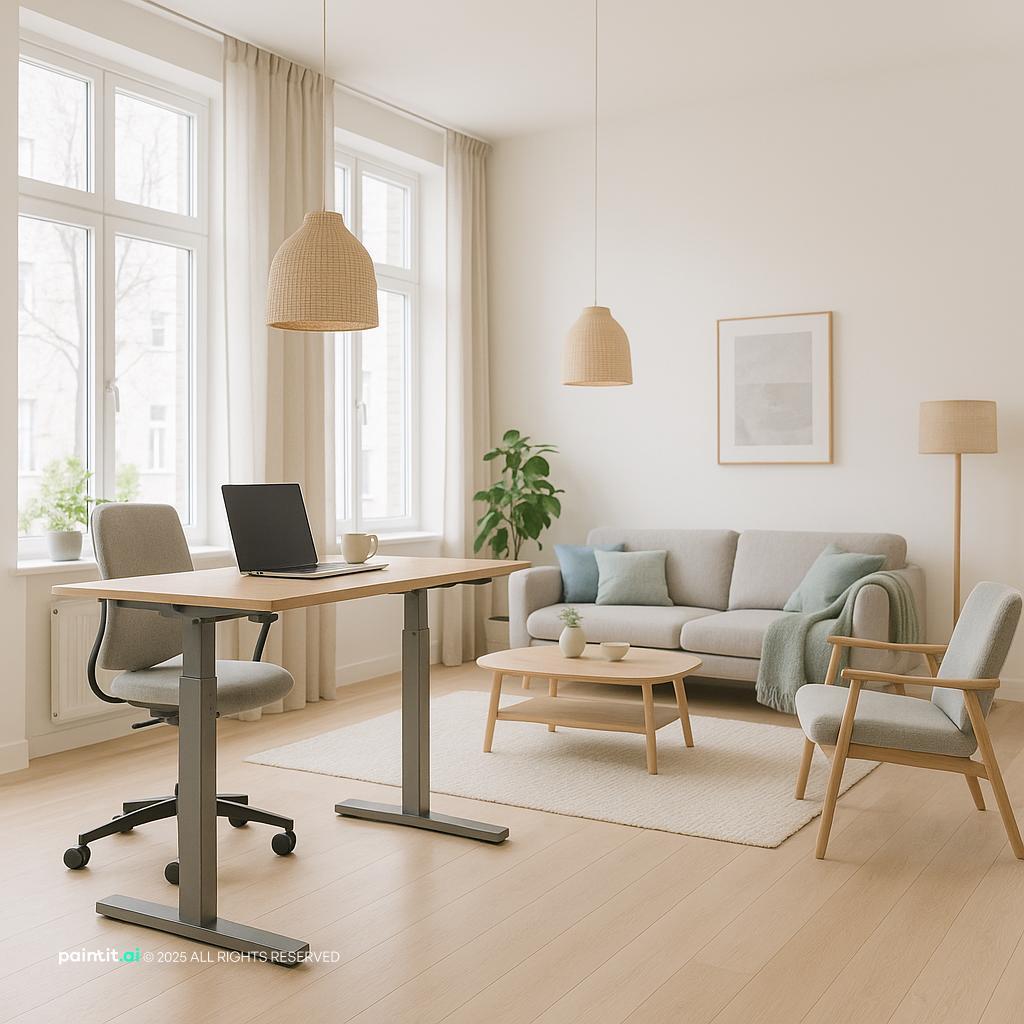
Scandinavian Contemporary Living Room Design pairs green accents, soft textiles and clean-lined furniture in a living room setting.
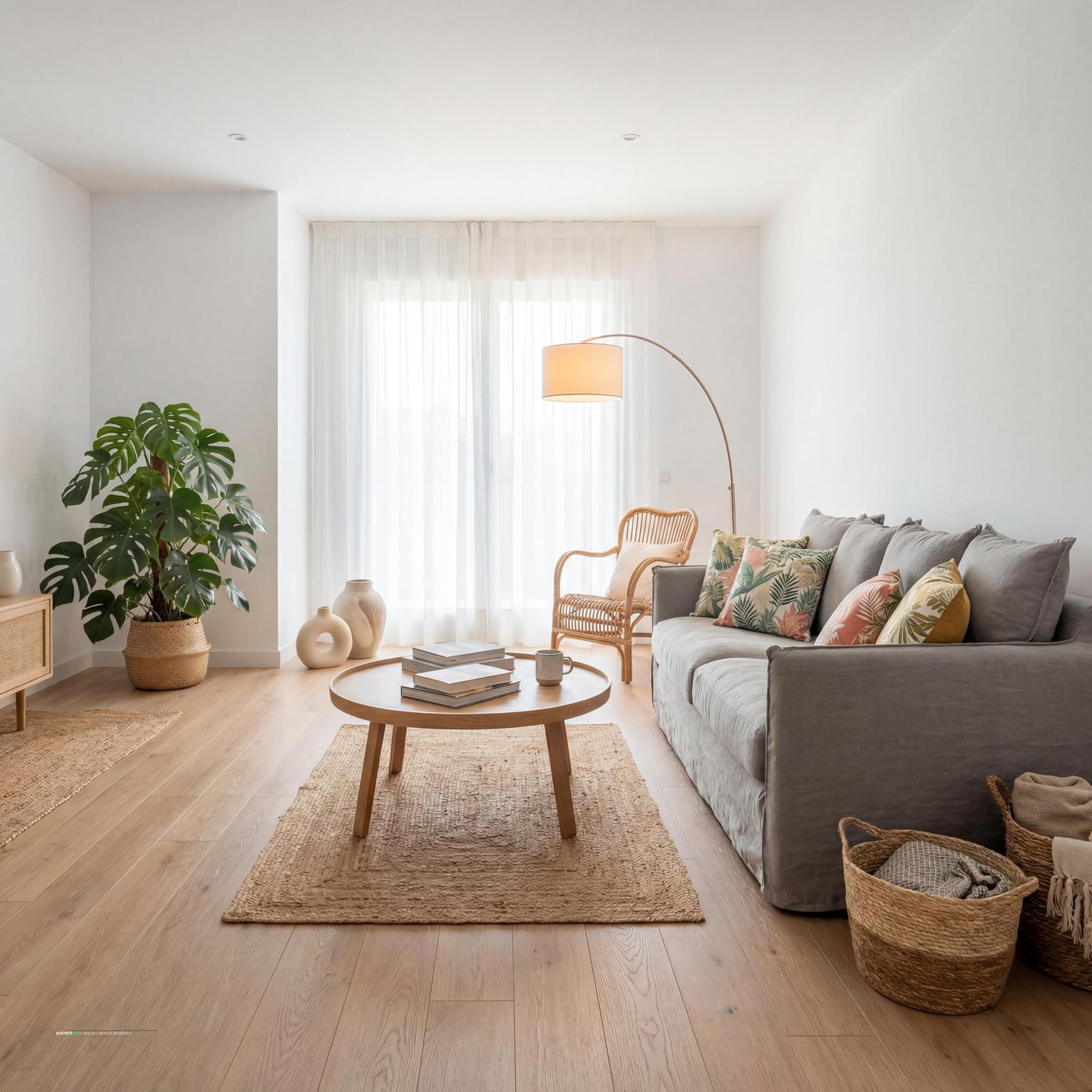
Scandinavian Living Room with Tropical Accents layers green accents, soft textiles and plants and greenery in a living room setting.
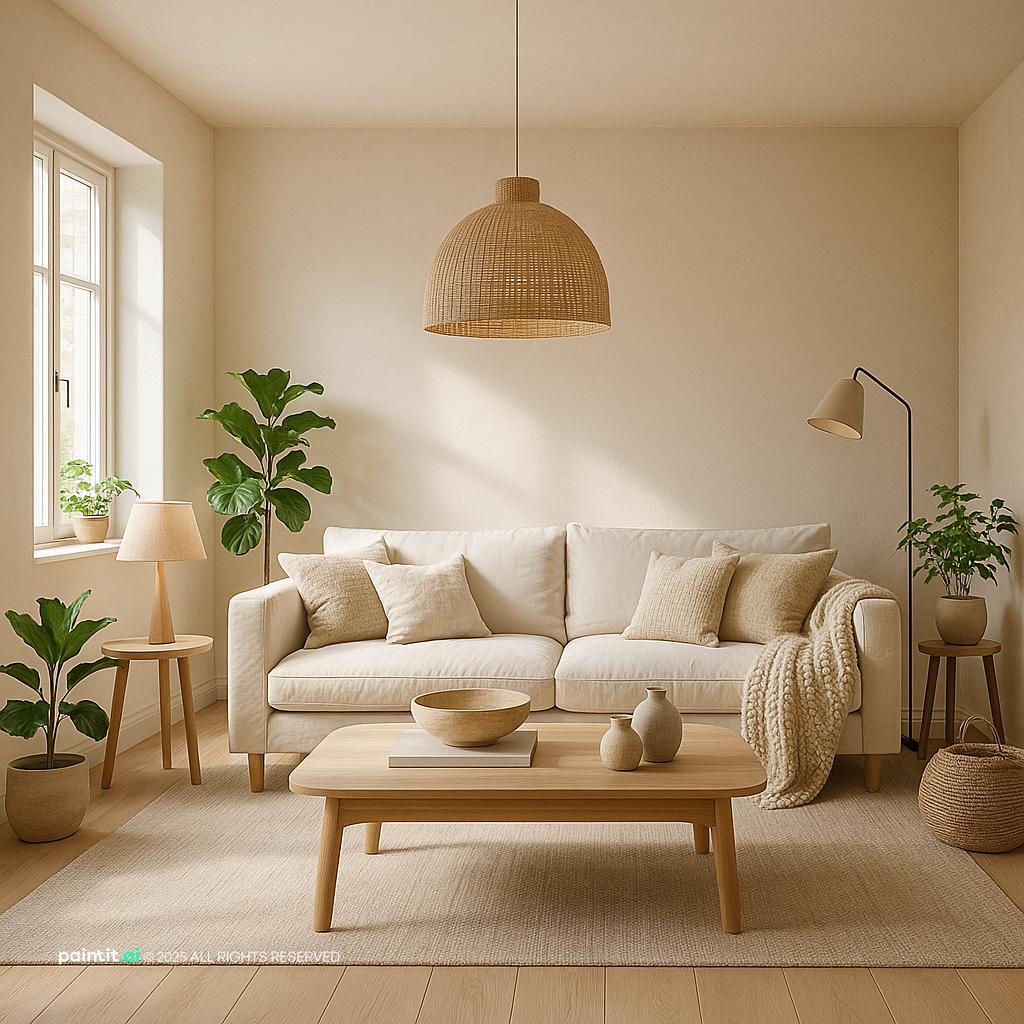
Modern Scandinavian Warm Living Room Design anchors green accents, soft textiles and clean-lined furniture in a living room setting.
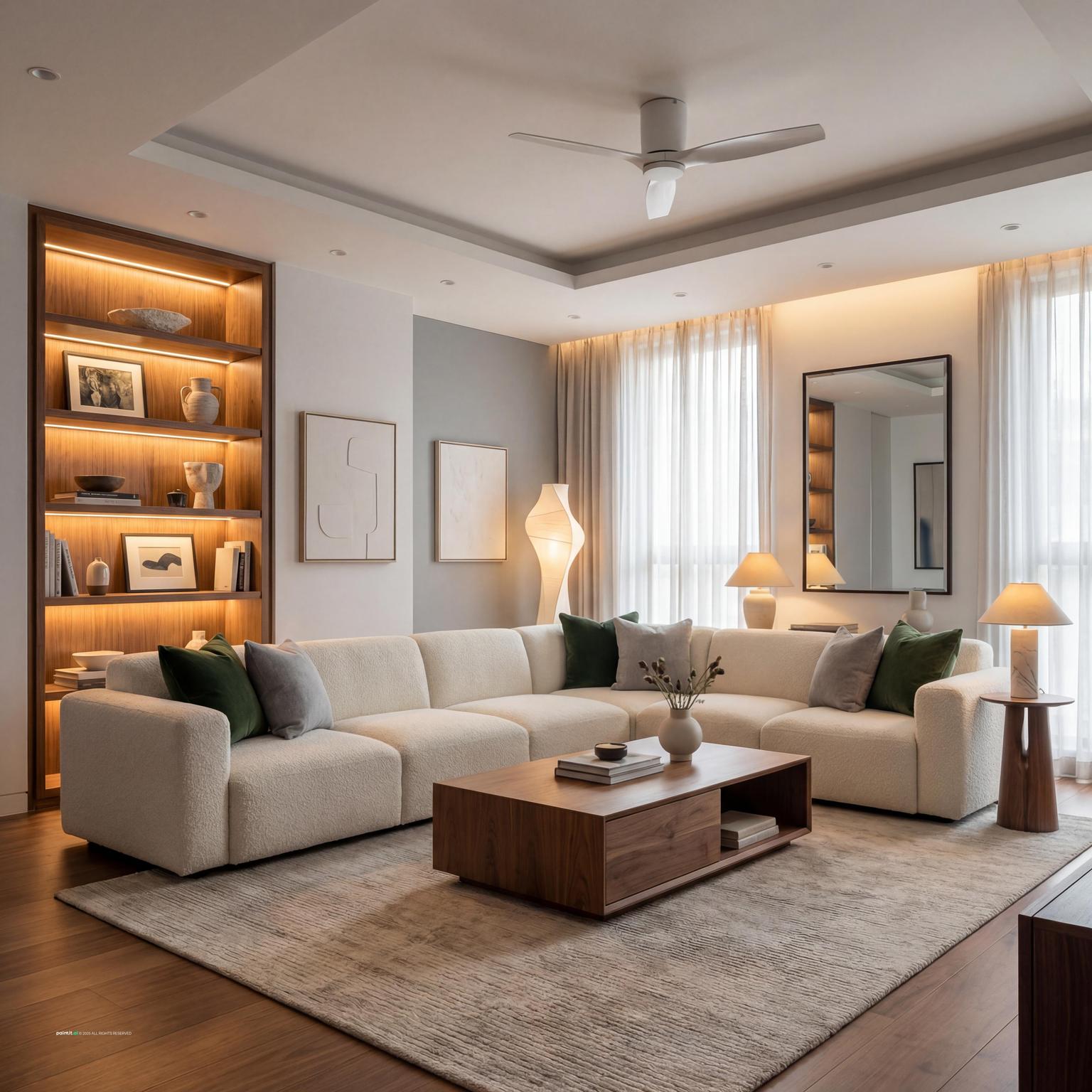
Elegant Contemporary Living Room Design softens green accents, warm wood and soft textiles in a living room setting.
Sage green living room ideas work because sage can add color without taking over the room. Choose a sage with a little gray or warmth if your sofa is beige, cream, taupe, camel, or light brown. It gives the walls presence while still letting the furniture feel calm.
Repeat the sage once or twice in smaller details: a cushion stripe, ceramic lamp, framed print, or throw. That sounds small, but it keeps the wall color from feeling disconnected. What usually goes wrong: a very blue sage next to warm oak floors can look chilly. If the room starts to feel clinical, move warmer before you give up on green.
A deep green accent wall works well behind a sofa, media unit, fireplace, or built-in shelving. It gives the room depth without pulling every corner into shadow. Keep the nearby walls warm white, mushroom, stone, or pale greige so the green feels intentional rather than heavy.
Dark green living room ideas need a lighting plan early, not after the paint dries. Add a floor lamp near the seating area, a shaded table lamp, and wall lights if the room allows it. Dark paint absorbs light, so layered lighting brings back shape, texture, and shadow instead of leaving the room flat.
A lot of good green living room decor starts with a sofa the homeowner already owns. In Paintit.ai behavior, 12.0% of prompts include “keep” or “don’t change,” and in living rooms that often means keeping a beige, gray, cream, or brown sofa. That is not a limitation. It is a useful anchor.
Paint the walls muted green, add darker green throw pillows, and use a neutral rug to connect the sofa to the floor. This approach is especially useful for renters or anyone trying to avoid replacing the largest furniture piece. Check the sofa undertone first: warm beige usually prefers olive, sage, or moss, while cool gray can handle eucalyptus, blue-green, or a cleaner forest green.
A green sofa can carry the room if the surrounding color palette stays disciplined. Use warm white or pale stone walls, a textured rug, and wood side tables so the sofa feels grounded. Velvet makes green look dressier. Linen, boucle, or cotton blends make the same color feel softer and more casual.
Before choosing the fabric, check the scale. A deep green sectional may look beautiful in a product image but block a walkway or overpower a narrow room. If you are keeping the walls neutral but testing a new sofa, AI virtual staging can help you judge the size, color, and placement before you shop.
A green and neutral living room usually needs one green anchor, one light anchor, and one natural anchor. For example: sage walls, a cream sofa, and oak furniture. Or white walls, an olive sofa, and a jute or wool rug. This keeps the room from becoming too plain or too saturated.
Add black, bronze, or aged brass in small amounts for definition. The catch is that too many unrelated neutrals can make the room look accidental. Bright white, gray, beige, cream, and taupe all in one space need a clear leader. Pick one main neutral and let the others support it.
Material is the third most popular modifier in Paintit.ai prompts, present in 19.0% of them, and wood is one of the most reliable pairings with green. Oak, walnut, ash, and reclaimed wood all bring warmth that stops green walls from looking flat or cold.
Use wood tones through a coffee table, picture frames, shelving, a media cabinet, or the exposed floor. Light oak works with sage and eucalyptus. Walnut works especially well with olive, forest, and emerald. What to avoid: mixing too many wood finishes at equal strength. Let one wood tone lead, then use the others as smaller notes.
Emerald green living room ideas can become too formal when every surface is glossy. Balance the richness with matte walls, wool upholstery, woven shades, plaster lamps, or a nubby neutral rug. Then use metal accents carefully: a brass lamp, slim coffee table frame, or mirror edge is usually enough.
Emerald works best when it has breathing room. Try it on a green sofa, a pair of armchairs, curtains, or a built-in cabinet instead of forcing it across every surface. Emerald has visual weight, so softer textures keep it from feeling theatrical in everyday use.
Curtains change how green reads during the day. Off-white linen curtains make sage and olive feel relaxed. Taupe or mushroom curtains deepen the room without creating a hard contrast. In a dark green room, choose curtains close to the wall color for a wrapped, cozy feel, or go pale and textured if the space needs lift.
Hang the rod wider than the window frame so the panels do not block natural light when open. This matters because green can shift a lot from morning to evening. Avoid glossy white curtains against muted green walls; the contrast can look harsh and make the paint color seem duller.
A green room can still feel unfinished if the rug is too small. In most living rooms, the front legs of the sofa and chairs should sit on the rug, or the rug should be large enough to connect the main seating pieces. A small floating rug breaks the conversation zone and makes the color palette feel scattered.
For sage or olive rooms, try wool, jute, sisal, cream, warm gray, or a muted pattern. For dark green, a neutral rug with visible texture keeps the floor from feeling heavy. The rug sets the visual boundary of the seating area, which helps the green feel tied to the layout instead of sitting only on the walls.
Textiles are the lowest-risk way to test green. Start with throw pillows, a blanket, an ottoman, or patterned curtains that include green with cream, tan, rust, navy, or black. This works especially well in open-plan homes where painting the living room would also affect the dining area or kitchen view.
Use at least two green notes so the choice looks deliberate. Pair olive cushions with nature-inspired wall art, or sage curtains with a soft green ceramic lamp. One isolated green pillow in a room with no other connection usually reads as leftover decor, not a design decision.
Wall art is a practical bridge between green and existing furniture. Abstract prints, botanical pieces, textile art, or photography can repeat the wall color while bringing in secondary tones such as clay, ochre, charcoal, blush, ivory, or tan. This makes the room feel layered instead of color-blocked.
Place art where it supports the main sightline: above the sofa, beside a fireplace, or over a console. If the walls are already dark green, use art with lighter space or a pale mat so it does not disappear. In rooms with pale green walls, darker frames can give the whole scheme a cleaner edge.
Black can sharpen a green living room, especially when the room has pale walls or soft furniture. Use it in slim lines: curtain rods, picture frames, lamp bases, side table legs, or fireplace tools. A little black helps green feel more architectural.
The risk is using too much of it. Large black furniture against dark green walls can make the room feel compressed, especially in a small space. Keep bigger pieces lighter or warmer unless the room has generous windows, high ceilings, and strong evening lighting.
A practical green room starts with a simple list. KEEP: the sofa, wood floor, daylight, or existing rug. CHANGE: wall color, curtains, lamp shades, or coffee table. ADD: texture, art, pillows, plants, or warmer metal. LIGHTING: floor lamp, table lamp, dimmer, or picture light.
We see this structured approach more often from professional Paintit.ai users, and it prevents random decorating. Before you pick up a brush, use AI living room design to visualize how different shades of green interact with your current layout, furniture scale, and window light.
Plants belong naturally in a green living room, but they should not be the whole color strategy. If the room has green walls, choose plants with varied leaf shapes and place them where they add height: near a window, beside a cabinet, or behind an accent chair. If the room is neutral, plants can support green textiles and artwork.
Avoid clustering every plant in one corner unless you want a strong garden-room effect. Spread greenery through the room so it supports the sightline. A tall plant balances vertical space, while a low plant on a coffee table softens harder surfaces.
The second gallery helps you compare where green should sit in the room. Green living room walls create the biggest mood shift, a green sofa adds a stronger furniture statement, and smaller accents let you keep the layout mostly neutral.
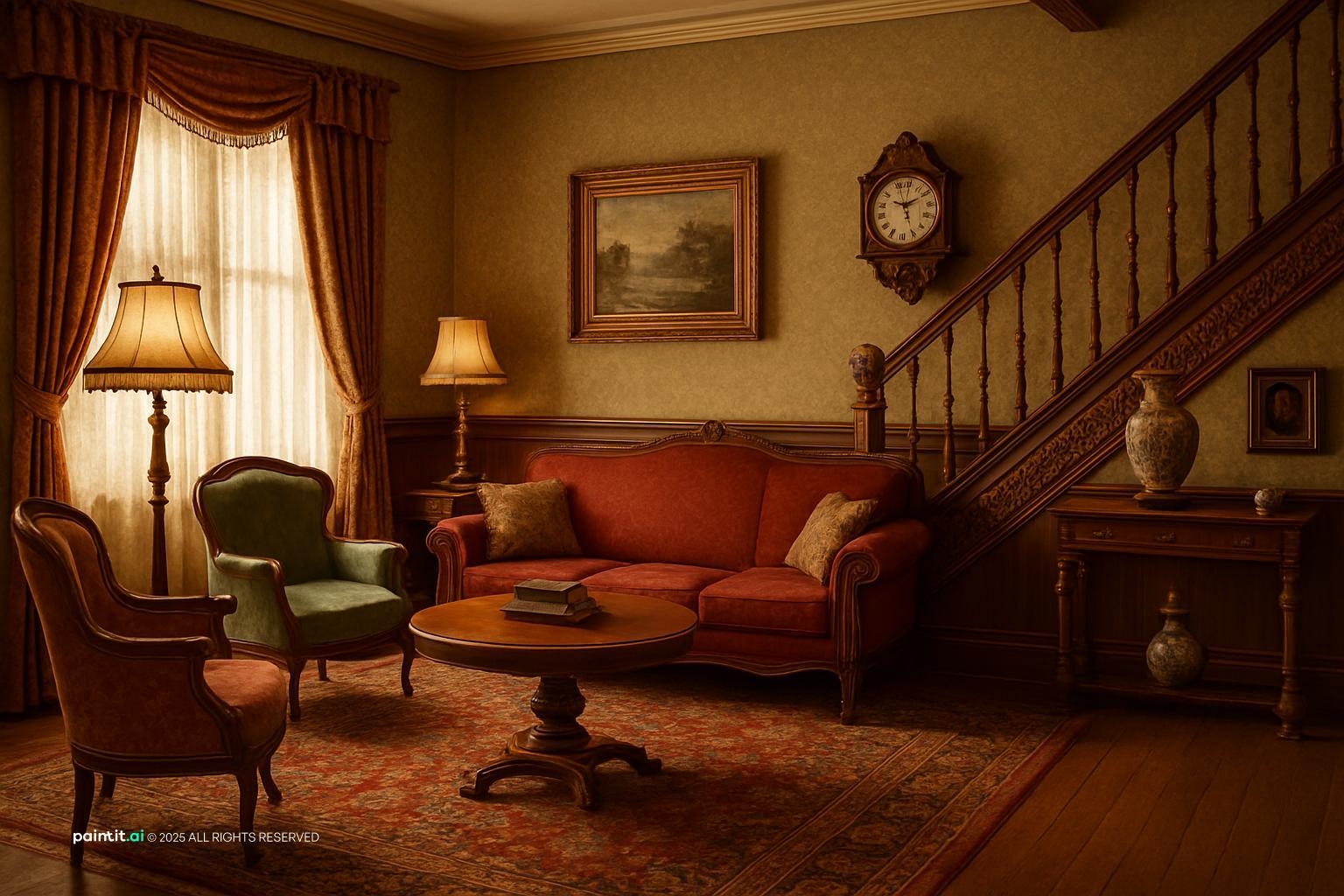
Vintage-Style Living Room Design Inspiration uses green accents and natural light in a living room setting.
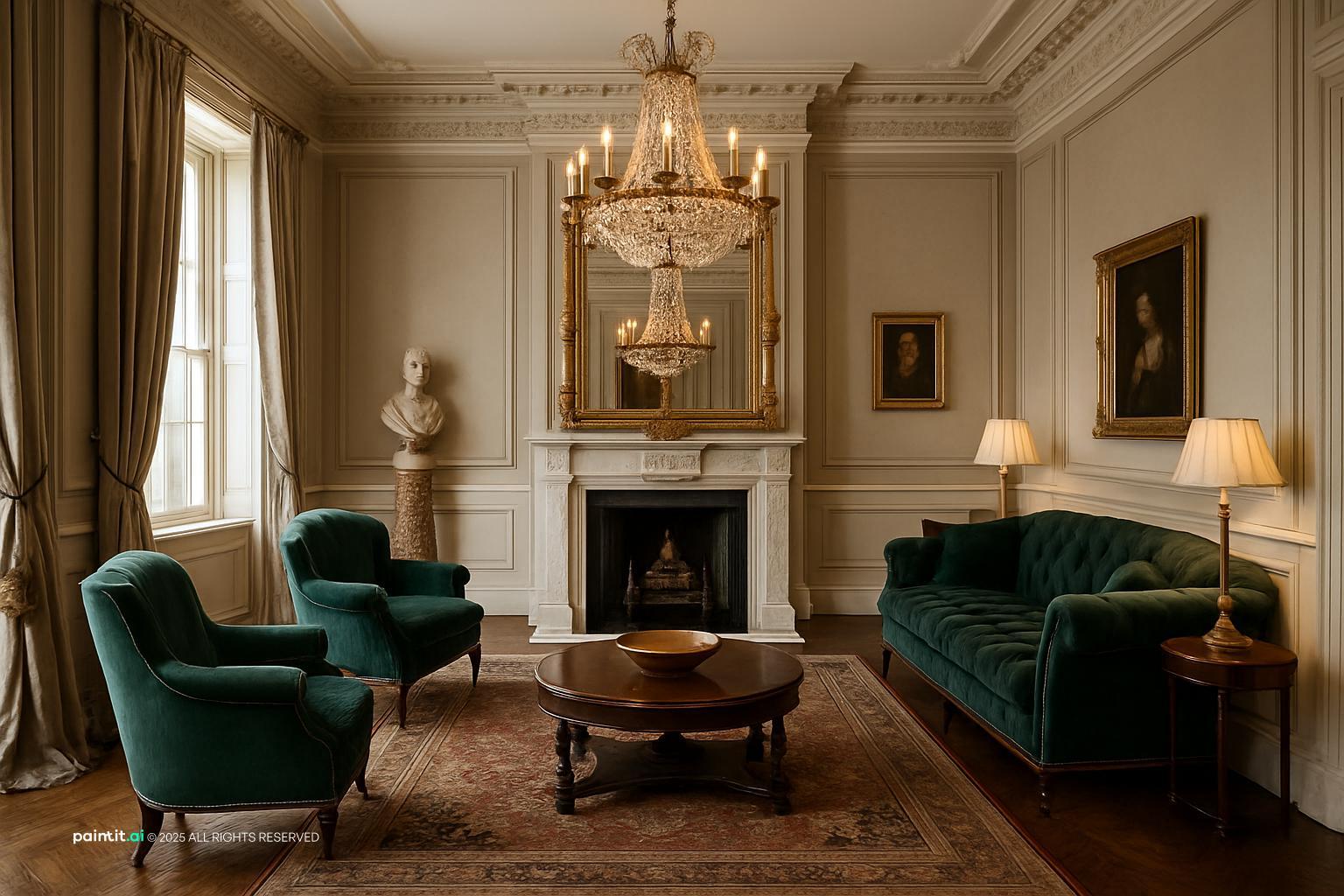
Green Living Room Ideas with Green Accents and Layered Neutrals balances green accents, layered neutrals and natural light in a living room setting.
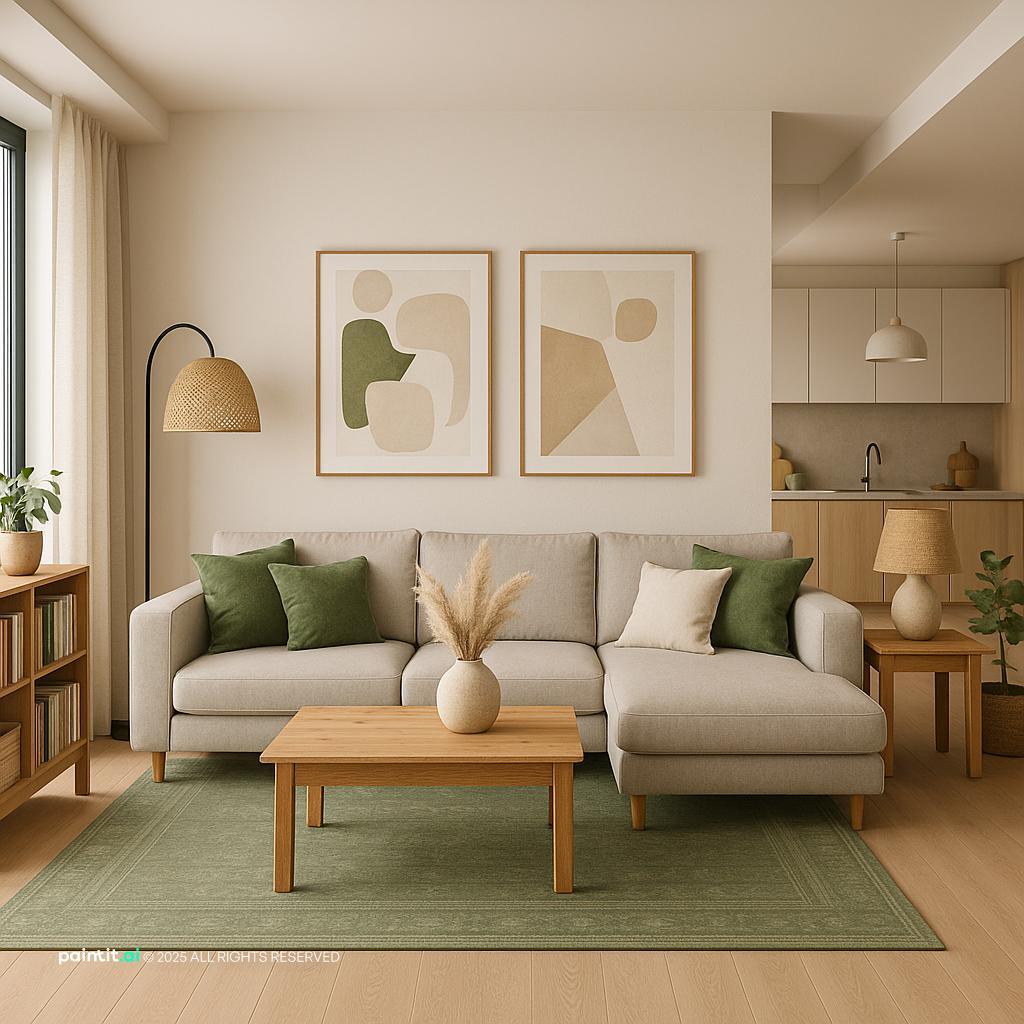
Stylish 60m² Living Room Design pairs green accents, warm wood and soft textiles in a living room setting.
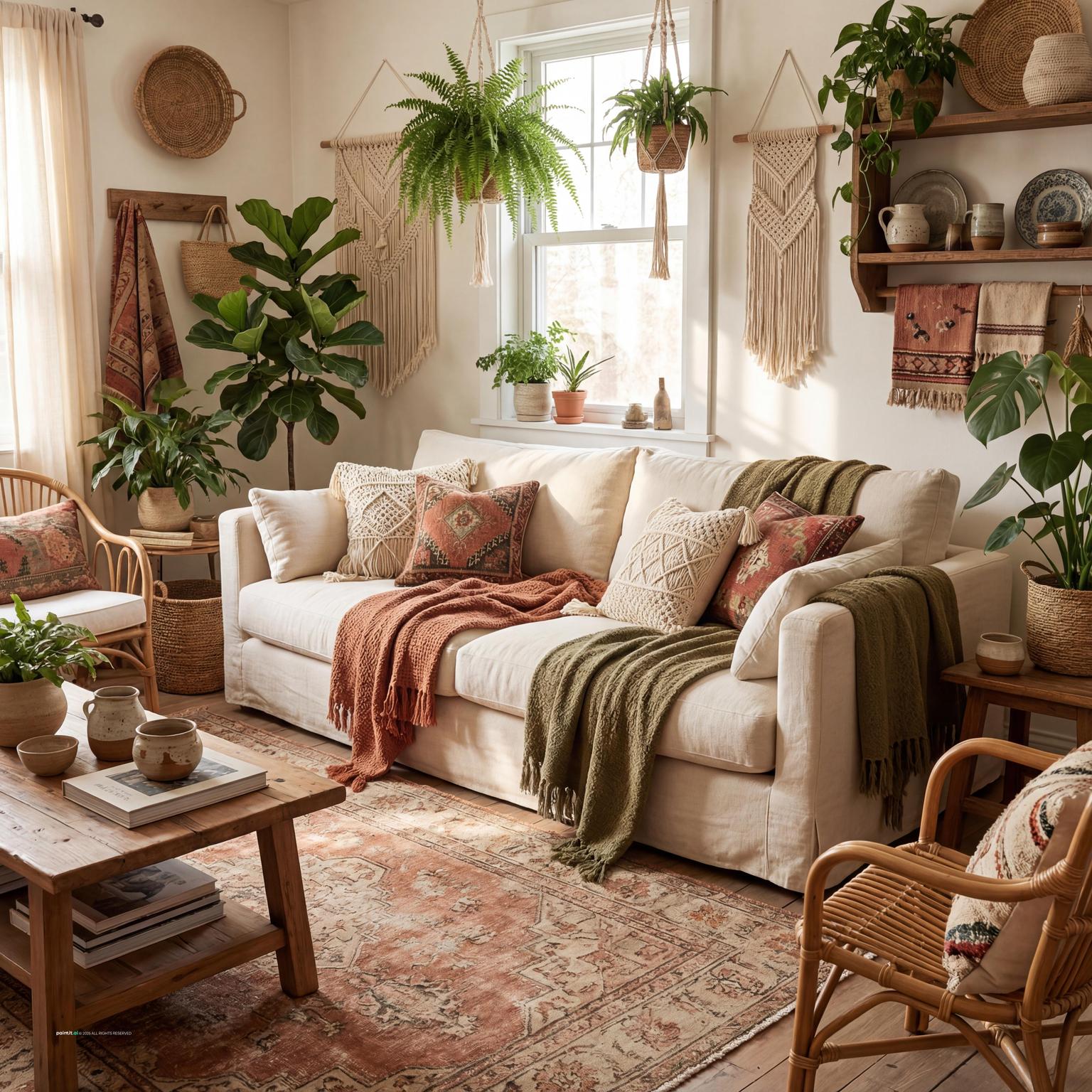
Cozy Bohemian Living Room Design layers green accents, soft textiles and plants and greenery in a living room setting.
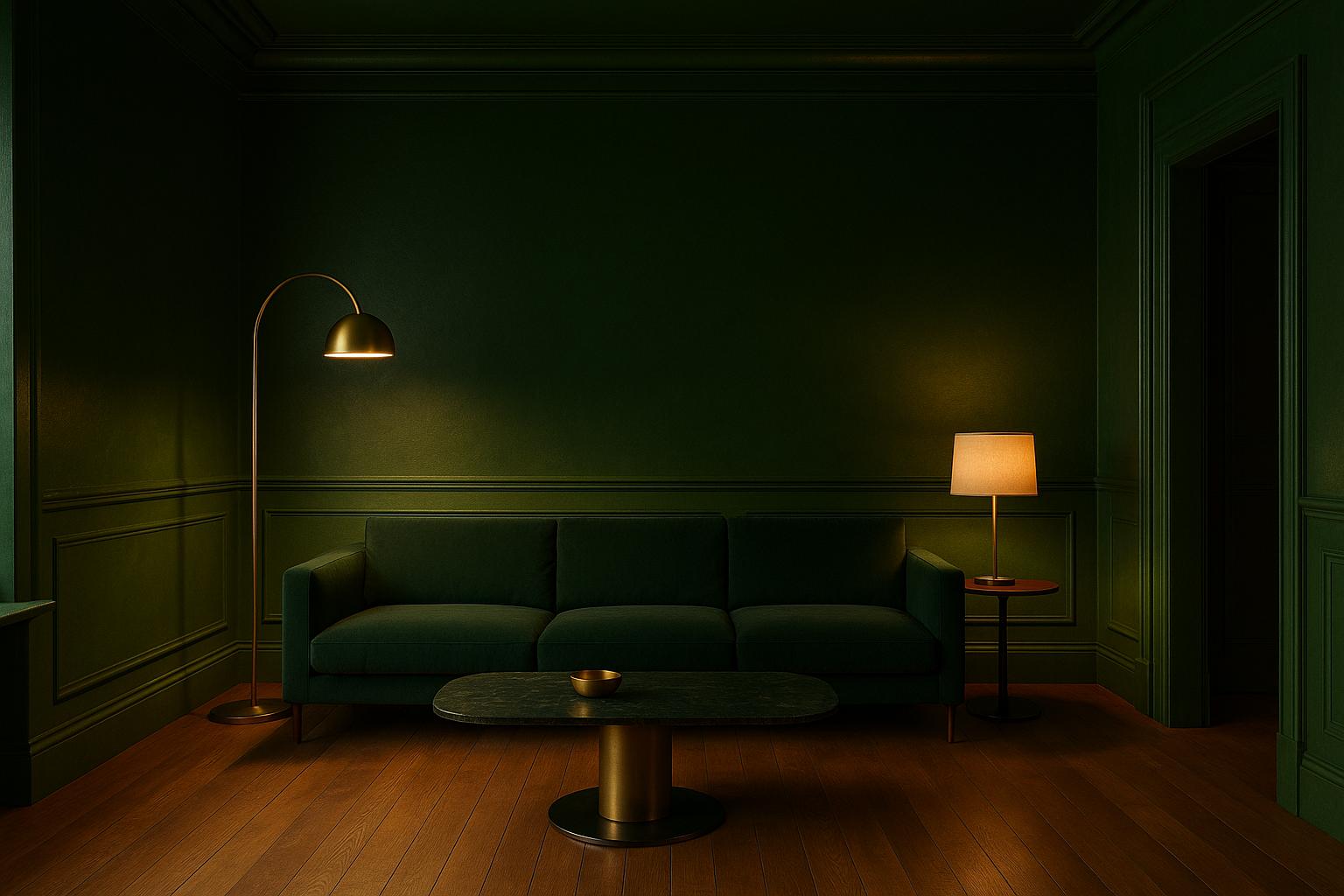
Dramatic Dark Green Living Room Design anchors green accents and metal accents in a living room setting.
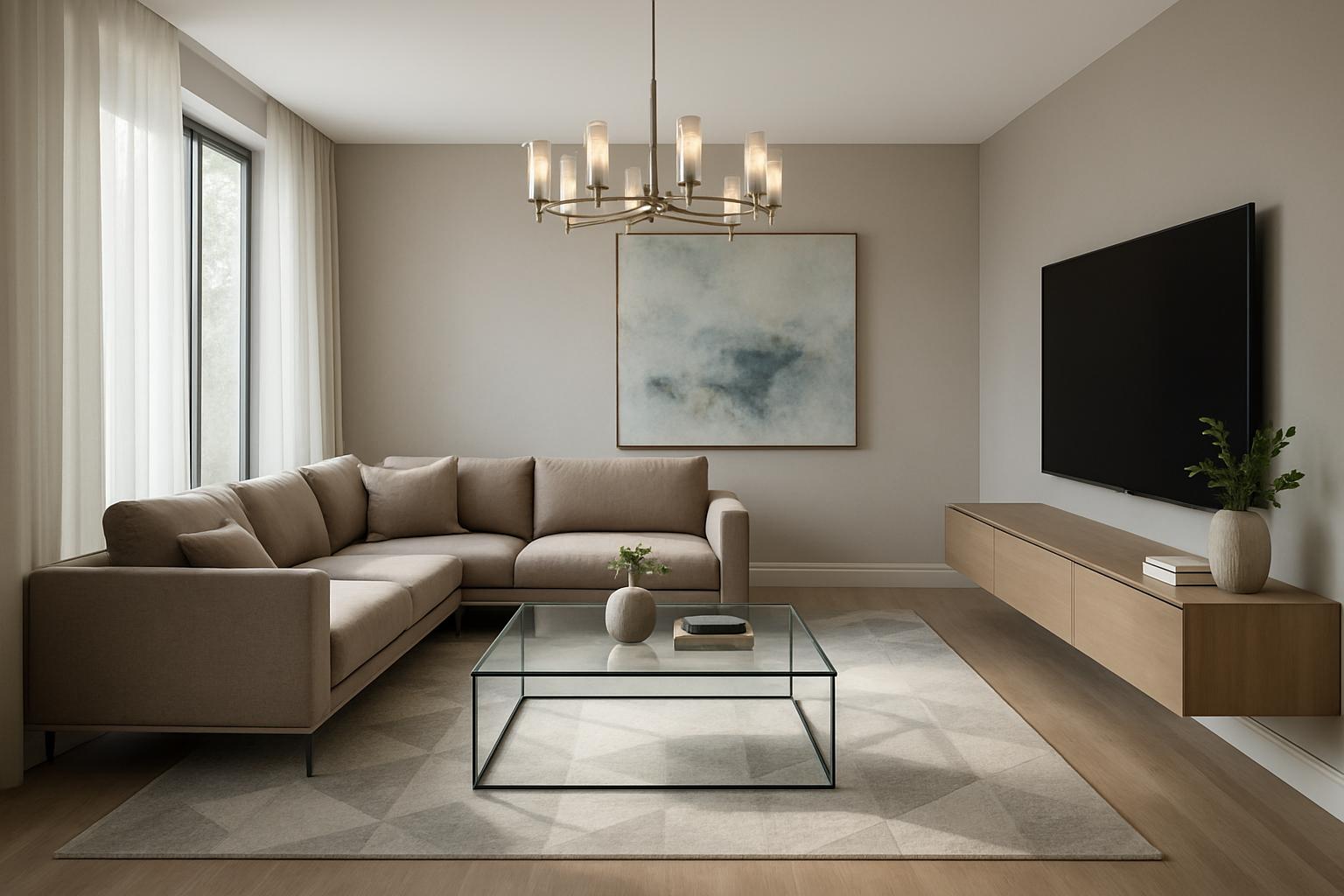
Green Living Room Ideas with Green Accents and Metal Accents softens green accents, metal accents and plants and greenery in a living room setting.
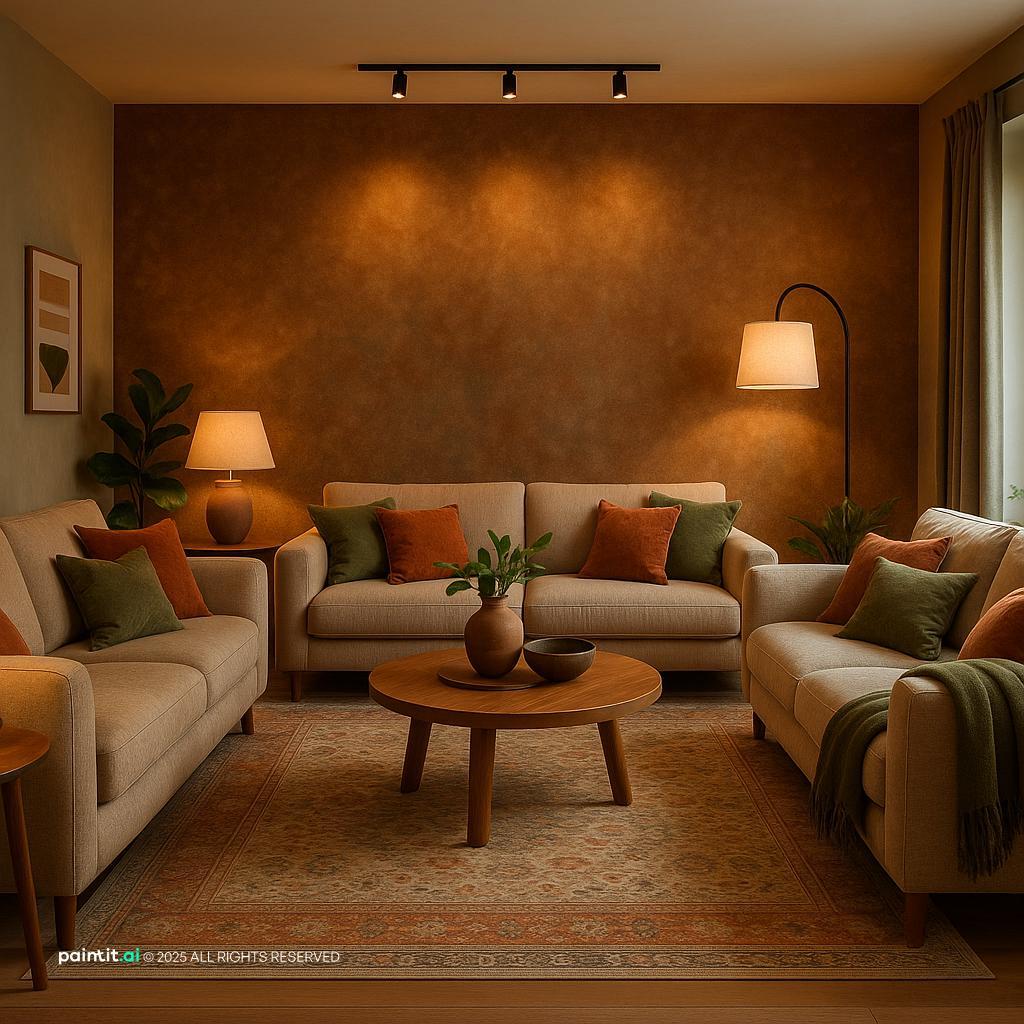
Warm Modern Living Room Design uses green accents, soft textiles and plants and greenery in a living room setting.
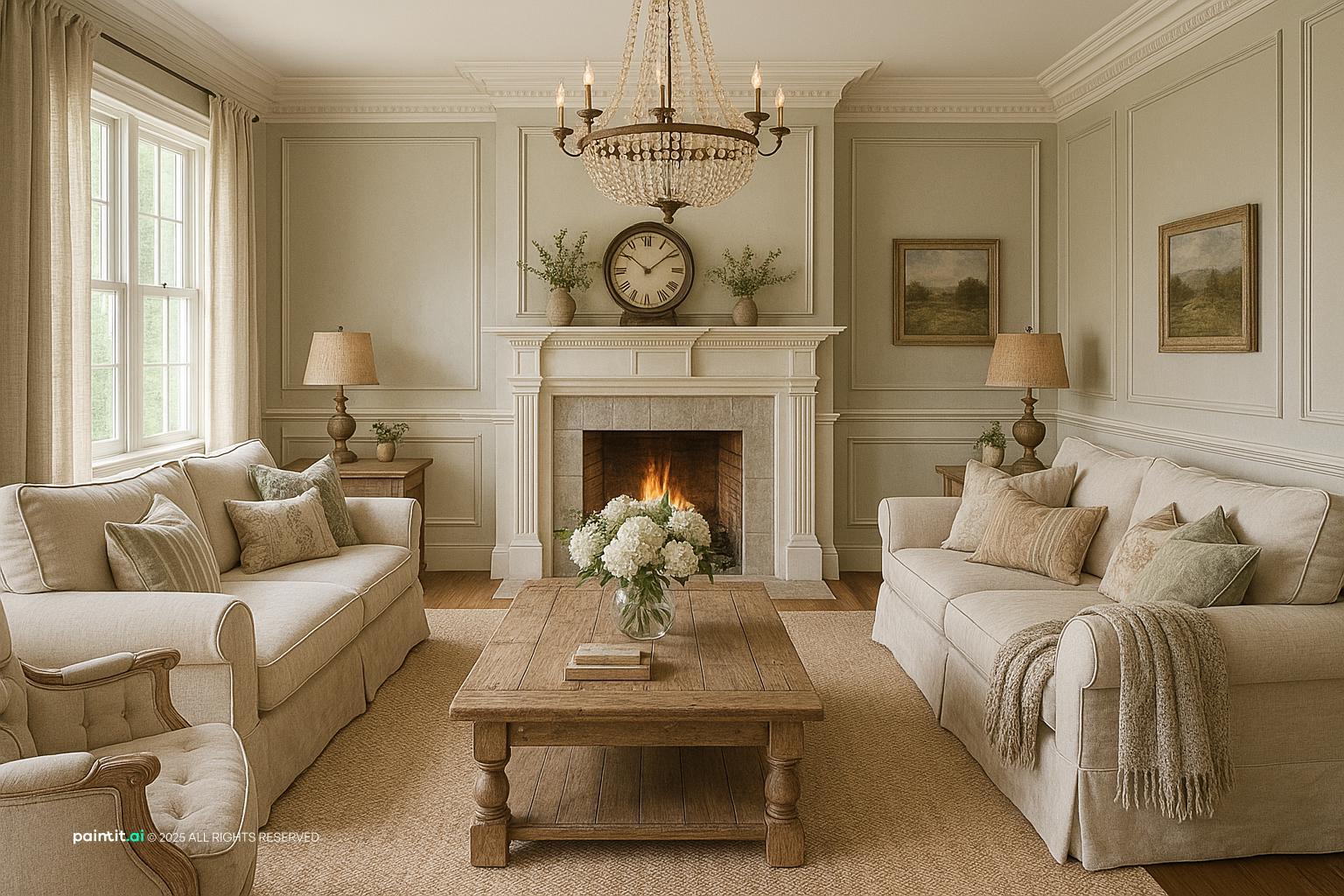
Green Living Room Ideas with Green Accents and Soft Textiles balances green accents, soft textiles and layered neutrals in a living room setting.
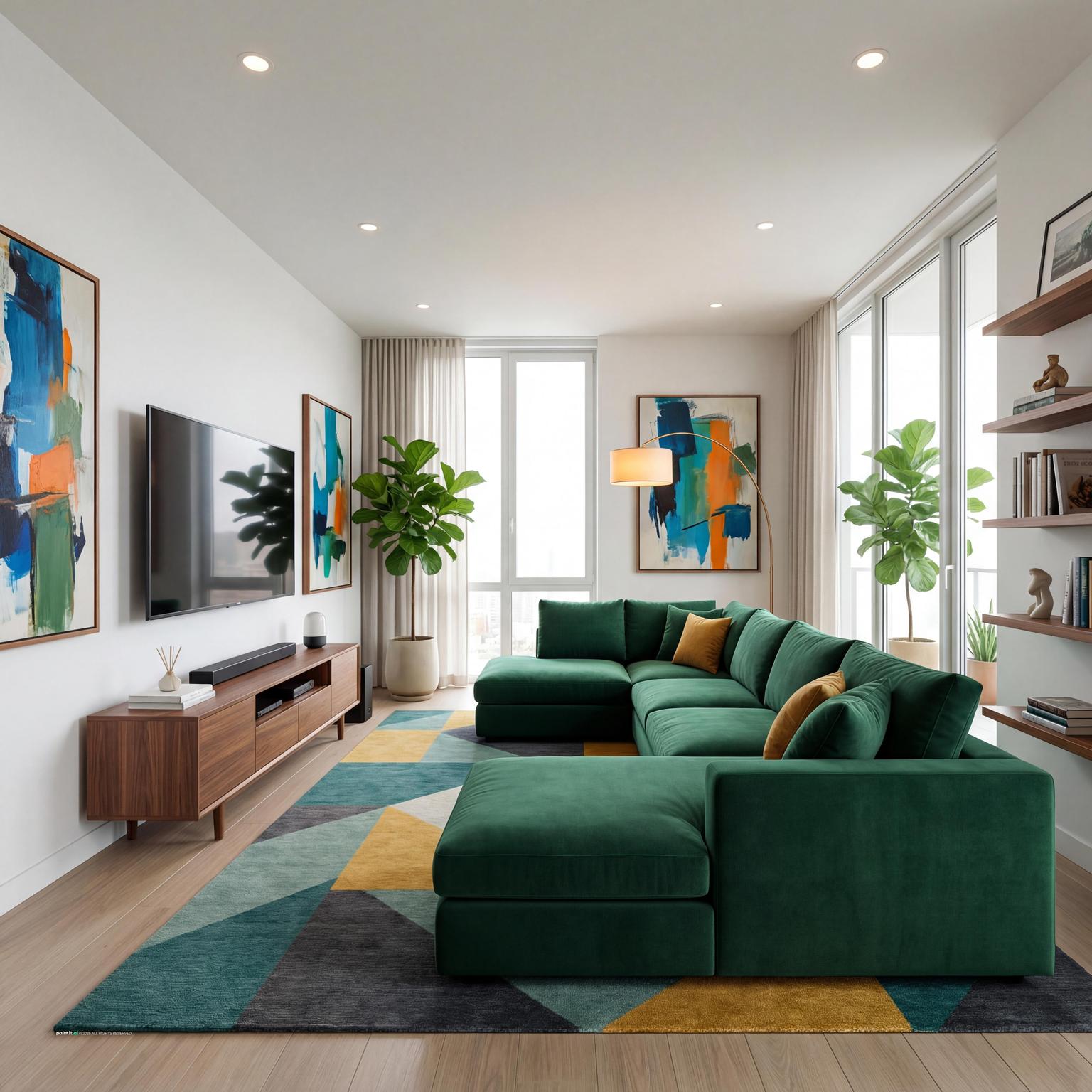
Bright Contemporary Living Room Design pairs green accents, clean-lined furniture and plants and greenery in a living room setting.
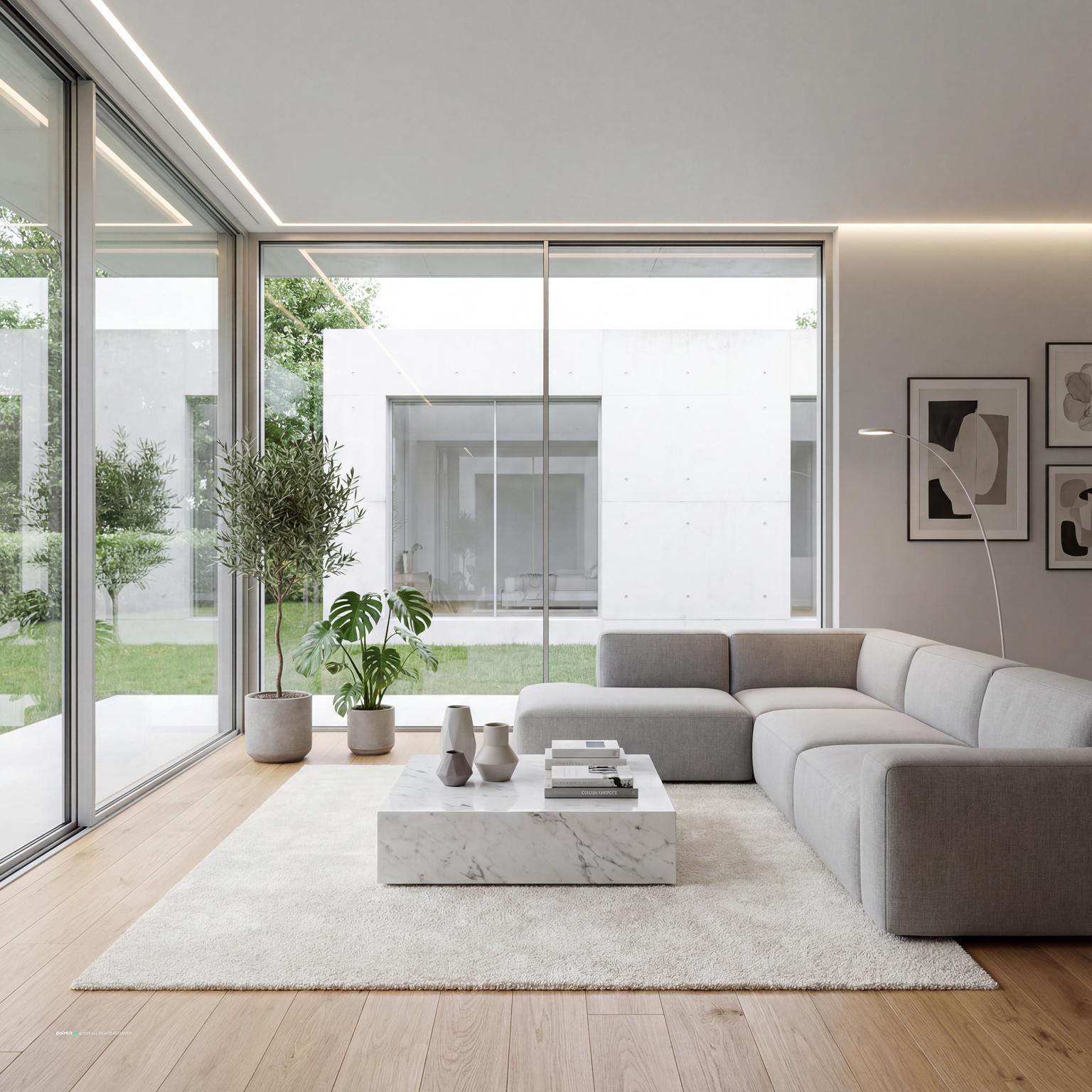
Sleek Contemporary Living Room Design layers green accents, clean-lined furniture and plants and greenery in a living room setting.
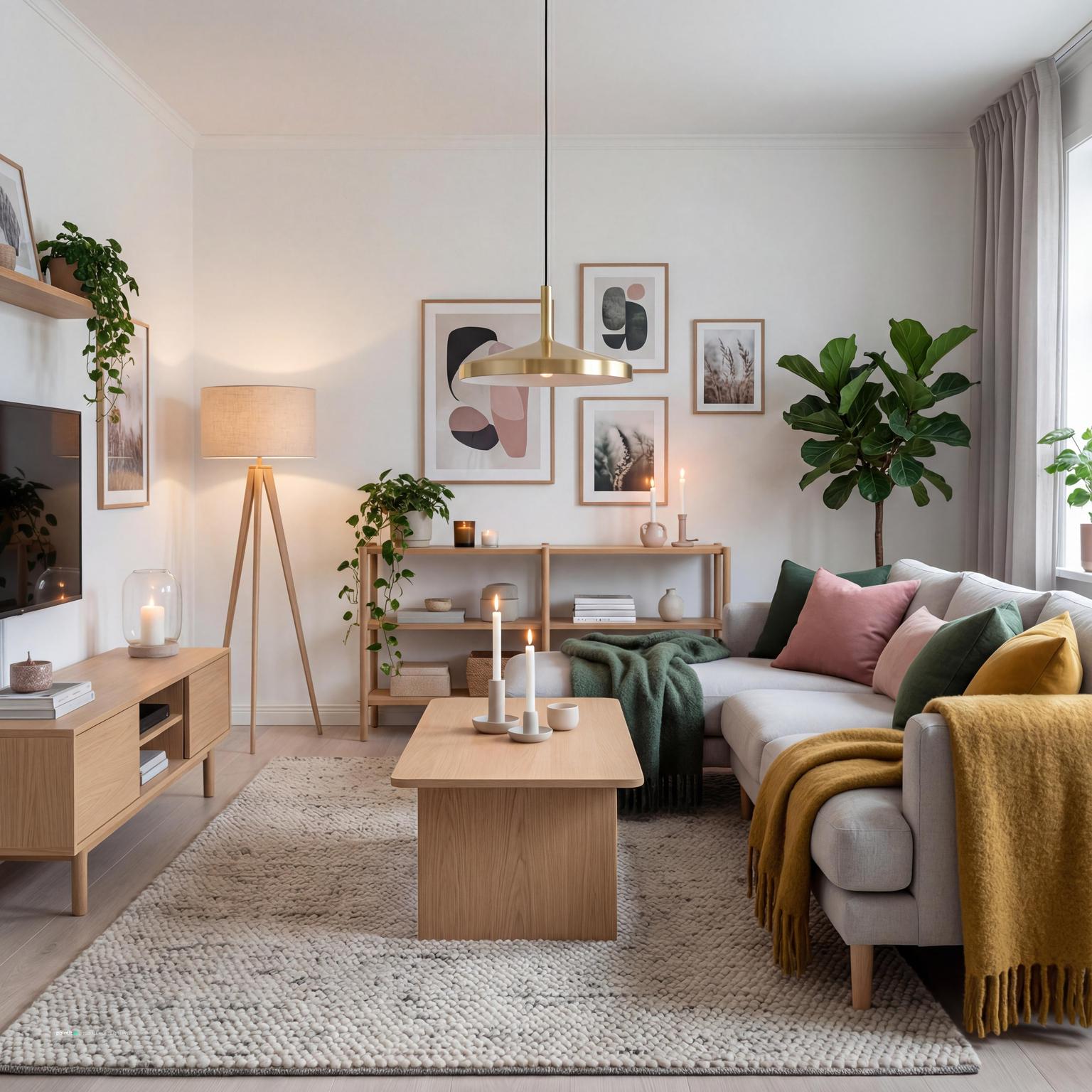
Cozy Scandinavian Living Room with Color Accents anchors green accents, warm wood and soft textiles in a living room setting.
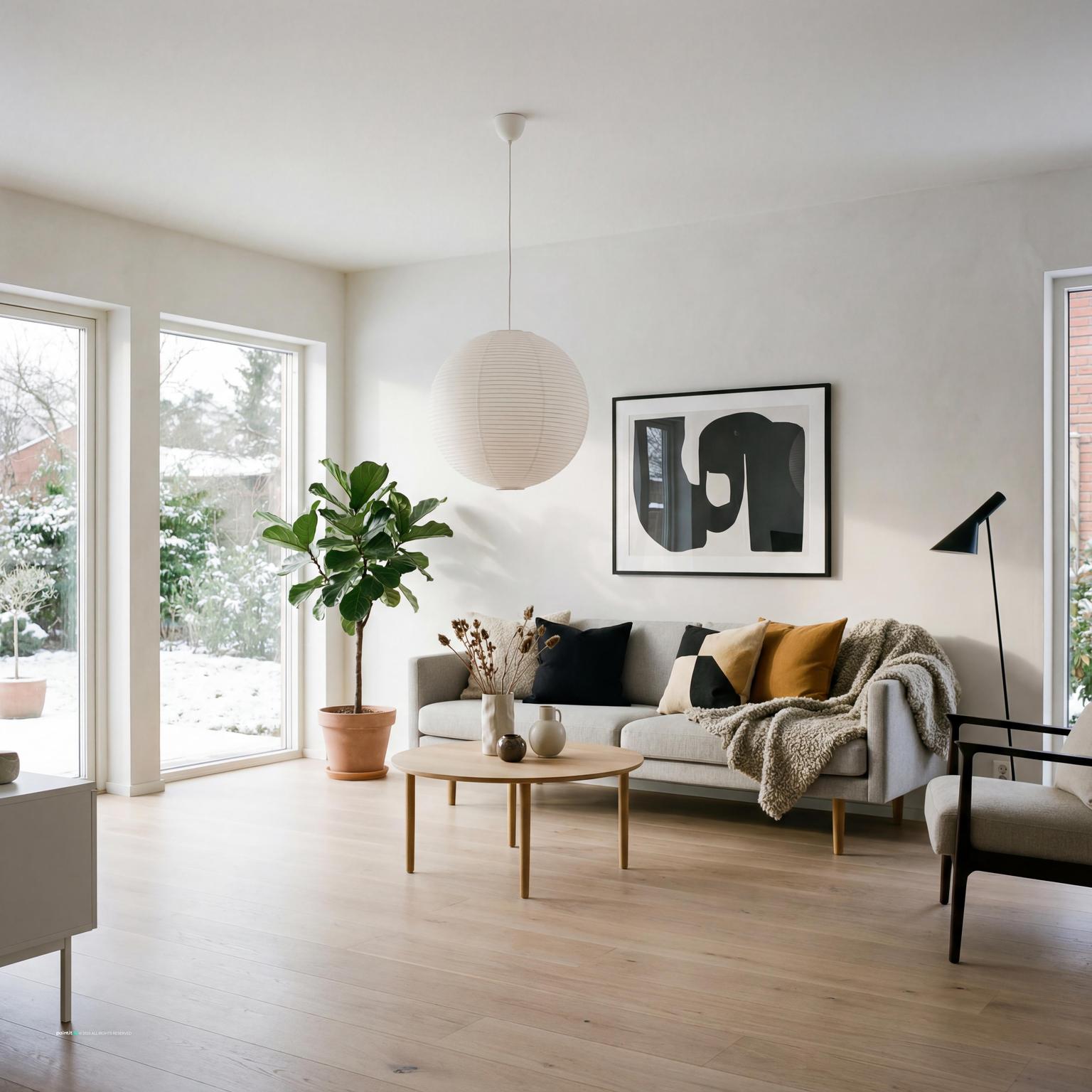
Stunning Scandinavian Living Room Design with Green Accents softens green accents, warm wood and soft textiles in a living room setting.
Green paint color changes quickly under different light. Yellow-based greens feel warmer and work well with oak, tan leather, cream, and brass. Blue-based greens feel cooler and pair better with gray upholstery, black details, chrome, and crisp white.
Use large paint samples and check them morning, afternoon, and evening. Do not choose from a tiny chip under store lighting and expect it to behave the same at home. In Paintit.ai tests, we often see users start with “sage green” and then refine it warmer after the first version feels too cool for their actual room.
Green rarely needs bright white to look fresh. Warm white, ivory, oatmeal, mushroom, clay, linen, and greige usually create a softer color palette. These tones are especially helpful if the living room has strong shadows, older wood floors, or a sofa with warm fabric.
Use the lightest neutral on ceilings, trim, large rugs, or lampshades. Keep cooler whites for rooms with very clear daylight and modern furniture. If the trim is too stark, green walls can look harsher than you intended.
Light oak, ash, and pale cane make sage and eucalyptus feel airy. Medium oak and teak suit olive, moss, and fern. Walnut adds depth to forest, hunter, and emerald greens without needing much extra color.
Good places for wood include media consoles, coffee tables, open shelving, frames, and side chairs. Do not try to match every wood piece perfectly. Real rooms look better with slight variation. The key is to keep the undertone consistent, not identical.
Metal keeps green from feeling too soft or rustic. Brass and aged bronze warm up sage and olive, while blackened steel or antique nickel can make deeper greens feel more tailored. Use metal where the eye naturally pauses: lamp bases, hardware, mirror frames, tray tables, or curtain rods.
Avoid too many competing finishes. If the room already has black window frames or a chrome floor lamp, let that finish lead. A second metal can work, but it should be quieter and used in smaller amounts.
Green becomes more inviting when it sits beside tactile materials. Wool, boucle, linen, velvet, cotton, jute, and woven baskets all add depth. Combine one smooth textile with one nubby or woven texture so the seating area does not feel one-note.
Use throw pillows to connect colors rather than introduce random contrast. A good mix might include cream linen, olive velvet, and a patterned pillow with green and tan. Avoid using only solid green textiles on a green sofa; the furniture can lose its shape and look like one large block.
Green needs ambient, task, and accent lighting. Ambient light covers the room, task lighting supports reading or conversation, and accent lighting highlights art, shelves, or architectural details. This matters most with deep green walls, where shadows can become heavy after sunset.
Choose warm bulbs for cozy rooms, but avoid bulbs so yellow that sage turns muddy. Add dimmers where possible. I would treat a dark green living room as a lighting problem before treating it as a styling problem; without enough layers, even a beautiful paint color can feel dull.
Green rooms look best when styling includes light, dark, matte, and reflective details. Try ceramic vases, stacked books, wood bowls, stone trays, framed art, and one or two metallic pieces. If the walls are green, include lighter objects on shelves so the display stays visible.
Avoid filling every surface with green accessories. The room already has a color story. Use accessories to add rhythm, scale, and material contrast instead of repeating the same shade everywhere.
Paintit.ai lets you upload a real living room photo and test green walls, a new sofa color, different curtains, rug sizes, material finishes, and lighting moods before spending money. It is especially useful when you want to keep major pieces but change the atmosphere around them.
Try short, direct variations the way many users do: “paint walls warm sage,” “keep beige sofa,” “add walnut coffee table,” “make lighting warmer,” or “try darker olive.” For a step-by-step process, see how to redesign a living room with Paintit.ai, then refine the room one decision at a time.
Warm white, cream, beige, taupe, tan, walnut, oak, black, brass, rust, navy, and soft clay all work well. Use warmer companions with olive, moss, or sage green living room ideas. Use cleaner contrast with emerald green or forest green.
Start with one main green element: walls, sofa, curtains, or accent chairs. Then add a neutral rug, wood tones, textured throw pillows, layered lighting, wall art, and a few metal accents. Keep the palette tight so the room does not feel busy.
Yes. Green is a strong living room color because it can act like a soft neutral or a clear statement. The result depends on the shade, natural light, furniture undertones, and how much contrast you add.
Use warm lighting, a correctly sized rug, wood furniture, soft curtains, layered pillows, and tactile materials like wool, linen, velvet, or boucle. Do not rely on green walls alone; comfort usually comes from the materials around the color.
Choose sage if you want a lighter, more flexible room that works easily with neutral furniture. Choose dark green if you have good natural light, enough lamps, and want a moodier, more enclosed feel.