
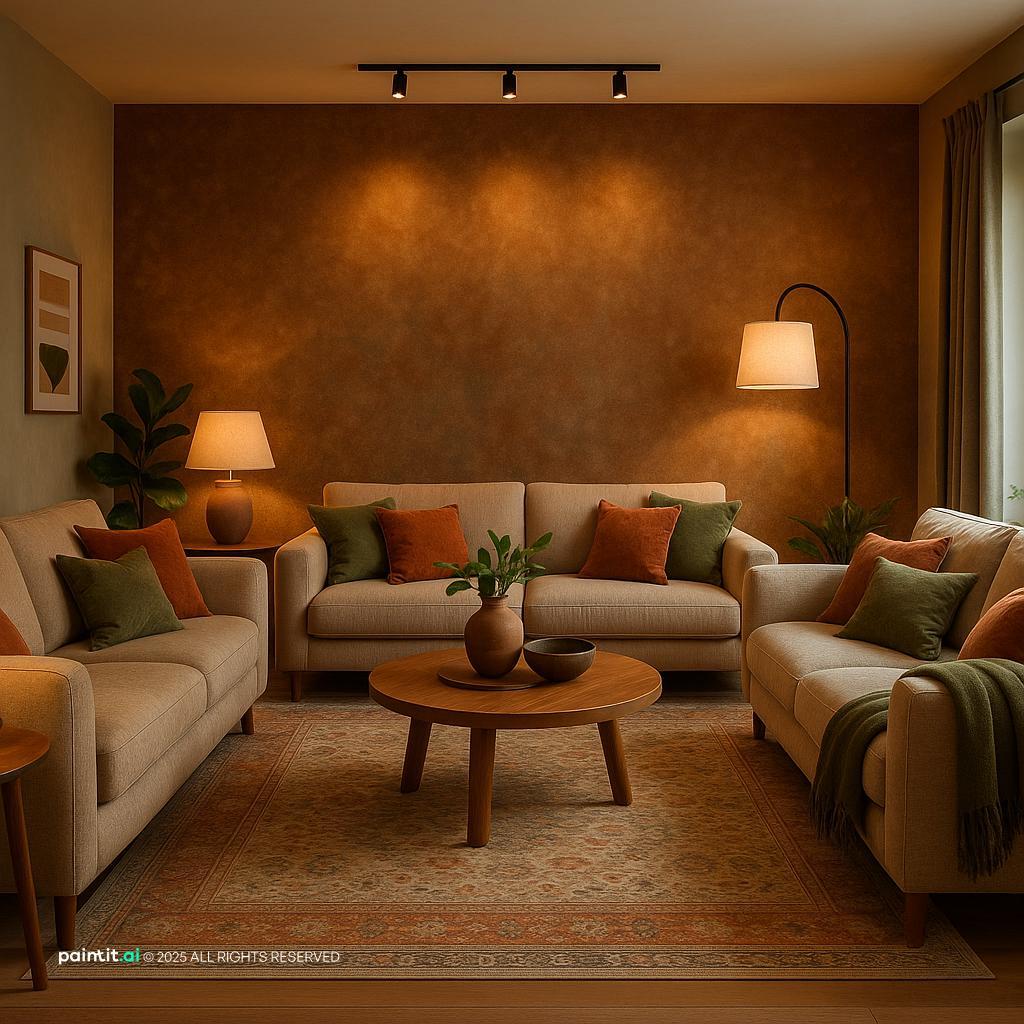
Warm Modern Living Room Design
Warm Modern Living Room Design uses wall paneling detail, soft textiles and plants and greenery in a living room setting.
Good living room wall paneling ideas do not start with a pretty profile. They start with the room in front of you: ceiling height, window position, sofa placement, fireplace line, TV location, and how much daylight actually hits the wall. Paneling can make flat drywall feel intentional and architectural. It can also make a room feel chopped up if the scale is wrong. Treat living room wall paneling as part of the room plan, not as trim you add at the end.
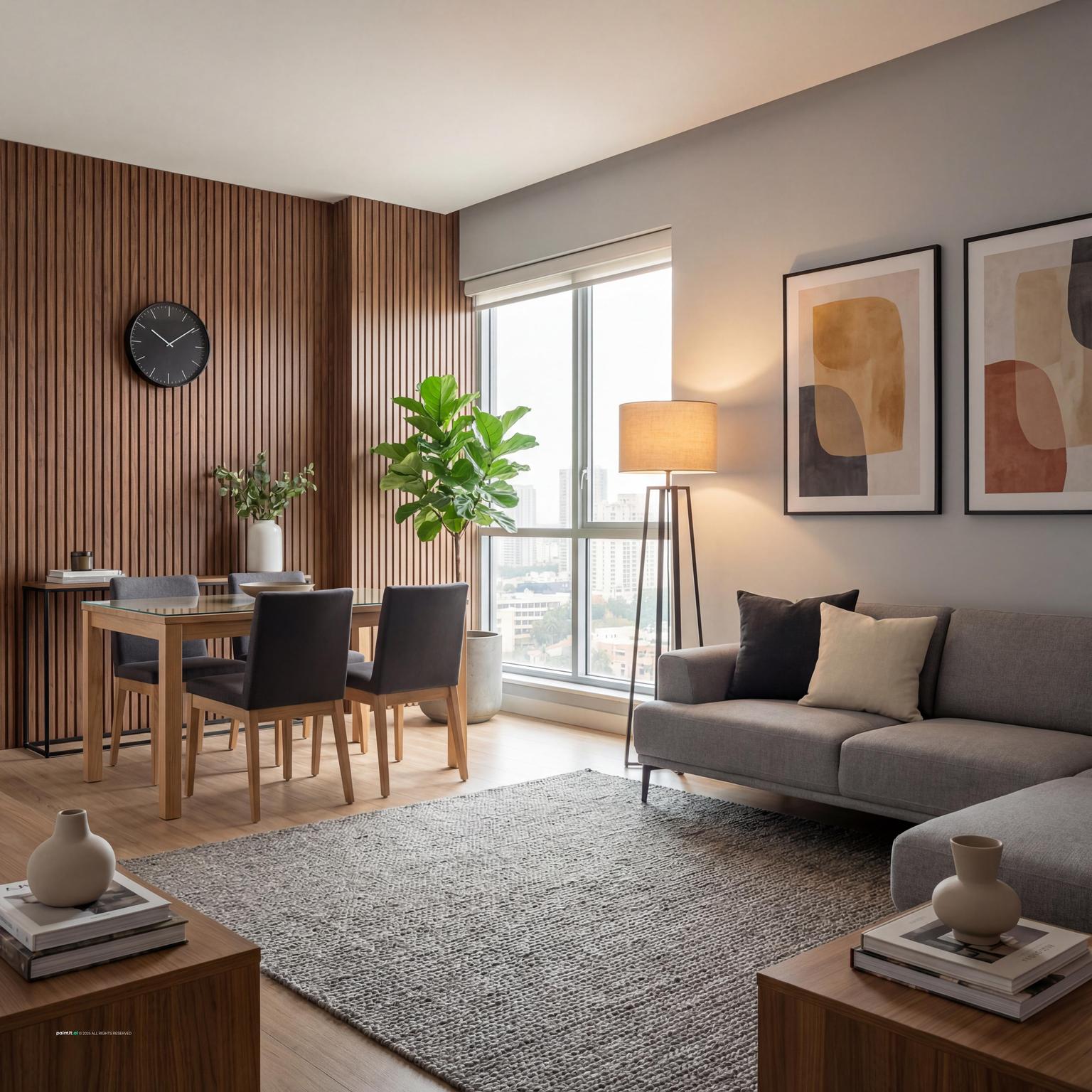
Paneling works best when it supports the main sightline of the living room. The sofa wall, fireplace wall, TV wall, and a long blank side wall all need different treatment. Before choosing wood paneling, wall molding, wainscoting, a slat wall, or board and batten, decide what the wall should do: sit quietly, frame the furniture, add texture, or become the main feature wall.
In Paintit.ai usage, 19.0% of prompts include a material modifier and 27.6% include a color modifier. That matches what we often see in real room uploads: paneling feels finished only when the material and color are decided together. If you are comparing paneling with paint, wallpaper, stone, shelving, or art, our broader notes on living room wall design can help you decide where paneling fits in the bigger wall-treatment choice.
Use the first gallery to check proportion before you fall for a style: low panels versus full-height panels, narrow profiles versus wide battens, painted panels versus natural wood, and walls that frame the furniture instead of swallowing it.
Warm Modern Living Room Design uses wall paneling detail, soft textiles and plants and greenery in a living room setting.
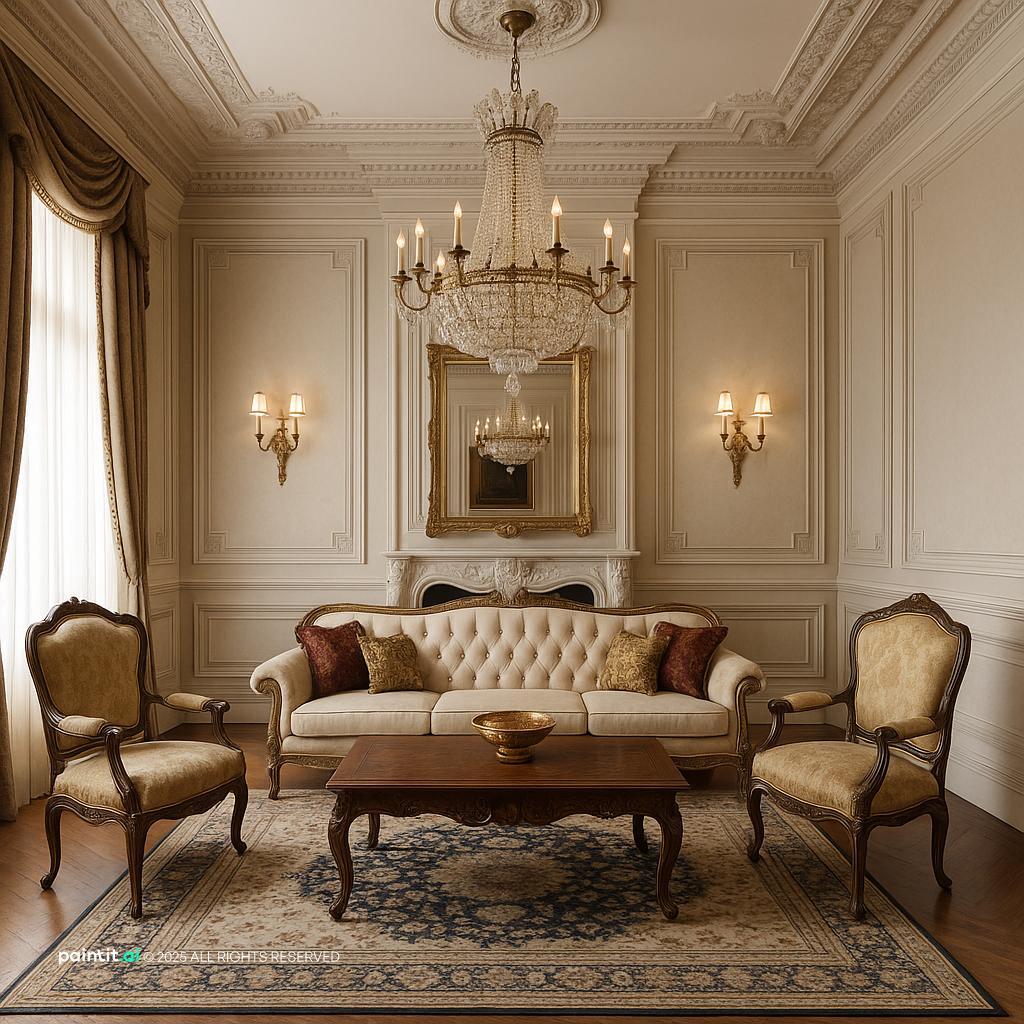
Elegant Neoclassical Living Room Design balances wall paneling detail and layered neutrals in a living room setting.
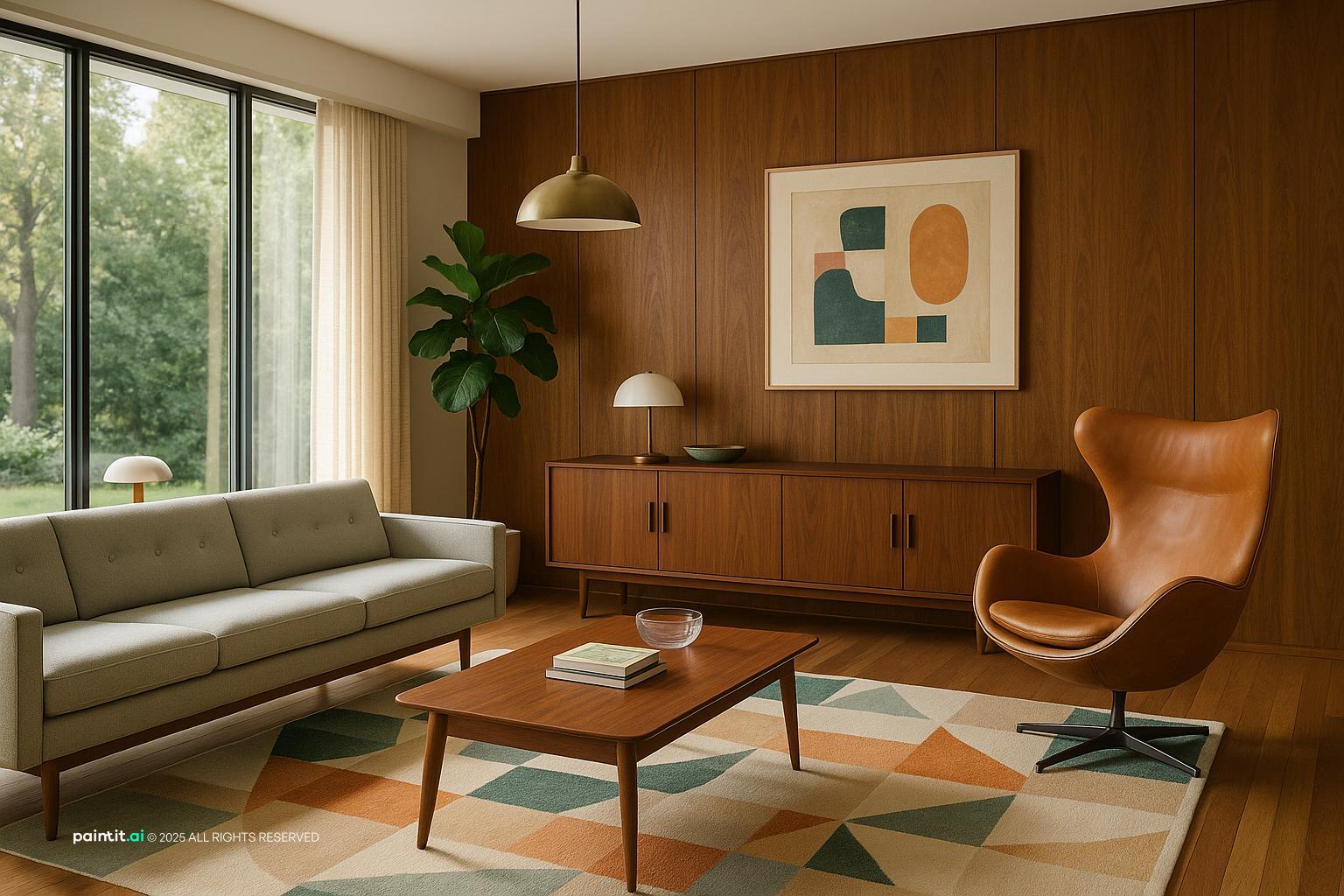
Mid-Century Modern Living Room Design pairs wall paneling detail, warm wood and clean-lined furniture in a living room setting.
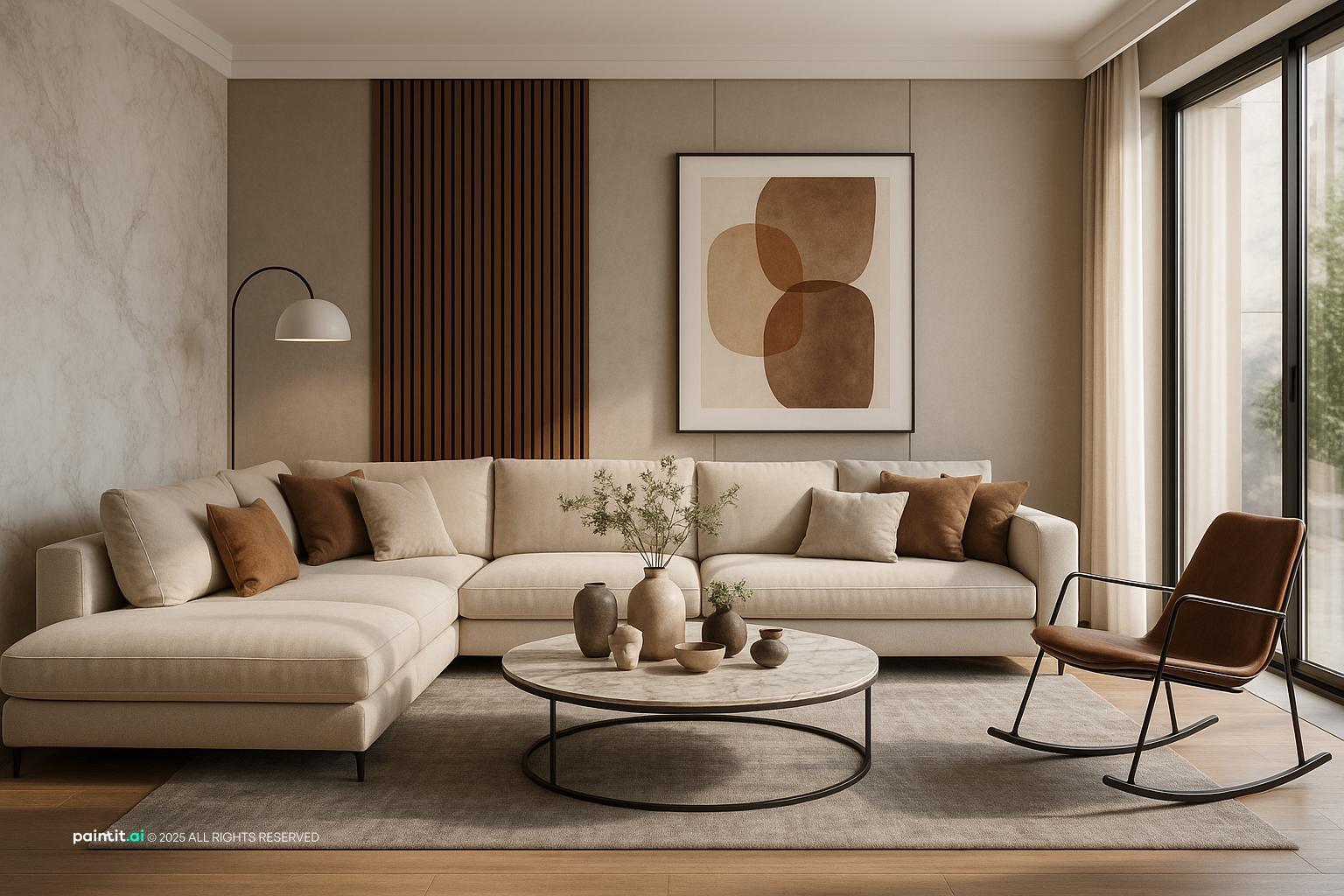
Elegant Modern Living Room Design layers wall paneling detail, soft textiles and metal accents in a living room setting.
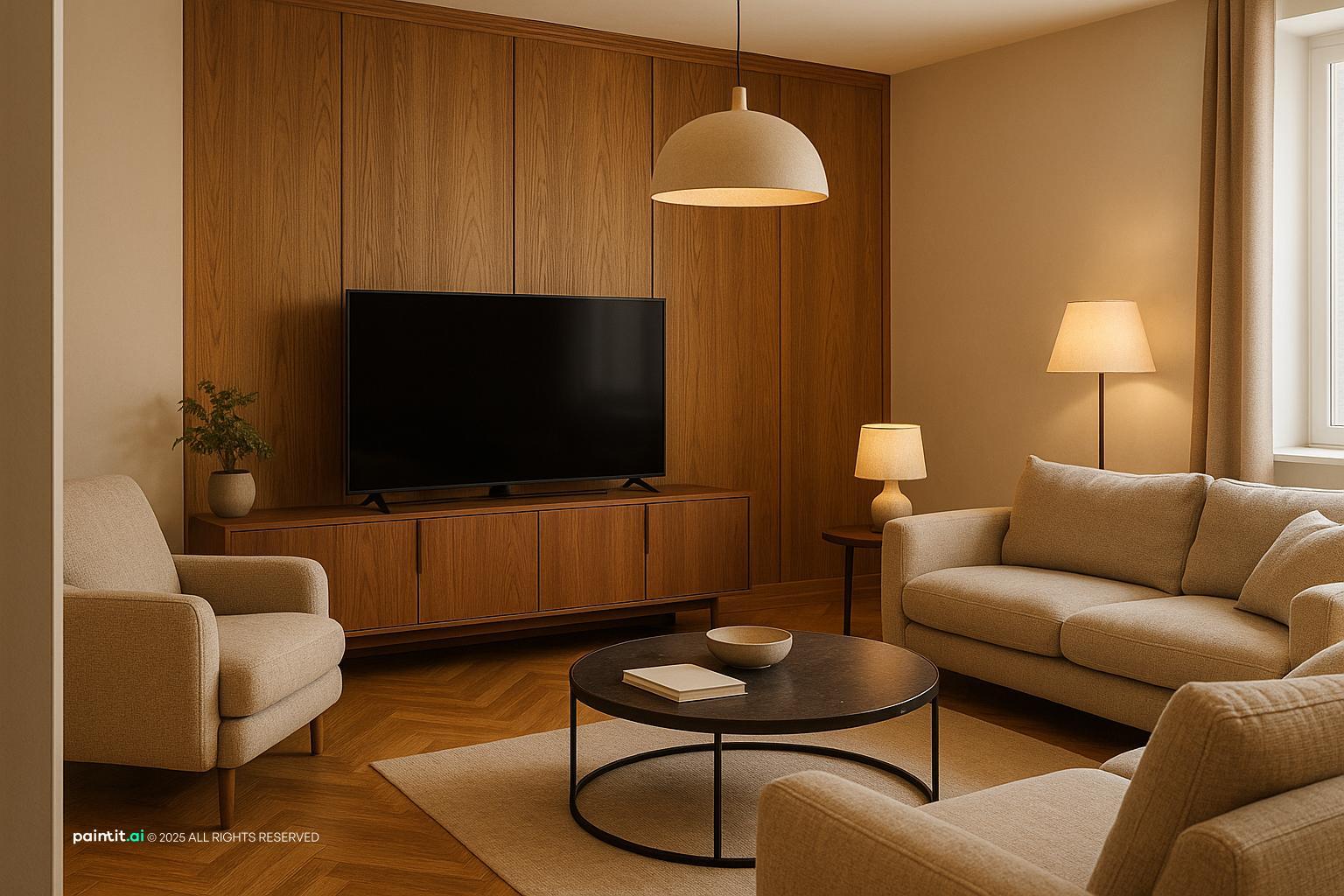
Cozy Modern Living Room Design anchors wall paneling detail, warm wood and soft textiles in a living room setting.
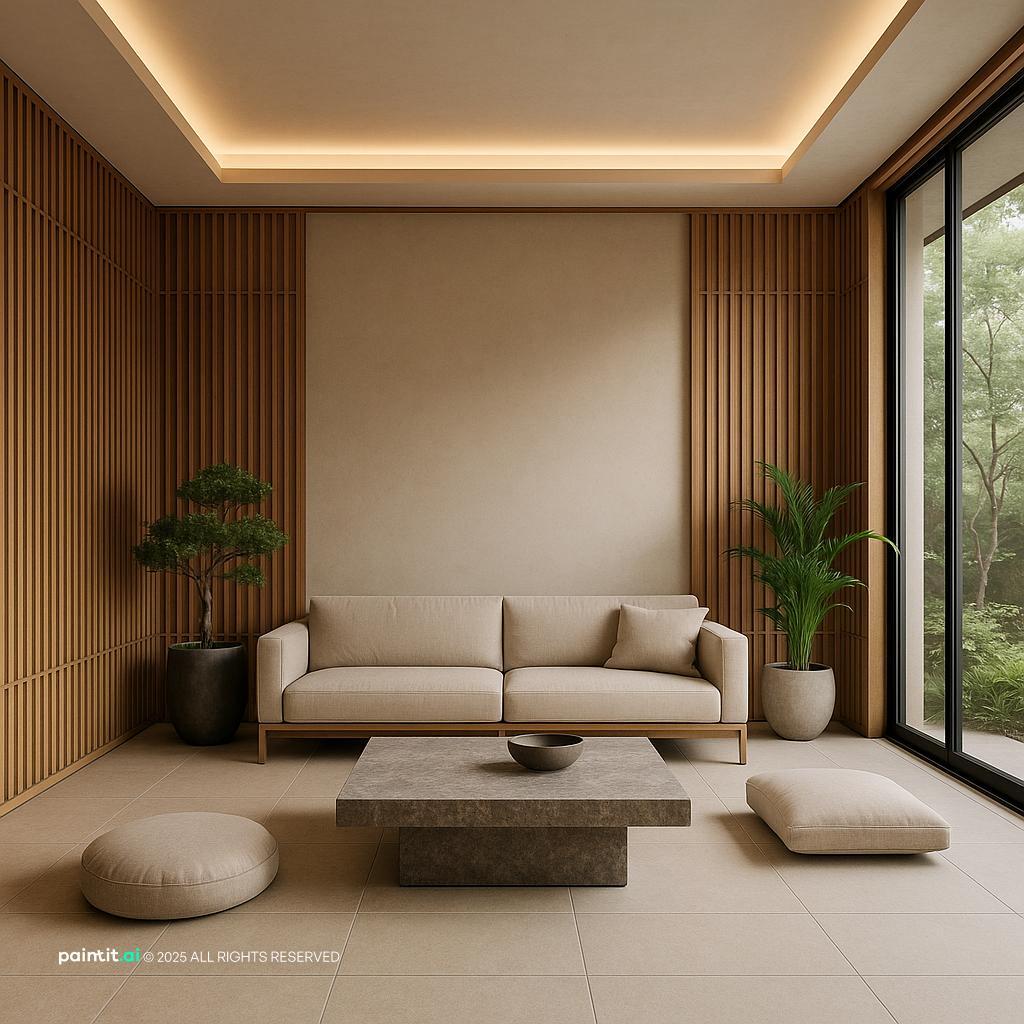
Contemporary Japanese Living Room Design softens wall paneling detail, soft textiles and plants and greenery in a living room setting.
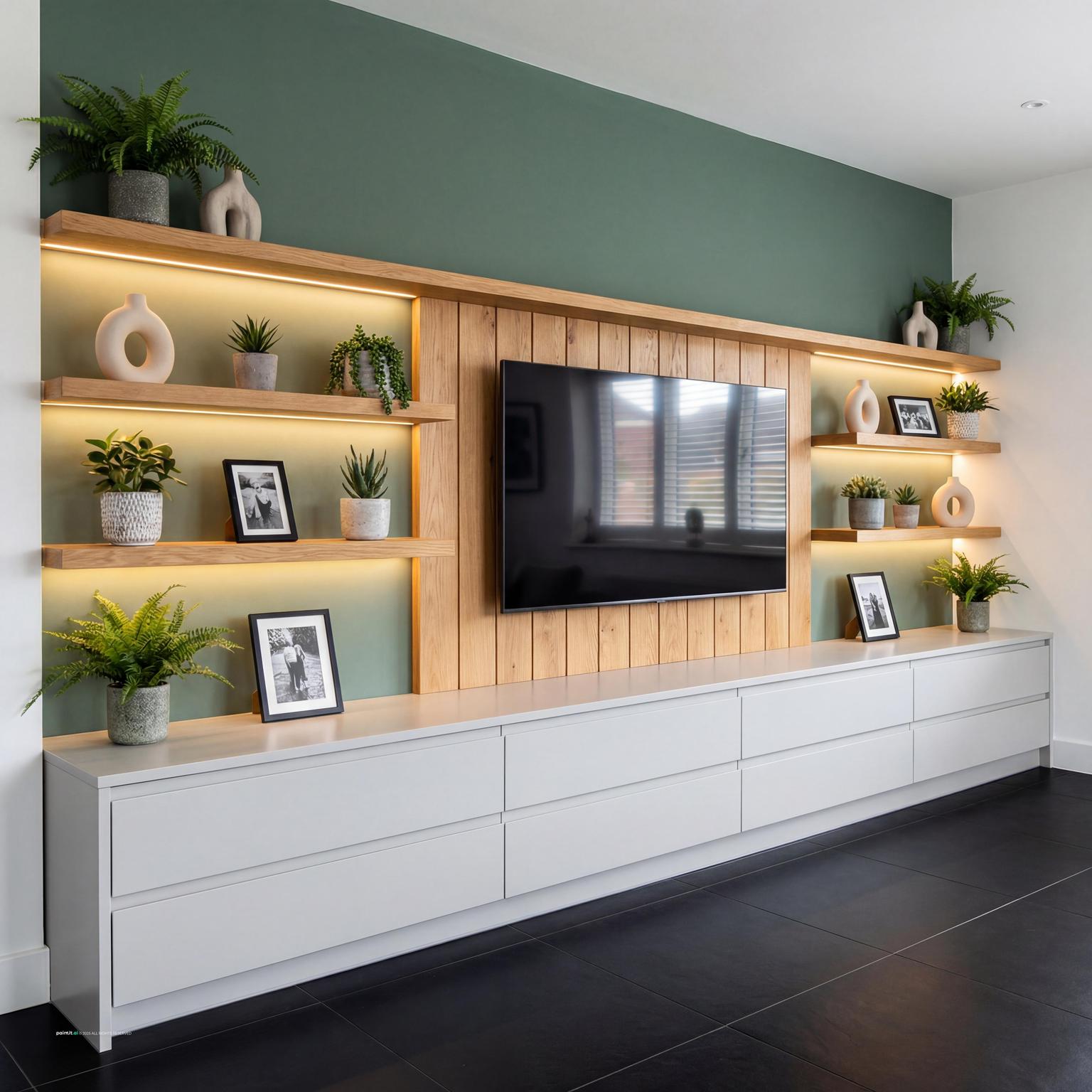
Modern TV Unit Design for Stylish Living Rooms uses wall paneling detail, warm wood and plants and greenery in a living room setting.
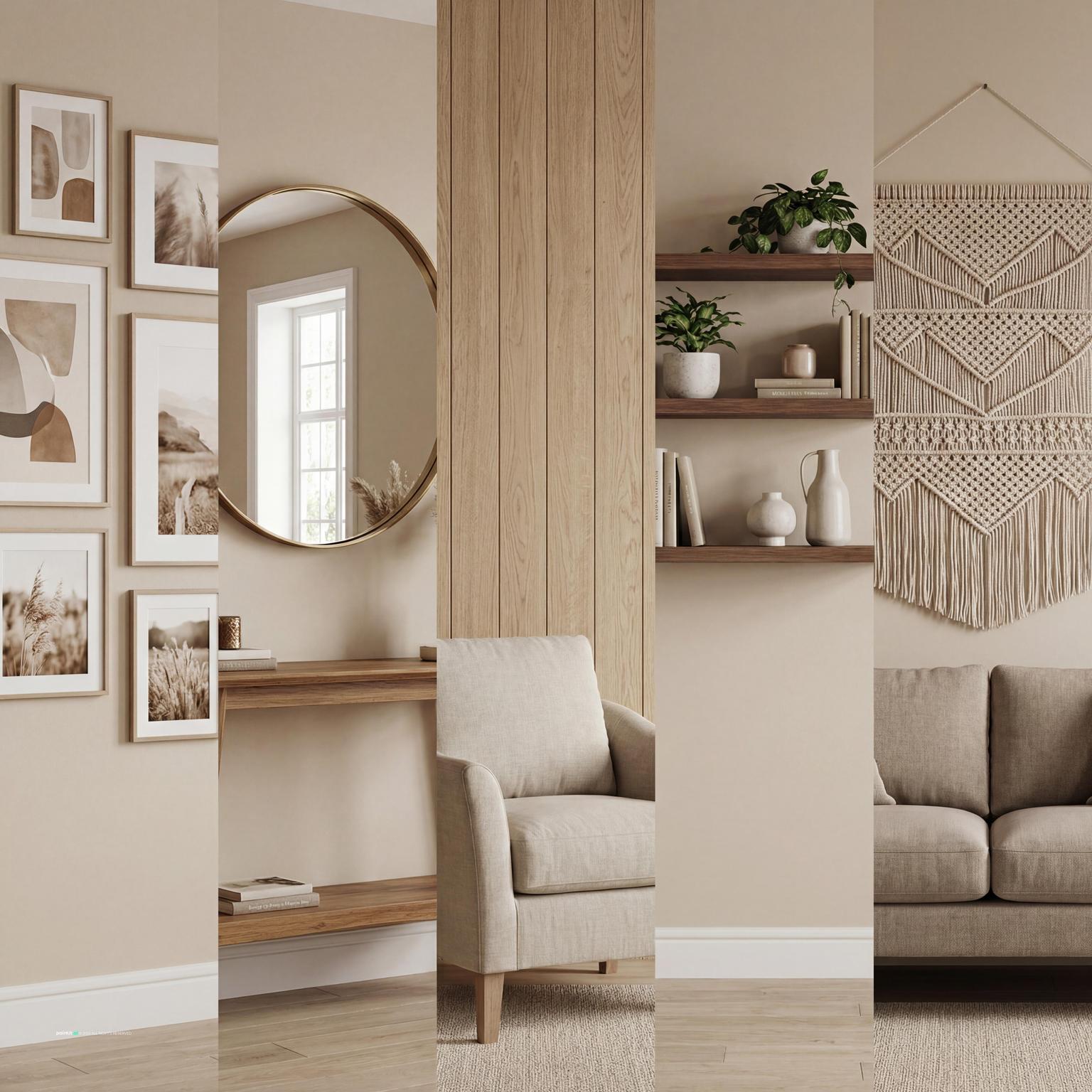
Cozy Living Room Design balances wall paneling detail, plants and greenery and layered neutrals in a living room setting.
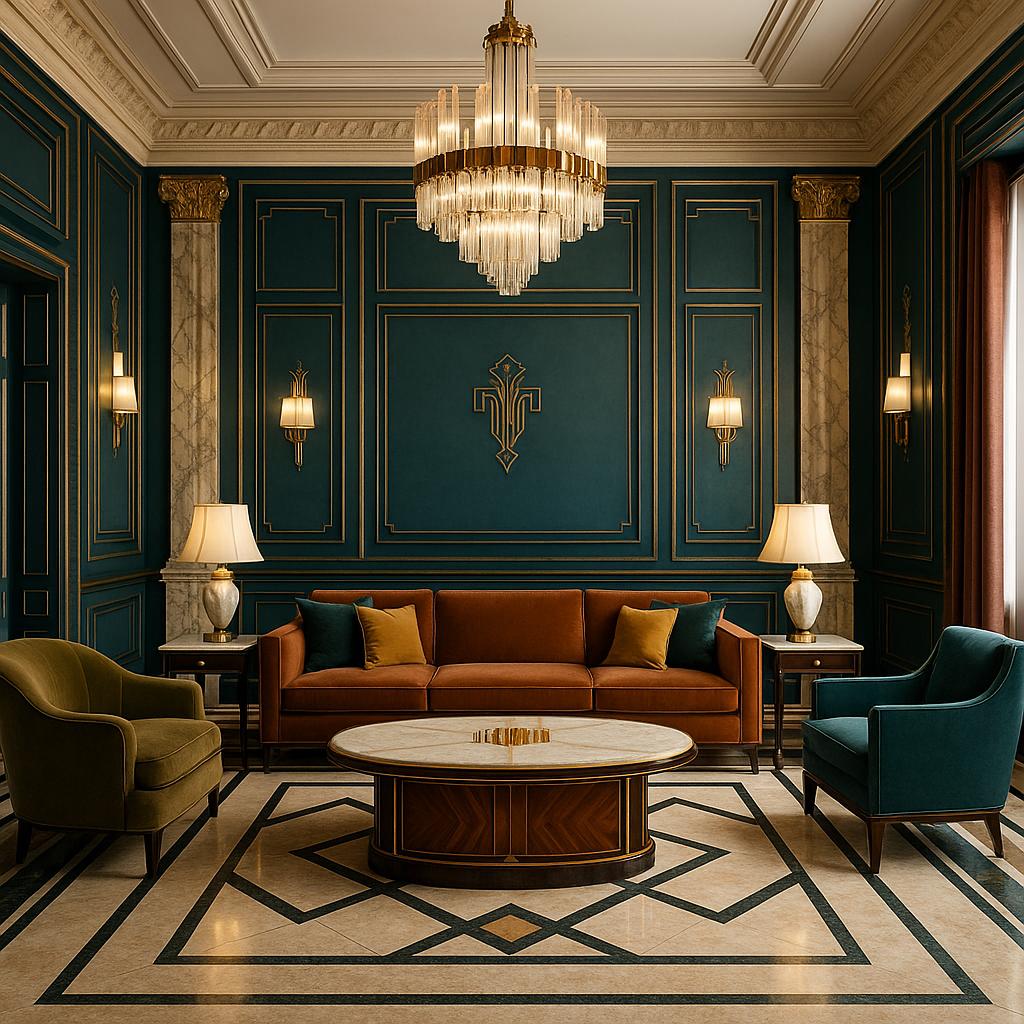
Art Deco & Neoclassical Living Room Design pairs wall paneling detail and metal accents in a living room setting.
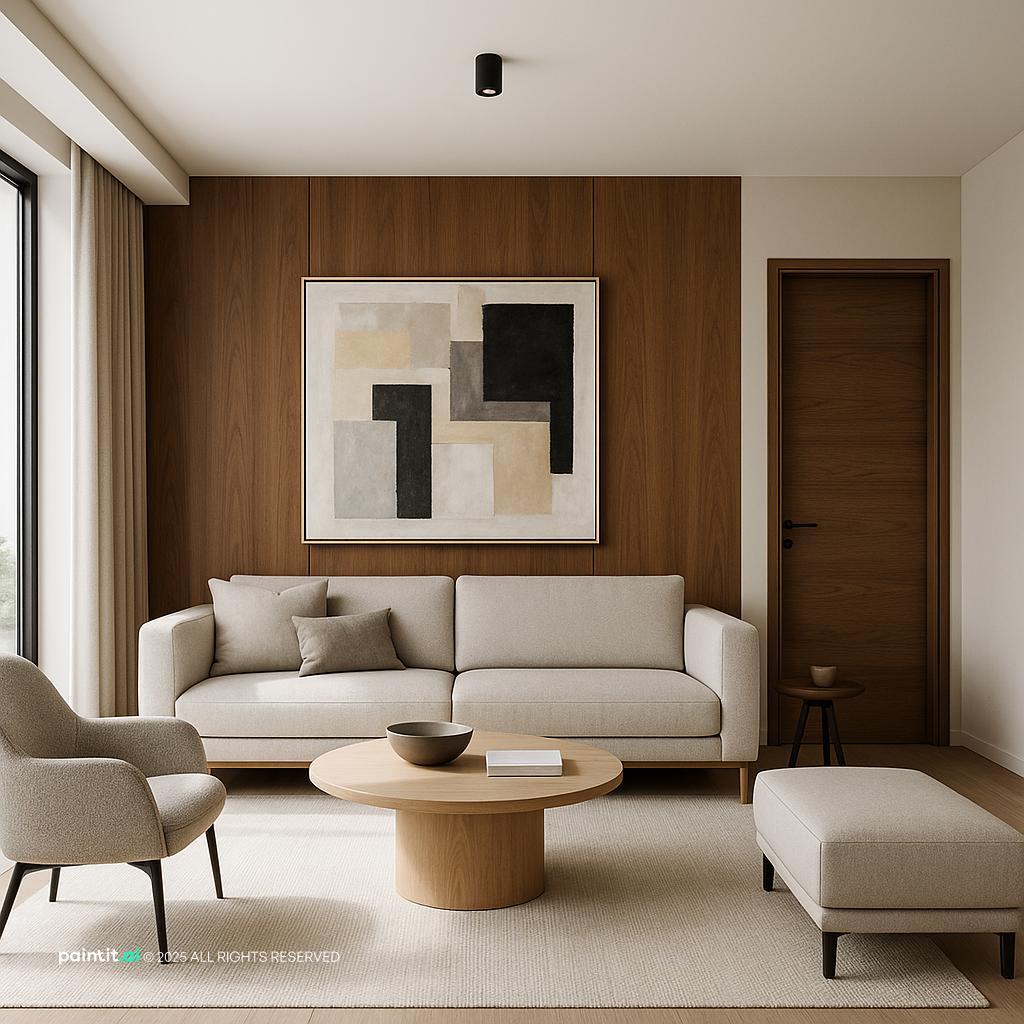
Contemporary Living Room Design Inspiration layers wall paneling detail, metal accents and clean-lined furniture in a living room setting.
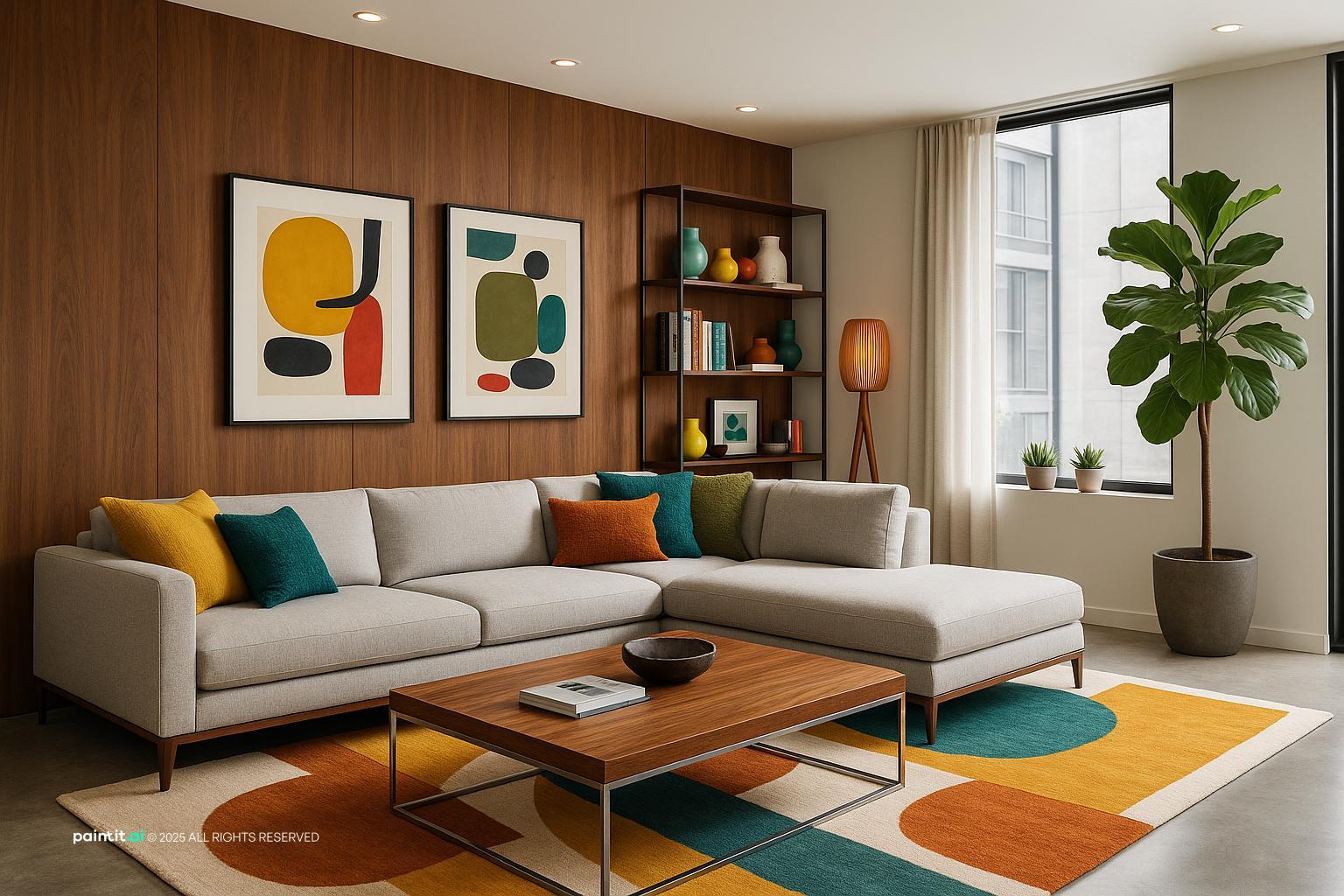
Living Room Wall Paneling Ideas with Wall Paneling Detail and Warm Wood anchors wall paneling detail, warm wood and soft textiles in a living room setting.
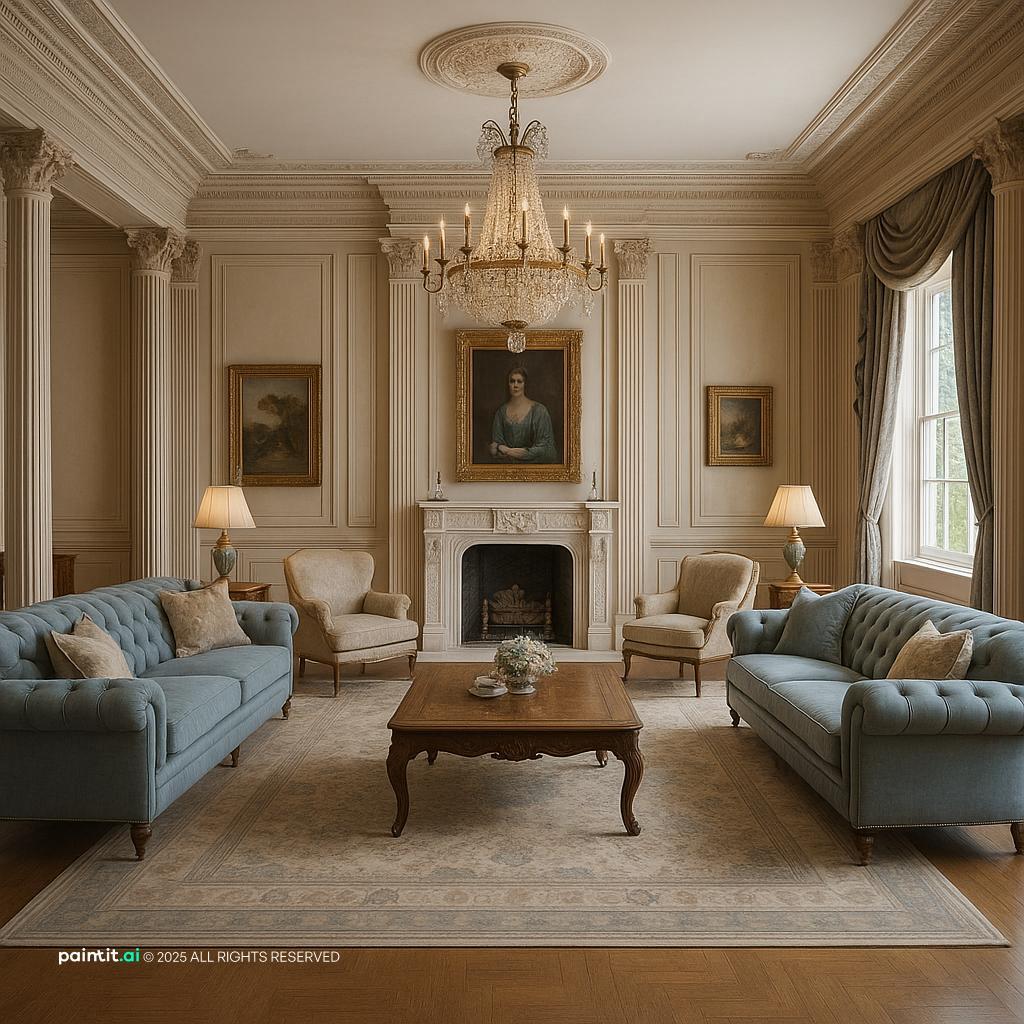
Elegant Neoclassical Living Room Design with Wall Paneling Detail softens wall paneling detail, layered neutrals and natural light in a living room setting.
Full-height vertical panels work well when the sofa sits on the longest clean wall. Keep the rhythm calm. If the panels are too narrow, the wall starts to look striped; if they are too wide, the detail can feel weak. A practical starting point is to align panel breaks with sofa arms, side tables, artwork edges, or the centerline of a lamp.
Why it works: vertical lines pull the eye upward and can make a standard ceiling feel tidier. The catch is outlets, sconces, thermostats, and window trim. Do not force equal spacing if it creates thin, awkward strips at the edges. Place the fixed elements first, then build the panel spacing around them.
For anyone collecting slat wall living room ideas, the TV wall is often the safest place to start. Slim vertical slats can reduce the visual mess around a screen, soften a hard media setup, and add texture without needing a gallery wall. Leave a quiet border around the TV so the screen does not feel trapped inside a barcode.
Choose a wood tone that connects to something already in the room, such as the floor, coffee table, console, or open shelving. In a small living room, avoid dark slats on every wall. Use them on one focused plane, then balance them with pale upholstery, a low media unit, and simple lamps.
Living room wainscoting ideas work best when the height respects the room. A common approach is to keep lower panels around one third of the wall height. Paint the upper wall the same color for a quieter built-in effect, or use a lighter tone above if the room needs air. In a room with tall ceilings, slightly higher wainscoting can look more deliberate.
What usually goes wrong: the top rail cuts through a light switch, thermostat, outlet, or sconce. Those interruptions make the installation look improvised. Plan the top rail around existing hardware, or move the hardware before the carpentry if the budget allows.
Board and batten gives a fireplace wall a strong architectural grid, especially when the firebox is centered. Use wider battens for a relaxed family room and narrower battens for a more formal sitting area. If there is a mantel, the battens should either stop clearly below it or continue around it with obvious alignment.
Why it works: the vertical and horizontal lines can make a plain fireplace wall feel built in. The common mistake is adding too many small rectangles. From sofa distance, larger fields usually look calmer and more expensive than a wall packed with tiny boxes.
Painted panels do not need high contrast to work. One color across the trim and the flat wall gives shadow, depth, and texture without making the wall shout. This is especially useful in apartments, narrow living rooms, or rooms where the sofa, rug, and lighting already have strong shapes.
Paint finish matters more than people expect. In Paintit.ai tests, we often see that users who specify matte or satin finishes for their paneling get more believable results than those who leave the material undefined. Satin is easier to wipe down in busy homes. Matte hides small wall flaws better.
Wood paneling living room ideas can feel warm and grounded, or heavy and closed in. The difference is usually quantity. A single wall behind a sofa, a recessed niche, or a fireplace surround tends to feel more controlled than wrapping the whole room. If the floor is already wood, choose a panel tone that is clearly lighter, darker, or cooler so the surfaces do not blur together.
Do not try to match every wood tone perfectly. Real rooms usually look better with related tones, not identical ones. Bring in contrast with linen curtains, a wool rug, boucle, leather, stone, or matte ceramics so the wood has something softer to sit against.
Living room wall molding ideas are useful when you want architecture but not a thick wall surface. Applied molding can create rectangles behind a sofa, frame artwork, or organize a formal sitting area. Keep the molding profile simple if the furniture is modern. More ornate profiles need ceiling height and enough plain wall around them.
A useful rule: center the largest panel over the main furniture piece, not only between the corners of the wall. That keeps the composition tied to how the room is actually used. If the sofa is off-center because of a doorway, the paneling should acknowledge that instead of pretending the wall is symmetrical.
If your living room has an awkward recess, paneling can turn it into a designed zone. Use narrow vertical paneling inside the niche, then paint it a shade deeper than the surrounding wall. Add a chair, floor lamp, shelves, or a small cabinet so the alcove has a job.
Why it works: texture makes the recess feel planned rather than leftover. Be careful if the room already has many breaks, beams, or openings. One treated niche is often stronger than several small competing features.
Horizontal paneling can make a long wall feel relaxed and low, which suits coastal, cabin, and casual contemporary rooms. It works best when the living room has enough ceiling height and strong vertical elements elsewhere, such as full-length curtains, tall plants, bookcases, or floor lamps.
When people upload a living room with low ceilings, horizontal paneling is often the first thing I would question. It can visually press the wall down. If the ceiling is low, use thinner boards, paint them close to the wall color, or switch to vertical panels instead.
Paneling can frame art beautifully, but the grid needs to be planned around the art size. Choose one large piece or a balanced pair, then let the panel layout create a clean margin around it. Wall sconces should land centered within panels or deliberately on battens. Almost-centered placement looks like a mistake.
What to avoid: tiny frames, multiple sconces, strong panel lines, and a busy console all on the same wall. The eye needs a clear order. Decide whether the paneling, artwork, or lighting is the lead element, then simplify the others.
Modern wall paneling living room schemes usually work best with cleaner profiles: flat boards, shallow rails, slim slats, or large rectangular molding. Pair them with low sofas, simple media units, and tables with clear geometry. If the furniture has many curves, let the wall stay restrained so the room does not feel overworked.
Paintit.ai prompts often start as short keyword-style requests, and around 15.0% of users later refine with words like more, less, instead, or a bit. That is a sensible way to approach paneling in real life too. Start with a direction, then adjust the wood tone, spacing, paint color, panel height, and amount of texture.
Before adding living room wall paneling, list what should stay visually important: crown molding, fireplace stone, window trim, built-ins, ceiling beams, or a special doorway. Paneling should reinforce those lines, not compete with them. I would treat this as a structure problem before a styling problem; if the paneling fights the door frames, no paint color will save it.
This is where digital testing is useful. With AI room design, you can compare a full paneled wall, a half-height version, and a simpler painted molding layout before you commit to carpentry, paint, or material orders.
The second gallery is useful for seeing how the same paneling idea changes when it moves from the sofa wall to the TV wall, shifts from white to walnut, or changes from narrow slats to broader painted molding.
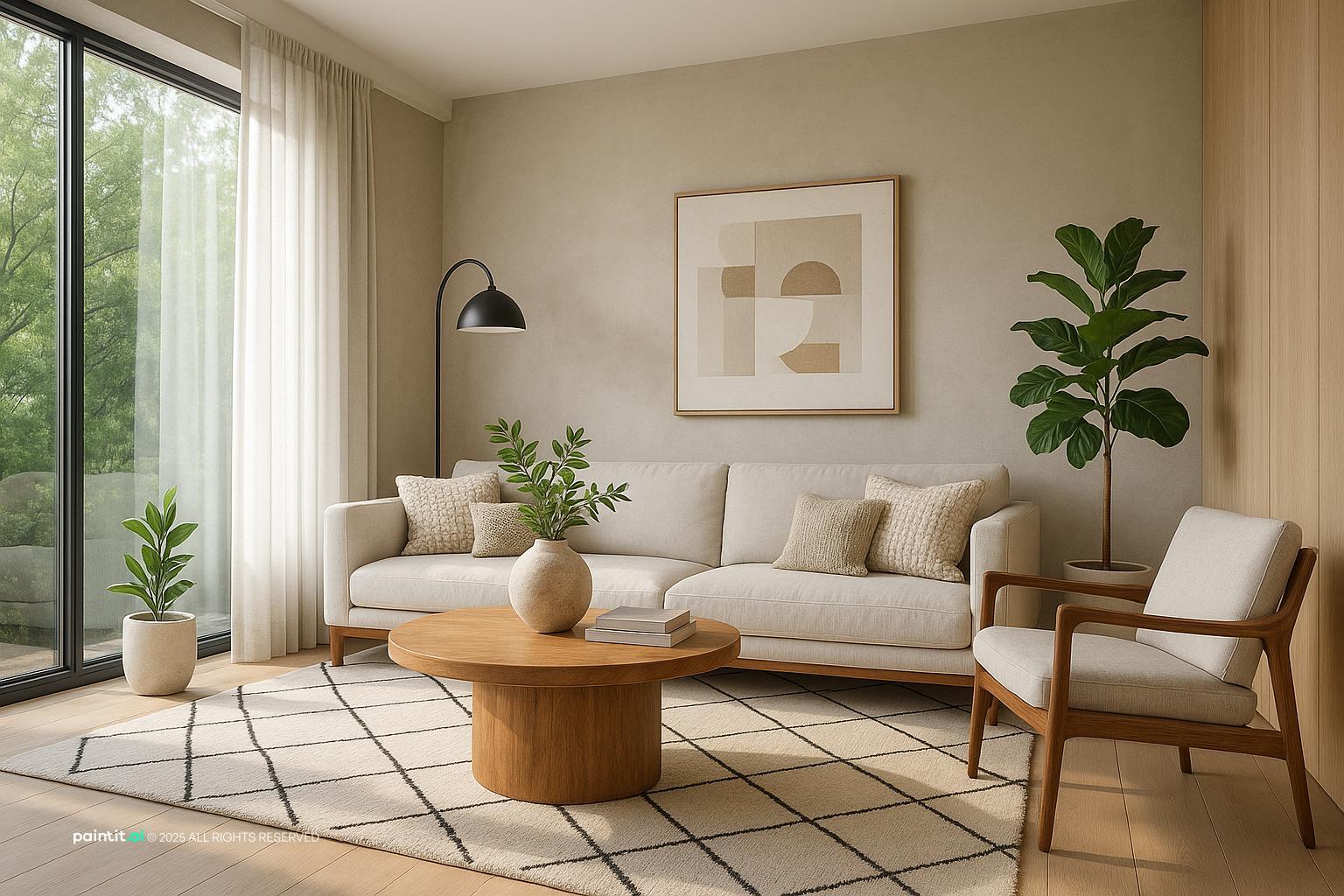
Living Room Wall Paneling Ideas with Wall Paneling Detail and Soft Textiles uses wall paneling detail, soft textiles and plants and greenery in a living room setting.
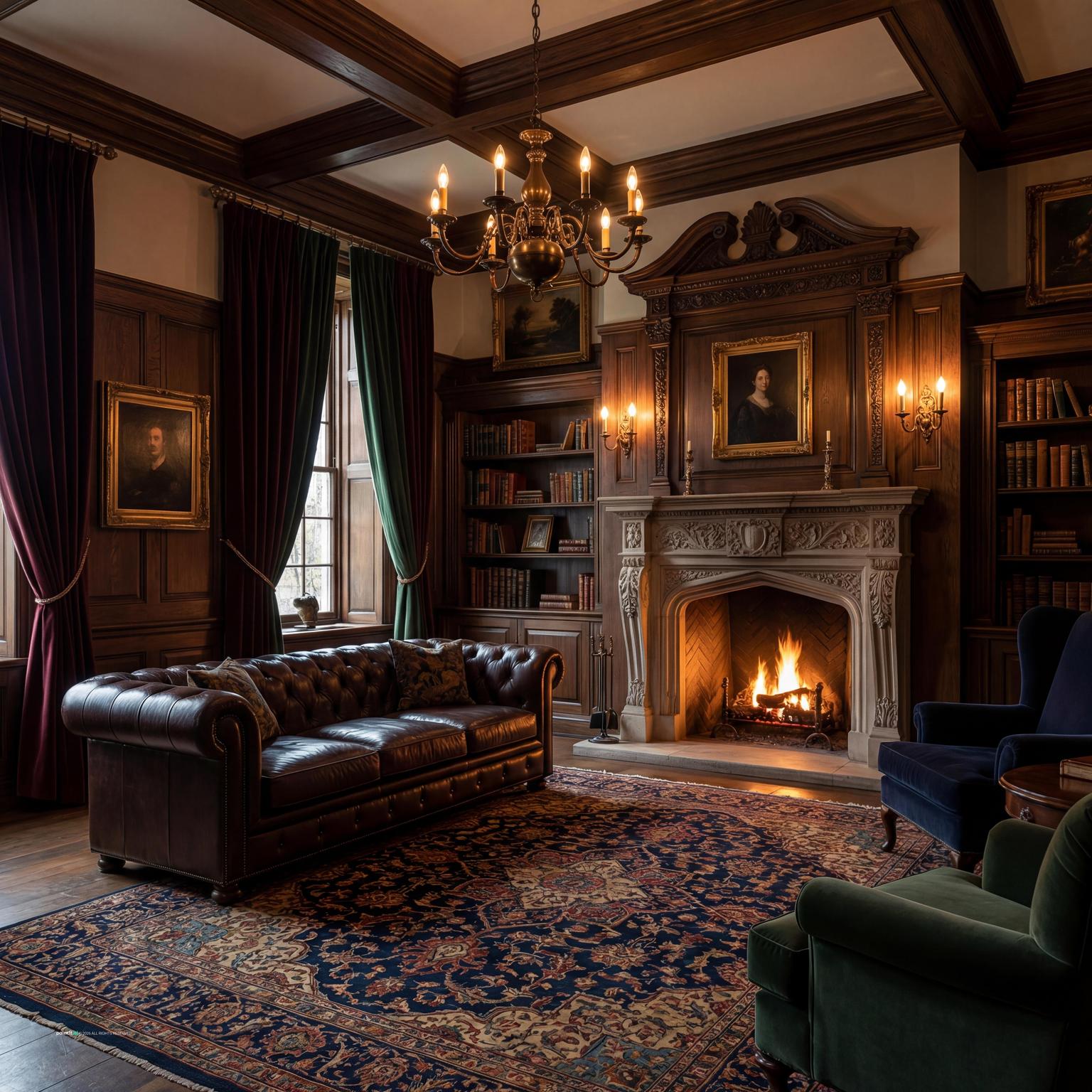
Luxurious Traditional Living Room Design balances wall paneling detail in a living room setting.
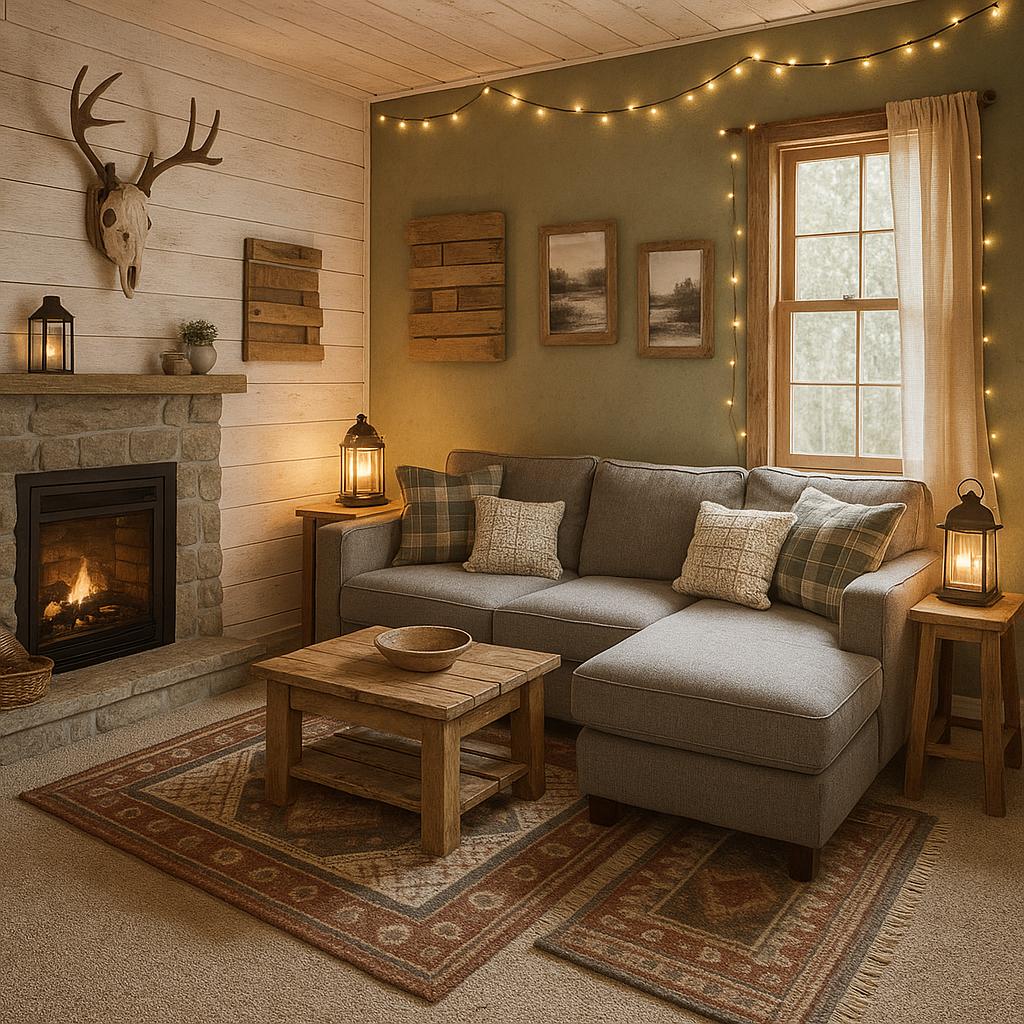
Cozy Farmhouse Cabin Living Room Design pairs wall paneling detail, soft textiles and layered neutrals in a living room setting.
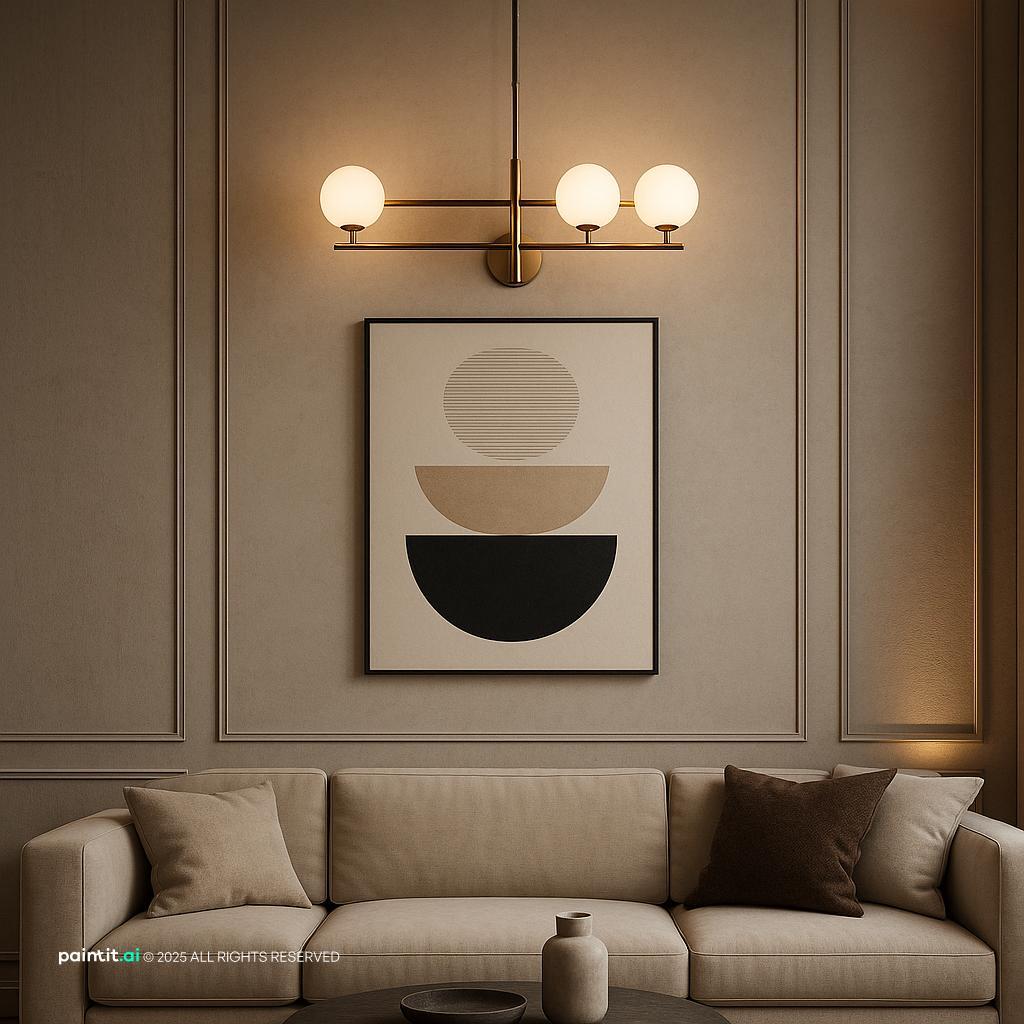
Stylish Contemporary Living Room Design layers wall paneling detail and layered neutrals in a living room setting.
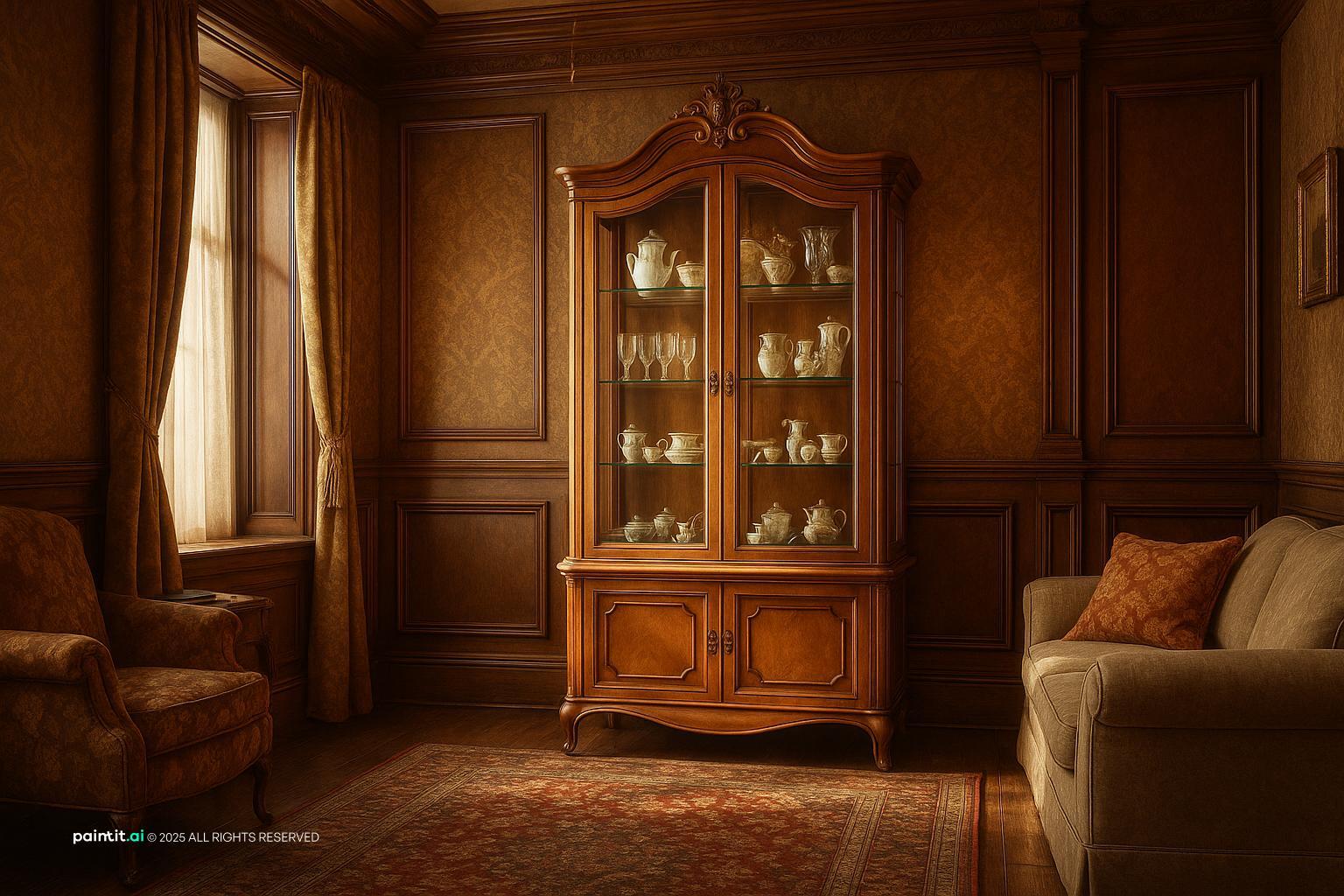
Elegant Vintage Living Room Design anchors wall paneling detail and natural light in a living room setting.
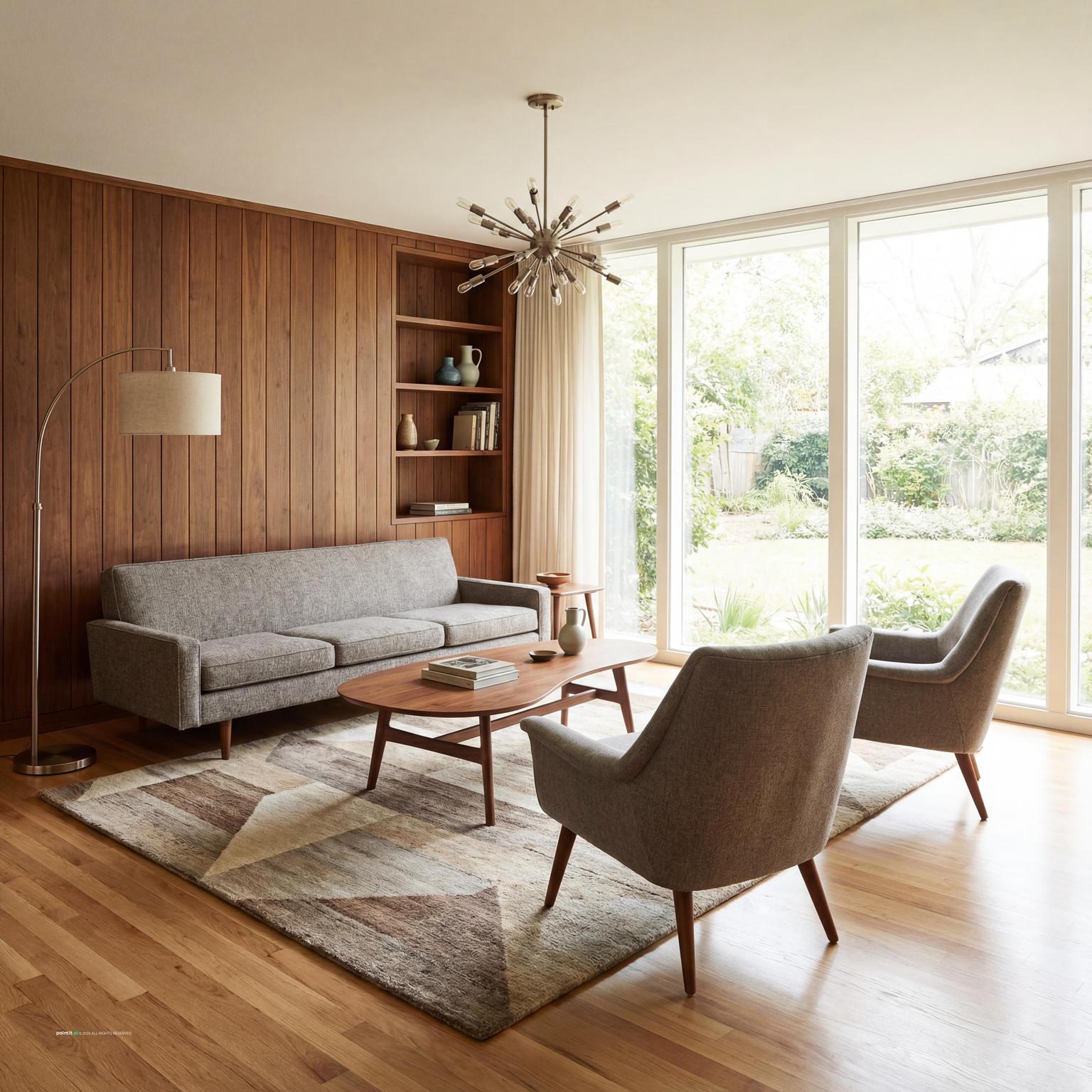
Mid-Century Modern Living Room Design with Wall Paneling Detail softens wall paneling detail, warm wood and natural light in a living room setting.
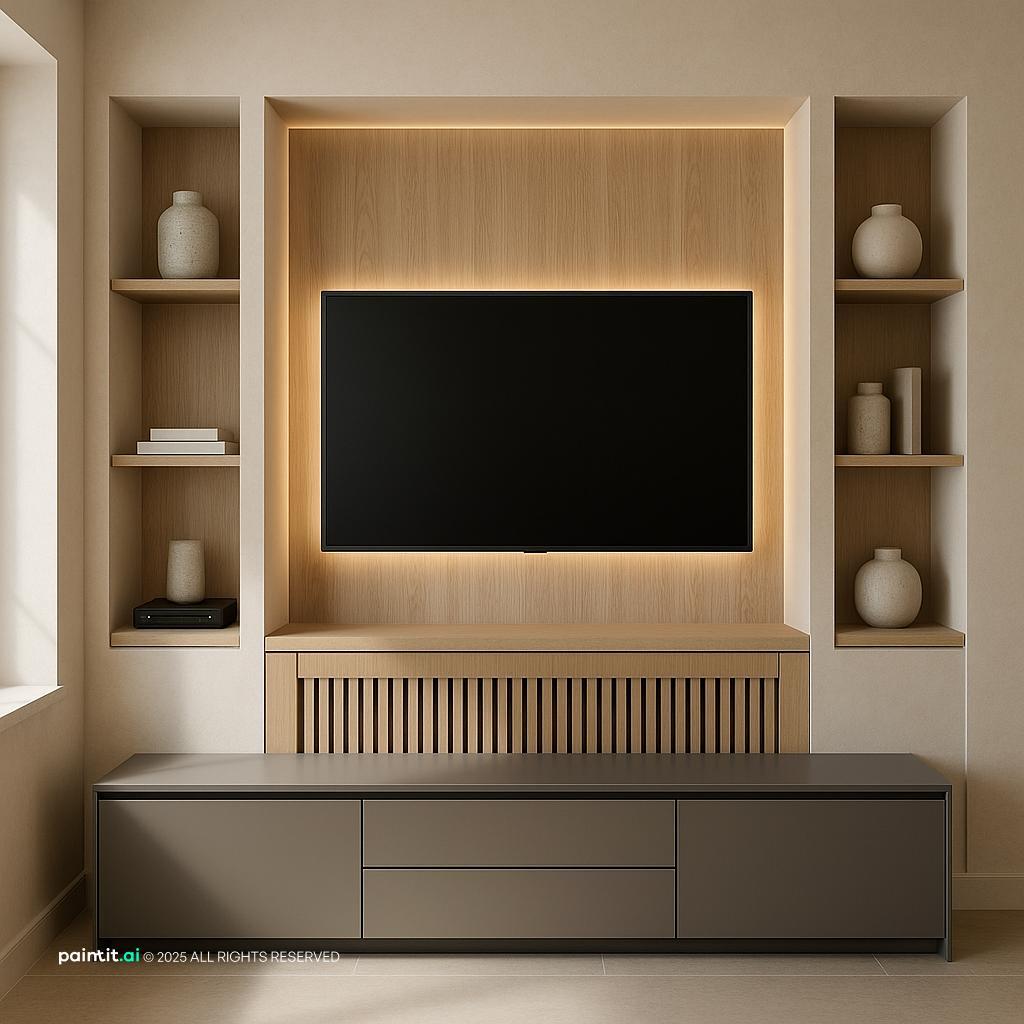
Modern TV Wall Design for Luxury Living Rooms uses wall paneling detail, warm wood and layered neutrals in a living room setting.
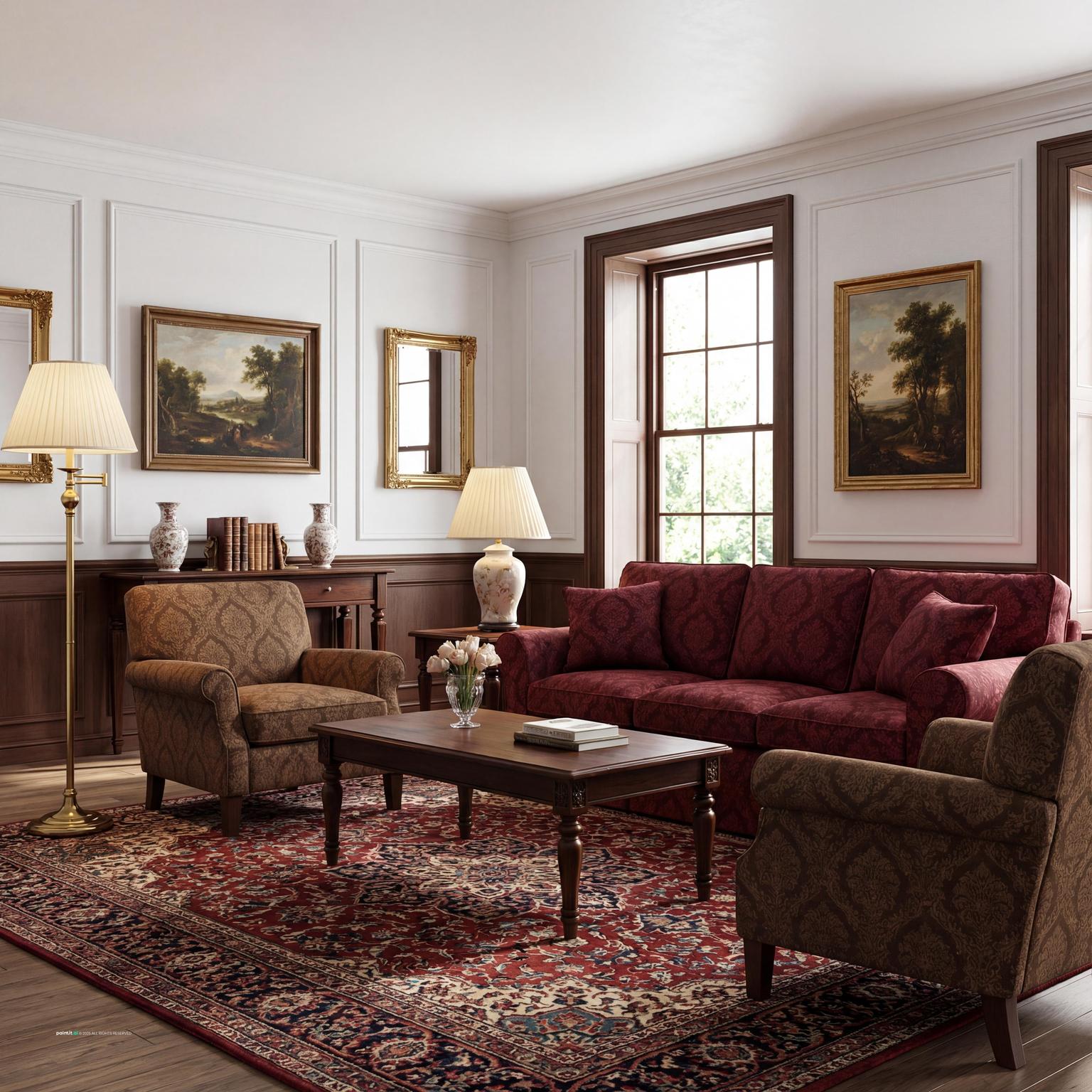
Classic IKEA Living Room Design balances wall paneling detail and natural light in a living room setting.
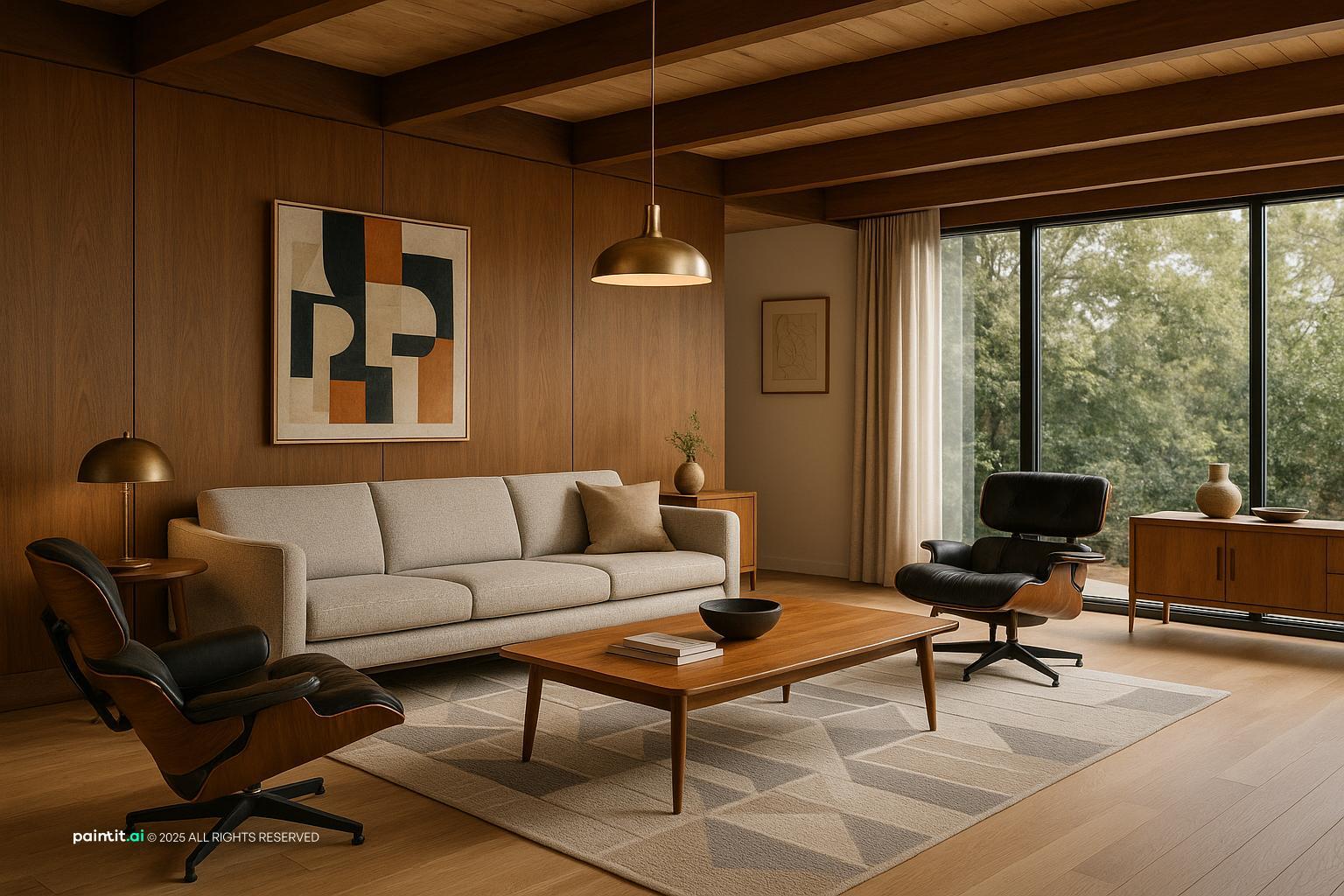
Living Room Wall Paneling Ideas with Wall Paneling Detail and Warm Wood with Metal Accents pairs wall paneling detail, warm wood and metal accents in a living room setting.
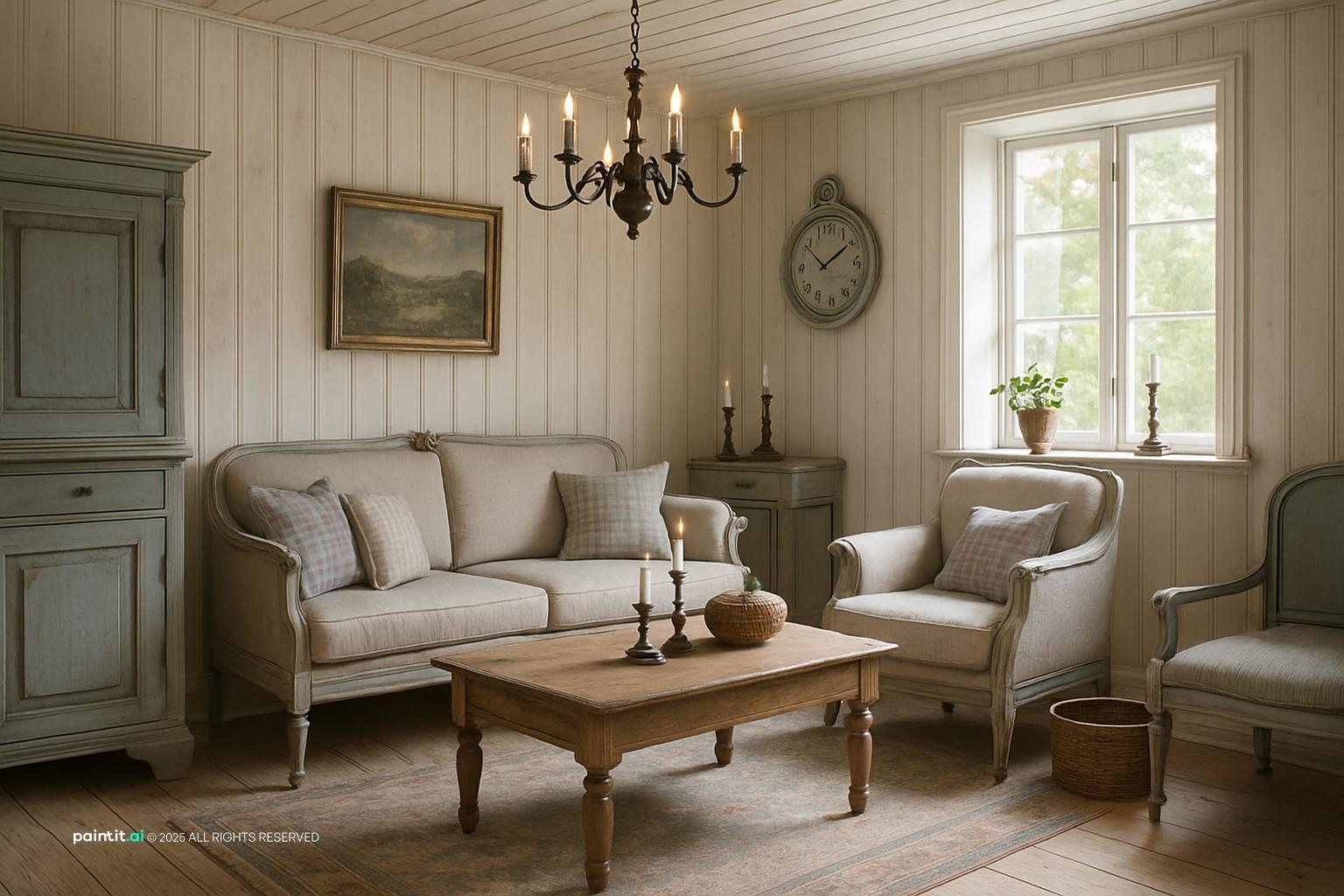
Charming Swedish Folk Style Living Room Design layers wall paneling detail, warm wood and soft textiles in a living room setting.
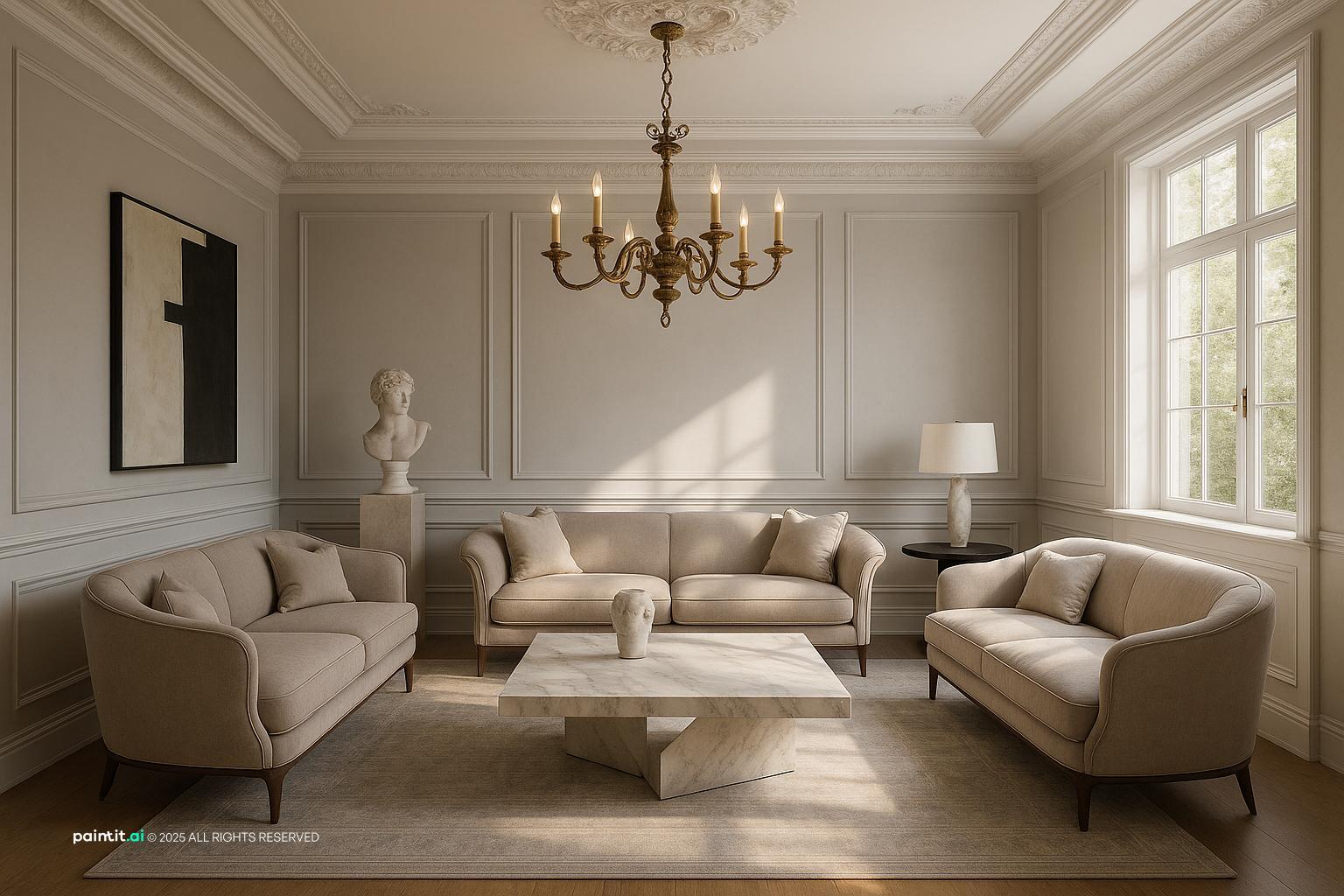
Elegant Neoclassic Living Room Design anchors wall paneling detail, layered neutrals and natural light in a living room setting.
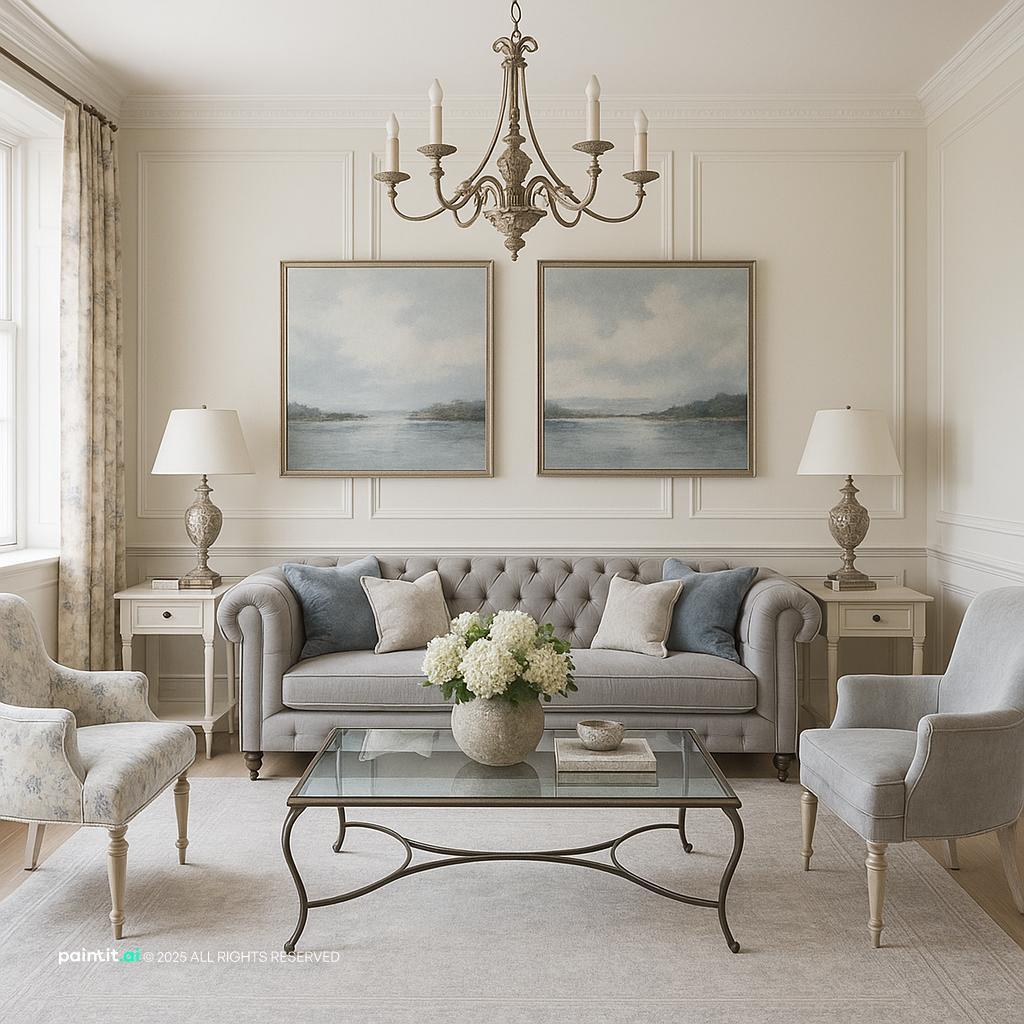
Elegant Neoclassical Living Room Design with Soft Textiles softens wall paneling detail, soft textiles and metal accents in a living room setting.
Paneling creates shadows, so paint often reads deeper on panels than it does on a flat wall. Warm whites can turn creamy in shadow, cool grays can look blue, and sage can become dull if the room has weak daylight. Test the color on both the raised trim and the flat section between panels.
Why it works: choosing the profile and undertone together keeps the wall from feeling generic. Since 27.6% of Paintit.ai prompts include a color modifier, we see how often color becomes the deciding factor after the panel shape is chosen. Do not choose from a tiny swatch alone. Check it beside the sofa fabric, flooring, rug, and curtains.
Oak, ash, walnut, and painted MDF carry different visual weight. Pale oak feels lighter and more Scandinavian. Walnut feels denser and more formal. Painted MDF lets the shadow pattern do the work without adding another wood tone. Use real wood where the grain matters, and painted panels where the architecture matters more than the material.
The problem starts when too many strong grains share one sightline. If the floor, console, coffee table, and paneling all have active grain, the wall can feel noisy. Let one wood surface lead and keep the others calmer.
Paneling often sits near fireplaces, lamps, frames, and cabinet hardware. Black metal can sharpen a pale paneled wall. Aged brass warms blue or green panels. Brushed nickel can suit cooler modern rooms. Stone fireplaces need extra care because heavy veining plus tight panel grids can become too busy.
Use contrast with restraint. If the paneling is vertical and detailed, choose simpler fireplace tile or a plainer media console. If the stone is the main element, let the paneling act as a quieter frame.
Wood, MDF, molding, and trim all add hard edges. Balance them with a rug that extends beyond the sofa front legs, curtains that fall close to the floor, and cushions in tactile fabrics. This matters even more with dark wood paneling, which can feel boxy without softness around it.
The best textile choices repeat the wall mood without copying it. A walnut slat wall can sit well with oatmeal linen, rust velvet, or a nubby wool rug. Avoid glossy synthetic fabrics beside strong panel shadows; they can catch glare and make the room feel less comfortable.
Paneling changes through the day because raised edges create shadow. Wall-grazing lights, picture lights, sconces, and shaded table lamps can make the texture visible at night without relying on a harsh ceiling fixture. Place sconces so they support the panel spacing rather than landing randomly between battens.
A common mistake is using only overhead downlights. They can highlight every seam and wall imperfection. Lower lamps and dimmable sources usually make the wall feel deeper and more forgiving.
A paneled wall already has pattern. On shelves or a console in front of it, use larger objects with space around them: a ceramic vessel, a stack of books, one sculptural lamp, or a framed piece that overlaps the panel grid slightly. Negative space matters here.
In our data, 8.8% of prompts include negative modifiers such as without or no clutter, and that instinct is useful for paneling. If texture is the feature, do not cover it with too many small accessories. Let the wall carry part of the room.
A dark paneled wall needs an answer somewhere else: a dark coffee table, charcoal accent chair, black-framed art, or deeper curtain hardware. A pale paneled wall may need contrast through a darker rug border, wood side table, or stronger artwork. Without balance, the paneled wall can look pasted on.
After you choose the paneling, check the rest of the living room. If the wall becomes more architectural, the furniture may need cleaner shapes, better spacing, and fewer small decorative pieces. For a fuller room-by-room process, see how to redesign a living room with Paintit.ai.
Paintit.ai lets you upload your living room and test paneling before buying trim, ordering wood, or repainting. Be specific with the change: add vertical oak slats behind the TV, create sage green lower wainscoting, or keep the fireplace and windows unchanged while adding painted molding to the sofa wall.
For clearer comparisons, start with one broad version, then refine it: make the wood darker, use thinner slats, reduce the panel height, or change to a warmer white. You can use AI living room design for room-specific style tests and AI rendering when you want a more polished look at shadows, materials, and furniture together.
Yes, when the scale fits the room. Living room wall paneling can add texture, protect lower walls, frame furniture, and make a blank wall feel finished. It works best when it lines up with real features such as the sofa, fireplace, windows, doors, and lighting.
Slim vertical slats, full-height flat panels, and simple rectangular wall molding usually suit modern living rooms best. Keep the profile shallow, the spacing consistent, and the color palette controlled so the paneling supports the furniture instead of competing with it.
It can if the panels are too dark, too busy, or wrapped around every wall. Use vertical lines, lighter paint, fewer treated walls, and clear alignment with doors and windows to keep the room open. Only 0.7% of prompts use keep_geometry / «same camera» commands, but the idea behind it matters: preserve the room’s real proportions before adding new lines.
Behind the sofa works well for a decorative feature wall. Behind the TV works better when you want to calm a media area and frame the console. Choose the wall you see first from the main entry, unless the room has a fireplace or window line that clearly deserves priority.
Warm white, greige, taupe, muted green, deep blue, and natural wood tones are reliable choices. The best color depends on daylight, flooring, sofa fabric, and whether you want contrast or a quiet built-in effect. Test the color in shadow, because panel grooves usually make paint look deeper.