
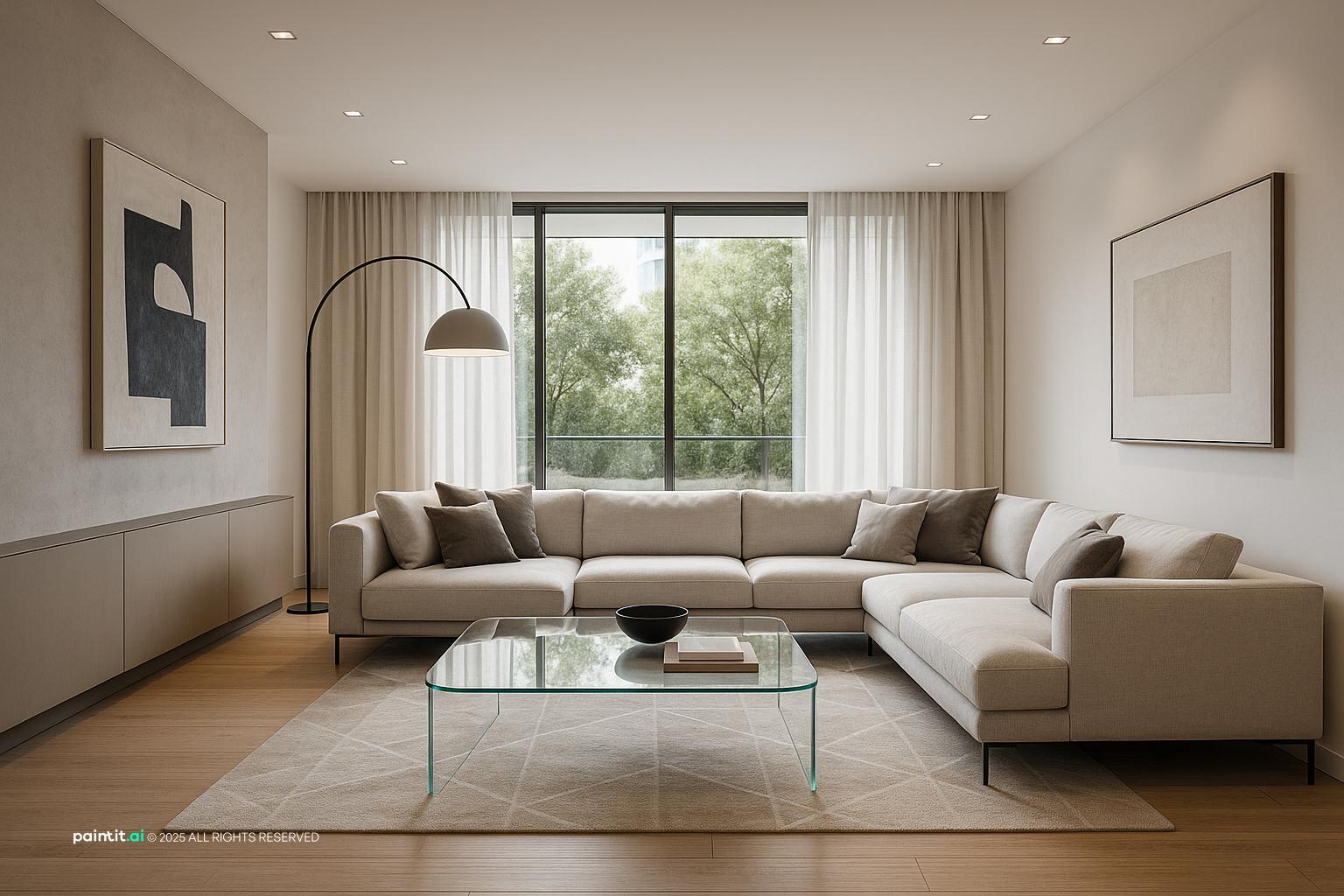
Stunning Contemporary Living Room Design
Stunning Contemporary Living Room Design uses ceiling lights, floor lamp glow and ambient evening light to shape the living room mood.
The best living room lighting ideas usually begin with a more useful question than which fixture looks nice: how should this room feel at 8 p.m. when people are actually using it? Most people pick the sofa, rug, wall color, and coffee table first. Lighting comes later, if it comes up at all. In our Paintit.ai data, only 5.9% of all prompts include a lighting modifier, even though lighting is often what makes a redesign look believable, balanced, and comfortable.
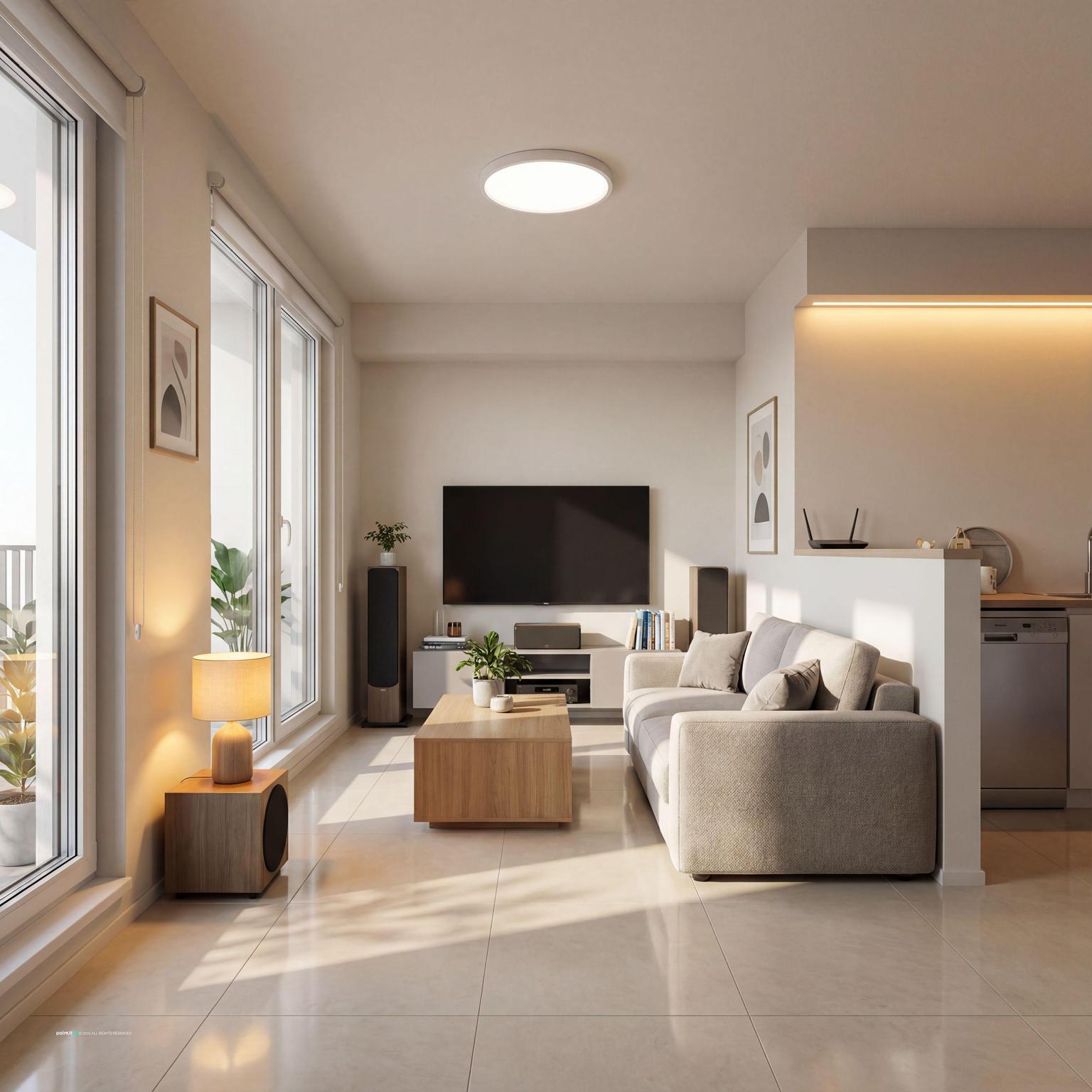
Living room lighting is not just one fixture in the middle of the ceiling. It controls glare on the TV, shadows on faces, paint undertones, dark corners, and where people naturally want to sit. A good plan mixes ambient lighting, task lighting, and accent lighting so the room works for reading, hosting, movie nights, quiet mornings, and the quick clean-up before guests arrive.
When people upload a living room photo, we often see the same pattern: first they ask for new furniture or a new palette, then the room still feels flat. The better second pass is usually more specific: make the lighting warmer, add a floor lamp near the sectional, reduce ceiling glare, or use wall sconces to frame the fireplace. You can test that sequence in Paintit.ai's living room designer before buying fixtures or opening the wall.
Use the first visual set to compare how ceiling fixtures, living room lamp ideas, wall lights, and softer evening scenes change the same room without replacing every piece of furniture.
Stunning Contemporary Living Room Design uses ceiling lights, floor lamp glow and ambient evening light to shape the living room mood.
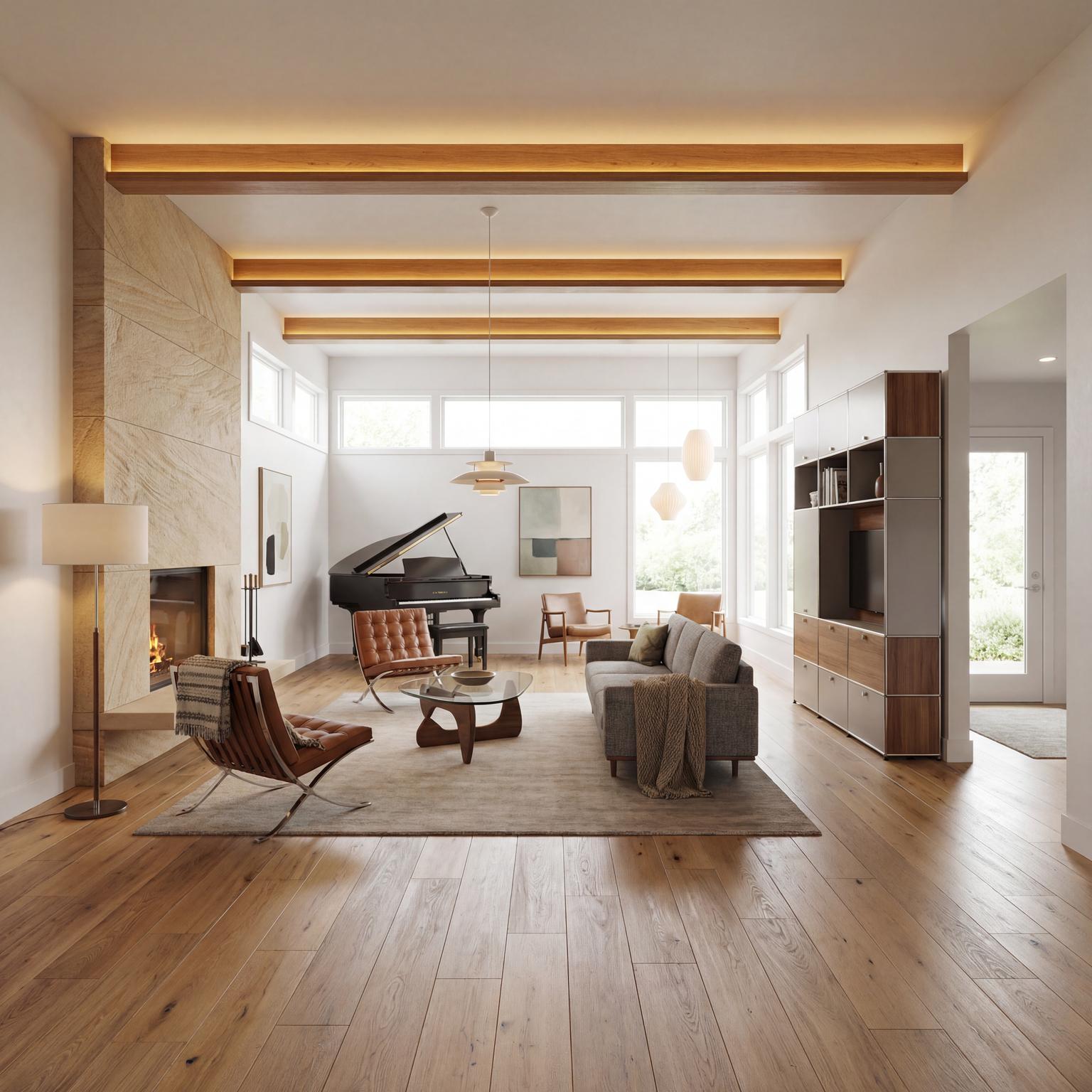
Bright MCM Contemporary Living Room Redesign shows floor lamp glow, pendant lighting and LED accent lighting to shape the living room mood.
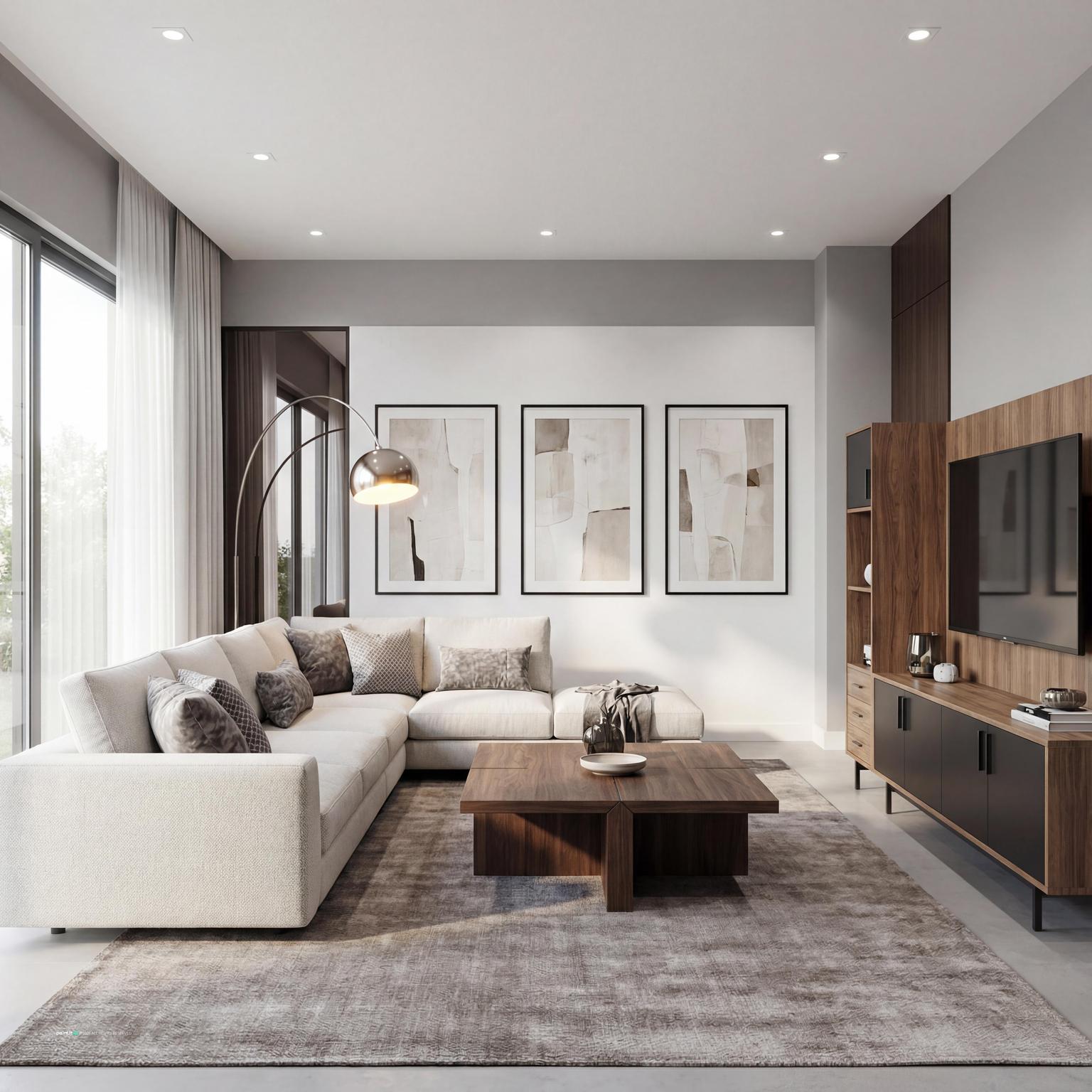
Modern Living Room Design with Elegance centers on ceiling lights, floor lamp glow and ambient evening light to shape the living room mood.
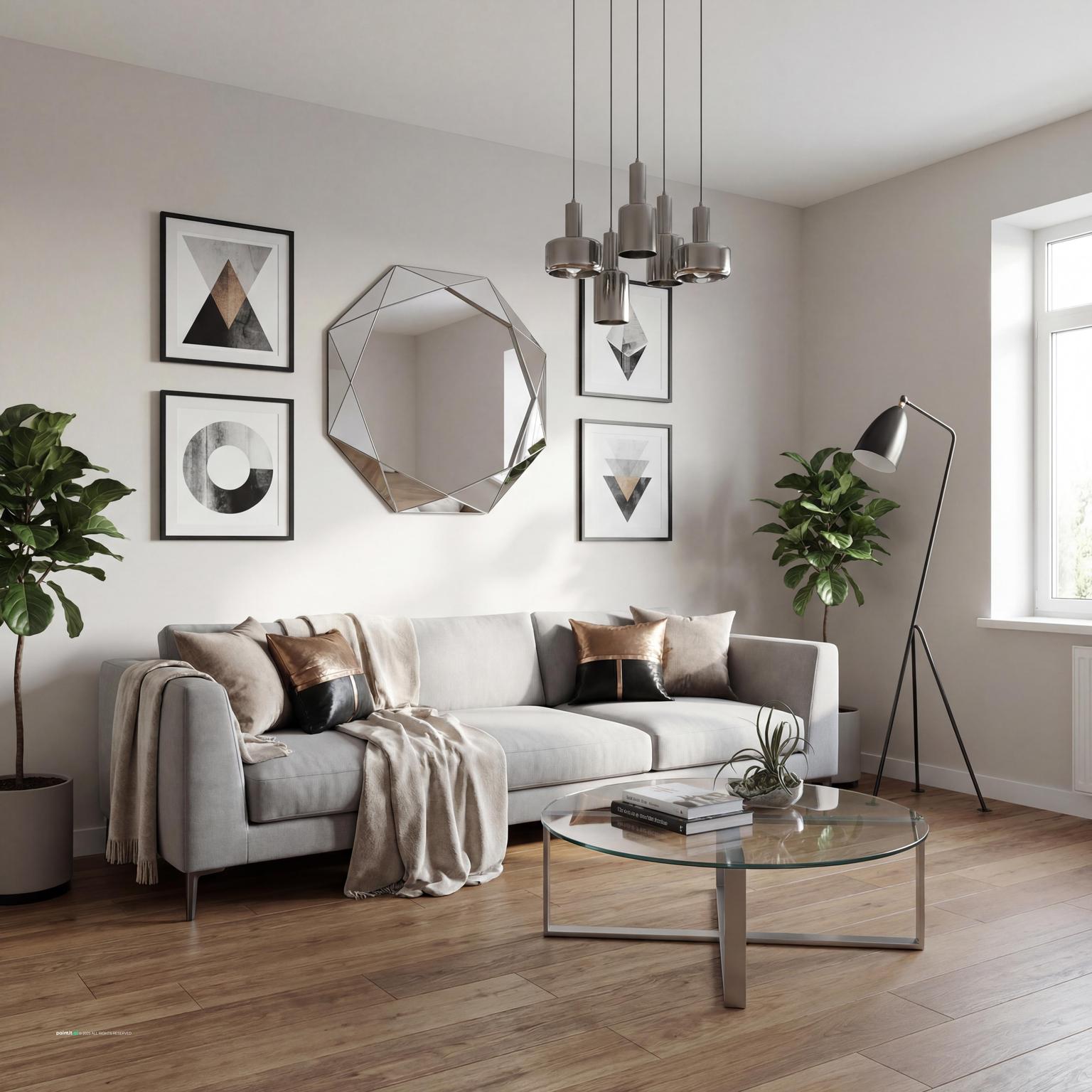
Contemporary Living Room Redesign pairs floor lamp glow, pendant lighting and ambient evening light to shape the living room mood.
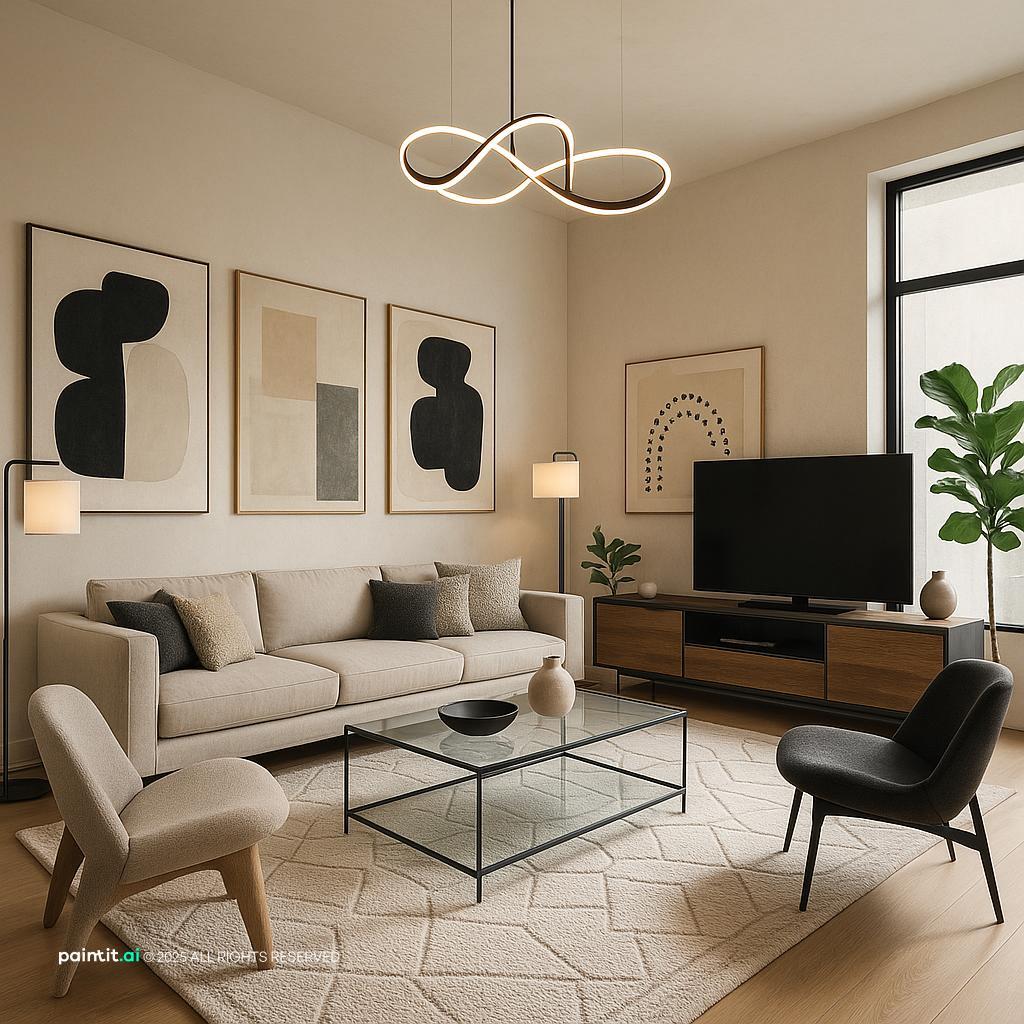
Contemporary Arty Living Room Design balances floor lamp glow, ambient evening light and soft textiles to shape the living room mood.
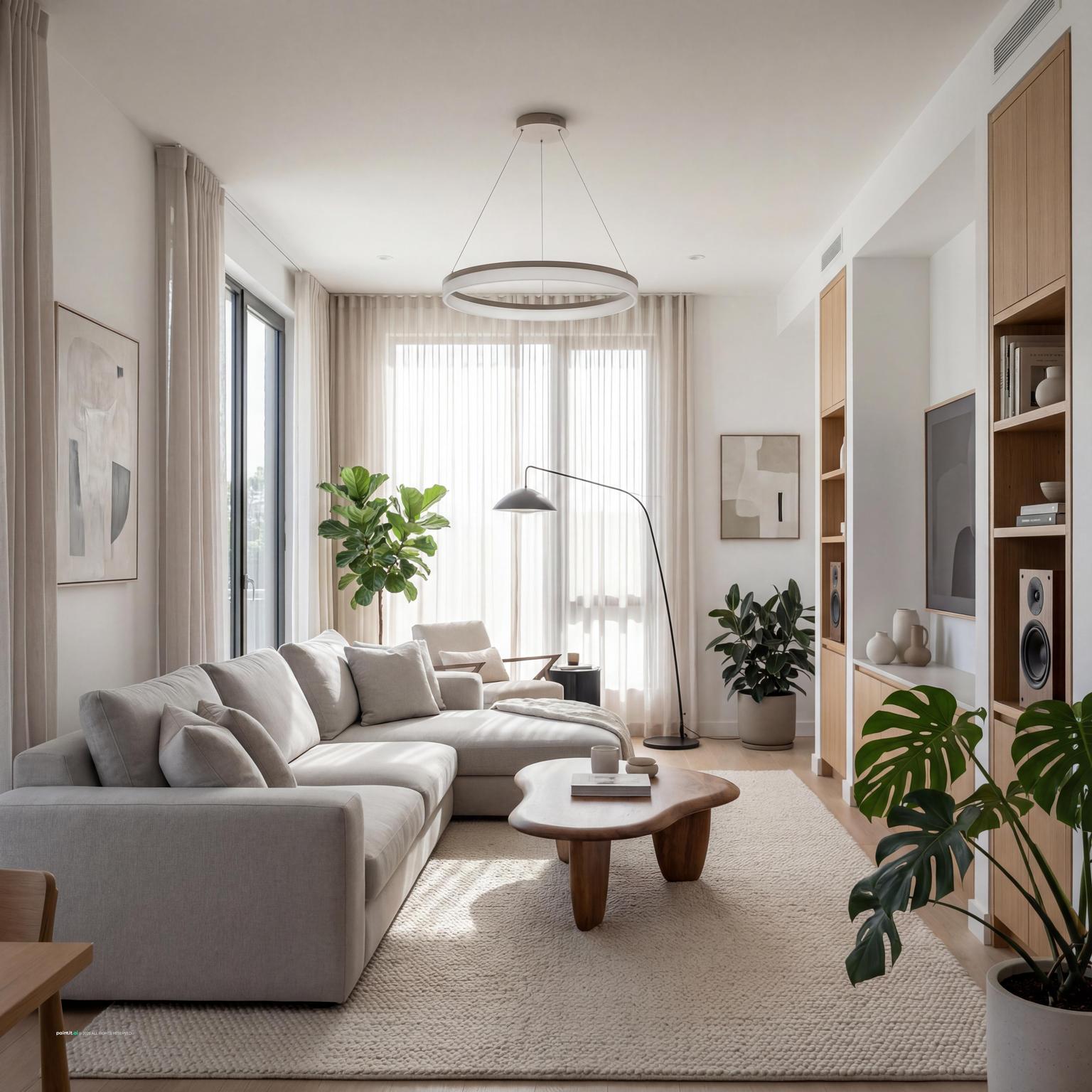
Elegant Contemporary Living Room Design 2025 layers floor lamp glow, ambient evening light and warm wood to shape the living room mood.
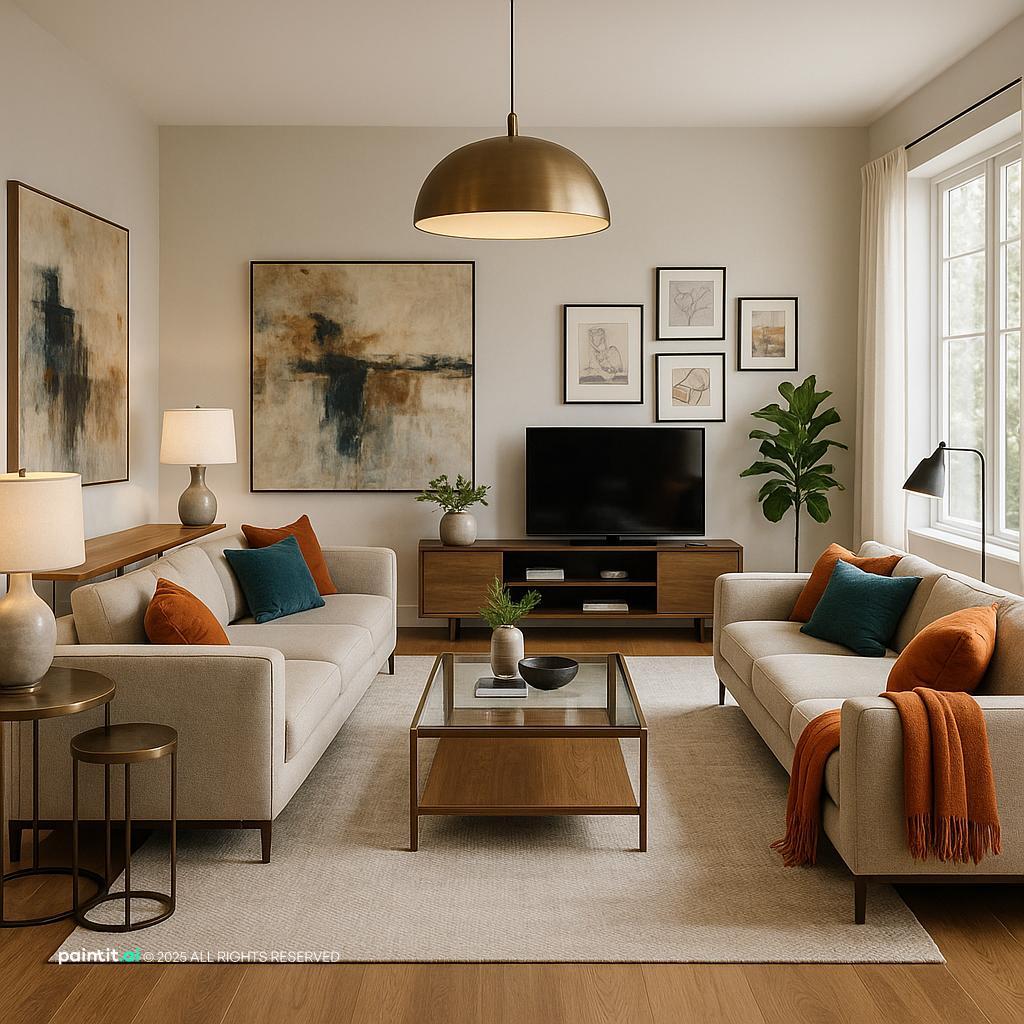
Modern Living Room Design Inspiration uses floor lamp glow, pendant lighting and table lamps to shape the living room mood.
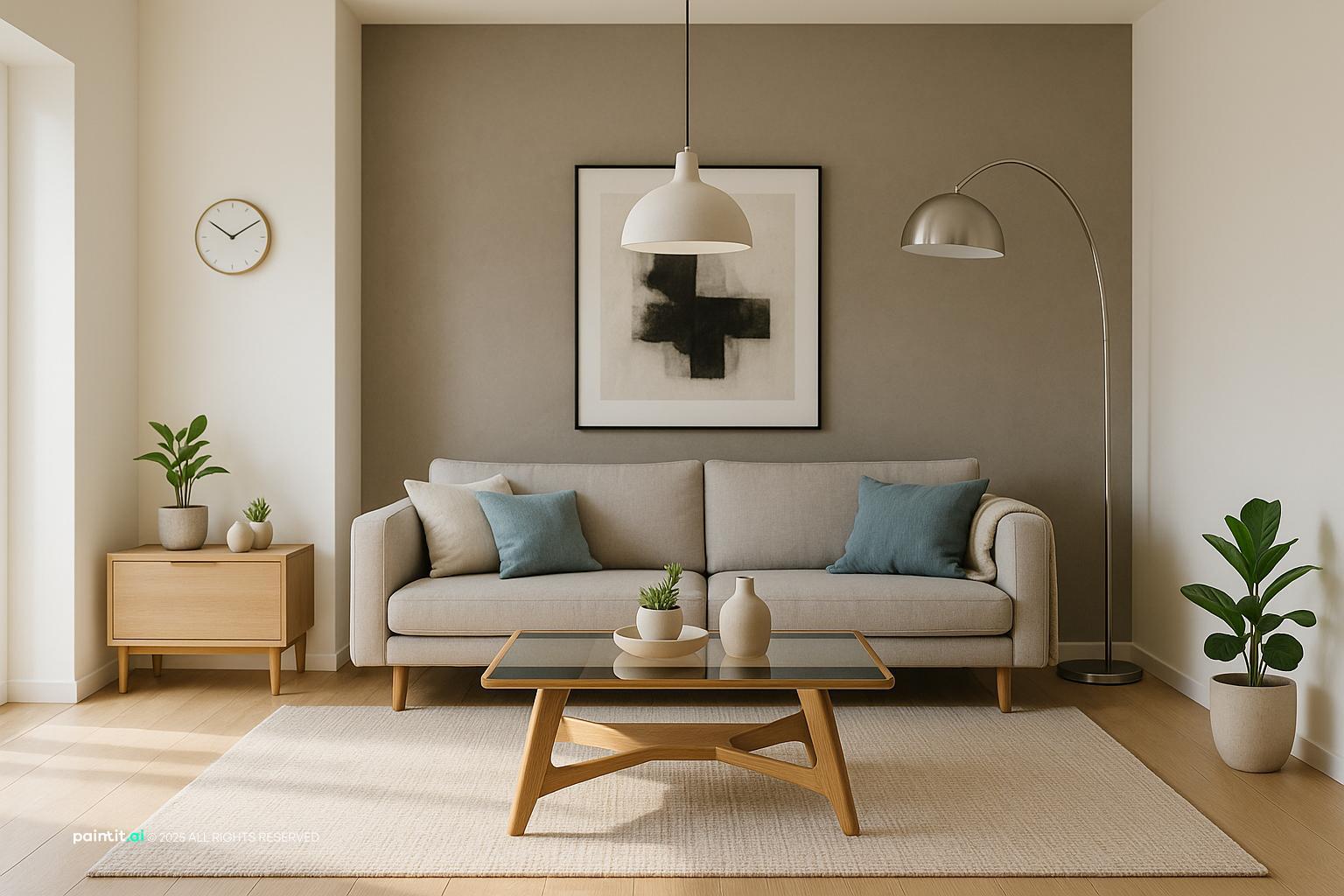
Modern Minimalist Living Room Design shows floor lamp glow, pendant lighting and ambient evening light to shape the living room mood.
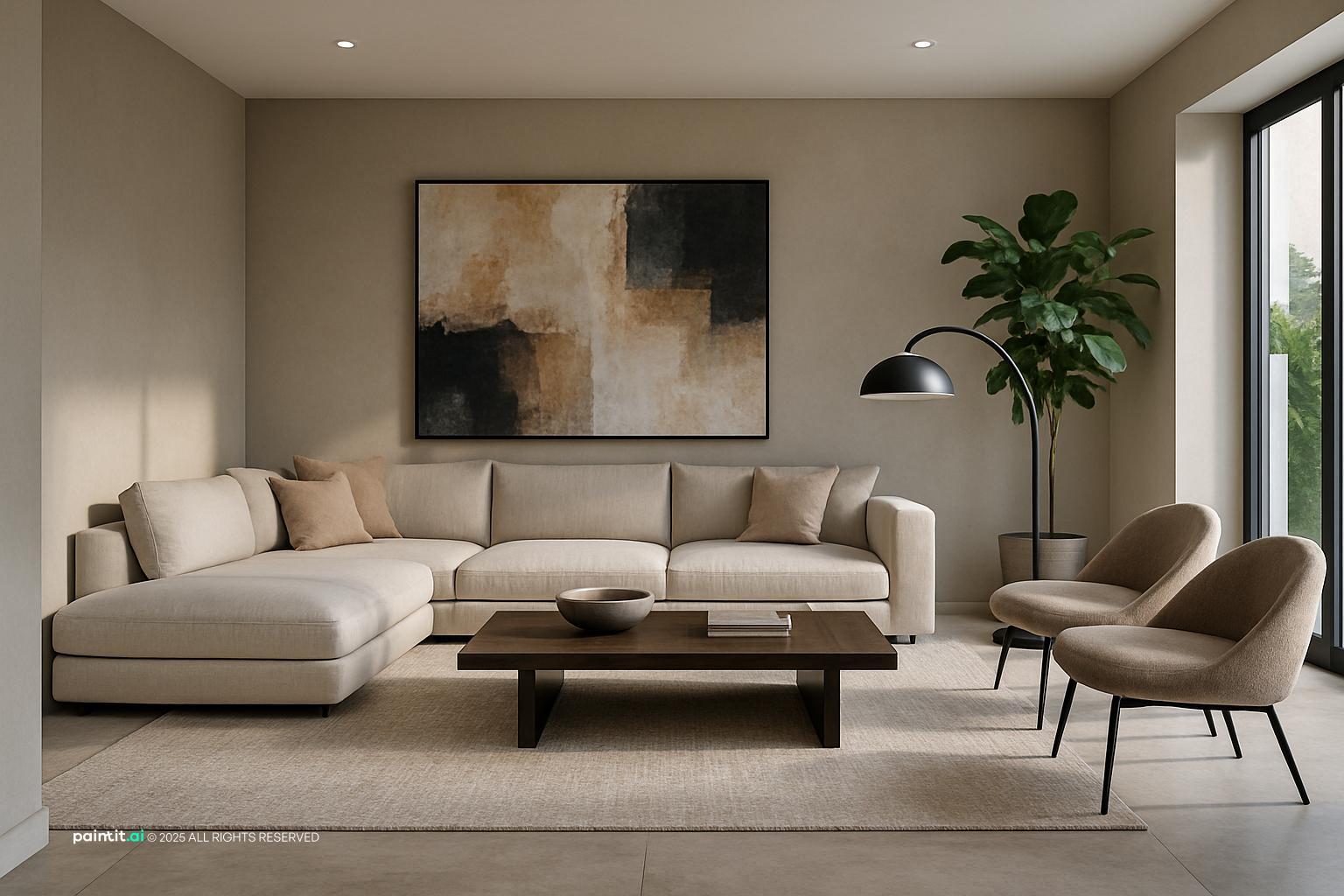
Living Room with Ceiling Lights and Floor Lamp Glow Setup centers on ceiling lights, floor lamp glow and plants and greenery to shape the living room mood.
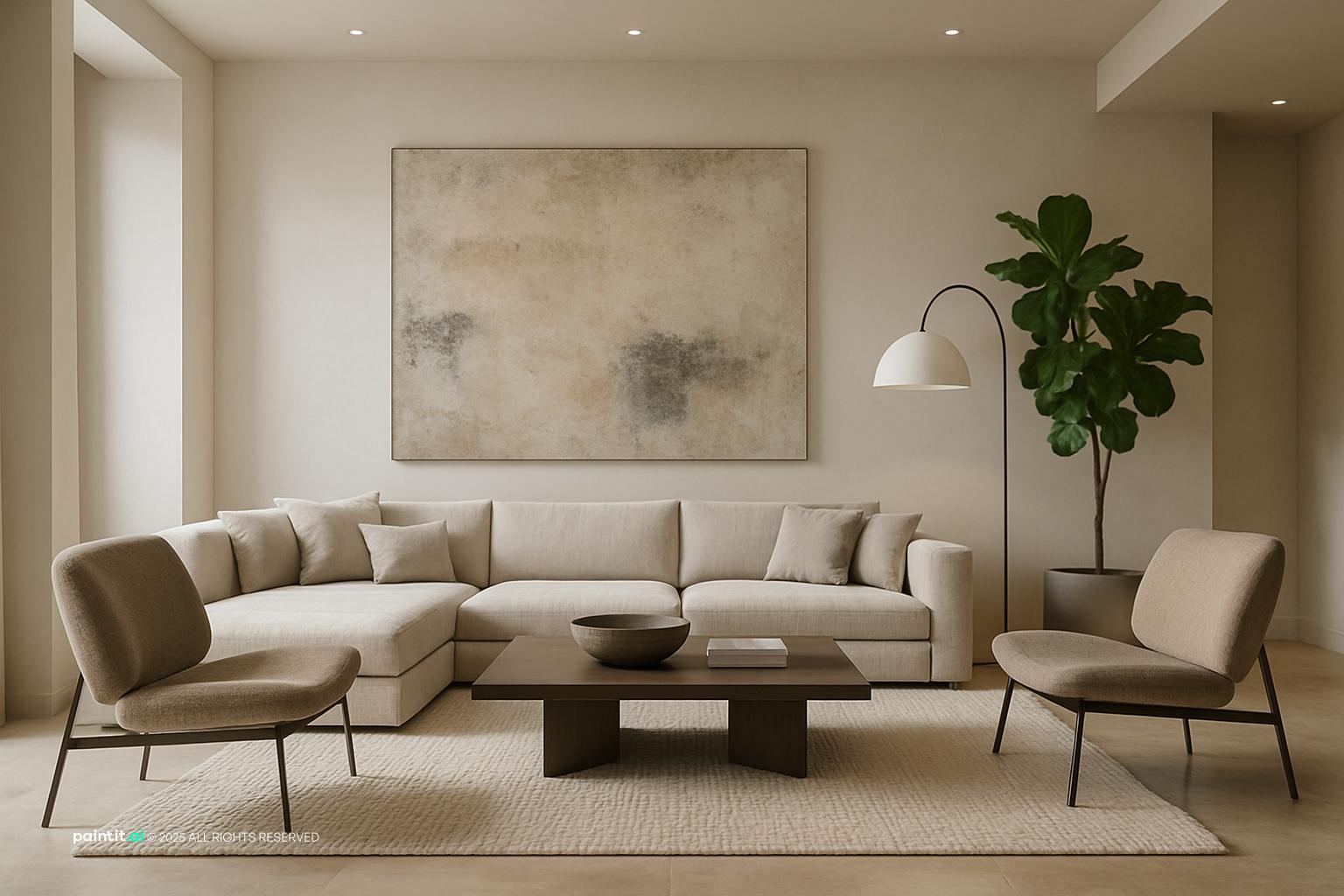
Living Room with Ceiling Lights and Floor Lamp Glow Scheme pairs ceiling lights, floor lamp glow and plants and greenery to shape the living room mood.
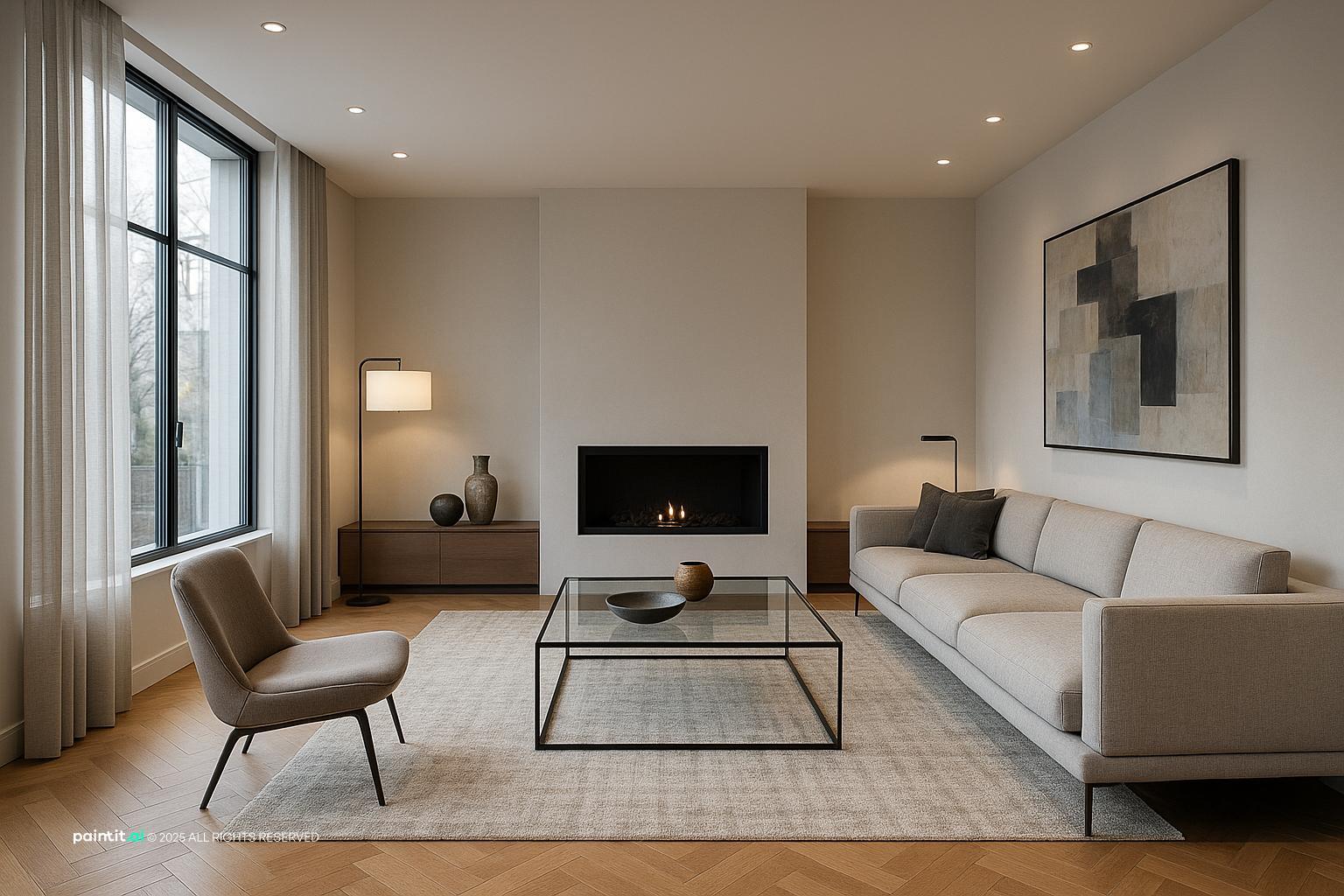
Contemporary Minimalist Living Room Design balances ceiling lights, floor lamp glow and ambient evening light to shape the living room mood.
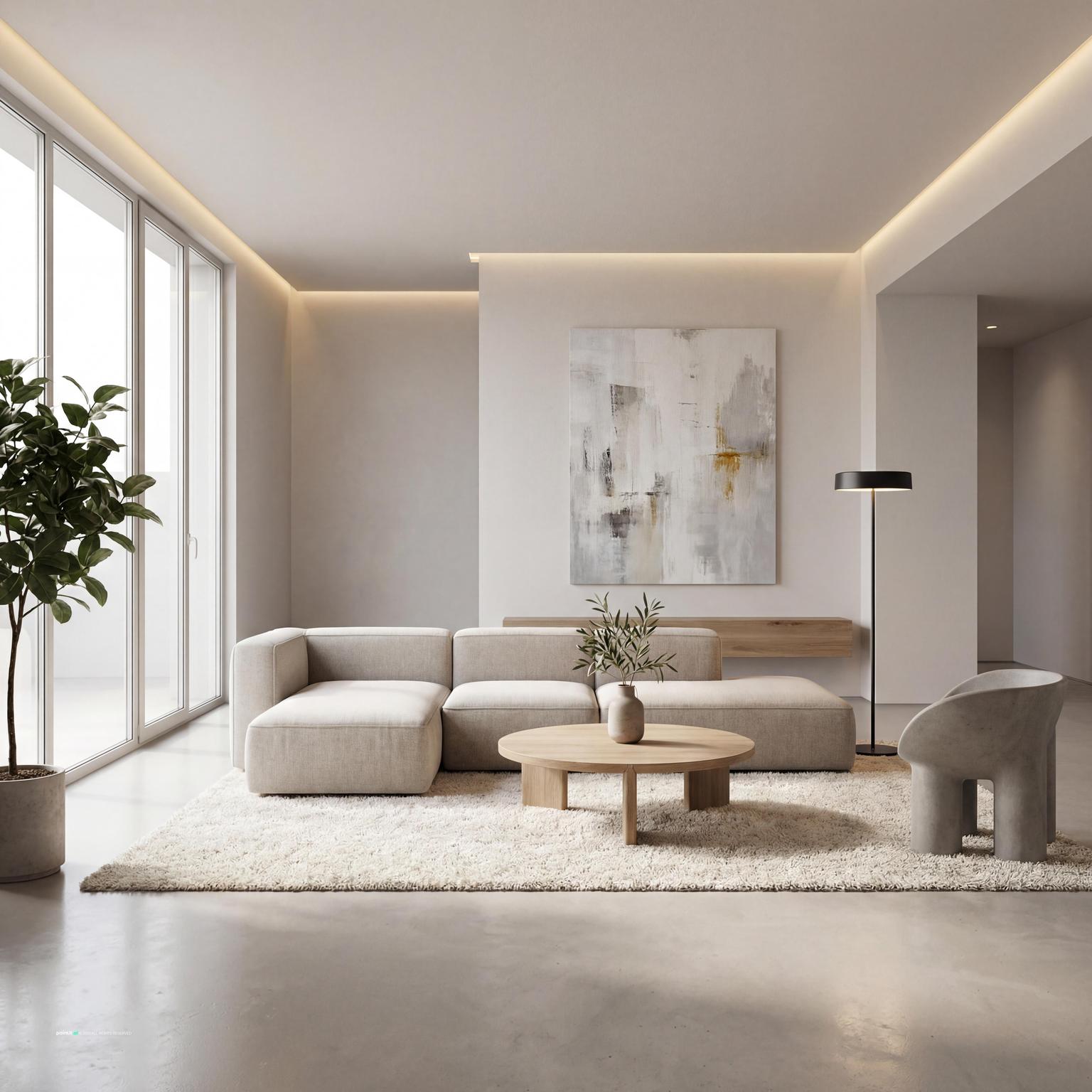
Minimalist Living Room Design for 2025 layers ceiling lights, floor lamp glow and LED accent lighting to shape the living room mood.
Start with ambient lighting for general visibility, add task lighting where people read or work, then use accent lighting to pull attention toward art, shelves, stone, plants, or architectural details. This is the safest way to avoid the classic problem: a bright patch in the center of the room and dead shadows everywhere else.
Why it works: each layer has a different job. Ambient light lets the room function, task light supports real activities, and accent light gives the walls and objects some depth. Prompt to test: `living room with layered lighting, soft ambient ceiling light, reading lamp beside sofa, subtle accent lights on artwork`.
Living room ceiling lighting ideas should start with coverage. Recessed lights, flush mounts, track lights, or a shallow pendant light can all work, but the layout should follow the seating area, not just the exact center of the ceiling. If the sofa floats in the room, plan the light around the conversation zone.
What to avoid: one harsh ceiling fixture that lights foreheads, throws shadows under eyes, and leaves the perimeter dull. If the ceiling is low, use a slim fixture or recessed cans on dimmer switches instead of a heavy chandelier. Prompt to test: `replace single ceiling fixture with evenly spaced warm recessed lights over the seating area, dimmable, no glare`.
A pendant light can give the room a clear center, especially above a coffee table or the middle of a seating group. The catch is scale. A tiny pendant gets lost in a large room, while an oversized chandelier can make a low ceiling feel even lower.
Use this move when the furniture already has a strong center. Leave enough head clearance and keep the bottom of the fixture high enough that it does not block the view across the sofa. Prompt to test: `add a sculptural pendant light centered over the coffee table, proportional to the sofa area, warm diffused light`.
A floor lamp works best beside a reading chair, at the end of a sectional, or in a corner where someone will actually sit. Choose an arched lamp when you need light to reach over a sofa arm. Choose a slim shaded lamp when the room needs height but not another bulky object.
Why it works: task lighting should land on hands, books, laptops, or side tables, not just fill an empty corner. Check the shade from seated eye level; if you can see the bare bulb, it will probably bother someone at night. Prompt to test: `add a matte black floor lamp next to the lounge chair for reading, warm focused light, shade below eye glare`.
Table lamps help when a living room has side tables, a console behind the sofa, built-ins, or a long wall that feels too flat. A pair of lamps can make a formal layout feel calm and balanced. Mismatched lamps can work in a more casual room if their heights, shade colors, or materials still speak to each other.
What to avoid: lamps that are too short for deep sofas. The lower edge of the shade should usually sit near seated eye level so the bulb is hidden, not shining straight into someone’s face. Prompt to test: `add two ceramic table lamps on side tables beside the sofa, linen shades, soft evening light`.
Living room wall light ideas are strongest when the lights have a reason to be there. Wall sconces can frame a fireplace, balance a large artwork, brighten a dark passage near the sofa, or make built-ins look finished instead of accidental.
Why it works: sconces put light on vertical surfaces, and vertical light is what makes a room feel deeper than ceiling light alone. Keep them away from direct TV reflections, especially if the screen is glossy. Prompt to test: `add two minimalist brass wall sconces on either side of the fireplace, warm accent glow, balanced height`.
LED strips inside bookshelves, under floating cabinets, or along a cove can make a living room feel layered without adding more visible fixtures. Use this when the room already has built-ins, niches, paneling, stone, or a long media console that deserves a little attention.
The mistake is turning hidden light into a showroom strip. Too bright or too blue, and it starts to look cold. It should graze the surface gently, not shout. Prompt to test: `add subtle warm LED accent lighting inside built-in shelves, low brightness, highlighting books and ceramics`.
Small living room lighting ideas need to protect floor space and keep the eye moving upward. Try plug-in sconces, narrow floor lamps, wall-mounted reading lights, or a flush ceiling fixture paired with one table lamp. If side tables are tiny, skip wide lamp bases and move light to the wall.
Why it works: small rooms still need layers, but the fixtures cannot block the path between sofa, coffee table, door, and TV. Before choosing placement, check door swings, sofa arms, and the spot where people usually walk through. Prompt to test: `small living room with plug-in wall sconces beside sofa, slim floor lamp in corner, warm layered light`.
Modern living room lighting often works best with clean forms, concealed sources, and one strong sculptural moment. Think linear ceiling fixtures, globe lamps, slim black sconces, opal glass, brushed metal, or quiet recessed perimeter light.
What to avoid: making every fixture compete for attention. If the pendant is bold, keep the lamps quiet. If the sconces are decorative, let the ceiling light recede. Prompt to test: `modern living room with linear ceiling light, opal glass table lamp, slim black wall sconces, balanced warm light`.
Warm light can make beige, terracotta, walnut, and cream feel richer. Cooler light can make gray, white, and blue schemes feel sharper, but it can also reveal green or violet undertones in paint that looked fine in daylight. Test the lighting mood before blaming the wall color.
In Paintit.ai refinements, 15% of prompts include adjustment language such as instead, more, a bit, or now. That is exactly how lighting should be tested: start with a direction, then adjust. Prompt to test: `now make the lighting warmer and softer, reduce cool shadows on the gray sofa`.
In an open-plan room, lighting can separate the conversation area from a dining space, entry, desk, or reading nook without adding partitions. A pendant over the coffee table, a lamp behind the sofa, and accent lighting near a bookcase can create clear zones while keeping the room open.
Why it works: the eye reads pools of light as places where something happens. Keep the zones related by using a similar color temperature across fixtures, even if the fixture shapes are different. Prompt to test: `open living room with pendant over seating area, floor lamp by reading chair, accent lighting on bookcase, consistent warm tone`.
A living room used for television needs lower, indirect light near the screen and stronger light elsewhere. Place lamps beside or behind seating, not directly across from the TV. Sconces should be shielded or dimmed so they do not bounce into the screen.
What to avoid: bright downlights directly in front of the sofa, glossy tables under overhead fixtures, and exposed bulbs in the main sightline. These look fine in a still image and become annoying the first night you watch a film. Prompt to test: `evening living room for TV watching, dim ambient light, soft lamp behind sofa, no glare on screen, subtle shelf lighting`.
The second visual set helps you compare fixture mixes: overhead light plus lamps, sconces plus hidden LEDs, or a low-glare evening setup for rooms with TVs, dark sofas, and reflective finishes.
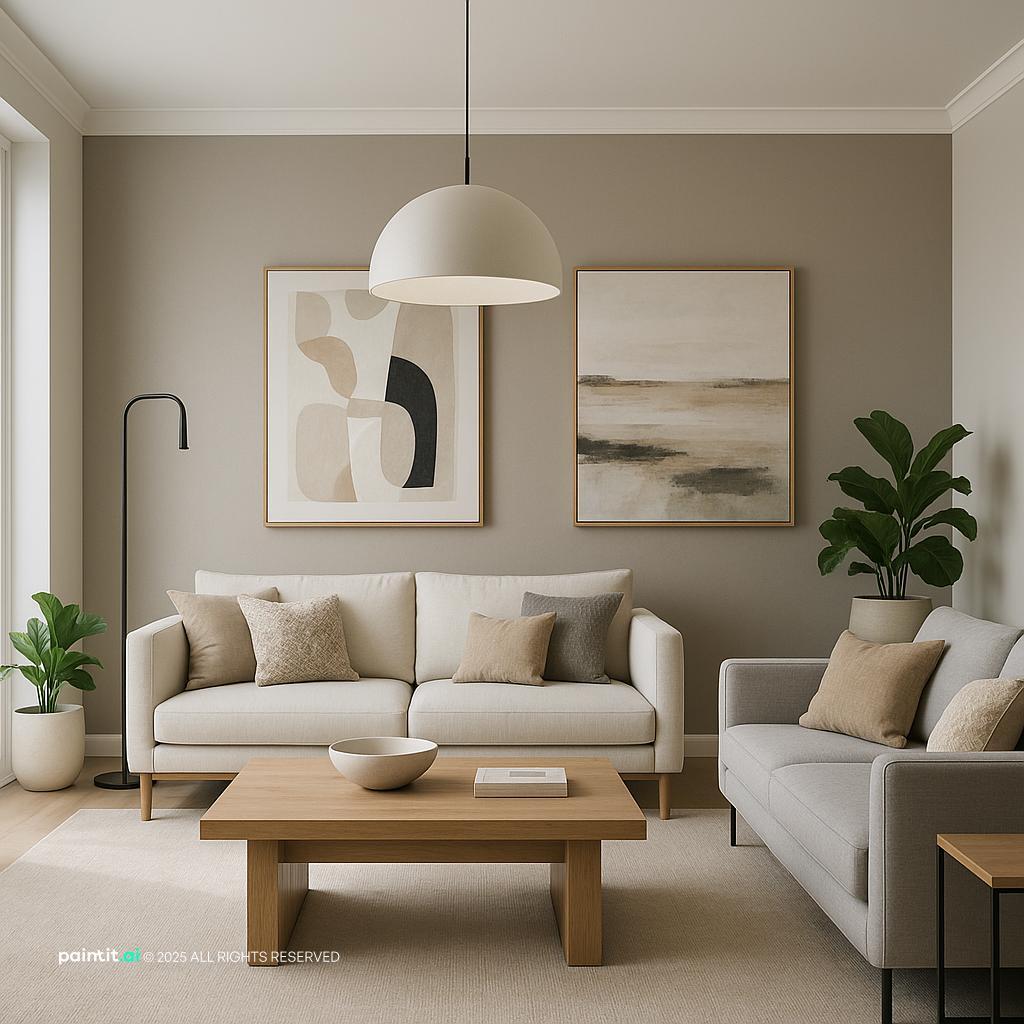
Modern Living Room Redesign Inspiration uses floor lamp glow, pendant lighting and soft textiles to shape the living room mood.
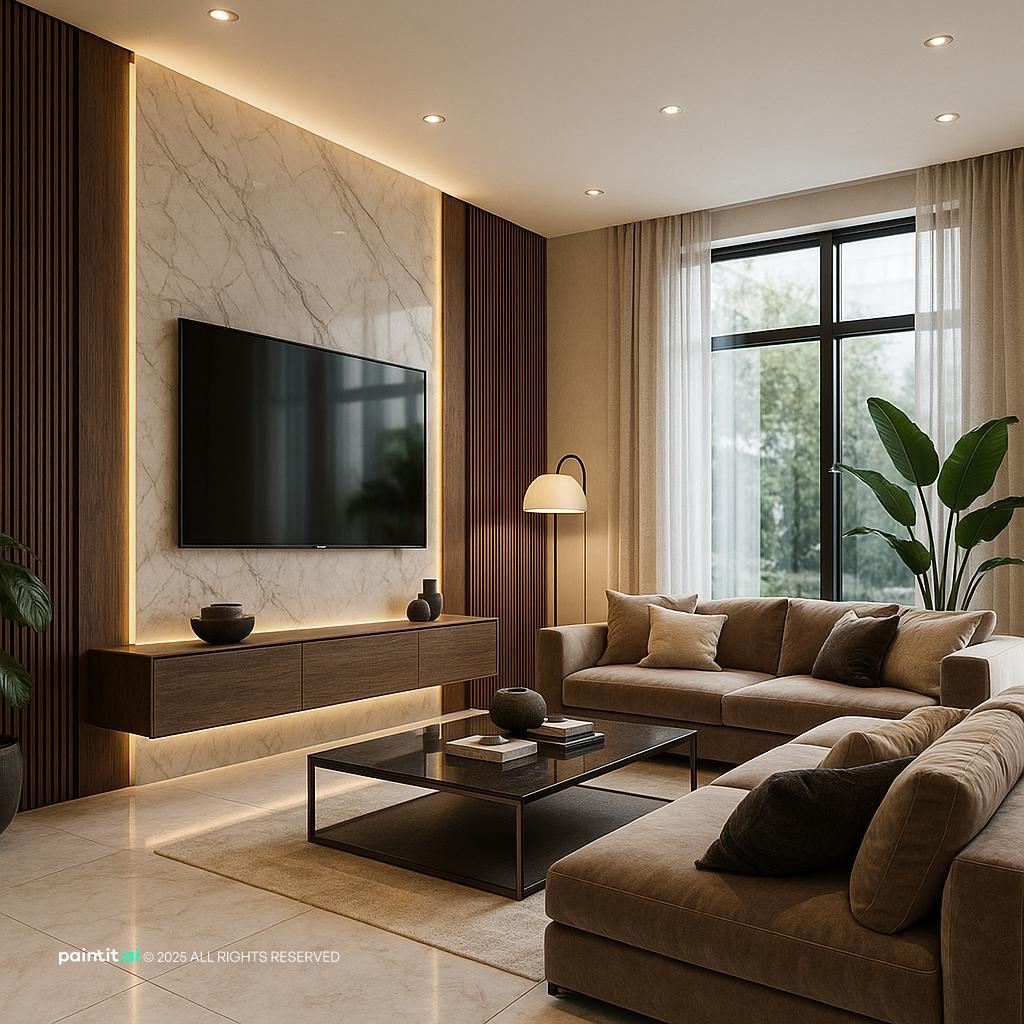
Luxury Contemporary Living Room Design shows ceiling lights, floor lamp glow and LED accent lighting to shape the living room mood.
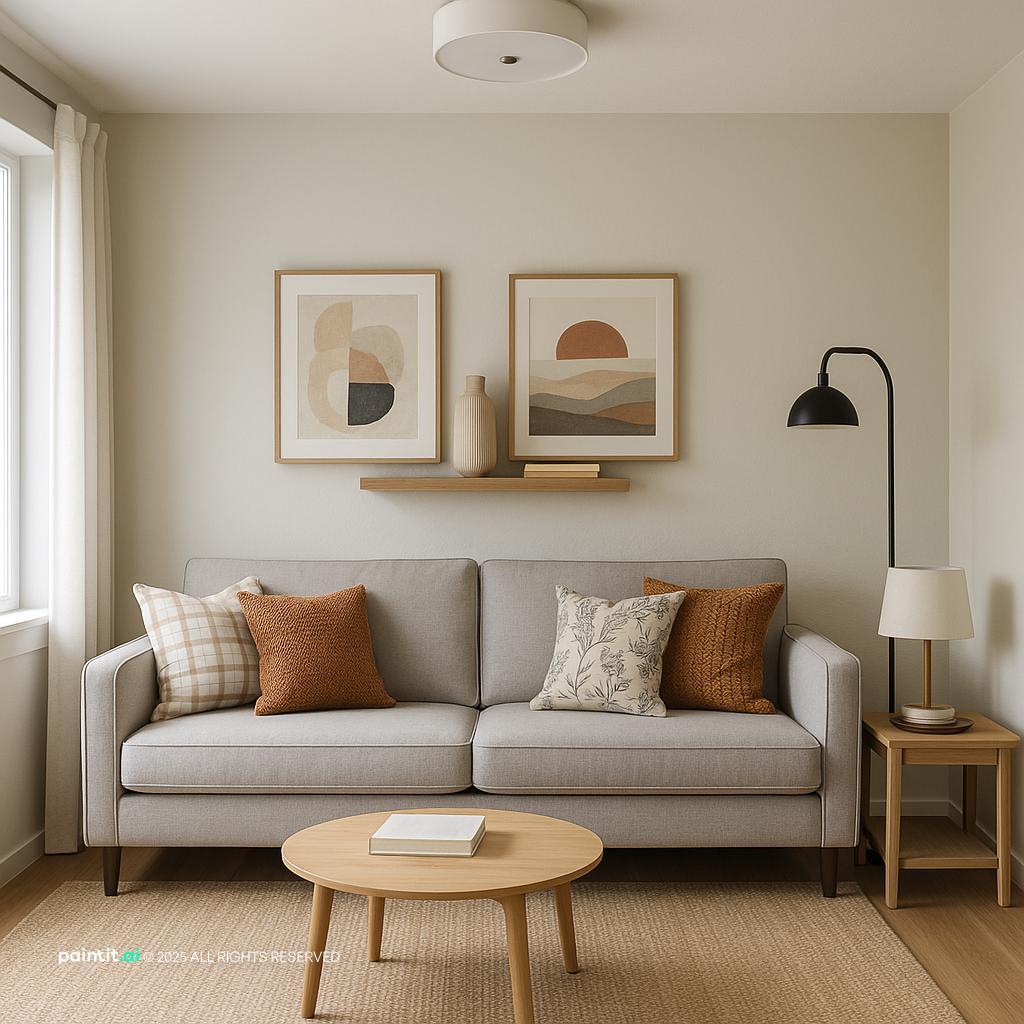
Stylish Living Room Redesign for Efficiency centers on floor lamp glow, soft textiles and natural light to shape the living room mood.
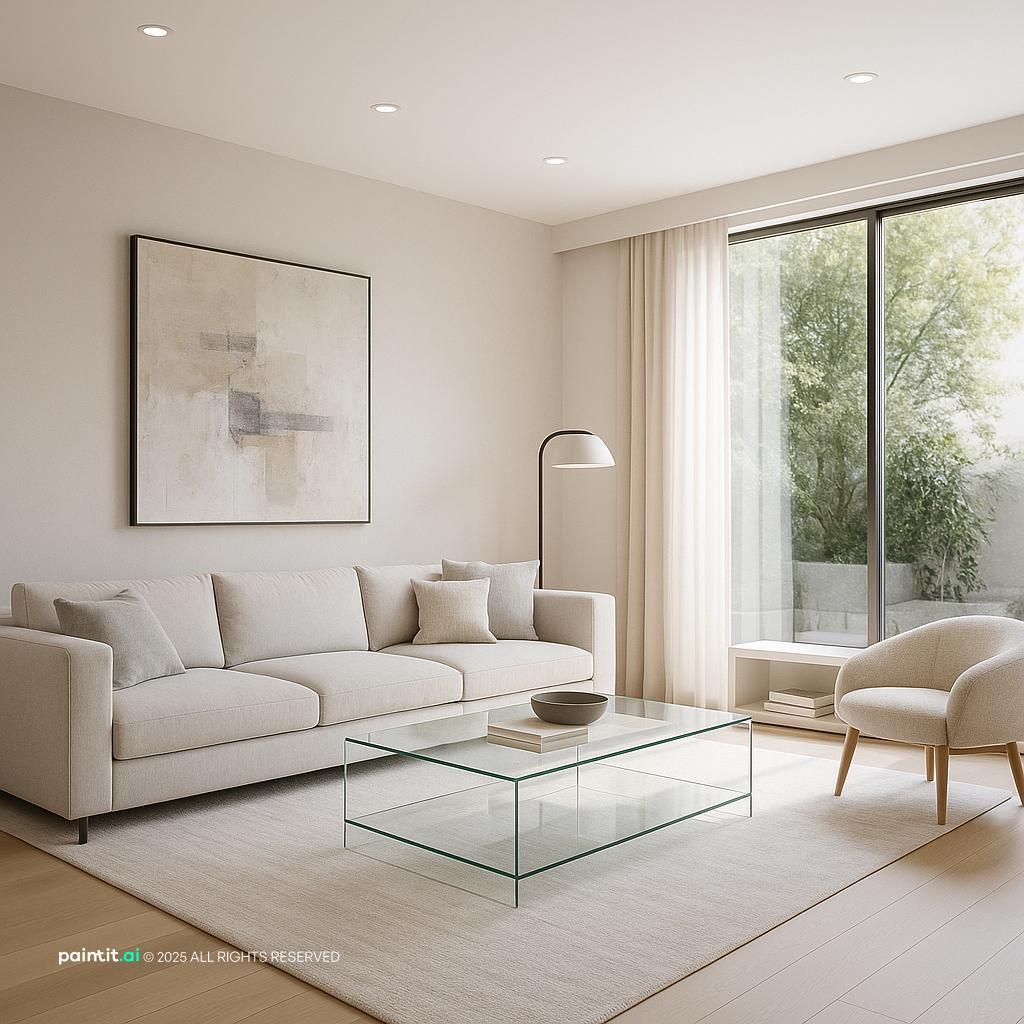
Ultra-Modern Living Room Design pairs ceiling lights, floor lamp glow and ambient evening light to shape the living room mood.
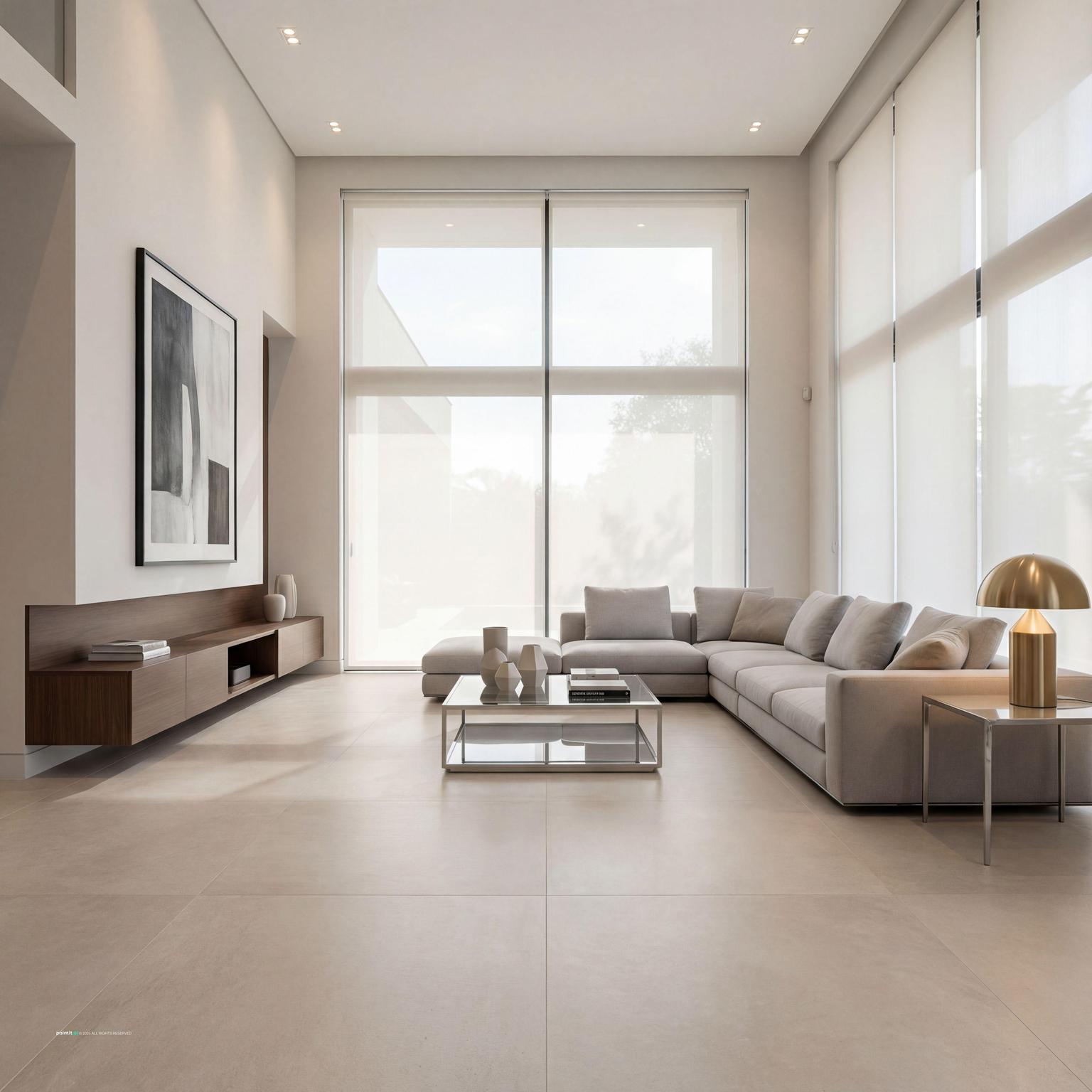
Ultra-Modern Living Room Design with Ceiling Lights balances ceiling lights, table lamps and metal accents to shape the living room mood.
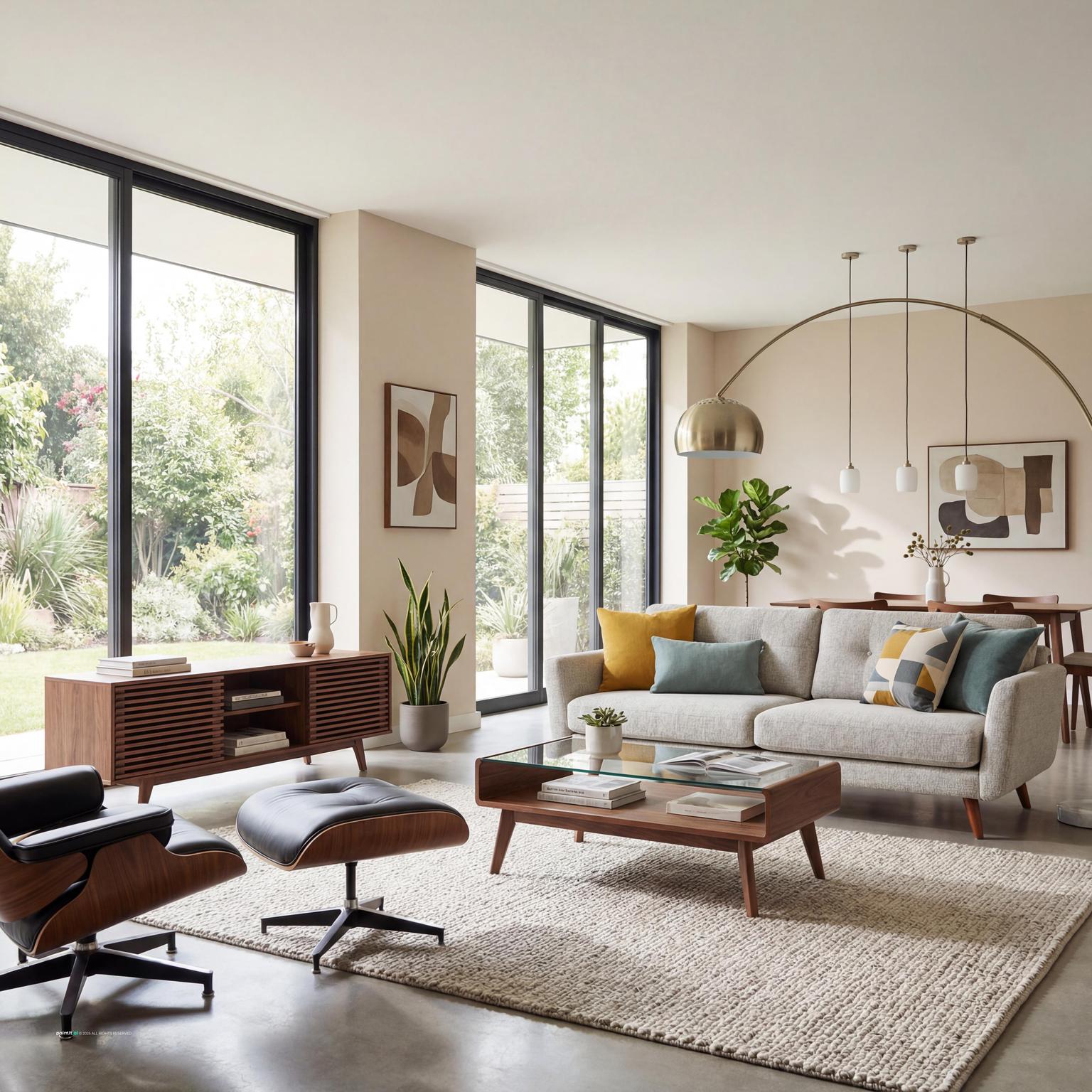
Stunning Mid-Century Modern Living Room layers floor lamp glow, pendant lighting and warm wood to shape the living room mood.
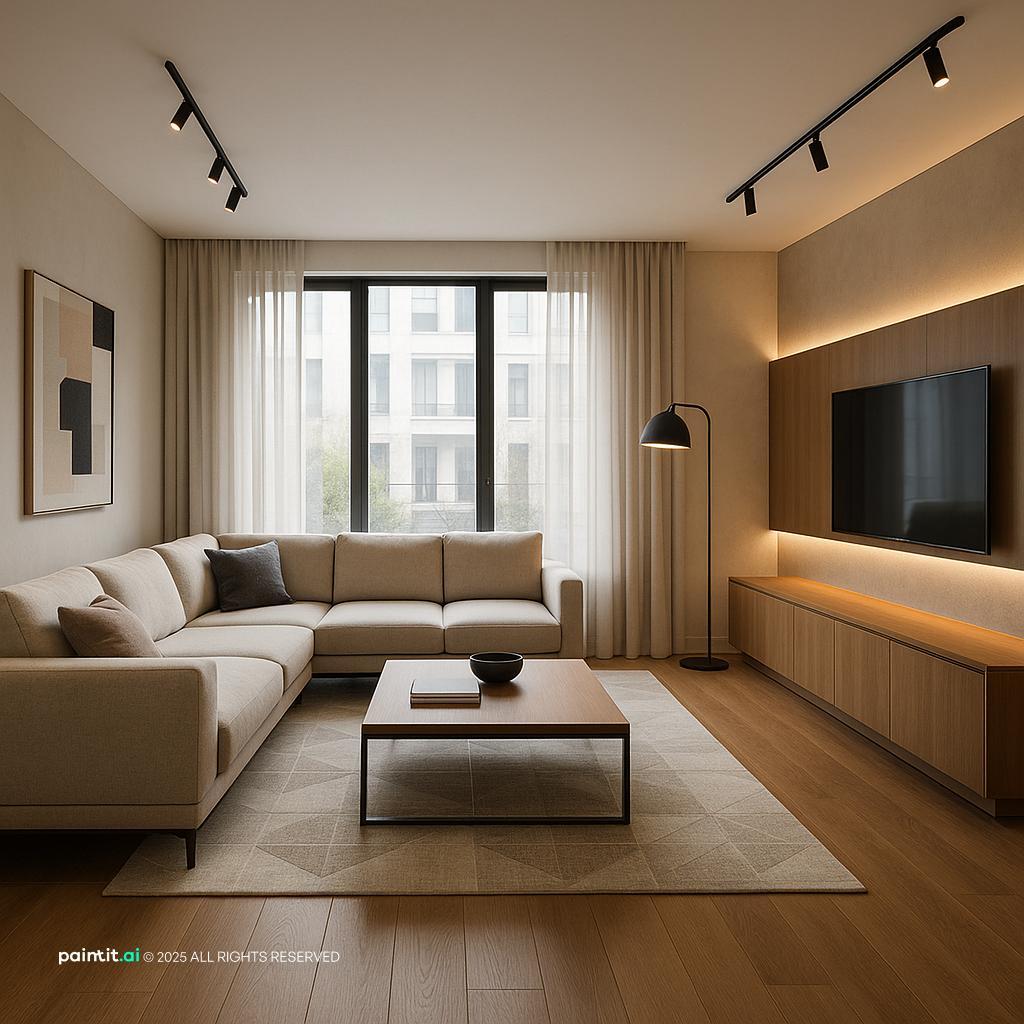
Award-Winning Modern Living Room Design uses floor lamp glow, LED accent lighting and ambient evening light to shape the living room mood.
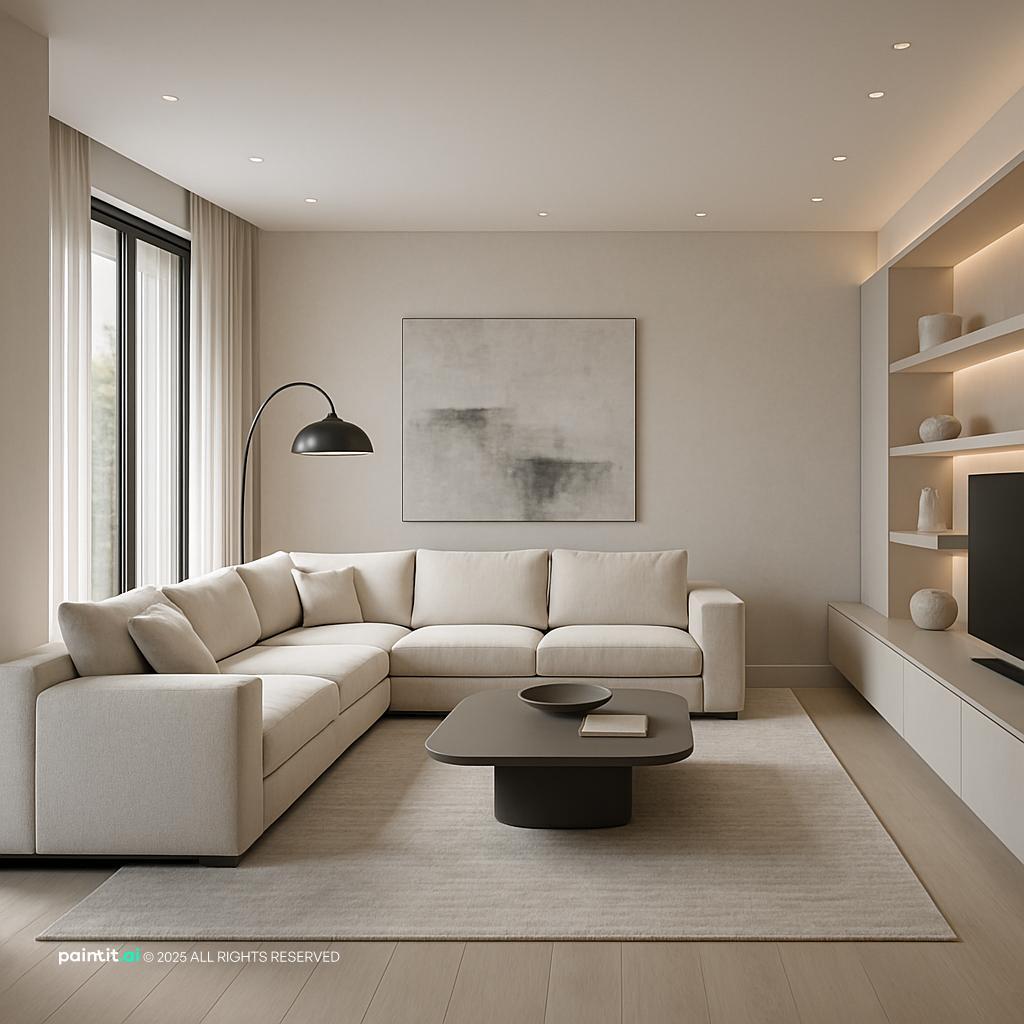
Living Room with Ceiling Lights and Floor Lamp Glow Layering shows ceiling lights, floor lamp glow and LED accent lighting to shape the living room mood.
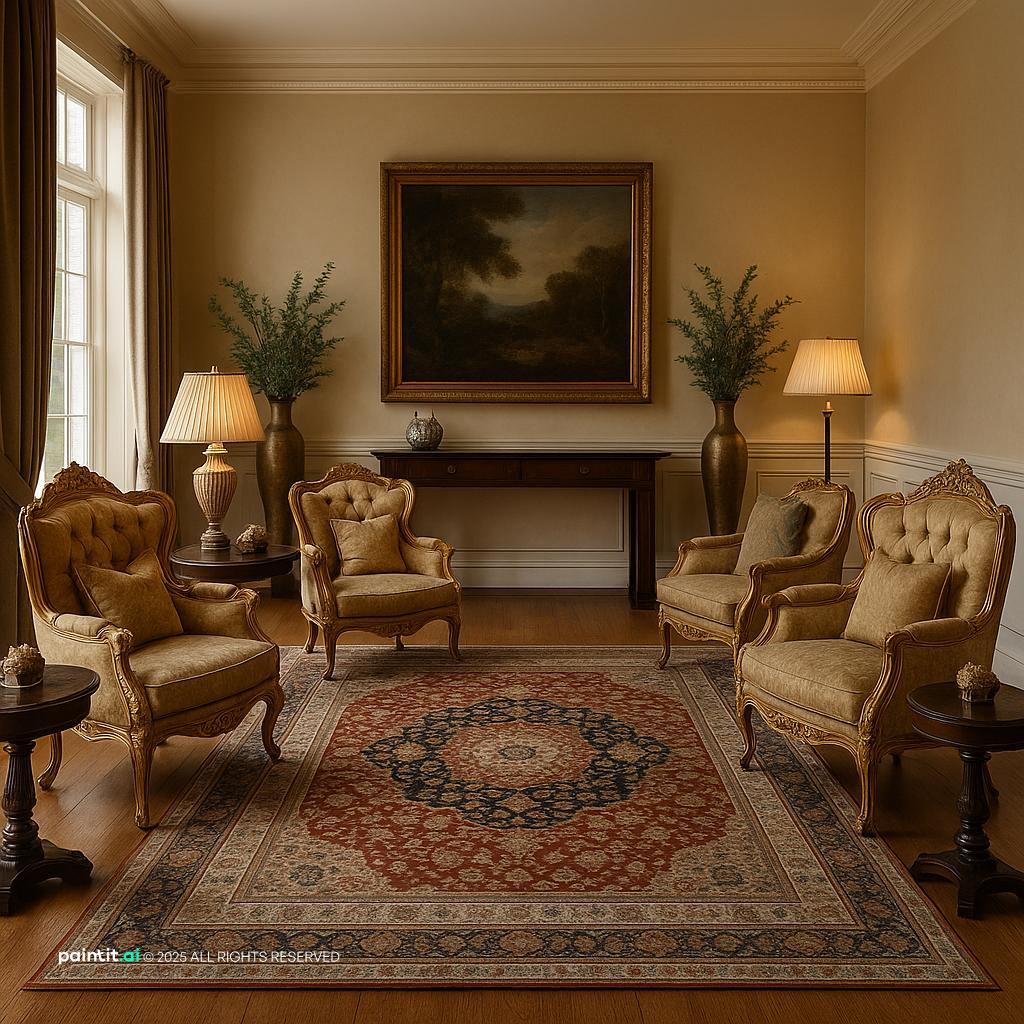
Elegant Living Room Design with Royal Armchairs centers on floor lamp glow, LED accent lighting and ambient evening light to shape the living room mood.
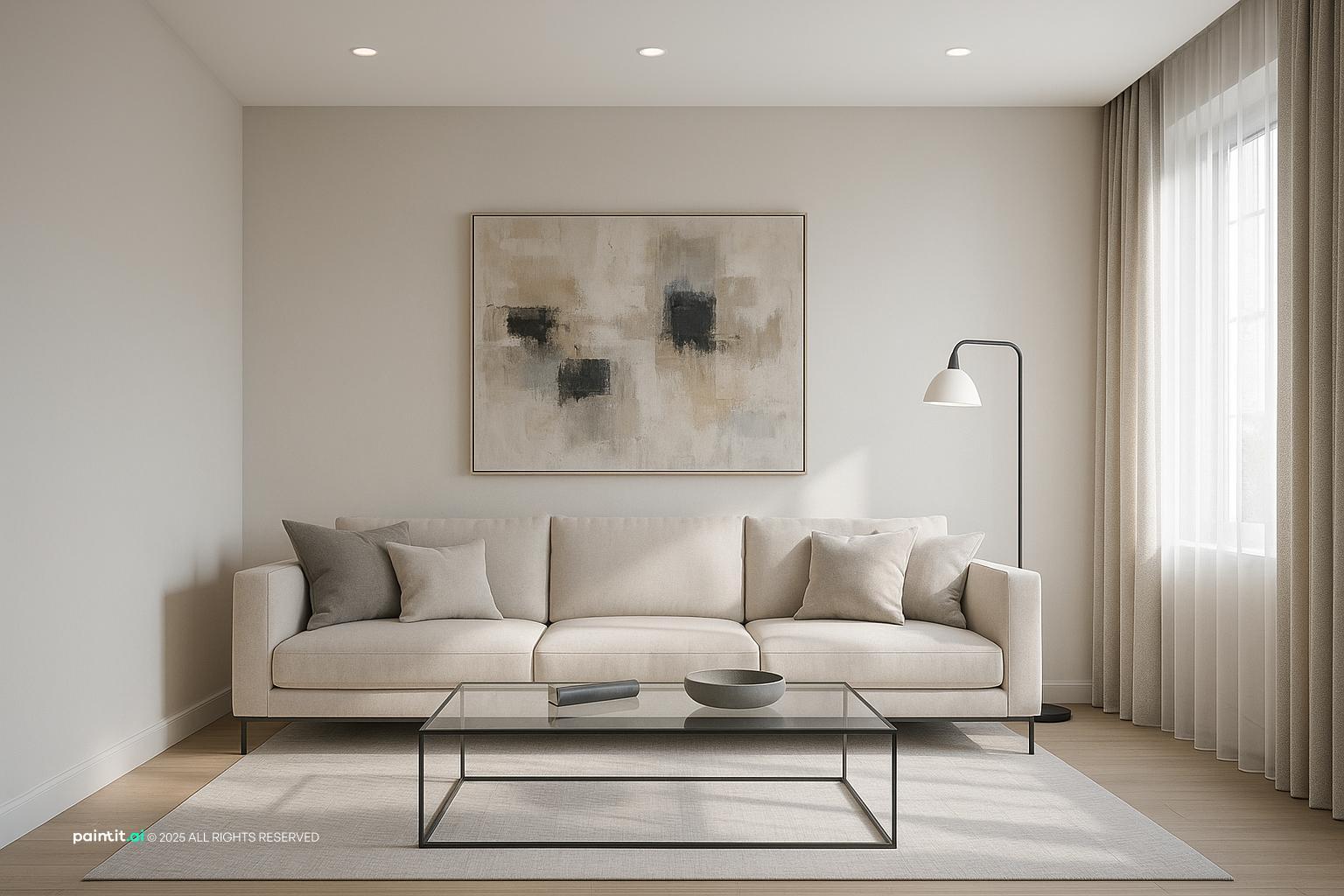
Living Room with Ceiling Lights and Floor Lamp Glow Scheme with Ambient Evening Light pairs ceiling lights, floor lamp glow and ambient evening light to shape the living room mood.
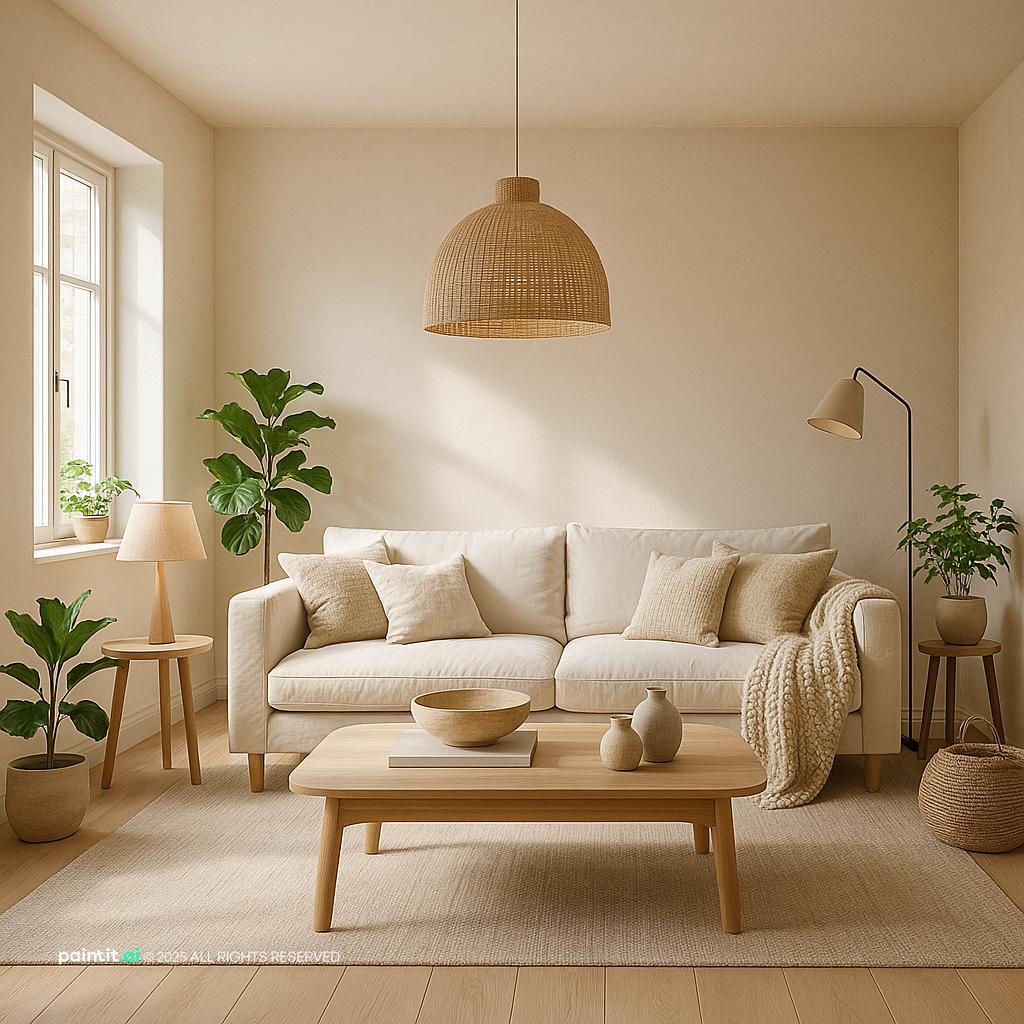
Modern Scandinavian Warm Living Room Design balances floor lamp glow, pendant lighting and layered lighting to shape the living room mood.
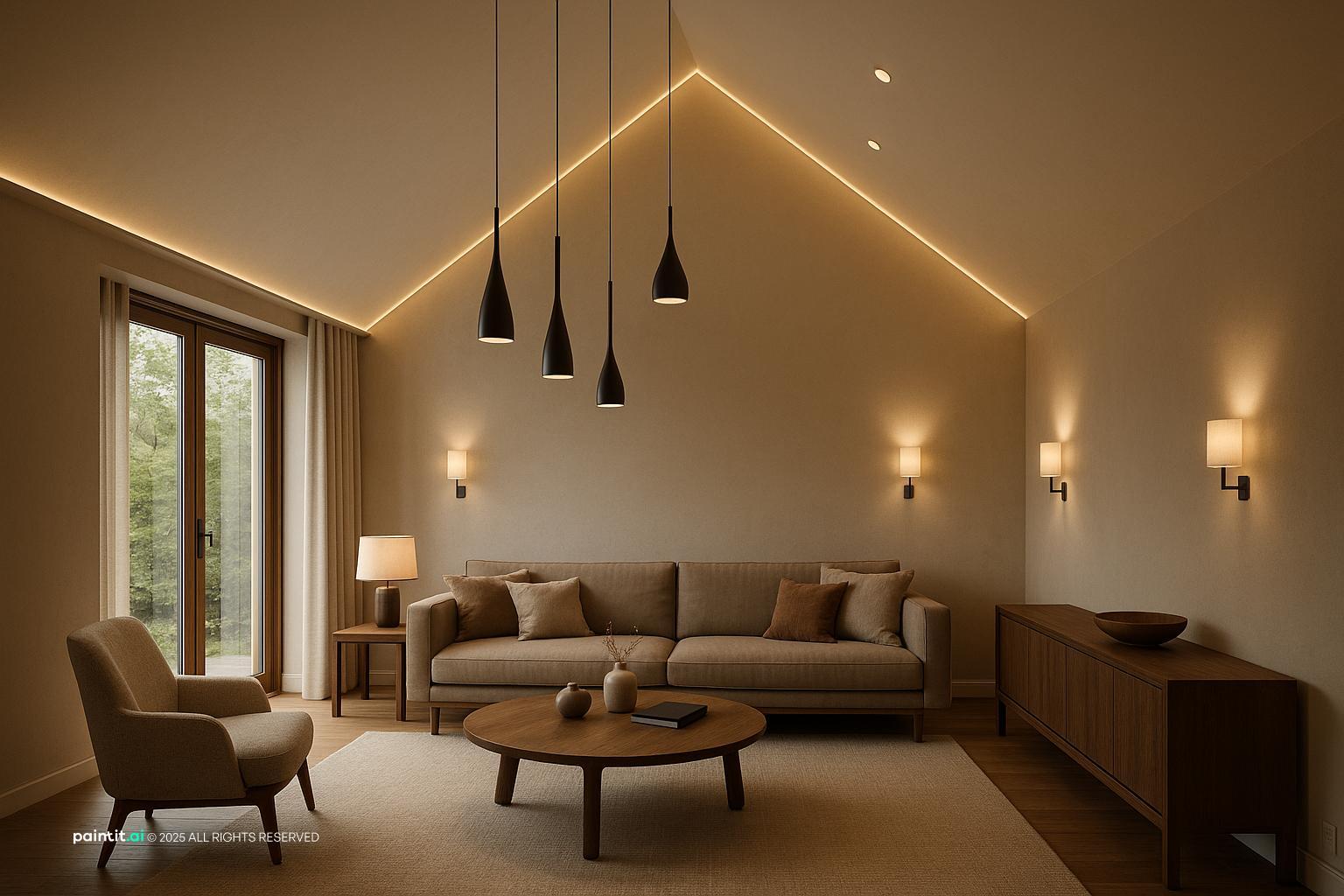
Elegant Sloped Ceiling Living Room Design layers wall sconces, pendant lighting and LED accent lighting to shape the living room mood.
Cream, camel, walnut, brass, olive, and terracotta usually look better under warmer bulbs because the light supports their red and yellow undertones. Crisp white, charcoal, navy, chrome, and cool stone can handle a cleaner light, but do not go so cool that the living room starts to feel like a waiting room.
Use the same temperature family across the room unless you have a clear reason to contrast. Mixed bulb colors are one of the fastest ways to make a room feel pieced together.
Black fixtures create strong outlines and suit graphic, modern, or industrial rooms. Brass and bronze soften a space and connect well with warm woods. Chrome, nickel, and polished steel feel lighter, but they can look sharp if every other surface is matte and quiet.
A useful rule: repeat a metal finish at least twice, but do not force every item to match. A brass sconce, brass picture frame, and dark bronze lamp can relate without looking like they came from one box.
Rough stone, limewash, fluted wood, and textured plaster catch shadows beautifully, so they benefit from side lighting or grazing accent light. Glossy marble, glass, lacquer, and polished stone reflect more strongly, so they need softer diffused fixtures and careful placement.
What to avoid: aiming bright downlights at shiny coffee tables or TV walls. That creates glare and can make expensive finishes look harsh in real use.
A white shade gives cleaner brightness, a linen shade warms the light, and a dark shade focuses the beam up and down while keeping the side glow quieter. Pleated, paper, and woven shades add texture even when the lamp is off.
Use shade scale carefully. A deep sectional can handle a larger shade; a small apartment sofa may need a slimmer lamp so the side table still has room for a drink, remote, or book.
Dimmer switches let the same room shift from cleaning-level brightness to low evening light. They are especially useful for recessed lighting, pendants, and sconces, where one fixed brightness can feel too strong after dark.
If you are testing options digitally, add dimming language to the prompt. We often see better lighting tests when people specify intensity with words like low, soft, diffused, or brighter task light instead of only asking for new lights.
A dark sectional, black media unit, or stone fireplace carries visual weight. Lighting can balance that weight by brightening the opposite wall, adding a lamp near the dark furniture, or placing accent lighting on shelves to pull the eye across the room.
Avoid lighting only the prettiest corner. A room feels more natural when the light supports the whole seating experience, including the traffic path, side tables, artwork, and the view from the doorway.
Professional users on our platform are more likely to write structured prompts, and interior designers are the only role that systematically does this, at 4.2% of cases. Homeowners, in ~70% of cases, tend to use short keyword-style phrases.
A short prompt like `modern living room with new lights` can work, but it gives the AI very little to hold onto. A structured prompt is clearer: `PROMPT: modern living room with neutral sofa and walnut accents. LIGHTING: layered, warm ambient light from recessed ceiling fixtures, sculptural floor lamp for task lighting, accent sconces on main wall.daylight.` For deeper control, see our guide to agentic AI lighting specifications for interior design.
Paintit.ai is useful for lighting tests because you can upload your actual living room and change one layer at a time. I would start with the room as it is, then test ceiling coverage, then add lamps, then adjust sconces, shade materials, and light temperature. That is much closer to real planning than trying to solve everything in one prompt. The same sequence fits broader room planning in how to redesign a living room with Paintit.ai, and you can also explore layouts from scratch with the AI room design tool.
Lighting also affects realism. A room with believable shadows, reflections, and bulb warmth usually reads better than one with nice furniture and flat light, especially when using AI rendering tools. Try short refinements such as `now make the lighting warmer`, `add a floor lamp in the left corner`, or `reduce glare on the TV wall` until the image matches how you actually use the room.
Layered lighting works best: ambient lighting for the whole room, task lighting for reading or activities, and accent lighting for art, shelves, stone, or architectural features.
Most living rooms need at least three light sources. Larger or open-plan rooms often need five or more across ceiling fixtures, lamps, wall sconces, and accent lighting.
Start with ambient light, place task lighting beside seating, then add accent lighting to vertical surfaces. Check glare, dark corners, and whether the room still feels good at night.
Use compact layers: a flush ceiling fixture, slim floor lamp, table lamp, or plug-in sconces. Avoid bulky lamp bases where people walk or where side tables are already tight.
Warm light usually feels better for evening living rooms. Cooler light can work in crisp modern living room lighting schemes, but test it against paint, fabric, and wood undertones first.