
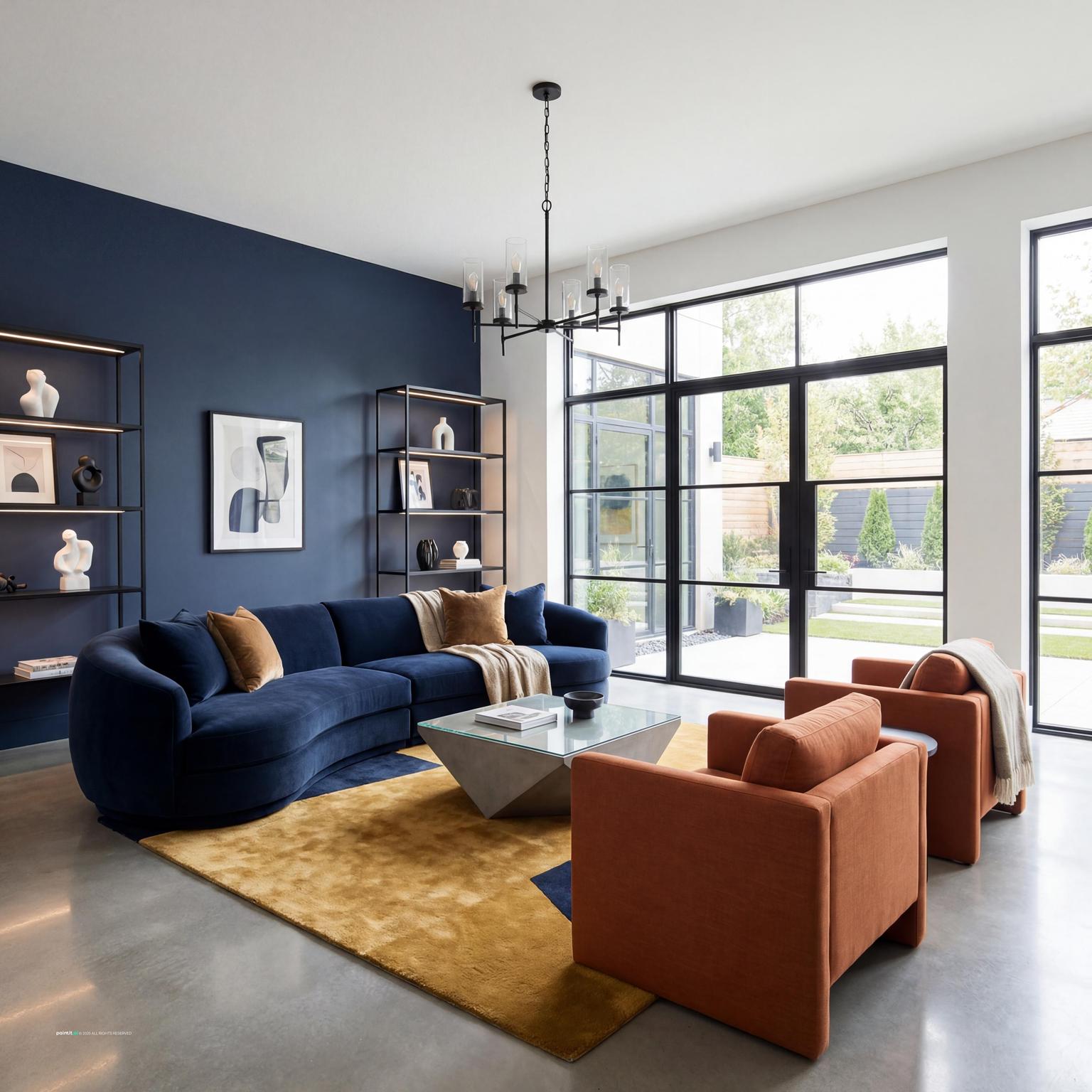
Modern Living Room Design for 2025
Modern Living Room Design for 2025 uses blue accents, soft textiles and metal accents in a living room setting.
Blue living room ideas only work when the shade, layout and light are judged together. A pale blue can open up a tight room. Navy can make a living room feel settled and evening-ready, but only if the lamps, rug and materials can carry the depth. I would not start with the paint chip. Start with the room. Look at the sofa depth, the rug edge, the curtains, the floor tone, the daylight and the view from the doorway. Blue is strong enough to change how the whole room feels, so it needs a plan around it.
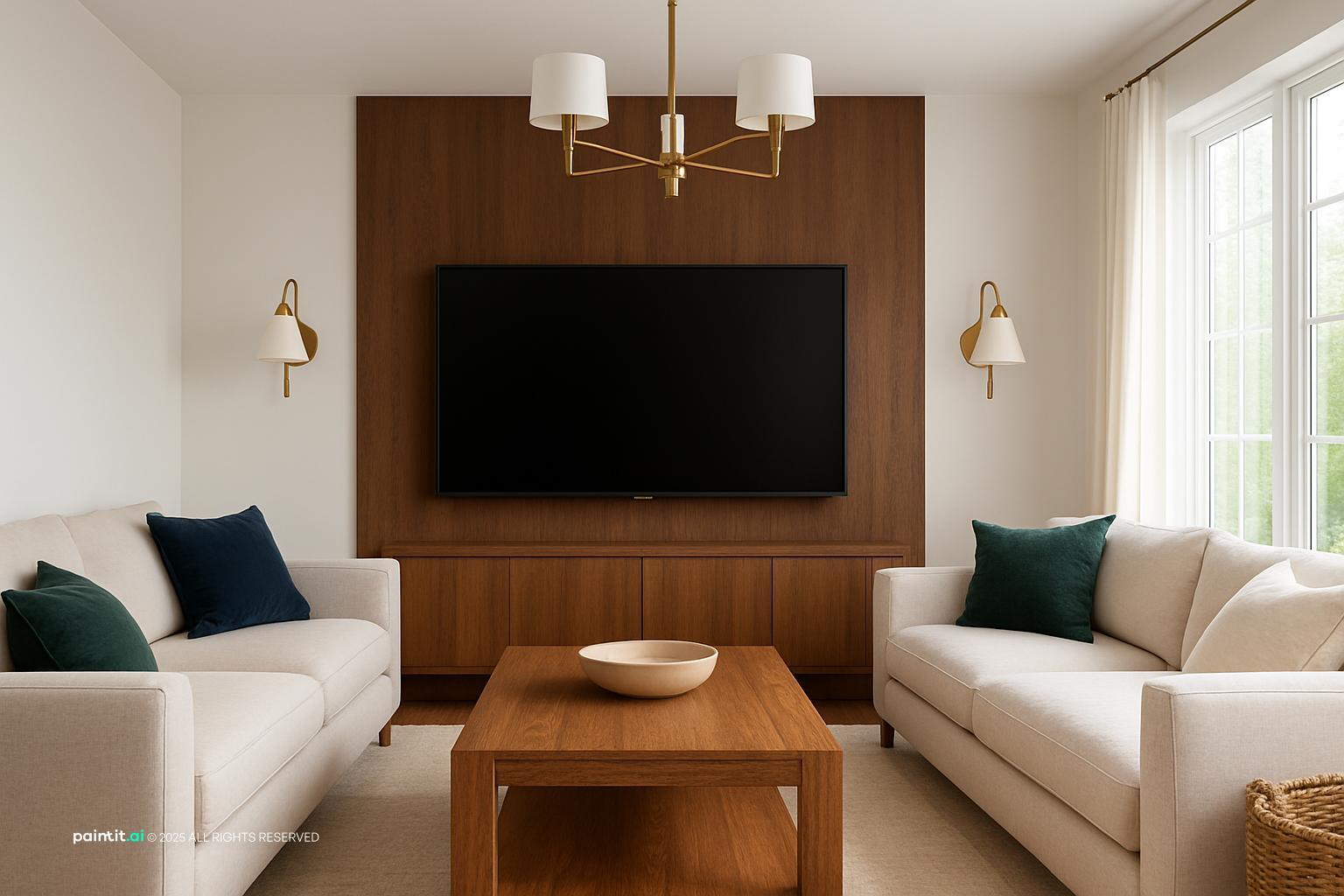
Blue is flexible, but it is not neutral in the same way beige or gray is. It shifts fast with daylight, warm bulbs, white trim, orange wood, black metal and nearby fabric. In Paintit.ai prompts, color appears in 27.6% of requests, which lines up with what we see in real room uploads: people often know they want a blue living room before they know which blue the room can actually handle.
Start with the pieces you are not changing. Wood flooring, a neutral rug, a large sectional, existing curtains or a stone fireplace can make blue feel warmer, cooler, calmer or sharper. If you want to compare blue with other palette directions, the guide to best living room colors is useful for seeing where blue sits beside warmer and more muted options.
Use the first gallery to study scale. A blue wall feels different from a blue sofa, one accent chair or a full navy room. Notice where each space leaves breathing room, how the rug breaks up the floor, and whether the blue appears again in small details instead of sitting alone.
Modern Living Room Design for 2025 uses blue accents, soft textiles and metal accents in a living room setting.
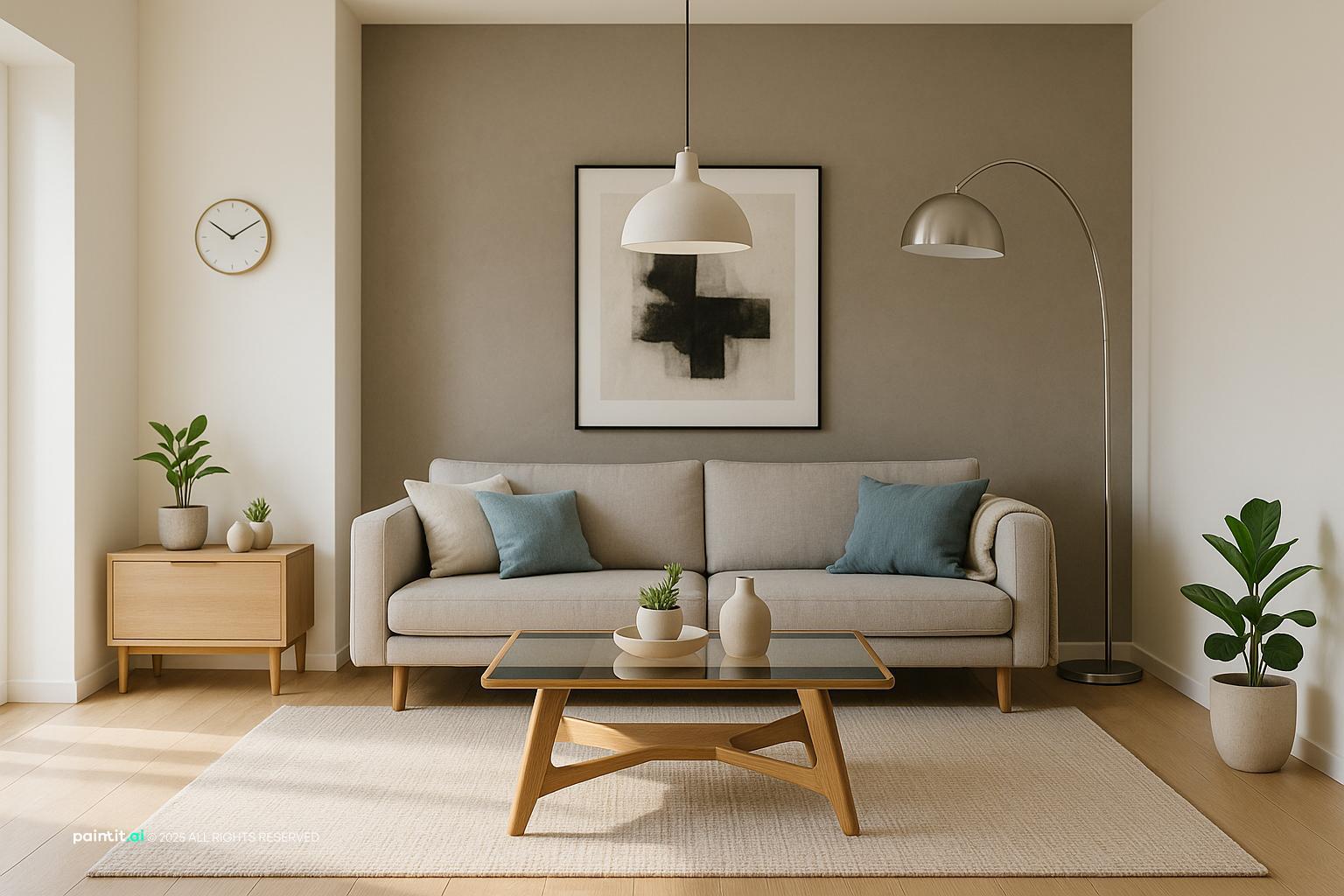
Modern Minimalist Living Room Design balances blue accents, soft textiles and clean-lined furniture in a living room setting.
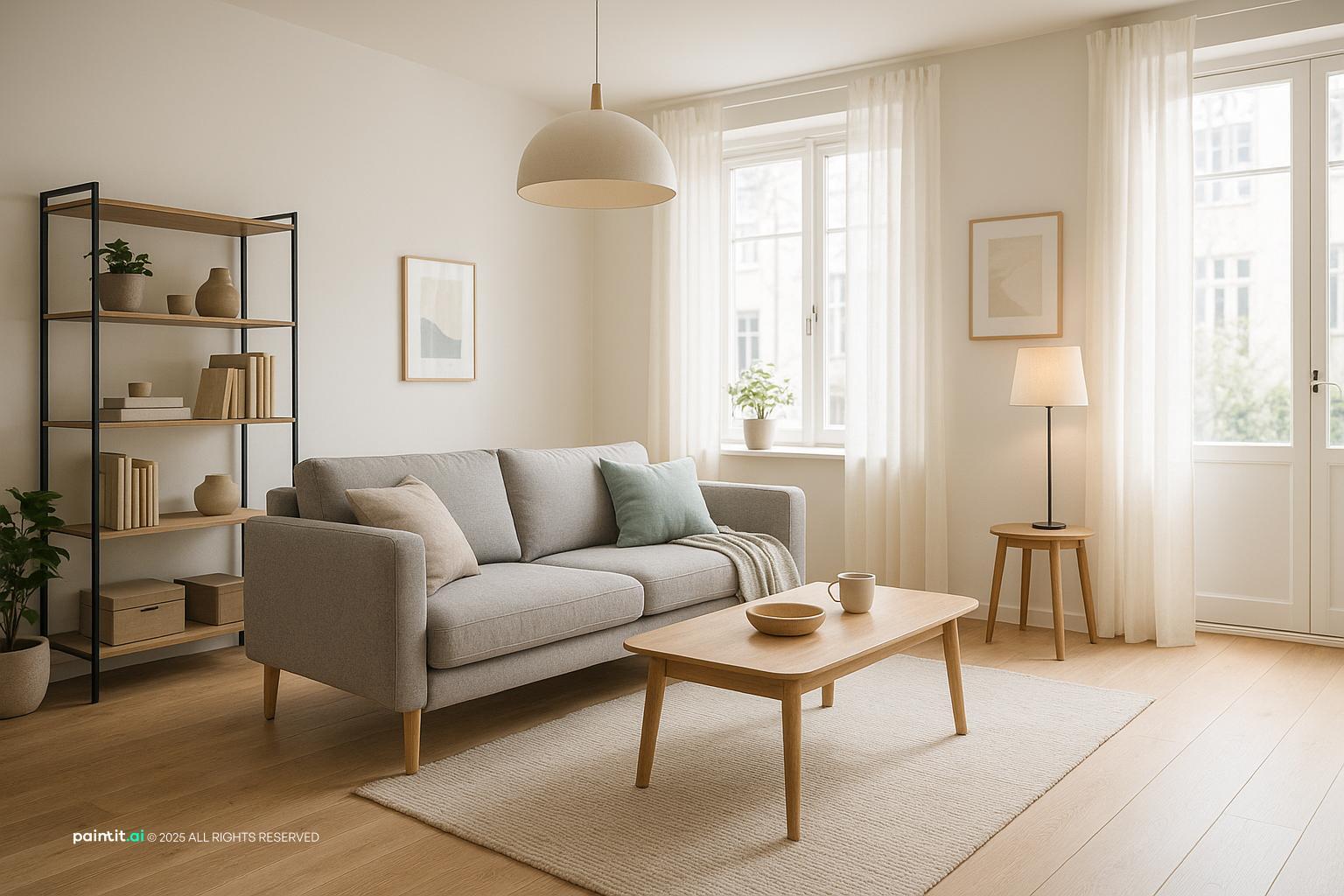
Scandinavian Style Living Room Design pairs blue accents, soft textiles and layered neutrals in a living room setting.
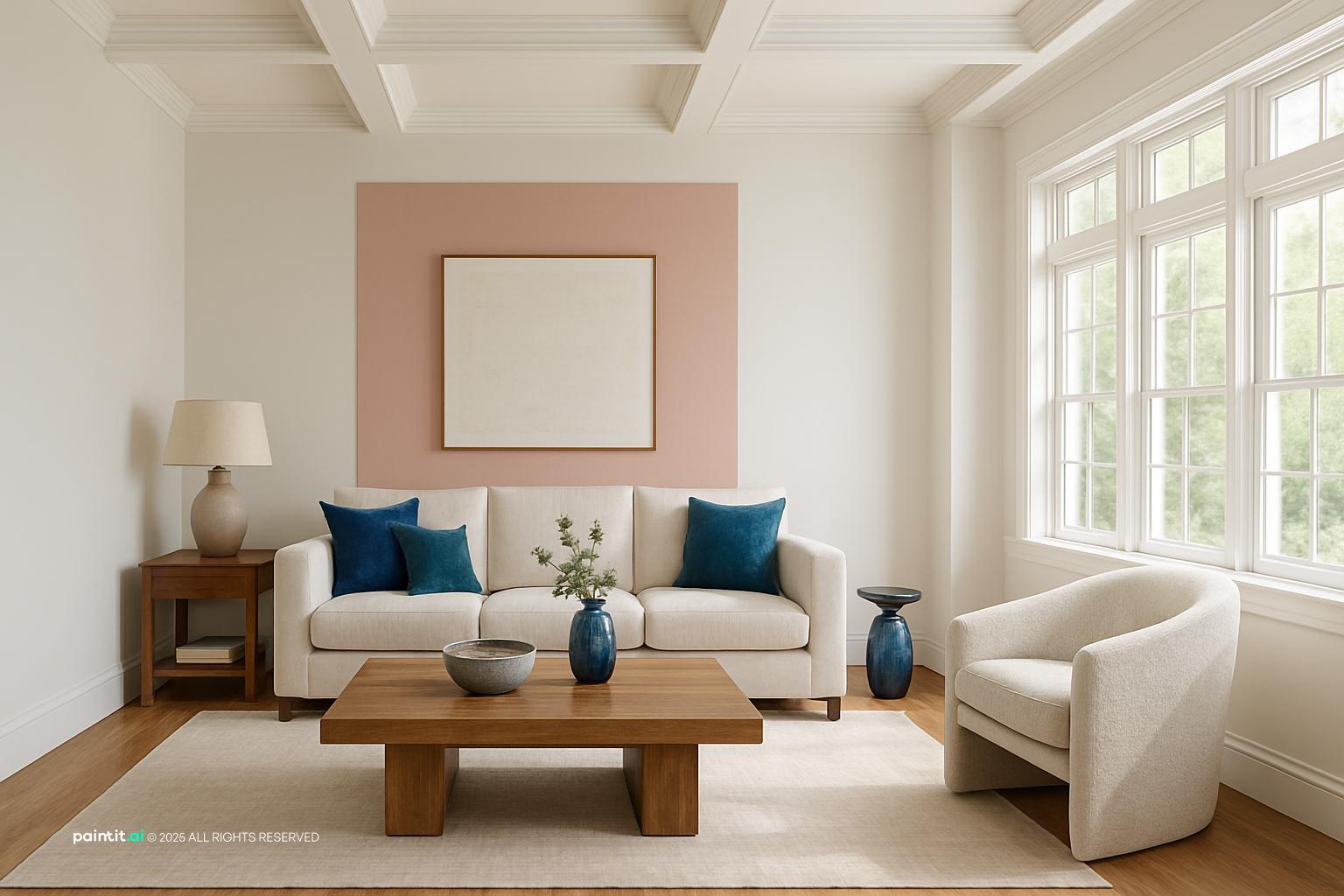
Modern Spacious Living Room Design layers blue accents, warm wood and layered neutrals in a living room setting.
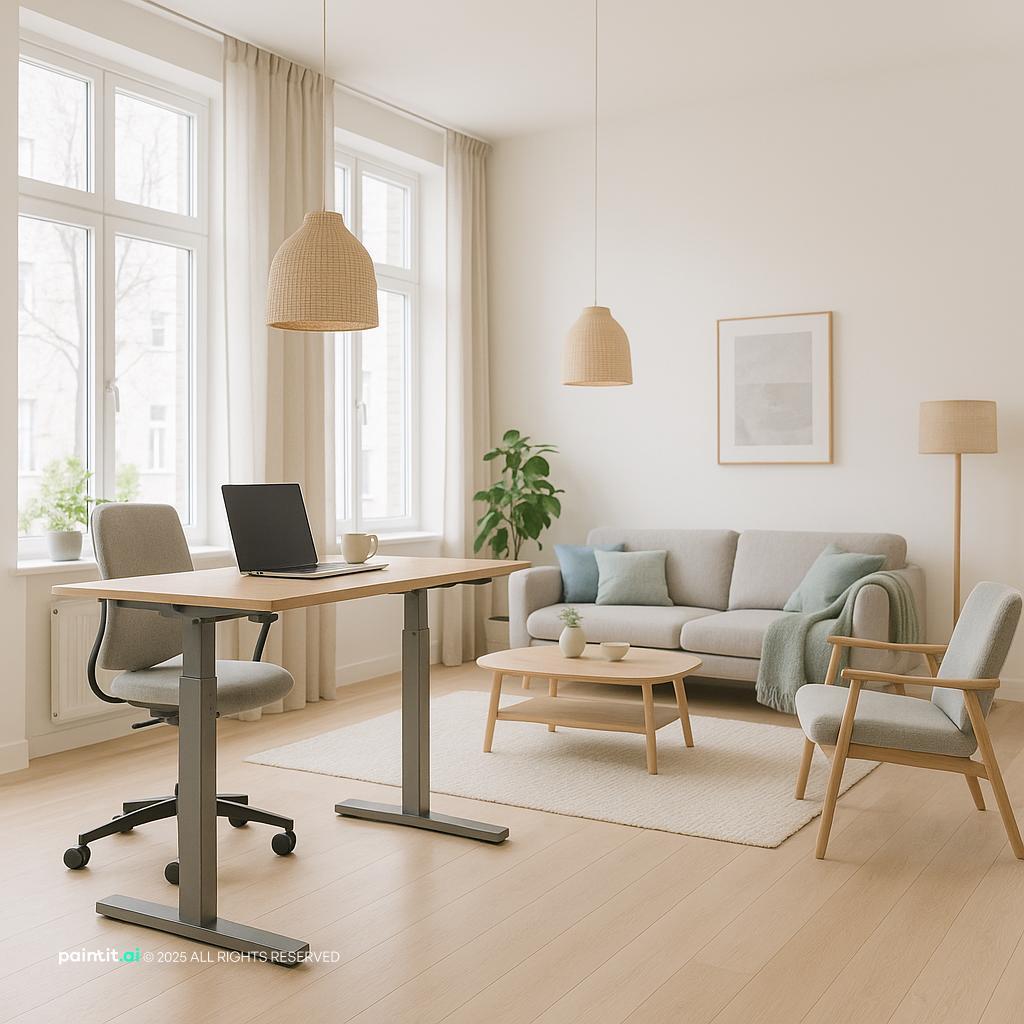
Scandinavian Contemporary Living Room Design anchors blue accents, soft textiles and clean-lined furniture in a living room setting.
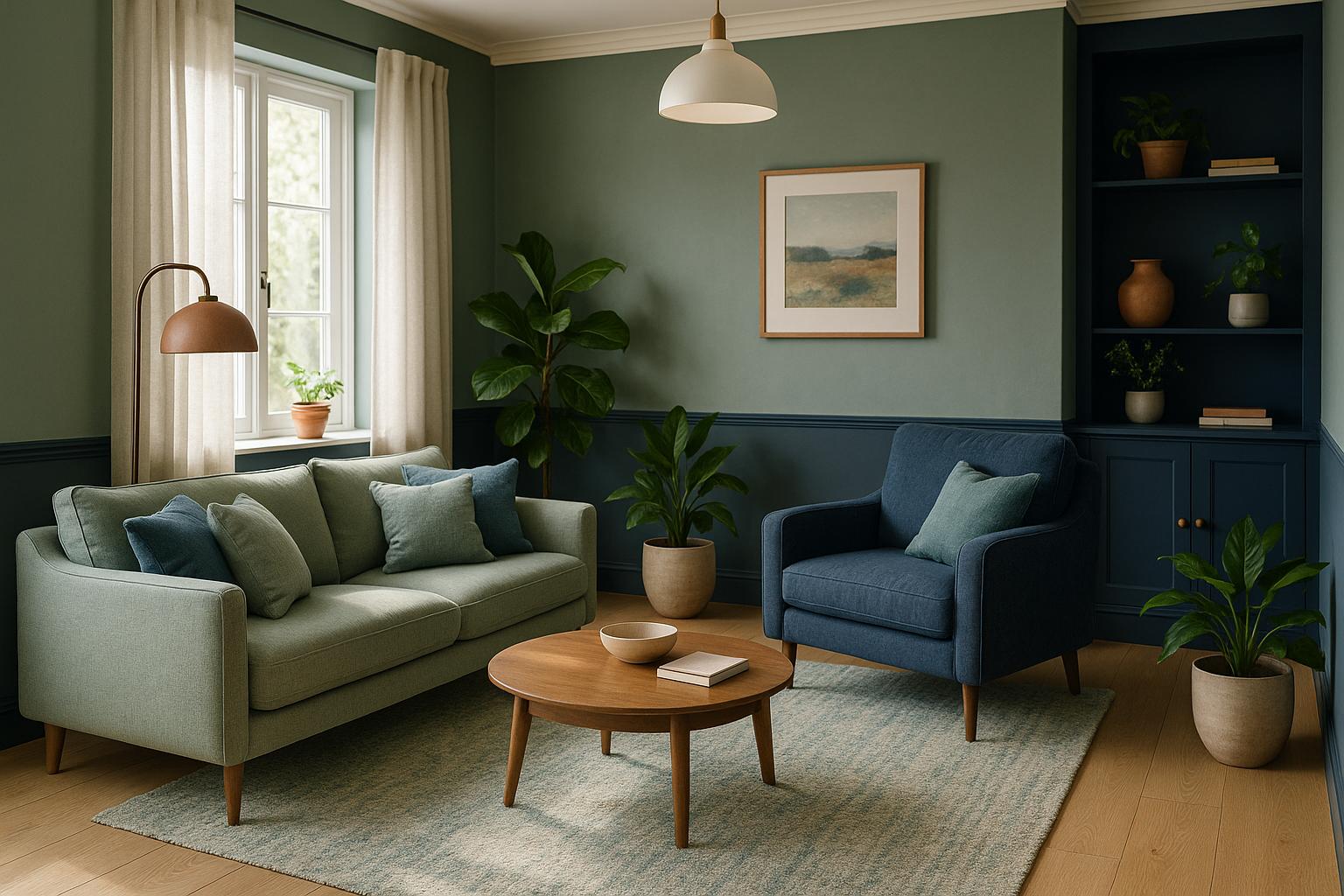
Blue Living Room Ideas with Blue Accents and Warm Wood softens blue accents, warm wood and soft textiles in a living room setting.
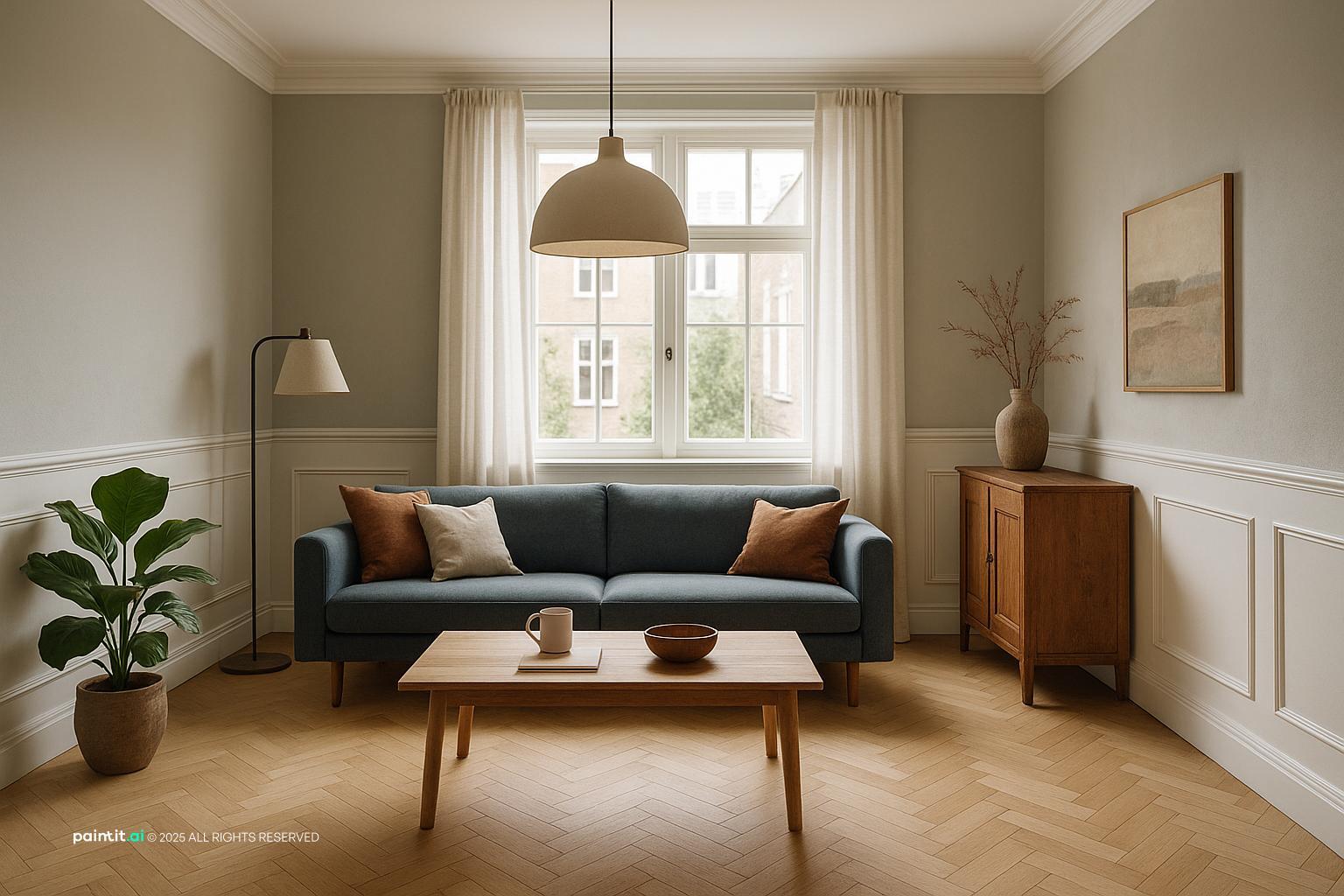
Stylish Dutch-Style Living Room Design uses blue accents, soft textiles and plants and greenery in a living room setting.
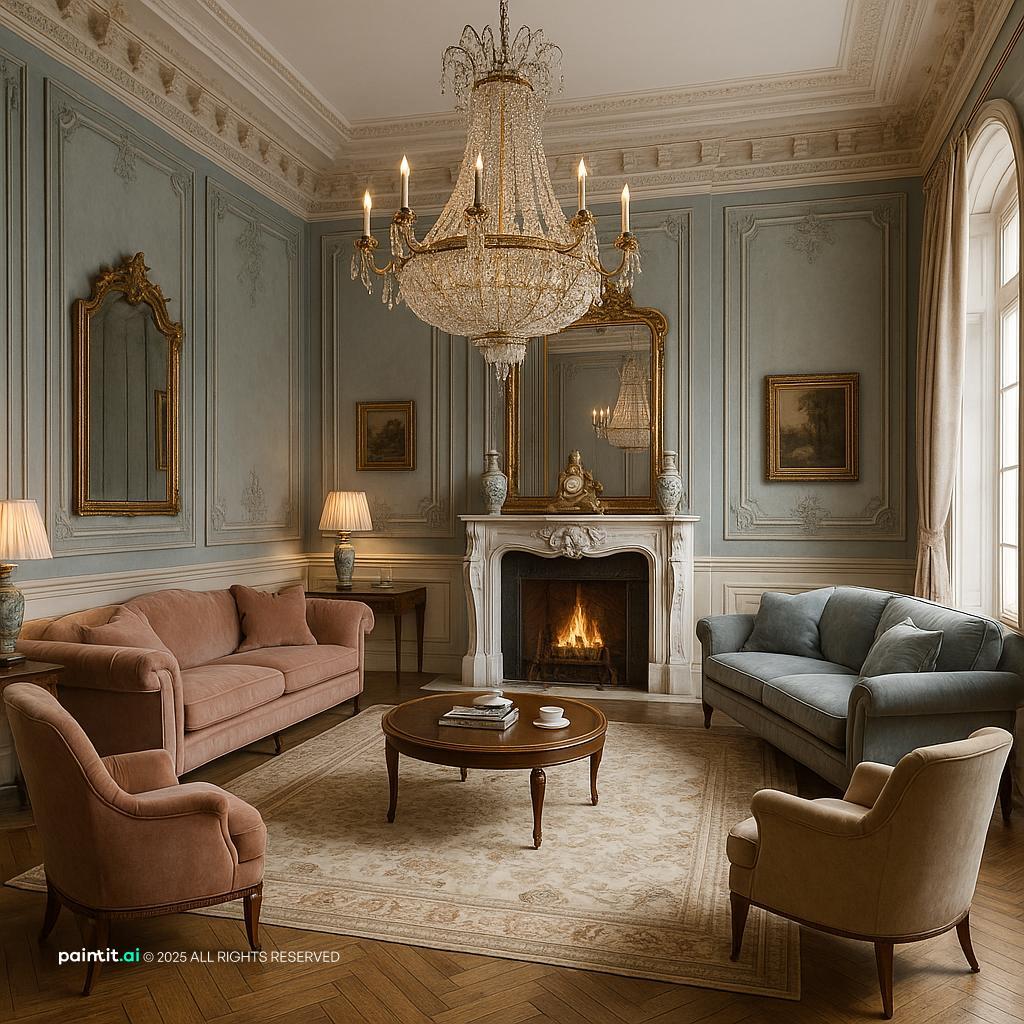
Elegant Neoclassical Living Room Design balances blue accents, metal accents and layered neutrals in a living room setting.
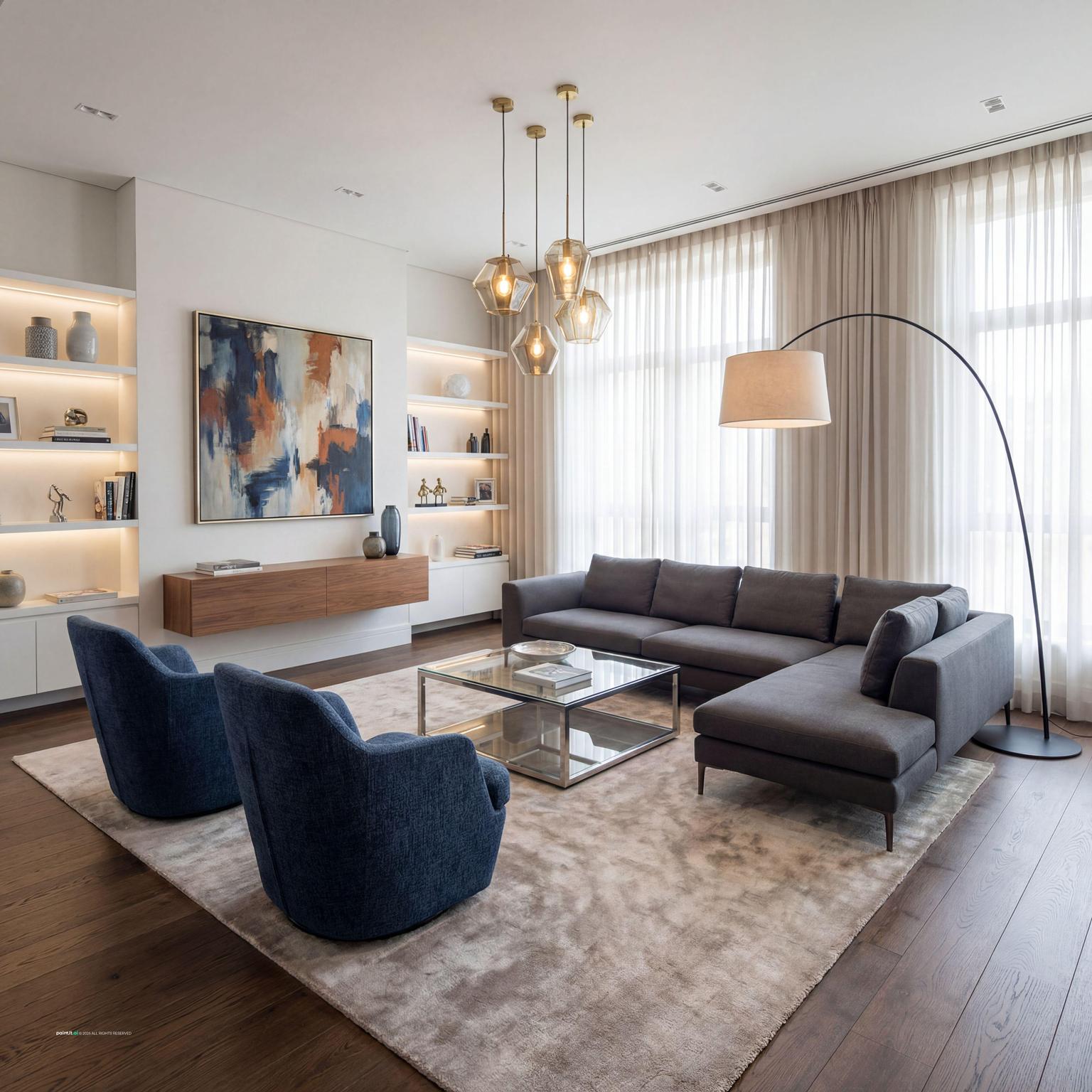
Stunning Contemporary Living Room Design 2025 pairs blue accents, metal accents and clean-lined furniture in a living room setting.
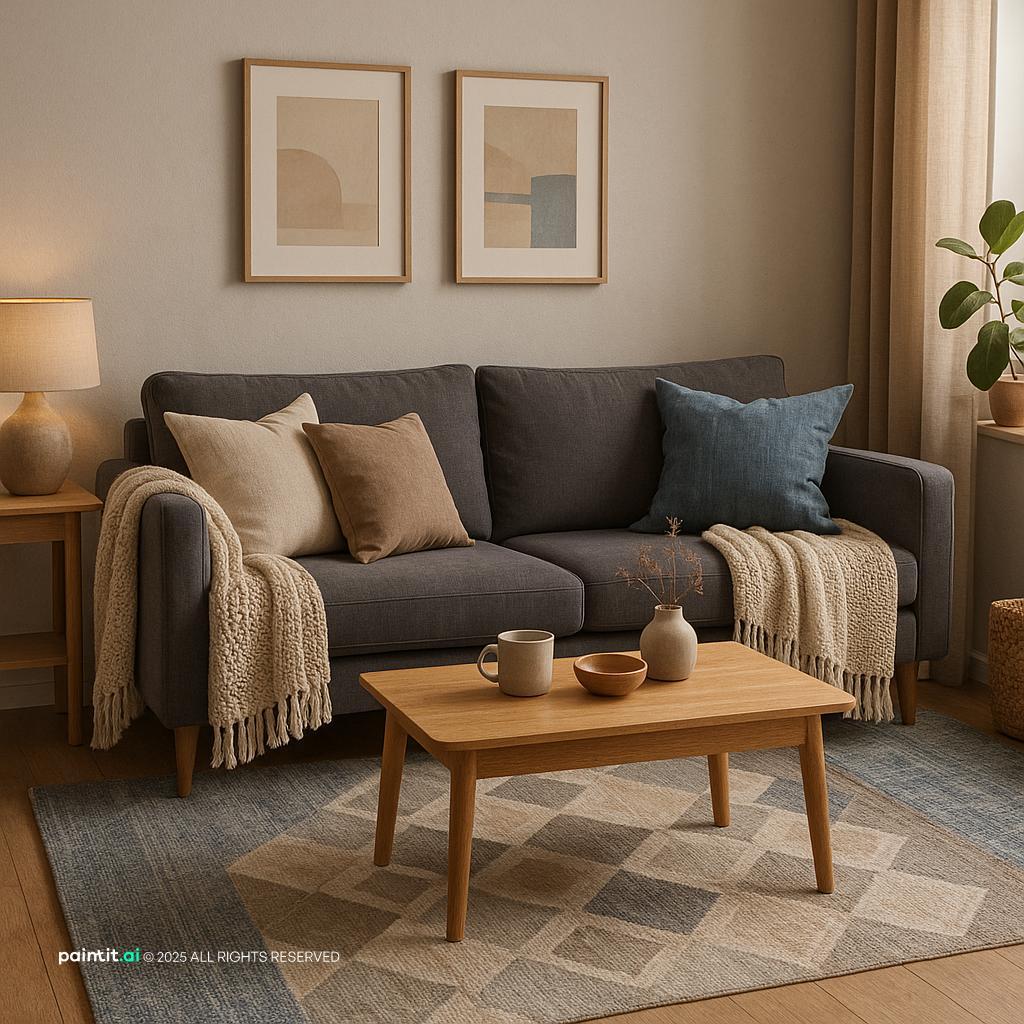
Cozy Modern Contemporary Living Room Design layers blue accents and layered neutrals in a living room setting.
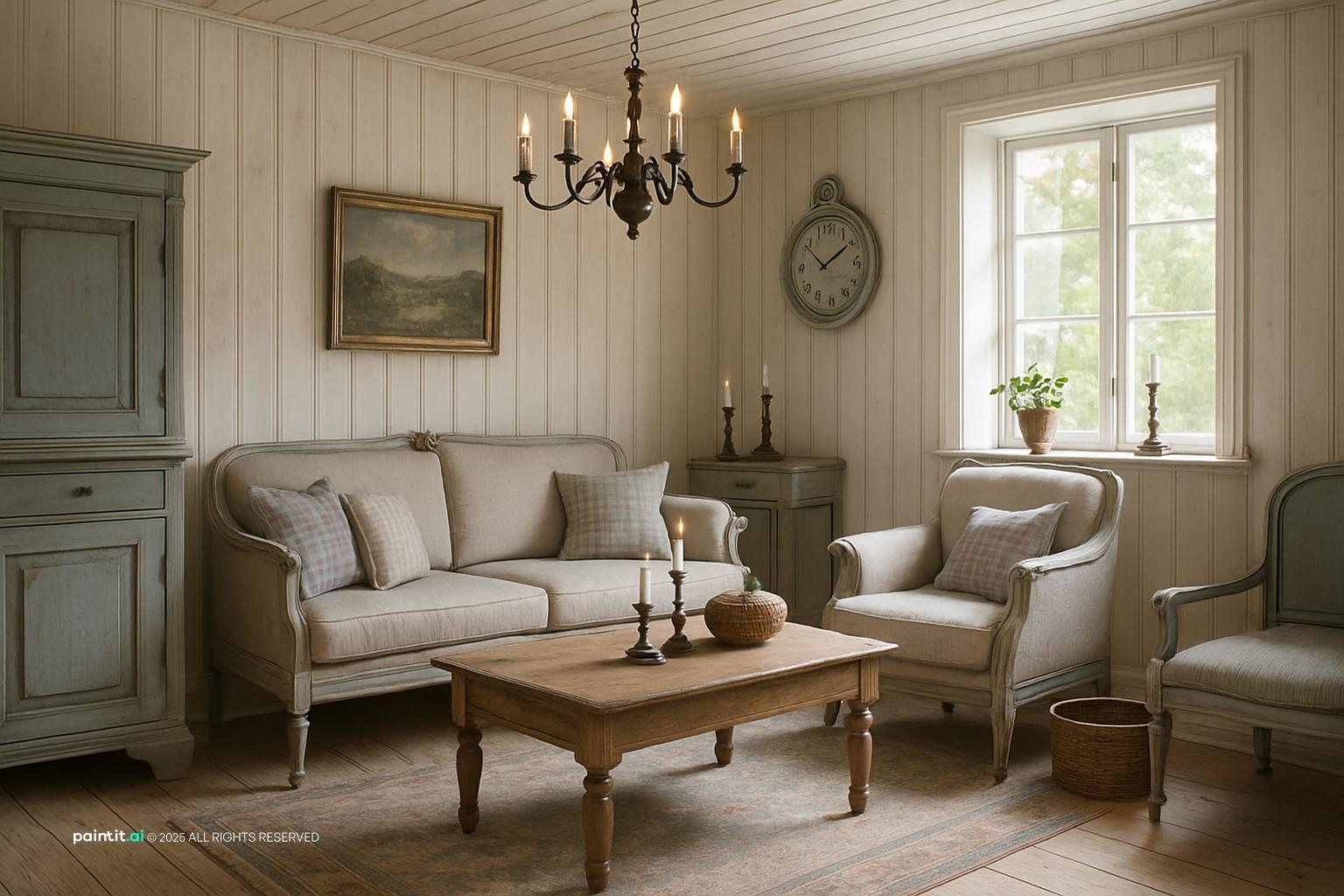
Charming Swedish Folk Style Living Room Design anchors blue accents, warm wood and soft textiles in a living room setting.
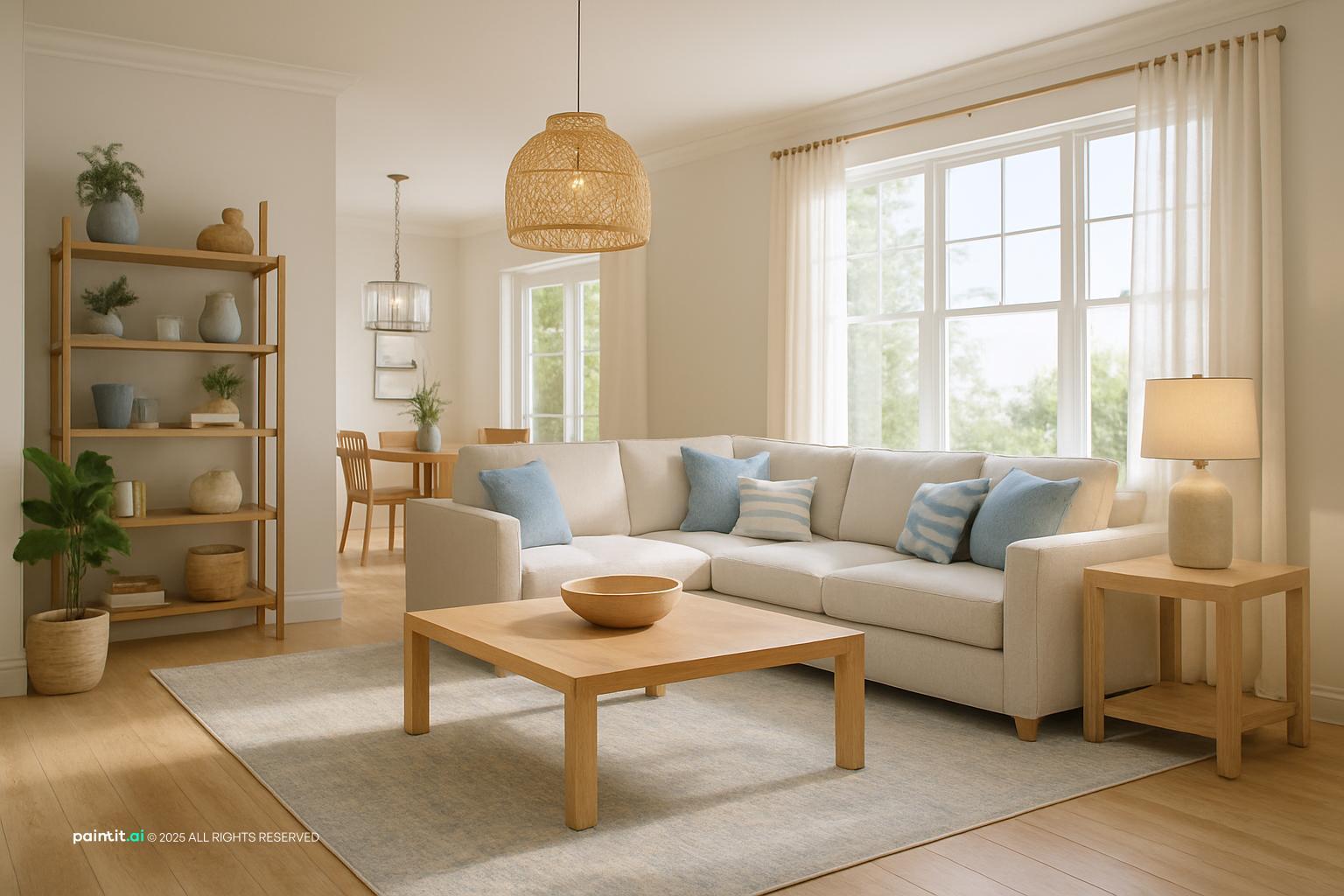
Blue Living Room Ideas with Blue Accents and Soft Textiles softens blue accents, soft textiles and plants and greenery in a living room setting.
Before buying paint or a sofa, list what must stay: flooring, fireplace stone, built-ins, a neutral rug, curtains, wall art or a large coffee table. Professional-style Paintit.ai prompts often use a KEEP and REMOVE structure because it protects the room’s architecture while changing the mood. You can do the same before you decorate: keep the oak floor, remove the red pillows, add a muted blue wall.
Why it works: blue reacts strongly to its neighbors. A crisp sky blue beside orange-toned wood can look much louder than it looked online. A dusty blue may sit more naturally with the same floor. This is also the fastest way to avoid the common mistake: changing one color, then realizing half the room now feels wrong.
If you are unsure about blue living room walls, start with the wall behind the sofa, fireplace or media unit. This gives the room a focal point without making every corner darker. A deep navy blue accent wall works especially well when the other walls are warm white, pale gray or soft cream.
In Paintit.ai usage, 13.2% of users explicitly ask to repaint or paint, and many start with one wall rather than a full overhaul. The catch: do not choose the darkest wall in the room if it gets no natural light and already holds a bulky TV unit. The blue can turn flat, shadowy and heavier than expected.
Navy blue living room ideas are strongest when the room has real contrast. Pair navy walls with linen upholstery, pale stone, brass or brushed nickel, and lamps at different heights. If the sofa is also dark, add a lighter rug large enough to sit under the front legs of the main seating pieces.
Why it works: navy absorbs light and visually pulls surfaces forward. That can make a long room feel more intimate, but it can also shrink a tight room if every major piece is dark. Treat navy as a layout tool. Use it where you want the eye to land and rest.
Light blue living room ideas are especially useful for apartments, narrow rooms and spaces with low ceilings. A soft powder blue, blue-gray or misty aqua can brighten the wall plane while still giving more character than plain white. Use white trim if you want a crisp edge, or cream trim if the room has warmer flooring.
What often goes wrong: very sweet pastel blue can feel thin beside heavy brown furniture. Add texture with woven shades, nubby upholstery, aged wood or matte black accents so the room does not drift into nursery or beach rental territory by accident.
Blue and white living room ideas can look clean and timeless, but they need a warm layer to avoid feeling cold. Use white on the largest surfaces, blue on upholstery or walls, and add tan leather, honey oak, rattan, seagrass or warm brass. A white sofa with blue throw pillows works best when the coffee table or side tables bring in a natural material.
Why it works: blue and white create strong contrast, so the eye reads the room quickly. The warm layer slows that contrast down. If the room has strong daylight, choose off-white instead of icy white so the blue does not become too stark.
Blue sofa living room ideas need balance because the sofa is usually the largest color block in the room. If the sofa is navy, repeat blue in small amounts through wall art, a patterned pillow, a ceramic lamp or a single stripe in the curtains. Keep the rug lighter or more neutral so the sofa does not feel like it is floating in a dark pool.
For an empty or partly furnished room, AI virtual staging can help test whether a blue sofa should be the main color or only one part of the color palette. What to avoid: matching every accessory to the sofa exactly. A room feels more natural when the blues vary a bit in depth, fabric and finish.
Blue and wood can be excellent together, but the shade matters. Warm oak, walnut and teak usually work better with muted blues, denim blues, slate blues and green-leaning blues. Very electric blue can fight with natural grain, especially in rooms with heavy wood furniture.
Paintit.ai users specify materials in 19.0% of prompts, and this is one of the places where that detail matters. Blue is rarely successful as a standalone choice. Look at the floor before choosing the wall color. If the floor is orange or red-toned, test a softened blue-gray before you test saturated cobalt.
If you rent, share the home or simply want to keep the walls quiet, bring blue in through the rug. A patterned rug with blue, ivory and warm beige can connect a neutral sofa to a painted cabinet, blue chair or artwork. Size matters: the rug should be wide enough that the front sofa legs and front chair legs sit on it, or the color will look like an afterthought.
Why it works: a rug spreads blue horizontally, which feels less risky than a full wall. It also defines the conversation zone in open-plan living rooms. Avoid tiny blue rugs that sit only under the coffee table; they usually make the seating area feel disconnected.
Curtains can either soften blue or sharpen it. For a relaxed room, use oatmeal linen, off-white cotton or a subtle blue stripe. For a more tailored room, try solid navy curtains against pale walls, or pale blue curtains with deeper blue upholstery.
Hang rods high and wide so the window looks larger and the fabric does not block daylight when open. What to avoid: shiny blue synthetic fabric in a room with matte walls and casual furniture. The finish can look separate from everything else, even when the color is technically right.
A blue room often needs better lighting more than it needs more accessories. Use a ceiling fixture for general light, table lamps near seating, a floor lamp by a reading chair and a small picture light or sconce if there is art. Warm bulbs can make deep blue feel comfortable at night, while daylight should be checked during the day before paint is finalized.
In Paintit.ai tests, rooms described with daylight tend to give clearer direction for navy schemes because the model has a better sense of how the paint color will behave. What to avoid: one cold overhead light. It can make navy walls look harsh and light blue walls look washed out.
Blue is useful when a living room has mixed furniture styles. A modern blue sofa can sit with an antique wood chest if the room repeats both ideas: blue in art, wood in frames, and a simple metal floor lamp to connect old and new. Keep silhouettes clean if the color is strong.
Why it works: blue has enough presence to create a clear theme, but it can read classic, coastal, modern or casual depending on the materials around it. Avoid stacking too many style signals in one small room, such as coastal stripes, glam metals, farmhouse signs and mid-century legs all competing at once.
A deep blue wall behind a TV can reduce the contrast between the black screen and a pale wall. This is a smart option for living rooms where the television is unavoidable. Add closed storage below the screen, keep cable clutter hidden, and use art or shelves sparingly around the TV.
What to avoid: glossy blue paint on a media wall. It can catch glare from windows and lamps. Choose matte or eggshell finishes and place lamps to the side rather than directly opposite the screen.
Not every blue living room needs painted walls or a new sofa. Start with throw pillows, a blanket, a ceramic lamp, one piece of wall art and maybe a blue-gray ottoman. Live with those pieces for a week and watch how they look in morning light, afternoon shade and evening lamp light.
This matches how many people refine designs in Paintit.ai with phrases like more, a bit darker or now make it warmer. If the room feels too cool, add wood tones, warmer bulbs or a cream pillow before deciding the blue itself is wrong.
Strong color makes a room feel visually fuller, so the layout has to stay calm. Leave a clear path between the entry and the main seating, keep coffee table clearance comfortable, and avoid squeezing blue accent chairs into corners where they block movement. If the room is small, one blue feature is often enough.
For a step-by-step planning method, how to redesign a living room with Paintit.ai is helpful because it separates what to keep, change, add and remove. Why it works: a room with good circulation can handle richer color. A cramped layout makes even a beautiful blue feel busy.
The second gallery is useful for comparing undertones and intensity. Notice which blues feel crisp, smoky, coastal or moody, and check how each option reacts to wood floors, white walls, dark furniture and different lamp temperatures.
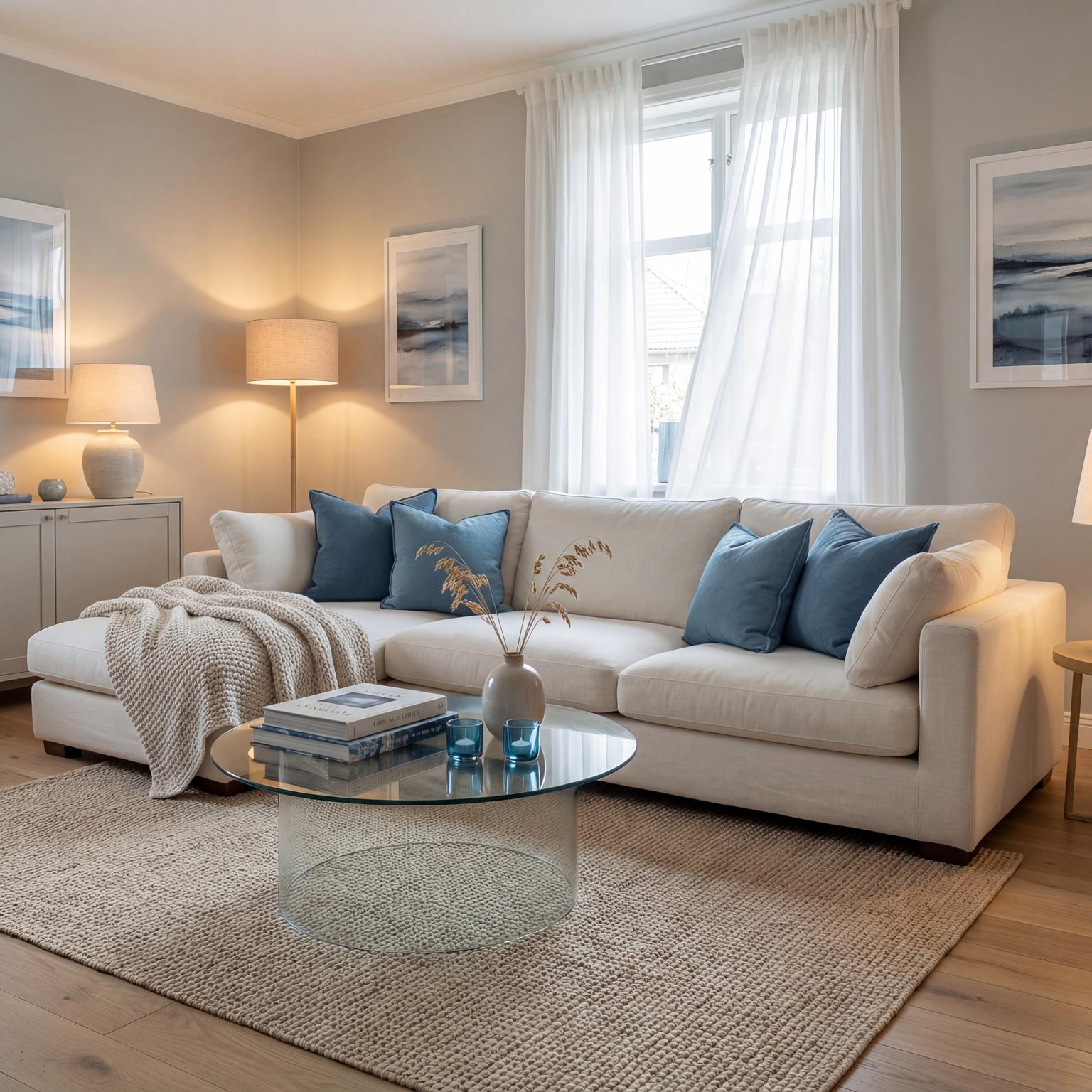
Cozy Living Room in Repose Grey and Oceanside Blue uses blue accents, warm wood and soft textiles in a living room setting.
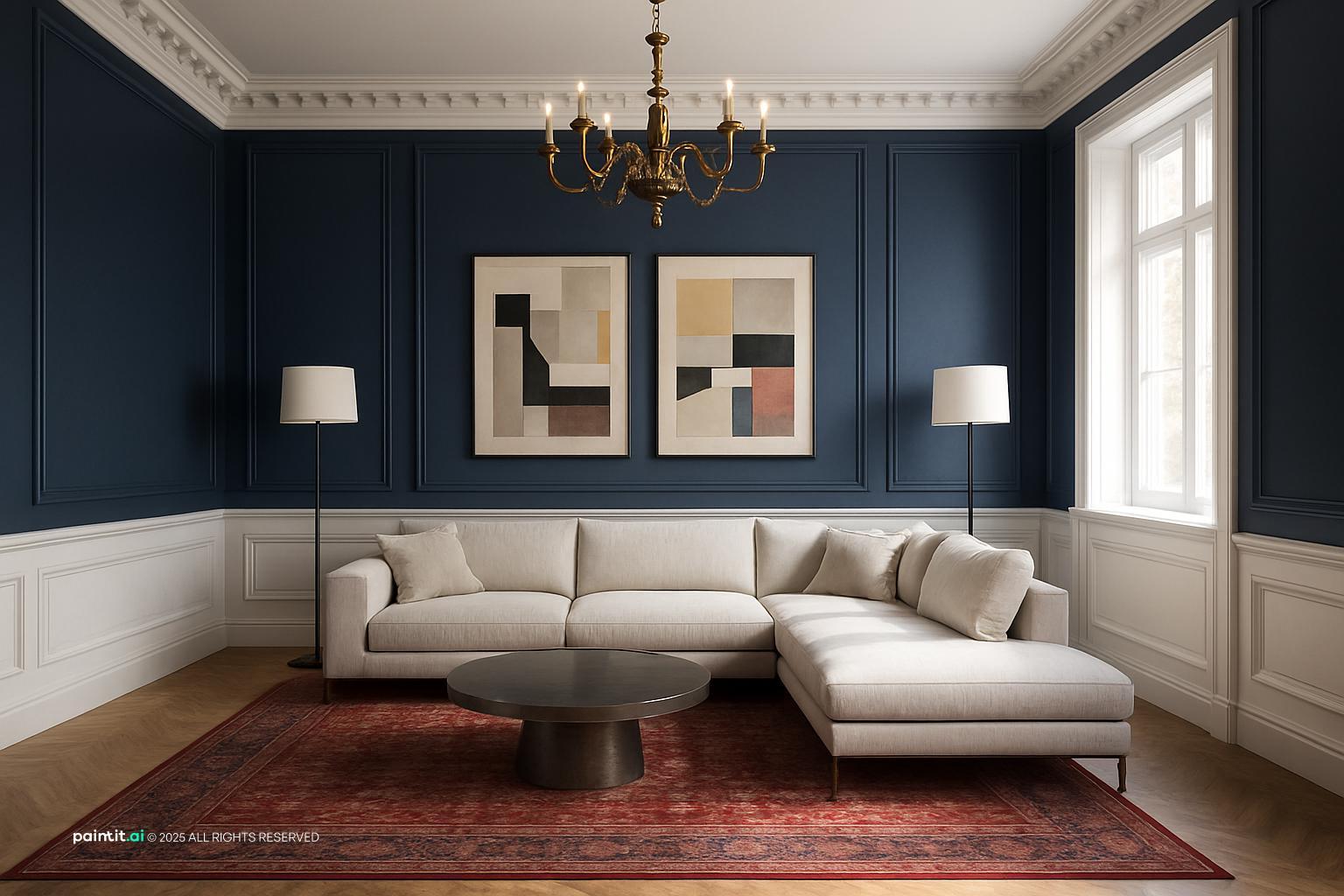
Elegant Neoclassic Living Room Design balances blue accents, metal accents and layered neutrals in a living room setting.
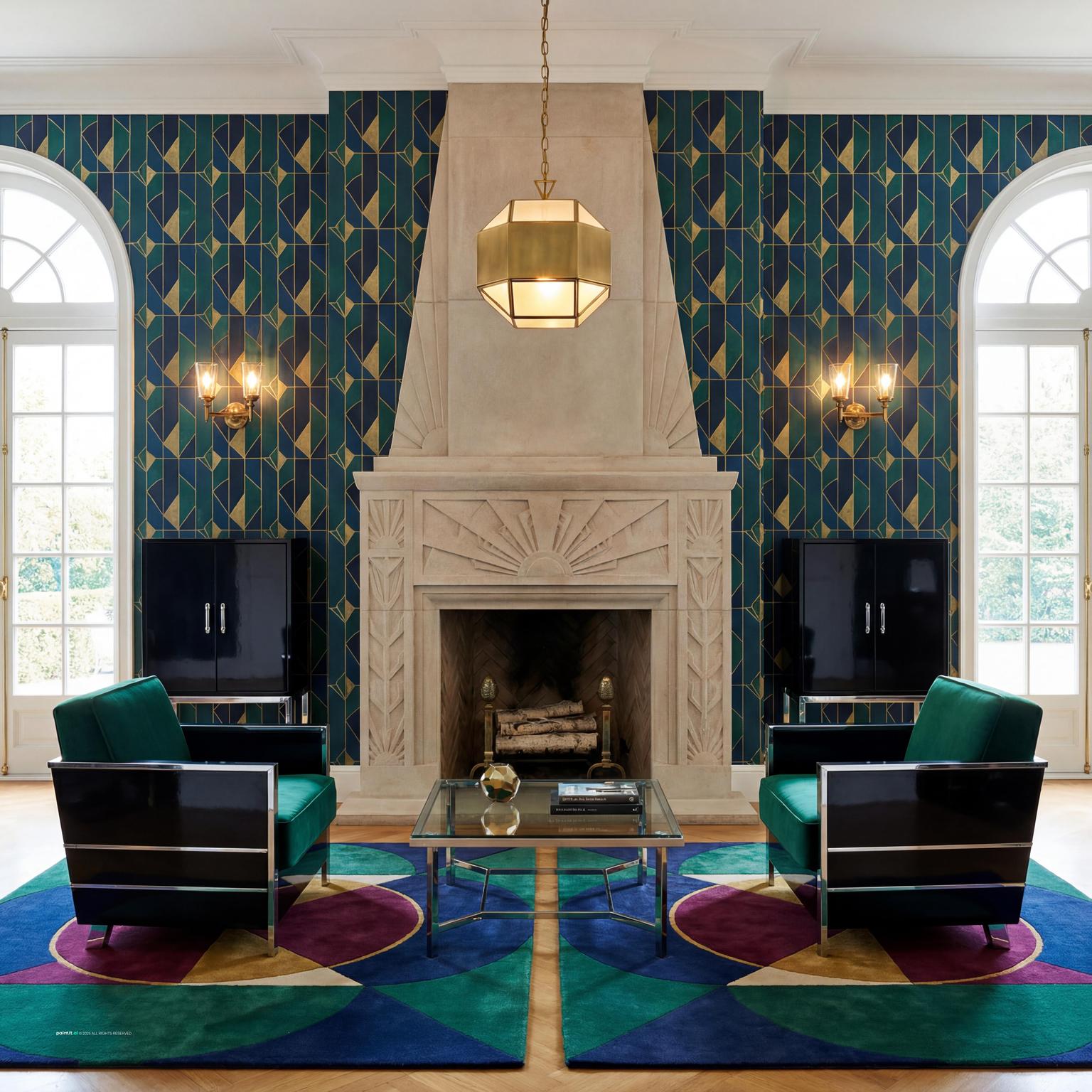
Stunning Art Deco Living Room Design pairs blue accents, metal accents and dark contrast in a living room setting.
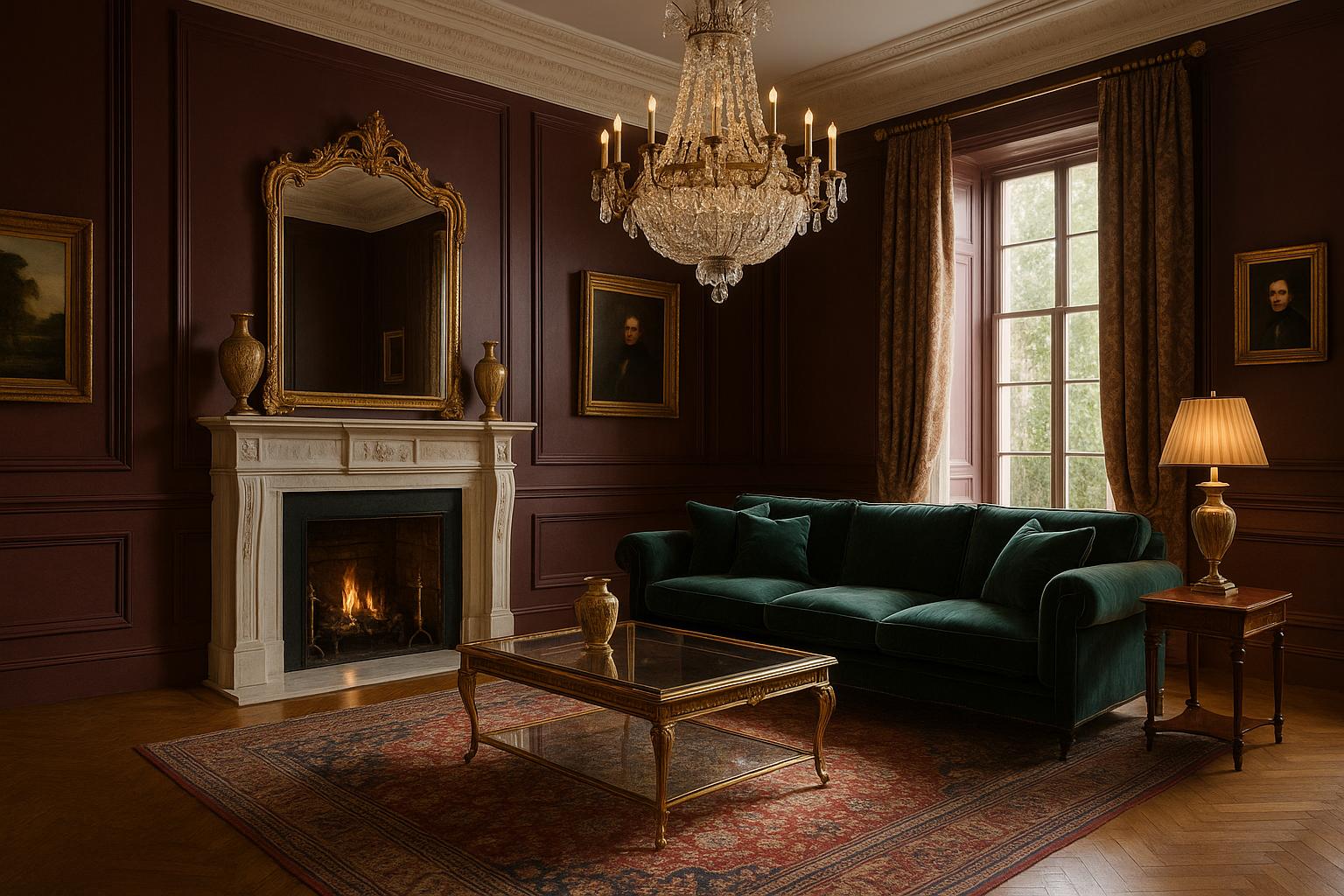
Elegant Neoclassic Living Room Design with Blue Accents layers blue accents and natural light in a living room setting.
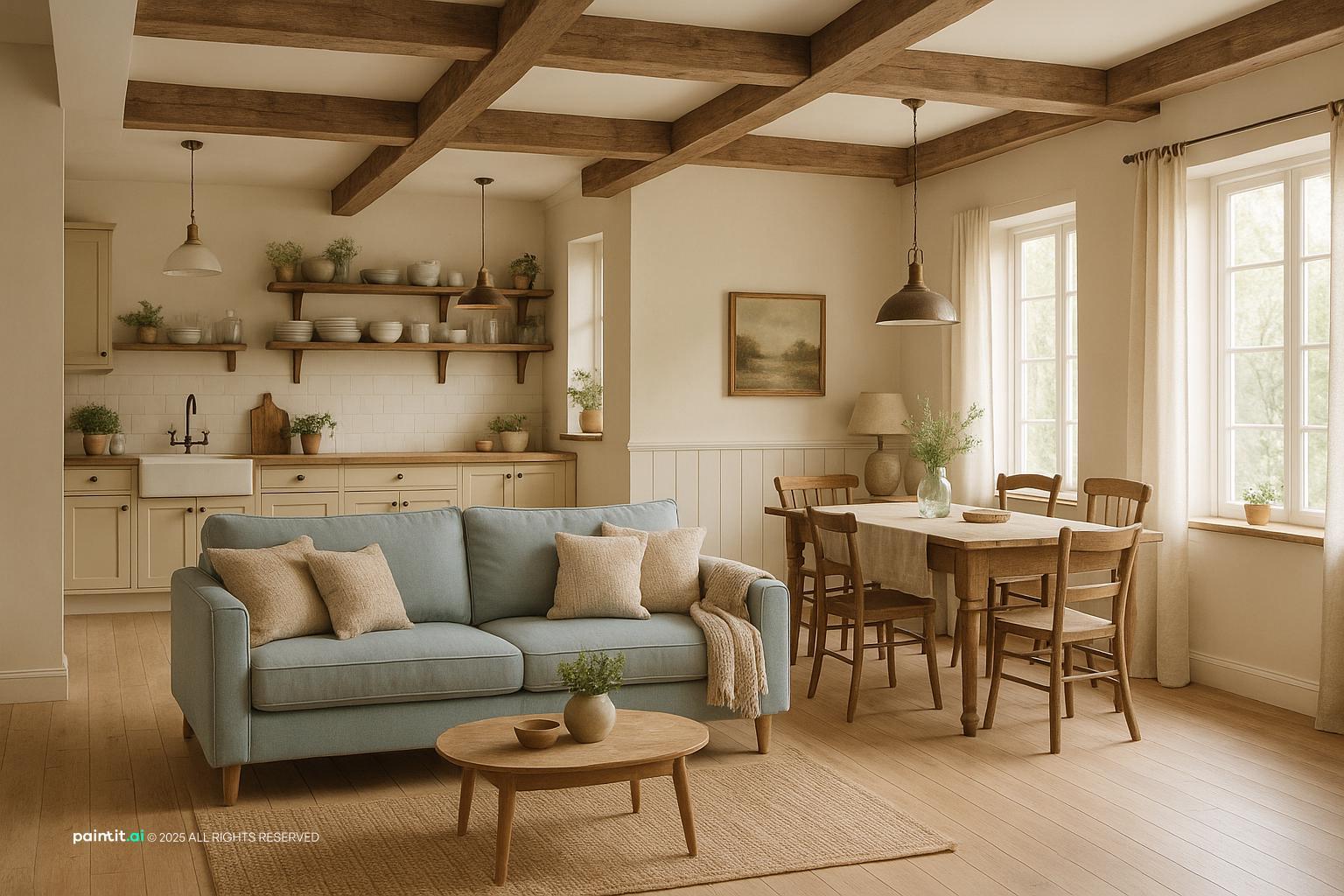
Cozy Farmhouse Open Concept Living Room Design anchors blue accents, warm wood and soft textiles in a living room setting.
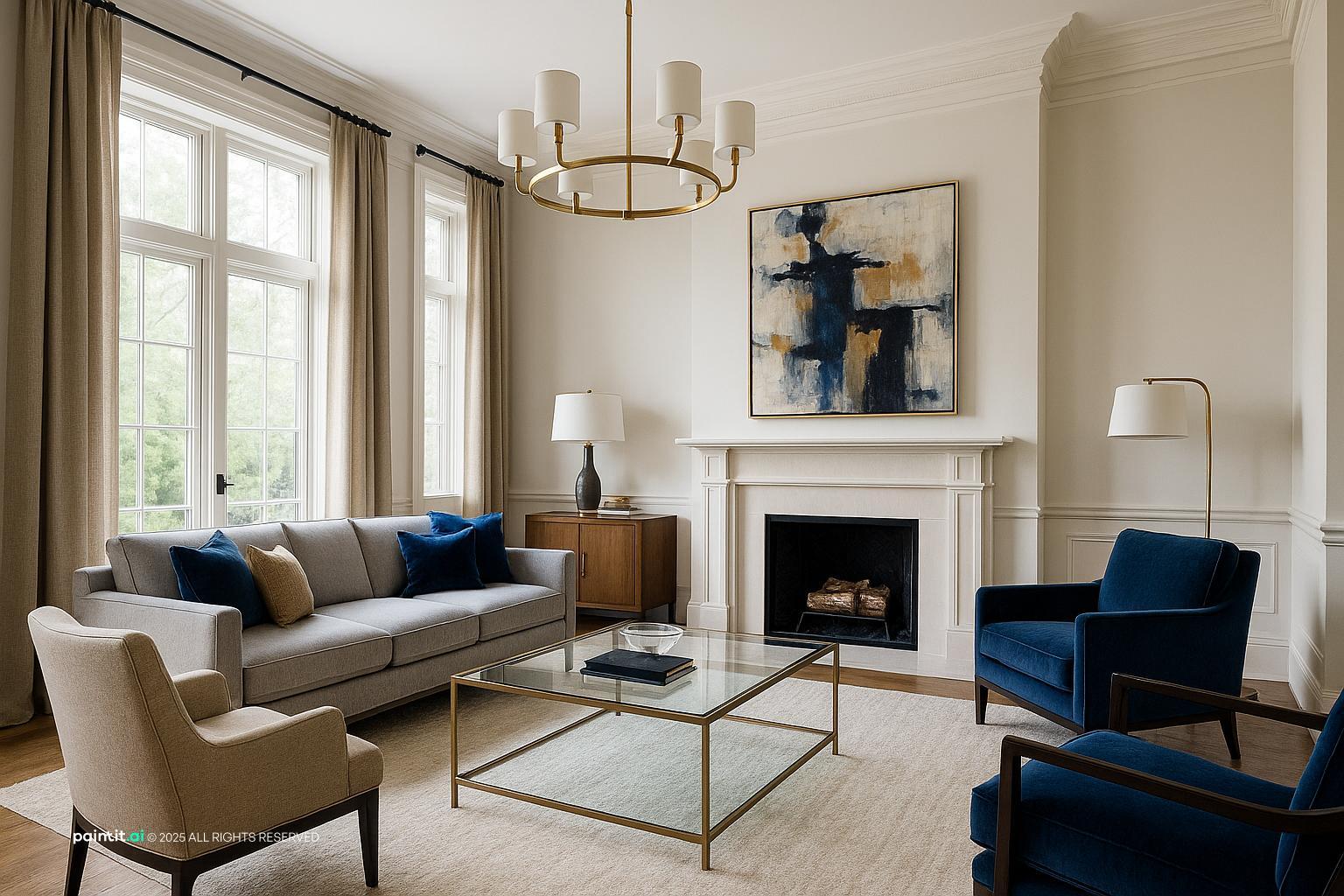
Transitional Style Living Room Design softens blue accents, soft textiles and metal accents in a living room setting.
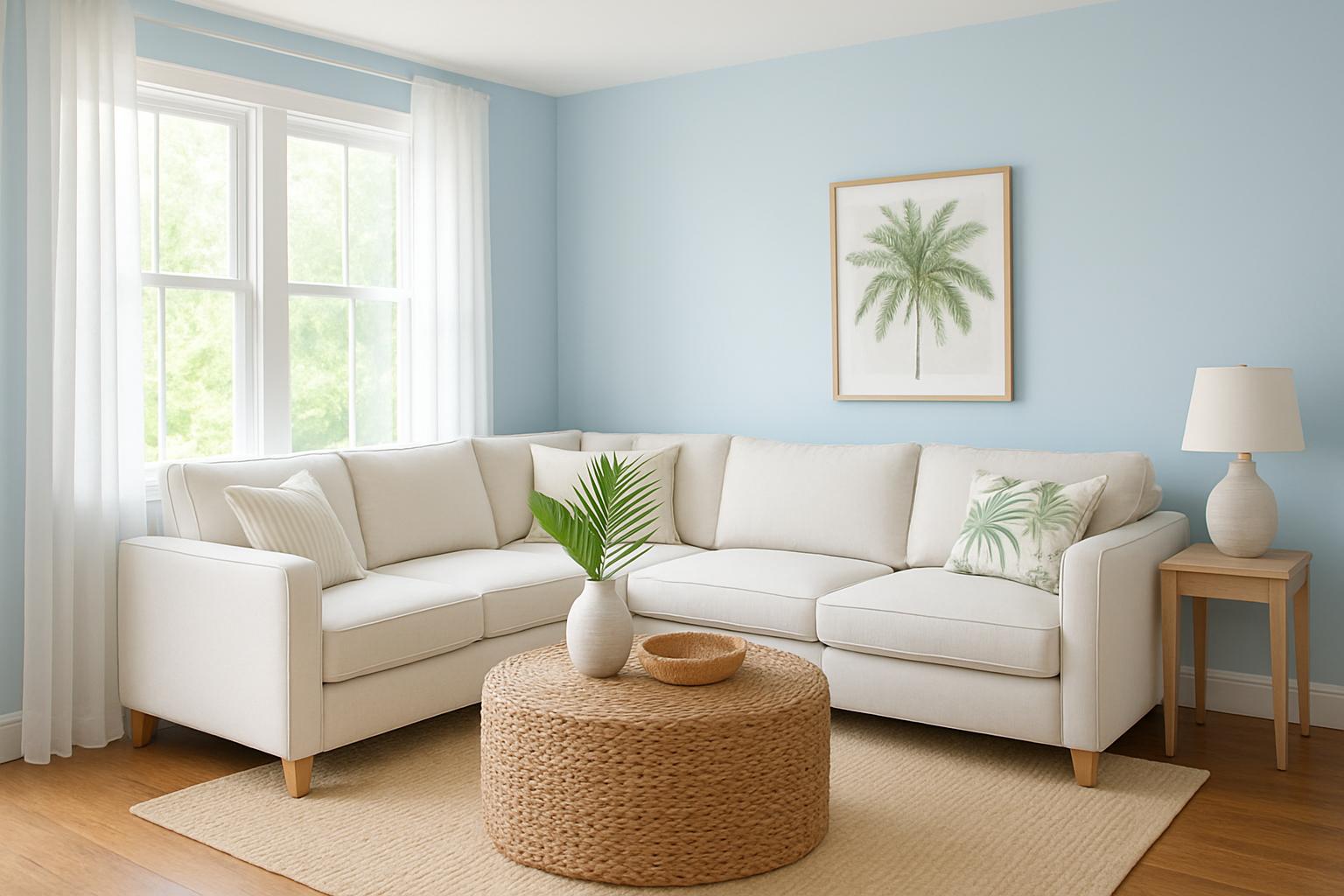
Blue Living Room Ideas with Blue Accents and Layered Neutrals uses blue accents, layered neutrals and natural light in a living room setting.
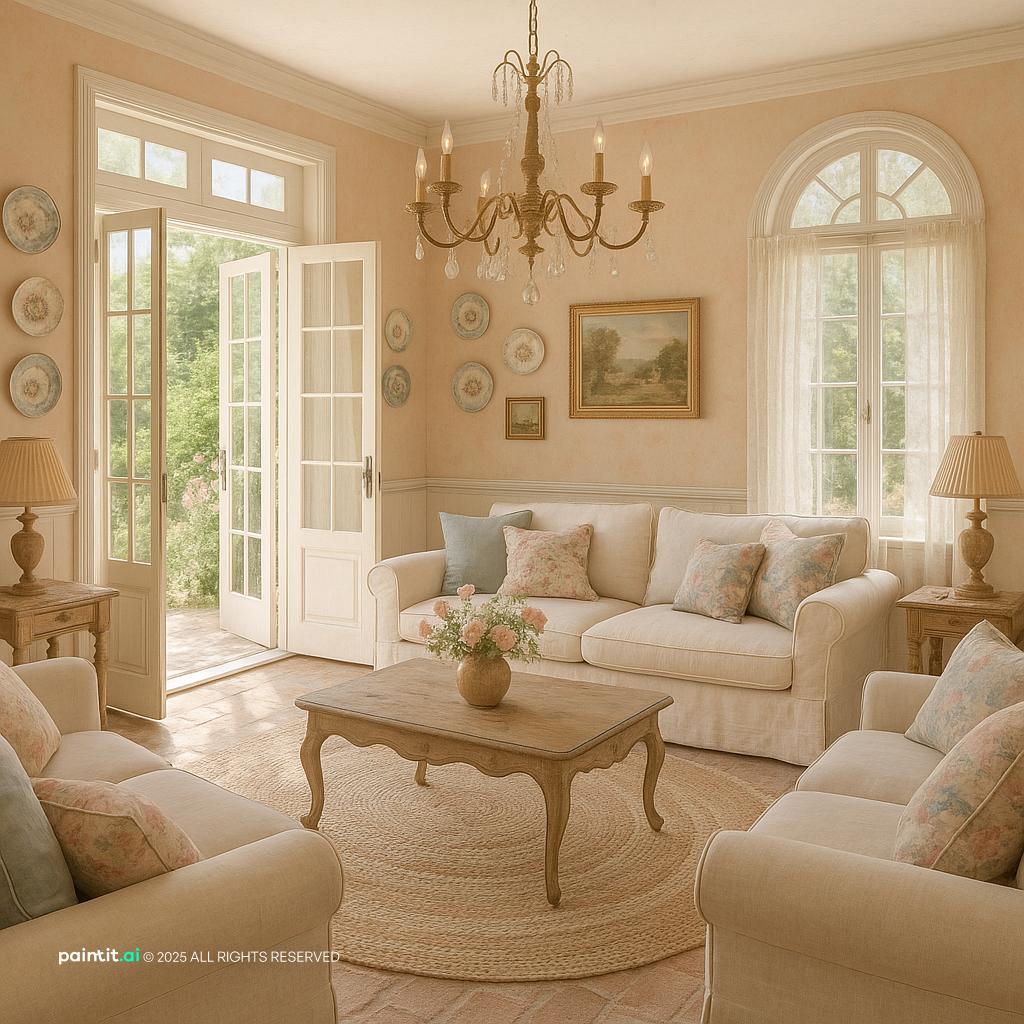
Blue Living Room Ideas with Blue Accents and Soft Textiles with Layered Neutrals balances blue accents, soft textiles and layered neutrals in a living room setting.
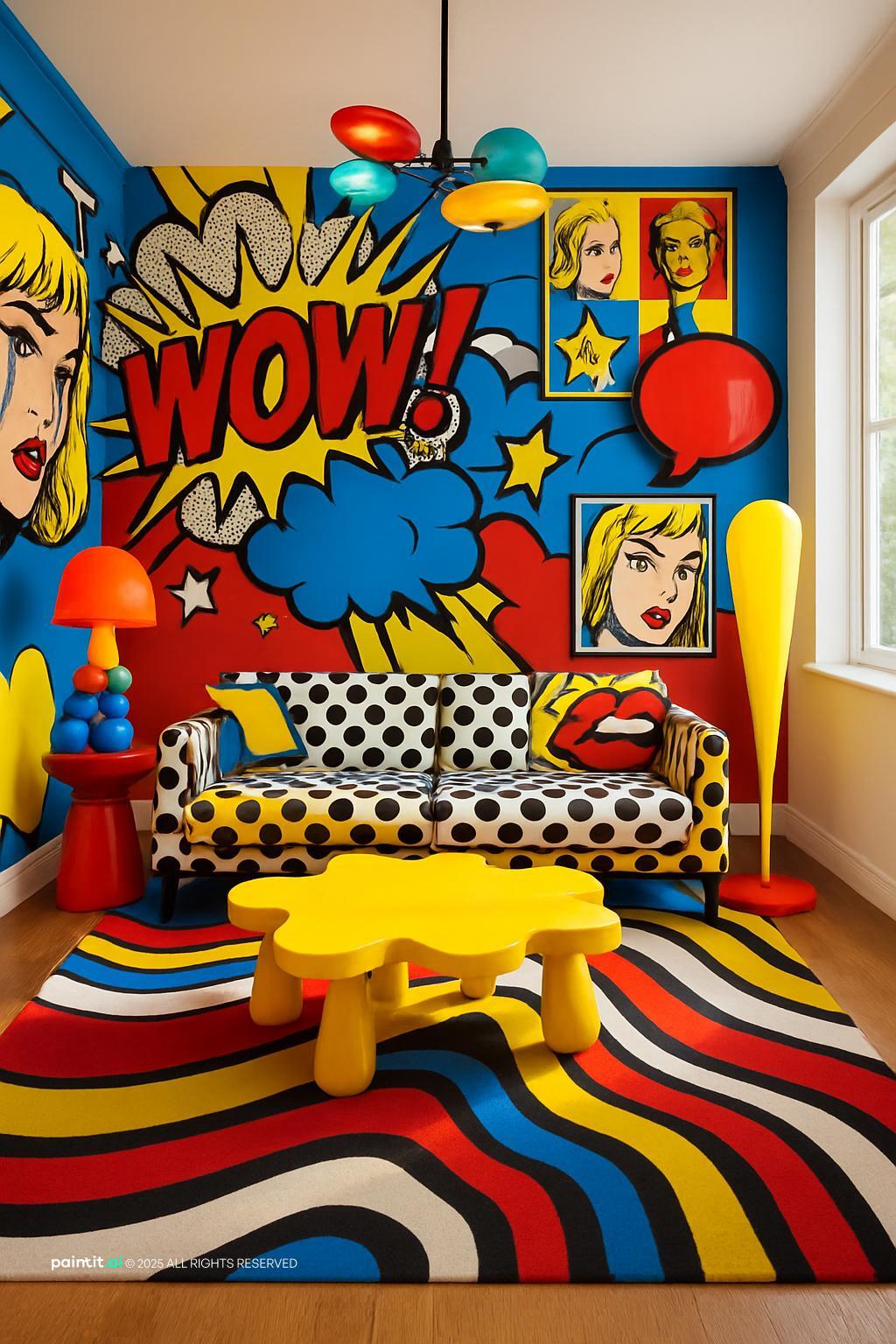
Blue Living Room Ideas with Blue Accents and Dark Contrast pairs blue accents, dark contrast and natural light in a living room setting.
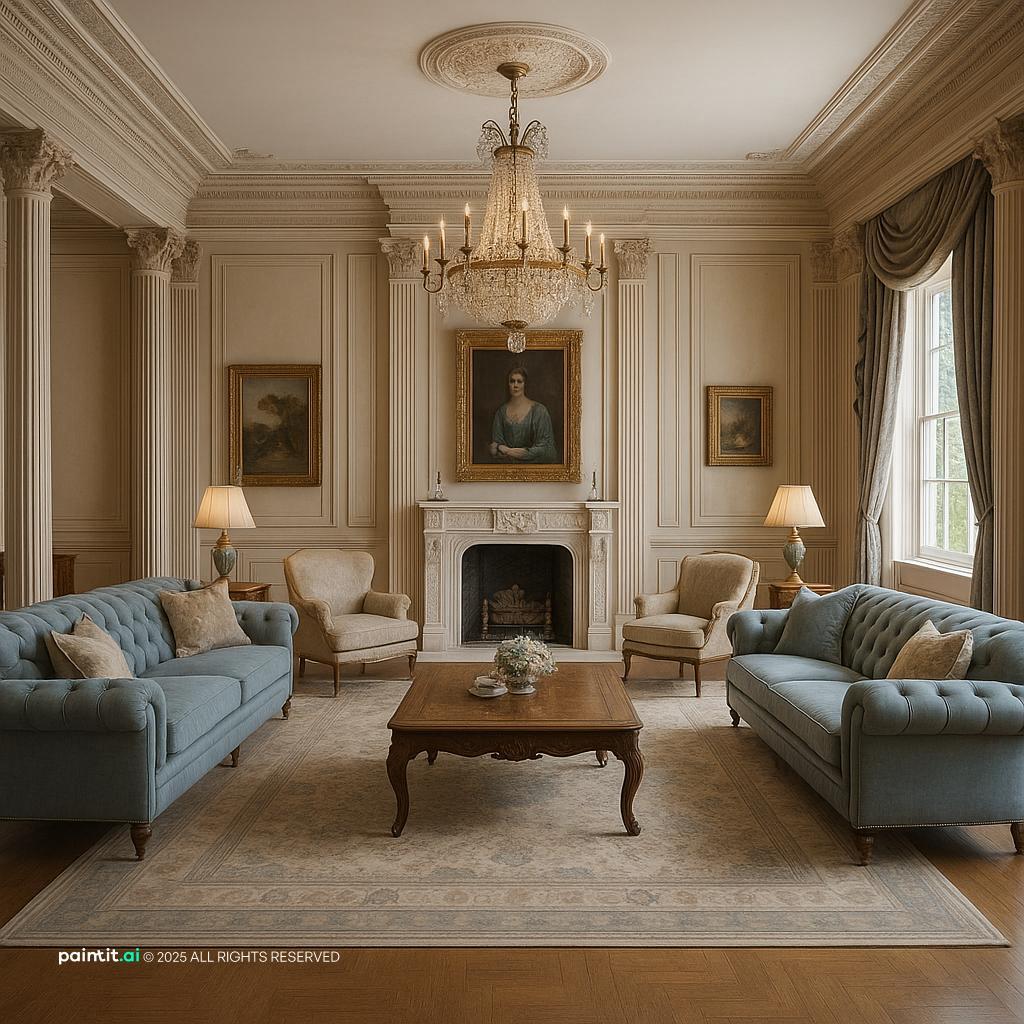
Elegant Neoclassical Living Room Design with Blue Accents layers blue accents, layered neutrals and natural light in a living room setting.
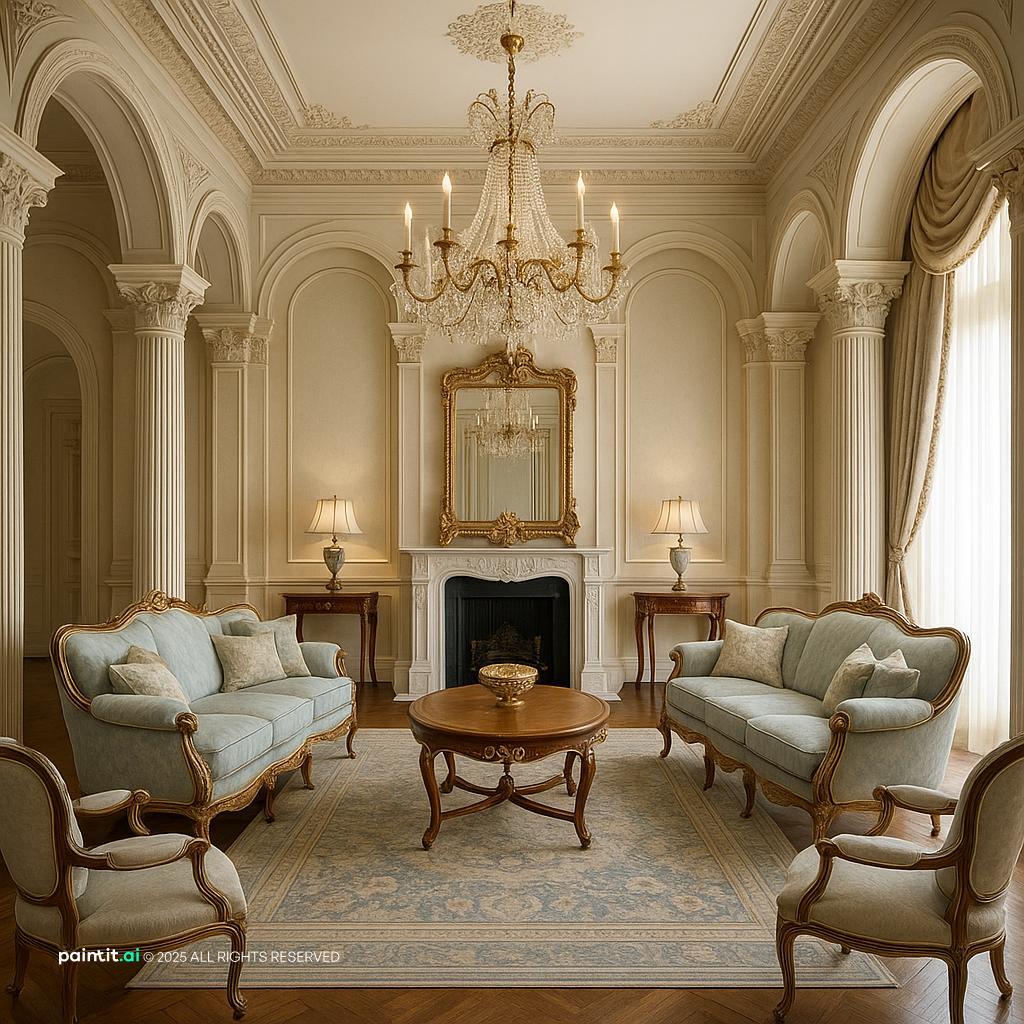
Elegant Neoclassical Living Room Design with Layered Neutrals anchors blue accents, layered neutrals and natural light in a living room setting.
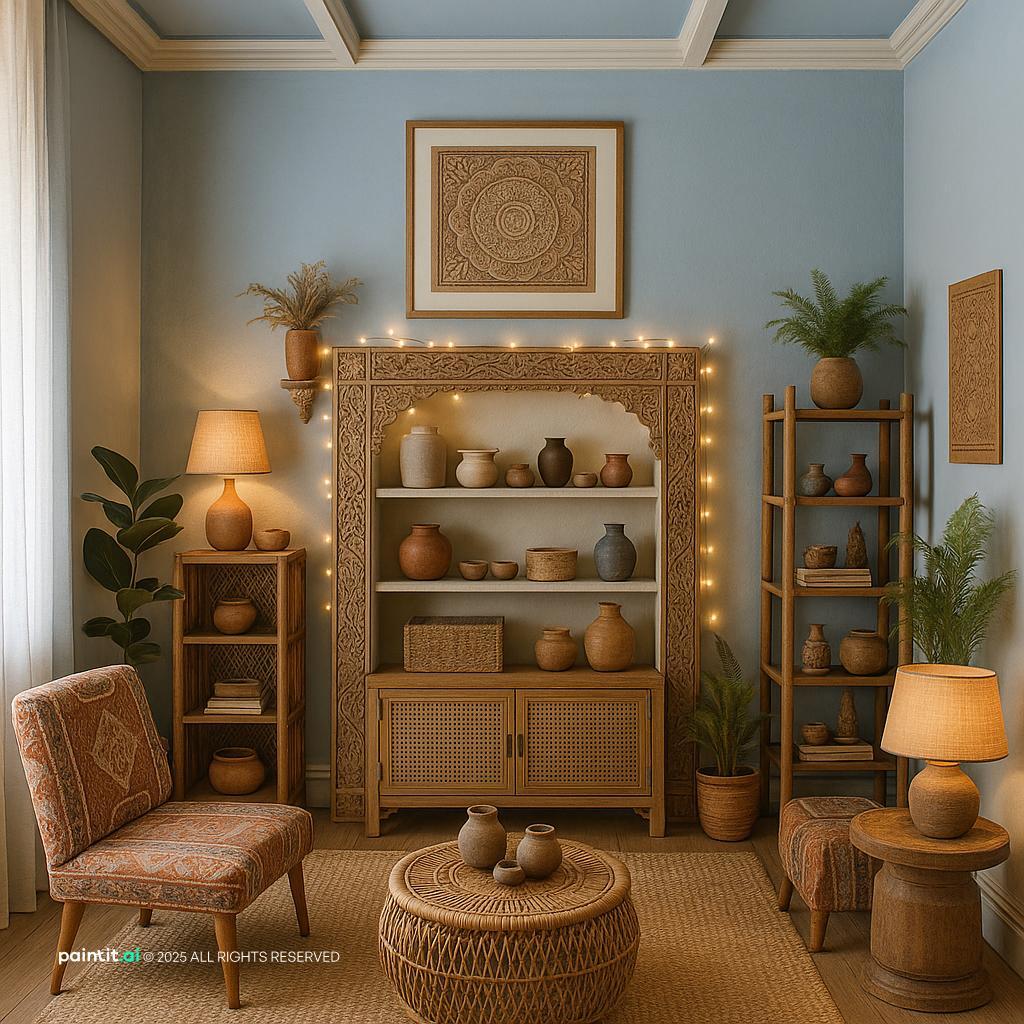
Boho Scandinavian Living Room Design softens blue accents, plants and greenery and layered neutrals in a living room setting.
Start with the floor, not the paint chip. Pale oak often likes soft blue-gray, walnut can handle navy or indigo, and red-toned wood usually needs a calmer, dustier blue. Use the wall color, rug and sofa as the three largest palette decisions, then let pillows and accessories fine-tune the mood.
Avoid choosing a blue in isolation under store lighting. Tape large samples near the floor, beside trim and behind the sofa. The same paint color can look fresh in one corner and heavy in another.
White trim, white shelves or a white fireplace can make blue look clean and architectural. The trick is choosing the right white. Cool white sharpens blue; warm white softens it. In older homes or rooms with cream upholstery, warm white is usually safer.
Where to use it: trim, lampshades, picture mats and larger upholstery. Avoid mixing several unrelated whites, such as bright white curtains, cream walls and gray-white pillows, unless there is a patterned rug that ties them together.
Blue can feel crisp, so textiles should add softness. Use velvet for depth, linen for casual texture, boucle for warmth, and wool for grounding. Throw pillows should vary in scale: one solid, one small pattern, one textured fabric, and possibly one accent in rust, olive, cream or tan.
Why it works: texture keeps a blue room from feeling flat. Avoid using only smooth cotton and polished surfaces, especially with dark walls. The room may photograph neatly but feel cold when you sit in it.
Brass and aged bronze warm up navy, denim and blue-gray. Chrome and polished nickel make pale blue feel cleaner and more contemporary. Matte black can sharpen a soft blue room, especially when used in lamp bases, curtain rods or picture frames.
Use metal accents in small, repeated points rather than one isolated finish. Avoid too many shiny pieces near a blue accent wall because reflections can make the color look uneven.
If the walls are blue, bring in matte wood, woven baskets, stone, ceramic or textured fabric. These materials break up the color field and make the room feel lived in. A blue wall behind a wood console with a linen-shaded lamp is often more convincing than a blue wall covered with glossy decor.
What to avoid: saturated blue walls with all-black furniture and no texture. The result can look heavy, especially in rooms with limited natural light.
Blue changes dramatically between daylight and night. Use warm table lamps for evening, a shaded floor lamp for reading, and dimmable overhead lighting if possible. If the room has a TV, place lamps to the sides so they add glow without reflecting on the screen.
I would treat a dark blue living room as a lighting problem before treating it as a styling problem. Without enough layers of light, deep navy can look flat even when the furniture is good.
A finished blue room does not need blue everywhere. Repeat the color three or four times at different scales: the wall, one pillow, a book spine and a small detail in art. Then let other materials breathe.
For visual balance, place the darkest blue element where the room can support the weight. If the sofa is navy on one side, add a darker frame, lamp or artwork across the room so the eye does not sink to one corner.
With AI living room design, you can upload a real room photo and test blue walls, a navy sofa, lighter curtains, warmer wood tones or a different lighting mood while keeping the existing layout. For broader room experiments, AI room design is useful when you want to compare several directions before committing.
Use a practical brief: keep the floor, keep the sofa, repaint the back wall blue, add warmer lamps, change the pillows, remove visual clutter. Then refine it in steps: a bit lighter, more contrast, warmer metals, softer rug. We see this pattern often in Paintit.ai: the first idea gets you close, and the small corrections make the room believable.
White, cream, tan, warm wood, soft gray, brass, rust and olive all work well with blue. Use warmer partners with navy, and cleaner, lighter partners with pale blue.
Start with what you will keep, such as the floor, rug or sofa. Then choose one main blue feature and repeat the color lightly in throw pillows, curtains, wall art or a small accent piece.
Yes. Blue can feel calm, tailored or cozy depending on the shade and lighting. In Paintit.ai prompts, color appears in 27.6% of requests, and blue is one of the most useful directions to test before you paint.
Use warm lighting, textured fabrics, wood tones, a soft rug and cream or tan accents. Deep blues especially need layered lamps, not just one overhead light.
Choose blue walls if you want a strong backdrop and can control the lighting. Choose a blue sofa if you want color without repainting and can balance it with a lighter rug, curtains and repeated accents.