
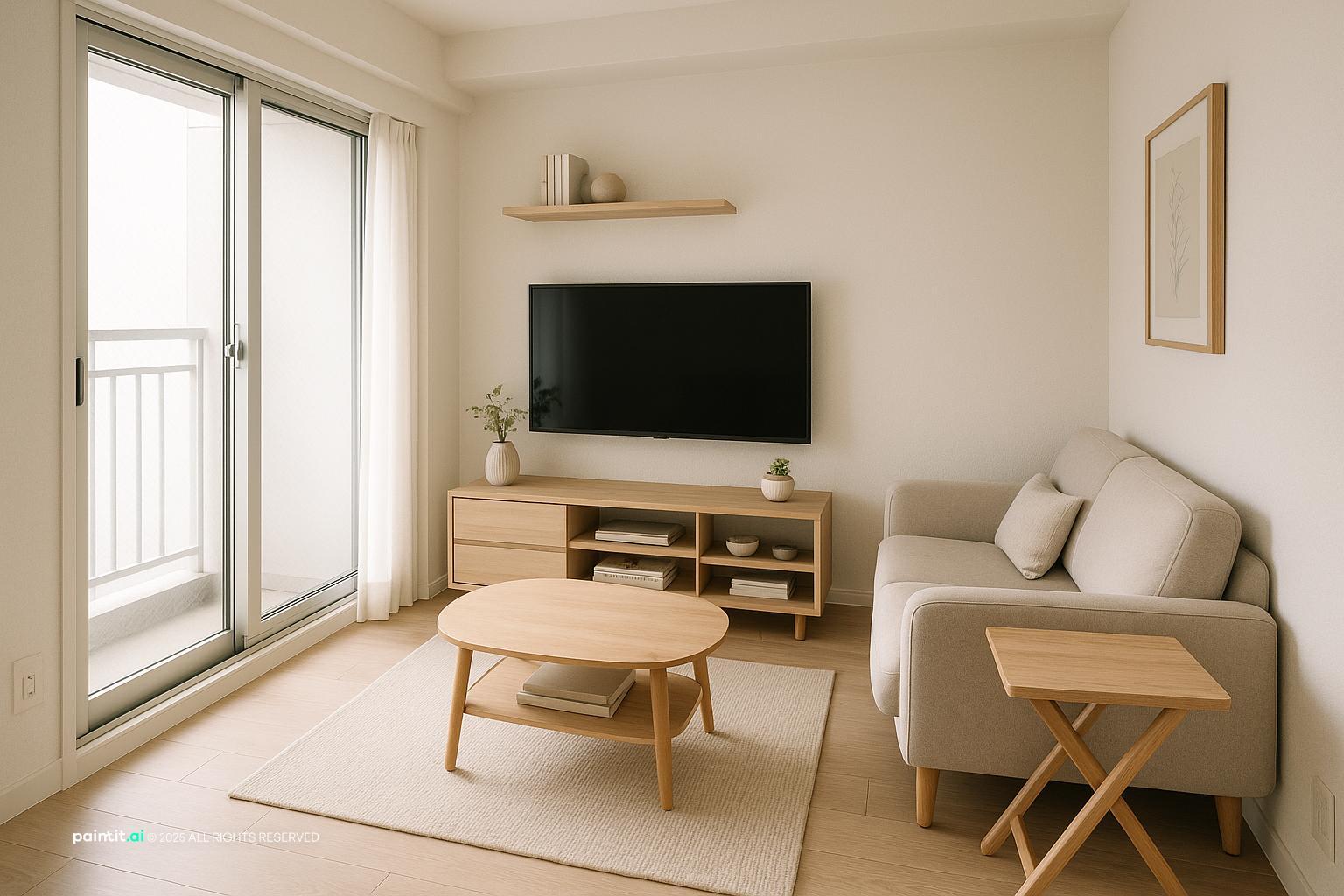
Compact Living Room Design with Space-Saving Solutions
Compact Living Room Design with Space-Saving Solutions uses clear furniture layout, zoned seating and layered neutrals in a living room setting.
The best living room layout ideas start with the room you really have: the doorways, windows, fireplace, TV wall, sofa size, and the path people take when they cross the space. In Paintit.ai living room redesign tests, we often see the strongest layouts are not blank-slate fantasies. They keep the right fixed features, change the awkward parts, and refine the furniture arrangement a bit at a time.
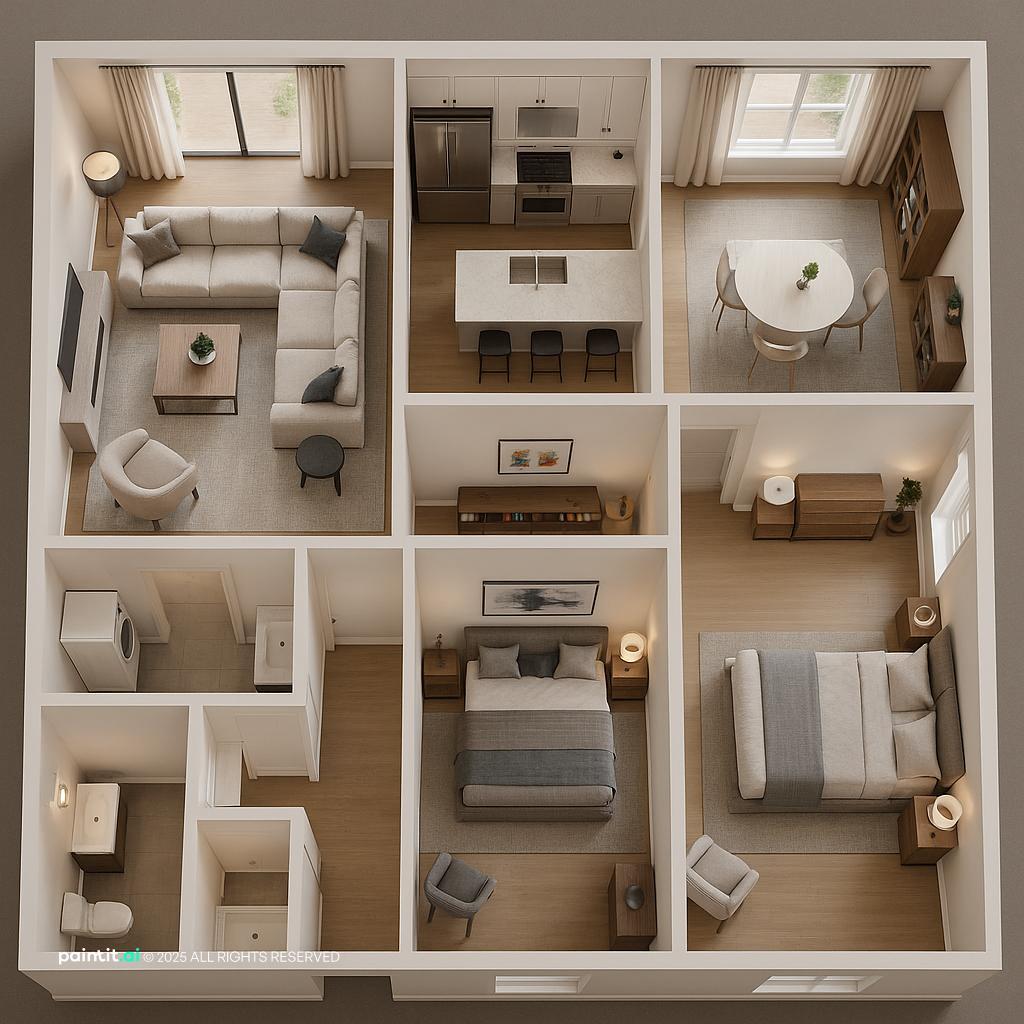
A practical living room layout begins with three checks: choose the focal point, protect traffic flow, and size the furniture to the actual floor plan. If the route from the entry to the window cuts straight through the seating, the room will feel off even if the sofa, chairs, and coffee table all look good on their own. You can test these choices visually with an AI living room design tool before dragging furniture across the floor.
Paintit.ai prompt data shows why this matters: 22.1% of prompts include a room modifier such as living room, and 12.0% include keep or don't change limitations. People are usually designing around something real: a fireplace, a large window, an existing sectional sofa, or architecture that cannot move. Professional users often write this as preserve exact room structure or keep geometry. That is a useful mindset for any home, even if you are just moving one chair.
Use the first gallery to compare how different arrangements point the room toward a TV, fireplace, window view, or conversation area without making the seating feel stranded.
Compact Living Room Design with Space-Saving Solutions uses clear furniture layout, zoned seating and layered neutrals in a living room setting.
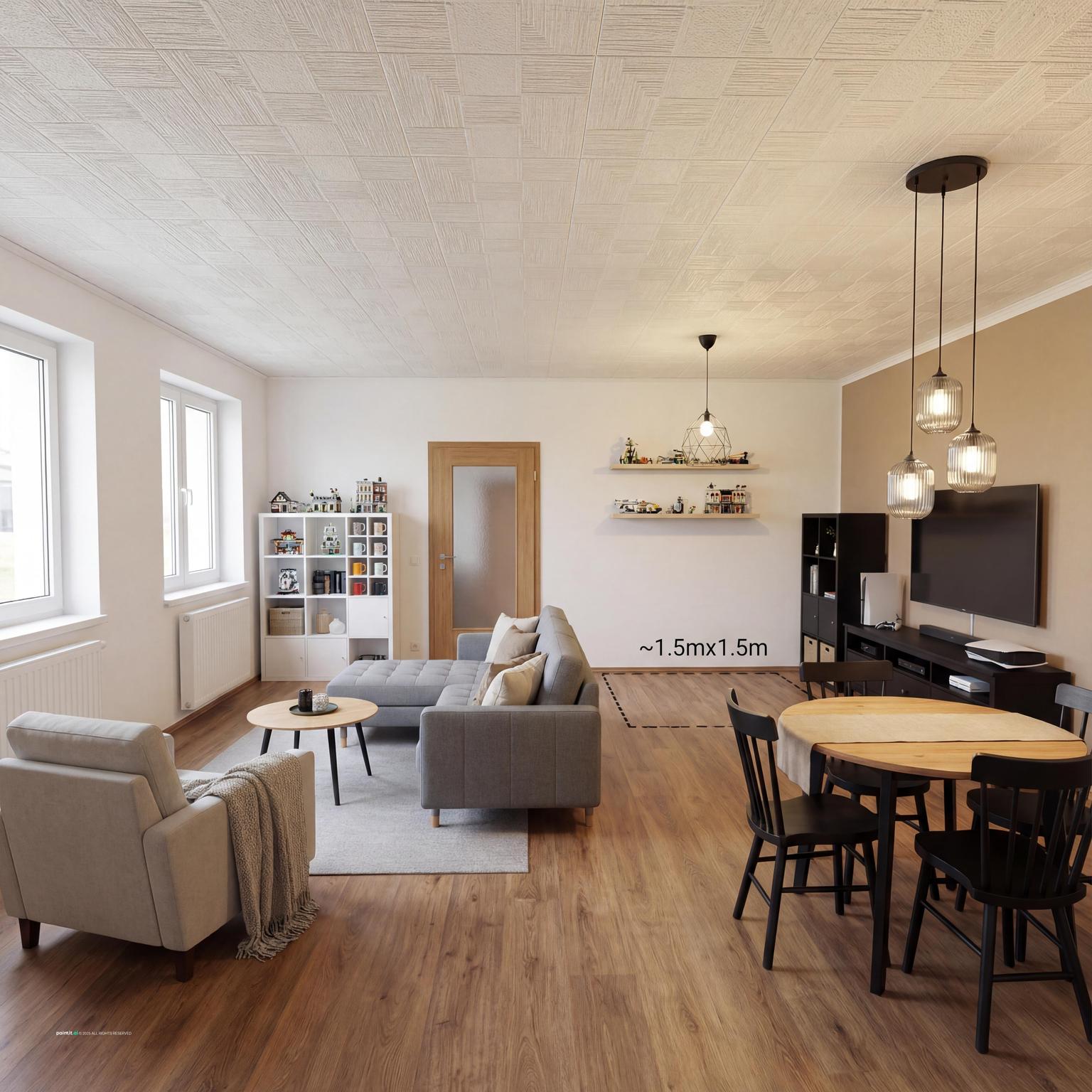
Modern Scandinavian Open-Plan Living Room Design balances zoned seating, warm wood and soft textiles in a living room setting.
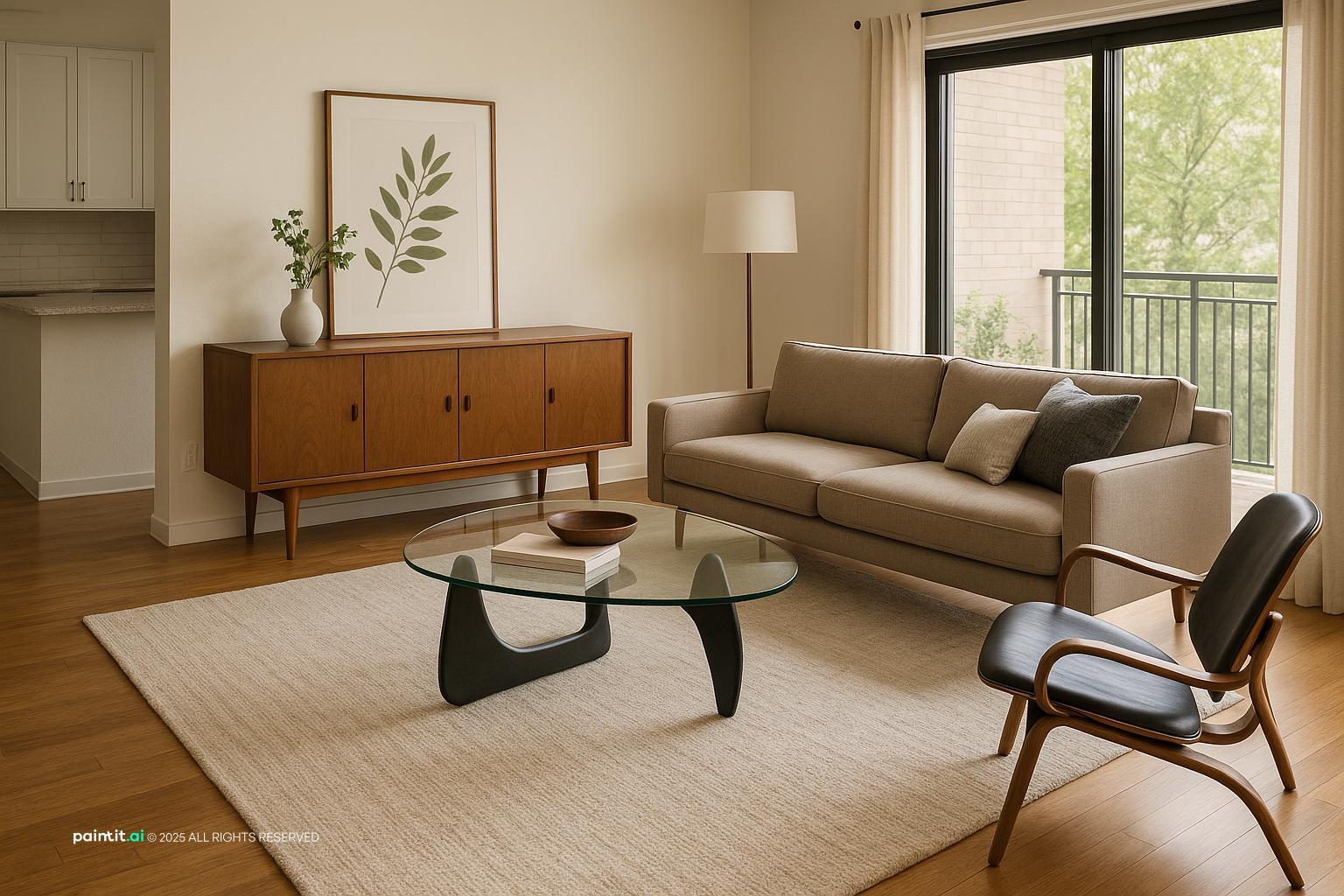
Living Room Layout Ideas with Clear Furniture Layout and Zoned Seating pairs clear furniture layout, zoned seating and clean-lined furniture in a living room setting.
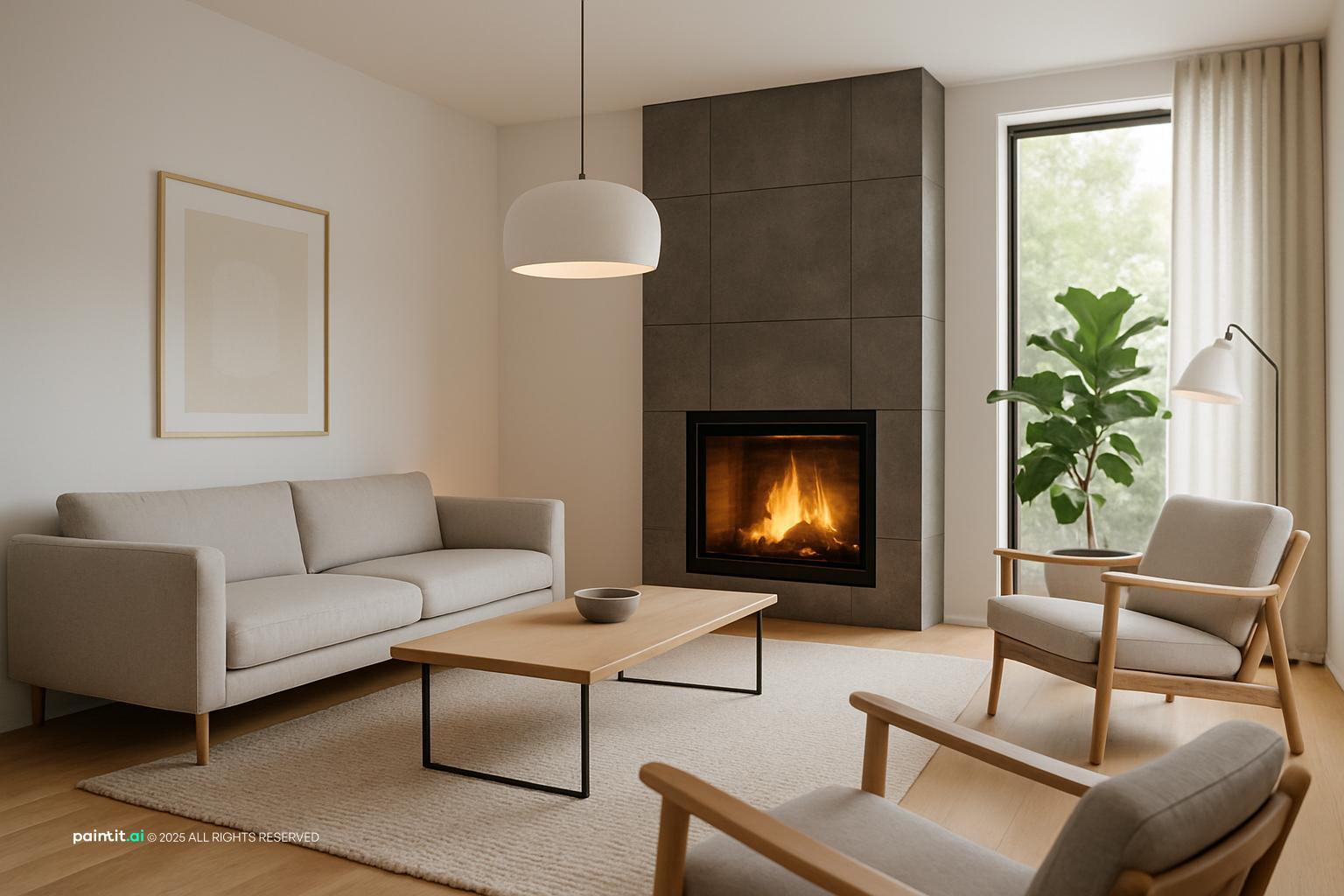
Stunning Scandinavian Living Room Design layers clear furniture layout, warm wood and soft textiles in a living room setting.
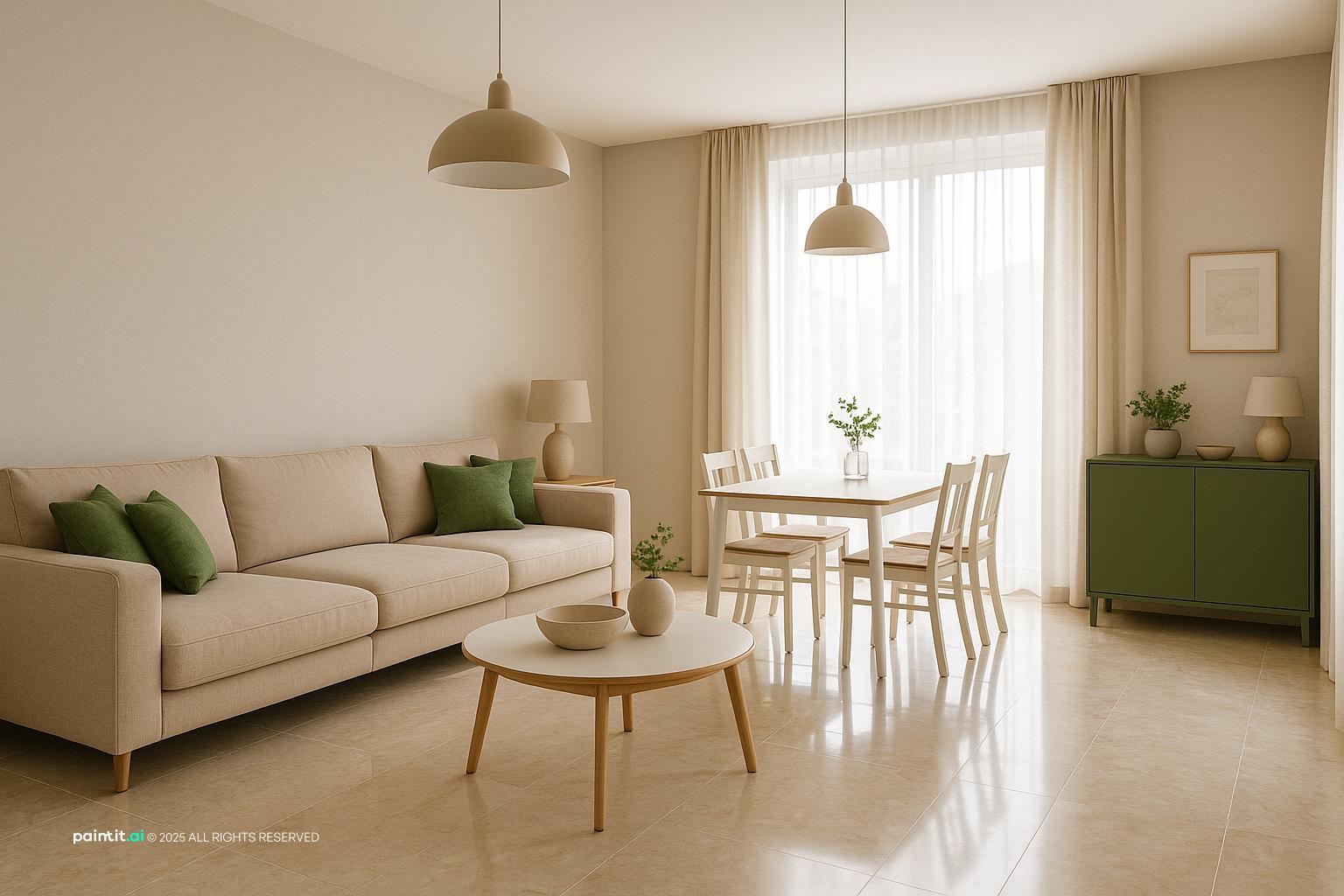
Living Room Layout Ideas with Clear Furniture Layout and Zoned Seating with Soft Textiles anchors clear furniture layout, zoned seating and soft textiles in a living room setting.
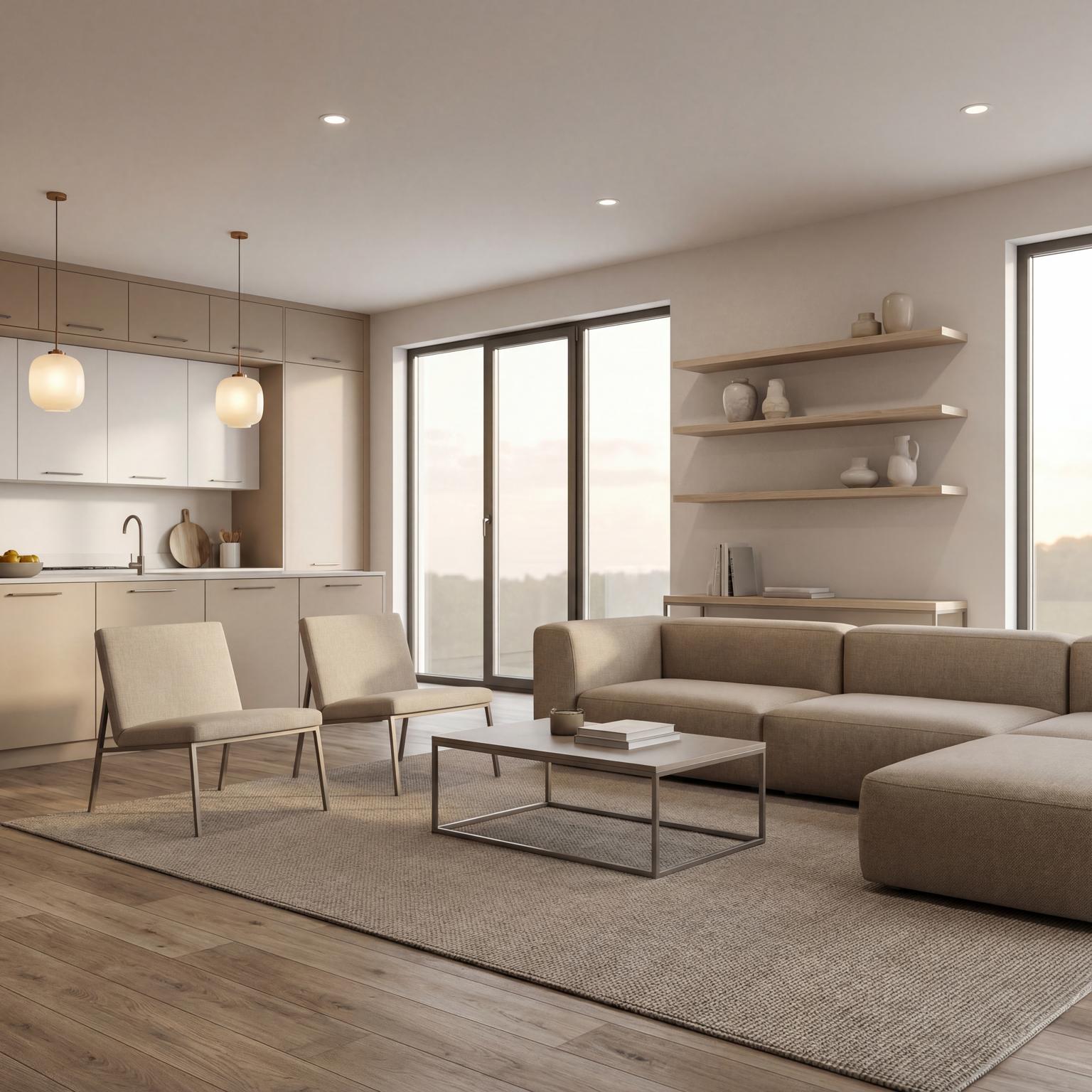
Stylish Open-Concept Living Room Redesign softens clear furniture layout, warm wood and metal accents in a living room setting.
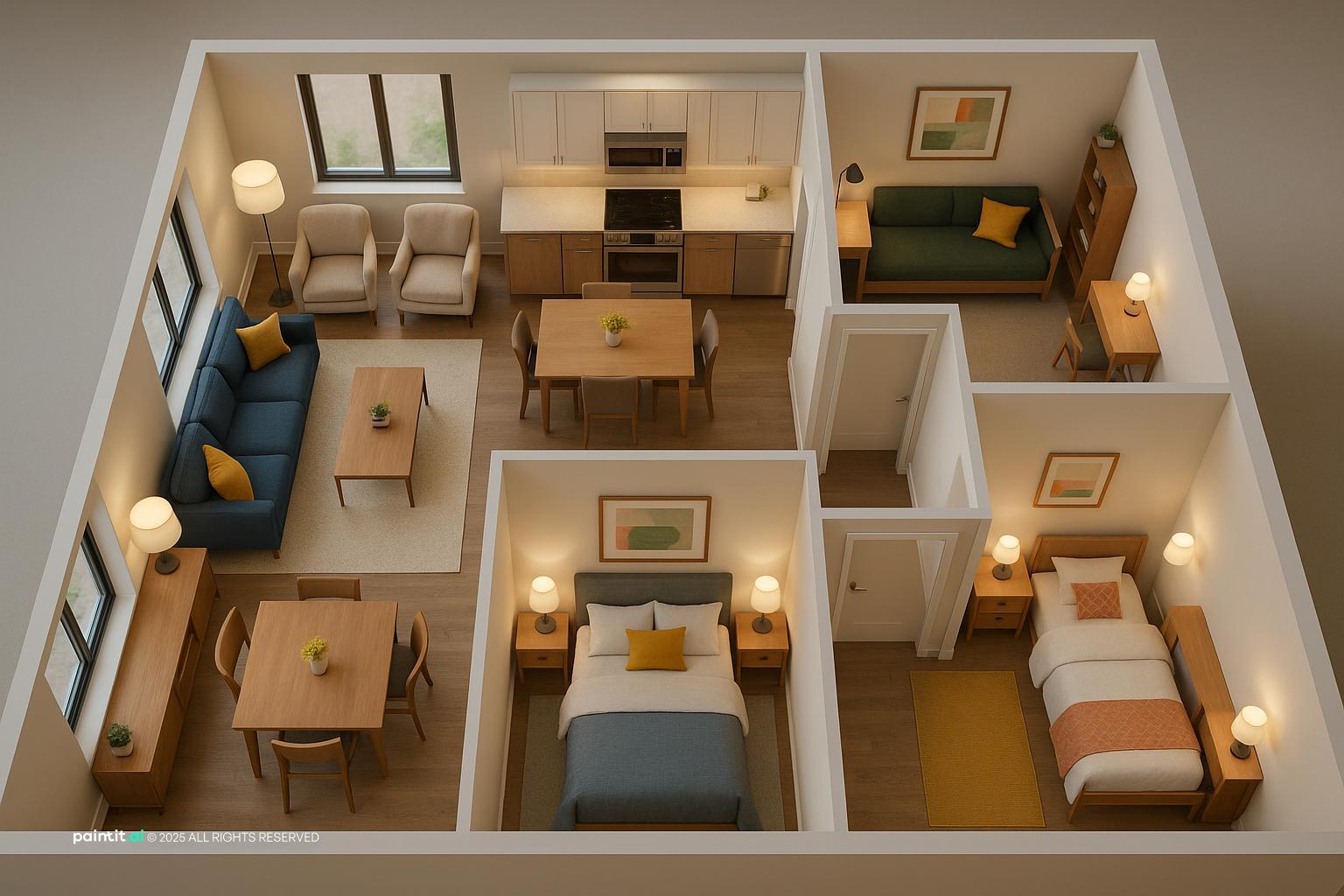
Stylish Apartment Design for Small Families uses clear furniture layout, warm wood and soft textiles in a living room setting.
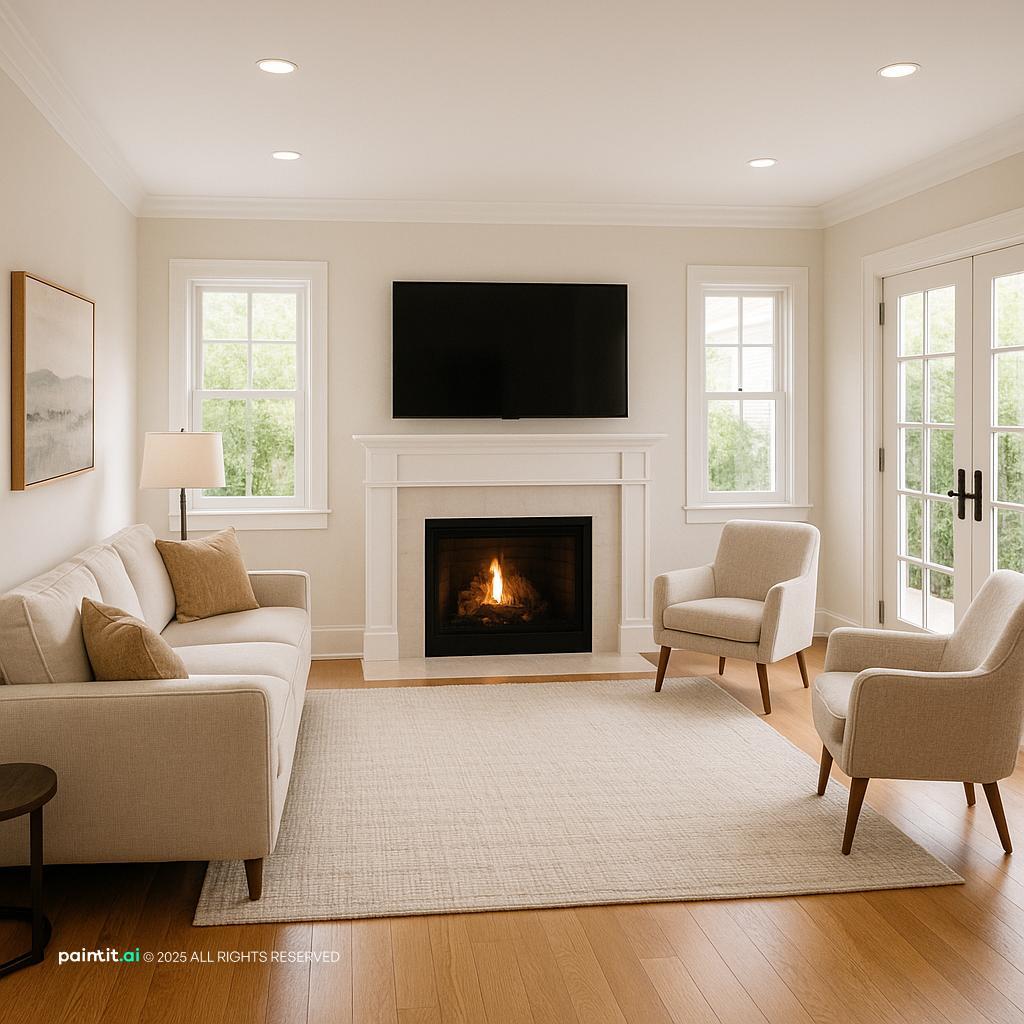
Stylish Living Room Layout with Fireplace Focal Point balances clear furniture layout and natural light in a living room setting.
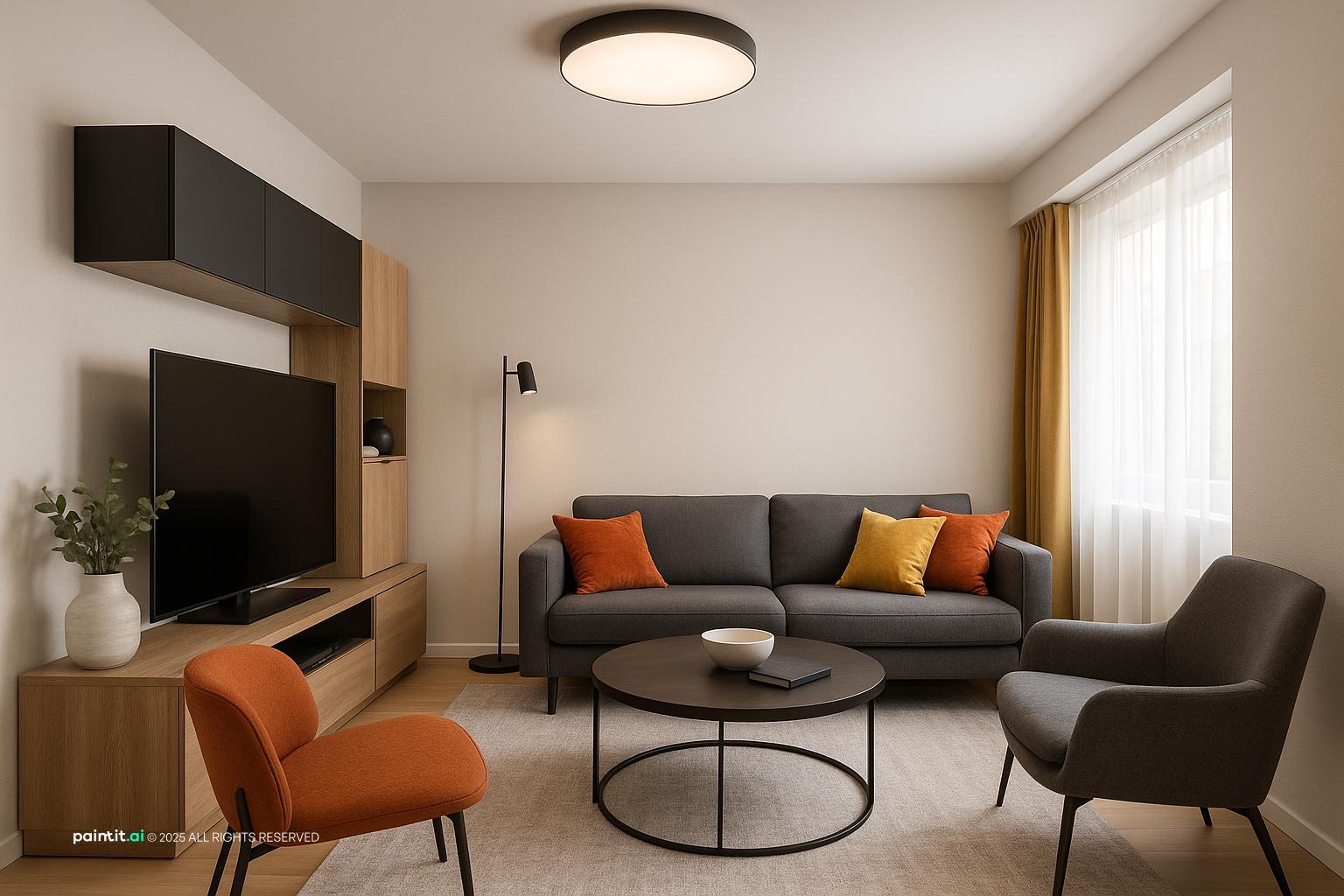
Living Room Layout Ideas with Clear Furniture Layout and Zoned Seating with Clean-lined Furniture pairs clear furniture layout, zoned seating and clean-lined furniture in a living room setting.
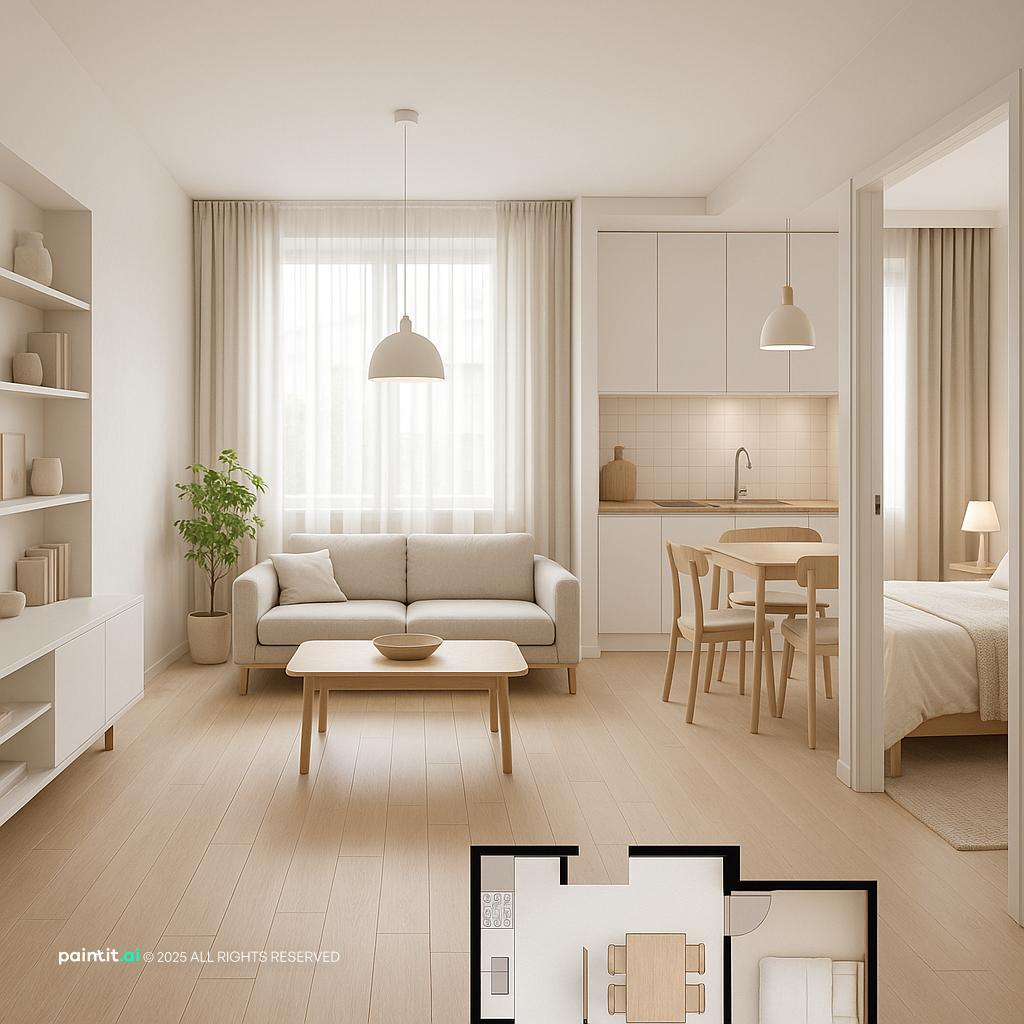
Stunning Scandinavian Interior Design layers clear furniture layout, clean-lined furniture and plants and greenery in a living room setting.
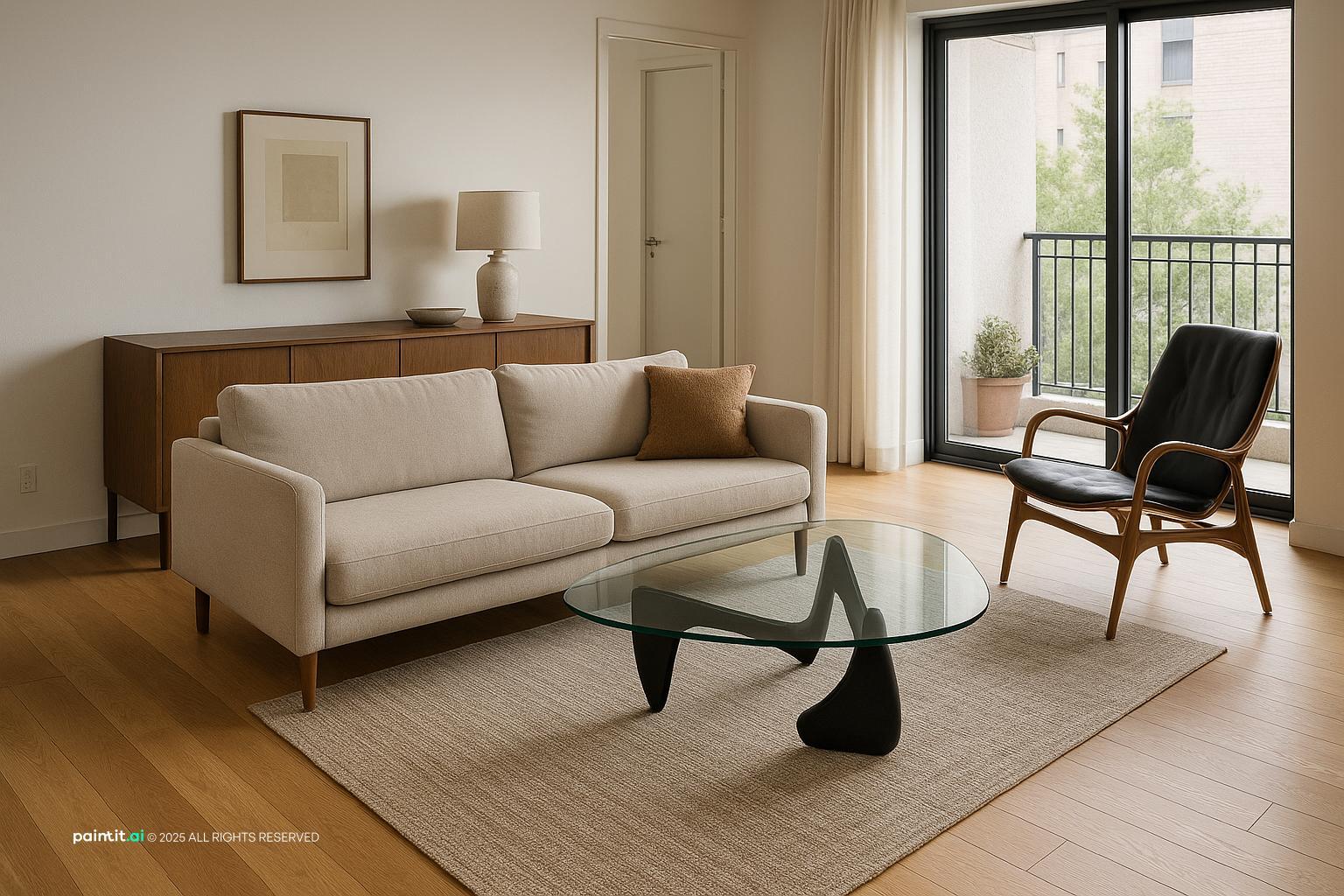
Living Room Layout Ideas with Clear Furniture Layout and Zoned Seating View 4 anchors clear furniture layout and zoned seating in a living room setting.
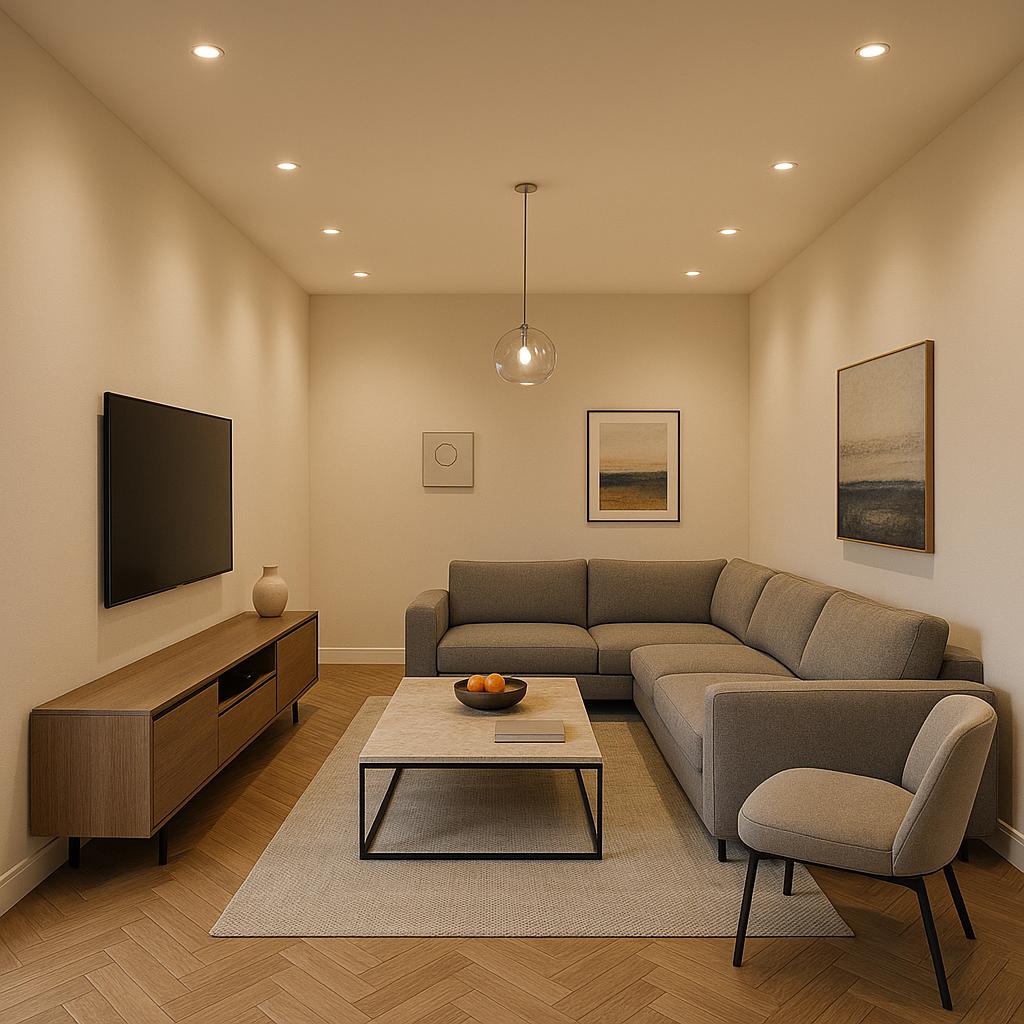
Luxury Modern Hotel Living Room Design softens clear furniture layout, metal accents and layered neutrals in a living room setting.
Mark the immovable parts first: doors, windows, fireplace, radiator, built-ins, stairs, and the wall where a TV can realistically go. These pieces decide where the main sightlines and walking routes belong. A layout that ignores them usually feels forced, especially when a sofa blocks a doorway or an armchair cuts across a window.
Why it works: fixed features give the room a natural order. In Paintit.ai living room uploads, the problem is rarely a totally empty box. More often, someone wants to keep a fireplace, a view, a large sofa, or a tricky wall and change the layout around it. Treat that fixed element as the anchor, not as the thing ruining your options.
Draw the path people use from one doorway to another, from the entry to the sofa, and from the sofa to adjacent spaces. Aim for at least 3 feet of clearance on major walkways, especially in family rooms where people pass through often. Smaller side routes can be tighter, but they should not require turning sideways around a coffee table.
What to avoid: do not let the back of a sofa become a wall in the middle of the room unless there is generous space behind it. When people upload tricky rooms, the first weak spot is often traffic flow. A room can look furnished in a still image but feel irritating if every trip across it interrupts someone sitting down.
A living room seating layout should let people talk without leaning forward or raising their voice. Keep the main sofa and chairs within roughly 8 to 10 feet of each other when possible. Angle chairs slightly inward if the room is wide, and use a shared table or rug to connect the pieces visually.
Why it works: seating that faces only the TV can feel flat when guests arrive. A conversation area makes the room useful for evenings, holidays, and casual visits. If the space is small, replace a bulky armchair with a slipper chair or compact swivel chair so the arrangement stays open.
An area rug should be large enough to relate to the seating, not float like a small island under the table. In many rooms, the front legs of the sofa and chairs should sit on the rug; in larger rooms, all legs can sit on it for a more grounded look. Leave a consistent border of visible floor if the room has attractive wood or stone.
What to avoid: a rug that is too small makes the furniture look scattered. If you cannot size up, rotate the rug, try a flatter weave, or choose a round rug in a compact seating group. The catch is the rug edge: it should not land exactly where people step in and out of chairs.
Good sofa placement usually follows the best long view in the room. That may mean facing a fireplace, looking toward a TV wall, floating parallel to a window, or sitting perpendicular to an open kitchen. Leave enough space behind a floating sofa for circulation if people need to pass through.
Why it works: the sofa is often the heaviest visual piece, so it sets the direction for everything else. If it faces a blank wall while the fireplace sits off to the side, the room may feel unresolved. If the sofa must stay, change smaller pieces first: swap the side chair, move the lamp, or shift the table shape.
Symmetrical layouts work well around a fireplace, centered window, built-in shelving, or formal TV wall. Place the sofa opposite the focal point, then balance it with two matching chairs, twin side tables, or lamps of similar height. The furniture does not have to be identical, but its visual weight should feel even.
What to avoid: forced symmetry in an asymmetrical room. If the fireplace is off-center or one side of the room opens to a hallway, perfect matching can make the imbalance more obvious. In that case, use near-symmetry: one chair and a floor lamp on one side, a larger plant or cabinet on the other.
Start by choosing the TV wall with the least glare and the most comfortable viewing angle. The main sofa should face the screen directly or within a gentle angle; side chairs can turn toward both the TV and the seating group. Keep the coffee table low enough that it does not block the lower part of the screen from reclined positions.
Why it works: TV layouts fail when they prioritize a pretty wall over everyday comfort. Check reflections from windows during the time you watch most often. If the only TV wall faces a bright window, use layered window treatments and avoid glossy paint or shiny console finishes opposite the light.
A fireplace should usually be treated as a primary or shared focal point. Place the sofa facing it if the room allows, or run the sofa perpendicular to the hearth and add two chairs opposite to complete the group. Keep enough clearance near the hearth so the space feels safe and not crowded.
What to avoid: pushing all seating away from the fireplace because the TV is also in the room. If both matter, consider placing the TV beside built-ins, above the fireplace only when height is comfortable, or on a perpendicular wall with swivel chairs. The strongest layouts acknowledge the fireplace instead of treating it like background decoration.
In a large living room, wall-hugging furniture can create an empty middle and awkward conversation distances. Pull the sofa forward, place chairs across from it, and use a console table behind the sofa if the back feels exposed. Anchor the group with a large rug and repeat the room's colors in pillows or art so the center feels intentional.
Why it works: floating furniture creates a room within the room. It also shortens the distance between seats. If the perimeter looks bare, add bookcases, a narrow cabinet, or tall plants at the edges rather than stretching the seating too far apart.
A sectional sofa is useful in family rooms, media rooms, and open plans where one piece needs to provide a lot of seating. Place the chaise on the side with the least traffic, not the side people need to walk through. In narrow rooms, a smaller L-shape often works better than a deep U-shape.
What to avoid: buying a sectional because it seems efficient without measuring the room. Oversized sectionals can block windows, pinch walkways, and leave no room for side tables. Tape the outline on the floor first, including the chaise, so you can check paths before committing.
In an open plan, the living area needs boundaries that do not block the room. Use the back of the sofa, a large rug, pendant placement, or a slim console to define the lounge zone. Keep the main walkway between kitchen, dining, and living areas open so circulation does not cut through the middle of the seating.
For a completely empty space, the challenge is different because there are fewer clues about scale and direction. Our post on how to furnish an empty room covers the process of building from the main zones first. In open spaces, avoid choosing furniture that looks good alone but has no relationship to the dining table, island stools, or nearby storage.
A round coffee table softens a room with angled chairs, curved traffic paths, or a sectional with a chaise. It also removes sharp corners where people pass between the sofa and seating. Leave enough reach distance from each seat, usually close enough for a drink but not so close that knees hit the edge.
Why it works: round shapes improve movement without making the room feel empty. They are especially helpful when children, pets, or frequent guests move through the space. If the room is very long, use an oval table instead so the shape follows the sofa length.
Before buying more storage, remove one small table, extra chair, or unused ottoman and see what changes. A crowded living room often needs clearer zones more than more containers. Keep surfaces within reach of seats, but avoid placing a table at every corner if it interrupts the path.
Paintit.ai data shows that 8.8% of prompts use negative constraints such as without or no clutter. That matches what we see visually: the room feels calmer when the layout leaves breathing room around the main pieces. Start with subtraction, then add storage only where the room still needs it.
Start with the big pieces: sofa, chairs, rug, media unit, and major lighting. Then refine in smaller steps: change the chair angle, swap a square table for a round one, move the floor lamp, or shift the rug 6 inches. Paintit.ai users often work this way; 15% of interactions contain refinement language such as instead, more, a bit, or now.
If you are planning a full makeover, our guide on how to redesign a living room with Paintit.ai walks through a more complete process. The best living room furniture arrangement usually comes from testing several versions, not from copying one diagram exactly.
Use the second gallery to compare how seating distance, rug size, sofa direction, and TV or fireplace placement change the mood and practicality of the same living room.
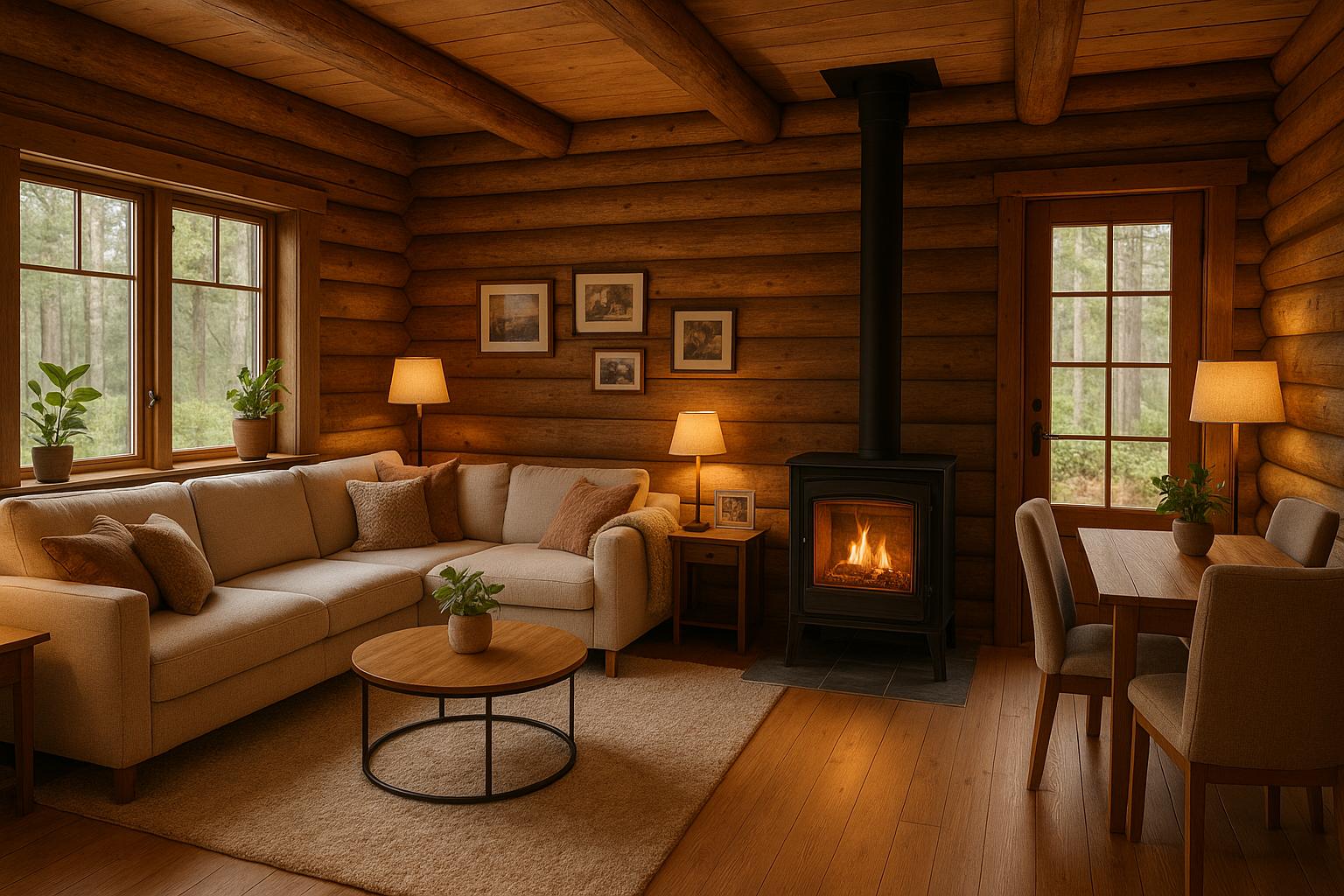
Cozy Cabin Living Room Design uses clear furniture layout, soft textiles and plants and greenery in a living room setting.
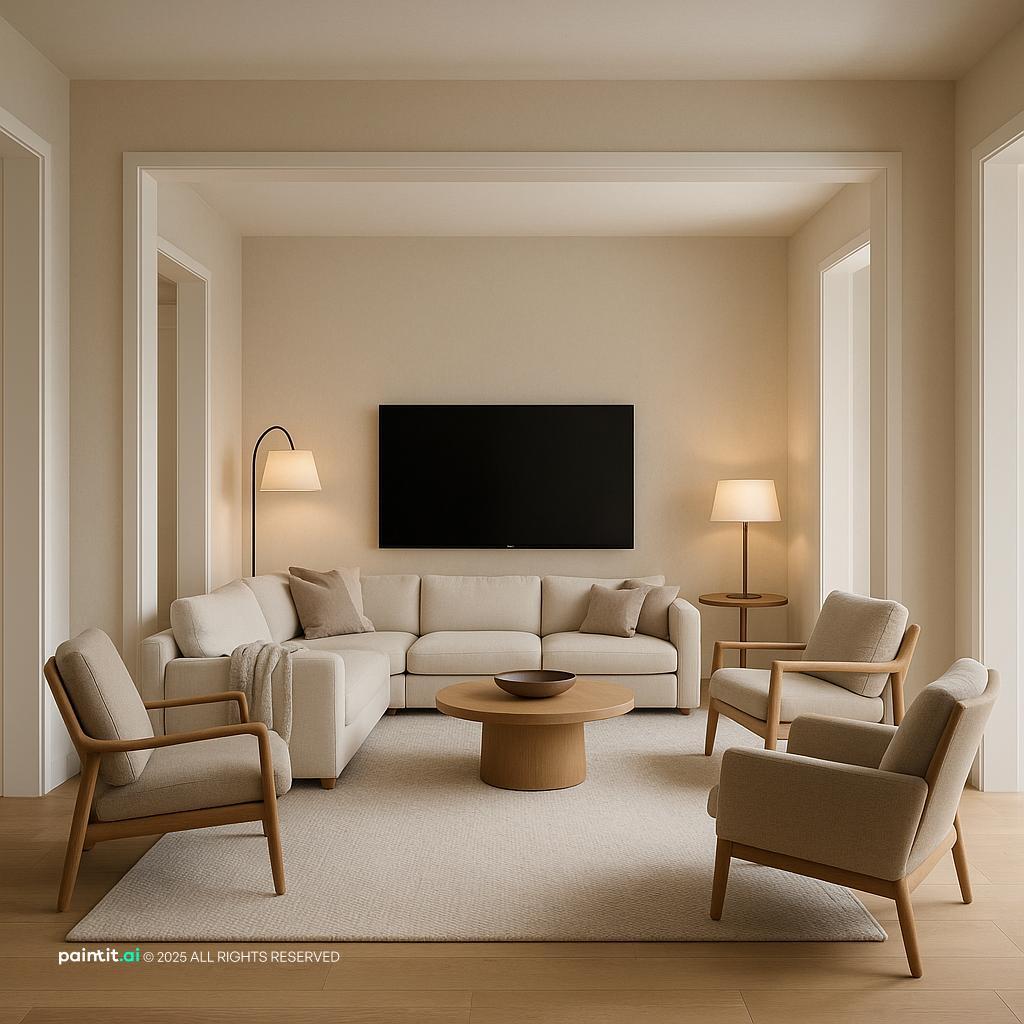
Stylish Ultra-Photorealistic Living Room balances clear furniture layout, zoned seating and soft textiles in a living room setting.
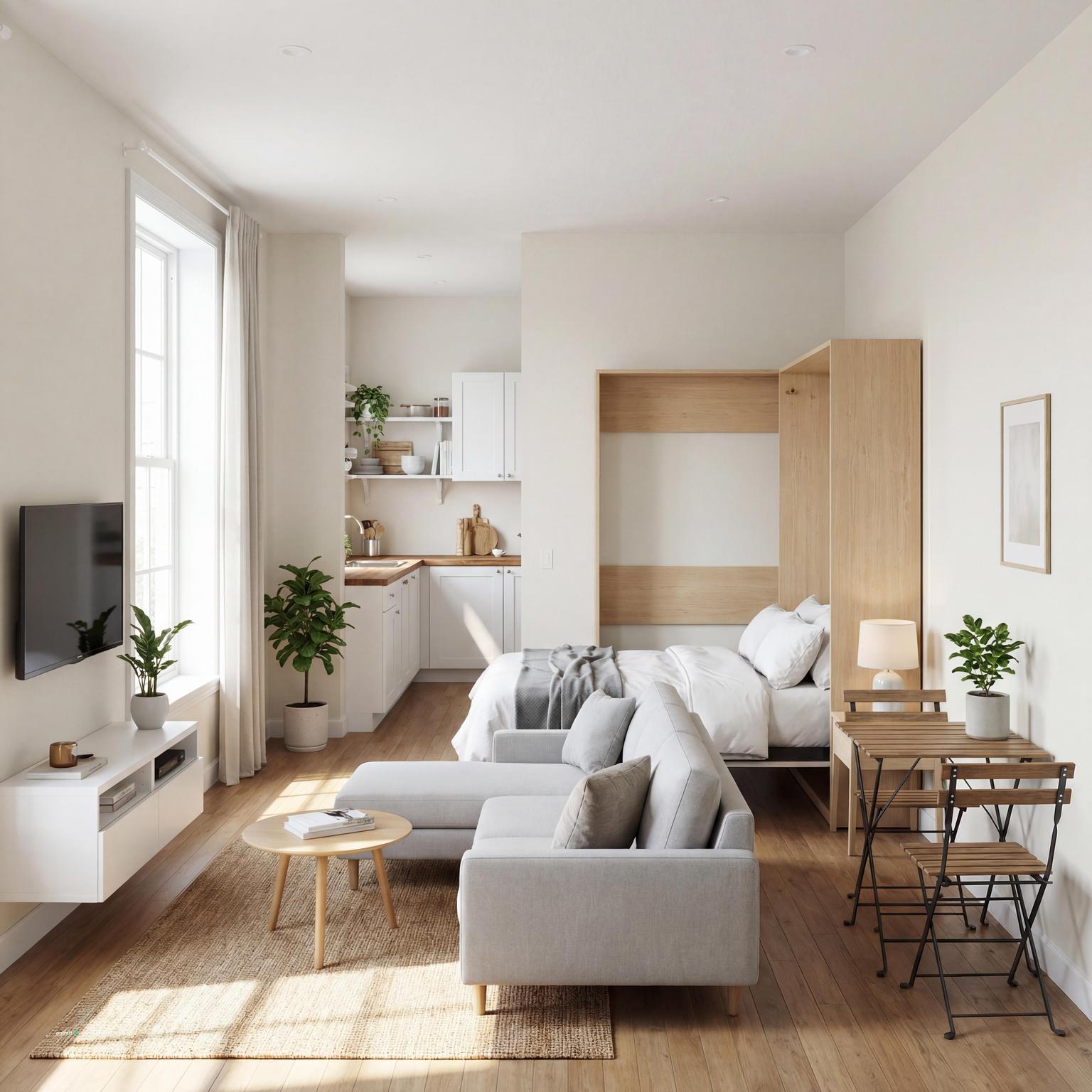
Budget-Friendly Small Apartment Design pairs clear furniture layout, layered neutrals and natural light in a living room setting.
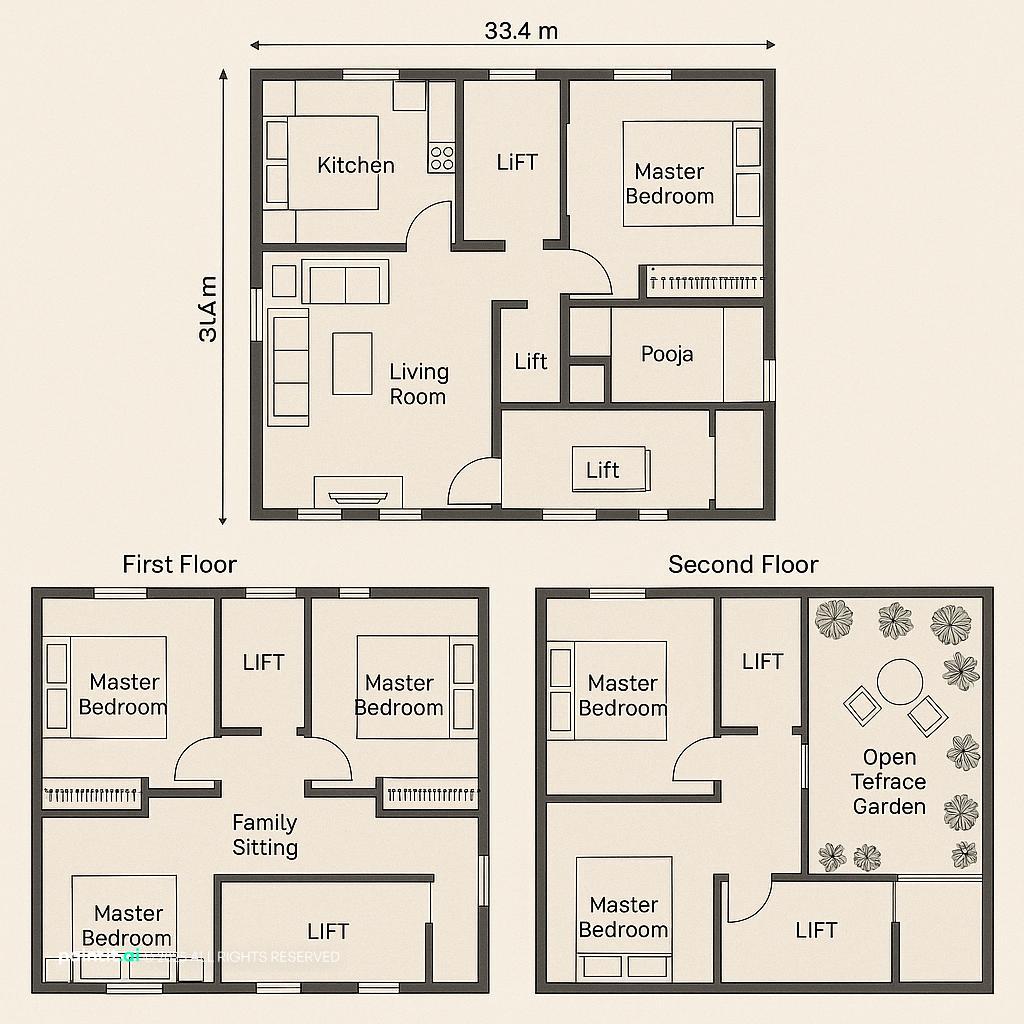
Modern Minimalist Residential Design Plan layers clear furniture layout and plants and greenery in a living room setting.
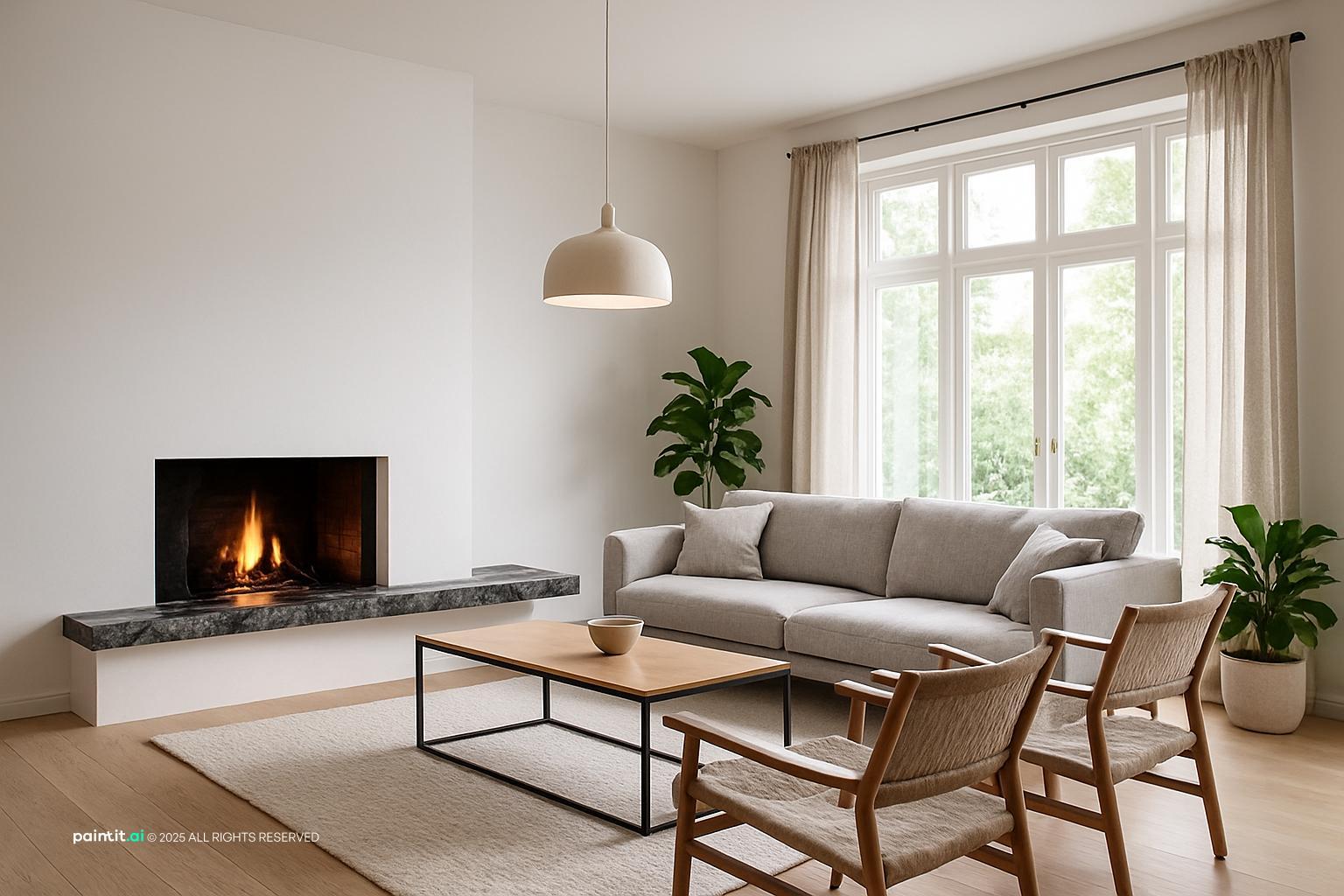
Scandinavian-Style Living Room Design anchors clear furniture layout, warm wood and soft textiles in a living room setting.
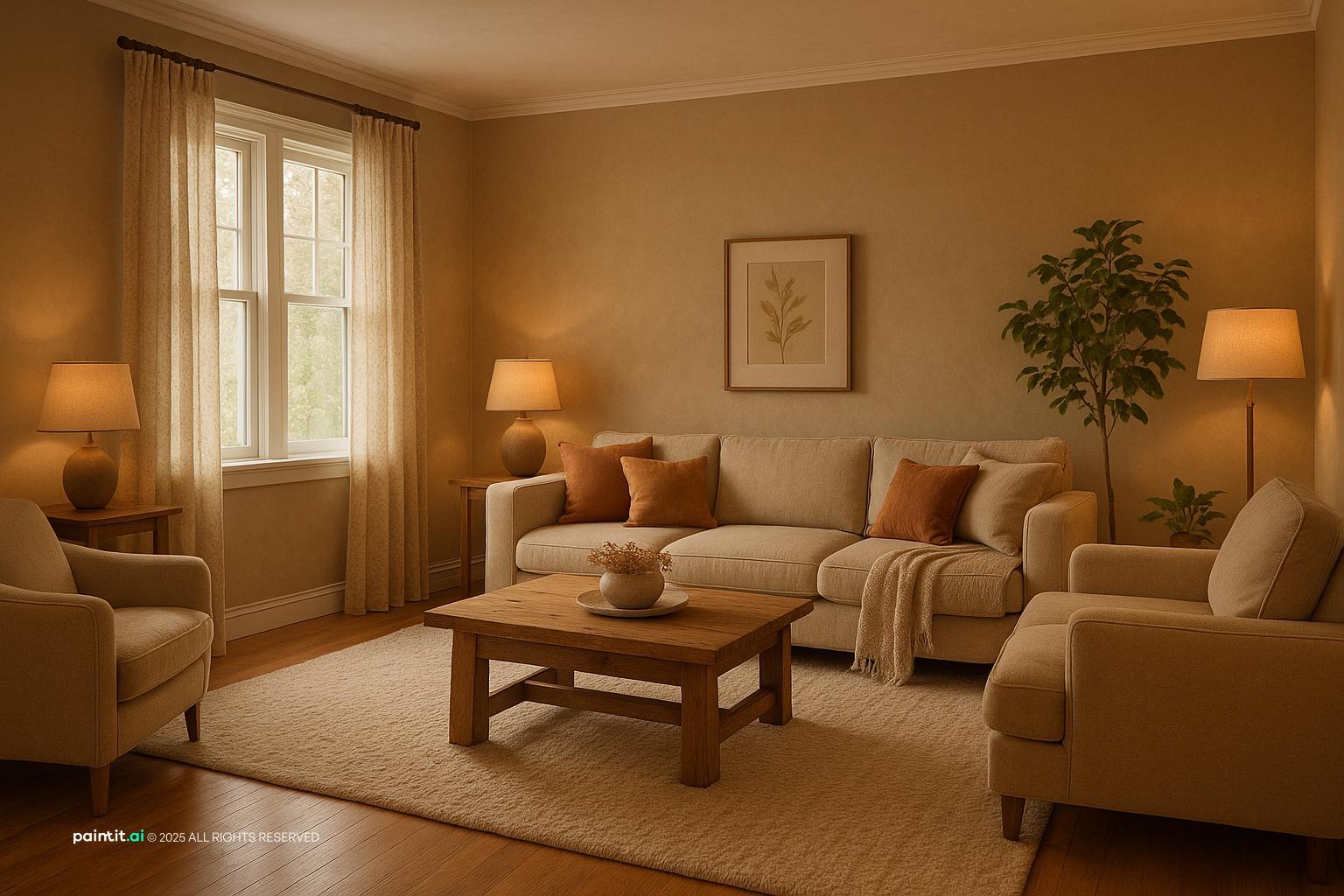
Living Room Layout Ideas with Clear Furniture Layout and Zoned Seating View 5 softens clear furniture layout, zoned seating and soft textiles in a living room setting.
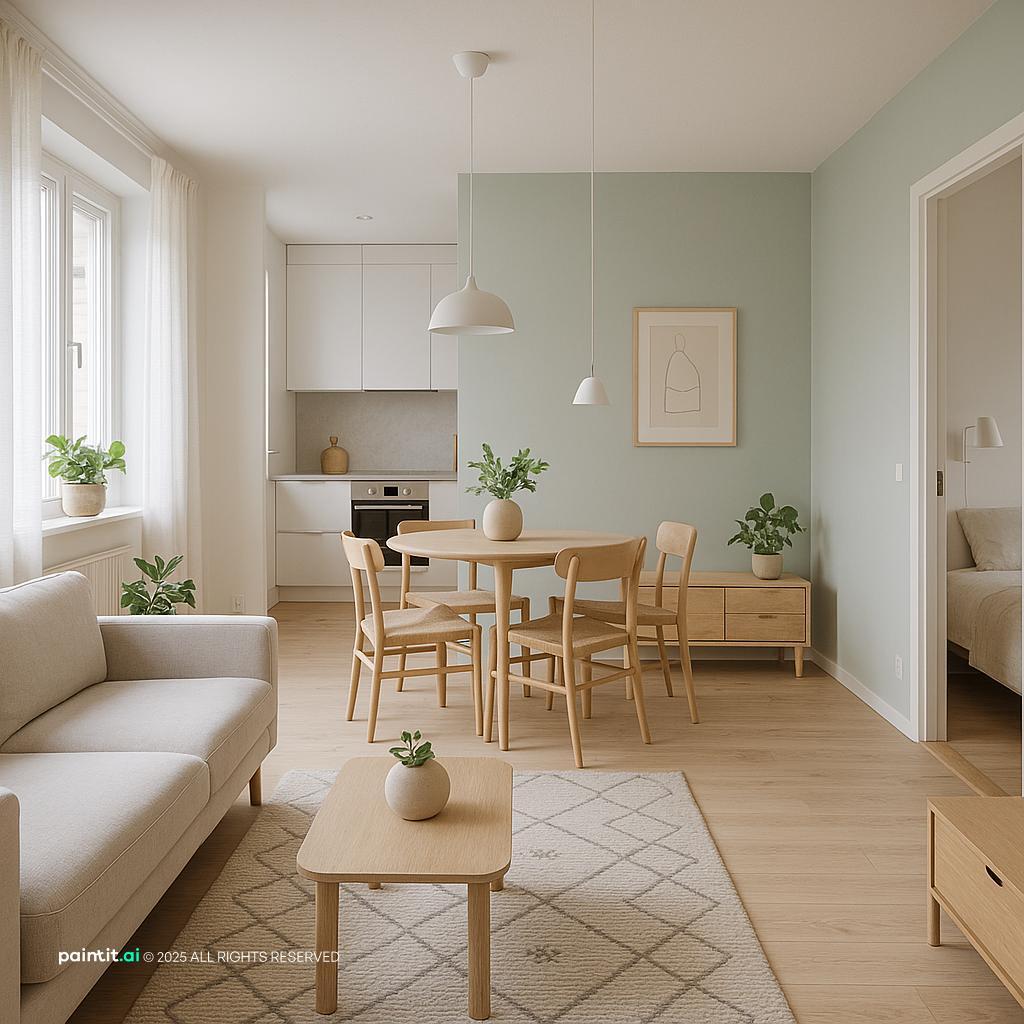
Scandinavian Style Apartment Design uses soft textiles, plants and greenery and layered neutrals in a living room setting.
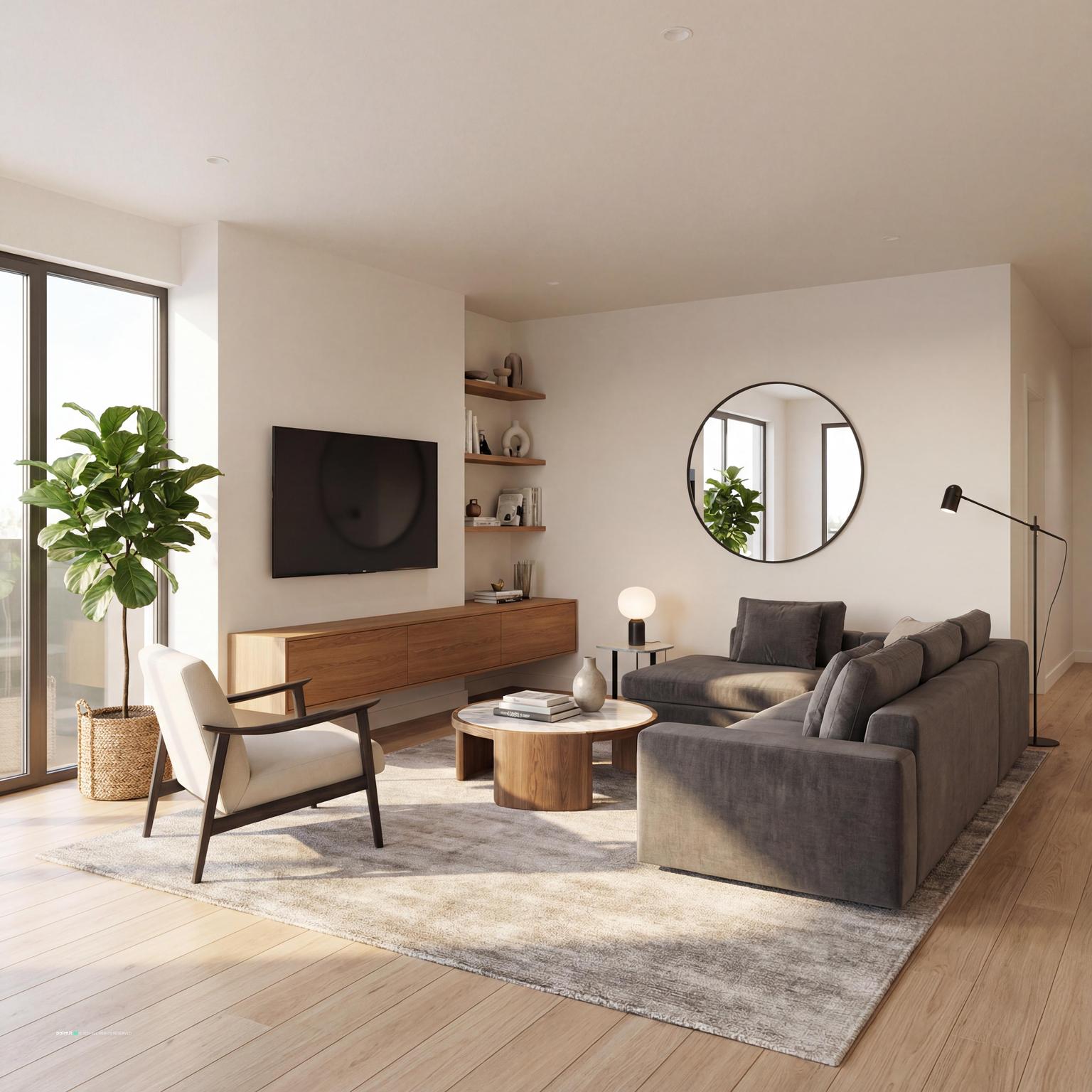
Modern Functional Living Room Design balances clear furniture layout, layered neutrals and natural light in a living room setting.
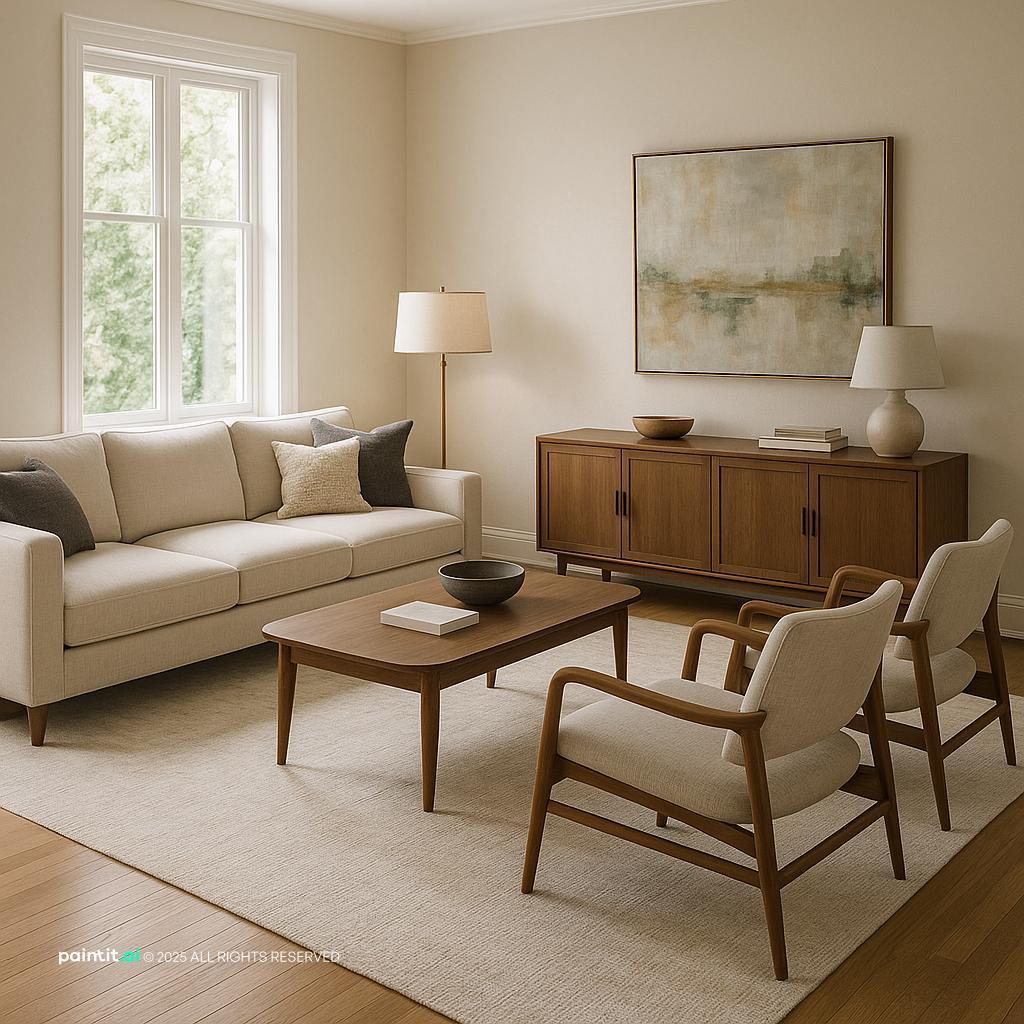
Sophisticated Living Room Design pairs clear furniture layout and natural light in a living room setting.
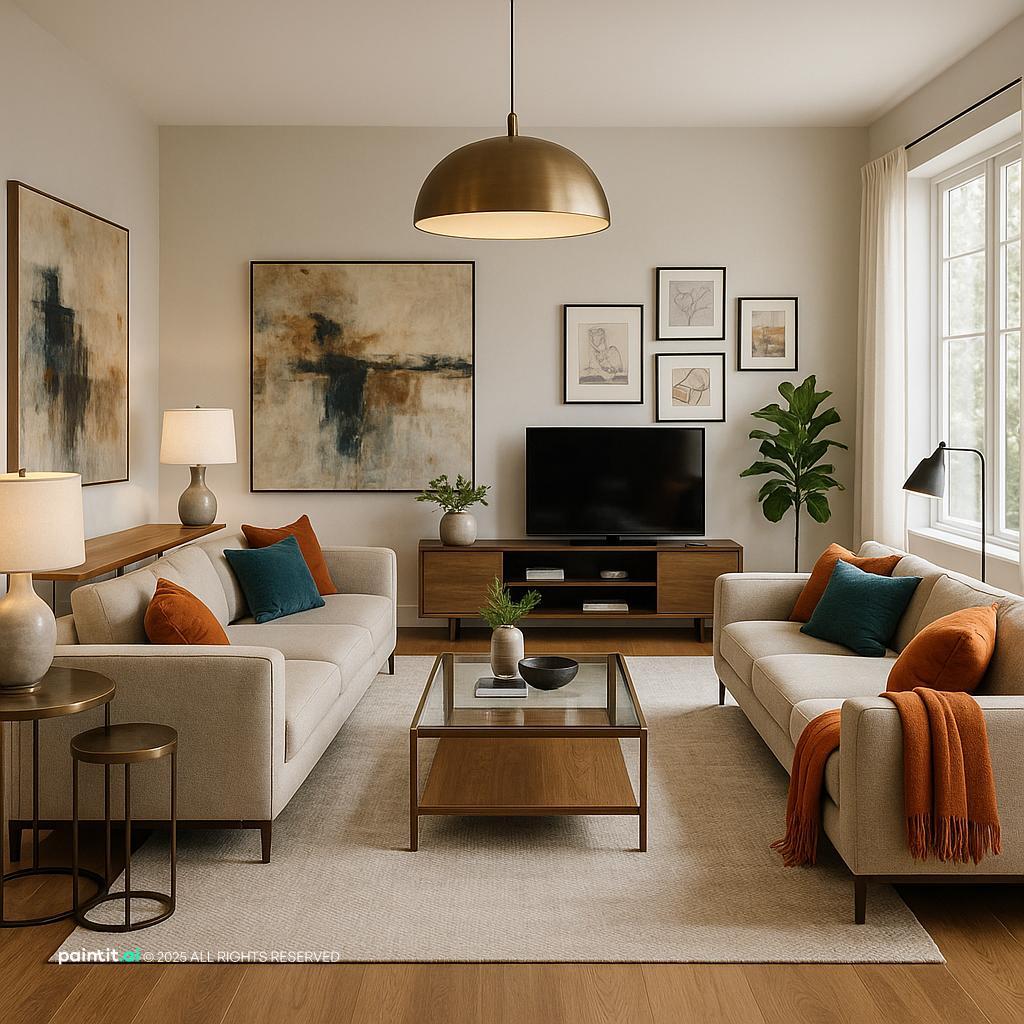
Modern Living Room Design Inspiration layers clear furniture layout, soft textiles and metal accents in a living room setting.
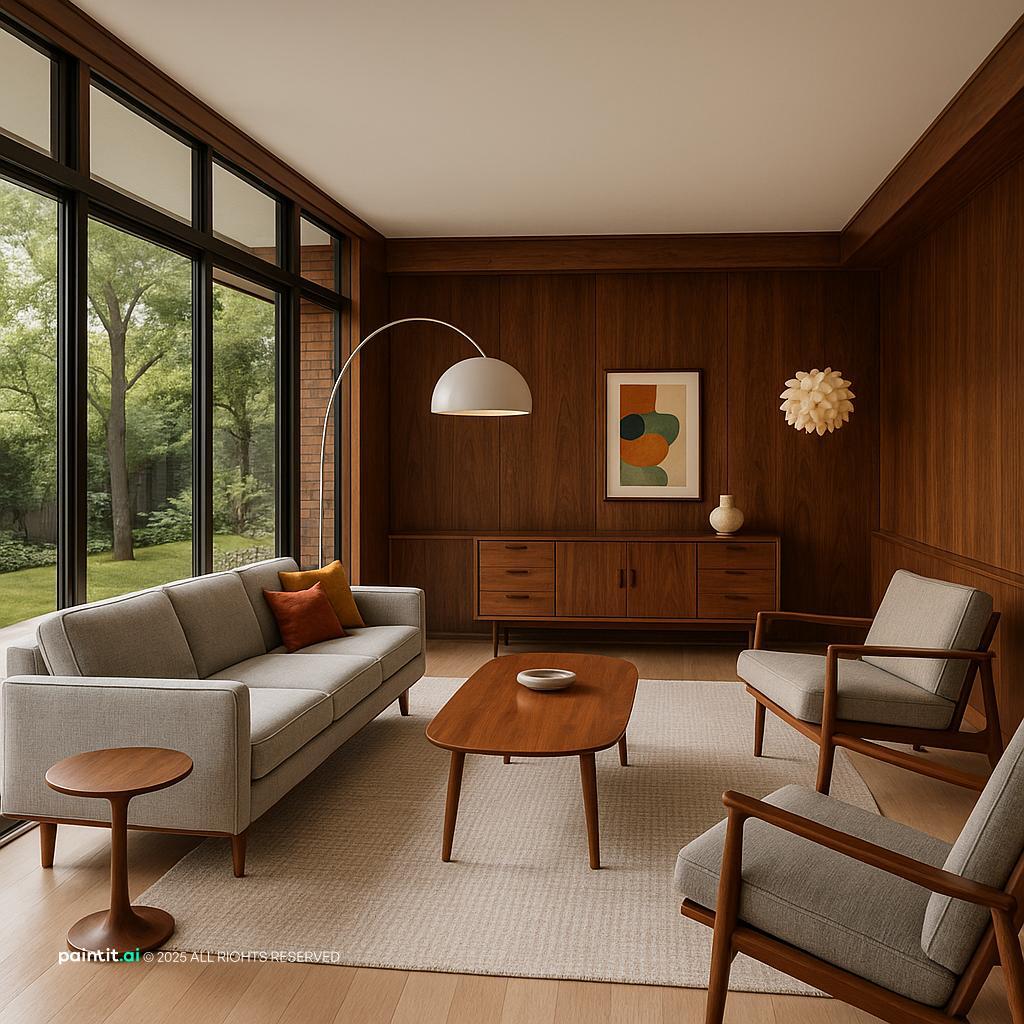
Elegant Mid-Century Living Room Design anchors clear furniture layout, warm wood and soft textiles in a living room setting.
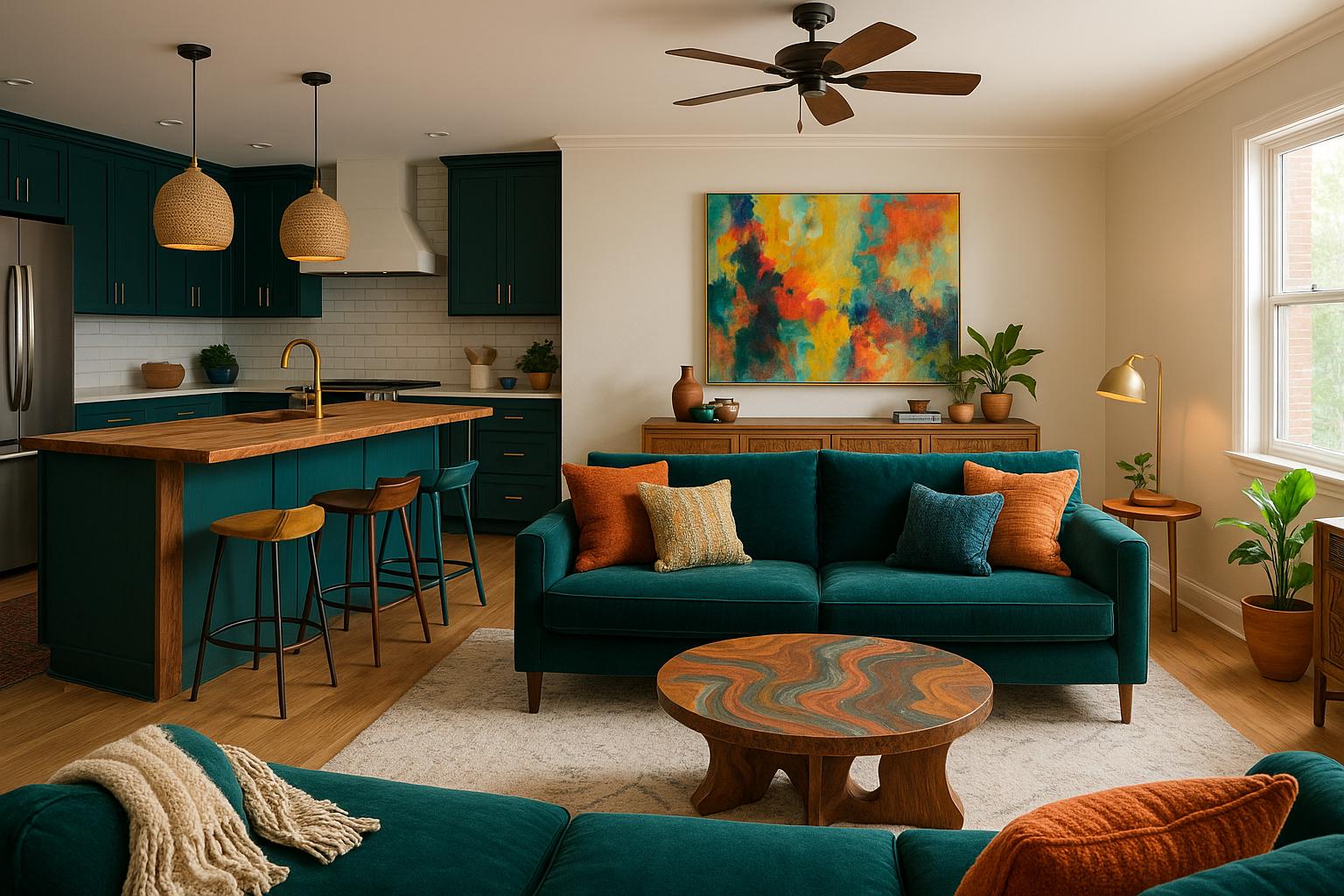
Living Room Layout Ideas with Clear Furniture Layout and Zoned Seating View 6 softens clear furniture layout, zoned seating and soft textiles in a living room setting.
For a TV-focused room, use softer wall colors and low-contrast finishes near the screen to reduce visual noise. For a conversation room, warmer neutrals, muted greens, clay tones, or layered whites can make the seating group feel more intimate. Avoid using a high-energy accent wall behind every focal point; it can make the room fight itself.
Flooring, stone, brick, and built-ins often decide which colors look right. A cool gray sofa can look dull beside warm oak floors, while cream walls may turn yellow next to certain fireplaces. Use fabric samples near the real finishes during daytime and evening light before choosing the final palette.
If the room already has a heavy stone fireplace, keep nearby tables lighter or more open-legged. If the layout uses a large dark media console, repeat a touch of that tone elsewhere so it does not feel isolated. Avoid placing every heavy finish on one side of the room, because the layout will feel visually tilted.
Curtains, cushions, throws, and upholstery help a layout feel settled, especially in open-plan rooms with hard flooring. Choose curtains that hang high and wide so windows stay generous and seating feels framed. Avoid overly thin rugs in echo-prone rooms; a denser weave can improve both comfort and acoustics.
Use overhead light for general brightness, table lamps for reading, floor lamps near chairs, and accent lighting for shelves or art. The goal is to light each zone without creating glare on the TV or harsh shadows around faces. Avoid relying on one ceiling fixture in the center of the room, especially if the seating floats away from it.
Keep coffee table styling low so it does not block conversation or TV sightlines. Place trays, books, and small objects where they leave room for drinks and remotes. On side tables, use one useful lamp and one or two smaller items; too many objects make the traffic path feel busier than it is.
Stand at the main doorway and check where the eye goes first. If one corner has a dark sofa, tall lamp, large plant, and heavy art, the opposite side may need a cabinet, drapery, or artwork to balance it. I would do this check before buying decor, because balance problems are often layout problems in disguise. An AI room design tool can help you compare changes without moving the heavy pieces first.
Upload a photo of your living room and test different furniture positions, rug sizes, TV walls, fireplace arrangements, palettes, materials, and lighting moods. You can ask Paintit.ai to keep the architecture, preserve a sofa, change the table shape, remove clutter, or make the seating a bit closer.
This is especially useful when a room has competing focal points or awkward pathways. Try one version, then refine it: swap the chair and plant, rotate the rug, replace the console, or test a warmer wall color before spending money.
The best layout protects traffic flow, faces a clear focal point, and keeps seating close enough for conversation. It depends on your room shape, windows, TV, fireplace, and furniture scale.
Start with fixed features, choose the focal point, place the sofa, then add chairs, rug, tables, and lighting. Keep major walkways around 3 feet wide where possible.
The sofa should usually face or frame the main focal point, such as a TV, fireplace, or view. Avoid placing it where it blocks a doorway or cuts through the main path.
Let the fireplace anchor the seating. Face the sofa toward it, or place the sofa perpendicular and add chairs opposite so the hearth remains part of the main group.
Use fewer, better-scaled pieces: a compact sofa, one flexible chair, a round or oval table, and a rug that connects the seating. Avoid oversized sectionals and blocked walkways.