
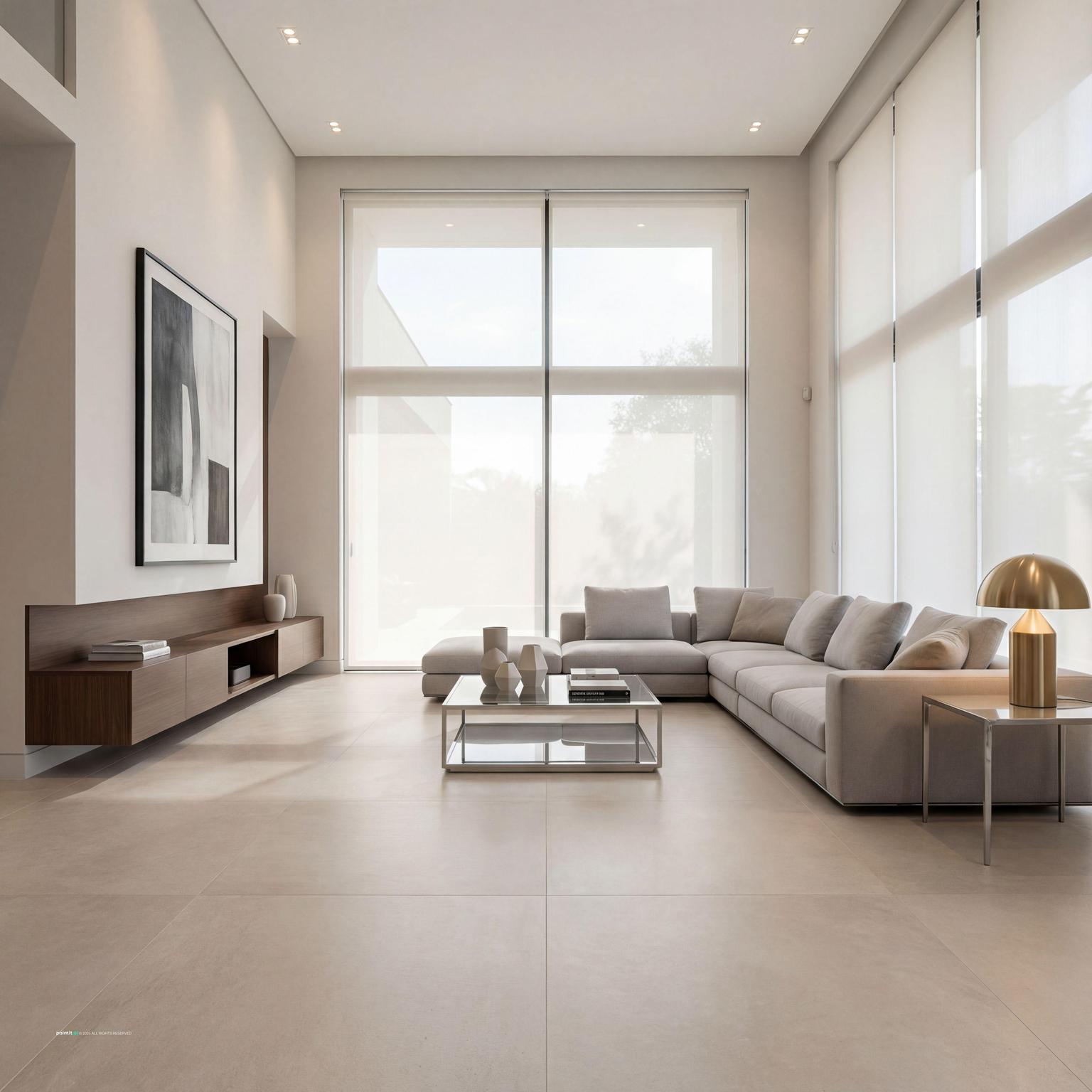
Ultra-Modern Living Room Design
Ultra-Modern Living Room Design uses metal accents, clean-lined furniture and open layout in a living room setting.
Good living room design ideas have to survive more than a saved mood board. They need to answer the awkward real questions: where the sofa actually fits, whether the coffee table blocks the walkway, which color palette works with your daylight, and what stays when a full redesign is not on the table. In Paintit.ai tests, we often see homeowners start with one short phrase like “modern living room.” That is normal. The better results usually come when that first idea becomes a clearer brief: room layout, color, material, lighting, and what should not change. You can test those layers in your own photo with our AI living room design tool.
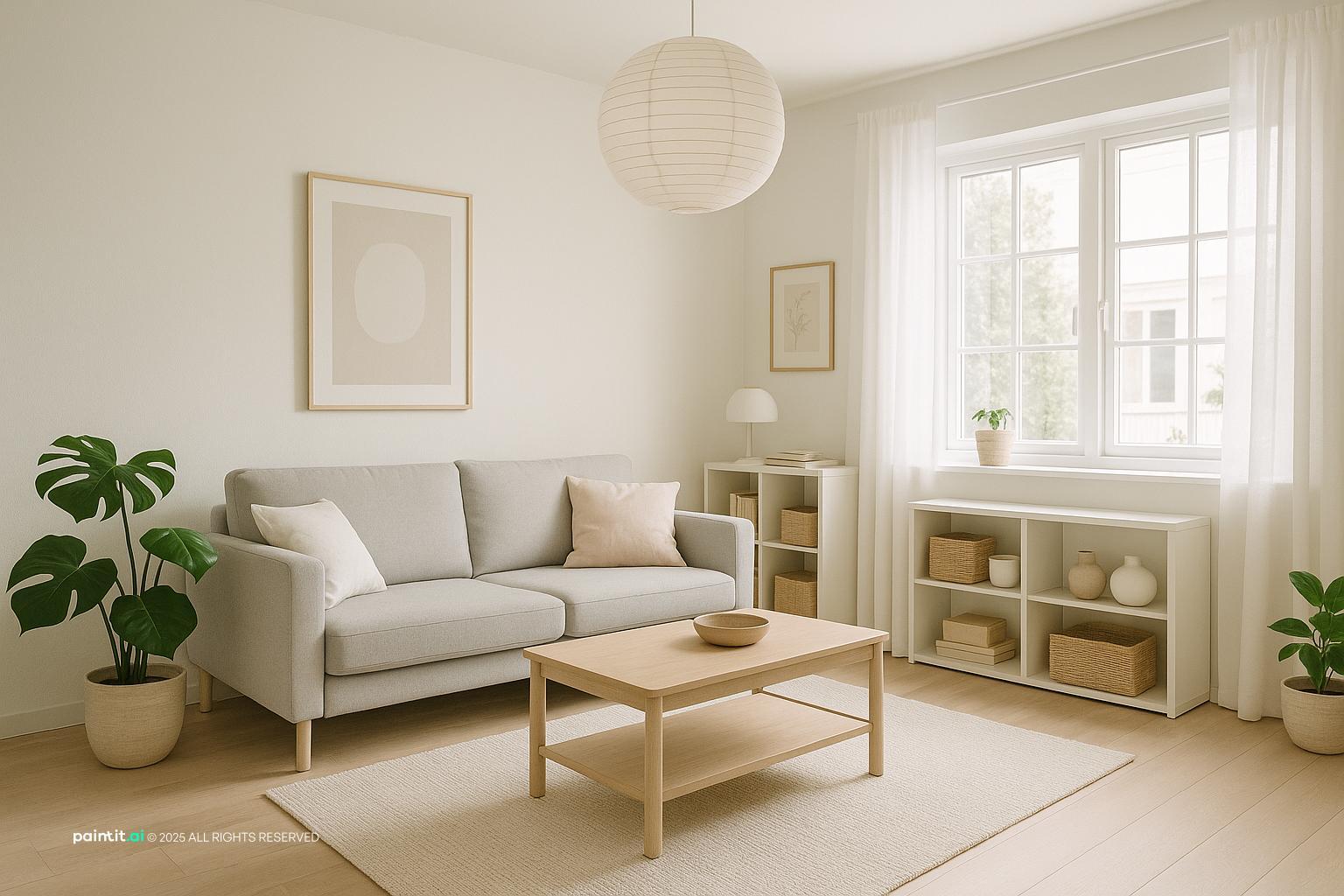
A useful living room plan starts with the facts in front of you: window position, TV wall, main walkway, sofa size, ceiling height, storage needs, and how much daylight the room gets. Inspiration becomes usable when each choice responds to those limits instead of pretending they are not there.
Our prompt data shows that people naturally think in layers. Color is the most common modifier at 27.6%, followed by room at 22.1%, material at 19.0%, and style at 17.1%. That order is useful when decorating too. Set the mood with color, solve the room layout, choose tactile materials, then refine the style so the Living Room feels intentional rather than copied from an image.
Use the first gallery to compare broad directions: calm neutrals, deeper color, compact layouts, warmer wood, clean modern lines, and softer cozy rooms. Do not get stuck on the exact sofa or lamp. Look at spacing, sightlines, rug size, lighting mood, storage, and how each room handles its focal point.
Ultra-Modern Living Room Design uses metal accents, clean-lined furniture and open layout in a living room setting.
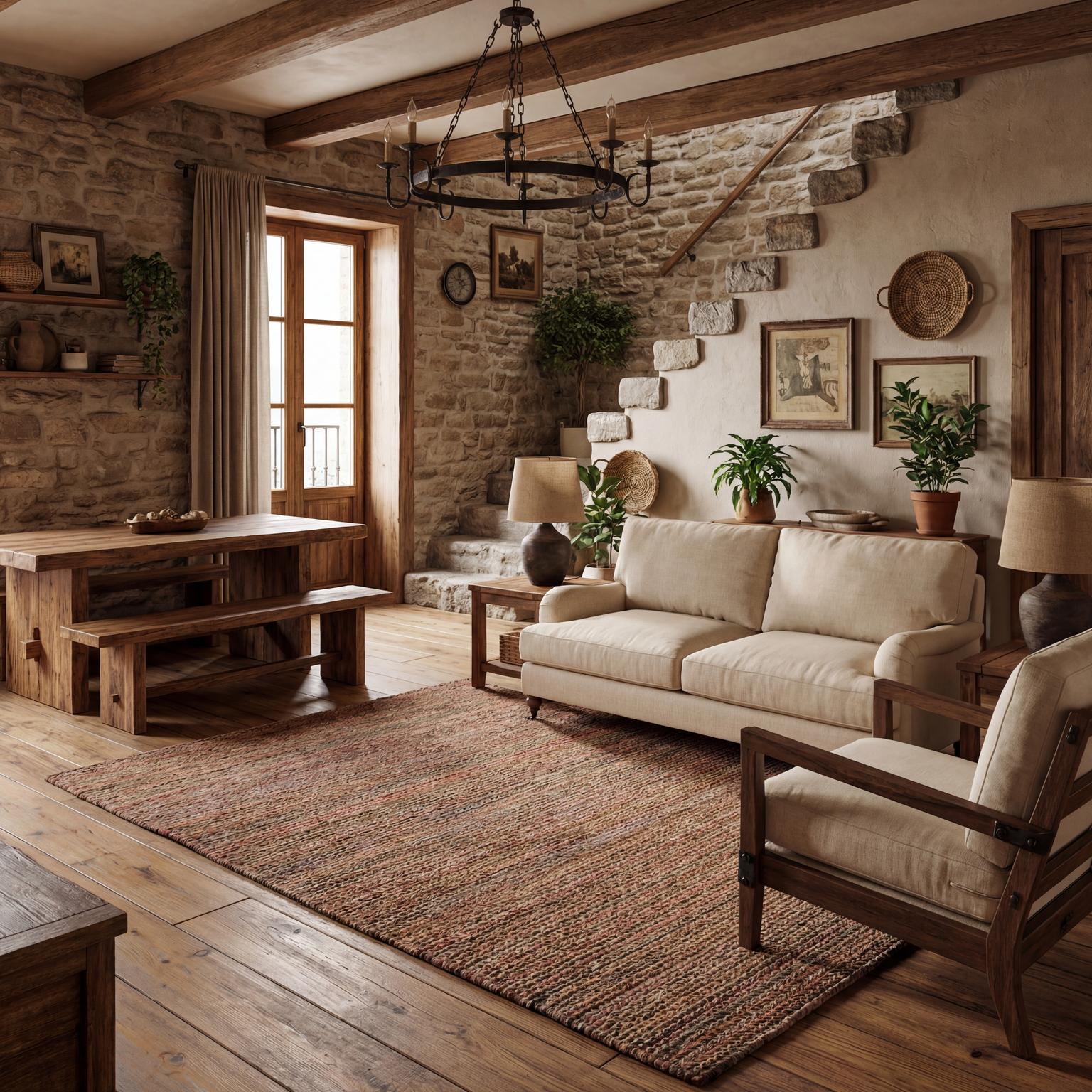
Rustic Living Room Design balances plants and greenery in a living room setting.
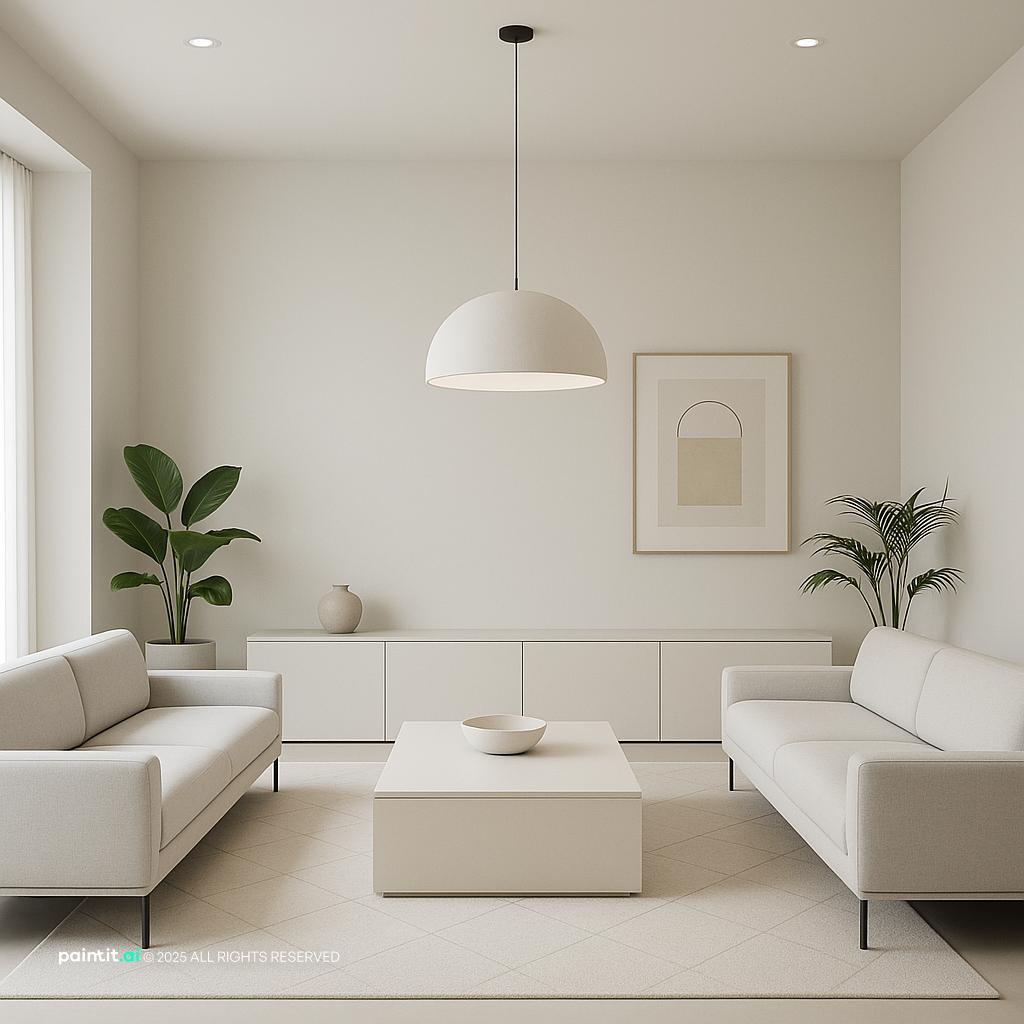
Modern Minimalist Living Room Design pairs plants and greenery and layered neutrals in a living room setting.
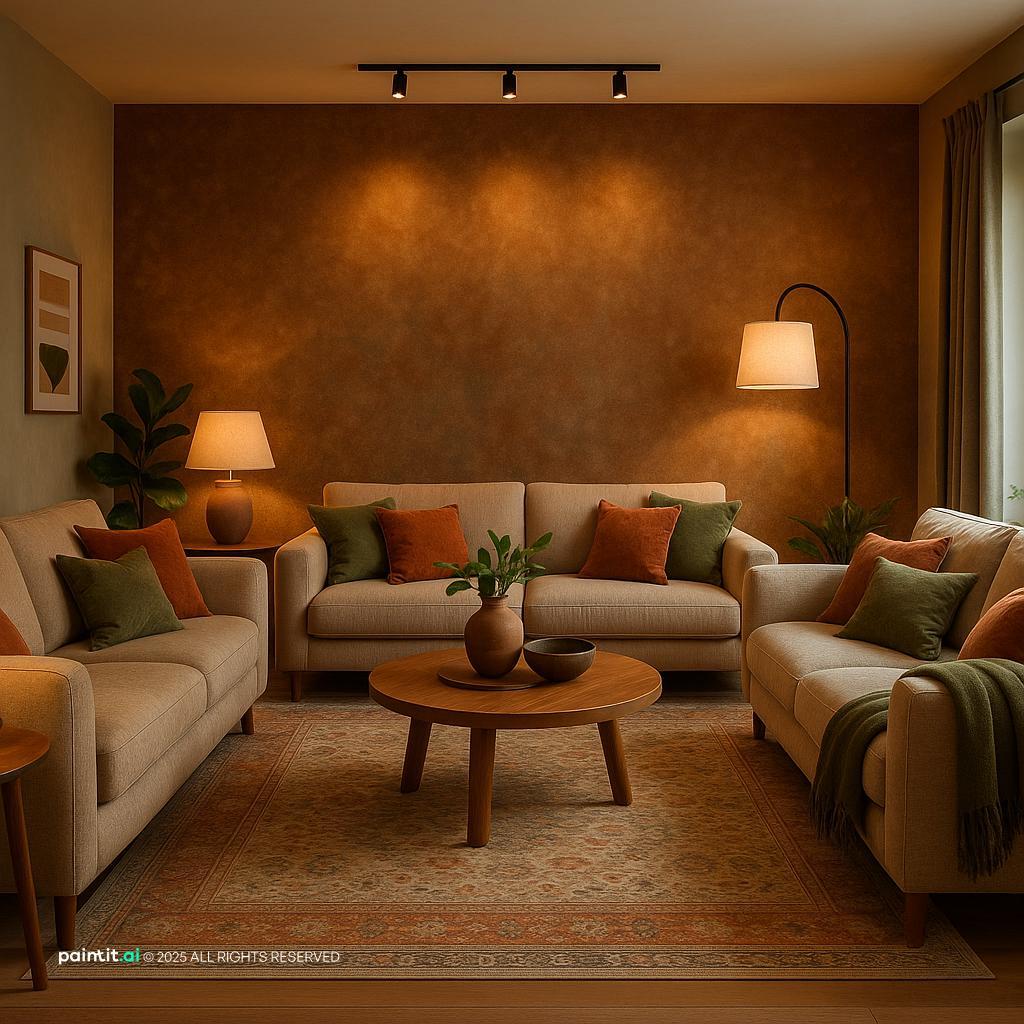
Warm Modern Living Room Design layers soft textiles, plants and greenery and layered neutrals in a living room setting.
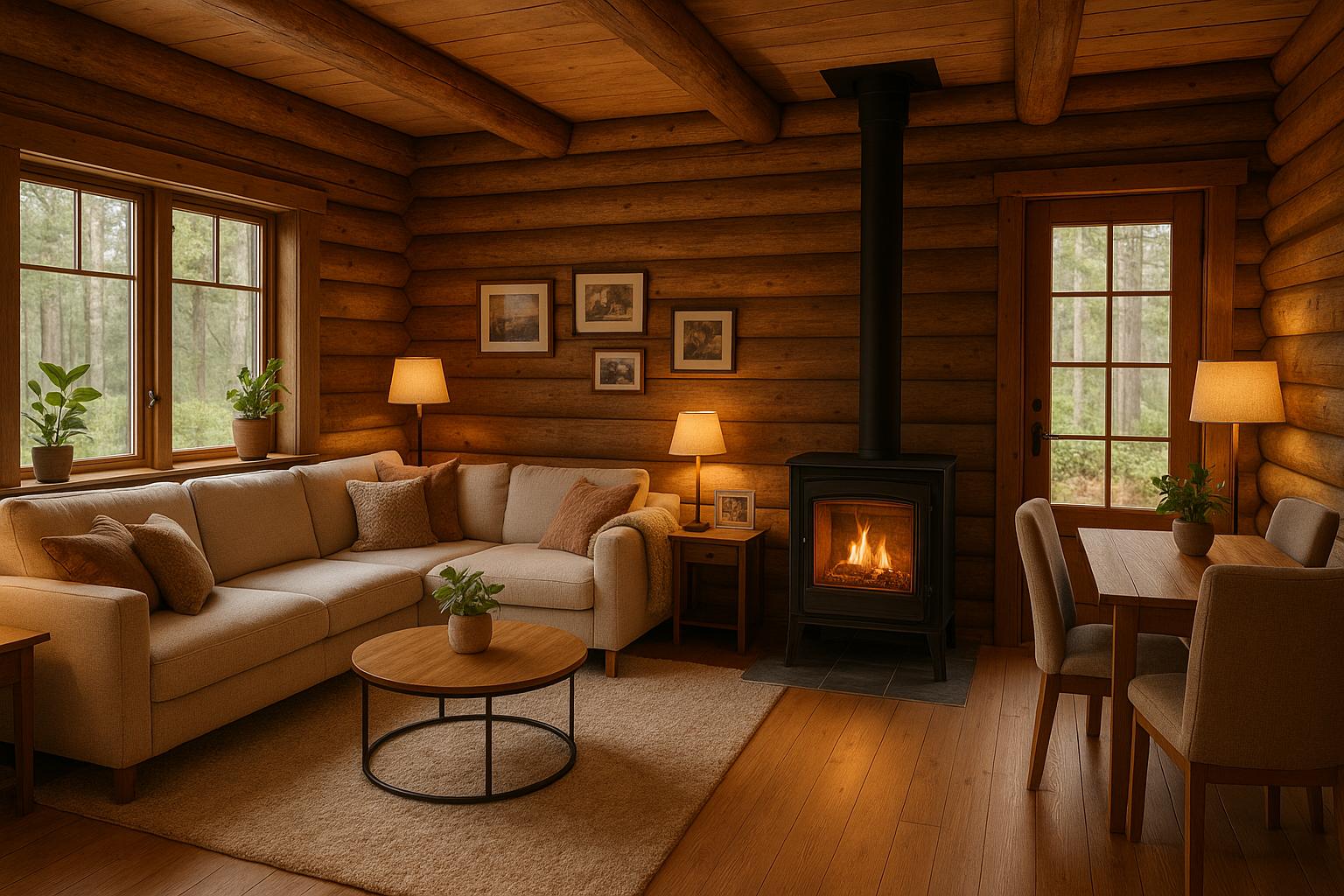
Cozy Cabin Living Room Design anchors soft textiles, plants and greenery and layered neutrals in a living room setting.
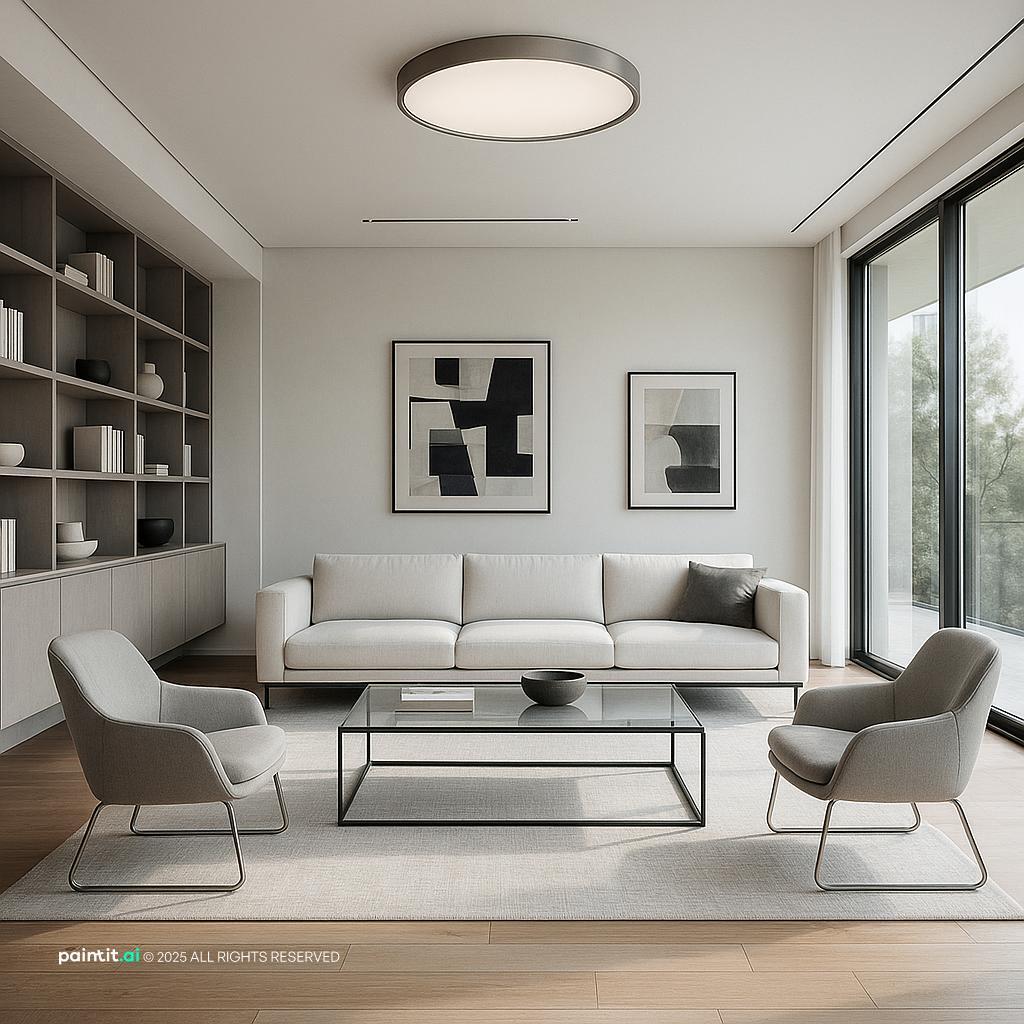
Modern Minimalist Living Room Design with Metal Accents softens metal accents, clean-lined furniture and layered neutrals in a living room setting.
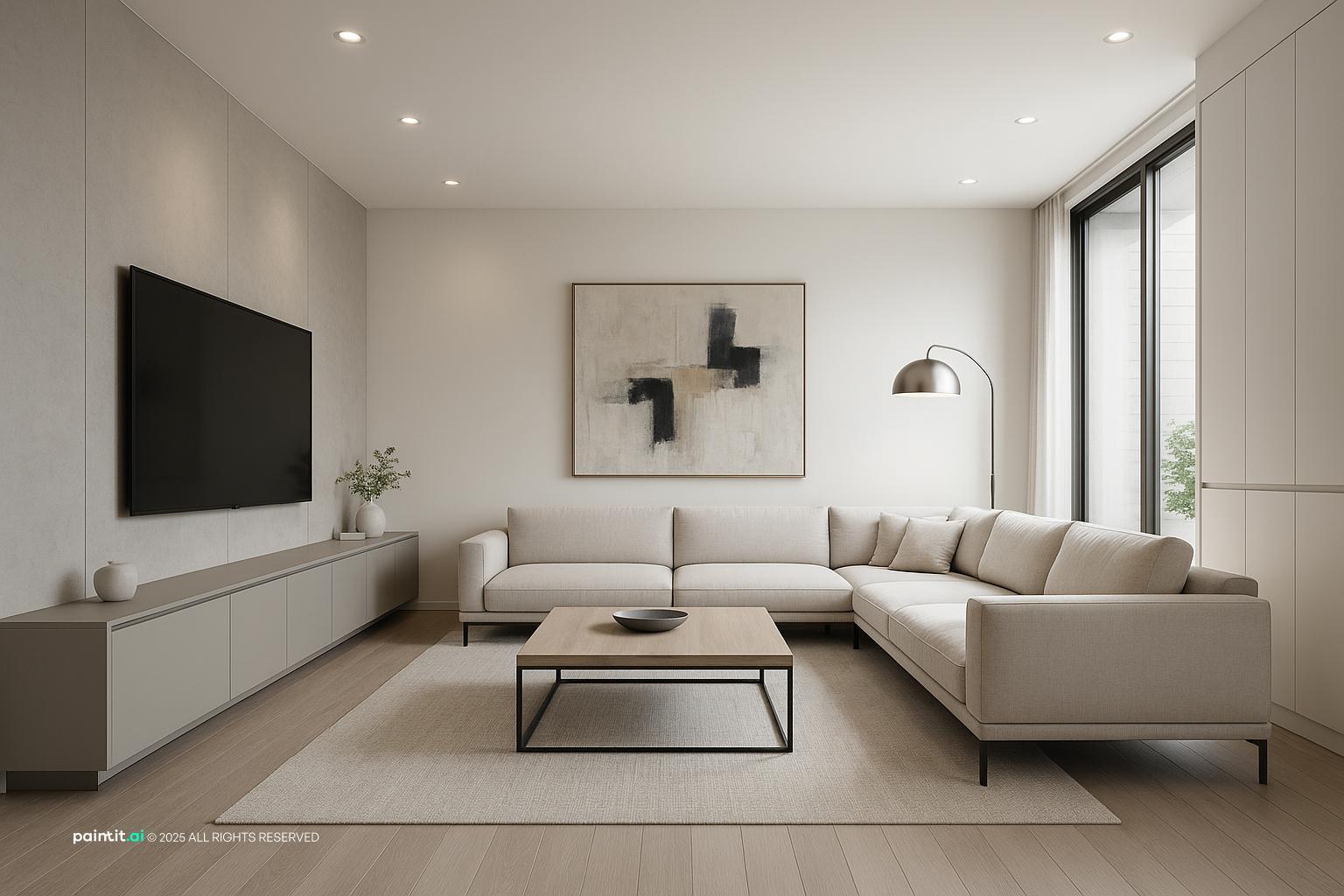
Modern Minimalist Living Room Design with Layered Neutrals uses metal accents, layered neutrals and natural light in a living room setting.
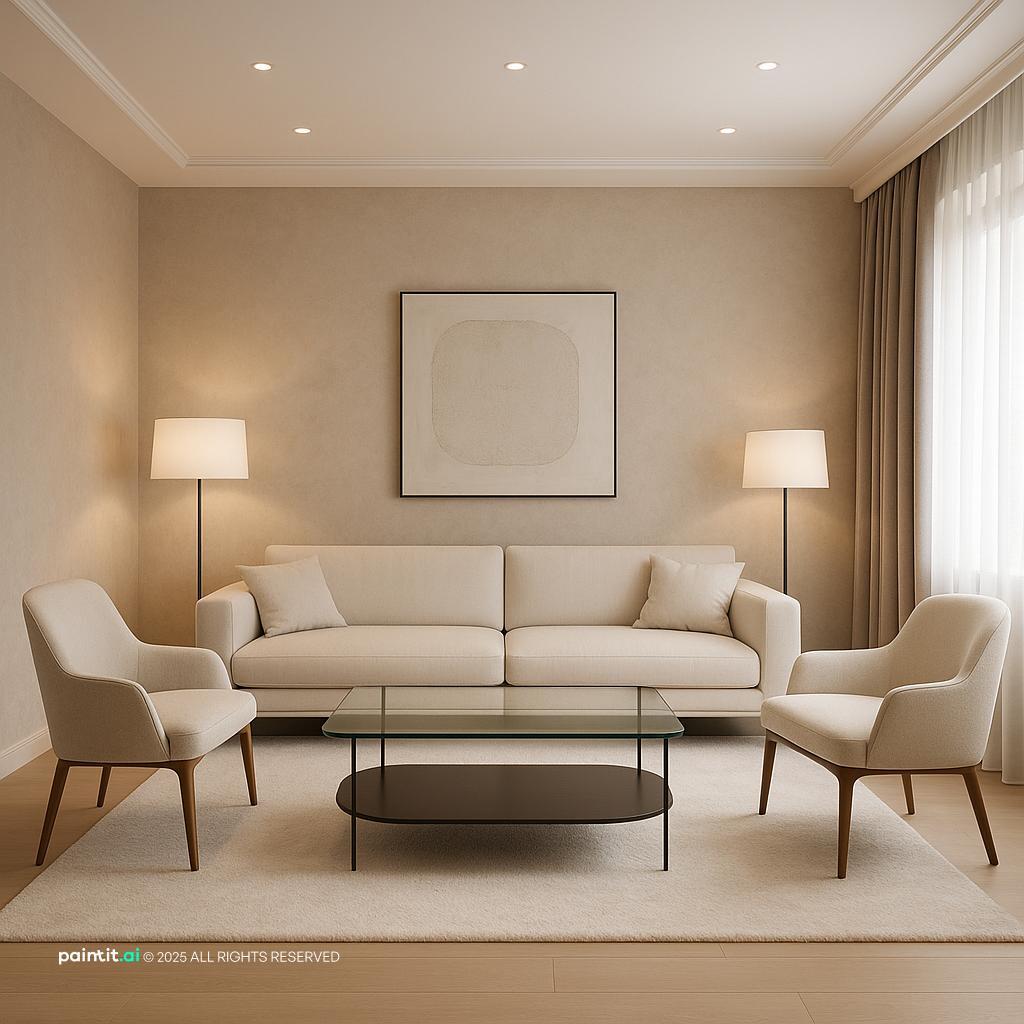
Elegant Modern Living Room Design balances layered neutrals and natural light in a living room setting.
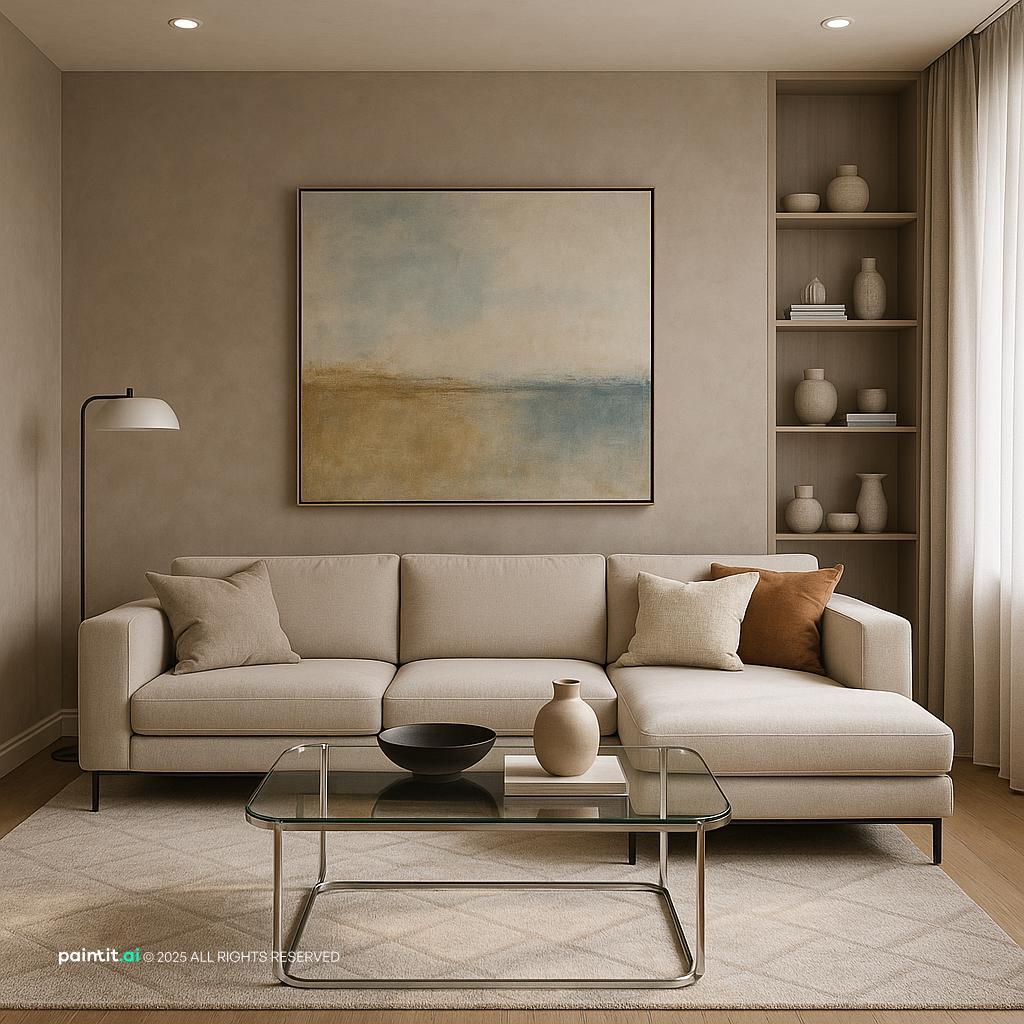
Living Room Design Ideas with Soft Textiles and Clean-lined Furniture pairs soft textiles, clean-lined furniture and layered neutrals in a living room setting.
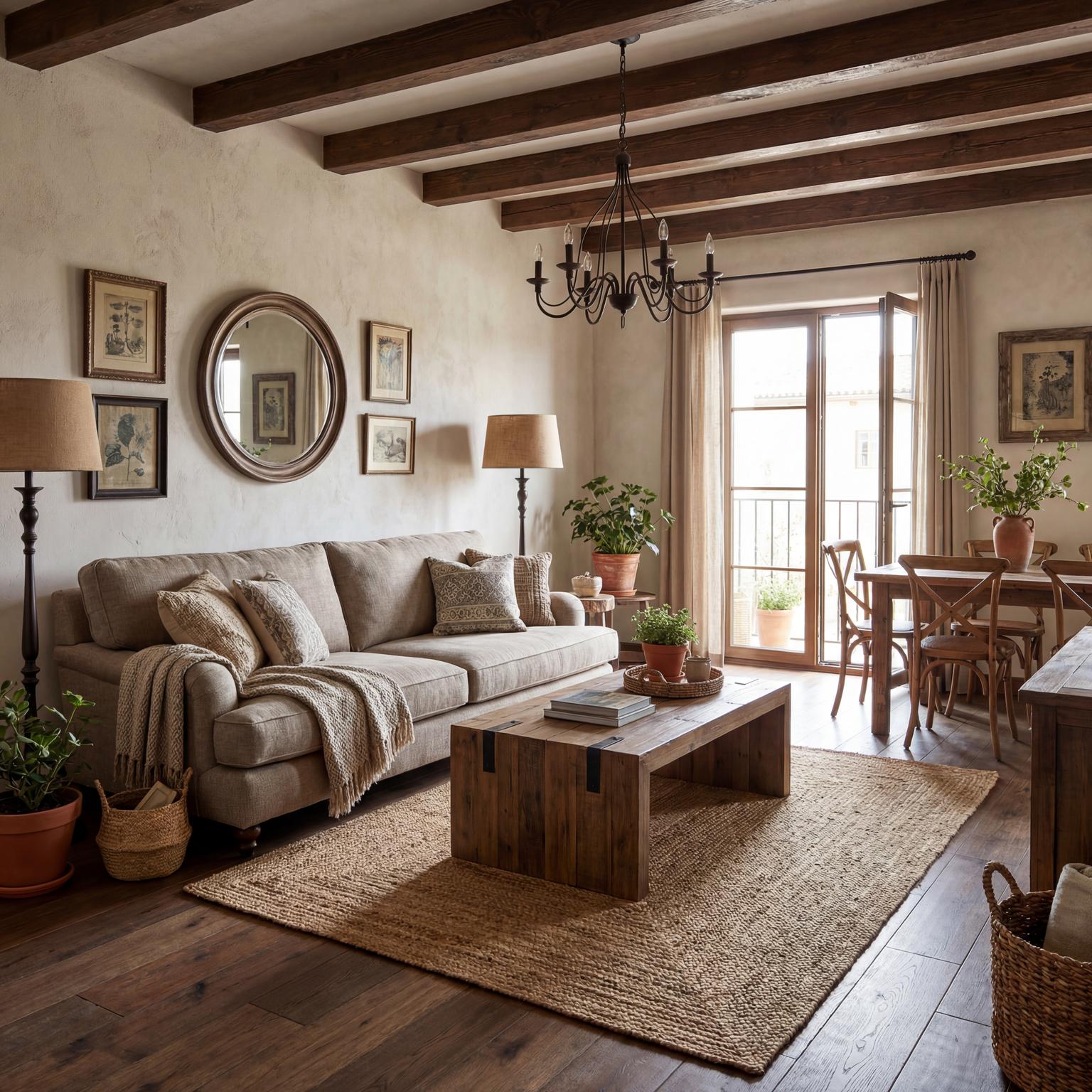
Cozy Rustic Living Room Design layers metal accents and plants and greenery in a living room setting.
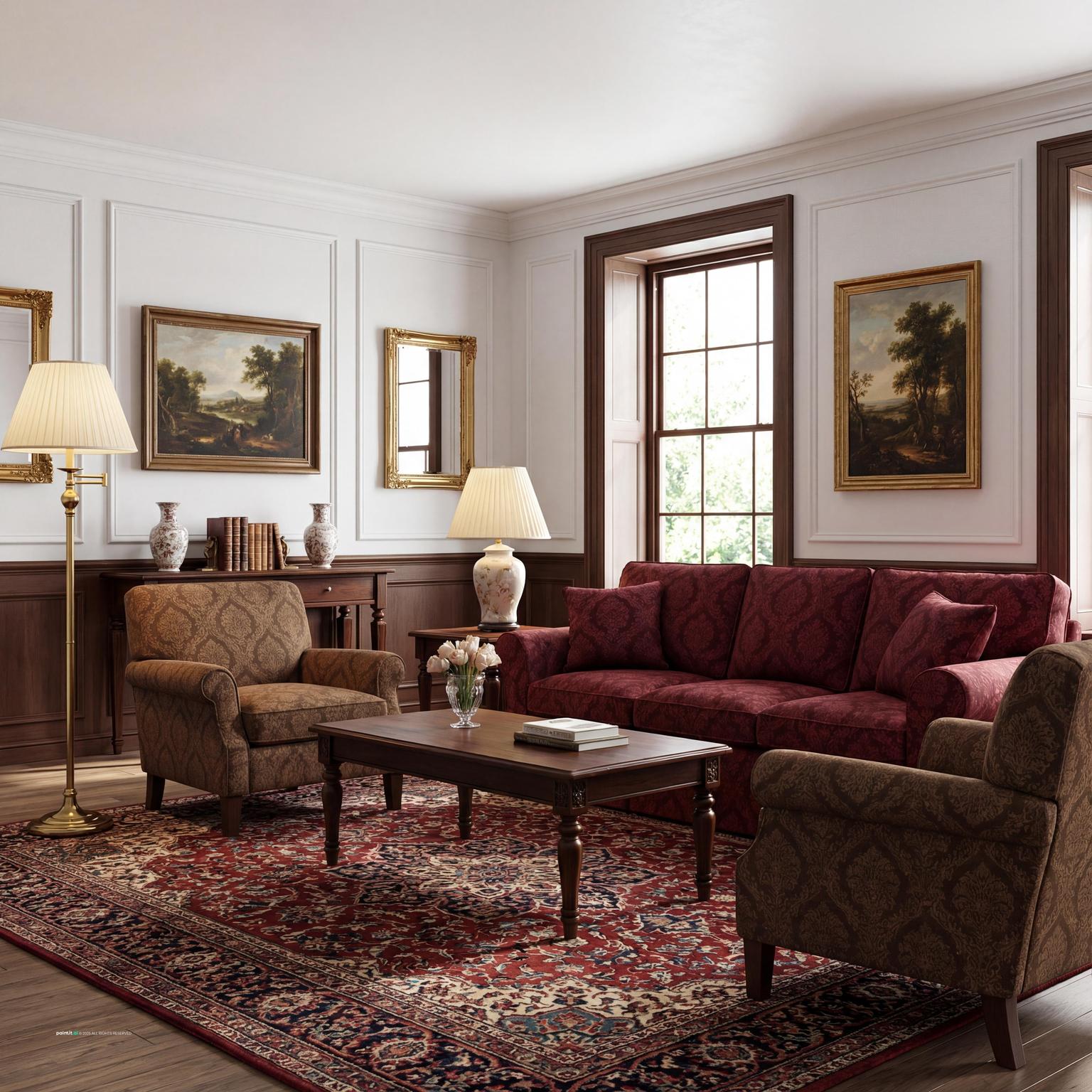
Classic IKEA Living Room Design anchors natural light in a living room setting.
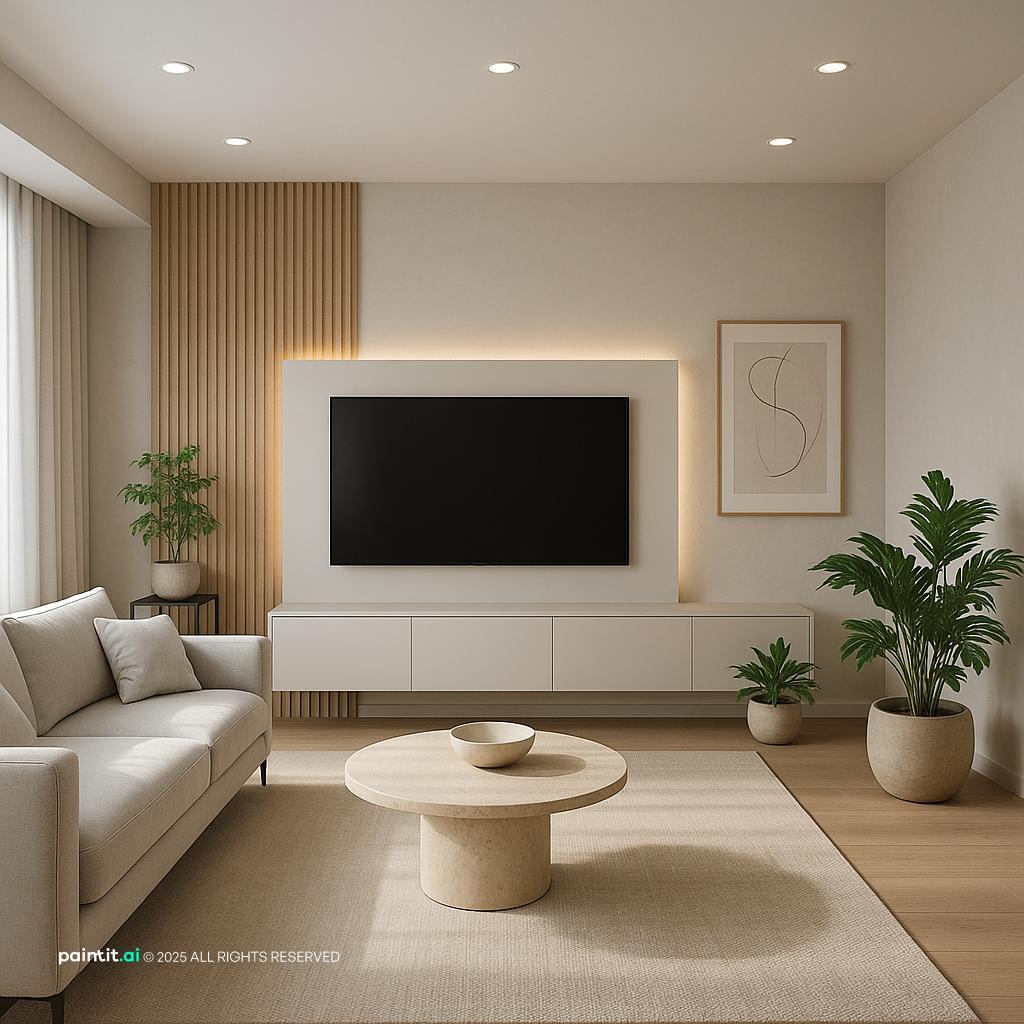
Elegant Modern Living Room Design with Clean-lined Furniture softens clean-lined furniture, plants and greenery and layered neutrals in a living room setting.
Start by deciding what the room is facing. It might be a fireplace, a window view, a media wall, a large piece of wall decor, or a textured accent wall. Arrange the sofa and accent chair so the focal point feels intentional, not half-blocked or ignored.
Why it works: a living room with no visual anchor often feels scattered, even when the individual pieces are good. If the room has no natural focal point, create one with a deeper paint color, built-in shelving, one large artwork, or a low console with balanced lamps. The catch is not to make every wall compete. Most rooms need one main moment, not four.
Before buying furniture, map the walking route from the entry to the seating area, balcony, hallway, kitchen, or dining zone. Main walkways should have about 3 feet of clearance so people are not squeezing behind chairs or cutting through the conversation area every day.
This is one of the most useful living room layout ideas because it protects comfort before style decisions begin. If the room feels tight, reduce sofa depth, choose an oval coffee table, or swap a bulky armchair for a lighter accent chair. What usually goes wrong: the prettiest piece lands exactly where people need to walk.
A common mistake we see in uploaded rooms is a hollow center: every piece sits against the perimeter, and the middle of the room feels abandoned. Pull the sofa a few inches forward, bring chairs closer, and let the area rug define the seating group.
Why it works: closer furniture creates better conversation distance and makes the room feel designed rather than stored. In a small room, you may only pull the sofa 4 to 8 inches from the wall, but that shadow gap can make the layout look more deliberate. Just check the coffee table distance. If no one can reach it from the sofa, the plan has drifted too far.
The safest rule is simple: the area rug should be large enough for at least the front legs of the sofa and accent chairs to sit on it. If the rug is too small, the furniture looks disconnected and the room can feel cheaper than it is.
For most standard seating groups, sizing up one rug dimension changes the whole room more than adding more decor. Leave a consistent border of visible floor around the rug when possible. What to avoid: a tiny rug floating under only the coffee table, especially in an open-plan room where the rug needs to mark the living zone.
Since color is where many people start, treat it as a practical filter. White, beige and warm gray keep the room flexible; sage, clay, muted blue or olive add personality without overpowering the furniture. For a deeper look at shade choices, see our guide to the best living room colors.
Why it works: a clear color palette stops random buying. Pick one dominant neutral, one supporting color and one small accent used in pillows, art or ceramics. Avoid choosing paint from a tiny swatch without checking it in morning and evening light. Undertones shift fast in a Living Room, especially near large windows or warm bulbs.
When people upload a current living room photo, the sofa is often the piece that has to stay. If that is your situation, repeat one of its tones somewhere else: in the rug pattern, curtains, throw pillows, wood finish or artwork.
This matters because 12.0% of prompts include “keep” or “don’t change” modifiers. A beige sofa can support Japandi, coastal, transitional or modern living room ideas depending on what surrounds it. What to avoid: forcing in a completely unrelated palette that makes the sofa look like it came from another room.
Modern rooms usually work because the shapes are controlled: clean-lined sofa arms, slim metal legs, low storage, simple curtain panels and fewer decorative interruptions. You do not need every wall and surface to be white or gray.
Use one sculptural coffee table, a low media unit and a restrained wall decor plan. Add warmth with wood, boucle, wool or leather so the room does not feel flat. Avoid filling a modern room with lots of small accessories. A few larger pieces usually look calmer and more confident.
In a compact room, oversized furniture causes more trouble than bold color. Use painter’s tape on the floor to mark the exact sofa, chair and coffee table dimensions before buying. Then walk around the taped layout and check doors, drawers, radiator access and traffic paths.
Choose a sofa with slimmer arms, raised legs and moderate depth. Use nesting tables, a storage ottoman or a round coffee table if corners are tight. What to avoid: buying a sectional because it looks comfortable online, then realizing it blocks the only natural walkway.
Cozy does not have to mean crowded. Start with softer textiles: a wool rug, linen curtains, a textured throw, velvet or boucle cushions, and a sofa fabric that feels inviting rather than shiny. Then add warm lighting at more than one height.
Why it works: texture gives a neutral room depth without needing many colors. Use table lamps near the sofa, a floor lamp by a reading chair, and dimmable overhead lighting if possible. Avoid relying on one bright ceiling fixture. It creates glare, flattens faces, and leaves the corners feeling unfinished.
Good storage keeps the room usable after the first week. Choose closed cabinets for remotes, game controllers, toys, chargers and anything with cables. Reserve open shelves for books, ceramics and a few personal objects that can breathe.
Built-ins can frame a fireplace or media wall, but freestanding storage works too if the proportions are right. Keep the top of a console lower than the TV or artwork above it so the wall does not feel crowded. What to avoid: open shelving filled with mixed boxes, loose electronics and small objects with no rhythm.
The coffee table should relate to the sofa length and leave comfortable clearance around it. In many rooms, 16 to 18 inches between sofa and table is enough for reach and movement. Round and oval tables are helpful when there are children, tight corners or several walking paths.
A rectangular table works well with a long sofa, while two smaller tables can suit a flexible seating arrangement. Choose a material that balances the room: wood warms up pale upholstery, stone adds weight, glass reduces visual bulk. Avoid a table that is too high for the sofa seat unless you genuinely plan to use it like a work surface.
Curtains can make a living room feel taller and more finished. Mount the rod higher than the window frame when possible, and let panels reach the floor instead of stopping awkwardly at the sill. Use enough fabric width so the curtains do not look stretched when closed.
This works especially well in rooms with plain walls or low ceilings. Linen and cotton blends soften daylight; heavier fabrics add privacy and acoustic comfort. Avoid high-contrast curtain colors unless you want the window wall to become a major design feature.
Decor works best when it is grouped by scale, color or material. Try a tray on the coffee table, two stacked books, one sculptural object and a small bowl instead of many unrelated pieces. On shelves, alternate vertical books, horizontal stacks and negative space.
Why it works: repetition makes small objects feel edited. Repeat black metal, warm wood, brass, stone or ceramic in a few places so the eye connects them. Avoid decorating every surface. Empty space is not wasted space; it is what lets the stronger pieces register.
Wood, marble, brick, plaster, cane or stone can change the whole atmosphere of a room. A light wood media unit leans Scandinavian, a brick wall adds texture, and a marble coffee table introduces polish without making the layout formal.
Use the material where it has visual logic: wood on storage, stone on a table, brick on a fireplace wall, woven cane on cabinet doors or chair backs. What to avoid: using too many statement materials at once. If every finish asks for attention, the room loses hierarchy.
Paintit.ai behavior shows that 15.0% of prompts contain refinement language such as “instead,” “now,” “a bit,” “more,” or “less.” That reflects how real decorating works. Start with a clear base idea, then adjust one variable at a time: warmer walls, darker wood, less clutter, softer lighting, larger rug.
This approach prevents expensive overcorrection. If a room feels cold, do not immediately replace the sofa; try warmer bulbs, textured curtains and wood accents first. If it feels busy, remove small decor before repainting. Strong living room design ideas usually get better through testing, not through chasing a perfect first draft.
The second gallery is useful for side-by-side judgment. One room may have the better palette, another may solve the furniture spacing, and another may show the right lighting mood. Borrow the specific detail that works instead of copying one image completely.
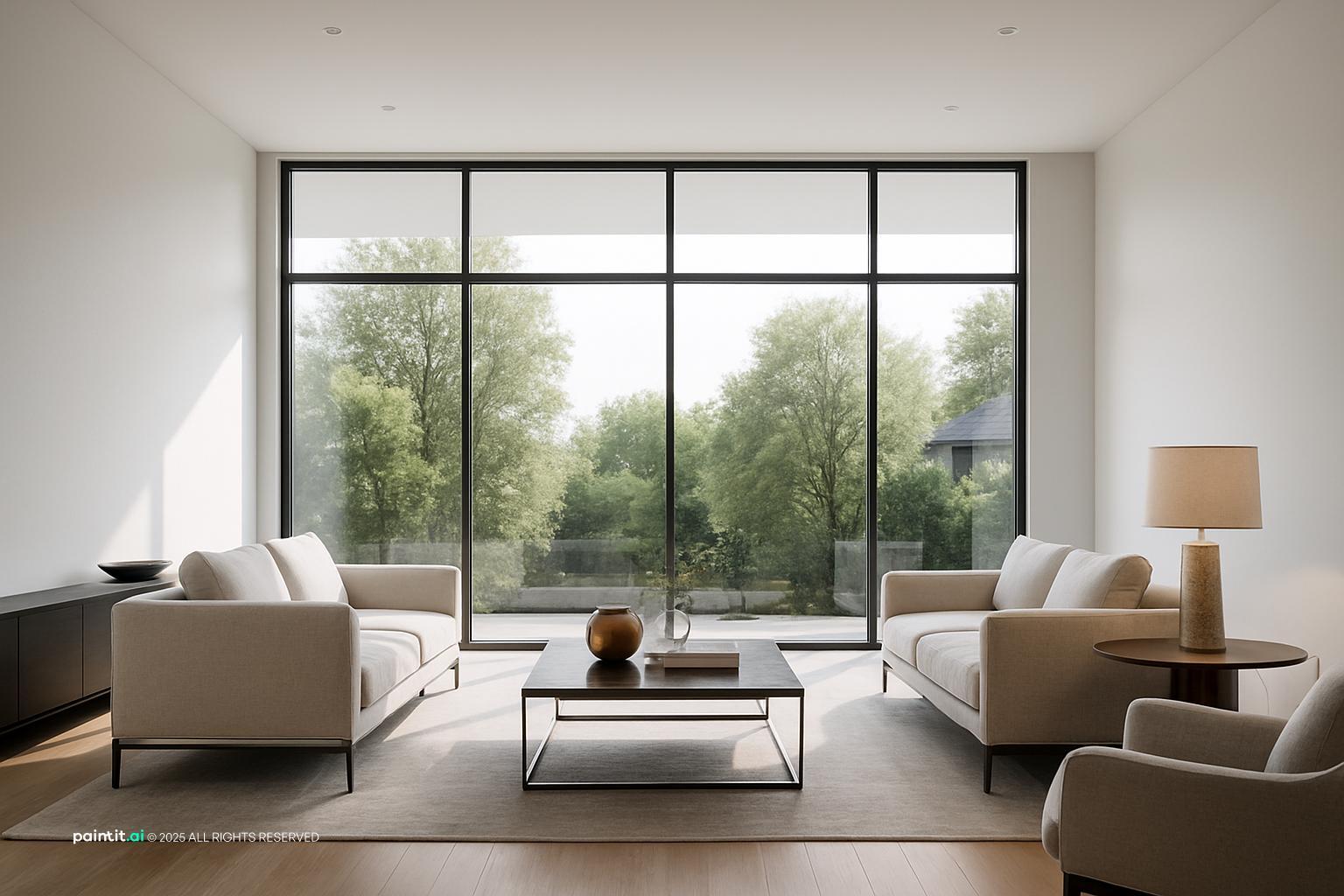
Sleek Modern Living Room Design uses metal accents, clean-lined furniture and layered neutrals in a living room setting.
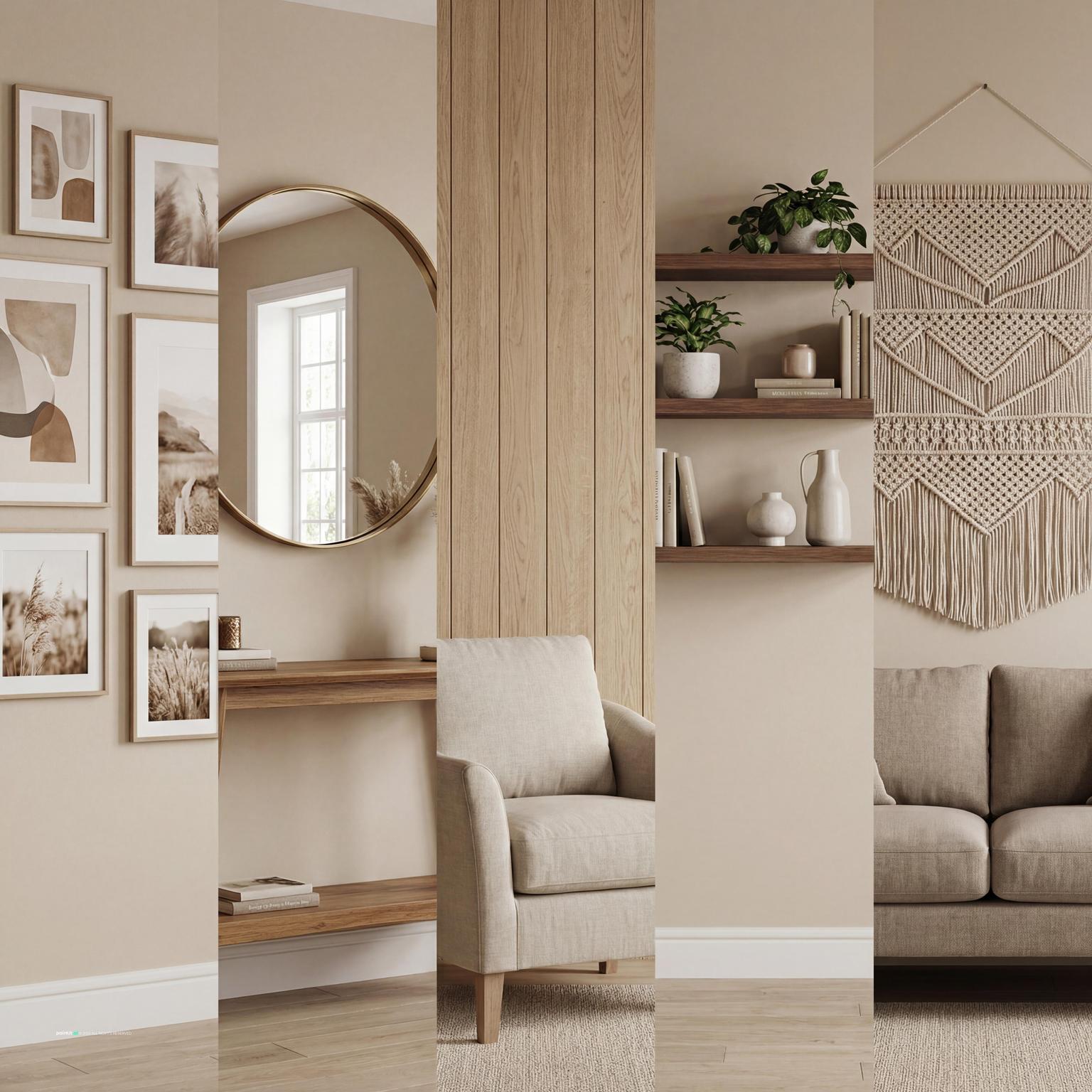
Cozy Living Room Design balances plants and greenery and layered neutrals in a living room setting.
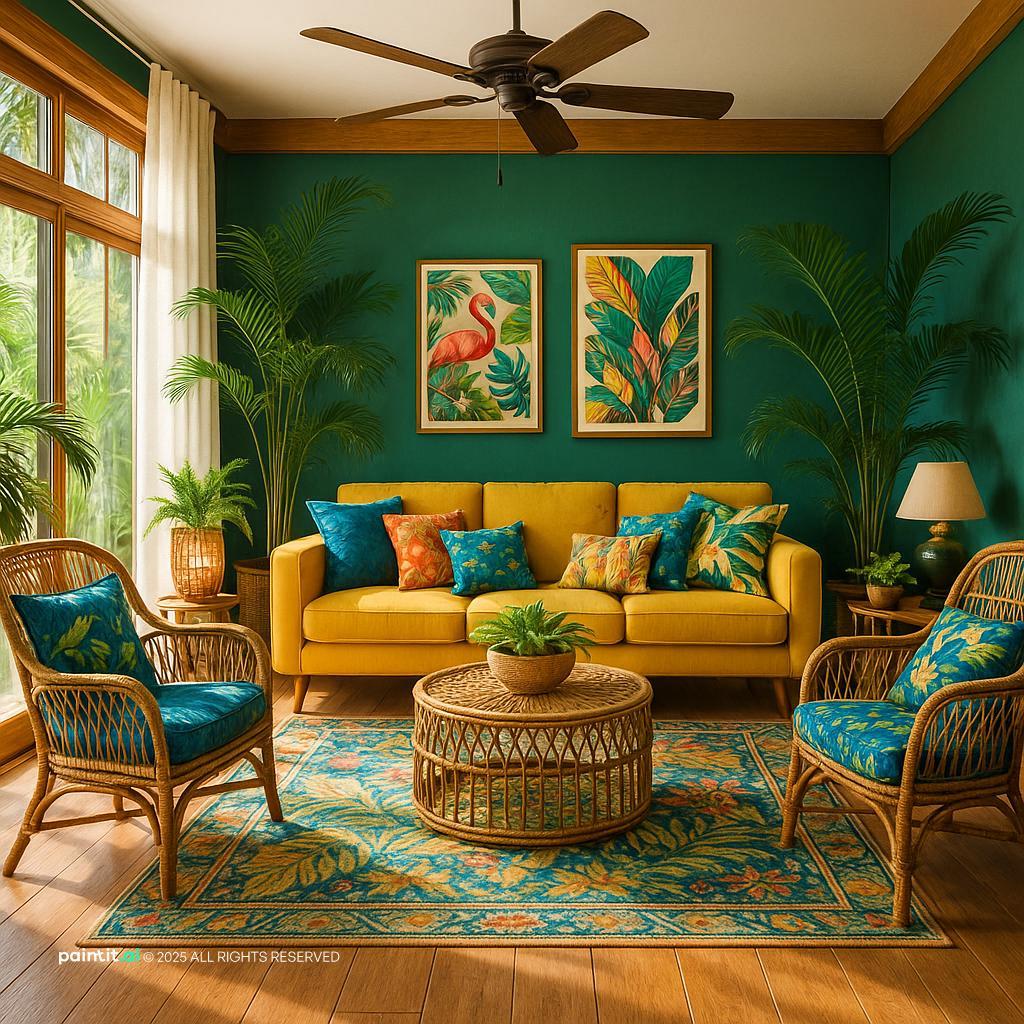
Tropical Living Room Design pairs soft textiles, plants and greenery and natural light in a living room setting.
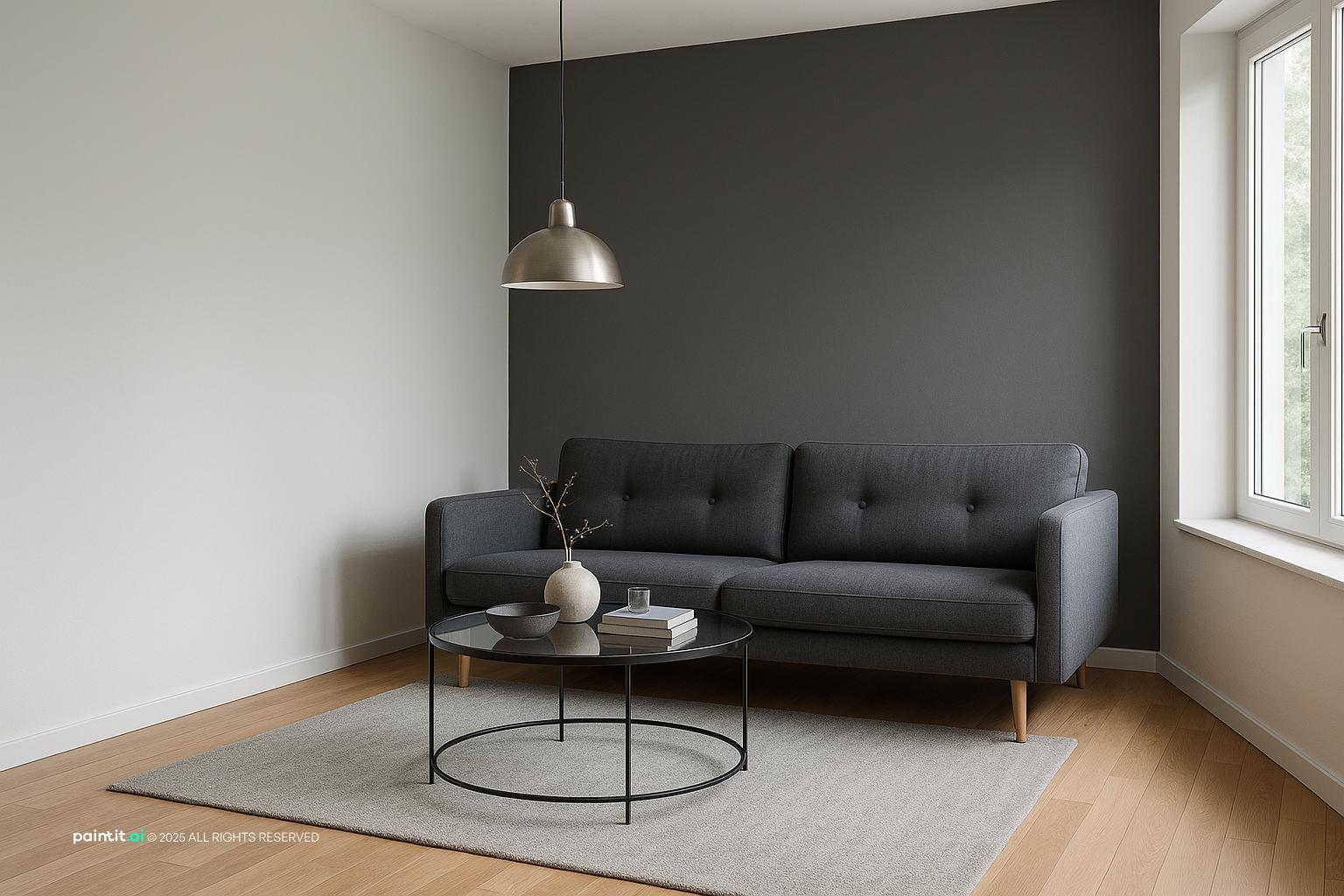
Modern Gray Living Room Design layers warm wood, metal accents and dark contrast in a living room setting.
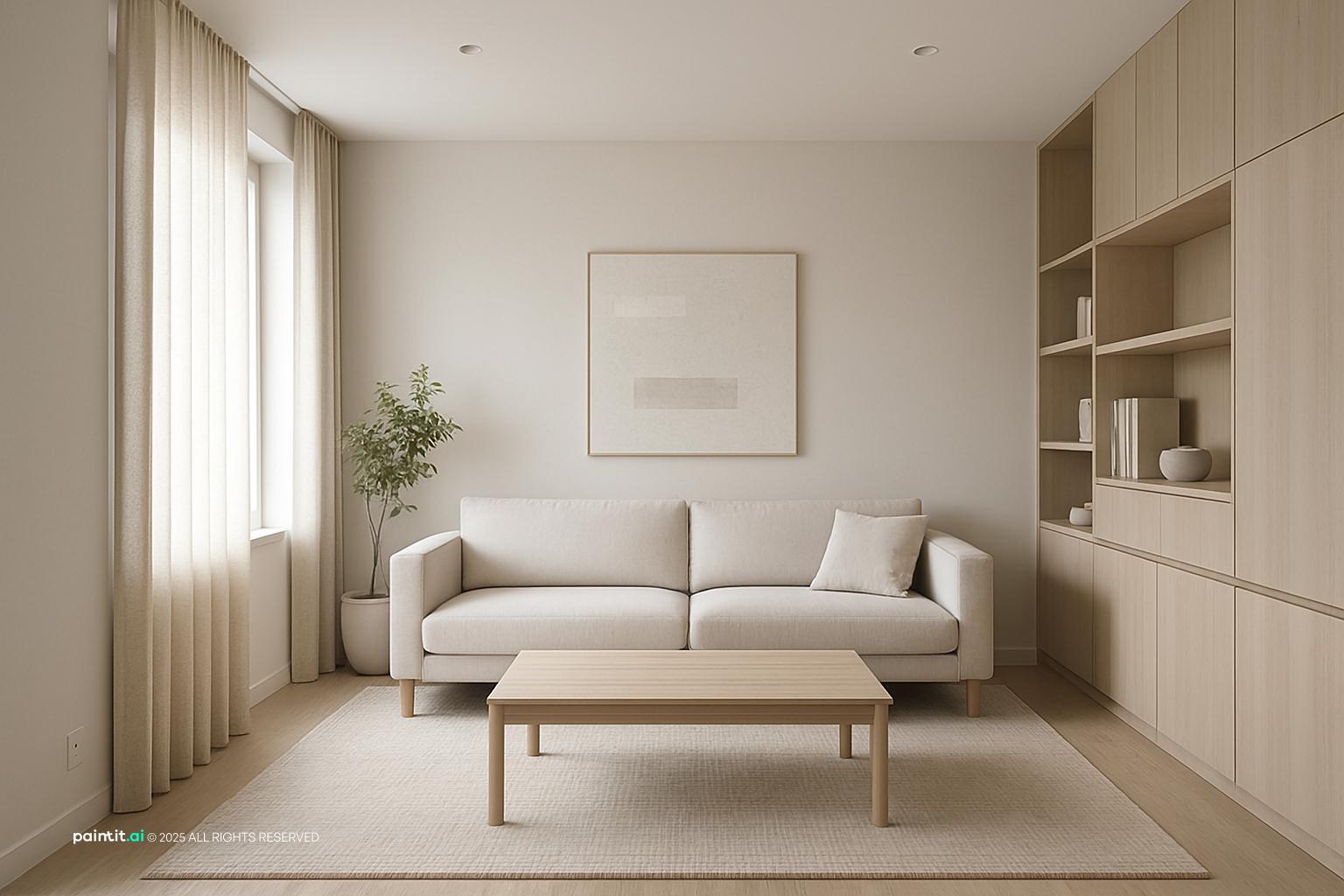
Minimalist Living Room Design anchors clean-lined furniture, open layout and layered neutrals in a living room setting.
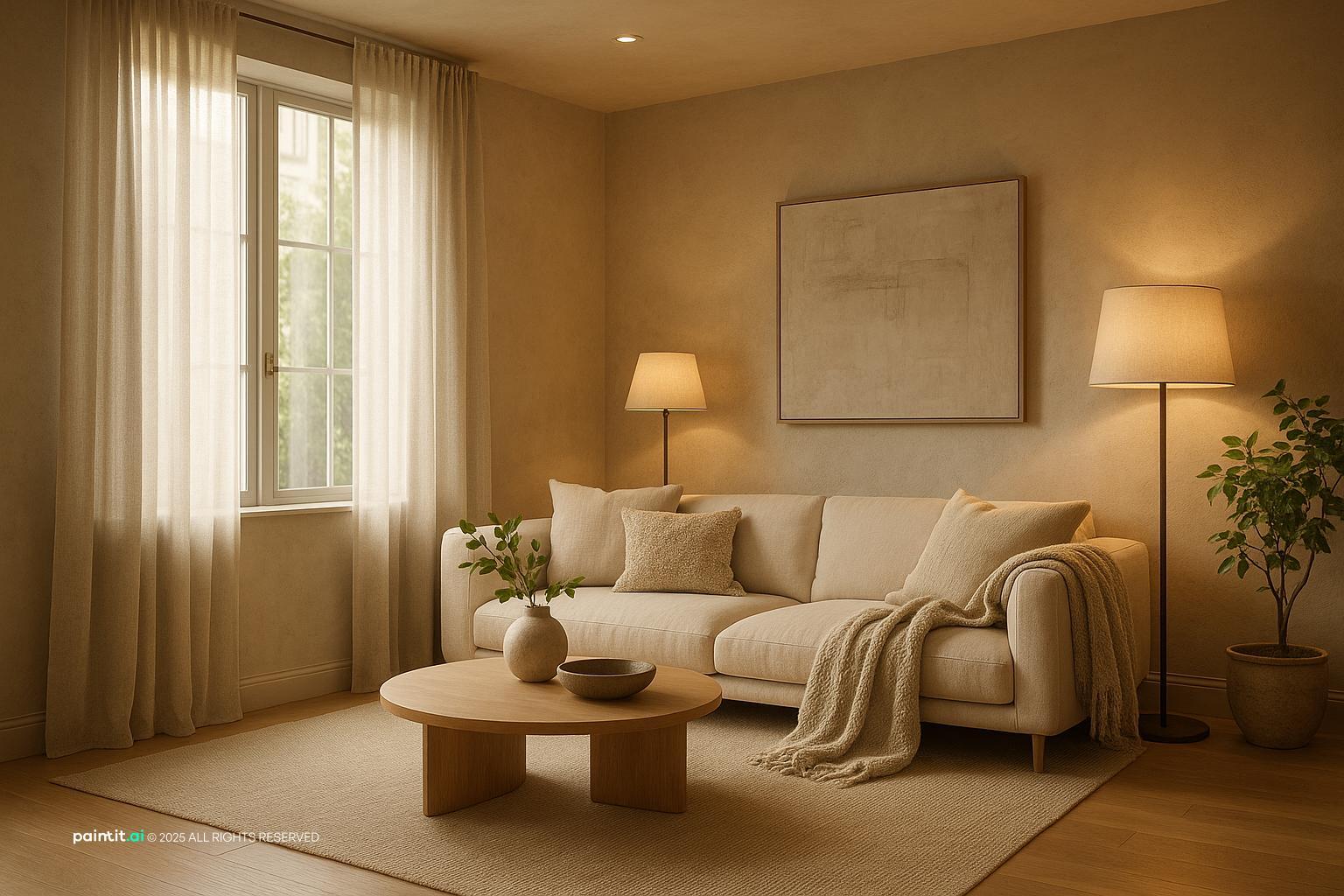
Cozy Modern Living Room Design softens soft textiles, plants and greenery and layered neutrals in a living room setting.
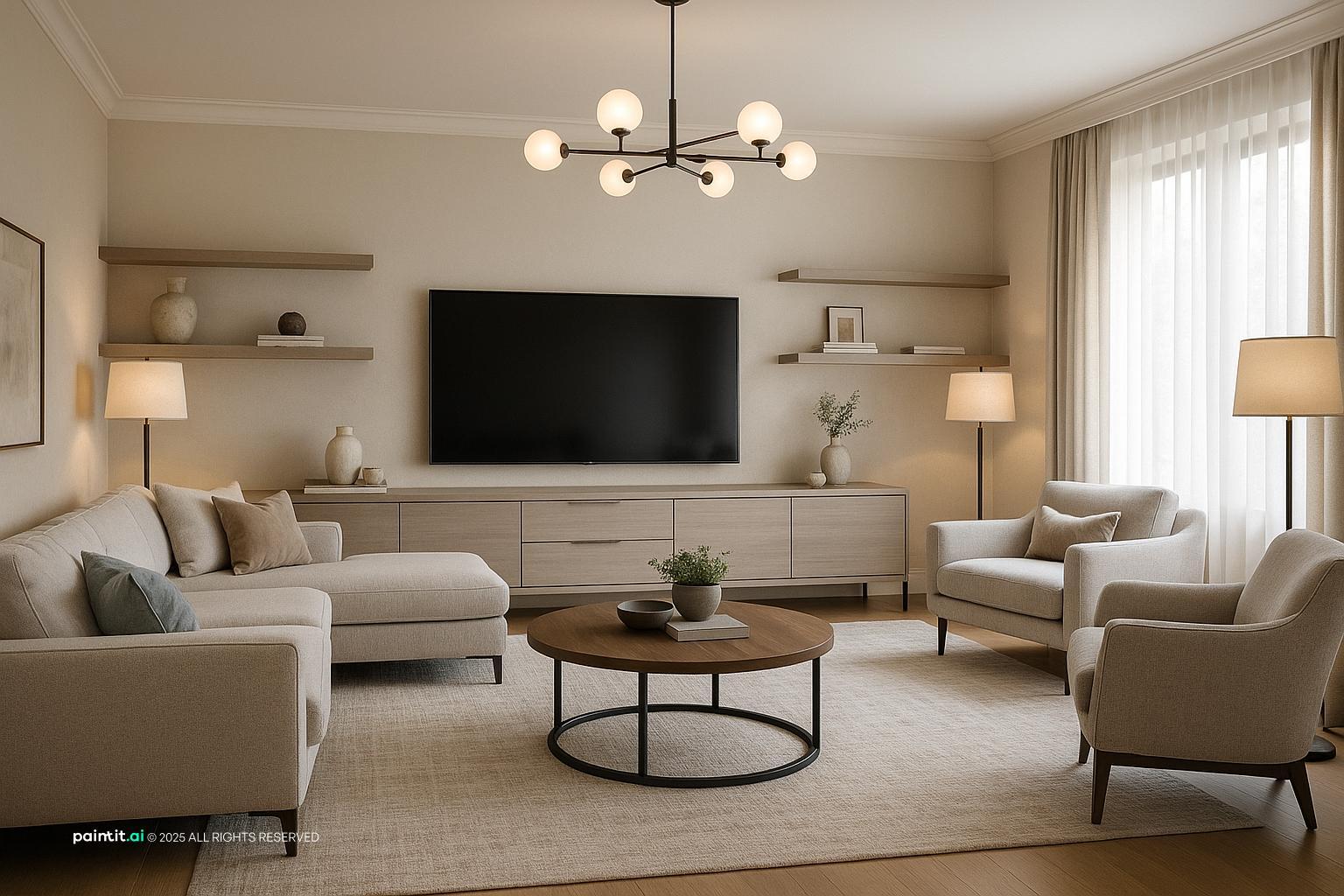
Modern Furnished Living Room Design uses layered neutrals in a living room setting.
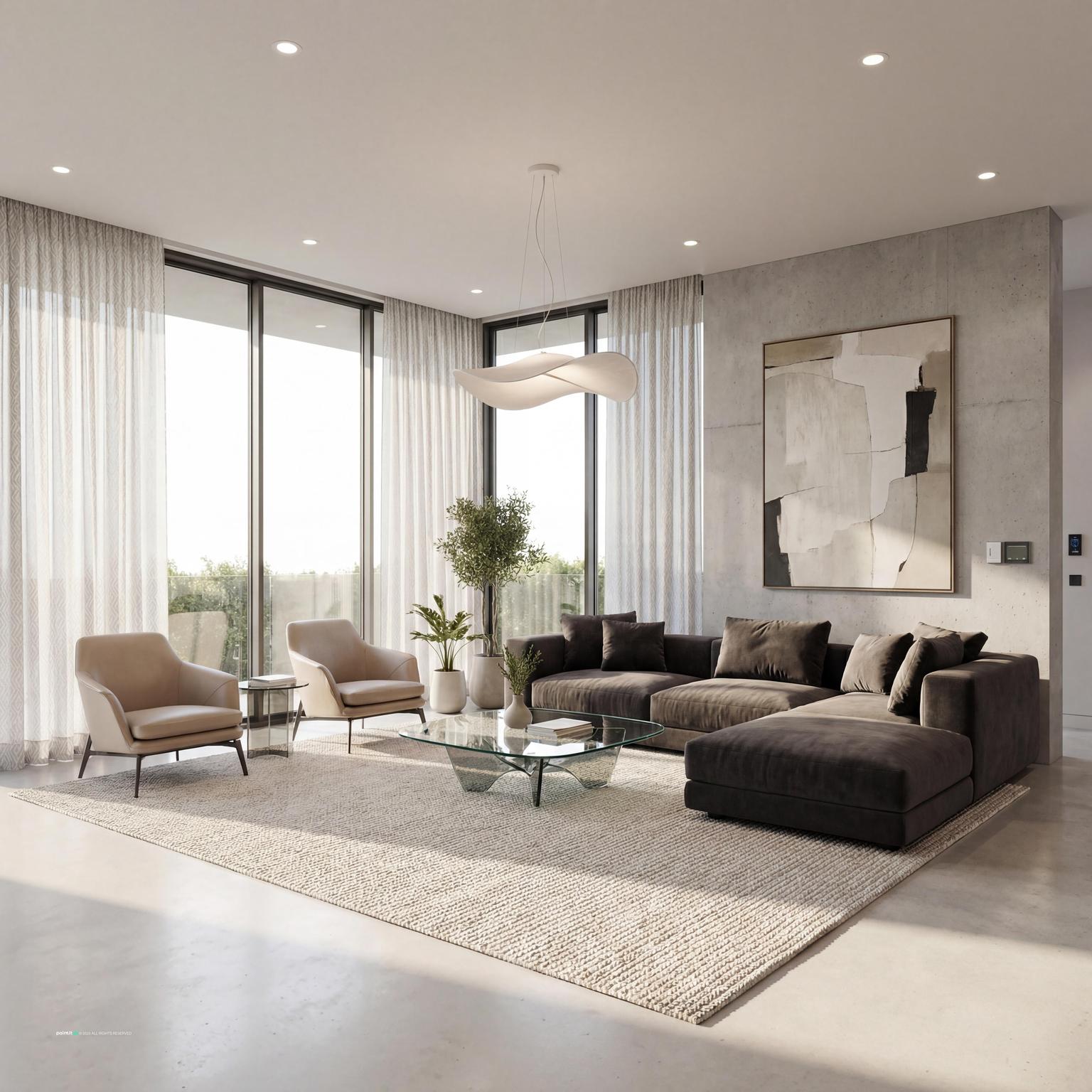
Stylish Modern Living Room Design balances clean-lined furniture, plants and greenery and open layout in a living room setting.
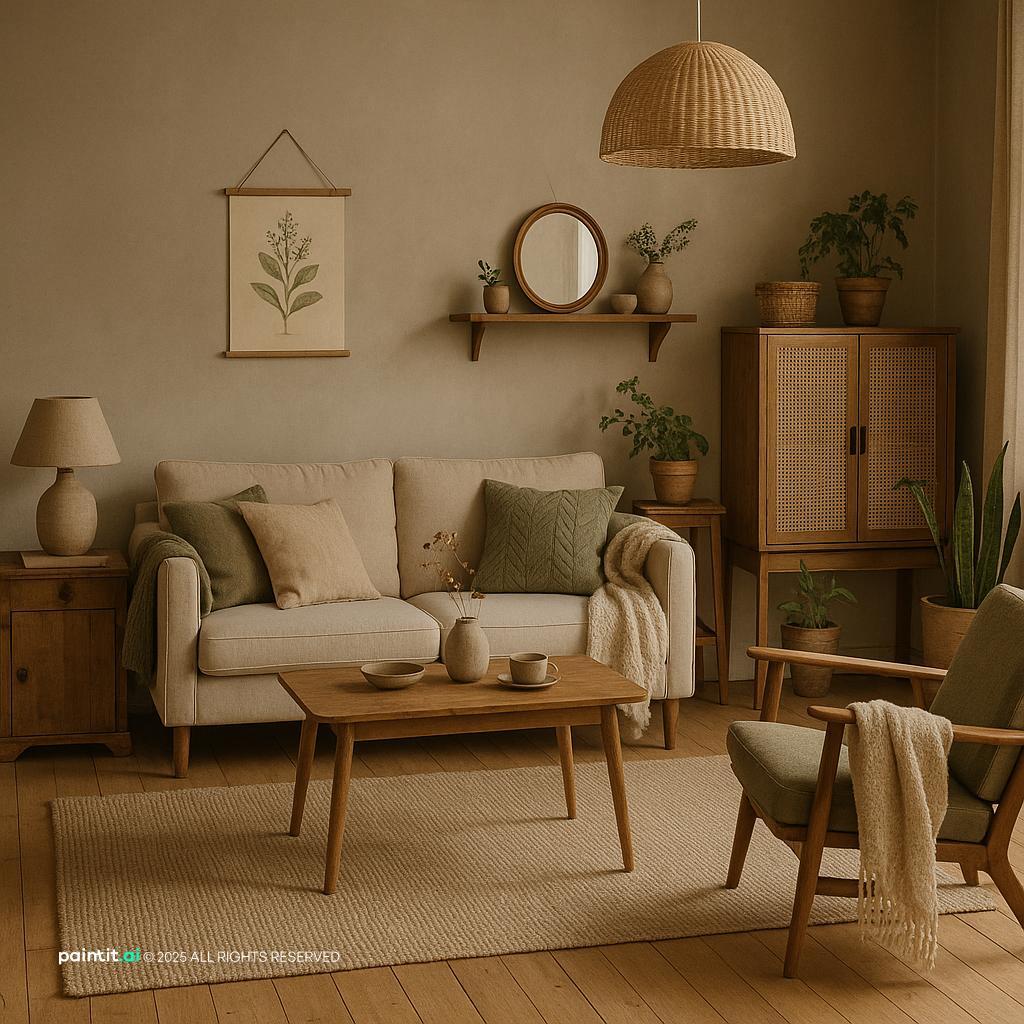
Vintage Scandinavian Living Room Design pairs plants and greenery in a living room setting.
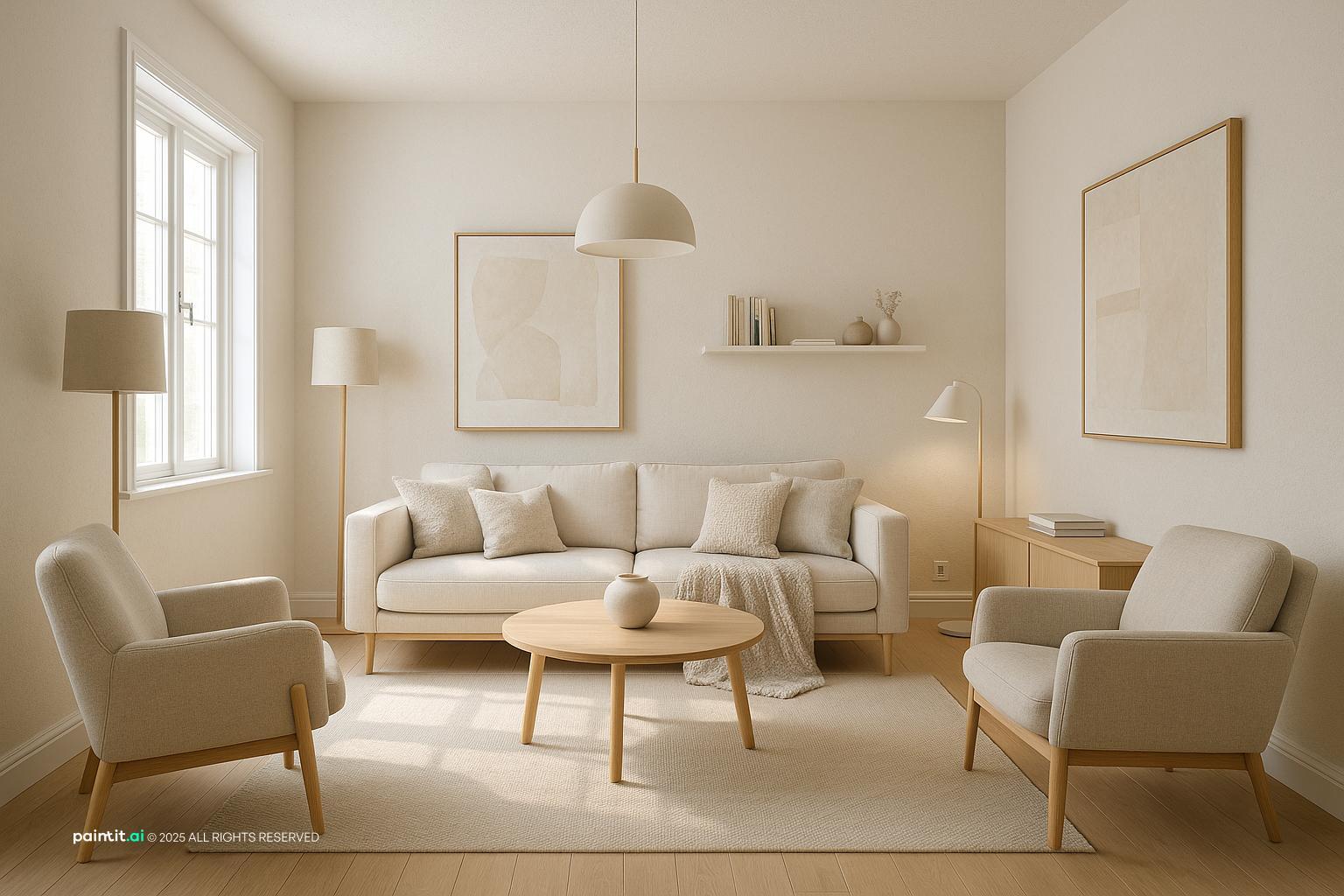
Cozy Scandinavian Living Room Design layers soft textiles, clean-lined furniture and layered neutrals in a living room setting.
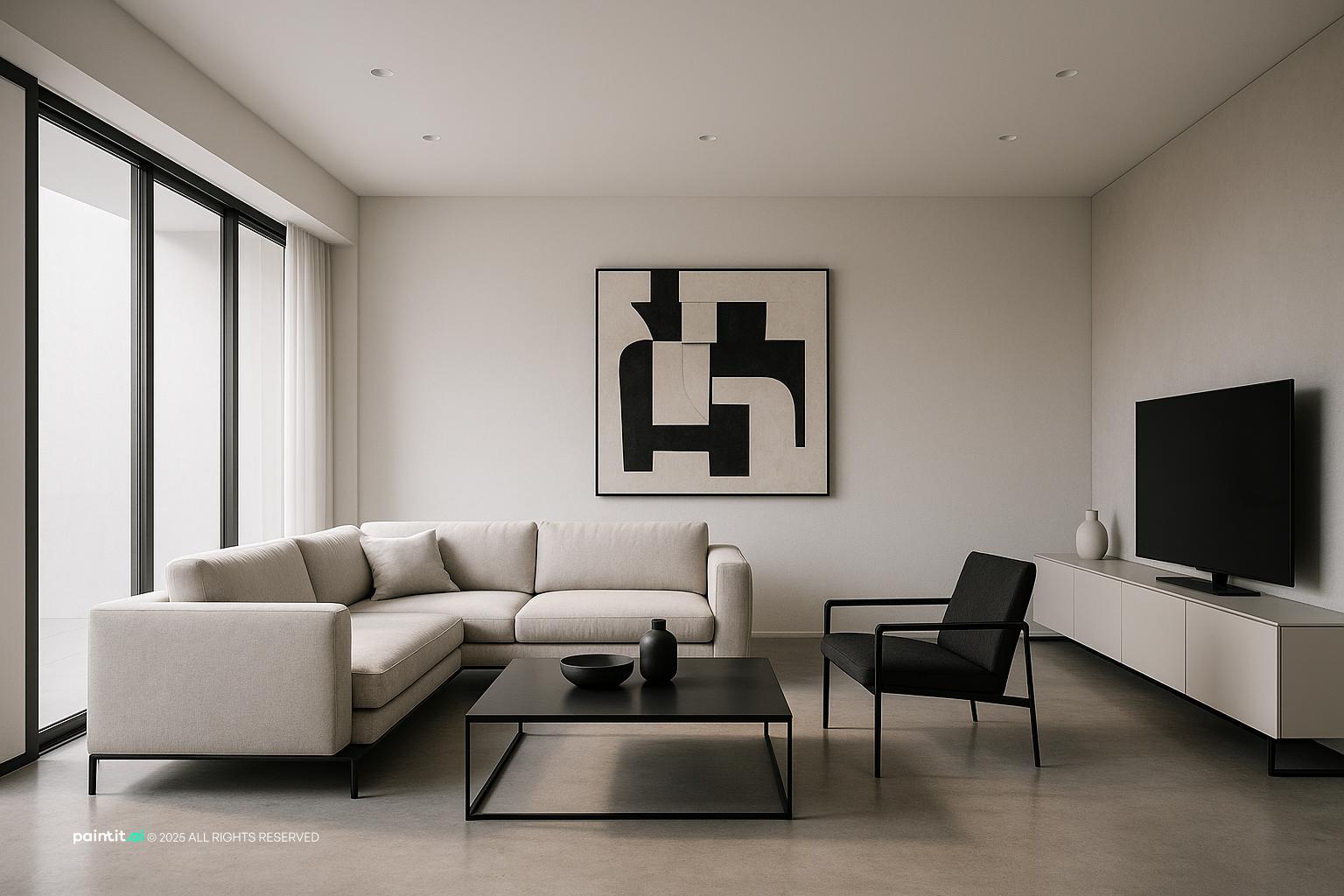
Sleek Modern Living Room Design with Clean-lined Furniture anchors clean-lined furniture, layered neutrals and dark contrast in a living room setting.
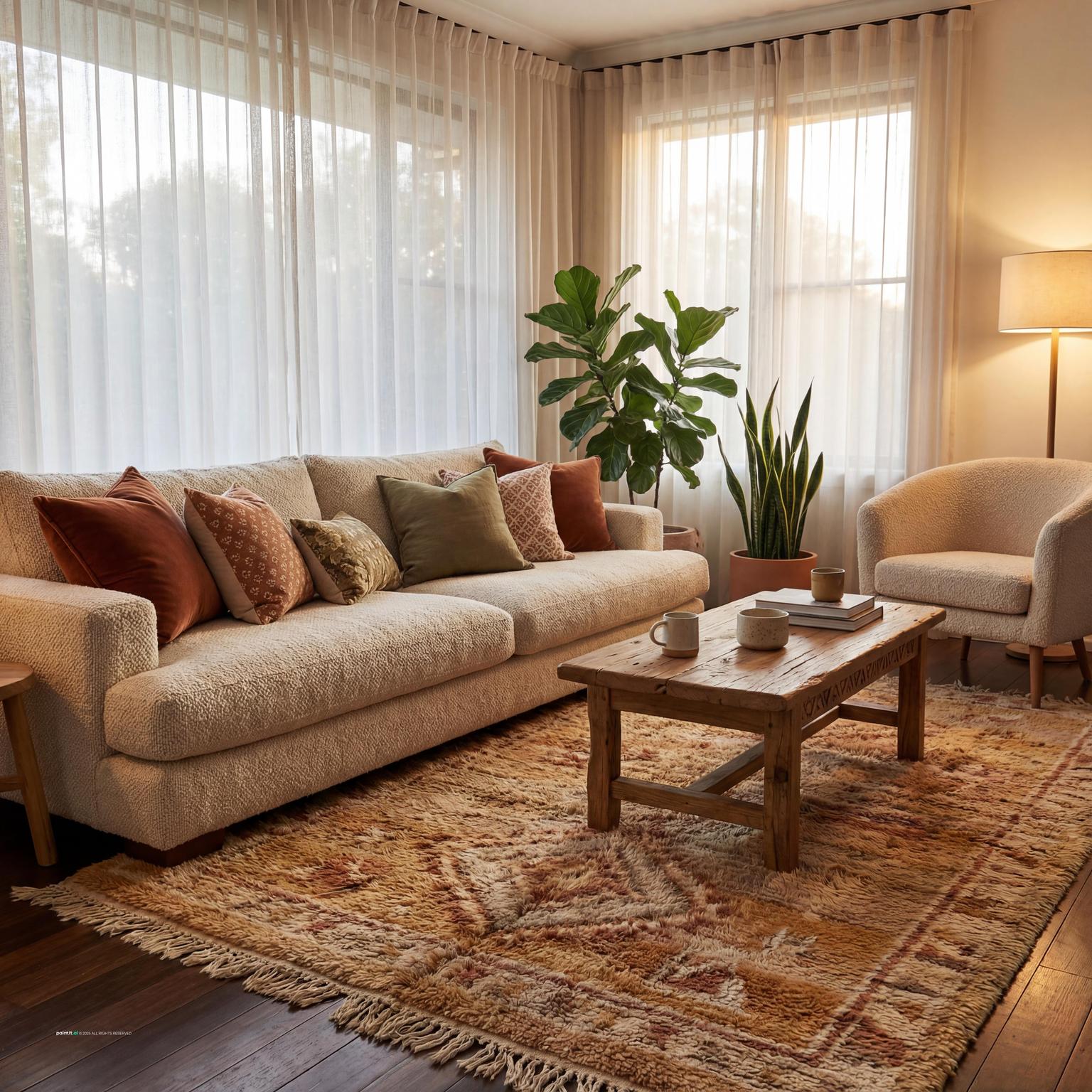
Textured Cozy Living Room Design softens soft textiles, plants and greenery and layered neutrals in a living room setting.
A color palette should respond to fixed surfaces: flooring, stone, brick, window frames and any furniture you plan to keep. Warm beige works well with honey oak and cream upholstery; cooler greige can suit black metal, gray stone or concrete details. Sage is forgiving because it pairs with wood, linen and many neutral sofas.
Use paint samples on at least two walls before deciding. Daylight, shadow and lamp temperature can make the same color look yellow, blue or muddy. Avoid mixing several near-neutrals with different undertones unless one clearly dominates. This is where many rooms start to feel “off,” even when every color looked safe on its own.
Light oak, ash and pale maple support Scandinavian and Japandi directions. Walnut, smoked oak and darker stains create more visual weight and suit moodier rooms. If the floor is already strong, choose furniture wood that relates to it rather than fighting it.
Wood works best when repeated in two or three places: a coffee table, media unit and picture frame, for example. Avoid matching every wood perfectly; the room can look flat and showroom-like. Instead, keep the undertone consistent, such as all warm woods or all cooler washed woods.
Stone tables, metal shelving, glass lamps and brick walls need fabric to keep the room comfortable. Use an area rug, curtains, upholstered seating and cushions to absorb sound and soften edges. This matters in open-plan homes where hard floors can make the seating area feel echoey.
Choose textiles by function as well as appearance. Performance fabric helps with pets and children; wool rugs wear well but may shed at first; linen curtains look relaxed but wrinkle. Avoid shiny synthetic fabrics if the rest of the room already has a lot of glare.
Many users overlook lighting when describing a redesign; less than 10% use technical modifiers like lighting or negative prompts. In practice, lighting often determines whether the room feels believable. Plan ambient lighting from overhead fixtures, task lighting from reading lamps, and accent lighting for art, shelves or textured walls.
Use warm bulbs for evening comfort, usually softer than office-white light. Place lamps where people actually sit, not only where a cord is convenient. Avoid a single ceiling light as the only source. It flattens the room, creates harsh shadows and makes even good furniture look less comfortable.
Black metal sharpens a modern room, brass warms traditional and transitional spaces, and brushed nickel or chrome can suit cleaner contemporary interiors. You do not need every metal to match, but the mix should feel intentional.
Use one main metal and one secondary accent. For example, black curtain rods and lamp bases can pair with small brass decor. Avoid using three or four strong metal finishes in a small living room unless the rest of the palette is very quiet.
A large blank wall behind the sofa may need one oversized artwork, a pair of framed prints or a shallow picture ledge. A TV wall usually needs less decoration and more attention to proportion: console width, cable management and balanced side lighting.
Wall decor should relate to the furniture below it. Art over a sofa generally looks better when it spans a meaningful portion of the sofa width instead of floating as a small isolated piece. Avoid hanging art too high; the center should usually sit near eye level from a standing viewpoint.
Every room has heavy and light elements. A dark sectional, tall bookcase or stone fireplace carries visual weight; glass, slim legs, pale fabrics and open shelving feel lighter. Spread weight around the room so one side does not feel overloaded.
If the sofa is dark, balance it with darker frames, a floor lamp or a patterned rug across the room. If everything is pale, add contrast through wood, black accents or textured ceramics. Avoid placing all tall furniture on one wall unless you want that wall to dominate.
The final layer is often subtraction. Remove duplicate cushions, extra side tables, tiny decor and anything blocking a sightline. Then add only what improves comfort or clarity: a better lamp, larger rug, stronger artwork or more useful storage.
This is where “no clutter” thinking helps. In Paintit.ai prompts, negative instructions such as “without clutter” appear less often than they should, but they can guide a cleaner result. The same applies in the real room: decide what should not be visible before adding more style.
Upload a photo of your room and test one idea at a time: “sage green walls, light wood media unit, warm ambient lighting, keep the sofa and windows,” or “modern living room with larger rug, low coffee table, no clutter.” The most successful redesigns we see often start with a simple structure: KEEP, REMOVE, MATERIALS and LIGHTING.
Ready to try these ideas in your own room? Start with the AI room designer and refine the result the way you would refine a real design plan: make it warmer, make the rug bigger, change the wall color, keep the fireplace, or remove visual clutter. If you are working with an empty or listing photo, AI virtual staging can also help you test furniture scale before committing to purchases.
Start with the room layout, then choose a focal point, rug size, color palette, lighting layers and storage. Add decor last so it supports the room instead of hiding problems. We also have a practical walkthrough on how to redesign a living room with Paintit.ai.
A comfortable sofa, correctly scaled coffee table, area rug, storage piece and one or two accent chairs usually form the base. The best pieces are not always the biggest ones; they are the ones that leave about 3 feet for main walkways and match the room’s real proportions.
Repeat colors, materials and shapes across the room. If you need to keep a sofa, curtains, windows or fireplace, treat those as anchors and build the palette around them. A simple brief like “KEEP: sofa, curtains, windows. REMOVE: clutter. MATERIALS: warm wood, linen. LIGHTING: soft warm lamps” is often clearer than a vague style label.
Warm whites, beige, greige, sage, muted blue and soft clay are flexible choices. The best color depends on daylight, flooring undertone, sofa color and whether you want the room to feel calm, warm or more dramatic. In Paintit.ai prompts, people often start with color first, using terms like white, beige, sage, then refine style and material after that.
Do not stop at one phrase. ~70% of users write AI prompts using short, keyword-style phrases, often just one phrase, but better living room design ideas usually need more context. Add the room, style, colors, materials, lighting and what to keep or avoid, such as “keep windows and sofa, add warm lighting, light wood, no clutter.”