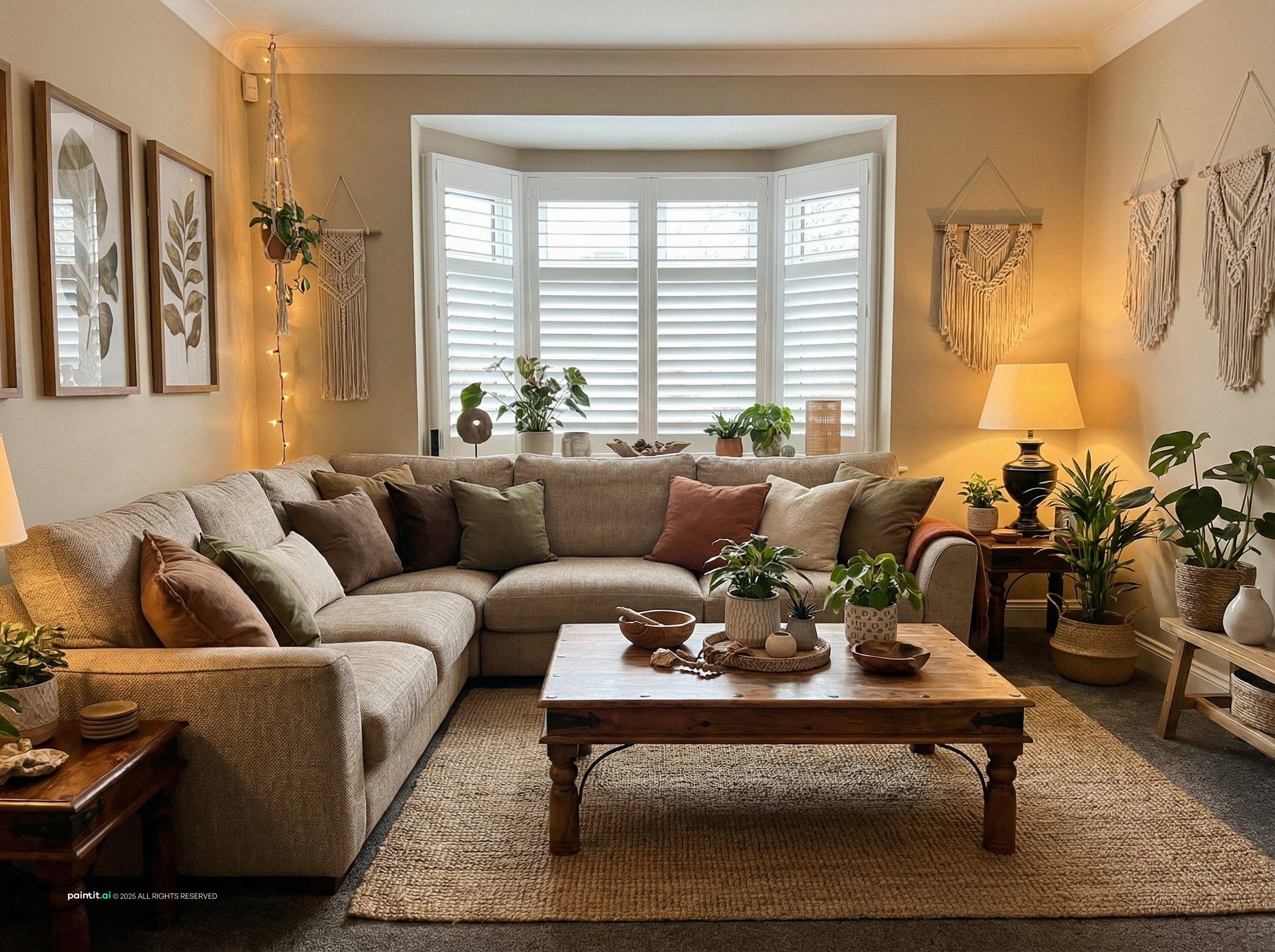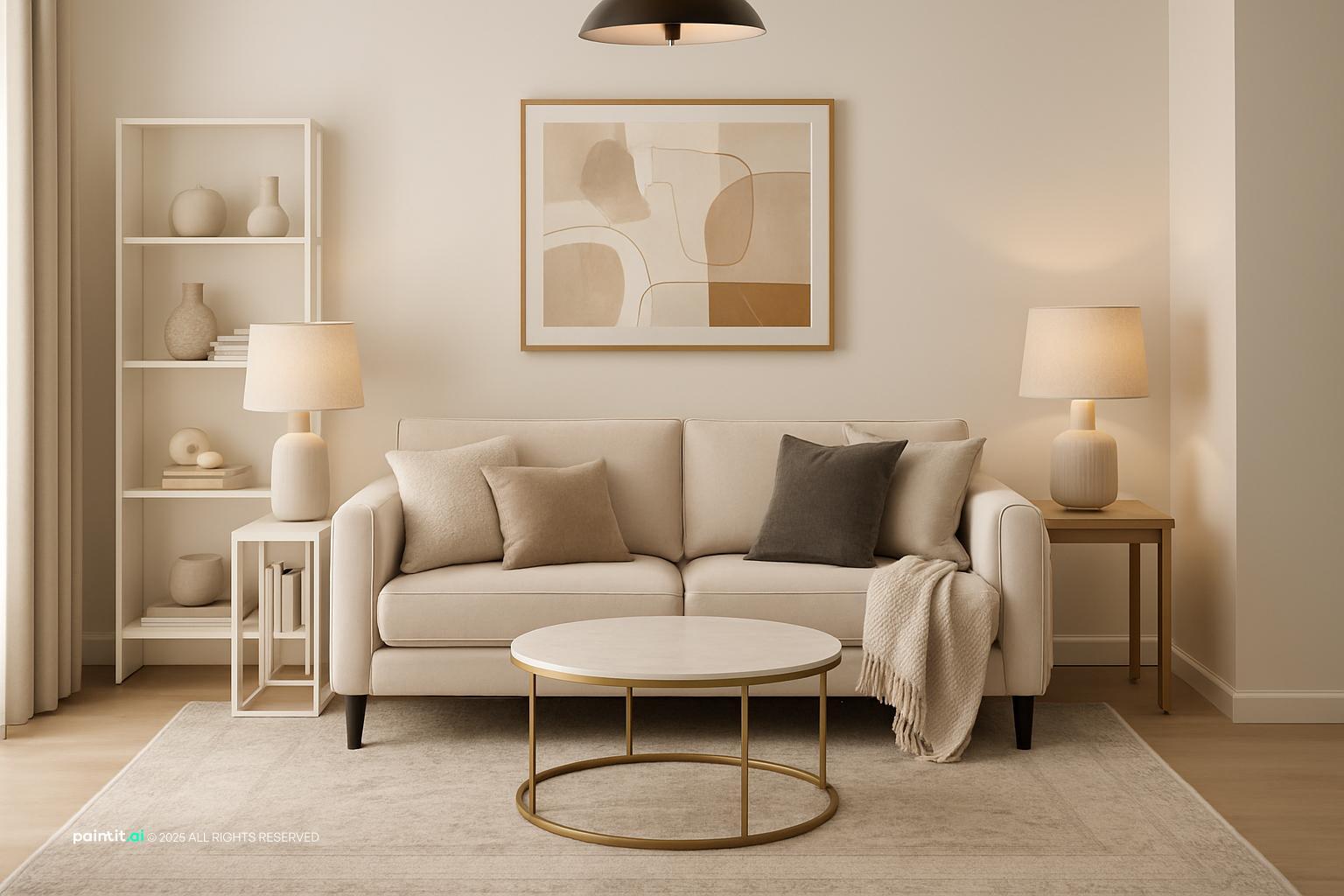
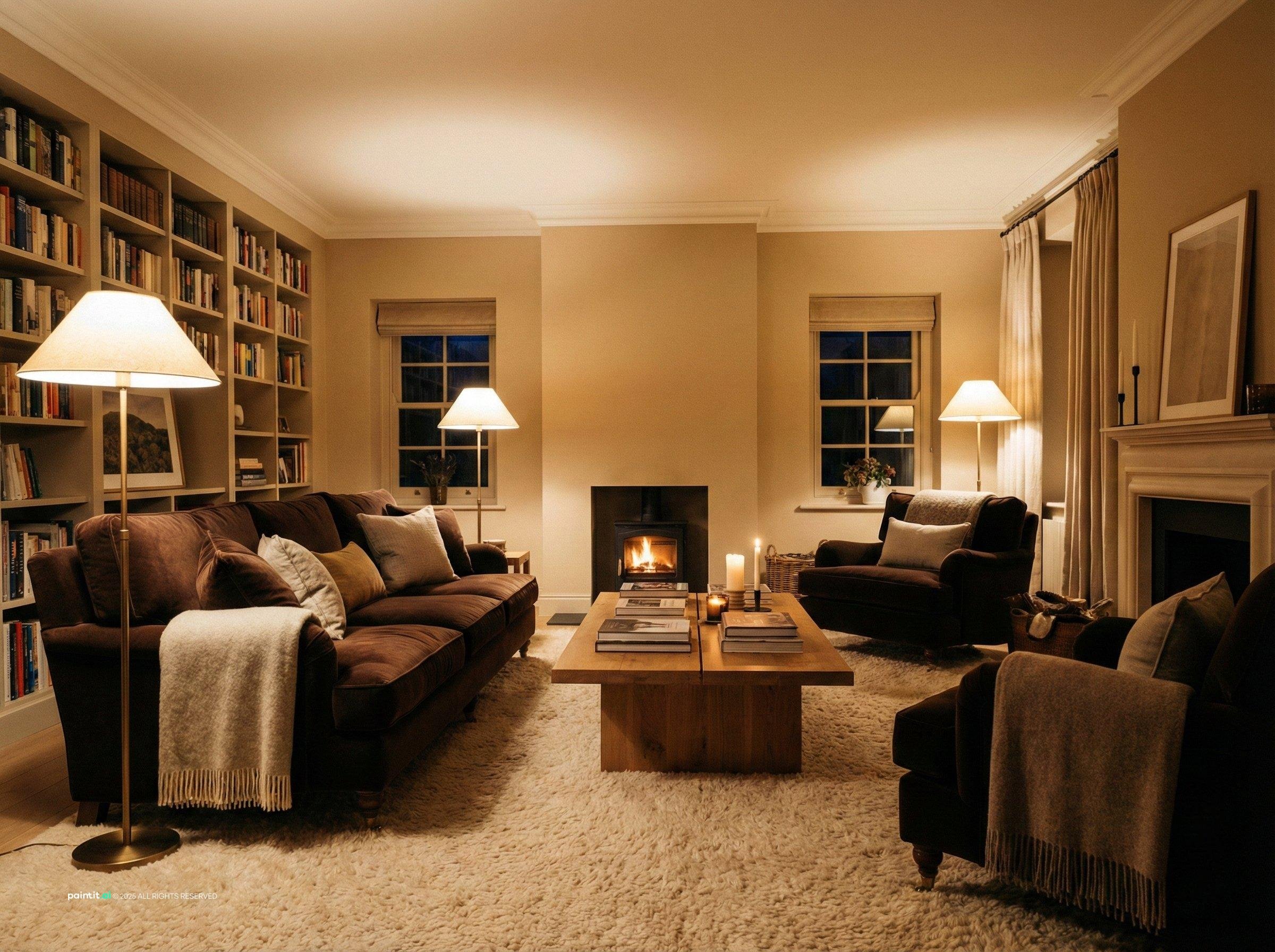
Modern Cottage Living Room Design for Relaxation
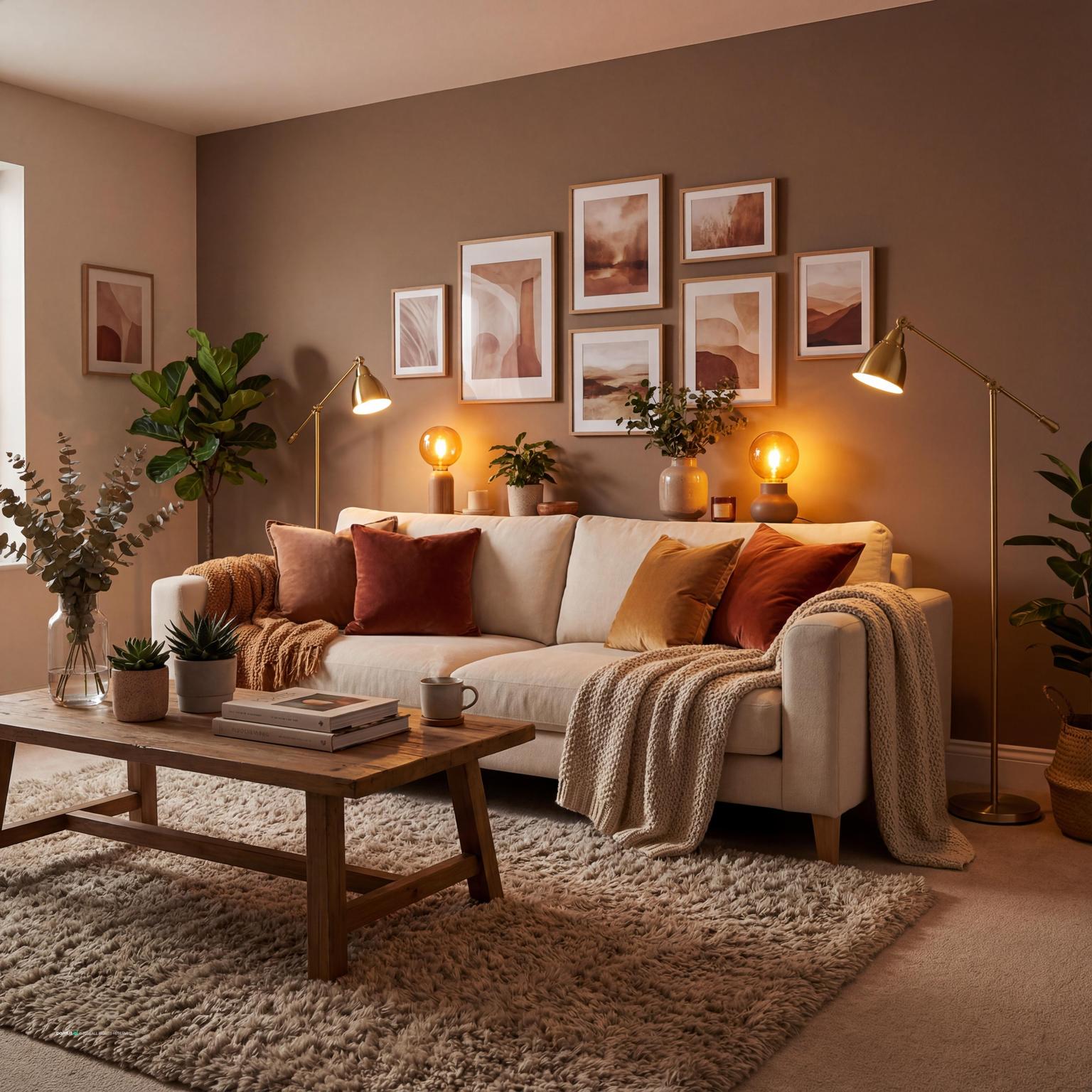
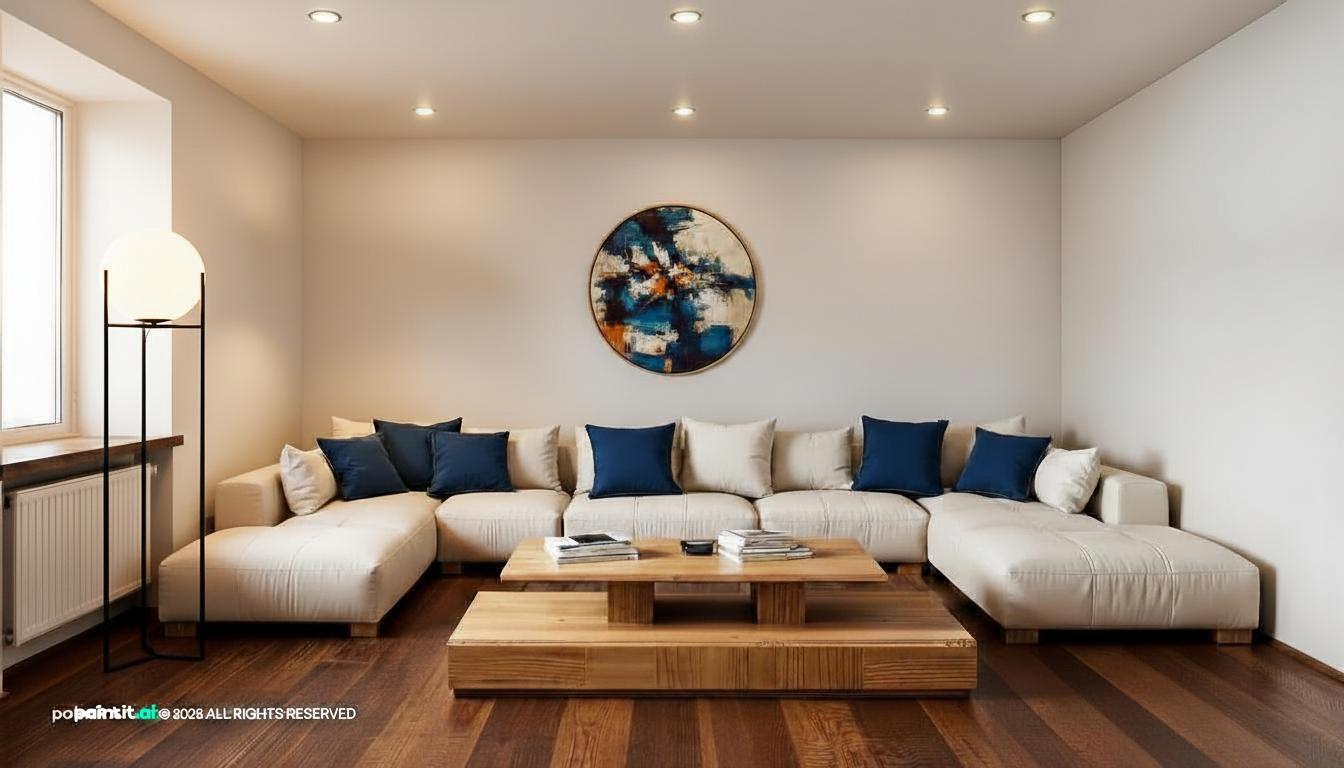
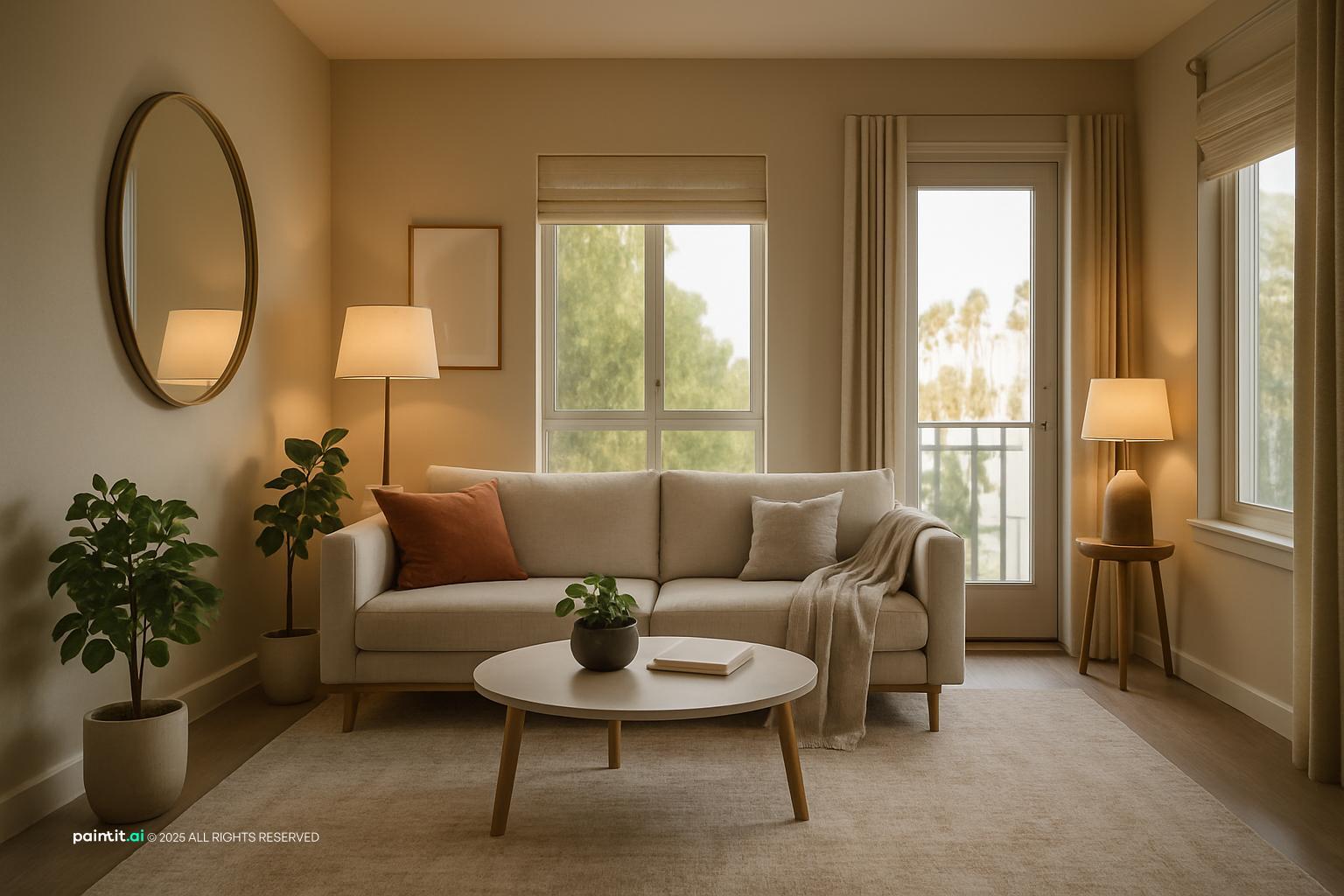
Modern Cottage Living Room Design for Relaxation uses cozy softness, soft textiles and layered neutrals in a living room setting.
The best cozy living room ideas rarely start with more pillows. They start with a room that is easy to sit in, easy to move through, and pleasant at night when the overhead light is off. In Paintit.ai, we often see people begin with short, search-style prompts like cozy living room ideas, then improve the result with details such as warmer color, lighter wood, softer sofa, linen curtains, or no clutter. That second pass matters. A cozy room usually comes from several small decisions working together, not one big decorative move.
A cozy living room has to work before it can feel inviting. Check the path from the entry, the gap between the sofa and coffee table, the view toward the focal point, and whether an accent chair can be pulled in without blocking movement. If the room photographs well but nobody wants to sit there, the room layout is probably fighting real life.
Color and material choices carry a lot of the mood. In Paintit.ai prompt data, color appears in 27.6% of prompts and material in 19.0%, which matches what we see in uploads: people reach for white, beige, sage, wood, linen, and softer finishes because those choices change the emotional temperature of the room quickly. The catch is that warm does not mean crowded. You still need clean edges, useful storage, and breathing room around the furniture.
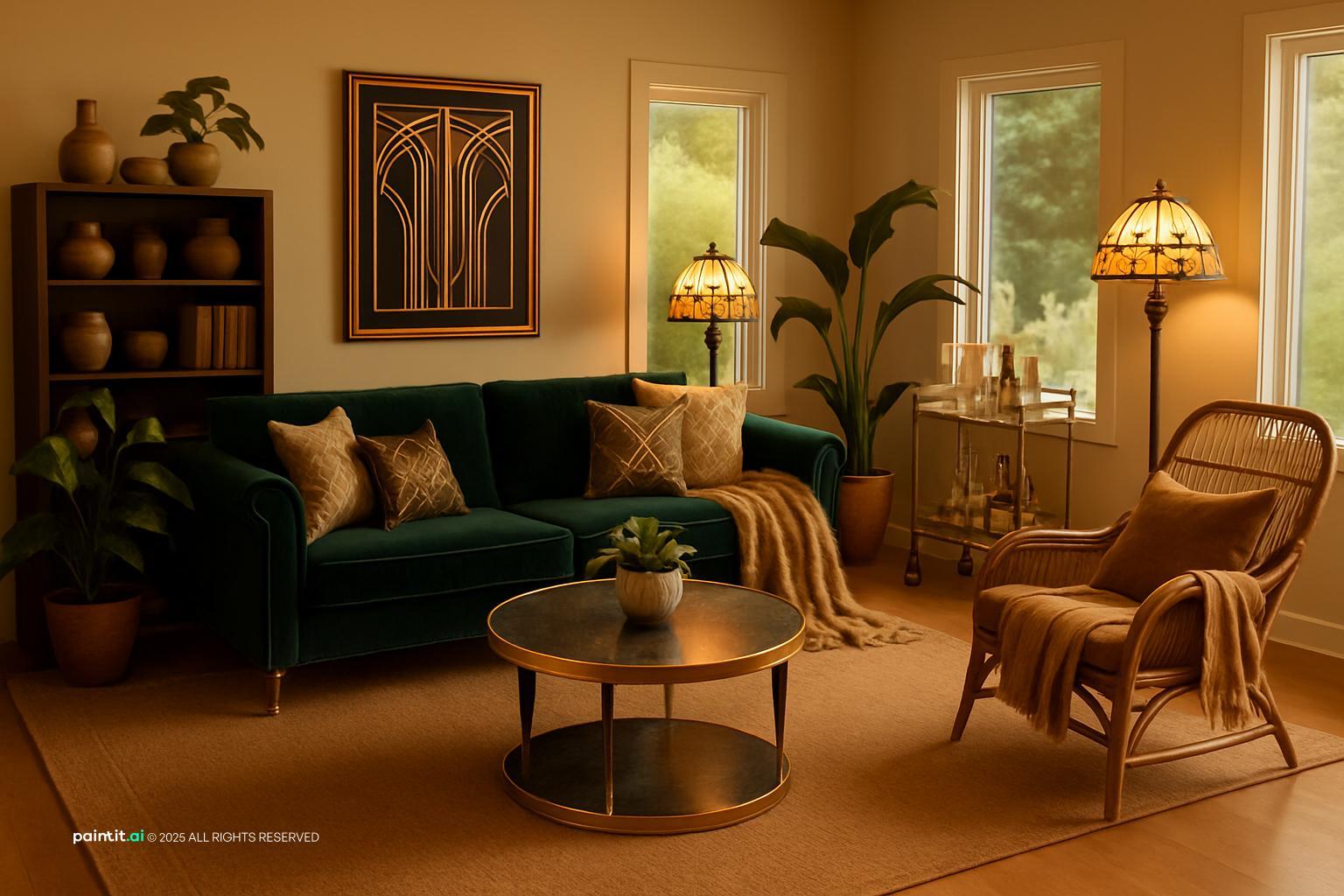
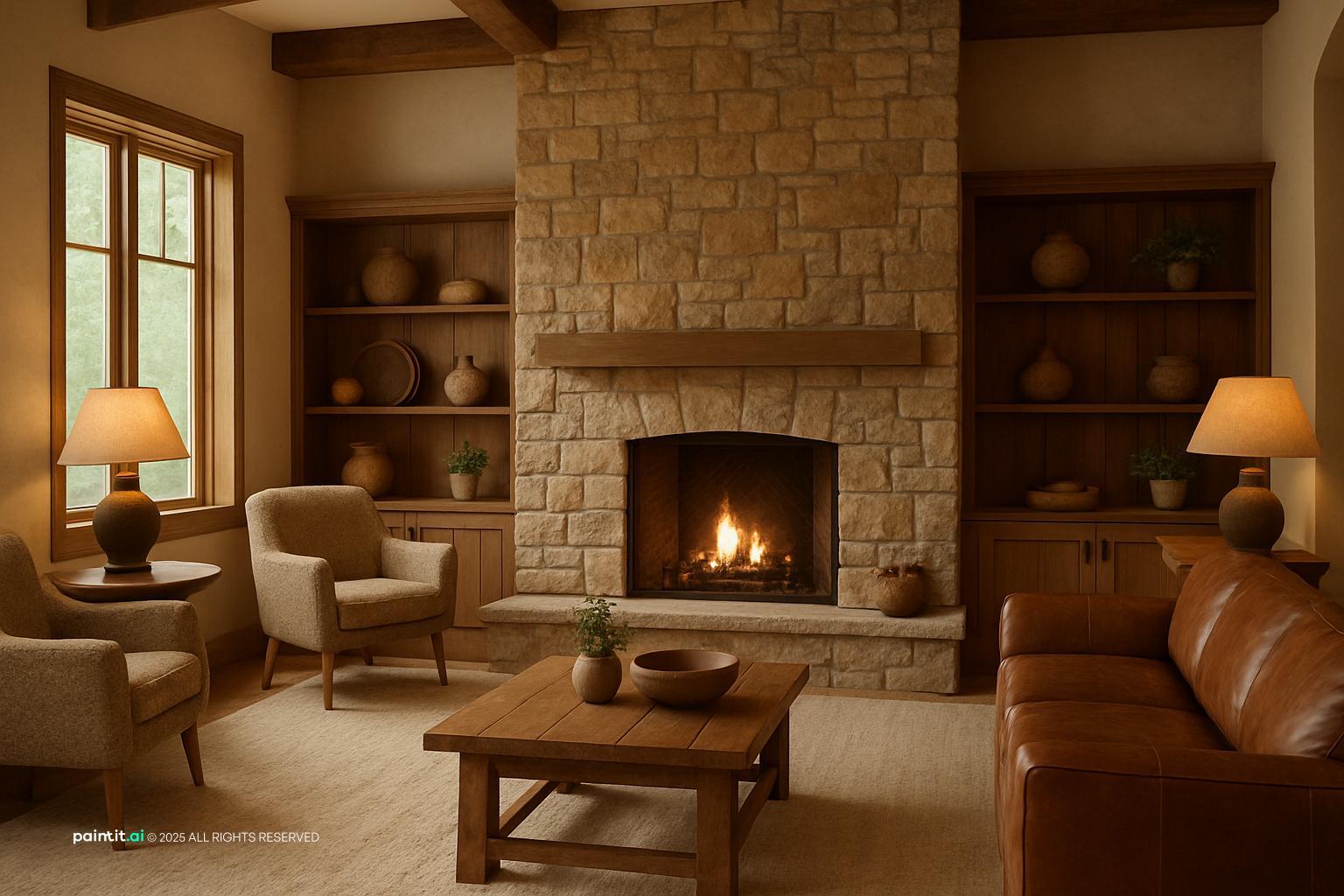
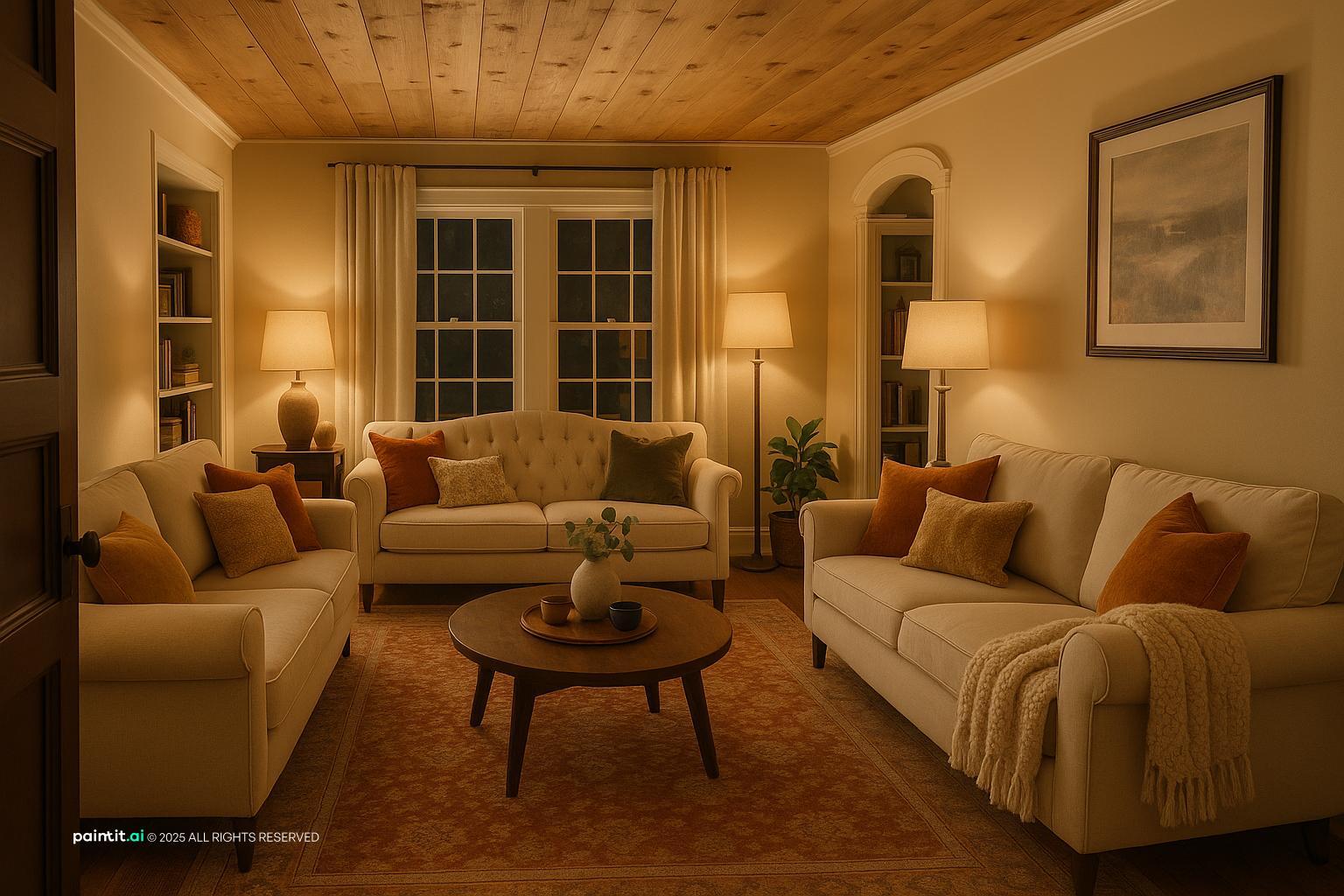
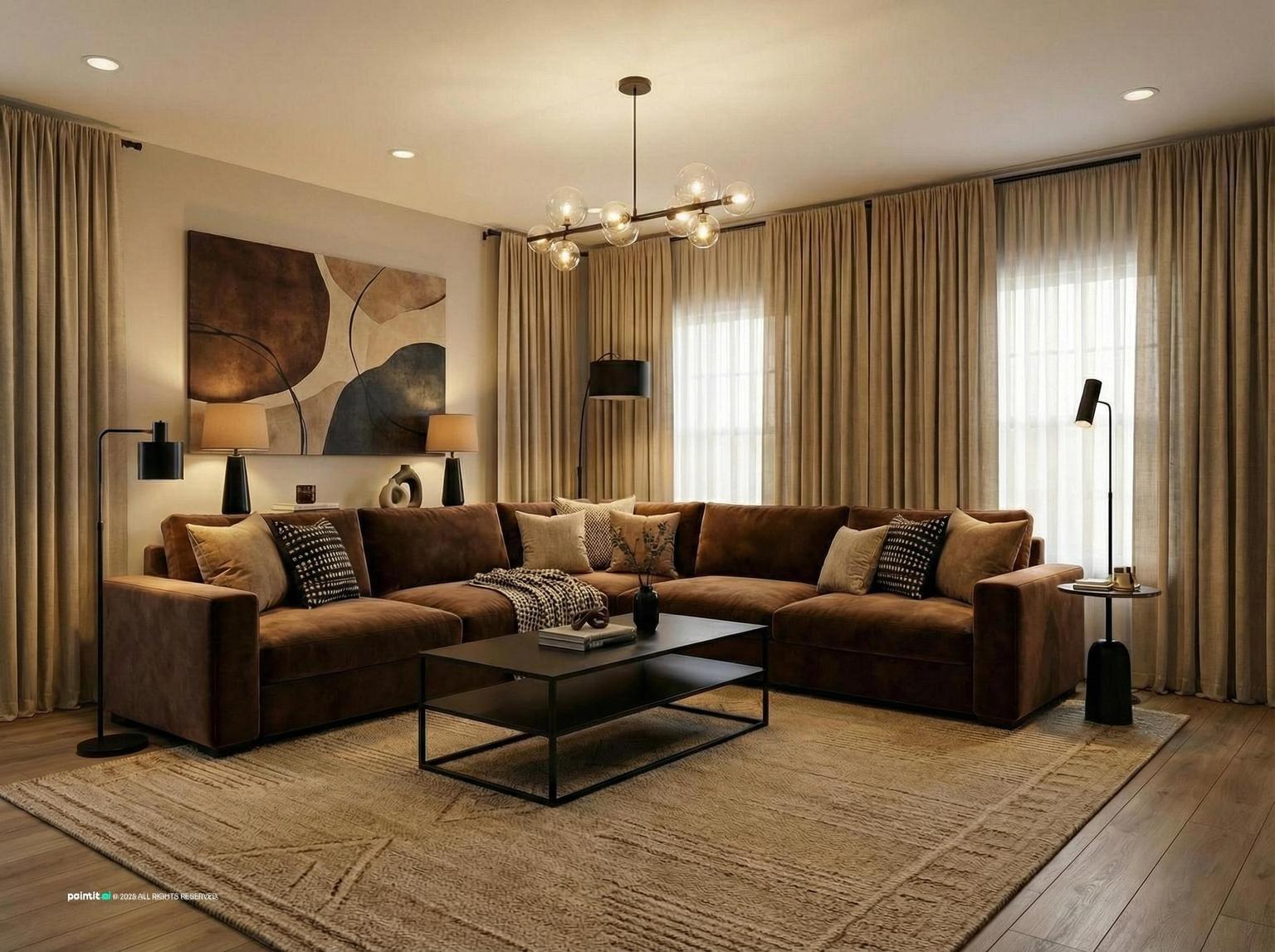
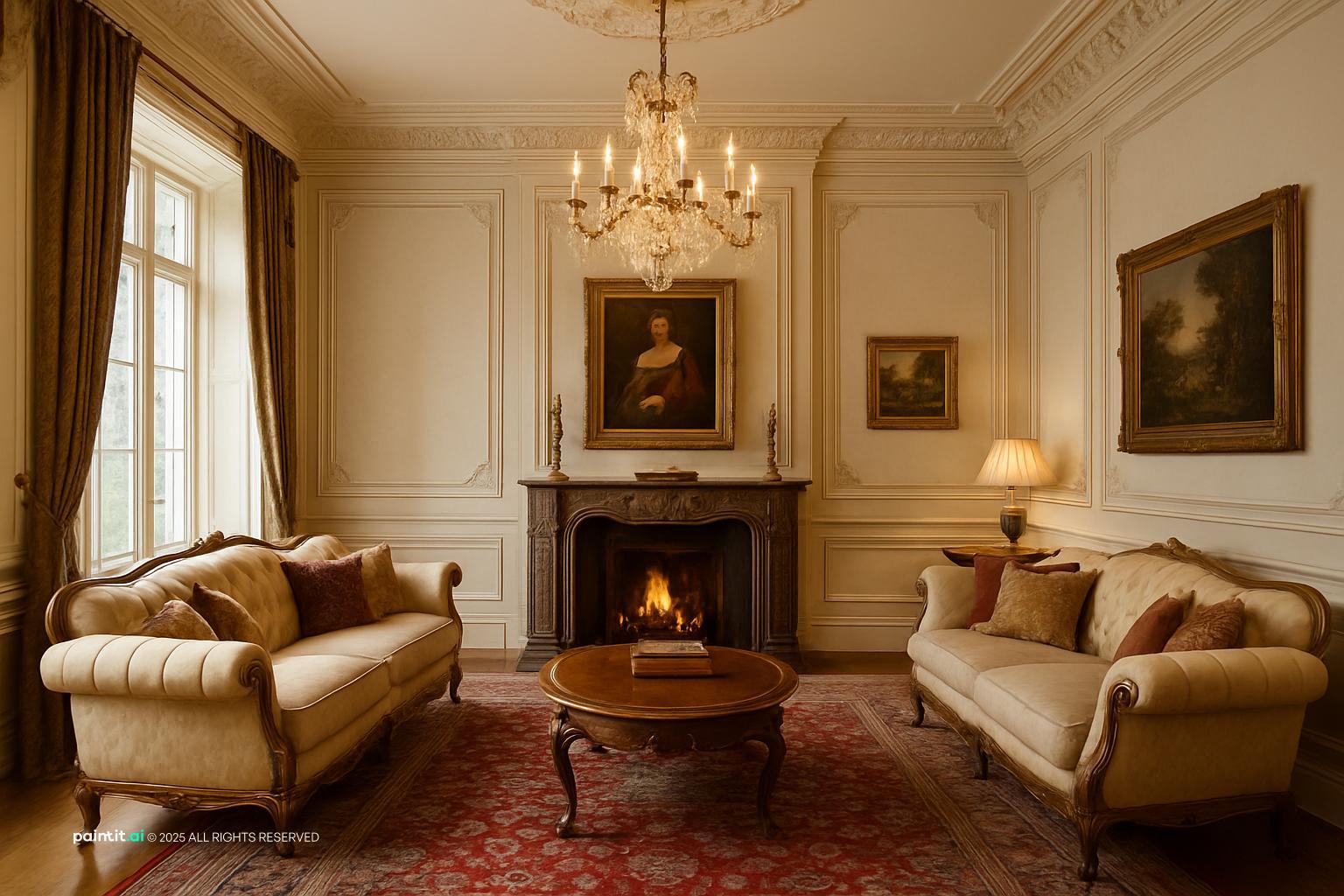
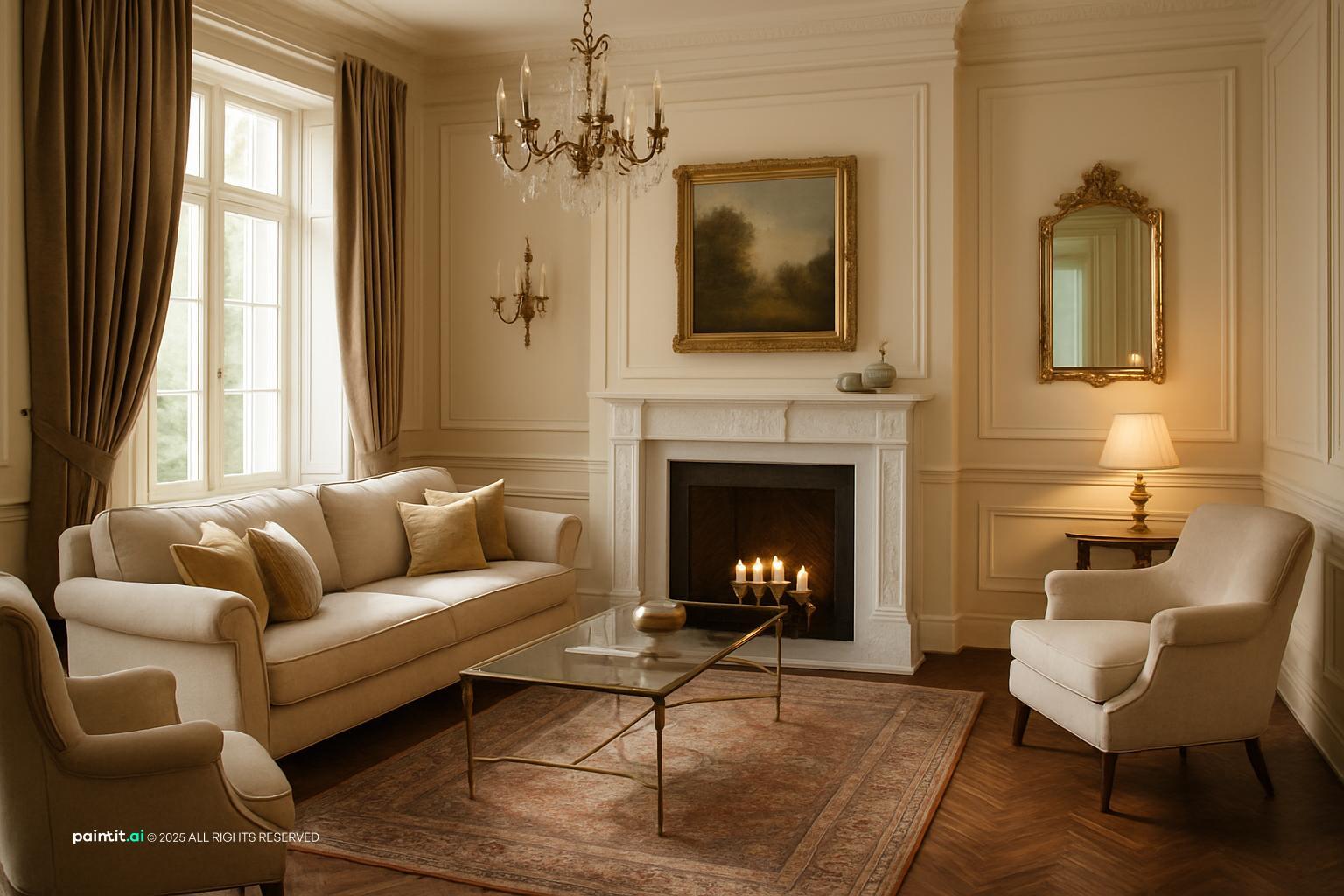
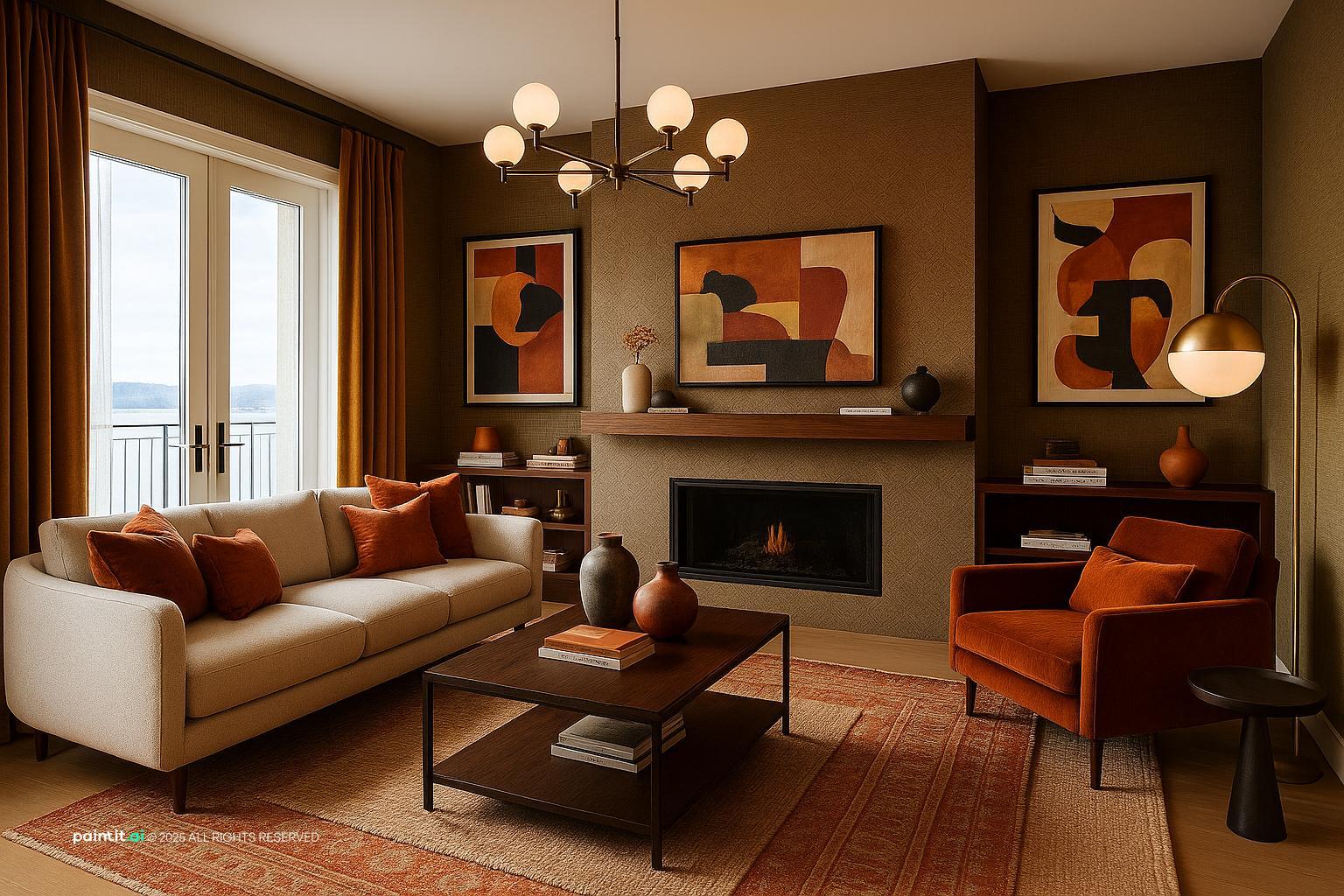
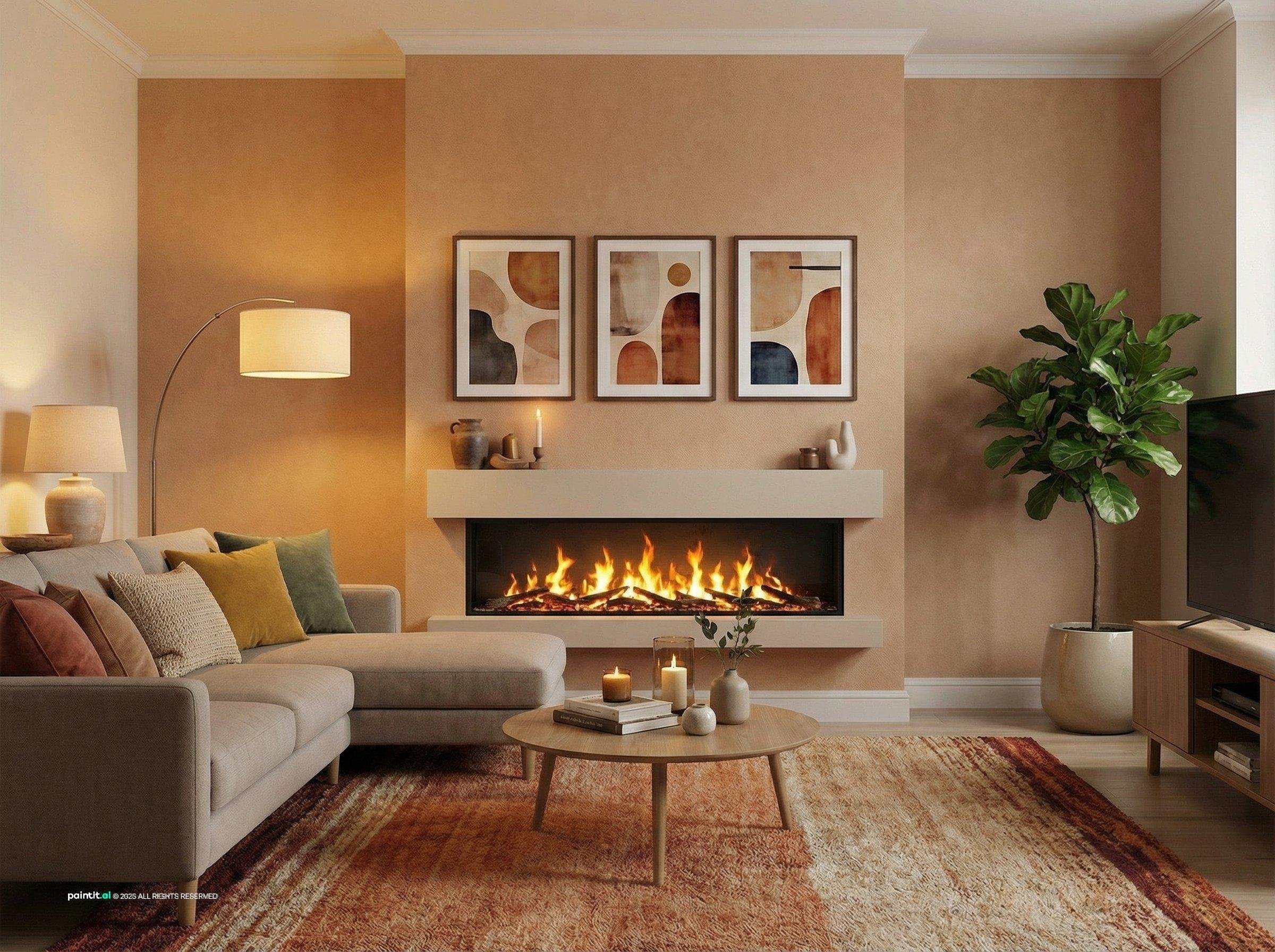
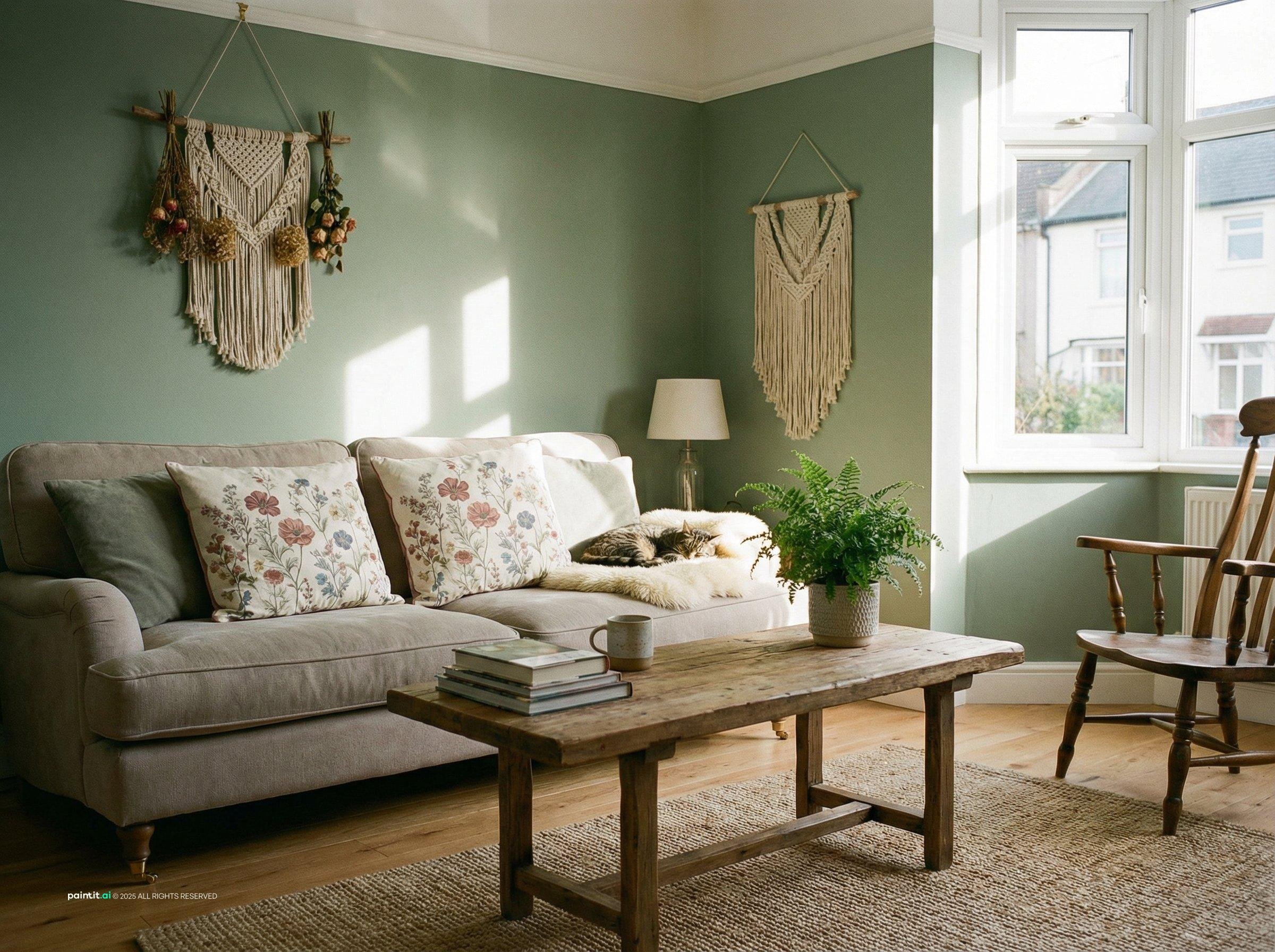
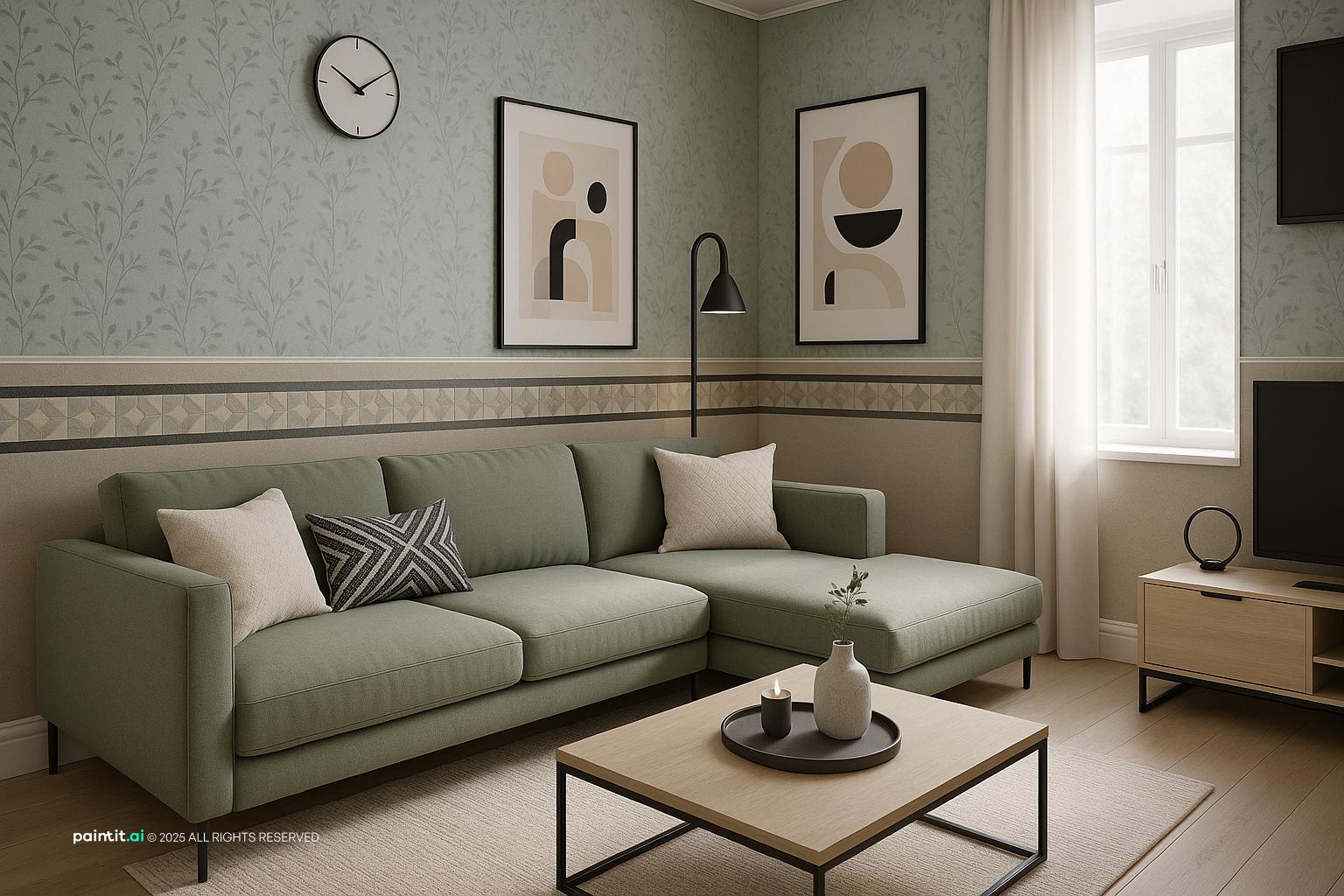
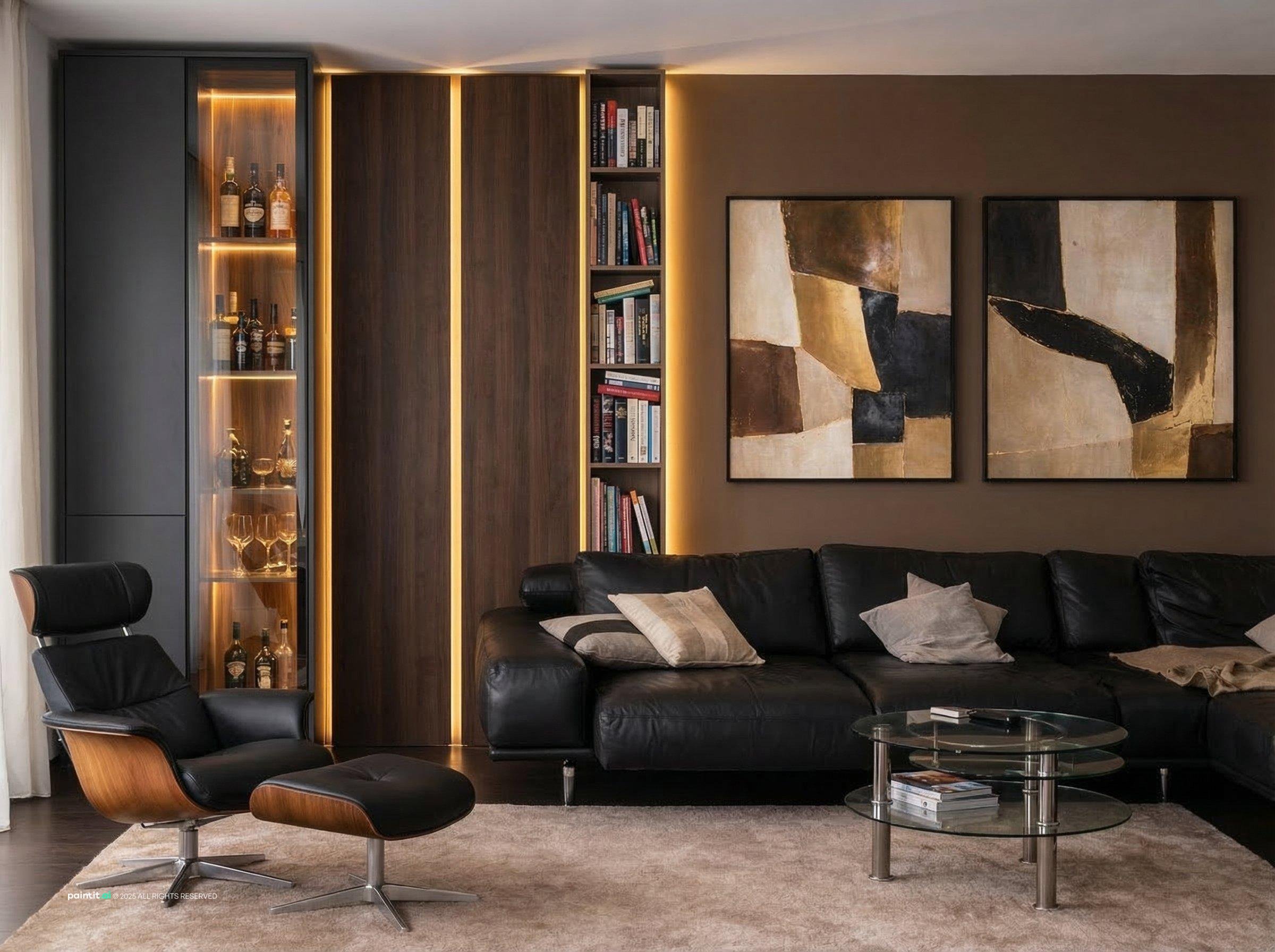
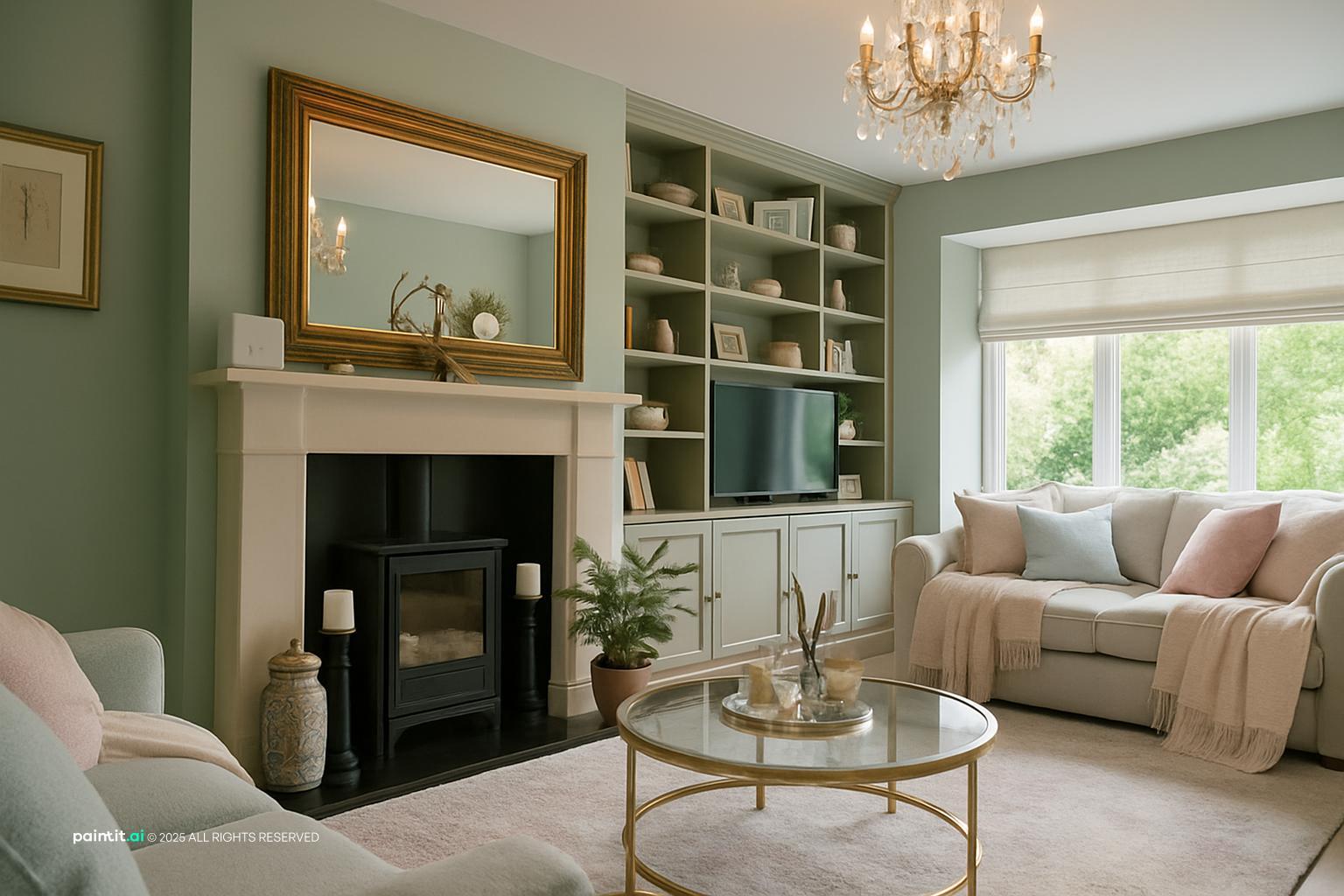
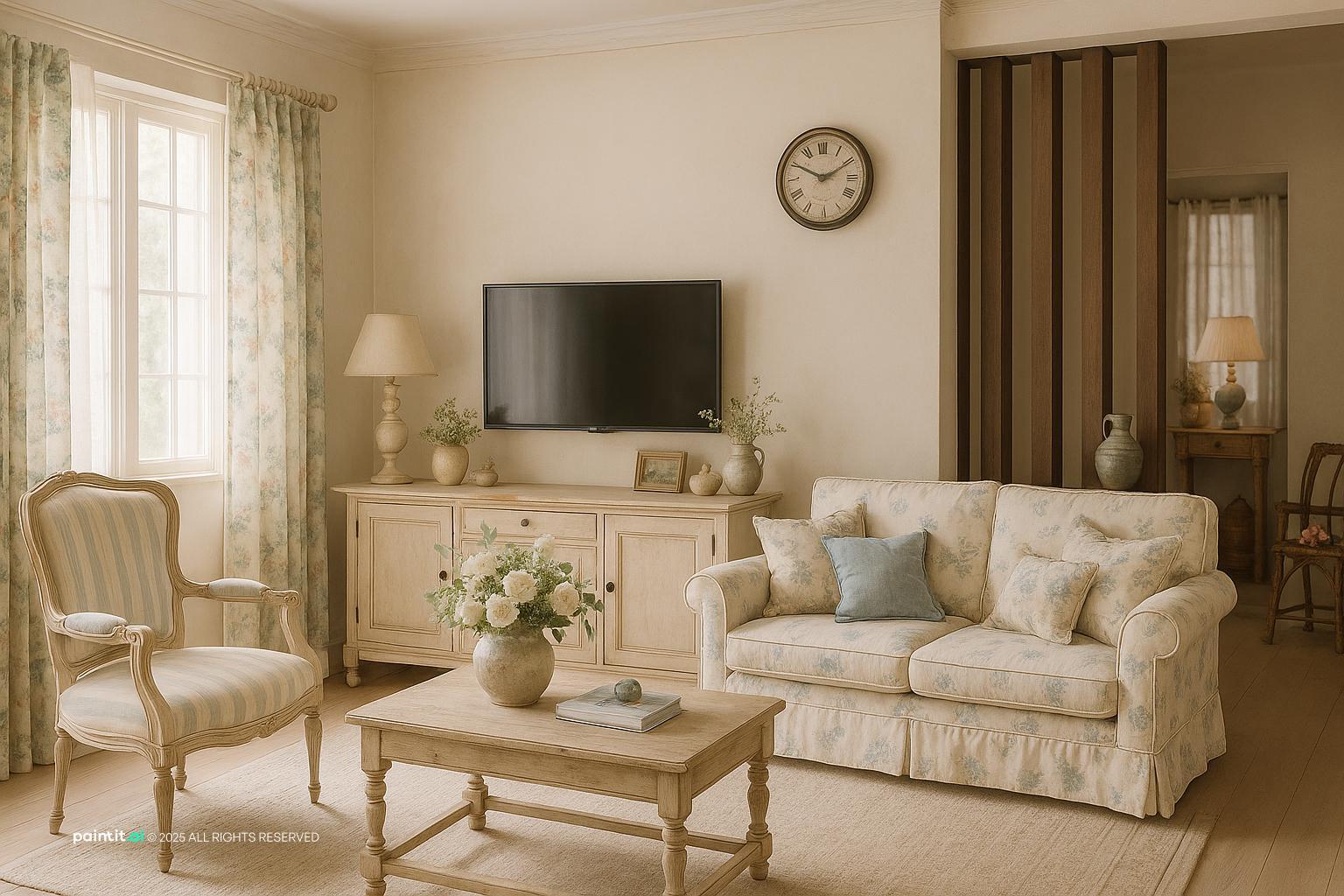
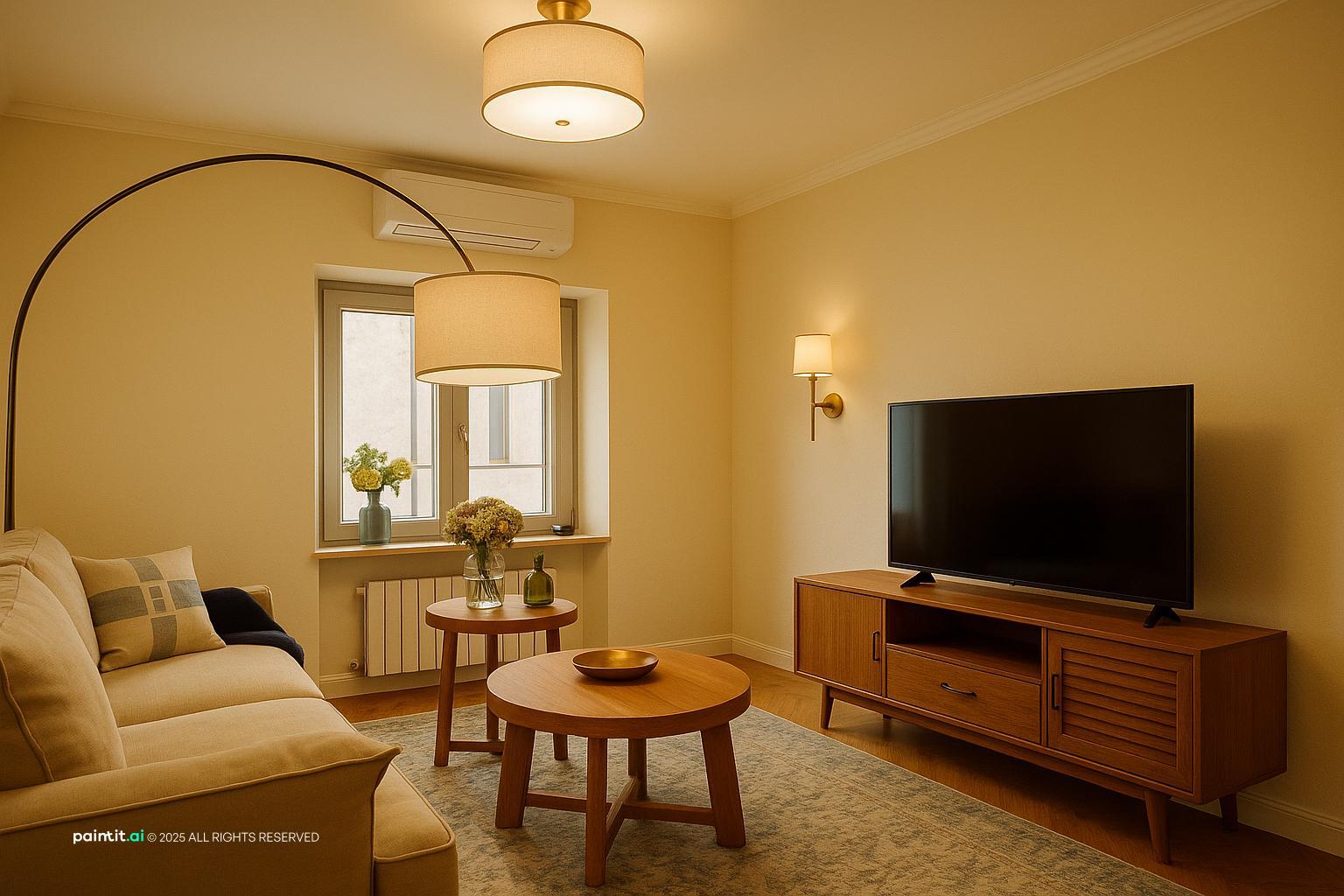
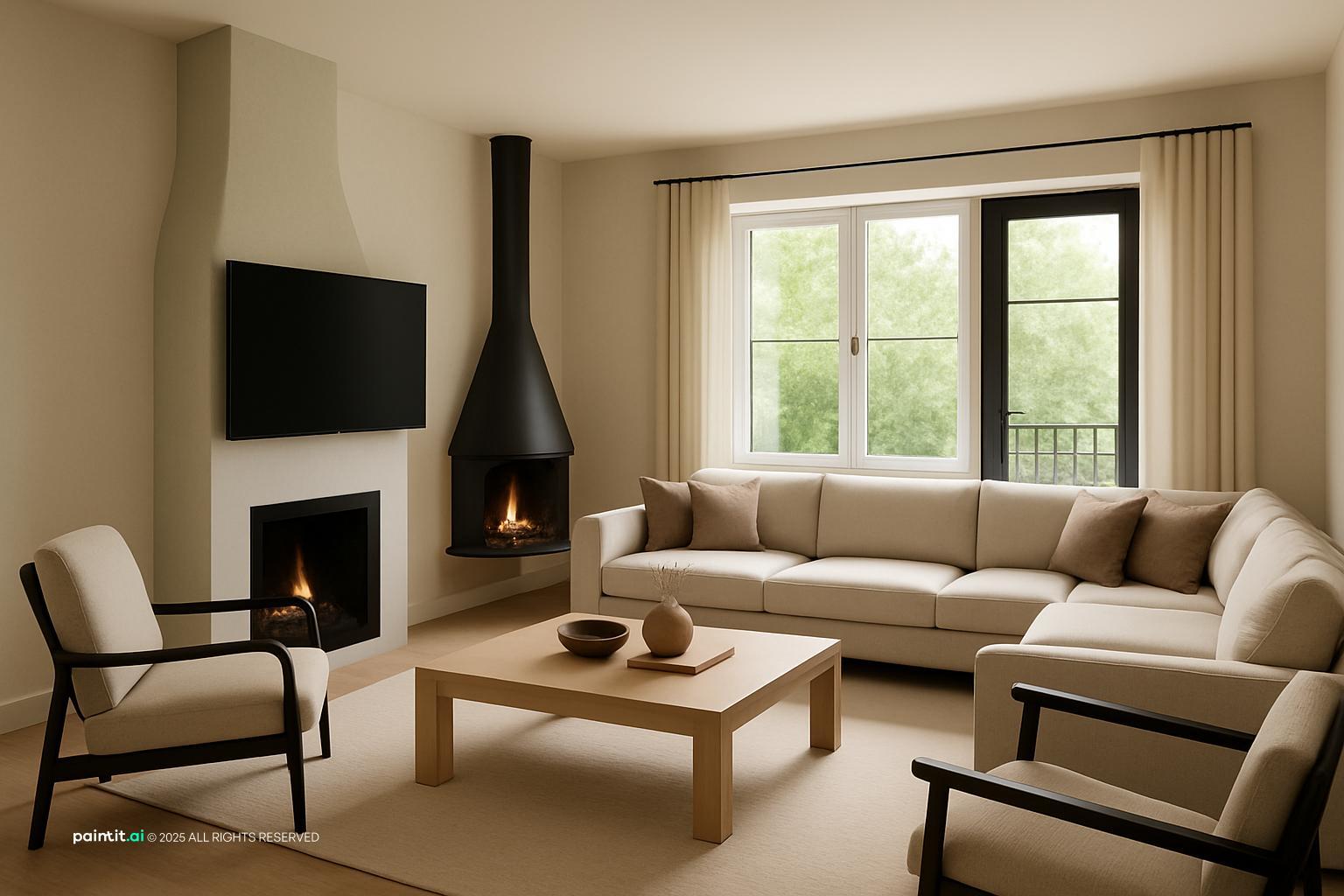
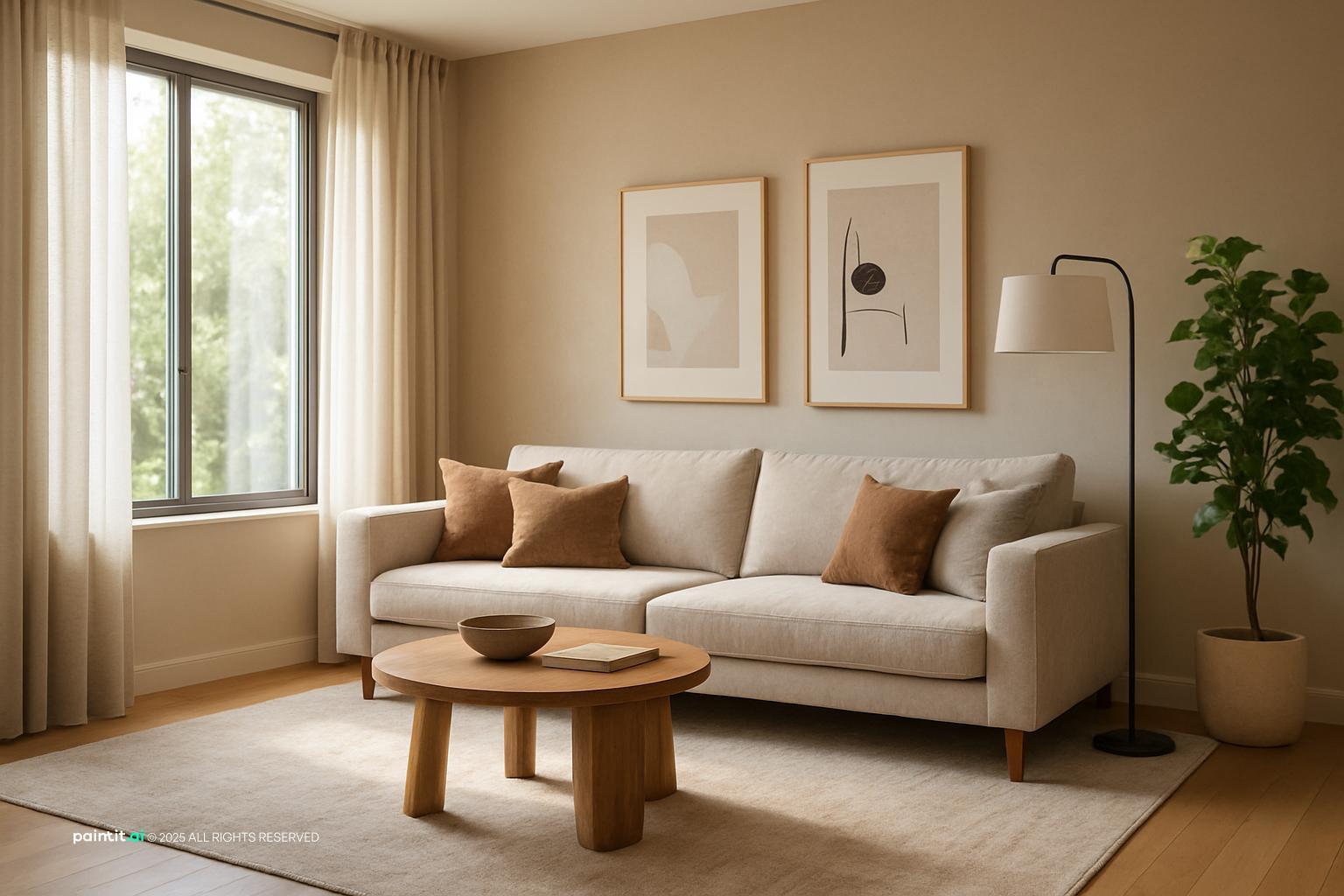
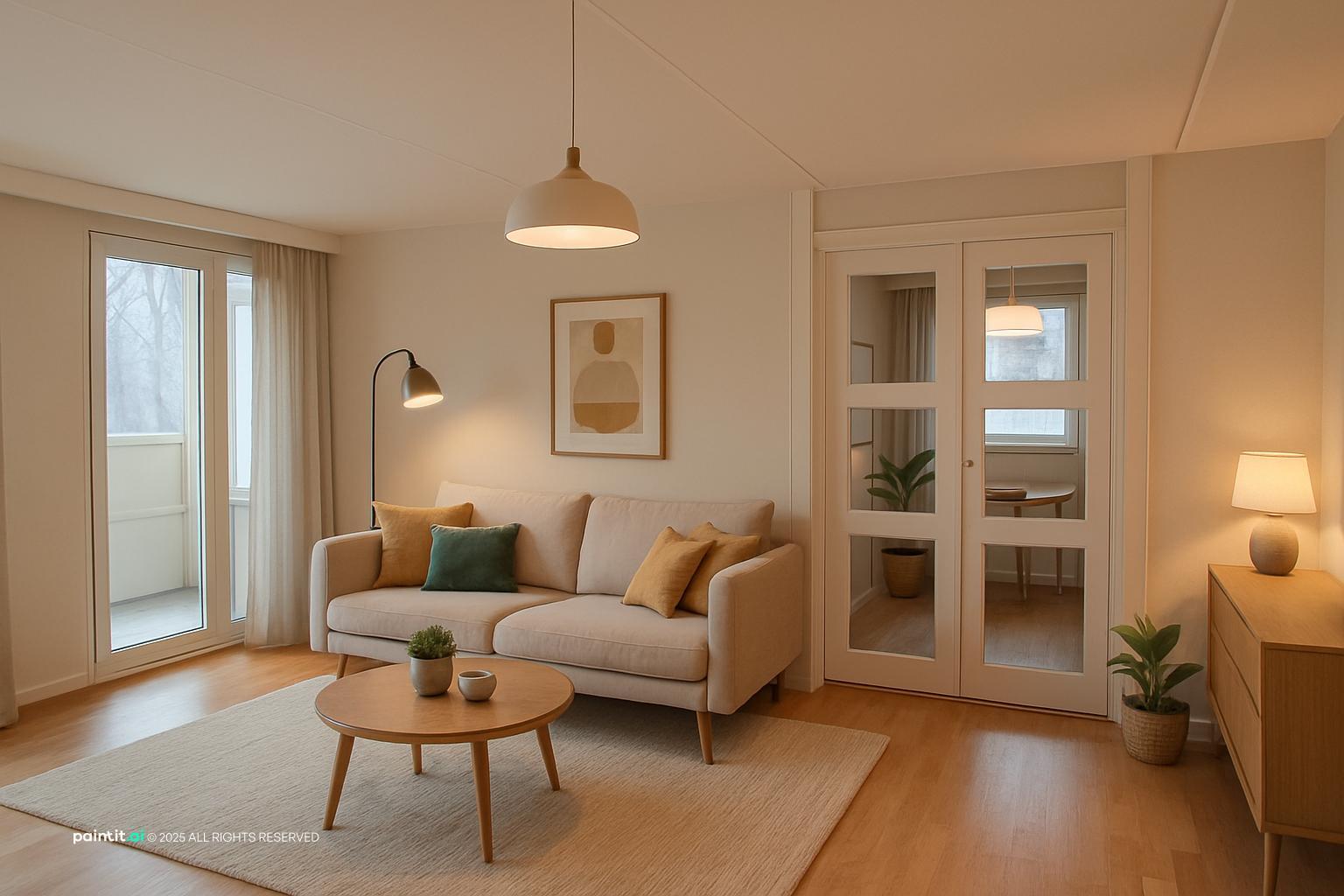
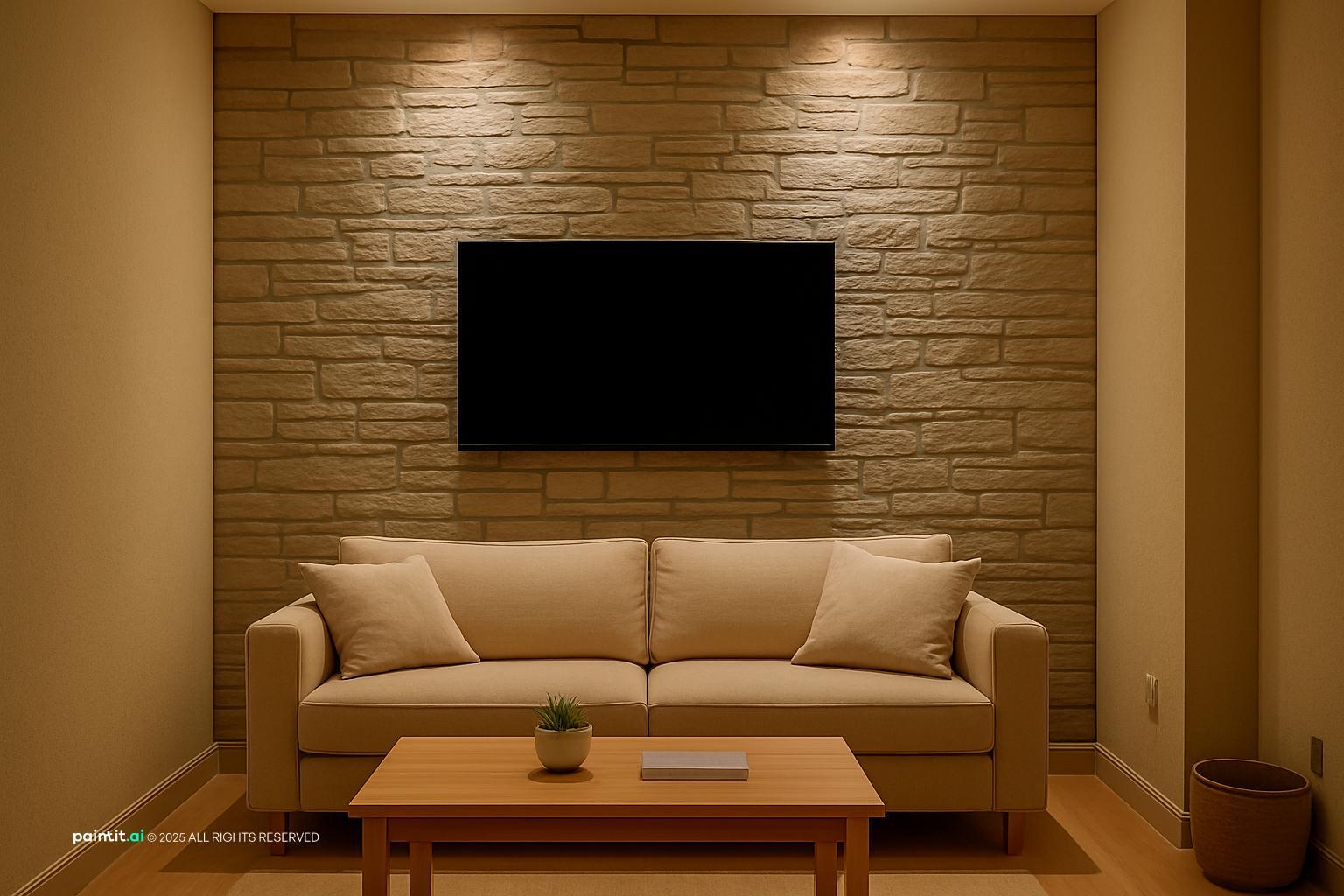
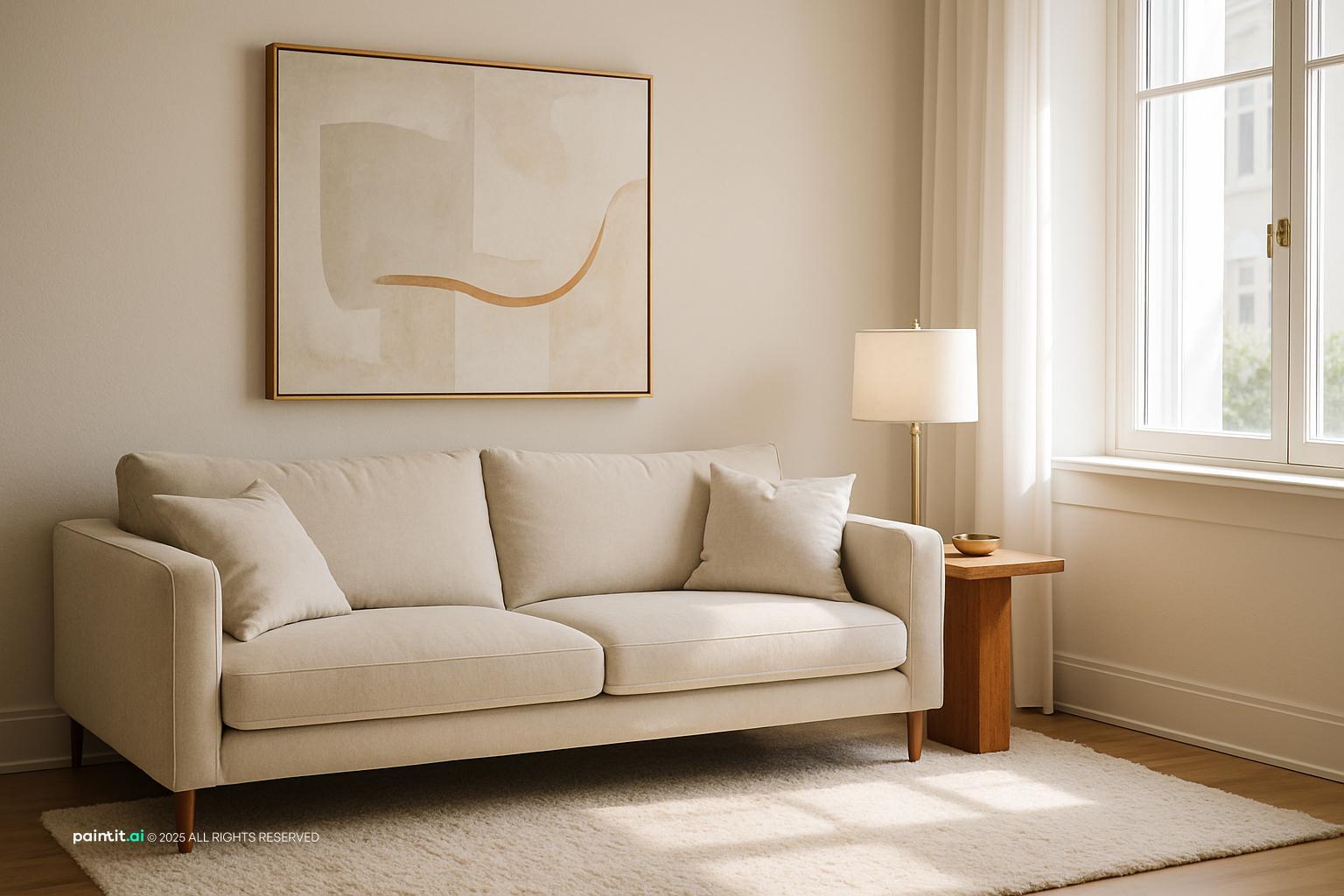
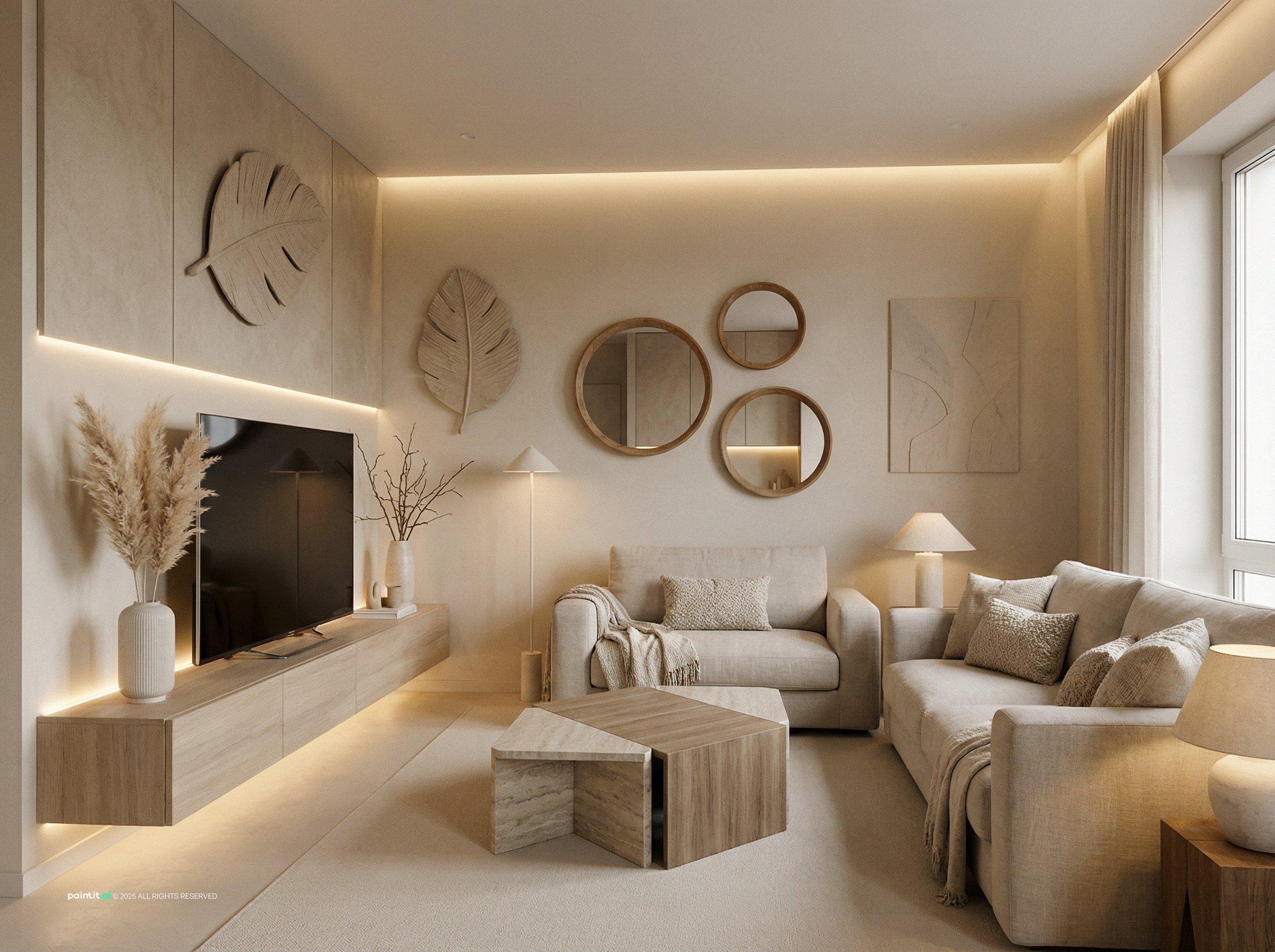
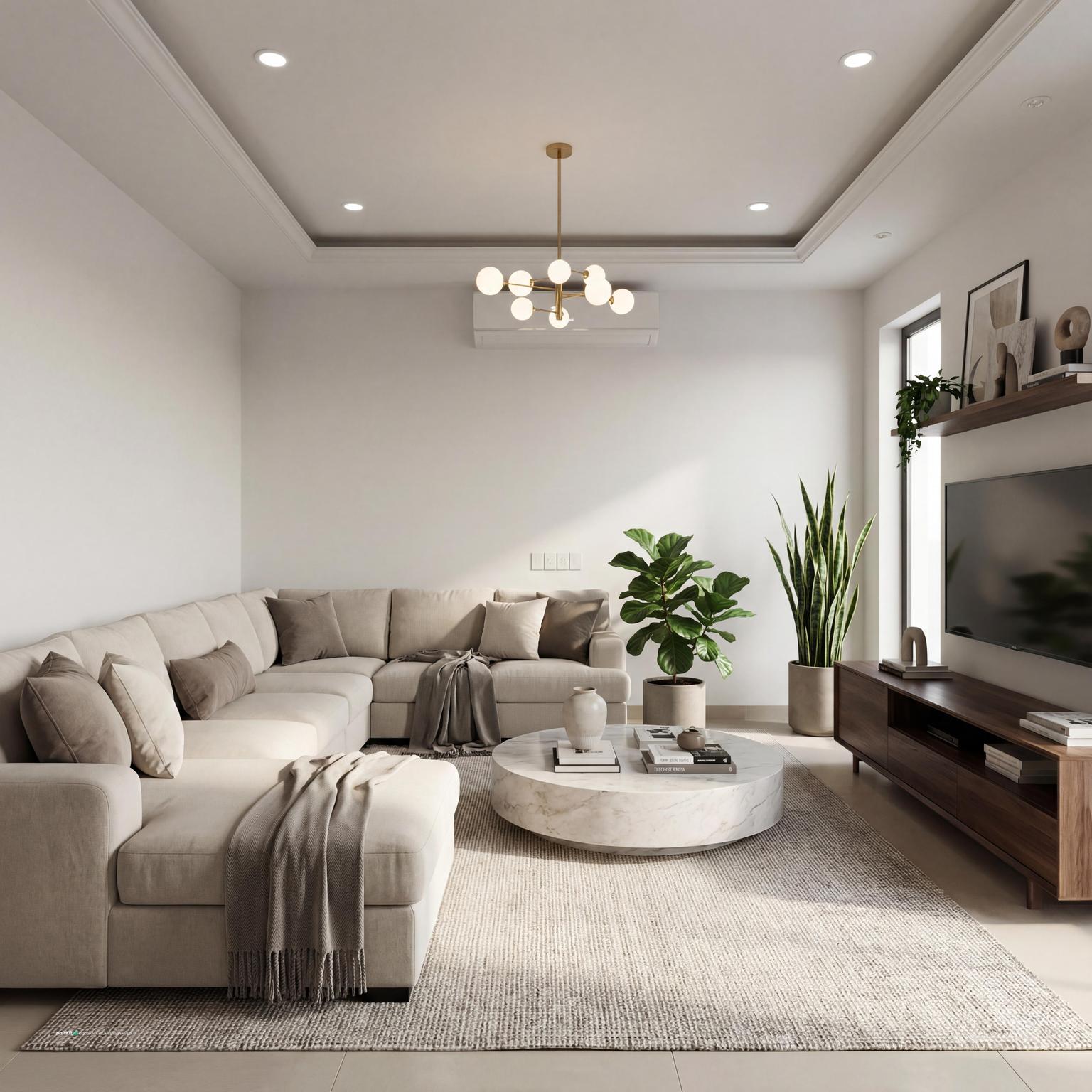
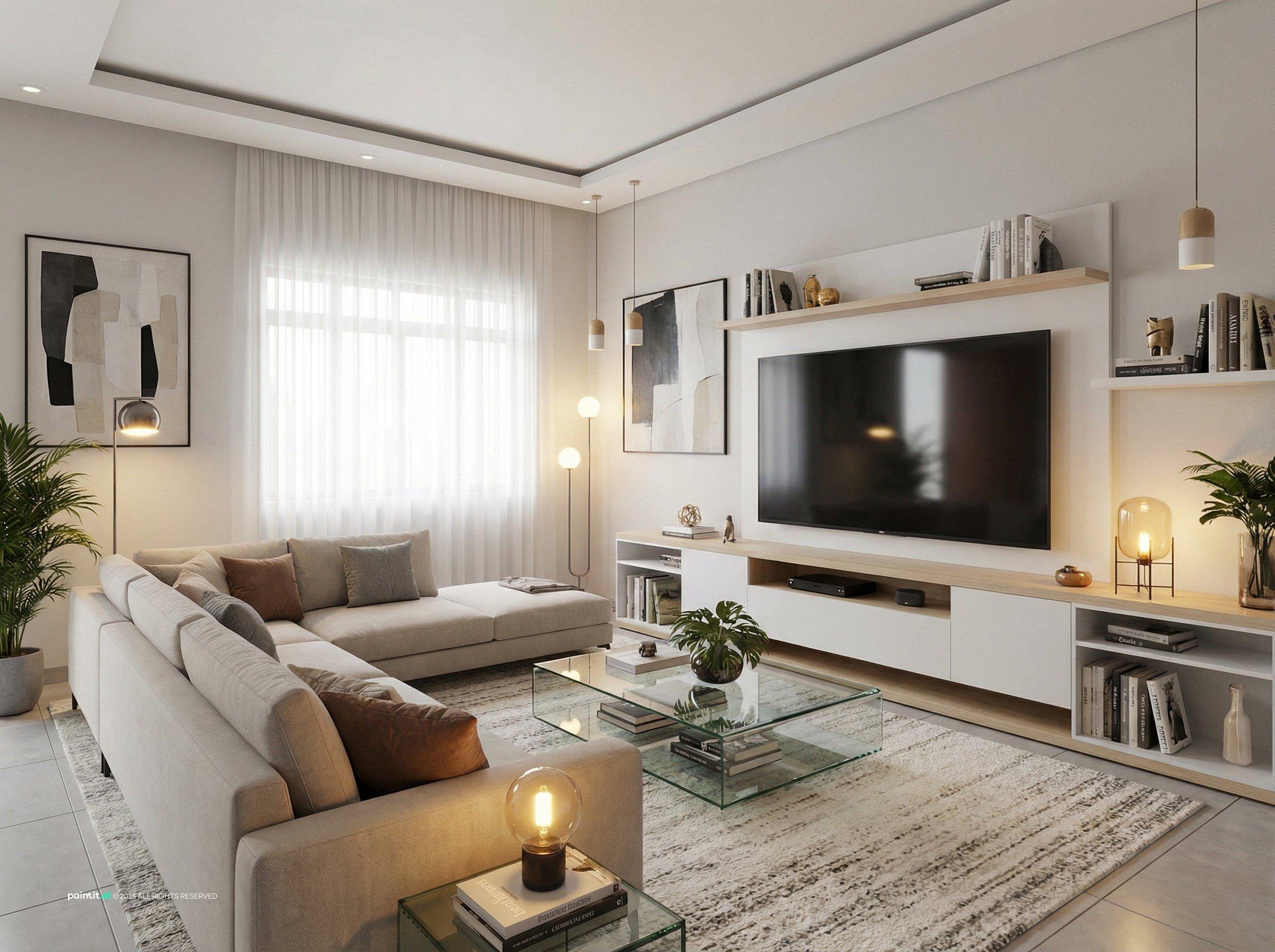
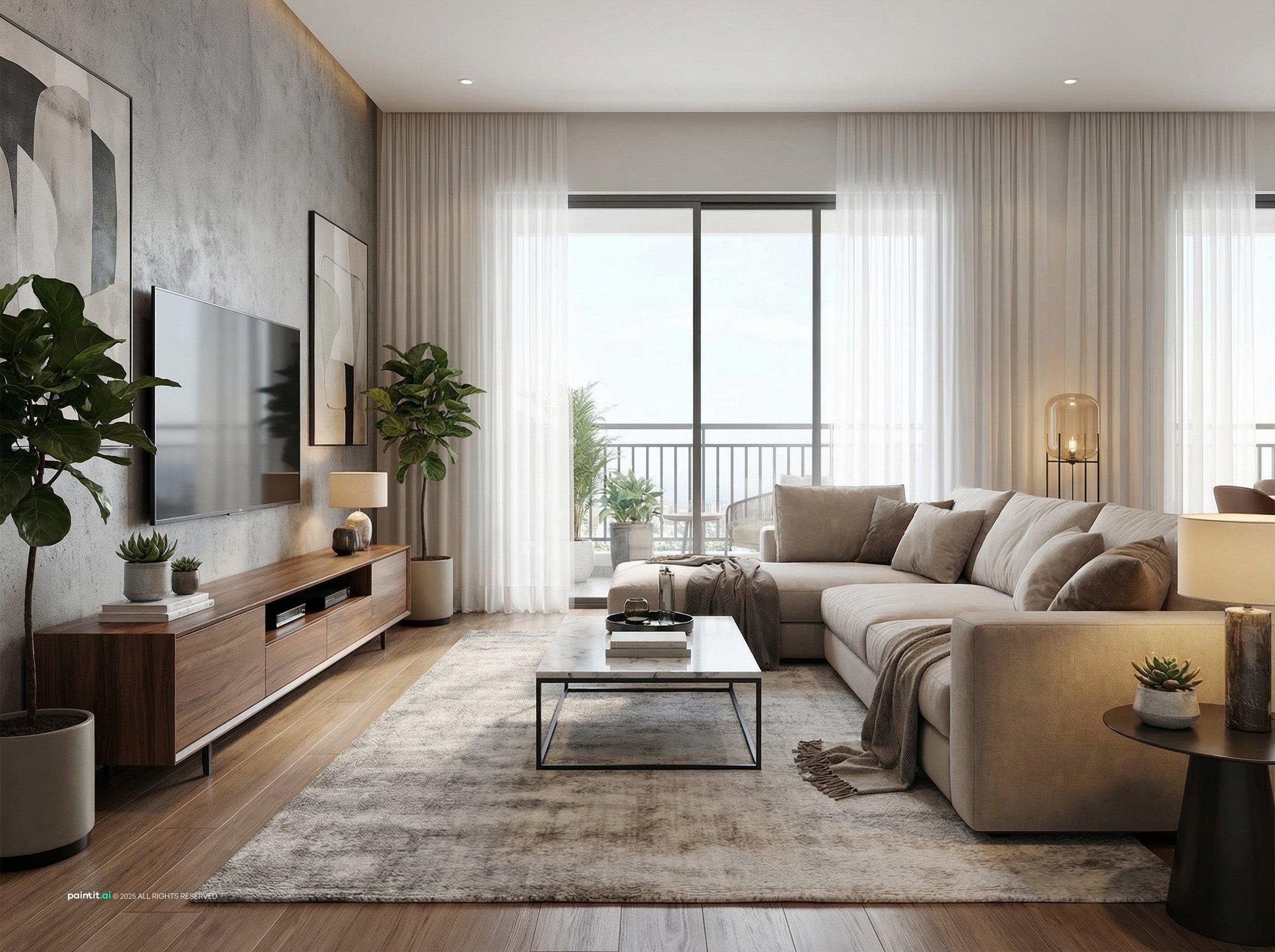
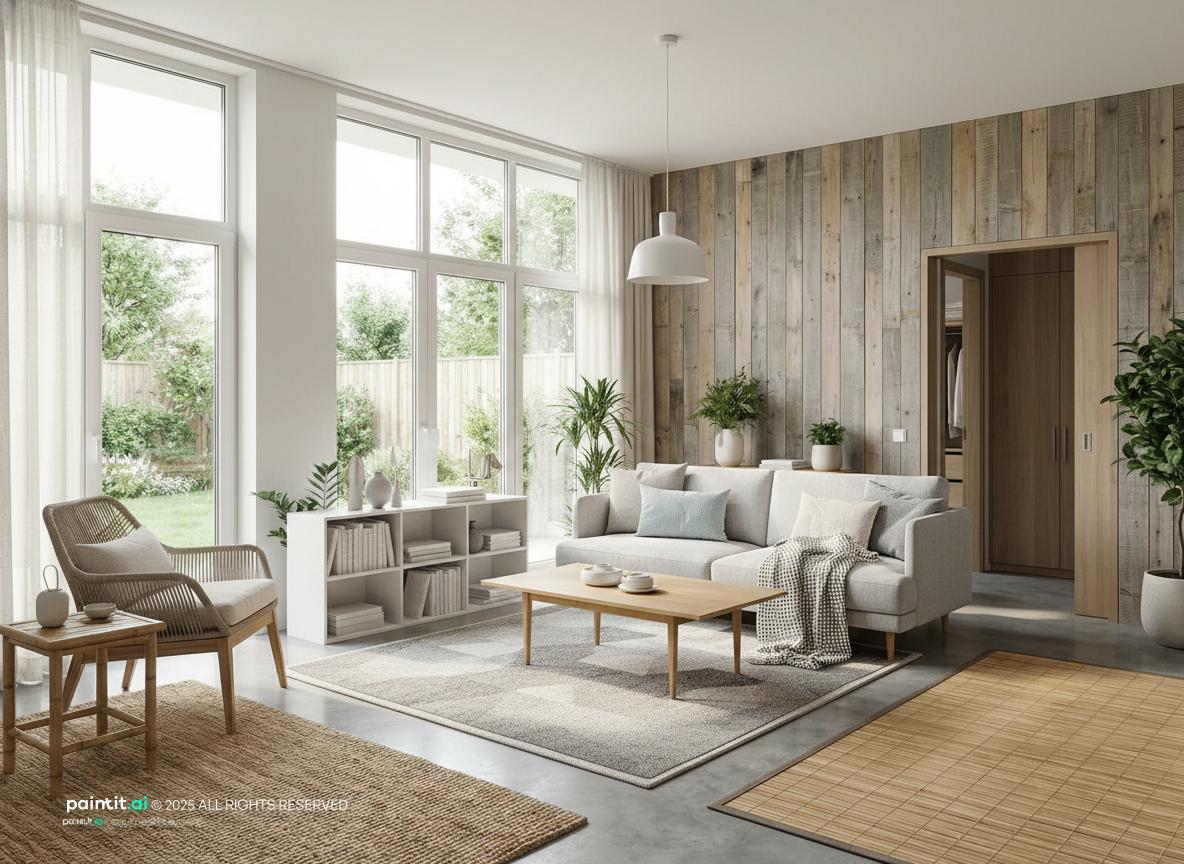
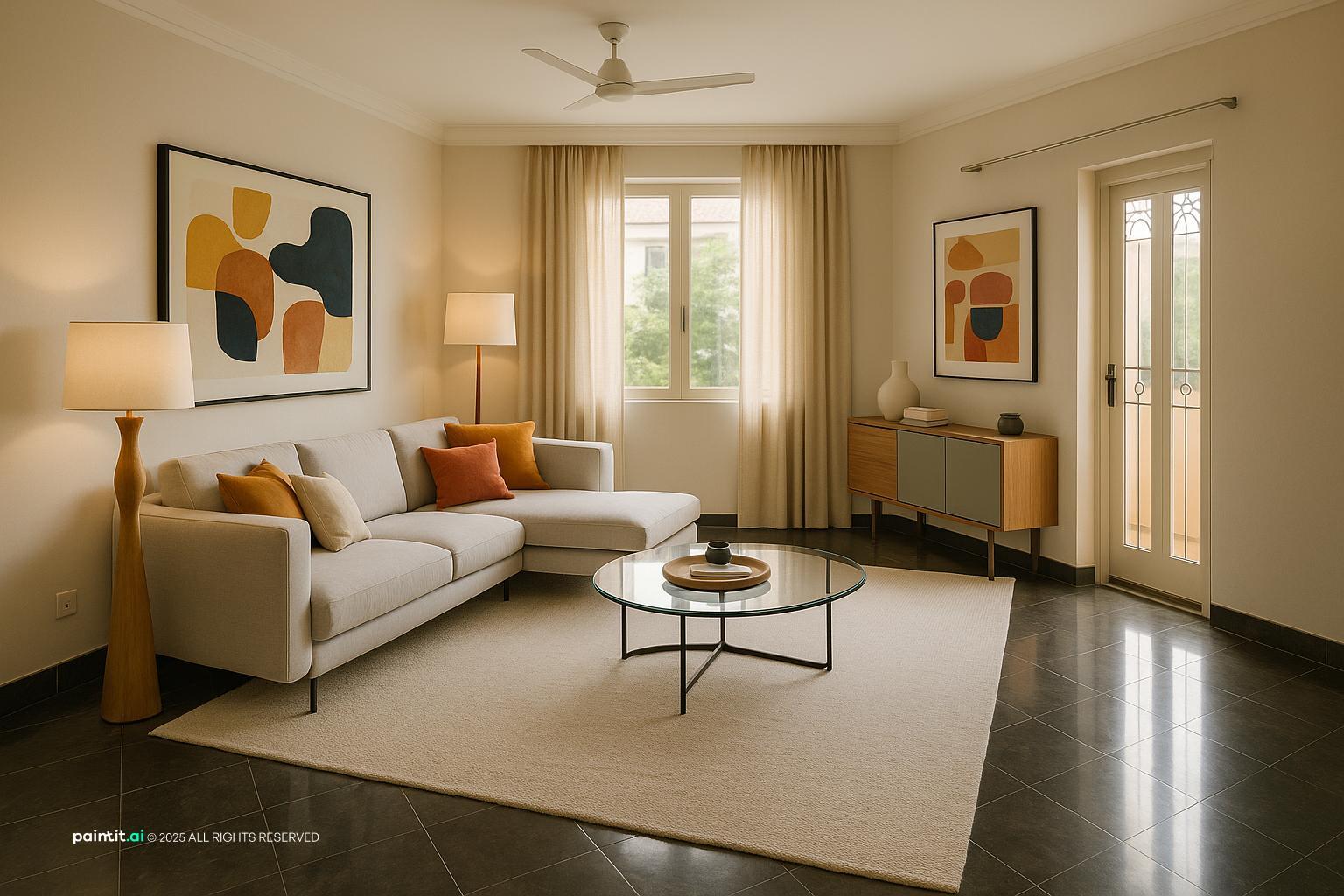
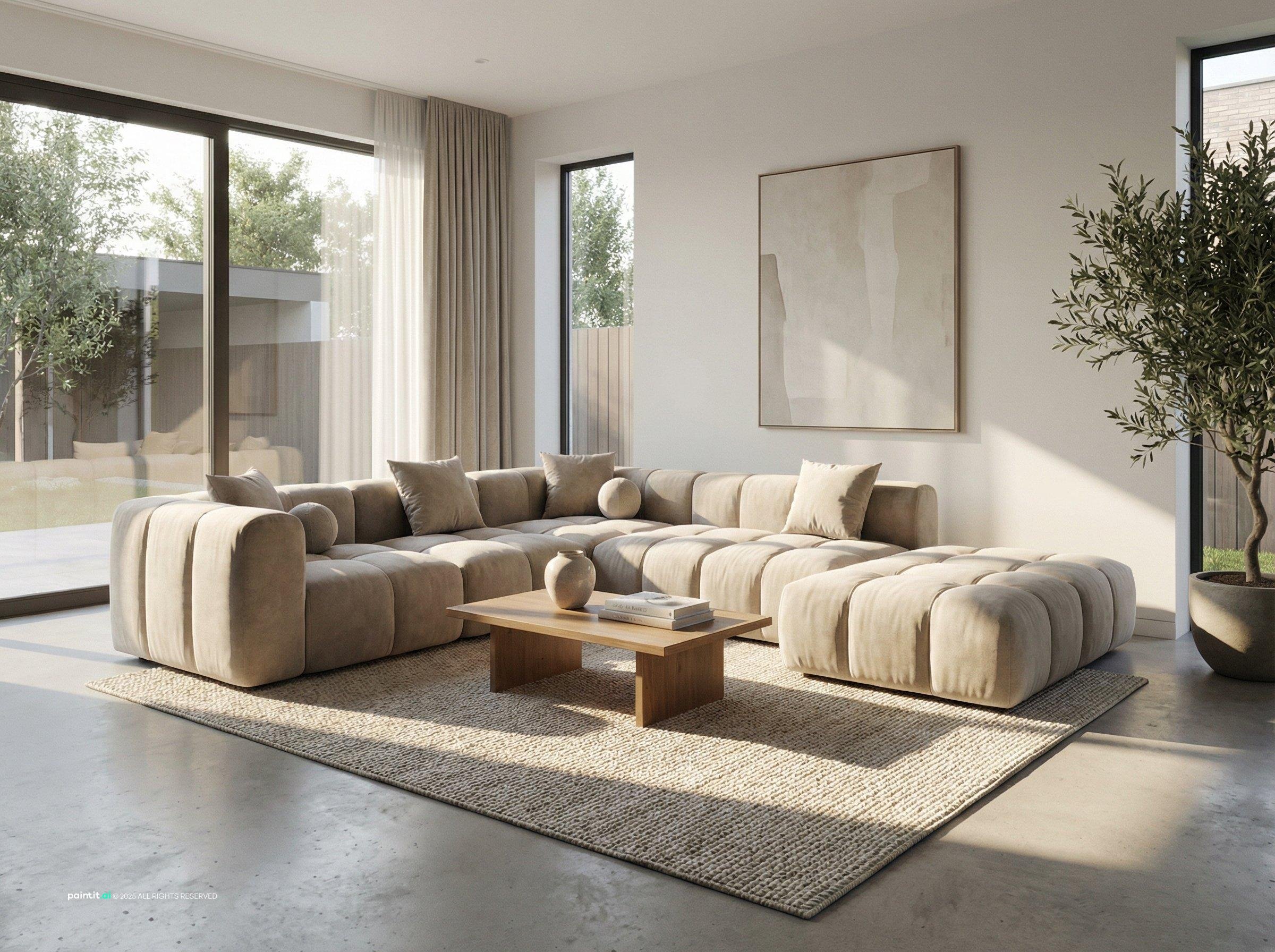
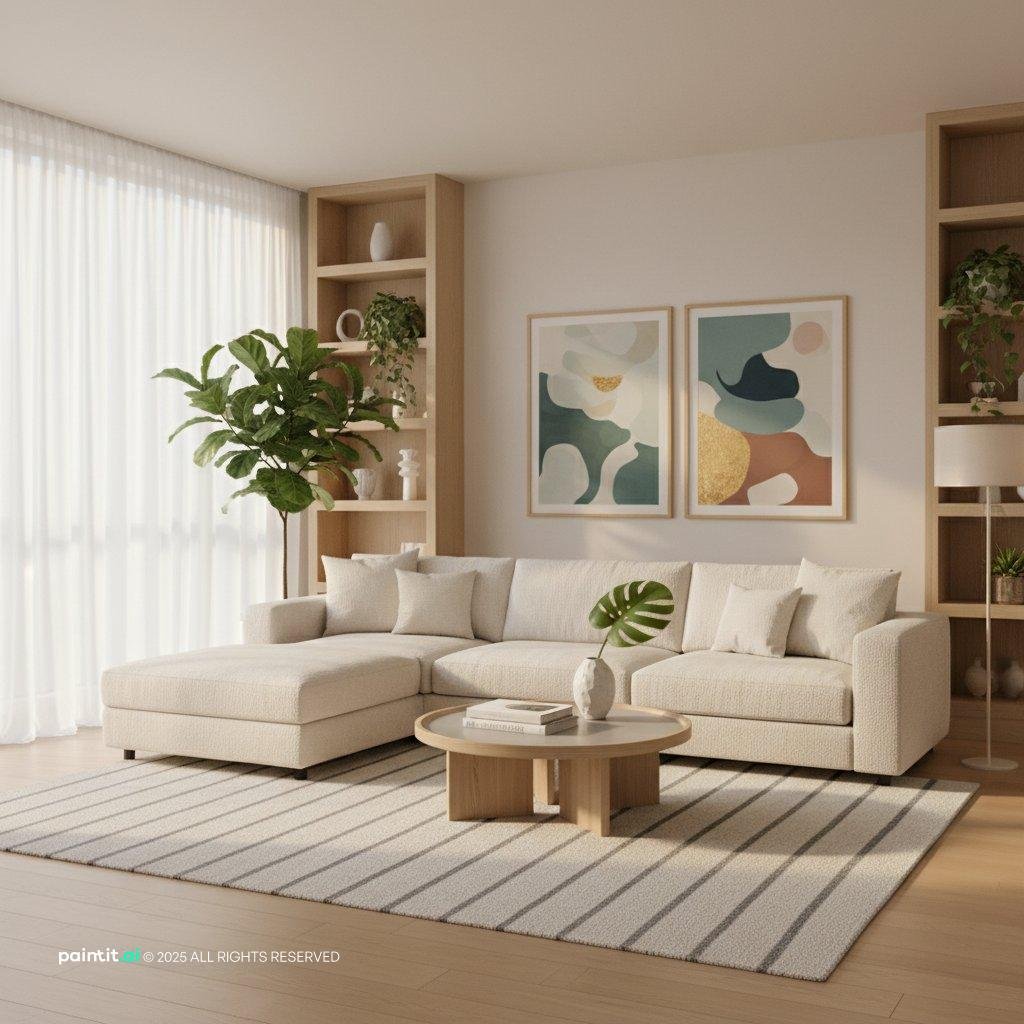
Use the first gallery to compare how different rooms create comfort: sofa depth, area rug size, curtain softness, lamp placement, wood tone, and the amount of open space left around the coffee table.
Modern Cottage Living Room Design for Relaxation uses cozy softness, soft textiles and layered neutrals in a living room setting.
Cozy Bohemian Living Room Design balances cozy softness, soft textiles and plants and greenery in a living room setting.
Cozy Contemporary Cottage Living Room Design pairs cozy softness, warm wood and soft textiles in a living room setting.
Cozy Cabin Living Room Design layers cozy softness, soft textiles and plants and greenery in a living room setting.
Cozy Living Room Ideas with Cozy Softness and Soft Textiles anchors cozy softness, soft textiles and metal accents in a living room setting.
Charming French Country Living Room Design softens cozy softness, soft textiles and natural light in a living room setting.
Cozy Living Room Ideas with Cozy Softness and Clean-lined Furniture uses cozy softness, clean-lined furniture and layered neutrals in a living room setting.
Elegant Modern Living Room Design balances cozy softness, soft textiles and metal accents in a living room setting.
Cozy Scandinavian-Bohemian Living Room Design pairs cozy softness, soft textiles and plants and greenery in a living room setting.
Midcentury Modern Living Room Design layers cozy softness, soft textiles and clean-lined furniture in a living room setting.
Cozy Living Room Ideas with Cozy Softness and Warm Wood anchors cozy softness, warm wood and soft textiles in a living room setting.
Mid-Century Modern Living Room Design softens cozy softness, warm wood and clean-lined furniture in a living room setting.
Place the sofa so it has a clear relationship to the main focal point, whether that is a fireplace, media wall, window, or built-in shelving. If the TV is the focal point, soften the setup with an accent chair angled toward the sofa instead of lining every seat flat against the walls.
A cozy layout usually needs a tighter seating zone than people expect. Keep the coffee table about 14 to 18 inches from the sofa so it is reachable but not cramped. What to avoid: pushing every seat to the perimeter. That leaves a blank center, makes voices travel too far, and turns a living room into a waiting room.
Many rooms do not need a full reset. In Paintit.ai data, 12.0% of prompts include keep or don’t change constraints, which tells us people often want to preserve a sofa, floor, windows, beams, or a favorite cabinet while making the room feel warmer.
Pick one anchor item and design around it. If you keep a gray sofa, warm it with a camel throw, oatmeal rug, wood side table, and off-white curtains. If you keep dark flooring, balance it with lighter upholstery and warm wall decor instead of adding more heavy furniture. I would solve this first because it stops the design from becoming a shopping list.
A rug that is too small makes furniture look disconnected. For most living rooms, aim for at least the front legs of the sofa and chairs to sit on the area rug. In open-plan spaces, the rug should clearly define the sitting zone without interrupting the walking path.
Why it works: the rug creates a visual island, which makes the room layout feel intentional. In small rooms, a larger rug often works better than a small one because it reduces visual breaks on the floor. Avoid tiny floating rugs under only the coffee table; they almost always make the room feel unfinished.
Overhead light alone can flatten a cozy room and create hard shadows. Use at least three levels: a ceiling fixture or recessed lights for general brightness, a floor lamp near the sofa, and a table lamp or sconce for lower, warmer light.
When people upload living room photos, the first weak spot is often lighting. The room may already have a good sofa and a decent layout, but the mood feels cold because every shadow is coming from above. Use warm bulbs, dimmers, and shaded lamps to create softer pools of light where people actually sit.
A deep sofa can be perfect for a cozy living room, but it still has to fit the room. Check the sofa depth against the walking path, especially in apartments or narrow rooms. If the sofa blocks a doorway or leaves less than about 30 inches for movement, choose a slimmer arm, raised leg, or sectional with a chaise only on one side.
For texture, look at performance linen, brushed cotton, chenille, velvet, or soft woven fabric. What to avoid: a huge dark sectional in a small room with no visible floor around it. It may be comfortable, but visually it can make the space feel heavy and boxed in.
Modern cozy living room ideas work best when the furniture is simple but not sterile. Use clean-lined seating, a low coffee table, matte black or aged brass accents, and warm woods such as oak, walnut, or ash. Let the softness come from rugs, curtains, pillows, and lighting rather than from too many decorative objects.
If you are unsure whether you prefer modern cozy, Japandi, organic modern, or Scandinavian warmth, an AI concept generator can help compare style direction before you buy furniture. Keep the forms simple, then add comfort through texture and tone.
In a small living room, choose furniture that looks lighter: raised legs, narrow arms, round side tables, and storage pieces that use wall height. A round coffee table or oval table can improve traffic flow because there are no sharp corners to dodge.
Why it works: cozy does not mean crowded. In Paintit.ai prompts, 8.8% of users include negatives such as no clutter, and that instinct is right. Use closed storage for remotes, blankets, toys, and chargers so softness comes from textiles, not piles of stuff. Small cozy living room ideas work best when every object earns its place.
A cozy color palette can be light or dark, but it needs a clear relationship between the wall color, sofa, rug, curtains, and wood tones. Beige, warm white, clay, taupe, sage, mushroom, muted olive, and soft terracotta are useful because they add warmth without shouting.
For more palette direction, compare options in this guide to the best living room colors. What to avoid: buying decor in five unrelated accent colors and hoping the room will feel layered. Limit the main palette to two or three large colors, then add smaller accents with intention.
A coffee table should suit the way the room is used. If people eat, play games, or work there, choose a sturdy wood table with a lower shelf or drawers. If the room is tight, a round table or upholstered ottoman may be safer and softer.
Style the top in zones: one tray, one low stack of books, one sculptural object, and maybe a small plant. Leave open surface space. That sounds small, but negative space on the table is one of the fastest ways to make a room feel lived-in rather than staged or cluttered.
Curtains are one of the fastest ways to make a living room feel softer. Hang the rod higher and wider than the window so the fabric frames the wall and lets in more light when open. Linen, cotton-linen blends, wool-look fabrics, and textured sheers all help reduce the hard edges around windows.
Choose curtain color by undertone. Warm white walls usually work with oatmeal, flax, or soft beige. Cooler walls may need greige or mushroom rather than yellow cream. Avoid shiny synthetic panels if the goal is relaxed warmth; they tend to catch light in a way that feels stiff.
Wall decor should support the focal point instead of competing with it. Above a sofa, use one large piece, a pair of framed prints, or a calm gallery wall with consistent spacing. If there is a fireplace, keep art nearby quieter so the eye has somewhere to rest.
A cozy room benefits from personal pieces, but scale matters. Tiny frames scattered across a large wall can look accidental. What to avoid: filling every empty wall just because it is empty. Bare wall space can make the styled areas feel stronger.
Closed cabinets, woven baskets, storage ottomans, and media consoles with doors help keep a cozy living room from tipping into mess. If the room is used by kids or pets, plan storage near the actual clutter source, not across the room.
Choose storage materials that support the mood: cane fronts, warm wood, painted cabinets, textured baskets, or fabric bins. The best storage disappears into the room visually while keeping daily objects easy to reach. This is where many cozy living room decor ideas succeed or fail in daily use.
A cozy room needs contrast. Pair a wood coffee table with a wool rug, a metal lamp with a linen shade, a stone fireplace with soft curtains, or leather seating with bouclé pillows. Hard surfaces give structure; soft surfaces absorb light and sound.
This is one of the simplest cozy living room decor ideas to apply without replacing all the furniture. If a corner feels cold, add a soft textile and a warm light source. If it feels too mushy or shapeless, add a firmer wood, metal, or ceramic element.
Sketching helps, but seeing the room with different sofa positions, rug sizes, and lighting placements is faster. If the sofa blocks a sightline or the accent chair interrupts the route to the balcony, the room will never feel easy to use.
An AI living room design tool can show how the same room feels with a tighter seating group, a different rug, warmer wall color, or a new focal point. In Paintit.ai tests, people often get better results when they start broad, then refine with phrases like a bit warmer, softer materials, or less clutter. If your search was as simple as cozy cozy living room ideas, that is fine as a starting point; the useful part is adding the room details next.
Use the second gallery to notice what changes the room most: a bigger rug, warmer lamp light, lighter curtains, a lower coffee table, better storage, or a calmer wall color.
Stunning Bohemian Living Room Design uses cozy softness, soft textiles and plants and greenery in a living room setting.
Cozy Modern Apartment Design balances cozy softness, warm wood and layered neutrals in a living room setting.
Cozy and Inviting Living Room Design pairs cozy softness, soft textiles and plants and greenery in a living room setting.
Cozy Rustic Living Room Design for Narrow Spaces layers cozy softness, soft textiles and metal accents in a living room setting.
Scandinavian Style Living Room Design anchors cozy softness, soft textiles and layered neutrals in a living room setting.
Cozy Living Room Ideas with Cozy Softness and Soft Textiles with Layered Neutrals softens cozy softness, soft textiles and layered neutrals in a living room setting.
Cozy Modern Living Room Design uses cozy softness, soft textiles and clean-lined furniture in a living room setting.
Stunning Scandinavian Living Room Design balances cozy softness, warm wood and soft textiles in a living room setting.
Mid-Century Modern Living Room Design with Cozy Softness pairs cozy softness, warm wood and plants and greenery in a living room setting.
Cozy Bohemian Living Room Transformation layers cozy softness, soft textiles and plants and greenery in a living room setting.
Elegant Sloped Ceiling Living Room Design anchors cozy softness, warm wood and natural light in a living room setting.
Cozy Living Room Ideas with Cozy Softness and Soft Textiles with Plants and Greenery softens cozy softness, soft textiles and plants and greenery in a living room setting.
Warm white, ivory, sand, beige, taupe, mushroom, and greige are reliable base colors because they reflect light without feeling stark. Test them beside the sofa, flooring, and curtains because undertones shift quickly in living rooms.
Use beige with wood and linen for a relaxed room, or pair warm white with black accents for a cleaner modern look. Avoid yellow-heavy creams if the room already has orange flooring or very warm bulbs. In practice, the best neutral is the one that makes your existing sofa and floor look intentional.
Sage, olive, dusty blue, clay, rust, and muted terracotta work well as accents because they feel grounded rather than sharp. Use them on pillows, art, an accent chair, painted shelving, or a single wall behind the focal point.
In our prompt patterns, users often specify colors like white, beige, and sage when asking for cozy results. Sage with wood is especially useful because it feels organic without making the room dark. If the room already has a lot of brown, use sage or dusty blue to cool it slightly without losing warmth.
Oak, walnut, ash, and reclaimed wood can make a room feel warmer even when the walls stay light. Use wood on the coffee table, side tables, picture frames, shelving, or media console rather than adding extra decor pieces.
The key is consistency. Two wood tones can work if one is dominant and the other is clearly secondary. Avoid mixing too many unrelated finishes, especially in small spaces, because the room starts to feel patched together instead of calm.
Metal can sharpen a cozy room in a good way. Aged brass, bronze, matte black, and dark iron work well on lamps, curtain rods, cabinet pulls, and table legs. They add definition against soft textiles.
Use metal as an outline, not the main event. Too much polished chrome or shiny gold can feel cold or flashy unless the rest of the palette is very calm. If you are unsure, repeat one metal finish in three small places rather than introducing a new finish on every item.
Textiles are where cozy becomes physical. Choose a rug with enough pile to soften footsteps, pillows in varied weaves, a throw that looks usable, and curtains that add movement to the wall.
Mix linen, wool, cotton, velvet, bouclé, or chunky knit, but keep the color story controlled. Avoid using texture as an excuse for excess; three strong textile moments are usually better than ten small ones. A sofa, area rug, and curtains can carry most of the warmth if they relate to each other.
Use lamps at different heights: a floor lamp by the sofa, a table lamp near an accent chair, and possibly sconces or picture lights near wall decor. Shade material matters. Linen, paper, and frosted glass soften glare better than exposed bulbs.
Warm light is important, but very amber bulbs can distort wall color. Use dimmable warm bulbs and check the room at night, not only during daytime. Cozy lighting should make faces look good and corners feel gentle, not orange.
A cozy living room should feel personal, not packed. Use books you actually open, ceramics with texture, a tray for small items, one or two plants, and framed pieces that relate to the palette.
Group objects by height and material. For example, place a ceramic vase, a small wood bowl, and a linen-covered book together. Avoid spreading tiny accessories evenly around the room; that creates visual noise. This is where many cozy living room design ideas look nice in a mood board but fail at home.
If one side has a dark sofa, large bookcase, or fireplace, the opposite side needs enough weight to respond. That might be a tall plant, floor lamp, pair of chairs, gallery wall, or substantial curtain panel.
Why it works: balance makes the room feel settled. Avoid placing every heavy piece on one wall while the other side stays empty, because the seating area will feel lopsided even if each item is attractive. Before buying more decor, stand in the doorway and check whether one side of the room feels heavier than the other.
Upload your living room photo and start with the big decision first: keep the sofa, change the rug, repaint the walls, add warmer lighting, or test a different furniture layout. Then refine the result with shorter prompts such as warmer beige walls, light oak coffee table, sage accents, linen curtains, or no clutter.
This iterative approach matches how people actually use the tool: the first prompt in a chat is typically longer (32.5 words) than subsequent refinement prompts (24–27 words). For a step-by-step process, see how to redesign a living room with Paintit.ai and use an AI room design workflow to compare cozy changes before buying paint, furniture, or decor.
Start with the seating layout, not the accessories. Then add a large area rug, warm lamps, curtains, soft pillows, useful storage, and personal wall decor. Keep the color palette controlled so the room feels layered instead of busy.
Choose a sofa with comfortable depth, an easy-to-reach coffee table, at least one accent chair, and storage that hides daily clutter. Soft fabrics, warm wood, and rounded edges usually make the room feel more inviting.
Repeat a few colors, materials, and shapes across the room. Connect a wood coffee table to wood frames, repeat sage in pillows and artwork, or use the same metal finish on lamps and curtain rods. Avoid too many unrelated accents.
Warm white, beige, taupe, greige, sage, olive, clay, and soft terracotta all work well. The right choice depends on your sofa, floor color, natural light, and whether the room needs to feel brighter or more enclosed.
Use a larger rug, slimmer furniture, closed storage, wall-mounted shelves, and layered lighting. Keep surfaces partly clear and choose fewer, softer pieces so the room feels warm but still easy to move through.